
Coffee Gear

best coffee equipment

Coffee gear is everything that shapes what ends up in your cup-espresso machines, grinders, manual brewers, kettles, scales, storage canisters, and the small accessories that tie a brewing workflow together. This page is Capitol City Coffee’s central hub for researched recommendations across every major equipment category. Whether you’re shopping for your first French press and … Read more

How Capitol City Coffee Rates Coffee and Coffee Machines

Every coffee and coffee machine we recommend is scored on the same 100-point scale, so a recommendation on one page means the same thing as a recommendation on any other. Each pick is also labeled with how we reached its score.

Research-ratedScored from the roaster or manufacturer’s published specifications, independent results such as Coffee Review blind cuppings and SCA brewer certification, and patterns across verified buyer reviews. Most of our current picks are research-rated.
Hands-on testedThe Capitol City Coffee team has brewed the coffee or used the machine ourselves, following the testing steps below. We only use this label when that testing actually happened, and we show the date we tested.

Coffee beans: 100-point scale

What we scorePointsWhat we look at
Origin and sourcing transparency20Country, region, farm or cooperative, altitude, bean variety, and processing method are clearly disclosed.
Flavor evidence25Independent cupping scores, how closely the tasting notes match what the origin is known for, and our own cupping notes when hands-on tested.
Roast and freshness15Roast level stated, roast-date practices, whole-bean availability, and packaging with a one-way valve or resealable bag.
Brew versatility15How well the roast suits pour-over, drip, French press, cold brew, and espresso.
Value15Price per ounce compared with similar single-origin coffees or blends.
Buyer feedback10Volume and consistency of verified reviews, and recurring complaints about staleness, bitterness, or shipping.

Coffee machines and gear: 100-point scale

What we scorePointsWhat we look at
Brewing performance25Water temperature in the 195–205°F range, even extraction, and SCA certification or published test data.
Build quality and reliability20Materials, known failure points, and long-term owner reports.
Ease of use and cleaning15Setup, the daily routine, descaling, and dishwasher-safe parts.
Fit for your kitchen10Capacity, counter footprint, and noise.
Useful features10Programming, grind and temperature control, and carafe type. Features that improve the cup count more than extras that do not.
Value10Price compared with machines that perform similarly.
Warranty and support10Warranty length, parts availability, and how the brand handles repairs.

What the grades mean

ScoreGradeWhat it means
90–100AExceptional. Our first recommendation for the feeling and setting described.
80–89BStrong. Excellent, with minor trade-offs we explain.
70–79CGood. Worth it for specific needs, with clear compromises.
Below 70—Not recommended. We do not feature these as picks.

How we test hands-on

When a pick carries the Hands-on tested label, this is the method behind it, and we note the date we tested.

  1. Coffee: brewed fresh from whole beans following Specialty Coffee Association guidelines (water between 195 and 205°F, about 1 gram of coffee to every 15 to 18 grams of water) in the brew methods the roast suits best, such as pour-over, French press, or espresso. We taste it black first, then with milk if that is how most people drink it, and each taster scores it on their own before we compare notes.
  2. Machines: used in our everyday routine rather than a single demo. We brew both full and small batches, check the brewing temperature and brew time, and run the cleaning or descaling steps the manual calls for.

How we choose the feeling and setting

We match each coffee to a mood and a moment based on its flavor profile and roast. Bright, citrusy light roasts suit energizing mornings. Chocolatey, full-bodied medium roasts suit slow or social moments. Richer roasts suit espresso and milk drinks. Each pick explains which facts led us to that match.

Our scores stay independent

Every score comes only from the criteria above. No brand can pay for a pick or a higher grade. We re-check ratings when a roast, listing, or model changes, and update or remove picks that no longer earn their grade.

Some links on this page are affiliate links. As an Amazon Associate, Capitol City Coffee earns from qualifying purchases, at no extra cost to you.

Questions about a rating? Reach the Capitol City Coffee team through our contact page.

International Coffee Recipes

Traditional Turkish coffee in a copper pot and small cups, illustrating international coffee recipes.

Coffee is brewed worldwide. It is cultivated in several countries. And, coffee is brewed in many more, making it the second hottest commodity in the world, with an estimated worth of $100 billion dollars. This immense trade birthed some super unique international coffee recipes. Exploring the culinary landscape of coffee reveals a treasure trove of … Read more

How Capitol City Coffee Rates Coffee and Coffee Machines

Every coffee and coffee machine we recommend is scored on the same 100-point scale, so a recommendation on one page means the same thing as a recommendation on any other. Each pick is also labeled with how we reached its score.

Research-ratedScored from the roaster or manufacturer’s published specifications, independent results such as Coffee Review blind cuppings and SCA brewer certification, and patterns across verified buyer reviews. Most of our current picks are research-rated.
Hands-on testedThe Capitol City Coffee team has brewed the coffee or used the machine ourselves, following the testing steps below. We only use this label when that testing actually happened, and we show the date we tested.

Coffee beans: 100-point scale

What we scorePointsWhat we look at
Origin and sourcing transparency20Country, region, farm or cooperative, altitude, bean variety, and processing method are clearly disclosed.
Flavor evidence25Independent cupping scores, how closely the tasting notes match what the origin is known for, and our own cupping notes when hands-on tested.
Roast and freshness15Roast level stated, roast-date practices, whole-bean availability, and packaging with a one-way valve or resealable bag.
Brew versatility15How well the roast suits pour-over, drip, French press, cold brew, and espresso.
Value15Price per ounce compared with similar single-origin coffees or blends.
Buyer feedback10Volume and consistency of verified reviews, and recurring complaints about staleness, bitterness, or shipping.

Coffee machines and gear: 100-point scale

What we scorePointsWhat we look at
Brewing performance25Water temperature in the 195–205°F range, even extraction, and SCA certification or published test data.
Build quality and reliability20Materials, known failure points, and long-term owner reports.
Ease of use and cleaning15Setup, the daily routine, descaling, and dishwasher-safe parts.
Fit for your kitchen10Capacity, counter footprint, and noise.
Useful features10Programming, grind and temperature control, and carafe type. Features that improve the cup count more than extras that do not.
Value10Price compared with machines that perform similarly.
Warranty and support10Warranty length, parts availability, and how the brand handles repairs.

What the grades mean

ScoreGradeWhat it means
90–100AExceptional. Our first recommendation for the feeling and setting described.
80–89BStrong. Excellent, with minor trade-offs we explain.
70–79CGood. Worth it for specific needs, with clear compromises.
Below 70—Not recommended. We do not feature these as picks.

How we test hands-on

When a pick carries the Hands-on tested label, this is the method behind it, and we note the date we tested.

  1. Coffee: brewed fresh from whole beans following Specialty Coffee Association guidelines (water between 195 and 205°F, about 1 gram of coffee to every 15 to 18 grams of water) in the brew methods the roast suits best, such as pour-over, French press, or espresso. We taste it black first, then with milk if that is how most people drink it, and each taster scores it on their own before we compare notes.
  2. Machines: used in our everyday routine rather than a single demo. We brew both full and small batches, check the brewing temperature and brew time, and run the cleaning or descaling steps the manual calls for.

How we choose the feeling and setting

We match each coffee to a mood and a moment based on its flavor profile and roast. Bright, citrusy light roasts suit energizing mornings. Chocolatey, full-bodied medium roasts suit slow or social moments. Richer roasts suit espresso and milk drinks. Each pick explains which facts led us to that match.

Our scores stay independent

Every score comes only from the criteria above. No brand can pay for a pick or a higher grade. We re-check ratings when a roast, listing, or model changes, and update or remove picks that no longer earn their grade.

Some links on this page are affiliate links. As an Amazon Associate, Capitol City Coffee earns from qualifying purchases, at no extra cost to you.

Questions about a rating? Reach the Capitol City Coffee team through our contact page.

How to Brew Coffee

how to brew the perfect coffee

To brew coffee at home, measure coffee and water at about a 1:15 to 1:17 ratio by weight, grind the beans to match your brewing method, heat water to 195–205°F, combine grounds and water for the right amount of time, and serve immediately. Great coffee at home comes down to four things: fresh coffee beans, … Read more

How Capitol City Coffee Rates Coffee and Coffee Machines

Every coffee and coffee machine we recommend is scored on the same 100-point scale, so a recommendation on one page means the same thing as a recommendation on any other. Each pick is also labeled with how we reached its score.

Research-ratedScored from the roaster or manufacturer’s published specifications, independent results such as Coffee Review blind cuppings and SCA brewer certification, and patterns across verified buyer reviews. Most of our current picks are research-rated.
Hands-on testedThe Capitol City Coffee team has brewed the coffee or used the machine ourselves, following the testing steps below. We only use this label when that testing actually happened, and we show the date we tested.

Coffee beans: 100-point scale

What we scorePointsWhat we look at
Origin and sourcing transparency20Country, region, farm or cooperative, altitude, bean variety, and processing method are clearly disclosed.
Flavor evidence25Independent cupping scores, how closely the tasting notes match what the origin is known for, and our own cupping notes when hands-on tested.
Roast and freshness15Roast level stated, roast-date practices, whole-bean availability, and packaging with a one-way valve or resealable bag.
Brew versatility15How well the roast suits pour-over, drip, French press, cold brew, and espresso.
Value15Price per ounce compared with similar single-origin coffees or blends.
Buyer feedback10Volume and consistency of verified reviews, and recurring complaints about staleness, bitterness, or shipping.

Coffee machines and gear: 100-point scale

What we scorePointsWhat we look at
Brewing performance25Water temperature in the 195–205°F range, even extraction, and SCA certification or published test data.
Build quality and reliability20Materials, known failure points, and long-term owner reports.
Ease of use and cleaning15Setup, the daily routine, descaling, and dishwasher-safe parts.
Fit for your kitchen10Capacity, counter footprint, and noise.
Useful features10Programming, grind and temperature control, and carafe type. Features that improve the cup count more than extras that do not.
Value10Price compared with machines that perform similarly.
Warranty and support10Warranty length, parts availability, and how the brand handles repairs.

What the grades mean

ScoreGradeWhat it means
90–100AExceptional. Our first recommendation for the feeling and setting described.
80–89BStrong. Excellent, with minor trade-offs we explain.
70–79CGood. Worth it for specific needs, with clear compromises.
Below 70—Not recommended. We do not feature these as picks.

How we test hands-on

When a pick carries the Hands-on tested label, this is the method behind it, and we note the date we tested.

  1. Coffee: brewed fresh from whole beans following Specialty Coffee Association guidelines (water between 195 and 205°F, about 1 gram of coffee to every 15 to 18 grams of water) in the brew methods the roast suits best, such as pour-over, French press, or espresso. We taste it black first, then with milk if that is how most people drink it, and each taster scores it on their own before we compare notes.
  2. Machines: used in our everyday routine rather than a single demo. We brew both full and small batches, check the brewing temperature and brew time, and run the cleaning or descaling steps the manual calls for.

How we choose the feeling and setting

We match each coffee to a mood and a moment based on its flavor profile and roast. Bright, citrusy light roasts suit energizing mornings. Chocolatey, full-bodied medium roasts suit slow or social moments. Richer roasts suit espresso and milk drinks. Each pick explains which facts led us to that match.

Our scores stay independent

Every score comes only from the criteria above. No brand can pay for a pick or a higher grade. We re-check ratings when a roast, listing, or model changes, and update or remove picks that no longer earn their grade.

Some links on this page are affiliate links. As an Amazon Associate, Capitol City Coffee earns from qualifying purchases, at no extra cost to you.

Questions about a rating? Reach the Capitol City Coffee team through our contact page.

Is Coffee Good For Kids? Pro’s, Con’s, and Safety Concerns

Is Coffee Good For Kids

Is coffee good for kids? While coffee is a great drink for adults, the answer on when a person should start drinking it varies. Coffee is a favorite morning drink, or late-night drink for many adults, depending on their schedule – and it’s clear why. Coffee gives a necessary energy boost that many people need … Read more

How Capitol City Coffee Rates Coffee and Coffee Machines

Every coffee and coffee machine we recommend is scored on the same 100-point scale, so a recommendation on one page means the same thing as a recommendation on any other. Each pick is also labeled with how we reached its score.

Research-ratedScored from the roaster or manufacturer’s published specifications, independent results such as Coffee Review blind cuppings and SCA brewer certification, and patterns across verified buyer reviews. Most of our current picks are research-rated.
Hands-on testedThe Capitol City Coffee team has brewed the coffee or used the machine ourselves, following the testing steps below. We only use this label when that testing actually happened, and we show the date we tested.

Coffee beans: 100-point scale

What we scorePointsWhat we look at
Origin and sourcing transparency20Country, region, farm or cooperative, altitude, bean variety, and processing method are clearly disclosed.
Flavor evidence25Independent cupping scores, how closely the tasting notes match what the origin is known for, and our own cupping notes when hands-on tested.
Roast and freshness15Roast level stated, roast-date practices, whole-bean availability, and packaging with a one-way valve or resealable bag.
Brew versatility15How well the roast suits pour-over, drip, French press, cold brew, and espresso.
Value15Price per ounce compared with similar single-origin coffees or blends.
Buyer feedback10Volume and consistency of verified reviews, and recurring complaints about staleness, bitterness, or shipping.

Coffee machines and gear: 100-point scale

What we scorePointsWhat we look at
Brewing performance25Water temperature in the 195–205°F range, even extraction, and SCA certification or published test data.
Build quality and reliability20Materials, known failure points, and long-term owner reports.
Ease of use and cleaning15Setup, the daily routine, descaling, and dishwasher-safe parts.
Fit for your kitchen10Capacity, counter footprint, and noise.
Useful features10Programming, grind and temperature control, and carafe type. Features that improve the cup count more than extras that do not.
Value10Price compared with machines that perform similarly.
Warranty and support10Warranty length, parts availability, and how the brand handles repairs.

What the grades mean

ScoreGradeWhat it means
90–100AExceptional. Our first recommendation for the feeling and setting described.
80–89BStrong. Excellent, with minor trade-offs we explain.
70–79CGood. Worth it for specific needs, with clear compromises.
Below 70—Not recommended. We do not feature these as picks.

How we test hands-on

When a pick carries the Hands-on tested label, this is the method behind it, and we note the date we tested.

  1. Coffee: brewed fresh from whole beans following Specialty Coffee Association guidelines (water between 195 and 205°F, about 1 gram of coffee to every 15 to 18 grams of water) in the brew methods the roast suits best, such as pour-over, French press, or espresso. We taste it black first, then with milk if that is how most people drink it, and each taster scores it on their own before we compare notes.
  2. Machines: used in our everyday routine rather than a single demo. We brew both full and small batches, check the brewing temperature and brew time, and run the cleaning or descaling steps the manual calls for.

How we choose the feeling and setting

We match each coffee to a mood and a moment based on its flavor profile and roast. Bright, citrusy light roasts suit energizing mornings. Chocolatey, full-bodied medium roasts suit slow or social moments. Richer roasts suit espresso and milk drinks. Each pick explains which facts led us to that match.

Our scores stay independent

Every score comes only from the criteria above. No brand can pay for a pick or a higher grade. We re-check ratings when a roast, listing, or model changes, and update or remove picks that no longer earn their grade.

Some links on this page are affiliate links. As an Amazon Associate, Capitol City Coffee earns from qualifying purchases, at no extra cost to you.

Questions about a rating? Reach the Capitol City Coffee team through our contact page.
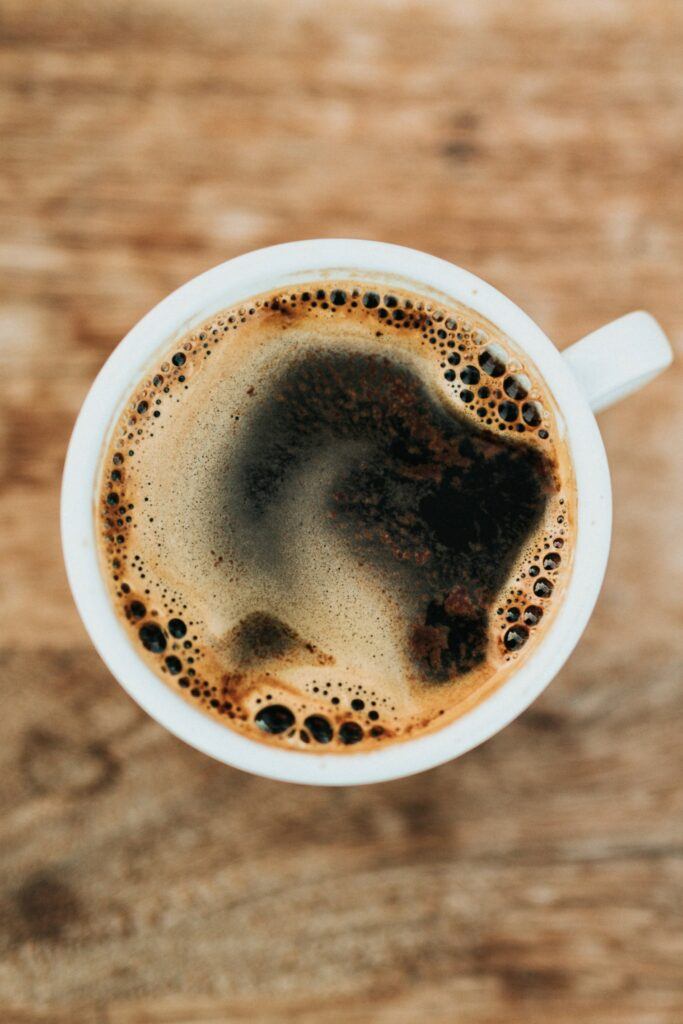
11 Instant Coffee Recipes For Any Coffee Lover

Instant Coffee Recipes

Have you ever tried any of these instant coffee recipes? Instant coffee can get a bad rep in the world of coffee, but not for good reason. While instant coffee is an alternative to traditionally brewed coffee, that doesn’t make it less good, it’s simply a different method of making coffee. It’s easy, convenient, and … Read more

How Capitol City Coffee Rates Coffee and Coffee Machines

Every coffee and coffee machine we recommend is scored on the same 100-point scale, so a recommendation on one page means the same thing as a recommendation on any other. Each pick is also labeled with how we reached its score.

Research-ratedScored from the roaster or manufacturer’s published specifications, independent results such as Coffee Review blind cuppings and SCA brewer certification, and patterns across verified buyer reviews. Most of our current picks are research-rated.
Hands-on testedThe Capitol City Coffee team has brewed the coffee or used the machine ourselves, following the testing steps below. We only use this label when that testing actually happened, and we show the date we tested.

Coffee beans: 100-point scale

What we scorePointsWhat we look at
Origin and sourcing transparency20Country, region, farm or cooperative, altitude, bean variety, and processing method are clearly disclosed.
Flavor evidence25Independent cupping scores, how closely the tasting notes match what the origin is known for, and our own cupping notes when hands-on tested.
Roast and freshness15Roast level stated, roast-date practices, whole-bean availability, and packaging with a one-way valve or resealable bag.
Brew versatility15How well the roast suits pour-over, drip, French press, cold brew, and espresso.
Value15Price per ounce compared with similar single-origin coffees or blends.
Buyer feedback10Volume and consistency of verified reviews, and recurring complaints about staleness, bitterness, or shipping.

Coffee machines and gear: 100-point scale

What we scorePointsWhat we look at
Brewing performance25Water temperature in the 195–205°F range, even extraction, and SCA certification or published test data.
Build quality and reliability20Materials, known failure points, and long-term owner reports.
Ease of use and cleaning15Setup, the daily routine, descaling, and dishwasher-safe parts.
Fit for your kitchen10Capacity, counter footprint, and noise.
Useful features10Programming, grind and temperature control, and carafe type. Features that improve the cup count more than extras that do not.
Value10Price compared with machines that perform similarly.
Warranty and support10Warranty length, parts availability, and how the brand handles repairs.

What the grades mean

ScoreGradeWhat it means
90–100AExceptional. Our first recommendation for the feeling and setting described.
80–89BStrong. Excellent, with minor trade-offs we explain.
70–79CGood. Worth it for specific needs, with clear compromises.
Below 70—Not recommended. We do not feature these as picks.

How we test hands-on

When a pick carries the Hands-on tested label, this is the method behind it, and we note the date we tested.

  1. Coffee: brewed fresh from whole beans following Specialty Coffee Association guidelines (water between 195 and 205°F, about 1 gram of coffee to every 15 to 18 grams of water) in the brew methods the roast suits best, such as pour-over, French press, or espresso. We taste it black first, then with milk if that is how most people drink it, and each taster scores it on their own before we compare notes.
  2. Machines: used in our everyday routine rather than a single demo. We brew both full and small batches, check the brewing temperature and brew time, and run the cleaning or descaling steps the manual calls for.

How we choose the feeling and setting

We match each coffee to a mood and a moment based on its flavor profile and roast. Bright, citrusy light roasts suit energizing mornings. Chocolatey, full-bodied medium roasts suit slow or social moments. Richer roasts suit espresso and milk drinks. Each pick explains which facts led us to that match.

Our scores stay independent

Every score comes only from the criteria above. No brand can pay for a pick or a higher grade. We re-check ratings when a roast, listing, or model changes, and update or remove picks that no longer earn their grade.

Some links on this page are affiliate links. As an Amazon Associate, Capitol City Coffee earns from qualifying purchases, at no extra cost to you.

Questions about a rating? Reach the Capitol City Coffee team through our contact page.

The Best Frozen Coffee Recipes

coffee shake

Summer is quickly approaching. That means temperatures will be hotter than our coffee! Fortunately, there are a variety of delicious frozen coffee recipes to satisfy all cravings. These cold and refreshing drinks both boost our energy and cool us down.  From frappes to granitas, several frozen coffee concoctions exist across the world. This bountiful variety … Read more

How Capitol City Coffee Rates Coffee and Coffee Machines

Every coffee and coffee machine we recommend is scored on the same 100-point scale, so a recommendation on one page means the same thing as a recommendation on any other. Each pick is also labeled with how we reached its score.

Research-ratedScored from the roaster or manufacturer’s published specifications, independent results such as Coffee Review blind cuppings and SCA brewer certification, and patterns across verified buyer reviews. Most of our current picks are research-rated.
Hands-on testedThe Capitol City Coffee team has brewed the coffee or used the machine ourselves, following the testing steps below. We only use this label when that testing actually happened, and we show the date we tested.

Coffee beans: 100-point scale

What we scorePointsWhat we look at
Origin and sourcing transparency20Country, region, farm or cooperative, altitude, bean variety, and processing method are clearly disclosed.
Flavor evidence25Independent cupping scores, how closely the tasting notes match what the origin is known for, and our own cupping notes when hands-on tested.
Roast and freshness15Roast level stated, roast-date practices, whole-bean availability, and packaging with a one-way valve or resealable bag.
Brew versatility15How well the roast suits pour-over, drip, French press, cold brew, and espresso.
Value15Price per ounce compared with similar single-origin coffees or blends.
Buyer feedback10Volume and consistency of verified reviews, and recurring complaints about staleness, bitterness, or shipping.

Coffee machines and gear: 100-point scale

What we scorePointsWhat we look at
Brewing performance25Water temperature in the 195–205°F range, even extraction, and SCA certification or published test data.
Build quality and reliability20Materials, known failure points, and long-term owner reports.
Ease of use and cleaning15Setup, the daily routine, descaling, and dishwasher-safe parts.
Fit for your kitchen10Capacity, counter footprint, and noise.
Useful features10Programming, grind and temperature control, and carafe type. Features that improve the cup count more than extras that do not.
Value10Price compared with machines that perform similarly.
Warranty and support10Warranty length, parts availability, and how the brand handles repairs.

What the grades mean

ScoreGradeWhat it means
90–100AExceptional. Our first recommendation for the feeling and setting described.
80–89BStrong. Excellent, with minor trade-offs we explain.
70–79CGood. Worth it for specific needs, with clear compromises.
Below 70—Not recommended. We do not feature these as picks.

How we test hands-on

When a pick carries the Hands-on tested label, this is the method behind it, and we note the date we tested.

  1. Coffee: brewed fresh from whole beans following Specialty Coffee Association guidelines (water between 195 and 205°F, about 1 gram of coffee to every 15 to 18 grams of water) in the brew methods the roast suits best, such as pour-over, French press, or espresso. We taste it black first, then with milk if that is how most people drink it, and each taster scores it on their own before we compare notes.
  2. Machines: used in our everyday routine rather than a single demo. We brew both full and small batches, check the brewing temperature and brew time, and run the cleaning or descaling steps the manual calls for.

How we choose the feeling and setting

We match each coffee to a mood and a moment based on its flavor profile and roast. Bright, citrusy light roasts suit energizing mornings. Chocolatey, full-bodied medium roasts suit slow or social moments. Richer roasts suit espresso and milk drinks. Each pick explains which facts led us to that match.

Our scores stay independent

Every score comes only from the criteria above. No brand can pay for a pick or a higher grade. We re-check ratings when a roast, listing, or model changes, and update or remove picks that no longer earn their grade.

Some links on this page are affiliate links. As an Amazon Associate, Capitol City Coffee earns from qualifying purchases, at no extra cost to you.

Questions about a rating? Reach the Capitol City Coffee team through our contact page.

Best Coffee Recipes for a Busy Morning

coffee shadow

We all deal with busy mornings. Whether it’s a last-minute project to finish or our alarm clock malfunctioned, the morning hurry is the real deal. The biggest pain is not having time for that perfect cup of coffee. Luckily, there are solid coffee drinks that are quick and easy for any kind of busy morning. There … Read more

How Capitol City Coffee Rates Coffee and Coffee Machines

Every coffee and coffee machine we recommend is scored on the same 100-point scale, so a recommendation on one page means the same thing as a recommendation on any other. Each pick is also labeled with how we reached its score.

Research-ratedScored from the roaster or manufacturer’s published specifications, independent results such as Coffee Review blind cuppings and SCA brewer certification, and patterns across verified buyer reviews. Most of our current picks are research-rated.
Hands-on testedThe Capitol City Coffee team has brewed the coffee or used the machine ourselves, following the testing steps below. We only use this label when that testing actually happened, and we show the date we tested.

Coffee beans: 100-point scale

What we scorePointsWhat we look at
Origin and sourcing transparency20Country, region, farm or cooperative, altitude, bean variety, and processing method are clearly disclosed.
Flavor evidence25Independent cupping scores, how closely the tasting notes match what the origin is known for, and our own cupping notes when hands-on tested.
Roast and freshness15Roast level stated, roast-date practices, whole-bean availability, and packaging with a one-way valve or resealable bag.
Brew versatility15How well the roast suits pour-over, drip, French press, cold brew, and espresso.
Value15Price per ounce compared with similar single-origin coffees or blends.
Buyer feedback10Volume and consistency of verified reviews, and recurring complaints about staleness, bitterness, or shipping.

Coffee machines and gear: 100-point scale

What we scorePointsWhat we look at
Brewing performance25Water temperature in the 195–205°F range, even extraction, and SCA certification or published test data.
Build quality and reliability20Materials, known failure points, and long-term owner reports.
Ease of use and cleaning15Setup, the daily routine, descaling, and dishwasher-safe parts.
Fit for your kitchen10Capacity, counter footprint, and noise.
Useful features10Programming, grind and temperature control, and carafe type. Features that improve the cup count more than extras that do not.
Value10Price compared with machines that perform similarly.
Warranty and support10Warranty length, parts availability, and how the brand handles repairs.

What the grades mean

ScoreGradeWhat it means
90–100AExceptional. Our first recommendation for the feeling and setting described.
80–89BStrong. Excellent, with minor trade-offs we explain.
70–79CGood. Worth it for specific needs, with clear compromises.
Below 70—Not recommended. We do not feature these as picks.

How we test hands-on

When a pick carries the Hands-on tested label, this is the method behind it, and we note the date we tested.

  1. Coffee: brewed fresh from whole beans following Specialty Coffee Association guidelines (water between 195 and 205°F, about 1 gram of coffee to every 15 to 18 grams of water) in the brew methods the roast suits best, such as pour-over, French press, or espresso. We taste it black first, then with milk if that is how most people drink it, and each taster scores it on their own before we compare notes.
  2. Machines: used in our everyday routine rather than a single demo. We brew both full and small batches, check the brewing temperature and brew time, and run the cleaning or descaling steps the manual calls for.

How we choose the feeling and setting

We match each coffee to a mood and a moment based on its flavor profile and roast. Bright, citrusy light roasts suit energizing mornings. Chocolatey, full-bodied medium roasts suit slow or social moments. Richer roasts suit espresso and milk drinks. Each pick explains which facts led us to that match.

Our scores stay independent

Every score comes only from the criteria above. No brand can pay for a pick or a higher grade. We re-check ratings when a roast, listing, or model changes, and update or remove picks that no longer earn their grade.

Some links on this page are affiliate links. As an Amazon Associate, Capitol City Coffee earns from qualifying purchases, at no extra cost to you.

Questions about a rating? Reach the Capitol City Coffee team through our contact page.
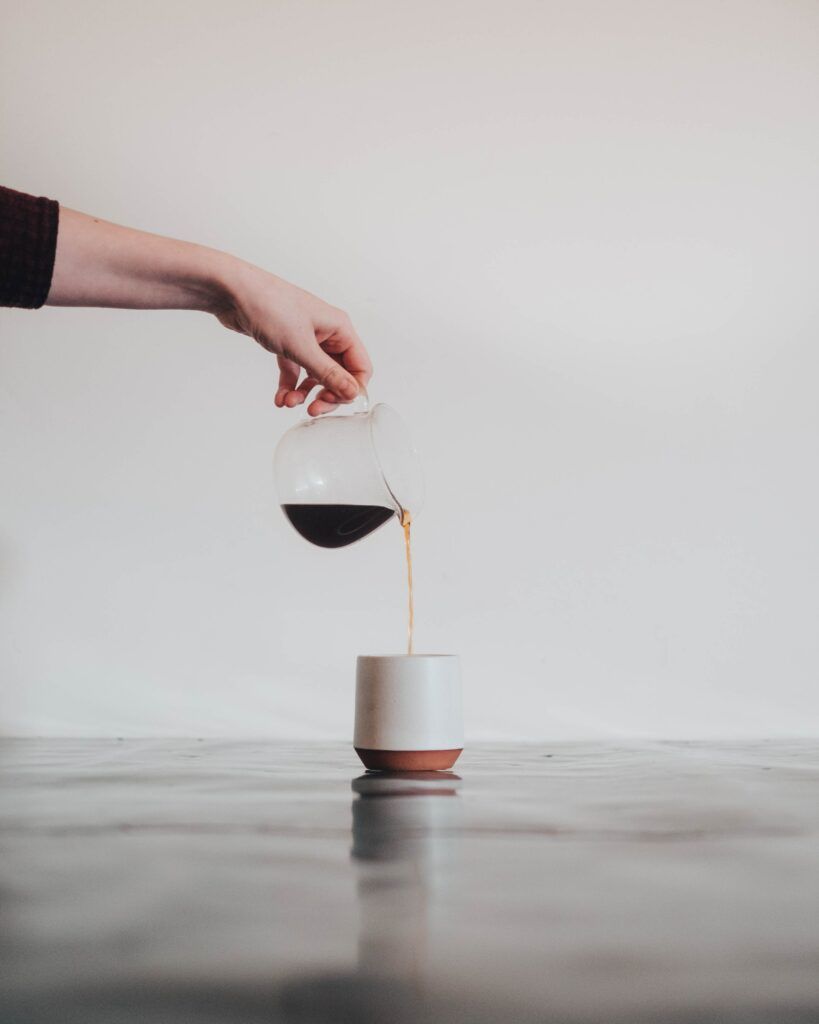
Caffeine Overdose Symptoms: Can You Really Have Too Much Coffee?

caffeine overdose symptoms

Caffeine overdose symptoms are real, which is why enjoying coffee in moderation is important. The caffeine debate has been taking place for years, with some studies showing negative impacts, but a variety more showing positive impacts. While caffeine has been shown to elicit a variety of benefits, it is possible to have too much caffeine. … Read more

How Capitol City Coffee Rates Coffee and Coffee Machines

Every coffee and coffee machine we recommend is scored on the same 100-point scale, so a recommendation on one page means the same thing as a recommendation on any other. Each pick is also labeled with how we reached its score.

Research-ratedScored from the roaster or manufacturer’s published specifications, independent results such as Coffee Review blind cuppings and SCA brewer certification, and patterns across verified buyer reviews. Most of our current picks are research-rated.
Hands-on testedThe Capitol City Coffee team has brewed the coffee or used the machine ourselves, following the testing steps below. We only use this label when that testing actually happened, and we show the date we tested.

Coffee beans: 100-point scale

What we scorePointsWhat we look at
Origin and sourcing transparency20Country, region, farm or cooperative, altitude, bean variety, and processing method are clearly disclosed.
Flavor evidence25Independent cupping scores, how closely the tasting notes match what the origin is known for, and our own cupping notes when hands-on tested.
Roast and freshness15Roast level stated, roast-date practices, whole-bean availability, and packaging with a one-way valve or resealable bag.
Brew versatility15How well the roast suits pour-over, drip, French press, cold brew, and espresso.
Value15Price per ounce compared with similar single-origin coffees or blends.
Buyer feedback10Volume and consistency of verified reviews, and recurring complaints about staleness, bitterness, or shipping.

Coffee machines and gear: 100-point scale

What we scorePointsWhat we look at
Brewing performance25Water temperature in the 195–205°F range, even extraction, and SCA certification or published test data.
Build quality and reliability20Materials, known failure points, and long-term owner reports.
Ease of use and cleaning15Setup, the daily routine, descaling, and dishwasher-safe parts.
Fit for your kitchen10Capacity, counter footprint, and noise.
Useful features10Programming, grind and temperature control, and carafe type. Features that improve the cup count more than extras that do not.
Value10Price compared with machines that perform similarly.
Warranty and support10Warranty length, parts availability, and how the brand handles repairs.

What the grades mean

ScoreGradeWhat it means
90–100AExceptional. Our first recommendation for the feeling and setting described.
80–89BStrong. Excellent, with minor trade-offs we explain.
70–79CGood. Worth it for specific needs, with clear compromises.
Below 70—Not recommended. We do not feature these as picks.

How we test hands-on

When a pick carries the Hands-on tested label, this is the method behind it, and we note the date we tested.

  1. Coffee: brewed fresh from whole beans following Specialty Coffee Association guidelines (water between 195 and 205°F, about 1 gram of coffee to every 15 to 18 grams of water) in the brew methods the roast suits best, such as pour-over, French press, or espresso. We taste it black first, then with milk if that is how most people drink it, and each taster scores it on their own before we compare notes.
  2. Machines: used in our everyday routine rather than a single demo. We brew both full and small batches, check the brewing temperature and brew time, and run the cleaning or descaling steps the manual calls for.

How we choose the feeling and setting

We match each coffee to a mood and a moment based on its flavor profile and roast. Bright, citrusy light roasts suit energizing mornings. Chocolatey, full-bodied medium roasts suit slow or social moments. Richer roasts suit espresso and milk drinks. Each pick explains which facts led us to that match.

Our scores stay independent

Every score comes only from the criteria above. No brand can pay for a pick or a higher grade. We re-check ratings when a roast, listing, or model changes, and update or remove picks that no longer earn their grade.

Some links on this page are affiliate links. As an Amazon Associate, Capitol City Coffee earns from qualifying purchases, at no extra cost to you.

Questions about a rating? Reach the Capitol City Coffee team through our contact page.

Famous Coffee Drinks

latte art

There is a major variety of famous coffee drinks out there. With a universal love of coffee diversity, coffee shops worldwide offer both classic and modern coffee drink varieties. Each coffee drink has its own origin and preparation. Every coffee drinker has a style preference! The rich and diverse profile of coffee flavors from Colombia’s … Read more

How Capitol City Coffee Rates Coffee and Coffee Machines

Every coffee and coffee machine we recommend is scored on the same 100-point scale, so a recommendation on one page means the same thing as a recommendation on any other. Each pick is also labeled with how we reached its score.

Research-ratedScored from the roaster or manufacturer’s published specifications, independent results such as Coffee Review blind cuppings and SCA brewer certification, and patterns across verified buyer reviews. Most of our current picks are research-rated.
Hands-on testedThe Capitol City Coffee team has brewed the coffee or used the machine ourselves, following the testing steps below. We only use this label when that testing actually happened, and we show the date we tested.

Coffee beans: 100-point scale

What we scorePointsWhat we look at
Origin and sourcing transparency20Country, region, farm or cooperative, altitude, bean variety, and processing method are clearly disclosed.
Flavor evidence25Independent cupping scores, how closely the tasting notes match what the origin is known for, and our own cupping notes when hands-on tested.
Roast and freshness15Roast level stated, roast-date practices, whole-bean availability, and packaging with a one-way valve or resealable bag.
Brew versatility15How well the roast suits pour-over, drip, French press, cold brew, and espresso.
Value15Price per ounce compared with similar single-origin coffees or blends.
Buyer feedback10Volume and consistency of verified reviews, and recurring complaints about staleness, bitterness, or shipping.

Coffee machines and gear: 100-point scale

What we scorePointsWhat we look at
Brewing performance25Water temperature in the 195–205°F range, even extraction, and SCA certification or published test data.
Build quality and reliability20Materials, known failure points, and long-term owner reports.
Ease of use and cleaning15Setup, the daily routine, descaling, and dishwasher-safe parts.
Fit for your kitchen10Capacity, counter footprint, and noise.
Useful features10Programming, grind and temperature control, and carafe type. Features that improve the cup count more than extras that do not.
Value10Price compared with machines that perform similarly.
Warranty and support10Warranty length, parts availability, and how the brand handles repairs.

What the grades mean

ScoreGradeWhat it means
90–100AExceptional. Our first recommendation for the feeling and setting described.
80–89BStrong. Excellent, with minor trade-offs we explain.
70–79CGood. Worth it for specific needs, with clear compromises.
Below 70—Not recommended. We do not feature these as picks.

How we test hands-on

When a pick carries the Hands-on tested label, this is the method behind it, and we note the date we tested.

  1. Coffee: brewed fresh from whole beans following Specialty Coffee Association guidelines (water between 195 and 205°F, about 1 gram of coffee to every 15 to 18 grams of water) in the brew methods the roast suits best, such as pour-over, French press, or espresso. We taste it black first, then with milk if that is how most people drink it, and each taster scores it on their own before we compare notes.
  2. Machines: used in our everyday routine rather than a single demo. We brew both full and small batches, check the brewing temperature and brew time, and run the cleaning or descaling steps the manual calls for.

How we choose the feeling and setting

We match each coffee to a mood and a moment based on its flavor profile and roast. Bright, citrusy light roasts suit energizing mornings. Chocolatey, full-bodied medium roasts suit slow or social moments. Richer roasts suit espresso and milk drinks. Each pick explains which facts led us to that match.

Our scores stay independent

Every score comes only from the criteria above. No brand can pay for a pick or a higher grade. We re-check ratings when a roast, listing, or model changes, and update or remove picks that no longer earn their grade.

Some links on this page are affiliate links. As an Amazon Associate, Capitol City Coffee earns from qualifying purchases, at no extra cost to you.

Questions about a rating? Reach the Capitol City Coffee team through our contact page.

Top Coffee Drinking Countries

national flags

Who doesn’t love coffee? It is an ideal beverage with a variety of aromas and flavors. Cultivation and consumption of coffee happen in several places across the globe. This makes it hard to find a culture that does not indulge in a cup of caffeinated bliss. Roughly 42.7 liters or 11 gallons of coffee are … Read more

How Capitol City Coffee Rates Coffee and Coffee Machines

Every coffee and coffee machine we recommend is scored on the same 100-point scale, so a recommendation on one page means the same thing as a recommendation on any other. Each pick is also labeled with how we reached its score.

Research-ratedScored from the roaster or manufacturer’s published specifications, independent results such as Coffee Review blind cuppings and SCA brewer certification, and patterns across verified buyer reviews. Most of our current picks are research-rated.
Hands-on testedThe Capitol City Coffee team has brewed the coffee or used the machine ourselves, following the testing steps below. We only use this label when that testing actually happened, and we show the date we tested.

Coffee beans: 100-point scale

What we scorePointsWhat we look at
Origin and sourcing transparency20Country, region, farm or cooperative, altitude, bean variety, and processing method are clearly disclosed.
Flavor evidence25Independent cupping scores, how closely the tasting notes match what the origin is known for, and our own cupping notes when hands-on tested.
Roast and freshness15Roast level stated, roast-date practices, whole-bean availability, and packaging with a one-way valve or resealable bag.
Brew versatility15How well the roast suits pour-over, drip, French press, cold brew, and espresso.
Value15Price per ounce compared with similar single-origin coffees or blends.
Buyer feedback10Volume and consistency of verified reviews, and recurring complaints about staleness, bitterness, or shipping.

Coffee machines and gear: 100-point scale

What we scorePointsWhat we look at
Brewing performance25Water temperature in the 195–205°F range, even extraction, and SCA certification or published test data.
Build quality and reliability20Materials, known failure points, and long-term owner reports.
Ease of use and cleaning15Setup, the daily routine, descaling, and dishwasher-safe parts.
Fit for your kitchen10Capacity, counter footprint, and noise.
Useful features10Programming, grind and temperature control, and carafe type. Features that improve the cup count more than extras that do not.
Value10Price compared with machines that perform similarly.
Warranty and support10Warranty length, parts availability, and how the brand handles repairs.

What the grades mean

ScoreGradeWhat it means
90–100AExceptional. Our first recommendation for the feeling and setting described.
80–89BStrong. Excellent, with minor trade-offs we explain.
70–79CGood. Worth it for specific needs, with clear compromises.
Below 70—Not recommended. We do not feature these as picks.

How we test hands-on

When a pick carries the Hands-on tested label, this is the method behind it, and we note the date we tested.

  1. Coffee: brewed fresh from whole beans following Specialty Coffee Association guidelines (water between 195 and 205°F, about 1 gram of coffee to every 15 to 18 grams of water) in the brew methods the roast suits best, such as pour-over, French press, or espresso. We taste it black first, then with milk if that is how most people drink it, and each taster scores it on their own before we compare notes.
  2. Machines: used in our everyday routine rather than a single demo. We brew both full and small batches, check the brewing temperature and brew time, and run the cleaning or descaling steps the manual calls for.

How we choose the feeling and setting

We match each coffee to a mood and a moment based on its flavor profile and roast. Bright, citrusy light roasts suit energizing mornings. Chocolatey, full-bodied medium roasts suit slow or social moments. Richer roasts suit espresso and milk drinks. Each pick explains which facts led us to that match.

Our scores stay independent

Every score comes only from the criteria above. No brand can pay for a pick or a higher grade. We re-check ratings when a roast, listing, or model changes, and update or remove picks that no longer earn their grade.

Some links on this page are affiliate links. As an Amazon Associate, Capitol City Coffee earns from qualifying purchases, at no extra cost to you.

Questions about a rating? Reach the Capitol City Coffee team through our contact page.