As an Amazon Associate I earn from qualifying purchases. This page contains affiliate links; we may earn a commission if you buy through them.
Finding the right espresso machine in 2026 means matching your budget, drink preferences, and willingness to learn with a machine that actually delivers. This guide breaks down the top picks across every price tier, from under $500 to over $3,000, so you can stop scrolling and start pulling shots.
Best espresso machine for home lattes
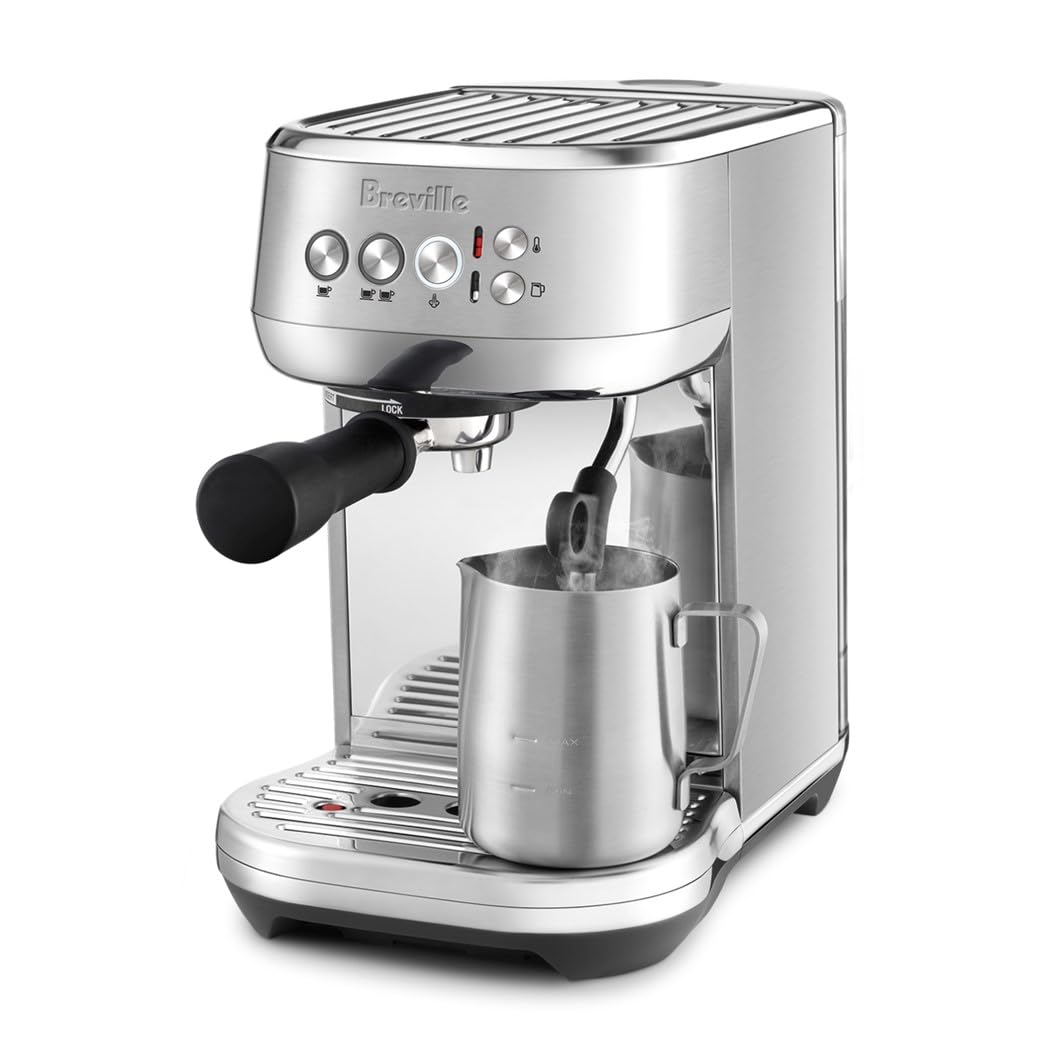
For this roundup, Breville Bambino Plus is the home espresso we recommend first—the same pick at the top of our At-a-glance cards below.
The best espresso machine for most people depends on three things: budget, how many milk drinks you make, and how much hands-on control you want. The Breville Bambino is our top budget pick, the Lelit Bianca V3 leads for enthusiasts, and the Jura E4 wins on convenience.
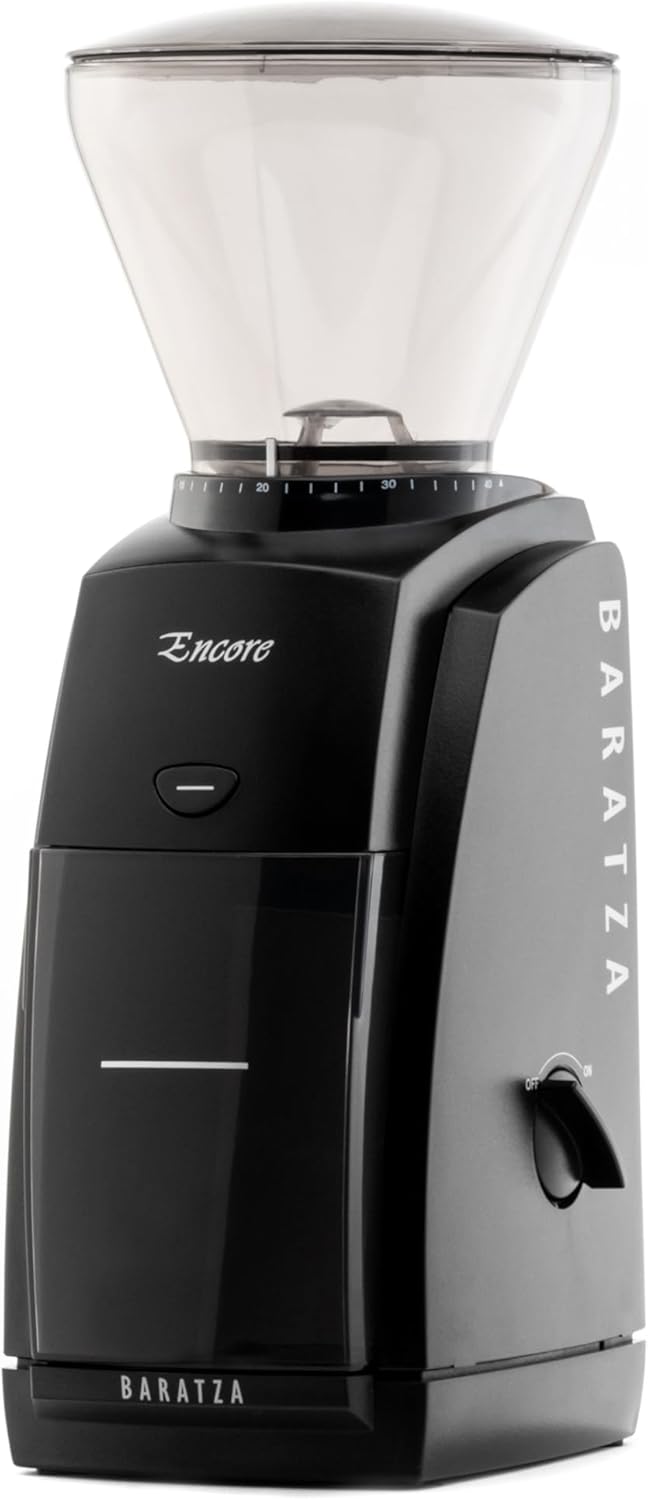
The grinder is more important than the espresso machine itself. A quality burr grinder paired with a mid-range machine will consistently outperform an expensive machine fed by a cheap blade grinder.
Our rankings come from researched editorial analysis of verified manufacturer specs, independent expert reviews, and broad owner consensus – not hands-on lab testing. Grinder choice and daily workflow often matter more than sheer machine price.
Quick picks at a glance:
Best for beginners: Breville Bambino or Gaggia Classic Pro
Best enthusiast machine: Lelit Bianca V3 or Rocket Espresso R58 Cinquantotto
Best value all-in-one with built-in grinder: Breville Barista Express
If you just want a fast answer: start with the Breville Bambino for a budget home espresso setup, or step up to the Lelit Bianca V3 or Rocket Espresso R58 Cinquantotto for a serious dual boiler build that can grow with your skills.
Affiliate Disclosure
Capitol City Coffee is an independent coffee editorial and affiliate publication. We may earn a commission from some links on this page, but commissions never influence our rankings or coverage. All picks are based on researched editorial analysis of performance, durability, usability, and value, using manufacturer data and reputable third-party expert sources rather than in-house lab measurements.
Quick Answer and Top Picks
If you’re ready to buy now, here’s the shortlist. Each machine fills a distinct role, so the best machine really depends on your budget, drink preferences, and how hands-on you want to be.
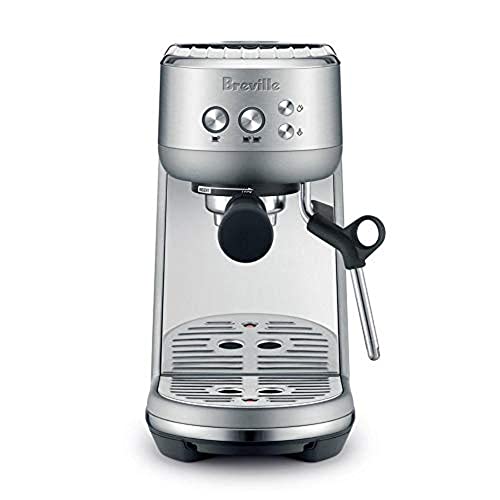
Breville Bambino – Single boiler (ThermoJet), ~$300. Best for budget beginners who want near-instant brew warm-up (~3 seconds) and a compact footprint. Decent steam wand for occasional milk drinks, though steam power is modest.
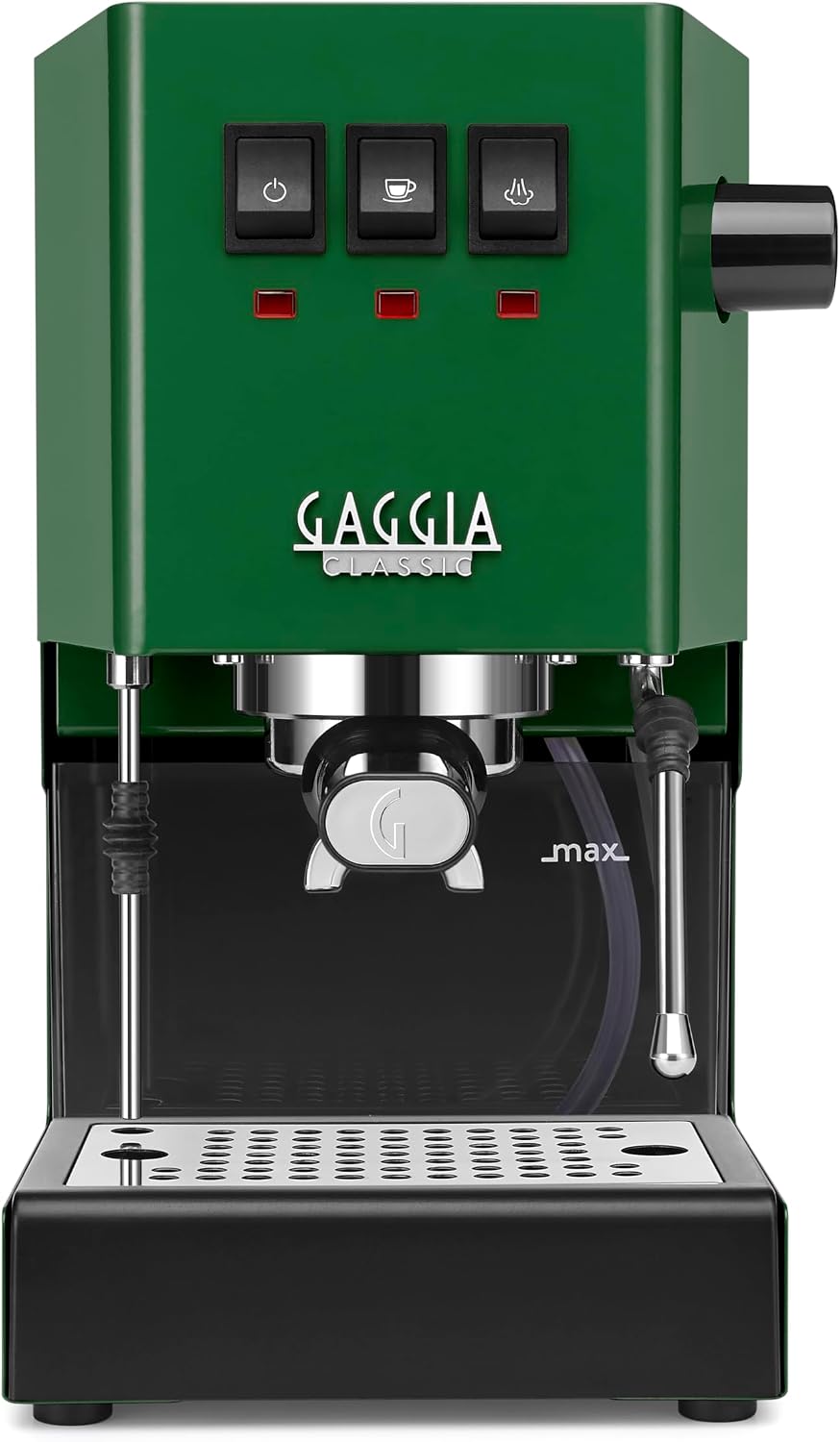
Gaggia Classic Pro – Single boiler (brass), ~$499. Best entry-level espresso machine for learners who want commercial-grade hardware, a standard 58mm portafilter, and room to grow. Temperature stability improves with a PID upgrade down the road.
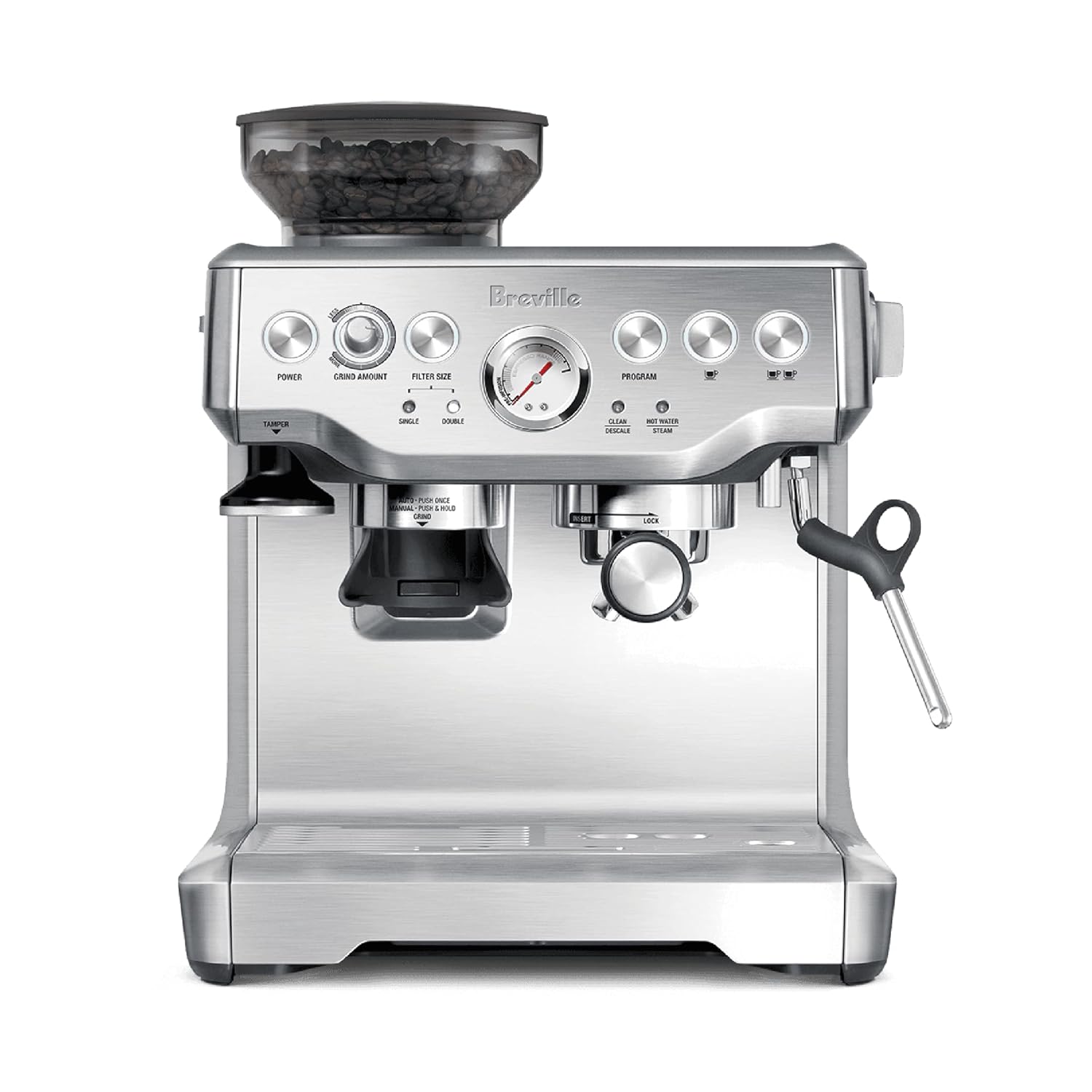
Breville Barista Express – Single boiler with built-in grinder, ~$750. Best all-in-one for people who want grinding and brewing in one unit without cluttering the counter. Convenient workflow, though the grinder is less precise than standalone options.
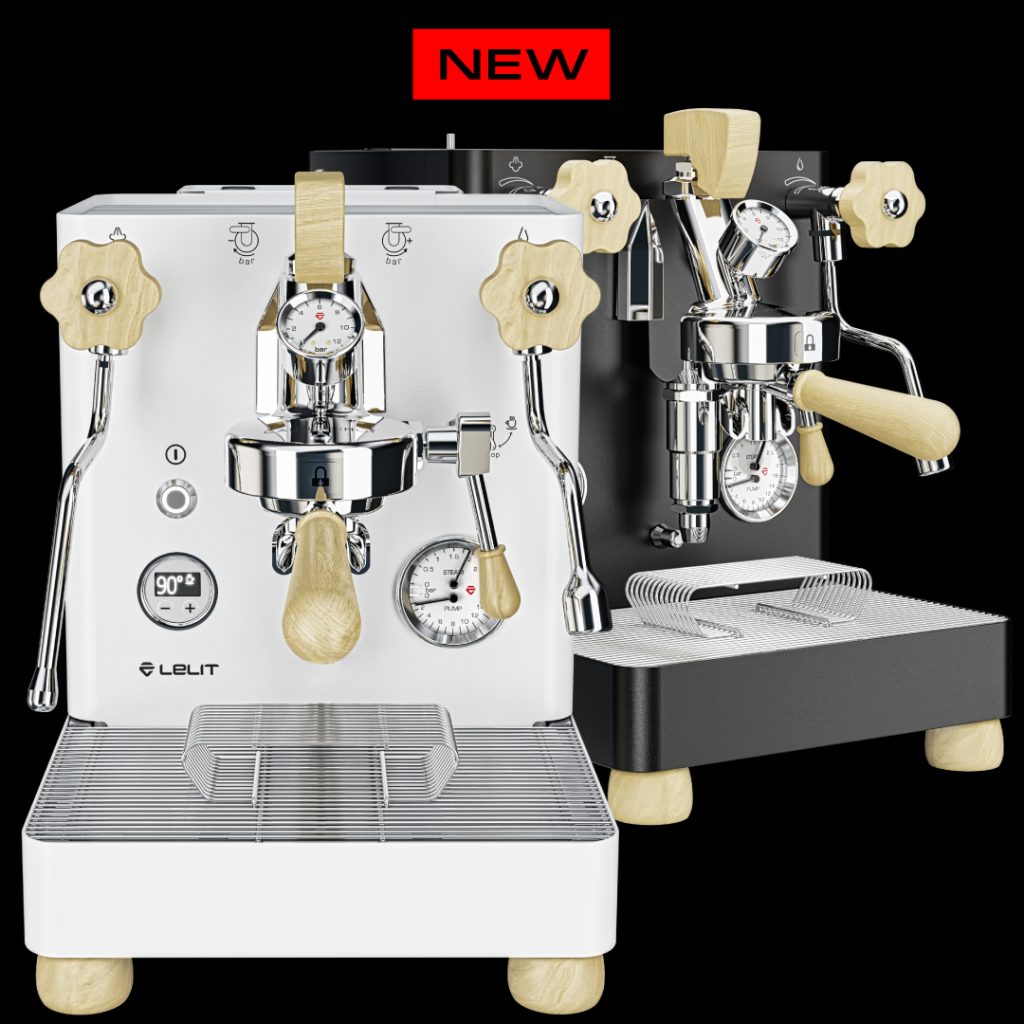
Lelit Bianca V3 – Dual boiler with flow-control paddle, ~$3,000. Best for serious home baristas who want pressure profiling, simultaneous brew and steam, and café-quality milk texture. Steep learning curve and large footprint.
Rocket Espresso R58 Cinquantotto – Dual boiler, ~$3,500. Best for enthusiasts prioritizing commercial build quality, large steam volume (1.8L steam boiler), and long-term durability. Heavy and demands counter space.
Jura E4 – Super-automatic with integrated grinder, ~$1,399. Best for convenience-focused users who want push-button black coffee and espresso with minimal involvement. No milk frother on the E4 model – step up to E6/E8 for milk.
Flair 58 – Manual lever, ~$500–$600. Best for the hands-on home barista who wants full manual pressure control and a ritualistic brew process. Requires a separate grinder.
Each pick was evaluated on temperature stability, shot consistency, steam power for milk texture, and day-to-day workflow. The rest of this article goes deeper into methodology, detailed reviews, and alternatives by budget.
At-a-Glance Comparison Table
This side-by-side snapshot compares key specs and trade-offs across our main recommendations. Use it to quickly narrow your options before reading the detailed picks below.
This guide is researched editorial analysis, not hands-on lab testing. All performance claims come from manufacturer specifications, independent expert reviews, and broad owner consensus across forums and verified purchase feedback.
We evaluated machines on:
Temperature stability – PID control, boiler material, thermal drift between shots
Warm-up time – how long before the machine is ready for both brew and steam
Pump pressure and shot consistency – OPV regulation to ~9 bars, extraction repeatability
Steam power and milk texture – boiler size, wand design, back-to-back milk drink capacity
Grinder pairing options – built-in vs. standalone, burr type, adjustment range
Workflow and ergonomics – portafilter design, cup clearance, interface simplicity
Cleaning and maintenance – backflushing, descaling, daily upkeep
Warranty and U.S. service network – parts availability for brands like Breville, Gaggia, Rocket Espresso, Lelit, and Jura
Value for money – what you actually get per dollar spent
Machines were grouped by real-world use cases and the idea of what setup or feature preferences matter most (occasional cappuccino drinker, daily home barista, busy household wanting super-automatic convenience) rather than just price bands. We gave extra weight to models with strong long-term parts availability and service reputations over niche boutique devices that may be harder to repair in five to ten years. Commission rates and retailer sales did not dictate rankings.
Best Overall Espresso Machine for Most Home Users
Lelit Bianca V3
The Lelit Bianca V3 earns the best overall spot for its rare combination of dual boiler performance, built-in flow-control paddle, and strong long-term value among home espresso machines in this price range. It handles straight espresso and milk drinks equally well, which matters for anyone whose morning routine includes lattes, cappuccinos, and the occasional straight shot.
Boiler configuration: True dual boiler – 0.8L brew, 1.5L steam (stainless steel), each with independent PID controllers. This means you can brew and steam simultaneously with no temperature compromise.
Warm-up time: Roughly 10–12 minutes to full brew and steam readiness. The machine offers eco and standby power modes to manage energy use.
Pressure and shot consistency: Rotary pump (quiet, plumb-in capable) with the signature E61 group head and flow-control paddle, letting you adjust water flow mid-shot for pressure profiling.
Workflow: Dialing in requires a good standalone grinder and some practice. The learning curve is steep for beginners, but the machine rewards skill development over years.
Maintenance: Backflushing with detergent weekly, descaling as needed, gasket replacement every 1–2 years. The 3-year warranty is among the best in this class.
Limitations: The Bianca V3 weighs about 58.5 lbs, runs roughly 19 inches deep, and draws ~1,400W. It’s overkill if you only pull a shot or two a week. And at $3,000, it’s a serious investment – but for a dedicated home barista, this is an endgame machine.
Best Budget and Beginner Espresso Machines
If you’re new to home espresso and want to spend under roughly $500–$800, these three machines are the strongest starting points without overwhelming you.
Breville Bambino and Bambino Plus
The Breville Bambino is the most approachable entry-level espresso machine on the market. Its ThermoJet heating system reaches brew temperature in about 3 seconds – no waiting around. It ships with pressurized (dual-wall) filter baskets that are pretty easy to use with pre-ground coffee grounds or a basic grinder. The steam wand is capable enough for small milk drinks but won’t keep up with heavy steaming. The Breville Bambino Plus costs around $450 to $500 and adds automatic milk frothing. Either version is compact enough for a tiny apartment counter.
Gaggia Classic Pro
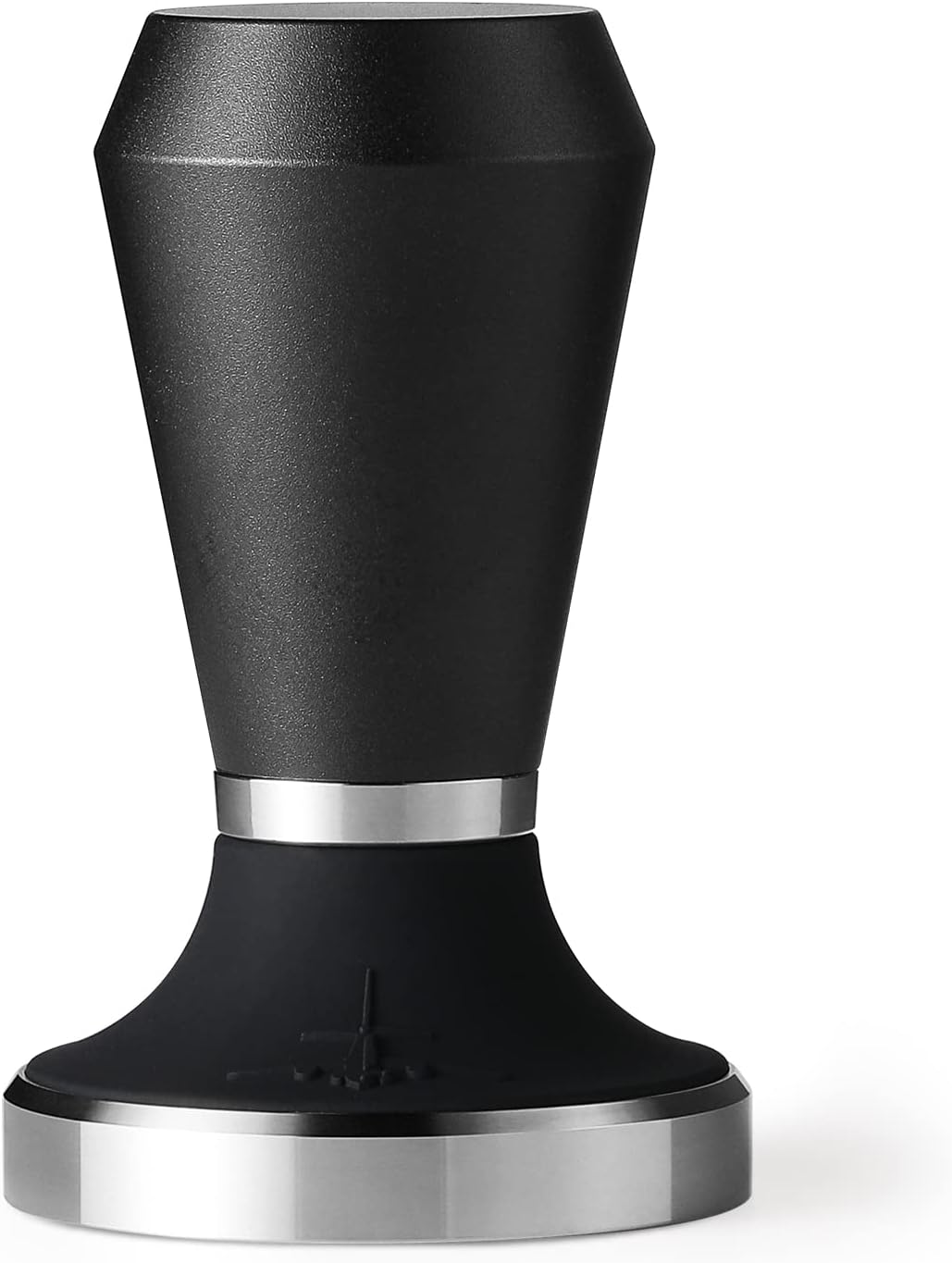
The Gaggia Classic Pro is priced around $499 and delivers commercial-grade hardware at an entry-level price point. It uses a full brass single boiler and a standard 58mm portafilter, which means standard 58mm portafilters facilitate finding compatible accessories – baskets, tampers, and screens are sold everywhere. The commercial steam wand handles moderate milk drinks well, though single boiler machines require waiting between brewing and steaming. No PID out of the box, so temperature stability improves with an aftermarket upgrade, but the brass boiler mass helps retain heat. First-year cost of ownership (including beans, descaling, electricity) runs around $817 – still far less than daily café spending.
Miicoffee Apex V2
A newer contender worth a look: the Miicoffee Apex V2 features adjustable PID temperature control at a price that undercuts many machines lacking PID entirely. It’s a solid option for beginners who want better shot consistency without spending mid-range money.
A note on grinders: Budget buyers should often spend as much or more on the grinder as on the machine. A good burr grinder is critical for espresso quality due to grind consistency – grind consistency affects espresso extraction yield between 18% and 22%, and uneven grind leads to over-extraction and under-extraction issues that no machine can fix.
Best Mid-Range and Enthusiast Home Espresso Machines
This is where the world of home espresso gets serious. Between $1,000 and $3,500, dual boiler and high-end heat exchanger machines dominate, giving you the temperature stability, steam power, and shot consistency that entry-level gear can’t match.
Lelit Bianca V3 – Covered above as best overall. The flow-control paddle sets it apart for pressure profiling enthusiasts. Rotary pumps are quieter and allow for direct plumbing, making this machine feel semi-commercial in a home setting.
Rocket Espresso R58 Cinquantotto – A dual boiler flagship with a 0.58L brew boiler and a massive 1.8L steam boiler, both PID-controlled. The steam capacity is exceptional – ideal for households pulling multiple lattes and cappuccinos in a row. Warm-up time runs 15–17 minutes, the unit weighs about 64 lbs, and the 12-month warranty is shorter than Lelit’s 3-year coverage. But the build quality is commercial-grade, and parts are widely available for long-term service.
Rancilio Silvia Pro X – A dual boiler option at a lower price point, with PID temperature control and a reputation for durability. Less feature-rich than the Bianca or R58 but a meaningful step up from single boiler machines.
At this level, you’ll need a dedicated espresso grinder ($300–$800+) to take full advantage of these machines. A quality grinder can cost as much as the espresso machine, but the flavor difference is dramatic. These machines will still feel “enough” as your skills improve over the next decade. The La Marzocco GS3, at $7,500 to $9,000, represents the ceiling of this category – among the most expensive machines sold for home use.
Best Espresso Machines with Built-In Grinder
If counter space is limited or you want a simpler workflow, all-in-one espresso makers with a built-in grinder can be a smart choice – especially for a first home espresso setup.
Breville Barista Express – The Breville Barista Express includes a built-in grinder (conical burr, ~16 grind settings) that grinds directly into the portafilter. It’s convenient and compact, and the grinder is decent for the price. Built-in grinders are common in automatic espresso machines, and this one delivers acceptable consistency for most users. The trade-off: the grinder isn’t upgradeable, and at finer settings, grind quality can be less repeatable than a dedicated unit.
Breville Barista Express Impress – Adds an assisted tamping system that reduces one variable for beginners. Same grinder, slightly smoother workflow.
Breville Oracle – A dual boiler machine with automatic grinding, dosing, and tamping. Programmable settings enhance user convenience, but the complexity means more potential repair points and extra cost for servicing.
Pros of built-in grinder machines: Compact footprint, fewer countertop accessories, easier daily process for beginners. Built-in grinders save counter space but separate grinders offer better control – a dedicated grinder allows for better espresso quality than built-in options in most cases.
When to go standalone: If you’re investing over $1,000 in the machine, pairing it with a quality standalone grinder ($300+) will give you more control, easier upgrades, and longer-lasting performance. Grinder quality and type significantly influence espresso quality and consistency – this is the single biggest point of difference as you move up the price ladder.
Best Manual, Lever, and Super-Automatic Espresso Machines
Not every espresso machine is a pump-driven semi-automatic. At opposite ends of the control spectrum sit manual levers and fully super-automatic espresso makers – and each has a loyal following.
Manual / Lever: Flair 58
The Flair 58 gives you full manual pressure control over every shot. There’s no built-in pump, no boiler, no electricity required for the brew itself (a separate heating method is needed). The ritual is the point: you control pre-infusion, ramp-up, and decline by hand. It demands a good standalone grinder and genuine technique, but the shot quality can rival machines costing five times as much. This is the home barista equivalent of driving a manual transmission – not for everyone, but deeply rewarding for those who enjoy the process.
Super-Automatic: Jura E4
The Jura E4 is a push-button unit designed for black coffee and espresso. Its P.E.P. (Pulse Extraction Process) and 3D brewing technology improve extraction clarity, and the Professional Aroma Grinder handles beans from hopper to cup. The 1.9L water reservoir and ~10 oz bean hopper suit a small household. Automatic cleaning programs can simplify maintenance and enhance convenience. No milk frother on the E4 – move to E6 or E8 for that.
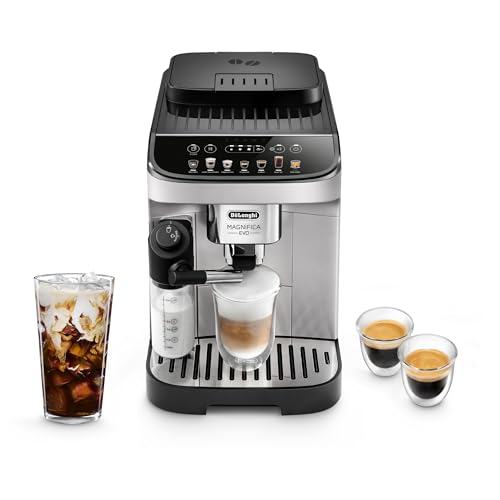
DeLonghi Magnifica Evo – A more affordable super-automatic with an integrated milk system. Less refined extraction than the Jura, but capable of producing a respectable cup of coffee with minimal effort. DeLonghi devices in this range suit busy households that want a fast drink without fuss.
The trade-off is clear: Semi-automatics offer control over the extraction process while super-automatics provide convenience. Manual levers give maximum control and ritual but demand technique and a separate grinder. Super-automatics deliver consistent (if less customizable) shot quality and simpler cleaning at a higher upfront cost. Choose based on how much you enjoy – or want to avoid – the hands-on stuff.
Key Features That Matter in an Espresso Machine
Understanding these core features helps you avoid overpaying for specs you won’t use while still getting the temperature stability and shot consistency that make espresso worth drinking at home.
Boiler types: Entry-level machines often use single-boiler systems, where one boiler handles both brewing and steaming. Single boiler machines use one boiler for both brewing and steaming, which means you wait between tasks. Dual boiler machines have separate boilers for brewing and steaming, allowing simultaneous operation – but dual boiler machines are typically more expensive than single boilers. Heat exchangers split the difference. ThermoJet/thermocoil systems (like the Bambino) heat almost instantly but lack thermal mass.
PID temperature control: PID controllers stabilize water temperature for consistent espresso extraction by minimizing fluctuations. Without PID, expect more thermal drift – especially during back-to-back shots. PID temperature control improves brewing consistency in espresso machines across all price tiers.
Pump pressure: Most espresso machines advertise 15-bar pumps, but true espresso requires around 9 bars of pressure for optimal extraction. An over-pressure valve (OPV) regulates this down. Pressure gauges help ensure optimal extraction pressure during brewing, giving you visual feedback.
Steam wand and milk frother performance: Steam power depends on boiler size, wattage, and wand design. Dual boiler or strong heat exchanger machines shine for back-to-back lattes and cappuccinos. A basic steam wand on a single boiler can produce acceptable milk texture for one drink at a time.
Practical features: Water reservoir size and placement, drip tray capacity, cup clearance under the portafilter, noise level, and the ability to plumb in water lines on prosumer machines all affect daily workflow. Group head size impacts accessory compatibility for espresso machines – most serious machines use a 58mm portafilter for maximum accessory options. Programmable settings enhance user convenience.
Grinder pairing: Grind consistency is arguably the single most important variable in espresso. An even, fine grind is critical. Some home espresso machines are more forgiving with pre-ground or coarser grinds (pressurized baskets help), but serious home baristas invest in a dedicated espresso grinder. Focus on heating system, pump type, and automation for espresso quality – but never neglect the grinder.
How to Choose the Right Home Espresso Machine
Start from your habits, not from aspirational café setups. How many drinks do you make per day? Espresso or mostly milk drinks? How much counter room do you have? What’s your real budget?
Define your budget: Under $500 gets you a solid beginner machine (Bambino, Gaggia Classic Pro). $500–$1,000 opens mid-range options with better boiler configuration and steam. Over $1,000 enters enthusiast territory with dual boilers, PIDs, and flow control.
Decide on drink style: If you mostly drink straight espresso, a capable single boiler is fine. If lattes and cappuccinos dominate your mornings, a double boiler or strong heat exchanger is worth the extra cost. Boiler configuration affects efficiency for brewing and steaming simultaneously.
Assess your skill level: How much time are you willing to spend learning dialing-in, tamping, and steaming milk? Super-automatics remove nearly all technique. Semi-automatics reward practice. Manual levers demand it.
Budget for the grinder: A quality grinder can cost as much as the espresso machine. Allocate at least 30–50% of your total budget to a capable burr grinder. Cheap or multipurpose grinders will limit shot quality no matter how good the machine is.
Think long-term: Will this machine still feel like enough in three to five years? Machines with standard portafilter sizes, available parts, and strong service networks hold their value and usefulness longer.
Maintenance, Cleaning, and Cost of Ownership
Long-term enjoyment of any espresso machine depends on regular cleaning, descaling, and realistic expectations about service – not just the initial purchase price.
Daily and weekly tasks:
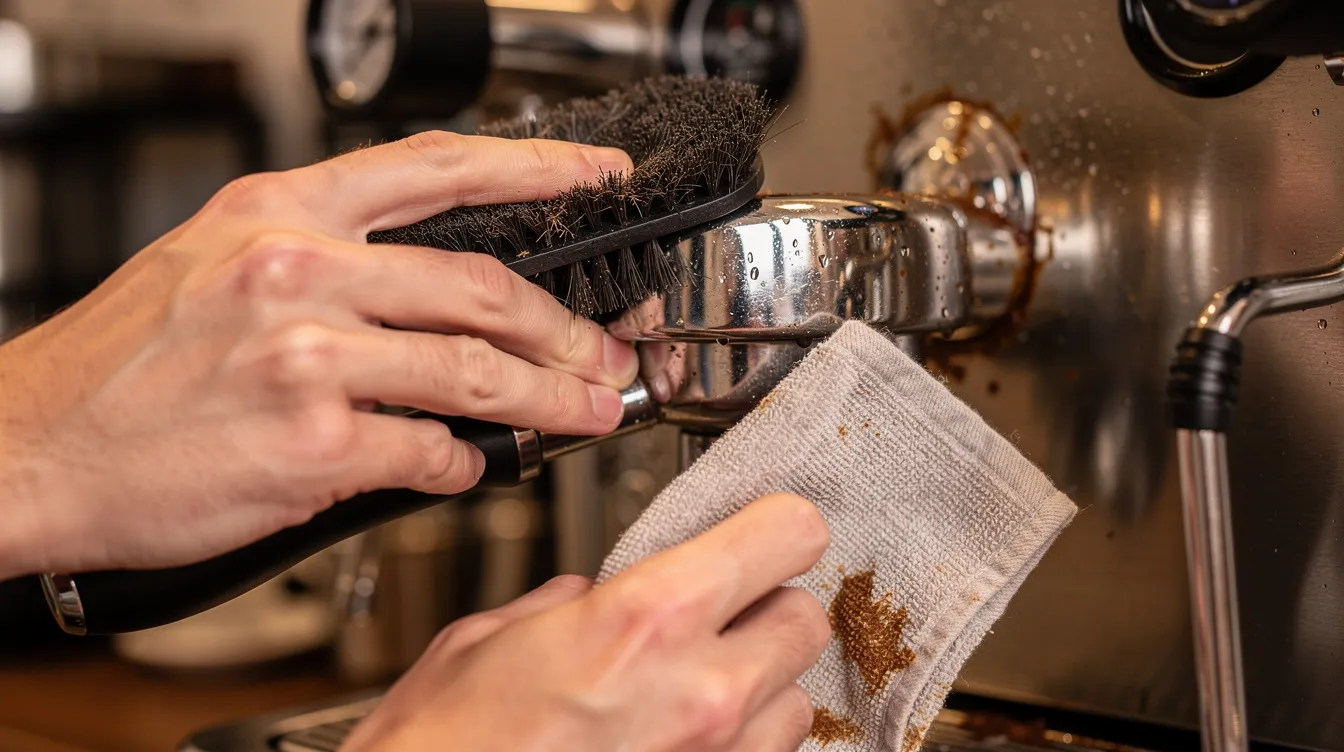
Flush the group head before and after each session
Wipe and purge the steam wand immediately after every use
Rinse the portafilter and baskets; remove spent coffee grounds
Backflush with detergent weekly (machines with a solenoid valve / three-way valve)
Water management: Water quality impacts both espresso flavor and machine longevity. Using filtered or softened water reduces scale buildup. Hard water shortens boiler life significantly – descale single boiler and dual boiler machines on the manufacturer’s recommended schedule.
Long-term parts: Over 5–10 years, expect to replace gaskets, shower screens, and possibly the pump or steam valve. Brands like Breville, Gaggia, Rocket Espresso, and Lelit have strong U.S. parts availability. Warranty varies widely: Lelit Bianca V3 offers 3 years, the Rocket R58 only 12 months, and Jura typically 2 years.
Cost perspective: Even a premium home espresso setup – machine, grinder, beans, maintenance – typically pays for itself within 12–18 months for anyone spending money on daily café drinks. The difference in annual cost between pulling your own shots and buying out is substantial, and the cup quality at home can match or exceed what most cafés serve.
Capitol City Coffee Testing Context and Editorial Approach
This guide is produced under Capitol City Coffee’s independent editorial voice, focusing on clear, unbiased buying advice for the U.S. market. Unless we call out specific, documented testing notes, we are not claiming hands-on testing, measurements, or long-term ownership of the machines discussed.
We synthesize verified product specifications, multiple reputable third-party expert reviews (including WIRED, TechRadar, and NBC Select), and broad consumer feedback to reach a consensus-style view on performance, reliability, and value. We do not sell machines ourselves. Affiliate commissions do not determine rankings, and we sometimes recommend lower-commission or non-affiliate options when they better fit readers’ needs.
Readers looking for other coffee gear – grinders, brewers, scales, and more – can find additional researched roundups under the broader gear section of Capitol City Coffee.
FAQs
These questions cover practical concerns not fully addressed above, with specific, actionable guidance for real-world ownership and setup choices.
Do I really need a separate grinder for home espresso?
While some espresso makers with a built-in grinder (like the Breville Barista Express) are convenient, a dedicated espresso grinder usually offers better grind consistency, easier upgrades, and a longer useful life – especially important for demanding home barista setups. Buyers on tight budgets can start with an all-in-one box and upgrade the grinder later, but should know that espresso quality is often limited more by grinder performance than by the machine itself. A dedicated grinder allows for better espresso quality than built-in options in nearly every direct comparison.
What size water reservoir should I look for in a home espresso machine?
Solo users pulling one to two drinks per day can get by comfortably with a 1–2L water reservoir. Households making multiple milk drinks daily may prefer 2–3L to reduce refills. Some prosumer machines (Bianca V3, Rocket R58) offer plumb-in options, eliminating refilling entirely for those willing to install a water line and filtration system.
Is a dual boiler (double boiler) worth it over a single boiler for home use?
A dual boiler is most valuable for people who regularly make milk-based drinks and want to pull espresso and steam milk at the same time with strong steam power and stable brew temperature. Dual boiler machines allow simultaneous brewing and steaming without compromise. Many home espresso machines with a single boiler can still make excellent shots – the trade-off is a slower workflow and some waiting between brewing and steaming, which may be perfectly fine for one to two drinks a day.
How long should a good home espresso machine last?
With proper cleaning, filtered water, and basic maintenance, many reputable semi-automatic machines from brands like Gaggia, Rocket Espresso, Lelit, and Rancilio can last a decade or more. Super-automatic machines and models with more complex electronics may have different long-term reliability profiles, making warranty coverage, service access, and parts availability especially important to check before buying. Nespresso and similar capsule-based devices tend to have shorter useful lifespans.
Can I use regular coffee beans in an espresso machine?
“Espresso beans” are just a roast and blend style, not a separate category. Any fresh, high-quality coffee roasted between about medium and dark can work in home espresso machines if ground finely and dialed in correctly. The flavor you get depends on bean freshness, grind quality, and extraction – not a label on the bag. Avoid very oily dark roast beans in super-automatic grinders, as they can gum up the burrs. Beginners should start with medium or medium-dark blends that are easier to extract consistently before experimenting with lighter roasts, where crema production and extraction become more demanding and caffeine content shifts slightly.
How Capitol City Coffee Rates Coffee and Coffee Machines
Every coffee and coffee machine we recommend is scored on the same 100-point scale, so a recommendation on one page means the same thing as a recommendation on any other. Each pick is also labeled with how we reached its score.
Research-ratedScored from the roaster or manufacturer’s published specifications, independent results such as Coffee Review blind cuppings and SCA brewer certification, and patterns across verified buyer reviews. Most of our current picks are research-rated.
Hands-on testedThe Capitol City Coffee team has brewed the coffee or used the machine ourselves, following the testing steps below. We only use this label when that testing actually happened, and we show the date we tested.
Coffee beans: 100-point scale
What we score
Points
What we look at
Origin and sourcing transparency
20
Country, region, farm or cooperative, altitude, bean variety, and processing method are clearly disclosed.
Flavor evidence
25
Independent cupping scores, how closely the tasting notes match what the origin is known for, and our own cupping notes when hands-on tested.
Roast and freshness
15
Roast level stated, roast-date practices, whole-bean availability, and packaging with a one-way valve or resealable bag.
Brew versatility
15
How well the roast suits pour-over, drip, French press, cold brew, and espresso.
Value
15
Price per ounce compared with similar single-origin coffees or blends.
Buyer feedback
10
Volume and consistency of verified reviews, and recurring complaints about staleness, bitterness, or shipping.
Coffee machines and gear: 100-point scale
What we score
Points
What we look at
Brewing performance
25
Water temperature in the 195–205°F range, even extraction, and SCA certification or published test data.
Build quality and reliability
20
Materials, known failure points, and long-term owner reports.
Ease of use and cleaning
15
Setup, the daily routine, descaling, and dishwasher-safe parts.
Fit for your kitchen
10
Capacity, counter footprint, and noise.
Useful features
10
Programming, grind and temperature control, and carafe type. Features that improve the cup count more than extras that do not.
Value
10
Price compared with machines that perform similarly.
Warranty and support
10
Warranty length, parts availability, and how the brand handles repairs.
What the grades mean
Score
Grade
What it means
90–100
A
Exceptional. Our first recommendation for the feeling and setting described.
80–89
B
Strong. Excellent, with minor trade-offs we explain.
70–79
C
Good. Worth it for specific needs, with clear compromises.
Below 70
—
Not recommended. We do not feature these as picks.
How we test hands-on
When a pick carries the Hands-on tested label, this is the method behind it, and we note the date we tested.
Coffee: brewed fresh from whole beans following Specialty Coffee Association guidelines (water between 195 and 205°F, about 1 gram of coffee to every 15 to 18 grams of water) in the brew methods the roast suits best, such as pour-over, French press, or espresso. We taste it black first, then with milk if that is how most people drink it, and each taster scores it on their own before we compare notes.
Machines: used in our everyday routine rather than a single demo. We brew both full and small batches, check the brewing temperature and brew time, and run the cleaning or descaling steps the manual calls for.
How we choose the feeling and setting
We match each coffee to a mood and a moment based on its flavor profile and roast. Bright, citrusy light roasts suit energizing mornings. Chocolatey, full-bodied medium roasts suit slow or social moments. Richer roasts suit espresso and milk drinks. Each pick explains which facts led us to that match.
Our scores stay independent
Every score comes only from the criteria above. No brand can pay for a pick or a higher grade. We re-check ratings when a roast, listing, or model changes, and update or remove picks that no longer earn their grade.
Some links on this page are affiliate links. As an Amazon Associate, Capitol City Coffee earns from qualifying purchases, at no extra cost to you.
Questions about a rating? Reach the Capitol City Coffee team through our contact page.