

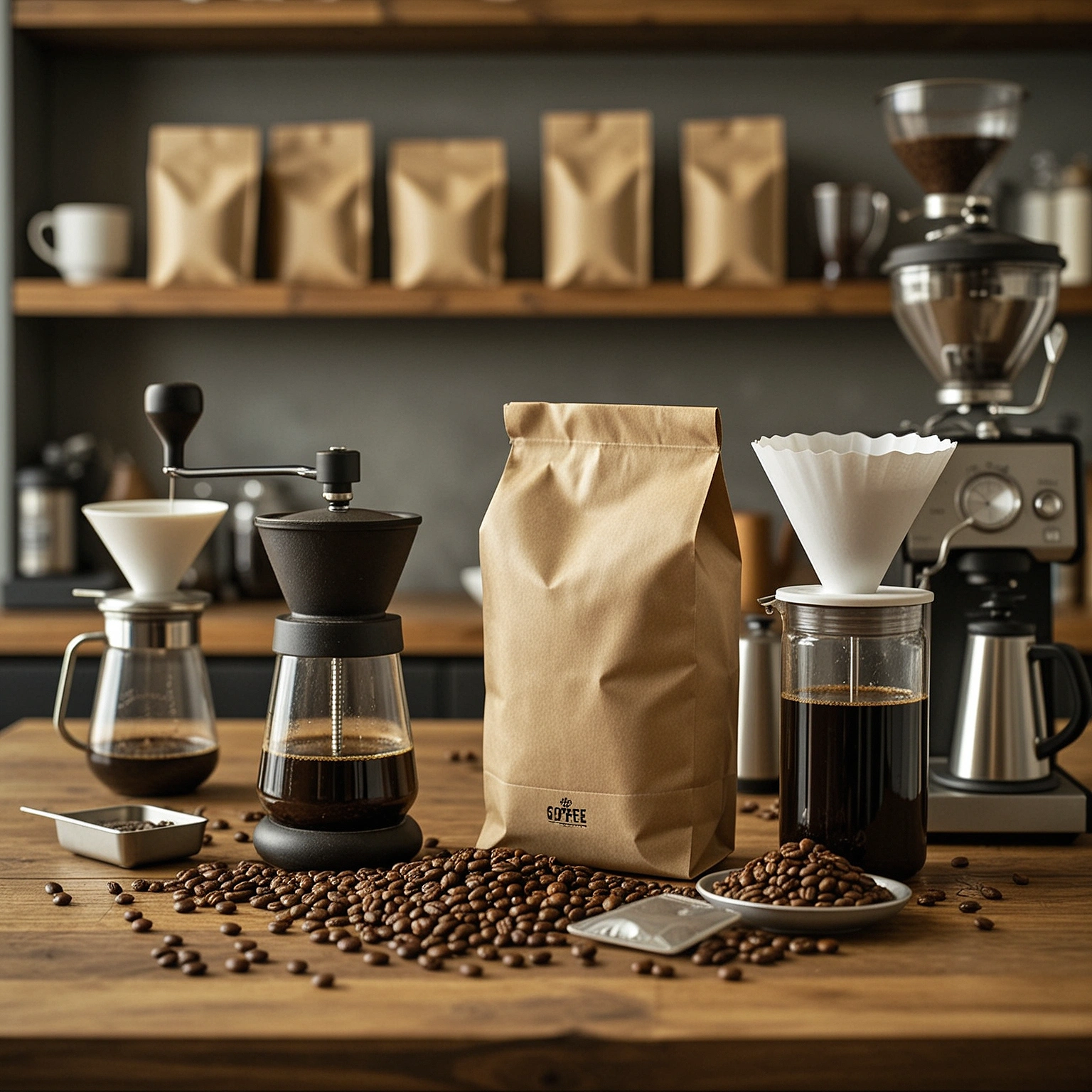
If you want a good cup of coffee at home, two decisions matter most: buy whole bean coffee if you own (or will buy) a grinder, or choose high-quality ground coffee matched to your brewing method if you do not. After that, pick a bag with a recent roast date, store it properly, and match your grind size to your brewer. This page is your starting point for making those choices with confidence.
Key Takeaways
- Whole bean coffee offers maximum freshness and flavor because the beans stay intact until you grind them; buying ground coffee maximizes convenience and consistency for daily routines.
- Grind size must match your brewing method for best results. A French press requires coarse grind, drip machines use medium, and an espresso machine needs fine grind. Getting this wrong affects taste more than almost any other variable.
- Coffee is best consumed within 1 to 6 weeks of roasting. Freshness is determined by a “roasted on” date rather than a “best by” date, so check the bag before you buy.
- Beginners and gift shoppers can start with a medium roast from a reputable roaster. That single choice covers most drip, pour over, and French press setups.
- This hub links to deeper Capitol City Coffee guides on beginner-friendly coffee picks, coffee gifts, and whole bean vs. ground comparisons for detailed help.
At a glance
Category Overview: What This Coffee Buying Guide Hub Covers
Capitol City Coffee is an independent coffee editorial resource for U.S. coffee drinkers. We do not sell coffee or roast beans. This coffee buying guide is a starting point for learning how to buy coffee thoughtfully by choosing between ground coffee and coffee beans, picking gifts, and weighing key trade-offs around performance, quality, usability, price, and value.
The audience: beginners making their first real coffee purchase, casual drinkers upgrading from supermarket tins, and gift shoppers unsure whether to buy ground or whole bean coffee. Each section below covers a core concept. For deeper dives, follow the links to our individual guides under /coffee/buying-guides/.
All recommendations on this page are based on researched editorial analysis and third-party consensus, not hands-on testing or personal tasting, unless noted otherwise.
Key Concepts: Ground Coffee vs. Whole Bean for Beginners
The core decision is ground or whole. The reason it matters comes down to surface area and oxidation. Whole coffee beans keep their cellular structure intact, trapping aromatic oils and CO₂ produced during roasting. Grinding shatters that structure. According to research published in the Journal of Agricultural and Food Chemistry, up to 75% of trapped CO₂ escapes within 90 seconds of grinding. That CO₂ protects flavor. Once it is gone, oxidation begins to degrade coffee’s flavor, and the clock starts running fast.
Whole bean coffee allows for grind size customization. Pre-ground coffee loses flavor faster due to oxidation because the increased surface area accelerates volatile compound loss.
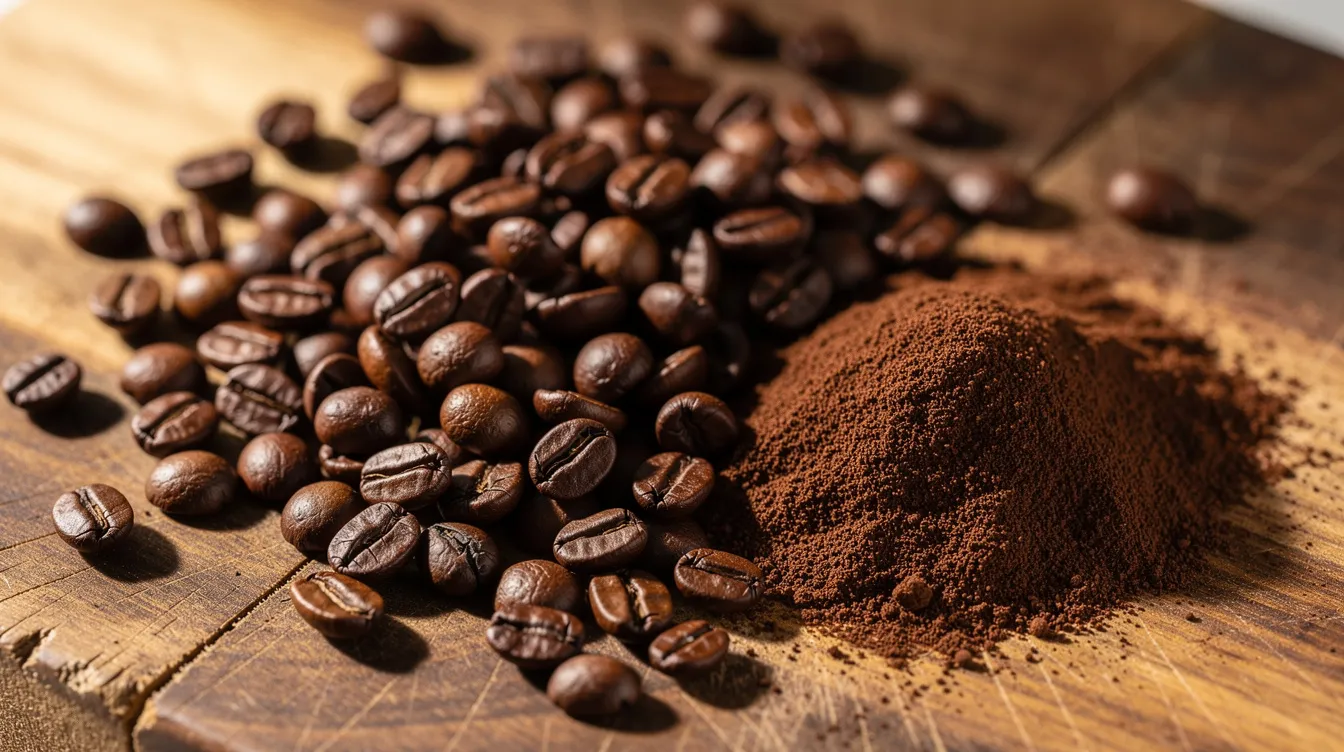
Grind size basics matched to brewing method:
- Coarse grind: French press, cold brew
- Medium grind: auto-drip machines, most pour over setups
- Fine grind: espresso machine, moka pot
Whole bean benefits:
- Fresh ground flavor with each cup
- Grind control across different brewing methods
- Better for experimentation with brew time and brew temperatures
Ground coffee benefits:
- Convenience; pre-ground coffee is ready to brew immediately
- No grinder needed; no extra noise or counter space
- Consistency when factory-calibrated grind size matches your brewer
Ground coffee is good for beginners who value simplicity and convenience. If your morning allows five extra minutes and you enjoy the process, grinding your own beans gives you more freshness and control, so whole beans reward that effort. If you need minimal effort and speed, buying ground coffee matched to your brewer produces a perfectly acceptable cup of coffee.
Whole Bean vs. Ground Coffee: Trade-Offs, Performance, and Best Use Cases
Whole bean coffee preserves flavor until ground, delivering more aroma and layered taste when freshly ground right before brewing. Ground coffee can be more consistent if the grind size is factory-matched to a specific brewing method, but pre-ground coffee is convenient but often less flavorful over time.
Whole beans can last longer than ground coffee after opening. Ground coffee goes stale faster because of that exposed surface area. Whole bean coffee is better for those who enjoy coffee as a hobby and have a grinder.
Usability: A grinder adds a step, noise, and counter space. Pre ground coffee goes straight from bag to brewer, which suits sleepy weekday mornings, shared kitchens, and single serve machines.
Price and value: A good burr grinder costs $50 to $150 upfront. That investment can make affordable beans taste better by producing uniform particle size. Ground coffee requires no gear investment, but buying large bags risks waste if the coffee goes stale before you finish it.
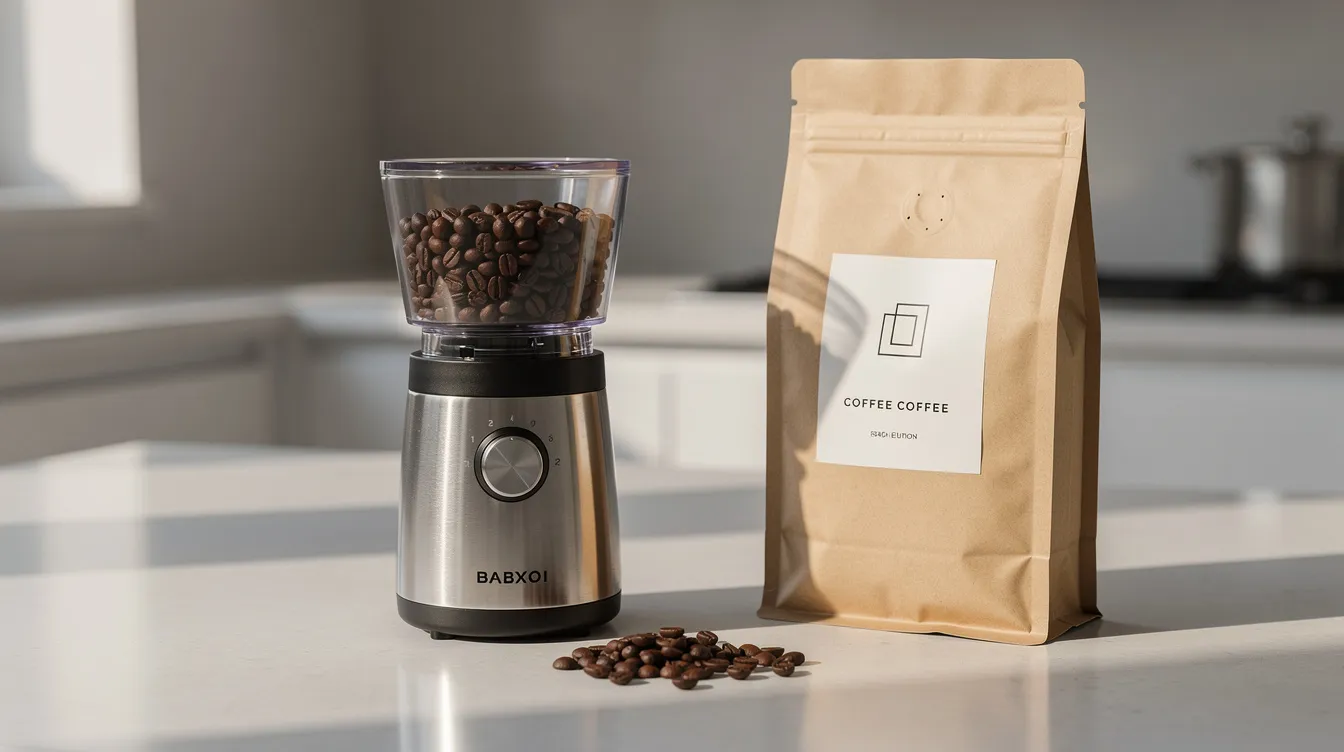
Best use cases:
- Whole bean for home espresso lovers who need a fine grind dialed in precisely
- Whole bean for pour over enthusiasts who adjust grind size by recipe
- Buying ground coffee for office drip pots where simplicity matters
- Ground coffee for beginner gifts when you do not know the recipient’s gear
The whole bean vs. ground section on this page covers the main trade-offs. For the full comparison, see Whole Bean vs Ground Coffee.
Buying Coffee for Beginners: Where to Start
Beginners do not need to memorize every coffee term. A reliable path to good coffee at home requires three decisions: pick a brewing method, match the grind size, and choose a roast level.
Starting points by brewer:
- Drip machine: medium grind, medium roast
- French press requires coarse grind; medium or medium-dark roast
- Espresso machine: fine grind, espresso-labeled blend or single origin
- Pour over: medium to medium-fine grind, light to medium roast
Prioritize freshness (a recent roast date), appropriate grind size, and roast level over exotic origins or complex tasting notes. Selecting a reputable ground option can align taste preferences with convenience for beginners who are not ready for a grinder.
Common beginner pitfalls:
- Buying very dark, oily beans for every brewing method; darker roasts go stale quicker than medium-light roasts and can taste one-dimensional in a pour over
- Choosing the cheapest jumbo canister; large quantities of pre ground coffee lose flavor before you finish the bag
- Ignoring roast dates and storage; a bag without a roast date could be months old
For step-by-step picks, see our beginner coffee beans guide.
Coffee Gifts: How to Choose Beans and Gear for Coffee Lovers
Selecting coffee as a gift can feel overwhelming for beginners due to many choices. The recipient’s brewing equipment determines whether you should buy beans in whole or ground form. The recipient must own a grinder to use whole bean coffee effectively; if you are unsure, choose ground coffee matched to a safe brewing method like drip or French press.
For a beginner’s gift, convenience is important while freshness affects the flavor experience. Freshly roasted coffee generally makes a better gift than old coffee. A medium roast is a safe choice for gifting coffee.
Gift profiles:
- The curious beginner: A sampler of three medium roast whole bean bags from different origins. Lets them explore without committing to a 12-oz bag they may not like.
- The gear tinkerer: A burr grinder or pour over kit. Both pair with whole beans and invite experimentation with grind size and brew time.
- The busy parent: High-quality pre ground coffee sized for drip; choosing ground coffee is ideal for busy recipients with no grinder. Look for a bag with a one way valve and a clear roast date.
- The office coffee drinker: Ground coffee matched to a communal drip brewer, plus a desk-friendly French press for personal cups.
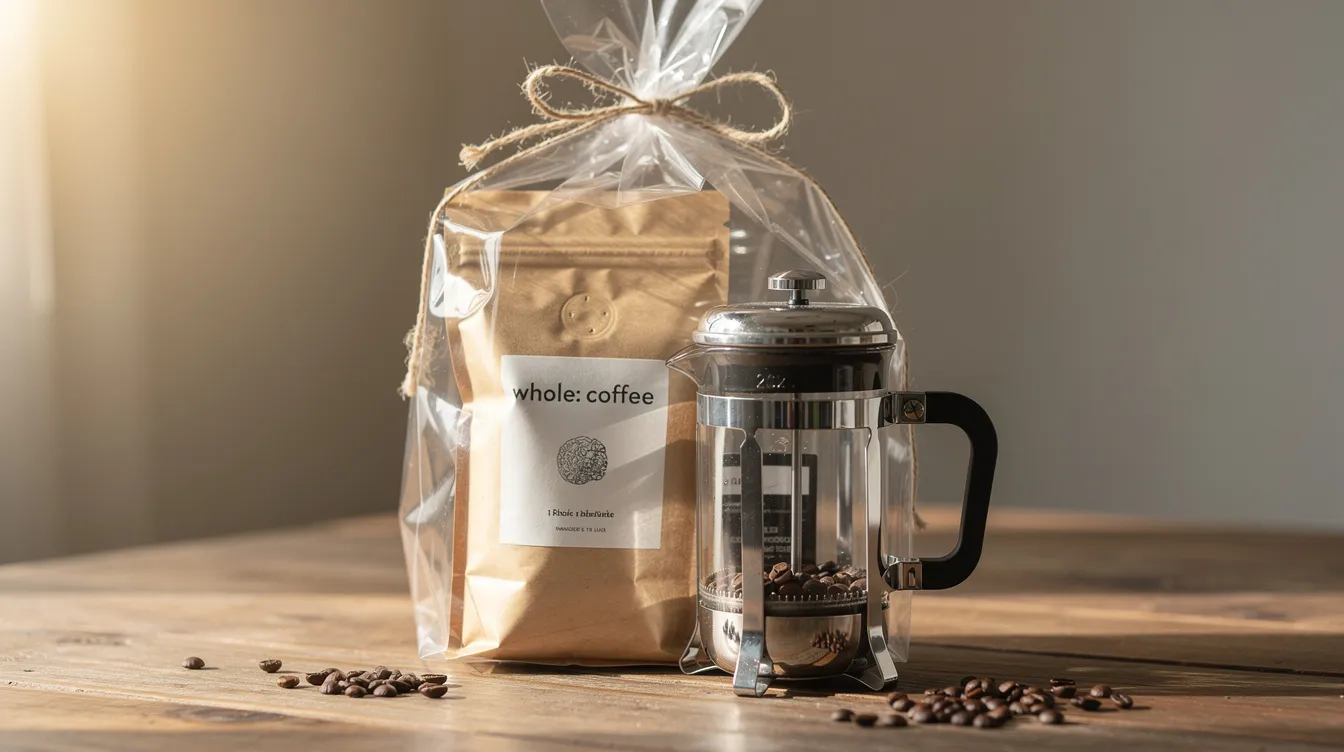
For more detailed coffee gift ideas for different coffee drinkers, see our coffee gift guide.
Freshness, Roast Dates, and Storing Coffee Properly
Roast date matters more than “best by” date. A “best by” stamp tells you about packaging shelf life; it says nothing about when the coffee plant’s seed was roasted. According to specialty coffee freshness research, whole beans reach peak flavor between 7 and 21 days after roasting and maintain good quality for roughly 4 to 6 weeks. Whole bean coffee offers maximum freshness if consumed within 2 to 4 weeks of roasting.
Ground coffee loses freshness faster due to increased surface area exposed to oxygen. Once you open a bag of ground coffee, aromatic compounds degrade within hours; the Specialty Coffee Association notes that CO₂ and volatile aromas escape far more rapidly from ground particles than from intact beans. Whole beans last longer than ground coffee after opening.
Proper storage guidance:
- Store coffee in an airtight container, opaque, in a cool, dark, dry place
- Avoid the fridge or freezer for day-to-day use; temperature swings introduce moisture
- Buy smaller bags you can finish within the freshness window
- Coffee should be kept in a cool, dark, dry place; a cupboard away from the stove works
Packaging cues that signal quality:
- One way valve on the bag (lets CO₂ escape without letting oxygen in)
- Clear roast date printed on the label
- Resealable closure or zip top
- Nitrogen-flushed packaging for preserving oils and aroma
Medium-light roasts preserve the natural qualities of coffee beans and tend to hold freshness longer than darker roasts, which oxidize faster due to oils migrating to the bean surface.
Roast Levels, Flavor Profiles, and Matching to Brewing Methods
Roast levels control how much of a coffee bean’s origin character you taste versus roast character. Light roasts highlight bright fruity and floral notes. Medium roasts are balanced. Dark roasts are bold.
Flavor by roast level:
- Light roasts maintain bright acidity and fruity notes; expect citrus, berry, or floral tones. Good quality beans from high-altitude origins shine here.
- Medium roasts develop a balanced flavor profile with sweetness; chocolate, nuts, and caramel emerge. This is the most forgiving roast for daily drip.
- Dark roasts feature bold, smoky flavors with lower acidity. Body increases, but origin nuances fade under roast character.
Roast and brewing method pairing:
Roast Level | Best Brewing Methods | Flavor Character |
|---|---|---|
Light | Pour over, filter drip | Bright, fruity notes, floral |
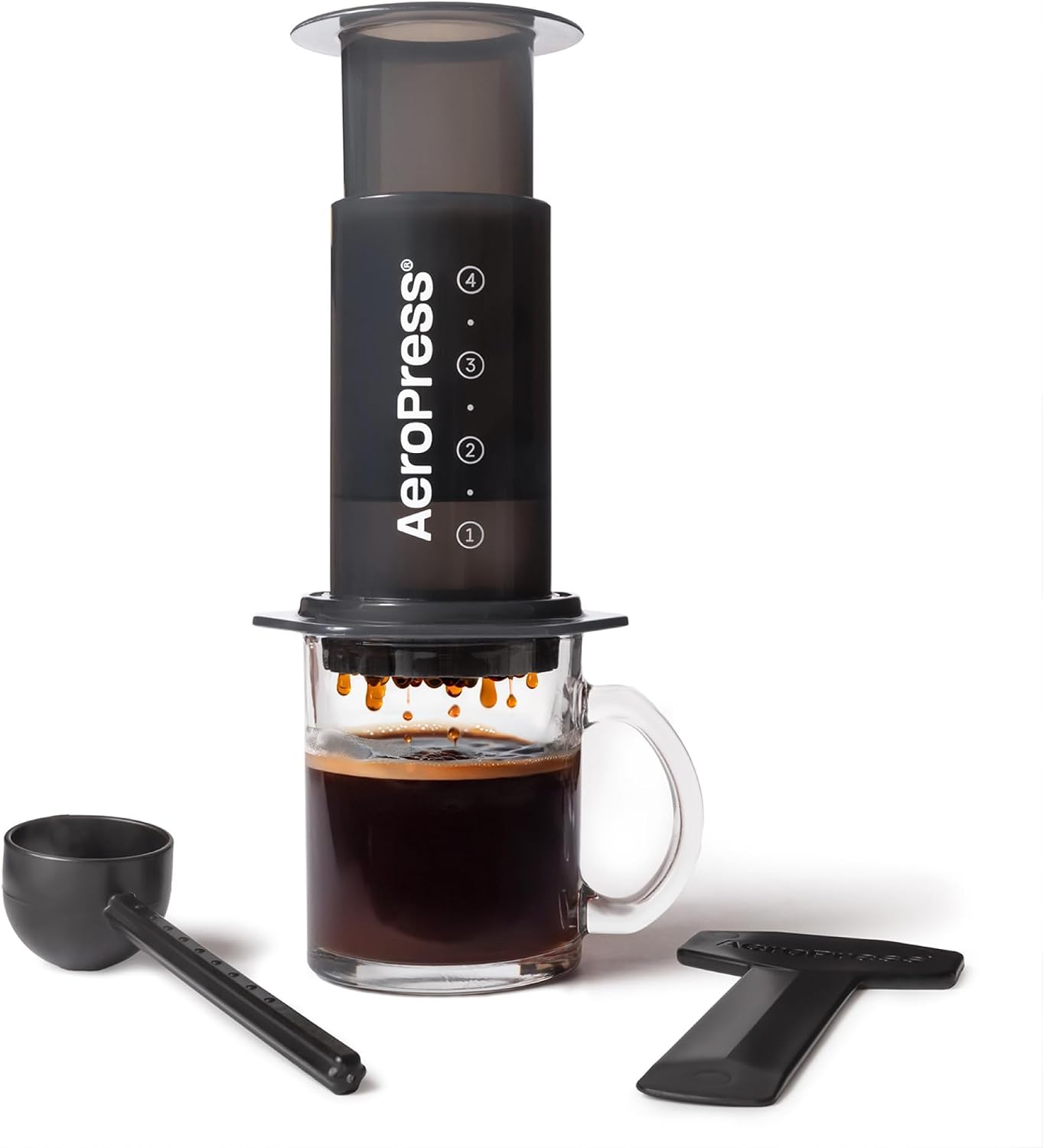
Medium | Drip, pour over, AeroPress | Balanced, sweet, nutty |
Medium-dark | Espresso, moka pot, milk drinks | Rich, caramel, holds up in milk |
Dark | French press, cold brew, espresso blends | Smoky, bold, low acidity |
Beginners unsure of preferences should start with a medium roast bean coffee. It works across drip, pour over, and French press, and avoids the extremes of sour (too light) or bitter (too dark). Roast profiles and roast levels matter, but matching the roast to the brewer you already own is one of the fastest ways to get a great cup.
Choosing between single-origin coffees and blends depends on whether you want a distinctive origin flavor or a more consistent cup. For the full comparison, see Single-Origin vs Blend Coffee.
Browse Guides: Ground or Whole, Beginners, Gifts, and More
These Capitol City Coffee guides go deeper on specific questions:
- Best Coffee for Beginners: Simple, Forgiving Picks
- Coffee Gift Ideas for Every Type of Coffee Drinker
- How to Choose Coffee Beans by Flavor Profile
- How Long Do Coffee Beans Stay Fresh?
- How to Store Coffee Beans
Featured Recommendations (Editorial, Not Sales)
Versatile medium roast whole bean (drip and pour over): Look for a Central or South American single origin labeled “medium roast” with a roast date within the past two weeks. Expect flavor notes of chocolate, brown sugar, and mild citrus. Bag sizes around 12 oz ($14 to $18) work well for one to two cups a day. Drawback: requires a grinder, and lighter-bodied origins may taste thin in milk-heavy drinks.
Pre-ground option for auto-drip: A well-reviewed medium roast coffee ground for drip filters, sold in 10 to 12 oz bags from a roaster that prints the roast date. Pre ground coffee labeled “drip” or “filter” grind avoids the too-fine or too-coarse guesswork. Expect a smooth, reliable cup of coffee with minimal effort. Drawback: most pre ground coffee cannot be used for espresso or French press without taste trade-offs.
Entry-level burr grinder: Models in the $80 to $120 range from established brands produce consistent particle size across coarse to fine settings. Look for conical burr design, easy-to-clean hopper, and low retention (less ground coffee stuck inside). A good burr grinder transforms affordable whole beans into fresh ground coffee that rivals a coffee shop pour over. Drawback: adds noise, counter space, and a daily cleaning step.
How Capitol City Coffee Researches Coffee Buying Guides
All guides under /coffee/buying-guides/ are based on independent editorial research, not paid placement or in-house roasting. The research process includes reviewing roaster-published information, expert barista sources, verified lab data for gear, and aggregated user feedback from reputable marketplaces.
Unless otherwise noted, Capitol City Coffee does not claim hands-on testing, tasting, or long-term ownership. Language reflects documented features and third-party consensus. Factors weighed include flavor profile, grind size compatibility, different brewing methods, durability, and value. Recommendations are updated over time for availability changes, discontinued items, or shifts in consensus about performance.
FAQs: Coffee Buying Guide, Ground vs. Whole, and Common Concerns
These FAQs cover edge cases and practical buying decisions not fully addressed above.
Is it worth buying a grinder if I only drink one cup of coffee a day?
For a single daily cup, a basic burr grinder can still be worthwhile if you value fresh ground flavor and plan to drink coffee at home most days. The trade offs: $80 to $120 upfront, an extra 30-second step each morning, and more countertop space. The payoff is noticeably fresher aroma and better flavor from whole bean coffee compared to pre ground.
If you mainly drink coffee at the office or travel often, high-quality pre ground coffee matched to your main brewing method delivers better value. A middle path: start with an affordable burr grinder and a medium roast whole bean. It is a low-risk way to upgrade your daily cup without overcomplicating your morning.
How long does ground coffee stay good once I open the bag?
Ground coffee remains safe to drink for months, but “tastes fresh” is a different standard. Most coffee drinkers notice flavor loss within one to two weeks of opening a bag, assuming proper storage. Peak flavor fades fast because coffee ground has far more surface area exposed to oxygen than whole beans.
Store coffee ground in an airtight, opaque container in a cool cupboard. Avoid fridge or freezer storage for bags in active use; temperature swings introduce moisture. Buy smaller bags rather than stocking up on huge containers. Light roasts and flavored coffees may show staling sooner than darker, more robust blends.
Which grind size should I choose if I buy pre-ground coffee online?
Common grind labels matched to brewing methods:
- Coarse: French press, cold brew
- Medium: drip machines, many pour overs
- Fine: espresso, moka pot
If the seller offers only one “universal” grind, it usually targets auto-drip makers. That grind may be too fine for a French press (over-extraction, bitter taste) and too coarse for espresso (under-extraction, weak shot). Match your pre ground coffee to your most-used brewing method. If you plan to explore different brewing methods over time, upgrading to whole beans and a burr grinder gives you control over grind size for each brewer.
Is ground coffee or whole bean better for office and shared kitchens?
In offices and shared kitchens, buying ground coffee is usually more practical. Not everyone will know how to adjust a coffee grinder, and cleanup adds friction in a communal space. A medium grind matched to a standard drip machine offers a safe balance of flavor and usability for most coffee drinkers.
Store office coffee in a sealed canister away from heat sources like microwaves and windows to keep it tasting decent through the workweek. For smaller teams of enthusiasts who agree on a brewing method, a shared grinder and whole beans can deliver a better cup with only a bit more coordination.
What’s the simplest upgrade if I’m not ready for whole beans yet?
Switch from large supermarket tins to smaller bags of freshly roasted, pre-ground coffee from a reputable roaster. Look for a grind size that matches your main brewer (often labeled “drip” or “filter”) and a medium roast for a smooth, reliable perfect cup. Experiment with different origins and blends over time to discover whether you prefer chocolatey, nutty, or fruity notes.
<