
Best amazon sampler pick
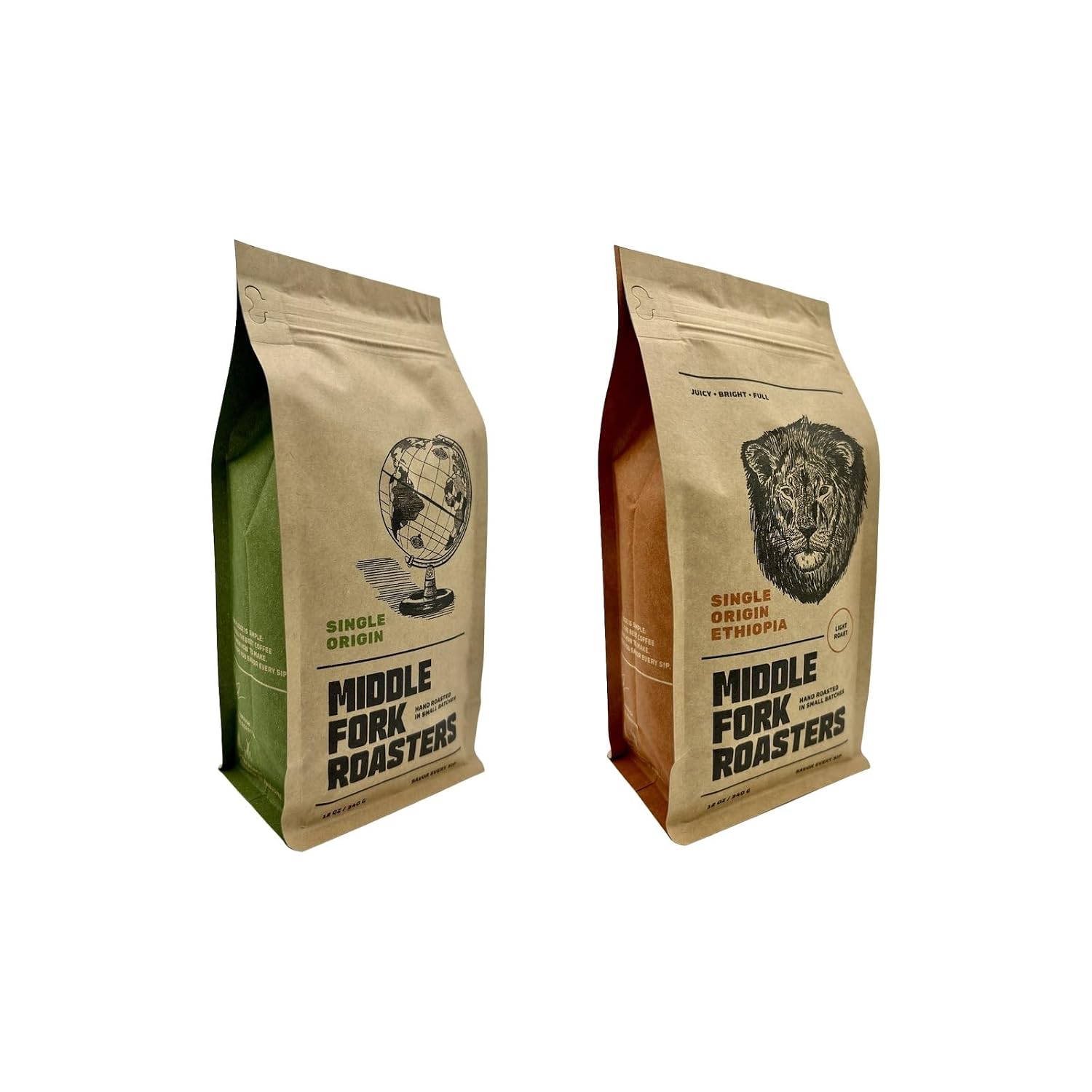
Best amazon sampler pick
Subscription
Trade Coffee
Capitol City Coffee is an independent coffee editorial and affiliate publication. We may earn a commission if you purchase through outbound links in this article, but commissions never influence our rankings or opinions. This comparison is based on researched editorial analysis – not first-person tasting or long-term ownership – and prices (such as Trade starting around $16.99 per bag or Bean Box around $19.50 per bag) reflect 2026 data but may change.
For most U.S. coffee lovers who want a great coffee subscription that improves with every shipment, Trade Coffee is the better long-term pick. Its algorithm-based quiz, feedback loop, and access to 55+ independent roasters across the country create a personalized pipeline of specialty coffee that gets smarter as you rate each bag and refines future picks around your taste preferences.
Here’s how the two stack up on the factors that matter most:
As of 2026 in the United States, Trade Coffee partners with 55+ independent roasters and offers over 450 coffees, while Bean Box highlights 64 roasters and provides access to over 600 specialty coffees.
Choose Trade if you want a set-and-forget personalized coffee subscription that learns your palate; choose Bean Box if you want curated sampler boxes and gift-ready experiences.
The table below puts the most important specs side by side so you can compare Trade Coffee vs Bean Box without scrolling through every section.
Feature | Trade Coffee | Bean Box |
|---|---|---|
Focus | Personalized discovery via quiz + algorithm | Curated variety, samplers, and gifting |
Roasters / Coffees | ~55+ U.S. roasters, ~450+ coffees | ~64 U.S. roasters, 600+ coffees |
Roast date transparency | Roast date on every bag; ships within ~24 hrs of roast | Roast date on every bag; arrives ~5–7 days post-roast |
Personalization | Onboarding quiz, five roast levels, brew method, feedback ratings | Taste profile categories (Light & Bright, Dark & Toasty, Espresso, Decaf, etc.) |
Standard bag size | ~11 oz (~310 g); 2-lb “big bag” option | 12 oz (about 10% larger); 2-lb and 5-lb options |
Grind options | Whole bean or pre-ground (drip, espresso, French press) | Whole bean or ground |
Delivery frequency | Every 1, 2, 3, 4, 5, or 6 weeks | Every 2–6 weeks |
Price per bag (2026) | ~$15.75–$17 standard; $21–$22+ premium | ~$19.50–$21.50 for 12-oz bags |
U.S. shipping | ~$2/bag standard; free on prepaid bundles/larger orders | Free shipping on many subscription plans |
Cancellation | Anytime via online dashboard | Online; pause via email or account settings |
Gifting | Gift subscriptions (2–24 bags), First Bag Guarantee | Curated gift/sampler boxes, polished packaging, membership perks |
Best for | Daily drinkers, personalization fans, roaster explorers | Gift buyers, sampler fans, low-decision discovery |
Trade Coffee is a U.S.-based multi-roaster marketplace that connects coffee drinkers with 55+ independent and often award winning roasters. Rather than roasting its own beans, Trade acts as a matchmaker: coffee is roasted to order by partner roasters, then shipped directly to you to preserve freshness.
Trade Coffee’s selection includes varied origins, roast levels, and processing styles – everything from a bright Ethiopian natural to a chocolatey Colombian blend. The platform emphasizes personalization via an onboarding quiz covering roast level, brew method (drip, pour-over, espresso, cold brew), flavor notes, and whether you want whole bean or ground coffee.
Trade Coffee offers over 450 coffees from 55 roasters, including occasional rare drops and Discovery Trial offers. Trade Coffee focuses on discovery through personalized recommendations, making it well-suited to coffee drinkers who want to explore without doing all the legwork themselves.
This overview draws from Trade’s public materials and multiple expert reviews – not personal testing by Capitol City Coffee.
Bean Box is a Seattle-founded coffee subscription and gifting service built around small batch coffees from roughly 64 independent roasters. Bean Box sources primarily from top artisan roasters and provides access to 600+ specialty coffees, giving subscribers a rotating catalog that keeps things interesting.
What makes Bean Box stand out is its sampler “Coffee Tasting” boxes – four 1.8-oz bags per shipment, enough for 16–24 cups – designed for side-by-side discovery. Bean Box also offers full-size 12-oz bags, 2-lb, and 5-lb options, all with roast dates clearly printed and beans shipped within days of roasting.
Membership perks include exclusive discounts, early access to new coffees, and occasionally surprise gifts. Bean Box’s bags are about 10% larger than many competitors at the standard tier, a small but real advantage for value-conscious buyers.
Bean Box is often recommended in independent “best coffee subscriptions” lists as especially strong for variety and gifting, and it’s a solid choice for anyone who wants excellent coffee without spending too much time choosing.
Here’s a deeper look at how Trade performs for everyday coffee drinkers across flavor matching, freshness, convenience, and value.
Personalization and matching. Trade Coffee customizes selections using an onboarding quiz that asks about roast level, body preference, brew method, whole bean vs ground, and flavor note preferences (chocolatey, nutty, fruity, bright acidity). Trade Coffee offers five roast levels for customization – from ultra-light to dark roast – which is more granular than most coffee subscription services. After each delivery, you rate the coffee, and the algorithm adjusts future picks. Customer service at Trade Coffee offers free replacements for disliked bags, reducing the risk of a bad first bag.
Roaster variety. With 55+ specialty roasters nationwide, Trade gives you access to regional styles you might never encounter at your local shop – West Coast light roasts, Midwest medium roast crowd-pleasers, and East Coast dark roast staples. This breadth appeals to coffee lovers who want to discover new beans from independent roasters across the country, including names like Onyx Coffee Lab.
Roast date and freshness. Trade Coffee ships coffee directly from local roasters after roasting. According to multiple reviews, 94% of Trade orders ship within 48 hours of roast, with roast dates printed on every bag. Your coffee arrives freshly roasted and ready to brew, not sitting in a warehouse.
Delivery and grind options. Trade Coffee allows flexibility in delivery schedules, from weekly to monthly (every 1–6 weeks). Standard bags run around 11 oz, with 2-lb “big bag” options for heavier drinkers. Grind options include whole bean and pre-ground tailored for drip, espresso, or French press.
Limitations. There’s no built-in sampler flight in the standard Trade Coffee subscription – you get one bag at a time unless you order multiple. Premium and rare lot coffees can push prices above $22 per bag. And the sheer volume of choices (450+ coffees) can create decision fatigue for subscribers who prefer to browse rather than trust the quiz.
Now let’s look at what makes Bean Box tick – and where it falls short.
Curated approach. Bean Box specialties include categories like Light & Bright and Dark & Toasty, plus dedicated Espresso, Decaf, and Cold Brew options. Bean Box enables selection based on general roast preferences rather than fine-grained algorithmic matching. You pick your taste profile, and Bean Box’s expert team hand-picks coffees within that range. Bean Box offers 1200+ flexible subscription plan options when you factor in all combinations of taste profiles, bag sizes, grind choices, and delivery frequencies.
Sampler experience. Bean Box features curated sampler boxes for tasting multiple coffees – four 1.8-oz bags per month in the Coffee Tasting subscription, each with roast dates clearly labeled. Bean Box emphasizes an educational unboxing experience for customers, often including tasting notes and roaster background cards. This format is ideal for coffee drinkers who want to taste different beans without committing to a full bag of something they might not love, and it also suits people who want less coffee than one bag at a time, effectively a half bag use case.
Freshness. Beans are shipped within days of roasting from partner roasters, targeting peak flavor within 2–4 weeks after roast for home brewers. Bean Box coffee arrives within 5–7 days of roasting, which is solid for a subscription model.
Subscription options. Bean Box gives options for delivery every 2 to 6 weeks with various bag sizes – 12-oz standard, 2-lb, and 5-lb. Grind options include whole bean or pre-ground, and you can select your roast preference including decaf.
Limitations. Bean Box is geared toward a curated coffee experience, appealing to gift-giving, but it offers less granular personalization than Trade. There are fewer ultra-niche experimental process styles (think anaerobic fermentation or carbonic maceration) in the standard rotation. And entry pricing per bag ($19.50–$21.50) sits higher than Trade’s lowest tiers.
Roast date matters because aroma, sweetness, and clarity of flavor all depend on fresh roasted beans used within the last few weeks, and both services show visible roast dates on their bags – a stark contrast to coffee from grocery stores, which sits on shelves for an average of 36 weeks.
Trade’s approach: Most coffees are roasted to order, with roast dates printed on bags and shipping happening directly from roasters. This minimizes warehousing time and means your coffee arrives as freshly roasted beans rather than stale shelf-sitters.
Bean Box’s approach: Bean Box also showcases roast dates on bags and ships within days of roasting, keeping boxes off shelves and in rotation quickly. The 5–7 day post-roast arrival window is slightly longer than Trade’s fastest turnarounds but still excellent by subscription standards.
How this affects flavor: Trade’s broad roaster variety leads to a wide spectrum – bright, citrusy Ethiopians; milk chocolate Latin American blends; fruit-forward Kenyan single origin coffee. Bean Box’s curated selections often skew toward balanced, chocolate-forward crowd-pleasers in its main subscription, though more adventurous picks appear in premium rotations.
For either service, plan to drink your fresh beans within 7–28 days of the roast date. Pour-over and drip methods tend to highlight the nuances of freshly roasted coffee best, while espresso and cold brew can be more forgiving with beans a couple of weeks off roast.
This is where the two services diverge most sharply – and where your taste buds should guide the decision.
Trade Coffee offers access to 50–55+ partner roasters and 450+ coffees at any time, spanning single-origins, blends, and decaf, plus experimental lots. If you want to explore everything from ultra-light Nordic-style roasts to darker, syrupy blends – or discover a new favorite coffee from a roaster you’ve never heard of – Trade’s catalog is hard to beat.
Bean Box counters with 64+ roasters and 600+ coffees, but the subscriber typically experiences this variety through curated rotations rather than direct fine-grained control. The flavor notes lean toward approachable profiles – think milk chocolate, caramel, nutty, and occasionally fruit-forward – which makes Bean Box a safe choice for coffee drinkers who want great coffee without risk.
For special preferences: both services handle decaf drinkers, and both offer espresso-friendly options. Trade makes it easier to filter for specific espresso roasts or funky natural-processed coffees. Bean Box’s espresso and cold brew categories are solid but narrower.
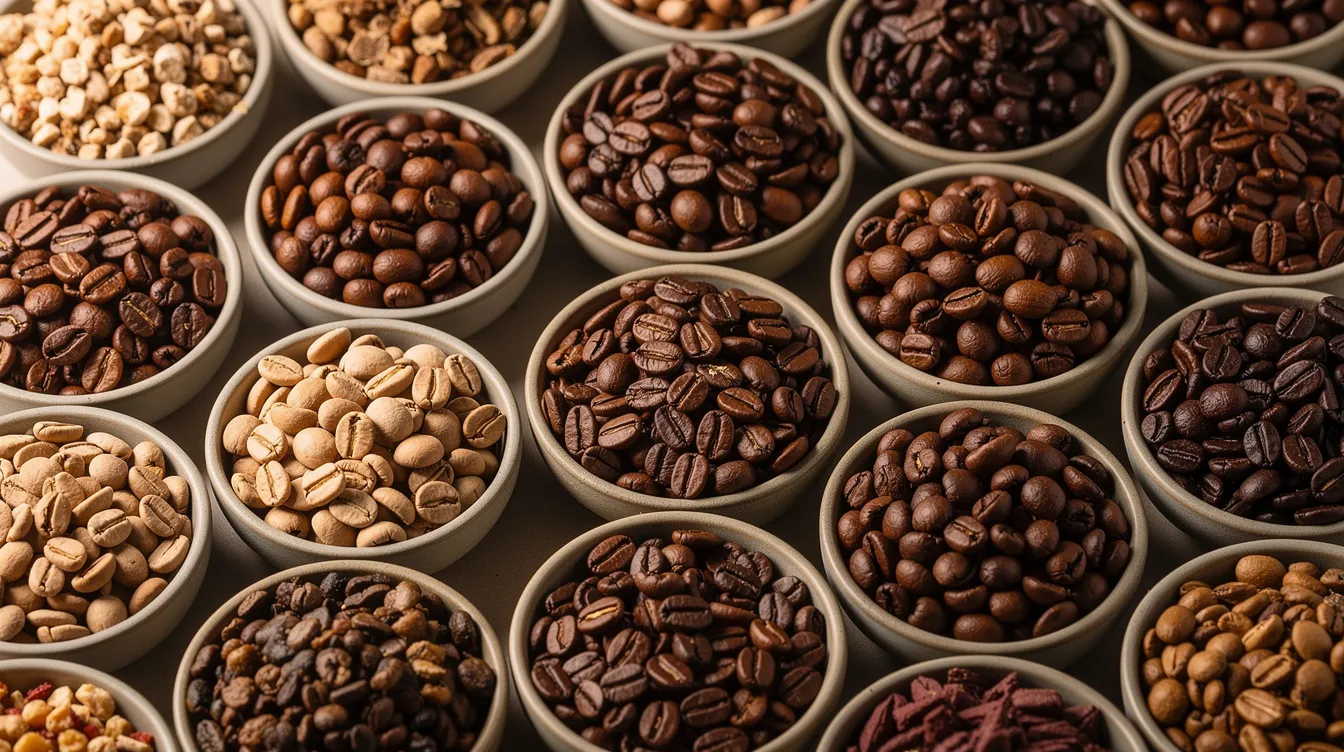
How easy is it to land on a great first bag without being a coffee expert?
Trade’s quiz asks detailed questions: how you drink coffee (black vs with milk), preferred roast levels across five options, brew method, tolerance for acidity, and flavor note preferences like “chocolatey,” “nutty,” or “fruity.” After the quiz, Trade uses ongoing feedback – ratings and “liked/disliked” flags – to refine future shipments. Think of it as a digital barista that learns your coffee preferences over time. Trade’s customer service proactively follows up on feedback, sometimes reaching out directly when you rate a bag poorly.
Bean Box’s onboarding is simpler: choose a general taste profile and roast level, then let the experts curate. This works well for subscribers who don’t want to micromanage but means fewer micro-adjustments over time. You can change categories or update your roast preference anytime, but there’s no algorithmic feedback loop shaping each shipment.
Both platforms use modern, straightforward checkout flows. Trade allows detailed filtering by origin, process, and tasting notes for those who want to browse all the coffees. Bean Box foregrounds curated boxes and gift-ready themes, making it easier to buy for someone else.
How well does each service fit into real life – especially if you travel, vary how much coffee you drink, or just want zero hassle?
Trade Coffee offers delivery every 1, 2, 3, 4, 5, or 6 weeks. You can pause, skip, or change upcoming coffees directly from your account dashboard, and cancellation is handled online without needing to call anyone. For heavy coffee drinkers who go through more coffee quickly, the weekly option is a real differentiator.
Bean Box provides delivery every 2–6 weeks with options to pause or skip shipments. Bean Box allows customers to pause shipments via email or through account settings. You can also update grind type or roast level preferences without starting a new subscription.
Based on public feedback and expert reviews, both services are generally considered straightforward and low-friction for U.S. subscribers. If you drink coffee irregularly or travel frequently, Trade’s shorter interval options and one-click skipping may save you from unwanted shipments piling up.
Bag size and grind options affect both your cost per cup and how well each subscription service fits your home brewing setup.
Trade typically ships around 11-oz bags from partner roasters, with many coffees available as whole bean and some as pre-ground tailored to standard brew methods. The 2-lb “big bag” option is useful for households that go through a lot of coffee or want to stock up on a favorite.
Bean Box positions its standard bags at 12 oz – about 10% larger than some competitors – with whole or ground beans available. Larger 2-lb and 5-lb options scale the savings further. If you’re buying for an office or a two-person household, Bean Box’s larger default bag is a minor but welcome advantage.
Brew method fit: Trade is better for users wanting more niche options – light-roast espresso pulls, specific pour-over profiles, or freshly ground single-origins. Bean Box works well for drinkers happy with broadly compatible grinds that perform in drip machines and French presses.
Serious coffee lovers with a quality burr grinder at home should choose whole bean coffee from either service. Whole bean preserves aromatics and freshness far longer than ground coffee, and you can dial in grind size to match your exact brew method.
This analysis focuses on U.S. shipping and customer support experiences as of 2026.
Trade ships most subscriptions via USPS with delivery in 2–5 business days after roasting. Free shipping kicks in on prepaid bundles and larger orders (like the 2-lb bags). A standard shipping fee of roughly $2 per bag applies to many single-bag orders. Trade’s customer service has earned a reputation for proactive outreach – if you rate a coffee neutral or negative, you may hear from the team with suggestions or a free bag offer.
Bean Box offers free shipping on many subscription plans in the U.S., with coffee shipped quickly after roasting. Most subscribers report consistent delivery windows. Bean Box is also praised for responsive customer service, especially around gift orders – helpful when you’re buying a coffee club gift for someone’s birthday and need clear delivery timelines.
If you’re ordering a gift with a specific arrival date in mind, check current shipping policies and holiday cut-off dates before placing your order with either service.
Neither Trade nor Bean Box is the absolute cheapest way to buy coffee beans online, but for many buyers coffee subscriptions worth paying extra for come down to fresher deliveries, less shopping hassle, and access to better coffee than they’d usually grab at the store. But both aim to deliver high quality coffee at a lower per-cup cost than your morning cup from a café.
Trade Coffee pricing: Standard “Classics” or “Select” tiers run about $15.75–$17 per bag. Premium or rare lot bags push to $21–$22+. The 2-lb “big bag” options (around $39.99–$49.99) significantly reduce your cost per ounce.
Bean Box pricing: Standard 12-oz bags run $19.50–$21.50 per delivery. The Coffee Tasting sampler box is priced lower per shipment but delivers smaller quantities. Free shipping on many plans and occasional member discounts improve the effective price.
Value per cup at home: A standard 11–12 oz bag yields roughly 25–30 mugs depending on strength. At $17–$22 per bag, that works out to about $1.00–$1.50 per 10–12 oz mug. Compare that with $4–$7 for a drink at most U.S. coffee shops, and either subscription looks like smart money for daily coffee drinkers.
Intangible value: Trade’s personalization reduces the number of “miss” bags – coffees you paid for but didn’t enjoy. Bean Box’s gifting presentation and discovery experience add value that doesn’t show up in a cost-per-cup calculation but matters if you’re buying for someone else or enjoy the surprise factor.
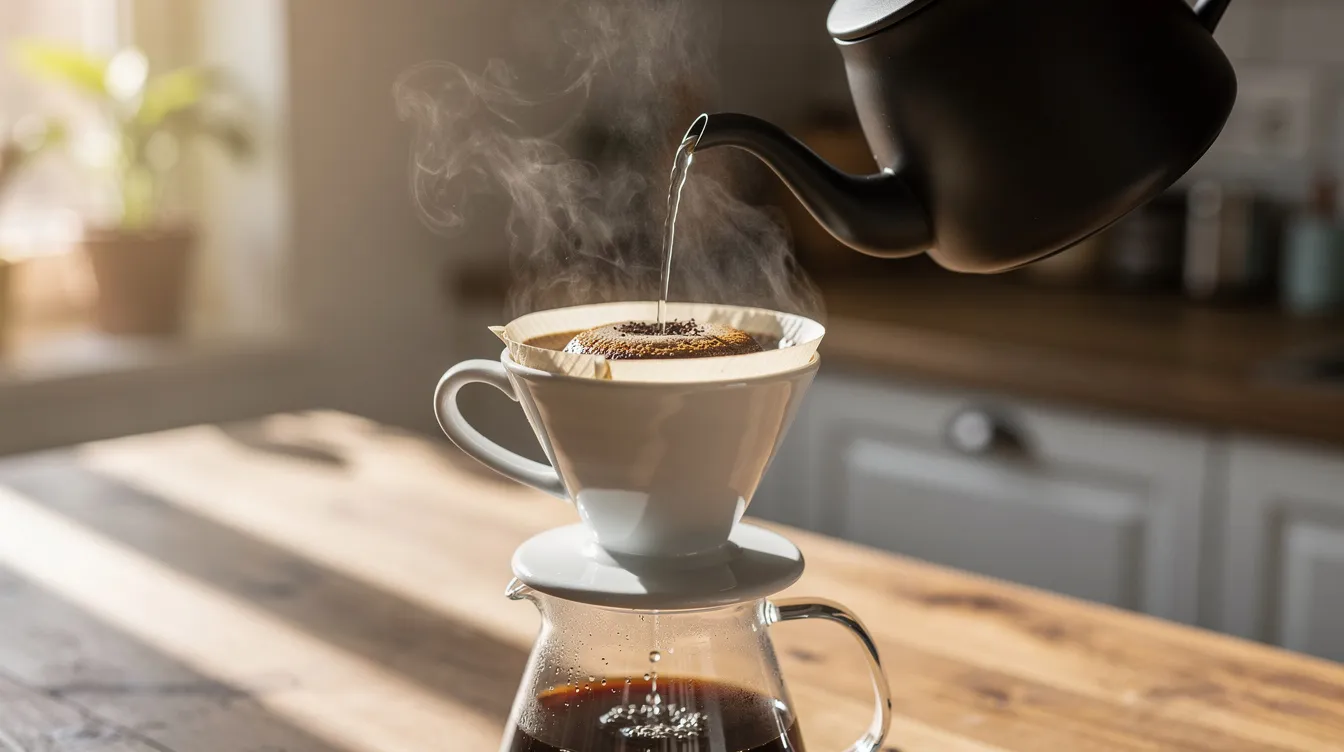
Here’s how Trade Coffee and Bean Box map to specific customer types:
Daily drip-coffee drinker. If you brew a morning cup (or three) every day and want consistent but varied bags tailored to your taste, Trade Coffee is the better fit. The quiz, feedback loop, and broad roaster network mean your subscription gets smarter over time. The big bag option also helps you save on how much coffee you’re buying per ounce.
Adventurous coffee nerd. For coffee drinkers who chase interesting beans – natural-processed Ethiopians, experimental anaerobic lots, or freshly roasted single-origins from new roasters – Trade’s larger premium catalog and detailed origin filtering give you more control. Discovering amazing coffee from a roaster you’ve never heard of is half the fun.
Gift buyer. Bean Box is the clear recommendation. Its curated sampler boxes, polished packaging, and educational tasting notes make it a gift that feels thoughtful and looks great. Trade can work as a gift for serious coffee drinkers (especially with its First Bag Guarantee for recipients), but it’s positioned more as an everyday subscription than a themed gift box.
New coffee subscription user. If you’ve never tried a coffee subscription and want a low-risk entry point, Trade’s quiz handles the heavy lifting while Bean Box’s samplers let you taste different beans without committing to a full bag. Either works, but Trade’s free replacement policy on disliked bags reduces first-timer anxiety.
Budget-conscious buyer. Trade’s standard tiers start lower per bag, and the 2-lb option stretches your dollar further. Bean Box’s free shipping on many plans partially offsets its higher per-bag price. Decaf drinkers will find adequate options on both platforms, though Trade’s deeper filtering helps you find exactly what you want faster.
For most U.S. coffee drinkers in 2026, Trade Coffee is the stronger long-term subscription. Its personalization engine, roaster diversity, and flexible scheduling make it the best coffee subscription for people who want their coffee to keep getting better without extra effort.
Trade Coffee pros and cons:
Bean Box pros and cons:
Think first about whether you value control (Trade) or curation (Bean Box), and about your main brewing method. Then start with whichever aligns – both allow easy cancellation and pausing if your needs change.
While Trade and Bean Box are two of the best coffee subscriptions in 2026, a few other coffee subscription services may be a better fit for specific niches.
Atlas Coffee Club is the top pick for globally focused, single-origin exploration. Atlas Coffee Club offers single-origin coffee from different countries monthly, and Atlas Coffee Club delivers coffee from a different country each month – complete with postcards, brewing tips, and origin notes. Atlas Coffee Club lets you choose roast preference and grind type. If you want to taste your way around the world, it’s a compelling alternative.
Blue Bottle is a strong choice for coffee drinkers who value single-roaster consistency, clean medium roasts, and premium packaging. Based in San Francisco, Blue Bottle’s subscription delivers its own beans rather than curating from other roasters – a different model that appeals to fans of the brand’s specific style.
MistoBox features nearly 600 coffees from 60 different roasters and stands out because MistoBox features a human curator for personalized coffee selections rather than relying purely on algorithms. MistoBox adjusts coffee selections based on customer ratings and MistoBox uses a quiz to tailor coffee selections to preferences. MistoBox allows you to select grind type and delivery frequency, making it a strong middle ground between Trade’s tech-driven approach and Bean Box’s editorial curation.
Podium Coffee Club takes a different angle entirely. Podium Coffee Club sends award-winning coffees from competition-winning roasters – specifically, Podium Coffee Club only sends coffee from award-winning roasters. Podium Coffee Club ships within 24 hours of roasting, making it one of the freshest options on the market for enthusiasts who want competition-level beans.
For a broader look at how other coffee subscriptions work and compare, see our full subscription comparison guide or explore our general comparison hub for gear and non-subscription content.
Capitol City Coffee did not run controlled taste tests for this Trade Coffee vs Bean Box comparison. Instead, this guide is based on researched editorial analysis.
Information sources include official product pages for Trade Coffee and Bean Box, independent expert reviews from reputable food and beverage publications (including Bon Appétit and HomeCoffeeStack), and aggregated customer feedback where available.
No claims of personal tasting, ownership, or long-term use are made unless explicitly cited. All performance and flavor assessments are drawn from third-party consensus and verified facts – roast date practices, bag sizes, pricing tiers, and roaster counts.
Details like pricing, available roasters, and plans are accurate as of 2026 but subject to change. Check each service’s website for the latest offers before subscribing.
These questions address practical concerns not fully covered in the main comparison.
Both offer digital and physical gift options, but Bean Box leans more heavily into curated gift sets, sampler boxes, and polished packaging that feels ready to wrap – it’s specifically geared toward a curated coffee experience appealing to gift-giving. Trade can still be a strong gift for serious coffee drinkers who will appreciate its personalization and access to award winning roasters, but it functions more as an everyday subscription than a themed gift. If you want to discover award winning roasters and surprise someone who appreciates specialty coffee online, Trade’s gift subscription with a First Bag Guarantee is worth considering.
Both Trade and Bean Box include espresso-friendly options, but Trade’s broader catalog and advanced filtering make it easier to find specific espresso roasts across light, medium, or dark roast profiles. Espresso-focused drinkers who want consistent, chocolate-forward shots might enjoy Bean Box’s curated espresso selections. Those who like experimenting with single-origin espresso or lighter roasts – pulling shots with bright, fruity tasting notes – will likely prefer Trade’s deeper selection.
Both services offer decaf coffee beans and allow subscribers to choose decaf-only options. When browsing decaf, pay attention to the decaffeination method (Swiss Water, CO₂, or sugarcane process) listed in each coffee’s description. The method affects flavor: Swiss Water tends to preserve more origin character, while CO₂ processing can retain body well. Either service can keep decaf drinkers happy with freshly roasted, high-quality options.
Trade Coffee and Bean Box both work primarily with specialty roasters who often emphasize traceable, higher-paid sourcing, though sustainability practices vary by roaster and coffee. Neither platform enforces a single certification across all the coffees in its catalog. If ethical or eco-friendly sourcing is a priority, look for certifications like Fair Trade, organic, or Rainforest Alliance on individual coffee pages within each platform, and check for direct trade relationships noted in the roaster descriptions.
Pricing is often similar to or slightly higher than freshly roasted beans from a high-quality local shop on a per-bag basis. However, subscriptions offer better convenience, more origin variety, and occasional discounts that a single local coffee shop can’t match. The real value comparison is per-cup cost at home (often around $1.00–$1.50 per mug) versus $4–$7 for a drink at most U.S. coffee shops. For regular coffee drinkers who go through one bag or more per month, either subscription can be a smart, cost-effective way to keep fresh beans and new coffee flowing without leaving the house. Meanwhile, coffee from grocery stores sits on shelves for an average of 36 weeks – making any subscription worth considering for freshness alone.
Every coffee and coffee machine we recommend is scored on the same 100-point scale, so a recommendation on one page means the same thing as a recommendation on any other. Each pick is also labeled with how we reached its score.
| What we score | Points | What we look at |
|---|---|---|
| Origin and sourcing transparency | 20 | Country, region, farm or cooperative, altitude, bean variety, and processing method are clearly disclosed. |
| Flavor evidence | 25 | Independent cupping scores, how closely the tasting notes match what the origin is known for, and our own cupping notes when hands-on tested. |
| Roast and freshness | 15 | Roast level stated, roast-date practices, whole-bean availability, and packaging with a one-way valve or resealable bag. |
| Brew versatility | 15 | How well the roast suits pour-over, drip, French press, cold brew, and espresso. |
| Value | 15 | Price per ounce compared with similar single-origin coffees or blends. |
| Buyer feedback | 10 | Volume and consistency of verified reviews, and recurring complaints about staleness, bitterness, or shipping. |
| What we score | Points | What we look at |
|---|---|---|
| Brewing performance | 25 | Water temperature in the 195–205°F range, even extraction, and SCA certification or published test data. |
| Build quality and reliability | 20 | Materials, known failure points, and long-term owner reports. |
| Ease of use and cleaning | 15 | Setup, the daily routine, descaling, and dishwasher-safe parts. |
| Fit for your kitchen | 10 | Capacity, counter footprint, and noise. |
| Useful features | 10 | Programming, grind and temperature control, and carafe type. Features that improve the cup count more than extras that do not. |
| Value | 10 | Price compared with machines that perform similarly. |
| Warranty and support | 10 | Warranty length, parts availability, and how the brand handles repairs. |
| Score | Grade | What it means |
|---|---|---|
| 90–100 | A | Exceptional. Our first recommendation for the feeling and setting described. |
| 80–89 | B | Strong. Excellent, with minor trade-offs we explain. |
| 70–79 | C | Good. Worth it for specific needs, with clear compromises. |
| Below 70 | — | Not recommended. We do not feature these as picks. |
When a pick carries the Hands-on tested label, this is the method behind it, and we note the date we tested.
We match each coffee to a mood and a moment based on its flavor profile and roast. Bright, citrusy light roasts suit energizing mornings. Chocolatey, full-bodied medium roasts suit slow or social moments. Richer roasts suit espresso and milk drinks. Each pick explains which facts led us to that match.
Every score comes only from the criteria above. No brand can pay for a pick or a higher grade. We re-check ratings when a roast, listing, or model changes, and update or remove picks that no longer earn their grade.
Some links on this page are affiliate links. As an Amazon Associate, Capitol City Coffee earns from qualifying purchases, at no extra cost to you.
Questions about a rating? Reach the Capitol City Coffee team through our contact page.