With NO Additional cost to you, as an Amazon Associate, I earn from qualifying purchases. This page contains affiliate links; we may earn a commission if you buy through them.
The best flavored coffee on this Amazon page starts with Cafe Du Monde Coffee and Chicory. This guide also covers flavored coffee brands in vanilla, hazelnut, caramel, and whole-bean bags. The best bags pair specialty-grade beans with restrained, natural-tasting flavor oils, and they still taste like real coffee on the first sip. This guide covers the top flavored coffee bags worth buying this year, with researched picks across vanilla, hazelnut, caramel, chocolate, and pecan flavor families.
Best overall flavored pick
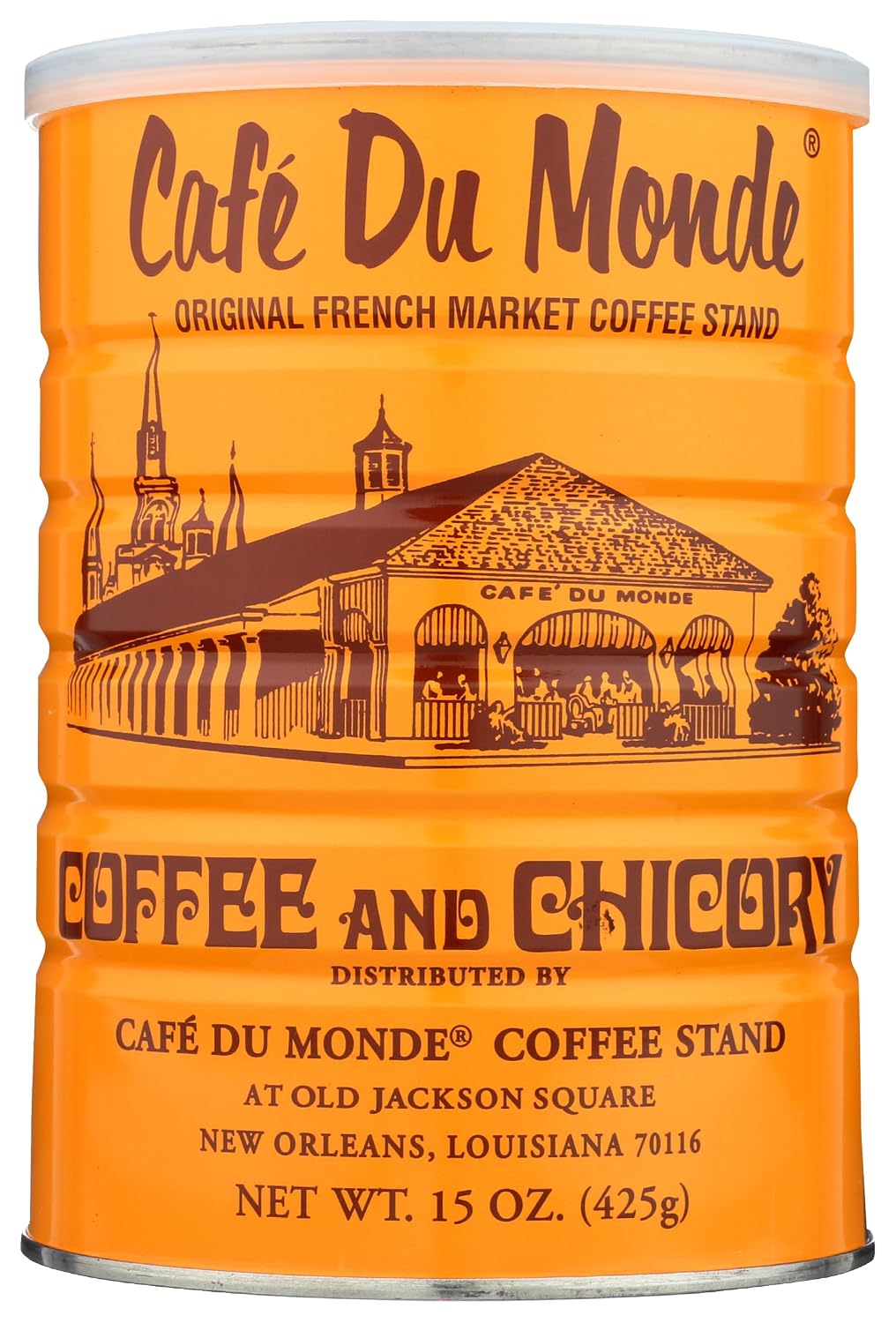
For this roundup, Café Du Monde Coffee and Chicory is the Amazon flavored-style cup we recommend first—the same pick at the top of our At-a-glance cards below.
The best flavored coffee bags in 2026 use quality Arabica beans with balanced flavor oils applied after roasting; look for a visible roast date and finish the bag within two to four weeks of opening.
Popular flavored coffee bases in 2026 include vanilla, hazelnut, and chocolate, with pistachio highlighted as a standout flavor to try this year.
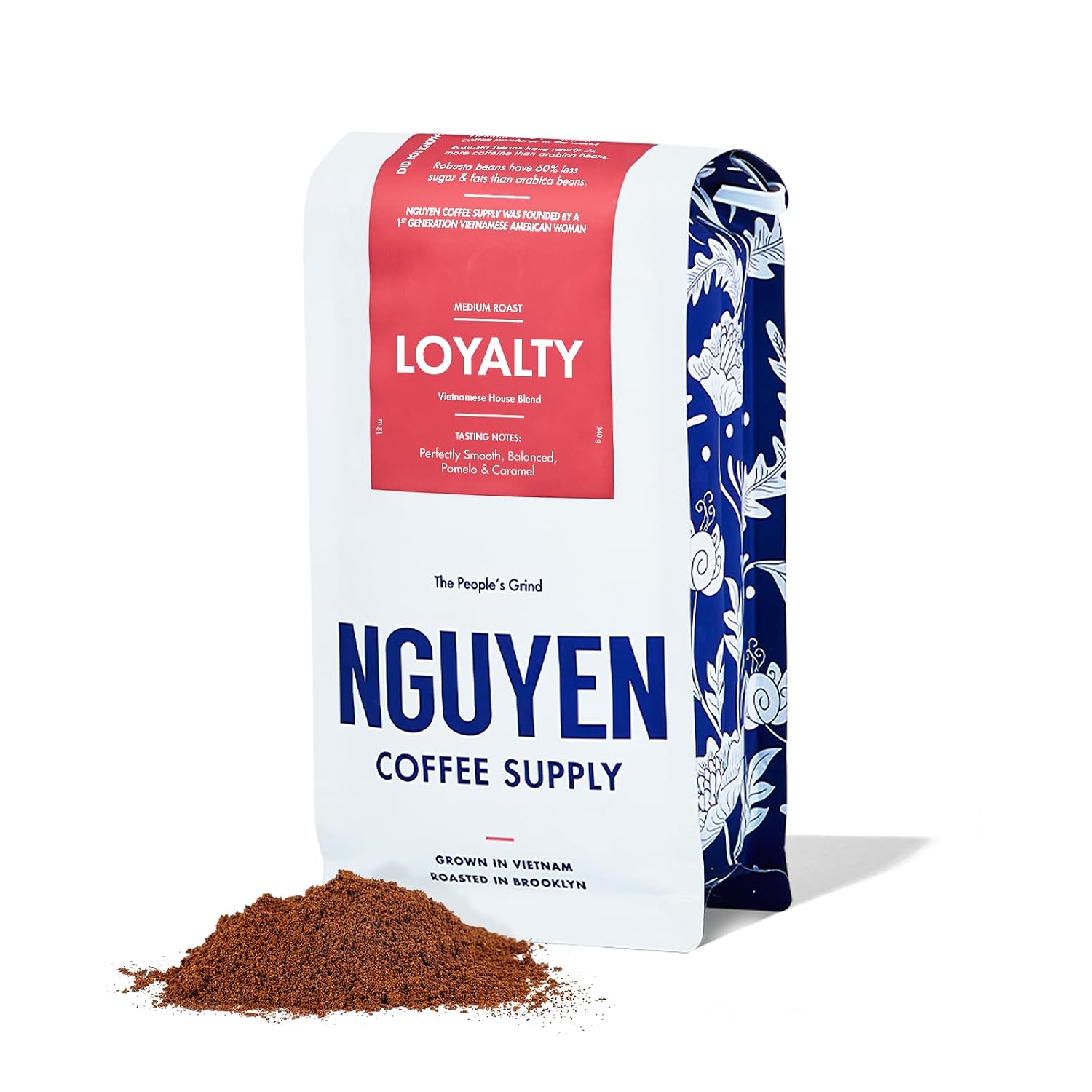
Café Du Monde Coffee and Chicory and Nguyen Coffee Supply Loyalty Blend are the Amazon bags we still feature on this page.
Drip coffee makers, French press, and cold brew are the most reliable brewing methods for flavored coffee; espresso machines require extra cleaning due to flavor oil residue.
Price per ounce for flavored coffee ranges from about $0.70 for grocery brands to $1.80 for small-batch specialty roasters, with certifications like organic and fair trade pushing costs higher.
Affiliate Disclosure
Quick Answer: The Best Flavored Coffee Bags to Buy in 2026
For most US drinkers, the best flavored coffee delivers balanced sweetness, clear flavor notes, and a good base of coffee beans underneath the added flavor. That means the cup should taste like coffee first and dessert second. Here are the top picks from our researched editorial analysis:
Amazon flavored-style pick: Café Du Monde Coffee and Chicory, a dark roast coffee-and-chicory can for cafe au lait and iced drinks.
Best caramel flavored coffee: Kaffico Molten Caramel, a dark roast 100% Arabica blend from Brazil, Mexico, and Guatemala with buttery caramel depth.
Best hazelnut coffee: Cafe Du Monde Coffee and Chicory, a dark roast coffee-and-chicory can that still sits on Amazon for cafe au lait and iced drinks.
Best budget flavored coffee: Cameron’s Coffee Toasted Southern Pecan, a light roast at roughly $0.92 per ounce with wide grocery availability.
Best vanilla for strong coffee lovers: Death Wish Vanilla, a high-caffeine Arabica-Robusta blend with vanilla accent over a bold roast.
Best variety: Volcanica flavored coffee beans line, offering multiple flavors from a specialty roaster with roast-to-order freshness.
Prices in 2026 run from about $0.70 per ounce for mass-market bags to $1.80 per ounce for small-batch, certified specialty options. Skim the comparison table below for a side-by-side look, then jump to the detailed review that matches your preferred flavor family.
At-a-Glance comparison
Tap a photo or the Amazon button to check that bag. These are Amazon listing photos. Research-rated from each brand’s published details, not yet brewed by our team.
This table provides a quick, scannable overview comparing each pick on origin, roast level, flavor notes, format, brew-method fit, and approximate price per ounce.
How We Selected and Rated the Best Flavored Coffee
This guide is researched editorial analysis, not a lab taste test. We did not claim hands-on tasting; instead, we drew on roaster disclosures (origin, roast date, processing method, ingredient lists), verified consumer ratings from retail platforms and Trustpilot, and expert commentary from specialty coffee circles.
The main criteria:
Coffee quality: Preference for 100% Arabica or disclosed blends with clear origin info. The best flavored coffee bags tend to use quality Arabica beans. Specialty coffee is graded on a 100-point scale; we favored roasters that disclose this or equivalent quality markers.
Flavor profile: Natural-tasting flavor that blends with the brew rather than masking it. Balance between the added flavor and actual coffee character, with clean aftertaste.
Freshness and roast date transparency: Roasters that roast to order or print roast dates on bags ranked higher. A vacuum-sealed bag may contain coffee roasted 6 to 18 months ago, so transparency matters.
Brew-method fit: How each coffee performs in a drip coffee maker, French press, pour over, cold brew, and (with caveats) espresso machines.
Certifications: Organic, fair trade, allergen-free, or similar when they reflect genuine sourcing quality.
Value: Price per ounce relative to bean quality, certifications, and US availability. Prices listed reflect 2026 data and can shift; check current listings before purchasing.
Best Caramel Flavored Coffee: Kaffico Molten Caramel
Caramel flavored coffee offers a rich and buttery taste, and Kaffico’s Molten Caramel delivers that profile on a three-origin Arabica blend. The beans come from Brazil (deep body), Mexico (structure), and Guatemala (brightness), then receive a dark roast and natural caramel flavoring.
Tasting notes lean toward cocoa, caramelized sugar, and a smooth, medium-heavy mouthfeel. Acidity is low. The caramel integrates with the dark roast’s own chocolate and dark sugar character, so it reads as balanced flavor rather than syrupy topping. With milk or cream, the dessert profile amplifies; black, it stays surprisingly good for a dark roast flavored coffee.
The bag is available in whole bean, ground coffee, and pod formats. It works well in drip coffee makers and French press. As a cold brew concentrate, it makes a strong iced caramel coffee with low acidity. Pod users (K cups or compatible) can access the same coffee blend without a grinder.
Kaffico lists vegan and halal certifications, useful for households with mixed dietary requirements or for gifting. Expect pricing in the $1.25 to $1.70 per ounce range, depending on format.
Dark roasts bring body and smoothness but suppress origin brightness. If you prefer light roasts with floral notes or stone fruit acidity, this coffee will taste flat by comparison. It is built for dark roast drinkers who want caramel warmth without candy-like sweetness.
Best Vanilla Flavored Coffee: Death Wish Coffee Vanilla
Vanilla flavored coffee is the top favorite in 2026, and Death Wish’s version targets the overlap between flavor fans and strong coffee lovers. The base is an Arabica-Robusta blend; Robusta contains about 2.2% caffeine compared to Arabica’s 1.1%, so the flavored version delivers roughly 140 mg of caffeine per 6-ounce cup. That is less than Death Wish’s unflavored dark roast (about 180 mg per cup) but still well above regular coffee.
The vanilla here is a smooth backdrop rather than a syrupy top note. Expect natural vanilla layered over a robust, chocolatey, medium dark roast with noticeable body. Specialty-grade Robusta is rare in the coffee market, and Robusta is often used in commodity and budget coffee blends, but Death Wish’s blend uses it intentionally for caffeine and crema. The result: a thick, full-bodied cup with vanilla woven through, not sitting on top.
Sold as ground coffee in 10-ounce bags, it pairs best with drip brewers and manual methods. Flavored oils can leave residue in espresso machines, so reserve it for less sensitive gear if you want espresso-style drinks. Fair trade certified sourcing and USDA Organic labeling add transparency.
Price per ounce falls around $1.10 to $1.40. Because of the higher caffeine, you may use slightly less coffee per cup, which stretches the bag further. For those who want gentle, light roast vanilla flavored coffee with bright acidity and floral notes, this is the wrong pick. It is built for people who want their first cup to hit hard and taste like vanilla at the same time.
Best Budget Flavored Coffee: Cameron’s Coffee Toasted Southern Pecan
Cameron’s Toasted Southern Pecan offers one of the best price-to-flavor ratios for US supermarket shoppers. At around $0.92 per ounce, it costs roughly half what small-batch specialty flavored bags charge.
Flavor leans toward sweet Georgia pecan with mild sweetness and a lighter body from its light roast profile. Acidity is low to moderate. It works as an all-day, easy-drinking flavored coffee for anyone who finds dark roast flavored options too heavy. The beans are 100% Arabica with natural and artificial flavors; the mix of both flavor types keeps the cost down but may bother purists who want only natural flavoring.
Cameron’s sells pre ground bags in sizes from 12 ounces up to 4 pounds, designed for a drip coffee maker. For light roasts, consider using slightly more grounds or a smaller cup setting to avoid a thin-tasting brew. Availability is strong at Walmart, Target, Kroger, and similar US retailers, making it a low-risk entry point for flavored coffee beginners.
The drawback: pre ground format and large bag sizes work against maximum freshness. Finish a bag within one to two weeks of opening for the best taste. Flavor intensity does not match small-batch roasters, and the nutty character fades faster in larger bags exposed to air.
Other Notable Flavored Coffees Worth Trying
Flavored coffee is broad enough that several other bags deserve a mention beyond the top category picks.
Don Francisco’s Hawaiian Hazelnut uses a medium roast with buttery hazelnut aroma and wide grocery availability. It brews well in a drip coffee maker but can develop acidity if over-extracted; pull it slightly early or reduce brew time for a cleaner cup.
Peet’s Coffee is known for its dark roast expertise, and their flavored options carry that same roast intensity. Dark roast drinkers who want classic flavors with heavy body should explore their seasonal releases.
Volcanica Coffee offers a wide variety of specialty coffee, including a flavored line with vanilla, chocolate, hazelnut, and caramel options. With over 8,600 reviews on Trustpilot and a roast-to-order model, Volcanica provides better quality transparency than most flavored coffee brands. The trade-off: their flavored beans are less origin-forward than the unflavored single origin coffees that built the brand’s reputation.
Customers are exploring globally inspired flavors in flavored coffee, and La Monarca Cafe de Olla reflects that trend. It uses actual cinnamon sticks and piloncillo (a type of brown sugar) instead of synthetic flavor oils, offering a spiced, traditional Mexican coffee experience. Brew it in a French press for full depth. Availability can be limited outside specialty retailers.
Pistachio is highlighted as a standout flavor to try in 2026. Several artisan roasters now offer pistachio-flavored whole beans, often paired with vanilla or dark chocolate notes. If you see one from a roaster you trust, it is worth a sampler bag.
Understanding Flavored Coffee: Beans, Oils, and Roast Level
Flavored coffee beans are infused with flavor after roasting. Roasted beans are coated with concentrated flavor oils, which can be natural extracts (vanilla bean, roasted nuts, cacao), food-safe artificial compounds, or spice-based (cinnamon, brown sugar). Flavored coffee products are now often infused with spices like cardamom and ginger, reflecting a broader shift toward sweet and savory combinations.
Base coffee quality matters. Flavor oils mask some defects, but they cannot fix stale or poorly processed beans. Arabica is known for its sweeter and more complex flavor profile, and Arabica makes up around 60% of the world’s coffee supply. Most good flavored coffees start with Arabica because its natural chocolate, nutty, and fruit forward notes pair better with dessert-style flavoring than Robusta’s earthy, grain-like baseline.
Roast level shapes the outcome. Light roasts preserve origin character, brighter acidity, and ripe fruit or stone fruit sweetness, but heavy dessert flavoring can clash with those delicate notes. Medium roast is the default for most flavored coffees because it balances sweetness, body, and acidity. Dark roasts emphasize dark chocolate, smoke, and heavy body; they suit caramel, mocha, and chocolate flavors but suppress floral notes and origin complexity.
Natural vs. artificial flavor oils produce different results. Artisan roasters focus on clean flavorings without artificial aftertastes; mass-market producers often use stronger artificial compounds that can taste perfumey. The label “natural flavor” is FDA-regulated but covers many substances, so it is not always a guarantee of better aroma.
Added flavor does not change caffeine content; caffeine is determined by bean type, roast, and brew ratio. Most flavored whole beans and ground coffee contain negligible added sugar and near-zero calories when brewed black. Exceptions include pre-sweetened instant mixes or ready-to-drink beverages; check nutrition labels on those.
Nostalgic flavors are increasingly popular in high-end flavored coffees. S’mores, cinnamon roll, and birthday cake profiles tap into comfort-food memories while using the same oil-infusion process as classic flavors like vanilla and hazelnut.
How to Choose the Best Flavored Coffee for You
Matching a bag to your taste, equipment, and budget reduces trial-and-error waste.
Pick your flavor family first. Nutty flavors (hazelnut, pecan, macadamia) work as everyday coffee that still tastes like coffee. Bakery-style (vanilla, caramel, cinnamon) adds comfort and aroma. Chocolate and mocha lean dessert-heavy, especially with milk. Seasonal flavors like Pumpkin Spice are popular in fall but may not suit year-round drinking. If you only want one flavor to start, vanilla is the safest bet by sales volume.
Match roast level to your palate. matching roast to your flavor family and brewing preference matters because roast level shapes aroma, body, and taste in the cup. Medium roast is the default for flavored coffee because it balances body and flavor clarity. Dark roast suits those who want low acid, heavy cups with chocolate or caramel depth. Light roasts are rarer in flavored coffee but can work for subtle, fruit forward or floral profiles.
Whole beans vs. ground coffee. Whole beans preserve freshness longer and give you better aroma control, but you will need to clean your grinder after every session with flavored beans. Ground coffee is convenient and keeps flavor oils off your grinder; the trade-off is faster staling, so finish a bag within one to two weeks.
Brew-method fit. A drip coffee maker is reliable for brewing flavored coffee and is the easiest baseline. French press adds body. Cold brew with flavored coffee is smooth and less acidic. Espresso machines are generally not recommended for daily flavored bean use because flavor oils can gum up grinders and internals.
Budget and certifications. Smaller bags suit occasional flavored coffee drinkers. If sourcing ethics matter, look for fair trade or organic labels. Our fair trade certified coffee guide covers ethically sourced options in more detail.
Brewing Flavored Coffee for the Best Taste
Brewing flavored coffee requires fresh, quality beans and clean equipment. Even the best flavored coffee can taste flat or harsh with stale grounds, dirty filters, or incorrect ratios. Small adjustments to grind, dose, and water temperature make a measurable difference in cup quality.
Drip coffee maker: Use a medium grind. For light roast flavored coffees, add slightly more grounds (closer to a 1:15 coffee-to-water ratio) to prevent thin extraction. Use the “strong” setting if your machine has one, and descale regularly to avoid mineral buildup that creates off flavors.
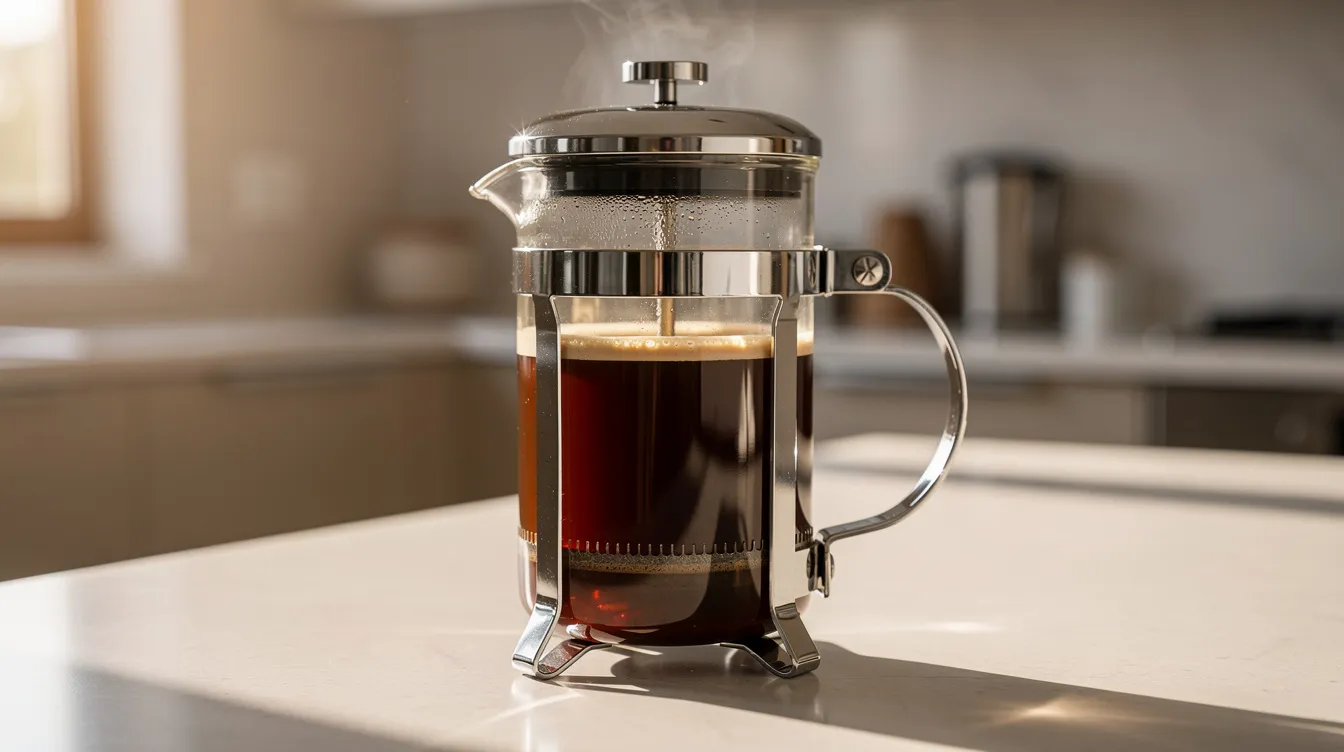
French press: Coarse grind, four to five minutes of steeping, gentle plunge. This brewing method suits chocolate, caramel, and hazelnut coffees where you want full body. Clean the mesh filter thoroughly between different brands or flavors to prevent cross-contamination.
Pour over: Medium-fine grind, and pouring hot water over the grounds with slower pours highlights lighter flavor notes like vanilla or cinnamon and brings out more aroma. Pour over can also make artificial flavors more obvious, so this is a good test if you are evaluating a new brand’s flavor quality for the first time.
Cold brew: Coarse grind, 12 to 18 hours of steeping in cold water, then dilute to taste. Cold brew reduces perceived acidity and can bring out sweetness in flavored coffees with chocolate and nutty profiles. A cold brew caramel or hazelnut concentrate over ice with milk is a surprisingly good summer alternative to a coffee shop iced latte.
Keeping Flavored Coffee Fresh (and Your Gear Clean)
Flavored coffees lose aroma faster than unflavored beans because flavor oils are volatile and evaporate once exposed to air. Coffee begins losing flavor immediately after roasting, and oxygen exposure is detrimental to coffee freshness. Fresh coffee beans peak flavor 4 to 14 days post-roast; for flavored varieties, that window shrinks if the bag is left open.
Storage: Keep beans in an opaque, airtight container at room temperature. Avoid refrigerators and freezers; condensation introduces moisture that accelerates staling and can make flavor oils turn rancid. Coffee can lose its freshness within weeks if not stored properly.
Use-by timing: Whole bean flavored coffee performs best within two to four weeks of the roast date. Pre ground flavored coffee peaks within one to two weeks of opening. Buy smaller bags more often if you only drink flavored coffee a few days per week.
Equipment hygiene: Dedicate a grinder to flavored beans, or thoroughly clean burrs and hoppers after each use. Regularly wash drip baskets, French press filters, and reusable pour over filters to prevent flavor carryover.
Blending flavored and regular coffee is a useful trick: mix a small amount of flavored beans with your usual whole beans to customize intensity, stretch a pricier bag, and soften profiles that run too sweet on their own.
Related Coffee Guides from Capitol City Coffee
If you are interested in flavored coffee, you likely care about bean quality, ethical sourcing, or specific health needs. These guides go deeper on related topics.
Learn the basics of coffee beans, brewing, and roast levels for a foundation on how origin, processing method, and fresh roasting affect every cup.
Explore different coffee types and styles for a hub covering single origin, blends, cold brew, and more.
Best organic coffee covers unflavored and flavored picks with verified organic certifications.
Best fair trade coffee addresses ethically sourced options for buyers who prioritize labor and environmental standards.
Best decaf coffee is useful if you want the flavor without the caffeine, including flavored decaf options.
Our Flavored Coffee Picks
We matched one coffee to each flavored-cup mood below. Tap the image or the coffee name to see it on Amazon. Research-rated, not yet brewed by our team.
Feeling New Orleans: chicory in the cup
Our pick:Café Du Monde Coffee and Chicory. A coffee-first flavored cup with chicory, not syrup. Research-rated, not yet brewed by our team.
Feeling sweet: Vietnamese-style flavor
Our pick:Nguyen Coffee Supply Loyalty Blend. A Vietnamese-style bag when you want flavor from roast and origin, not a candy-aisle pod. Research-rated, not yet brewed by our team.
Frequently Asked Questions
These questions cover common concerns that go beyond the main buying guide, focusing on safety, health, brewing constraints, and long-term gear care.
Does flavored coffee have more calories or sugar than regular coffee?
Most flavored whole bean and ground coffees use concentrated flavor oils without added sugar. Brewed black, a cup of flavored coffee is typically 0 to 5 calories, the same as plain coffee. The exceptions are pre-sweetened instant coffees, ready-to-drink beverages, and mixes that include sugar, cream, or syrups. Check the nutrition label; if it lists added sugar or creamer, the calorie count will be higher.
Is flavored coffee bad for your health?
For most healthy adults, flavored coffee consumed in moderation is considered safe when it follows FDA ingredient guidelines and stays within normal caffeine limits. Those with allergies or sensitivities should read ingredient lists closely, especially for nut-themed flavors like hazelnut or pecan. If you have specific dietary restrictions or health concerns, consult a healthcare professional rather than relying on label claims alone.
Can I use flavored coffee beans in an espresso machine?
Flavored beans can technically be ground for espresso, but most equipment manufacturers recommend against daily use. Flavor oils build up residue inside grinders, clog group heads, and make back-to-back shots taste off. If you want flavored espresso-style drinks regularly, dedicate a lower-stakes machine or a hand grinder to flavored beans and clean it after every session.
Why does my flavored coffee sometimes taste artificial or perfumey?
Intense or perfumey flavors usually result from heavy use of artificial flavor compounds or a low quality coffee base that forces the flavoring to carry the entire cup. Different brands vary widely in how they apply flavor oils. Choose roasters known for specialty-grade beans and restrained, natural-tasting flavoring. Slightly lower brew temperatures or shorter brew times can also tame harshness and better aroma tends to follow good coffee underneath.
How long does flavored coffee stay fresh once opened?
Whole bean flavored coffee is at its best for about two to four weeks after opening when stored in an airtight container. Pre ground flavored coffee tends to peak within one to two weeks due to faster oxidation across the larger surface area. Buy smaller bags more frequently rather than large bags that sit open for months, especially if you only reach for flavored coffee a few days per week.
How Capitol City Coffee Rates Coffee and Coffee Machines
Every coffee and coffee machine we recommend is scored on the same 100-point scale, so a recommendation on one page means the same thing as a recommendation on any other. Each pick is also labeled with how we reached its score.
Research-ratedScored from the roaster or manufacturer’s published specifications, independent results such as Coffee Review blind cuppings and SCA brewer certification, and patterns across verified buyer reviews. Most of our current picks are research-rated.
Hands-on testedThe Capitol City Coffee team has brewed the coffee or used the machine ourselves, following the testing steps below. We only use this label when that testing actually happened, and we show the date we tested.
Coffee beans: 100-point scale
What we score
Points
What we look at
Origin and sourcing transparency
20
Country, region, farm or cooperative, altitude, bean variety, and processing method are clearly disclosed.
Flavor evidence
25
Independent cupping scores, how closely the tasting notes match what the origin is known for, and our own cupping notes when hands-on tested.
Roast and freshness
15
Roast level stated, roast-date practices, whole-bean availability, and packaging with a one-way valve or resealable bag.
Brew versatility
15
How well the roast suits pour-over, drip, French press, cold brew, and espresso.
Value
15
Price per ounce compared with similar single-origin coffees or blends.
Buyer feedback
10
Volume and consistency of verified reviews, and recurring complaints about staleness, bitterness, or shipping.
Coffee machines and gear: 100-point scale
What we score
Points
What we look at
Brewing performance
25
Water temperature in the 195–205°F range, even extraction, and SCA certification or published test data.
Build quality and reliability
20
Materials, known failure points, and long-term owner reports.
Ease of use and cleaning
15
Setup, the daily routine, descaling, and dishwasher-safe parts.
Fit for your kitchen
10
Capacity, counter footprint, and noise.
Useful features
10
Programming, grind and temperature control, and carafe type. Features that improve the cup count more than extras that do not.
Value
10
Price compared with machines that perform similarly.
Warranty and support
10
Warranty length, parts availability, and how the brand handles repairs.
What the grades mean
Score
Grade
What it means
90–100
A
Exceptional. Our first recommendation for the feeling and setting described.
80–89
B
Strong. Excellent, with minor trade-offs we explain.
70–79
C
Good. Worth it for specific needs, with clear compromises.
Below 70
—
Not recommended. We do not feature these as picks.
How we test hands-on
When a pick carries the Hands-on tested label, this is the method behind it, and we note the date we tested.
Coffee: brewed fresh from whole beans following Specialty Coffee Association guidelines (water between 195 and 205°F, about 1 gram of coffee to every 15 to 18 grams of water) in the brew methods the roast suits best, such as pour-over, French press, or espresso. We taste it black first, then with milk if that is how most people drink it, and each taster scores it on their own before we compare notes.
Machines: used in our everyday routine rather than a single demo. We brew both full and small batches, check the brewing temperature and brew time, and run the cleaning or descaling steps the manual calls for.
How we choose the feeling and setting
We match each coffee to a mood and a moment based on its flavor profile and roast. Bright, citrusy light roasts suit energizing mornings. Chocolatey, full-bodied medium roasts suit slow or social moments. Richer roasts suit espresso and milk drinks. Each pick explains which facts led us to that match.
Our scores stay independent
Every score comes only from the criteria above. No brand can pay for a pick or a higher grade. We re-check ratings when a roast, listing, or model changes, and update or remove picks that no longer earn their grade.
Some links on this page are affiliate links. As an Amazon Associate, Capitol City Coffee earns from qualifying purchases, at no extra cost to you.
Questions about a rating? Reach the Capitol City Coffee team through our contact page.