

Coffee most likely originated from wild Coffea arabica plants in the ancient coffee forests of southwestern Ethiopia. By the 15th century, coffee was being grown in Yemen on the Arabian Peninsula, where Sufi monks brewed it to stay awake during long hours of prayer. From there, coffee spread through trade routes, coffee houses, and colonial ambitions into every corner of the globe, building the massive coffee industry we know today.
For coffee drinkers and enthusiasts who want to understand where their beans come from, this guide traces coffee’s path from Ethiopia to the modern growing world, then shows how origin shapes flavor, brewing suitability, quality, and sourcing choices. You’ll also find coffee traditions, ethical sourcing context, and practical buying advice for origins such as Ethiopia, Colombia, Guatemala, and Costa Rica—useful whether you want to buy better beans, brew with more intention, or simply understand the history in your cup.
Our full editorial and affiliate disclosure appears at the top of this page.
Key Takeaways
- The origins of coffee trace back to wild coffee plants in Ethiopia around 800 AD, with the Kaldi legend of an Ethiopian goat herder who discovered coffee after noticing his goats became unusually energetic from eating red berries off a certain tree. Documented coffee history, however, begins with cultivation in Yemen by the 15th century.
- Coffee’s popularity exploded through 17th century coffee houses in Europe, from Venice to London’s penny universities, reshaping how people drink coffee and creating lasting coffee culture.
- Coffee plantations in Latin America, especially Brazil, transformed global trade and made coffee a daily beverage rather than a luxury, while raising ethical questions about labor that persist today.
- Coffee origin and terroir directly shape flavor profiles, brew-method fit, and price, making origin one of the most practical things to understand before buying coffee beans.
- Deeper buying guides for Ethiopian, Colombian, Guatemalan, and Costa Rican coffees are available in our origin hub below.
At a glance
Coffee Origins Overview (Category Hub)
When people search for coffee origins, they usually want one of two things: the rich history of how coffee began its journey from Ethiopian highlands to a global commodity, or practical knowledge about where specific coffee beans are grown and why that matters for flavor and quality. This page covers both.
Coffee origins are categorized into three main geographical regions: Africa, Latin America, and Asia-Pacific. The world’s biggest coffee producers include countries in South America, Southeast Asia, Central America, and Africa. Coffee is primarily grown between the Tropics of Cancer and Capricorn, a band often called the Coffee Belt. Within that belt, everything from elevation to rainfall to soil composition creates the conditions that make Ethiopian coffee taste nothing like Brazilian coffee.
This page functions as Capitol City Coffee’s origin hub, sitting under our full coffee guide hub at /coffee/. The goal is to connect coffee history with modern flavor profiles, buying decisions, and brewing advice. Whether you want to understand the fascinating history behind your favorite beverage or figure out which origin suits your preferred brew method and budget, this is the starting point. Coffee culture varies dramatically by region – from traditional Ethiopian coffee ceremonies to Italian espresso bars to the cafecito tradition across Latin America – and these traditions continue shaping coffee consumption habits among U.S. drinkers today.
Key Concepts: How Coffee Origin Shapes Your Cup
In the modern coffee industry, “origin” refers to where coffee was grown, often down to country, region, or single farm. Coffee’s country or region of origin is a major predictor of its flavor profile, and understanding a few core concepts helps you buy smarter.
Species matters. Arabica beans are generally considered to have higher quality and better flavor compared to Robusta beans. Arabica coffee must grow at elevations of 600–2,000 meters and requires 1,500 to 2,000 mm of rainfall annually. Robusta thrives at lower elevations with more heat and humidity, carries roughly double the caffeine, and offers more body but less nuance. Vietnam is the second-largest coffee producer, specializing primarily in Robusta beans, while Colombia produces exclusively Arabica beans, known for bright citrus acidity and caramel sweetness.
Terroir drives flavor. Flavor profiles of coffee vary greatly by region, influenced by terroir, processing, and bean varieties. Coffee flavor is shaped by a combination of altitude, climate, soil, coffee variety, farming practices, and processing method. Higher elevations cause cooler nights and slower cherry growth, leading to denser beans with more complex acidity. Environmental factors shape the coffee beans before roasting ever begins.
Processing changes everything. Processing methods significantly affect the flavor and profile of coffee. Washed processing produces cleaner, brighter cups. Natural (dry) processing intensifies fruit sweetness. Honey processing lands somewhere between. Indonesian coffee is famous for its unique wet-hull processing method, which contributes to its earthy, heavy body.
Here are typical taste tendencies by origin:
- Ethiopia: Floral, fruity (berry, stone fruit), bright acidity, lighter body. Ethiopia is the birthplace of Arabica coffee, known for its complex, fruit-forward profiles.
- Colombia: Balanced caramel sweetness, citrus acidity, medium body. Versatile across brew methods.
- Guatemala: Cocoa, baking spice, refined orange-lemon brightness. Richer body than most African coffees.
- Costa Rica: Clean, bright citrus and tropical notes. Excellent clarity in lighter roasts.
- Brazil: Nutty, chocolatey, low acidity, heavy body. Ideal for espresso bases and dark roasts.
- Asia-Pacific: Coffees from the Asia-Pacific region tend to be bold, earthy, and full-bodied with low acidity.
Latin America is known for consistent, well-balanced, and approachable cups of coffee across the board.
Trade-offs worth noting: single-origin beans offer transparency and terroir expression but can be seasonal, pricier, and less forgiving of brewing errors. Blends offer consistency and often better everyday value. Lighter roasts preserve origin character; darker roasts amplify body and mute acidity. Origin also guides grind size and brew water temperature – pour-over at around 195–200°F works beautifully for delicate high-elevation Ethiopian coffee, while espresso benefits from chocolatey Brazilian or Latin American blends that hold up through crema and milk.
From Ethiopia and Yemen to the Arabian Peninsula
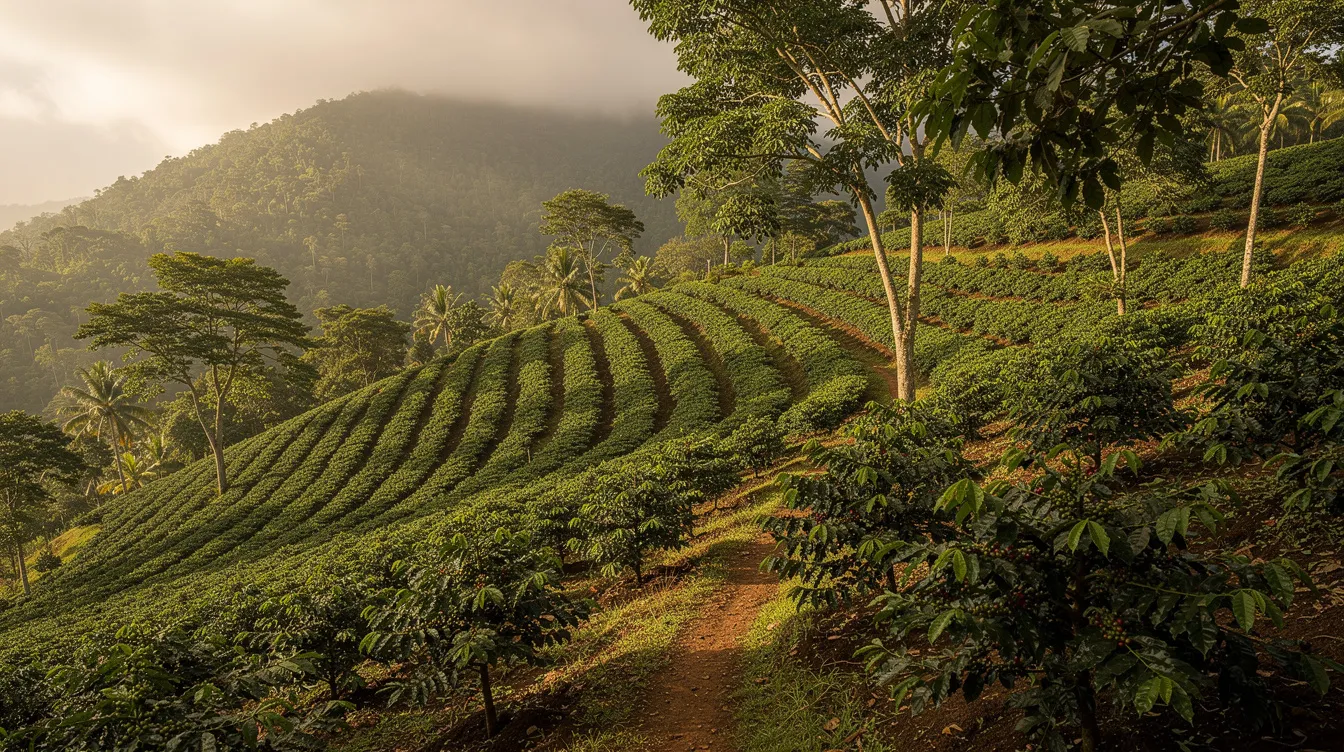
The story of where coffee originally came from begins in northeastern Africa, along the highlands west of the Red Sea. Wild coffee plants still grow in Ethiopia’s montane forests, and genetic studies confirm that this region holds the highest diversity of Coffea arabica on Earth, making it the undisputed center of the species’ origin.
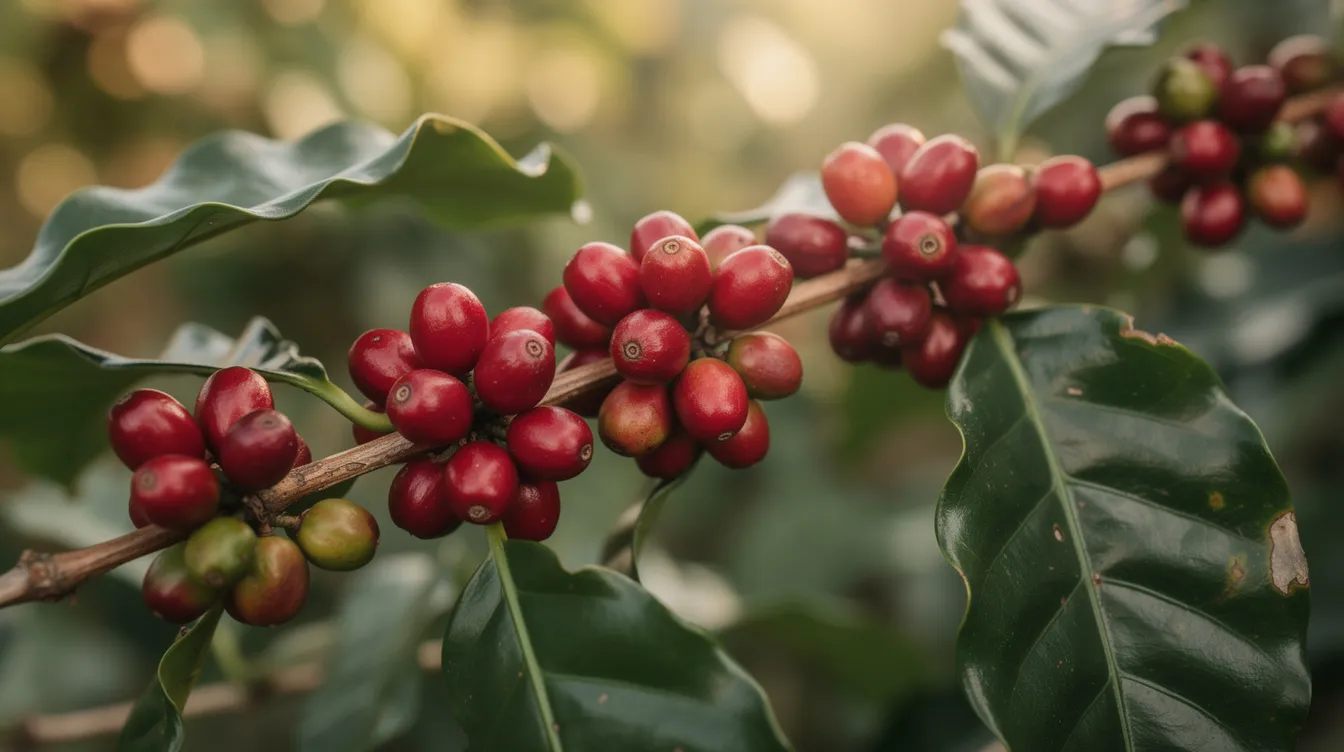
The most famous origin story is the Kaldi legend: Kaldi discovered coffee in Ethiopia around 800 AD when this goat herder noticed his animals became unusually energetic after eating red berries from a certain tree. Kaldi noticed the effect and brought the coffee cherries to a local monastery, where monks reportedly brewed them to stay awake during long hours of prayer. Word quickly spread. But historians treat this tale as symbolic rather than literal – the earliest written versions appear centuries after coffee drinking was already documented.
More credible early uses include Ethiopian communities mixing coffee seeds with animal fat as portable energy snacks, and early brewing of the beans as a hot water infusion. By the 15th century, coffee was grown in Yemen, where Sufi monasteries on the Arabian Peninsula used the drink to sustain concentration during extended prayer. The port city of Mocha (Al-Mukhā) on the Red Sea emerged as the main hub for trading coffee, and Yemeni rulers actively built terrace agriculture to support coffee cultivation. This controlled supply made Arabian coffee prized for its consistent quality, and that early monopoly shaped the price and availability of coffee for the rest of the world, earning it the reputation as the “wine of Araby.”
17th Century Coffee Houses and the Rise of Coffee Culture
By the 17th century, coffee reached Europe and began to change daily life. It replaced low-alcohol beer and wine as a morning drink, sharpening productivity and reshaping social patterns. Coffee drinking became a public activity, not just a private one.
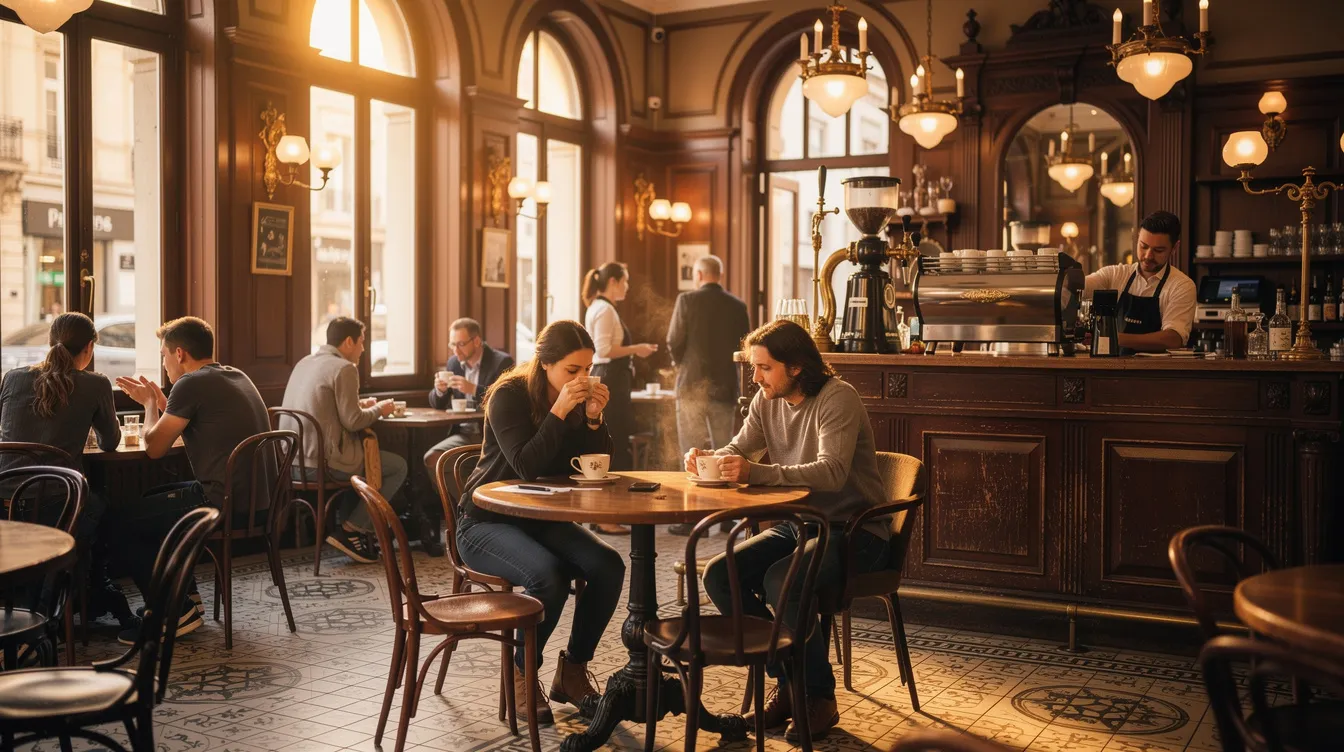
The world’s first coffee house opened in 1475 in Istanbul (then Constantinople), establishing a model that would replicate across continents. In the Middle East, coffee houses were known as “Schools of the Wise,” functioning as gathering spots for conversation, music, and games where patrons would play chess and discuss politics. European coffee houses became hubs for intellectual discussion in the 17th century. The first European coffee house opened in Venice in 1645. By the mid-17th century, London had over 300 coffee houses. In England, coffee houses were called penny universities for their low cost – anyone could enter for a penny, buy a fresh cup, and join extended conversations about news, commerce, and ideas. Coffee was introduced to Paris in 1669 by Suleyman Aga, the Ottoman ambassador to King Louis XIV, which helped push coffee’s popularity into the next century across that European country and beyond.
Coffee culture during this era optimized for depth of conversation and community. Compare that to coffee today: a mix of quick-service espresso bars and laptop-friendly specialty shops, where the trade-offs are clear: the 17th century version prioritized slow discussion and social connection; the modern version often prioritizes speed, convenience, and individual productivity. Both models reflect what people value in a beverage that does more than just taste good. One notable anecdote: Pope Clement VIII reportedly approved coffee after initial suspicion that it was a “bitter invention” of the Ottoman Empire. His endorsement helped normalize coffee drinking across Christian Europe, accelerating its spread through every major city.
Global Expansion: Coffee Plantations, Power, and the Coffee Industry
European colonial powers carried coffee plants from the Arabian Peninsula to Asia, the Caribbean, and South America from the latter half of the 17th century onward, transforming coffee from a regional luxury into a global commodity.
Key milestones shaped this expansion. The Dutch East India Company brought Arabica plants to Java in the late 17th century, making “Java” synonymous with coffee across Europe. Coffee plantations emerged in the Americas in the early 18th century after seedlings reached Martinique in 1720. Coffee reached the Americas broadly in the early 18th century, and Brazil’s coffee production scaled rapidly. By the 19th century, Brazil became the world’s largest coffee producer, supplying roughly 75% of world coffee by 1900. Coffee was introduced to Vietnam by French missionaries in the mid-19th century, and Vietnam eventually became the second-largest producer globally. The new world of coffee production had arrived, and the American Revolution further boosted coffee consumption in North America as colonists shifted away from tea.
This expansion depended heavily on enslaved and exploited labor on coffee plantations – a reality that remains an essential part of coffee history and informs today’s ethical sourcing conversations. Expanding supply reshaped coffee consumption everywhere: coffee shifted from a luxury that only the wealthy could drink to an everyday beverage. The trade-offs between plantation-scale efficiency and smallholder, specialty-focused farms persist today. Large operations in Latin America cover over 2.8 million hectares, but smaller farms often deliver higher quality, better traceability, and more sustainable practices.
Modern Coffee Origins: Terroir, Quality, and Single-Origin Coffee
The third wave of coffee focuses on single-origin and traceable sourcing, treating coffee more like wine – where exactly it was grown matters as much as how it was roasted. Specialty coffee emphasizes high quality beans and ethical sourcing, and today’s roasters label bags with farm names, elevation, and processing details because these factors shape what you taste.
For U.S. drinkers, a few flagship origins stand out. Ethiopian coffee beans perform best as light to medium roast for pour-over or filter, where their floral and fruit-forward notes shine. Colombian coffee beans are the versatile workhorse – balanced enough for drip, espresso, and cold brew. Guatemalan coffee delivers richer cocoa and spice notes suited to espresso and French press. Costa Rican coffee offers clean, bright citrus character ideal for filter brewing.
Fair Trade coffee ensures fair prices for growers and ethical practices, but certification alone doesn’t guarantee quality. Direct trade and cooperative models sometimes deliver better transparency. In 2024, 24% of global coffee production was shade-grown, a practice that generally supports biodiversity and can improve cup quality, though sun-grown coffee yields 2,300 to 3,400 kg per hectare – a significant production advantage that keeps prices lower for everyday instant coffee and grocery blends. The question of value versus price comes down to this: microlots and high-altitude Arabica command premiums because they genuinely taste different and are harder to produce. But a well-sourced blend often gives better usability and value for people who drink coffee daily without fussing over brew variables.
Browse Coffee Origin Guides
This section links to Capitol City Coffee’s specific origin guides, each offering deeper analysis of flavor profiles, top-rated beans, and buying advice based on researched editorial analysis rather than undisclosed tasting tests.
- Best Ethiopian Coffee Beans – Explore fruit-forward, floral Ethiopian coffees ideal for pour-over and light-roast filter brewing. Covers top-rated washed and natural lots with flavor notes, pricing, and availability.
- Best Colombian Coffee Beans – Find balanced, approachable Colombian coffees that work across brew methods. Great starting point for anyone exploring single-origin for the first time.
- Best Guatemalan Coffee – Discover chocolate-forward, spice-noted Guatemalan beans well suited for espresso and French press. Includes guidance on regional differences like Antigua versus Huehuetenango.
- Best Costa Rican Coffee – Clean, bright Costa Rican coffees for filter and pour-over enthusiasts. Covers honey-processed and washed options with value comparisons.
- Best Kenyan Coffee Beans – Bright, wine-like Kenyan coffees with blackcurrant acidity, ideal for pour-over. Covers AA and AB lots, pricing, and brew-method fit.
- Best Sumatra Coffee – Earthy, full-bodied Sumatra coffees for French press and darker-roast drinkers. Covers wet-hulled lots, value, and who each option suits.
- Best Brazilian Coffee – Nutty, chocolate-forward Brazilian coffees that work across espresso and drip. Covers regional styles, value, and everyday blends.
- Best Nicaraguan Coffee – Balanced Nicaraguan coffees with cocoa and mild fruit notes. Covers regional picks, pricing, and brew-method recommendations.
- Best Honduran Coffee – Chocolatey, caramel-sweet Honduran coffees from Marcala and Copán. Covers SHG lots, value, and brew-method fit.
Each guide uses roaster data, expert cupping reviews, and verified consumer feedback.
Featured Recommendations by Coffee Origin
Disclosure: Capitol City Coffee may earn commissions from some coffees linked below. This does not affect our rankings or the prices you pay.
The following picks represent researched editorial analysis based on verifiable roaster information, expert cupping notes, and broad third-party consensus. We have not claimed hands-on tasting of these specific coffees.
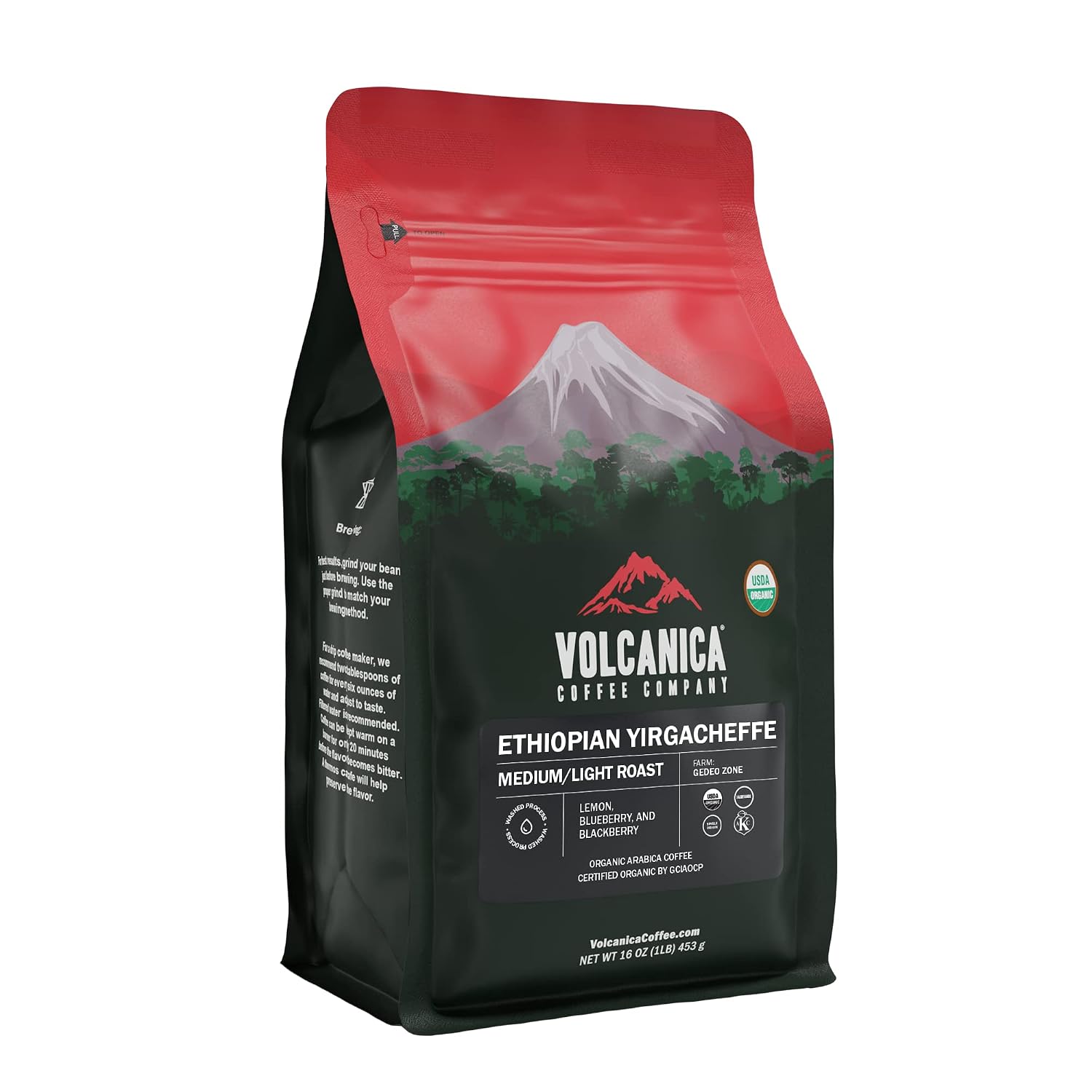
- Ethiopian Single-Origin (Yirgacheffe, Washed): Light roast, floral and citrus notes with bright acidity and a tea-like body. Best for pour-over and Chemex. Typical price: $16–$22 per 12 oz. Widely available from specialty roasters and online subscriptions. Drawback: seasonal availability means flavor profiles shift between harvests, and this coffee demands precise brewing – it can taste sour if under-extracted.
- Colombian Everyday Drinker (Huila Region, Washed): Medium roast, caramel sweetness with citrus and mild chocolate undertones. Works well for drip, espresso, and cold brew. Typical price: $13–$18 per 12 oz. Broadly available year-round from both specialty and grocery-adjacent brands. Drawback: ubiquity means wide quality variation between roasters – look for roast dates within two weeks.
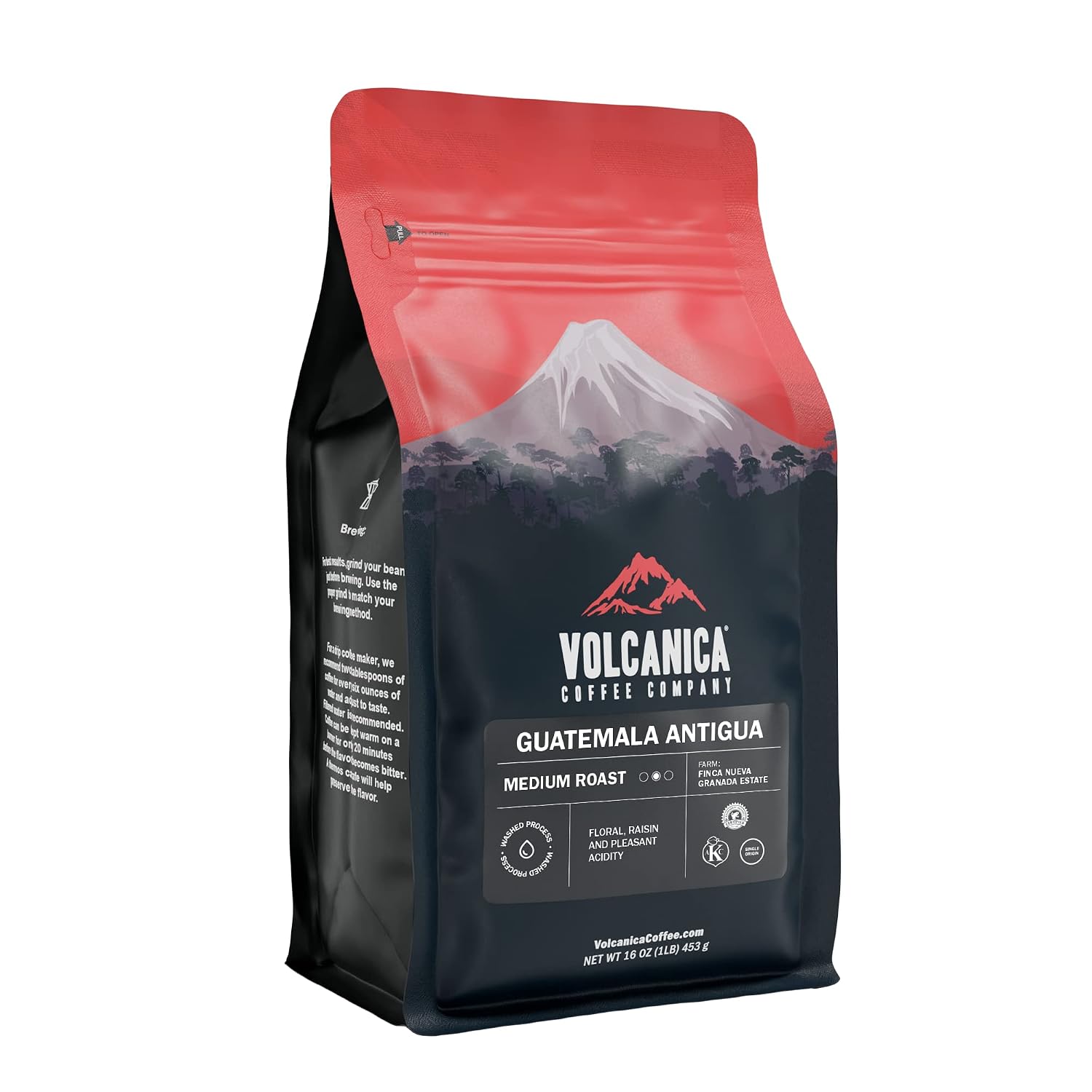
- Guatemalan Espresso-Friendly (Antigua, Washed): Medium to medium-dark roast, rich cocoa and baking spice with orange acidity. Excellent for espresso and French press. Typical price: $15–$20 per 12 oz. Available from many U.S. specialty roasters. Drawback: the richer body can overwhelm delicate pour-over setups, and darker roasts mask some of the origin nuance.
- Costa Rican Filter Favorite (Tarrazú, Honey-Processed): Light-medium roast, clean tropical fruit and honey sweetness with bright acidity. Ideal for pour-over and drip. Typical price: $16–$22 per 12 oz. Available through specialty roasters and subscription services. Drawback: honey processing introduces slight batch-to-batch variation, and this coffee’s brightness may not suit those who prefer low-acid cups.
How Capitol City Coffee Researches Coffee Origins and Recommendations
Capitol City Coffee operates as an independent coffee editorial and affiliate publication, not a roaster or seller. Our priority is reader value and clarity, not commission size.
Our research process includes reviewing roaster origin data and supply chain transparency, cross-checking with industry resources such as trade publications and coffee research bodies, analyzing expert reviews and cupping notes, and triangulating with verified customer feedback to gauge real-world consistency. Unless specific testing notes are provided, we do not claim hands-on tasting or long-term use.
Recommendations weigh flavor quality, brew-method performance, price and overall value, current U.S. availability, sustainability practices, and how approachable the coffee is for daily use versus niche enthusiast brewing. Origin guides and picks are revisited periodically to reflect harvest changes, discontinued lots, new standout coffees, and shifting pricing.
FAQs About Coffee Origins
These FAQs address common questions not fully covered above, focused on practical concerns for U.S. coffee drinkers.
Does coffee really originate from Ethiopia or Yemen?
Both claims hold truth, but they refer to different things. Coffee as a wild species originated in Ethiopia, where Coffea arabica still grows in its native forest habitat. Yemen is where coffee cultivation and commercial trade began, with documented evidence of coffee as a brewed drink appearing in the 15th century among Yemeni Sufi communities. Genetic research confirms that nearly all cultivated Arabica varieties descend from plant material that moved from Ethiopian wild populations into Yemeni cultivation. So Ethiopia invented coffee as a plant, and Yemen invented coffee as a commodity and daily drink.
Why does the origin on my coffee bag change the taste so much?
Because origin determines the environmental conditions the coffee tree grew in – altitude, temperature, soil minerals, rainfall – as well as the variety of coffee plant and how the coffee cherries were processed after harvest. A washed Ethiopian coffee grown at 2,000 meters tastes fundamentally different from a natural Brazilian coffee grown at 800 meters, even before roasting enters the picture.
Is single-origin coffee always better than blends?
Not necessarily. Single-origin coffee excels at showcasing a specific terroir and is ideal when you want to explore distinct flavors. But blends allow roasters to balance acidity, body, and sweetness for a more consistent, forgiving cup. For everyday coffee consumption, a well-crafted blend often delivers better value and usability than a single-origin that demands careful brewing and has narrow seasonal availability.
Which coffee origin is best for espresso vs pour-over?
As a general guide, Brazilian and Guatemalan coffees with lower acidity and richer body tend to perform well as espresso, holding flavor through milk and crema. Ethiopian and Costa Rican coffees with higher acidity and delicate floral or citrus notes shine in pour-over and filter methods. Colombian coffees sit in the middle, working respectably across both. That said, roast level and processing method matter just as much as origin – a natural-processed Ethiopian roasted medium can pull a surprisingly good espresso shot.
Are certain coffee origins more sustainable or ethical than others?
Sustainability depends more on specific farms, cooperatives, and certification practices than on country alone. A certified Fair Trade cooperative in Guatemala may operate more ethically than an uncertified large estate in Colombia, or vice versa. Look for transparency markers: named farms, cooperative details, certifications like Fair Trade or Rainforest Alliance, and direct-trade relationships. The cultural significance of coffee to producing communities means that how you buy can directly affect livelihoods, so origin awareness paired with sourcing transparency is your best tool for making informed, ethical choices about your favorite drink.