

As an Amazon Associate I earn from qualifying purchases. This page contains affiliate links; we may earn a commission if you buy through them.
This is Capitol City Coffee’s central hub for coffee brewing guides. Whether you’re making your first French press or dialing in a Kalita Wave recipe, this page organizes everything by fundamentals and by brewing method so you can make cafe quality coffee at home.
Key Takeaways
- This hub sorts brew guides into two tracks: core fundamentals (brew ratio, grind size, water temperature, contact time) and specific brewing methods (French press, pour-over, cold brew, espresso, AeroPress, moka pot, drip).
- Brewing great coffee depends on grind size, water temperature, brew time, and coffee-to-water ratio. Every guide on this site covers those four variables and how they relate to extraction and taste.
- Each brewing method can impact the flavor profile and body of coffee differently. Choosing the right method for your habits matters more than buying expensive gear.
- Capitol City Coffee is an independent coffee editorial and affiliate publication, not a roaster or equipment seller. Recommendations are based on researched editorial analysis, not brand payments.
At a glance
Category Overview: Coffee Brewing Guides at Capitol City Coffee
Coffee brewing covers a wide range of methods, each with its own grind, timing, and technique. This hub helps you navigate from big-picture fundamentals (brew ratio, grind size, water temperature, contact time, extraction) to specific brewing methods like French press, Kalita Wave, cold brew, and espresso.
The primary goal: helping you make cafe quality coffee at home by matching you with the right brew method and clear, step-by-step guides. Whether you own a basic coffee maker or you’re experimenting with pour-over and espresso, the guides in /brewing/fundamentals/ cover core brewing fundamentals, while /brewing/methods/ walks through detailed coffee brewing methods one by one.
This page also connects to related hubs. Gear recommendations live at /gear/, covering grinders, kettles, and brewers. Coffee picks organized by brew-method fit are at /coffee/by-brew-method/. No specific products are listed here; those pages handle the details.
Affiliate and Editorial Disclosure
Capitol City Coffee is an independent editorial and affiliate publication. We may earn a commission from qualifying purchases made through outgoing links, at no extra cost to you. Rankings and recommendations are based on researched editorial analysis of verified specs, expert reviews, and broad third-party consensus; commission size never determines what we recommend. Unless a guide explicitly states otherwise, we do not claim hands-on testing or long-term use. When that testing is absent, advice is compiled from reputable, credible sources. The goal is to help you brew better coffee at home, focusing on method fit, workflow, and value.
How to Choose Your Brewing Path
Not every brewing method suits every person. Before you invest in a grinder or a fancy dripper, consider what kind of coffee drinker you are. The right starting point depends on how much time you have, the quantity of cups you want to make, and what flavors you prefer. Beginners should start with simple methods and gradually experiment with more complex techniques.
Here are a few profiles to help you realize where to begin:
- Busy weekday drinker: You want convenience and low effort. A drip coffee maker brews large quantities quickly, or a French press lets you steep and walk away for four minutes. Both handle batch brewing with minimal technique.
- Weekend coffee hobbyist: You enjoy the process and want to taste origin flavors. A pour-over brewer like the Kalita Wave or Hario V60 gives you precise control over every variable. A gooseneck kettle and scale help here.
- Iced coffee fan: Cold brew is your friend. Steep a coarse grind overnight, strain, and you have smooth, low-acid coffee all week. For a brighter cold cup, try flash brewing hot coffee over ice.
- Espresso-focused drinker: You want strong coffee with thick crema and the option to add milk for lattes. Espresso demands a finer grind, pressure, and more investment in gear, but produces cafe-style shots at home.
The concept of brew method fit matters: picking the wrong method for your lifestyle leads to frustration with grind size, channeling, or time consuming workflows. Compare all major brewing methods at /brewing/methods/ before committing.
Coffee Brewing Fundamentals: Ratios, Grind Size, and Extraction
All brewing methods rest on the same scientific fundamentals. Coffee is approximately 98% water, so the interplay between water and grounds determines everything in your final cup. Here are the variables that every guide covers.
Brew ratio is the mass of dry coffee grounds versus the mass of water. A standard coffee-to-water ratio is about 1 g of coffee to 16 g of water, which falls within the typical filter range of 1:15 to 1:17. Lowering the ratio (more coffee per gram of water) increases strength but can push toward harsh or bitter notes. Raising it (less coffee) emphasizes clarity but risks thinness. Espresso uses much tighter ratios, often around 1:2.
Grind size affects coffee flavor and extraction speed. Coarse grinds look like sea salt and suit French press and cold brew. A medium-coarse grind is like kosher salt and works for some pour-over setups. A medium fine grind fits most pour-over and drip methods. A fine grind for AeroPress is about the texture of table salt. Espresso requires an extremely fine grind, like confectioner’s sugar. Using a burr grinder provides a consistent particle size and enhances flavor compared to blade grinders, which produce uneven fragments.
Water temperature for most hot brewing methods falls just below boiling, typically between 195°F and 205°F (90°C to 96°C). Water below that range tends to under-extract, producing sour, thin coffee. Tap water with heavy minerals or chlorine can negatively impact the flavor of coffee; use filtered water for brewing to improve the taste. Cold brew skips the heat entirely, steeping at room or fridge temperature for hours.
Contact time is how long water touches the grounds. French press steeps for about four minutes. Pour-over methods manage flow over two and a half to five minutes. Espresso forces water through in 25 to 30 seconds. Cold brew extends contact to 12 to 24 hours. Contact time interacts with grind size: finer grinds paired with longer contact extract more, sometimes too much.
Extraction describes how much of the coffee’s soluble material dissolves into the brew. Under-extracted coffee tastes sour and thin. Over-extracted coffee turns bitter and dry. The target range for most methods is roughly 18% to 22% extraction. Blooming coffee involves wetting the grounds and waiting 30 to 45 seconds before continuing to pour water, which releases CO₂ and promotes even extraction.
Deeper dives into grind size charts, brew ratio calculators, and controlling extraction live at /brewing/fundamentals/.
Brewing Methods Overview: From French Press to Cold Brew
This section is a quick tour of major brewing methods, what each does best, and the type of coffee at home it produces. Each method has a detailed brew guide under /brewing/methods/.
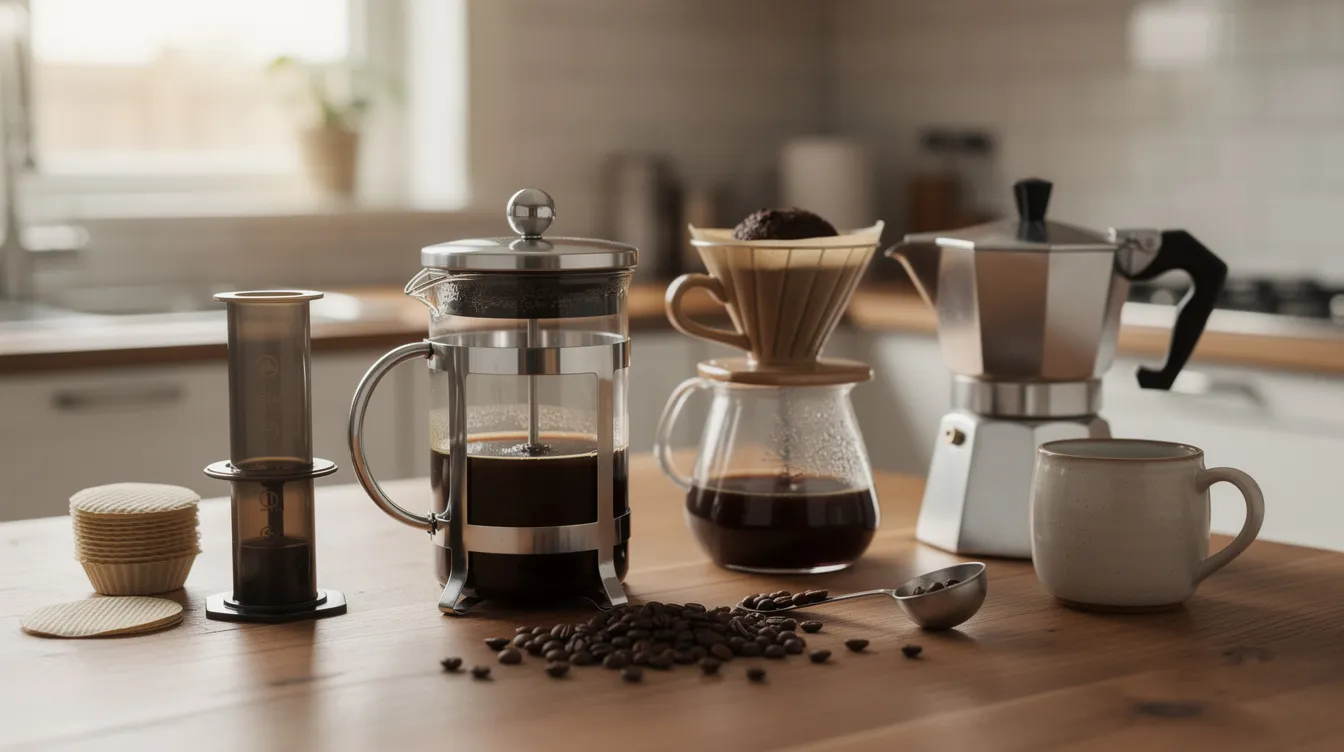
- French press: Full immersion through a mesh filter instead of paper filters, which lets natural oils and some sediment into the cup. French press brews coffee in four to five minutes using a coarse grind. It produces full-bodied, rich coffee and can brew up to 12 cups at once. The French Press brewing method is considered forgiving for beginners because small grind inconsistencies matter less in immersion.
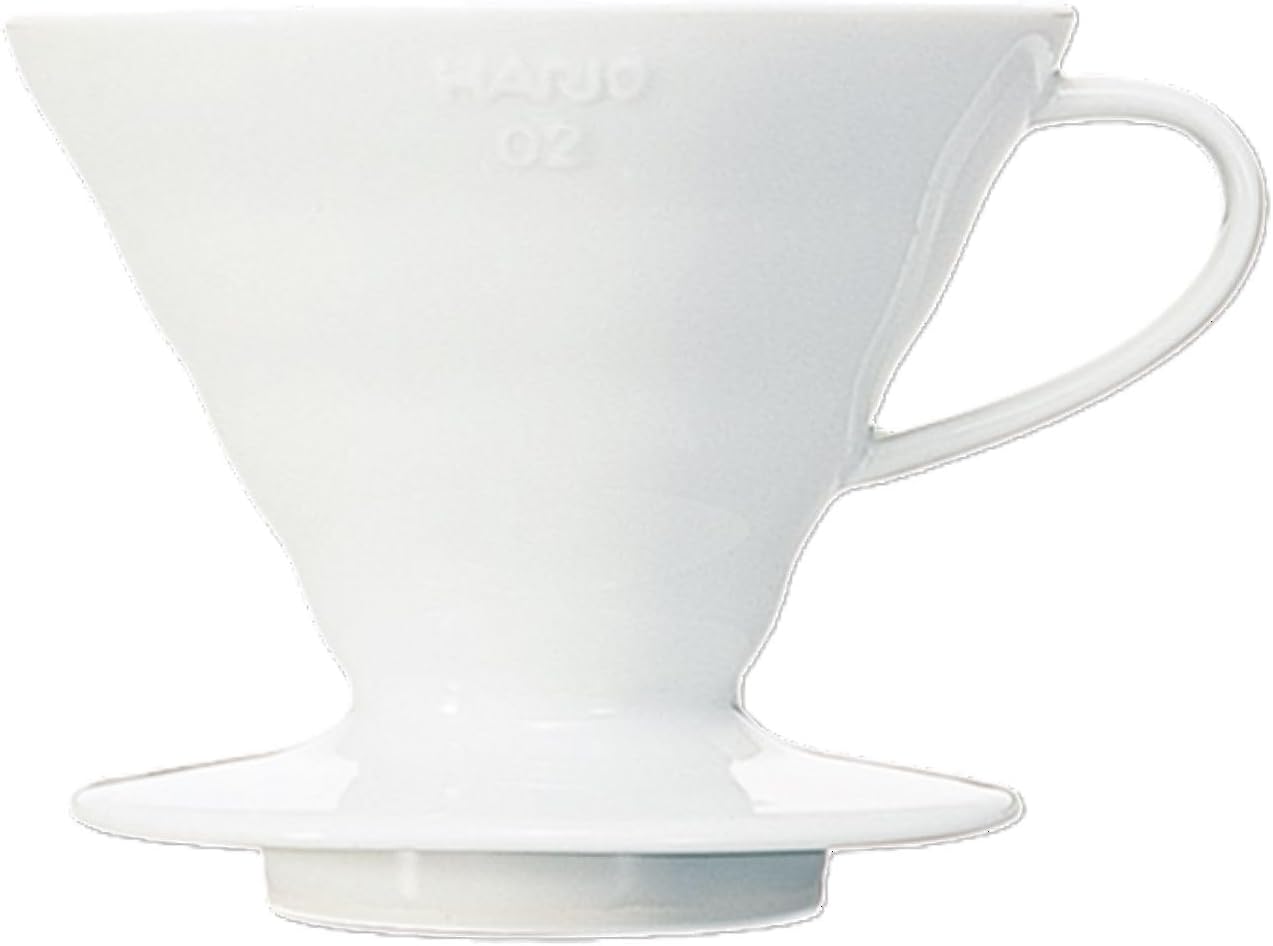
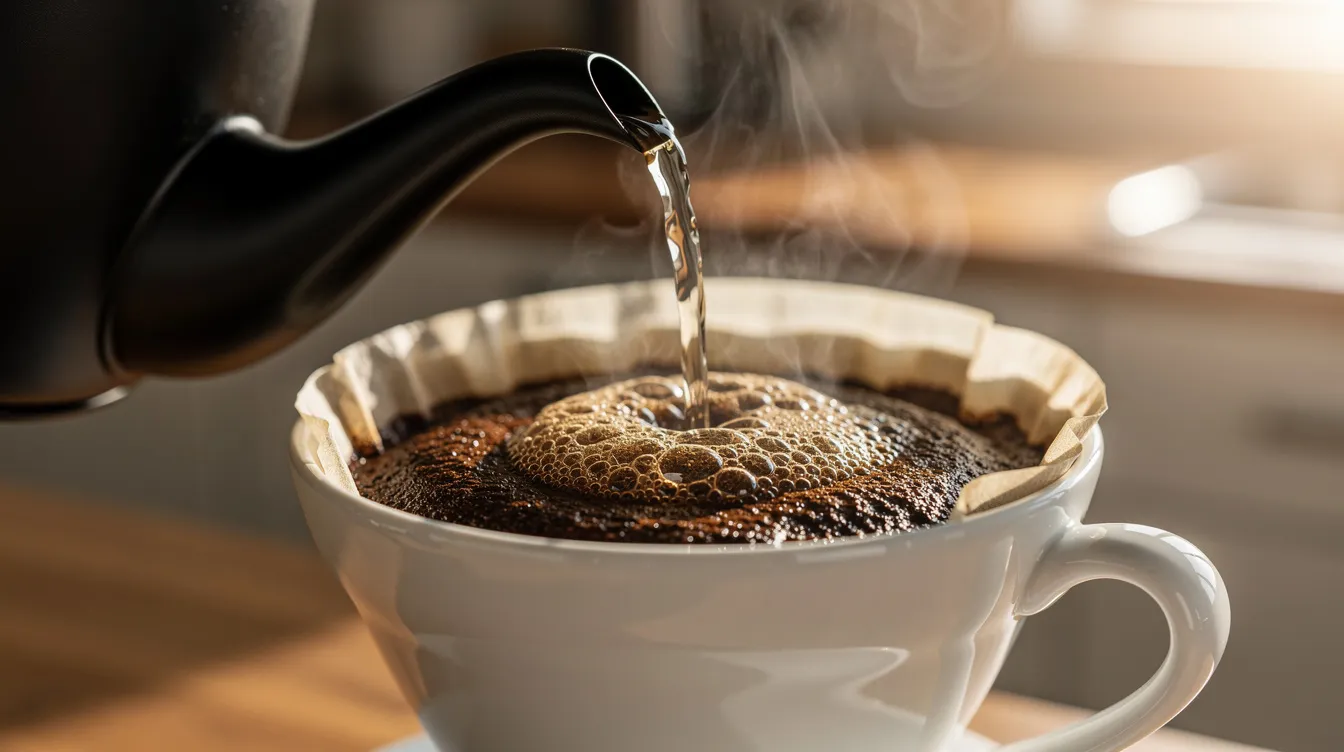
- Pour-over (Kalita Wave, Hario V60): Pour-over coffee dates back over a hundred years and remains one of the most popular methods for highlighting origin flavors. The Hario V60 is a popular pour-over brewer; the Kalita Wave’s flat-bottom design helps beginners avoid channeling. A medium fine grind works well for pour-over methods. A medium-coarse grind is recommended for pour-over coffee in some larger drippers. Pour-over coffee is intentionally slow, and that pace allows precise control over brewing variables while emphasizing the coffee bean’s true identity. A paper filter traps oils and fines for a clean, delicious cup.
- Auto drip coffee maker: A medium grind is suitable for drip coffee makers. Drip coffee makers are popular for brewing large quantities quickly with minimal hands-on effort. Results depend on the machine’s temperature stability and shower-head design.
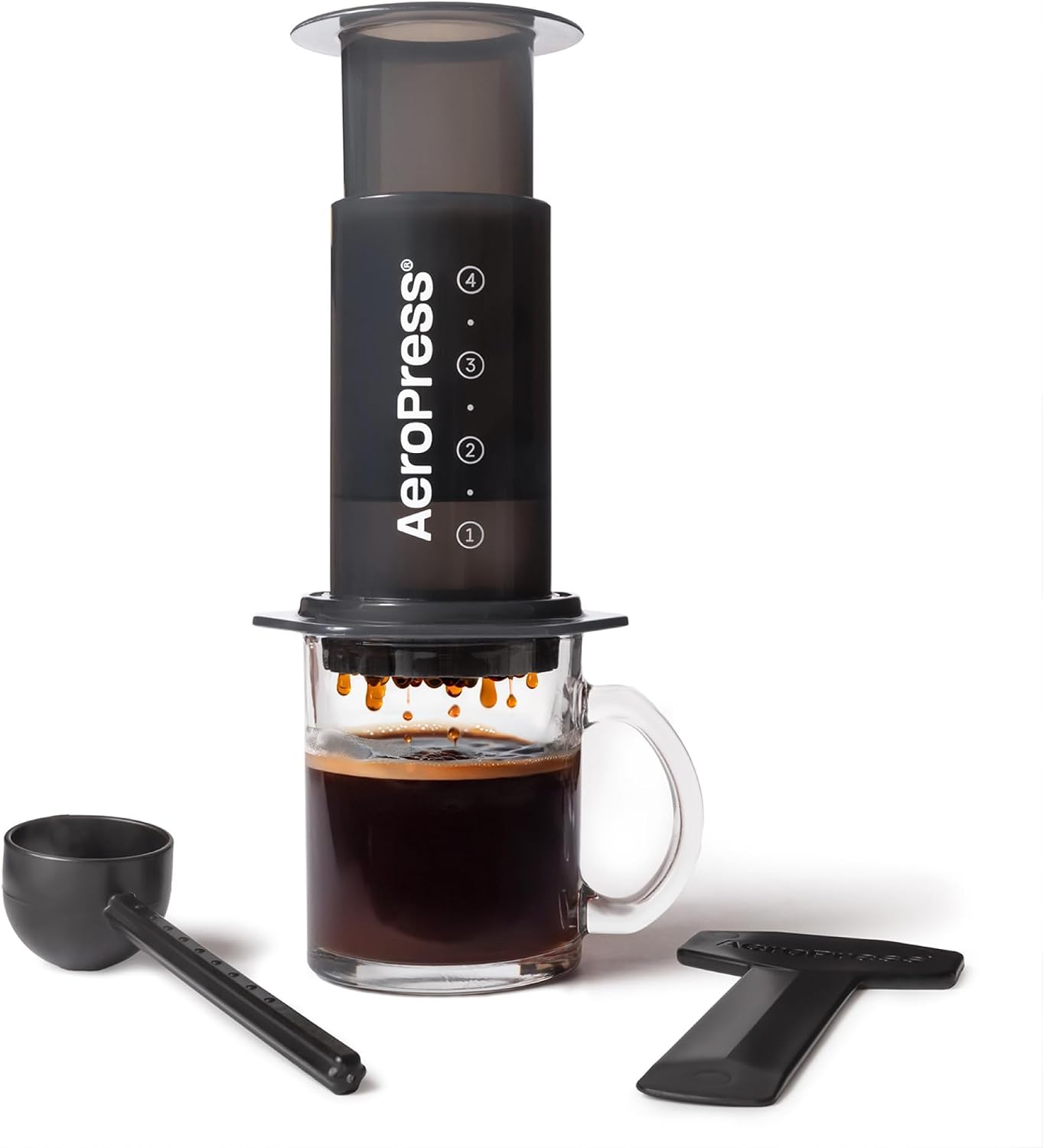
- AeroPress: AeroPress was launched in 2005 and is compact and portable for travel. It uses a paper microfilter for a clean cup and brews coffee in about 10 seconds of press time (after a short steep). It can make espresso-like shots and cold brew-style concentrate depending on the recipe. Grind ranges from medium to fine.
- Moka pot: The Bialetti Moka Pot brews coffee using steam pressure generated in the bottom chamber, producing bold, intense shots with chocolate and roast-forward flavors. Hard to control heat precisely; managing the lid during brewing also affects extraction, and the line between strong coffee and a bitter, burnt cup is narrow.
- Espresso: Espresso machines use 9 bars of pressure to force water through a very fine grind in about 25 to 30 seconds. The result is a concentrated, syrupy shot with crema. Requires the most gear investment and precision of any home brew method. Because of their complexity, machines can break or need regular maintenance.
- Cold brew: Cold brew coffee is steeped for 12 to 24 hours using a coarse grind at low temperature. Cold brew coffee is naturally sweeter than hot brewed coffee and lower in perceived acidity. Cold brew is typically served chilled or over ice. It requires more beans per batch but produces smooth concentrate you can dilute to preference.
Featured Brewing Guides: Start Here
These are the best first steps if you are new to making coffee with intention:
- French Press Brew Guide: Walks through coarse grind size, a 1:15 brew ratio, and four-minute immersion contact time. A forgiving entry point for anyone with a basic grinder and a press.
- Kalita Wave Pour-Over Guide: Covers the flat-bottom design, medium-fine grind size, controlled pouring technique, and how the Wave’s flow restriction helps produce even extraction with less channeling than a V60.
- Cold Brew at Home Guide: Details long steeping (12 to 16 hours in the fridge), coarse grind, and brew ratios for concentrate (around 1:5) versus ready-to-drink (1:8 to 1:12). Make a batch Sunday night; pour over ice all week.
- Classic Drip Coffee Maker Guide: Helps you get better results from a standard coffee maker by dialing in brew ratio with a scale, using fresh grind, and improving water quality rather than relying on default scoop measurements.
- Brewing Fundamentals Starter Guide: Available at /brewing/fundamentals/, this combines brew ratio, grind size, and water temperature into an easy workflow checklist for any brew method.
Featured Brewing Methods and Gear Links
This section connects you from brewing guides to related method and equipment resources. All recommendations are researched editorial analysis, not advertisements.
- Methods index at /brewing/methods/: a sortable list of every coffee brewing method from espresso to cold brew, organized by difficulty, brew time, and flavor profile.
- Gear hub at /gear/: covers essentials like grinders (for consistent grind size), gooseneck kettles, scales, French presses, Kalita Wave drippers, and drip coffee makers. Each write-up addresses performance, ease of cleaning, durability, value, and limitations.
- Coffee by brew method at /coffee/by-brew-method/: curated beans organized by brew-method fit. Some beans shine in pour-over; others pair well with immersion or espresso-style brewing.
- Gear recommendations focus on measured or well-documented traits: temperature stability in coffee makers, grind consistency in burr grinders, workflow and cleaning ease. Marketing claims without evidence are excluded.
Treat these links as optional next steps once you are comfortable with fundamentals, not mandatory purchases.
Brewing Workflow and Troubleshooting Common Problems
A repeatable workflow is the single biggest factor in consistency. Here is a method-agnostic sequence that works for most brewers:
- Measure your coffee with a scale (start with a 1:16 ratio).
- Choose grind size for your brew method.
- Heat filtered water to the right temperature; pre-heat your brewer.
- Bloom or stir when appropriate.
- Time your brew for proper contact time.
- Separate grounds from liquid promptly.
Common problems and fixes:
- Sour, weak, or thin coffee: Under-extraction. Adjust grind finer, extend contact time, or raise water temperature.
- Bitter, harsh, or dry coffee: Over-extraction. Go coarser on grind, shorten brew time, or lower temperature. Cleaning brewing equipment helps prevent bitter oil buildup that can affect flavor too.
- Uneven or inconsistent cups: Channeling. Water finds the path of least resistance through the coffee bed, often due to uneven pour or inconsistent grind. A flat, level coffee bed and gentle, controlled pouring technique fix this. A better grinder makes a big difference.
- Flat or paper taste: Stale beans. Coffee begins losing its delicate aromatics shortly after being ground. Grinding beans just before brewing preserves their volatile aromatic compounds. Use beans within a few weeks of roast, stored sealed and away from heat and light.
Different methods reveal different flaws. French press exaggerates extra-fine dust from a poor grinder. Espresso magnifies every small change in grind and dose. Some frustration is normal; adjust one variable at a time and taste again. Deeper troubleshooting lives at /brewing/fundamentals/.
How Capitol City Coffee Researches Brewing Guides and Recommendations
Capitol City Coffee operates as an independent coffee editor. Guides are built by cross-referencing professional brew recipes, competition routines, manufacturer guidance, and educational content from respected coffee institutions. The result is practical, home-friendly instructions, not lab-level theory.
- Unless a guide explicitly states otherwise, we do not claim direct hands-on testing or long-term personal use. Advice relies on verified product specifications, expert resources, and consensus from credible third parties.
- When products like grinders, French presses, or coffee makers are recommended at /gear/, write-ups focus on measured traits: temperature performance, grind consistency, workflow, cleaning, and reliability.
- Brew guides and method pages are revisited when industry standards evolve; for example, updated best practices for cold brew extraction time or new thinking on brew ratio for light roasts.
- Affiliate partnerships never determine which brew method or piece of gear is recommended first. Clarity, method fit, and value for home brewers are the priorities.
FAQs: Coffee Brewing Guides
These questions cover practical concerns that come up after exploring the guides above.
What is the best grind size for French press, pour-over, and espresso?
French press works best with a coarse grind, roughly the texture of sea salt. Pour-over brewers like the Kalita Wave and Hario V60 typically use medium to medium-fine grind, around the size of kosher salt to slightly finer. Espresso requires a very fine, powdery grind similar to confectioner’s sugar. Treat these as starting points and adjust based on taste: if your French press cup is muddy, go slightly coarser; if pour-over tastes sour, grind a bit finer; if espresso runs too fast, tighten the grind. A consistent burr grinder matters more than chasing a specific micron number.
Do I really need a scale and gooseneck kettle to make good coffee at home?
A digital scale and gooseneck kettle make brewing more repeatable, especially for pour-over methods where pouring technique controls extraction. They are not required to start making better coffee. Begin with volume measurements and a standard kettle, focusing first on fresh beans and an approximate brew ratio around 1:16. Upgrade to a scale and gooseneck as you want more control. Precise pouring is particularly helpful for methods prone to channeling, like V60 or smaller Kalita Wave drippers.
How fresh should my coffee be for cafe-quality results?
Most specialty coffee tastes best between about 3 and 30 days after the roast date when stored in a cool, dark, sealed container. Grinding right before brewing has a larger impact on flavor than almost any other upgrade, since pre-ground coffee stales quickly once opened. Beans that are extremely fresh (1 to 2 days off roast) can be gassy and tricky to brew for methods that rely on an even bloom, such as pour-over.
How long does homemade cold brew last in the fridge?
Properly brewed and stored cold brew concentrate, kept in a sealed container in the refrigerator, usually tastes its best within 3 to 5 days. Flavor gradually flattens and oxidizes after that, though many people find it acceptable up to about a week. Making smaller, more frequent batches is the better approach if sweetness and freshness matter to you. Discard any cold brew that smells off or shows signs of contamination.
What is the easiest upgrade from a basic drip coffee maker?
For many people, the easiest upgrade is not a new brewer but a burr grinder plus a consistent brew ratio using a simple scale. That combination can produce a noticeably better cup of coffee from a standard coffee maker. For those open to a new method, a French press offers richer, fuller cups with minimal technique, while an approachable pour-over like a Kalita Wave adds more control without requiring professional-level skills. Compare options at /brewing/methods/ before making any gear decisions, and consider talking with other home brewers about what fit their routine before deciding.