
Key Takeaways
- The best organic coffee to buy in 2026 depends on what you prioritize – flavor, verified certification, mold and toxin testing, price per ounce, or brew-method fit. For most drinkers, Lifeboost Medium Roast (best overall), Purity Coffee (best for mold-sensitive drinkers), and Equal Exchange (best value) cover the widest range of needs.
- USDA organic certification limits synthetic pesticides, but taste still comes down to origin, processing, roast level, freshness, and how you brew. Organic certification alone does not guarantee great flavor or the absence of mold.
- Brands like Purity Coffee (tests for over 400 toxins) and Fabula Coffee (tests for 350+ toxins) combine organic certification with rigorous lab testing, offering a more complete “clean coffee” picture for health-conscious drinkers.
- Organic coffee reduces exposure to synthetic pesticides, and with 62% of Americans drinking coffee daily, even small reductions in chemical intake can add up over thousands of cups.
- This is an independent, researched editorial guide. Recommendations are based on publicly verifiable product information, certifications, and third-party consensus as of 2026 – not on selling our own beans.
Affiliate & Editorial Disclosure
Quick Answer: Best Organic Coffee Picks in 2026
If you want the short version, here are the top certified organic coffee bags worth buying in 2026, organized by what each does best. Detailed reviews, flavor notes, and trade-offs follow in the sections below.
- Overall Best Organic Coffee 2026 – Lifeboost Medium Roast: Single-origin Nicaraguan, USDA Organic certified, low acid, balanced chocolate and caramel notes. Works well in drip, pour-over, and French press. Lab-tested for mycotoxins and heavy metals.
- Best for Mold-Sensitive Drinkers – Purity Coffee (FLOW Medium Roast): USDA Organic, Rainforest Alliance, Bird Friendly. Tests for over 400 toxins with published third-party reports. Smooth, clean cup with chocolate sweetness. Whole bean format.
- Best Organic Light Roast – Subtle Earth Organic (Don Pablo): USDA Organic certified Honduran Arabica. Bright, nuanced flavors with low bitterness. Ideal for pour-over and the coffee snob who drinks it black.
- Best Organic Medium Roast Value Pick – Equal Exchange Love Buzz: Fair Trade certified, USDA Organic, widely available at Whole Foods and grocery stores. Balanced flavor, competitive price per ounce for an everyday cup of coffee.
- Best Organic Dark Roast / Espresso – Kicking Horse Coffee “Kick Ass”: USDA Organic and Fair Trade certified. Bold, smoky, dark chocolate notes. Stands up in espresso machines and milk-based drinks.
- Best Organic Coffee for Cold Brew – Natural Force Clean Coffee (Dark Roast): USDA Organic, shade grown, nitrogen-flushed bags. Chocolate and nut notes hold up in long steeps. Third-party tested for mold and mycotoxins.
At-a-Glance comparison
Tap a photo or the Amazon button to check that bag. These are Amazon listing photos. Research-rated from each brand’s published details, not yet brewed by our team.
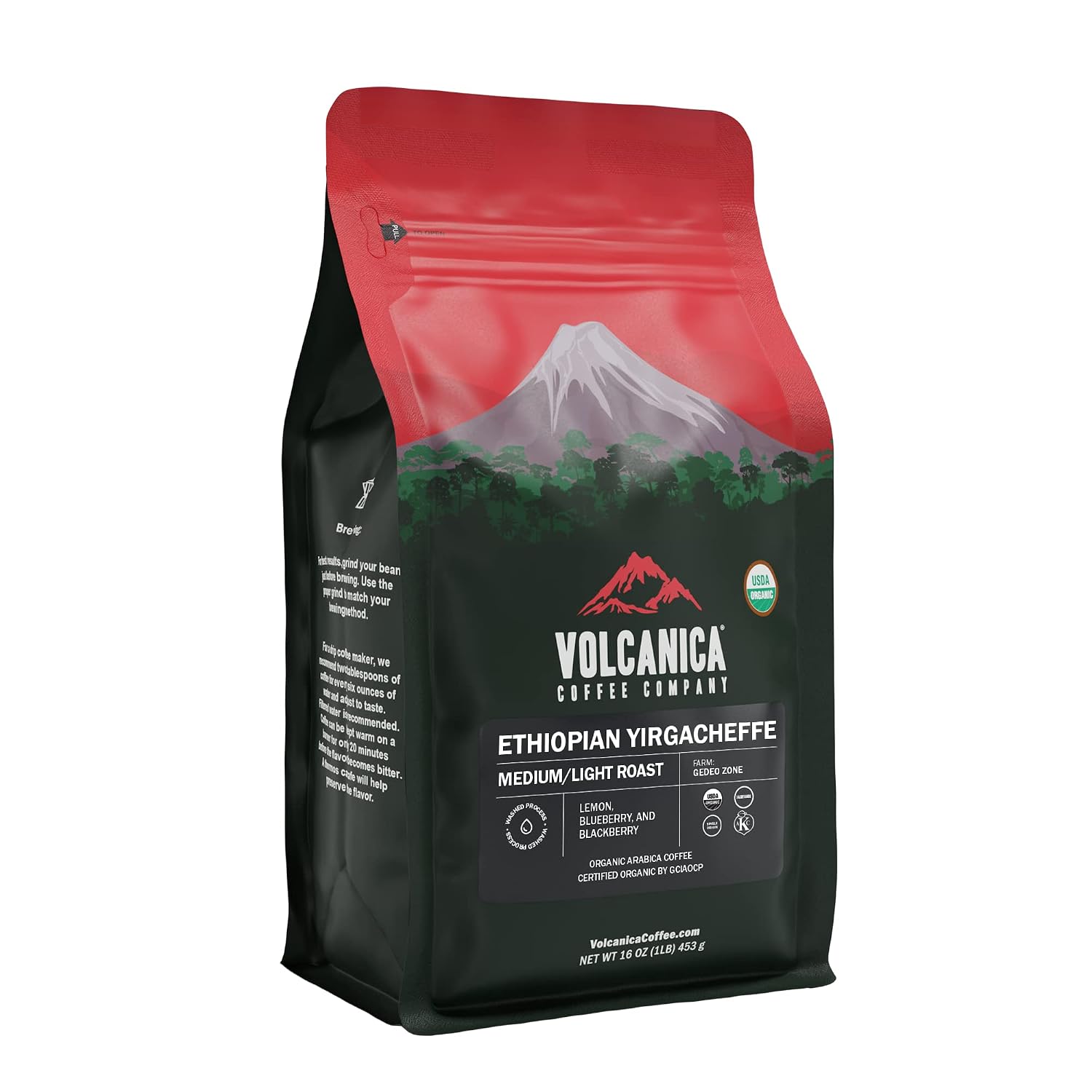
Organic light roast
Volcanica Ethiopian Yirgacheffe
- RoastMedium-light
- FormatWhole bean, 16 oz
- CertUSDA Organic
The table below compares the key specs of our top organic coffee picks for 2026. Use it to quickly narrow down which certified organic coffee beans match your priorities before diving into the detailed reviews.
Coffee | Best For | Origin | Roast | Certifications | Flavor Notes | Format | Brew Methods | ~Price/12 oz |
|---|---|---|---|---|---|---|---|---|
Lifeboost Medium Roast | Overall Best | Nicaragua | Medium | USDA Organic, lab-tested | Chocolate, caramel, low acid | Whole bean, ground | Drip, pour-over, French press | $30–$35 |
Purity FLOW | Mold-sensitive | Multi-origin blend | Medium | USDA Organic, Rainforest Alliance, Bird Friendly | Chocolate, caramel, smooth | Whole bean, pods | Drip, pour-over, French press | ~$29 |
Subtle Earth (Don Pablo) | Light roast | Honduras | Light–Medium | USDA Organic | Bright, cocoa, low bitter | Whole bean, ground | Pour-over, Chemex | ~$14–$16 |
Equal Exchange Love Buzz | Value pick | Latin America blend | Medium | USDA Organic, Fair Trade | Balanced, nutty, mild | Whole bean, ground | Drip, French press | ~$11–$13 |
Kicking Horse “Kick Ass” | Dark roast / espresso | Central & South America | Dark | USDA Organic, Fair Trade | Smoky, dark chocolate, bold | Whole bean, ground | Espresso, French press, lattes | ~$12–$14 |
Natural Force Dark Roast | Cold brew | Central America | Dark | USDA Organic, lab-tested | Chocolate, nuts, smooth | Whole bean | Cold brew, drip, French press | ~$28 |
Fabula Medium Roast | Premium / clean | Single origin | Medium | USDA Organic, 350+ toxins tested | Mellow, fruit, no harshness | Whole bean | Pour-over, drip | ~$25–$28 |
Lifeboost Dark Roast | Low acid | Nicaragua | Dark | USDA Organic, lab-tested | Chocolate, creamy, smooth | Whole bean, ground | French press, drip, cold brew | $30–$35 |
How We Selected the Best Organic Coffee
This list is based on researched editorial analysis – not lab testing or personal tasting performed by Capitol City Coffee. We evaluated dozens of organic coffee brands against six pillars, drawing on product labels, brand sites, retailer listings, third-party testing reports, and expert consensus as of late 2026. Offerings and certifications can change, so always verify current details before purchasing.
- Organic status: We prioritized coffees carrying USDA organic certification or an equivalent recognized standard. We looked for the USDA organic seal on packaging and verified certifications through brand disclosures and certifier databases.
- Clean coffee and mold/toxin testing: Preference went to brands that publish or clearly describe third-party lab testing for mycotoxins, mold, pesticides, and heavy metals. Published Certificates of Analysis (COAs) from ISO-accredited labs ranked higher than vague “tested” claims.
- Coffee quality: We focused on specialty-grade or high-grade Arabica coffee beans with transparent origin information, visible roast dates, and consistent roast execution. Specialty grade coffee must score over 80 points on a 100-point scale as defined by the Specialty Coffee Association.
- Flavor and drinkability: We looked for balanced acidity, sweetness, and body with clear flavor notes and suitability across common brew methods. Expert reviews and consumer consensus informed these assessments.
- Value and availability: We considered fair price per ounce, bag sizes, subscription versus one-time pricing, and how easily coffees can be ordered across the U.S.
- Ethics and sustainability: We noted relevant certifications like Fair Trade, Rainforest Alliance, Bird Friendly, and shade-grown designations where they coexist with organic certification. Fair Trade certification ensures safe working conditions for coffee farmers, while Bird Friendly certification requires shade-grown coffee to protect habitats.
Best Overall Organic Coffee (Editor’s Choice)
Lifeboost Medium Roast earns the top spot because it checks the most boxes for the widest range of U.S. coffee drinkers in 2026. It delivers a clean, approachable flavor backed by verifiable certifications and testing – without requiring you to be a specialty coffee expert to enjoy it.
- Profile: Single-origin Nicaraguan Arabica beans, medium roast, available as whole bean coffee and pre-ground. Lifeboost Coffee is USDA Organic certified and low acid, with a tested pH of around 6 or higher – notably gentler than many conventional medium roasts.
- Organic and clean credentials: Carries the USDA organic label and third-party lab testing for mycotoxins, heavy metals, and pesticide residues. Single-origin coffee reduces cross-contamination risks during sourcing, since beans come from one traceable region rather than being blended from multiple supply chains.
- Flavor and sensory notes: Expert reviews consistently describe balanced chocolate and caramel sweetness, medium body, low bitterness, and a clean finish. It’s approachable enough for milk-based drinks but nuanced enough to drink black.
- Brew-method fit: Performs well in drip machines, pour-over, and French press. Can serve as a mellow espresso base, though dedicated espresso drinkers may want a darker roast for more crema and intensity.
- Freshness: Lifeboost ships with clearly printed roast dates and uses valve bags. Freshness is one of the biggest quality indicators for coffee, and visible roast dates signal a roaster that cares about peak flavor.
- Value: Approximately $30–$35 per 12 oz bag (~$2.50–$2.90 per ounce). Premium compared to grocery organic brands, but competitive within the lab-tested, single-origin tier. Subscription discounts bring the per-bag cost down.
- Limitations: Higher price than mainstream grocery options. Limited roast variety compared to brands with five or six offerings. Primarily available online, which means you can’t grab it off a shelf at local coffee shops or supermarkets.
Best Organic Coffee for Mold‑Sensitive Drinkers
Some readers prioritize mold free coffee with rigorous third-party testing above all else. For those drinkers, Purity Coffee stands apart from other organic coffee brands because of the depth and transparency of its testing program.
- Product: Purity Coffee FLOW, medium roast, multi-origin blend of 100% Arabica beans. Also available in dark roast, low-acid dark, and decaf (Mountain Water Process) formats.
- Testing and transparency: Purity Coffee tests for over 400 toxins – including ochratoxin A, aflatoxins, pesticide residues, heavy metals (lead, cadmium, arsenic, mercury), and microbial contaminants – and publishes Certificates of Analysis per harvest. This level of quality testing transparency includes third-party testing for contaminants through ISO-accredited laboratories.
- Certifications: USDA Organic certified, Rainforest Alliance, and Bird Friendly. Few coffee brands stack this many verified certifications.
- Why it matters: Green coffee can develop mold or mycotoxins when drying or storage is poor. Mycotoxins in coffee are a quality and storage concern, which is why dedicated testing matters – organic certification alone does not cover mycotoxin screening.
- Cup profile: Smooth, low acid cup with chocolate sweetness, medium body, and minimal bitterness. Designed to taste clean without any harsh edges.
- Brew methods: Excels in drip, French press, and pour-over. Also works well as cold brew for an even smoother result.
- Price and value: Around $29 per 12 oz bag (~$2.40 per ounce). The premium reflects the cost of rigorous batch-level testing. Worth it for drinkers who specifically seek mold free coffee brands with published proof.
- Caveats: “Mold-free” means below lab detection limits for specific contaminants, not that coffee is sterile. No coffee can be guaranteed 100% toxin-free. Detection limits vary, and “less than detectable” is not the same as zero.
Best Organic Light Roast Coffee
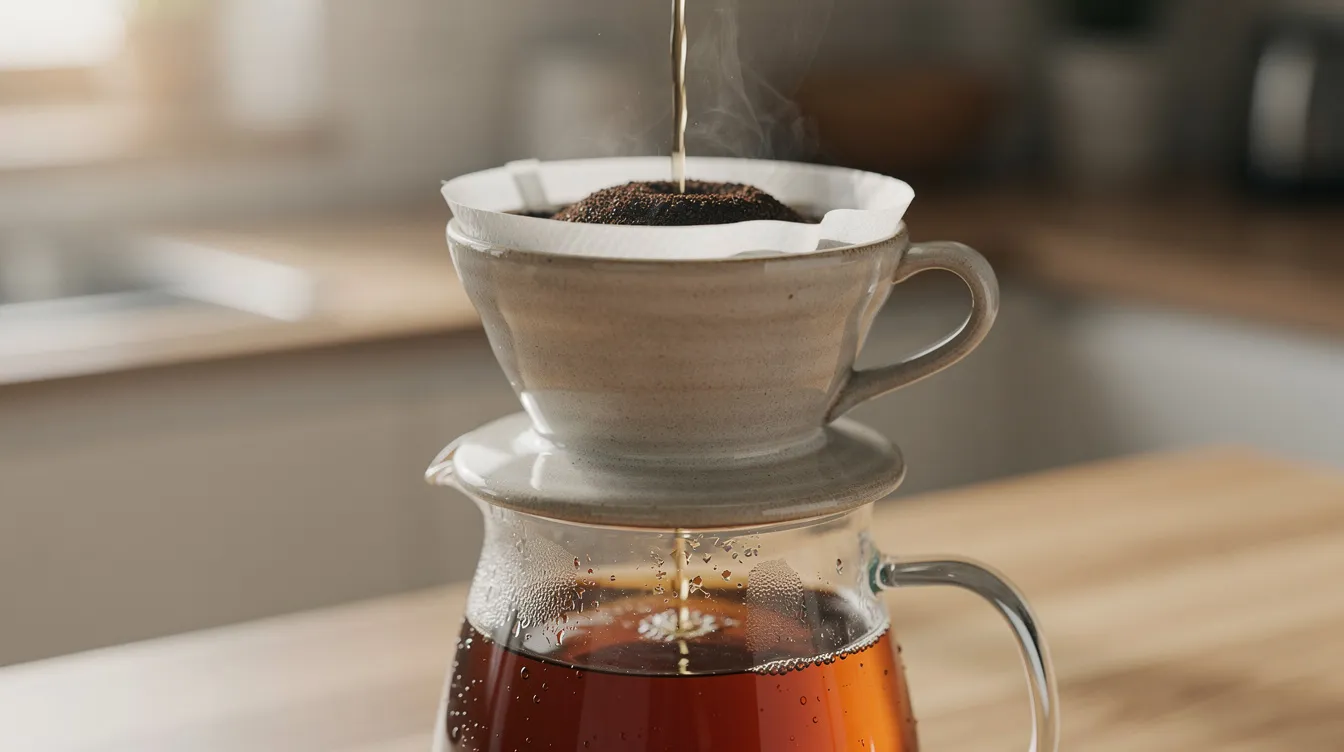
For the coffee snob who wants bright, complex, origin-forward flavors from organically grown coffee, a well-executed light roast reveals what terroir and processing can do.
- Product: Subtle Earth Organic by Don Pablo – Honduran single-origin, light to medium roast, whole bean format. USDA Organic certified.
- Flavor notes: High clarity with cocoa undertones, mild citrus brightness, and low bitterness. The light roast preserves the origin character that heavier roasting would mask.
- Best brewing methods: Pour-over (V60, Chemex), AeroPress, and lighter filter brewing bring out the nuance. It may taste too bright or sharp pulled as espresso, especially for drinkers used to dark roast profiles.
- Why shade and altitude matter: Shade-grown coffee supports biodiversity and reduces chemical use by maintaining natural pest control through canopy ecosystems. High-altitude coffee is less prone to mold contamination because cooler temperatures and drier conditions slow fungal growth during drying.
- Freshness: Light roasts deteriorate faster than dark roasts. Roast date visibility is essential – look for bags roasted within the last two weeks. Subtle Earth ships in valve bags, though checking roast dates at purchase is still recommended.
- Who it suits: Specialty coffee fans, black-coffee drinkers, and anyone curious about fruity or floral organic coffee taste profiles. It rewards careful brewing with a grinder capable of consistent particle size.
- Limitations: Too acidic for sensitive stomachs or for drinkers who prefer a low acid cup. Requires a decent burr grinder and attention to water temperature to avoid sour under-extraction. Not ideal for auto-drip machines that run too hot.
Best Organic Medium Roast Coffee
Medium roast is the sweet spot for many U.S. drinkers – enough roast development to smooth out sharp acidity, but not so much that origin character disappears. It is, by volume, the most popular roast level in American homes.
- Product: Fabula Coffee Medium Roast – single-origin, USDA Organic certified, available as whole bean. Fabula Coffee tests green lots for 350+ contaminants including mycotoxins, heavy metals, and pesticides.
- Flavor and body: Mellow, balanced flavor with subtle fruit sweetness and no harshness. Medium body, moderate acidity, and a clean finish that works for both black and with-milk preparations. This is an everyday organic coffee taste that doesn’t demand special attention.
- Brew-method flexibility: Performs well in drip machines, pour-over, French press, and as a mellow espresso shot for those who like less intensity.
- Whole bean vs ground: Available primarily as whole bean coffee, which maintains aromatics longer. If you need pre-ground for convenience, grinding accelerates staling – try to use it within a week of opening.
- Value and availability: Approximately $25–$28 per 12 oz bag. Mid-range pricing that reflects its lab testing and organic certification. Available primarily online with subscription discounts.
- Drawbacks: May not be complex enough for hardcore specialty coffee drinkers looking for wild fermented naturals or competition-level lots. The price sits above grocery organic brands, which could feel steep for a daily driver if you go through multiple bags per month.
Best Organic Dark Roast / Espresso Coffee
Dark roast appeals to drinkers who want lower perceived acidity, heavier body, and bold flavor that cuts through steamed milk. For espresso, dark roast organic coffee beans offer the intensity and crema that lighter roasts struggle to match in home machines.
- Product: Kicking Horse Coffee “Kick Ass” – USDA Organic and Fair Trade certified, sourced from Central America and South America. Available as whole bean and ground in multiple bag sizes.
- Flavor notes: Dark chocolate, smoky undertones, molasses sweetness, and big body. The bold flavor profile stands up to milk without getting lost, making it a strong pick for lattes and cappuccinos.
- Brew-method fit: Built for espresso machines, moka pots, and French press. Also works for drip if you like a robust cup. Kicking Horse coffee is 100% Arabica – no Robusta added for crema, which means espresso shots will be smooth rather than punchy.
- Ethical sourcing: Fair Trade certified ensures safe working conditions for farmers and guarantees a minimum price floor. Combined with USDA Organic, this covers both environmental and labor standards.
- Price and accessibility: Around $12–$14 per 12 oz bag – one of the most accessible price points among certified organic dark roasts. Widely available at grocery retailers including Whole Foods and online. Horse coffee is easy to find in brick-and-mortar stores across the U.S.
- Trade-offs: Very dark roasts mute origin character, which some specialty coffee drinkers see as a compromise. If you want to taste where your beans came from, a medium roast will reveal more. Very oily dark beans may also clog the grinder in some super-automatic espresso machines.
Best Organic Coffee for Cold Brew
Cold brew rewards coffees with strong body, natural sweetness, and low bitterness – qualities that medium dark roast and dark roast organic beans deliver well. The long steep time (12–24 hours) extracts smoothness but flattens delicate acidity, so choosing for sweetness and body rather than nuanced fruit notes makes sense here.
- Product: Natural Force Clean Coffee, dark roast – USDA Organic, shade grown, high altitude Arabica from Central America. Bags are nitrogen flushed for freshness.
- Clean credentials: Third-party tested for mold, mycotoxins, heavy metals, and pesticides with results published through COA reports via Eurofins labs. For cold brew, where beans steep for many hours, the cleanliness of the starting beans matters more than for quick extraction methods.
- Flavor in cold brew: Chocolate and nut notes dominate, with low bitterness and smooth body. The natural sweetness of the dark roast means less need for added sugar or cream.
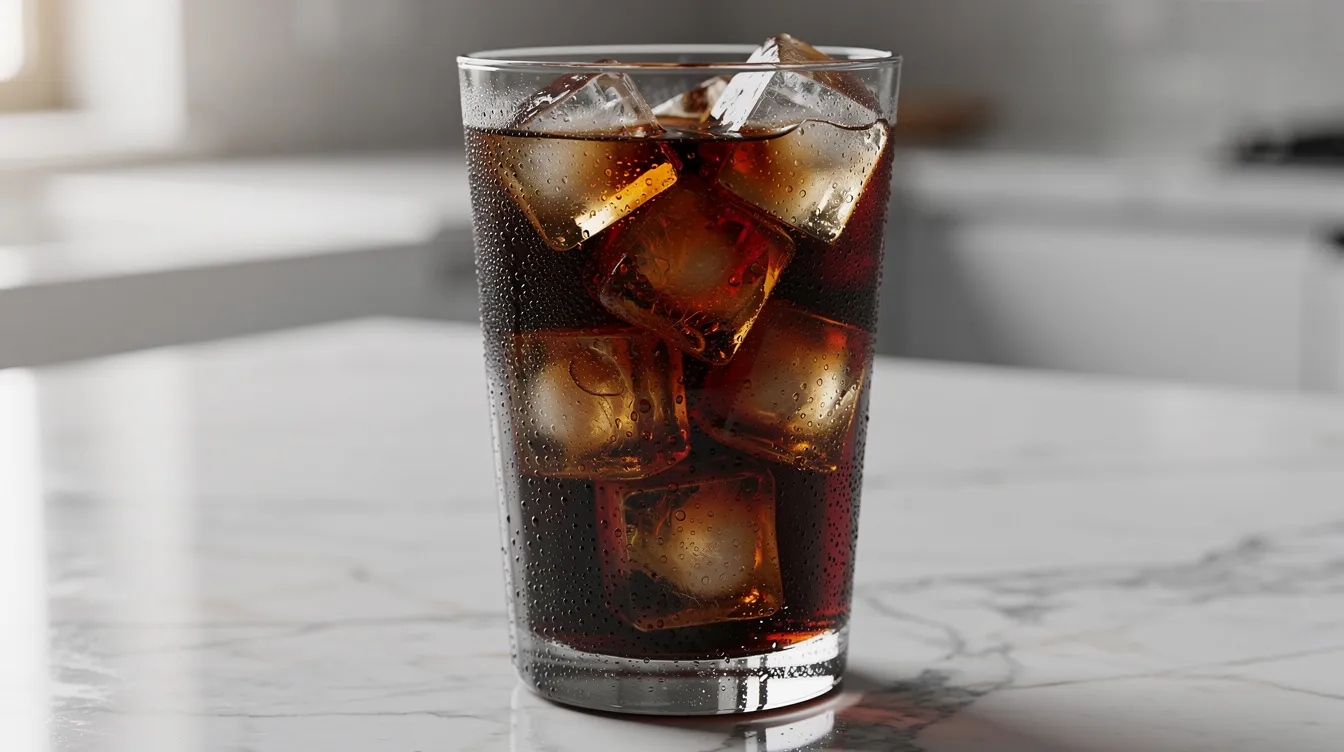
- Brew guidance: Use a coarse grind, roughly 1:8 coffee-to-water ratio by weight, and steep 16–20 hours in the fridge. Strain through a fine mesh filter or cheesecloth. Dilute the concentrate to taste.
- Versatility: The same beans also perform well brewed hot as drip or French press, so you are not buying a single-purpose bag.
- Value: Around $28 per 12 oz bag. A single bag makes roughly 6–8 batches of cold brew concentrate, which compared to buying ready-to-drink cold brew at $4–$5 per bottle, represents significant savings.
- Limitations: Cold brew flattens the delicate fruity notes that lighter roasts would offer. If you want bright, juicy iced coffee, consider a flash-brew method with a light roast instead.
Best Budget Organic Coffee (Value Pick)
Certified organic coffee can get expensive fast, but it does not have to. This pick balances organic integrity and drinkable quality against a price that works for daily consumption.
- Product: Equal Exchange Love Buzz – USDA Organic and Fair Trade certified blend from Latin American origins. Available as whole bean and ground in 10–12 oz bags.
- Flavor profile: Straightforward chocolate and nut notes, medium body, moderate acidity, and no off flavors. Not a coffee that will wow a specialty cupping table, but reliably good for an everyday cup of coffee.
- Formats: Comes in whole bean, ground, and some retailers carry French roast and other blend variants. The ground option is convenient for drip-machine-only households.
- Cost savings: Approximately $11–$13 per 12 oz bag (~$0.90–$1.10 per ounce), which is roughly half the per-ounce cost of premium clean coffee brands. Subscriptions and bulk ordering can bring it lower.
- Context: Conventional coffee farming uses an estimated 250 pounds of chemical fertilizers per acre. Choosing organic coffee even at the budget tier eliminates that exposure. Equal Exchange also emphasizes direct relationships with small-farm cooperatives, adding an ethical dimension that most grocery-shelf organic brands lack.
- Trade-offs: Less origin transparency than single-origin picks. No published lab-testing data for mycotoxins or heavy metals. Roast dates may not always be printed. Flavor complexity is limited compared to higher-end specialty roasters.
- Ideal use: Office drip machines, daily morning cups, or as a dependable pantry staple for drinkers who want certified organic coffee beans without a steep price tag.
Best Premium / Coffee‑Snob Organic Pick
For serious specialty coffee drinkers who want best organic coffee beans alongside top-tier flavor, this is the category where you pay for rarity, terroir, and meticulous sourcing.
- Product: Fabula Coffee Single-Origin (rotating micro-lots) or comparable USDA Organic certified single-origin from Ethiopia Yirgacheffe or Central America, light or medium-light roast.
- Certifications: USDA Organic certified, with Fabula also testing for 350+ contaminants. Transparent sourcing information typically includes coffee variety and processing method – details that mass-market brands rarely disclose. Traceability signals a roaster that knows more about the beans and their journey from farm to bag.
- Flavor notes: High clarity, complex fruit and floral aromas, pronounced sweetness, and distinct terroir. This is the organic coffee taste that converts skeptics who assumed organic meant bland.
- Brewing: Best results with pour-over, manual drip, or high-precision brewing. The subtlety of these coffees may get lost in an auto-drip machine with uncontrolled water temperature. Arabica coffee at this level rewards careful extraction.
- Freshness: Roasted to order or with very current roast dates. Shipped in high-quality, vented bags. Fresh roast date plus traceable beans enhances the chance of a great cup – freshness is one of the biggest quality indicators for coffee at every price point.
- Value and limitations: $28–$40+ per 12 oz bag. Limited seasonal availability and smaller bag sizes are common for micro-lots. This is a treat, not an everyday grocery purchase. For most people, pairing a premium bag for weekend pour-overs with a solid value organic bag for weekday drip is the smarter play.
Best Low‑Acid Organic Coffee
If you experience reflux or stomach discomfort from bright, acidic coffee, roast level and origin matter more than organic status. But when you want both low acid and organic, this pick delivers.
- Product: Lifeboost Dark Roast – single-origin Nicaraguan Arabica, USDA Organic, lab-tested for mycotoxins and heavy metals, with a pH tested at around 6 or higher.
- Acidity notes: “Low acid” is relative, not zero acid. Lifeboost’s darker roast and high-altitude origin naturally reduce perceived sharpness. The result is a smooth, chocolatey, creamy-bodied cup with minimal brightness – a genuinely comfortable low acid cup for sensitive stomachs.
- Relationship to clean coffee: Lifeboost emphasizes both low-acid and clean testing, making it relevant for drinkers who care about mold and acidity. The brand’s lab reports cover mycotoxins and heavy metals alongside pH data.
- Best brew methods: French press, drip, and cold brew for extra smoothness. Longer steep methods at lower temperatures further reduce perceived acidity.
- Who it suits: People who love drinking organic coffee but experience discomfort from bright, acidic light roast profiles. Also a good option for anyone who simply prefers a mellower, rounder cup.
- Caveats: Reduced acidity also means less “sparkle” in flavor. Coffee lovers who prize origin complexity and fruity brightness will find this coffee less interesting. It is better coffee for comfort than for adventure.
Best Flavored Organic Coffee
Many health-conscious drinkers enjoy flavored coffee but want organic or clean-label options that do not rely on artificial additives.
- Product: Lifeboost Flavored Line (e.g., vanilla, hazelnut, chocolate macadamia) – USDA Organic certified beans with natural flavorings. Medium roast base, single-origin Nicaraguan.
- Organic and clean status: The base beans carry USDA Organic certification. Flavorings are described as natural and non GMO. Look for brands that specify the flavoring source rather than just listing “natural flavors” generically.
- Flavor profile: Moderate flavoring intensity that complements the base chocolate and nut notes rather than overwhelming them. Perceived sweetness is higher than unflavored versions, which reduces the urge for sugary creamers.
- Brew recommendations: Best in drip or French press. Flavored oils can taste slightly artificial in espresso or very short extractions where concentration amplifies any off notes.
- Suitability: A good option for drinkers reducing sugary add-ins but still wanting variety. Flavored organic coffee serves as a bridge for people transitioning from heavily sweetened regular coffee.
- Trade-offs: Purists and coffee snobs will prefer unflavored arabica beans that speak for themselves. Flavored oils can shorten shelf life and may leave residue that clogs some burr grinders if the beans are heavily coated. Dedicate a blade grinder or wipe your burr grinder after use.
Best Organic Decaf Coffee
Organic decaf matters because the decaffeination process itself can introduce chemicals – and because decaf beans can be more vulnerable to mold during the extra processing steps.
- Product: Purity Coffee Decaf or Natural Force Clean Decaf – both USDA Organic certified and decaffeinated via Mountain Water Process (Purity) or Swiss Water Process (Natural Force), which are chemical-free decaffeination methods.
- Roast level: Typically decaf medium roast or medium-dark, sourced from Latin America, 100% Arabica beans.
- Flavor notes: Smooth, chocolatey, mild acidity, and good body. A well-processed organic decaf should not taste thin or like instant coffee. The water-based decaf methods preserve more of the original bean character than solvent-based alternatives.
- Health and safety: No harsh solvents (methylene chloride or ethyl acetate) are used. Both brands test decaf offerings for mold and mycotoxins – important since decaffeinated coffee beans undergo additional moisture exposure during processing, increasing contamination risk.
- Brew methods: Drip and French press are the most forgiving. Decaf espresso is possible but may require slightly finer grind adjustment to compensate for the softer bean structure.
- Limitations: Slightly higher cost than conventional decaf coffee. Narrower range of origins and roast levels compared to regular organic offerings. Availability is mostly online. For a deeper dive on options, see our guide to the best decaf coffee.
Other Notable Organic Coffee Brands & Runners‑Up
Beyond the main winners, several other certified organic or clean coffee brands deserve attention in 2026.
- Death Wish Coffee: Death Wish Coffee is USDA Organic and contains high caffeine levels – significantly more than standard Arabica blends due to its Robusta-Arabica blend. It appeals to drinkers who want organic practices paired with maximum energy. Bold, intense, and not for the faint of heart.
- Mayorga Organics: A Central America-focused roaster with strong USDA Organic credentials and multiple roast levels. Good grocery and online availability, competitive pricing, and a commitment to Latin American coffee farms.
- Allegro Coffee (Whole Foods): Accessible house brand with organic lines including whole bean, ground, and single-serve pods. Convenient for shoppers already buying at Whole Foods, though lab-testing transparency is limited compared to dedicated clean coffee brands.
- Café Altura: One of the original organic coffee brands in the U.S. with a wide roast range, including instant coffee and flavored options. Available in many natural grocery stores.
These are secondary picks due to narrower distribution, fewer lab-testing disclosures, or less consistent availability – not because they represent poor quality. Any of them could serve as a solid organic option depending on your local access and taste preferences.
How to Choose the Best Organic Coffee for You
“Best” depends on your taste, budget, and how you brew – not just picking the highest-priced bag or the most buzzworthy brand. Here is how to narrow your search.
- Define your priorities: Rank what matters most – flavor, maximum certification and testing, or price. If mold testing is your top concern, Purity and Natural Force lead. If value matters most, Equal Exchange wins. If you just want the best organic coffee taste in a balanced cup, Lifeboost or Fabula fit.
- Origin and processing: Regions like Central America tend to produce chocolate and nut flavors; East Africa leans fruity and floral. Washed processing produces cleaner, brighter cups; natural processing adds fruit-forward body. Choosing organic coffee with disclosed processing helps predict flavor.
- Roast level: Choose light roast for fruity, high-acid complexity. Medium roast for balance and everyday drinkability. Dark roast for bold, low-perceived-acid coffee with heavy body.
- Whole bean vs ground: Whole bean coffee stays fresher longer and is the better choice for anyone with a grinder. Pre-ground is fine for convenience but loses aromatics faster – use within a week of opening.
- Brew-method fit: Match your coffee to your primary brewer. Not every organic coffee works equally in every setup. Espresso demands medium-dark or dark roast. Pour-over rewards light or medium. Cold brew needs body and sweetness over acidity.
- Price and frequency: A premium bag for weekend pour-overs and a solid value pick for weekday auto-drip is a practical strategy that balances cost and quality over a month of drinking organic coffee.
For more style-specific options, browse all coffee types and style roundups.
Understanding Organic Certification & Labels
Here is what “certified organic,” “USDA Organic certified,” and related labels actually mean when they appear on coffee bags.
- USDA Organic basics: To carry the USDA organic seal, coffee must contain at least 95% organic ingredients, be grown without synthetic pesticides or fertilizers, and avoid genetic modification. USDA Organic certification requires no synthetic pesticides for three years – meaning the soil itself must be free of prohibited substances for a full three-year transition before certification is granted. USDA Organic certification prohibits synthetic pesticides and fertilizers throughout the growing, harvesting, and processing chain.
- “100% Organic” vs “Organic” vs “Made with Organic”: “100% Organic” means every ingredient is organic. “Organic” (the USDA organic label most coffee bags carry) means at least 95% organic. “Made with Organic” allows up to 30% non-organic content and cannot display the USDA seal. For coffee, most certified bags fall into the “Organic” or “100% Organic” categories.
- Other organic schemes: EU Organic, JAS (Japan), and other national standards are recognized in the U.S. through equivalency agreements. Imported organic coffee must meet these benchmarks or carry USDA certification directly.
- Regenerative and Bird-Friendly labels: These build on organic by adding requirements for soil health, biodiversity, and shade-grown habitat. Rainforest Alliance certification promotes biodiversity and sustainable farming practices on coffee farms. Bird Friendly certification requires shade-grown coffee to protect migratory bird habitats. Look for certified eco-friendly sourcing beyond just the organic label.
- Clean-label vs organic: Terms like “natural,” “non-GMO,” and “clean coffee” relate to but do not replace organic certification. Clean-label coffee emphasizes ingredient transparency and sourcing practices. Clean-label certifications often include non-GMO and allergen-free standards, but they are marketing terms unless backed by a specific third-party program. USDA organic certified remains the most regulated and verifiable standard for pesticide-free growing.
- Cost and access: Some small coffee farmers grow to organic standards but skip certification due to cost and bureaucratic complexity. While these farms may produce excellent beans, editorial picks in this guide prioritize verifiable certification because readers cannot independently confirm uncertified claims.
Is Organic Coffee Really Safer or Healthier?
Organic coffee reduces exposure to synthetic pesticides and supports environmental health, but it is not a magic health cure, and the science requires nuance.
- Pesticides: USDA Organic limits synthetic pesticide residues, which may matter to heavy daily coffee drinkers. Pesticides in coffee are linked to health issues like cancer in some long-term exposure studies. With 62% of Americans drinking coffee daily – many consuming multiple cups – even modest reductions in pesticide intake accumulate over time. Organic coffee protects soil quality and promotes biodiversity on coffee farms, which is an environmental health benefit beyond personal consumption.
- Mycotoxins and mold: Organic certification focuses on agricultural inputs, not mycotoxin testing. This is why some clean coffee brands add separate lab-testing programs. Organic farming practices reduce synthetic chemical use but do not prevent mold growth during drying and storage.
- Acidity and stomach issues: Organic status does not change acidity. Roast level, origin, and brewing style matter far more for gut comfort. If you need a gentler cup, look for dark roast or cold brew rather than assuming organic equals low acid.
- Antioxidants: Organic coffee contains higher antioxidant levels than conventional coffee according to some comparative studies. All roasted coffee contains antioxidants, and some brands attempt to optimize roasting for higher chlorogenic acid retention – but these claims should be treated cautiously without peer-reviewed evidence specific to each brand.
- Moderate intake benefits: Moderate coffee intake lowers risk of type 2 diabetes according to multiple epidemiological studies, regardless of organic status. The benefit comes from the coffee itself, not the certification.
- Safety perspective: Mainstream coffee – both organic and non organic coffee – is generally considered safe by regulators. Organic plus lab-tested coffee is mainly an extra margin of reassurance for interested readers, not a medical necessity.
This article is not medical advice. Readers with specific health conditions should consult a healthcare professional.
Organic Coffee, Mold, and “Clean Coffee” Claims
The rise of mold-free, toxin-tested “clean coffee” marketing has created both awareness and confusion. Here is what you actually need to know.
- Mold and mycotoxin basics: Ochratoxin A and aflatoxins are naturally occurring fungal toxins that can develop on green coffee beans during poor storage, slow drying, or humid transport conditions. The statistic bears repeating: mold or mycotoxins can develop on poorly stored green coffee according to available research data. Not all mold produces dangerous mycotoxins, but the prevalence is high enough to warrant attention.
- Role of roasting: Medium and dark roasting can reduce but not completely eliminate certain mycotoxins. Clean Label Project’s 2025 report found that dark and light roasts generally showed lower contaminant levels than some medium roasts, possibly due to how roast profiles interact with bean structure and chemical transformation.
- What “mold free coffee” usually means: Below lab detection limits for specific contaminants – not sterile, zero-mold coffee. Testing scope, frequency, and detection limits vary significantly across mold free coffee brands. Some test every batch; others test periodically. Some publish full COAs; others simply state “tested.”
- Third-party lab testing: Independent, ISO-accredited labs and published COA reports are more credible than self-reported “tested” claims. Third party testing should specify which mycotoxins, heavy metals, and microbes are covered, what the detection limits are, and how often testing occurs.
- Interpreting brand claims: Certified organic coffee brands that also invest in lab testing address two different risk categories: synthetic chemical exposure (organic) and natural contaminant exposure (clean testing). Together they provide a more complete clean coffee picture than either standard alone. Neither is sufficient on its own. Certified organic coffee brands prioritize health and ethical sourcing, but the organic certification does not include mold screening.
Brewing Organic Coffee for Best Flavor
Even the best organic coffee beans will disappoint if brewed poorly. A few foundational practices separate a great cup from a mediocre one.
- Grind size and freshness: Grind just before brewing. Coarse grind for French press, medium grind for drip, fine grind for espresso. Freshly ground whole bean coffee delivers noticeably better aroma and flavor than pre-ground that has been sitting in a bag for weeks.
- Water quality: Use filtered water. Tap water with high chlorine or mineral content introduces off flavors and causes inconsistent extraction. Water makes up 98% of brewed coffee – it matters.
- Brew ratios: Start with 1:15 to 1:17 coffee-to-water by weight. For a standard 8 oz cup, that is roughly 14–16 grams of coffee grounds. Adjust strength to personal taste from there. Cold brew uses a higher ratio – roughly 1:8 – with a 16–20 hour steep.
- Pour-over and drip: A slow, controlled pour highlights acidity and sweetness in light and medium roast. Water temperature around 195–205°F works for most roast levels. Let light roasts bloom for 30–45 seconds before the main pour.
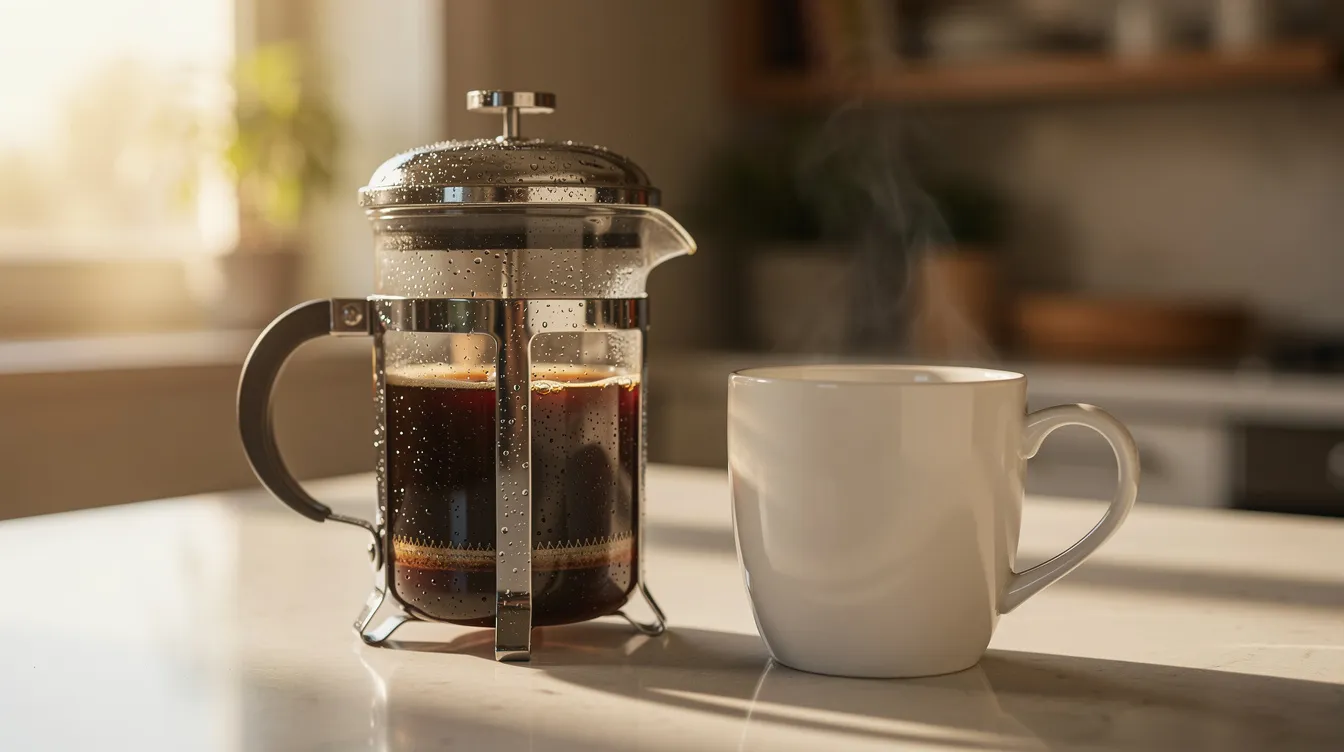
- French press: Coarse grind, 4-minute steep, gentle plunge. French press delivers heavier body and oils that paper filters absorb. Good for showcasing chocolate and nut notes in medium and dark roasts.
- Espresso: Fine grind, 25–30 second extraction, 1:2 ratio (e.g., 18 g in, 36 g out). Use medium-dark or dark roast espresso beans for best results. Light roast espresso is possible but demands precise dialing-in.
- Roast-specific tips: Light roast benefits from slightly cooler water (around 195°F) and longer extraction to avoid sour, under-extracted shots. Dark roast works well with shorter brew times to avoid excessive bitterness. Roast coffee to your personal preference, but respect the bean’s nature.
Keeping Organic Coffee Fresh: Storage & Roast Date Tips
Freshness often matters more than small differences between good organic brands. A two-week-old bag of solid beans will outperform a two-month-old bag of premium beans nearly every time.
- Roast date vs “best by”: Packaging should show roast dates rather than vague expiration dates. For quality-conscious drinkers, roast date is the single most useful piece of information on a coffee bag. Peak flavor typically falls 4–14 days post-roast for lighter roasts and extends to 21–30 days for darker roasts.
- Storage containers: Use an airtight container stored at room temperature, away from heat, light, and moisture. Avoid clear jars sitting on sunny counters – light degrades flavor compounds. High-quality packaging protects coffee from light and moisture, but once opened, transferring to a proper container helps.
- Degassing: Freshly roasted organic coffee beans release carbon dioxide for several days after roasting. One-way degassing valves on bags allow carbon dioxide to escape while preventing oxidation – a feature worth looking for when buying online. Organic coffee bags should utilize recyclable or compostable materials where possible, and mono-material recyclability allows bags to be processed in standard recycling streams.
- Freezing vs refrigeration: Avoid the refrigerator – condensation and odor absorption harm flavor. Freezing only works in well-sealed, portioned bags if you absolutely must store coffee long-term. Thaw fully before opening to prevent moisture damage.
- Whole bean advantage: Whole bean coffee maintains aromatics and freshness significantly longer than pre-ground. Grinding accelerates staling by exposing more surface area to air.
- Bag size: Buy quantities you can finish within 2–4 weeks of opening. A 12 oz bag is ideal for most single-household drinkers. Larger bags make sense only if you consume multiple cups daily or share with household members.
Price, Value, and How Much to Spend on Organic Coffee
Organic and clean coffee options span from budget grocery brands to high-end specialty roasters. Here is how to think about spending.
- Budget tier (~$0.75–$1.25 per ounce): Grocery organic brands like Equal Exchange, Allegro, and store-brand organics from Whole Foods. Solid daily drinkers, but limited origin transparency and no published lab testing. You get certified organic without the premium extras.
- Mid-range tier (~$1.75–$2.50 per ounce): Brands like Natural Force, Purity, Fabula, and Lifeboost. These typically offer visible roast dates, COA transparency, ethical certifications, and single-origin or specialty-grade beans. This is where most readers looking for the best organic coffee will find their sweet spot.
- Premium tier (~$2.50–$3.50+ per ounce): Rare single-origin micro-lots, seasonal offerings, and heritage varietals. Better coffee in terms of complexity and nuance, but diminishing returns for everyday use. Best reserved for weekend brewing or special occasions.
- Smart strategy: Pair an affordable daily organic medium roast ($12–$15 per bag) with a premium bag ($28–$35) for weekend pour-overs. This balances cost and quality across a month of coffee consumption without burning through your budget.
- Per-cup math: Using roughly 14 grams per 8 oz cup, a 12 oz (340 g) bag yields about 24 cups. At $29 per bag, that is about $1.20 per cup – less than half what most local coffee shops charge and far less than a café cold brew. Even premium organic is cheaper than daily café visits.
Related Guides from Capitol City Coffee
This guide covers organic coffee specifically, but your ideal cup may sit at the intersection of several priorities. These related resources can help you refine your search.
- Explore more coffee guides and how-tos for broader recommendations across styles, gear, and brewing methods.
- Browse all coffee types and style roundups to compare organic against other categories.
- Looking for ethical sourcing as your top priority? See our guide to the best Fair Trade coffee options – many of which overlap with USDA organic Fair Trade certified brands featured here.
- If caffeine-free is the goal, our best decaf coffee guide covers organic and conventional decaf options in detail.
- Stomach sensitivity driving your search? The best low-acid coffee roundup may be more targeted to your needs.
Pick one organic coffee from this guide and one from a related roundup to brew side by side. Comparing two thoughtfully chosen bags teaches you more about your preferences than reading a dozen reviews ever could.
Our Organic Coffee Pick
We matched one USDA Organic bag to the light-roast origin cup this guide describes. Tap the image or the coffee name. Research-rated, not yet brewed by our team.
Feeling certified organic: a Yirgacheffe
Our pick: Volcanica Coffee Ethiopian Yirgacheffe, USDA Organic, medium-light roast, whole bean, 16 oz. Organic on the label, floral cup for the light-roast organic slot. Research-rated, not yet brewed by our team.
Frequently Asked Questions
These FAQs cover common questions not fully addressed in the main sections above.
Does organic coffee contain less caffeine than regular coffee?
Organic certification does not affect caffeine content. Caffeine is determined by species (Arabica vs Robusta), roast level, and brew strength – not by farming practices. Most organic coffees are 100% Arabica, which naturally contains less caffeine than Robusta-heavy blends, but the difference between organic and non organic coffee of the same species is negligible. If you want less caffeine, look for decaffeinated coffee, half-caf blends, or adjust your brew ratio rather than relying on organic status.
Is organic coffee always better tasting than conventional coffee?
No. Flavor depends far more on bean quality, origin, roast skill, freshness, and brewing method than on organic certification alone. A poorly roasted organic coffee will taste worse than a well-roasted conventional one. Many excellent conventional coffees can outperform mediocre organic options. Treat organic certification as one factor among many, then choose the roast level, origin, and style that match your palate. The organic label ensures cleaner farming – it does not guarantee a better coffee experience in the cup.
Can I use organic coffee beans in an espresso machine?
Absolutely. Organic coffee beans work fine in any espresso machine as long as the roast level and grind size are appropriate. For best results, choose medium-dark or dark roasts labeled as espresso-friendly. Some coffee snobs enjoy pulling light-roast espresso shots, but this demands precise grinding and temperature control. One practical caution: avoid very oily dark roast beans in super-automatic espresso machines regardless of organic status – the excess oil can clog internal grinders and brew units over time.
Is “shade‑grown” the same as organic coffee?
No. Shade-grown refers to how coffee is cultivated – under a forest canopy rather than in cleared, sun-exposed fields. It benefits birds, biodiversity, and natural pest management. However, shade-grown coffee is not automatically organic; it may or may not carry USDA Organic or other organic certification. Buyers who care about wildlife habitat and environmental impact should look for both organic and Bird Friendly or shade-grown labels on the same bag for the strongest combined assurance.
What’s the best way to start if I’m switching to organic coffee on a budget?
Start with a widely available, USDA Organic certified medium roast from a reputable brand – Equal Exchange or Allegro are solid starting points at grocery-level pricing. Buy whole bean coffee if you have even a basic grinder, and use a simple brew method like drip or French press to keep equipment costs near zero. Drink it for a week or two to establish your baseline preferences. From there, gradually explore higher-end organic or clean coffee brands once you know which roast level and flavor profile you actually enjoy. Jumping straight to a $35 premium bag before you know your preferences is a fast way to waste money on coffee that does not match your taste.