

Key Takeaways
- Whole bean coffee generally wins for flavor, freshness, and brew-method control, especially when paired with a good burr grinder.
- Pre ground coffee wins for speed, simplicity, and accessibility – no extra equipment needed.
- Grind size and brew method match affect your perfect cup more than whether you buy whole beans or ground.
- Heavy home brewers and flavor-focused drinkers should lean whole bean; occasional or rushed brewers may reasonably prefer ground coffee.
- This is researched editorial analysis from Capitol City Coffee, an independent coffee editorial and affiliate site – not a roaster or gear brand.
At a glance
Quick Verdict: Should You Buy Whole Bean or Ground Coffee?
If you care most about flavor and are willing to grind before each brew, choose whole bean coffee. If you care most about convenience and want zero extra equipment, choose pre ground coffee, though it usually gives up some of the aroma and freshness that make for truly fresh coffee from whole beans. For most US home brewers, the single biggest upgrade is pairing fresh whole beans with a consistent electric burr grinder – but high-quality pre ground can still deliver a satisfying coffee experience.
To be clear: whole bean coffee refers to intact roasted coffee beans you grind yourself just before brewing. Ground coffee refers to roasted coffee beans that have already been milled to a specific particle size at the roastery, store, or factory. Whole bean coffee delivers a complex taste profile when ground just before brewing, while ground coffee takes less time to prepare than whole beans. Both whole bean and ground coffee have a place in the coffee world, depending on how you brew, how you live, and how much coffee quality matters in your routine.
We’re an independent, reader-supported coffee editorial. If you buy through our links, we may earn a commission at no extra cost to you.
Below, we break down performance, taste, usability, price, and best use cases so you can make the right call.
Key Differences: Whole Bean vs Ground Coffee (Comparison Table)
The whole bean vs ground coffee debate comes down to a handful of measurable differences. This table covers the core decision factors side by side, so you can scan for what matters most to your routine.
Factor | Whole Bean Coffee | Ground Coffee |
|---|---|---|
Freshness & shelf life | Stays vibrant ~4–6 weeks after roast; can last up to three months stored properly. Whole bean coffee typically has a longer shelf life than ground coffee. | Starts tasting flat within 1–2 weeks of opening. |
Flavor & aroma | Brighter acidity, more distinct origin notes, fuller aroma when freshly ground. Whole bean coffee retains flavor longer than ground coffee. | Flavor fades faster; unique origin traits get muted within days. |
Grind size control | Full control – adjust for French press, drip, espresso, cold brew. | Fixed grind size; usually medium for drip. |
Brew-method flexibility | Works with all different brewing methods. | Best matched to one brewer type. |
Workflow & speed | Requires grinding step (~30–60 seconds). | Scoop and brew – fastest path to a cup. |
Required equipment | Coffee grinder (burr recommended). | No grinder needed; just a coffee maker. |
Price & ongoing cost | Often slightly more per bag due to superior quality, plus grinder investment. | Generally cheaper per bag. |
Best for | Daily brewers, coffee lovers, flavor-focused drinkers. | Occasional brewers, shared kitchens, travel. |
Availability | More common at specialty roasters and online. | Dominates supermarket shelves and big-box stores. |
Whole Bean Coffee: Performance, Benefits, and Limitations
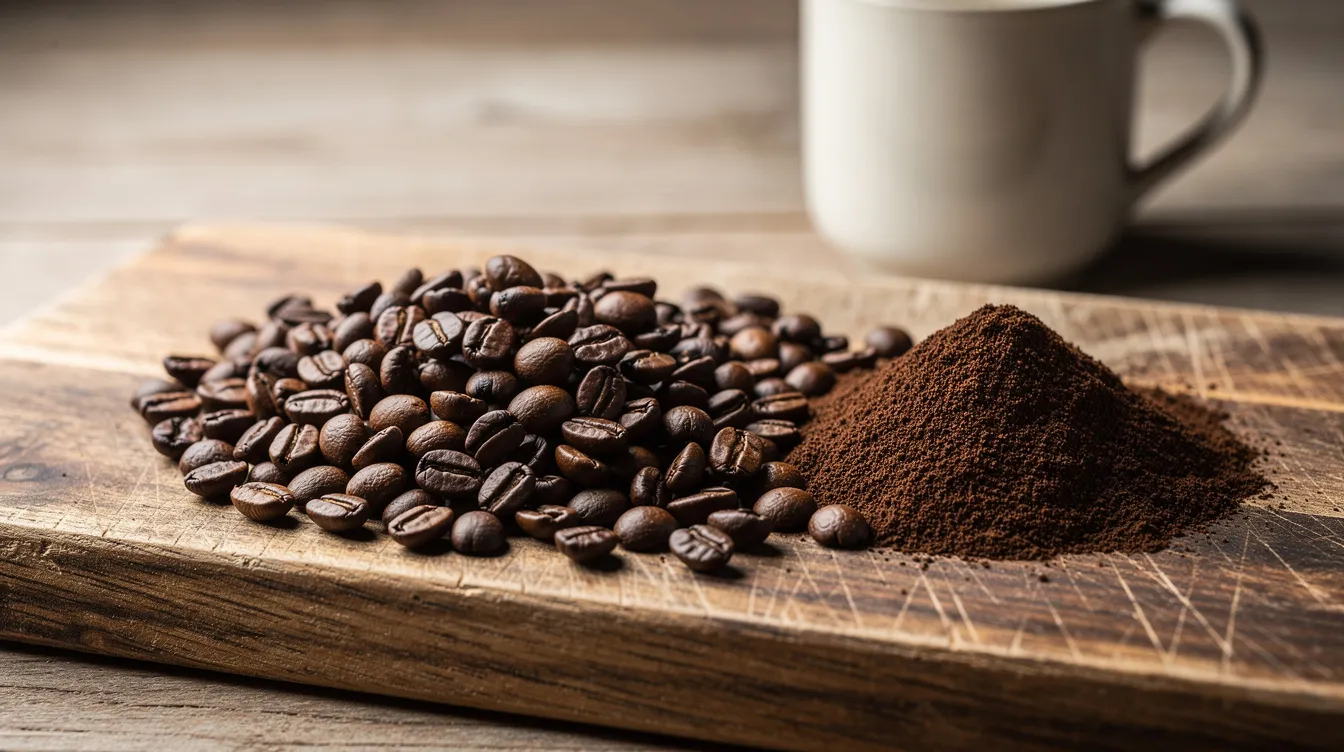
Whole bean coffee means intact roasted coffee beans, their cell structures still sealed, waiting to release flavor only when you’re ready to brew. Many coffee aficionados consider it the gold standard for home brewing – and the science backs that up.
Grinding coffee unlocks complex aromas and flavors. The grinding process releases carbon dioxide and aromatic gases, enhancing flavor and aroma in the cup. Freshly ground coffee offers a fuller flavor and better aroma than pre ground alternatives. A Washington State University study found that ground Arabica stored just two weeks at room temperature was significantly less preferred in aroma and taste compared to fresh ground coffee from the same beans.
Freshness is where whole beans pull ahead decisively. Whole beans stay fresh for 4 to 6 weeks when stored properly, with peak flavor often occurring between days 4 and 21 after roasting. Whole bean coffee can stay fresh for up to three months under good storage conditions. Freshly ground coffee can preserve delicate flavor notes – fruit, floral, wine-like – that become muted as coffee ages in pre ground form.
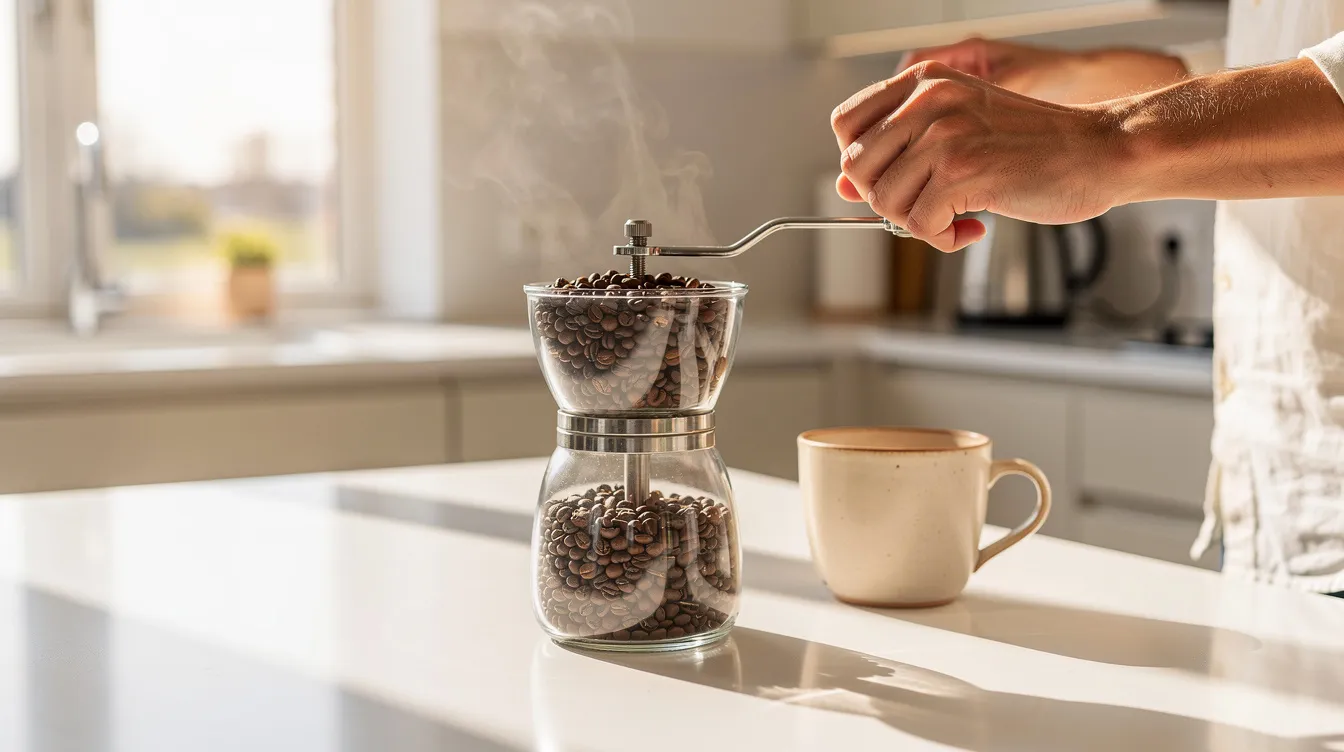
Whole bean coffee allows customization of grind size for different brewing methods: coarse for French press, medium for drip, fine for espresso machines, and everything in between. That control lets you tune strength and sweetness to your taste buds for a more personal, flavorful coffee experience.
Beyond flavor, there are practical health benefits worth noting. Whole bean coffee retains more antioxidants than ground coffee. Grinding coffee fresh preserves natural compounds that degrade with air exposure over time. Whole beans also reduce the risk of contaminants like mold, since less surface area is exposed to the environment before brewing.
The trade-offs: you need a grinder (an electric burr grinder runs roughly $100–$300), the morning routine takes an extra minute, and there’s a learning curve for dialing in grind settings. Without a quality grinder, whole beans may not deliver their full advantage. But for people brewing a daily cup at home, the quality jump can rival or exceed café coffee when dialed in.
Ground Coffee: Performance, Benefits, and Limitations
Ground coffee is roasted coffee beans already milled to a specific particle size – usually medium for drip – and ready to use out of the bag. It remains the default choice for many US shoppers, and for good reason: pre ground coffee is ready to brew immediately.
The convenience factor is real. Ground coffee is more accessible for beginners without grinders. There’s no equipment to buy, no grind settings to learn, and no noise at 6 a.m. For shared kitchens, offices, and dorm rooms, ground beans keep the workflow simple. If you prefer ground coffee primarily for speed, that’s a legitimate priority.
The limitations are equally real. Pre ground coffee loses flavor within 1 to 2 weeks of opening. Many volatile aroma compounds degrade within hours of grinding, and by week two at room temperature, the cup tastes noticeably flatter. The fixed grind size can also be a mismatch: many pre ground coffees are too fine for a French press (causing sludge) and too coarse or uneven for espresso machines (producing sour, weak shots).
Ground coffee works best for people who brew only occasionally, drink coffee mainly with cream and sugar, or prioritize zero-fuss preparation over exploring nuanced flavor notes. Some specialty roasters now offer high-quality pre ground options dialed for specific brewing methods – ground for drip, ground for cold brew – which helps mitigate some freshness and grind-match drawbacks. Pre ground coffee is also ideal for travel due to its simplicity and portability.
Grind Size, Gear, and Workflow: The Hidden “Third Variable”
In the whole bean vs ground debate, grind size and grinder quality often matter more to taste than the bean format alone. This is the variable most guides gloss over.
Grinding increases coffee’s surface area, accelerating staling – but it also determines how water interacts with the coffee during the brewing process. The finer the grind, the more surface area is exposed, which speeds up extraction. Too fine leads to bitterness and sludge; too coarse leads to sour, weak coffee. This applies whether you grind your own beans or buy pre ground.
The gear breakdown is straightforward:
- An electric burr grinder delivers the most consistent grind for daily use and is widely recommended by specialty professionals.
- A manual burr grinder is budget-friendly and portable but slower – fine for one or two cups.
- A blade grinder is cheap and common but chops beans unevenly, producing a mix of powder and boulders that brew inconsistently.
Concrete example: pre ground “medium” often brews well in a standard automatic drip coffee maker but tends to over-extract in a French press. Finely ground coffee for espresso requires uniform particles you can’t reliably get from most supermarket pre ground bags.
If you buy whole bean, grind just what you need before each brew for maximum freshness. If you buy ground coffee, pick a grind matched to your preferred brewing method and store it in an air tight container away from heat and light. Focus first on matching grind to brewer before obsessing over tiny freshness differences – technique can rescue many coffees, whole bean or ground.
Winner by Use Case: Which Option Fits Your Life Best?
Different routines call for different winners. Here’s a researched editorial breakdown based on broad expert consensus:
Daily drip coffee before work: Pre ground saves time with only a modest flavor trade-off, especially if you choose a quality roaster. But whole bean with a grinder set the night before is a close step up.
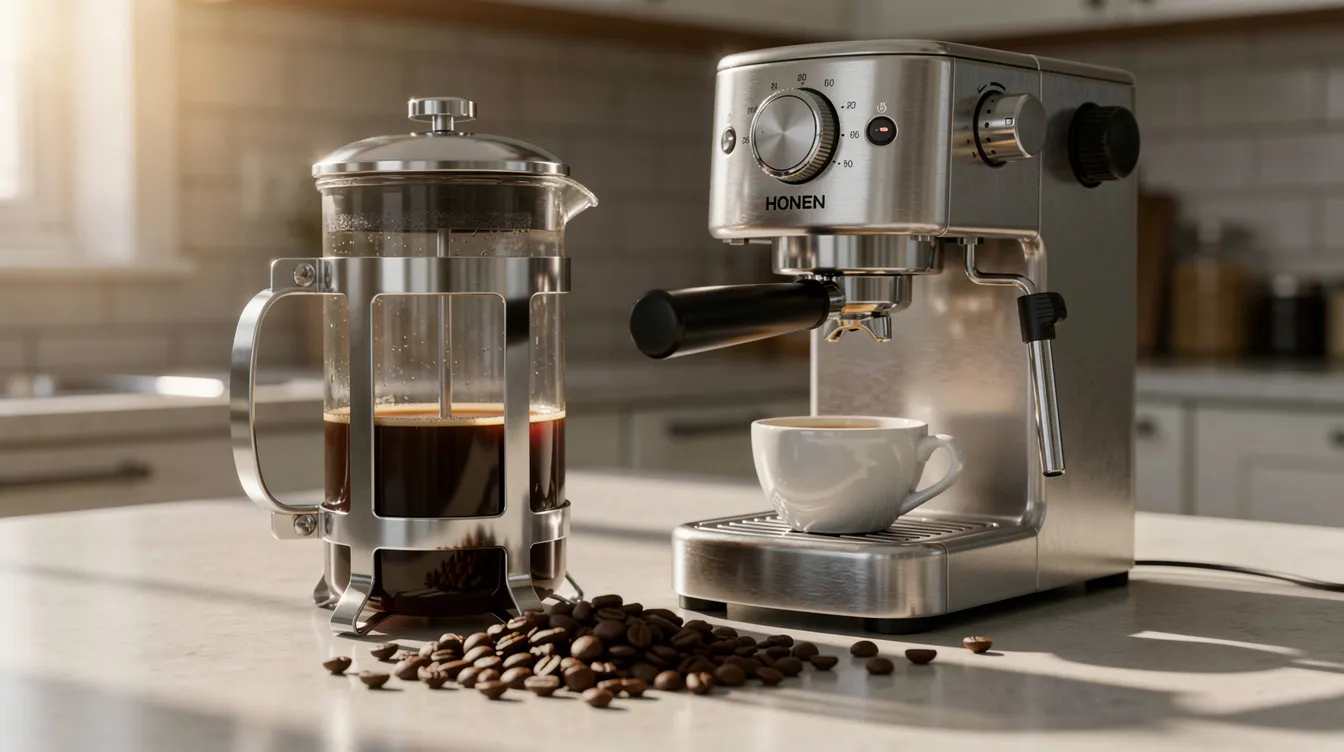
French press weekends: Whole bean wins. Most pre ground is too fine for a press, leading to over-extraction and muddy cups. Grinding your own beans to a coarse setting produces a cleaner, more flavorful cup.
Espresso at home: Whole bean is practically required. Espresso demands very fine, uniform grounds – the same grind tolerance pre ground retail coffee rarely meets.
Cold brew: Either can work, but whole bean ground fresh and coarse yields a smoother, sweeter result than pre ground that may already be stale.
Occasional coffee drinker (weekends only): Pre ground in a small bag may be more practical. Fresh whole beans sitting open for weeks lose their edge too.
Office or travel: Pre ground for simplicity. No grinder to carry, no noise, no mess.
Gift for coffee lovers: Pair freshly ground whole beans with a starter burr grinder – it’s one of the most appreciated upgrades a coffee enthusiast can receive.
Cost, Value, and Availability
In US grocery aisles, ground coffee is generally cheaper per bag than whole beans. But “value” includes flavor, waste, and how often you actually brew at home, and whole beans offer better value when cup quality and waste reduction matter.
Many reputable specialty roasters price whole bean and ground coffee similarly per ounce. Whole bean coffee often costs more due to its superior quality and because it’s more common in specialty channels, while cheaper supermarket pre ground often includes older or less traceable blends. Ground coffee is often cheaper than whole bean coffee at the shelf, but the per-cup flavor difference can be significant.
Total cost of ownership matters: an electric burr grinder is a one-time investment. Over months of brewing your own coffee at home, beans offer better long-term value for regular home brewers because the per-cup cost drops well below café prices. Whole beans can last up to three months when stored correctly, reducing waste for daily drinkers who finish a bag in 2–3 weeks. If you buy ground coffee but only brew on weekends, consider smaller bags to avoid waste from staling.
Whole beans and roasted coffee beans from specialty roasters are most commonly sold online and shipped with roast dates printed. Pre ground options dominate supermarket shelves and big-box stores, making them more immediately accessible for most shoppers.
Which Should You Choose: Whole Bean vs Ground Coffee?
The trade-off is straightforward: freshness and flavor potential with whole bean, convenience and accessibility with ground coffee. Here’s a simple decision framework:
- Choose whole bean if you brew daily, drink coffee black, own or plan to buy a burr grinder, and want to explore different brewing methods and taste preferences.
- Choose pre ground if you brew occasionally, add cream and sugar, want minimal morning steps, or don’t have space for a coffee grinder.
- If you’re curious but hesitant, start small: buy a bag of fresh whole beans and an entry-level burr grinder. Many coffee lovers never go back.
Once you’ve settled the bean vs ground coffee question, the natural next step is exploring whether single-origin or blend coffee better fits your flavor preferences.
Both whole beans and pre ground coffee can make a good coffee experience when matched to your routine and brewed well. There’s no single right answer for everyone – just the answer that fits your mornings.
Alternatives and Hybrid Approaches
The choice isn’t always strictly whole bean or ground. Hybrid strategies work well for many households.
You can buy whole beans but have a portion freshly ground at the shop for a specific brewer – grinding some for cold brew while keeping the rest as whole beans for daily pour-over. Some roasters will grind to order if you specify your preferred brewing method.
Single-serve pods and capsules offer a convenience-focused alternative to both formats: consistent dose, fast prep, minimal cleanup. The trade-offs are higher cost per cup, more packaging waste, and sometimes limited coffee’s freshness compared to freshly ground beans.
Pre ground specialty coffee ordered online and shipped within days of roasting offers a middle ground between convenience and quality for people who don’t own grinders. And a “step-up” path works for beginners: start with pre ground from a quality roaster, then add a manual or electric burr grinder later to transition into whole bean without overwhelming yourself.
Our Whole Bean and Ground Picks
We matched one whole-bean bag and one pre-ground bag below. Tap the image or the coffee name. Research-rated, not yet brewed by our team.
Feeling grinder: whole beans
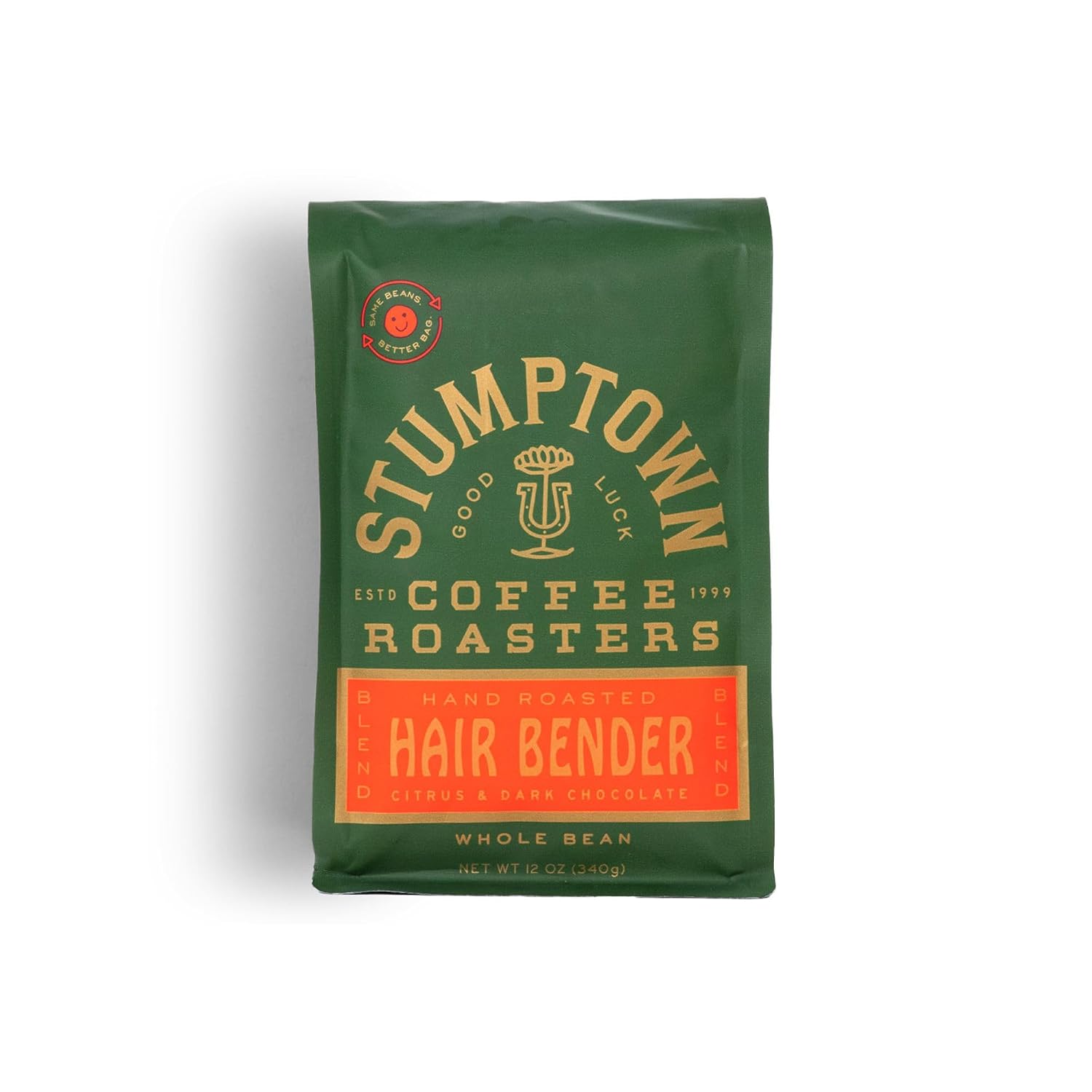
Our pick: Stumptown Hair Bender, whole bean. Grind just before brewing, which this comparison says keeps aroma longer than pre-ground. Research-rated, not yet brewed by our team.
Feeling scoop: a grocery ground bag
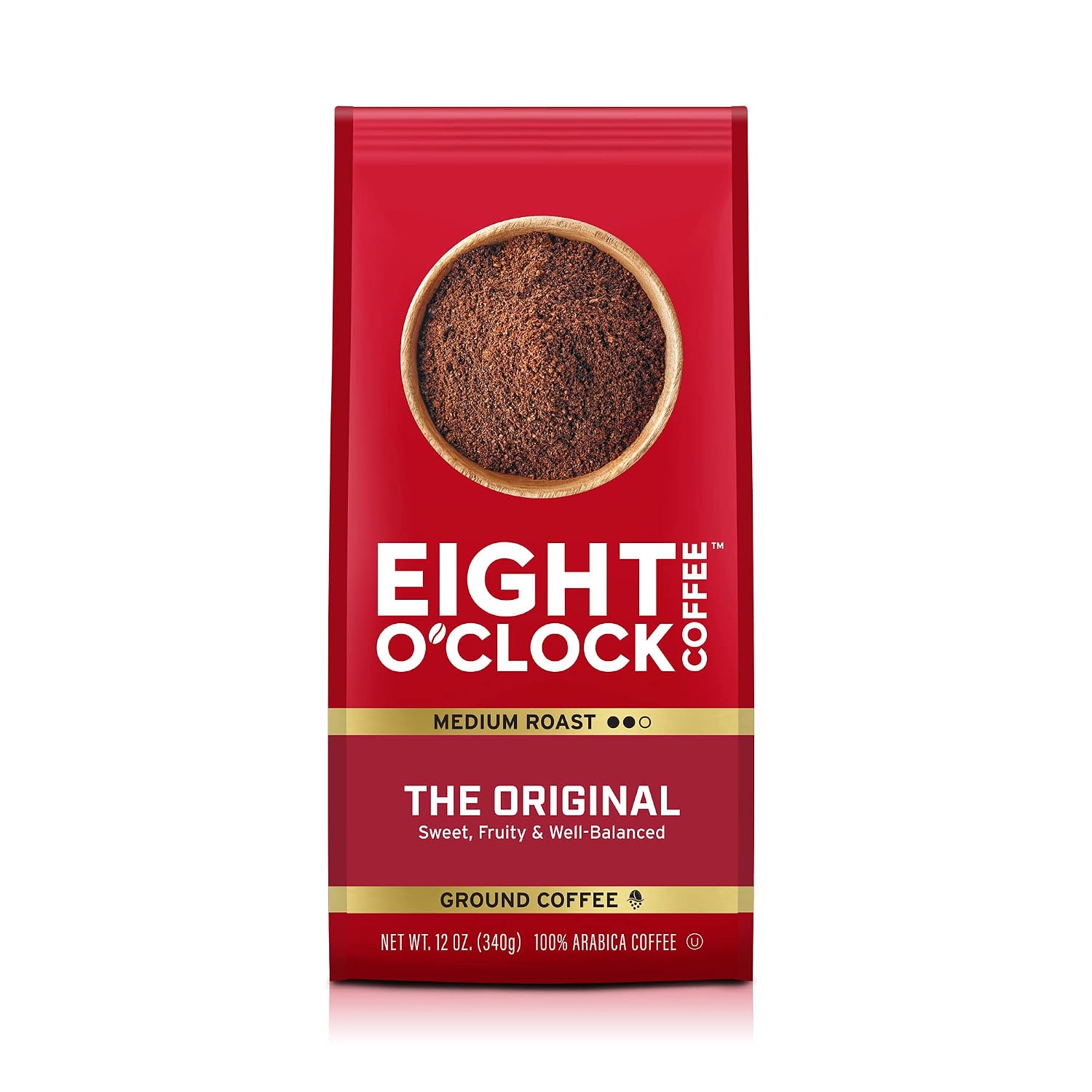
Our pick: Eight O’Clock Original, pre-ground medium roast. For the convenience side of this comparison when you do not want to grind. Research-rated, not yet brewed by our team.
FAQs: Whole Bean vs Ground Coffee
These FAQs cover practical questions about freshness, caffeine, storage, and equipment that weren’t fully addressed in the sections above.
Does whole bean coffee have more caffeine than ground coffee?
Caffeine content depends mainly on the coffee species (Arabica vs Robusta), roast level, and how much coffee you use per cup – not whether you buy whole bean or ground. If you measure by volume (scoops), lighter roasts can seem “stronger” because the beans are denser. If you measure by weight (grams), the caffeine difference between whole bean and ground coffee from the same beans is negligible.
How should I store whole beans and ground coffee to keep them fresh?
Proper storage of whole beans in an airtight, opaque container preserves freshness longer. Store both whole beans and ground coffee at room temperature, away from sunlight, heat, and humidity – a pantry shelf works well. Avoid storing coffee in the refrigerator or freezer, as repeated opening introduces moisture that degrades flavor. Whole beans generally stay fresh for several weeks after roast when stored this way. Pre ground coffee loses freshness within 1 to 2 weeks after opening, so keeping coffee in an airtight container and buying smaller bags helps you stay fresh cup to cup. Research on packaging barrier materials confirms that foil-lined, valve-equipped bags also extend shelf life significantly.
Is a blade grinder good enough, or do I really need a burr grinder?
A blade grinder chops beans unevenly, creating a mix of powder and large chunks that brew inconsistently – some grounds over-extract (bitter) while others under-extract (sour) in the same cup. A burr grinder crushes beans uniformly for better extraction and cleaner flavor. If you’re investing in whole bean for superior flavor, a burr grinder (manual or electric) is usually worth the extra cost. If a blade grinder is all you have right now, use short pulses and shake the grinder between bursts to reduce unevenness as a temporary compromise.
Can I still use ground coffee that’s several months old?
Older ground coffee is generally safe to drink if it has been stored dry and shows no signs of mold, but it will likely taste dull, flat, or papery compared to fresher coffee. Coffee grounds that have sat for months lose most of their aromatic complexity. Consider using very old pre ground coffee in situations where flavor matters less – baking, batch cold brew with added milk and sugar – and buy smaller, fresher bags going forward for your daily cup.
What’s the easiest upgrade if I currently buy pre ground supermarket coffee?
Two simple paths: switch to fresher, higher-quality pre ground coffee matched to your brew method from a reputable roaster (look for a printed roast date, not just a “best by” sticker), or add an entry-level burr grinder and start buying whole bean coffee instead. Even moving from generic supermarket pre ground to a fresher, well-roasted option can noticeably improve your daily coffee experience. Whichever upgrade fits your budget and time, you’ll taste the difference.