

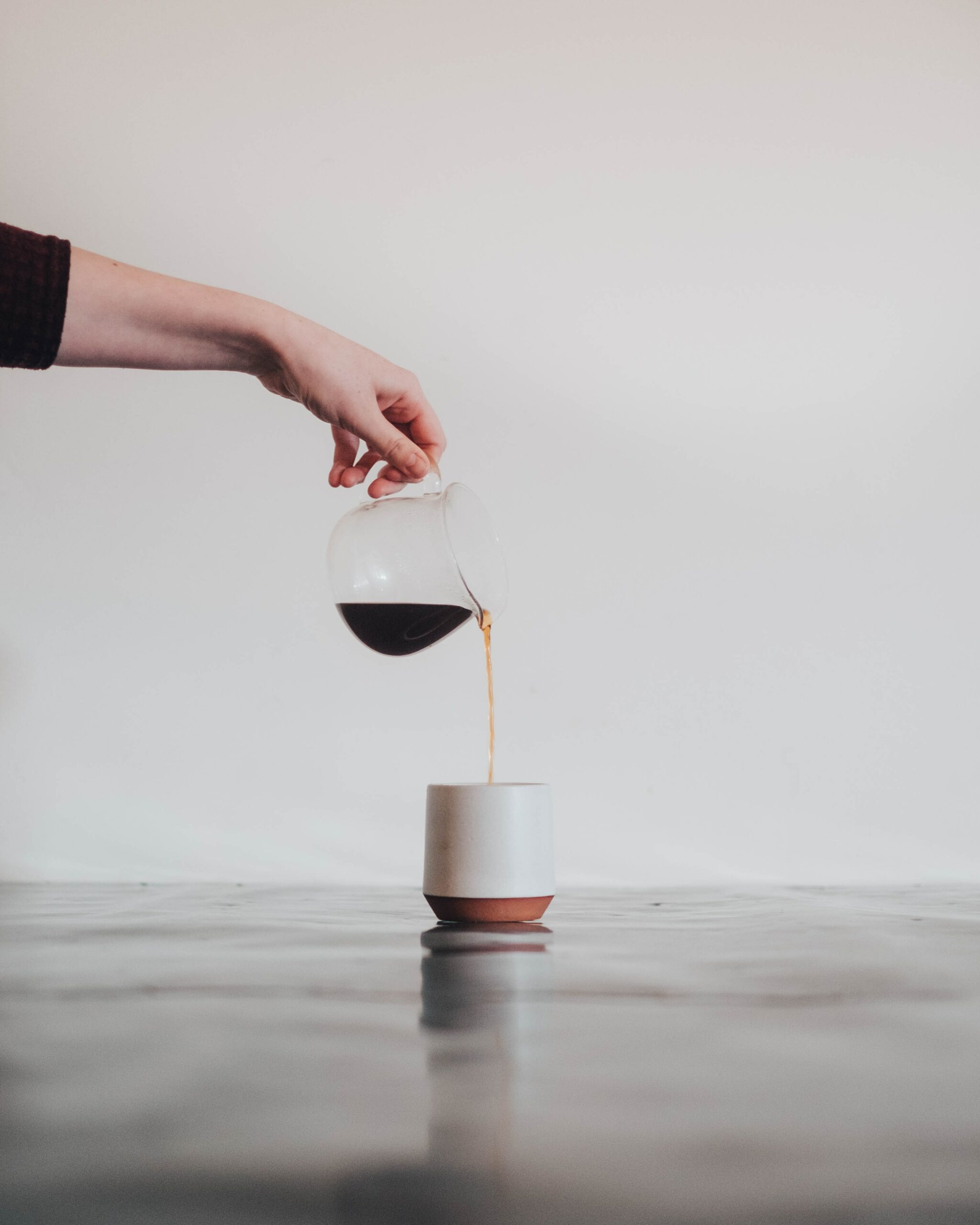
Costa Rica consistently punches above its weight in the specialty coffee world. The country only allows the production of Arabica coffee, grows its finest lots above 1,200 meters on volcanic soil, and has won numerous international awards for cup quality. If you want delicious coffee with clean sweetness, lively acidity, and layered flavor, Costa Rican beans belong on your short list.
Key Takeaways
- The best Costa Rican coffee typically comes from high-altitude regions like Tarrazú and the West Valley, featuring washed-process Arabica beans and medium roasts that suit drip, pour-over, and French press brewing.
- All recommendations in this guide are based on researched editorial analysis of expert reviews, farm data, and verified buyer consensus – Capitol City Coffee did not conduct hands-on tasting for these selections.
- Top picks span a range: a Tarrazú single-origin washed lot for overall quality, a West Valley honey-process microlot for sweetness seekers, Café Britt for accessible single origin coffees, and an organic option for sustainability-minded buyers.
- The “best” Costa Rican coffee depends on your flavor preferences (bright citrus vs rich chocolate), your brewing setup, and your budget. Later sections help you match a coffee to your needs.
- This guide also covers growing regions, altitude, varieties, roast level, and freshness so you can confidently choose and brew whole bean Costa Rican coffee at home.
Quick Answer & Top Picks: Best Costa Rican Coffee
Costa Rica produces around 1% of the world’s coffee, yet its reputation for quality rivals origins many times its size. The country was the first in Central America to produce coffee – the crop was introduced in the 18th century – and today its eight official growing regions near San José, across the mountains of Tarrazú, and through the West Valley deliver some of the finest cups in the world.
Costa Rican coffee is primarily Arabica due to quality regulations that have been in place since 1989, when the country banned Robusta coffee cultivation entirely. That legal commitment, combined with altitude, volcanic soil, and a perfect environment of microclimates shaped by mountain ranges and volcanoes, creates a baseline quality that few origins match.
Affiliate disclosure: Capitol City Coffee is an independent editorial site. If you purchase through links in this post, we may earn a small commission at no extra cost to you. Our rankings reflect researched editorial analysis, not sponsorship or commission size.
Top Picks at a Glance:
- Best overall Costa Rican coffee: Tarrazú single-origin, washed, medium roast – bright acidity, citrus and chocolate notes, excellent for drip and pour-over. Mid-range price.
- Best value Costa Rican coffee: Café 1820 – consistent traditional roast with robust flavors, widely available, approachable price for everyday drinking.
- Best for French press: West Valley honey-process, medium roast – fuller body, brown sugar sweetness, smooth mouthfeel. Specialty price tier.
- Best for pour-over / drip: High-altitude Tarrazú or Dota microlot, light-medium roast – stone fruit aroma, sparkling acidity, clean finish. Microlot pricing.
- Best organic Costa Rican coffee: Coopedota organic lot from Los Santos – balanced, chocolatey, certified organic from the world’s first carbon-neutral coffee producer.
- Best Costa Rican coffee for espresso: Café Britt Tarrazú medium roast – sweet, balanced shots with caramel and nutty notes; forgiving at typical espresso parameters.
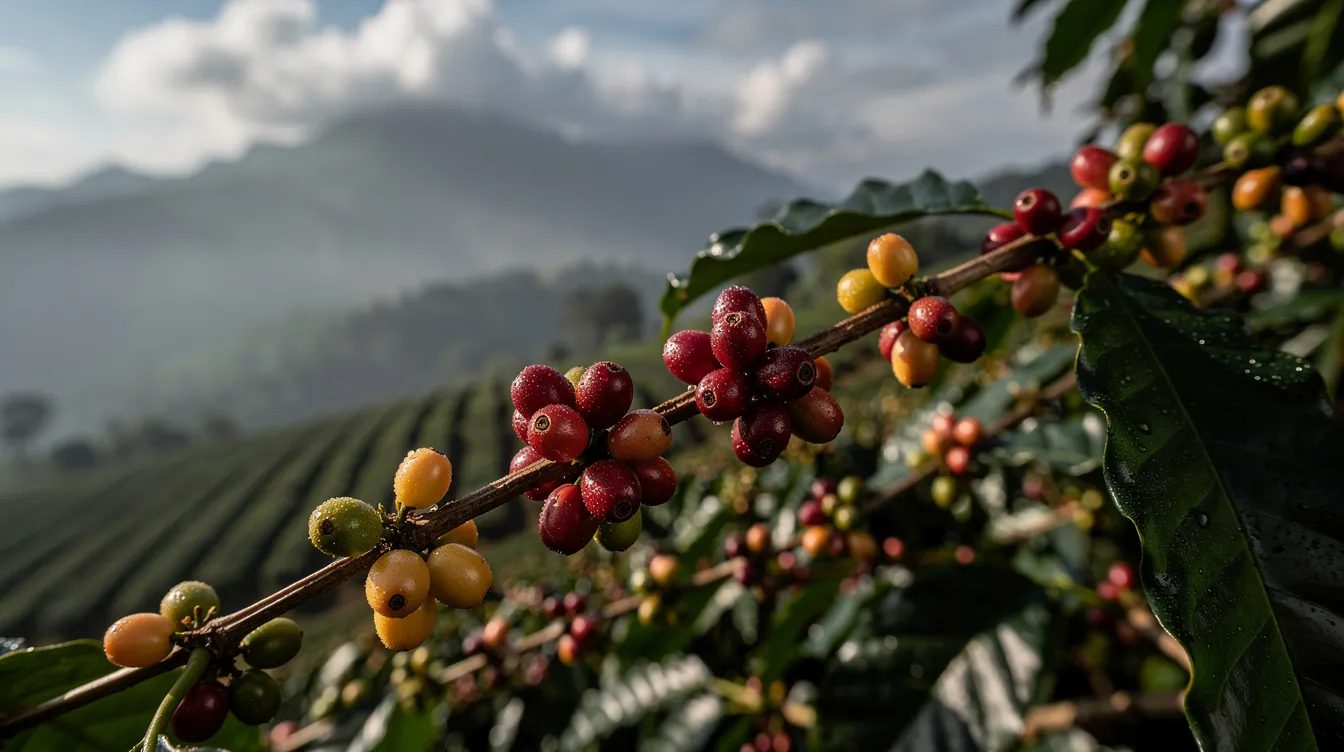
At a glance
Compare Amazon-available Costa Rica bags on a phone first: listing photo, roast notes, and a Check on Amazon button. Research-rated, not yet brewed by our team.
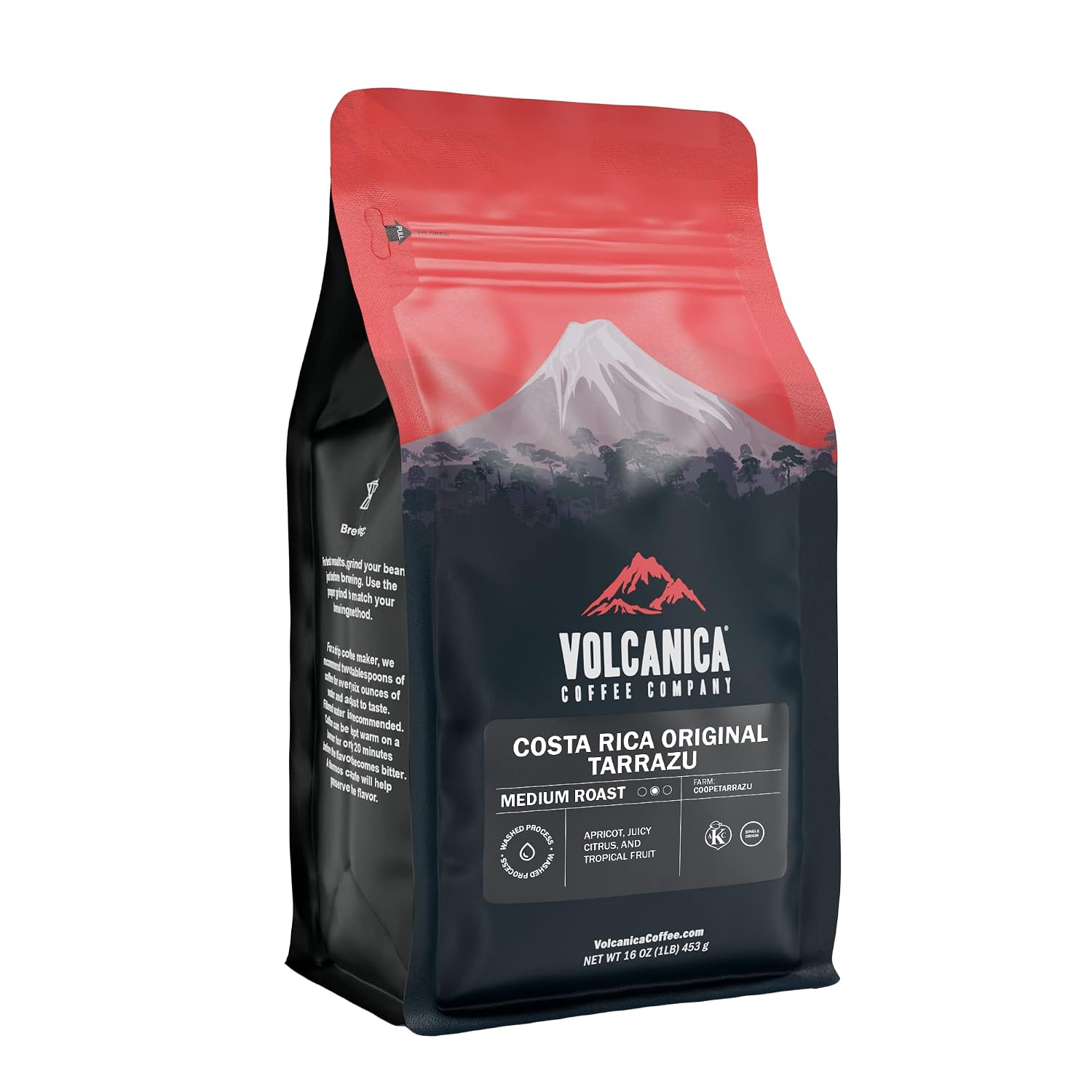
Best overall Costa Rica
Volcanica Costa Rica Tarrazu
- RoastMedium
- FlavorApricot, citrus
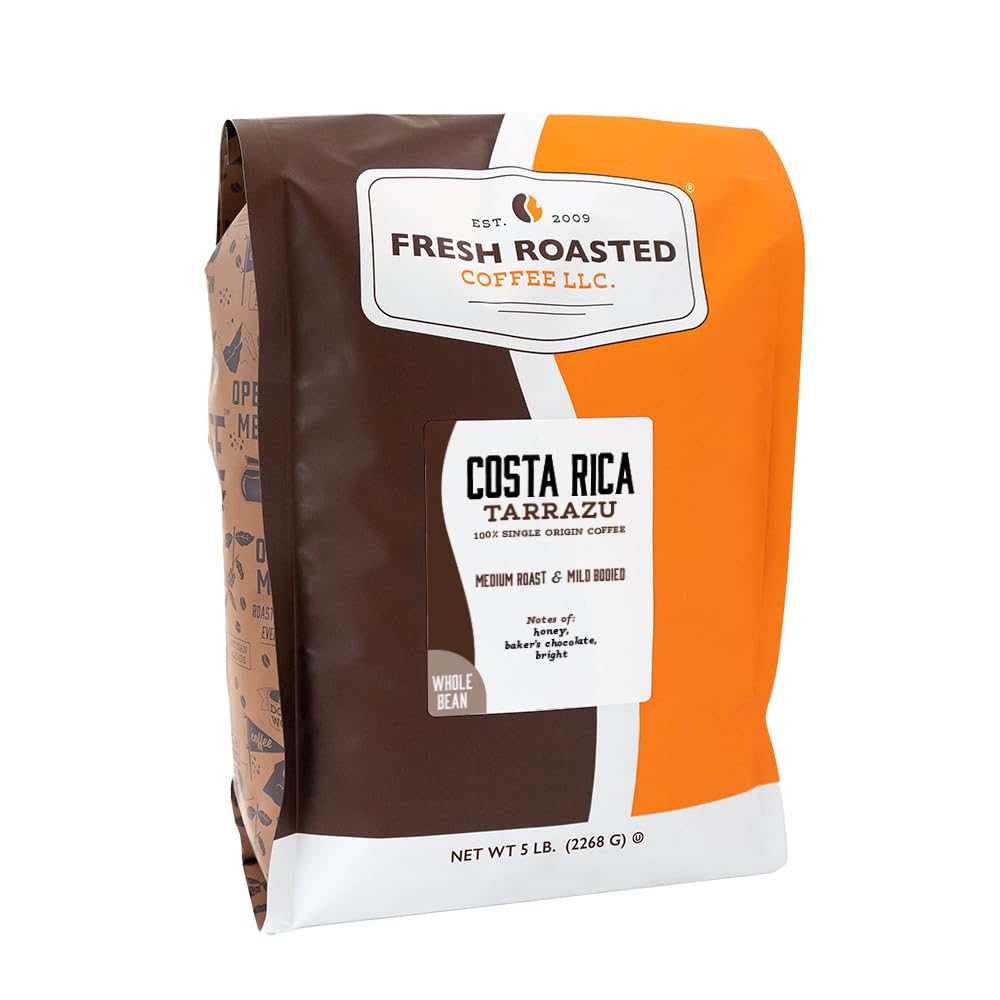
Best value Tarrazu
Fresh Roasted Coffee Tarrazu
- RoastMedium
- FlavorHoney, chocolate
Coffee | Region | Altitude | Variety | Process | Roast | Acidity | Body | Flavor Notes | Best Brew Methods | Price Tier |
|---|---|---|---|---|---|---|---|---|---|---|
Tarrazú Washed SHB | Tarrazú / Los Santos | 1,400–1,900 m | Caturra, Catuaí | Washed | Medium | High | Medium | Citrus, chocolate, apricot | Pour-over, drip | Mid-range |
West Valley Yellow Honey | West Valley (Naranjo) | 1,670–1,745 m | Villa Sarchí | Yellow honey | Medium | Medium | Medium-full | Strawberry, milk chocolate, brown sugar | French press, drip | Specialty |
Café Britt Tarrazú | Tarrazú | 1,200–1,700 m | Caturra, Catuaí | Washed | Medium | Medium-high | Medium | Caramel, citrus, nutty | Espresso, drip | Accessible |
Café 1820 Classic | Central Valley | 1,200–1,500 m | Caturra, Catuaí | Washed | Medium | Medium | Medium | Chocolate, nutty, smooth | Drip, French press | Budget |
Coopedota Organic | Los Santos (Dota) | 1,500–1,900 m | Caturra | Washed | Medium | Medium-high | Medium | Chocolate, stone fruit, honey | Pour-over, drip | Mid-range |
Doka Estate Washed | Central Valley | 1,200–1,600 m | Catuaí | Washed | Light-medium | Medium-high | Light-medium | Clean, citrus, floral | Pour-over | Mid-range |
Tarrazú Anaerobic SHB | Tarrazú (San Diego) | 1,400–1,800 m | Caturra | Anaerobic | Light | High | Medium | Tropical fruit, blueberry, grapefruit | Pour-over, AeroPress | Premium |
Los Santos Honey Microlot | Los Santos | 1,500–1,800 m | Caturra, Catuaí | Honey | Medium-light | Medium-high | Medium | Meyer lemon, cocoa, stone fruit | Pour-over, drip | Specialty |
How We Chose the Best Costa Rican Coffee
Capitol City Coffee does not sell coffee, and we did not personally cup these selections. Every recommendation is based on researched editorial analysis – cross-referencing origin data, Cup of Excellence auction results, reputable roaster tasting notes, and consistent third-party review collected from buyers.
Evaluation criteria:
- Origin transparency: Clearly stated Costa Rica region (Tarrazú, West Valley, Central Valley, Monteverde), farm or cooperative name, and altitude.
- Bean quality: 100% Arabica, whole bean options, evidence of specialty-grade sourcing (SHB classification, cupping scores).
- Processing and roast: Washed, honey, or natural methods that highlight Costa Rican profiles; roast levels appropriate for intended brew methods.
- Flavor profile: Balance of acidity, sweetness, and body with distinct notes (citrus, stone fruit, chocolate, caramel, nuts) typical of the origin.
- Freshness and packaging: Roast-date transparency, valve-sealed bags, and roasted-to-order schedules where available.
- Value and availability: Price in the U.S. market, shipping accessibility, and how easy each coffee is to buy online.
- Ethical sourcing: Certifications (Fair Trade, Organic, Rainforest Alliance), direct trade relationships, or documented sustainable practices.
- Expert consensus: We referenced Cup of Excellence scores and reputable importer cupping notes to avoid relying solely on marketing copy.
Rankings may shift as harvests, lots, and availability change season to season. Always check the latest roast dates before ordering.
Best Costa Rican Coffee: Detailed Picks & Who Each Suits
Each recommendation below includes a “best for” label, flavor notes, ideal brew methods, and honest limitations. Phrasing reflects third-party expert consensus, not our own tasting.
Best Overall Costa Rican Coffee: Tarrazú Washed Single-Origin, Medium Roast
The Tarrazú region, also known as the Tarrazu region, those highlands south of San José – is often considered among the best coffee-producing areas globally. Farms here sit between 1,400 and 1,900 meters, yielding Strictly Hard Bean grade coffee with dense structure and layered taste. Tarrazú coffees are known for bright acidity and chocolate undertones, and a washed medium roast from a reputable roaster showcases that range beautifully.
- Origin: Tarrazú / Los Santos, 1,400–1,900 m; Caturra and Catuaí varieties on volcanic soil.
- Roast and profile: Medium roast; citrus acidity (orange, lemon), stone fruit sweetness, milk chocolate finish, clean aroma.
- Best brew methods: Drip and pour-over, where clarity and acidity shine; also solid in AeroPress.
- Freshness: Look for valve-sealed bags with visible roast dates; consume within 3–4 weeks of roast.
- Value: Mid-range specialty pricing – typically $16–$22 per 12 oz bag from U.S. roasters.
- Limitations: The bright acidity can taste sharp to drinkers who prefer darker, smoother cups. Not the easiest profile for espresso beginners.
Best Value Costa Rican Coffee: Café 1820
Café 1820 has been producing coffee since 1820, making it one of the oldest brands in the country. It emphasizes traditional processing methods for quality and delivers a consistent, approachable cup at a price that undercuts most specialty roasters. You can find it in some U.S. grocery stores and online, making it an easy entry point.
- Origin: Central Valley blends, ~1,200–1,500 m; classic Costa Rican varieties.
- Roast and profile: Medium roast; chocolate, nutty sweetness, smooth body, gentle acidity.
- Best brew methods: Drip coffee makers, French press; forgiving across brewing setups.
- Freshness: Widely distributed, so check roast or best-by dates carefully; supermarket shelf life can vary.
- Value: Budget-friendly; often under $12 per bag – strong quality for the price.
- Limitations: Blended lots sacrifice the single-origin distinctiveness that micro-lot hunters prefer. Less exciting for those chasing fruity or complex cups.
Best Costa Rican Coffee for French Press: West Valley Yellow Honey Microlot
The West Valley, encompassing towns like Naranjo, Palmares, and Grecia, has become a hotbed for experimental processing. Villa Sarchí is a dwarf mutation of the Bourbon variety adapted to high altitudes, and it thrives here. A yellow honey microlot from this region – such as lots from Sumava de Lourdes at 1,670–1,745 meters – delivers the body and sweetness that French press brewing highlights.
- Origin: West Valley (Naranjo area), 1,670–1,745 m; Villa Sarchí variety.
- Roast and profile: Medium roast; strawberry, milk chocolate, deep brown sugar sweetness; medium-full body. The honey process involves leaving mucilage on coffee beans while drying, which adds richness.
- Best brew methods: French press (coarse grind, 4-minute steep) brings out the creamy body and chocolatey Costa Rican character; also excellent for drip.
- Freshness: Specialty roasters typically ship within days of roasting; valve bags standard.
- Value: Specialty price tier – expect $18–$26 per 12 oz. Worth it for the flavor complexity.
- Limitations: Seasonal availability; these microlots sell out. The sweetness may feel heavy to drinkers who prefer razor-sharp acidity.
Best Organic Costa Rican Coffee: Coopedota Organic (Los Santos)
Coopedota became the world’s first carbon-neutral coffee producer, and their organic lots from the Dota highlands offer a compelling combination of environmental credibility and cup quality. Grown between 1,500 and 1,900 meters, these beans deliver balanced flavor without sacrificing the origin’s signature brightness.
- Origin: Los Santos / Dota, certified organic; ~1,500–1,900 m.
- Roast and profile: Medium roast; chocolate, stone fruit, honey sweetness; medium body.
- Best brew methods: Pour-over and drip for clarity; works in immersion brewers too.
- Value: Mid-range; the organic and carbon-neutral certifications justify a modest premium.
- Limitations: Not always easy to find roasted fresh in the U.S.; sourcing through specialty importers is more reliable than supermarket shelves.
Best Light Roast Costa Rican Coffee for Pour-Over: Tarrazú Anaerobic Microlot
For adventurous drinkers, anaerobic-fermented lots from Tarrazú push Costa Rican coffee into exotic territory. Recent offerings – such as the Tarrazú San Diego Anaerobic SHB scoring around 87 points – show tropical fruit, blueberry, and grapefruit in the cup. In the 2026 Cup of Excellence, a washed Java variety from Finca Río Blanco in Copey de Dota scored 91.36 and sold for $200.10 per pound, demonstrating just how high the ceiling reaches.
- Origin: Tarrazú / San Diego or Dota, 1,400–1,950 m; Caturra or Java varieties.
- Roast and profile: Light roast; tropical fruit, berry, grapefruit; high acidity, medium body, intense aroma.
- Best brew methods: Pour-over (V60, Chemex) and AeroPress where a fine grind and precise ratios unlock complexity.
- Value: Premium – microlot and COE-level lots can run $30–$60+ per bag. Fun to explore but not everyday drinking for most budgets.
- Limitations: Polarizing flavor; some drinkers find fermentation-driven profiles too funky. Requires careful brewing – espresso extraction can be tricky.
Best Costa Rican Coffee for Espresso: Café Britt Tarrazú Medium Roast
Café Britt was established in 1985 in Costa Rica and has built a reputation around premium, single-origin coffees that are roasted in-country. Their Tarrazú medium roast pulls balanced espresso shots with caramel sweetness, gentle citrus, and nutty undertones – a crowd-pleasing profile for milk drinks and straight shots alike. cafe britt is widely recognized for premium coffees and as a roaster that sources beans from different plantations across Costa Rica, and it offers tours at its Central Valley roasting facility.
- Origin: Tarrazú region, 1,200–1,700 m; Caturra and Catuaí varieties; washed process.
- Roast and profile: Medium roast optimized for espresso; caramel, citrus, almond; medium body, balanced acidity.
- Best brew methods: Espresso (sweet, forgiving shots); also good for drip and moka pot.
- Value: Accessible pricing – widely available online and sometimes in U.S. stores.
- Limitations: Less origin complexity than single-farm microlots; those seeking light, fruity espresso should look elsewhere.
Understanding Costa Rican Coffee: Regions, Altitude & Flavor
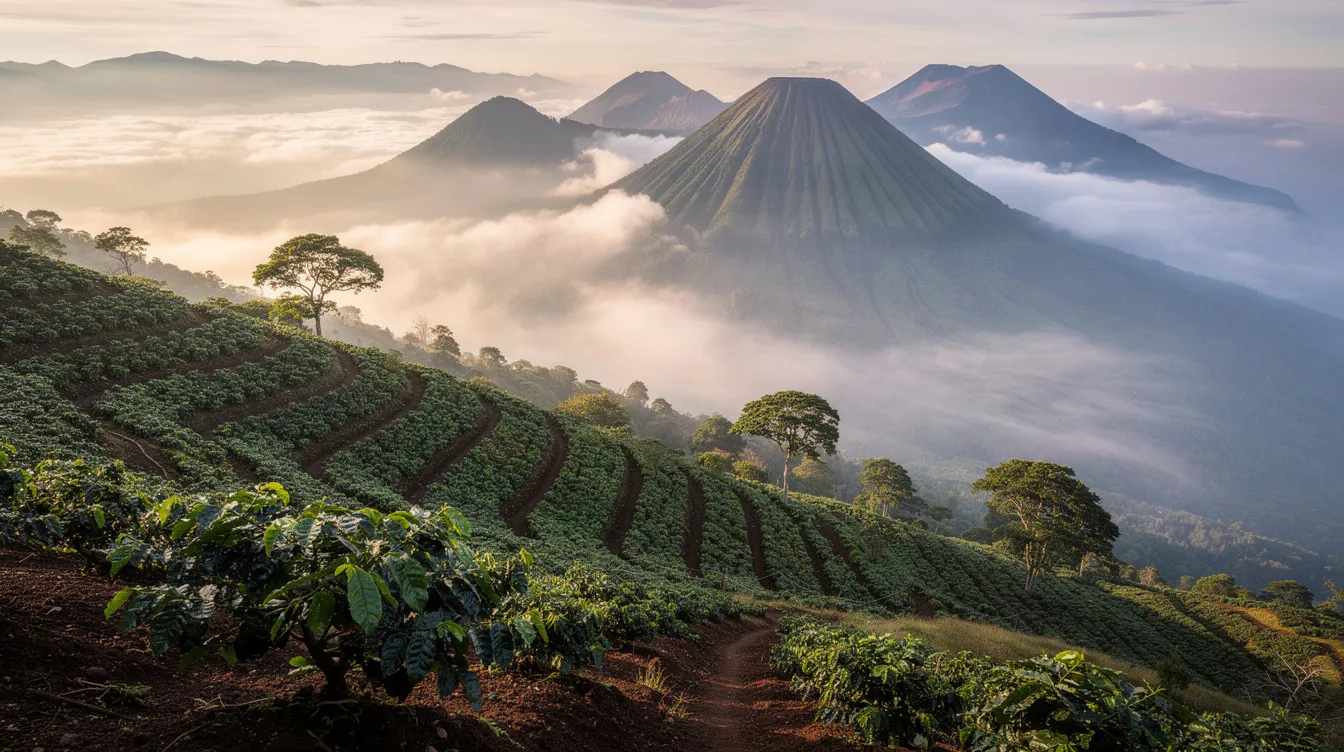
Costa Rica’s geography and strict focus on Arabica varieties shape every bag that leaves the country. Costa Rica has distinct microclimates due to mountain ranges and volcanoes, and each growing region produces recognizable flavor tendencies.
- Tarrazú / Los Santos: High-altitude terroir south of San José, 1,200–2,100 m. Bright acidity, citrus and stone-fruit notes, medium body, excellent clarity. The Tarrazú appellation (AO 1151) covers qualifying districts in Los Santos.
- West Valley (Naranjo, Palmares, Grecia, Poás): 1,200–1,700 m. Balanced acidity, chocolate, berries, and floral notes. A thriving micromill culture drives experimentation with honey and natural processing.
- Central Valley (San José, Heredia, Cartago, Alajuela): ~1,200–1,500 m. Classic Costa Rican profile – clean acidity, nutty-chocolate flavors. Costa Rica’s best coffee tours are in Central Valley regions, including the Doka Estate Coffee Tour at one of the oldest plantations. Doka Estate is known for clean flavor profiles from its wet-processed coffees.
- Tres Ríos: Often referred to as the Bordeaux of Costa Rica; elegant, wine-like cups with floral notes, though production volume is small.
- Monteverde: Known for producing high-quality coffee at elevation, often fruit-forward with pronounced aroma and lighter body. Café Monteverde is a name worth watching from this zone.
- La Fortuna / Arenal and Guanacaste: These areas host coffee plantation tours and small farms – coffee tours in La Fortuna often combine coffee and chocolate experiences, which is fun for kids and families. However, the highest-quality export coffees usually come from cooler, higher mountains, while parts of Guanacaste sit near sea level and run hotter, making them less suitable for top-tier coffee growing. The best time for coffee tours is December to February, during harvest.
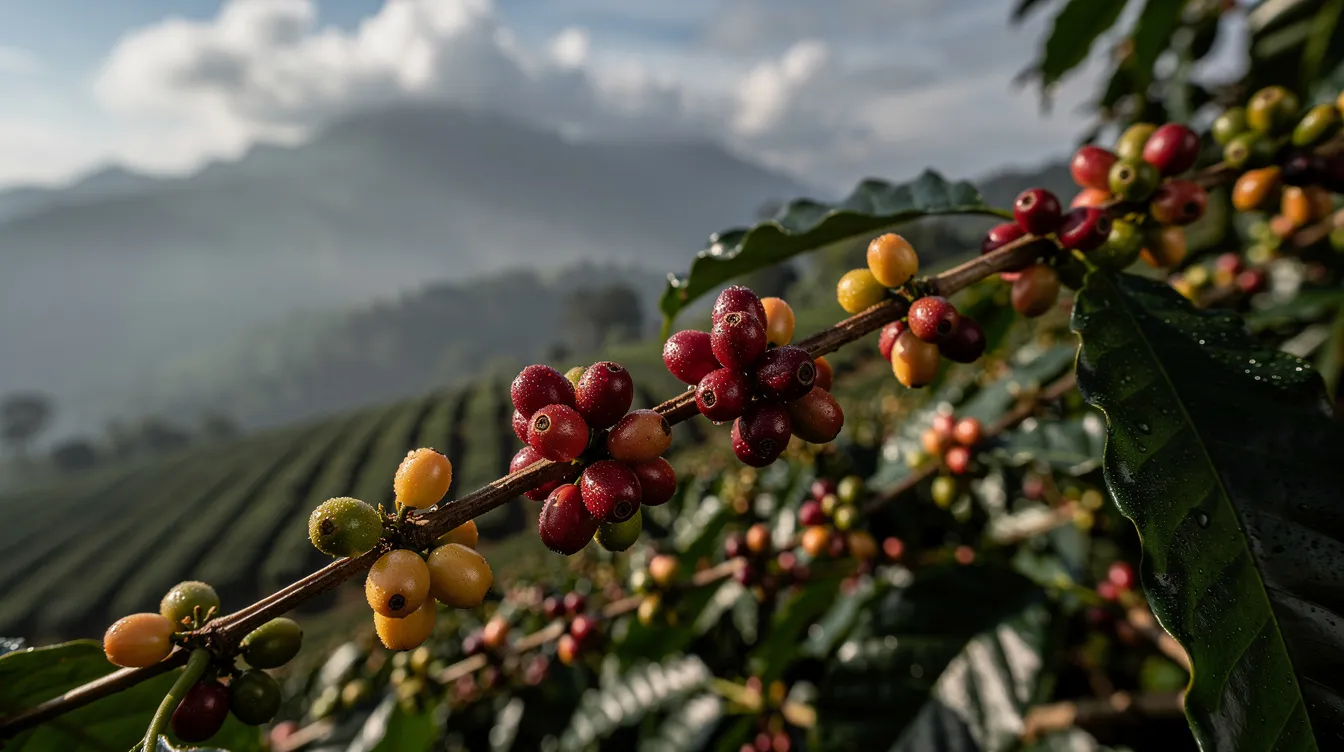
Altitude and bean density: Typical specialty Costa Rican coffee qualifies as Strictly Hard Bean, a classification relating to coffee grown above 1,200 meters. High altitude slows coffee cherry maturation, enhancing flavor complexity and producing denser beans with stronger aromatics.
Varieties: Caturra is a compact mutation of the Bourbon varietal found throughout Costa Rica. Catuaí is a resilient hybrid coffee variety known for its balanced cup. Geisha coffee originated in Ethiopia but is cultivated in Costa Rica for specialty lots, commanding steep premiums.
Processing: Washed processing dominates, delivering clean, bright cups. The honey process involves leaving mucilage on beans while drying, adding sweetness and body. Natural processing yields ripe fruit character and heavier sweetness. Keep region, altitude, and process in mind when comparing brands – they are the best clues to predict flavor before buying.
How to Choose the Best Costa Rican Coffee for You
There is no single best coffee – the right choice depends on your flavor preferences, brew method, and budget.
Match your taste:
- If you enjoy bright, citrusy cups, choose Tarrazú or higher-altitude light-medium roasts with lively acidity.
- If you prefer richer sweetness, chocolate, and a fuller body, look for honey or natural-processed coffees at a medium roast – these shine in French press and immersion brewing.
- Read roaster tasting notes critically. Common Costa Rican descriptors span citrus, red apple, stone fruit, sugarcane sweetness, milk chocolate, and nuts. A note like “Meyer lemon, cocoa” tells you to expect brightness balanced by richness.
Roast level and brew-method fit:
- Light-medium roasts: best for manual pour-over and drip where clarity and acidity shine.
- Medium roasts: great all-rounders for drip, pour-over, and French press, softening sharp edges while preserving origin character.
- Medium-dark roasts: more forgiving for espresso and immersion; trade some origin nuance for deeper caramelization.
Whole bean vs pre-ground:
- Buy whole bean for complete control over freshness and aroma. Grinding just before brewing – even with an affordable burr grinder – makes a noticeable difference.
- If buying pre-ground, match grind size to your brewer: coarser for French press, medium for drip, fine grind for espresso. Use it quickly after opening.
Sourcing, labels, and price:
- Look for clear roast dates, Costa Rica region names, altitude, variety, and process on the bag.
- Certifications like Organic, Fair Trade, or Rainforest Alliance are common among Costa Rican farms and add assurance.
- Price expectations: supermarket Costa Rica coffee brands run $8–$14; specialty roasters charge $16–$26; competition-winning microlots can exceed $40+. Pay more when traceability and seasonal uniqueness matter to you.
Start with a balanced medium roast from Tarrazú or the West Valley as your baseline, then explore more specific microlots once you know what your favorite coffee profile looks like.
Brewing Costa Rican Coffee: Methods & Freshness Tips
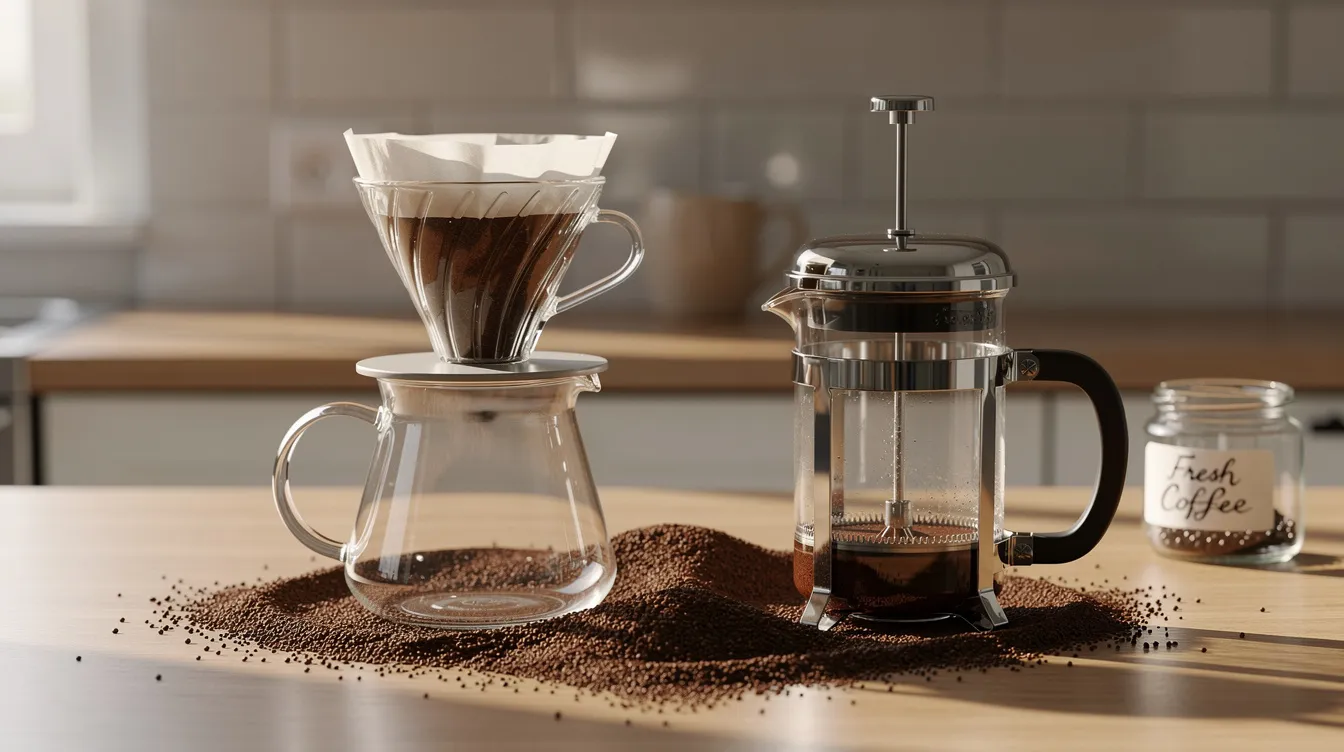
Costa Rican coffee’s clean profile makes it adaptable to multiple brewing methods, but grind size, ratio, and freshness are crucial for getting the best cup.
Brew-method guidance:
- Roast development also reflects heat and sun exposure during drying, so brewing choices should match how those conditions shaped the cup.
- Drip and pour-over: Medium grind, 1:15–1:17 coffee-to-water ratio by weight. For very bright Tarrazú coffees, try slightly cooler water (92–94°C) to keep acidity pleasant rather than sharp.
- French press: Medium-coarse grind, 4–5 minute steep, gentle plunge. This method heightens body and chocolate notes – a natural fit for honey-processed Costa Rican beans.
- Espresso: Use medium to medium-dark roasts with good body. Very light high-altitude coffees can be finicky as espresso but rewarding when dialed in.
- Cold brew and AeroPress: Costa Rican coffee can produce sweet, smooth cold brew. Grind medium-coarse for cold brew (12–18 hour steep) and medium-fine for AeroPress.
Freshness best practices:
- Buy amounts you will use within 3–4 weeks of roast date for peak flavor, especially for lighter roasts.
- Store whole beans in an airtight, opaque container at room temperature. Freezing is a last resort – it can preserve beans long-term but introduces moisture risk on thaw.
- Prefer bags with one-way valves and clear roast dates over transparent or non-valved packaging.
Water and extraction:
- Use filtered water with moderate mineral content. Water that is too soft flattens acidity; water that is too hard muddies flavor.
- Simple troubleshooting: if your cup tastes sour and thin, grind finer or brew slightly longer. If it tastes bitter and dull, grind coarser or shorten contact time.
Adjust grind and ratio gradually – small changes make a meaningful difference when the beans are this good.
Our Costa Rican Coffee Picks
We matched a Costa Rican bag to the clean, honeyed cup this guide describes. Tap the image or the coffee name. Research-rated, not yet brewed by our team. As an Amazon Associate we earn from qualifying purchases.
Feeling honeyed: a Tarrazu bag
Our pick: Fresh Roasted Coffee Costa Rica Tarrazu, medium roast, whole bean, 5 lb. A honey-citrus Costa Rica for the profile in this guide. Research-rated, not yet brewed by our team.
FAQs about Costa Rican Coffee
These questions cover topics beyond the main buying guide.
Is Costa Rican coffee really better than other origins?
Costa Rica is known for consistently high-quality Arabica coffee thanks to altitude, climate, volcanic soil, and strict regulations. But “better” depends on personal taste. Compared with Ethiopian coffees, Costa Rican lots tend toward cleaner, more balanced profiles rather than wild floral or berry explosions. Compared with Colombian or Guatemalan coffees, the hallmark is structural clarity and approachable sweetness. Costa Rican coffee works exceptionally well as an everyday favorite coffee because of that balance.
What’s the difference between café de finca and larger Costa Rica coffee brands?
Café de finca refers to single-estate or farm-specific coffee – it is highly recommended for unique flavors because each lot reflects a particular farm’s terroir, variety, and processing decisions. Larger brands like Café 1820 blend lots from multiple farms for year-round consistency. The trade-off: estate coffees can be seasonal and pricier, while bigger brands are easier to find at a lower price and deliver a reliable, if less distinctive, cup.
Can I find good Costa Rican coffee in U.S. supermarkets?
Some U.S. grocery chains stock decent Costa Rica coffee, but origin and roast transparency vary widely. Look for bags that list “Costa Rica,” specific region names, roast dates, and “100% Arabica whole bean.” Café Britt and Café 1820 occasionally appear on supermarket shelves. If you’re buying online, check retailer pages for a reviews sort option so you can compare recent feedback and ratings before buying. For more exciting options with better freshness, specialty roasters who ship directly tend to deliver a superior experience – check for a roaster or shop that lists farm-level details.
Does Costa Rican coffee work well as espresso?
Yes – many Costa Rican coffees, especially medium to medium-dark roasts from Tarrazú or the West Valley, make excellent espresso with sweet, chocolatey shots and balanced acidity. Very light-roasted microlots need more dialing in and are often better suited to pour-over or drip for most home brewers. If you are buying for espresso, look for medium roast, washed process, and flavor notes that mention caramel or chocolate rather than intense fruit.
Where can I buy Costa Rican coffee as souvenirs or gifts?
If you are visiting Costa Rica, Central Valley coffee tours – including the Doka Estate tour, one of the oldest plantations, and Café Britt’s facility which offers tours – are great places to buy fresh bags. In the La Fortuna area near Arenal, tours often combine coffee and chocolate tastings, making them fun for families. For those staying in a hotel near San José, many shops in the capital sell freshly roasted bags. The harvest season from December to February is the best time to visit if you want the freshest beans and the most active plantation tours. Back home in the U.S., online specialty roasters and importers provide the widest selection of Costa Rica coffee with reliable shipping.
Your next step: pick one Costa Rican coffee from the list above that matches your brewing setup and flavor preferences. Order a single bag, brew it with the ratios and grind guidance in this guide, and take notes on what you enjoy. That first bag will tell you whether to explore brighter Tarrazú lots, sweeter West Valley honeys, or something more experimental – and you will be buying with confidence from there.
Costa Rica consistently punches above its weight in the specialty coffee world. The country only allows the production of Arabica coffee, grows its finest lots above 1,200 meters on volcanic soil, and has won numerous international awards for cup quality. If you want delicious coffee with clean sweetness, lively acidity, and layered flavor, Costa Rican beans belong on your short list.
Key Takeaways
- The best Costa Rican coffee typically comes from high-altitude regions like Tarrazú and the West Valley, featuring washed-process Arabica beans and medium roasts that suit drip, pour-over, and French press brewing.
- All recommendations in this guide are based on researched editorial analysis of expert reviews, farm data, and verified buyer consensus – Capitol City Coffee did not conduct hands-on tasting for these selections.
- Top picks span a range: a Tarrazú single-origin washed lot for overall quality, a West Valley honey-process microlot for sweetness seekers, Café Britt for accessible single origin coffees, and an organic option for sustainability-minded buyers.
- The “best” Costa Rican coffee depends on your flavor preferences (bright citrus vs rich chocolate), your brewing setup, and your budget. Later sections help you match a coffee to your needs.
- This guide also covers growing regions, altitude, varieties, roast level, and freshness so you can confidently choose and brew whole bean Costa Rican coffee at home.
Quick Answer & Top Picks: Best Costa Rican Coffee
Costa Rica produces around 1% of the world’s coffee, yet its reputation for quality rivals origins many times its size. The country was the first in Central America to produce coffee – the crop was introduced in the 18th century – and today its eight official growing regions near San José, across the mountains of Tarrazú, and through the West Valley deliver some of the finest cups in the world.
Costa Rican coffee is primarily Arabica due to quality regulations that have been in place since 1989, when the country banned Robusta coffee cultivation entirely. That legal commitment, combined with altitude, volcanic soil, and a perfect environment of microclimates shaped by mountain ranges and volcanoes, creates a baseline quality that few origins match.
Affiliate disclosure: Capitol City Coffee is an independent editorial site. If you purchase through links in this post, we may earn a small commission at no extra cost to you. Our rankings reflect researched editorial analysis, not sponsorship or commission size.
Top Picks at a Glance:
- Best overall Costa Rican coffee: Tarrazú single-origin, washed, medium roast – bright acidity, citrus and chocolate notes, excellent for drip and pour-over. Mid-range price.
- Best value Costa Rican coffee: Café 1820 – consistent traditional roast with robust flavors, widely available, approachable price for everyday drinking.
- Best for French press: West Valley honey-process, medium roast – fuller body, brown sugar sweetness, smooth mouthfeel. Specialty price tier.
- Best for pour-over / drip: High-altitude Tarrazú or Dota microlot, light-medium roast – stone fruit aroma, sparkling acidity, clean finish. Microlot pricing.
- Best organic Costa Rican coffee: Coopedota organic lot from Los Santos – balanced, chocolatey, certified organic from the world’s first carbon-neutral coffee producer.
- Best Costa Rican coffee for espresso: Café Britt Tarrazú medium roast – sweet, balanced shots with caramel and nutty notes; forgiving at typical espresso parameters.
At a glance
Compare Amazon-available Costa Rica bags on a phone first: listing photo, roast notes, and a Check on Amazon button. Research-rated, not yet brewed by our team.
Best overall Costa Rica
Volcanica Costa Rica Tarrazu
- RoastMedium
- FlavorApricot, citrus
Best value Tarrazu
Fresh Roasted Coffee Tarrazu
- RoastMedium
- FlavorHoney, chocolate
Coffee | Region | Altitude | Variety | Process | Roast | Acidity | Body | Flavor Notes | Best Brew Methods | Price Tier |
|---|---|---|---|---|---|---|---|---|---|---|
Tarrazú Washed SHB | Tarrazú / Los Santos | 1,400–1,900 m | Caturra, Catuaí | Washed | Medium | High | Medium | Citrus, chocolate, apricot | Pour-over, drip | Mid-range |
West Valley Yellow Honey | West Valley (Naranjo) | 1,670–1,745 m | Villa Sarchí | Yellow honey | Medium | Medium | Medium-full | Strawberry, milk chocolate, brown sugar | French press, drip | Specialty |
Café Britt Tarrazú | Tarrazú | 1,200–1,700 m | Caturra, Catuaí | Washed | Medium | Medium-high | Medium | Caramel, citrus, nutty | Espresso, drip | Accessible |
Café 1820 Classic | Central Valley | 1,200–1,500 m | Caturra, Catuaí | Washed | Medium | Medium | Medium | Chocolate, nutty, smooth | Drip, French press | Budget |
Coopedota Organic | Los Santos (Dota) | 1,500–1,900 m | Caturra | Washed | Medium | Medium-high | Medium | Chocolate, stone fruit, honey | Pour-over, drip | Mid-range |
Doka Estate Washed | Central Valley | 1,200–1,600 m | Catuaí | Washed | Light-medium | Medium-high | Light-medium | Clean, citrus, floral | Pour-over | Mid-range |
Tarrazú Anaerobic SHB | Tarrazú (San Diego) | 1,400–1,800 m | Caturra | Anaerobic | Light | High | Medium | Tropical fruit, blueberry, grapefruit | Pour-over, AeroPress | Premium |
Los Santos Honey Microlot | Los Santos | 1,500–1,800 m | Caturra, Catuaí | Honey | Medium-light | Medium-high | Medium | Meyer lemon, cocoa, stone fruit | Pour-over, drip | Specialty |
How We Chose the Best Costa Rican Coffee
Capitol City Coffee does not sell coffee, and we did not personally cup these selections. Every recommendation is based on researched editorial analysis – cross-referencing origin data, Cup of Excellence auction results, reputable roaster tasting notes, and consistent third-party review collected from buyers.
Evaluation criteria:
- Origin transparency: Clearly stated Costa Rica region (Tarrazú, West Valley, Central Valley, Monteverde), farm or cooperative name, and altitude.
- Bean quality: 100% Arabica, whole bean options, evidence of specialty-grade sourcing (SHB classification, cupping scores).
- Processing and roast: Washed, honey, or natural methods that highlight Costa Rican profiles; roast levels appropriate for intended brew methods.
- Flavor profile: Balance of acidity, sweetness, and body with distinct notes (citrus, stone fruit, chocolate, caramel, nuts) typical of the origin.
- Freshness and packaging: Roast-date transparency, valve-sealed bags, and roasted-to-order schedules where available.
- Value and availability: Price in the U.S. market, shipping accessibility, and how easy each coffee is to buy online.
- Ethical sourcing: Certifications (Fair Trade, Organic, Rainforest Alliance), direct trade relationships, or documented sustainable practices.
- Expert consensus: We referenced Cup of Excellence scores and reputable importer cupping notes to avoid relying solely on marketing copy.
Rankings may shift as harvests, lots, and availability change season to season. Always check the latest roast dates before ordering.
Best Costa Rican Coffee: Detailed Picks & Who Each Suits
Each recommendation below includes a “best for” label, flavor notes, ideal brew methods, and honest limitations. Phrasing reflects third-party expert consensus, not our own tasting.
Best Overall Costa Rican Coffee: Tarrazú Washed Single-Origin, Medium Roast
The Tarrazú region, also called the Tarrazu region, those highlands south of San José – is often considered among the best coffee-producing areas globally. Farms here sit between 1,400 and 1,900 meters, yielding Strictly Hard Bean grade coffee with dense structure and layered taste. Tarrazú coffees are known for bright acidity and chocolate undertones, and a washed medium roast from a reputable roaster showcases that range beautifully.
- Origin: Tarrazú / Los Santos, 1,400–1,900 m; Caturra and Catuaí varieties on volcanic soil.
- Roast and profile: Medium roast; citrus acidity (orange, lemon), stone fruit sweetness, milk chocolate finish, clean aroma.
- Best brew methods: Drip and pour-over, where clarity and acidity shine; also solid in AeroPress.
- Freshness: Look for valve-sealed bags with visible roast dates; consume within 3–4 weeks of roast.
- Value: Mid-range specialty pricing – typically $16–$22 per 12 oz bag from U.S. roasters.
- Limitations: The bright acidity can taste sharp to drinkers who prefer darker, smoother cups. Not the easiest profile for espresso beginners.
Best Value Costa Rican Coffee: Café 1820
Café 1820 has been producing coffee since 1820, making it one of the oldest brands in the country. It emphasizes traditional processing methods for quality and delivers a consistent, approachable cup at a price that undercuts most specialty roasters. You can find it in some U.S. grocery stores and online, making it an easy entry point.
- Origin: Central Valley blends, ~1,200–1,500 m; classic Costa Rican varieties.
- Roast and profile: Medium roast; chocolate, nutty sweetness, smooth body, gentle acidity.
- Best brew methods: Drip coffee makers, French press; forgiving across brewing setups.
- Freshness: Widely distributed, so check roast or best-by dates carefully; supermarket shelf life can vary.
- Value: Budget-friendly; often under $12 per bag – strong quality for the price.
- Limitations: Blended lots sacrifice the single-origin distinctiveness that micro-lot hunters prefer. Less exciting for those chasing fruity or complex cups.
Best Costa Rican Coffee for French Press: West Valley Yellow Honey Microlot
The West Valley, encompassing towns like Naranjo, Palmares, and Grecia, has become a hotbed for experimental processing. Villa Sarchí is a dwarf mutation of the Bourbon variety adapted to high altitudes, and it thrives here. A yellow honey microlot from this region – such as lots from Sumava de Lourdes at 1,670–1,745 meters – delivers the body and sweetness that French press brewing highlights.
- Origin: West Valley (Naranjo area), 1,670–1,745 m; Villa Sarchí variety.
- Roast and profile: Medium roast; strawberry, milk chocolate, deep brown sugar sweetness; medium-full body. The honey process involves leaving mucilage on coffee beans while drying, which adds richness.
- Best brew methods: French press (coarse grind, 4-minute steep) brings out the creamy body and chocolatey Costa Rican character; also excellent for drip.
- Freshness: Specialty roasters typically ship within days of roasting; valve bags standard.
- Value: Specialty price tier – expect $18–$26 per 12 oz. Worth it for the flavor complexity.
- Limitations: Seasonal availability; these microlots sell out. The sweetness may feel heavy to drinkers who prefer razor-sharp acidity.
Best Organic Costa Rican Coffee: Coopedota Organic (Los Santos)
Coopedota became the world’s first carbon-neutral coffee producer, and their organic lots from the Dota highlands offer a compelling combination of environmental credibility and cup quality. Grown between 1,500 and 1,900 meters, these beans deliver balanced flavor without sacrificing the origin’s signature brightness.
- Origin: Los Santos / Dota, certified organic; ~1,500–1,900 m.
- Roast and profile: Medium roast; chocolate, stone fruit, honey sweetness; medium body.
- Best brew methods: Pour-over and drip for clarity; works in immersion brewers too.
- Value: Mid-range; the organic and carbon-neutral certifications justify a modest premium.
- Limitations: Not always easy to find roasted fresh in the U.S.; sourcing through specialty importers is more reliable than supermarket shelves.
Best Light Roast Costa Rican Coffee for Pour-Over: Tarrazú Anaerobic Microlot
For adventurous drinkers, anaerobic-fermented lots from Tarrazú push Costa Rican coffee into exotic territory. Recent offerings – such as the Tarrazú San Diego Anaerobic SHB scoring around 87 points – show tropical fruit, blueberry, and grapefruit in the cup. In the 2026 Cup of Excellence, a washed Java variety from Finca Río Blanco in Copey de Dota scored 91.36 and sold for $200.10 per pound, demonstrating just how high the ceiling reaches.
- Origin: Tarrazú / San Diego or Dota, 1,400–1,950 m; Caturra or Java varieties.
- Roast and profile: Light roast; tropical fruit, berry, grapefruit; high acidity, medium body, intense aroma.
- Best brew methods: Pour-over (V60, Chemex) and AeroPress where a fine grind and precise ratios unlock complexity.
- Value: Premium – microlot and COE-level lots can run $30–$60+ per bag. Fun to explore but not everyday drinking for most budgets.
- Limitations: Polarizing flavor; some drinkers find fermentation-driven profiles too funky. Requires careful brewing – espresso extraction can be tricky.
Best Costa Rican Coffee for Espresso: Café Britt Tarrazú Medium Roast
Café Britt was established in 1985 in Costa Rica and has built a reputation around premium, single-origin coffees that are roasted in-country, with cafe britt also widely recognized for sourcing beans from different plantations across Costa Rica. Their Tarrazú medium roast pulls balanced espresso shots with caramel sweetness, gentle citrus, and nutty undertones – a crowd-pleasing profile for milk drinks and straight shots alike. Café Britt is known for its premium, single-origin coffees and offers tours at its Central Valley roasting facility.
- Origin: Tarrazú region, 1,200–1,700 m; Caturra and Catuaí varieties; washed process.
- Roast and profile: Medium roast optimized for espresso; caramel, citrus, almond; medium body, balanced acidity.
- Best brew methods: Espresso (sweet, forgiving shots); also good for drip and moka pot.
- Value: Accessible pricing – widely available online and sometimes in U.S. stores.
- Limitations: Less origin complexity than single-farm microlots; those seeking light, fruity espresso should look elsewhere.
Understanding Costa Rican Coffee: Regions, Altitude & Flavor
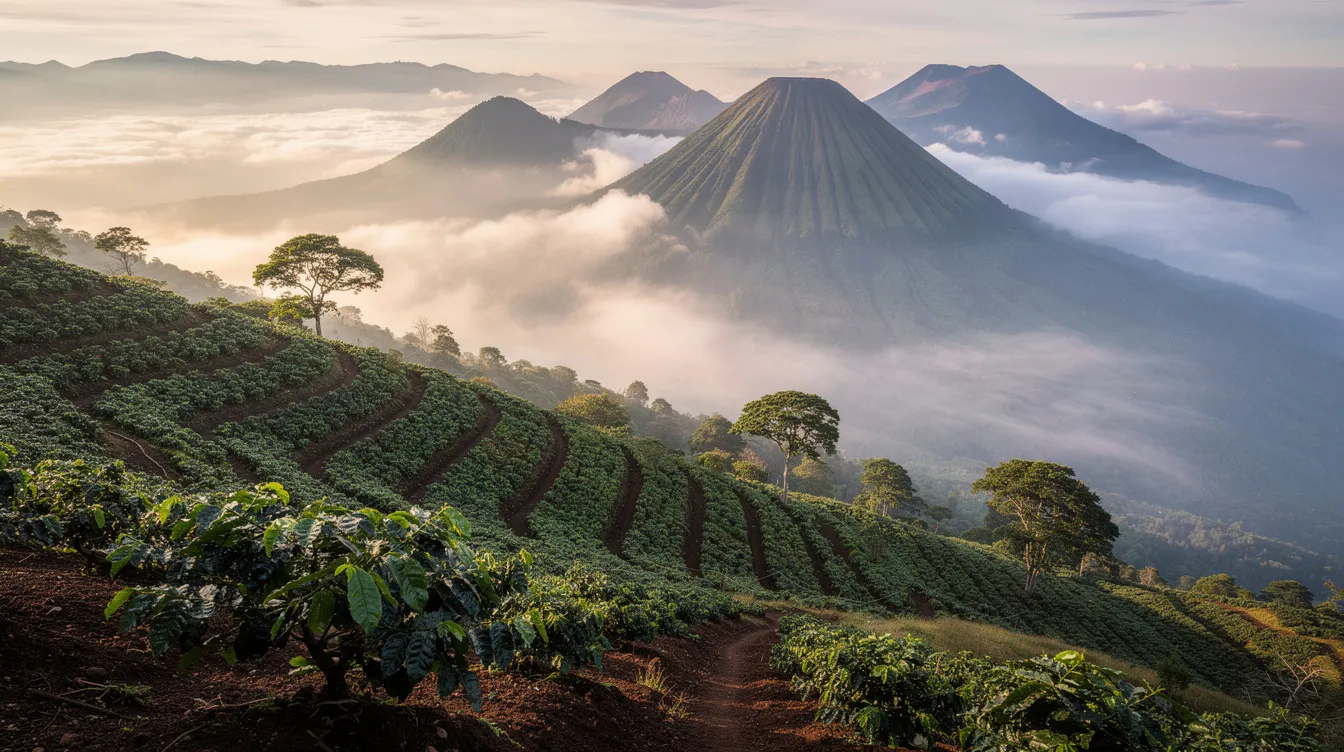
Costa Rica’s geography and strict focus on Arabica varieties shape every bag that leaves the country. Costa Rica has distinct microclimates due to mountain ranges and volcanoes, and each growing region produces recognizable flavor tendencies.
- Tarrazú / Los Santos: High-altitude terroir south of San José, 1,200–2,100 m. Bright acidity, citrus and stone-fruit notes, medium body, excellent clarity. The Tarrazú appellation (AO 1151) covers qualifying districts in Los Santos.
- West Valley (Naranjo, Palmares, Grecia, Poás): 1,200–1,700 m. Balanced acidity, chocolate, berries, and floral notes. A thriving micromill culture drives experimentation with honey and natural processing.
- Central Valley (San José, Heredia, Cartago, Alajuela): ~1,200–1,500 m. Classic Costa Rican profile – clean acidity, nutty-chocolate flavors. Costa Rica’s best coffee tours are in Central Valley regions, including the Doka Estate Coffee Tour at one of the oldest plantations. Doka Estate is known for clean flavor profiles from its wet-processed coffees.
- Tres Ríos: Often referred to as the Bordeaux of Costa Rica; elegant, wine-like cups with floral notes, though production volume is small.
- Monteverde: Known for producing high-quality coffee at elevation, often fruit-forward with pronounced aroma and lighter body. Café Monteverde is a name worth watching from this zone.
- La Fortuna / Arenal and Guanacaste: These areas host coffee plantation tours and small farms – coffee tours in La Fortuna often combine coffee and chocolate experiences, which is fun for kids and families. However, the highest-quality export coffees usually come from cooler, higher mountains. The best time for coffee tours is December to February, during harvest.
Altitude and bean density: Typical specialty Costa Rican coffee qualifies as Strictly Hard Bean, a classification relating to coffee grown above 1,200 meters. High altitude slows coffee cherry maturation, enhancing flavor complexity and producing denser beans with stronger aromatics.
Varieties: Caturra is a compact mutation of the Bourbon varietal found throughout Costa Rica. Catuaí is a resilient hybrid coffee variety known for its balanced cup. Geisha coffee originated in Ethiopia but is cultivated in Costa Rica for specialty lots, commanding steep premiums.
Processing: Washed processing dominates, delivering clean, bright cups. The honey process involves leaving mucilage on beans while drying, adding sweetness and body. Natural processing yields ripe fruit character and heavier sweetness. Keep region, altitude, and process in mind when comparing brands – they are the best clues to predict flavor before buying.
How to Choose the Best Costa Rican Coffee for You
There is no single best coffee – the right choice depends on your flavor preferences, brew method, and budget.
Match your taste:
- If you enjoy bright, citrusy cups, choose Tarrazú or higher-altitude light-medium roasts with lively acidity.
- If you prefer richer sweetness, chocolate, and a fuller body, look for honey or natural-processed coffees at a medium roast – these shine in French press and immersion brewing.
- Read roaster tasting notes critically. Common Costa Rican descriptors span citrus, red apple, stone fruit, sugarcane sweetness, milk chocolate, and nuts. A note like “Meyer lemon, cocoa” tells you to expect brightness balanced by richness.
Roast level and brew-method fit:
- Light-medium roasts: best for manual pour-over and drip where clarity and acidity shine.
- Medium roasts: great all-rounders for drip, pour-over, and French press, softening sharp edges while preserving origin character.
- Medium-dark roasts: more forgiving for espresso and immersion; trade some origin nuance for deeper caramelization.
Whole bean vs pre-ground:
- Buy whole bean for complete control over freshness and aroma. Grinding just before brewing – even with an affordable burr grinder – makes a noticeable difference.
- If buying pre-ground, match grind size to your brewer: coarser for French press, medium for drip, fine grind for espresso. Use it quickly after opening.
Sourcing, labels, and price:
- Look for clear roast dates, Costa Rica region names, altitude, variety, and process on the bag.
- Certifications like Organic, Fair Trade, or Rainforest Alliance are common among Costa Rican farms and add assurance.
- Price expectations: supermarket Costa Rica coffee brands run $8–$14; specialty roasters charge $16–$26; competition-winning microlots can exceed $40+. Pay more when traceability and seasonal uniqueness matter to you.
Start with a balanced medium roast from Tarrazú or the West Valley as your baseline, then explore more specific microlots once you know what your favorite coffee profile looks like.
Brewing Costa Rican Coffee: Methods & Freshness Tips
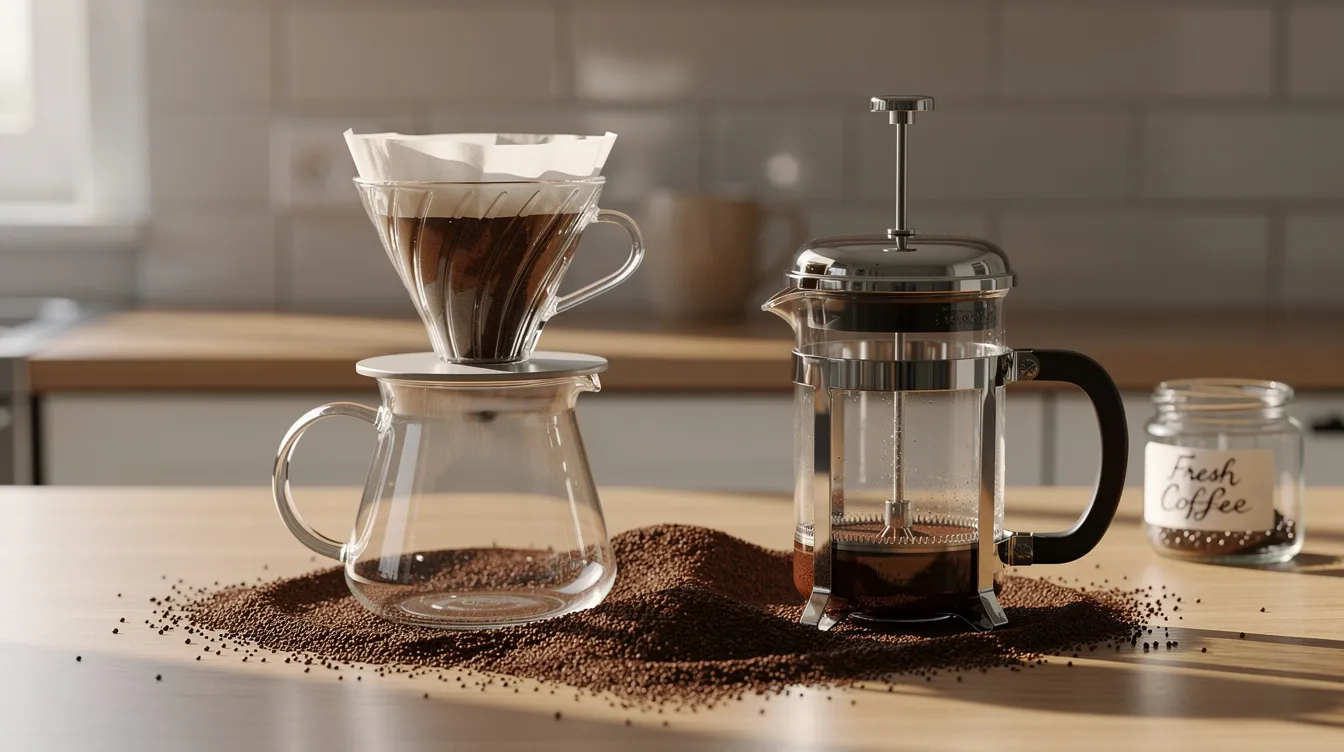
Costa Rican coffee’s clean profile makes it adaptable to multiple brewing methods, but grind size, ratio, freshness, and roast development shaped by heat and sun exposure during drying are crucial for getting the best cup.
Brew-method guidance:
- Drip and pour-over: Medium grind, 1:15–1:17 coffee-to-water ratio by weight. For very bright Tarrazú coffees, try slightly cooler water (92–94°C) to keep acidity pleasant rather than sharp.
- French press: Medium-coarse grind, 4–5 minute steep, gentle plunge. This method heightens body and chocolate notes – a natural fit for honey-processed Costa Rican beans.
- Espresso: Use medium to medium-dark roasts with good body. Very light high-altitude coffees can be finicky as espresso but rewarding when dialed in.
- Cold brew and AeroPress: Costa Rican coffee can produce sweet, smooth cold brew. Grind medium-coarse for cold brew (12–18 hour steep) and medium-fine for AeroPress.
Freshness best practices:
- Buy amounts you will use within 3–4 weeks of roast date for peak flavor, especially for lighter roasts.
- Store whole beans in an airtight, opaque container at room temperature. Freezing is a last resort – it can preserve beans long-term but introduces moisture risk on thaw.
- Prefer bags with one-way valves and clear roast dates over transparent or non-valved packaging.
Water and extraction:
- Use filtered water with moderate mineral content. Water that is too soft flattens acidity; water that is too hard muddies flavor.
- Simple troubleshooting: if your cup tastes sour and thin, grind finer or brew slightly longer. If it tastes bitter and dull, grind coarser or shorten contact time.
Adjust grind and ratio gradually – small changes make a meaningful difference when the beans are this good.
Our Costa Rican Coffee Picks
We matched a Costa Rican bag to the clean, honeyed cup this guide describes. Tap the image or the coffee name. Research-rated, not yet brewed by our team. As an Amazon Associate we earn from qualifying purchases.
Feeling honeyed: a Tarrazu bag
Our pick: Fresh Roasted Coffee Costa Rica Tarrazu, medium roast, whole bean, 5 lb. A honey-citrus Costa Rica for the profile in this guide. Research-rated, not yet brewed by our team.
FAQs about Costa Rican Coffee
These questions cover topics beyond the main buying guide.
Is Costa Rican coffee really better than other origins?
Costa Rica is known for consistently high-quality Arabica coffee thanks to altitude, climate, volcanic soil, and strict regulations. But “better” depends on personal taste. Compared with Ethiopian coffees, Costa Rican lots tend toward cleaner, more balanced profiles rather than wild floral or berry explosions. Compared with Colombian or Guatemalan coffees, the hallmark is structural clarity and approachable sweetness. Costa Rican coffee works exceptionally well as an everyday favorite coffee because of that balance.
What’s the difference between café de finca and larger Costa Rica coffee brands?
Café de finca refers to single-estate or farm-specific coffee – it is highly recommended for unique flavors because each lot reflects a particular farm’s terroir, variety, and processing decisions. Larger brands like Café 1820 blend lots from multiple farms for year-round consistency. The trade-off: estate coffees can be seasonal and pricier, while bigger brands are easier to find at a lower price and deliver a reliable, if less distinctive, cup.
Can I find good Costa Rican coffee in U.S. supermarkets?
Some U.S. grocery chains stock decent Costa Rica coffee, but origin and roast transparency vary widely. Look for bags that list “Costa Rica,” specific region names, roast dates, and “100% Arabica whole bean.” Café Britt and Café 1820 occasionally appear on supermarket shelves. On retailer pages, use the reviews sort option to compare recent feedback and ratings before buying. For more exciting options with better freshness, specialty roasters who ship directly tend to deliver a superior experience – check for a roaster or shop that lists farm-level details.
Does Costa Rican coffee work well as espresso?
Yes – many Costa Rican coffees, especially medium to medium-dark roasts from Tarrazú or the West Valley, make excellent espresso with sweet, chocolatey shots and balanced acidity. Very light-roasted microlots need more dialing in and are often better suited to pour-over or drip for most home brewers. If you are buying for espresso, look for medium roast, washed process, and flavor notes that mention caramel or chocolate rather than intense fruit.
Where can I buy Costa Rican coffee as souvenirs or gifts?
If you are visiting Costa Rica, Central Valley coffee tours – including the Doka Estate tour, one of the oldest plantations, and Café Britt’s facility which offers tours – are great places to buy fresh bags. In the La Fortuna area near Arenal, tours often combine coffee and chocolate tastings, making them fun for families. For those staying in a hotel near San José, many shops in the capital sell freshly roasted bags. The harvest season from December to February is the best time to visit if you want the freshest beans and the most active plantation tours. Back home in the U.S., online specialty roasters and importers provide the widest selection of Costa Rica coffee with reliable shipping.