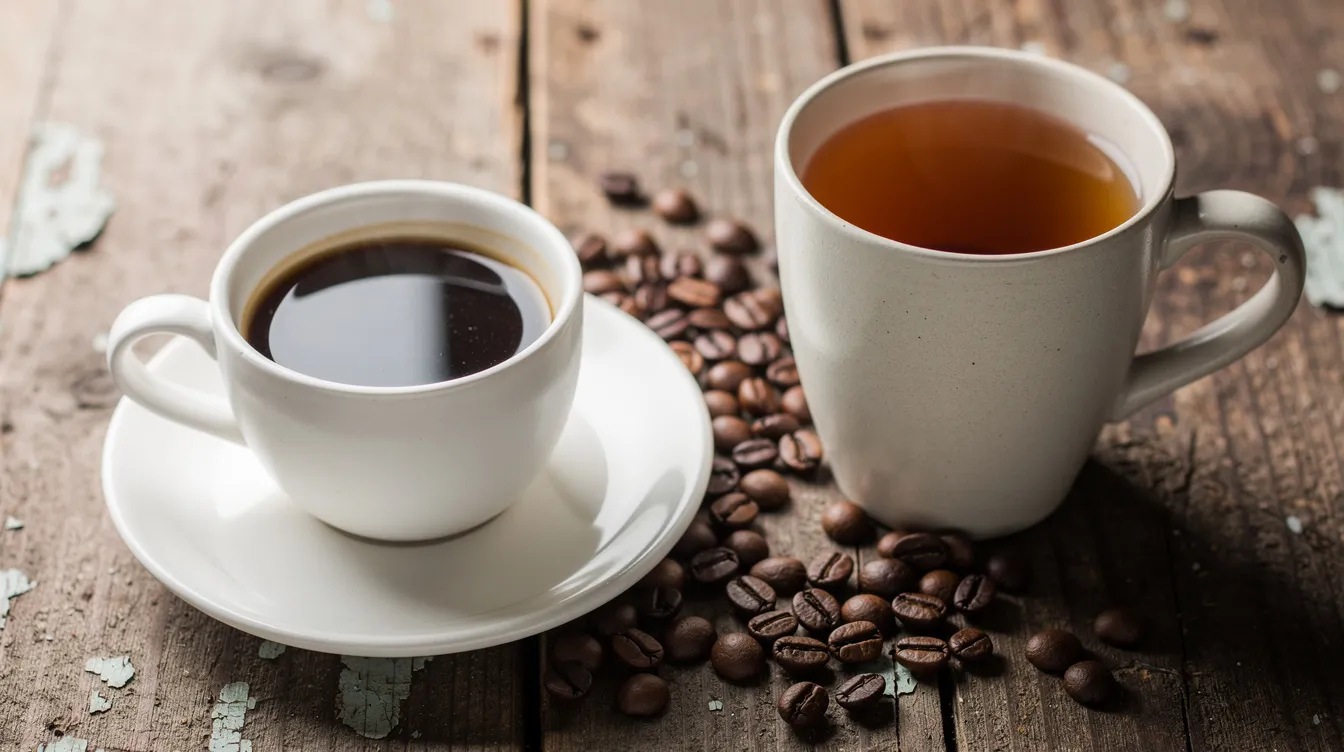
If you drink coffee in the United States, there is a strong chance Brazilian and Colombian beans are already in your cup. These two South American origins shape more blends, single origin coffees, and café menus than any other pairing on the planet. Understanding the key differences between them helps you buy smarter, brew better, and enjoy more of what you actually like.
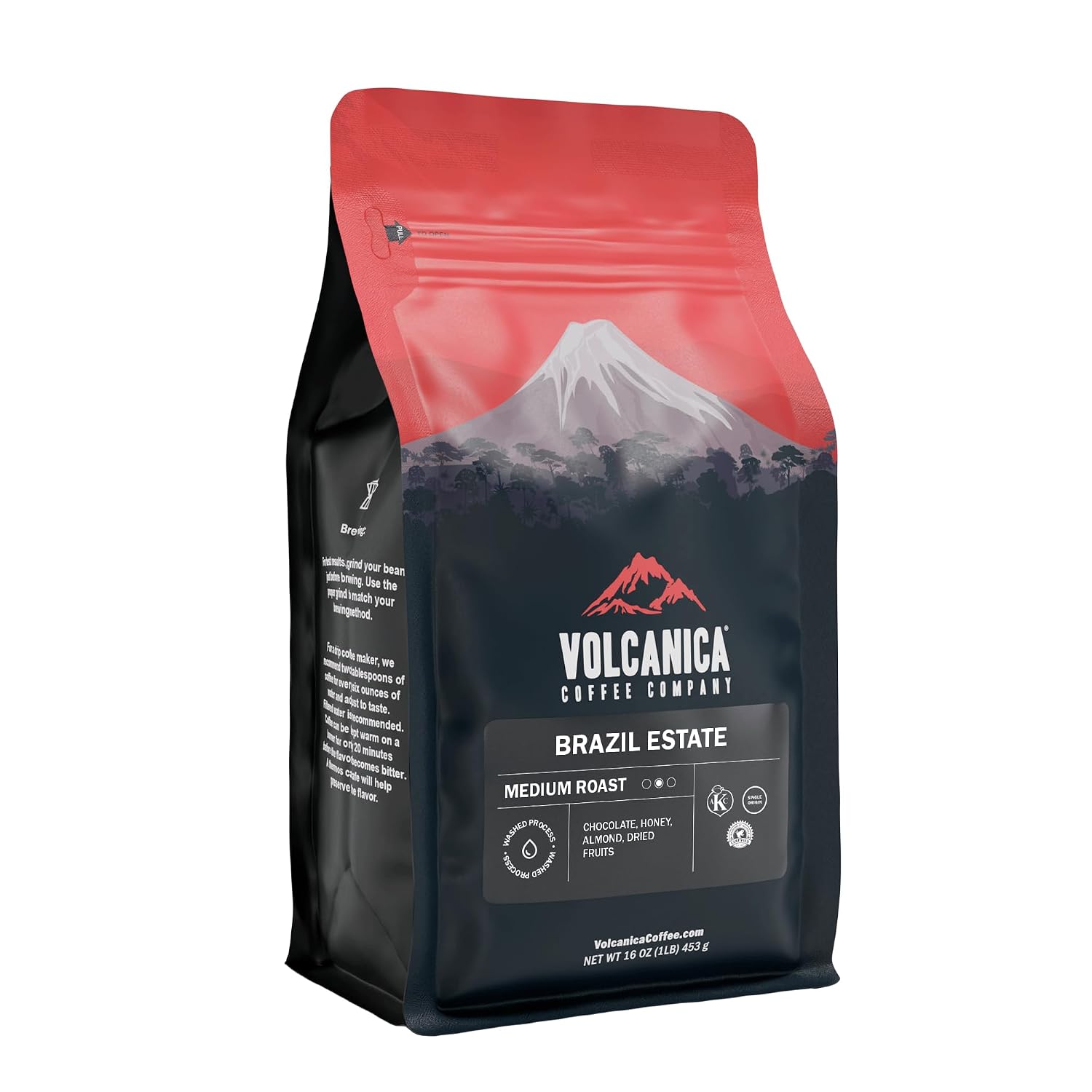
Best brazil pick
For this roundup, Brazil Bracosta is the brazil we recommend first—the same pick at the top of our At-a-glance cards below.
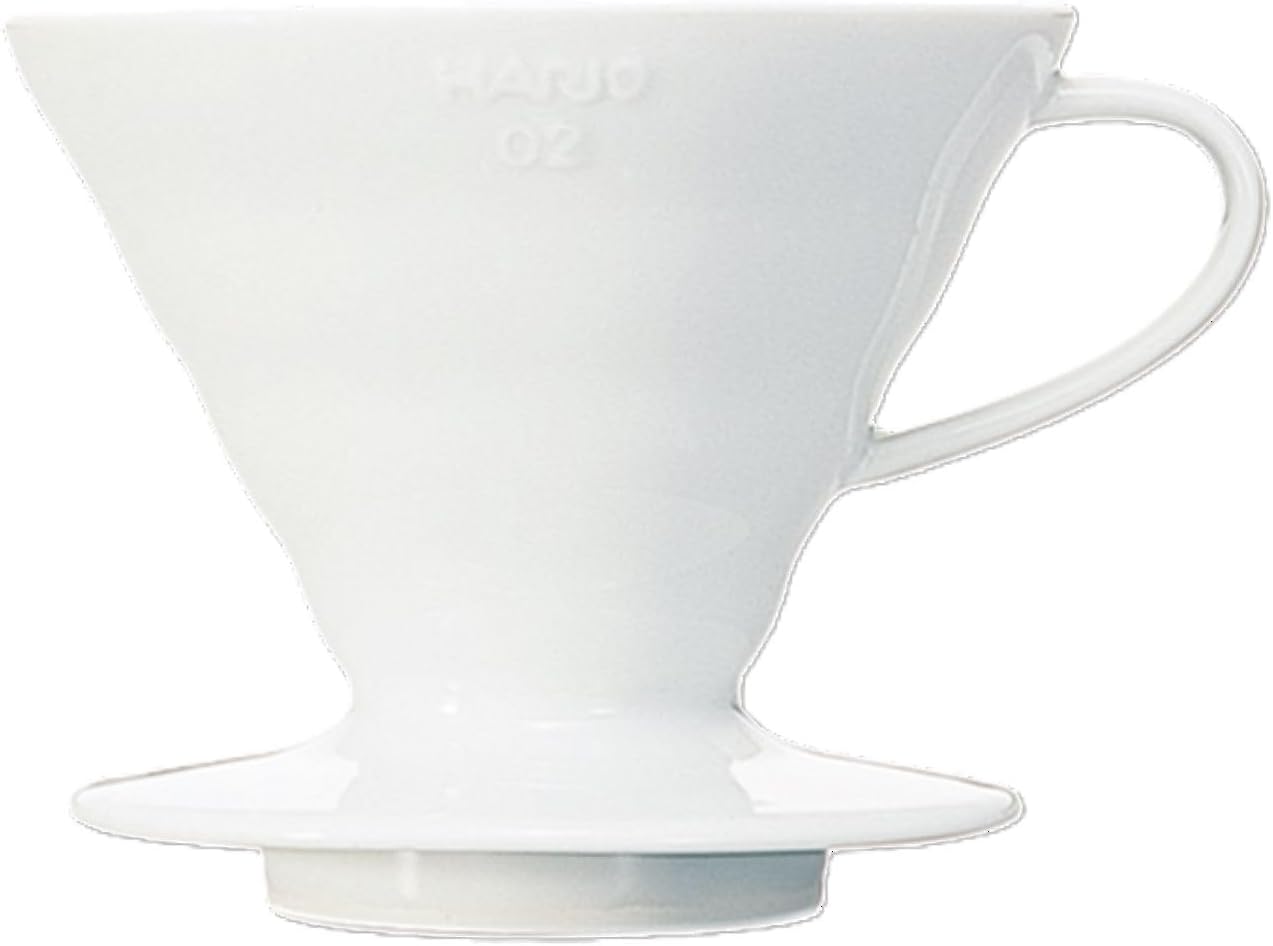
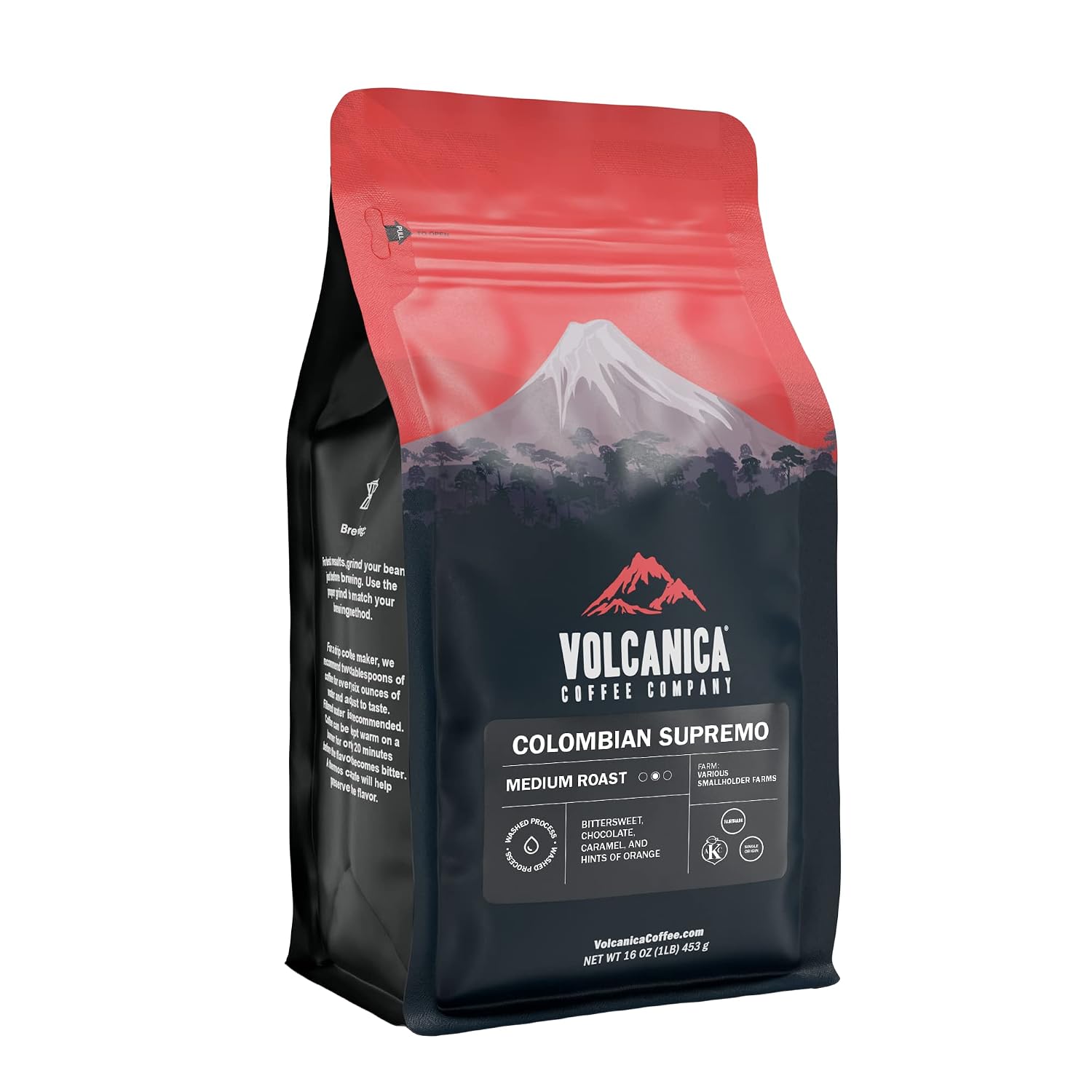
Origin bags are the main pick. If that bag is waiting, a canister and a cheap V60 still help the beans you already have—without swapping in grocery beans that undercut the origin.
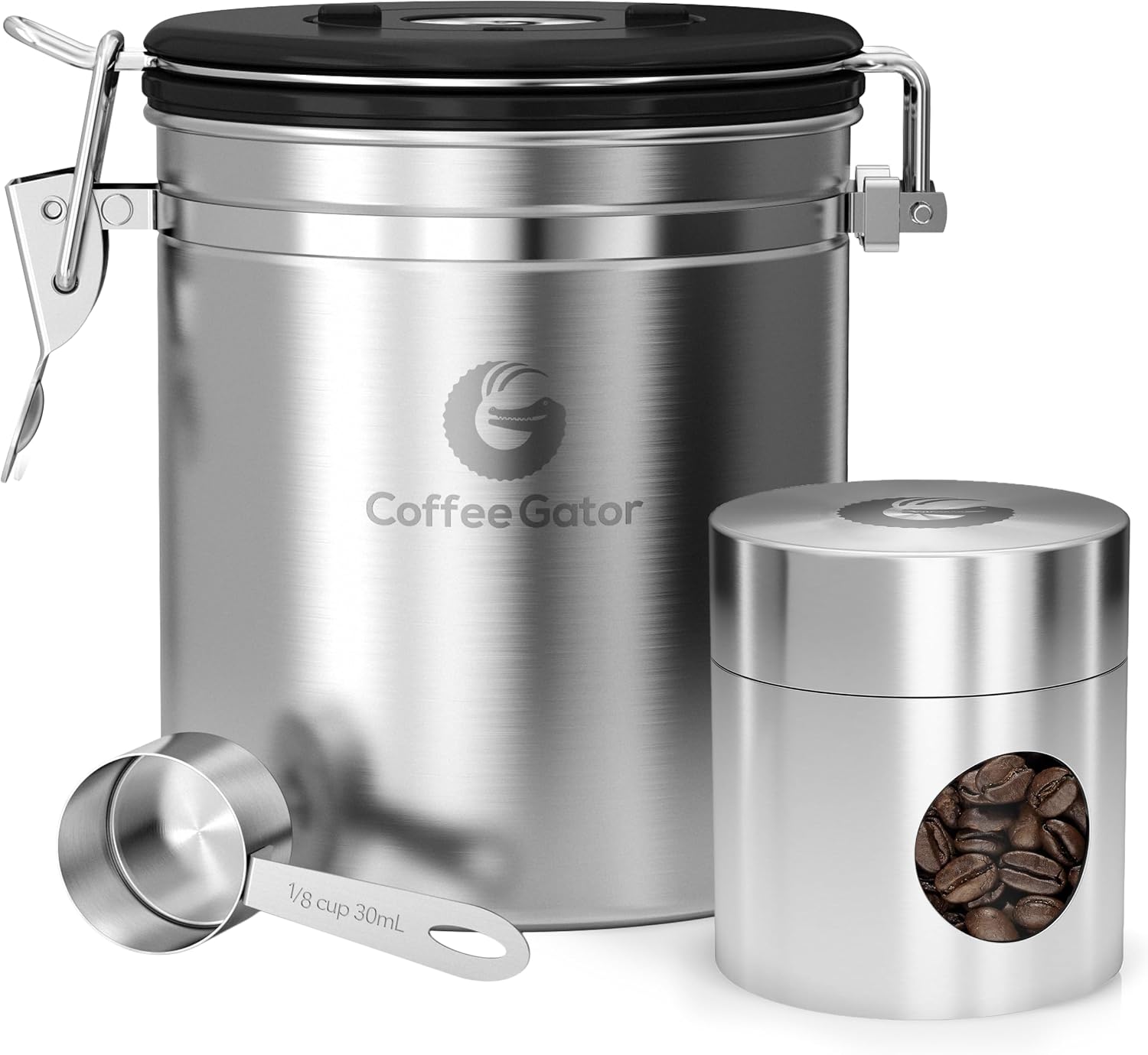
Storage (~$20–$35)
Coffee Gator canister
Keeps the origin bag fresh after you open it. Cheaper than waiting on another bag.
Brazilian coffee delivers low acidity and a full body with tasting notes of chocolate and nuts, making it a natural fit for espresso blends, cold brew, and milk drinks.
Colombian coffee is known for its bright acidity and complex flavors – think citrus notes, red fruit, and floral notes – and shines in pour over, drip, and Aeropress brewing.
Brazil grows both Arabica and Robusta coffee beans, while Colombia grows exclusively Arabica beans, contributing to noticeably different flavor profiles.
Processing methods drive much of the gap: Brazil predominantly uses dry processing (natural and pulped natural), while Colombia primarily employs washed processing for its coffee, enhancing clarity and brightness.
This comparison is researched editorial analysis, not hands-on lab testing. “Better” depends on your taste preferences, brew method, and budget.
Quick Verdict: Brazilian vs Colombian Coffee
Brazilian coffee is usually the safer pick for espresso, cold brew, and any drink where milk or sweetness plays a role. Colombian coffee is often the better fit for drip, pour over, and anyone who drinks coffee black and enjoys a more aromatic, fruit-forward cup.
Neither origin is universally “better.” They occupy different sweet spots in terms of body, acidity, and flavor complexity.
Choose Brazilian if you want a low-acid, chocolatey comfort coffee with heavier body.
Choose Colombian if you enjoy bright, citrus or berry notes and a more layered, clean cup.
Choose a blend of both if you want balance – many US roasters already combine Brazilian and Colombian coffee in their house blends for exactly this reason.
The rest of this guide walks through growing conditions, bean varieties, processing methods, flavor profiles, cost, brewing considerations, and the best brewing methods for each origin.
Affiliate Disclosure
Capitol City Coffee is an independent coffee editorial and comparison site. We may earn a commission from qualifying purchases through affiliate links, at no extra cost to you. Rankings and recommendations are based on researched editorial analysis, expert consensus, and verified product details – not on commission size.
Key Differences: Brazilian vs Colombian Coffee
A side-by-side comparison helps visualize where these two coffees diverge and overlap.
Both origins can be versatile in blends. Where they diverge most is brightness versus body, and processing methods that amplify those differences.
Background: Why These Two Origins Matter in Coffee in the World
Brazil and Colombia together supply a commanding share of the coffee in the world, making “Brazilian vs Colombian coffee” one of the most practical comparisons any coffee lover in the US can explore.
Brazil produces approximately 40% of the world’s coffee production, making it by far the largest producer on earth. The country’s output accounts for roughly 32–40% of global coffee production depending on the crop year, with Brazil accounting for volumes no other country play can match.
Colombia’s coffee production is about 12% of the global supply, typically ranking third worldwide behind Brazil and Vietnam.
Colombia has over 550,000 small coffee producers, many farming fewer than five hectares.
Brazil and Colombia are both significant producers of coffee known for distinct flavor profiles. Over the 20th and 21st centuries, both became staples in supermarket blends, specialty roasters, and US cafés. They sit in the coffee belt of South America but differ sharply in geography, farm size, and production style – differences that translate directly into what ends up in your mug.
Growing Conditions in South America: Brazil vs Colombia
Altitude, latitude, and microclimate affect bean density, sugar development, and ultimately the flavor profiles you taste. Higher altitude generally means slower cherry maturation, denser beans, and more complex flavours.
Brazil’s growing regions for brazilian coffee brazil span large estates in Minas Gerais, São Paulo (Mogiana), and Espírito Santo. Brazil’s Minas Gerais region grows coffee at 700–2,000 masl, though most specialty lots cluster between 800 and 1,400 meters. Brazilian coffee generally comes from lower, flatter terrains with a warmer climate, which enables large-scale mechanization. Brazilian coffee harvesting often utilizes mechanization due to its geography – flat or gently rolling terrain allows strip harvesting machines that keep costs down. Brazil’s coffee regions include Cerrado, Sul de Minas, and Mogiana, with Sul de Minas alone responsible for roughly 30% of the country’s total output.
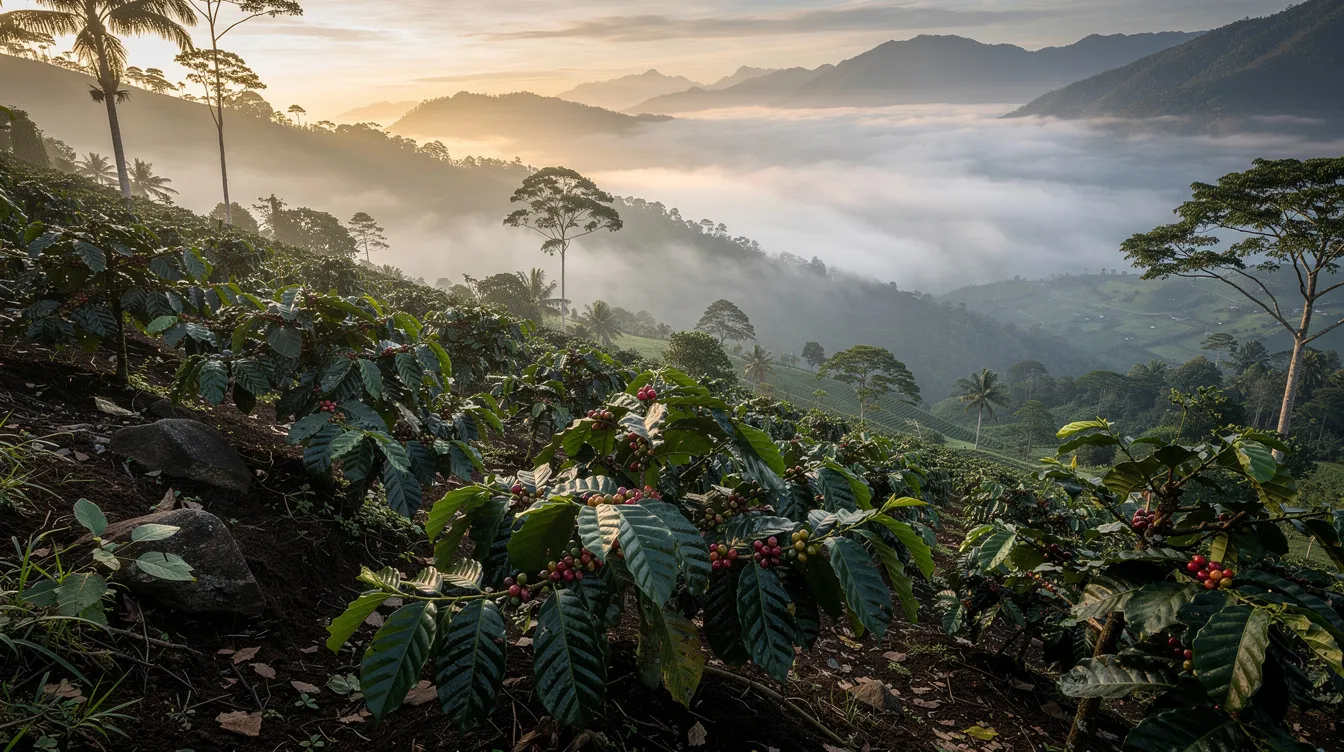
Colombia’s growing regions sit on steep Andean slopes in departments such as Huila, Nariño, Cauca, and the Coffee Triangle – which includes Risaralda, Caldas, and Quindío. Colombian coffee typically originates from high-altitude mountainous regions with nutrient-rich volcanic soil, and thrives at altitudes of 1,200–2,300 masl, with the terrain and climate especially favorable for growing arabica beans. Farms average just a few hectares, and selective picking by hand is the norm because the terrain is too steep for machines. The abundant rainfall and cooler temperatures at elevation slow cherry ripening, developing brighter acidity and more complex flavours in the bean.
Bean Varieties and Processing Methods
Bean genetics and processing methods create much of the difference between Brazilian and Colombian coffee. Both factors shape body, sweetness, acidity, and aroma before roasting even begins.
Varieties: Brazil grows both Arabica and Robusta coffee beans (Robusta is locally called Conilon, grown mainly in Espírito Santo). Brazil prefers Bourbon, Mundo Novo, and Catuaí varieties for its Arabica coffee. Brazil’s Mundo Novo is a Typica-Bourbon hybrid discovered in 1943, prized for yield and adaptability. Colombia favors Typica, Caturra, and Castillo varieties – all Arabica. Colombian Typica is known for its sweet and clean flavor, while the Castillo variety is disease-resistant and high-yielding in Colombia, bred specifically to fight coffee leaf rust while maintaining cup quality.
Brazilian processing methods:
Natural (dry) processing dominates. Brazil predominantly uses dry processing for coffee cherries, where whole cherries dry in the sun with the cherry skin still intact. Brazil’s natural processing can take 3–6 weeks for drying. Brazil’s dry processing results in sweeter, heavier-bodied coffee with pronounced chocolate notes and dried-fruit sweetness.
Pulped natural (semi washed) is also widespread, removing the skin but leaving mucilage during drying, which adds body while slightly increasing clarity over full naturals.
Colombian processing methods:
Colombia primarily employs washed processing for its coffee. The wet processing method involves depulping, fermenting for 24–48 hours, washing, and drying on raised beds. Colombian washed processing enhances coffee’s clarity and brightness, producing clean flavor profiles with citrus, red fruit, and floral notes.
Honey processing and natural experiments are growing in specialty segments in regions like Huila and Nariño, adding winey or tropical fruit dimensions to select microlots.
The takeaway: natural processing pushes Brazilian beans toward body and sweetness; washed processing pushes Colombian beans toward clarity and acidity. That single variable explains a large portion of what you taste.
Flavor Profiles: How Brazilian and Colombian Coffee Taste
Brazilian coffee tends toward chocolatey, nutty, low-acid comfort. Colombian coffee skews toward caramel-sweet, fruit-forward, and more aromatic cups. Both origins can surprise you within those ranges, and when farm, altitude, and processing align, either country can produce some of the best Arabica coffee, though the averages hold up across thousands of lots.
Brazilian flavor profile:
Medium to heavy body, sometimes described as syrupy or creamy – a richer mouthfeel and sweetness compared to Colombian coffee
Low to mild acidity
Tasting notes of chocolate and nuts: milk chocolate, dark chocolate, roasted hazelnut, almond
Brown sugar, caramel notes, occasional hints of spice or dried fruit
Brazilian coffee is often characterized by low acidity and chocolatey notes that persist through darker roasts
Colombian flavor profile:
Medium body with more transparency
Medium to high acidity – bright acidity that lifts the cup
Colombian coffee often has fruity and floral tasting notes: caramel sweetness, citrus notes (orange, tangerine), red fruits (cherry, berry), stone fruit
Colombian coffee is recognized for balance and clarity in flavor, sometimes with jasmine or other floral aromas at higher elevations
Fruity undertones that differentiate Colombian lots by region (Huila leans citrus-cherry; Nariño adds bergamot and dark chocolate; Cauca brings peach and apricot)
Roast level interactions: Dark roasting mutes Colombian brightness and emphasizes roast character – smoke, bitters, generic “coffee” flavor. Brazilian beans often tolerate medium-dark roasting without turning sharp, which is why they dominate espresso blends. Lighter roasts bring forward Colombian acidity and aromatics, but under-roasted Brazilian beans can taste grassy or flat. Medium roasts are the most forgiving for both origins in everyday drip machines.
Option A: Brazilian Coffee – Performance, Benefits, and Limitations
Brazilian coffee is the backbone bean in many blends worldwide, favored for reliability, body, and a sweet, approachable profile.
Performance: Brazilian coffee excels in espresso brewing methods, pulling thick shots with crema and chocolate notes that hold up under milk. It performs well in moka pot, French press, and cold brew. In pour over, Brazilian beans can feel less dynamic than high-elevation Colombian lots unless the lot itself is from a higher-altitude specialty region.
Benefits:
Approachable flavor profile – robust flavors without aggressive acidity
Low acidity makes Brazilian coffee gentler for sensitive stomachs
Consistent supply and moderate pricing from a massive production base
Brazilian coffee is often enjoyed in espresso blends or milk drinks due to its body and sweetness pairing well with steamed milk and sugar
Broad availability across US grocery, online, and specialty channels
Limitations:
Can taste simpler or flatter to drinkers seeking complex acidity or fruity undertones
Lower-elevation commodity lots may lack nuance, especially when subjected to heavy dark roasting
Strip harvesting on large estates can include underripe or overripe cherries, affecting coffee quality in bulk lots
Option B: Colombian Coffee – Performance, Benefits, and Limitations
Colombian coffee serves as a benchmark for balanced, high-quality Arabica coffee and is a frequent reference point in the specialty coffee world.
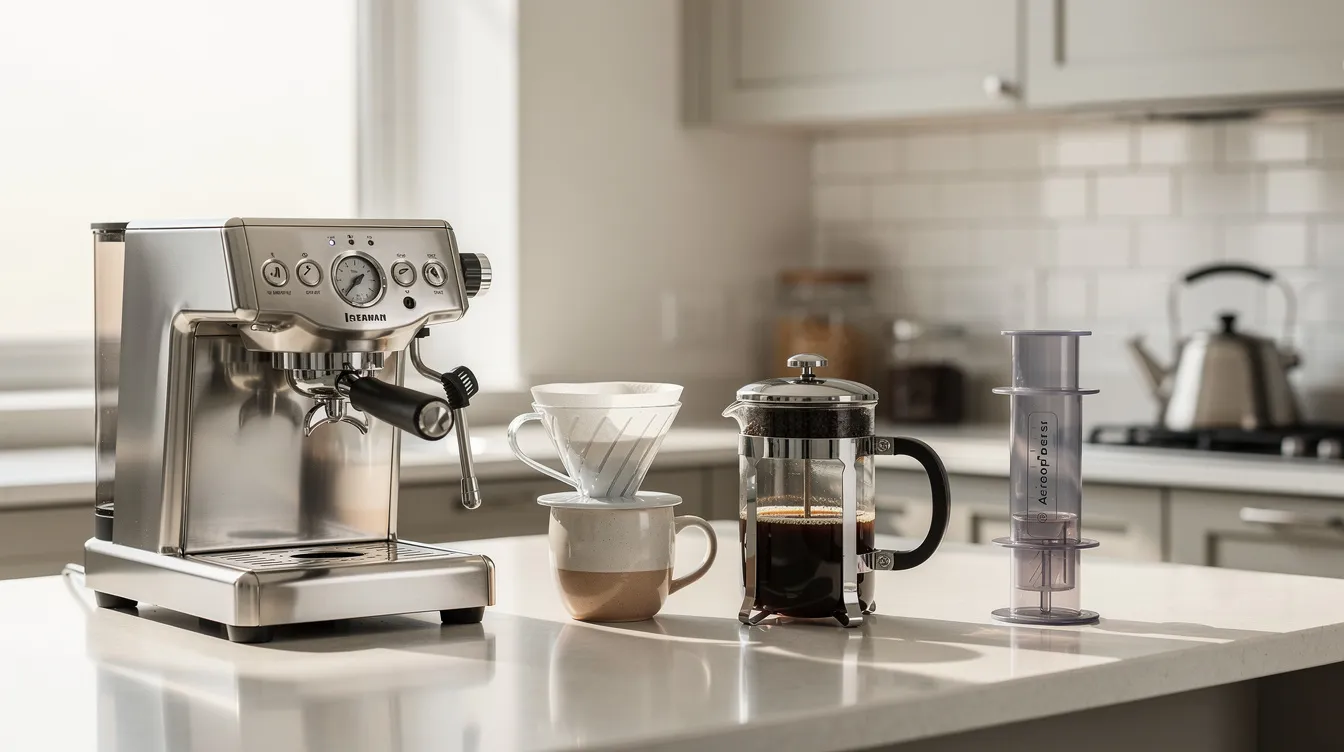
Performance: Colombian coffee is best brewed using pour over methods (V60, Chemex), auto-drip, and Aeropress – filter methods that let acidity, sweetness, and aromatics shine. It can produce expressive espresso shots with bright, juicy acidity, but dialing in dose and temperature takes more care to avoid sourness.
Benefits:
More complex flavours: layered fruit, floral, and caramel notes that reward attentive brewing
Strong quality oversight from national institutions and Denominación de Origen programs
Prevalence of single origin coffees from defined regions like Huila, Nariño, and Cauca
Two harvest seasons per year (main crop plus a mid-year “mitaca”) mean fresher Colombian beans reach the US market more frequently
Limitations:
Higher average price per pound due to labor-intensive selective picking on steep slopes and smaller farm sizes
Bright acidity can taste sharp or sour if brewed with water that’s too cool, ground too coarsely, or roasted too light
Some palates find Colombian coffees thinner-bodied and less satisfying in milk drinks compared with Brazilian alternatives
This comparison is based on researched editorial analysis and consensus from specialty coffee sources, not on proprietary tasting panels.
Best Brewing Methods and Brew-Method Fit
Brew-method fit often matters more than origin for day-to-day satisfaction. That said, Brazilian and Colombian coffee each have natural strengths with certain devices.
Best brewing methods for Brazilian coffee:
Espresso machines (home and café) – body and sweetness create a rich base
Moka pot – concentrates chocolate and caramel notes
French press enhances the body of Brazilian coffee, producing a thick, satisfying cup
Cold brew highlights Brazilian coffee’s low acidity, bringing out natural sweetness over long extraction
Best brewing methods for Colombian coffee:
Pour over (Hario V60, Chemex) – clarity and aromatics at their best
Auto-drip brewers with proper water temperature
Aeropress is ideal for brewing Colombian coffee, balancing immersion extraction with filter clarity
Manual filter cones for travel or single-cup brewing
Medium roasts of either origin are generally more forgiving in standard drip machines common in US kitchens. Lighter roasts demand more attention to grind size and water temperature, especially with Colombian beans where under-extraction turns brightness into sourness.
If you primarily drink milky espresso drinks, lean Brazilian. If you mostly sip black pour over, lean Colombian. Mixed-method households may benefit from keeping both on hand.
Winner by Use Case
The “winner” shifts depending on how you brew and drink. Here is a breakdown by scenario:
Lattes and cappuccinos: Brazilian coffee wins – its chocolatey, low-acid base blends seamlessly with milk
Straight espresso: Tie, but Brazilian is more forgiving; Colombian rewards precision with a brighter, more aromatic shot
Drip coffee maker: Colombian coffee wins – its balance and clarity come through well in standard filter coffee
Manual pour over: Colombian coffee wins – bright acidity, floral notes, and layered fruit notes are exactly what this method highlights
French press: Brazilian coffee wins – heavier body and sweetness suit immersion brewing
Cold brew: Brazilian coffee wins – low acidity and chocolate notes create a smooth, sweet concentrate
Blends of Colombian and Brazilian coffee can deliver the “best of both worlds,” which is why so many café-style house blends in the US take this approach. And remember: roast level and freshness strongly influence results alongside origin. A stale bag of the best coffee from either country will underperform a freshly roasted bag of the other.
Cost and Value in the US Market
Brazilian coffee often underpins budget-friendly blends, while Colombian lots sit at a modest premium in specialty segments.
Commodity and mid-range Brazilian blends at big-box stores tend to be among the most affordable whole-bean options. Specialty Brazilian beans from Sul de Minas or Mogiana offer strong cup quality at moderate prices.
Single-origin Colombian coffee beans from Huila or Nariño typically cost more per pound, especially for washed, high-altitude microlots with detailed cupping scores.
Why Colombian costs more: higher labor costs from hand-picking on steep slopes, smaller farm sizes, intensive washed processing (fermentation, washing, raised-bed drying), and strong export branding all add up.
Why Brazilian offers value: economies of scale, mechanization, and massive volumes from regions like Minas Gerais – which alone produces roughly 55% of Brazil’s Arabica output – keep costs lower while still achieving solid quality.
When evaluating value, prioritize freshness (recent roast dates), transparent origin info (region, altitude, processing methods), and a roast level suited to your brew method rather than chasing the lowest price per pound. Even instant coffee varies wildly in quality by origin and processing.
Which Should You Choose: Brazilian or Colombian Coffee?
The choice between these two coffees comes down to preferred flavor profile, acidity tolerance, brewing routine, and budget.
If you mostly drink sweetened, milky drinks: start with Brazilian
If you want to explore nuanced, fruity coffees: start with Colombian
If you are stocking an office drip machine for varied tastes: a balanced Brazilian–Colombian blend is usually safest
If you are a coffee lover who wants to understand terroir: try a single-origin Brazilian and a single-origin Colombian side by side, brewed with the same method, to experience the key differences firsthand
This guide is intended as researched editorial guidance. Local roasters and cafés familiar with current crop lots can provide additional region-specific recommendations tailored to your palate. For those deepening their coffee knowledge, exploring coffees from different countries is the natural next step.
Alternatives and Other Origin Comparisons
While Brazilian and Colombian coffee dominate many blends, other origins offer very different experiences.
If you enjoy Colombian brightness: East African coffees like Ethiopian or Kenyan lots push acidity and fruit even further. See our Ethiopian vs Kenyan coffee comparison for details.
If you like Brazilian depth and low acidity: Indonesian coffees such as Sumatra or Bali deliver earthy, heavy-bodied profiles. Our Sumatra vs Bali comparison covers the differences.
For a middle ground: Central American options like Guatemalan coffee blend chocolate notes with brightness. Our Colombian vs Guatemalan guide explores that pairing.
Below are common questions about Brazilian and Colombian coffee that go beyond the main comparison above.
Does Brazilian or Colombian coffee have more caffeine?
Caffeine content depends more on bean species and brew ratio than on country of origin. Brazilian blends sometimes include Robusta beans, which contain roughly 50–80% more caffeine per gram than Arabica beans. Most specialty Colombian coffee is 100% Arabica, so it may have slightly less caffeine per gram on average. In practice, the difference in a typical 8–12 oz cup is modest. Adjust brew strength and serving size rather than choosing origin solely for caffeine content.
Is Colombian coffee always better quality than Brazilian?
No. Coffee quality is highly farm- and lot-specific. Both countries produce everything from mass-market commodity coffee to award-winning micro-lots. Perceptions of Colombian coffee as “higher quality” stem partly from strong national branding and strict grading systems. Brazil’s massive scale sometimes hides its top-tier farms – in 2022, about 17% of Brazil’s exports were classified as “differentiated coffees” carrying certifications or geographic identification. Look for details like altitude, processing methods, and cupping notes on the bag rather than judging by country name alone.
Can I mix Brazilian and Colombian beans at home for a custom blend?
Yes, and many commercial roasters do exactly this. A 50/50 or 60/40 Brazilian-to-Colombian ratio is a good starting point: Brazilian beans supply body and sweetness, Colombian beans add brightness and aroma. Adjust from there based on whether you want more chocolate depth or more fruit-forward lift. Home blending works best when both components are similarly fresh and roasted to compatible levels – two medium roasts will marry better than pairing a light Colombian with a dark Brazilian.
Are there sustainability or ethical differences between Brazilian and Colombian coffee?
Both origins include a mix of conventional and certified coffees (Fair Trade, Rainforest Alliance, organic), and sustainability practices vary widely by farm and exporter. Brazilian estates often operate at larger scale with mechanization, while many Colombian farms are small family operations. Both models can be run sustainably or unsustainably. Prioritize roasters that share transparent sourcing details and certifications rather than assuming one origin is automatically more ethical.
How should I store Brazilian vs Colombian coffee to keep flavors at their best?
Storage best practices are the same for both origins: keep beans in an airtight, opaque container at room temperature, away from light, heat, and moisture. Avoid refrigerating or freezing opened bags for everyday use, as condensation can harm flavor. If long-term storage is unavoidable, freeze only in well-sealed, single-use portions. Both Brazilian and Colombian coffee taste best within a few weeks of roast date – especially lighter roasts used in pour over, where staling dulls the very acidity and aromatics you are paying a premium to enjoy.
How Capitol City Coffee Rates Coffee and Coffee Machines
Every coffee and coffee machine we recommend is scored on the same 100-point scale, so a recommendation on one page means the same thing as a recommendation on any other. Each pick is also labeled with how we reached its score.
Research-ratedScored from the roaster or manufacturer’s published specifications, independent results such as Coffee Review blind cuppings and SCA brewer certification, and patterns across verified buyer reviews. Most of our current picks are research-rated.
Hands-on testedThe Capitol City Coffee team has brewed the coffee or used the machine ourselves, following the testing steps below. We only use this label when that testing actually happened, and we show the date we tested.
Coffee beans: 100-point scale
What we score
Points
What we look at
Origin and sourcing transparency
20
Country, region, farm or cooperative, altitude, bean variety, and processing method are clearly disclosed.
Flavor evidence
25
Independent cupping scores, how closely the tasting notes match what the origin is known for, and our own cupping notes when hands-on tested.
Roast and freshness
15
Roast level stated, roast-date practices, whole-bean availability, and packaging with a one-way valve or resealable bag.
Brew versatility
15
How well the roast suits pour-over, drip, French press, cold brew, and espresso.
Value
15
Price per ounce compared with similar single-origin coffees or blends.
Buyer feedback
10
Volume and consistency of verified reviews, and recurring complaints about staleness, bitterness, or shipping.
Coffee machines and gear: 100-point scale
What we score
Points
What we look at
Brewing performance
25
Water temperature in the 195–205°F range, even extraction, and SCA certification or published test data.
Build quality and reliability
20
Materials, known failure points, and long-term owner reports.
Ease of use and cleaning
15
Setup, the daily routine, descaling, and dishwasher-safe parts.
Fit for your kitchen
10
Capacity, counter footprint, and noise.
Useful features
10
Programming, grind and temperature control, and carafe type. Features that improve the cup count more than extras that do not.
Value
10
Price compared with machines that perform similarly.
Warranty and support
10
Warranty length, parts availability, and how the brand handles repairs.
What the grades mean
Score
Grade
What it means
90–100
A
Exceptional. Our first recommendation for the feeling and setting described.
80–89
B
Strong. Excellent, with minor trade-offs we explain.
70–79
C
Good. Worth it for specific needs, with clear compromises.
Below 70
—
Not recommended. We do not feature these as picks.
How we test hands-on
When a pick carries the Hands-on tested label, this is the method behind it, and we note the date we tested.
Coffee: brewed fresh from whole beans following Specialty Coffee Association guidelines (water between 195 and 205°F, about 1 gram of coffee to every 15 to 18 grams of water) in the brew methods the roast suits best, such as pour-over, French press, or espresso. We taste it black first, then with milk if that is how most people drink it, and each taster scores it on their own before we compare notes.
Machines: used in our everyday routine rather than a single demo. We brew both full and small batches, check the brewing temperature and brew time, and run the cleaning or descaling steps the manual calls for.
How we choose the feeling and setting
We match each coffee to a mood and a moment based on its flavor profile and roast. Bright, citrusy light roasts suit energizing mornings. Chocolatey, full-bodied medium roasts suit slow or social moments. Richer roasts suit espresso and milk drinks. Each pick explains which facts led us to that match.
Our scores stay independent
Every score comes only from the criteria above. No brand can pay for a pick or a higher grade. We re-check ratings when a roast, listing, or model changes, and update or remove picks that no longer earn their grade.
Some links on this page are affiliate links. As an Amazon Associate, Capitol City Coffee earns from qualifying purchases, at no extra cost to you.
Questions about a rating? Reach the Capitol City Coffee team through our contact page.