
As an Amazon Associate I earn from qualifying purchases. This page contains affiliate links; we may earn a commission if you buy through them.
Establishing a coffee shop is quite a dream for some folks. And, for good reason! Nearly 2.5 billion cups of coffee are consumed daily all around the globe. This sort of demand makes starting up a coffee shop a great business endeavor, but it must be constructed properly!
We have 8 key tips to help you start the coffee shop of your dreams!
Define Your Brand
Before you even register your business, think about what kind of coffee shop you want. This starts with a solid business plan.
First, you need to decide if you are starting your business from scratch or not. In other words, are you creating a brand new business or adopting a new one? You have both options. Each can lead to success.
You also can buy a coffee franchise. In this case, you do get to skip some of the following steps, including most of a business plan. But, it leaves you with less creativity and flexibility as you have to stick with the brand image.
Once you decide, you can start getting permits for your business. You need to have legal permission to sell beverages and even food.
Location Really Matters
Once you get your business plan on track, you can search for the perfect place to have your shop. You need to decide where your business is needed.
This relies on a few things. First, the rent price. You want to find a place that fits your budget. If it is on the higher end of your budget, then you need to weigh the value of the space in its aspects.
Secondly, access to your business matters. Customers want to have their coffee easily! Is the location easy to find? Does it have good parking? You need to ask yourself these questions when scoping out a potential space. Finding a location with great foot traffic is always a profitable route.
You also need to think about your brand and if it will work in the location. This focuses on the coffee demand in the area. You need to see what the competition is in the area. If there is already a beloved coffee shop with a similar brand to yours, it’s going to probably make gaining customer loyalty a little harder. Finding the right niche can be essential for standing out in a crowded market. Once you’ve established your brand identity, consider offering a variety of brewing equipment that appeals to coffee enthusiasts, such as the best coffee makers for home brewing. This can help attract a loyal customer base that values quality and convenience.
Design Your Space
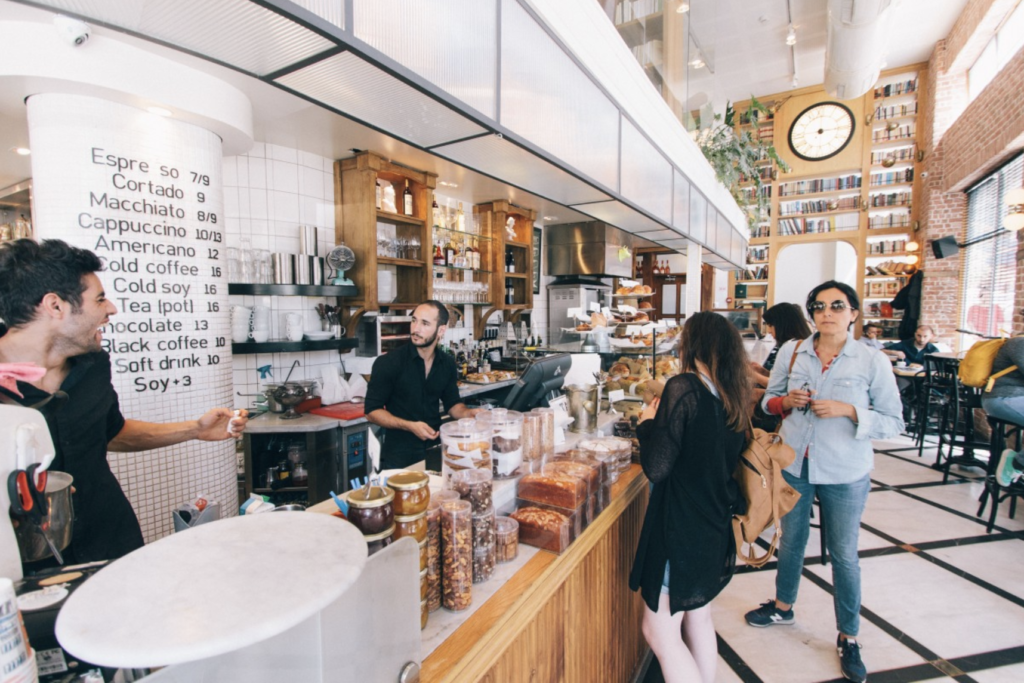
The aesthetic of your business matters. You want to have a coffee shop that fits your vision and makes customers happy. Your layout matters. It will help you understand how much you need to invest in your new business.
First, figure out your floor plan. Once you chose your space and location, you know what you are working with. The most important thing to remember, again, is accessibility. Where customers order should be obvious. There should also be ample space for customers to wait in line as well as wait for their beverages. You also need to decide how much seating you would like too.
Also, know where your plumbing is. Your espresso machine and refrigeration units need support. This comes into play as well when choosing your space.
Remember, your style does matter. But, you want customers to feel comfortable. Your business needs to look attractive from the outside. What customers see from the windows should draw them in. You want a space that is clean and organized.
Something important to note is lighting. A well-lit space, mostly from natural light, will set a relaxing tone for customers. No one wants to be in a dark space, especially when grabbing an early morning cup of joe!
What Equipment You Need
This is the heart of your coffee shop. The only way you can provide stellar coffee is with the right equipment. Knowing exactly what you need is important. It will help you in budgeting. Also, you need to learn exactly how everything works and how to solve problems before they happen!

Here is the coffee shop equipment you absolutely need:
- High-Quality Espresso machine (La Marzocco and Simonelli are reliable brands)
- Automatic Drip Coffee Makers
- Pour-over Coffee Makers
- Commercial Coffee Grinder
- Refrigeration Unit
- Freezers
It is very crucial to invest in a strong POS system as well. This is how you will be completing and organizing transactions. Modern POS systems let you use several forms of payment and offer electronic receipts. Going paperless is always a great idea – people love an earth-minded coffee shop! Square and Toast are some of the best options for coffee shop POS systems.
Your security system matters too of course! You need to find a system with excellent video monitoring and alarms. You do not want your business to suffer because of burglary and theft.
There are other supplemental appliances that you may need depending on your menu. Things like blenders make a great addition if you plan on adding frappes to your menu. Also, toasters and any food appliances are truly necessary if you do offer more than just pastries.
Choose Your Beans
You need some mighty good beans to make impressive coffee. Unless you’ve decided to start your own roastery too, you need to find a supplier that meets your needs. This is where you can get creative. Finding the best professional coffee makers available can elevate your brewing experience significantly. These machines often come equipped with advanced features that cater to coffee enthusiasts. Investing in a high-quality maker not only enhances flavor but also simplifies the brewing process.
Fortunately, there are a ton of specialty coffee roasters out there who wholesale their beans. Knowing what you want will help narrow down who you would like to work with. You can begin your search by deciding what kind of coffee you enjoy. This starts with the coffee’s origin. Where coffee beans come from will provide a stronger understanding of its flavor profile. Then, you can begin exploring the roasts (this is where your supplier comes in.)

Coffee that is Fair Trade and generally sustainably sourced is always a go-to. This is attractive to customers. It also ensures a better quality bean. Choosing the right coffee beans can significantly impact the flavor and overall experience. Many coffee lovers meticulously search for the perfect roast to complement their brewing methods. Furthermore, understanding the origins of the beans can enhance appreciation for their unique characteristics.
Your coffee shop will brew more than one type of coffee. The beans for your espresso machine will differ from your drip coffee’s brew. You may also want to highlight certain roasts with daily pour-over offerings. Either way, you need to have a strong knowledge of the coffee you serve.
Once you settle on a supplier, you can even boost your retail sales by selling bags of beans. Hopefully, the supplier you chose will have some charming labels!
Our Coffee Shop Starter Picks
While you are choosing a supplier and building your menu, these two help you test recipes. Tap the image or the product name to see it on Amazon. We chose these from published details rather than from using them ourselves yet, so both are labeled research-rated. As an Amazon Associate we earn from qualifying purchases.
Feeling like showcasing a roast: a daily pour-over bar
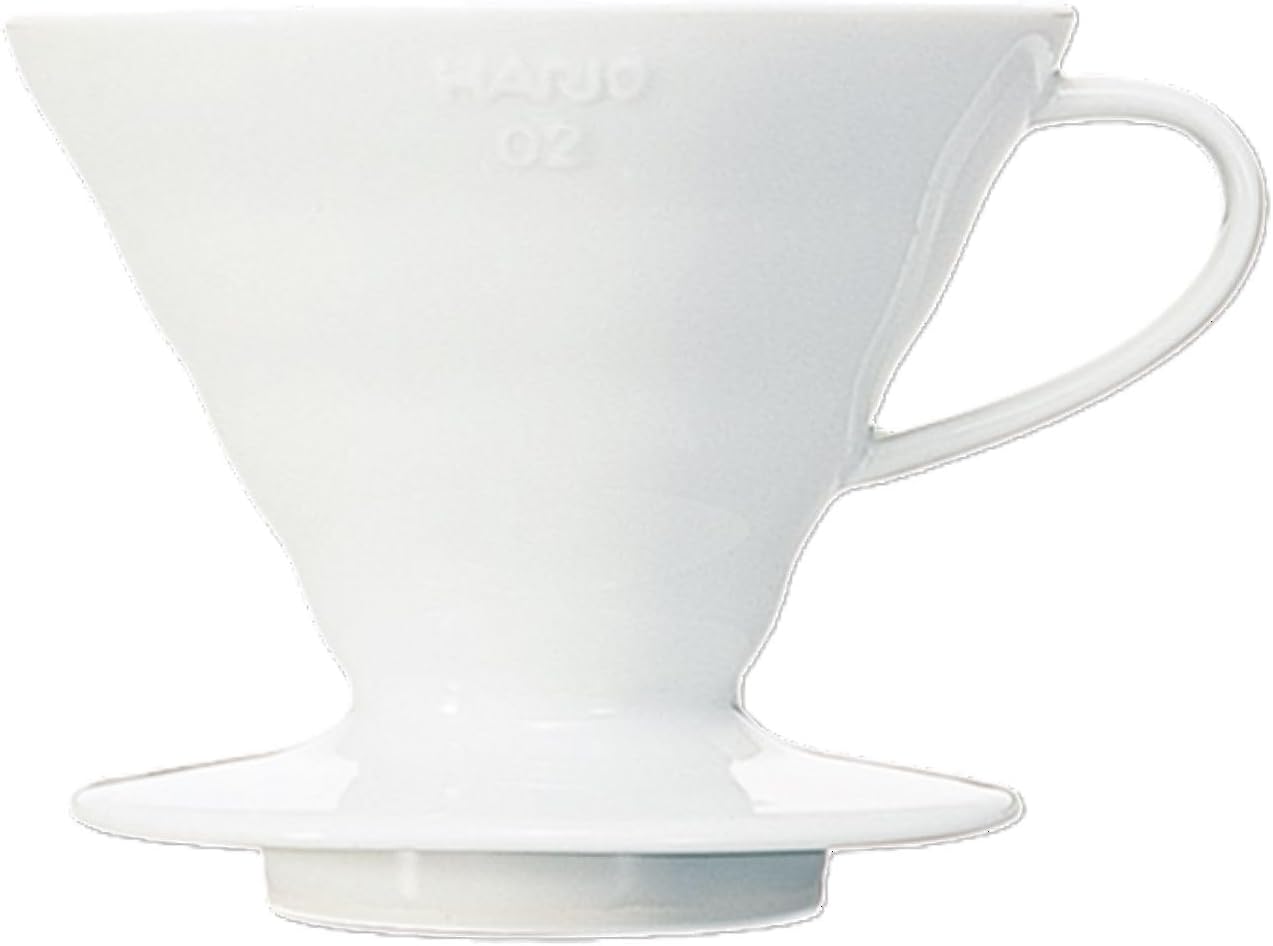
Our pick: HARIO V60 Ceramic Coffee Dripper, size 02, white.
Why we recommend it: This section suggests highlighting certain roasts with daily pour-over offerings. The ceramic V60 is a long-standing pour-over standard in specialty cafes, and the 02 size brews one or two cups at a time, which suits a small pour-over bar. One honest note: a working bar needs several drippers plus a gooseneck kettle and V60 paper filters, which are sold separately.
How we reached this: We checked Hario’s published size and material details against the pour-over service this section describes, using the criteria in our coffee rating system. Research-rated, not yet tested by our team.
Feeling like dialing in the house coffee: a bulk test bag
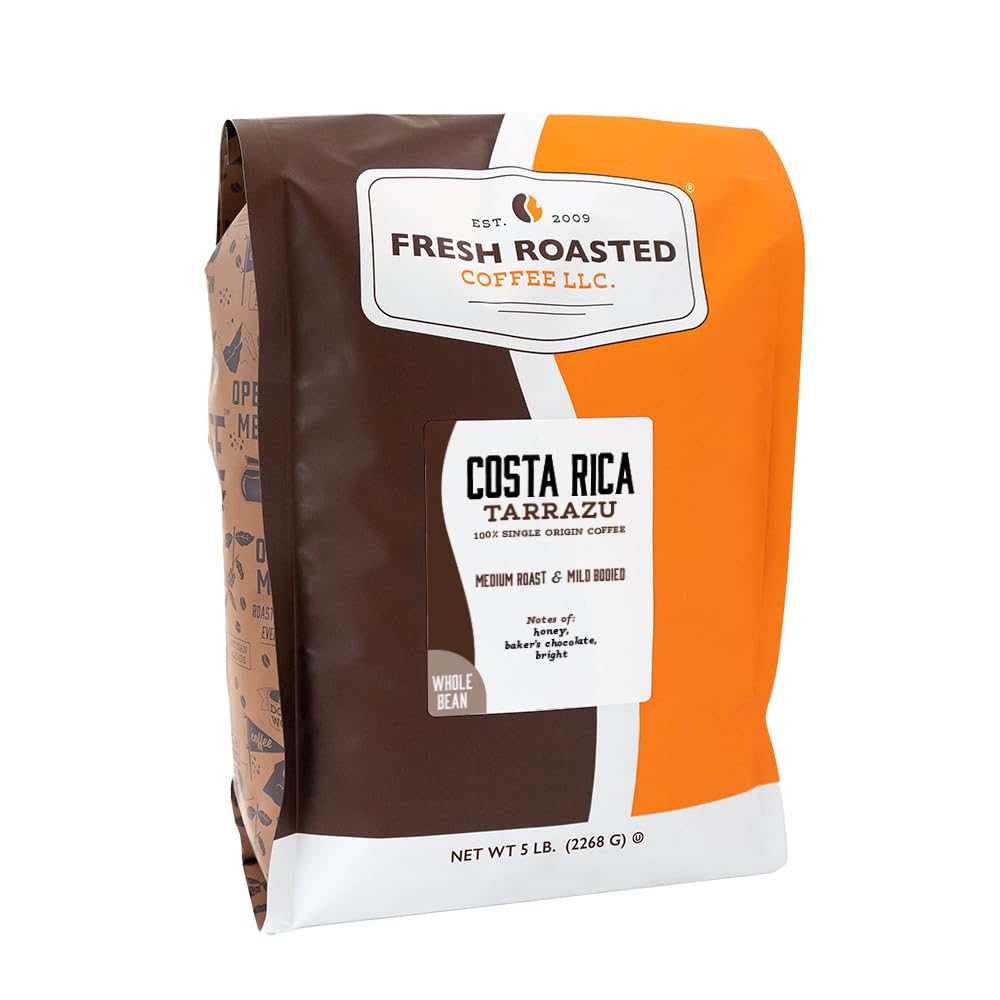
Our pick: Fresh Roasted Coffee Costa Rica Tarrazu, medium roast, whole bean, 5 lb.
Why we recommend it: Before you sign with a wholesale roaster, you need to know what you want from your drip coffee, as this section says. A 5 lb bag of a clean, balanced Costa Rican is enough to test grind settings, batch-brew ratios, and how a medium roast holds up on your menu. One honest note: this is for testing, not a replacement for a wholesale account, which usually brings better per-pound pricing and regular fresh deliveries.
How we reached this: We checked the listing’s origin, roast, and bag size against this section’s advice on choosing beans for different brews, using the criteria in our coffee rating system. Research-rated, not yet brewed by our team.
Make a Killer Menu
Once you got your beans together, you can plan your menu. You need to make sure you offer the core coffee drinks. The simpler the menu, the better.
Here are the definite drinks you should to have on your menu:
- Espresso
- Macchiato
- Cortado
- Cappuccino
- Latte
- Caffe Mocha
- Drip Coffee
- House Pour-Over
- Chai Tea Latte
These drinks will satisfy most customers. Your menu can have other fun specialty drinks too – have fun with it! Seasonal options are always a great idea.

A menu does not only mean coffee drinks. You should offer a few food options. This can be as simple as pastries or as abundant as full lunch options. That all depends on your vision. Most people like a treat with their coffee, especially in the morning. Ordering pastries from a local bakery is a great option. This ensures a quality product for your customers and lessens your prep work. Unless you’re absolutely passionate about baking, making things yourself requires more time and labor. A local bakery needs more support anyways!
Here is a go-to list of popular coffee shop food items:
- Croissants
- Cookies
- Loafs
- Muffins
- Donuts
- Savory pastries (e.a. ham and cheese croissants)
- Energy Bars
- Yogurts
A last note on your food menu: you want to keep it concise. You do not want to be left with a ton of leftover food. That is wasted food and money lost!
Create An All-Star Team
A top-tier staff is a high priority. They are responsible for your customer service. Having a reliable customer service model will create loyal customers.
When organizing your staff, remember you want team players who love coffee! Find baristas who know to always put a smile first. Also, pick people who pay close attention to detail and are problem solvers. Customers want their needs to be met without a hassle. You do not want a little thing resulting in losing a customer.
Be Proud of Your Business and Market Yourself!
You have to get your business out there. With your new coffee shop are ready to go, you need to make sure everyone knows about it.
There are many easy ways to start marketing your business. First, social media is incredibly reliable. This lets you connect with everyone, from locals to the global coffee industry. Creating fun and vibrant posts will definitely get noticed.
Also, do not be afraid to reach out to local organizations and businesses to start promotions. A simple loyalty card and firstcomer discount can get new people in the door.
Are you serious about opening your own coffee shop? We would love to hear about your business ambitions in the comments below. Don’t forget to save a loyalty card for us!