

With NO Additional cost to you, as an Amazon Associate, I earn from qualifying purchases. This page contains affiliate links; we may earn a commission if you buy through them.
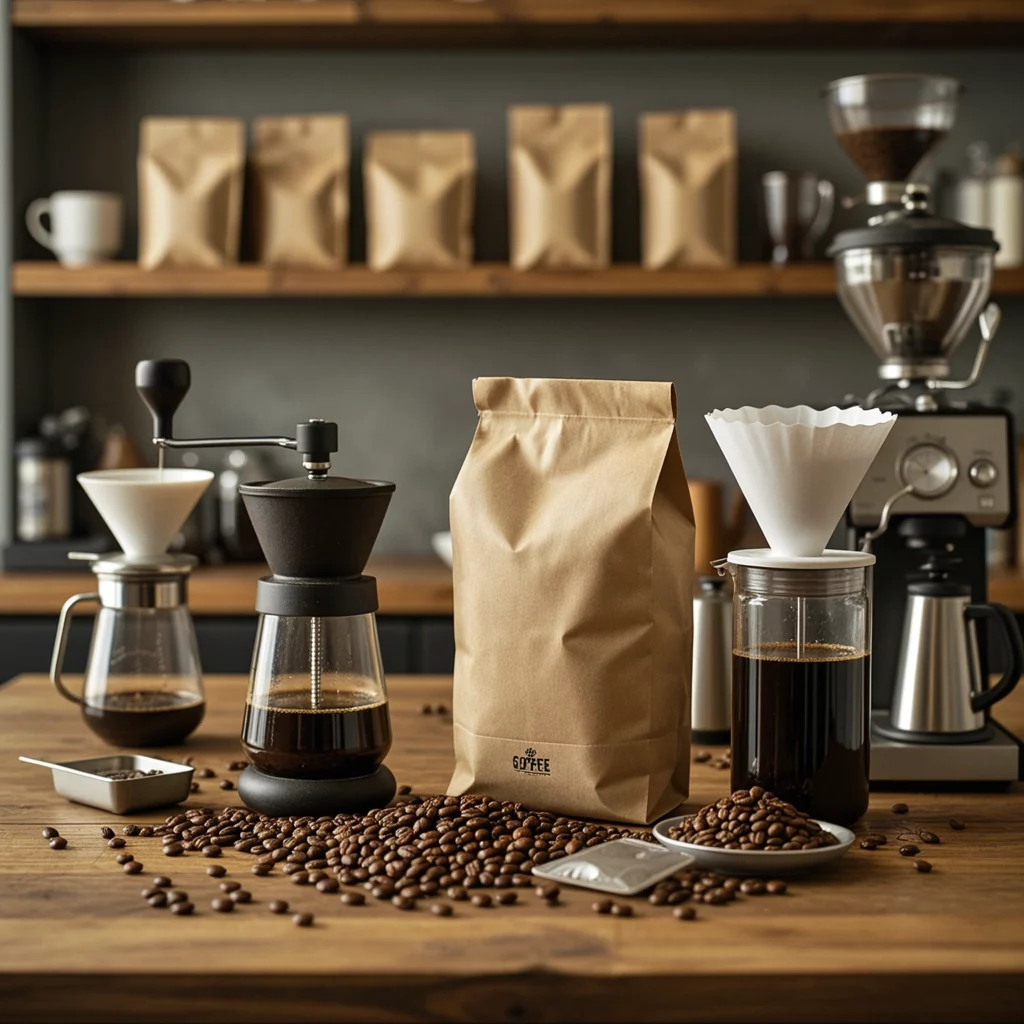
Coffee buying guides are research-based resources that help you choose the right beans, roast levels, grind sizes, and brewing gear so every cup you make at home is worth drinking. Whether you are shopping for everyday drip coffee or dialing in weekend espresso, a good guide matches your taste, budget, and brewing method to real products, instead of leaving you guessing in an aisle full of bags.
Key Takeaways
- Bean choice matters as much as gear: whole beans retain flavor longer than pre-ground coffee, and freshly ground coffee beans taste significantly better than pre-ground alternatives. Coffee freshness peaks between 2 to 4 weeks after roasting.
- Arabica beans make up 60% of global coffee production and are known for their sweet and smooth flavor, while robusta beans contain more caffeine and add body to blends.
- Matching grind size to brewing method is one of the fastest ways to improve cup quality. A fine grind suits espresso; coarse suits French press and cold brew. A mismatch creates sour or bitter off-flavors.
- This is researched editorial guidance from Capitol City Coffee, an independent coffee editorial and affiliate publication, not a roaster or retailer. Recommendations rely on documented specs, expert consensus, and verified data. As an Amazon Associate we earn from qualifying purchases.
- Below you will find criteria for choosing beans and gear, step-by-step selection advice, practical examples for cold brew, French press, drip, espresso, and pour-over, common mistakes to avoid, and FAQs.
Direct Answer: How to Use Coffee Buying Guides to Choose the Best Coffee Beans and Gear
Coffee buying guides help you narrow down the best coffee beans, grind, roast level, and brewing gear for your taste, budget, and brew method – fast. A good guide walks you through four core decisions: whole bean vs. pre-ground, the two main types of beans (arabica vs. robusta), roast level (light, medium roast, dark roast), and matching coffee to your brewer.
U.S. shoppers can use these guides to compare performance, quality, usability, and price side by side before buying online or in-store. Capitol City Coffee curates and explains third-party options based on documented specs and broad expert consensus, not on commissions. Later sections link to deeper origin stories, product roundups, and method-specific resources for exploring coffee origins and flavors from around the world.
Why Your Coffee Buying Decisions Matter
The same bag of coffee beans can yield a flat, forgettable cup or a complex, aromatic perfect cup depending on grind, water temperature, and gear. Even extraction, stable brew temperature, and consistent grind size directly affect sweetness, clarity, and bitterness. Grinding coffee increases the rate of flavor loss due to oxidation, which is why whole bean purchases paired with grinding right before brewing produce noticeably better results.
Paying slightly more for fresh, specialty-grade beans often delivers far better value than buying large, older supermarket bags. Some brewers are forgiving – a French press needs only coarse grounds and a timer – while manual espresso demands precision and practice.
Trade-offs matter: a cheap blade grinder can bottleneck even premium beans, while upgrading to a decent burr grinder may improve your cup more than spending the same money on fancier beans. Common U.S. use cases include daily drip coffee, weekend cold brew, espresso-based milk drinks, and single-cup pour overs for remote workers.
Key Differences and Criteria: Beans, Roasts, and Grinds
This section is the spec sheet of coffee buying guides: main types of beans, roast level options, grind sizes, and freshness clues.
Bean Species
The two main types of coffee beans are arabica and robusta. Arabica beans make up 60% of global production, offer more sweetness and nuanced acidity, and contain roughly 1.2–1.5% caffeine by dry weight. Robusta beans contain more caffeine (about 2.2–2.7%) and contribute stronger body and crema but can taste harsher. Beyond these main types, liberica beans have a smoky flavor with floral notes, and excelsa beans taste both light and dark, fruity yet rich – though both are uncommon in U.S. retail.
Origin and Flavor Profile
Single-origin coffee comes from one specific location where the coffee plant is grown, so place and growing conditions help shape its unique regional flavors. African origins like Ethiopian and Kenyan beans often taste fruity, floral, and bright. Colombian beans and Brazilian lots lean toward chocolate, nuts, and a smooth, full bodied profile. Tasting notes on coffee bags describe perceived flavors rather than added ingredients – “blueberry” means the coffee reminds trained tasters of blueberry, not that fruit was added. Different processing methods also shape flavor: natural processing imparts fruity sweetness to coffee, while washed processing yields clean and bright flavors.
Roast Level
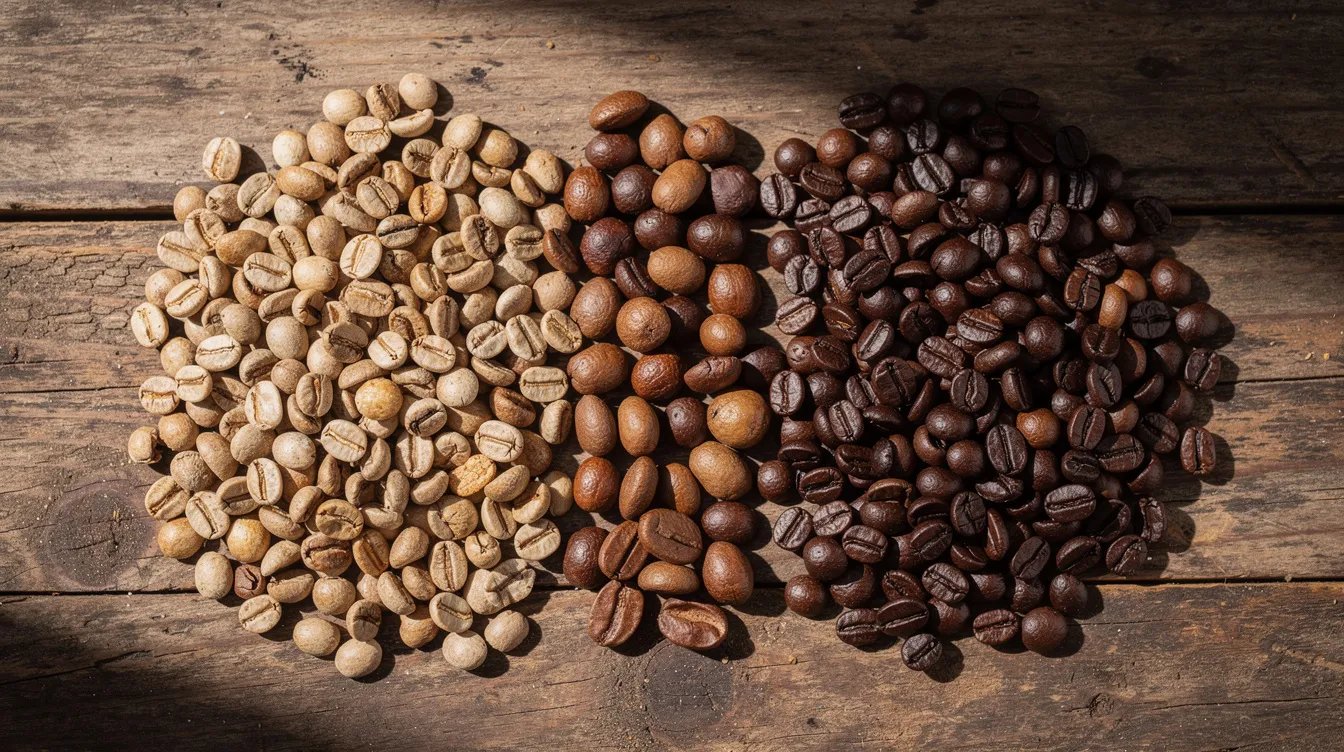
Light roasts taste brighter and more acidic, highlight acidity and original flavor notes, and actually retain more caffeine than darker roasts. Medium roasts balance brightness with body and sweetness – the everyday workhorse. Dark roasts produce bold flavors with low acidity and have deeper flavors like dark chocolate and nuts, though they can taste more bitter or smoky than lighter roasts. A 2024 comparative study confirmed that lighter roast styles preserve more origin character, while very dark roasts flatten differences between species and origins.
Grind Size
A fine grind (roughly 100–400 µm) suits espresso. Medium grind (500–800 µm) works for drip and pour overs. Coarse grind (800–1,000 µm) is right for French press and cold brew. Research on particle-size distribution shows that controlling grind consistency – not just average size – narrows flavor variance.
Freshness
Look for a clear roast date, beans roasted within the last 2–4 weeks, a dry (not excessively oily) surface, and a strong but not harsh aroma. Beans release carbon dioxide after roasting and typically need about 3 days to degas before peak flavor.
How to Choose Coffee Beans: Step-by-Step for Different Tastes and Methods
Start with your brew method, then narrow by taste preferences, then budget and availability. Consider your brewing method when selecting coffee beans – it is the single most important filter.
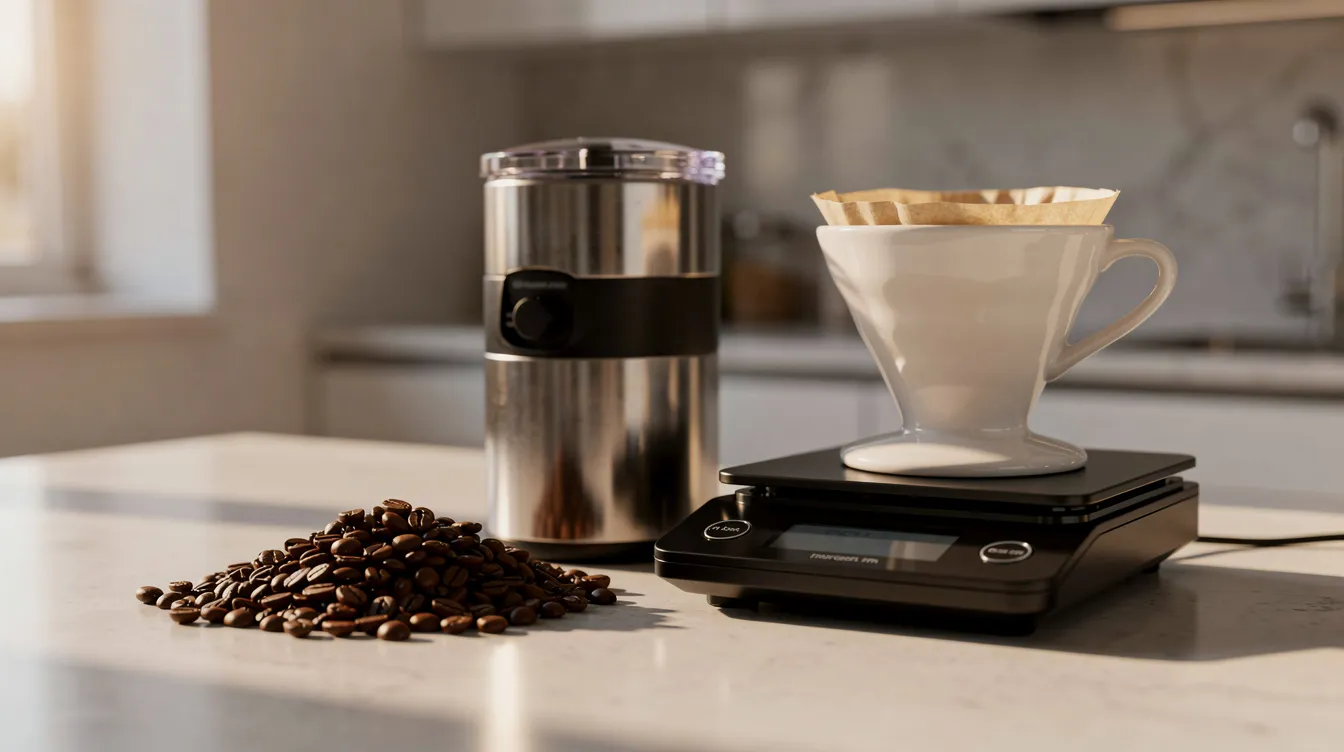
- Whole bean vs. pre-ground – Choose whole bean if you own any grinder. Pre ground coffee is acceptable if used within days of opening and matched to method, but it sacrifices aroma rapidly.
- Match roast level to method and taste – Light roast for pour-over if you prefer bright, acidic cups. Medium roast for most drip machines and AeroPress. Dark roast for espresso and moka pots when a strong flavor is desired.
- Choose origin by flavor – If you like berry and citrus, start exploring Ethiopian or Kenyan beans. If you want chocolate and hints of caramel, try Brazilian or Colombian beans. Single origin coffee lets you isolate what you prefer.
- Pick the right grind – A burr grinder delivers a consistent fine grind through coarse range. Blade grinders produce wide particle distributions and excess fines, causing uneven extraction and bitterness, especially in longer-contact methods.
- Read the bag – Good quality beans should have clear labeling on origin and roast date. Look for a specific roast date instead of a vague “best by” date. Check for process (washed, natural, honey), altitude, and flavor notes. Look for ethical certifications like Fair Trade or Organic when choosing coffee, though these speak to farming practices rather than flavor. Local roasters often roast coffee weekly or daily for freshness, making them a reliable source for quality coffee.
Practical Buying Examples: Matching Beans and Gear to Real-Life Scenarios
Here is how different people in the U.S. might use coffee buying guides to make decisions.
Everyday drip coffee – A medium roast blend from Brazil or Colombia, medium grind, 12 oz bag. A flat-bottom filter machine with decent temperature stability delivers dependable, low-fuss cups. This is great coffee without overthinking it.
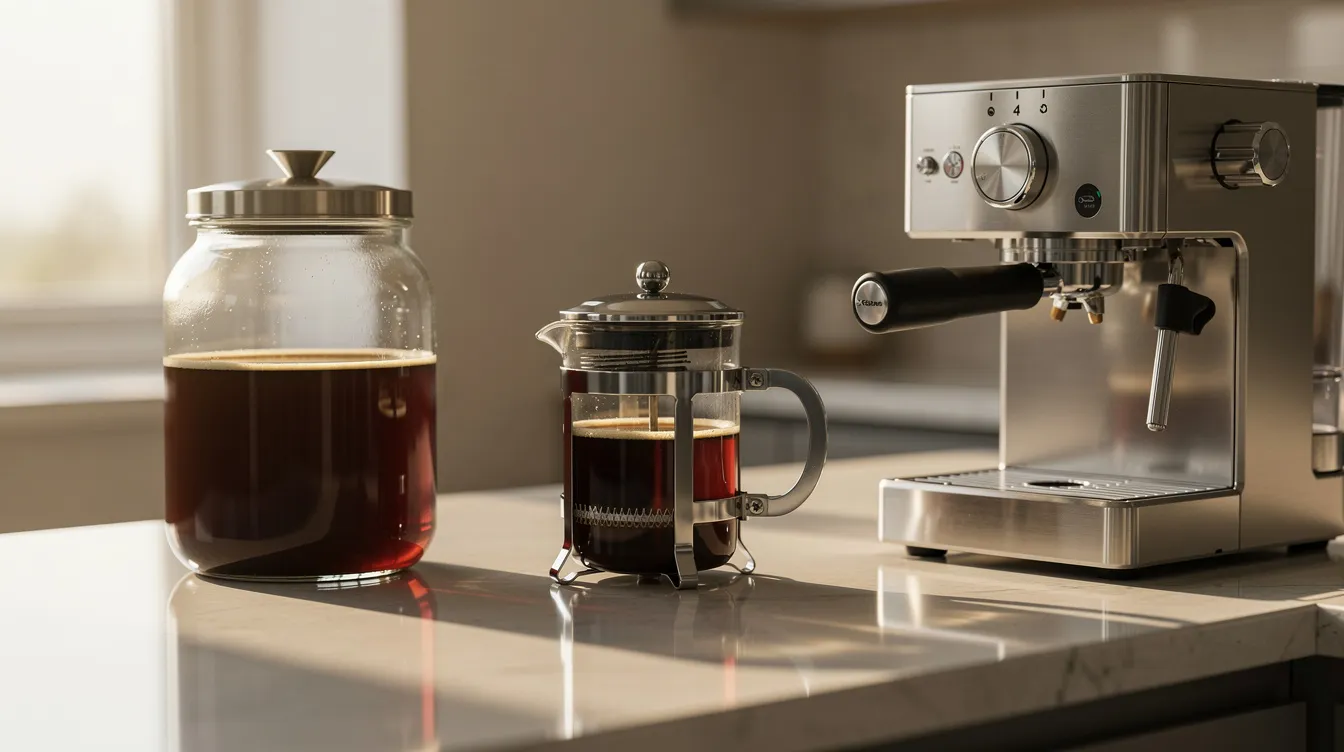
Weekend French press – Coarse grind, a slightly darker medium roast with chocolate and nutty notes (Guatemala, Sumatra). Avoid oily dark roast beans – they clog the mesh filter. A French press is forgiving: steep four minutes, press, pour.
Cold brew at home – Medium to dark roast with low acidity and caramel or chocolate notes. Grind coarse, steep 12–24 hours in the fridge. Studies show cold brew extracts fewer browned compounds and has lower acidity than hot brew across all roast levels. Concentrate keeps about 4–5 days refrigerated.
Espresso and milk drinks – A blend with some high-quality robusta beans for crema, medium-dark roast level, fine grind. The machine needs stable pressure and temperature. Without a good grinder, even the best espresso machine underperforms.
Light roast pour-over – Washed Ethiopian or Kenyan coffee, medium-fine grind, cone dripper (V60 or Kalita Wave), gooseneck kettle for pour control. Expect a bright, aromatic, layered cup – floral and fruity with sweet acidity. Freshness is critical here; stale light roast beans taste flat and grassy.
In every scenario, upgrading the grinder before the brewer delivers the biggest jump in cup quality.
Our Starter Picks
If you are building a setup from scratch, start with these two, matched to the scenarios above. Tap the image or the product name to see it on Amazon. We chose these from published specs rather than from using them ourselves yet, so both are labeled research-rated. As an Amazon Associate we earn from qualifying purchases.
Feeling like upgrading: the grinder comes first
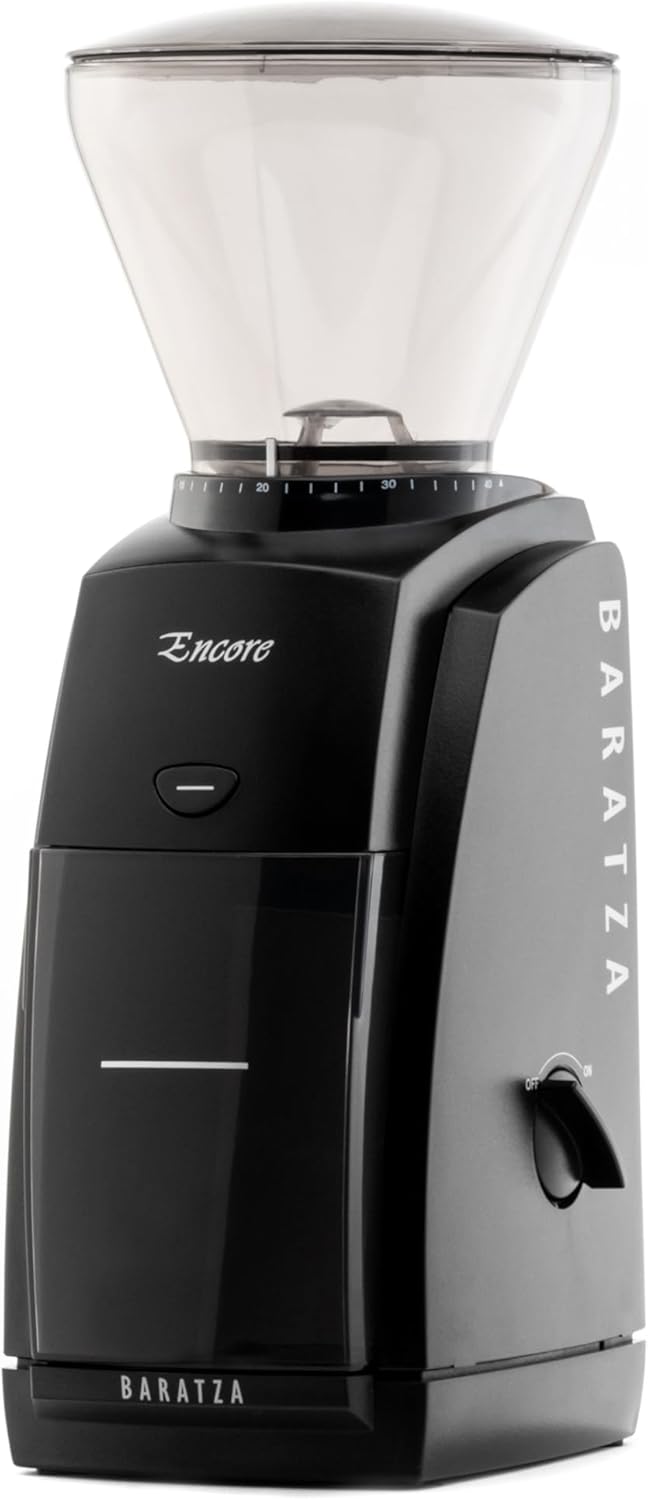
Our pick: Baratza Encore Conical Burr Grinder (ZCG485BLK), black.
Why we recommend it: This guide concludes that upgrading the grinder before the brewer gives the biggest jump in cup quality. The Encore’s 40 mm conical burrs and 40 grind settings cover the drip, French press, cold brew, and pour-over scenarios above with consistent grounds. One honest note: it is an entry point for espresso, and a dedicated espresso grinder gives finer control.
How we reached this: We checked Baratza’s published burr and grind-range specs against the brewing scenarios in this guide, using the criteria in our coffee rating system. Research-rated, not yet tested by our team.
Feeling like easy mornings: an everyday drip bag
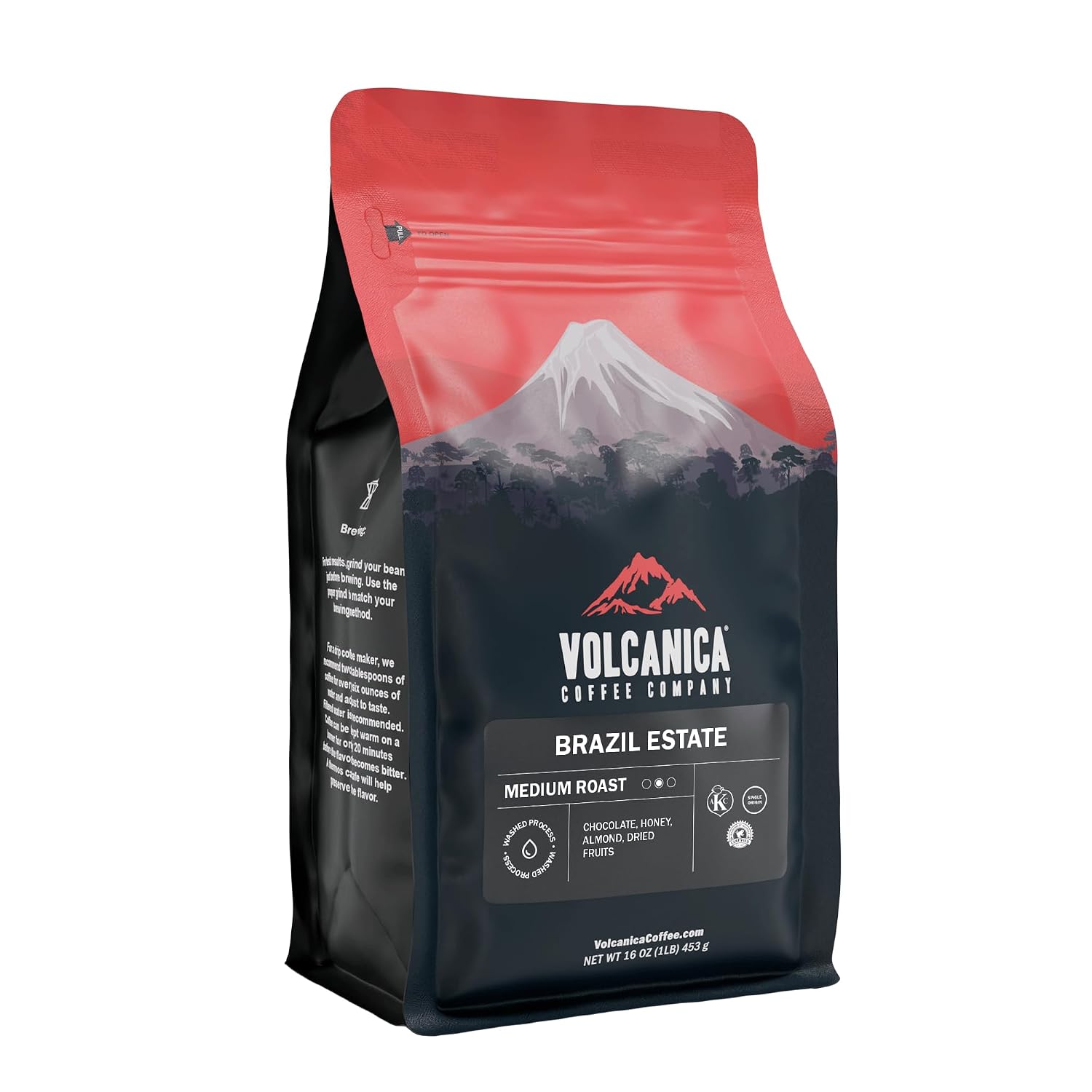
Our pick: Brazil Coffee, Bracosta Estate, whole bean, fresh roasted, 16 oz.
Why we recommend it: The everyday drip scenario above calls for a coffee from Brazil or Colombia with chocolate and caramel notes, bought whole bean. Bracosta is a single Brazilian estate, which fits that profile and lets you taste one origin clearly. One honest note: it has far fewer reviews than big-name blends, and it comes in a 16 oz bag rather than the 12 oz in the example.
How we reached this: We checked the listing’s origin and whole-bean details against this guide’s everyday drip scenario, using the criteria in our coffee rating system. Research-rated, not yet brewed by our team.
Common Mistakes When Buying Coffee Beans and Brewers
Avoiding a few errors improves value and coffee’s quality immediately.
- Buying pre ground coffee in bulk – Ground coffee stales fast. A small grinder plus smaller whole-bean bags is the fix. Freshly roasted beans are best used within 15 days of roasting for peak flavor, and certainly within 30 days.
- Ignoring roast dates – Look for roast dates to ensure coffee freshness. Beans can taste dull months before any printed “best by” deadline. Aim for roasted coffee from the last 2–6 weeks.
- Choosing by packaging instead of label details – Generic names and dark packaging tell you nothing. Read origin, roast level, and flavor profile. Compare a few options before you buy coffee.
- Wrong grind for the method – Fine grind in a French press creates muddy, bitter sludge. Coarse grind in an espresso portafilter yields sour, watery shots. Match grind to method every time.
- Overspending on a machine while neglecting the grinder – A $700 espresso machine paired with a blade grinder and stale beans is worse than a $30 French press with a decent burr grinder and fresh roasters’ beans.
- Bad storage – Avoid storing coffee beans in the refrigerator or freezer; moisture condensation accelerates staling. Store roasted coffee beans in an airtight container. Use opaque containers to protect beans from light. Keep coffee beans in a cool, dark place, away from direct sunlight.
Related Guides and Next Steps
Pick a primary brew method, choose a matching roast level, and buy a small bag of quality coffee beans to start experimenting. That single loop – brew, taste, adjust – teaches more than any article can.
For deeper origin profiles, processing methods, and how terroir shapes taste and value, explore our origin guides. For curated lists of the best coffee beans, grinders, and brewers organized by budget and use case, browse our product roundups. And bookmark our buying guides library – it grows as new gear, beans, and methods earn coverage.
Your palate will change over time. Let it. The best cup is the one you make deliberately, not by default.
FAQs: Coffee Buying and Brewing Choices
These FAQs address common questions not fully covered above, focusing on practical buying decisions.
How long do coffee beans stay fresh after roasting?
Most specialty coffee beans taste best between about 3 days (after initial degassing) and 4 weeks after roast when stored properly. Light roasts sometimes stay vibrant a bit longer. Dark roast can appear oily sooner and may lose nuance more quickly, especially if exposed to air, light, or heat. Beans do not become unsafe after that window, but the flavor profile tends to flatten and stale notes appear.
Is green coffee worth buying for home roasting?
Green coffee is unroasted beans that require a dedicated roasting process before brewing. Pros include longer shelf life, full control over roast level, potentially lower per-pound cost, and the ability to experiment with different flavor profiles from the same lot. Cons include a real learning curve, need for roasting equipment, smoke and odor, and significantly more time than buying roasted beans. Coffee tasting becomes a whole new skill when you roast your own.
What’s the best grind size if I use multiple brew methods at home?
Start with a versatile burr grinder that moves between fine grind, medium, and coarse with repeatable settings. Keep a noted setting for drip or pour-over, another for French press, and another for cold brew. Adjust slightly based on taste – if it is bitter, go coarser; if sour, go finer. Avoid one “compromise” grind for all methods, since that usually reduces cup quality across the board.
Do certifications like Organic or Fair Trade guarantee better-tasting coffee?
Certifications speak to farming and trade practices, not directly to flavor. However, the higher prices associated with certified lots can support better processing and sorting, which often improve quality. Weigh certifications alongside origin, roast level, freshness, and flavor notes. Some exceptional coffees may be uncertified but grown with strong ethical practices – roasters who are transparent about sourcing are worth supporting regardless.
Should I invest in a grinder or a better coffee maker first?
For most home setups, upgrading to a consistent burr grinder improves cup quality more dramatically than swapping an average drip machine for a premium one. If your current grinder is a blade model or you are still buying pre ground coffee, prioritize the grinder. Then consider a brewer upgrade for better temperature control and usability. A grinder that handles everything from French press to espresso offers better long-term value than highly specialized equipment early on.