
Key Takeaways
- The best decaf coffee subscription for most U.S. drinkers is Atlas Coffee Club for rotating single-origin variety, with Trade Coffee leading on value, Swiss Water for chemical-free purists, Driftaway for offices, Counter Culture for mixing decaf and regular coffee, and Podium for competition-grade beans.
- What separates a great decaf subscription from a mediocre one: consistently fresh roast dates, reliable decaffeination methods (especially Swiss Water Process), clear roast level options across medium roast and dark roast, flexible delivery frequency, and easy cancellation.
- This guide is researched editorial analysis by Capitol City Coffee. Picks are based on third-party reviews, expert consensus, and verified product details, not commission size.
- Freshly roasted coffee tastes best within 20 days of roasting, and whole beans retain flavor longer than pre-ground coffee, making subscription timing and grind choice critical for decaf drinkers.
- Swiss Water Process decaf retains more flavor than chemical methods, which is why most top subscriptions now emphasize water process or CO₂ decaffeination over older solvent-based approaches.
Affiliate Disclosure
Capitol City Coffee is an independent coffee editorial and affiliate publication. We may earn a commission when you purchase through outbound links, at no extra cost to you. Affiliate partnerships do not influence rankings or recommendations. All picks reflect researched editorial analysis and widely reported expert feedback.
Quick Answer: The Best Decaf Coffee Subscription Picks
For most U.S. coffee drinkers, the best decaf coffee subscription overall is Atlas Coffee Club’s decaf plan, which delivers rotating single-origin decaffeinated coffee with clear roast dates and detailed flavor notes. Decaf subscriptions have improved significantly to feature specialty-grade beans, well-made decaf blend options, and better decaffeination methods, so there’s no reason to settle for flat, stale decaf anymore. Here are the top picks by category:
- Best overall decaf coffee subscription: Atlas Coffee Club – single-origin, globally sourced decaf coffee beans with printed roast date and rotating flavor profiles.
- Best value decaf coffee subscription: Trade Coffee – access to 55+ U.S. roasters, frequent promotions, broad decaf selection across medium and dark roast styles.
- Best for decaf purists: Swiss Water – exclusive focus on water process decaffeinated coffee with no chemical solvents, multiple partner roasters.
- Best customizable office decaf plan: Driftaway Coffee – personalization quiz, large bag sizes up to 5 lbs, flexible delivery frequency for shared stashes.
- Best curated specialty decaf: Podium Coffee Club – competition-level decaf lots with complex tasting notes like cherry, caramel, and layered sweetness.
- Best tailored decaf + regular mix: Counter Culture Coffee – quiz-driven personalization, option to combine decaf and regular coffee in one subscription.
Each pick earns its spot for a different reason: freshness guarantees, roast variety, Swiss Water Process exclusivity, pricing, or gifting suitability.
At-a-Glance comparison
Tap a photo or the Amazon button to check a decaf bag you can buy as a single order. These are Amazon listing photos. Research-rated from each brand’s published details, not yet brewed by our team.
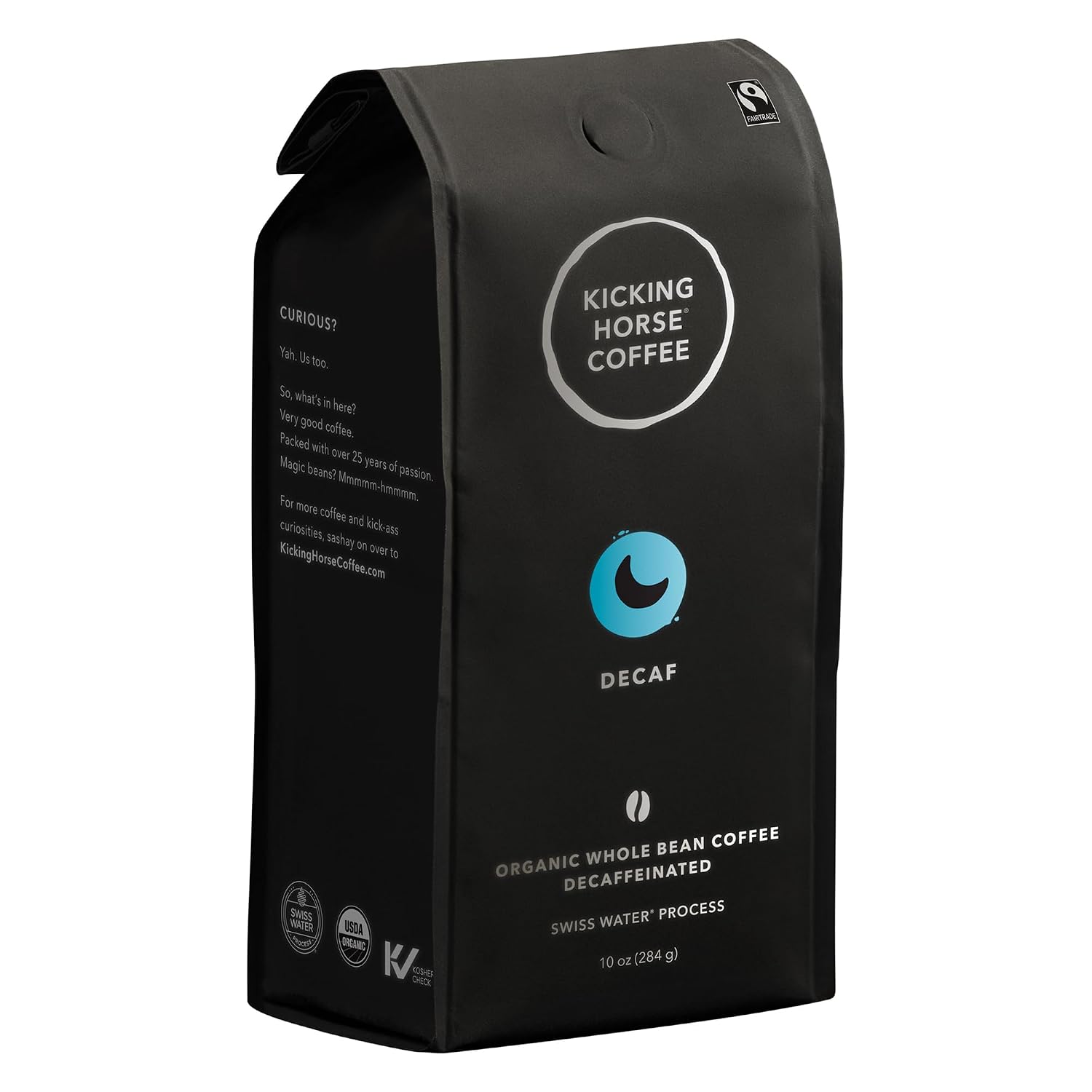
Dark roast decaf bag
Kicking Horse Decaf
- RoastDark
- FormatWhole bean
- Best forOne order, no monthly plan
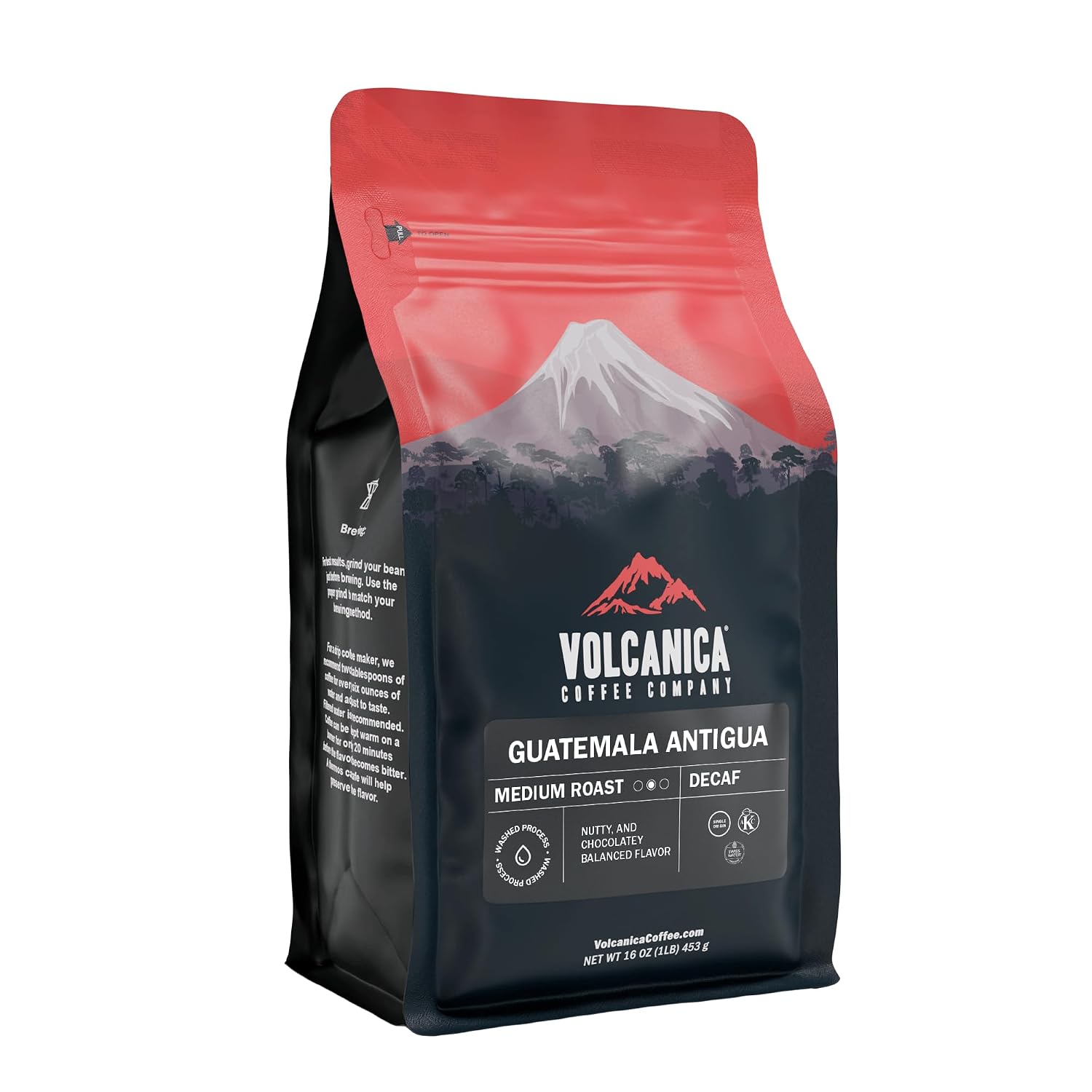
Origin decaf
Volcanica Guatemala Antigua Decaf
- RoastMedium
- FormatWhole bean
- OriginGuatemala Antigua
Feature | Atlas | Trade | Swiss Water | Driftaway | Podium | Counter Culture |
|---|---|---|---|---|---|---|
Price / 12 oz bag | ~$17 | ~$17 | ~$18 | ~$19 | ~$22–$30 | ~$20 |
Roast options | Medium (mostly) | Medium to dark | Medium to medium-dark | Light to medium | Medium to medium-dark | Medium |
Decaf method | Varies by origin | Mixed (some Swiss Water, some EA) | Swiss Water only | Water process | Varies | Water process |
Bag sizes | 12 oz | 10–12 oz | 12 oz | 12 oz, 2 lb, 5 lb | 10.5 oz (×2) | 12 oz, 24 oz, 5 lb |
Grind options | Whole bean or ground | Whole bean or ground | Whole bean only | Multiple grinds | Whole bean | Whole bean or ground |
Delivery frequency | Every 2 or 4 weeks | Every 2 weeks+ | Weekly to bimonthly | Flexible | Monthly | Weekly to 8 weeks |
Roaster variety | Single brand, multi-origin | Multi-roaster marketplace | Multi-roaster, single method | Single brand | Multi-roaster, curated | Single brand |
Free U.S. shipping | Yes | Threshold applies | Yes | Threshold applies | Included | Orders $30+ |
Pause / cancel | Online portal, anytime | Dashboard, anytime | Online, anytime | Online, anytime | Online | Online portal |
How We Evaluated the Best Decaf Coffee Subscriptions
No in-house cupping or brewing was performed for this guide. Conclusions are drawn from roaster-published information, third-party labeling, expert tastings where cited, and broad customer consensus across publications like Bon Appétit, Forbes Vetted, and Brew Matric.
Here are the criteria that shaped rankings:
- Freshness and roast date transparency. Preference for subscriptions that roast to order, print clear roast dates, and ship quickly. Coffee beans should have a clear roast date for freshness – “best by” stamps are not a substitute.
- Decaffeination method. Priority on Swiss Water and similar water process or CO₂ methods for flavor retention and chemical-free appeal. Chemical-free decaffeination processes are preferred by many specialty coffee drinkers, and Swiss Water and CO₂ methods are the most popular among specialty roasters.
- Flavor profile quality. Based on aggregated reviews, looking for balanced acidity, sweetness, and body in decaf coffee across standard brew methods – drip, pour over, French press, and espresso.
- Variety and personalization. Number of decaf options available, roast level choice, and tools like personalized taste-matching quizzes that help customers select decaf coffees tailored to their preferences.
- Subscription mechanics. Bag size options, delivery frequency controls, pause and cancel ease, and overall user experience.
- Value and price per bag. Cost evaluated in context of bean quality, roast freshness, and shipping – not just raw list price.
High-quality decaf subscriptions emphasize transparency in sourcing and processing methods, and we weighted decaf-specific concerns (water process vs. solvent-based, medium vs. dark roast performance) more heavily than generic subscription features. Many specialty coffee subscriptions now focus on high-end decaf options and gentle processing methods, reflecting how far the category has come.
Best Decaf Coffee Subscriptions: Individual Reviews
Each service below has clear strengths and trade-offs. Rankings are based on editorial judgment, not commissions. Every review follows a consistent format: “best for” summary, flavor and roast notes, freshness practices, personalization, logistics, value, and drawbacks.
Atlas Coffee Club – Best Overall Decaf Coffee Subscription
Atlas offers single-origin decaf coffee from various farms around the world, delivering a different country’s beans each shipment. That rotating model makes it the most interesting decaf coffee subscription for curious drinkers.
Flavor and roast: Atlas decaf selections typically land in the medium roast range, with country-specific tasting notes – think Guatemalan decaf with malt, marshmallow, and cantaloupe-like sweetness, or Colombian lots with caramel and chocolate. The flavor profile changes with each shipment, keeping things fresh beyond just the roast date.
Freshness: Beans are roasted near the ship date, and bags arrive with printed roast dates. For decaf coffee beans that can taste flat when stale, this matters. Aim to brew within 2–4 weeks of the date on the bag.
Personalization: You choose decaf vs. regular, whole beans vs. ground, quantity of bags per shipment, and delivery frequency (every 2 or 4 weeks). The exact origin stays a surprise, which is part of the appeal. Subscriptions allow you to modify coffee selection anytime through an online portal.
Value: Around $17 per 12 oz bag with free U.S. shipping. Prepaid gift plans are available in 3-, 6-, and 12-month increments, making Atlas a great choice for gifting.
Drawbacks: Limited control over specific roast level or origin beyond general preference. Coffee lovers who want exclusively dark roast may find Atlas skewed lighter. No espresso grind option on all plans.
Trade Coffee – Best Value and Variety for Decaf Coffee Beans
Trade partners with U.S. roasters for diverse decaf options, operating as a multi-roaster marketplace with dozens of decaffeinated coffee selections at any given time.
Flavor range: Popular picks include Irving Farm Blackstrap Decaf (rich, sweet, full bodied with brown sugar notes) and 8th & Roast Condor Decaf (nutty, fruity). Roast styles span medium roast through dark roast and espresso-oriented options, with both single-origin decaf and decaf blend selections depending on the roaster. You’ll find smooth chocolate-forward options alongside brighter, more acidic profiles.
Personalization: An onboarding quiz asks about brew method, roast preference, and flavor profile, then matches you with suitable decaf beans. You can filter for decaf only, choose grind size, and adjust bag quantity and delivery cadence. Top decaf subscriptions may include rotating coffee selections and robust customization options – Trade delivers on this.
Freshness: Coffees are roasted by partner roasters and shipped directly, typically with printed roast dates within a few days of roasting. A discovery trial offers your first bag free.
Value: Roughly $17 per bag. Frequent promo offers make Trade the price leader for budget-conscious decaf drinkers who want to sample many brands without managing multiple subscriptions.
Drawbacks: The decaf selection changes often as roasters rotate inventory. Some partner roasters use non-water-based methods, so purists who only want Swiss Water Process should filter carefully. Not every bag will be a home run – but Trade’s exchange policy helps.
Swiss Water – Best for Swiss Water Process Decaf Purists
Swiss Water focuses entirely on decaf coffee subscriptions, offering only coffees processed through their proprietary water-based decaffeination method. The Swiss Water Process uses special filters and green coffee extract to remove caffeine without chemical solvents, claiming 99.9% caffeine removal while preserving origin character, sweetness, and aroma.
Flavor and roast: The subscription showcases different partner roasters and origins – Bridge City with citrus and spice, Equator Coffees with sweeter, dessert-like profiles. Options span medium roast to medium-dark roast and espresso-friendly blends. Decaf subscriptions can feature unique flavor profiles by sourcing from various regions, and Swiss Water leans into this.
Freshness: Coffee is roasted by featured roasters and shipped with clear roast dates and origin details. Subscribers get a new roaster each shipment, providing variety without sacrificing quality.
Subscription mechanics: Delivery frequency options include weekly, biweekly, monthly, or bimonthly. Price is approximately $18 per 12 oz bag with free U.S. shipping. Gift cards are available in $20, $50, and $100 increments.
Drawbacks: Whole bean only – no pre-ground option, which adds a step if you don’t own a grinder. Higher price per bag than mainstream decaf. Best suited to those who specifically want guaranteed chemical-free decaffeinated coffee and are willing to pay for that assurance. Organic certification often accompanies these beans, since organic certification means no chemical solvents are used in decaffeination.
Driftaway Coffee – Best for Offices and Shared Decaf Coffee Stashes
Driftaway offers a personalized decaf coffee subscription experience, starting with a tasting kit and building your flavor preferences over time. The real draw for offices and large households is the availability of 2 lb and 5 lb bags.
Flavor and roast: The decaf lineup is smaller than the caffeinated range – typically one rotating decaffeinated coffee – but reviewed blends have included lighter, fruit-forward profiles and medium roast options with brown sugar or molasses notes. Body tends toward smooth and balanced rather than smoky or bitter.
Office-friendly features: Multiple grind options including espresso and cold brew. Scheduling flexibility lets office managers align deliveries with workplace consumption. You can curate multiple decaf coffee selections in subscriptions and adjust batch size as the team grows or shrinks.
Freshness: Roast-to-order model with roast dates on bags. Shipping targets delivery within days of roasting. Whole beans retain flavor longer than pre-ground coffee, so offices going through beans quickly can order whole bean and grind on-site for the best cup.
Value: The per-ounce cost drops significantly with larger bags, making office-scale decaf comparable to or cheaper than bulk grocery-store decaf while tasting dramatically better.
Drawbacks: More limited choice of decaf coffees at any given time. Flavor profiles skew toward light to medium roast, which may not satisfy dark roast decaf drinkers who want something full bodied and smoky.
Podium Coffee Club – Best for Elite, Competition-Level Decaf
Podium curates award-winning coffees from champion roasters worldwide, including select decaf offerings aimed at serious coffee drinkers who refuse to compromise.
Flavor and roast: Reported tasting notes from highlighted decaf coffees include caramel, apple, cherry, chocolate, low acidity, and layered sweetness. These are specialty-grade decaffeinated coffee beans that deliver delicious complexity you’d expect from competition lots.
Subscription model: Gold tier runs approximately $22.50/month, Platinum approximately $29.50/month, each delivering two 10.5 oz bags. Decaf appearances vary – dedicated decaf tiers may be available depending on the season. Coffees are roasted in small batches aligned with shipment windows, with roast dates clearly printed.
Drawbacks: Higher pricing, more limited decaf availability compared with regular offerings, and best suited to enthusiasts comfortable adjusting grinders and brew ratios. Not ideal for someone who just wants reliable morning decaf without fuss.
Counter Culture Coffee – Best Tailored-To-You Decaf & Regular Mix
Counter Culture allows mixing regular and decaf coffee in subscriptions, making it the top pick for households where not everyone has quit caffeine. Their Slow Motion decaf is a standout: balanced medium roast with cocoa, molasses, and gentle sweetness – designed to taste like great coffee, not an afterthought.
Personalization: The subscription quiz asks about roast level, flavor preferences (chocolatey vs. fruity), and origin types, then matches you. It’s easy to toggle decaf proportion over time. Specialty coffee subscriptions often provide customizable delivery frequencies and preferences, and Counter Culture executes this well.
Freshness: Counter Culture ships within one to two business days after roasting for subscription orders. Roast dates are clearly provided, and you can even select your coffee’s roast date from multiple available batches.
Value: Around $20 per 12 oz bag, with free shipping on orders $30+. Bag sizes include 12 oz, 24 oz, and 5 lb for high-volume households. You can pause or cancel your subscription anytime through the online portal.
Drawbacks: Fewer decaf options than a marketplace like Trade. Limited super-dark roasts – those who only drink dark roast decaf may feel under-served. Decaf is often treated as an afterthought by specialty roasters in general, but Counter Culture is one of the exceptions.
How to Choose the Best Decaf Coffee Subscription for You
The right subscription depends on taste, budget, brew method, and how much control you want over each shipment. Here’s how to narrow it down:
Flavor and roast preferences. Think about whether you prefer chocolatey, nutty, caramel-heavy decaf or brighter, fruitier profiles. Medium roast tends to balance sweetness and acidity, while dark roast brings more smokiness and bitterness that some decaf fans love. If you add creamer or milk, a darker, richer roast often holds up better.
Decaffeination method. Common methods include Swiss Water Process and other water process approaches, CO₂, and solvent-based methods using chemicals like methylene chloride or ethyl acetate. The FDA considers solvent residues safe within strict limits, but many decaf drinkers simply prefer water process for peace of mind. Choose Swiss Water or similar if you prioritize chemical-free processing, especially for daily use.
Freshness. Look for roast dates – not just “best by” stamps. Aim to drink decaf coffee beans within about 2–4 weeks of roast for the best aroma and flavor.
Whole beans vs. pre-ground. You can select between whole or ground beans for subscriptions. Grinding right before brewing preserves aromatics, which is especially important for decaf where flavor can already be more delicate. Pre-ground is convenient but often tastes flatter.
Subscription mechanics. You can choose delivery frequency for decaf subscriptions based on your daily cup count and bag size. Estimate whether a 12 oz bag lasts you two weeks or four, then set your next shipment accordingly. You can pause or cancel your subscription anytime with most services.
Price and value. Calculate cost per ounce including shipping. A delicious $18 bag of Swiss Water decaf may actually beat buying mediocre grocery-store decaf once you factor in taste and freshness. Verena Street Coffee and similar recognizable brands offer decent grocery-store decaf, but subscription-fresh beans are a different experience.
Brew method fit. Ensure the subscription offers coffees suited to your setup – whether that’s espresso, drip, pour over, French press, or cold brew. Those using espresso machines should look for an espresso-friendly decaf blend with tasting notes emphasizing body and sweetness rather than light, acidic profiles.
Decaf Coffee Subscription Gifts and Special Considerations
Decaf coffee subscriptions make thoughtful gifts for caffeine-sensitive friends, expecting parents, or anyone who wants to drink coffee for the pleasure of flavor without the buzz – perfect for afternoon sipping or a relaxing morning ritual.
Gifting mechanics: Most services offer prepaid gift structures in 3-, 6-, or 12-month increments. Some provide digital gift cards while others ship a physical box. Check whether gifts auto-renew or stop automatically to avoid surprises.
Choosing the right style: For beginners, crowd-pleasing medium roast decaf coffee beans with chocolate and caramel notes are the safest bet. For coffee-savvy recipients, consider single-origin decaf from Atlas or curated competition lots from Podium that highlight origin stories and complex flavor.
Personalization for the recipient: The best gift subscriptions let recipients fill out their own taste quiz, choose grind options, and set their own delivery schedule after redeeming a gift code. This avoids guessing someone’s exact brewing setup or roast preference.
Practical tips: Confirm the subscription ships to the recipient’s U.S. address and can be paused during travel. Including a note with simple brew recommendations adds a helpful touch. Some services, like Swiss Water, offer gift cards in set denominations ($20, $50, $100) for maximum flexibility. A Keurig user might prefer a different format entirely, so knowing the recipient’s setup matters.
Decaf Coffee Basics: What to Know Before You Subscribe
Decaf coffee is regular coffee with most caffeine removed. Modern specialty decaf can taste remarkably close to regular coffee when processed and roasted well – the days of bitter, cardboard-tasting decaf are fading.
How decaffeinated coffee is made: Decaffeination starts with boiling or steaming unroasted green coffee beans to open their pores. Caffeine is then removed using solvents like methylene chloride or ethyl acetate, or through chemical-free methods like Swiss Water Process or CO₂ extraction. The beans are dried and roasted as usual afterward. Among roughly 478 roasters with decaf records, about 70 use Swiss Water, 54 use sugarcane EA, 25 use Mountain Water, and 9 use CO₂.
Caffeine content: Decaffeinated coffee can still contain up to 3% caffeine. A typical cup has roughly 2–7 mg compared to 95+ mg in regular coffee. People very sensitive to caffeine should still monitor intake.
Flavor considerations: Decaffeination slightly changes bean structure, making decaf coffee beans more porous and sometimes leading to faster extraction. Start with a slightly coarser grind or shorter brew time compared with regular coffee to avoid over-extraction and bitterness.
Roast labels: Light roast, medium roast, and dark roast labels vary between roasters, especially in decaf where beans may appear darker due to processing. Trust tasting notes over color alone.
Certifications: Organic certification often implies non-solvent decaffeination, but confirm the specific method on each product page. FDA-approved solvent methods are considered safe at regulated levels, but many drinkers prefer water process for both flavor and peace of mind.
Internal Resources and Where to Go Next
This page fits within Capitol City Coffee’s broader subscription and coffee education coverage. Here’s where to go depending on what you need:
- To compare regular and decaf plans broadly, explore all coffee subscription types.
- For a full overview mixing decaf and regular picks, see our best coffee subscriptions guide.
- Decaf lovers interested in origin-driven beans should check the best single-origin coffee subscription roundup.
- Gift shoppers can find curated options in our best coffee subscription gifts guide, including decaf-friendly picks.
- For brew methods, grinder recommendations, and general coffee knowledge, explore the coffee section to get more from every bag.
If there’s a service or topic we haven’t covered, submit related articles or suggestions – we’re always expanding our coverage based on reader feedback.
Our Decaf Coffee Pick
Decaf subscriptions usually run on the roaster’s site. This is an Amazon bag in that same evening-cup style. Tap the image or the coffee name. Research-rated, not yet brewed by our team. As an Amazon Associate we earn from qualifying purchases.
Feeling unwinding: a Swiss-water-style decaf
Our pick: Kicking Horse Decaf, whole bean. A dark roast decaf bag when you want one order instead of a monthly decaf plan. Research-rated, not yet brewed by our team.
FAQs
These FAQs cover common decaf-specific questions not fully addressed above.
Does decaf coffee taste worse than regular coffee in subscriptions?
Older supermarket decaf earned a reputation for flat, bitter flavor, but modern specialty decaf coffee beans – especially those using Swiss Water or careful water process methods – can be very close to regular coffee in taste. Choosing freshly roasted beans with clear roast dates and brewing them within a few weeks matters more for overall flavor quality than whether the coffee is decaf or regular. A great cup of decaf is absolutely achievable with the right subscription.
Will a decaf coffee subscription still affect my sleep?
Decaffeinated coffee still contains a small amount of caffeine (up to about 3% of the original), so extremely sensitive individuals may notice some effect, particularly with multiple cups late in the afternoon. Experiment with cutting off decaf a few hours before bed. If sleep issues persist, discuss caffeine sensitivity with a healthcare provider.
Can I use decaf coffee beans from a subscription for espresso?
Many decaf blends work well for espresso, especially medium-dark or dark roast options labeled espresso-friendly by the roaster. Decaf beans may extract faster due to their more porous structure, so you may need to adjust your grind slightly coarser or pull a shorter shot. Look for subscriptions offering espresso grind or detailed brewing notes.
How long will decaf coffee stay fresh once delivered?
For most specialty decaf coffee beans in sealed bags with one-way valves, flavor peaks within about 3–14 days after roast and remains good for roughly 3–4 weeks stored in a cool, dark place. Avoid refrigerator or freezer storage for frequently opened bags. Instead, match your bag size and delivery frequency so beans are used within a month.
Is a decaf coffee subscription worth it if I only drink one cup a day?
A subscription can still be worthwhile for one-cup-a-day drinkers if you choose smaller bags (12 oz) or less frequent deliveries – say every 4 weeks. This keeps your decaf fresh without waste. Most services let you easily adjust delivery frequency or pause your shipment if your habit changes, so there’s minimal risk of beans going stale.