
Key Takeaways
- Capitol City Coffee independently reviews major U.S. coffee subscription services based on freshness, pricing, flexibility, and value-covering platforms like Trade Coffee, Atlas Coffee Club, Bean Box, Blue Bottle, and Podium Coffee Club.
- This page is an editorial hub, not a storefront. All recommendations are researched editorial analysis grounded in verified product data, reputable expert sources, and aggregated customer consensus as of 2026.
- The biggest decision factors you’ll find addressed here: subscription models, roast-to-ship timing, customization depth, price per bag, cancellation policies, and whether a service fits your daily brewing routine or works better as a gift.
- Deeper individual coffee subscription reviews and side-by-side comparisons are linked throughout, so you can move from broad research to a focused shortlist quickly.
At a glance
Affiliate Disclosure
Some links on this page are affiliate links that may earn Capitol City Coffee a small commission at no extra cost to you. Commissions never influence rankings or which coffee subscriptions are covered. Editorial opinions are independent, based on researched analysis and clearly attributed expert or customer consensus. Capitol City Coffee does not sell coffee beans or operate a coffee subscription service-this site functions solely as an independent coffee editorial and comparison resource.
Category Overview: What “Coffee Subscription Reviews” Cover in 2026
A coffee subscription is a recurring delivery of whole bean or ground coffee, typically from specialty roasters, shipped to your door on a predictable schedule. In the U.S. market, coffee subscriptions work by sending bags on a set cadence from rotating roaster selections, with services usually emphasizing variety, convenience, and flavor exploration, which is exactly what draws most subscribers in.
Coffee subscription reviews on this hub span three broad categories: multi-roaster platforms like Bean Box and Trade Coffee that aggregate dozens of independent roasters, single-roaster subscriptions from brands like Blue Bottle, and global “coffee of the month” clubs such as Atlas Coffee Club. Coffee subscription services also provide exposure to independent roasters and home delivery that many drinkers wouldn’t otherwise access.
Reviews here focus on practical buying questions for coffee lovers:
- How fresh is the coffee when it arrives? What is the actual roast-to-ship timing?
- How flexible is the subscription model-can you pause, skip, or cancel without friction?
- What is the price per bag compared to local coffee shops and grocery shelves?
- What flavors, roast styles, and origin rotations can you realistically expect?
This hub links out to in-depth reviews and comparisons within the Capitol City Coffee ecosystem, so you can drill into individual services once you know what matters most.
Key Concepts to Understand Before Reading Coffee Subscription Reviews
Understanding a few core ideas makes all the difference when comparing the best coffee subscriptions or evaluating any single service. Here’s the vocabulary that matters.
Subscription models:
- Fixed-curation boxes ship the roaster’s choice each cycle. Fully personalized services use a taste quiz or data-driven recommendations to match you with specific coffees. Hybrid models let you set broad preferences (roast level, single origin vs. blend) while the service picks the exact lot. Common delivery cadences range from every 7 to 30 days, and standard bag sizes run 10–12 oz.
Freshness and roast-to-ship timing:
- Specialty coffee subscriptions typically roast and then ship within 24–72 hours. Beans from subscriptions often ship directly from roasters shortly after roasting, which is a marked freshness advantage over grocery store coffee.
- Most roasters recommend brewing between 4 and 21 days off the roast date for peak flavor. After that window, aromatics and brightness begin to fade.
Specialty vs. commodity coffee:
- Specialty coffee is scored on standardized scales (commonly 80+ points), carefully sourced, and traceable to a specific farm or cooperative. Commodity coffee-the bulk of what lines grocery aisles-rarely discloses a roast date and prioritizes shelf stability over nuance. This hub focuses on specialty coffee online and from reputable coffee roasters. Specialty coffee subscriptions typically cost more per ounce than standard supermarket blends, but the gap in cup quality is significant.
Single-origin vs. blend rotations:
- Single origin coffee highlights a specific terroir-Ethiopian naturals with berry and citrus, Colombian washed lots with milk chocolate and caramel. Blends aim for consistency and crowd-pleasing balance. Some subscriptions rotate by country of origin (Atlas Coffee Club), while others rotate by roaster or lot availability.
Price per bag and price per cup:
- A useful exercise: divide the subscription cost by the number of cups per bag. A 12 oz bag typically yields 30–36 cups depending on brew strength. Compare that figure against a $4–$7 café latte or a $0.25 grocery-store drip cup to see where a subscription falls.
Customization and cancellation flexibility:
- The best coffee subscription services allow easy pausing, skipping, changing roast level, swapping between whole or ground beans, and adjusting frequency-all through a self-service dashboard with no hidden penalties.
How to Read Coffee Subscription Reviews Like a Pro
Not all reviews weigh the same factors, and star ratings alone won’t tell you whether a service matches your palate, budget, or brewing routine. Here’s what to look for when you’re scanning other coffee subscriptions and their write-ups.
- Verify freshness claims. Look for explicit statements about roast dates printed on the bag and the actual roast-to-ship window. Check whether the service holds inventory centrally or drop-ships from partner roasters-the latter usually means fresher beans.
- Read tasting notes and roast style carefully. A review should explain flavor notes (berry, citrus, white chocolate, cooked berries, gummy bear–like sweetness) and roast ranges (light, medium roast, dark). If a review doesn’t describe what the coffee actually tastes like, it’s not doing its job.
- Weigh value trade-offs. Some boxes prioritize education and postcards-like country cards from Atlas Coffee Club-while others prioritize competition-level cup quality from award winning roasters. Decide which type of value matters more to you before comparing prices.
- Separate marketing from consensus. This hub relies on cross-checking fact-based claims against multiple reputable sources and aggregated customer feedback rather than hype. Look for the same discipline in any review you read.
Browse Subscription Review Types
Capitol City Coffee organizes coffee subscription reviews into categories that match common reader needs. Here’s the landscape at a glance.
- Multi-roaster coffee subscriptions: Ideal for curious coffee lovers wanting variety across different beans, roasters, and origins. Examples include Bean Box, Trade Coffee, and MistoBox.
- Single-roaster subscriptions: Best for drinkers who value consistency, predictable flavor arcs, and direct support for a favorite coffee roaster. Blue Bottle is a well-known example, alongside many mission-driven specialty roasters.
- Global coffee club subscriptions: Rotating single origin beans from a different country each month, often accompanied by postcards, flavor notes, brewing tips, and coffee history. Atlas Coffee Club pioneered this world-tour format.
- Decaf and low-caffeine subscriptions: Some services specialize in chemical-free decaf processes (Swiss Water, sugarcane EA) and rotating decaf selections for those who want great coffee without the caffeine.
- Gift-ready coffee clubs: Gift shoppers care about attractive packaging, printed materials, clear start-and-end dates, and simple redemption. Many services offer prepaid 3-, 6-, or 12-month gift plans.
Rotating subscriptions introduce drinkers to origins and processing methods they may not try otherwise, which is the core appeal across nearly all of these categories. Later sections link to specific review pages and comparisons so you can jump directly into the type you care about.
Best For: Discovery-Focused Multi-Roaster Coffee Subscriptions
Feeling a rotating origin bag
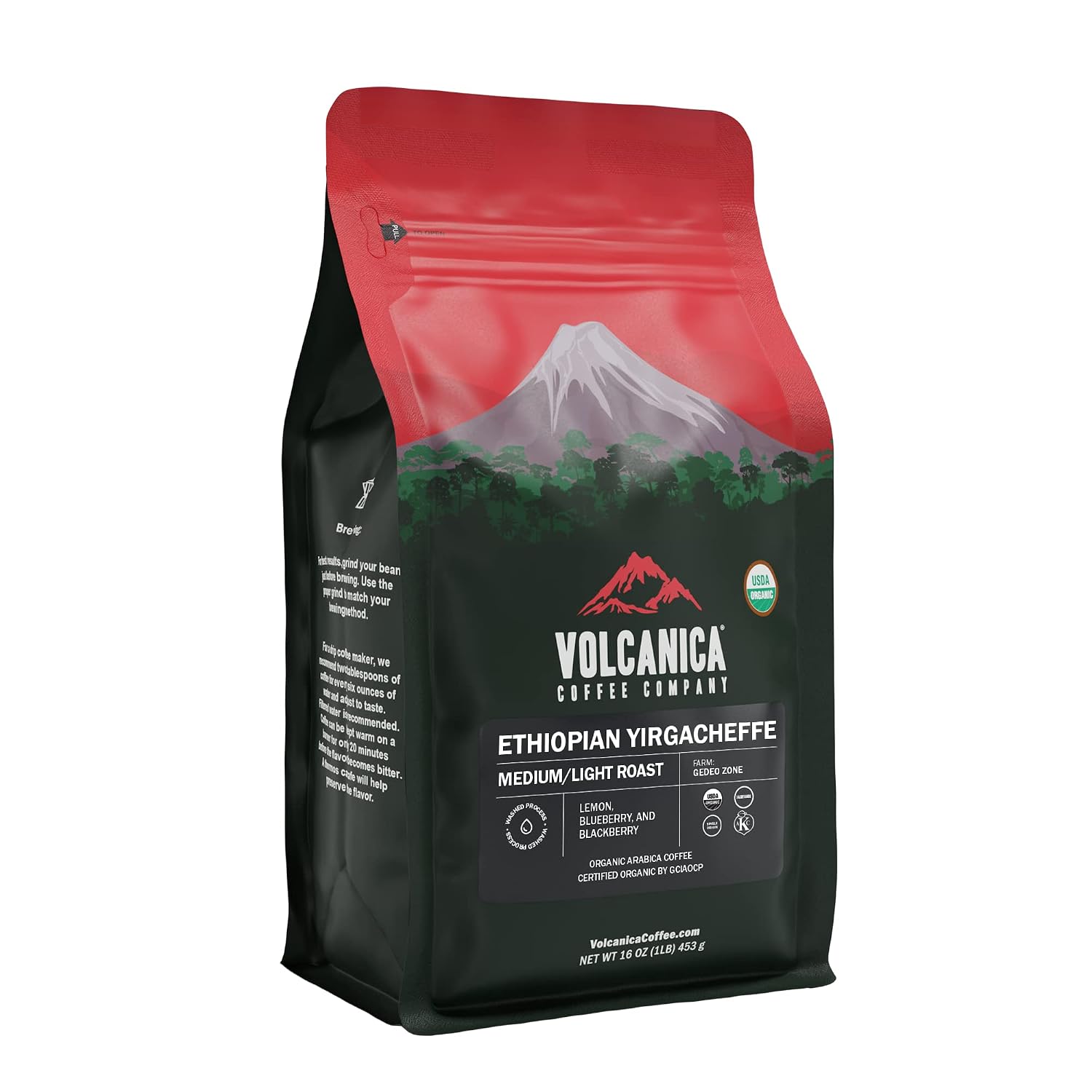
Our pick: Volcanica Ethiopian Yirgacheffe, whole bean. A floral single-origin bag that matches the discovery-club idea without leaving Capitol City Coffee for a D2C signup. Research-rated, not yet brewed by our team.
Multi-roaster platforms connect subscribers to many independent roasters under one subscription, making them the go-to for coffee lovers who want variety over routine.
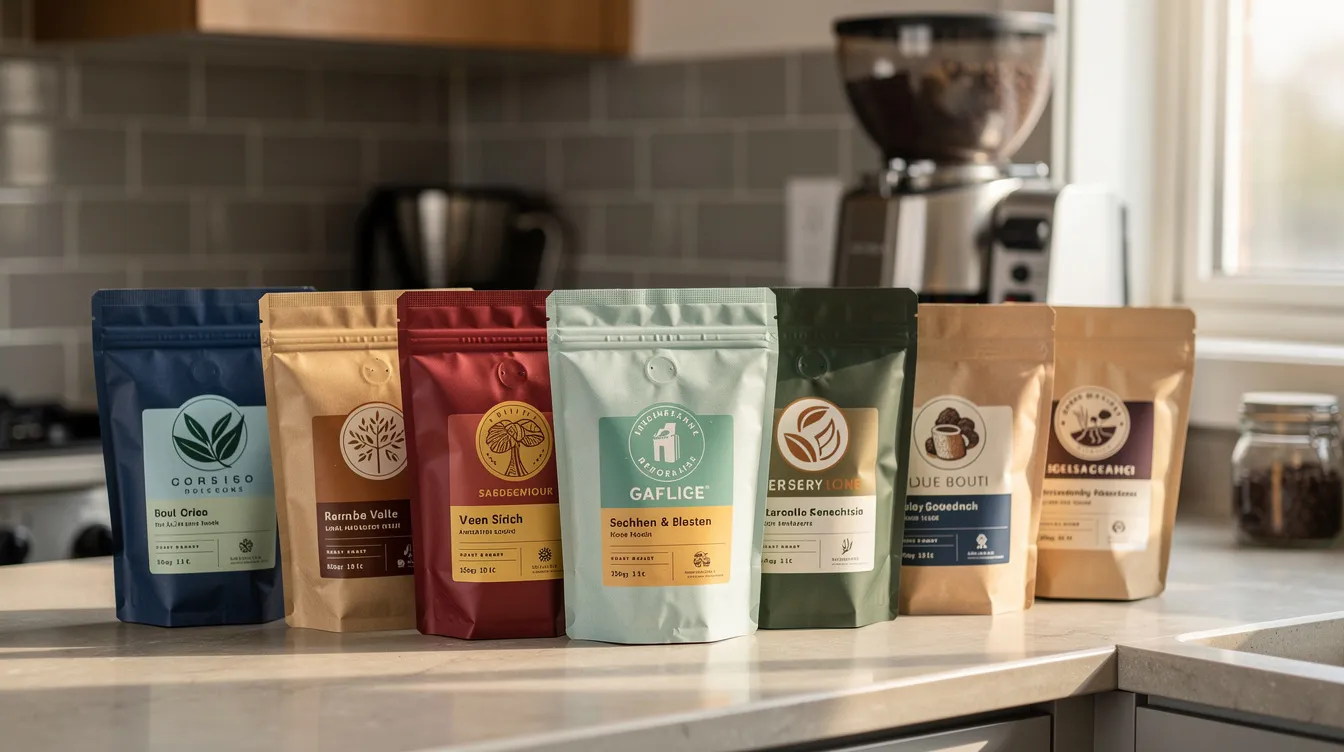
- Trade Coffee partners with over 55 independent roasters and offers over 450 coffees. Its quiz includes five roast levels for tailored selections, and its recommendation system adapts based on user ratings-meaning each bag should get closer to your sweet spot over time. Trade Coffee subscriptions start at $16.99 per bag, with the average cost per bag running $23.12 in 2026. Trade Coffee offers free shipping on most subscription orders. Strengths: breadth of variety, strong personalization, and easy self-service management. Trade-offs: flavor consistency can drift since beans come from many different roasters, and discovery subscriptions can lead to receiving beans that do not suit a drinker’s taste preferences if the algorithm hasn’t yet dialed in your palate.
- Bean Box offers over 600 different specialty coffees from a curated network of U.S. artisan roasters. Bean Box allows users to choose coffee taste profiles and delivery frequency. Bean Box coffee costs about 60 cents per cup at standard brew ratios, making it one of the more competitive options per serving. Strengths: guided curation, good price per cup at larger bag sizes. Trade-offs: centralized packaging in Seattle means not every bag is strictly roasted-to-order.
- MistoBox features nearly 600 coffees from 60 different roasters. MistoBox offers a detailed quiz for personalized coffee selections, and its matching engine refines over time as you rate shipments. It fills a similar niche to Trade Coffee but with a slightly different roaster roster, giving you another strong option if your first bag from one service misses the mark.
Onyx Coffee Lab is another well-known specialty roaster you may encounter when comparing multi-roaster selections and roaster quality across platforms.
Detailed pros, cons, and up-to-date pricing for each live on individual review pages.
Best For: Single-Roaster and Roaster-Direct Subscriptions
Feeling the same house blend each month
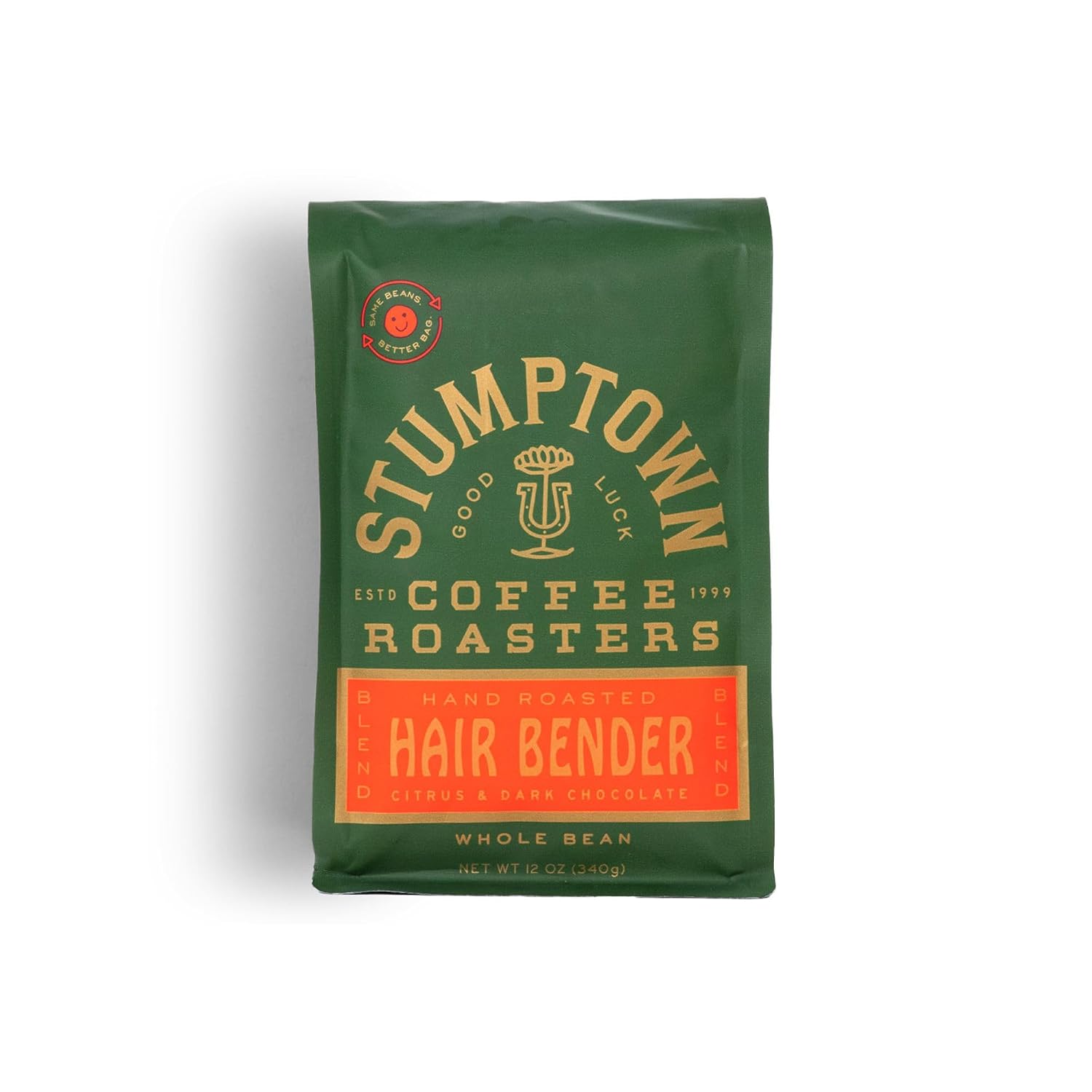
Our pick: Stumptown Hair Bender, whole bean. A repeatable specialty blend for subscribe-and-save style buying. Research-rated, not yet brewed by our team.
Some drinkers don’t want a new coffee every cycle-they want their favorite coffee dialed in and delivered consistently. A single roaster subscription eliminates the guesswork: you know the house style, you trust the roast profile, and your brew recipes stay stable.
- Blue Bottle Coffee subscriptions lean toward clean, balanced profiles in lighter to medium roasts. Plans span single origin, blend, espresso, and cold brew options, with delivery every 1–4 weeks. Customer-tracked data shows an average roast-to-door interval of about 8 days, which is reasonable but worth noting if you expect beans within 48 hours of roasting. Blue Bottle is based in San Francisco and ships with free delivery on all subscription orders.
- Typical single-roaster features: Many ship whole bean coffee within 24–48 hours of roasting, allow choice between blend and single origin rotations, and sometimes include limited “roaster’s choice” selections that keep things interesting without throwing off your morning cup routine.
- Value trade-off: Single-roaster plans may offer fewer origin options per month but stronger consistency-better for drinkers who want the best coffee in a familiar style every morning rather than a rotating surprise. The price difference between single-roaster and multi-roaster services is often modest, but you’re trading breadth for depth.
Full single-roaster subscription roundups appear as separate pages and are linked from this hub for deeper exploration.
Best For: Global Exploration & Coffee of the Month Clubs
“Coffee of the month” clubs and travel-themed subscriptions appeal to readers who want to taste coffee from around the world, one country at a time, rather than browsing a catalog.

- Atlas Coffee Club ships a single origin from a different country each month, bundled with postcards, tasting notes, and origin stories that cover everything from the farm’s altitude to local coffee making processes and regional coffee history. Some subscriptions emphasize educational and themed experiences alongside coffee delivery, and Atlas leans into this harder than most. Pricing runs roughly $20–$34 for a 12 oz bag depending on the plan, with free shipping in the contiguous U.S.
- Global clubs vs. U.S. multi-roaster platforms: World-tour services tend to emphasize storytelling, photos, and printed materials. U.S. multi-roaster platforms focus more on roaster diversity and competition results. Both rotate origins, but the framing differs-discovery versus education.
- Who this suits: Newer specialty coffee drinkers, gift givers, and anyone excited by learning about origins and farms with each bag. Expect roast levels in the medium range to keep profiles approachable across brew methods like drip, pour-over, and French press.
One data point worth noting: in one well-documented subscription test, 12 out of 19 bags received were from Ethiopia, which suggests that even “world tour” services may skew toward certain sourcing regions depending on seasonal availability.
Best For: Award-Winning & Competition-Focused Coffee Clubs
Award winning roasters are those whose coffees have placed in events like major US coffee competition circuits (Golden Bean North America, for instance). Clubs built around these results tend to feature more adventurous flavor profiles and a higher price per bag.
- Podium Coffee Club sources coffee only from award-winning roasters, and while some services use a Bag Free intro to attract new subscribers, the differentiator here is sourcing; it ships whole bean coffee roasted and dispatched within about 24 hours. Podium Coffee Club sources only award-winning coffees, and it earned a perfect 5.0 rating from Forbes. If you want to discover award winning roasters without scouring competition results yourself, this is the most direct path.
- Folk Coffee Club takes a scoring-threshold approach: it sends coffees scoring at least 86 points, ensuring every bag clears a high quality coffee bar before it ships.
- Pros: Extremely curated selection, often more complex or “wow-factor” cups, and high transparency on origin, processing, and tasting notes.
- Cons: Higher subscription prices, typically one bag per cycle (often a single 12 oz bag), and flavor profiles that may be too funky or experimental for people who just want a familiar morning mug with comforting notes of milk chocolate or brown sugar.
This category is best for serious coffee enthusiasts who already know they love light-to-medium specialty coffees and are willing to pay for rare, new beans.
Best For: Budget-Conscious Coffee Drinkers
Many readers searching coffee subscription reviews want to know whether subscriptions are actually cheaper than coffee shops or grocery store beans over time.
- Price per cup math: A $20 bag of 12 oz specialty coffee yields roughly 30–36 cups, putting cost per cup around $0.55–$0.67. Compare that to $4–$7 café drinks and the savings are obvious-even with a premium subscription. Coffee subscriptions are typically cheaper than local roasters on a per-bag basis as well, thanks to subscription discounts and direct shipping.
- Budget-friendly models: These usually include more blends than single origins, slightly fewer origin options, and promotional pricing like a free bag or first bag discounts. Prepaid bundles (3–6 months upfront) often reduce per-shipment cost further.
- Watch for: Free shipping thresholds and transparent pricing pages. Some platforms offer cheaper “house blend” subscription options that still use high quality coffee but skip rare microlots. The price difference between a house-blend tier and a competition-level tier on the same platform can be $5–$10 per bag.
- Long-term cost reality: Customer reviews cite high long-term costs as a common drawback of coffee subscriptions, so budget-conscious drinkers should periodically reassess whether they’re consuming enough to justify the cadence. Common complaints include subscription management frustrations and higher cost over time when autopilot takes over.
More detailed value comparisons-cost versus coffee shops, cost versus local roasters-live on dedicated comparison pages.
Customization, Taste Matching & Subscription Flexibility
Customization is one of the biggest differentiators between coffee subscription services and the static selection at a local coffee shop or grocery aisle.
- Taste quizzes: Services like Trade Coffee ask about brew method, roast level preferences, flavor notes (chocolatey versus fruity), and whether you prefer single origin versus blends. Trade Coffee’s quiz includes five roast levels for tailored selections, letting the algorithm get specific. Trade Coffee allows customization of delivery frequency from 7 to 28 days-essentially weekly to monthly-so you can match shipments to how much coffee your household actually drinks.
- Adaptive learning: Trade Coffee’s recommendation system adapts based on user ratings, gradually sending more of what you enjoy and less of what you don’t. MistoBox and Bean Box use similar feedback loops, though the mechanics differ.
- Scheduling flexibility: Look for features like pausing, skipping a shipment, changing frequency, and adjusting quantities. Trade Coffee allows delivery frequency customization from weekly to monthly. Users can pause or cancel their subscriptions easily with Trade Coffee, and most other top-tier services offer the same.
- Cancellation policies: Prioritize subscriptions with easy, self-service cancellation instead of email-only or phone-only processes. Capitol City Coffee’s individual reviews consistently flag cancellation friction (or lack thereof) so you can compare flexibility across services at a glance.
In tasting data aggregated across multiple subscription tests, 27.5% of coffees leaned citrusy and bright, 19.6% featured ripe fruit flavors, 15.7% had berry flavor profiles, and 9.8% included cozy notes like brown sugar. That distribution shows how heavily specialty subscriptions skew toward brighter, more acidic profiles-something worth knowing if your personal preferences run toward darker, nuttier cups.
Freshness, Roast-to-Ship Timing & Storage Tips
Freshness is one of the clearest quality signals in coffee subscription reviews and a major reason to consider a subscription over supermarket beans. Freshness is a noted advantage of coffee subscriptions over grocery store coffee, where bags may sit on shelves for weeks or months past roasting.
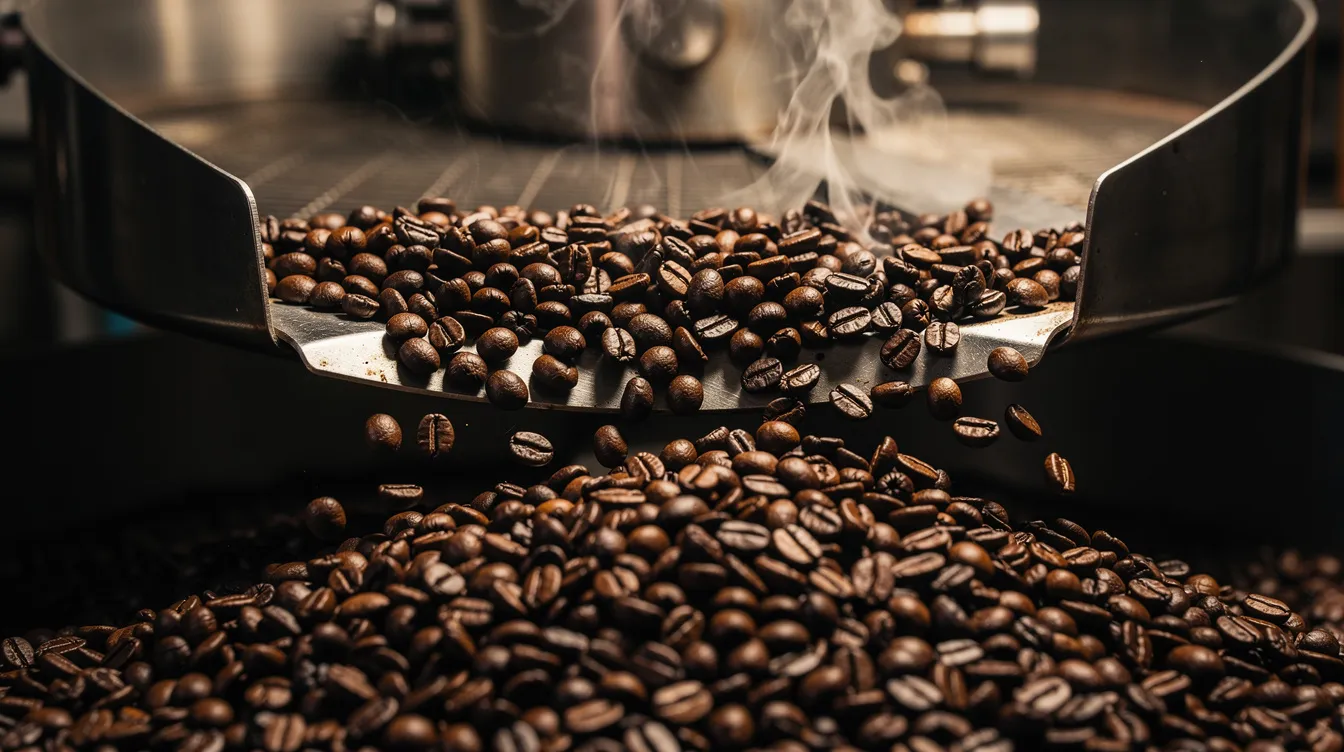
- Roast date vs. best-by date: Look for subscriptions that print a clear roast date on the bag and ship fresh beans soon after roasting. Vague “best by” dates (often 6–12 months out) tell you almost nothing about when the coffee was actually roasted.
- Typical roast-to-ship windows: Specialty services generally ship within 24–72 hours of roasting. However, transit adds time: roast-to-door averages roughly 4–10 days depending on your location and carrier. The coffee arrives at peak drinkability if consumed within about three weeks of the roast date.
- Storage basics: Keep beans in an airtight, opaque container away from heat and light. Skip the refrigerator-moisture and odor absorption do more harm than good. Proper storage helps you get the most out of every bag of coffee.
- Grind timing: Freshly ground coffee always outperforms pre-ground in aroma and flavor. If you own a grinder, choosing whole bean subscriptions preserves more of what you’re paying for. Ground beans are convenient, but grinding just before brewing is the single biggest lever most home brewers can pull.
Specialty Coffee vs. Everyday: Matching Subscriptions to Brew Methods
Matching your subscription style to how you actually brew at home makes the difference between excellent coffee and a frustrating mismatch.
- Drip and single-serve machines: Medium to medium-dark roast blends with chocolatey or nutty notes are safe bets. Many “classic” subscription tiers default to this profile because it’s crowd-pleasing and forgiving of brew variables.
- Pour-over (V60, Chemex): Lighter to medium roasts with fruit or floral notes tend to shine. Single origin beans from Ethiopia, Kenya, or Central America are popular choices. If your subscription sends a lot of single origin coffee, pour-over is often the best way to appreciate the nuance.
- Espresso: Look for coffee with enough body and sweetness-typically medium or medium-dark roasts, or espresso-specific blends. Some coffee subscription services like Blue Bottle and Bean Box offer dedicated espresso plans with beans selected for pressure brewing.
- Cold brew and iced coffee: Smooth, lower-acidity coffees work best. Some subscriptions now include cold brew-focused selections or pre-ground options tailored for immersion brewing, which saves you from dialing in grind size yourself.
Capitol City Coffee’s detailed reviews always call out which brew methods each subscription tends to suit, based on flavor profile and roast style descriptions from roasters and expert sources.
Gift Coffee Subscriptions & Coffee Clubs
Coffee subscriptions have become popular gifts for birthdays, holidays, and occasions like National Coffee Day. A coffee club gift says something more personal than a gift card, especially when it arrives with tasting notes, origin stories, and new coffee every month.
- What makes a subscription gift-friendly: Clear gift durations (3, 6, 12 months), attractive packaging, educational inserts like postcards and flavor guides, and straightforward redemption instructions for the recipient.
- Strong gifting experiences tend to come from visually polished world-tour clubs (Atlas Coffee Club is a frequent pick) and competition-led boxes with distinctive bags and detailed tasting cards.
- Recipient customization matters: Check whether the recipient can adjust roast level, grind size (whole bean versus freshly ground), and delivery schedule after activating the gift. A half bag of something they hate is worse than no gift at all.
- Gift-focused guides within the Capitol City Coffee reviews and subscription sections highlight services that balance approachability with interesting coffees across a wide range of coffee lovers.
Featured Subscription Reviews and Comparisons
This hub highlights a rotating set of featured reviews and side-by-side comparisons, each hosted as a full write-up. Here’s what’s currently available:
- In-depth Trade Coffee subscription analysis: Covers flavor profiles, subscription models, price per bag, quiz mechanics, and how its customer service handles adjustments. A solid starting point if you want to understand how the largest multi-roaster platform works.
- Atlas Coffee Club review: Focuses on the single-origin world tour format, postcards, and how it compares to other coffee club options for globally curious drinkers. Includes notes on roast levels and which brew methods suit each month’s selection.
- Bean Box multi-roaster review: Examines freshness practices, curated variety across all the coffees in their catalog, and how Bean Box stacks up against rivals in subscription flexibility and per-cup pricing.
- Trade vs. Atlas Coffee Club comparison: Lays out pros, cons, and which type of coffee lover each service suits-useful for readers who’ve narrowed their shortlist to these two.
- Blue Bottle vs. Bean Box comparison: Contrasts a single roaster approach against a multi-roaster curator, covering flavor consistency, value, and cancellation ease.
How Capitol City Coffee Researches Subscription Recommendations
Capitol City Coffee acts as an independent coffee editorial and affiliate publication. It does not roast or sell coffee beans and does not run a coffee subscription service.
- Unless specific testing notes are provided, all recommendations are labeled as researched editorial analysis, drawing on verified product facts from roasters, reputable coffee publications (including Bon Appétit’s subscription roundups), and aggregated expert and customer reviews.
- Research steps include mapping subscription models, checking roast-to-ship policies, reading terms for cancellations and pricing, and cataloging flavor profiles and roast levels offered by each service.
- When multiple external reviews or expert tastings exist, Capitol City Coffee summarizes and clearly attributes the consensus rather than claiming direct tasting coffee experience. No taste test results are presented as firsthand unless documented testing notes support them.
- Affiliate relationships do not change which services are covered or how they’re ranked. The focus remains on clarity, transparency, and practical guidance.
Who Should Skip a Coffee Subscription?
Coffee subscriptions are not the best choice for everyone, even if they’re heavily promoted online.
- Low-volume drinkers: If you go through less than one bag per month, coffee subscriptions can contribute to overaccumulation and potential waste if not managed well. Stale beans help nobody.
- Spontaneous buyers: If you enjoy browsing a local coffee shop and choosing whatever catches your eye that week, a subscription removes the discovery element you actually like. Specialty coffee online is convenient, but it’s not the same as holding a bag and chatting with a roaster.
- Readers near great roasters: If you have access to excellent specialty roasters in your city, buying direct-especially by the bag-may get you fresher beans with zero shipping lag. Some readers prefer buying directly from one or two local coffee roasters rather than managing a recurring coffee subscription service.
- Remote addresses with slow shipping: If transit times to your location routinely exceed 7 days, the freshness advantage diminishes. A bag roasted Tuesday that arrives the following Wednesday is already past its peak brightness.
Even if you don’t plan to subscribe, use this hub and the broader reviews and coffee sections to learn about origins, roast styles, and how to choose better freshly roasted beans locally.
How to Choose Your First Coffee Subscription
This is where earlier sections compress into a simple decision framework you can act on today.
- Quick self-assessment: How many bags per month do you actually need? What’s your budget range ($15–$25 per bag is the sweet spot for most specialty subscriptions)? What brew method do you use daily? Do you lean toward comforting profiles (chocolate, caramel, nutty) or brighter cups (citrus, berry, floral)?
- Variety vs. consistency: Choose a multi-roaster discovery subscription if you love experimentation with different coffee from different beans and different roasters. Choose a single roaster or blend-heavy plan if you value predictable flavors and want your morning cup to taste the same every time.
- Compare 3–4 services on specifics: Freshness policy, subscription models, price per bag including shipping, customization options, and cancellation policies. Don’t just compare sticker prices-factor in shipping, bag weight, and how many bags you’ll receive.
- Start flexible: A month-to-month plan or a small prepaid term (3 months) lets you test whether a great coffee subscription actually fits your life before committing to a year. Your first bag is a trial, not a marriage.
- Adjust early and often: Rate your new beans honestly, tweak your roast preferences after the first couple of shipments, and don’t hesitate to skip a delivery if you still have more coffee on the shelf.
The best subscription is the one that fits how you actually drink coffee-not the one with the flashiest landing page.
FAQs: Coffee Subscription Reviews
These FAQs address common questions that don’t always fit neatly into individual reviews.
Are coffee subscriptions actually cheaper than buying coffee at a shop?
High-quality subscriptions often bring the per-cup cost down to roughly $0.60–$1.50 depending on price per bag and brew strength. That’s significantly less than $4–$7 café drinks in most U.S. cities. Bean Box, for example, works out to about 60 cents per cup. Overall savings depend on how much coffee you were already buying out and whether you choose premium competition-level subscriptions or more budget-friendly blends. Capitol City Coffee’s comparison pieces walk through real-world cost scenarios step by step.
How do I know if a coffee subscription will match my taste?
Favor services that use detailed quizzes, allow ongoing ratings of each bag, and clearly label flavor notes (berry, citrus, chocolate, caramel) and roast levels. Trade Coffee’s quiz, for instance, covers five roast levels and adjusts future recommendations based on your feedback. Start with a plan that allows easy swaps or pauses so you can pivot quickly if early shipments miss the mark. Reading flavor and roast descriptions in reviews helps you pre-screen before your first bag even ships.
What’s the difference between single-origin and blends in subscriptions?
Single origin coffees come from a specific region, farm, or cooperative-think Ethiopian naturals with berry and citrus, or South America washed lots with milk chocolate sweetness. They’re the backbone of world-tour subscriptions and competition-focused clubs. Blends combine coffees from multiple origins for consistency, balance, and reliability, commonly used in “house blend” and espresso subscriptions. If you enjoy exploring distinct tasting notes and learning about origins, single origin beans are your lane. If you want a dependable daily cup, blends are the safer bet.
Can I pause or cancel a coffee subscription easily?
Most modern coffee subscription services allow pausing, skipping shipments, changing frequency, or canceling through an online account dashboard-no phone calls required. Trade Coffee, for example, lets users pause or cancel entirely through self-service tools. Still, double-check terms for minimum commitments or notice periods, as policies vary. Capitol City Coffee’s individual reviews always call out cancellation flexibility so you’re not caught off guard after signing up.
Is gifting a coffee subscription a good idea if I don’t know someone’s exact taste?
Travel-themed or exploratory coffee clubs-which rotate origins and include educational materials like postcards and tasting notes-are usually safer gift choices than highly niche competition microlots. Look for subscriptions that let the recipient customize roast level and grind type (whole or ground beans) once they redeem the gift, so they can steer the experience toward their personal preferences. A free bag trial or an approachable medium roast starting point reduces the risk of sending excellent coffee that doesn’t match someone’s palate.