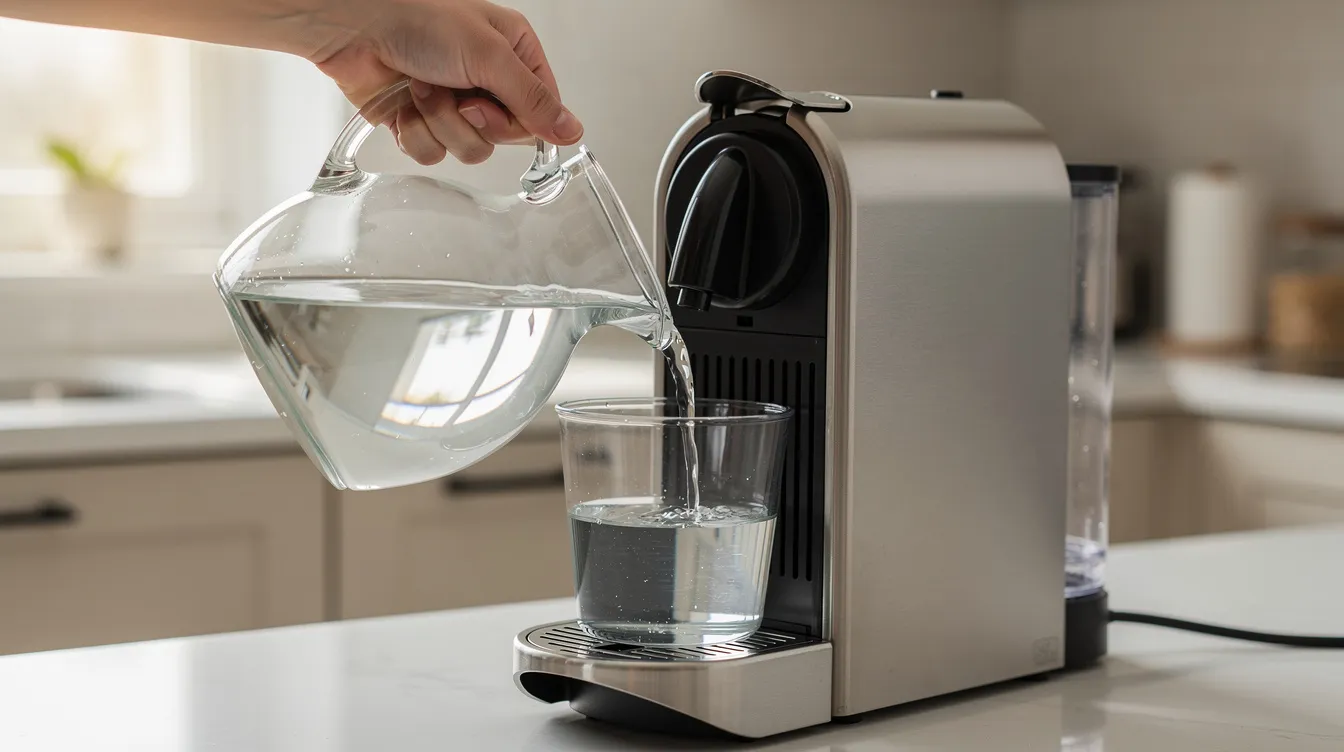
This Breville Bambino Plus review is a researched editorial analysis – not hands-on testing – aimed at U.S. home users weighing whether this compact espresso machine deserves counter space and a chunk of their budget. Based on verified specifications, aggregated expert findings, and owner consensus, the Bambino Plus earns its reputation as one of the strongest sub-$500 options for anyone who wants real espresso and easy milk drinks at home.
Our Breville Bambino Plus review pick
For this roundup, Breville Bambino Plus is the home espresso we recommend first—the same pick at the top of our At-a-glance cards below.
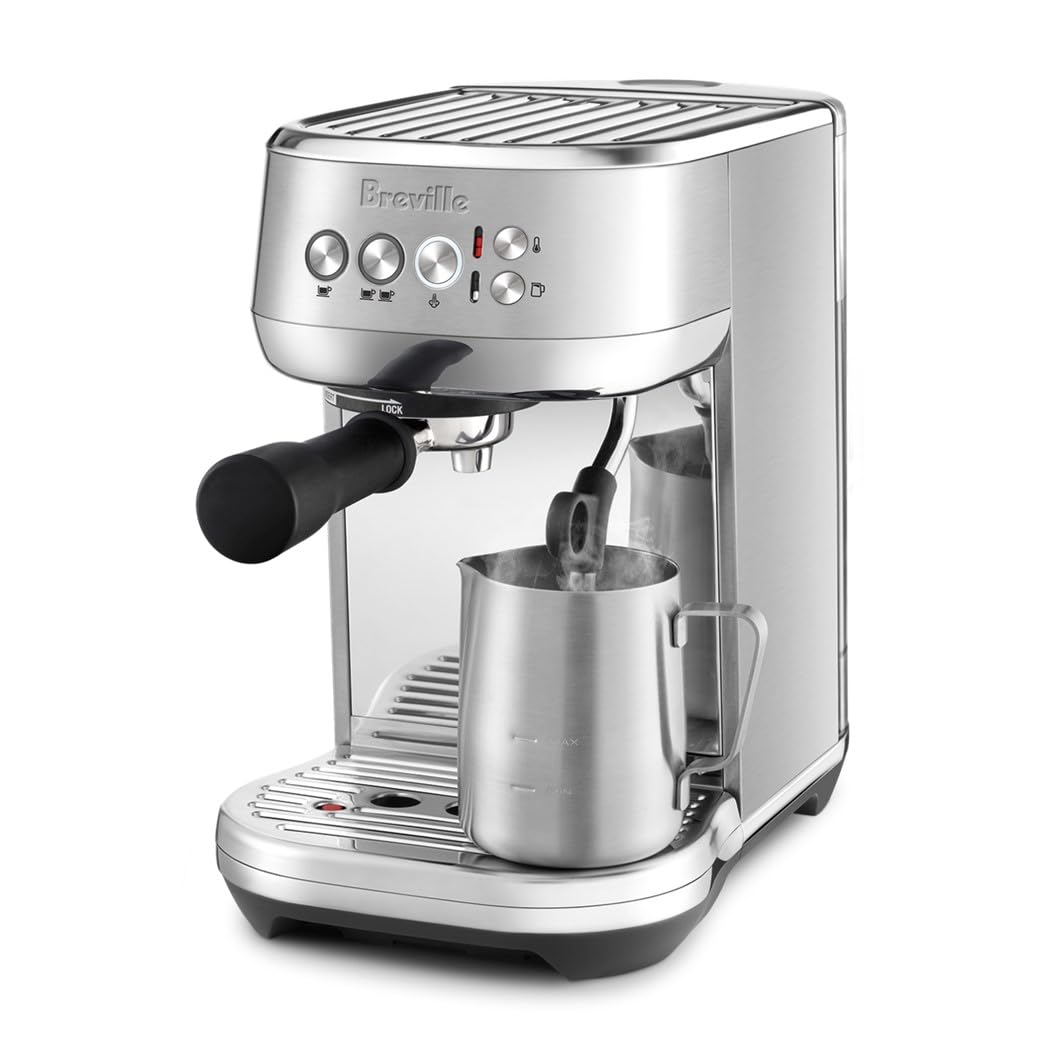
The Breville Bambino Plus is a compact semi-automatic espresso machine that delivers excellent espresso and café-quality milk drinks thanks to its ThermoJet heating system (3-second warm-up), PID temperature control, and automatic steam wand.
It suits beginners, apartment dwellers, and cappuccino drinkers who want fast, reliable results without a steep learning curve – but it requires a separate grinder to reach its full potential.
Key limitations include a small drip tray that fills quickly, a mostly plastic build that feels lighter than heavier metal machines, and limited brew temperature adjustment for very light roasts.
At roughly $485, it offers strong value versus alternatives like the Gaggia Classic Pro (more manual, moddable) and the Barista Express (built-in grinder, larger footprint).
Expected lifespan is typically 5–7 years based on user reviews, assuming regular cleaning and descaling.
Verdict
The Breville Bambino Plus is worth buying in 2026 for most U.S. home espresso drinkers who want a great machine that balances convenience, performance, and size. Its ThermoJet heating system reaches brew temperature in about 3 seconds, PID controllers maintain stable temperature throughout extraction, and its 9-bar regulated brew pressure matches what specialty coffee professionals recommend. Pair it with a capable burr grinder and you get excellent espresso with good crema, rich body, and consistent shot-to-shot results – all from a footprint roughly 7 inches wide.
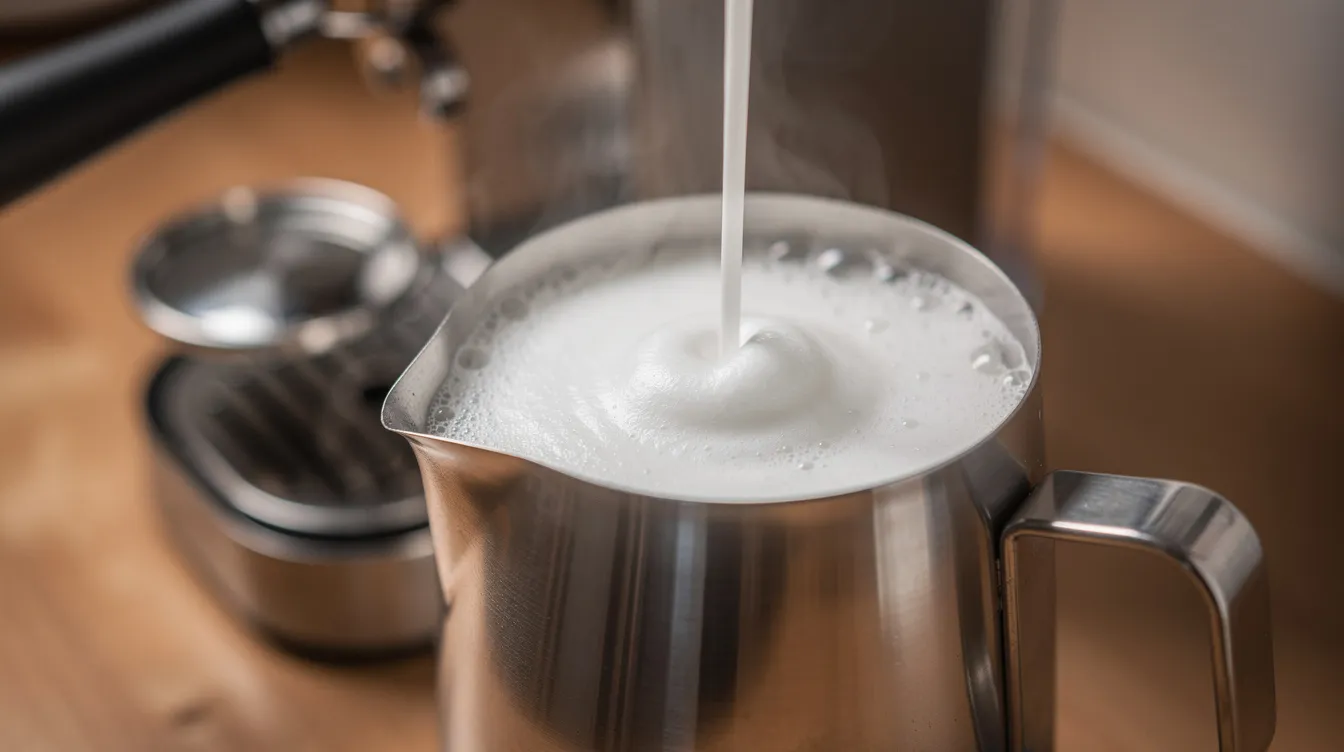
The automatic steam wand is genuinely useful, producing real microfoam for pouring latte art without requiring advanced barista skills. For milk-based fancy drinks, this espresso maker punches well above its price class.
The trade-offs are real but manageable: no built-in grinder means budgeting for a separate one, the small drip tray demands frequent emptying, and the lightweight build quality won’t feel as solid as expensive machines with full-metal chassis. For very light-roast espresso, you may bump into temperature control limits that prosumer dual boiler setups handle more gracefully.
Compared with the Gaggia Classic Pro, the Bambino Plus offers better out-of-the-box temperature stability and automatic milk frothing. Compared with the Barista Express, it trades the integrated grinder for a smaller footprint and faster workflow. For most buyers who want good coffee without a hobby-level commitment, the Bambino Plus hits a sweet spot that few other home espresso machines match at this price.
Affiliate Disclosure
Capitol City Coffee is an independent coffee editorial and affiliate publication. We may earn a commission from qualifying purchases made through links on this page. Commissions never influence our rankings or recommendations.
Disclosure: This page contains affiliate links. As an Amazon Associate I earn from qualifying purchases.
The Breville Bambino Plus is built for U.S. home users who want café-quality drinks with minimal fuss and a fast daily workflow. It is highly rated for its ease of use and speed, particularly for making milk-based drinks like lattes and cappuccinos.
If you are moving up from a pod machine or drip coffee setup and want your first machine that pulls real espresso, the Bambino Plus is an approachable entry-level machine that won’t overwhelm you. If you live in an apartment or have a tight kitchen, the compact footprint fits where other espresso machines simply cannot. If you are a latte lover who wants to froth milk into silky microfoam without learning complex manual steaming techniques, the automatic steam wand removes that barrier entirely. And if you are budget-conscious but still want an affordable espresso machine with genuine performance, the Bambino Plus delivers strong value – provided you can invest in a separate grinder.
It is often recognized as a top choice for beginners and home baristas alike. That said, it is not ideal for everyone. Tinkerers who want full manual control and extensive modding options are better served by something like the Gaggia Classic Pro. Buyers who insist on a built-in grinder should look toward other Breville machines like the Barista Express. And espresso enthusiasts chasing the absolute ceiling of light-roast extraction will eventually want more temperature and pressure flexibility than this machine provides.
Our Test Setup and Method (Researched Review)
This is a researched editorial analysis, not a hands-on test report. No in-house measurements, tasting sessions, or long-term ownership data inform these conclusions directly.
Instead, our findings draw from verified specifications in Breville’s official documentation, aggregated performance findings from reputable third-party reviewers and espresso specialists, and consensus trends from owner feedback on reliability, workflow, and maintenance across multiple years of real-world use.
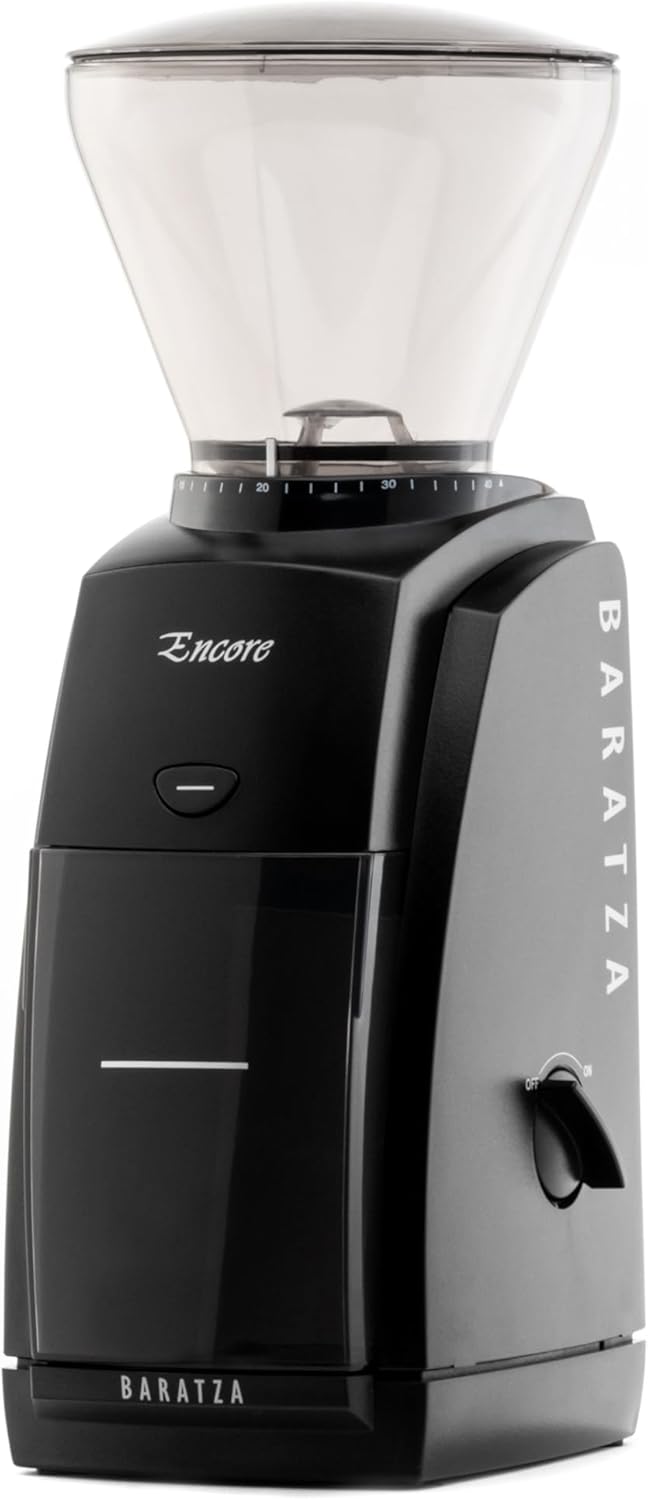
A standardized test of this machine would involve pulling multiple espresso shots across medium and dark roasts, timing warm-up from cold, evaluating steam power and milk texture at each temperature setting, checking shot consistency over several days, and running the cleaning cycle and descaling routine. External reviewers who have performed these tests typically pair the Bambino Plus with grinders like the Baratza Encore ESP, Breville Smart Grinder Pro, or Eureka Mignon-series units – all capable of producing the consistent fine grind that this class of machine requires.
Where we reference specific performance data or user experiences, those come from clearly identifiable third-party sources rather than our own measurements.
Design, Build, and Footprint
The Breville Bambino Plus is a compact espresso machine with a footprint of approximately 7 inches wide, 12.6 inches tall, and 12.2 inches deep. It weighs roughly 11–12 pounds and is lighter than many competitors in the semi-automatic category, making it easy to reposition on a counter or store in a cabinet.
The exterior uses stainless steel cladding that looks and feels polished, but the internal frame relies heavily on plastic and lightweight materials. The 54 mm portafilter is stainless steel, though it feels noticeably lighter than the 58 mm portafilters found on machines like the Gaggia Classic, and it also uses a plastic insert inside the portafilter body as part of that lighter, cost-saving design. This is a deliberate design choice – compactness and weight savings – but it does create a different tactile experience than heavier metal machines.
Key external components include:
A 1.9-liter removable water reservoir with rear access, generous enough for several drinks before refilling.
A 54 mm portafilter compatible with Breville’s range of filter baskets, aftermarket IMS baskets, and even a bottomless portafilter for shot diagnosis.
A small drip tray with a pop-up “full” indicator and an integrated temperature sensor pad that controls the auto steaming function.
A steam wand with a fixed mounting position, silicone grip ring, and a replaceable steam wand tip.
Color options in the U.S. are typically brushed stainless steel, with occasional limited-edition finishes. The machine blends cleanly into modern kitchen aesthetics. When placing it on your counter, leave vertical clearance above for loading a grinder hopper and removing the water tank, plus enough lateral space to work a milk pitcher under the wand.
Controls, Interface, and Workflow
The control panel is refreshingly simple. The front face features buttons for a single or double shot, plus steam buttons that activate the milk system. On the Plus model, additional indicators let you cycle through three milk temperature settings and three foam texture levels. The user interface includes clearly labeled buttons for ease of use – no ambiguous icons or buried menus.
Volumetric brewing means the machine dispenses a preset water volume for each shot. Once you’ve programmed a single or double shot, the machine can dispense 30 ml for single and 60 ml for double by holding down the respective shot button during a pull. This consistency helps beginners get repeatable results without a scale, though serious users will still want to weigh output.
The typical workflow for a drink looks like this:
Grind, dose (around 17–18 g for a double), and tamp using a separate grinder and the included dosing tool.
Lock the portafilter into the group head and press the single shot or double shot button.
Switch immediately to steam mode – the automatic steam wand heats in seconds, froths milk, and auto-purges when done.
Wipe the steam tip, empty the drip tray as needed, and enjoy your drink.
There is no dedicated power switch on the front panel. Pressing any button wakes the machine near-instantly, which suits the grab-and-go mentality of weekday mornings. The learning curve is minimal for basic espresso and milk drinks. More advanced users can explore manual steaming mode and dial in shot timing for greater control over the brewing process.
Performance: Espresso Quality
The ThermoJet heating system is the engine behind the Bambino Plus’s speed and thermal performance. It heats up in 3 seconds from cold – a claim verified across multiple expert reviews – and PID control keeps the water temperature hovering around 200°F (93–94°C) during extraction. This stable temperature reduces the sour under-extraction or bitter over-extraction that plagues cheaper thermostatic machines.
The machine operates at a maximum pressure of 15 bars from the pump, but Breville tunes the system to deliver approximately 9 bars of pressure at the puck during extraction. This matters because 9 bars is widely considered the sweet spot for optimal espresso extraction in modern specialty coffee. The Bambino Plus also features a pre-infusion mode that gently wets the coffee puck at low pressure before ramping to full extraction, promoting more even flow and better flavor development.
With pressurized filter baskets (dual wall filter baskets), beginners using pre ground coffee or a basic grinder can still produce drinkable espresso with visible crema. But the real potential unlocks with single wall filter baskets and a capable grinder. Users report that the Bambino Plus provides consistent espresso extraction with good crema when dialed in properly – rich, balanced shots with noticeable sweetness and body using medium and darker roasts.
The double basket comfortably holds about 17.5 grams of coffee, aligning well with standard espresso recipes. For best results, aim for roughly a 1:2 brew ratio (18 g in, ~36 g out) over 25–30 seconds. Getting the grind size right is the single most important variable.
After extraction, the 3-way solenoid valve relieves pressure on the coffee puck, allowing clean portafilter removal and reducing mess – a feature missing from many entry-level machines.
Lighter roasts are possible but less forgiving. The fixed temperature range and lack of pressure profiling mean you cannot push extraction the way prosumer setups allow. For frequent light-roast drinkers, this is worth considering.
Performance: Steam Power and Milk Texture
The Bambino Plus has an automatic milk frother that sets it apart from most other machines at this price. The automatic steam wand offers three selectable temperature settings (labeled “Warm,” “Ideal,” and “Hot”) and three foam texture levels. A temperature sensor built into the drip tray reads the bottom of the included stainless steel milk jug and triggers auto-stop when the milk reaches the target temperature. After steaming, the steam wand has an auto-purge function that clears residual milk from the line.
Steam power is strong for the size and price. Steaming milk takes about 40 seconds for 180 ml (roughly 6 oz) on the medium setting, which is fast enough for daily lattes without feeling rushed. The steam wand can produce microfoam for latte art – real, velvety microfoam that holds basic patterns when poured with some care.
In auto mode, the texture is consistent and silky, suitable for cappuccino drinkers and latte enthusiasts alike. In manual steaming mode, experienced users can achieve slightly finer texture by controlling the air introduction and positioning themselves. Either way, this outperforms the wispy, bubbly foam produced by many entry-level affordable espresso machines and pod-based systems.
The Bambino Plus cannot brew and steam simultaneously – it is a single thermoblock design. However, ThermoJet’s rapid thermal response means the transition between modes takes only a few seconds, so the workflow impact is negligible.
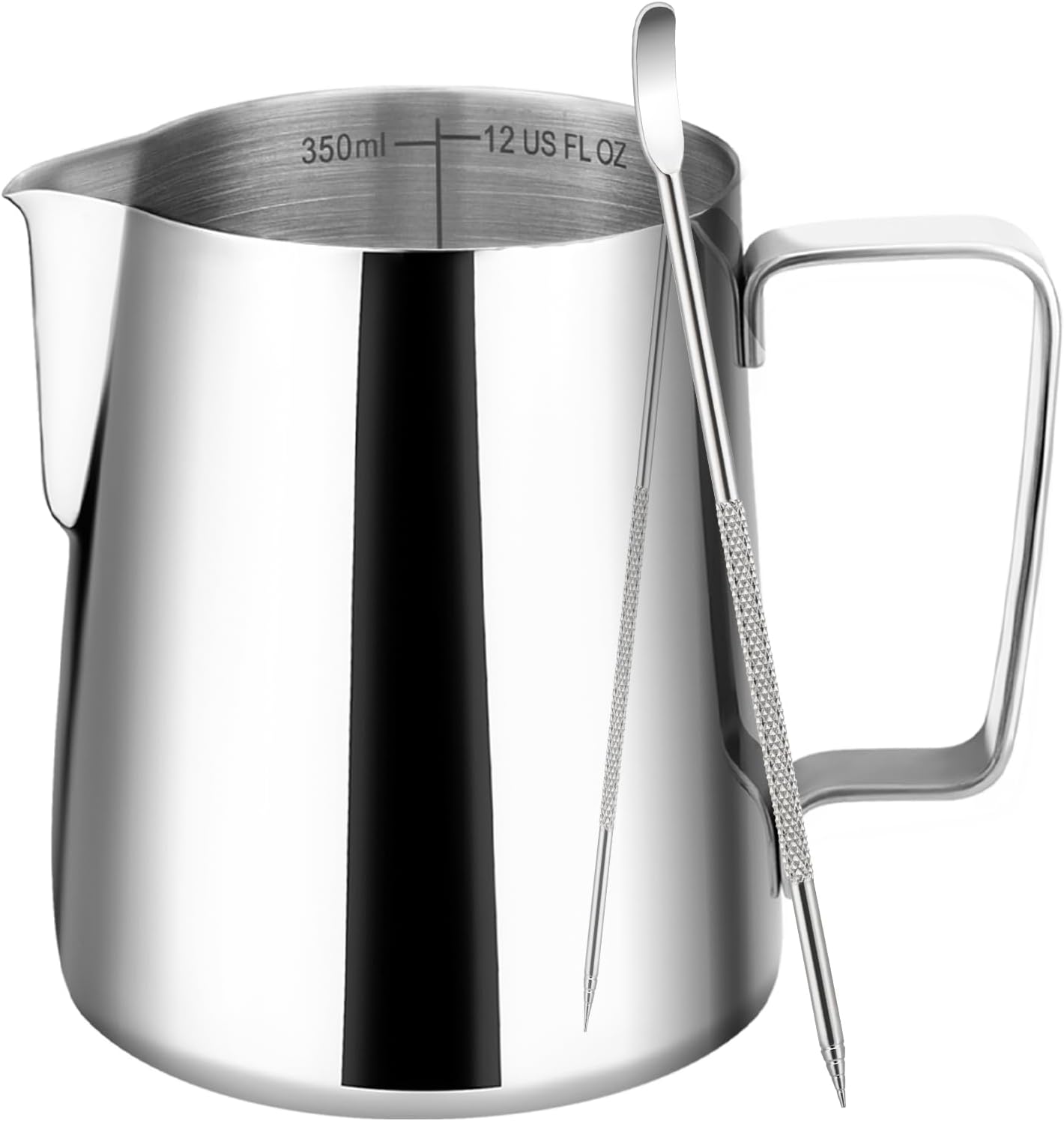
Practical tips for milk drinks: the included stainless steel milk jug (roughly 16 oz capacity) works well for one to two drinks. For cappuccinos, use the “High” foam setting; for flat whites, drop to “Low.” Avoid using pitchers with thick insulating bases, as they can prevent the drip tray sensor from reading temperature accurately.
Temperature Stability, Warm-Up Time, and Shot Consistency
The Bambino Plus maintains stable brewing temperature with PID control, keeping brew water around 200°F under load. This is a meaningful advantage over legacy thermostatic machines where temperature can swing several degrees between shots, altering flavor unpredictably.
That said, the lightweight portafilter and compact group head absorb less ambient heat than heavier commercial-style setups. Running a blank shot to preheat the portafilter and dispersion screen before your first real pull can improve consistency, particularly for back-to-back drinks.
The roughly 3-second warm-up time from cold is transformative for daily use. Traditional single-boiler machines like the unmodded Gaggia Classic often need 10–20 minutes to fully stabilize temperature – a meaningful friction point on busy mornings. The Bambino Plus eliminates that wait entirely.
Once grind settings and dose are dialed in, the machine tends to reproduce similar shot times and flavor across many pulls. Minor variability can come from the small internal thermoblock volume and lightweight metal parts, but careful flushing and consistent workflow mitigate these issues effectively.
The Bambino Plus offers better consistency than the Gaggia Classic out of the box, though it is less configurable than higher-end dual boiler machines that let you set precise water temperature to the degree and adjust pressure profiles on the fly.
Strengths
The Breville Bambino Plus earns its popularity through several concrete advantages that matter in daily use.
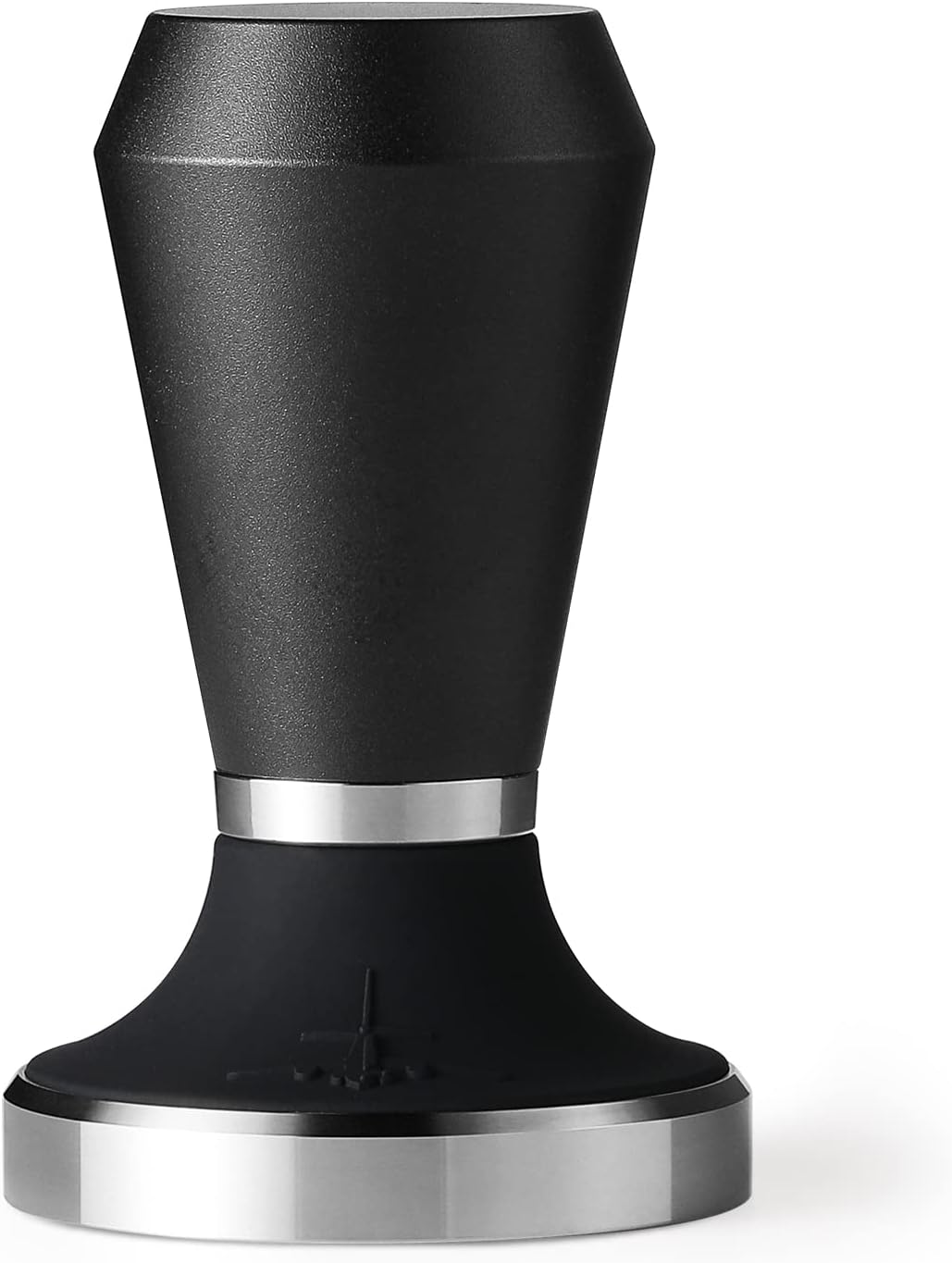
The ThermoJet heating system delivers near-instant readiness – no warming up, no waiting, no temperature surfing. PID-backed temperature stability means your espresso shot tastes the same whether it is your first pull of the day or your fourth. The automatic steam wand produces genuine microfoam with minimal skill, letting you make fancy drinks every morning rather than just on weekends when you have time to practice. The compact footprint fits easily in small kitchens without sacrificing features that actually matter. The control panel is intuitive with volumetric shot control and clear button labels, so beginners can produce good results immediately. At under $500, the machine offers serious value in the affordable espresso machine bracket, especially when paired with a capable entry-level grinder. The 54 mm accessory ecosystem is wide – you can add a bottomless portafilter, aftermarket precision baskets, and upgraded tampers as your barista skills grow. Finally, third-party consensus on cup quality and ease of use is remarkably strong across years of reviews.
Limitations
No machine at this price escapes compromises. An honest Breville Bambino Plus review has to address them clearly.
There is no built-in grinder. A high-quality external grinder is necessary for optimal results with the Bambino Plus, and that adds $150–$400+ to your total investment. The build quality leans toward plastic and lightweight materials – functional and durable enough, but it will not feel as substantial as a Gaggia Classic Pro or other machines built around cast metal and brass components. The drip tray fills up quickly due to its compact design and auto-purge feature, so expect to empty it daily or even between drinks during heavy use. Temperature control is fixed – there are no user-adjustable temperature settings for brew water, which limits what you can do with very light roasts that benefit from hotter extraction. The steam wand has limited articulation compared with prosumer wands, mostly moving up and down rather than swiveling freely. There is no dedicated hot water outlet; hot water routes through the steam wand via a button combination, which works for cup warming and small Americanos but is not a substitute for a kettle. And while the pressurized baskets are forgiving, they also mask grind problems rather than solving them – graduating to single wall filter baskets exposes any weaknesses in your grinder immediately.
Ease of Use, Cleaning, and Maintenance
Daily Use and Learning Curve
The Bambino Plus is praised for delivering café-quality drinks with minimal fuss, and setup reinforces that reputation. Plug it in, fill the water reservoir, and the machine automatically flushes the boiler when first turned on – a priming sequence that takes seconds. Indicator lights communicate readiness, cleaning prompts, and steam status without requiring a manual on the counter.
For everyday drinks, the workflow is fast and forgiving. Even users upgrading from drip coffee report feeling comfortable within a few days.
Cleaning Cycle and Descaling
The machine has a built-in shot counter for cleaning reminders. When the button lights flash in a specific pattern, it is time to run a cleaning cycle with a tablet or initiate descaling. The basic procedure involves placing a cleaning disc in the portafilter, adding a tablet, and pressing the designated buttons to run the cycle. Backflushing with cleaning tablets roughly once a month keeps the group head, solenoid, and dispersion screen free of coffee oil buildup.
Descaling frequency depends on your water hardness – every two to three months for hard water, or less often if you use filtered water. Breville’s instruction manual walks through each step clearly.
Steam Wand Hygiene
Wipe the steam wand immediately after every use and purge a short burst of steam to clear any milk residue from the steam tip. The auto-purge handles most of the work, but a manual wipe prevents milk from baking onto the exterior. Neglecting this leads to buildup that can eventually clog the tip and degrade steam power.
Compared with traditional single-boiler machines that require temperature surfing and more complex maintenance rituals, the Bambino Plus keeps things relatively light.
Value and Recommended Grinder Pairings
The Breville Bambino Plus costs around $485 at typical U.S. street prices in 2026, sometimes dipping into the low $400s during sales. For a new machine with PID temperature control, automatic milk frothing, and this level of shot quality, that represents strong value against other espresso machines in the sub-$500 segment.
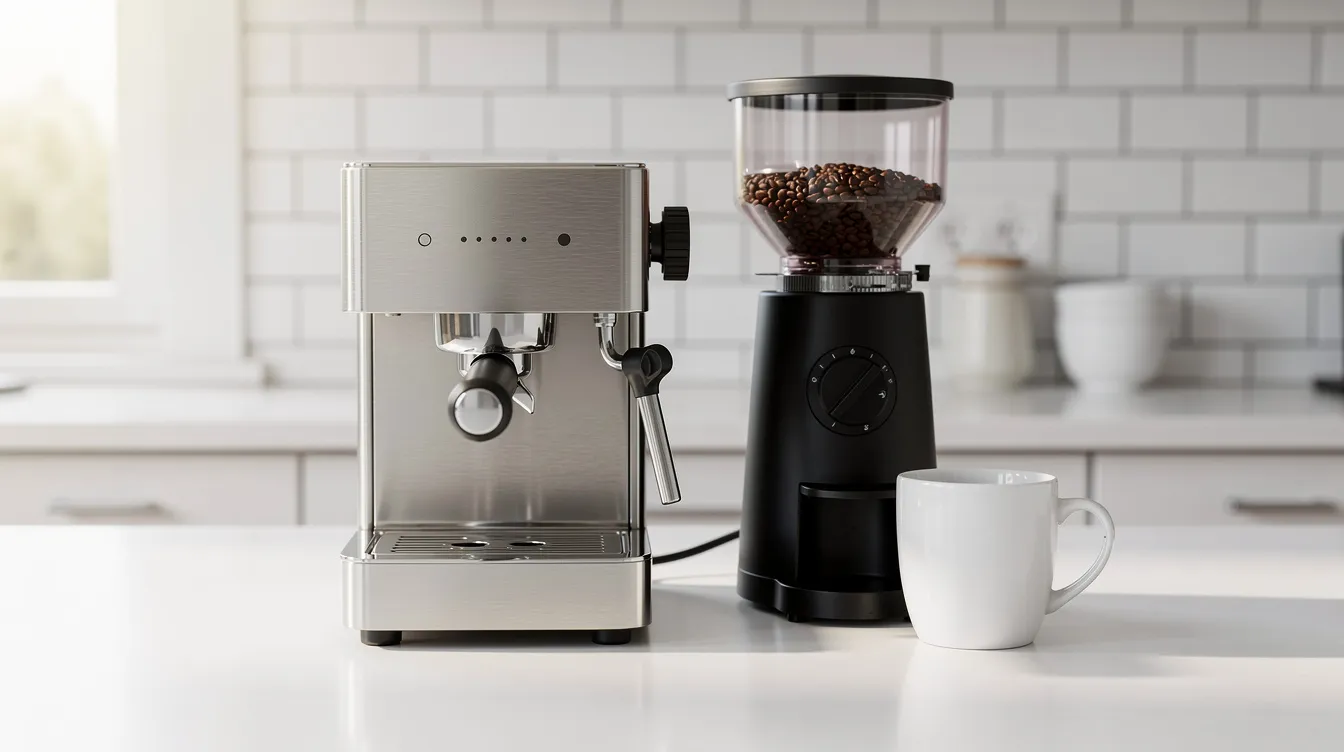
The critical caveat: your true cost of ownership includes a grinder. Without one capable of consistent fine espresso grind, you are leaving most of the machine’s potential on the table. Think of it as a matched pair – a $485 espresso maker plus a $200–$400 grinder gets you a setup that rivals machines costing twice as much.
Grinder tiers to consider:
Tier
Examples
Approx. Cost
Best For
Entry-level
Baratza Encore ESP, Breville Smart Grinder Pro
$150–$250
Budget-conscious beginners
Mid-range
Eureka Mignon series, 1Zpresso J-Max (hand)
$250–$400
Users chasing clarity and consistency
Enthusiast
Niche Zero, DF64
$400+
Long-term hobbyists
Spending smartly on a grinder often yields bigger flavor gains than jumping to a more expensive espresso machine. The grind size consistency and number of available grind settings directly impact how well you can dial in shots.
Breville includes a 1-year limited warranty for U.S. purchases, covering manufacturing defects but not damage from limescale or unauthorized modifications. Breville’s U.S. service footprint is well-established, and the wide availability of 54 mm accessories and replacement parts adds to long-term value. Resale demand remains strong given the machine’s popularity.
Breville Bambino Plus vs Alternatives
Breville Bambino Plus vs Breville Bambino
The standard Breville Bambino is the more affordable sibling – it drops the automatic steam wand in favor of a manual one, has a smaller water tank, and lacks the milk temperature and foam level controls. Espresso quality between the two is broadly similar since they share the same ThermoJet system and 54 mm portafilter. If you mostly drink straight espresso or are comfortable learning to steam manually, the base Bambino saves money. If you want foolproof milk foam and the convenience of auto-stop, the Plus makes sense for the premium.
Breville Bambino Plus vs Breville Barista Express
The Barista Express bundles a built-in grinder with the espresso machine, creating an all-in-one setup that appeals to buyers who want a single appliance. It uses a larger body with more traditional proportions and offers manual dose control via an integrated conical burr grinder. The Bambino Plus paired with a separate grinder generally offers more grind flexibility and a faster workflow, but takes up two counter spots instead of one. Many enthusiasts prefer the separate grinder approach for its upgrade path – you can replace the grinder independently as your tastes evolve. For a deeper look, read our Barista Express review.
Breville Bambino Plus vs Gaggia Classic / Gaggia Classic Pro
The Gaggia Classic Pro is the “manual transmission” of this price range: a 58 mm portafilter, heavier cast-metal build, and a massive modding community. Out of the box, however, the Bambino Plus offers better temperature stability and easier operation. The Bambino Plus features automatic milk frothing, unlike the Gaggia Classic Pro, which requires full manual steaming technique. The Gaggia rewards tinkerers who want to add PID controllers, adjust the OPV, and experiment with tight tolerances. The Bambino Plus rewards people who want to press a button and drink good coffee.
Breville Bambino Plus vs Ninja and Other Compact Machines
Fully integrated systems like the Ninja espresso lineup target convenience and multi-beverage versatility – drip, espresso, cold brew from one machine. They prioritize breadth over depth. If your priority is café quality espresso and real microfoam, the Bambino Plus outperforms these systems. If you want a single appliance that handles everything from iced coffee to espresso-style drinks with less emphasis on traditional shot quality, a system like the Ninja Luxe Café (read our Ninja Luxe Café review) may suit you better.
For broader comparisons across the category, browse our full espresso machine reviews hub or our general reviews section.
Breville Bambino Plus vs Other Espresso Machines (Positioning in the Market)
Zooming out from individual model comparisons, the 2026 espresso machine market breaks roughly into four tiers:
Compact PID-equipped machines like the Bambino Plus ($400–$550) – fast, consistent, user-friendly.
Mid-tier machines with built-in grinders and larger boilers ($600–$900) – more features, bigger footprint.
Prosumer dual boiler setups ($1,000+) – full manual control, simultaneous brew and steam, heavy-duty components.
The Bambino Plus occupies an uncommon sweet spot: it combines fast warm-up, PID temperature control, an automatic steam wand, and a compact size in a way that few competitors match at its price. Super automatic machines offer more automation but sacrifice control and shot quality. Other machines in this range often lack PID or require manual milk work.
While cheaper machines claim similar features, the Bambino Plus’s long-running popularity, strong brand support, and consistent performance track record make it a relatively safe choice among affordable home espresso machines. For temperature stability, steam power, and overall usability per dollar – especially for milk-based drink fans – it is hard to beat.
Durability, Reliability, and Warranty
Based on aggregated owner feedback, the expected lifespan of the Breville Bambino Plus is typically 5–7 years with normal home use and regular maintenance. That is reasonable for its price tier, though it falls short of the “lifetime appliance” longevity of heavy commercial-style machines.
Likely wear points over time include:
Pump and solenoid valves after several years of daily use.
Steam wand gaskets and the steam tip if not cleaned regularly.
Buttons and electronics, particularly in humid kitchen environments.
Internal scale buildup if descaling is neglected.
Breville’s 1-year limited warranty for U.S. purchases covers defects in materials and workmanship but does not cover limescale damage, unauthorized modifications, or misuse. To maximize lifespan, use filtered or appropriately softened water, follow descaling instructions at intervals matched to your local water hardness, and avoid DIY modifications that could void your warranty. Keeping up with basic maintenance – the cleaning cycle, steam wand wipes, regular backflushing – is the single best investment in your machine’s longevity.
For its price tier, the Bambino Plus offers a reasonable balance of modern features and durability, especially for users who treat maintenance as part of the routine rather than an afterthought.
Frequently Asked Questions
These FAQs address common Breville Bambino Plus questions that extend beyond what is covered in detail above.
Does the Breville Bambino Plus need a separate grinder?
Yes. The Bambino Plus does not have a built-in grinder, and using pre ground coffee or a blade grinder will noticeably limit your espresso quality. The pressurized baskets help beginners get acceptable results without a precision grinder, but to achieve consistent, excellent espresso with good crema and balanced flavor, a burr grinder designed for espresso is strongly recommended. Grind consistency and the ability to make fine adjustments to grind size are what allow you to dial in shot timing and unlock the machine’s full potential.
Can the Breville Bambino Plus make Americanos and dispense hot water?
The Bambino Plus does not have a dedicated hot water outlet, but it can deliver hot water through the steam wand using a button combination (pressing the single shot and steam adjust buttons simultaneously). The water temperature is typically around 170°F – slightly below boiling – and may carry minor milk residue if the wand is not thoroughly cleaned beforehand. This works acceptably for small Americanos and cup warming. For frequent tea or large hot water needs, a separate electric kettle is more practical.
How long does it take to make a latte with the Bambino Plus from a cold start?
Thanks to the ThermoJet heating system, the Bambino Plus heats up in 3 seconds, so total latte time is driven mainly by grinding, tamping, pulling the shot, and steaming milk. From pressing the first button, a typical home user can produce a finished latte in roughly 3–5 minutes once their workflow is established and grinder dialed in. TechGearLab measured a full cappuccino time of about 4 minutes in their standardized test. This is significantly faster than traditional single-boiler machines that require lengthy warm-up and heat-surfing steps.
Is the Breville Bambino Plus good for very light-roast espresso?
The Bambino Plus can pull decent shots with lighter roasts, but it lacks user-adjustable brew temperature and advanced pressure profiling – two tools enthusiasts rely on to extract the best from light-roast beans. For frequent light-roast espresso, a machine with adjustable temperature or a higher-end setup with pressure profiling will give you more control. That said, most medium and medium-dark blends work very well on this machine. Using a high-quality, uniform grinder and a slightly finer grind can help extract more sweetness from lighter coffees.
How often should I run the cleaning cycle and descale the Bambino Plus?
The Bambino Plus uses indicator lights to prompt cleaning tablet cycles and descaling – follow those prompts rather than guessing. As a general guideline, backflush with a cleaning tablet roughly once a month for frequent users (daily or near-daily pulling). Descale every two to three months with hard water, or every six to twelve months with filtered or softened water. Using filtered water extends the interval between descaling cycles and improves both the taste of your espresso and the machine’s longevity.
Final Recommendation
The Breville Bambino Plus remains one of the most compelling compact espresso machines for U.S. home users who want fast, reliable espresso and easy microfoam without turning coffee into a full-time hobby. It is a great machine for beginners, a solid daily driver for experienced home baristas, and a remarkably complete package for under $500.
If you drink mostly straight espresso and want to save money, the standard Bambino deserves a look. If you want a built-in grinder or more manual control, explore the Barista Express or a mod-friendly Gaggia Classic Pro. And regardless of which machine you choose, invest in a good grinder – it makes more difference than the espresso machine itself.
For broader comparisons across machines, grinders, and accessories, browse our espresso machine reviews or our full reviews hub to keep refining your setup.
How Capitol City Coffee Rates Coffee and Coffee Machines
Every coffee and coffee machine we recommend is scored on the same 100-point scale, so a recommendation on one page means the same thing as a recommendation on any other. Each pick is also labeled with how we reached its score.
Research-ratedScored from the roaster or manufacturer’s published specifications, independent results such as Coffee Review blind cuppings and SCA brewer certification, and patterns across verified buyer reviews. Most of our current picks are research-rated.
Hands-on testedThe Capitol City Coffee team has brewed the coffee or used the machine ourselves, following the testing steps below. We only use this label when that testing actually happened, and we show the date we tested.
Coffee beans: 100-point scale
What we score
Points
What we look at
Origin and sourcing transparency
20
Country, region, farm or cooperative, altitude, bean variety, and processing method are clearly disclosed.
Flavor evidence
25
Independent cupping scores, how closely the tasting notes match what the origin is known for, and our own cupping notes when hands-on tested.
Roast and freshness
15
Roast level stated, roast-date practices, whole-bean availability, and packaging with a one-way valve or resealable bag.
Brew versatility
15
How well the roast suits pour-over, drip, French press, cold brew, and espresso.
Value
15
Price per ounce compared with similar single-origin coffees or blends.
Buyer feedback
10
Volume and consistency of verified reviews, and recurring complaints about staleness, bitterness, or shipping.
Coffee machines and gear: 100-point scale
What we score
Points
What we look at
Brewing performance
25
Water temperature in the 195–205°F range, even extraction, and SCA certification or published test data.
Build quality and reliability
20
Materials, known failure points, and long-term owner reports.
Ease of use and cleaning
15
Setup, the daily routine, descaling, and dishwasher-safe parts.
Fit for your kitchen
10
Capacity, counter footprint, and noise.
Useful features
10
Programming, grind and temperature control, and carafe type. Features that improve the cup count more than extras that do not.
Value
10
Price compared with machines that perform similarly.
Warranty and support
10
Warranty length, parts availability, and how the brand handles repairs.
What the grades mean
Score
Grade
What it means
90–100
A
Exceptional. Our first recommendation for the feeling and setting described.
80–89
B
Strong. Excellent, with minor trade-offs we explain.
70–79
C
Good. Worth it for specific needs, with clear compromises.
Below 70
—
Not recommended. We do not feature these as picks.
How we test hands-on
When a pick carries the Hands-on tested label, this is the method behind it, and we note the date we tested.
Coffee: brewed fresh from whole beans following Specialty Coffee Association guidelines (water between 195 and 205°F, about 1 gram of coffee to every 15 to 18 grams of water) in the brew methods the roast suits best, such as pour-over, French press, or espresso. We taste it black first, then with milk if that is how most people drink it, and each taster scores it on their own before we compare notes.
Machines: used in our everyday routine rather than a single demo. We brew both full and small batches, check the brewing temperature and brew time, and run the cleaning or descaling steps the manual calls for.
How we choose the feeling and setting
We match each coffee to a mood and a moment based on its flavor profile and roast. Bright, citrusy light roasts suit energizing mornings. Chocolatey, full-bodied medium roasts suit slow or social moments. Richer roasts suit espresso and milk drinks. Each pick explains which facts led us to that match.
Our scores stay independent
Every score comes only from the criteria above. No brand can pay for a pick or a higher grade. We re-check ratings when a roast, listing, or model changes, and update or remove picks that no longer earn their grade.
Some links on this page are affiliate links. As an Amazon Associate, Capitol City Coffee earns from qualifying purchases, at no extra cost to you.
Questions about a rating? Reach the Capitol City Coffee team through our contact page.