
Key Takeaways
- A coffee subscription delivers freshly roasted coffee to your door on a schedule you choose, typically every one to four weeks, so you never run out of fresh beans.
- This page is Capitol City Coffee’s independent hub for comparing coffee subscription services across performance, quality, usability, price, and value – we do not sell coffee or let commission size influence our picks.
- Leading services like Trade Coffee, Bean Box, Atlas Coffee Club, Blue Bottle, MistoBox, and Podium Coffee Club each serve different types of coffee drinkers, from daily home brewers to global single-origin explorers to gift-givers.
- All recommendations on this page are based on researched editorial analysis from reputable sources and third-party consensus, not paid placement.
- The page is organized into key concepts, buying guides, featured recommendations, methodology, and FAQs so coffee lovers can quickly jump to what they need.
At a glance
Coffee Subscriptions at a Glance (Category Overview)
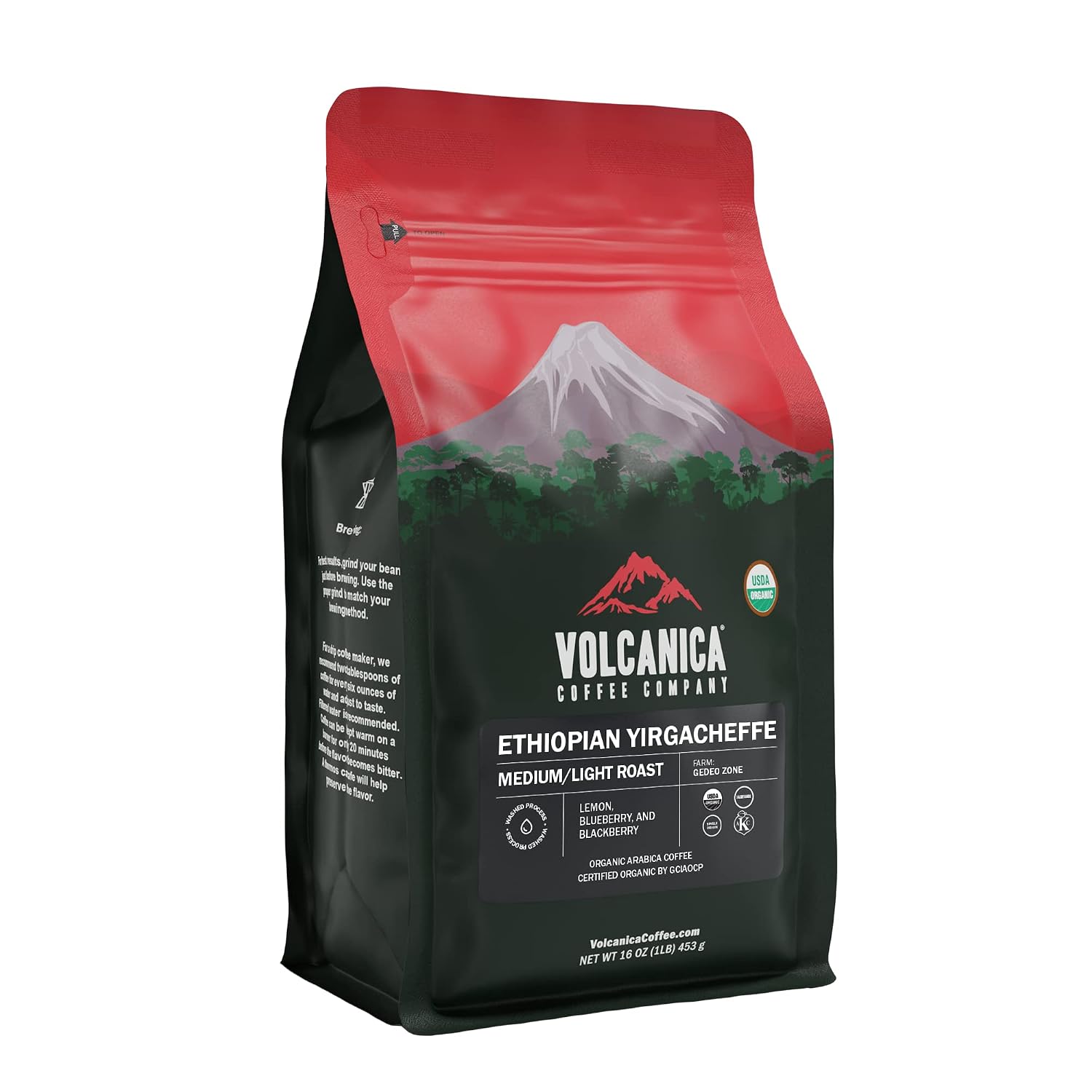
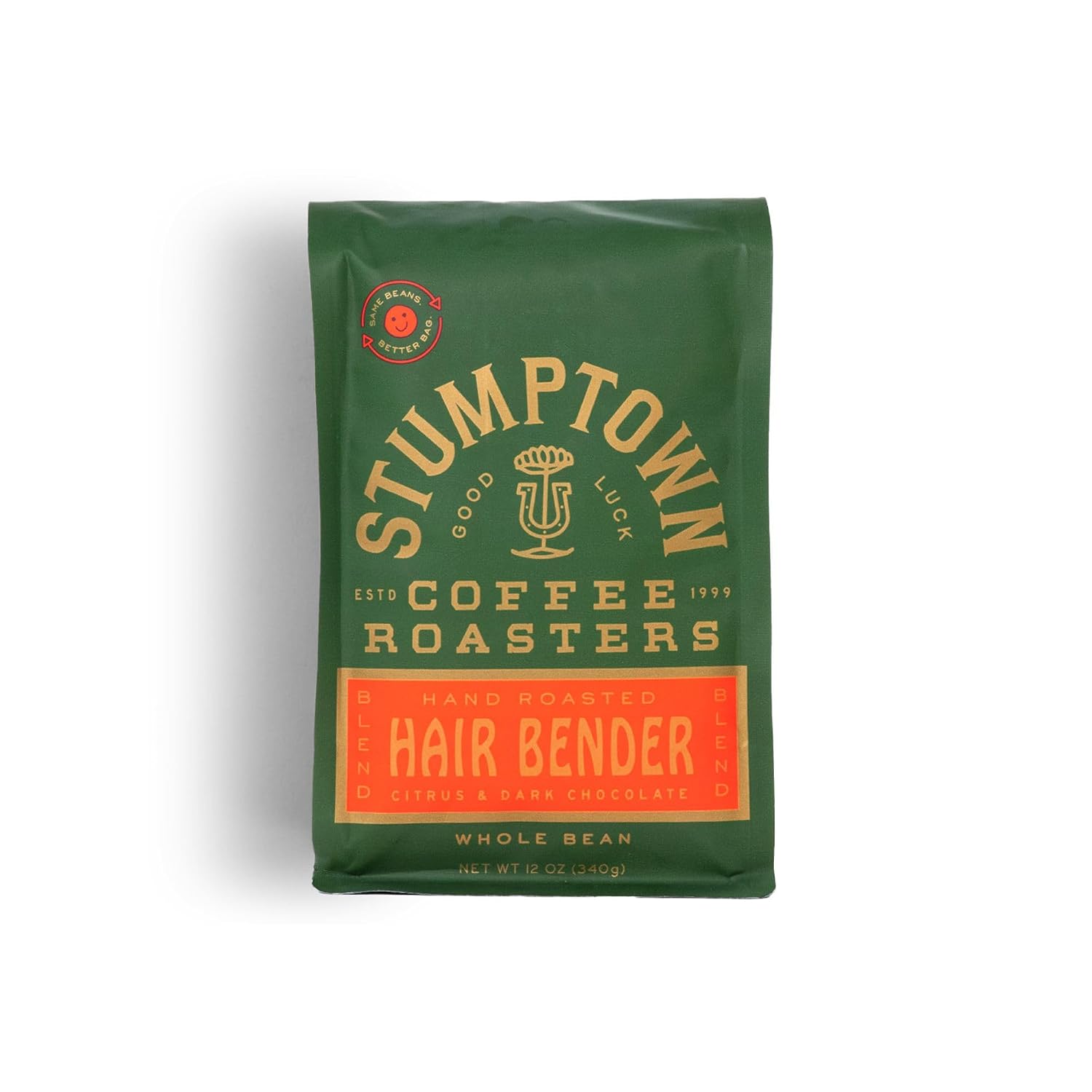
A coffee subscription is a recurring delivery of freshly roasted coffee beans or ground coffee shipped directly to your door on a set schedule – usually every one to four weeks. You select your preferences for roast level, origin, and grind type, and the service handles the rest, from sourcing to shipping.
Modern coffee subscriptions cover a broad range of models. Multi-roaster services like Trade Coffee and Bean Box pull from dozens of independent roasters nationwide. Single-roaster clubs like Blue Bottle’s coffee subscription focus on one house roasting philosophy. Niche options spotlight award winning roasters, decaf-only offerings, or single origin coffee from a different country each month.
For most home brewers in the U.S., the appeal comes down to freshness, consistency, and convenience – often at prices between roughly $14 and $32 per 10–12 oz bag in 2026. The coffee subscription market was recently valued at approximately $685 million, with forecasts pointing toward $1.98 billion by 2032, reflecting growing demand for specialty coffee online.
Typical trade-offs include more personalization versus more surprise, variety versus consistency, and lower price versus rare micro-lot coffees.
On this page you can find:
- Best Coffee Subscriptions Overview
- Best Single-Origin Coffee Subscription
- Best Decaf Coffee Subscription
- Best Coffee Subscription Gifts
How Coffee Subscriptions Work (Key Concepts)
Before choosing a great coffee subscription, it helps to understand how subscription models, billing, and roasting schedules typically work. The mechanics are simpler than most people expect, but a few details matter more than others.
Subscription frequency and bag size. Most services let you set delivery frequency to weekly, every ten days, biweekly, or monthly. Bag sizes usually range from 10 to 12 oz, though some offer a half bag option (around 6 oz) or larger multi-bag shipments. You can adjust bag size and delivery frequency from your account dashboard at any time.
Whole bean, ground coffee, or pods. The majority of specialty subscriptions default to whole bean, with grind options tailored to your brew method – drip, espresso, French press, cold brew, or pour-over. A smaller subset supports pods or capsule formats.
Personalization flows. Services like Trade Coffee use a quiz to match users with coffees based on their coffee preferences, including roast level, flavor preferences (chocolatey, fruity, nutty), and brew method. Over time, you rate what you receive, and the system refines future matches. Personalized subscriptions allow users to skip or pause deliveries whenever needed, and most let you cancel anytime without penalty.
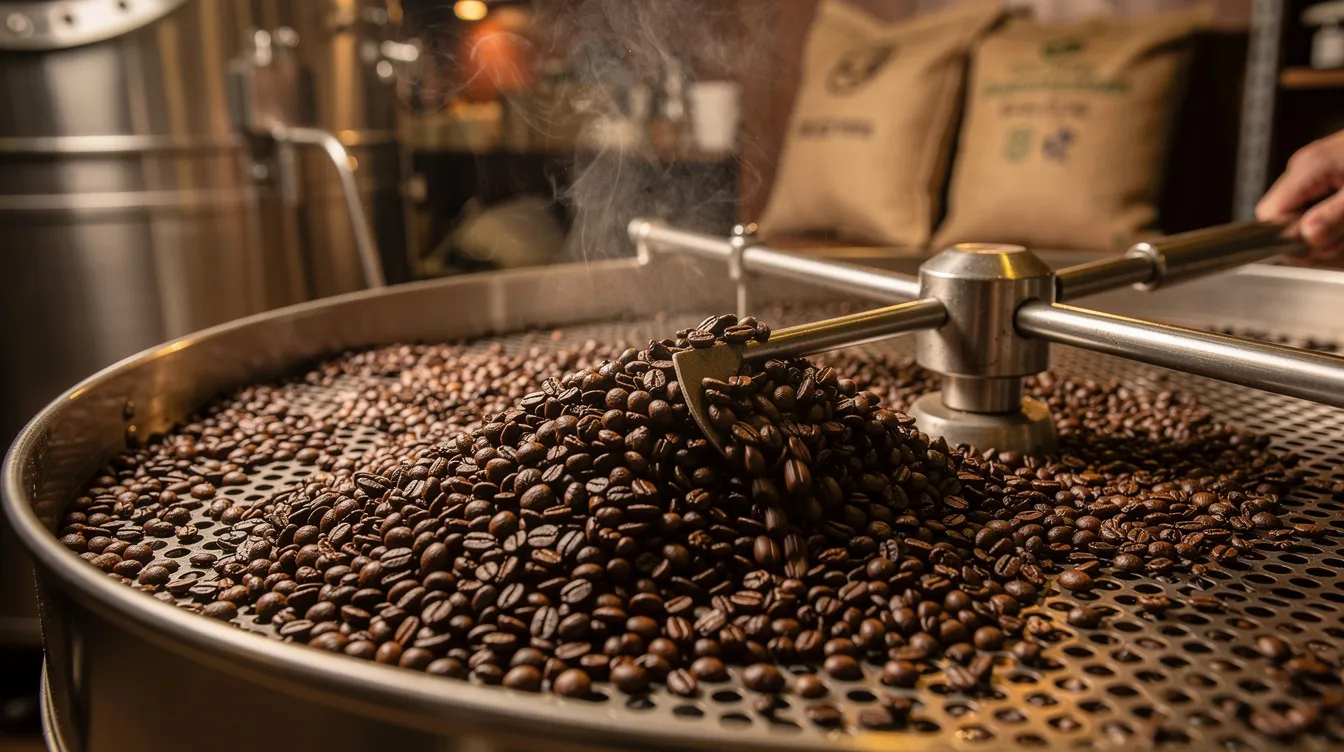
Freshness logistics. Quality-focused coffee subscription services roast to order and ship within 24 to 72 hours. Beans ship shortly after roasting rather than sitting on a store shelf for months. The roast date printed on the bag is more useful than an arbitrary “best by” stamp – it tells you exactly when the coffee was roasted and helps you brew within the peak flavor window.
Usability. Look for clear dashboards, mobile-friendly account management, shipment reminders before billing, and options to skip or bring shipments forward.
Key Factors to Compare When Choosing a Coffee Subscription
The best coffee subscription for one coffee drinker may be wrong for another. But everyone benefits from comparing a consistent set of factors:
- Flavor quality and roast accuracy. Does the service honestly label roast levels? Do flavor notes match what you taste in the cup?
- Freshness and shipping speed. How quickly does the coffee arrive after roasting? Are roast dates printed clearly?
- Subscription flexibility. Can you change frequency, pause, skip, or cancel online? Can you swap grind type or bag size without hassle?
- Origin and roaster transparency. Do you know exactly where coffee beans come from and who roasted them? Is sourcing ethical – fair trade prices, sustainable practices, direct relationships with coffee producers?
- Total cost per ounce including shipping. Some services include free shipping in the base price; others charge $5–$8 per delivery. Always calculate the full landed cost per bag of coffee.
Discovery vs. control trade-off. Some services limit your choices but deliver higher-curation picks from award winning roasters. Others offer huge catalogs (Bean Box offers over 600 specialty coffee options; MistoBox features nearly 600 coffees from 60 different roasters) but require more decision-making on your part.
Special use cases to consider:
- Single-origin exploration or world tour–style rotation
- Decaf coffee with careful processing
- Espresso-focused single coffee or blend
- Pods vs. whole bean
- Gift subscriptions with premium packaging
Types of Coffee Subscription Services
Coffee subscription services vary in how they source, curate, and deliver beans. Understanding the broad categories helps narrow your search.
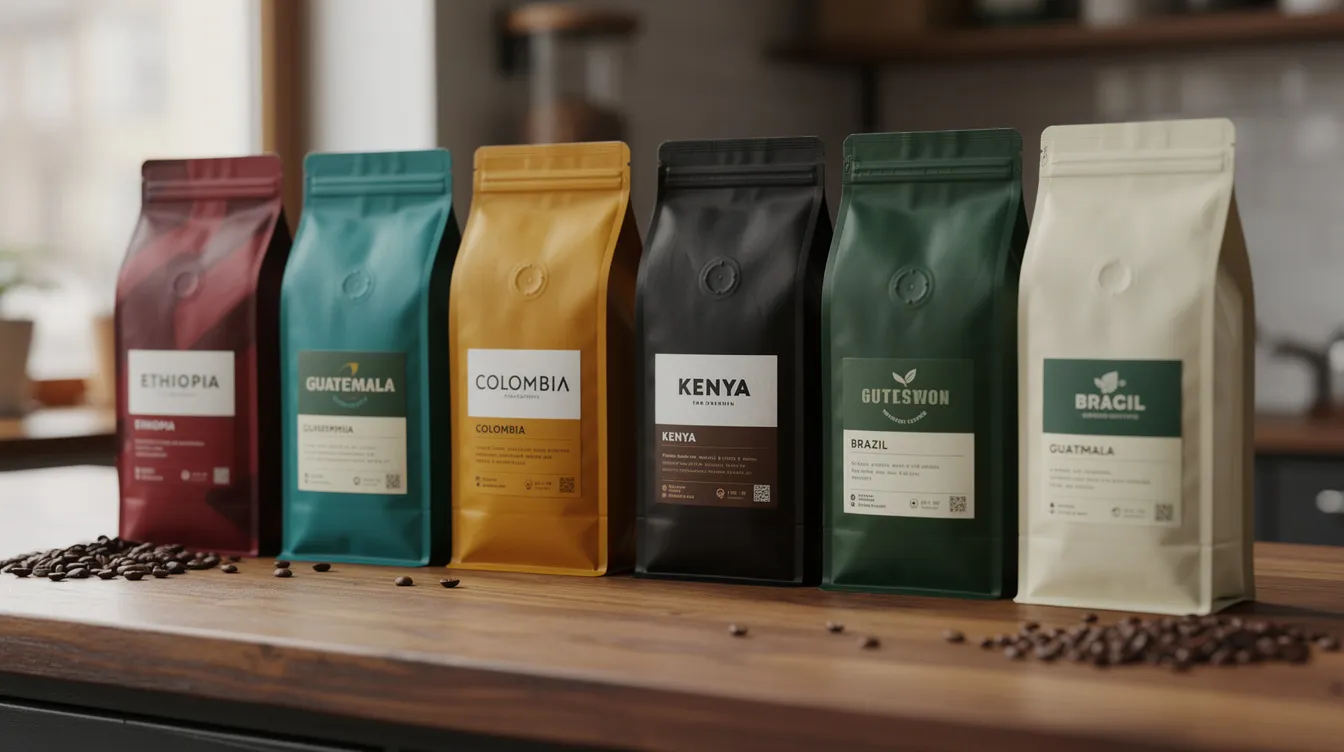
Multi-roaster subscriptions. Services like Trade Coffee and Bean Box aggregate offerings from dozens of different roasters. Trade Coffee sources from over 55 independent roasters nationwide, giving subscribers access to an enormous catalog. Bean Box offers over 600 specialty coffees spanning partner roasters across the country. MistoBox offers nearly 600 coffee varieties from over 60 roasters. These are ideal for the coffee drinker who wants maximum variety and exposure to diverse roasting styles. Many subscriptions let you taste a rotating mix of different flavors and origins with each delivery.
Single-roaster subscriptions. Blue Bottle, Counter Culture, Onyx Coffee Lab, and many local roasters offer their own beans on a recurring schedule. These subscriptions focus on a consistent roasting philosophy and tighter quality control – good for people who want predictability and a closer connection to a single roaster’s craft.
Niche and specialty subscriptions. Atlas Coffee Club delivers single-origin coffee from different countries monthly, functioning as a world tour in your morning cup. Podium Coffee Club sends only award-winning coffees, partnering exclusively with competition roasters. Other niche options focus on decaf-only, experimental processing, or micro-lot lots from South America, East Africa, or Southeast Asia. Subscriptions let you explore new single-origin coffees and roasters you might never discover at a local coffee shop.
Capitol City Coffee’s related guides dive deeper into each type. Start with our best coffee subscriptions roundup. See also our best single-origin coffee subscription, best decaf coffee subscription, and best coffee subscription gifts guides.
Multi-Roaster vs. Single-Roaster: Which Is Right for You?
This is one of the most important early decisions when picking a coffee subscription, and it comes down to what you value more: variety or consistency.
Multi-roaster pros:
- Unmatched variety – you rarely receive the same coffee twice
- Exposure to new regions, coffee making processes, and roasting philosophies
- Better chance of discovering unexpected favorites from independent roasters
- Frequent rotation keeps things interesting for adventurous coffee lovers
Multi-roaster cons:
- Quality can vary between partner roasters; not every bag will be a hit
- The catalog can be overwhelming (what makes Bean Box exciting to some feels daunting to others)
- Flavor consistency from bag to bag is inherently lower
Single-roaster pros:
- Consistent roast approach and predictable flavor profile
- Tighter control over sourcing and genuine craft
- Straightforward offerings – typically a blend line plus seasonal single origin beans
- Closer relationship with that roaster’s story and values
Single-roaster cons:
- Less variety; the flavor palette stays within one roaster’s range
- May not suit adventurous drinkers who want constant novelty
- Fewer ultra-niche or experimental lots compared with multi-roaster and competition-focused clubs
How Much Do Coffee Subscriptions Cost in 2026?
Most specialty coffee subscriptions in the U.S. work out to roughly $0.60 to $1.40 per brewed cup, depending on bean quality, rarity, and shipping costs. Compared with $5+ for a comparable pour-over at most coffee shops, that is significant savings for daily drinkers.
Typical pricing bands:
Tier | Price per 10–12 oz bag | Examples |
|---|---|---|
Value / entry-level | $14–$18 | Atlas Coffee Club (~$17 for 12 oz), Trade Coffee (~$15.75–$17) |
Mid-range specialty | $18–$24 | Bean Box ($19–$29 depending on size and roaster), MistoBox mid-tier |
Premium / competition | $25–$32+ | Podium Coffee Club Platinum, rare micro-lots |
Shipping matters. Some subscriptions roll shipping into the base price. Others charge separately – Bean Box, for instance, may add around $6 per shipment unless you prepay annually. Many services offer lower per-bag pricing or free shipping for subscribers on longer plans. Always calculate the total per-bag landed cost.
Introductory deals. Services frequently offer a first bag free, a reduced first month, or a free bag with a multi-month commitment. Atlas Coffee and others periodically run 50% off your first bag promotions. But long-term value depends on recurring pricing, not just the trial.
Quick value comparison: A $20 shipped bag yields roughly 17 cups at home (using about 18 g per 12 oz cup). That is approximately $1.18 per cup – less than a quarter of what one cup of excellent coffee costs at most specialty coffee shops.
Best Use Cases for Coffee Subscriptions
Coffee subscriptions shine in certain scenarios and are less necessary in others. Here is where they deliver the strongest value.
Daily home brewers. If you brew multiple cups a day via drip, pour-over, or French press, a subscription keeps fresh beans flowing without constant store trips. Automatic reorders reduce the risk of running out of coffee mid-week.
Remote workers and routine drinkers. A consistent house coffee on subscription means your morning cup is reliably excellent with zero planning. You can dial in your grinder once and enjoy the same roast level week after week with a single-roaster plan.
Explorers. Coffee lovers who want to travel the world by cup thrive with Atlas Coffee Club–style world tours or multi-roaster discovery boxes. You get new coffee from a different country or roaster each cycle, complete with tasting notes and origin information.
Espresso enthusiasts. Look for subscriptions that clearly label espresso-suited beans or offer dedicated espresso blends. Single origin beans can work beautifully for espresso but may require more dialing in.
Gift-givers. Birthdays, holidays, and corporate gifts pair well with services that have premium packaging and simple redemption – like curated Bean Box gift sets or Blue Bottle’s month club plans.
When a subscription might not fit:
- Very occasional coffee drinkers (a few cups per week)
- People already loyal to a favorite coffee from a local roaster
- Drinkers who strongly prefer flavored coffees or single-serve pods outside the specialty ecosystem
Browse Our Coffee Subscription Guides
Capitol City Coffee organizes its coverage into focused buying guides so you can jump directly to the most relevant recommendations.
- Best Coffee Subscriptions – A broad, curated overview of top services across categories: multi-roaster, single-roaster, experimental, value-friendly, and gifting-oriented subscriptions.
- Best Single-Origin Coffee Subscription – A deep dive into services emphasizing traceable origins, rotating countries, and terroir-focused flavor profiles.
- Best Decaf Coffee Subscription – The resource for decaf drinkers seeking Swiss Water–processed or similarly careful decaffeination with nuanced flavor and clear sourcing.
- Best Coffee Subscription Gifts – A guide to selecting subscriptions with strong unboxing experiences, attractive packaging, and flexible gift-length options suitable for holidays and special occasions.
Each guide is built using the same editorial criteria described later on this page.
Affiliate Disclosure
Capitol City Coffee is an independent coffee editorial and affiliate site. We may earn a commission when you purchase through outgoing links on this page, at no additional cost to you. Commissions do not influence rankings or which coffee subscription services we recommend. Our recommendations are based on researched editorial analysis, verified product facts, and reputable third-party consensus. Capitol City Coffee does not roast or sell its own beans and does not accept payment for inclusion in any recommendation list.
Featured Best Coffee Subscriptions Recommendations (Researched Editorial Picks)
The following picks are high-level examples based on researched editorial analysis and expert consensus from publications like WIRED, Forbes, and Bon Appétit – not exhaustive rankings. Detailed, ranked lists live in the dedicated guides linked above.
Best overall multi-roaster match: Trade Coffee. Trade Coffee sources from over 55 independent roasters nationwide, offering over 400 unique coffees in its catalog. A personalization quiz matches you based on roast level, flavor preferences, and brew method, then refines selections through ongoing feedback. Shipping cadence options include every 7, 10, or 14 days. Flavor tendencies skew balanced across the spectrum – light roast single origins through dark-roast blends. Price sits in the $15.75–$17 range per bag for most subscribers. Drawback: shipping windows can vary depending on roaster location, and grind options may not satisfy every espresso user. Trade is the only service in this list with an adaptive algorithm and catalog this large.
Best for global single-origin exploration: Atlas Coffee Club. Atlas Coffee delivers single-origin coffee from a different country each month – places like Colombia, Tanzania, Kenya, and beyond. Each shipment includes tasting notes and origin info, making it a true world tour for curious coffee lovers. Pricing lands around $17 for a 12 oz bag or $11 for a 6 oz half bag. Roast level options are available, and the service supports grind choices. Drawback: because Atlas Coffee is a single roaster sourcing globally rather than a multi-roaster aggregator, you get less variety in roasting style; espresso drinkers who prefer darker roasts may find selections skew lighter.
Best for variety and gifting: Bean Box. Bean Box offers over 600 specialty coffee options from a curated network of partner roasters. Its gift samplers and themed boxes (chocolate-forward, holiday sets) make it a strong pick for coffee subscription gifts. Bean Box supports premium wages for farmers through its purchases, adding an ethical dimension. Bean Box coffee is delivered within 5–7 days of roasting, and packaging is polished. Price ranges from $19 to $29 depending on size and roaster, with shipping sometimes extra (~$6) unless on an annual plan. Drawback: total cost can climb when you factor in shipping; flavor curation tends to lean toward chocolate and toffee profiles, which may feel repetitive for drinkers seeking more coffee variety.
Best for competition-level quality: Podium Coffee Club. Podium Coffee Club is known for award-winning coffees only – it only partners with award-winning roasters and sends competition-grade single origins. Podium Coffee Club ships within 24 hours of roasting, setting a high bar for freshness. This is best coffee for enthusiasts who prioritize flavor rarity and are willing to pay for it ($24–$30+ per bag). Drawback: higher price point, lighter roast skew that may not suit everyone, and limited selection per cycle.
Best for consistent single-roaster quality: Blue Bottle. Blue Bottle’s coffee subscription ships fresh roasted beans from its San Francisco–area roastery on a predictable cadence. The lineup spans blends and seasonal single origins, all roasted in small batches with a house style that emphasizes clarity and sweetness. Blue Bottle is a strong fit for drinkers who want reliable great coffee without surprises. Drawback: less variety than multi-roaster options and a narrower flavor spectrum.
Notable mentions for ethical sourcing: Wonderstate Coffee operates a fully solar-powered roastery, and Sightseer Coffee is a queer-owned business focused on sustainability – both worth exploring if sustainable practices weigh heavily in your decision.
Performance and Quality: What to Expect from Top Coffee Subscriptions
Performance for a coffee subscription translates to consistent freshness, reliable flavor profiles, and predictable results across brew methods. Here is what separates strong services from mediocre ones.
Flavor and roast accuracy. Good services label roast levels honestly – light, medium, dark – and those labels should track with your brewing experience. A bag labeled “light roast” should deliver brightness and acidity in a pour-over, not taste like a medium. Flavor notes should serve as a genuine guide, not marketing fiction.
Freshness expectations. Freshness-focused subscriptions send coffee directly from the roaster to ensure quality. Coffee freshness significantly impacts flavor quality – stale beans lose aromatic complexity and taste flat. Freshly roasted coffee retains peak flavor and aroma, so look for services with clear roast dates on every bag. For reference, most grocery store coffee sits on shelves for three to six weeks or longer, while quality subscriptions get coffee arrives at your door within days of roasting.
Quality variation. Multi-roaster services may show more variability from bag to bag but also deliver more peak experiences – that unexpected new beans discovery that becomes a favorite. Single-roaster subscriptions trade those highs for more even performance, delivering consistently excellent coffee without dramatic swings.
Packaging quality. Valve bags, resealable closures, and light-blocking materials slow staling after you open the bag. If you typically take a week or two to finish a bag, good packaging matters. Subscriptions emphasize freshness and traceability of coffee beans, but poor packaging can undermine both.
Subscription Usability, Flexibility, and Customer Experience
The best coffee subscription is not only about coffee beans – it must also be easy to manage in day-to-day life.
Key usability features to look for:
- Clear dashboards to change delivery frequency, grind type, or bag size
- Ability to pause or cancel online without calling support
- Simple tools to skip a shipment if you have more coffee than you need
Adaptive matching. Some services learn over time through rating systems. After each bag, you can tell the service whether a coffee was too dark, too fruity, or just right, leading to better future matches. This feedback loop is what makes algorithmic services like Trade or MistoBox improve the longer you subscribe.
Communication quality. Shipping notifications, tracking links, reminders before billing, and clear explanations of price changes all contribute to a positive customer experience. Early access to new offerings or seasonal lots is a bonus some services provide to loyal subscribers.
Gifting usability. Gift-focused services should offer straightforward flows: pre-paid plans, optional gift notes, and simple redemption instructions. The recipient should not need an engineering degree to activate their subscription.
Alternatives to Coffee Subscriptions
Subscriptions are not the only path to great coffee. Depending on your location and habits, alternatives may fit better.
Buying from a local coffee shop or roaster. If you live near a quality roaster, buying directly often matches subscription freshness without shipping delays. You lose origin variety compared with multi-roaster subscriptions but gain a personal relationship and zero transit time.
One-off online orders. Ordering individual bags from online roasters or marketplaces works well for targeted experiments – trying a specific Kenyan lot or a competition winner – without locking into a recurring plan. The trade-off is no automation and more effort per purchase.
Grocery-store specialty coffee. More accessible and sometimes cheaper, but usually with older roast dates and limited transparency versus a dedicated coffee subscription service. If roast date isn’t printed on the bag, freshness is essentially a guess.
Pods, capsules, and instant specialty coffee. Some drinkers prefer speed and simplicity. A small number of other coffee subscriptions support compatible capsules, but Capitol City Coffee primarily focuses on whole bean and ground coffee guidance.
How Capitol City Coffee Researches Coffee Subscription Recommendations
Capitol City Coffee is an independent coffee editorial and affiliate publication. We do not roast or sell our own beans.
Unless explicitly stated otherwise with documented testing notes, all recommendations are based on researched editorial analysis: verified product facts, roaster information, shipping and pricing details, and consensus opinions from reputable third-party sources like established coffee publications and aggregated buyer reviews.
We evaluate services against consistent criteria:
- Flavor focus and roast range
- Sourcing transparency and ethical practices
- Subscription flexibility and usability
- Customer feedback patterns
- Price-to-value ratio
- Current availability in the United States
Commission size and affiliate relationships do not dictate rankings or inclusion. Some services we recommend offer no affiliate program at all.
Guides are revisited periodically – typically annually or when major changes occur – so recommendations stay current as new coffee subscriptions launch or existing services update pricing, lineups, or shipping policies.
Frequently Asked Questions About Coffee Subscriptions
These questions address practical details U.S.-based coffee lovers commonly ask that are not fully covered above.
How fresh is coffee from a subscription compared with grocery store beans?
Most reputable coffee subscription services roast to order and ship within a few days, so your bag usually arrives 3–10 days off roast. That is dramatically fresher than grocery store beans, which may sit on shelves for weeks or months – some estimates put typical grocery shelf time at three to six weeks or longer.
Check for a clearly printed roast date on every subscription bag. Aim to drink most coffee between about 4 and 30 days after roasting for balanced flavor, adjusting based on roast level and brew method (espresso often benefits from a longer rest than filter coffee). Grocery options are slowly improving, but many still lack roast-date transparency, making true freshness difficult to judge.
Can I pause or cancel a coffee subscription easily?
Many modern coffee subscription services are designed for flexibility. Most allow pausing, skipping shipments, or canceling directly from an online account without needing to contact support. You can cancel anytime with the majority of standard plans.
Before subscribing, confirm pause and cancel terms – look for clear language about commitment length, renewal dates, and any pre-paid gift plan limitations. Gift subscriptions typically run for a fixed number of shipments and then stop automatically, while standard subscriptions renew until you pause or cancel.
Do I need a specific brew method to benefit from a subscription?
No. Most coffee subscriptions work well for common home brewing methods including drip machines, pour-over cones, French press, AeroPress, and cold brew. Many services offer grind options tailored to those methods, or you can order whole bean and grind at home for the best results.
Espresso-focused drinkers should look for subscriptions that clearly label beans as espresso-suited or offer dedicated espresso blends. Lighter single origins can produce wonderful espresso but often require more dialing in. If you use single-serve pods, only a subset of specialty subscriptions currently offer compatible capsules – prioritize services that specifically support your machine format.
Are coffee subscriptions worth it if I only drink coffee occasionally?
Occasional drinkers can still enjoy a subscription by choosing lower-frequency plans (monthly deliveries or less) and storing fresh beans properly in an airtight container away from light and heat. A half bag option from services like Atlas Coffee helps reduce waste.
For very light consumption – only a few cups per week – it may be more practical to buy high-quality bags occasionally from a local roaster or discover award winning roasters through one-off online orders. If you want to sample without commitment, consider a short-term gift-style subscription or a pre-paid three-month plan to taste several coffees before deciding on anything long-term.
What if I don’t like a bag I receive from my coffee subscription?
Policies vary across services. Some offer satisfaction guarantees or replacements for clearly defective bags, while others treat taste preferences as part of the exploration process and do not replace coffees that are simply “not my style.”
Look for services with rating systems or feedback forms – marking a coffee as too dark, too fruity, or too acidic helps the service learn your coffee preferences, improves future matches, and makes each subsequent bag more aligned with your palate. For unwanted but still drinkable coffee, practical options include using it for cold brew (which is forgiving of flavor mismatches), sharing with friends, or bringing it to the office. Adjust your subscription’s flavor preferences to avoid similar profiles next time.
The right coffee subscription fits your brewing routine, your budget, and your curiosity level – not the other way around. Start by identifying whether you value variety or consistency most, then use the dedicated guides on this page to compare specific services side by side. If you are still unsure, a short-term or gift-length plan is a low-risk way to discover whether subscription coffee belongs in your daily routine.