

A great cappuccino starts with the right bag of beans. If you own an espresso machine and want a richer, more balanced cup at home, the beans you choose matter far more than the brand printed on the bag. This guide breaks down the best coffee for cappuccino in 2026, with researched picks, practical buying advice, and brewing tips that actually move the needle.
Key Takeaways
- The best coffee beans for cappuccino are generally medium to medium-dark espresso-focused blends with chocolate, caramel, and nut tasting notes, enough body to push through steamed milk, and moderate acidity that keeps the drink lively without tasting sour.
- Freshness trumps everything: freshly roasted coffee beans are crucial for optimal flavor in cappuccinos, and buying whole bean coffee with a recent roast date matters more than chasing a famous label.
- This guide covers curated 2026 bag recommendations across price tiers-from specialty roasters to grocery stores-plus context on price per ounce and U.S. availability.
- Readers will also find guidance on choosing beans for their specific espresso machine type and milk preferences, along with brewing tips, storage advice, and answers to common cappuccino bean questions.
Quick Answer: Best Coffee for Cappuccino in 2026
For most home baristas, the best coffee for cappuccino right now is a freshly roasted medium-dark espresso blend with chocolate and caramel notes. Three bags that stand out across different needs: Coava’s S.O. Blend (specialty, caramel-toffee-chocolate), Caffe Vita’s Caffe Del Sol Espresso (dark, Italian-style intensity), and Lavazza Super Crema (widely available grocery pick with solid crema).
These are researched editorial picks, not based on Capitol City Coffee’s hands-on tasting. They were selected for how their flavor profiles, roast levels, and availability suit cappuccino specifically-meaning espresso-friendly solubility, enough body and natural sweetness, controlled acidity, and flavor notes that pair well with steamed milk and milk foam.
Full descriptions, pros and cons, and value analysis for each pick follow below.
Top Picks: Best Coffee for Cappuccino (2026 Bags Worth Buying)
Here is an at-a-glance list of the best coffee beans for cappuccino, each with a clear “best for” label. Detailed reviews and a comparison table follow in later sections.
- Best Overall – Coava S.O. Blend: Medium-dark roast espresso blend. Features caramel, toffee, and chocolate notes. Excellent body for milk drinks. Works well in semi-automatic and super-automatic espresso machines. Mid-specialty price tier.
- Best Budget / Grocery Store Pick – Lavazza Super Crema: Medium roast Italian blend. Hazelnut, brown sugar, mild fruit. Available at most U.S. grocery stores. Affordable per ounce in larger bag sizes.
- Best Dark Roast / Italian-Style – Caffe Vita’s Caffe Del Sol Espresso: Dark roast blend built for espresso machines. Low acidity, bittersweet chocolate, thick crema. Ideal for those who want bold flavors that anchor through foam.
- Best Specialty Single-Origin – Middle Fork’s Brazil Canaan Estate: Smooth medium roast single origin. Chocolate, toasted almond, clean sweetness. A good entry into single-origin cappuccinos.
- Best for Super-Automatic Machines – Monogram Warmth Espresso Blend: Medium-dark, Central and South American origins. Chocolate, nougat, low acidity. Consistent grind behavior, low surface oil.
- Best Decaf for Cappuccino – Counter Culture Coffee Slow Motion Decaf: Sugarcane EA decaffeinated. Balanced body, milk chocolate, caramel. Full enough for evening cappuccinos without the jitters.
- Honorable Mention: Everyday Blend – Cloud City Blend: The highest-rated everyday blend coffee in several 2026 roundups. Medium roast, approachable sweetness, versatile across brew methods including espresso.
- Honorable Mention: High-Caffeine – Death Wish Coffee: Known as the world’s strongest coffee. Dark roast with bold flavors. Not for everyone in cappuccino, but works for drinkers who want maximum intensity through milk.
At a glance
Compare Amazon-available cappuccino bags on a phone first: listing photo, roast notes, and a Check on Amazon button. Research-rated, not yet brewed by our team.
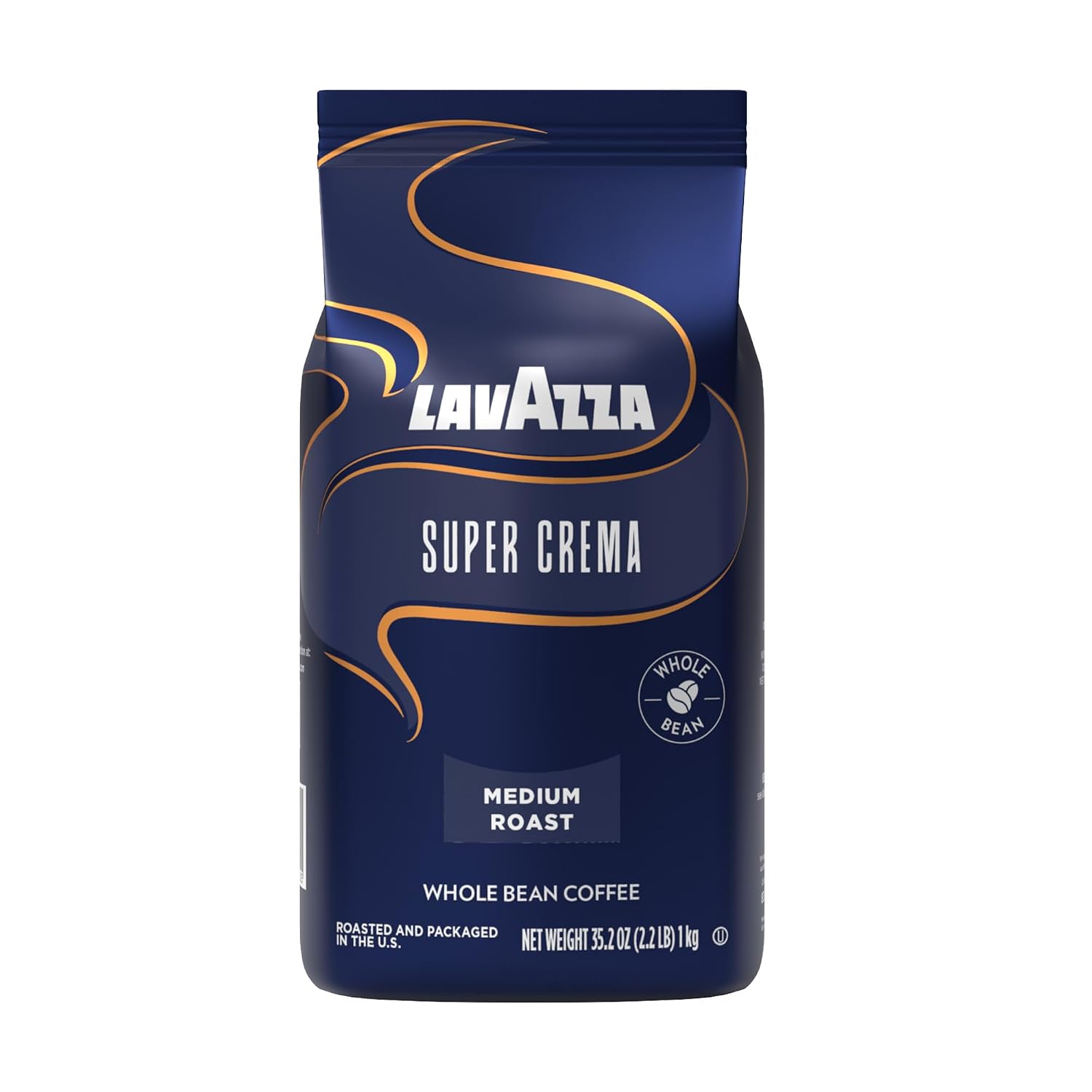
Best cappuccino espresso
Lavazza Super Crema
- RoastMedium
- Best forMilk foam drinks
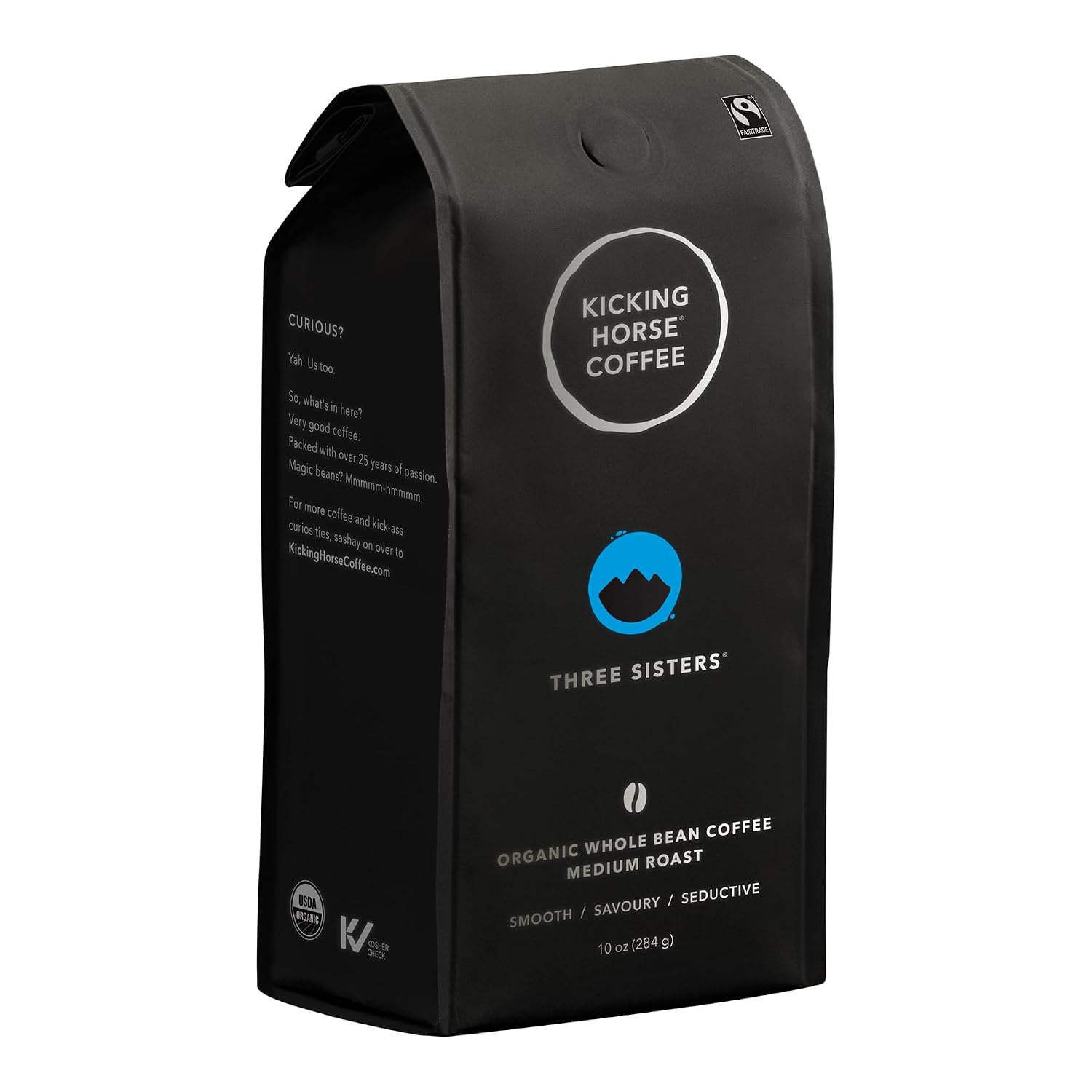
Best balanced milk
Kicking Horse Three Sisters
- RoastMedium
- Best forCappuccino and latte
Best grocery espresso
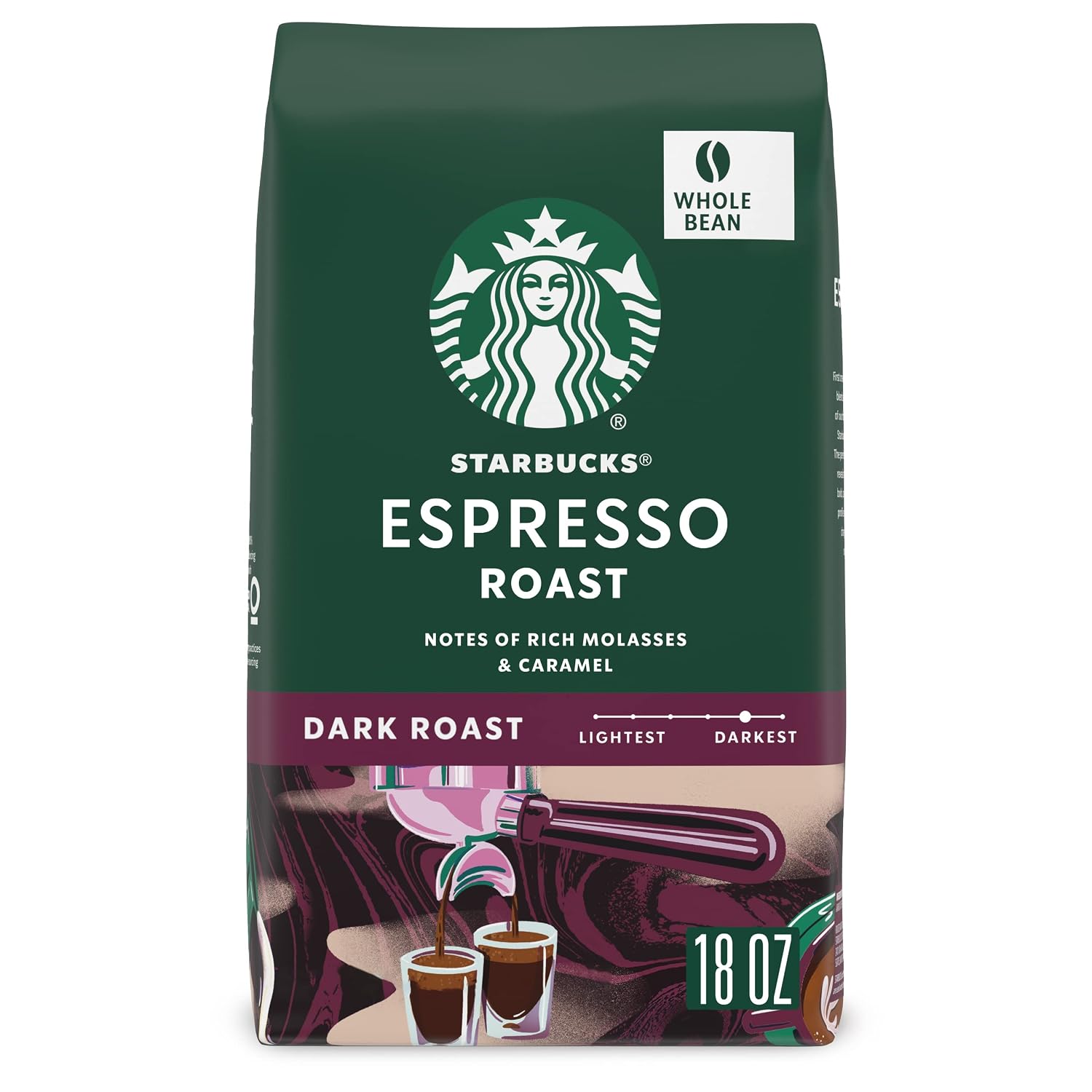
Starbucks Espresso Roast
- RoastDark
- Best forBold cappuccino
Best specialty milk
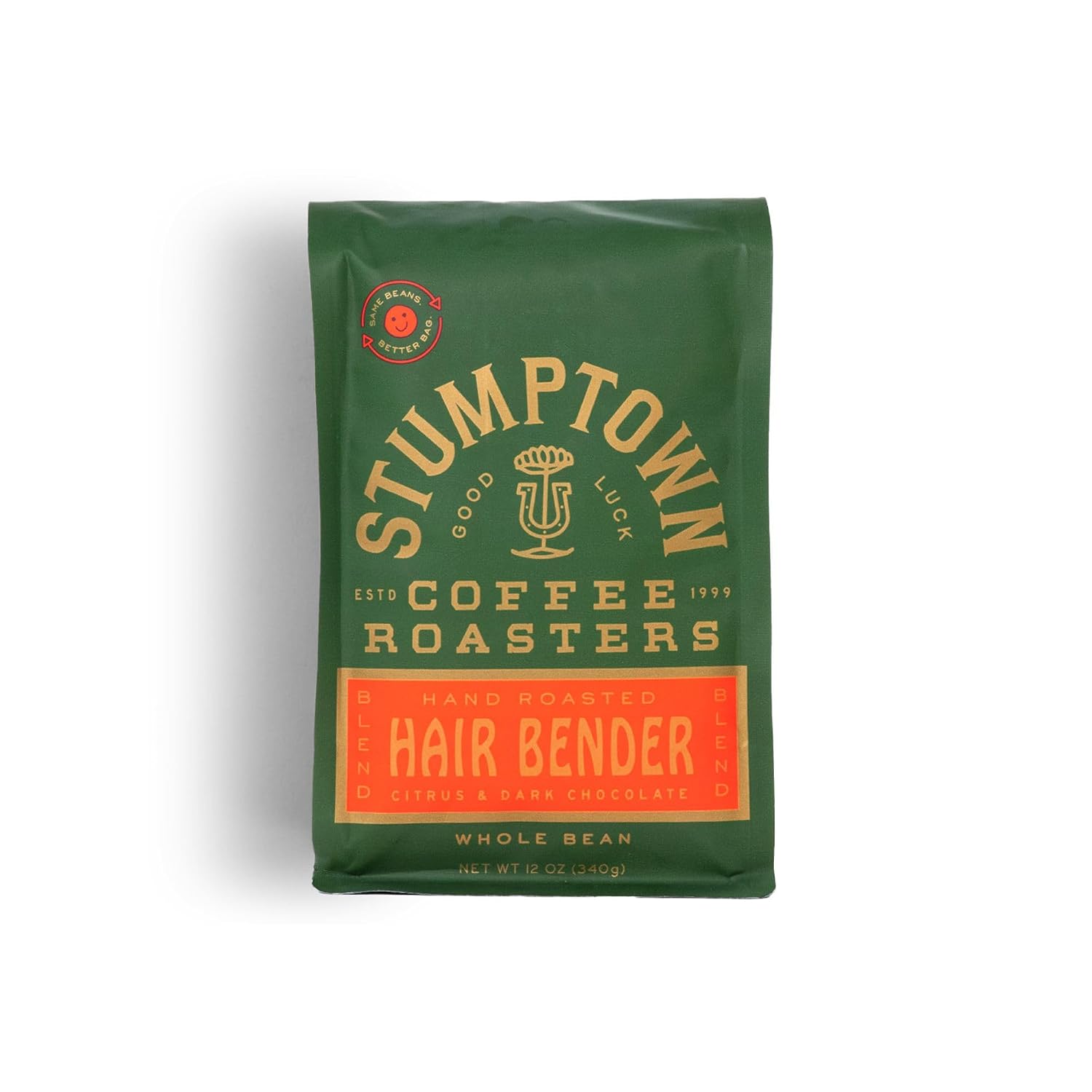
Stumptown Hair Bender
- RoastMedium
- Best forCitrus-chocolate foam
Coffee | Roaster | Origin / Blend | Roast Level | Flavor Notes | Format | Best Brew Method | ~Price/oz | Best For |
|---|---|---|---|---|---|---|---|---|
S.O. Blend | Coava | Multi-origin blend | Medium-dark | Caramel, toffee, chocolate | Whole bean | Espresso machine | $1.25 | Best Overall |
Super Crema | Lavazza | Blend (various) | Medium | Hazelnut, brown sugar, mild fruit | Whole bean / ground | Espresso, moka pot | $0.55 | Best Budget |
Caffe Del Sol Espresso | Caffe Vita | Blend | Dark | Bittersweet chocolate, smoky, caramel | Whole bean | Espresso machine | $1.10 | Best Dark Roast |
Brazil Canaan Estate | Middle Fork | Brazil single origin | Medium | Chocolate, toasted almond, clean | Whole bean | Espresso, pour over | $1.30 | Best Single-Origin |
Warmth Espresso | Monogram | Central & South America | Medium-dark | Chocolate, nougat, nuts | Whole bean | Super-automatic, espresso | $1.20 | Best Super-Auto |
Slow Motion Decaf | Counter Culture Coffee | Blend (sugarcane EA) | Medium | Milk chocolate, caramel, balanced | Whole bean | Espresso machine | $1.35 | Best Decaf |
Cloud City Blend | Cloud City | Blend | Medium | Sweet, approachable, versatile | Whole bean | Espresso, drip | $1.00 | Everyday Blend |
Death Wish Coffee | Death Wish | Blend (Arabica + Robusta) | Dark | Bold, cherry, chocolate | Whole bean / ground | Espresso, french press | $0.90 | High-Caffeine |
How We Chose the Best Coffee for Cappuccino
All recommendations here are based on researched editorial analysis-expert consensus, verified product details, user reviews, and roaster-published information. Capitol City Coffee did not conduct hands-on cupping or lab testing for this guide.
Our main evaluation criteria:
- Roast date and freshness: Bags with transparent, recent roast dates were prioritized. Coffee beans lose flavor rapidly after 30 days post-roast, so freshness is non-negotiable.
- Roast level and solubility for espresso: We favored medium to medium-dark roasts that dissolve predictably under pressure and produce balanced shots in home machines.
- Flavor profile in milk: Chocolate, caramel, and nut notes hold up in steamed milk far better than delicate floral notes or bright citrus alone.
- Body and mouthfeel: Cappuccinos need a coffee base with enough body to stay present through dilution with milk and foam.
- Origin and processing transparency: Roasters who disclose origin, altitude, processing, and whether a coffee is certified organic earned higher marks. That level of transparency also helps readers understand growing coffee practices and how sourcing supports coffee farmers. Specialty-grade beans score 80 or higher on a 100-point scale, and we looked for evidence of that quality tier.
- Price per ounce and U.S. availability: We balanced specialty value with accessibility, including options you can find at grocery stores and online.
- Whole bean preference: Whole bean options were favored, though a few pre-ground alternatives are noted for convenience.
Affiliation or commission potential did not override quality or value in any ranking.
What Makes Coffee “Cappuccino-Friendly”? (Beans, Milk, and Balance)
A cappuccino is roughly a 1:1:1 balance of espresso, steamed milk, and foam. That means whatever ends up in your cup gets diluted significantly. Your coffee beans need enough intensity and body to stay present through all that milk-not disappear into a vaguely coffee-flavored warm drink.
The key sensory attributes for cappuccino beans:
- Medium to full body that gives the drink weight and texture
- Pronounced sweetness-caramel, brown sugar, toffee-that complements milk’s natural sugars and lactose
- Moderate, controlled acidity that adds liveliness without making the drink taste sour
- Flavor notes that complement milk: chocolate notes, roasted nuts, dark cherry, and toffee all thrive in milk drinks, while very delicate fruity notes or floral notes tend to get buried
Blends often fill flavor gaps left by dairy in milk drinks-one origin adds sweetness, another provides body, a third contributes mild brightness. A mix of Arabica and a touch of high-grade robusta beans enhances crema production and body, which helps support the microfoam texture that creates a velvety body in your cappuccino. Low acidity and rich body are important baseline traits. Cappuccinos require a strong coffee base to balance milk, and that’s why many coffee lovers gravitate toward espresso-optimized beans rather than regular coffee beans roasted for drip.
Look for tasting notes like “chocolate,” “caramel,” “hazelnut,” and “brown sugar” on bags marketed as espresso beans-that’s the simplest shortcut to cappuccino-friendly coffee.
Roast Level for Cappuccino: Medium vs Dark (and Why It Matters)
Roast level is one of the most important variables when choosing the best coffee beans for cappuccino. According to the Specialty Coffee Association’s roast color research, roast level continues to be the most motivating purchase claim among specialty coffee consumers-more influential than “single-origin” or “100% Arabica.”
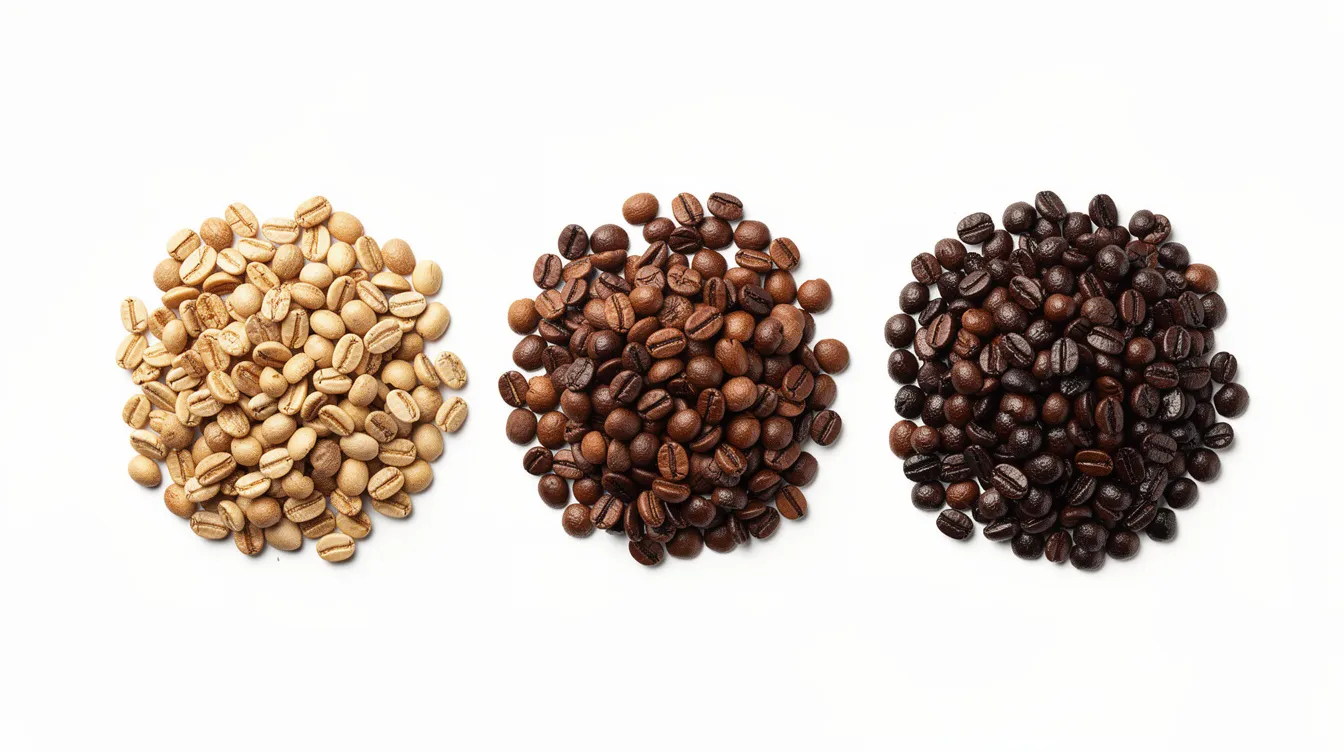
Light roast espresso beans retain bright acidity and origin character but can taste sour or thin once mixed with milk. Unless you specifically enjoy high acidity and are comfortable fine-tuning your espresso machine, light roast is the hardest to make work in a classic cappuccino.
Medium and medium-dark roast espresso beans tend to be the sweet spot. Medium to medium-dark roasts are ideal for cappuccino preparation because they emphasize sweetness and body, maintain some origin character, and pair naturally with milk’s lactose. Darker roast profiles produce chocolate and caramel notes that complement milk best, without crossing into burnt territory.
Dark roast beans deliver thicker body, low acidity, and smoky or bittersweet chocolate notes that many people associate with traditional Italian-style cappuccinos. They are also generally more soluble, making dialing in easier on home machines. The trade-off: less origin nuance and a narrower window before bitterness takes over.
Simple guidance: if you like sweeter, chocolate-forward cappuccinos, choose medium dark roast. If you prefer more nuance, or mainly drink espresso before mixing with milk, consider a medium roast. If you want intense, roasty flavors, go for well-roasted dark roast beans-but avoid very oily, burnt-smelling coffee beans. Cappuccino beans should not taste burnt or overly sour when mixed with milk.
Origin and Processing: How Your Coffee Bean’s Story Shows Up in a Cappuccino
Origin and processing methods shape acidity, sweetness, and flavor notes-all of which determine how the espresso base tastes once milk is added. Arabica beans make up around 60% of the world’s coffee supply and form the backbone of most specialty espresso. High-altitude beans are denser and develop complex flavors, which is why high-altitude Arabica beans provide the extraction strength needed for milk-based drinks.
Broad origin tendencies relevant to cappuccino:
- Brazil and Colombia: Chocolatey, nutty comfort. Brown sugar, cocoa, toasted almond. The safest, most crowd-pleasing starting point for cappuccino beans.
- Central America (Guatemala, Honduras, Costa Rica): Balanced caramel and mild stone fruit. Clean sweetness. A well-developed lot can sometimes show subtle key lime brightness. Coffee grown at higher altitudes in these regions often shows rich chocolate and toffee.
- Ethiopia and Kenya: More floral notes, ripe fruit, bright citrus, berry. Beautiful in straight shots but can feel one-dimensional in milk unless roasted to medium-dark.
- Blends mixing multiple regions: Designed for consistency across different batches, which is why they dominate espresso menus.
On processing: washed coffees deliver cleaner, more classic espresso flavors. Natural and honey processes add jammy, fruity sweetness that some cappuccino drinkers love-the natural sugars caramelize differently during the roasting process, giving flavor depth that milk can actually enhance.
Single-origin coffee comes from one specific location and highlights unique regional flavors. For your first cappuccino-focused bag, a Brazil- or Colombia-led blend is usually the safest choice. Adventurous readers should explore single-origin coffees once comfortable dialing in their machine-especially those who like more complex cappuccinos with dark cherry or citrus notes peeking through the milk.
Whole Bean vs Ground for Cappuccino
For the best coffee for cappuccino, whole bean is strongly preferred. Freshness and grind size control are critical for espresso-based drinks, and grinding accelerates staling-oxygen exposure is detrimental to coffee bean freshness, and breaking the bean open exposes vastly more surface area to air.
Whole bean coffee combined with a good burr grinder lets you fine-tune grind size for your specific espresso machine, improving crema, extraction time, and sweetness. Finely ground coffee at the right consistency is the foundation of a good espresso shot, and you simply can’t adjust pre ground coffee to match your machine’s needs.
That said, pre-ground espresso beans and capsules exist and are acceptable compromises for busy readers. Ground coffee in espresso-grind format will work in a pinch, but it trades off some flavor and flexibility. If budget allows, buy coffee beans whole and invest in an entry-level burr grinder before upgrading your espresso machine itself-that single change often makes a bigger difference than switching to pricier beans.
Detailed Picks: Best Coffee Beans for Cappuccino in 2026
This is the core of the guide: in-depth profiles of each recommended bag. Every pick includes a “best for” label, flavor description, value and availability notes, and honest limitations. All information is based on product labels, roaster descriptions, expert reviews, and broad consumer consensus-not Capitol City Coffee’s own cuppings.
Picks span specialty-roaster blends to widely available grocery options so readers at different budgets can find a coffee that works.
Best Overall: Coava S.O. Blend
Coava’s S.O. Blend features caramel, toffee, and chocolate notes in a medium-dark roast profile that was designed with espresso extraction in mind. The blend pulls from multiple origins, balancing sweetness with just enough acidity to prevent flatness in milk drinks.
In cappuccino, this blend performs well: thick body, strong natural sweetness, and a flavor profile that reads clearly through steamed milk and foam. It’s the kind of espresso blend where you taste chocolate and toffee in every sip, not just on the first one. Brew-method fit centers on semi-automatic and super-automatic espresso machines, though it also works in a moka pot for stovetop cappuccino-style drinks.
Value and availability: roughly $1.25 per ounce for a 12 oz bag, available direct from Coava and through select online specialty retailers. Subscription options can shave a few dollars off. The main limitation is regional distribution-you’re unlikely to find it at grocery stores, so online ordering is the most reliable path.
Best Budget Coffee for Cappuccino (Grocery Store Friendly)
Lavazza Super Crema is a medium roast blend available at most U.S. supermarkets, often in a large bag (2.2 lb), bringing the price to roughly $0.55 per ounce. For many coffee lovers, it’s the path of least resistance to decent cappuccinos at home.
The flavor profile is practical rather than dazzling: hazelnut, brown sugar, mildly fruity, with enough body to stand up to steamed milk. It won’t wow a specialty coffee enthusiast, but it delivers a solid, chocolatey base for everyday cappuccinos and lattes without breaking the budget. Available in both whole bean and pre-ground espresso-grind formats.
Trade-offs are real: sourcing transparency is limited, roast dates may not be printed clearly, and coffee beans can be stale before reaching grocery shelves. The roast profile is gentle enough to avoid bitterness, but you’ll notice the difference compared to freshly roasted beans from independent roasters. For the price and convenience, it remains one of the best budget espresso beans on the market.
Best Specialty Single-Origin for Cappuccino
Middle Fork’s Brazil Canaan Estate is a smooth medium roast single-origin coffee that third-party reviewers consistently praise for chocolate, toasted almond, and clean sweetness-exactly the flavor profile that works in cappuccinos. As a Brazilian lot, it benefits from lower natural acidity, a creamy body, and straightforward sweetness that milk enhances rather than masks.
What sets this apart from blends: more distinct regional character in the cup, with a subtle nuttiness and a hint of dried fruit showing through the milk. High-acidity single-origin coffees can enhance cappuccino flavors when the acidity is the right kind-bright but not sharp-and this Brazilian estate delivers that balance. Dialing it in for espresso can be slightly more finicky than a blend, so it suits home baristas willing to adjust grind and dose.
At roughly $1.30 per ounce, it’s priced as a specialty coffee and works better as a regular rotation pick than a once-a-year splurge. Available online direct from the roaster.
Best Dark Roast Beans for Old-School Cappuccino Lovers
Caffe Vita’s Caffe Del Sol Espresso is built for espresso machines and delivers the low-acidity, thick-crema, bittersweet character that many cappuccino drinkers associate with traditional Italian cafes. The roast profile is dark but controlled-not burnt-with visible oil on the surface and bold flavors of dark chocolate, caramel, and a touch of smoke.
A touch of robusta beans helps the espresso flavor anchor through the foam, giving the drink a punch that doesn’t fade under generous milk. This is the pick for drinkers who want their cappuccino to taste unmistakably like coffee, not like warm flavored milk.
Limitations: dark roast beans have a shorter freshness window due to higher surface oils, and over-extraction produces bitterness quickly. Grinder maintenance matters more with oily beans. Best brew method is semi-automatic or super-automatic espresso machines. Fans of sweet syrups or flavored cappuccinos may particularly enjoy this style as a base. Around $1.10 per ounce.
Best Coffee Beans for Cappuccino on Super-Automatic Machines
Monogram Warmth Espresso Blend is a medium-dark blend from Central and South American origins with washed processing, producing chocolate, nougat, and nut notes at low-to-moderate acidity. It’s widely recommended for super-automatic (bean-to-cup) machines where grind control is limited.
What makes it work: consistent bean size, low surface oil (so it won’t clog the internal grinder), and a forgiving roast profile that delivers dependable crema and a chocolatey base even when the machine’s settings aren’t perfectly dialed. In milk-heavy drinks like cappuccinos and lattes, the sweetness stays stable.
Available in whole bean format, often in 12 oz or 340 g bags. At roughly $1.20 per ounce, it’s squarely in the specialty price range. For super-automatic users who go through beans quickly, consider ordering two bags at a time and storing the second sealed until needed-more on storage below.
Best Decaf Coffee for Cappuccino
Counter Culture Coffee Slow Motion Decaf uses sugarcane EA decaffeination-a method that preserves sweetness and body better than older chemical processes. The roast level is medium, and the flavor profile leans toward milk chocolate, caramel, and balanced nuttiness. It has enough body to feel indulgent in a cappuccino rather than thin or papery.
Decaf espresso beans have improved dramatically. Recent evaluations show that decafs using Swiss Water, sugarcane EA, or CO₂ decaffeination can deliver thick crema, syrupy sweetness, and body that hold up even with milk. Counter Culture’s offering is one of the strongest in this category.
At roughly $1.35 per ounce, it’s on the higher end, which reflects the added processing cost. Available direct from Counter Culture and through select online retailers. Honest compromise: decaf beans sometimes produce slightly less crema than regular coffee beans, and aromatics can be a touch muted. But for evening cappuccinos or caffeine-sensitive drinkers, this is a legitimate option-not a fallback.
How to Choose the Best Coffee Beans for Your Cappuccino
If you’d rather pick your own bag than follow specific brand recommendations, here are the filters that matter most when buying coffee for cappuccino:
- Flavor family: Prefer chocolatey, caramel, nutty profiles? Go with Brazil- or Colombia-based blends. Want more complexity with fruity notes or dark cherry? Look at Ethiopian or Kenyan components in a blend.
- Roast preference: Medium dark roast is the broadest sweet spot. Dark roast beans for intensity. Medium roast for more origin nuance.
- Acidity tolerance: If you find some coffees taste sour in milk, move darker in roast or choose washed-process beans from lower-altitude origins.
- Budget: Specialty bags run $0.80–$1.50 per ounce. Grocery brands like Lavazza or Illy come in well under $1.00 per ounce. Decide how much coffee you drink monthly and set a realistic per-bag budget.
- Online vs local: Ordering from independent roasters gets you fresher roast dates. Grocery stores offer convenience but often stock beans roasted weeks or months earlier.
How to read coffee bean packaging: look for a printed roast date (not just a “best by” date), origin or blend description, tasting notes, processing method, and whether the bag is pitched as espresso beans or all-purpose. If it says “espresso roast” or “espresso blend,” it’s been optimized for pressure brewing and milk-based drinks.
Start from your drink preference: if you mostly drink cappuccinos and lattes, choose a classic, chocolate-forward espresso blend. If you also enjoy straight shots or pour over, consider a more nuanced medium roast that can pull double duty. And experiment with small bags (8–12 oz) at first-there’s no reason to commit to a large bag of different beans until you know they suit your own taste.
Brewing and Milk Tips: Getting the Most from Your Cappuccino Beans
Even the best espresso beans can taste disappointing in cappuccino if grind, dose, and milk technique are off, especially when roasters roast coffee for espresso solubility and balance with milk.
Espresso basics for cappuccino:
- Espresso is made by forcing hot water through finely ground coffee under pressure, and stable temperature and pressure improve extraction quality.
- Dose: 18–20 g of finely ground coffee for a double espresso shot
- Yield: roughly 36–40 g of liquid espresso
- Time: 25–35 seconds extraction
- These are starting points. Adjust grind size in small increments-finer if your shots taste sour and under-extracted, coarser if they taste bitter. How much coffee you use matters, but consistency matters more.
Milk technique for cappuccino:
- Start with cold milk (whole milk gives the best foam and sweetness)
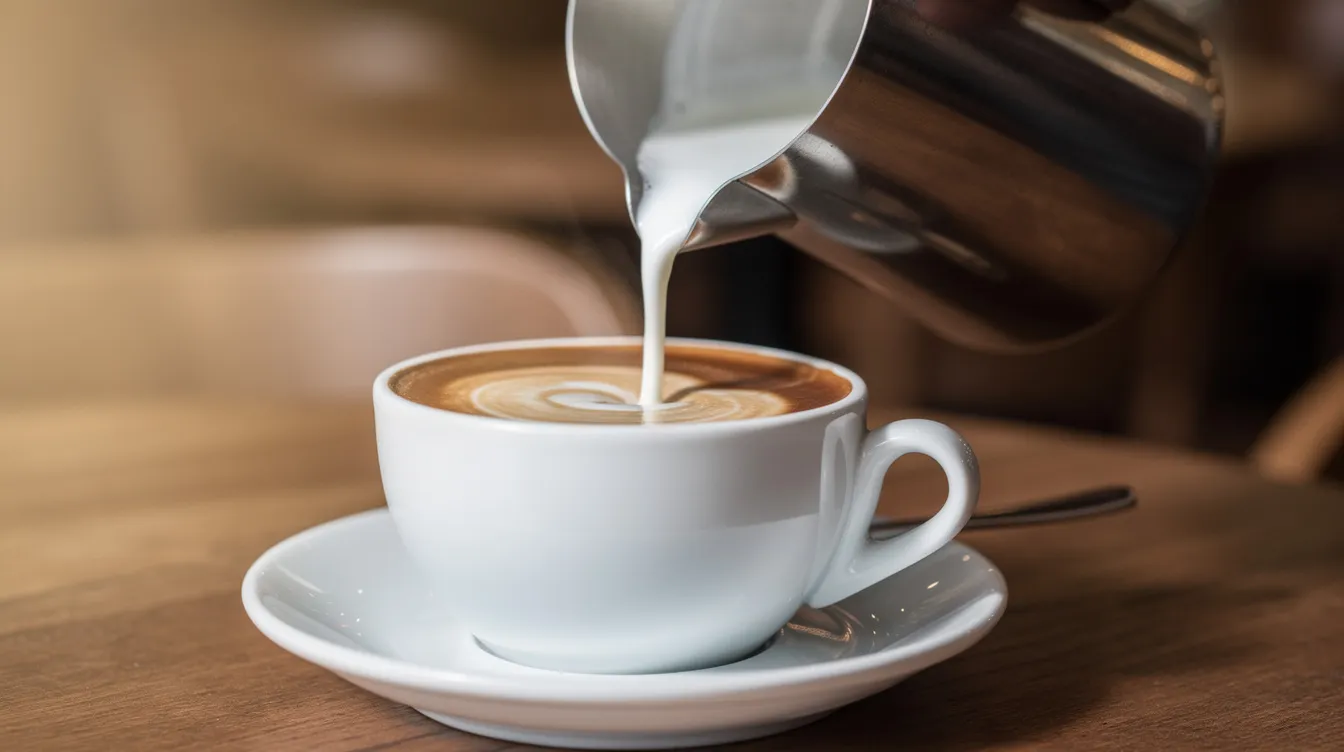
- Steam to around 140–150°F, creating velvety microfoam-tiny, uniform bubbles, not big frothy ones
- Aim for roughly equal parts espresso, steamed milk, and milk foam
- Milk’s lactose converts to perceived sweetness at these temperatures, which is why well-steamed milk tastes noticeably sweeter
Alternative milks: Oat milk is the most popular choice among home baristas and cafes. Look for barista-style formulas with added proteins for better foam. Thicker plant milks tend to mask lighter roast nuances, so choose coffee beans with enough intensity-a medium dark roast or darker-to shine through. Almond and soy work in the same way but produce less stable foam unless you use barista versions.
Freshness, Storage, and Buying Coffee Smart
Roast date drives flavor and crema in cappuccino more than almost any other variable. Freshly roasted coffee releases carbon dioxide, enhancing flavor development and crema formation. Fresh coffee beans’ peak flavor is 4 to 14 days post-roast-this is when aromatics, sweetness, and crema are at their strongest. After about 30 days, flavor degrades noticeably, and espresso shots start pulling thinner with less sweetness.
Practical advice:
- Buy in quantities you can use within a month. For most households, a 12 oz bag every two to three weeks is about right. Resist the urge to stockpile a large bag unless you’re going through beans fast on a super-automatic machine.
- Store beans in an opaque, airtight container at room temperature. Keep them away from light, heat, and moisture. Skip the fridge or freezer for daily-use bags-temperature fluctuations introduce condensation that accelerates staling.
- Order from reputable specialty roasters when possible. They typically roast to order or ship within days of roasting. Buying coffee from big-box retailers or marketplaces often means beans have been sitting in a warehouse for weeks. Per the ICO’s 2025–26 market report, supply chain pressures remain, making sourcing transparency and roast-to-ship timelines more important than ever.
- Check for whole bean options and a printed roast date as the simplest quality indicators when buying coffee for cappuccino online. If a bag only lists a “best by” date 12 months out, treat that as a red flag.
Related Drink Guides from Capitol City Coffee
If you’re dialing in your cappuccino game, you’ll likely want to explore how different beans suit other drink styles too. Capitol City Coffee’s coffee by drink guide covers espresso, americanos, flat whites, and more.
A few specific recommendations:
- Considering iced drinks for warmer months? The best coffee for iced coffee guide covers beans and roast levels that work well over ice.
- Wondering whether you need different beans for lattes vs cappuccinos? Check the best coffee for lattes page-the milk ratios differ, and so do the ideal bean profiles.
- For broader buying guides, roast-level deep dives, and brew-method fundamentals, explore the main coffee section.
Our Cappuccino Coffee Picks
We matched one coffee to each cappuccino mood below. Tap the image or the coffee name. Research-rated, not yet brewed by our team.
Feeling crema: a grocery espresso roast
Our pick: Lavazza Super Crema, whole bean. Named in the Quick Answer as the widely available grocery pick with solid crema for cappuccino. Research-rated, not yet brewed by our team.
Feeling Italian dark: a chocolatey short drink
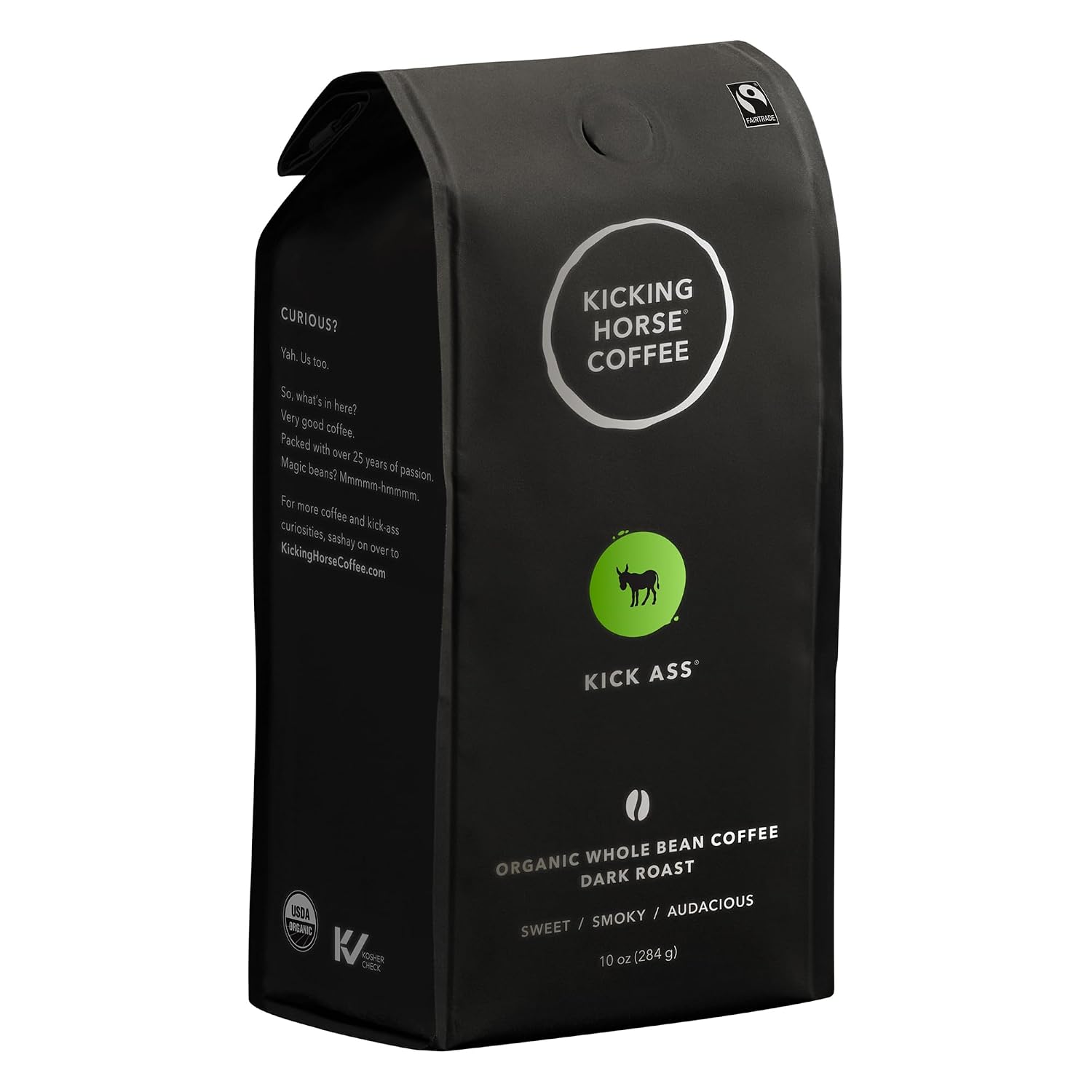
Our pick: Kicking Horse Kick Ass, dark roast, whole bean. Stands in for the Italian-style intensity named in this article when Coava and Caffe Vita are sold direct. Research-rated, not yet brewed by our team.
FAQs: Best Coffee for Cappuccino
These FAQs address common questions that go beyond what’s covered above, focusing on practical home barista concerns. Answers are grounded in widely accepted coffee knowledge and free of unsupported claims.
Can I use regular coffee beans for cappuccino, or do I need “espresso beans”?
There is no separate coffee plant for espresso beans-“espresso” is a brew method, not a bean variety. Many regular coffee beans work well for cappuccino if roasted suitably and ground finely enough. Bags labeled “espresso beans” are usually medium to dark roast blends optimized for pressure brewing and milk drinks, which makes them a convenient starting point. If you already have a favorite medium or medium-dark roast whole bean coffee, try dialing it in on your espresso machine before buying a dedicated espresso blend. Just note that very light-roast drip coffees may taste sour or thin in cappuccinos because of higher perceived acidity in milk.
What roast level is best for a classic cappuccino taste?
Most classic cappuccinos are built on medium to medium-dark espresso roast beans, which deliver chocolatey, caramelized sugar notes and enough body to stand up to milk. Dark roast beans produce a more intense, roasty, sometimes smoky flavor that many people associate with traditional Italian bars, but they can verge on bitter if over-extracted. Light roasts are more niche in cappuccinos, appealing mainly to those who enjoy brighter, fruitier flavors. If you’re unsure, start with a medium dark roast and adjust future purchases based on how much roastiness you enjoy in your cup.
How long do coffee beans stay fresh enough for good cappuccinos?
Once roasted, coffee beans are generally at their best for espresso and cappuccinos from about 4 days after roast up to roughly 14 days for peak flavor. They remain quite good through about four to six weeks with proper storage. Beyond that, beans gradually lose aromatics, sweetness, and the ability to produce thick crema-all of which matter in milk-based drinks. Buy in bag sizes that match roughly two to four weeks of your household’s cappuccino consumption so beans don’t linger stale in your hopper.
Do I need a special grinder for cappuccino-level espresso?
You don’t need a commercial grinder, but a burr grinder that produces consistent fine espresso grinds is highly recommended. Inexpensive blade grinders create uneven particles, making it harder to get balanced, sweet shots that taste good with milk. If you use a super-automatic espresso machine, the built-in grinder handles this for you-but you should still choose whole bean coffee with a suitable roast level. If budget is limited, upgrading to a basic burr grinder often improves cappuccino quality more than switching to a more expensive espresso machine or pricier beans.
Is decaf coffee a good option for cappuccinos?
Decaf coffee beans can absolutely make satisfying cappuccinos, especially when processed by methods like Swiss Water or sugarcane EA that preserve flavor compounds. Good decaf espresso blends still offer chocolate, caramel, and nut notes with enough body to stand up to steamed milk. Decaf beans may produce slightly less crema than regular beans, but careful grinding and dosing can still yield rich, enjoyable drinks in liquid form. If you’re sensitive to caffeine or want evening cappuccinos, keeping a bag of quality decaf espresso beans on hand alongside your regular coffee beans is a practical move-not a compromise.