Colombian coffee features caramel, chocolate, and nut flavors with medium acidity and body, making it the safer everyday pick for most drinkers. Guatemalan coffee leans toward cocoa, brown sugar, and gentle fruit with a fuller body and more dramatic regional variation. Neither is objectively better-the right choice depends on your palate, brew method, and budget.
This is a researched editorial analysis from Capitol City Coffee, an independent comparison site, not a roaster or seller. The goal is to help you make informed choices based on taste, value, and how you actually brew at home.
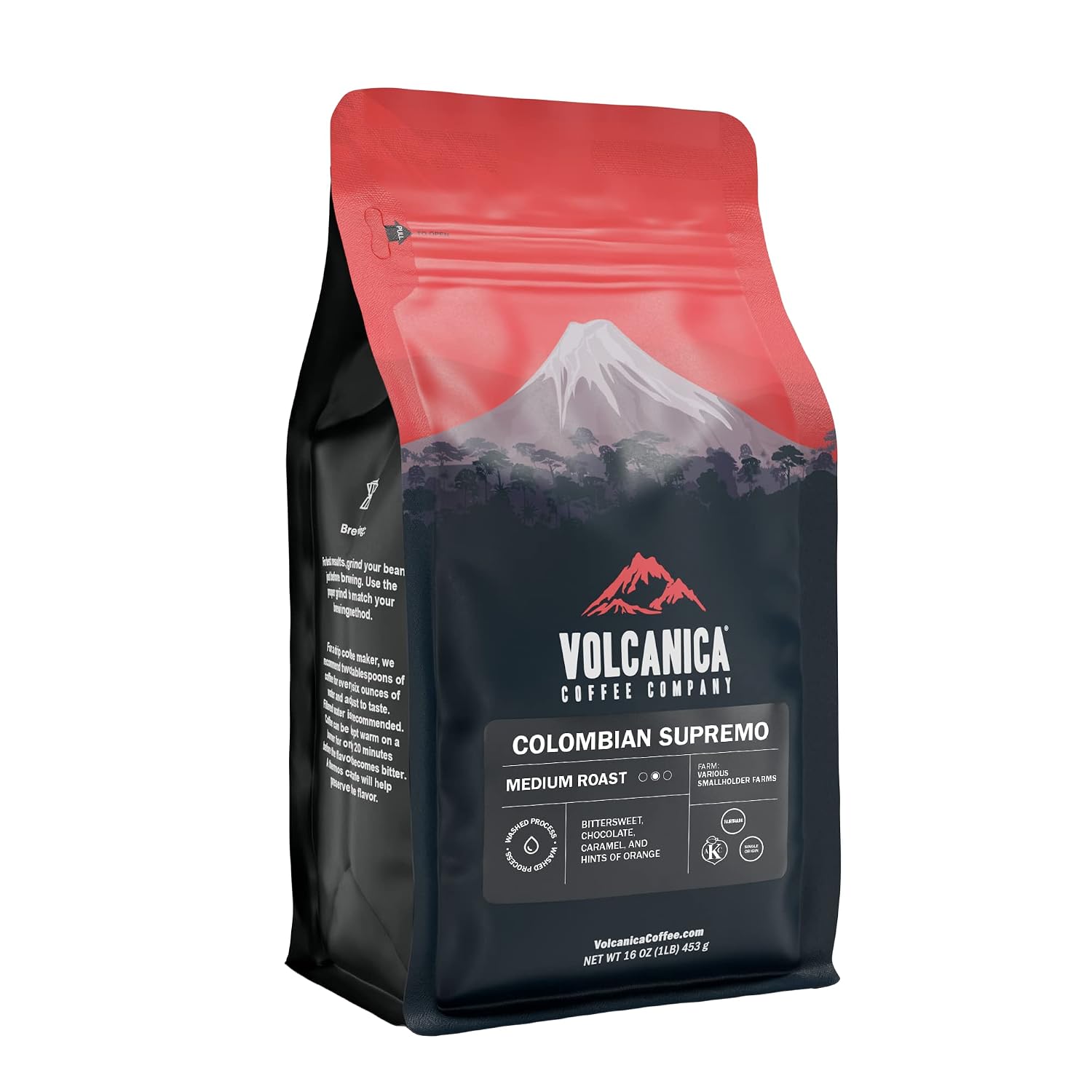
Best colombia pick
For this roundup, Volcanica Colombian Supremo is the colombia we recommend first—the same pick at the top of our At-a-glance cards below.
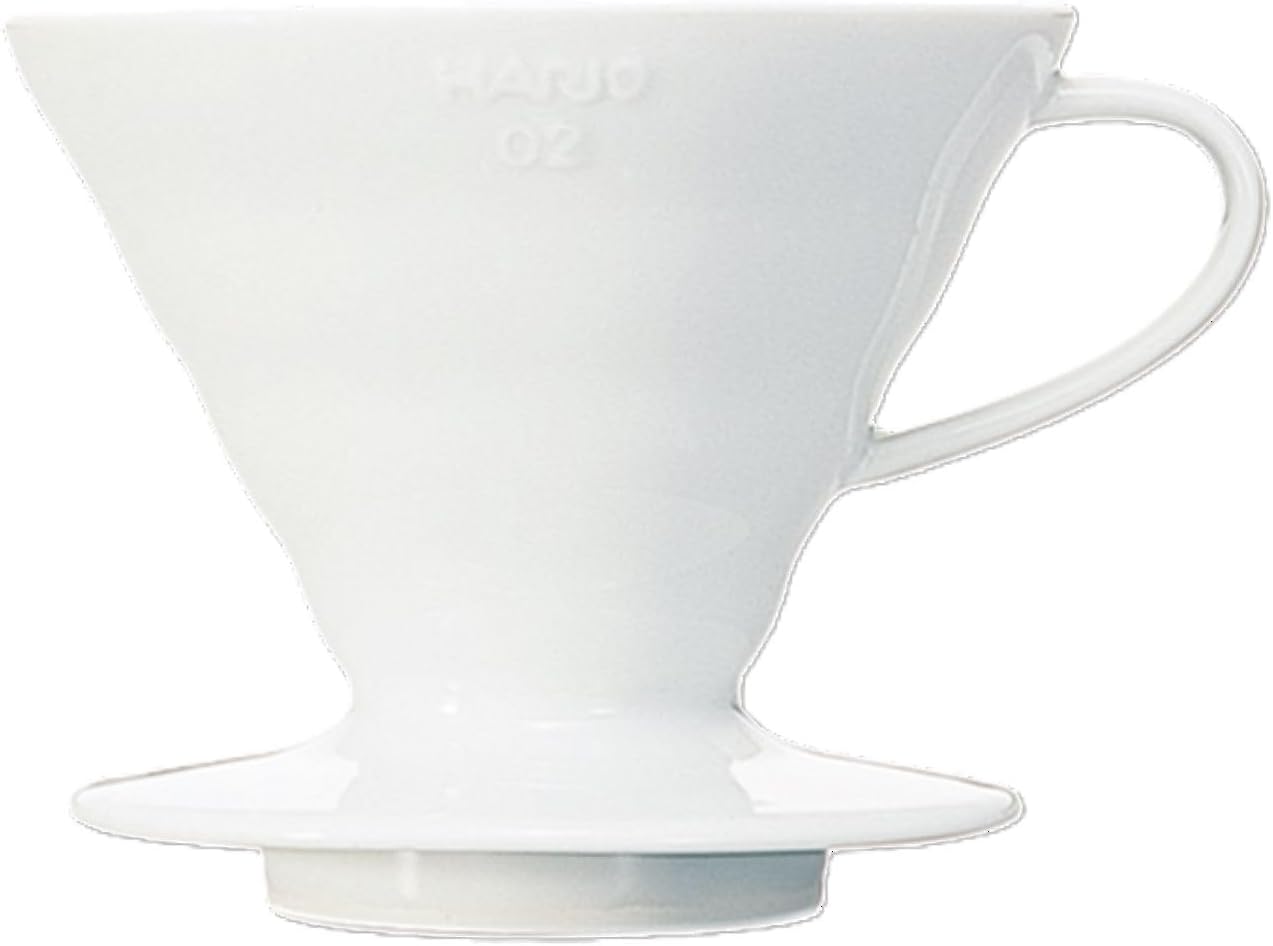
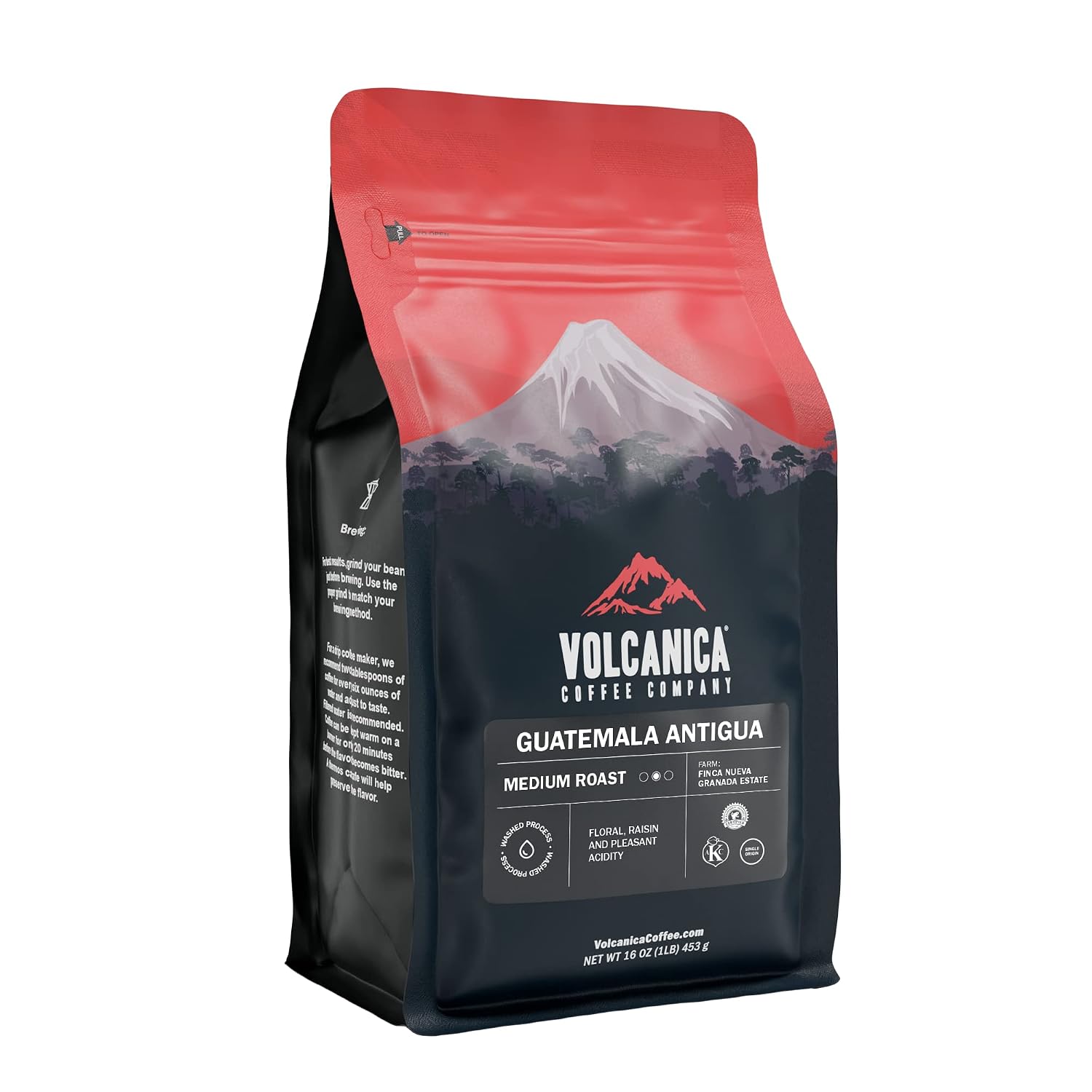
Origin bags are the main pick. If that bag is waiting, a canister and a cheap V60 still help the beans you already have—without swapping in grocery beans that undercut the origin.
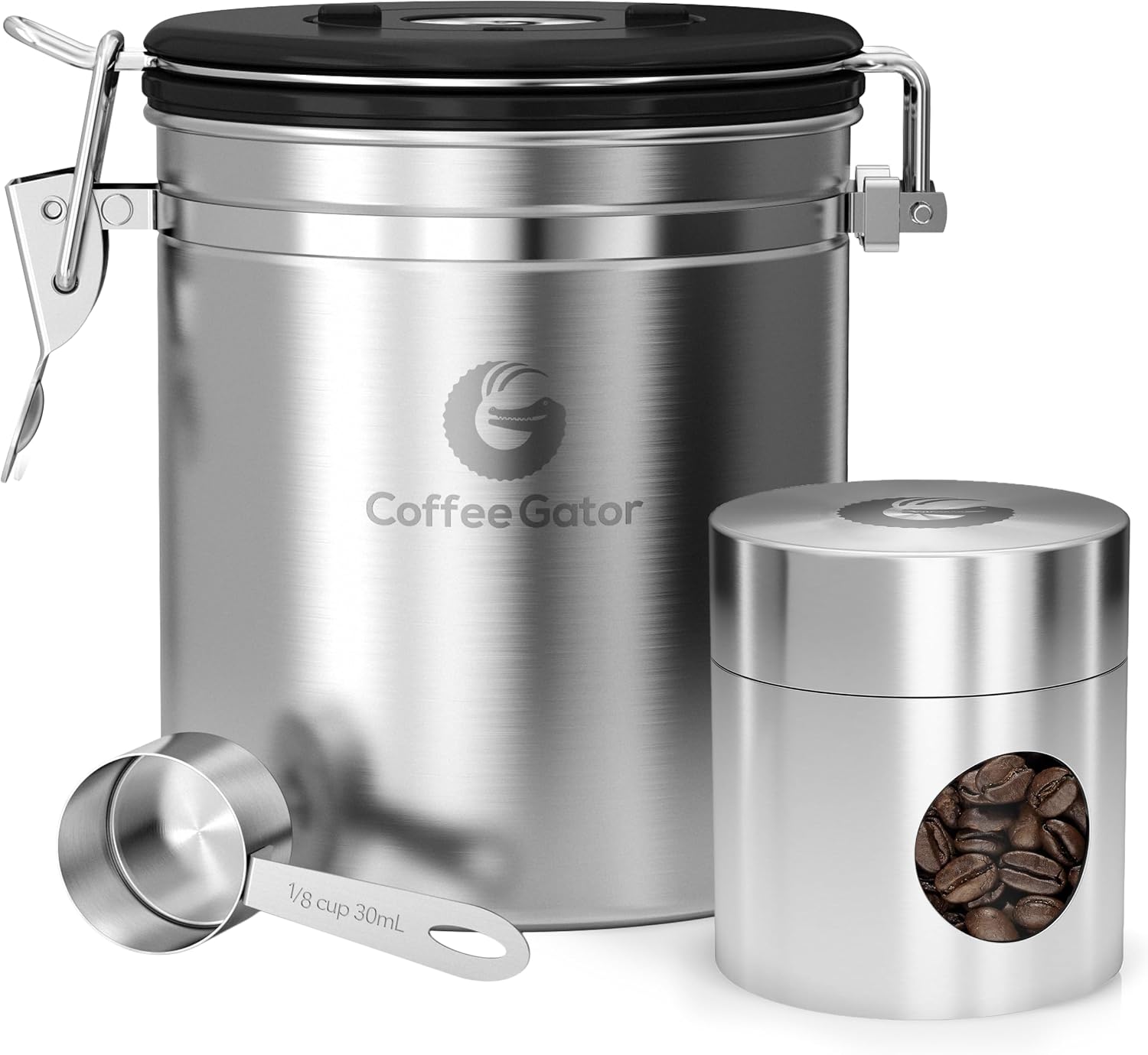
Storage (~$20–$35)
Coffee Gator canister
Keeps the origin bag fresh after you open it. Cheaper than waiting on another bag.
Colombian coffee is known for its crowd-pleasing balance, delivering caramel, milk chocolate, and citrus in a clean, medium-bodied cup that works across nearly every brew method.
Guatemalan coffee presents a more distinctive flavor influenced by regional variations, with a chocolate foundation, floral notes, and hints of spice and honey that reward exploration.
Both origins grow arabica beans at high altitudes (1,200–2,000+ m above sea level) and rely heavily on washed processing, but Guatemala offers more honey and natural processing lots.
Colombian coffee costs $14–22 per pound and is widely available; Guatemalan coffee costs $16–26 per pound and is more concentrated in specialty channels.
For espresso and milk drinks, Guatemalan beans tend to shine; for everyday drip and pour-over methods, Colombian is usually the more forgiving starting point.
Quick Verdict: Colombian vs Guatemalan Coffee
For most US coffee drinkers, Colombian coffee is the best daily driver. It delivers consistent sweetness, approachable acidity, and wide availability at a fair price. Guatemalan coffee is the pick when you want richer body, deeper cocoa sweetness, and complex flavors that shift noticeably from region to region.
Both can rank among the best coffee options depending on what you value. If you prefer smooth, gently bright, easy-drinking cups, start with Colombian. If you want denser, cocoa-heavy, sometimes spiced cups, lean Guatemalan.
The differences trace back to country and region, altitude, coffee varieties (Caturra, Castillo, Bourbon, Catuai, Typica), and processing methods. Colombia is one of the largest coffee producer countries globally, producing 12–13 million bags of coffee annually across relatively standardized infrastructure, while Guatemala produces 3–4 million bags spread across eight distinct coffee-growing regions-Antigua, Huehuetenango, Atitlán, Cobán, Fraijanes, San Marcos, Oriente, and Nuevo Oriente-each with its own microclimate and cup profile.
Affiliate Disclosure
Capitol City Coffee is an independent editorial and affiliate publication. We may earn a commission from products recommended through links on this page, at no extra cost to you. Rankings are based on researched editorial analysis and third-party expert consensus, not commission amounts. We do not sell coffee or claim hands-on tasting unless explicitly noted.
Key Differences at a Glance
Attribute
Colombian Coffee
Guatemalan Coffee
Region
South America (Andes)
Central America (volcanic highlands)
Typical altitude
1,200–2,000 m above sea level
1,300–2,000+ m above sea level
Dominant varieties
Castillo, Caturra, Colombia, Typica
Bourbon, Catuai, Caturra, Typica
Primary processing
Washed (~85%)
Washed, plus honey and natural processing
Roast sweet spot (US)
Medium to medium dark
Light-medium to medium
Acidity
Medium, citric, mellow acidity
Medium to vivid, malic/citric mix
Sweetness
Caramel, cane sugar, strong caramel sweetness
Brown sugar, honey, molasses
Body
Medium body, silky body
Medium to full body, buttery/creamy
Common flavor notes
Caramel, red apple, milk chocolate, citrus
Cocoa, brown sugar, gentle stone fruit, spice
Aroma
Nutty, chocolatey, gently floral
Cocoa, baking spice, floral notes, subtle smoke
US price range
$14–22/lb
$16–26/lb
Best brew-method fit
Drip, pour over methods, AeroPress
Espresso, French press, moka pot, rich drip
Micro-climate, individual farm practices, and roast level still create wide variation within each origin. Treat this table as a guideline, not a hard and fast rule.
Origin & Growing Regions: Colombia vs Guatemala
Country, region, altitude, and soil type shape how a coffee bean develops its sugars, acids, and aromatic compounds. That’s why single origin coffees from different mountain ranges can taste wildly different even when the variety and roast level are the same.
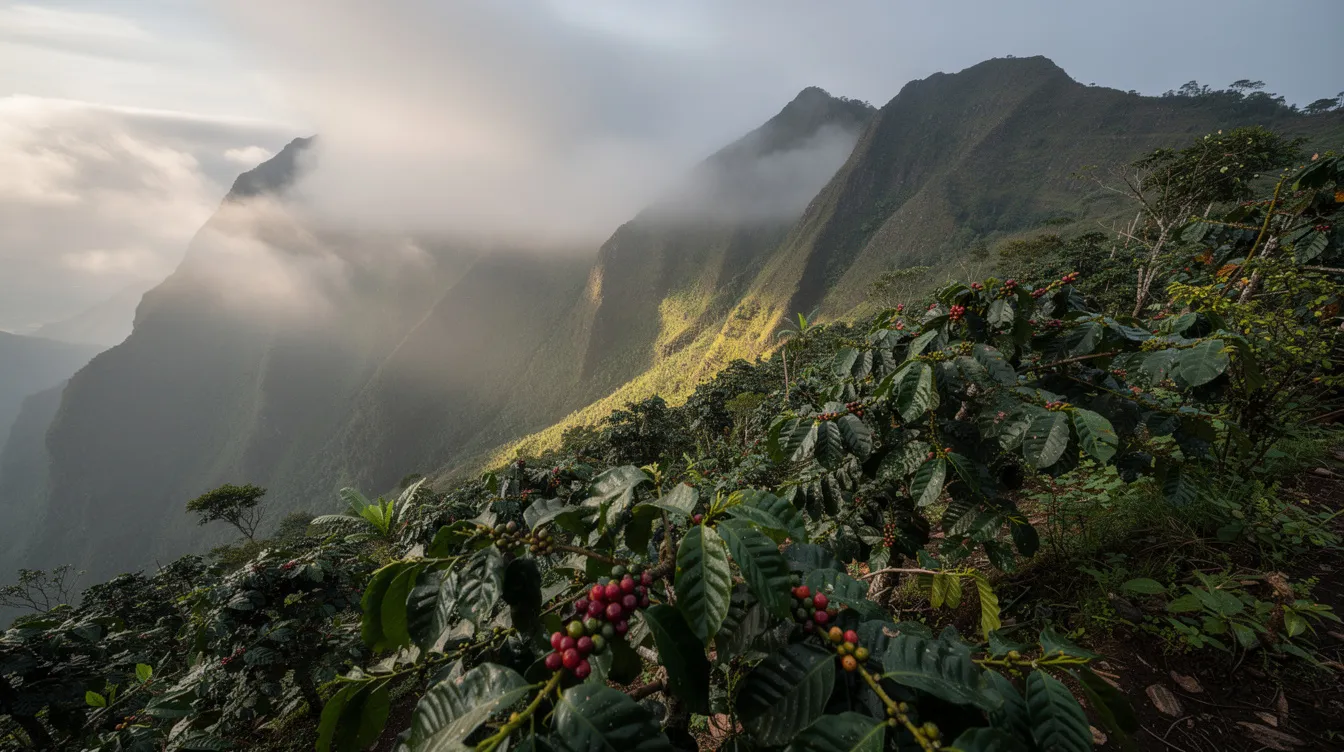
Colombia’s Coffee Triangle includes Caldas, Risaralda, and Quindío-the traditional heartland. Modern specialty lots increasingly come from Huila, Nariño, Cauca, and Sierra Nevada, one of Colombia’s northern regions. Colombian coffee grows between 1,200–2,000 meters above sea level across the Andes, and benefits from rich volcanic soil and consistent rainfall that supports near year-round harvests in several departments. Stable temperatures of roughly 17–23 °C keep coffee production predictable.
Guatemala has eight distinct coffee-growing regions, each with a different combination of altitude, soil, and weather. Antigua sits on volcanic soil at 1,400–1,800 m, producing structured cocoa and spice. Huehuetenango, at 1,500–2,000 m on limestone soils, delivers fruit-forward, wine-like cups. Guatemalan coffee typically grows at elevations of 1,300–2,000 meters, and the geography and volcanic soils of Guatemala contribute directly to its coffee’s unique character.
Colombia’s Federación Nacional de Cafeteros (FNC) provides standardized grading and infrastructure, while Guatemala’s more fragmented network of cooperatives and estates means the country’s coffee growing regions can vary more dramatically. For context among coffee producing countries, Costa Rica shares Guatemala’s Central America geography with similarly clean washed lots, while Brazilian coffee from South America tends toward lower acidity and nuttier profiles.
Coffee Varieties & Processing Methods
Both origins are overwhelmingly Coffea Arabica, but the specific varieties and processing techniques create noticeable cup differences.
Colombian varieties center on Caturra, Castillo, Colombia, and Typica, with Bourbon and Catuai appearing in specialty micro-lots. Many of these were developed or promoted for resistance to Coffee Leaf Rust while maintaining cup quality. Colombian coffee is often processed by hand-picking cherries at peak ripeness.
Colombian processing is primarily washed processing for clean flavor. Cherries are depulped, fermented (sometimes with a post fermentation soak), washed clean, and dried on patios or raised beds. Washed coffees are clean and citrusy, enhancing origin flavors and giving Colombian lots their signature clarity.
Guatemalan varieties lean on Bourbon, Catuai, Caturra, and Typica, with heirloom varieties and specialty cultivars like Pacamara or Geisha on some estates. Many farms use shade-grown agroforestry, which slows cherry maturation and can deepen sweetness.
Guatemalan processing is more varied. While washed still dominates, Guatemalan coffee employs varied processing methods including honey and natural processing, especially in regions like Huehuetenango and Atitlán. Natural processing can produce berry-like and jammy flavors, while honey processing adds fruit-forward sweetness and heavier body.
For comparison, Indonesian coffee beans often use a semi washed method called giling basah that creates earthy, full-bodied cups, while Ethiopian coffee relies heavily on both natural and washed processing techniques to produce fruity and floral profiles. These processing methods are a major reason why coffee flavors differ so much around the world.
Sensory Profile: Taste, Acidity, Body, Aroma
This is where colombian vs guatemalan coffee differences land most clearly in your cup.
Colombian coffee typically delivers caramel, cane sugar, red apple, orange or citrus, milk chocolate, and a nutty undertone. Colombian coffee has medium acidity and body with a smooth, clean taste and balanced profile. Lots from Huila and Nariño can push toward more stone fruit and floral complexity, while Antioquia and the Coffee Triangle lean nuttier and more chocolatey. The flavor is generally medium bodied and approachable at any roast level.
Guatemalan coffee shows cocoa powder or dark chocolate, brown sugar, molasses, baking spices, and gentle fruit-orange, berry, or stone fruit depending on region. Guatemalan coffee has medium-to-high complexity with floral and smoky undertones, and it typically has medium to full body with a creamy or buttery mouthfeel. Guatemalan coffee has a chocolate foundation with floral notes, and can have hints of spice and honey that add depth.
Regional distinctions within Guatemala are dramatic:
At light-medium roast, Colombian coffee leans citrus and floral; Guatemalan leans stone fruit and cocoa. At medium roast, Colombian shifts to caramel and milk chocolate; Guatemalan deepens into brown sugar and baking spice. Dark roasting mutes acidity in both and pushes everything toward roast-forward bittersweet chocolate.
Option A: Colombian Coffee in Everyday Use
Colombian coffee is the reliable house coffee for a reason. Its balanced profile, wide availability, and forgiving extraction window make it a safe bet for coffee lovers who brew daily without overthinking ratios.
Performance: Medium body and clean acidity perform well in drip machines, pour over methods (V60, Kalita), and AeroPress. Colombian espresso delivers reliable sweetness with caramel notes, making it a solid base for Americanos and lighter milk drinks. The washed process gives a broad extraction window-you don’t need to grind finer or coarser by much to get a good cup.
Benefits:
Huge variety of roast levels and price points across US retailers
Works as the backbone of espresso blends and drip blends alike
Recognizable flavor profiles that most coffee drinkers enjoy immediately
Year-round freshness thanks to multiple harvest seasons
Limitations:
Supermarket-grade “100% Colombian” instant coffee or pre-ground can taste generic
Fans of syrupy body or heavy cocoa may find some lots a bit light
Truly distinctive micro-lots require seeking out specialty roasters
Roast guidance: Light-medium for citrus, red fruit, and florals. Medium to medium dark for richer chocolate and nuttiness with low acidity.
Option B: Guatemalan Coffee in Everyday Use
Guatemalan coffee is the more adventurous but still approachable option, especially for chocolate lovers and espresso fans who want more texture in their cup.
Performance: The medium-to-full body and layered cocoa sweetness shine in French press, moka pot, and espresso. Guatemalan beans are popular for chocolatey, syrupy espresso shots that hold up beautifully under steamed milk. Even in drip, the richer body comes through.
Benefits:
Deeper body and pronounced cocoa and baking spice
High potential for complexity from regions like Antigua and Huehuetenango
Holds up well with milk, oat milk, and alternative milks
Excellent for coffee enthusiasts who enjoy exploring regional differences
Limitations:
Regional variation means two guatemalan beans can taste very different
Honey or natural-processed lots can be trickier to dial in at home
Availability is more seasonal and concentrated among specialty roasters
Slightly higher price floor than Colombian
Roast guidance: Light-medium to medium to emphasize cocoa and balanced acidity. Medium dark works well for espresso blends and moka pot when you want chocolate over bright fruit.
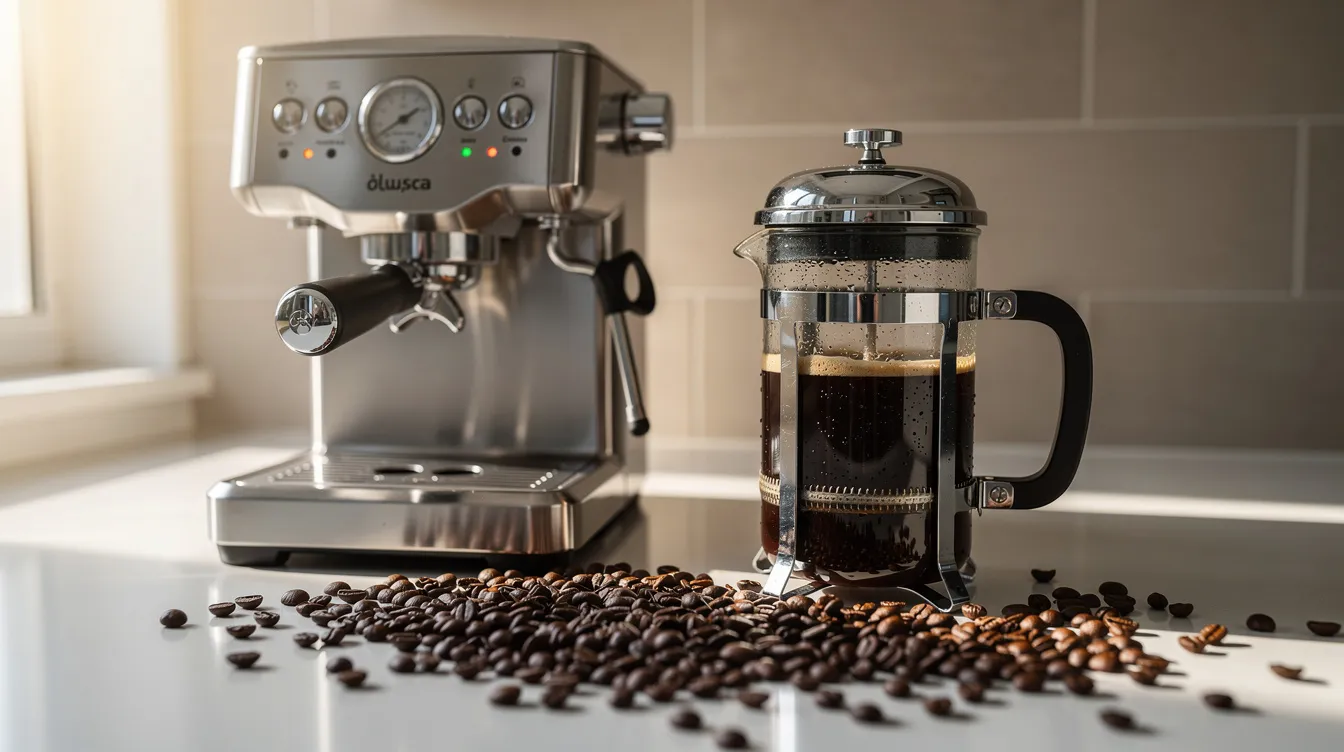
Brew-method fit: Especially strong in French press (grind coarser, ratio around 1:15), espresso, and moka pot. For filter, a slightly finer grind than you’d use for Colombian can help extract that full body sweetness.
Winner by Use Case
Use Case
Recommended Origin
Why
Everyday drip / office coffee
Colombian
Consistency, broad appeal, wide availability
Espresso and milk drinks
Guatemalan (slight edge)
Fuller body, cocoa sweetness cuts through milk
Pour-over and manual filter
Colombian
Clean, citrusy, nuanced-especially from Huila
Cold brew and iced coffee
Guatemalan
Chocolate-forward, low-bitterness cold brew
Flavor exploration
Guatemalan single-region
Structured, complex profiles across 8 regions
Budget-friendly daily use
Colombian
Lower price floor, more options at every tier
Blending at home
Both
Colombian for brightness, Guatemalan for depth
There’s no hard and fast rule here. Many roasters blend Colombian for clarity with Guatemalan for body and chocolate-a strategy that works across brew methods.
Cost, Availability & Value in the US Market
Cost and access matter, especially if you’re buying beans weekly.
Price ranges: Colombian coffee costs $14–22 per pound for specialty-grade whole beans. Guatemalan coffee costs $16–26 per pound, with named estates and micro-lots from Antigua or Huehuetenango pushing toward the higher end.
Availability: Colombian coffee appears in supermarkets, big-box retailers, subscription services, and specialty roasters alike. Guatemalan coffee is common in specialty shops but less universal on mainstream grocery shelves. Guatemalan coffees have a smaller production volume than Colombian-roughly 3–4 million bags annually versus Colombia’s 12–13 million-which naturally limits distribution.
Value: Colombian coffee offers excellent value for everyday drinking due to scale and infrastructure. Guatemalan coffee may deliver superior value at the mid-to-high specialty tier when you want distinctive cocoa-rich flavor profiles without paying Geisha-level prices.
Watch out for commodity-grade “100% Colombian” labels versus traceable single-origin offerings. The same tiering applies to Guatemalan coffees from cooperatives versus named estates. Brazilian beans are often the cheapest entry into specialty coffee (nutty, low acidity), while Indonesian coffee beans occupy a niche for earthy, heavy-bodied cups.
Which Should You Choose?
The core tradeoff: Colombian for balanced, widely liked, and forgiving coffee; Guatemalan for fuller body, cocoa-driven sweetness, and more dramatic regional character.
Choose Colombian coffee if you want a reliable daily cup, prefer mellow acidity, brew mostly drip or pour-over, and value wide availability.
Choose Guatemalan coffee if you love chocolate and spice in your cup, brew espresso or French press regularly, and enjoy exploring how different growing regions shape your coffee experience.
Choose both if you want to blend at home or simply rotate origins to keep your palate engaged.
There is no single best coffee around the world-only better fits for your taste, budget, and brewing workflow. Try small bags of both at a similar roast level and freshness, brewed in your usual setup, to directly compare.
Alternatives & How They Compare
Colombian and Guatemalan coffee sit within a broader world of coffee producing countries worth exploring.
Brazilian coffee: The world’s largest producer. Even lower acidity, nutty-chocolate profile, often used in espresso blends. Brazilian coffee excels in smooth, chocolate-forward espresso blends. If you want super-smooth cups with almost no brightness, Brazilian beans may suit you better than either Colombia or Guatemala.
Costa Rica: A Central America neighbor known for clean washed processing and bright, citrusy sweetness. Sits between Colombian and Ethiopian coffee in terms of acidity and clarity.
Ethiopian coffee: The fruity and floral contrast. Ethiopian beans deliver higher perceived acidity, lighter body, and aromatic complexity. Ethiopian coffee can produce lively, fruit-forward espresso shots-ideal for pour-over drinkers seeking florals rather than cocoa. Sometimes reminiscent of black tea in lighter roasts.
Indonesian coffee beans: Sumatra, Java, and Sulawesi offer heavy-bodied, earthy, sometimes smoky alternatives for fans of dark chocolate, tobacco, and spice.
Each origin contributes a different piece to global coffee production, and tasting across regions is the fastest way to learn what you actually prefer in a cup.
FAQs about Colombian vs Guatemalan Coffee
Is Colombian or Guatemalan coffee more acidic?
Both typically have medium acidity, but Colombian coffees generally feel a bit gentler and more citric, while some Guatemalan lots-especially high-altitude Huehuetenango or Antigua-can show more vivid, wine-like bright acidity. Roast level usually has a bigger impact than origin: medium dark roasts of either will taste less bright than light-medium roasts. If you’re very sensitive to acidity, focus on immersion brews (French press, cold brew) and consider low acidity Brazilian options.
Are both Colombian and Guatemalan coffees 100% Arabica?
Nearly all specialty single-origin Colombian and Guatemalan coffees sold in the US are arabica beans, including varieties like Castillo, Caturra, Bourbon, and Typica. Some commercial blends may include Robusta for crema or cost reasons, but these are typically labeled differently. Check packaging for explicit “100% Arabica” and origin transparency.
Which origin is better for espresso at home?
Many baristas favor Guatemalan coffee for richer body and cocoa-sugar sweetness, especially in milk drinks where a syrupy body helps the flavor cut through. Colombian coffee creates cleaner, slightly brighter shots well-suited for straight espresso or Americanos. Home baristas can also experiment with blends-Colombian for clarity and Guatemalan for depth-if they enjoy dialing in their own recipes.
How do Colombian and Guatemalan coffees compare in sustainability?
Colombia’s FNC supports large-scale sustainability programs and certifications (Rainforest Alliance, Fairtrade, organic) across many of the country’s roughly 500,000 coffee farms. Guatemala has a strong tradition of shade-grown coffee and indigenous-led agroforestry, with many smaller cooperatives emphasizing environmental stewardship, though labeling can be less standardized. Look for clear certifications or direct-trade sourcing notes for either origin.
Can I blend Colombian and Guatemalan beans together?
Absolutely. Blending is common and can produce excellent results, pairing Colombian balance and brightness with Guatemalan depth and chocolate notes. Start with a 50/50 blend at similar roast levels for drip or espresso, then adjust ratios: more Colombian for brightness, more Guatemalan for body and cocoa. Many roasters’ “Latin American” espresso blends use exactly this strategy.
Next Steps
Pick the origin that best matches your current taste and brewing setup, order a small bag, and brew it in your usual method before committing to a larger purchase. If you’re curious about how these origins stack up against other specialty coffee options, explore more matchups-like Ethiopian vs Kenyan coffee, Brazilian vs Colombian coffee, or Sumatra vs Bali coffee-in the Capitol City Coffee comparison hub. Your next cup should be a little more intentional, and from there, the exploring never really stops.
How Capitol City Coffee Rates Coffee and Coffee Machines
Every coffee and coffee machine we recommend is scored on the same 100-point scale, so a recommendation on one page means the same thing as a recommendation on any other. Each pick is also labeled with how we reached its score.
Research-ratedScored from the roaster or manufacturer’s published specifications, independent results such as Coffee Review blind cuppings and SCA brewer certification, and patterns across verified buyer reviews. Most of our current picks are research-rated.
Hands-on testedThe Capitol City Coffee team has brewed the coffee or used the machine ourselves, following the testing steps below. We only use this label when that testing actually happened, and we show the date we tested.
Coffee beans: 100-point scale
What we score
Points
What we look at
Origin and sourcing transparency
20
Country, region, farm or cooperative, altitude, bean variety, and processing method are clearly disclosed.
Flavor evidence
25
Independent cupping scores, how closely the tasting notes match what the origin is known for, and our own cupping notes when hands-on tested.
Roast and freshness
15
Roast level stated, roast-date practices, whole-bean availability, and packaging with a one-way valve or resealable bag.
Brew versatility
15
How well the roast suits pour-over, drip, French press, cold brew, and espresso.
Value
15
Price per ounce compared with similar single-origin coffees or blends.
Buyer feedback
10
Volume and consistency of verified reviews, and recurring complaints about staleness, bitterness, or shipping.
Coffee machines and gear: 100-point scale
What we score
Points
What we look at
Brewing performance
25
Water temperature in the 195–205°F range, even extraction, and SCA certification or published test data.
Build quality and reliability
20
Materials, known failure points, and long-term owner reports.
Ease of use and cleaning
15
Setup, the daily routine, descaling, and dishwasher-safe parts.
Fit for your kitchen
10
Capacity, counter footprint, and noise.
Useful features
10
Programming, grind and temperature control, and carafe type. Features that improve the cup count more than extras that do not.
Value
10
Price compared with machines that perform similarly.
Warranty and support
10
Warranty length, parts availability, and how the brand handles repairs.
What the grades mean
Score
Grade
What it means
90–100
A
Exceptional. Our first recommendation for the feeling and setting described.
80–89
B
Strong. Excellent, with minor trade-offs we explain.
70–79
C
Good. Worth it for specific needs, with clear compromises.
Below 70
—
Not recommended. We do not feature these as picks.
How we test hands-on
When a pick carries the Hands-on tested label, this is the method behind it, and we note the date we tested.
Coffee: brewed fresh from whole beans following Specialty Coffee Association guidelines (water between 195 and 205°F, about 1 gram of coffee to every 15 to 18 grams of water) in the brew methods the roast suits best, such as pour-over, French press, or espresso. We taste it black first, then with milk if that is how most people drink it, and each taster scores it on their own before we compare notes.
Machines: used in our everyday routine rather than a single demo. We brew both full and small batches, check the brewing temperature and brew time, and run the cleaning or descaling steps the manual calls for.
How we choose the feeling and setting
We match each coffee to a mood and a moment based on its flavor profile and roast. Bright, citrusy light roasts suit energizing mornings. Chocolatey, full-bodied medium roasts suit slow or social moments. Richer roasts suit espresso and milk drinks. Each pick explains which facts led us to that match.
Our scores stay independent
Every score comes only from the criteria above. No brand can pay for a pick or a higher grade. We re-check ratings when a roast, listing, or model changes, and update or remove picks that no longer earn their grade.
Some links on this page are affiliate links. As an Amazon Associate, Capitol City Coffee earns from qualifying purchases, at no extra cost to you.
Questions about a rating? Reach the Capitol City Coffee team through our contact page.