
Best discovery-style bag pick
Best discovery-style bag pick
The best coffee subscription for you depends on three things: how much variety you want, how much you drink, and what you’re willing to spend per bag. This page compares the best coffee subscription services in the U.S.; multi-roaster discovery clubs, single roaster subscriptions, subscribe and save plans, cold brew options, and decaf-focused services; based on price, freshness, flexibility, and flavor.
This is a researched editorial comparison from Capitol City Coffee, an independent coffee editorial and affiliate publication. Picks here are based on verified facts, expert consensus, and public data, not hands-on tasting or first-person experience.
A modern coffee subscription is a recurring delivery of freshly roasted coffee beans, pods, or ready-to-drink cold brew, usually on a 1 to 6 week cadence. The format ranges from “same coffee every shipment” to rotating discovery boxes that send a different roaster’s coffee each time. Coffee subscriptions provide convenience by automating reordering, and they give subscribers access to specialty-grade beans sourced from various regions that may not be available at a local coffee shop.
The range of models is broad. Trade Coffee operates as a U.S. multi-roaster marketplace featuring over 450 coffees from more than 55 roasters. Atlas Coffee Club delivers single-origin coffee from different countries monthly, with tasting notes and origin stories. Bean Box features over 600 specialty coffees from independent roasters. On the decaf side, Swiss Water services rotate chemical-free decaf from multiple coffee roasters.
The contrast with “subscribe and save” grocery-style coffee is substantial. Commodity subscriptions typically ship the same beans from a bulk inventory roasted weeks (or months) earlier. The specialty coffee world focuses on single-origin traceability, microlots, and fresh roast-to-ship timelines, delivering coffee that arrives days, not months, after roasting. The rising popularity of coffee subscriptions is driven by convenience and exploration of new flavors, particularly among home brewers who want better coffee without the guesswork.
Capitol City Coffee is an independent editorial publisher comparing these services, not selling beans. Rankings and analysis below are based on researched information and third-party consensus. This hub is a starting point; deeper guides live in the comparisons and subscription review sections of the site.
If you want a quick answer, start with three questions:
Before browsing services, note your preferred brew method (drip, espresso, pour-over, French press, cold brew) and roast level (light, medium, dark). Many quizzes and filters hinge on those two choices.
Here are five quick profiles:
The sections below unpack details like price per bag, roast-to-ship timing, cancellation policies, and single-origin vs. blend rotations.
Some outbound links on this page may be affiliate links, meaning Capitol City Coffee could earn a commission if you subscribe through them, at no extra cost to you.
Commission size never determines rankings or inclusion. The primary factors are quality, value, freshness, flexibility, and fit for different types of coffee drinkers. Unless otherwise noted, picks are based on researched editorial analysis using verified pricing, terms, catalog size, and credible expert or user consensus, not personal tasting. Brands cannot pay for placement in this coffee subscription comparison, and drawbacks like limited customization or higher cost are called out where relevant.
Coffee subscription types vary by control, variety, convenience, and discovery. Choosing one that fits your habits means weighing a handful of concrete factors rather than scrolling through dozens of brand pages. Common advantages of coffee subscriptions include freshness and convenience, but the differences between services show up in the details.
Here are the factors unpacked in the sections that follow:
Different services prioritize different factors. A multi-roaster discovery box maximizes variety. A single roaster subscription may focus on a deep relationship with a favorite roaster and consistent house style. Pick two or three non-negotiables (e.g., must be freshly roasted, must allow easy cancellation, must offer decaf or cold brew) to narrow your search before reading further.
Understanding the subscription model is step one in any coffee subscription comparison. Types of coffee subscriptions include single-roaster and multi-roaster curated plans, each built for a different kind of coffee drinker.
Discovery-style subscriptions (Trade Coffee, Bean Box, Atlas Coffee Club, Dayglow) rotate coffees, often from multiple coffee roasters, so you rarely drink the same coffee twice. These services pull from broad catalogs and use algorithms or curatorial teams to match your coffee preferences with new beans each cycle.
Subscribe and save models let you choose your favorite coffee once, typically a blend, and receive it at a set interval with a small discount. This is common for single-roaster services and grocery brands. You know exactly what’s arriving, and you can dial in your grinder once.
Each model has clear trade-offs:
Factor | Discovery clubs | Subscribe and save |
|---|---|---|
Variety | High; new coffee each shipment | Low; same beans every time |
Predictability | Lower; occasional mismatch | High; consistent cup |
Best for | Explorers, coffee lovers building palate | Routine drinkers, espresso dialing-in |
Price per bag | Often $18-$25+ | Often $16-$22 with recurring discount |
Daily batch-brew drinkers who like routine may prefer a single roaster subscribe and save plan. Adventurous coffee drinkers who want exposure to the specialty coffee world tend to lean into discovery clubs or multi-roaster boxes.
Multi-roaster subscriptions, offered by services like Trade Coffee, Bean Box, and MistoBox, work with dozens of independent roaster partners and send coffees from different producers each cycle. Multi-roaster subscriptions provide tailored matching and access to hundreds of independent brands. MistoBox offers nearly 600 coffee options from 60 different roasters, while Trade Coffee features over 450 coffees from more than 55 roasters.
Multi-roaster subscriptions offer a wider variety of coffees and allow exploration of different roasting styles, from Nordic-leaning light roasts to traditional dark profiles. The trade-off: multi-roaster subscriptions can lead to higher shipping costs due to logistics, and flavor consistency varies because each roaster has its own approach.
Single roaster subscriptions focus on consistency and specific roaster quality. A service like Onyx Coffee Lab or Heart Coffee Roasters ships beans roasted in-house, often providing detailed information about the coffee’s origin, processing method, recommended brew parameters, and, in some cases, single origin beans alongside blends. If you already know the roasting style and flavor profile you prefer, a single roaster subscription lets you go deep rather than broad.
Many multi-roaster services now let you “pin” or re-order coffees you liked, partly mimicking a single-roaster relationship while still offering broader discovery. If you’re still figuring out your palate, start multi-roaster. Once you find your favorite roaster, consider switching to their direct subscription for the most consistent experience.
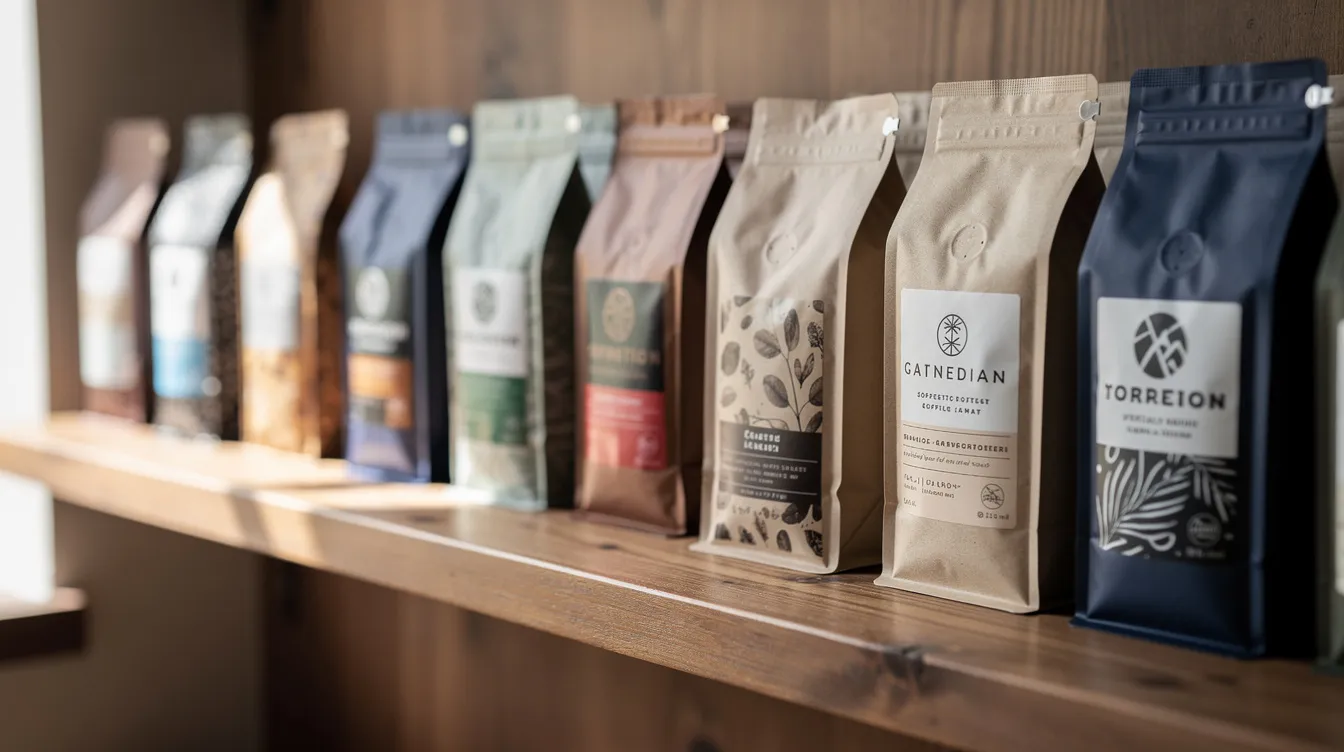
Specialty subscriptions in the U.S. typically range from about $16 to $30 per 10 to 12 oz bag of whole bean coffee, with ultra-rare microlots costing more. Here are approximate ranges for well-known services:
Service | Standard bag price | Bag size |
|---|---|---|
Trade Coffee (Classic) | ~$16.99 | 10.93 oz |
Trade Coffee (Premium) | ~$21.99 | 10.93 oz |
Bean Box | ~$20 | 12 oz |
Bean Box (2 lb) | ~$44 | 32 oz |
To estimate price per cup, assume 10 to 12 grams of coffee per 6 to 8 oz cup. A 12 oz (340 g) bag yields roughly 28 to 34 cups, putting the per-cup cost at about $0.60 to $0.80 for a standard specialty bag, and lower for larger format bags.
Coffee subscriptions typically offer a 10% to 15% discount per bag compared to retail prices, especially on subscribe and save plans. Watch for hidden cost variables: shipping fees vs. free shipping thresholds, required minimums, and whether prepaying multiple shipments unlocks a better rate.
The value trade-off is straightforward: paying more per bag generally buys better sourcing, higher-scoring coffees, rare lots, or ultra-fresh roast-to-ship timing. Stretching a budget means leaning toward blend-first or larger-format subscriptions. Neither approach is wrong; it depends on whether you prioritize exceptional coffees or volume.
Freshly roasted coffee is central to specialty subscriptions and the primary differentiator from supermarket beans. Most coffee subscription services employ a roast-to-order model for peak freshness, meaning they roast after you order and ship within 24 to 72 hours. Coffee typically sits on grocery store shelves for 36 weeks; by contrast, Bean Box coffee arrives within 5 to 7 days of roasting, and Atlas Coffee Club states that its whole bean and ground coffee is roasted the very same day it ships.
Origin Roasted beans are shipped immediately after harvest, and roast-to-ship services aim to get freshly roasted coffee beans into your hands while volatile flavor compounds are still at their peak. Freshly roasted coffee should be consumed within two weeks for drip and pour-over methods; espresso often benefits from a slightly longer rest of 7 to 14 days post-roast to allow degassing.
When comparing coffee subscriptions, look for three things:
If a service does not display roast dates, treat that as a red flag. Freshness is the single factor that separates delicious coffee delivered to your door from stale beans you could have picked up at the grocery store.
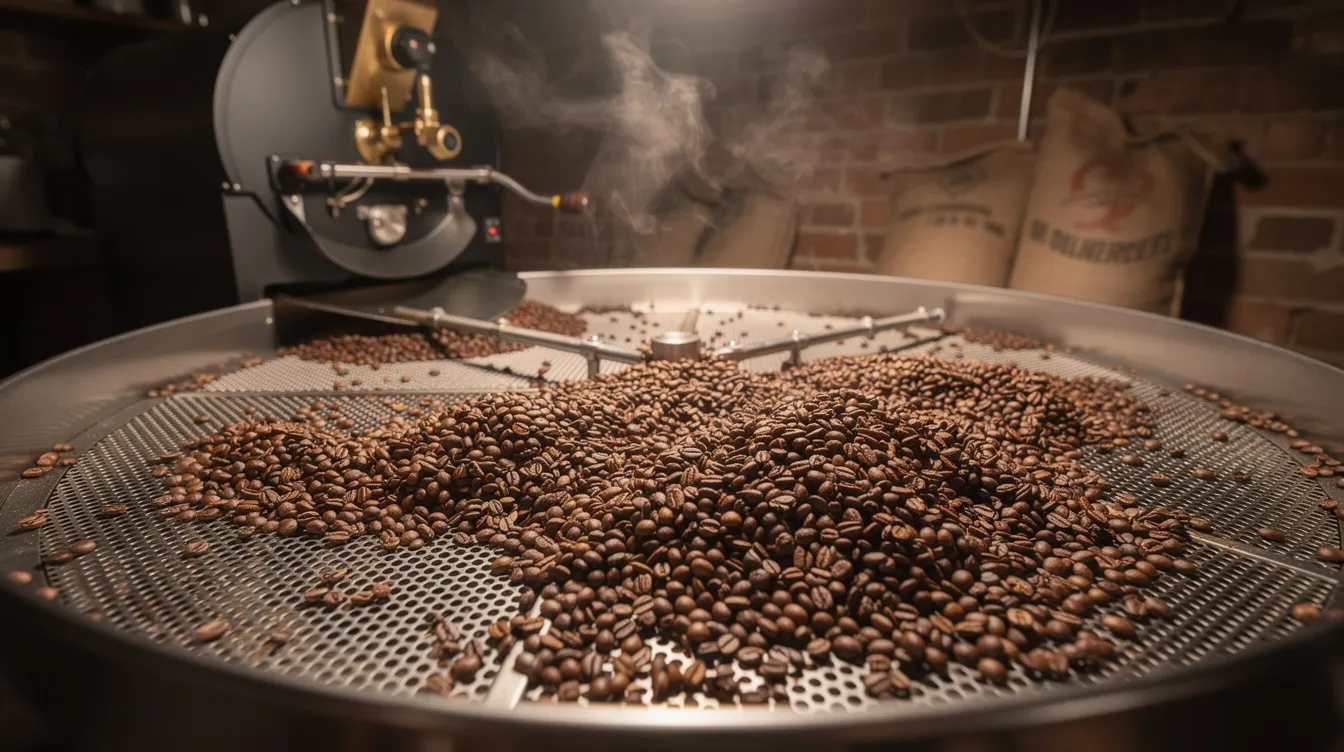
Flavor profile is one of the biggest practical differences between coffee subscriptions. The choice between single-origin coffee and blends, and between light and dark roasts, shapes your daily cup more than almost any other variable.
Single-origin coffees are tied to a specific farm, cooperative, or region. They tend toward complex flavor notes: fruit, floral, winey, or tea-like, depending on origin and processing. Atlas Coffee Club leans heavily into single-origin exploration, sending a new country’s coffee each month with tasting notes and origin backstory. Curated single-origin subscriptions offer educational experiences with tasting notes and origin stories, making them popular with coffee lovers who want to learn while they drink.
Blends exist for consistency. Roasters combine beans from multiple origins to create a balanced, repeatable flavor, often landing in chocolate, nutty, or caramel territory. Blends smooth out seasonal variability and typically cost less per ounce.
Roast level preferences break down simply:
Choose subscriptions that either match your known preferences or offer a good quiz and customization so you don’t end up receiving only ultra-light or ultra-dark coffees you won’t enjoy.
Modern coffee subscriptions use quizzes and dashboards to match coffees to your taste, brewing gear, and caffeine needs. The depth of customization varies widely.
Trade Coffee’s taste-matching quiz asks about brew method, flavor notes, and roast level. Trade offers five roast levels for customization, and customization options include frequency adjustments in Trade subscriptions, letting you set delivery anywhere from weekly to every few weeks.
MistoBox allows customization based on detailed quizzes that cover roast preference, origin interest, and flavor tolerance. Customers can rate coffees to refine future selections in MistoBox, creating a feedback loop that sharpens recommendations over time.
Bean Box offers over 1,200 flexible subscription plans, with the ability to choose themed profiles like “Light and Bright” or “Dark and Toasty,” swap upcoming shipments, and adjust delivery frequency from every 2 to 6 weeks.
Key customization features to compare across services:
If delivery frequency does not match your consumption, beans can accumulate and go stale. Set your cadence to match how much coffee you actually drink, and look for services that let you skip or pause without penalty.
Not every coffee drinker wants caffeinated drip. Decaf, cold brew, and ready-to-drink formats each have dedicated subscription options.
Decaf subscriptions built around Swiss Water or Mountain Water processing remove 99.9% or more of caffeine without chemical solvents, preserving flavor compounds. Equator Coffees offers a Swiss Water decaf bag at about $25 for 12 oz, roast-to-order, in a light roast focused on maximum flavor retention. A UC Davis market report notes that non-chemical decaf methods cost producers more, which is reflected in per-bag pricing that typically runs $2 to $5 higher than standard offerings.
Cold brew subscriptions ship coarse-ground or immersion-friendly beans optimized for long steeping. Trade Coffee offers a cold brew subscription that sends coarse-ground options matched to immersion brewing. Services like Cometeer sell flash-frozen coffee concentrate in capsules, suitable for iced preparations without the 12 to 24 hour steep.
Some multi-roaster and single-roaster subscriptions now offer dedicated cold brew or “summer iced” rotations. Look for clear labeling (decaf vs. regular), brew-method guidance, and roast level details when evaluating these niche subscription types.
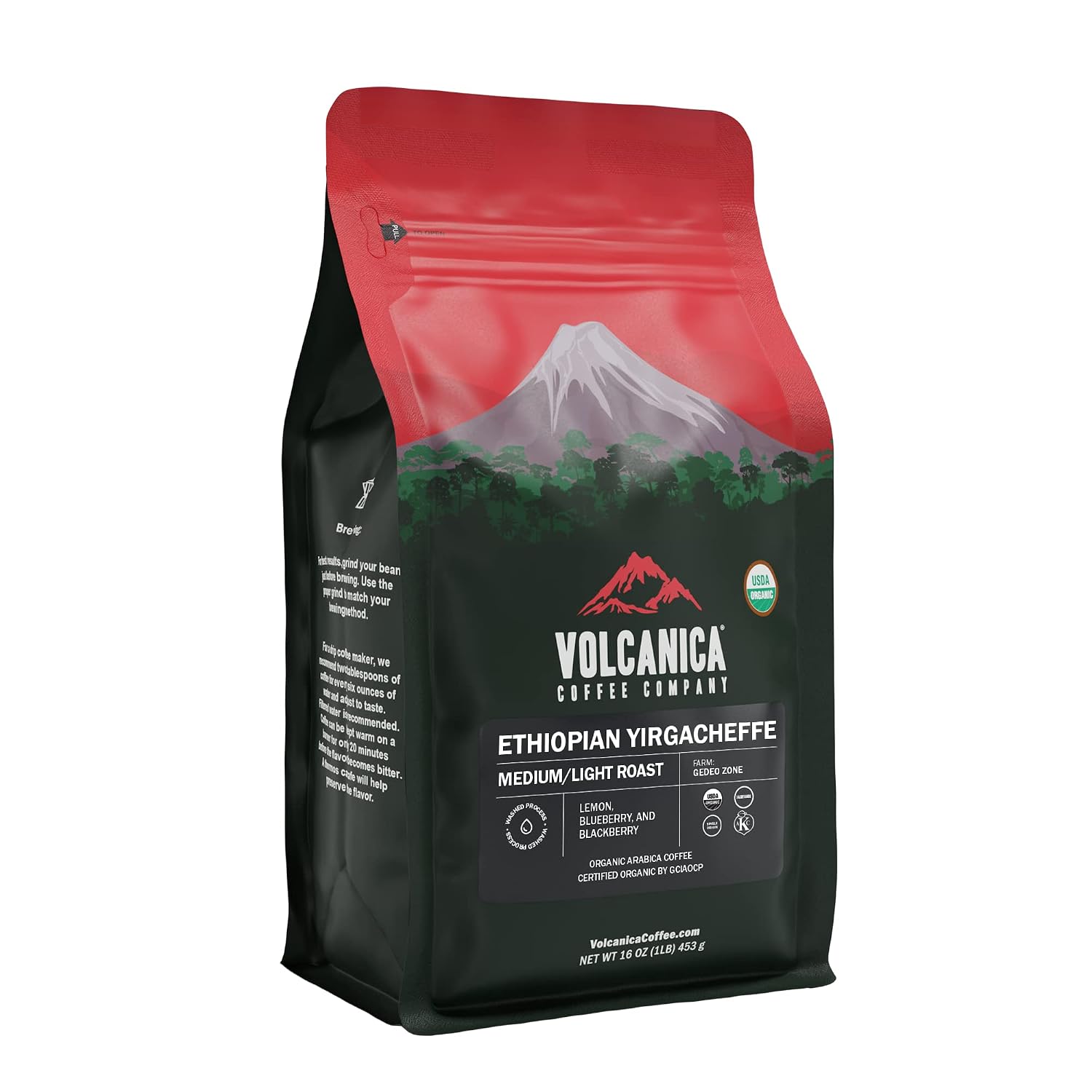
Our pick: Volcanica Ethiopian Yirgacheffe, whole bean. Use this as the Amazon stand-in while comparing discovery clubs in the copy. Research-rated, not yet brewed by our team.
This section provides a side-by-side overview of top discovery-first, multi roaster coffee subscription services popular in the U.S. market. These are researched editorial assessments, not taste-tested endorsements.
Trade Coffee Trade Coffee features over 450 coffees from 55 roasters, spanning all roast levels and including decaf, cold brew, and espresso-focused options. The quiz-based matching system sends a different coffee each cycle based on your preferences. The Classic plan starts around $16.99 per bag; the Premium plan opens access to rarer, higher-scoring lots at around $21.99 per bag. Trade’s roast-to-order model ships within 48 hours of roasting. The sheer catalog size can feel overwhelming for new subscribers, and some users on coffee forums note that non-mainstream roast profiles (very light or very dark) have fewer options.
Bean Box Bean Box offers over 600 different specialty coffees from 64 independent roasters, with themed profiles and the ability to swap or skip shipments. Standard 12 oz bags run about $20; the 2 lb “solo” format drops the per-cup cost to roughly $0.67. Bean Box’s gift-friendly samplers and curated boxes make it a strong pick for someone shopping for a coffee lover. The variety is broad, but some specialty roasters available on Bean Box overlap with Trade’s catalog.
MistoBox MistoBox offers nearly 600 coffees from 60 different roasters, with a quiz-driven recommendation engine and a post-delivery rating system that refines future picks. It sits in a similar price range to Trade and Bean Box for standard bags. The rating loop is one of the most granular among multi-roaster services.
Atlas Coffee Club Atlas Coffee Club delivers single-origin coffee from different countries monthly, pairing each bag with postcards, flavor notes, and brewing tips. Global and exploratory subscriptions ship unique international single-origin bags with educational perks. Roast preference options include light, medium, and dark, though decaf is only available in medium roast. Gift plans at 3, 6, and 12 month durations are a core part of Atlas’s catalog. Some users flag price increases after introductory offers end.
Podium Coffee Club Podium Coffee Club focuses on unique and experimental coffees, sending award-winning coffees from U.S. competitions. This is a service for advanced coffee drinkers who want to taste competition-level lots rather than everyday blends.
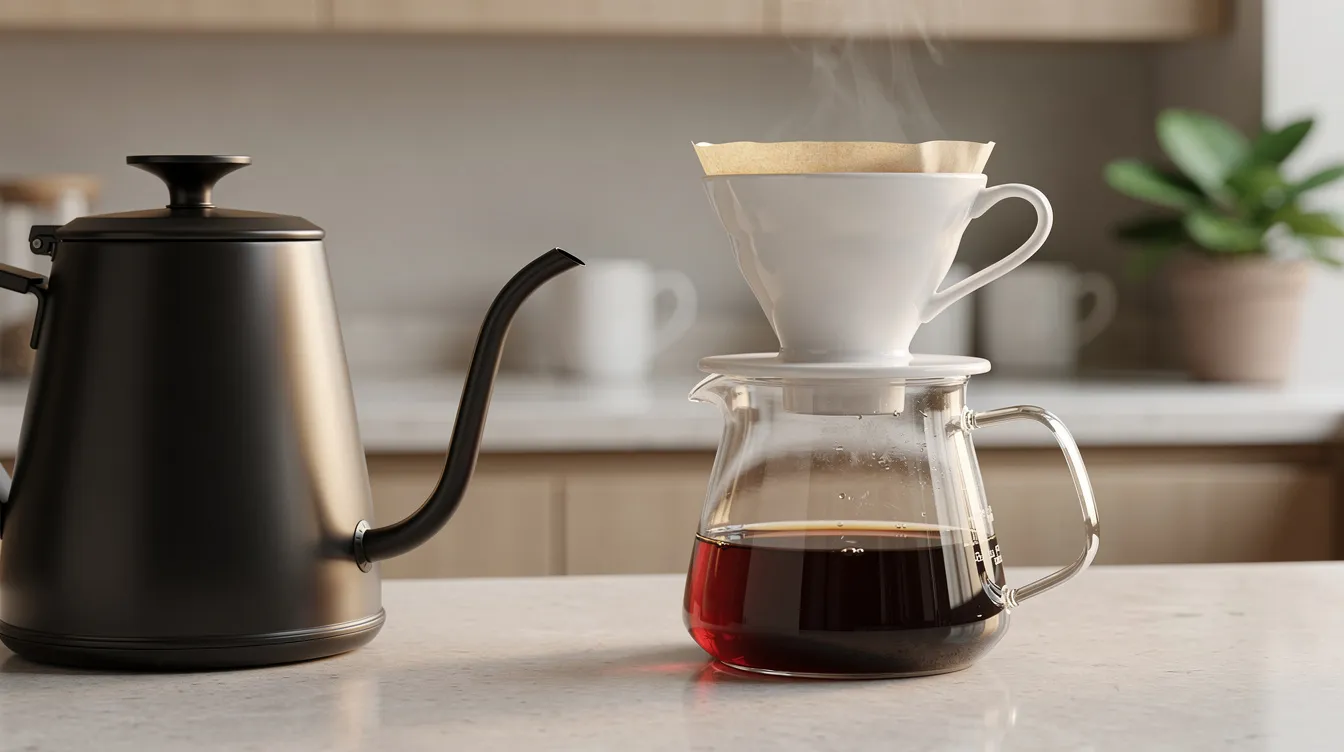
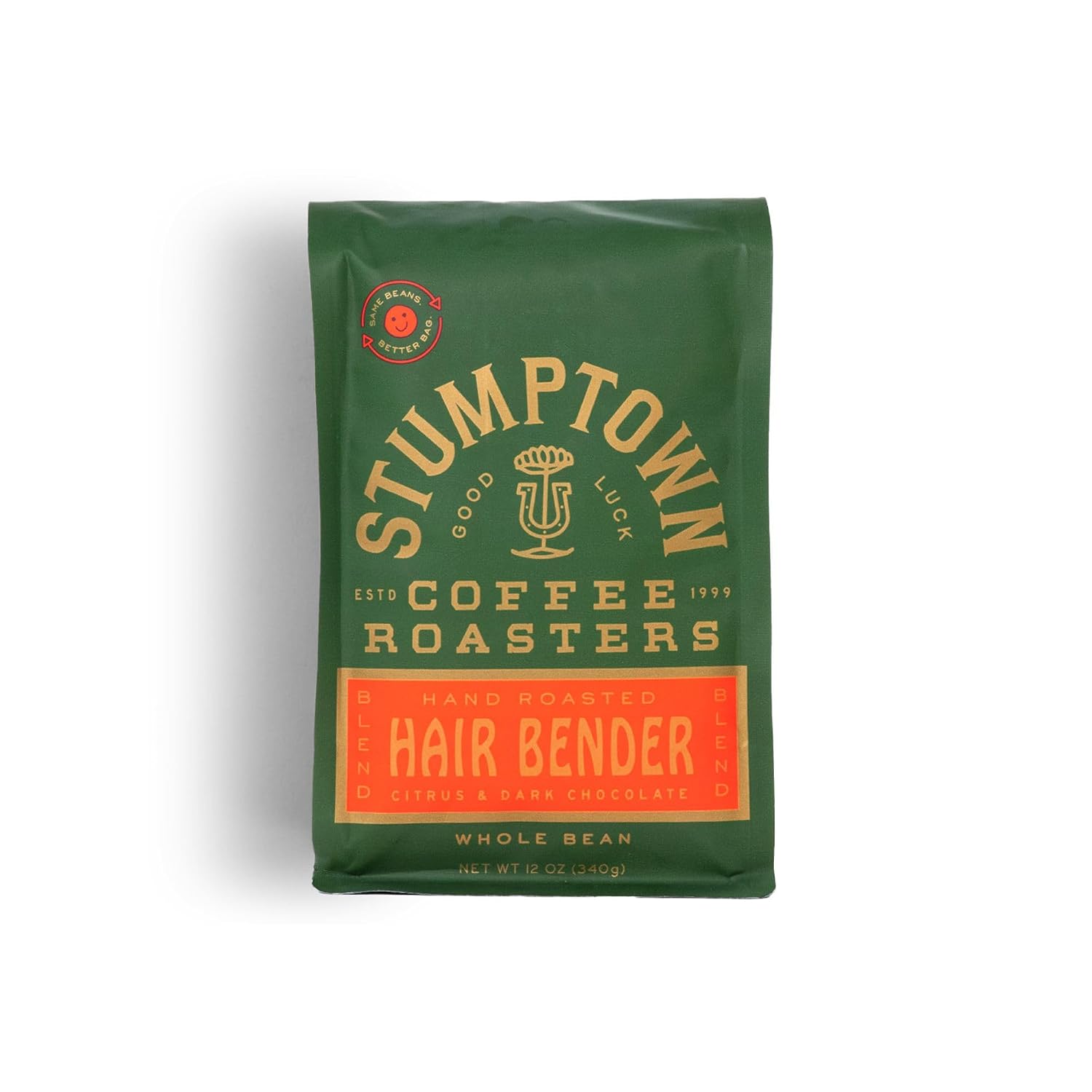
Our pick: Stumptown Hair Bender, whole bean. The Amazon bag that matches a repeatable single-roaster plan. Research-rated, not yet brewed by our team.
This section covers single roaster subscriptions for readers who already have, or want to develop, a favorite roaster relationship.
Well-known U.S. roasters like Onyx Coffee Lab, Wonderstate Coffee, Heart Coffee Roasters, and Madcap Coffee Roasters all offer recurring deliveries of blends and single-origin coffees, and Blue Bottle is another recognizable option with San Francisco roots. Onyx Coffee Lab, for example, mixes comforting signature blends with adventurous limited-release lots, often roasted for both filter and espresso. Single-roaster subscriptions often provide detailed information about the coffee’s origin, processing, and varietal.
These plans typically come in a few formats:
Value adds like educational inserts, brewing guides, or access to smaller competition lots appeal to coffee enthusiasts wanting to understand processing and origin in depth. Readers can replicate a “favorite coffee every time” experience by picking one blend and setting a subscribe and save cadence, making these services ideal once someone finds their signature daily cup.
Rather than ranking services from “best” to “worst,” this section groups coffee subscription comparison results by real-world use cases.
Many coffee drinkers encounter their first coffee subscription as a gift. Services like Atlas Coffee Club, Bean Box, and various coffee collective clubs market gift-friendly boxes with postcards, tasting notes, and educational inserts.
Typical gift subscription features:
Gift plans may cost slightly more per bag than standard subscriptions, but the extras (origin cards, artwork, brew guides) and the surprise factor of rotating origins justify the premium for many buyers. Atlas Coffee Club’s gift plans, for instance, pair each month’s bag with a postcard from the coffee’s country of origin.
For readers shopping for a gift, compare the total prepaid cost, the number of bags per shipment, and whether the recipient can customize roast level and grind after redeeming.
Cancellation flexibility is a major concern for coffee drinkers wary of subscriptions. Before subscribing, confirm these policies:
Scan FAQs and terms before subscribing. Look for no long-term commitments, no prepayment traps (unless you chose a gift or prepaid plan), and no strict cancellation windows that auto-charge you. Strong customer support, including proactive replacements or taste-adjustment help, can be a meaningful tie-breaker between otherwise similar services. Trade Coffee, for example, offers a first bag guarantee; if the first bag fails to satisfy, they send a replacement.
Online reviews can be noisy, but patterns in ratings and expert write-ups are useful for comparing coffee subscriptions. Look for recurring themes across multiple sources: consistent praise for freshly roasted deliveries, or repeated criticism of slow shipping, unhelpful quizzes, or price increases after trial periods. Bon Appetit’s subscription roundups and specialty coffee editorial sites focus on objective factors like roast-date transparency, sourcing, and decaf processing.
Some editorial sites, including Capitol City Coffee, provide researched comparisons that prioritize pricing, catalog size, and flexibility rather than only subjective taste notes. Cross-reference brand websites, independent review sites, and aggregated user reviews to get a complete picture. Reddit threads on espresso and specialty coffee forums are often candid about cost creep, flavor mismatches, and customer service quality.
For more detailed brand-by-brand breakdowns, explore the reviews and subscriptions sections of this site.
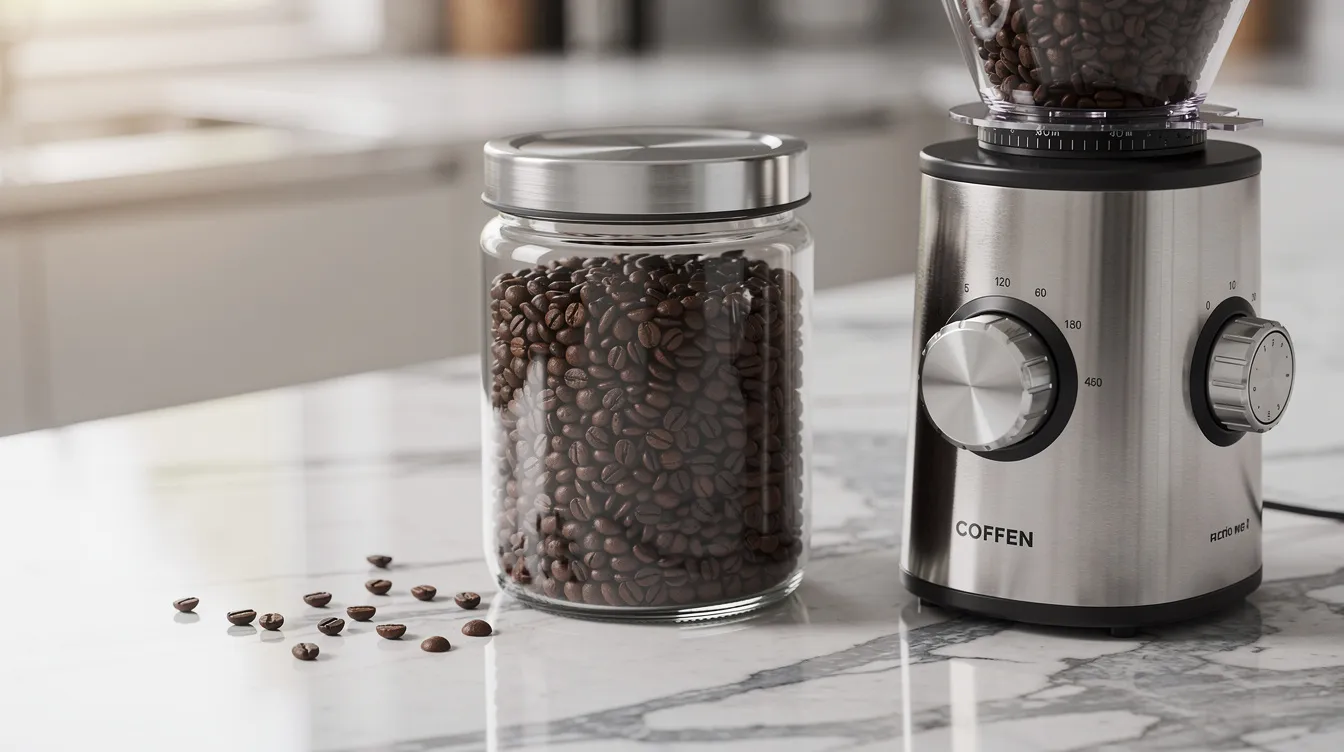
Even the best coffee subscription delivers disappointing results if beans are stored or brewed poorly. Coffee beans should be stored in a vacuum canister or opaque, airtight container away from heat, light, and moisture. Avoid the refrigerator for bags you open regularly; temperature fluctuations cause condensation that degrades flavor.
Aim to finish each bag within 3 to 4 weeks of its roast date. Many subscription boxes now include basic brew guides, recommended ratios (1:15 to 1:17 coffee to water by weight for drip and pour-over), and grind advice for French press, espresso, and cold brew.
Whole bean subscriptions are usually better for flavor and versatility because grinding just before brewing preserves volatile aromatics. Pre-ground options trade a bit of freshness for convenience and work well for drip machines and French press. If you don’t own a grinder, many services ship ground beans matched to your brew method.
This section serves as a hub for deeper research beyond this high-level coffee subscription comparison.
Anchor text on all internal links is descriptive (e.g., “compare leading multi-roaster subscriptions”) for clarity and navigation.
Capitol City Coffee is an independent coffee editorial and affiliate publication focused on researched comparisons, not direct sales. The site does not roast, sell, or ship coffee.
The research process works as follows:
Unless specific testing notes are supplied, the site does not claim hands-on tasting or ownership. Recommendations reflect broader expert consensus, clear product specs, and transparent value trade-offs. Criteria weighting prioritizes freshness and roast-to-ship timing, coffee quality (specialty vs. commodity), price per bag, customization, cancellation ease, and fit for different coffee drinkers.
This methodology is updated as subscription models evolve, with periodic revisits to pricing and terms.
Ready to subscribe? Here is a practical checklist:
Start with a shorter plan or introductory offer before committing to prepaying multiple months, especially if this is your first coffee subscription. Many services offer a first bag at a reduced price or a satisfaction guarantee.
Revisit this hub and the related review pages as your taste evolves. Coffee preferences shift over time; the subscription that fits you now might not be the right one a year from now, and that flexibility is the whole point.
These FAQs address common questions not fully covered above, focused on practical comparison issues in the U.S. specialty coffee market.
For commodity grocery beans, local purchases are often cheaper per ounce. For specialty-grade coffee, subscriptions can be comparable or slightly better per bag, especially when factoring in subscribe and save discounts (typically 10% to 15%), bundled shipping, or prepaid multi-month plans. Ultra-rare microlot subscriptions are less about cost savings and more about access to coffees you cannot find at a local coffee shop. Calculate price per ounce and per cup, then compare to your usual cafe drinks or supermarket specialty beans to see where the value lands for your consumption level.
Many coffee subscriptions allow both. Discovery plans rotate single-origin coffees and send new beans each cycle. Fixed plans ship the same blend or favorite coffee every time. Single roaster subscriptions make it easy to lock in one blend, while multi-roaster services may require “favoriting” or reordering a past coffee to recreate that consistency. If you dislike surprises, choose a subscribe and save style plan rather than a roaster’s choice or mystery box. For readers who want one or two bags of the same coffee monthly without variation, a traditional subscription from a single roaster is the simplest path.
Many coffee subscriptions offer pre-ground options tailored to brew method: drip, French press, espresso, and cold brew. You can order ground beans matched to your setup and still receive fresh coffee that’s far better than instant coffee sitting on a shelf. That said, whole bean plus a decent burr grinder yields fresher, more flavorful coffee and more flexibility if you switch brew methods. Grinding just before brewing preserves volatile aromatics that start fading within minutes of grinding, which is why most coffee roasters recommend whole bean whenever possible.
Most major U.S. coffee subscriptions ship to all 50 states. Timing and shipping costs may differ for Alaska and Hawaii; some services charge additional fees or use slower carriers for non-continental addresses. Typical delivery windows run 3 to 7 business days after roasting for the continental U.S., which keeps coffee within a fresh window when it arrives. Check each service’s shipping map, carriers, and estimated delivery times before subscribing, especially if you live in a remote area where an extra day or two of transit could push coffee delivered beyond its ideal freshness window.
Many roasters now offer espresso-only subscriptions with blends and single-origin coffees dialed for espresso machines, as well as coarse-ground, cold brew-specific offerings. Multi-roaster platforms like Trade Coffee and Bean Box let users filter for espresso blends or cold brew-friendly coffees when building their plan. For espresso, look for subscriptions that label coffees as espresso-roasted (typically a shade darker, with more solubility) and provide dose and yield guidance. For cold brew, look for half bag or full bag options of coarse-ground coffee optimized for 12 to 24 hour immersion steeping. White coffee roasters and a growing number of specialty roasters now include brew-method labels on each bag, making it easier to match your coffee sommelier-level preferences to the right subscription.
Every coffee and coffee machine we recommend is scored on the same 100-point scale, so a recommendation on one page means the same thing as a recommendation on any other. Each pick is also labeled with how we reached its score.
| What we score | Points | What we look at |
|---|---|---|
| Origin and sourcing transparency | 20 | Country, region, farm or cooperative, altitude, bean variety, and processing method are clearly disclosed. |
| Flavor evidence | 25 | Independent cupping scores, how closely the tasting notes match what the origin is known for, and our own cupping notes when hands-on tested. |
| Roast and freshness | 15 | Roast level stated, roast-date practices, whole-bean availability, and packaging with a one-way valve or resealable bag. |
| Brew versatility | 15 | How well the roast suits pour-over, drip, French press, cold brew, and espresso. |
| Value | 15 | Price per ounce compared with similar single-origin coffees or blends. |
| Buyer feedback | 10 | Volume and consistency of verified reviews, and recurring complaints about staleness, bitterness, or shipping. |
| What we score | Points | What we look at |
|---|---|---|
| Brewing performance | 25 | Water temperature in the 195–205°F range, even extraction, and SCA certification or published test data. |
| Build quality and reliability | 20 | Materials, known failure points, and long-term owner reports. |
| Ease of use and cleaning | 15 | Setup, the daily routine, descaling, and dishwasher-safe parts. |
| Fit for your kitchen | 10 | Capacity, counter footprint, and noise. |
| Useful features | 10 | Programming, grind and temperature control, and carafe type. Features that improve the cup count more than extras that do not. |
| Value | 10 | Price compared with machines that perform similarly. |
| Warranty and support | 10 | Warranty length, parts availability, and how the brand handles repairs. |
| Score | Grade | What it means |
|---|---|---|
| 90–100 | A | Exceptional. Our first recommendation for the feeling and setting described. |
| 80–89 | B | Strong. Excellent, with minor trade-offs we explain. |
| 70–79 | C | Good. Worth it for specific needs, with clear compromises. |
| Below 70 | — | Not recommended. We do not feature these as picks. |
When a pick carries the Hands-on tested label, this is the method behind it, and we note the date we tested.
We match each coffee to a mood and a moment based on its flavor profile and roast. Bright, citrusy light roasts suit energizing mornings. Chocolatey, full-bodied medium roasts suit slow or social moments. Richer roasts suit espresso and milk drinks. Each pick explains which facts led us to that match.
Every score comes only from the criteria above. No brand can pay for a pick or a higher grade. We re-check ratings when a roast, listing, or model changes, and update or remove picks that no longer earn their grade.
Some links on this page are affiliate links. As an Amazon Associate, Capitol City Coffee earns from qualifying purchases, at no extra cost to you.
Questions about a rating? Reach the Capitol City Coffee team through our contact page.