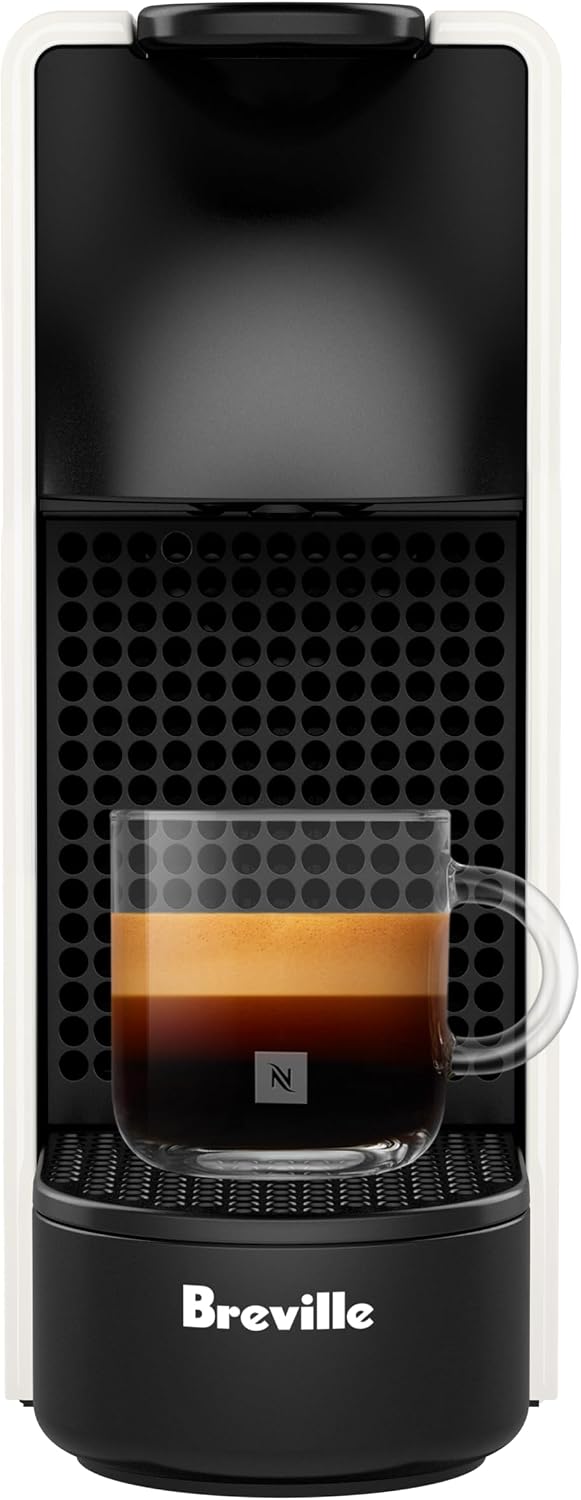
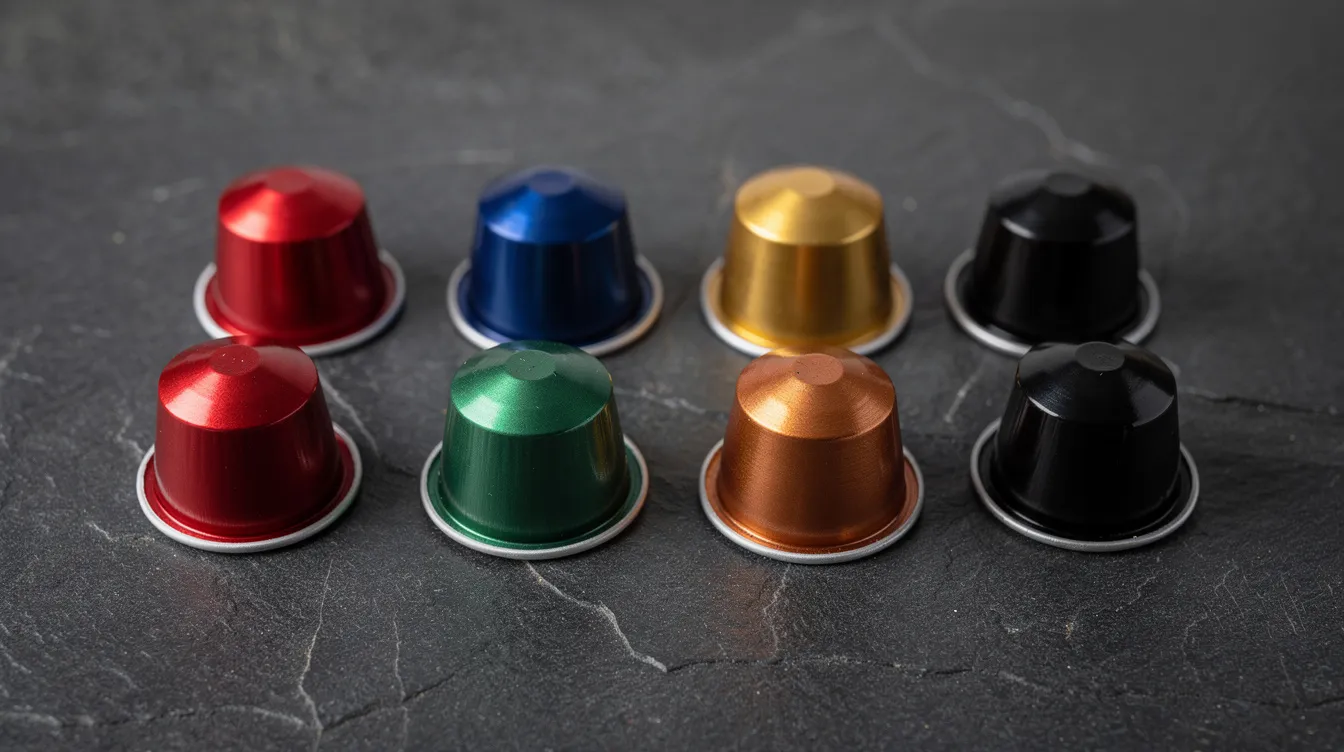
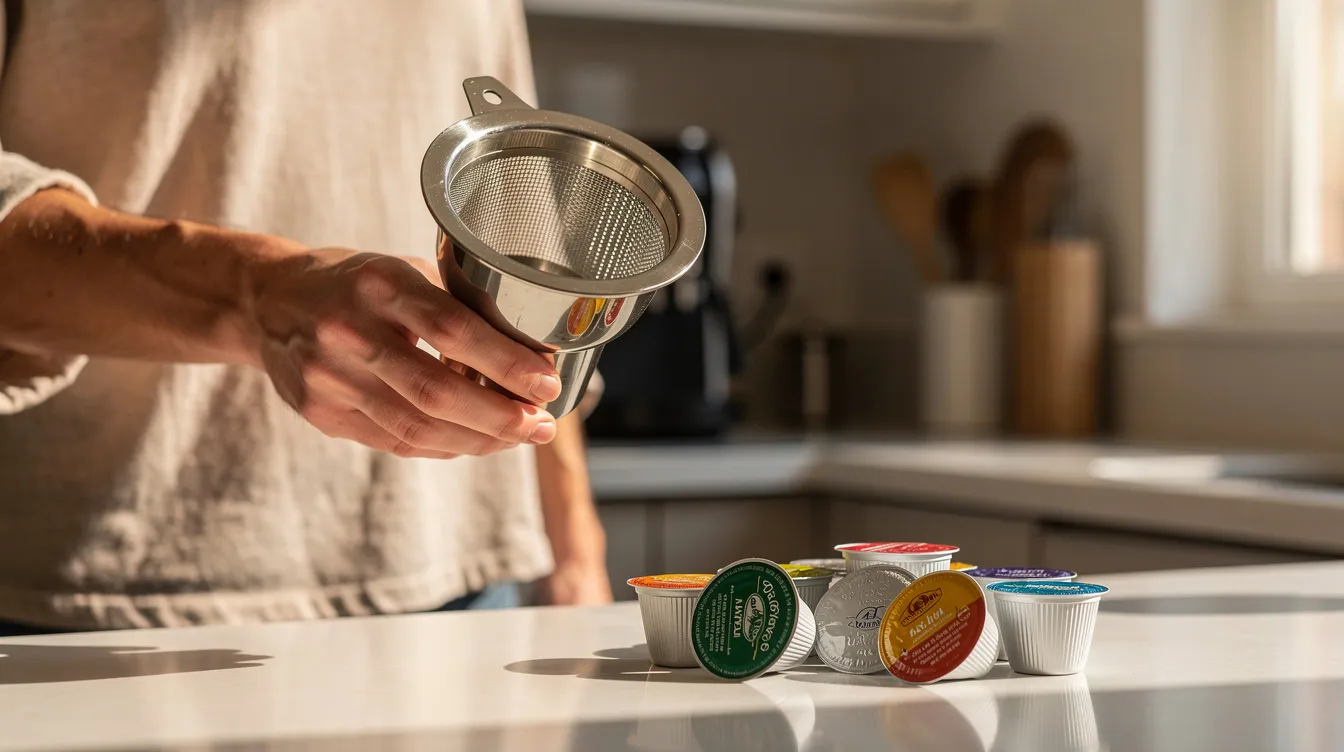
Nespresso and Keurig are the two dominant single serve coffee machines in the U.S., but they solve different problems. Nespresso focuses on espresso-style extraction, crema, and coffee quality. Keurig prioritizes variety, affordability, and convenience. Choosing between them comes down to what you actually want in your cup of coffee each morning.
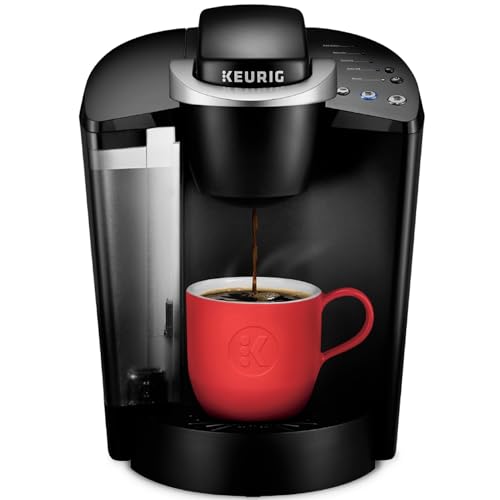
Best k-cup pick
For this roundup, Keurig K-Classic is the k-cup we recommend first—the same pick at the top of our At-a-glance cards below.
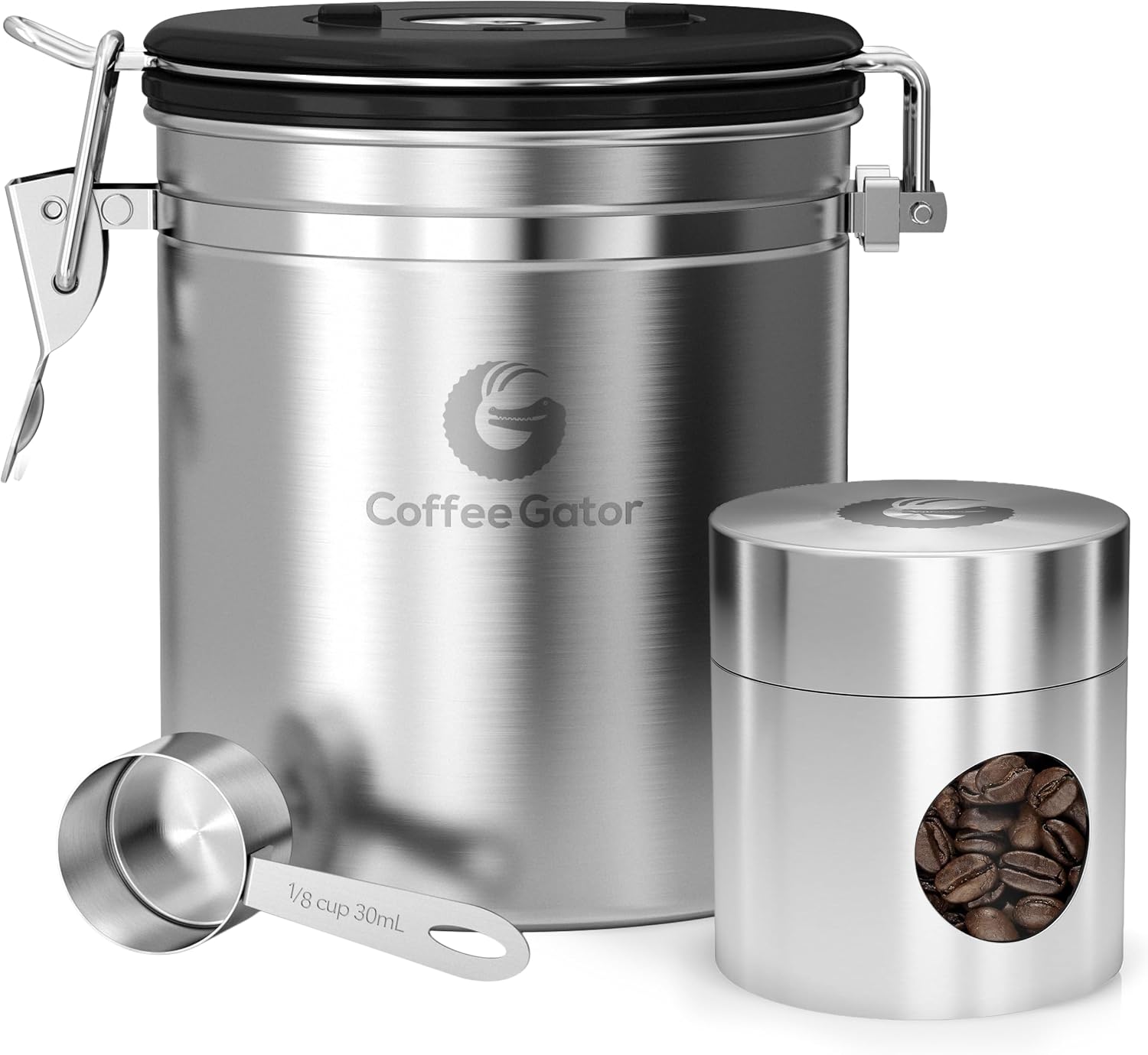
Pod machines are the expensive click. If a Nespresso or Keurig is waiting, a canister still helps beans or leftover pods you already have—without swapping in grocery bags that undercut the comparison.
Storage (~$20–$35)
Coffee Gator canister
Cheap add-on if the machine pick did not convert. Keeps leftover coffee fresher.
Based on researched editorial analysis, Nespresso generally wins for coffee quality and espresso shots, while Keurig wins on price, pod variety, and retail availability.
Nespresso machines tend to focus on espresso and café-style drinks; Nespresso Vertuo or OriginalLine is best if crema and flavor intensity matter most to you.
Keurig coffee makers are the better pick if you want inexpensive, flexible K-Cup coffee for households or offices, with options for tea and hot chocolate too.
Both Keurig and Nespresso machines are single serve coffee makers using coffee pods, but they differ in brewing method, per-cup cost, and environmental trade-offs.
Below, we cover key differences, use-case winners, long-term cost and value, sustainability, and alternatives like traditional espresso machines and drip coffee makers.
Affiliate Disclosure
Capitol City Coffee may earn a commission from recommended coffee makers, coffee pods, and accessories linked on this page, at no extra cost to you. Rankings and opinions are based on researched editorial analysis and third-party expert consensus, not on commission size or paid placement. We are an independent coffee editorial and comparison resource-not a manufacturer or retailer of Nespresso or Keurig machines.
Quick Verdict: Nespresso vs Keurig
For most coffee drinkers prioritizing coffee quality, crema, and espresso-style drinks, Nespresso provides a more premium coffee experience compared to Keurig and is the stronger choice-especially OriginalLine paired with a milk frother or a Vertuo machine for mixed coffee and espresso use. For users focused on budget, wide variety, and easy pod access at U.S. retail stores, Keurig coffee machines are the more practical option.
Choose Nespresso if you want better coffee approaching café espresso, rich crema, and concentrated flavor for lattes and cappuccinos.
Choose Keurig if you want the cheapest per-cup cost, hundreds of K-Cup pod flavors, and the ability to grab pods at any grocery store.
Both systems deliver everyday convenience, but they differ sharply in coffee style, flavor profile, per-cup cost, and sustainability.
Keep reading for the detailed comparison of performance, usability, cost, and the best fit by use case.
Key Differences: Nespresso vs Keurig at a Glance
Here is a side-by-side comparison of both Nespresso and both Keurig systems across the factors that matter most.
Nespresso Systems Explained: OriginalLine vs Vertuo
When people say “Nespresso,” they are actually referring to two separate, non-cross-compatible pod ecosystems: OriginalLine and VertuoLine. Understanding the difference matters before you buy a Nespresso machine.
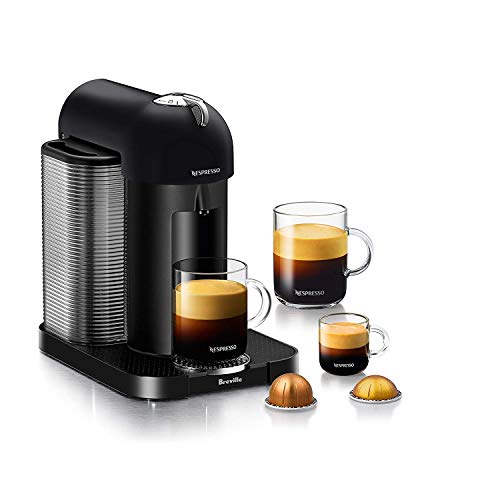
Nespresso OriginalLine uses high-pressure bar extraction to produce authentic espresso. These machines force hot water through compact, finely ground Nespresso capsules at 19 bars of pressure, yielding concentrated espresso shots with thick crema. Popular models include the Essenza Mini and Pixie. Nespresso’s Original line produces espresso while its Vertuo line offers larger coffee sizes.
Nespresso Vertuo brews coffee with a unique barcode system. Nespresso’s Vertuo system adjusts brewing parameters automatically based on the pod, using barcode scanning technology to control water volume, temperature, and spin speed. Nespresso VertuoLine uses barcode scanning for optimal brewing. Nespresso brews coffee using centrifugal technology for crema, spinning Vertuo pods at up to 7,000 RPM. Vertuo machines can brew espresso shots as small as 1.35 oz and coffee as large as 18 oz on newer models.
Pod availability: Nespresso operates a closed, proprietary capsule system with official aluminum capsules. Nespresso capsules are sealed in aluminum for freshness. Nespresso pods can only be ordered from Nespresso.com or boutiques, though Nespresso Vertuo pods are available in limited selection on Amazon and through select retail partners like Target. OriginalLine has more third-party compatible capsules since earlier patents expired.
Recycling: Nespresso offers a free mail-in recycling program for used pods and boutique drop-off locations across the U.S., which we cover in detail in the sustainability section below.
Keurig Coffee Makers and K-Cup Pods Overview
Keurig popularized single serve coffee in the U.S. and remains the dominant pod coffee system in offices and households alike. Keurig emphasizes convenience and speed in brewing.
How it works: A Keurig coffee maker is a single serve coffee machine that pierces plastic K-Cup pods and runs hot water through ground coffee in a brewing method that resembles traditional drip coffee machines. Most Keurig models brew 6–12 oz cups.
K-Cup variety: Keurig offers over 400 beverage options from 60 brands, including Dunkin’, Starbucks, Green Mountain, and McCafé. Keurig’s ecosystem has a broader selection of drinks and brands than any other pod system. Keurig allows brewing a variety of beverages beyond just coffee, such as tea and hot cocoa. Keurig is known for its flexibility in cup sizes and drink types.
Machine range: Keurig models span from the ultra-compact K-Mini to advanced machines like the Keurig K-Supreme, K-Elite, and Keurig K Cafe with strength control, iced settings, and optional built-in milk frother attachments.
Availability: Keurig K-Cups are available at major big-box stores, and Keurig pods can be found at gas stations and convenience stores-a level of accessibility Nespresso cannot match. Keurig offers a large ecosystem with numerous third-party K-Cup brands, including affordable store-brand Keurig K-Cup pods.
Reusable option: Keurig’s My K-Cup reusable filter lets you brew your own coffee beans or freshly ground coffee without disposable pods, cutting per-cup cost substantially.
Performance & Coffee Quality: Coffee and Espresso in the Cup
This is the crucial difference in the Nespresso vs Keurig debate. If coffee quality is your priority, the two systems are not close.
Nespresso performance: Nespresso machines emphasize high-quality coffee extraction with rich crema. OriginalLine machines use high-pressure pump systems to extract espresso and coffee with a layer of crema, producing a full bodied cup with concentrated flavor. Nespresso machines use 19 bars of pressure for brewing, which is the same range used by many commercial espresso machines. Nespresso yields a stronger, richer, concentrated flavor profile compared to Keurig.
Keurig performance: Keurig’s MultiStream technology improves coffee extraction on newer Keurig brewers-Keurig machines use MultiStream technology to pierce pods five times for more even saturation. Still, Keurig’s brewing method resembles traditional drip coffee machines, producing lighter body and minimal crema. The new Keurig K-Crema attempts pressure-mode brewing, but testers found the crema layer thinner and less persistent than Nespresso’s.
Flavor consensus: Based on expert reviews from Consumer Reports and Tom’s Guide, Nespresso coffee is consistently described as fuller-bodied, more nuanced, and smoother when drunk black. Keurig coffee often tastes weak due to stale pods, especially at larger brew sizes where dilution becomes noticeable.
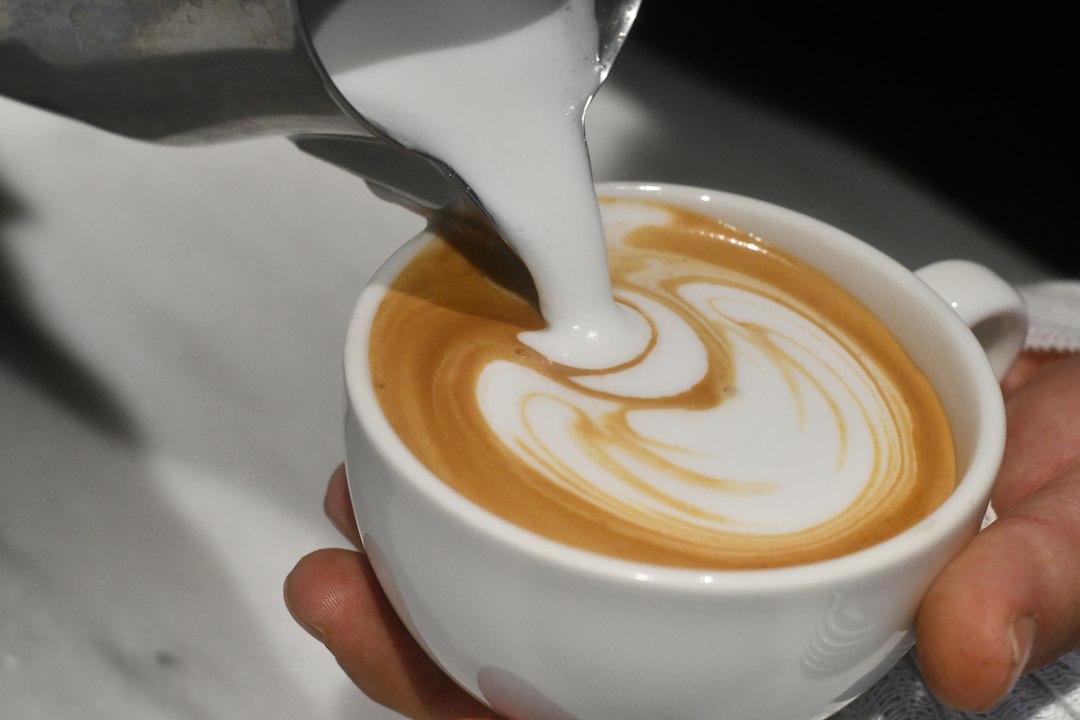
Specialty drinks: Nespresso pairs especially well with a milk frother like the Aeroccino or machines with a built-in milk frother for cappuccinos and lattes with frothed milk. Select Keurig models like the Keurig K Cafe can approximate milk drinks using coffee shot or strong-brew settings, but the coffee base is less concentrated.
Usability, Brewing Method, and Daily Workflow
Both systems prioritize speed and convenience, but they differ in how much thinking the user needs to do. For coffee lovers who just want a perfect cup before leaving the house, here is what daily life looks like.
Automation: Nespresso Vertuo reads barcodes to auto-set brew size and parameters-no guesswork. OriginalLine uses programmable shot buttons. Keurig requires you to select brew size and, on some models, strength or temperature manually.
Workflow: Both follow a similar pattern: fill reservoir, insert pod, press a button, eject the used pods. Some Nespresso models auto-eject capsules. Keurig cups lift and insert with minimal effort.
Speed: Expect roughly one minute to heat up and another minute to brew a standard cup on either system. Both are dramatically faster than grinding coffee beans and pulling shots on a manual espresso machine or waiting for a drip coffee maker to finish a full pot.
Cleaning and maintenance: Both require descaling every 3–6 months, emptying drip trays, and clearing coffee grounds from used pod containers. Neither demands the intensive backflushing and group-head cleaning that a traditional espresso machine requires.
Size and design: Nespresso machines often have sleek, compact European designs suited to small kitchens. Keurig models range from the ultra-compact K-Mini to larger multi-function Keurig brewers with big water reservoirs.
Price and Long-Term Cost: Machines, Pods, and Value
The initial coffee maker purchase matters less than your ongoing pod spend. Over a year or two, per-cup costs dwarf the machine price.
Machine prices: Keurig machines start around $60 to $250. Keurig’s cheapest model is the K-Mini at about $60. Nespresso machines range from $100 to over $600, with Nespresso’s cheapest model being the Essenza Mini at $150. Nespresso machines typically have a higher upfront cost than Keurig. Keurig hardware and pods are generally more affordable than Nespresso.
Pod prices: Keurig K-Cups cost about $0.35 to $0.70 each, with store-brand K-Cup pods at the low end. Nespresso Vertuo pods cost between $0.90 and $1.35 each. OriginalLine Nespresso capsules run $0.80–$1.35 per capsule. Nespresso pods are generally more expensive than Keurig pods but offer a cafe-style experience.
Monthly cost: A typical single coffee drinker having one to two cups per day spends roughly $15–30 per month on Keurig cups versus $27–55 per month on Nespresso coffee capsules. That gap adds up: over a year, Nespresso can cost several hundred dollars more in pods alone. Keurig pods are mass-produced and provide lower costs for high-volume users.
Reusable savings: Keurig’s My K-Cup reusable filter lets you use any ground coffee, dropping cost to pennies per cup. Third-party refillable Nespresso capsules exist for OriginalLine, but users report more mess, inconsistent results, and risk of leakage.
Value summary: Keurig typically wins on pure cost and flexibility. Nespresso can still be a good value versus daily trips to a local coffee shop-even at $1.00 per capsule, that is far cheaper than a $5 café latte.
Winner by Use Case: Who Should Choose Which System?
There is no universal “best” single serve coffee maker. Match the system to your real-life scenario.
Nespresso wins for: coffee drinkers prioritizing high quality coffee and crema, fans of cappuccinos and lattes, small households or couples who drink 1–4 espresso shots or coffee cups per day, and people comfortable ordering Nespresso pods online.
Keurig wins for: large households or offices that go through many Keurig cups daily, people who want broad coffee options including tea and hot chocolate, budget-conscious buyers who shop at big-box stores, and anyone who values delicious coffee variety over espresso intensity.
Mixed households: If one person wants espresso and another wants regular coffee, consider pairing a Nespresso machine with a basic drip coffee maker. Alternatively, a higher-end Keurig model with strong-brew settings can serve as a compromise, though it won’t match Nespresso for espresso-style drinks.
Nespresso and Keurig sit between café spending and full espresso setups in terms of both cost and coffee quality.
Pods vs café: A daily café espresso or latte runs $4–6 per drink, or roughly $1,500–$2,200 per year. Even Nespresso at ~$1.00 per capsule plus milk costs a fraction of that. Keurig K-Cup coffee is cheaper still. Both systems offer substantial savings for anyone currently buying a first cup at a local coffee shop each morning.
Pods vs drip: Standard coffee makers using ground coffee cost roughly $0.10–$0.25 per cup, beating both pod systems on price. But pods eliminate leftover coffee waste and the coffee making process is faster.
Pods vs entry-level espresso machines: Semi-automatic machines like the Breville Barista Express or Barista Pro and the Breville Bambino or Bambino Plus yield higher coffee quality and more control over freshly ground coffee, but demand more skill, time, and often higher upfront cost. They also require you to buy your own coffee beans.
When each is “worth it”: Nespresso is a strong value for espresso lovers unwilling to commit to a full barista workflow. Keurig is a strong value for volume drinkers who prize speed, variety, and lower pod prices.
Sustainability, Recycling, and Environmental Trade-Offs
Both Nespresso and Keurig have faced criticism for pod waste. Both now offer recycling and reusable options, but with different trade-offs.
Nespresso recycling: Nespresso capsules have been recyclable since 2010. Aluminum is infinitely recyclable in theory, and Nespresso offers free mail-in recycling for used pods plus boutique drop-off locations across the U.S. Coffee grounds from the process are separated for composting.
Keurig recycling: Keurig’s K-Cups became fully recyclable in 2020 using #5 polypropylene plastic. However, recycling requires peeling the foil lid, emptying coffee grounds, and confirming your local facility accepts the plastic type. Keurig charges for its recycling bags, adding friction. In 2024, Keurig was fined by the SEC for misleading statements about K-Cup recyclability.
Real-world challenges: Many pods still end up in landfills. Keurig pods can circle the planet ten times annually based on volume produced, underscoring the scale of waste. Even Nespresso’s program depends on users actually mailing capsules back, which many skip.
Reusable options: Keurig’s My K-Cup reusable filter eliminates pod waste entirely. Third-party refillable Nespresso-compatible capsules exist for OriginalLine but involve more effort and inconsistency.
Perspective: Neither system is zero-waste. Manual brewing methods like a French press or pour-over remain the lowest-waste alternatives. Treat sustainability as one factor among many when choosing between Keurig and Nespresso.
Alternatives to Nespresso and Keurig
Nespresso and Keurig are the most recognizable single serve coffee machines, but they are not the only way to get convenient coffee and espresso at home.
Drip coffee makers and manual brewers: Standard coffee makers, pour-over cones, French press, and AeroPress use ground coffee without capsules, typically at a lower cost per cup with less packaging.
Other pod systems: Capsule-based systems from Lavazza and illy offer alternatives with different coffee flavor profiles, though U.S. pod availability and variety lag behind Keurig and Nespresso.
Hybrid machines: Some coffee machines can brew both pods and ground coffee, including certain Keurig models with reusable K-Cup adapters, offering a compromise for households with mixed preferences.
Which Should You Choose: Nespresso or Keurig?
This decision is simpler than it looks once you know your priorities.
Buy Nespresso if you are a coffee and espresso enthusiast who prioritizes coffee quality, crema, and café-style drinks, and you accept higher pod prices and ordering capsules online. Nespresso won the quality argument-the coffee flavor and extraction are measurably closer to what a real espresso machine produces.
Buy Keurig if you are a budget-conscious coffee drinker, part of a family, or outfitting an office where variety, simple drip-style single cup coffee, and the ability to grab pods locally at supermarkets or warehouse clubs matter most. Keurig credit goes to its unmatched convenience ecosystem.
How to decide: Think about your favorite coffee style (espresso vs classic drip), your monthly budget for pods, your counter space, and whether everyone in the household drinks the same type of coffee.
Next step: Explore our full comparison guides if you are also weighing espresso machines, drip coffee makers, or specific model matchups to find the right fit.
FAQs: Nespresso vs Keurig
Can you use Nespresso pods in a Keurig, or K-Cup pods in a Nespresso machine?
No. Nespresso capsules and K-Cup pods are not cross-compatible. They differ in size, shape, and brewing mechanism. Forcing the wrong pod type can damage puncture needles or brewing components and void warranties. If you want flexibility with ground coffee in a Keurig, use a My K-Cup reusable filter. Nespresso users can look for third-party refillable capsules designed for their specific system (OriginalLine only, typically).
Is Nespresso real espresso compared to a traditional espresso machine?
Nespresso OriginalLine uses pressure-based extraction at 19 bars to approximate authentic espresso and produces genuine crema, but it does not offer the same control over grind size, dose, and pressure that a manual or semi-automatic espresso machine provides. Vertuo’s centrifusion technology produces espresso-style shots many drinkers find satisfying for home lattes and cappuccinos. Serious home baristas may still prefer a dedicated espresso machine, while many casual espresso fans find Nespresso coffee “good enough” for convenience and consistency.
Which system is better if I mostly drink iced coffee?
Both systems can brew over ice, but Nespresso’s more concentrated espresso and Nespresso coffee hold flavor better when diluted with ice and milk. Keurig’s larger drip-style brews may taste weaker unless brewed on a smaller or strong setting. Some Keurig models and Nespresso Vertuo machines have dedicated over-ice brew settings. If you want iced lattes, Nespresso espresso shots are the better base. For simple iced coffee, either system works, with Keurig offering more flavored K-Cup options.
How often do Nespresso and Keurig machines need descaling and maintenance?
Both brands recommend descaling roughly every 3–6 months depending on water hardness and usage frequency, using manufacturer-approved descaling solutions. Daily or weekly maintenance is simple: empty used pod containers, rinse drip trays, and wipe external surfaces. Compared with traditional espresso machines, both Nespresso and Keurig machines require relatively low maintenance but still benefit from routine care to maintain performance and coffee quality.
Can I make hot chocolate or tea in Nespresso or Keurig machines?
Keurig offers many K-Cup pods for tea, hot cocoa, chai, and other beverages from dozens of coffee brands and specialty producers, making it far more flexible for non-coffee drinkers. Nespresso offers only coffee and espresso pods officially, though you can run a hot water cycle and use your own tea bags or cocoa mix separately. Households with several tea and cocoa drinkers will find Keurig’s beverage variety significantly more convenient.
How Capitol City Coffee Rates Coffee and Coffee Machines
Every coffee and coffee machine we recommend is scored on the same 100-point scale, so a recommendation on one page means the same thing as a recommendation on any other. Each pick is also labeled with how we reached its score.
Research-ratedScored from the roaster or manufacturer’s published specifications, independent results such as Coffee Review blind cuppings and SCA brewer certification, and patterns across verified buyer reviews. Most of our current picks are research-rated.
Hands-on testedThe Capitol City Coffee team has brewed the coffee or used the machine ourselves, following the testing steps below. We only use this label when that testing actually happened, and we show the date we tested.
Coffee beans: 100-point scale
What we score
Points
What we look at
Origin and sourcing transparency
20
Country, region, farm or cooperative, altitude, bean variety, and processing method are clearly disclosed.
Flavor evidence
25
Independent cupping scores, how closely the tasting notes match what the origin is known for, and our own cupping notes when hands-on tested.
Roast and freshness
15
Roast level stated, roast-date practices, whole-bean availability, and packaging with a one-way valve or resealable bag.
Brew versatility
15
How well the roast suits pour-over, drip, French press, cold brew, and espresso.
Value
15
Price per ounce compared with similar single-origin coffees or blends.
Buyer feedback
10
Volume and consistency of verified reviews, and recurring complaints about staleness, bitterness, or shipping.
Coffee machines and gear: 100-point scale
What we score
Points
What we look at
Brewing performance
25
Water temperature in the 195–205°F range, even extraction, and SCA certification or published test data.
Build quality and reliability
20
Materials, known failure points, and long-term owner reports.
Ease of use and cleaning
15
Setup, the daily routine, descaling, and dishwasher-safe parts.
Fit for your kitchen
10
Capacity, counter footprint, and noise.
Useful features
10
Programming, grind and temperature control, and carafe type. Features that improve the cup count more than extras that do not.
Value
10
Price compared with machines that perform similarly.
Warranty and support
10
Warranty length, parts availability, and how the brand handles repairs.
What the grades mean
Score
Grade
What it means
90–100
A
Exceptional. Our first recommendation for the feeling and setting described.
80–89
B
Strong. Excellent, with minor trade-offs we explain.
70–79
C
Good. Worth it for specific needs, with clear compromises.
Below 70
—
Not recommended. We do not feature these as picks.
How we test hands-on
When a pick carries the Hands-on tested label, this is the method behind it, and we note the date we tested.
Coffee: brewed fresh from whole beans following Specialty Coffee Association guidelines (water between 195 and 205°F, about 1 gram of coffee to every 15 to 18 grams of water) in the brew methods the roast suits best, such as pour-over, French press, or espresso. We taste it black first, then with milk if that is how most people drink it, and each taster scores it on their own before we compare notes.
Machines: used in our everyday routine rather than a single demo. We brew both full and small batches, check the brewing temperature and brew time, and run the cleaning or descaling steps the manual calls for.
How we choose the feeling and setting
We match each coffee to a mood and a moment based on its flavor profile and roast. Bright, citrusy light roasts suit energizing mornings. Chocolatey, full-bodied medium roasts suit slow or social moments. Richer roasts suit espresso and milk drinks. Each pick explains which facts led us to that match.
Our scores stay independent
Every score comes only from the criteria above. No brand can pay for a pick or a higher grade. We re-check ratings when a roast, listing, or model changes, and update or remove picks that no longer earn their grade.
Some links on this page are affiliate links. As an Amazon Associate, Capitol City Coffee earns from qualifying purchases, at no extra cost to you.
Questions about a rating? Reach the Capitol City Coffee team through our contact page.