
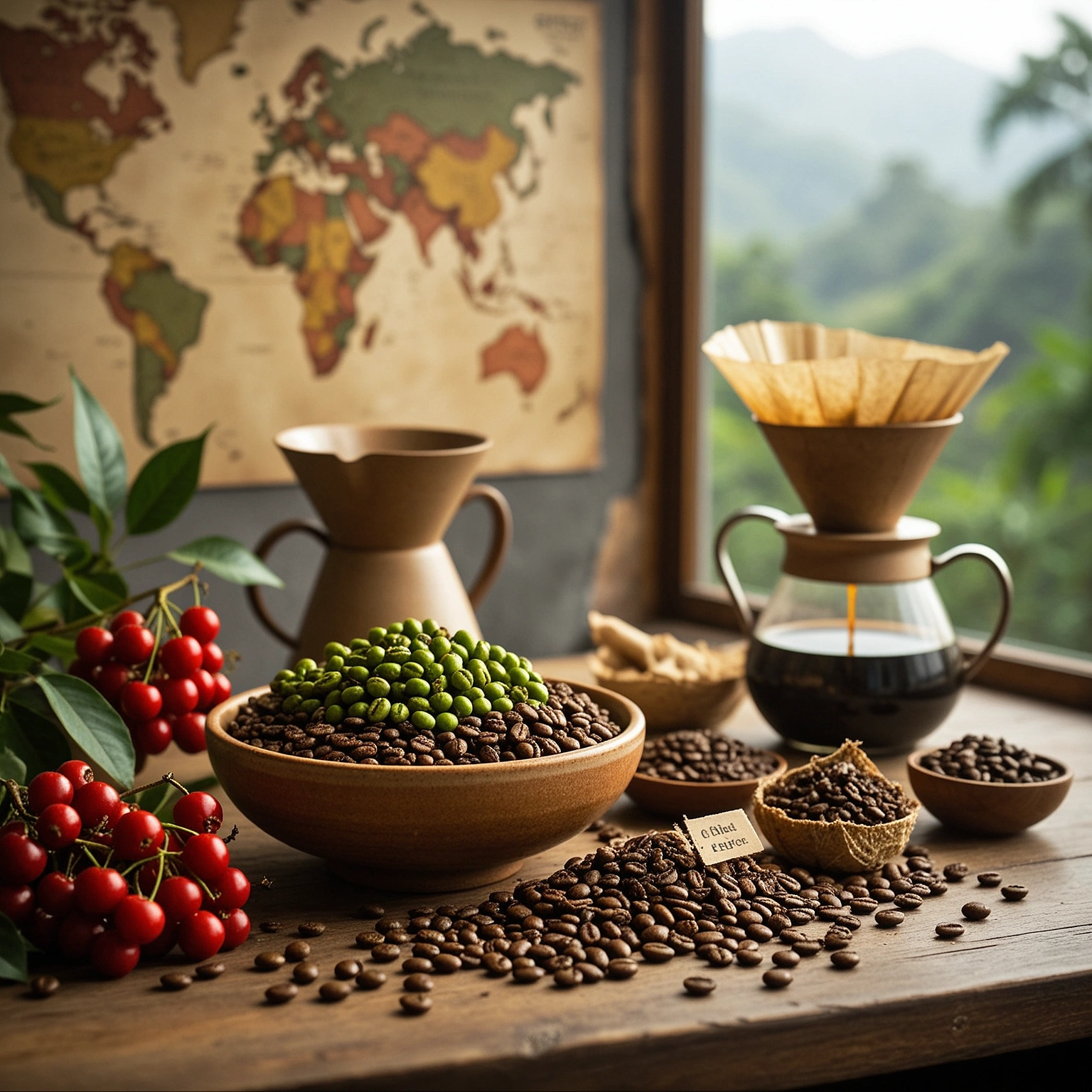
If you are new to buying coffee and want something that tastes good without requiring a barista’s skill set, start with a medium or medium-dark roast blend. Balanced medium roasts avoid extreme bitterness or intense acidity, and they work across drip machines, pour over, and French press without fuss. This guide is a researched editorial roundup of the best coffee for beginners in 2026, covering specific bags, what makes them beginner-friendly, and how to get the most out of your first purchase.
Key Takeaways
- Smoother, lower-acid flavor profiles are easier for beginners to enjoy; look for bags with tasting notes of chocolate, caramel, and nuts.
- Medium and medium-dark coffee beans are the safest starting points because they are forgiving to brew and taste good black or with milk.
- Buying freshly roasted coffee from trusted coffee roasters gives better flavor and value than generic supermarket blends, which can sit on shelves for months.
- Beginners benefit from starting with a coffee blend (house blend, breakfast blend) rather than single origin bags, because blends are crafted for consistency and balance.
- This guide also covers whole bean vs ground coffee, how to choose by personal taste and budget, basic brewing tips, and where to buy coffee beans online or locally.
Affiliate Disclosure
Quick Answer: The Best Coffee for Beginners in 2026
Fresh, specialty-leaning medium roasts with smooth chocolate and caramel profiles are the best coffee for beginners in 2026. Medium roasts are a good starting point for coffee beginners because they balance sweetness and body without sharp acidity or heavy bitterness. The best coffee beans for new drinkers are available as both whole bean and ground coffee from roasters that print a roast date on every bag.
Top beginner-friendly picks at a glance:
- Counter Culture Big Trouble (medium-dark blend): caramel, nuts, chocolate; low acidity; scored 87/100 in a 27-blend panel tasting
- Stumptown Holler Mountain (medium blend): chocolate, gentle fruit; ranked best overall blend by Café Grade in 2026
- Peet’s Major Dickason’s Blend (dark roast): rich, smooth, full-bodied; widely available at grocery stores
- Tim Hortons Original Blend (medium roast): 100% Arabica, smooth, balanced; strong value at a low price
- Swiss Water Process decaf option: medium-dark, chocolate and vanilla notes; good for caffeine-sensitive beginners
The rest of this article explains why these picks work, how to choose between them, and what to consider about price, quality, and brew method.
Best Coffee for Beginners: Top Picks at a Glance
Tap a photo or the Amazon button to check that bag. These are Amazon listing photos. Research-rated from each brand’s published details, not yet brewed by our team.
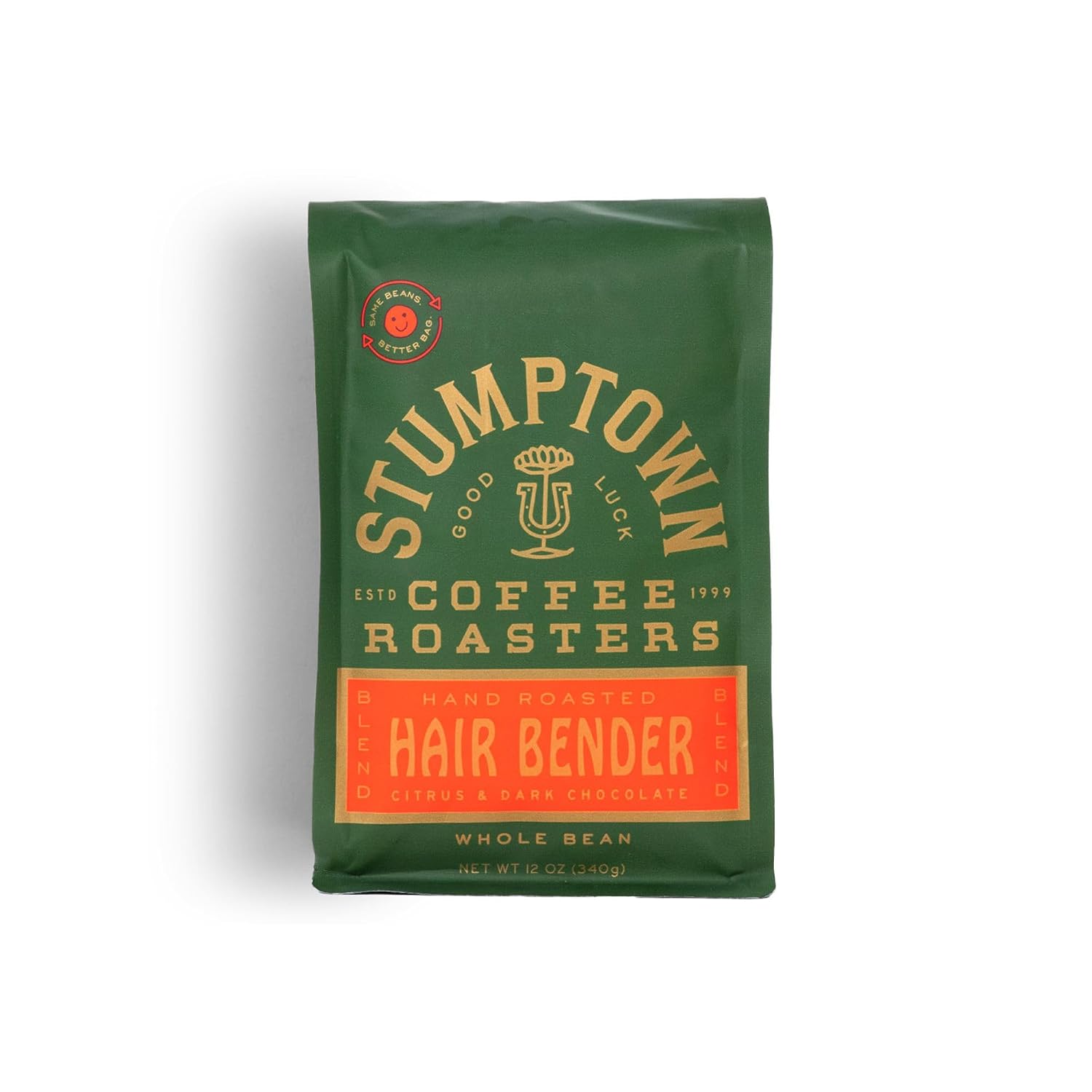
Specialty blend
Stumptown Hair Bender
- RoastMedium
- FormatWhole bean
- NotesChocolate and gentle fruit
Beginner-friendly origin
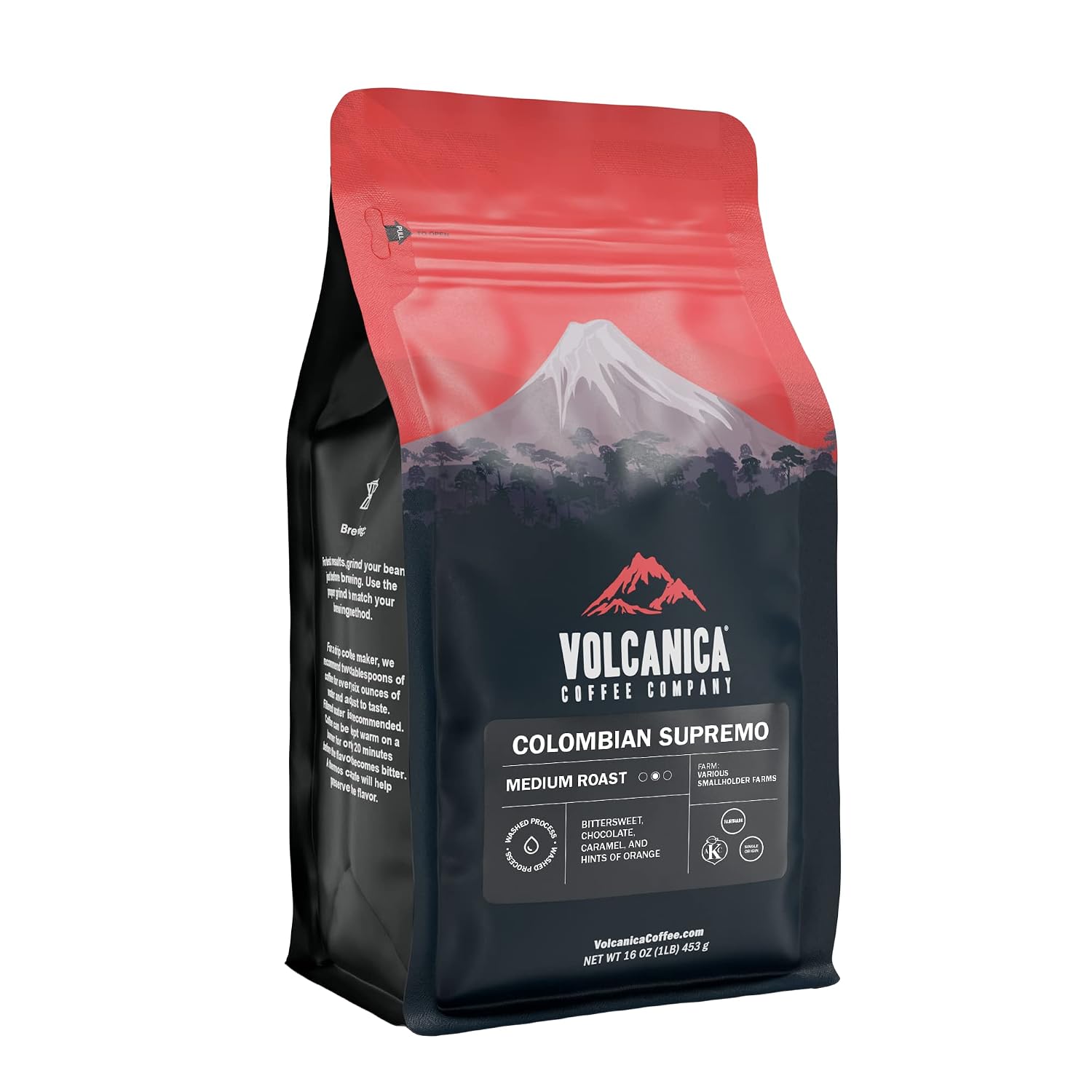
Volcanica Colombian Supremo
- RoastMedium
- FormatWhole bean, 16 oz
- NotesChocolate and caramel
Best For | Coffee & Roaster | Roast Level | Form | Flavor Profile | Ideal Brew Methods | Approx. Price | Availability |
|---|---|---|---|---|---|---|---|
Best overall | Counter Culture Big Trouble | Medium-dark | Whole bean, ground | Caramel, nuts, chocolate | Drip, pour over, French press | ~$14–$16 / 12 oz | Online, some grocery |
Best house blend | Stumptown Holler Mountain | Medium | Whole bean, ground | Chocolate, gentle fruit | Drip, French press, pour over | ~$16–$18 / 12 oz | Whole Foods, online |
Best dark roast | Peet’s Major Dickason’s Blend | Dark | Whole bean, ground | Rich, smooth, dark chocolate | Drip, espresso, cold brew | ~$12–$15 / 12 oz | Grocery, online |
Best light roast intro | Intelligentsia House Blend | Light | Whole bean | Milk chocolate, mandarin, apple | Pour over, drip | ~$16–$18 / 12 oz | Online, select stores |
Best grocery value | Tim Hortons Original Blend | Medium | Ground, whole bean | Smooth, balanced, mild | Drip, batch brew | ~$8–$10 / 12 oz | Most grocery stores |
Best low-acid | Coffee Boss Brew Il Capo’s Hitman | Dark | Whole bean | Dark chocolate, cedar, smoke | French press, drip, cold brew | ~$18 / 12 oz | Online |
Best for espresso | Stumptown Hair Bender | Medium | Whole bean | Citrus, dark chocolate | Espresso, pour over | ~$16–$20 / 12 oz | Online, select grocery |
Best decaf | Swiss Water Process decaf (varies by roaster) | Medium-dark | Whole bean, ground | Chocolate, vanilla, nutty | Drip, pour over | ~$14–$20 / 12 oz | Online, specialty shops |
All listed coffees are available in the U.S. in 2026 through major retailers, Amazon, or roasters’ own sites. Prices and stock can fluctuate by season and retailer.
How We Chose the Best Coffee for Beginners
These recommendations are based on researched editorial analysis. Capitol City Coffee did not conduct hands-on tastings for this roundup. Instead, picks draw from reputable third-party panel tastings, expert reviews, and broad customer consensus.
Key criteria:
- Beginner-friendly flavor: no extreme acidity or bitterness; medium or medium-dark blends that are forgiving to brew
- Roaster reliability: consistent batch quality, clear roast date on the bag, transparent origin info
- Price and value per ounce: realistic for someone who may not want to spend $25 on their first bag
- Availability: sold through channels a U.S. beginner can access without a specialty subscription
- Format options: available as both whole bean coffee and ground coffee
Specialty coffee is graded on a 100-point scale by the SCA (Specialty Coffee Association), and specialty-grade coffee must score 80 or higher on the cupping scale. Arabica makes up around 60% of the world’s coffee supply and forms the base of every pick on this list; robusta beans, while cheaper, tend toward harsher bitterness that beginners rarely enjoy.
Flavor notes referenced here (chocolate, caramel, citrus) come from roaster descriptions plus aggregated reviewer feedback. Some picks prioritize value over absolute top quality, while others are more premium but offer standout flavor profile or ethical sourcing.
Best Overall Coffee for Beginners: A Balanced House Blend
Counter Culture Big Trouble is the best overall beginner bag in 2026. This medium-dark blend scored 87/100 among 27 nationally retailed blends in a panel tasting, placing it in the Silver tier for quality.
The flavor profile is approachable: medium body, low-to-medium acidity, with notes of caramel, nuts, and chocolate. Medium roast coffee has caramelized sugars that contribute a natural sweetness, and Big Trouble leans into that quality without tipping into the burnt or ashy territory of over-roasted dark blends. The result tastes good black or with milk.
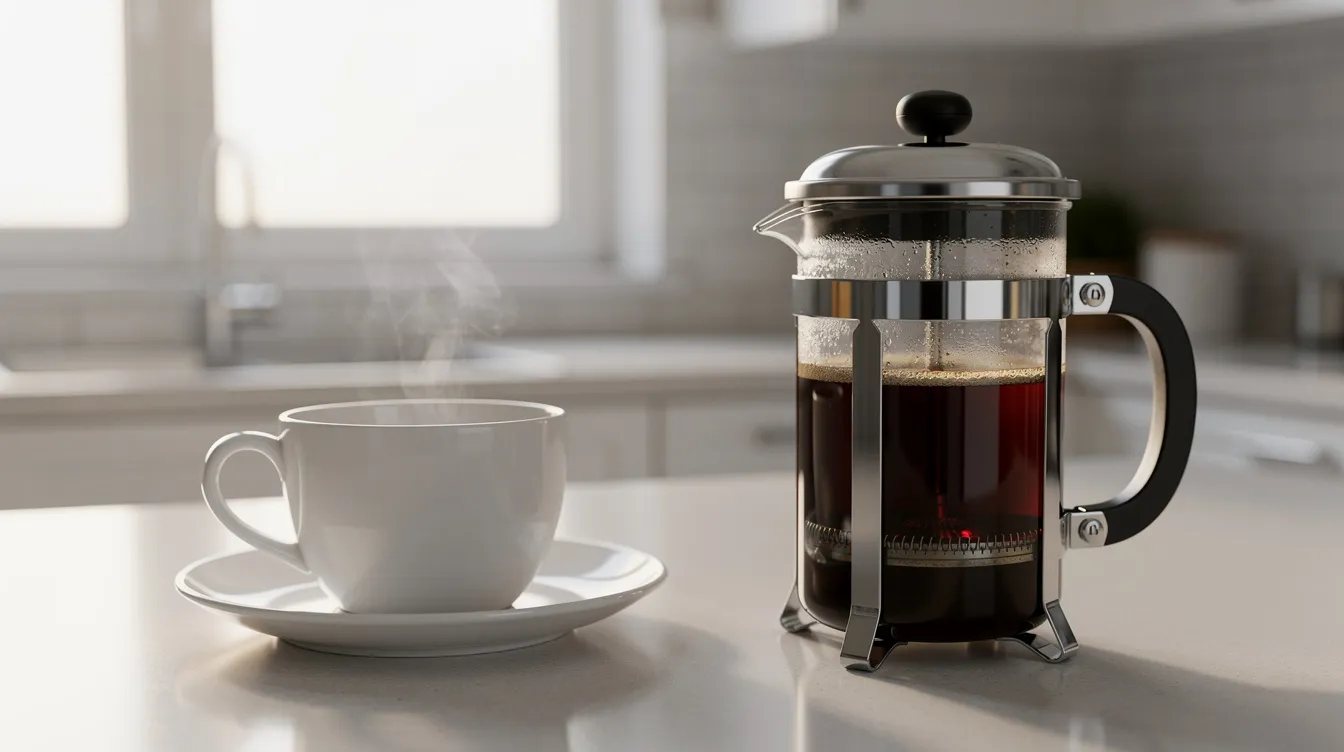
For brewing, Big Trouble is forgiving. It performs well in auto-drip machines, pour over cones, and French press setups. It still tastes pleasant as it cools, which matters for anyone who sips a cup of coffee over 30 minutes at a desk. Stumptown Coffee Roasters, a well-respected third wave coffee roaster, produces a competing house blend (Holler Mountain) that also belongs in this conversation; Holler Mountain was ranked best overall blend for most people by Café Grade in 2026, with chocolate and gentle fruit notes that overlap with Big Trouble’s approachability.
A 12 oz bag of Big Trouble costs roughly $14–$16. You can buy coffee beans directly from Counter Culture’s site (shipped within days of roasting) or find it at some grocery chains and on Amazon. Compared to ultra-cheap mass-market blends, that’s a step up in price; compared to $22+ single origin bags, it’s a moderate investment for a clear improvement in flavor and freshness.
Drawbacks: Not the most exciting bag for someone already deep into specialty coffee. Seasonal variation in the blend means flavor can shift slightly across the year. But as a first “step up” from generic supermarket ground coffee, it delivers.
Best Grocery Store Coffee for Beginners
Tim Hortons Original Blend is a smooth medium roast, 100% Arabica, that earned solid marks in 2026 panel tastings for complexity without bitterness. At roughly $8–$10 per 12 oz bag, it is among the lowest-priced options that still taste balanced and clean.
The flavor leans chocolatey and mild, with low acidity and a straightforward finish. It ships pre-ground for convenience, works in standard drip coffee makers, and is available at big-box stores and supermarkets nationwide.
Trade-offs: Most grocery store coffee is often 6 to 18 months old by the time you buy it. Tim Hortons does not always print a clear roast date on bags, so you may not know exactly when your beans were roasted. Freshness aside, this is a reasonable bag for someone upgrading from instant coffee or canned ground coffee who wants something reliable at a low price. Not everyone will notice the freshness gap compared to a specialty roaster, especially when adding cream and sugar.
For a second grocery option, Peet’s House Blend (dark roast, Latin America origins, ~$12–$15/lb) provides a bolder alternative with spice and toast notes. Both are fine bridges toward better coffee.
Best Coffee Bean Sampler for Beginners
A curated sampler box lets beginners explore multiple roast levels and origins without committing to a full-size bag of each. Several independent roasters and subscription services offer variety packs containing 3–5 smaller bags (typically 2–4 oz each) spanning light roast to dark roast, single origin to blend.
Inside a typical sampler, expect a range: one bag with chocolate and caramel notes (medium roast blend), one with fruit-forward brightness (light roast African or Latin American single origin coffee), and one with smoky depth (dark roast). This range helps clarify your own taste preferences fast.
Samplers generally run $20–$35 for 10–16 oz total. The per-ounce cost is higher than buying a single 12 oz bag, but the educational value offsets that. They also make a great coffee gift for someone who just started drinking coffee. Look for samplers that include both whole bean and ground options if you do not yet own a grinder.
Limitations: Small bags stale faster once opened. Brew each bag within a few days for fresh results.
Best Dark Roast for Beginners
Peet’s Major Dickason’s Blend is a dark roast that delivers rich, smooth, full-bodied flavor without crossing into charcoal territory. Dark roast coffee is sweet, smoky, and low in acidity, which makes it a natural fit for beginners who associate “coffee flavor” with boldness.
Tasting notes land on dark chocolate, caramelized sugar, and toasted nuts, with a hint of smoke. Acidity is minimal. This matters for anyone who tried a lighter roast and found it too sharp. Medium-dark roasts are preferred for espresso preparation, and Major Dickason’s pulls a balanced espresso shot with thick crema if you have the gear.
It also works well in drip machines and French press, and it pairs with milk or cream for latte-style drinks at home. Available as whole bean coffee and pre-ground at most U.S. grocery stores and online; a 12 oz bag costs roughly $12–$15.
Trade-offs: Less nuance than lighter roasts. The roast itself dominates over origin character, so you will not taste unique flavors tied to a specific farm or region. But for someone who wants a familiar, bold cup of coffee, this is a reliable pick.
Best Light or Medium-Light Roast for Curious Beginners
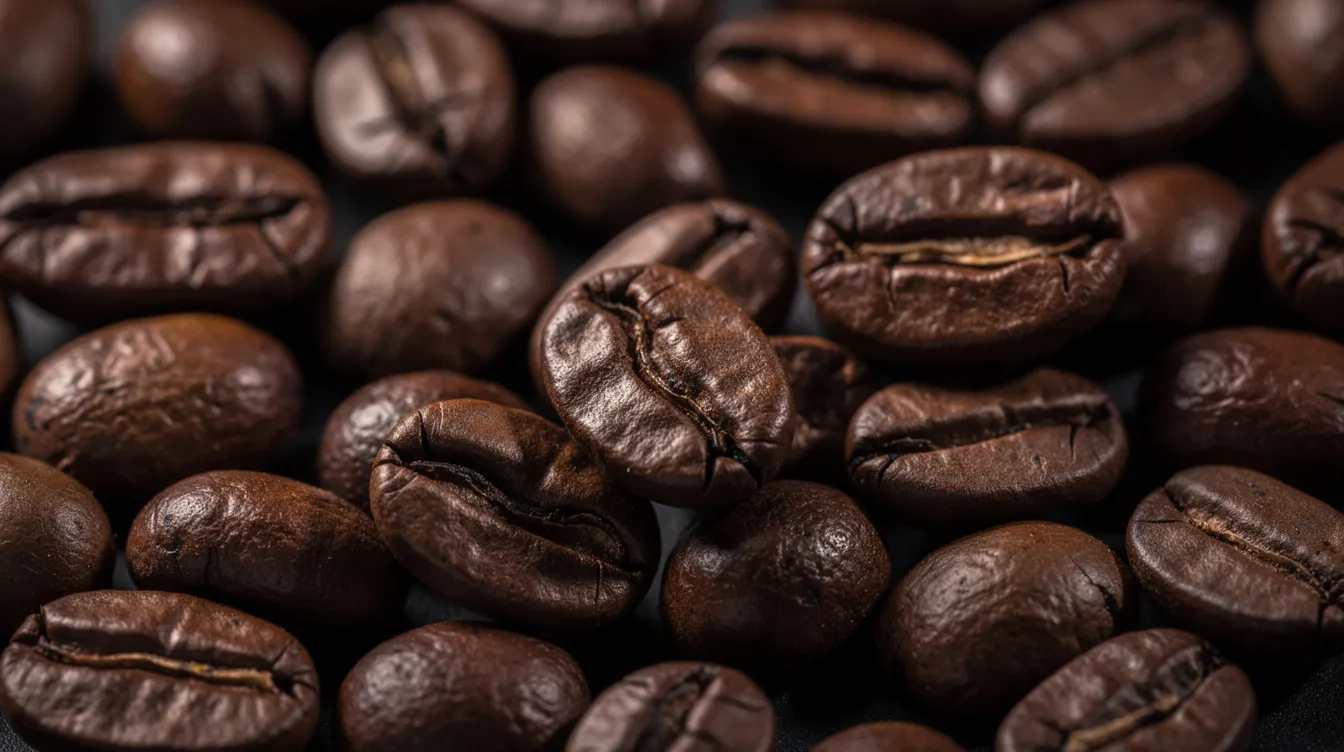
Intelligentsia House Blend is a light roast with notes of milk chocolate, mandarin, and apple. Light roast coffee is brighter and fruitier than medium or dark options, which can be exciting for beginners willing to experiment beyond standard house blends.
The origin blend often includes beans from Latin America and East Africa. Body is lighter, acidity is present but not aggressive, and there are floral notes and stone fruit hints that you will not find in a dark roast. This is what great specialty coffee can taste like when processed and roasted with care.
Performance: Best in pour over, AeroPress, or a high-quality drip machine. Light roasts can taste sharp or acidic for new coffee drinkers if brewed with boiling hot water or extracted too long; keep water temperature around 200°F and brew time moderate. Intelligentsia House Blend is less punishing than a single-farm Ethiopian micro-lot, but still more demanding than a medium-dark blend.
A 12 oz bag runs $16–$18. That is a reasonable price for a roaster with Intelligentsia’s sourcing transparency. Not everyone will love the brightness at first. If you drink coffee black, you will taste more of the citrus and fruit. Adding milk tames the acidity but also mutes some of the character that makes this roast level interesting.
Best Decaf Coffee for Beginners
A quality decaf processed via Swiss Water Process or Mountain Water Process preserves flavor while removing caffeine without chemical solvents. Look for a medium or medium-dark roast decaf with chocolate, vanilla, and nutty tasting notes.
Several specialty coffee roasters now offer decaf beans that taste close to their caffeinated counterparts. The roast level should be medium-dark to compensate for the slight flavor loss that decaffeination causes. A good decaf for beginners performs well in drip and pour over, remains pleasant as it cools, and does not develop the papery or flat notes common in cheap decaf.
Price: Expect to pay $14–$20 per 12 oz bag, roughly $2–$4 more than an equivalent caffeinated bag from the same roaster. The premium covers the cost of water-process decaffeination. Availability is narrower; fewer roasters carry decaf in both whole bean and ground coffee formats, so when you find a decaf you like, it is worth returning to.
Trade-offs: Even the best decaf lacks some of the vibrancy and aromatic complexity of caffeinated coffee. But for someone who wants to drink a cup in the evening or is caffeine-sensitive, a well-made decaf beats skipping coffee entirely.
Best Low-Acid or Gentle Coffee for Sensitive Stomachs
Coffee Boss Brew “Il Capo’s Hitman” is a dark roast from West Central Sumatra, naturally low in chlorogenic acid. Flavor notes include dark chocolate, cedar, and a hint of smoke. Regular coffee has a pH around 4.5–5.0; low-acid options like this one target a pH closer to 5.5–6.5>, reducing stomach discomfort for sensitive drinkers.
Roast level and origin both contribute to gentler acidity. Sumatran and Brazilian beans tend to produce smoother, lower-acid cups. Cold brew as a method also reduces perceived acidity; pairing a low-acid bean with cold brew compounds the effect.
Brew methods: French press, drip, and cold brew all work well. Price runs about $1.50/oz, which is mid-range for specialty low-acid coffee.
Clarification: “Low-acid” is partly a marketing term. This pick is supported by broader customer consensus as easier to tolerate, but individual reactions vary. If you experience persistent digestive discomfort from coffee, consult a doctor rather than relying on bean selection alone.
Best Flavored Coffee for Beginners Who Love Sweet Drinks
If you are coming from vanilla lattes or caramel frappuccinos at a coffee shop, a flavored coffee can bridge the gap between sweet drinks and traditional beans. Look for a bag that uses decent medium roast Arabica as a base and applies natural or well-regarded flavoring (vanilla, hazelnut, or caramel).
The added flavor carries most of the aroma and sweetness. Underlying coffee character is muted, which means brewing precision matters less. Flavored coffees are forgiving in drip machines and even taste acceptable from a pod brewer.
Expect brown sugar and vanilla sweetness on the nose, with the roasted coffee flavor coming through in the finish. A good flavored bag costs $10–$14 for 12 oz at grocery stores.
Trade-offs: Flavored coffee oils can linger in grinders and brewers, affecting subsequent batches of unflavored coffee. Some flavored bags use lower-quality base beans because the flavoring masks defects. Treat flavored coffee as a starting point; as your palate adjusts, you may find that a well-roasted unflavored blend with natural chocolate or caramel notes satisfies the same craving without artificial additions.
Understanding Coffee Beans vs Ground Coffee for Beginners
The choice between whole coffee beans and pre-ground coffee affects freshness, aroma, and flavor in your final product.
Whole bean advantages:
- Choosing whole beans and grinding right before brewing enhances flavor because aromatic oils stay sealed inside the bean until you grind
- Ground coffee loses aroma immediately after grinding; oxygen exposure causes coffee flavor to fade over time
- Whole beans let you adjust grind size for different brew methods (coarse for French press, medium for drip, fine for espresso)
- A basic burr grinder ($30–$60) is the single biggest upgrade most home brewers can make
When pre-ground makes sense:
- Lower upfront cost; no grinder needed
- Simpler workflow for someone who just wants to press a button on a drip maker
- Acceptable quality if you drink the bag within two cups’ worth of opening time and store it airtight
For a deeper breakdown, read our detailed whole bean vs ground coffee guide.
Single Origin vs Coffee Blends: What’s Easier for Beginners?
Single-origin coffee comes from one specific location, often a single country, region, or one farm. Blended coffee combines beans from multiple origins. The distinction shapes what ends up in your cup.
Single-origin coffee highlights unique regional flavors: an Ethiopian natural might taste like blueberries and jasmine, while a Colombian washed lot might lean toward caramel and citrus. Single-origin coffees are often considered more interesting by experienced drinkers, but they can be polarizing for beginners who expect “coffee” to taste like chocolate and toast.
Blends are crafted for consistency in flavor profile. A coffee roaster designs a house blend or espresso blend to taste the same month after month, even as component origins shift seasonally. Blends are typically more well-rounded and moderate, which is why approachable blends are recommended for beginners transitioning to specialty coffee.
Recommendation: Start with a popular blend (house blend, breakfast blend, or a smooth medium roast blend), then try single origin bags once you know what flavors you like. Learn more in our guide on single origin vs blend coffee and which is right for you.
How to Choose the Right Beginner Coffee for Your Taste and Budget
Walk through these factors before buying coffee:
- Black or with milk? If you drink coffee black, prioritize smooth medium roasts with low bitterness. If you add milk, a medium-dark or dark roast holds up better because the roast flavors cut through dairy.
- Acidity tolerance: Roast level impacts flavor and brewing method compatibility. A roast level of medium or medium-dark is recommended for beginners who dislike sharpness.
- Budget: Grocery blends run $0.50–$1.00/oz. Specialty bags from independent roasters cost $1.25–$1.75/oz. Light single origin bags from award-winning roasters can hit $2.00–$2.50/oz. For a beginner, spending $12–$18 on a 12 oz bag is a reasonable starting range.
- Reading the label: Look for a printed roast date (not just “best by”), a stated roast level (light, medium, dark), basic flavor descriptors, and origin or blend information.
Performance trade-offs exist at every price point. Premium coffee beans deliver more nuance but may demand better brewing technique. Mass-market ground coffee is more forgiving but less complex. Any step toward fresher, better beans from a named coffee brand is a win.
Basic Brewing and Freshness Tips for Beginners
Brewing basics:
- Start with a ratio of about 1:15 to 1:17 (coffee to water by weight). For a standard 12 oz mug, that is roughly 20–22 grams of coffee.
- Use medium grind for drip and batch brew; coarser for French press; finer for espresso.
- Water temperature should be 195–205°F. Boiling water (212°F) poured directly on grounds can over-extract and taste bitter. Let the kettle sit 30 seconds off the boil.
Freshness:
- Fresh coffee peaks in flavor 4 to 14 days after roasting. Look for coffee bags roasted within the last two to four weeks for optimal flavor.
- Coffee should be consumed within a couple of weeks after roasting for best results. Buy smaller bags (10–12 oz) more often rather than stockpiling a 2 lb bag.
- Coffee beans can be 6 to 18 months old before purchase at some retailers, which is why checking the roast date matters more than the “best by” date.
Storage:
- Keep beans in an airtight, opaque container at room temperature.
- Skip the fridge and freezer for daily-use bags; moisture and odor absorption degrade flavor.
- Grinding right before brewing is the single biggest upgrade for any home setup.
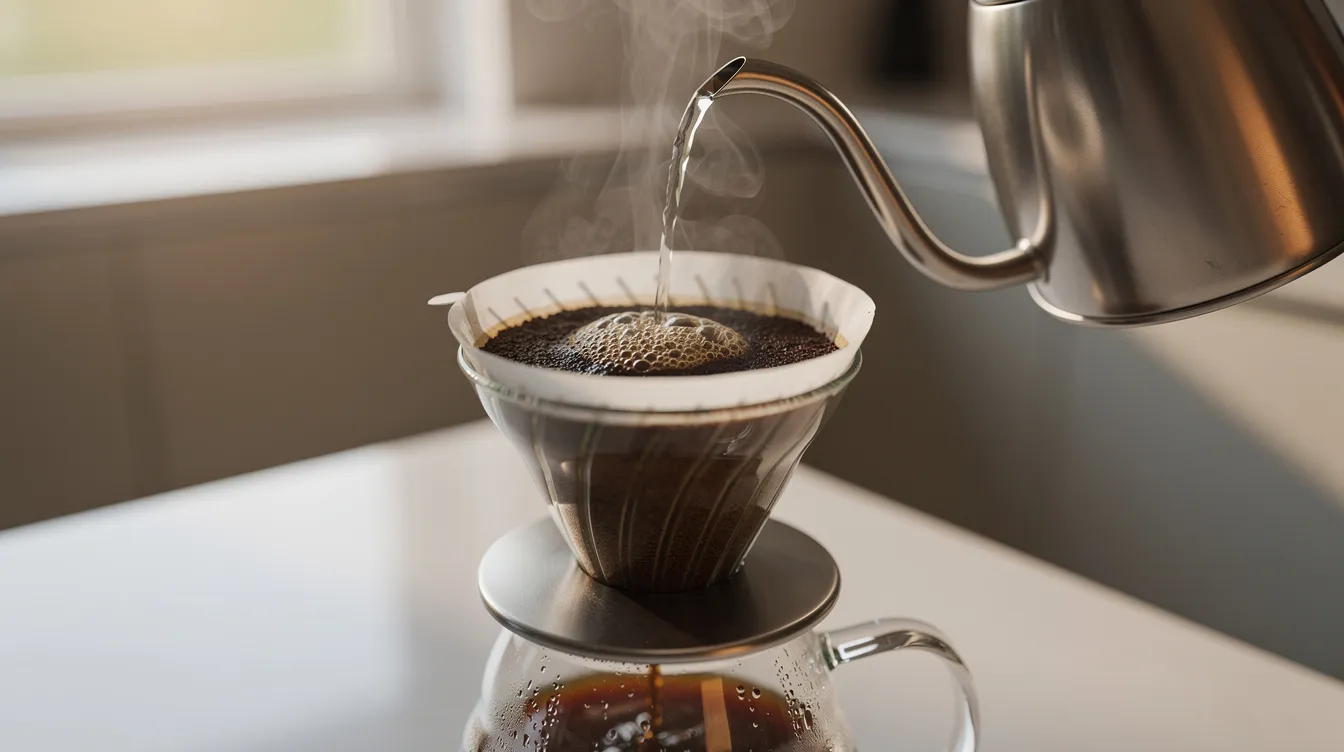
Easiest brew methods for beginners: An automatic drip coffee maker or a simple pour over cone with paper filters. Both are inexpensive, widely available, and work well with almost any beginner-friendly coffee on this list. A travel mug can keep your brew warm if you are heading out the door. Espresso machines are rewarding but add cost and complexity; save that step until you know you enjoy the process.
Where to Buy Coffee Beans as a Beginner
Three main channels, each with trade-offs:
Local coffee roasters and cafes: Freshest option. Many local roasters roast within days of selling. You can ask questions, sample before buying, and learn about origins. Specialty coffee is typically sourced directly from farmers for quality, and buying from roasters allows for direct-trade transparency with farmers. Less than 1% of coffee shops own the farm where their coffee grows; 787 Coffee is one exception, owning its own farm and ensuring freshly roasted coffee delivery.
Grocery stores: Convenient and low-cost. Brands like Peet’s, Starbucks coffee, and Tim Hortons are stocked on shelves nationwide. But most grocery store coffee is often 6 to 18 months old, which means flavor has faded. Look for bags with a visible roast date and buy the freshest one on the shelf. Maxwell House and similar mass-market brands cost less per ounce but rarely provide roast date or origin transparency.
Online retailers: Broadest selection. Roasters like Counter Culture, Stumptown, and Intelligentsia ship fresh beans within days of roasting. Buying directly ensures fresher coffee within days of roasting, though you pay for shipping. Amazon carries many specialty brands but freshness can be inconsistent depending on the seller.
For more options and deeper comparisons, explore Capitol City Coffee buying guides or browse all our coffee resources.
Related Coffee Buying Guides from Capitol City Coffee
After choosing your first bag, these guides can help you go deeper:
- All buying guides: the full hub for gear, beans, and method recommendations
- Best coffee gifts for coffee lovers: curated picks for gifting a sampler, a grinder, or a subscription
- Whole bean vs ground coffee: detailed breakdown of format trade-offs
- Single origin vs blend coffee: which style fits your personal taste
- Capitol City Coffee homepage: the broader coffee education hub
Whether you want to upgrade your grinder, explore certified organic or direct-trade single origin beans, or find a great cup to gift someone, these guides offer a useful next step.
Our Beginner Coffee Picks
We matched one coffee to each beginner mood below. Tap the image or the coffee name. Research-rated, not yet brewed by our team.
Feeling first bag: a smooth house blend
Our pick: Stumptown Hair Bender, whole bean. Counter Culture Big Trouble and Holler Mountain are named at a glance and are often sold direct; Hair Bender is a medium specialty blend on Amazon with chocolate and gentle fruit. Research-rated, not yet brewed by our team.
Feeling easy: a chocolatey Colombian
Our pick: Volcanica Coffee Colombian Supremo, medium roast, Fair Trade, whole bean, 16 oz. Smooth chocolate and caramel without sharp acidity, which this beginner guide favors. Research-rated, not yet brewed by our team.
Frequently Asked Questions about Beginner Coffee
These FAQs cover practical concerns not fully addressed above, aimed at U.S.-based beginners.
How much should a beginner spend on a bag of coffee?
A solid grocery coffee blend runs $8–$14 for 12 oz. Specialty whole bean coffee from independent roasters costs $15–$22 for the same size. As price increases, you gain fresher roast dates, clearer origin info, and more defined flavor. For a first purchase, $12–$16 is a reasonable range that gets you a noticeable upgrade over generic ground coffee without a big financial risk.
Is it okay to start with flavored creamers and sugar?
Yes. Using cream and sugar is common, and better beans still make a difference even with additions. As your palate adjusts, try reducing sweetness by half for a week; you will start tasting more of the coffee itself. The goal is not to drink coffee black on day one. The goal is to enjoy the cup and notice flavors you could not taste with lower-quality beans.
Do I need a burr grinder right away?
Not right away. Beginners can start with quality pre-ground coffee and get a good cup. Once you know you enjoy brewing at home, a basic burr grinder ($30–$60) unlocks the full potential of fresh beans and lets you match grind size to your brew method. It is the single most impactful upgrade after the beans themselves.
How long does coffee stay fresh after opening the bag?
For best flavor, finish the bag within two to three weeks of opening. Whole bean coffee holds up longer than ground coffee; pre-ground can taste noticeably flat after a week if stored loosely. Keep the bag sealed and away from light and heat. If you brew only two cups a day, buy 10–12 oz bags rather than larger formats so you finish them before flavor drops off.
What’s the easiest brew method for a complete beginner?
An automatic drip coffee maker or a simple pour over cone with paper filters. Both cost under $30, require minimal technique, and produce a great cup with almost any beginner-friendly bean on this list. Drip machines handle the water temperature and timing for you; pour over gives you slightly more control if you want to learn. Either method, paired with fresh beans and a medium grind, will produce coffee that tastes better than most coffee shop drip.