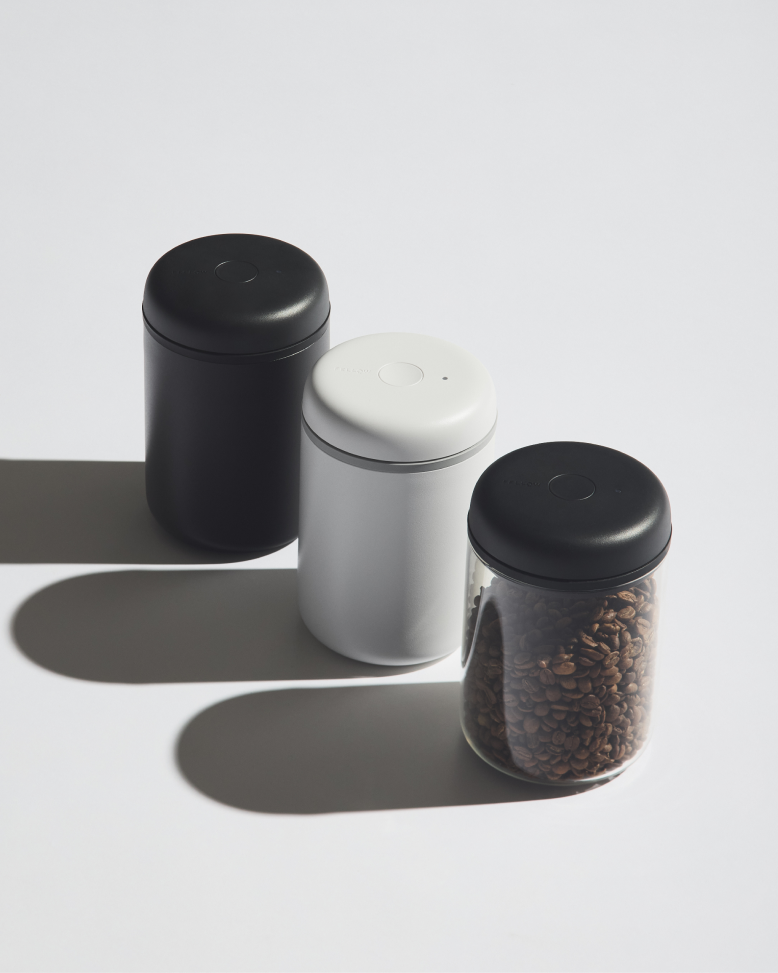
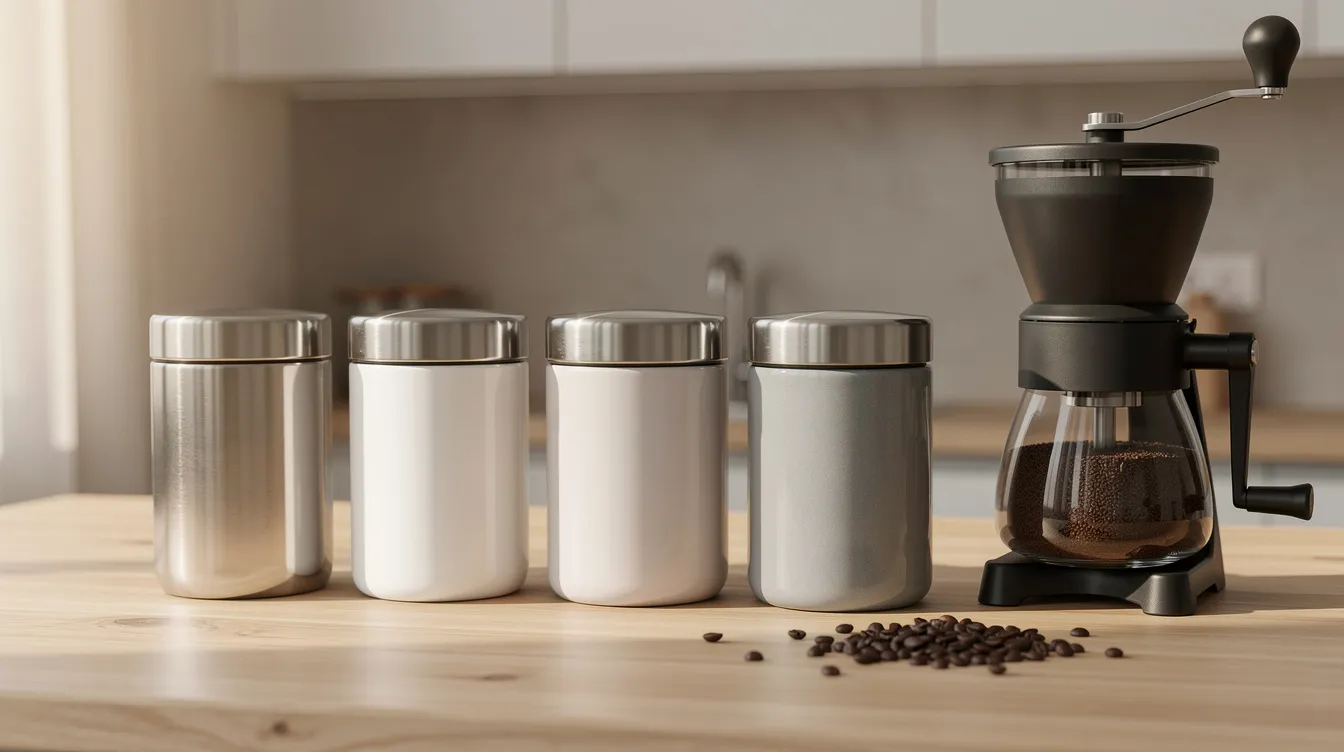
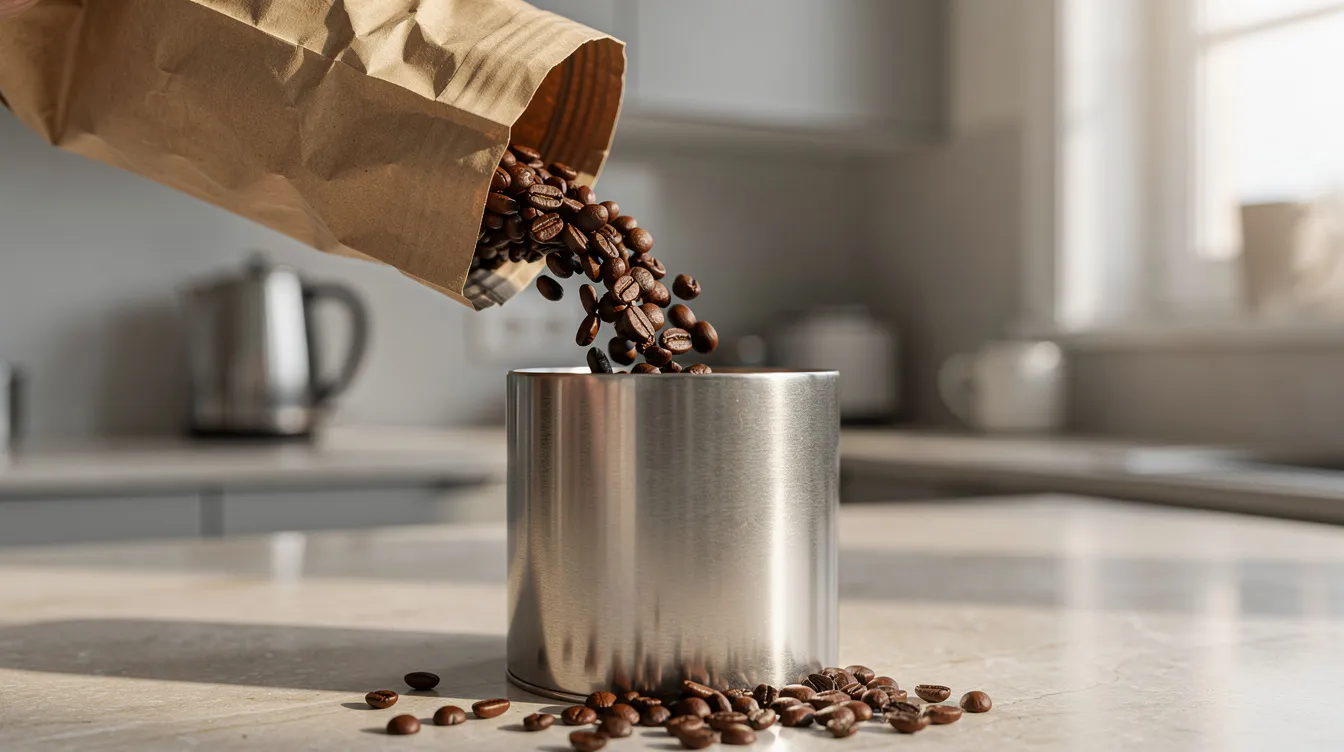
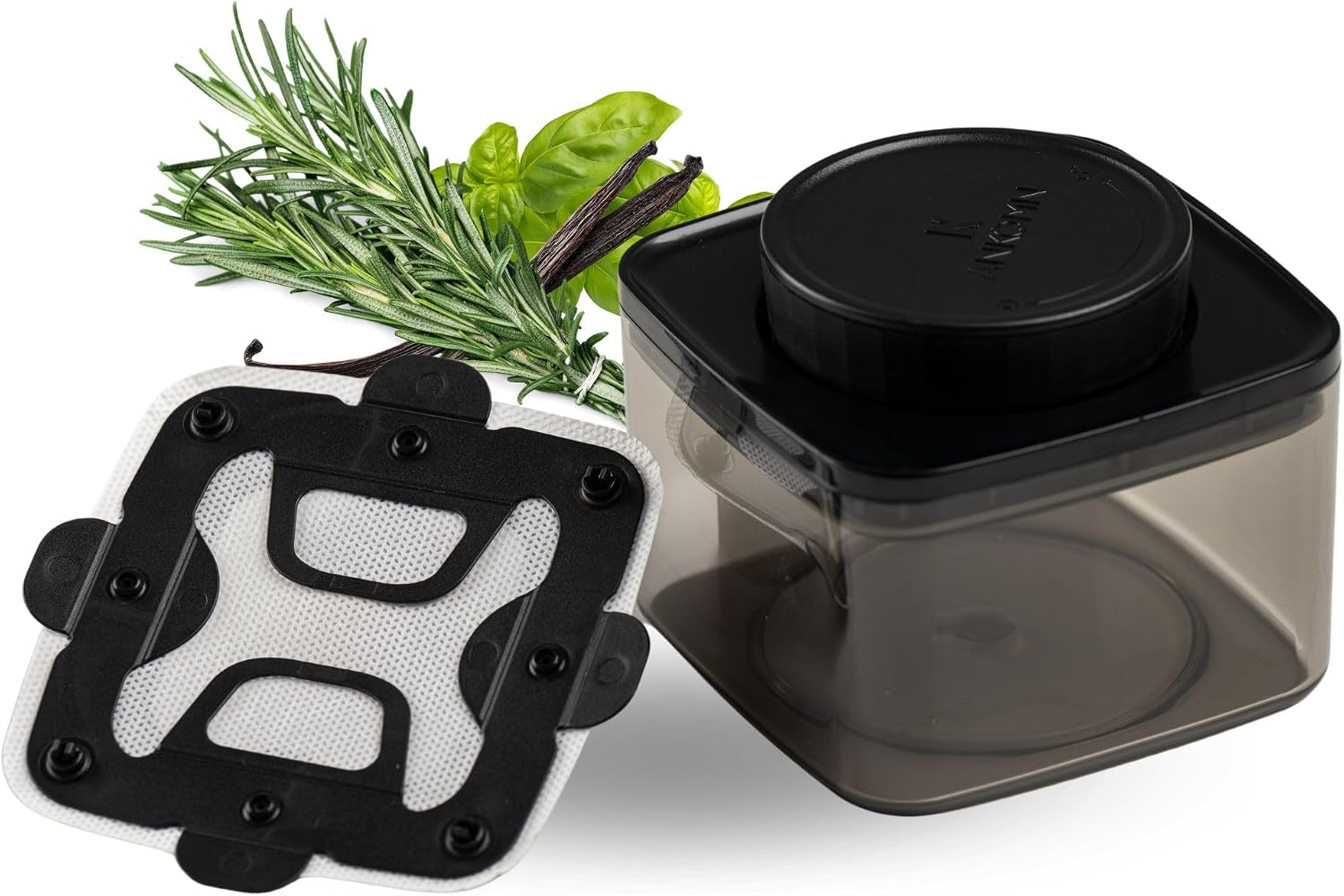
The Fellow Atmos Vacuum Canister, Airscape Classic, and MiiR Airlock stand out as top picks across different budgets and use cases, based on third-party testing, verified specs, and broad owner consensus.
Opaque, airtight containers sized closely to your typical coffee purchase (12 to 16 oz) keep coffee beans fresh far longer than retail bags left on the counter.
A vacuum-sealed canister keeps coffee fresher longer than standard containers, but most people who finish a bag within two to three weeks get plenty of freshness from a simple airtight canister stored in a cool, dark cabinet.
Oxygen, light, moisture, and heat are enemies of coffee beans freshness; a good container addresses the first two, and smart placement handles the rest.
Proper coffee storage is one of the cheapest upgrades that noticeably improves the flavor of brewed coffee from any coffee maker at home.
Quick Answer: The Best Coffee Storage Containers Right Now
If you want a fast answer: the Fellow Atmos Vacuum Canister in opaque stainless steel is the best coffee storage container for people who want to keep coffee beans fresh as long as possible. For most households that go through a bag every week or two, the MiiR Airlock or a standard airtight coffee canister does the job without extra cost or complexity. Here are the top picks broken out by use case.
Best overall:Fellow Atmos Vacuum Canister (matte white stainless). Strong vacuum seal, opaque body that blocks UV light, and consistent third-party test results showing less staling over one to three weeks compared to bags or basic jars.
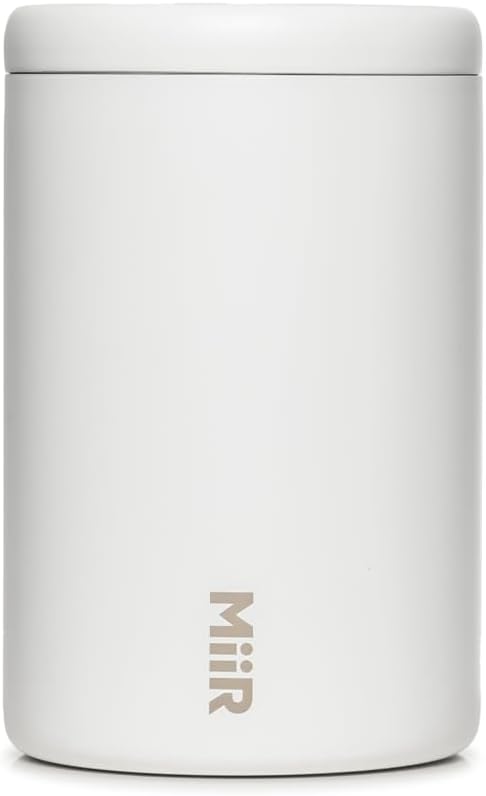
Best airtight canister for most people:MiiR Airlock Coffee Canister. 18/8 stainless steel, reliable seal, no batteries or pumps, lifetime warranty against defects.
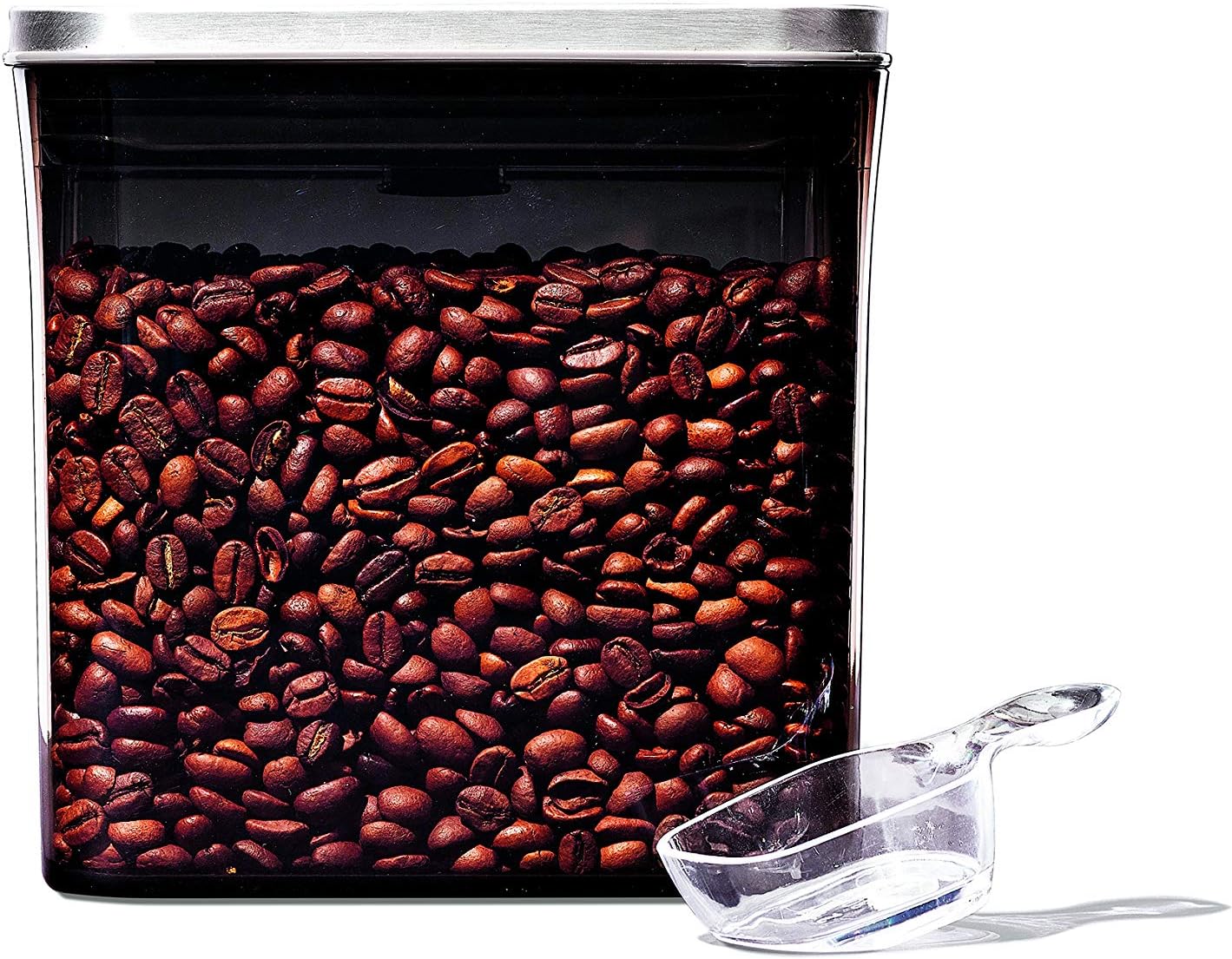
Best for ground coffee:OXO Steel POP Coffee Container. Wide mouth for scooping, push-button airtight seal, included two-tablespoon scoop, tinted body that reduces light exposure.
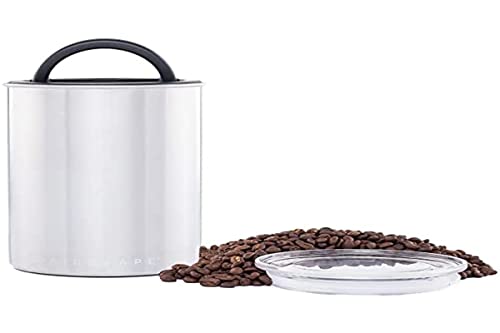
Best large-capacity:Airscape Classic by Planetary Design. Displacement plunger with a one-way valve, available in sizes up to 64 oz, durable stainless steel body.
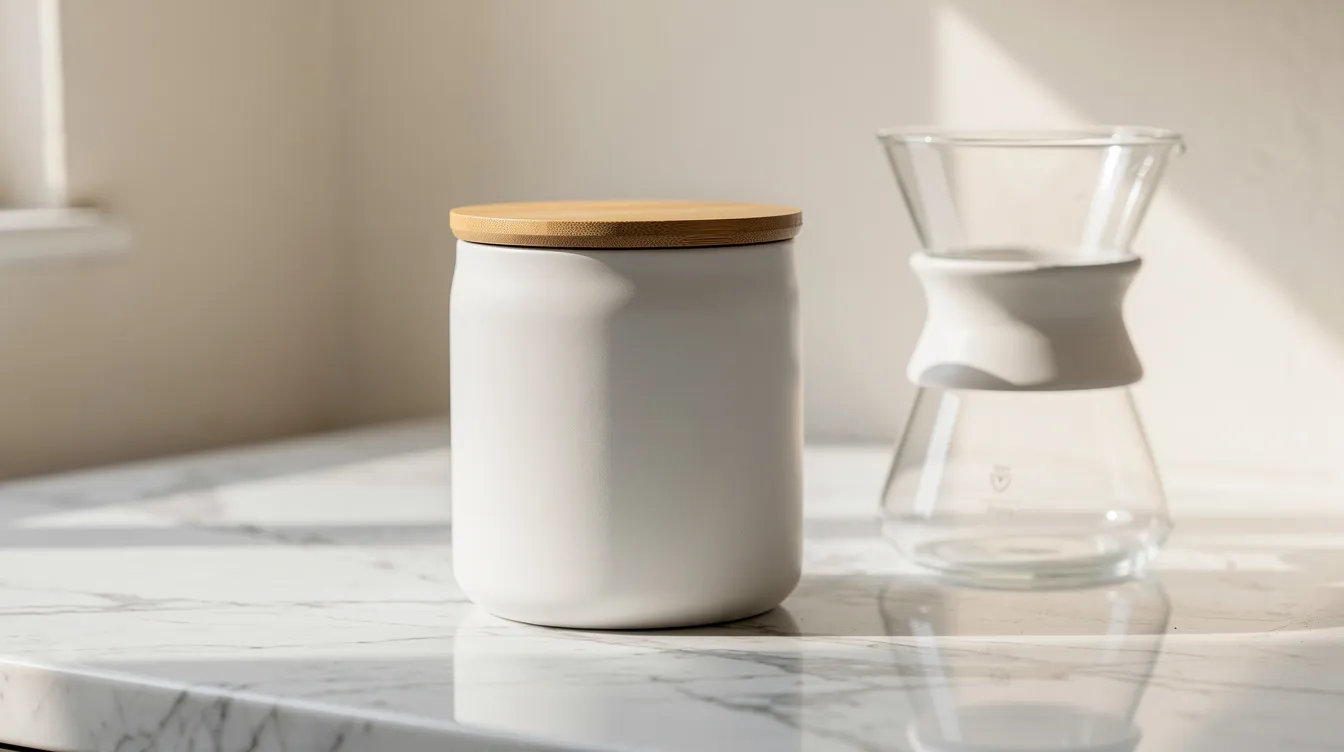
Best ceramic / design-forward: A minimalist matte white ceramic canister with bamboo lid and silicone seal. Naturally opaque, temperature-stable, and visually cohesive with modern brew setups.
For many households, an opaque airtight canister stored in a cool cupboard is enough to keep coffee fresh and flavorful between weekly or biweekly purchases.
At-a-Glance Comparison Table
Use this table to compare key specs at a glance. Each model appears in the detailed sections below.
Capitol City Coffee did not conduct in-house lab testing for this roundup. Picks are researched editorial analysis drawn from published third-party tests, expert reviews (including cupping comparisons from sources like Bean & Burr), verified manufacturer specs, barista forums, and verified buyer feedback.
Evaluation criteria, in order of weight:
Seal quality and oxygen control. How well the container excludes oxygen after each opening, and whether it actively removes air (vacuum), displaces air (plunger), or simply closes tight.
Material and light blocking. Opaque stainless steel and ceramic rank higher than clear glass or transparent plastic, because light exposure can cause coffee to degrade faster.
Capacity versus footprint. A container that fits a standard 12 to 16 oz bag without excessive empty headspace.
Usability. Ease of opening, scooping, and resealing during a busy morning.
Cleaning and maintenance. Removable gaskets, replaceable valves, and whether parts are dishwasher safe.
Durability and warranty. Material thickness, hinge or clasp strength, and warranty terms.
Value. Cost relative to performance; whether premium features justify the price.
Models with repeated owner reports of seal failure, misleading “vacuum” claims, or flimsy plastics were excluded.
The Fellow Atmos canister uses a vacuum mechanism to seal; either a manual twist-down lid or an electric version that auto-senses atmosphere and re-evacuates when air creeps back. The Fellow Atmos Vacuum Canister is highly rated for freshness across multiple third-party reviews. In side-by-side cupping tests published by Coffeedesk, beans stored in the Atmos maintained aroma, sweetness, and acidity at a noticeably higher level than beans left in a bag or a non-vacuumed jar past the first weekend.
Seal type: Twist-to-vacuum with a green indicator ring that drops when proper vacuum is achieved. Electric model re-seals automatically.
Performance: Third-party cupping found flavor and aroma losses visible by week two to three in non-vacuum storage; Atmos-stored beans stayed closer to fresh-roast character through three weeks.
Capacity: A 1.2-liter canister holds one pound of coffee beans with minimal headspace.
Materials: Opaque stainless steel body in matte white or matte black. Opaque materials prevent light from degrading coffee quality.
Cleaning: Hand wash the lid; wipe the interior with a damp cloth. The vacuum mechanism should not be submerged.
Limitations: Premium price; electric model needs USB charging; vacuum can fail if coffee dust enters the seal. Not ideal for very fine grounds that can clog the pump area. Glass variant exists but exposes beans to light unless stored in a dark cabinet.
Ideal for: Home brewers who finish a bag in two to four weeks and value both countertop aesthetics and peak coffee quality.
Best Airtight Canister for Most People (Non-Vacuum)
MiiR Airlock Coffee Canister
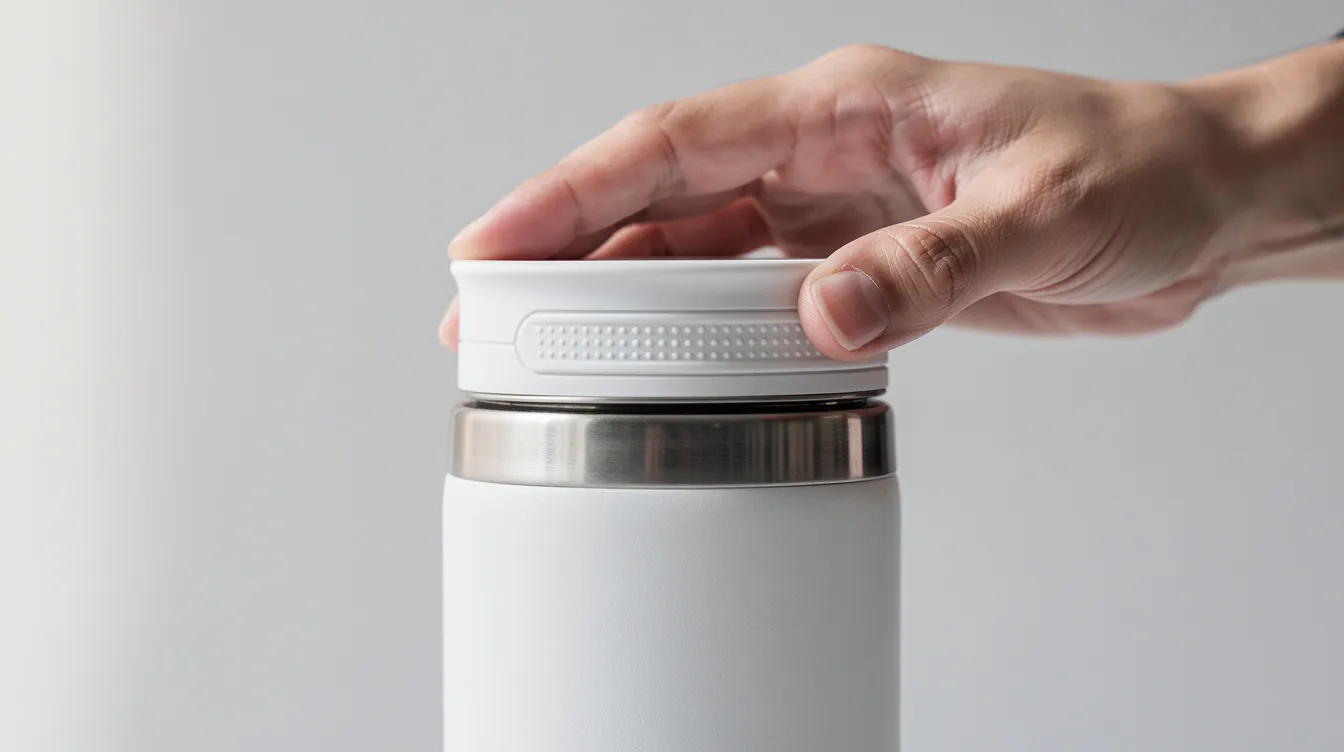
Most coffee drinkers do not need a vacuum pump. The MiiR Airlock uses a press-down inner seal that displaces air from the canister, then locks in place with a pull-up knob. Airtight containers prevent coffee from losing flavor quickly, and the Airlock does this without batteries, charging, or mechanical complexity. Airtight canisters have silicone seals to block air, and MiiR’s gasket has held up well in owner reports over months of daily use.
Capacity: Holds roughly a standard 12 oz bag of whole beans. Works for both whole beans and ground coffee.
Warranty: Lifetime warranty against defects.
Cleaning: Hand wash the lid and gasket; rinse body under running water.
Design: Powder-coated finishes available, including matte white options that complement modern coffee maker setups.
Limitations: Not as oxygen-free as a true vacuum container. The seal depends on the user pressing the inner lid down correctly. Heavier than plastic alternatives.
Value: Cheaper than vacuum canisters, simpler to live with daily, and still a large upgrade over thin retail coffee bags.
Best Container for Ground Coffee
OXO Steel POP Coffee Container (1.7 qt)
Ground coffee stales faster than whole beans because grinding increases surface area and exposes volatile oils. Oxygen exposure degrades coffee oils and aromatics within days in ground form. Storage priorities shift: a truly airtight seal, a wide mouth for scooping, and a capacity that matches a week or two of use rather than bulk storage.
Seal: Push-button lid creates an airtight environment via a silicone gasket. One press to seal, one press to open.
Material: Tinted BPA-free plastic body with stainless steel accents. The tinting reduces UV rays but is not fully opaque; store in a cabinet if possible.
Capacity: 1.7 quarts, enough for about one pound of ground coffee or whole beans. Includes a two-tablespoon scoop.
Footprint: Roughly 6.5 × 4.3 × 6.3 inches; stackable with other canisters in the POP line.
Cleaning: Lid is hand wash only; body rinses easily. Removable silicone gasket can be pulled out for deeper cleaning, which matters for oily dark roasts.
Limitations: Tinted plastic offers less light protection than stainless steel or ceramic. Larger volume means more air exposure if not refilled regularly. The push-button mechanism is less airtight than a vacuum seal over long periods.
Guidance: Even in the best coffee canisters, ground coffee is best used within one to two weeks for peak flavor.
Best Budget Coffee Storage Container
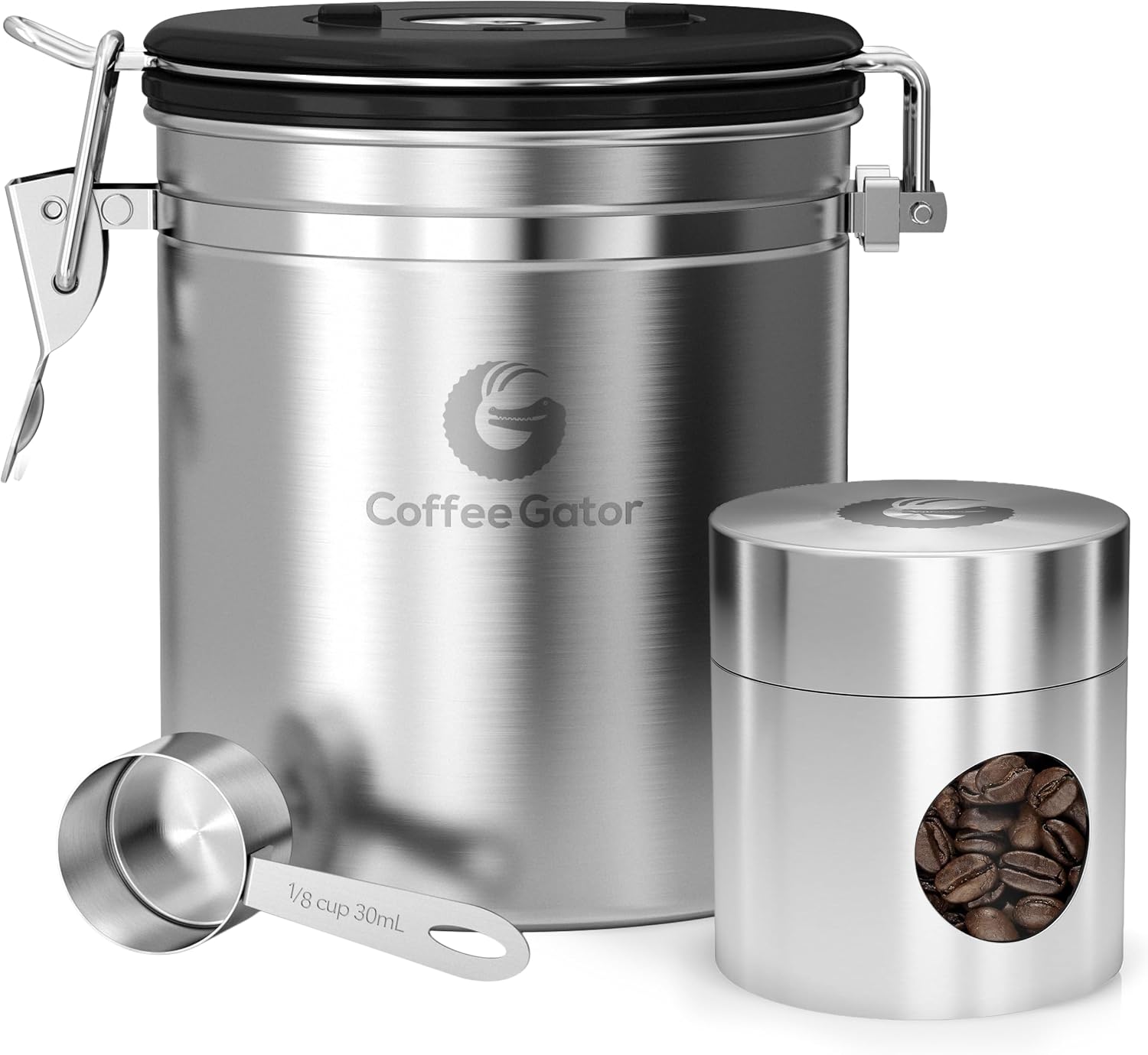
Coffee Gator Stainless Steel Canister (16 oz)
Not everyone needs to spend top dollar on coffee storage. The Coffee Gator delivers a decent sealed container at a lower price point, with a unique feature: a one-way CO₂ valve that allows freshly roasted beans to release gas (carbon dioxide produced during roasting) without letting oxygen back in. Containers with a one-way valve help maintain coffee quality during the first days after roast.
Capacity: 16 oz, enough for about one pound of whole beans or ground coffee.
Features: Date-tracker dial on the lid, sturdy bail clasp, spare CO₂ valve disks included.
Material: Stainless steel body; stainless steel canisters are durable and resistant to corrosion.
Seal: Clasp-style with gasket. Not vacuum, but airtight enough for beans consumed within two to three weeks.
Cleaning: Not dishwasher safe. Wipe interior, clean around the valve to prevent moisture buildup. Replace valve disks if discolored or clogged.
Limitations: Does not remove existing air from inside the container. Clasp mechanisms can loosen over time. Some users report cosmetic dents on thinner sections of the body.
Value: A good step up from rolled coffee bags into proper coffee storage without a big investment. Typically priced around $20 to $30 depending on finish.
Best Large-Capacity Coffee Storage Container
Airscape Classic by Planetary Design
For households that buy in bulk (two pounds or more) or run multiple brews per day, the Airscape Classic scales up well. Airscape canisters use a one-way valve to remove air; the inner plunger lid pushes down onto the beans, forcing air out through the valve before locking into place. The Airscape canister actively removes air to preserve freshness each time you close it.
Sizes: Available from roughly half a pound up to 64 oz. The 32 oz and 64 oz versions suit two-pound bags.
Material: Restaurant-grade stainless steel. Finish options include matte white (powder-coat), matte black, brushed steel, and enamel.
Performance: Vacuum-sealed or air-displacement canisters reduce oxygen around coffee. The plunger approach works best when pressed fully down onto the bean surface; leaving headspace reduces the benefit.
Footprint: Taller models take more vertical space. Rubber base prevents sliding.
Cleaning: Hand wash interior and plunger. The clear top lid allows a quick visual check of fill level, though it does admit some light.
Limitations: The clear top means some UV light reaches the beans; store in a pantry or cabinet for best results. If you buy in very large quantities, splitting into two smaller airtight containers preserves freshness better than one half-empty large canister.
Ideal for: Busy households, office coffee stations, or home brewers going through coffee quickly.
Best Ceramic or Design-Forward Coffee Canister
A ceramic canister appeals to readers who care as much about how their coffee bar looks as how their cup tastes. Ceramic is naturally opaque, blocks UV rays, and moderates temperature swings better than thin metal on a warm kitchen counter.
Capacity: Most ceramic coffee canisters hold 12 to 16 oz of whole beans.
Seal: Bamboo or wooden lid with a silicone seal underneath. The fit is tight enough to create a reliable seal, though not vacuum-level.
Light protection: Ceramic blocks light completely, which preserves coffee quality longer than glass or clear plastic alternatives.
Aesthetics: Sleek design in matte white or earth tones pairs well with a gooseneck kettle, espresso machine, or pour-over dripper on the counter.
Limitations: Heavier and more fragile than stainless steel or plastic. Usually hand wash only. Not practical for travel or camping. Often pricier for the storage performance offered compared with other canisters at similar capacity.
Ideal for: Readers who prioritize decor and countertop cohesion, keep beans on the counter, and use them within two to three weeks.
Key Features That Matter in Coffee Storage Containers
Beyond brand names, a handful of technical features determine how well coffee storage containers keep coffee beans fresh. There are three main types of coffee canisters: vacuum, displacement/plunger, and simple airtight. Each handles oxygen differently.
Seal quality. Coffee canisters should be airtight to maintain freshness. Look for thick silicone gaskets, firm clamp or twist mechanisms, and audible or visual seal confirmation (like the Fellow Atmos green ring). Air removal prevents trapped oxygen inside coffee storage containers.
Oxygen control. Vacuum-sealed canisters keep coffee fresher than displacement-style canisters. A study published in LWT – Food Science and Technology found that raising oxygen partial pressure from about 0.5 kPa to 21.3 kPa accelerated flavor deterioration of roasted and ground coffee by a factor of roughly 20.
Materials and light blocking. Stainless steel blocks UV light better than clear glass. Opaque materials block light that can degrade coffee quality. BPA-free plastic is acceptable if tinted and stored in a dark cabinet; ceramic is excellent for light blocking but fragile.
Capacity and footprint. Choosing a container sized closely to coffee usage reduces air exposure. A canister that matches a standard 12 to 16 oz bag keeps headspace minimal.
Usability. One-handed opening, easy scoop access, and quick resealing matter during busy mornings. Lids that require multiple steps slow you down.
Cleaning. Removable gaskets and wide openings let you wash out coffee oils that turn rancid over time. Some lids are hand wash only; check before buying.
Durability and warranty. Thicker stainless steel, robust hinges, and warranties from reputable brands lower cost of ownership over years of daily use.
How to Choose the Best Coffee Storage Container for Your Setup
The “best” coffee canister depends on how you buy, brew, and store coffee at home.
Assess your habits. Do you buy whole beans or ground coffee? How much coffee do you go through per week? A coffee aficionado pulling espresso shots daily has different needs than someone brewing a cup from a drip coffee maker on weekends.
Match container type to brew style. Pour-over and espresso drinkers who value peak aroma benefit most from vacuum or displacement containers. Casual drip users who finish a bag in a few weeks get plenty of freshness from a standard airtight canister.
Size to your purchase. One standard coffee bag per canister is ideal. If you buy two pounds at a time, split it across two containers rather than leaving one half-empty.
Consider your environment. A warm kitchen counter near a stove or bright window accelerates staling. The same study cited above found each 10 °C temperature rise speeds flavor loss by 15 to 23 percent. Opaque stainless steel or ceramic in a cool, dark cabinet beats glass on the counter.
Set a budget. A vacuum canister is worth the investment if you regularly stretch a bag beyond three weeks. If you buy fresh every week or two, a simple airtight container delivers nearly identical results for less money.
Pair with other upgrades. Good storage works best alongside fresh grinding, a precise scale, and proper brewing technique. Consider how your container fits with the rest of your gear.
Maintenance and Cost of Ownership
Even the best coffee storage containers need occasional care to keep seals tight and surfaces clean.
Routine cleaning. Wipe or rinse the interior between bags. Mild soap removes coffee oils; let the container and lid dry completely before refilling to avoid moisture buildup.
Gasket and seal care. Check silicone seals every few months for cracks or residue. Keep seals free of coffee grounds. Many coffee storage containers sell replacement gaskets; Coffee Gator includes spare valve disks in the box.
Vacuum lid care. Never submerge vacuum mechanisms. Follow maker instructions for cleaning around the pump. If the vacuum indicator no longer holds, dust or oil in the seal is the most common cause.
Lifespan. Stainless steel and ceramic bodies last years. Plastic lids, hinges, and gaskets wear sooner; budget an occasional replacement part.
Cost perspective. A $30 to $50 canister used for three years costs less than $1.50 per month. If it saves even one bag of coffee from going stale early, it pays for itself. The alternative is tossing half a bag of stale beans every other month.
Keeping Coffee Beans Fresh: Storage Best Practices
Oxygen, light, moisture, and heat are enemies of coffee beans freshness. A good container handles the first two; smart placement handles the rest.
Store in a cool, dark place. A pantry shelf or cabinet away from the oven, dishwasher exhaust, or sunny windows is ideal. Store coffee containers in a cool dark place away from heat or moisture.
Whole beans last longer. It is better to store whole beans and grind just before brewing to maximize freshness. Whole beans retain quality for roughly four to six weeks; ground coffee for about one to two weeks.
Timelines. Coffee beans lose flavor after about 14 days post-roasting, and the decline accelerates from there. Use roast dates (not “best by” dates) to track freshness.
Freezer storage. Controversial, but it can work if beans are portioned into single-use airtight bags, frozen once, and thawed fully before opening. Repeated freeze-thaw cycles introduce condensation and ruin flavor.
Coffee stored in the bag. Most bags are not truly airtight once opened. Transferring beans into a sealed container beats leaving them in a rolled-down bag on the counter, even if the bag has a zipper.
Match container to freshness habits. A well-sized, opaque airtight canister makes following these guidelines automatic. Fill it, seal it, put it in the cupboard, and your coffee stays fresh with minimal effort.
Frequently Asked Questions
Below are common questions not fully covered in the sections above.
Can I keep coffee in the bag if I put the whole bag inside a canister?
Putting a sealed retail coffee bag inside an airtight container is better than leaving it exposed on the counter, but opening the bag and transferring beans directly into the canister provides better protection. The bag itself traps residual air, and most bags have thin walls that offer limited barrier against oxygen or light. If you plan to use the beans within a few days and the bag has a good one-way valve and zipper, leaving them in the bag is a reasonable shortcut.
Do I really need a vacuum canister, or is airtight enough?
For most people who finish a bag of coffee within two to three weeks, a solid airtight container made of opaque stainless steel or ceramic keeps coffee beans fresh enough that vacuum is not essential. Vacuum canisters add measurable benefit for slower drinkers or anyone storing specialty roasts longer than three weeks, but they cost more, require maintenance, and can lose their seal if not kept clean.
Is glass a bad idea for coffee storage?
Clear glass exposes beans to light, which speeds staling. Amber or tinted glass kept in a dark cupboard works reasonably well. If your canister will sit on an open countertop under kitchen lighting, opaque materials (stainless steel, ceramic) are the better choice. Stainless steel blocks UV light better than clear glass under any placement conditions.
How many days ahead should I grind coffee if I use a canister?
Grind as close to brew time as possible. If your schedule demands pre-grinding, two to three days of ground coffee in a tightly sealed container is a workable compromise. Beyond a week, even the best airtight coffee canister will not prevent noticeable flavor and aroma loss from ground coffee. For tea, sugar, or other dry goods you can be more relaxed; coffee is unusually volatile.
Can I store other foods in my coffee canister?
Many coffee storage containers work well for food items like tea, sugar, and whole spices. The risk is flavor transfer: strong-smelling items can leave odors that affect your next batch of coffee. Dedicate one canister to coffee only, or deep-clean and air out the container before switching. A quick wash with mild soap and thorough drying is usually enough to remove residual oils and scent.
How Capitol City Coffee Rates Coffee and Coffee Machines
Every coffee and coffee machine we recommend is scored on the same 100-point scale, so a recommendation on one page means the same thing as a recommendation on any other. Each pick is also labeled with how we reached its score.
Research-ratedScored from the roaster or manufacturer’s published specifications, independent results such as Coffee Review blind cuppings and SCA brewer certification, and patterns across verified buyer reviews. Most of our current picks are research-rated.
Hands-on testedThe Capitol City Coffee team has brewed the coffee or used the machine ourselves, following the testing steps below. We only use this label when that testing actually happened, and we show the date we tested.
Coffee beans: 100-point scale
What we score
Points
What we look at
Origin and sourcing transparency
20
Country, region, farm or cooperative, altitude, bean variety, and processing method are clearly disclosed.
Flavor evidence
25
Independent cupping scores, how closely the tasting notes match what the origin is known for, and our own cupping notes when hands-on tested.
Roast and freshness
15
Roast level stated, roast-date practices, whole-bean availability, and packaging with a one-way valve or resealable bag.
Brew versatility
15
How well the roast suits pour-over, drip, French press, cold brew, and espresso.
Value
15
Price per ounce compared with similar single-origin coffees or blends.
Buyer feedback
10
Volume and consistency of verified reviews, and recurring complaints about staleness, bitterness, or shipping.
Coffee machines and gear: 100-point scale
What we score
Points
What we look at
Brewing performance
25
Water temperature in the 195–205°F range, even extraction, and SCA certification or published test data.
Build quality and reliability
20
Materials, known failure points, and long-term owner reports.
Ease of use and cleaning
15
Setup, the daily routine, descaling, and dishwasher-safe parts.
Fit for your kitchen
10
Capacity, counter footprint, and noise.
Useful features
10
Programming, grind and temperature control, and carafe type. Features that improve the cup count more than extras that do not.
Value
10
Price compared with machines that perform similarly.
Warranty and support
10
Warranty length, parts availability, and how the brand handles repairs.
What the grades mean
Score
Grade
What it means
90–100
A
Exceptional. Our first recommendation for the feeling and setting described.
80–89
B
Strong. Excellent, with minor trade-offs we explain.
70–79
C
Good. Worth it for specific needs, with clear compromises.
Below 70
—
Not recommended. We do not feature these as picks.
How we test hands-on
When a pick carries the Hands-on tested label, this is the method behind it, and we note the date we tested.
Coffee: brewed fresh from whole beans following Specialty Coffee Association guidelines (water between 195 and 205°F, about 1 gram of coffee to every 15 to 18 grams of water) in the brew methods the roast suits best, such as pour-over, French press, or espresso. We taste it black first, then with milk if that is how most people drink it, and each taster scores it on their own before we compare notes.
Machines: used in our everyday routine rather than a single demo. We brew both full and small batches, check the brewing temperature and brew time, and run the cleaning or descaling steps the manual calls for.
How we choose the feeling and setting
We match each coffee to a mood and a moment based on its flavor profile and roast. Bright, citrusy light roasts suit energizing mornings. Chocolatey, full-bodied medium roasts suit slow or social moments. Richer roasts suit espresso and milk drinks. Each pick explains which facts led us to that match.
Our scores stay independent
Every score comes only from the criteria above. No brand can pay for a pick or a higher grade. We re-check ratings when a roast, listing, or model changes, and update or remove picks that no longer earn their grade.
Some links on this page are affiliate links. As an Amazon Associate, Capitol City Coffee earns from qualifying purchases, at no extra cost to you.
Questions about a rating? Reach the Capitol City Coffee team through our contact page.