
The best single origin coffee in 2026 depends on your flavor preferences, brewing setup, and budget-but a handful of bags consistently stand out for U.S. buyers based on origin transparency, roast quality, and value. This researched editorial roundup covers the single origin coffees worth buying right now, from fruit-forward Ethiopian light roasts to chocolatey Brazilian espresso staples, with honest trade-offs for each.
Key Takeaways
- Single-origin coffee comes from one identifiable source-a country, region, farm, or microlot-and highlights the unique character of specific places through terroir, varietal, and processing method. The best bags clearly disclose these details.
- Top picks for 2026 span a range of palates: a floral Ethiopian natural for pour over, a balanced Colombian medium roast for everyday brewing, a nutty Brazilian for espresso and cold brew, a rich Guatemalan for French press, and a bold Kenyan for experienced coffee drinkers seeking wine like acidity.
- Selections in this guide are based on verified product data, roaster transparency, and third-party expert consensus-not Capitol City Coffee’s own tasting tests. Freshness, roast date, bean quality, and brew-method fit matter more than branding.
- Below you will find a comparison table, detailed tasting notes on each pick, guidance on roast level and processing methods, a flavor-preference mapping (stone fruit, dark chocolate, caramel sweetness, and more), and practical brewing and freshness tips.
- Capitol City Coffee is an independent coffee editorial and affiliate publication. Rankings are never influenced by commission size.
Affiliate Disclosure
Best Single-Origin Coffee: Quick Answer & Top Picks for 2026
If you want the short version: the best single origin coffee bags worth buying in 2026 for U.S. drinkers span standout origins from south america as well as Africa and Asia, including a bright Ethiopian natural, a versatile Colombian Pink Bourbon, a chocolatey Brazilian Cerrado, a syrupy Guatemalan Huehuetenango, a bold Kenyan AA, and a low-acid Sumatran Mandheling. Each excels in a different flavor lane and brew method. Single-origin coffee offers unparalleled flavor profiles specific to regions, and these picks represent the strongest options across price, availability, and origin character.
Editorial top picks at a glance:
- Equator Coffees Ethiopia Sun Dried Natural – Light roast, blueberry and jasmine, best for pour over
- Heart Luis Alberto Jojoa (Colombia, Huila) – Medium roast, caramel and stone fruit, best all-rounder
- Brazilian Cerrado Natural – Medium roast, dark chocolate and toasted nuts, best for espresso and cold brew
- Finca La Soledad, Huehuetenango (Onyx Coffee Lab) – Medium roast, dark chocolate and candied orange, best for French press
- Kahawa 1893 Kenyan Single Origin – Medium roast, berry and bright citrus, best for adventurous pour over
- Sumatran Mandheling Dark Roast – Dark roast, earthy and bittersweet chocolate, best for low-acidity lovers
The most versatile pick across drip coffee, pour over, and cold brew is the Heart Colombia. The most “special occasion” bag due to price per ounce and rarity is any Panama Geisha lot, such as Onyx Nirvana Gesha (roughly $11/oz for a small bag)-stunning but firmly a splurge.
At a glance
Compare Amazon-available single-origin bags on a phone first: listing photo, roast notes, and a Check on Amazon button. Research-rated, not yet brewed by our team.
Coffee | Origin | Process | Roast Level | Flavor Notes | Best Brew Method | Price/oz (approx.) | Availability |
|---|---|---|---|---|---|---|---|
Equator Ethiopia Sun Dried | Ethiopia (Guji/Yirgacheffe) | Natural | Light | Blueberry, jasmine, cocoa | Pour over, Aeropress | ~$2.10 | Roaster direct, online |
Heart Luis Alberto Jojoa | Colombia (Huila), Pink Bourbon | Washed | Medium | Caramel, stone fruit, peach | Drip, pour over, espresso | ~$1.69 | Roaster direct, online |
Brazilian Cerrado Natural | Brazil (Cerrado/Sul de Minas) | Natural/pulped natural | Medium | Dark chocolate, toasted hazelnut, brown sugar | Espresso, moka pot, cold brew | ~$1.50–1.80 | Wide online, some retail |
Finca La Soledad (Onyx) | Guatemala (Huehuetenango) | Washed | Medium | Dark chocolate, candied orange, brown sugar | French press, drip, espresso w/ milk | ~$2.75 | Roaster direct, online |
Kahawa 1893 Kenya | Kenya (AA grade) | Washed | Medium | Berry, bright citrus, floral | Pour over, Chemex | ~$2.00 | Online, select retailers |
Sumatran Mandheling | Indonesia (Sumatra) | Wet-hulled | Dark | Earthy, bittersweet chocolate, maple | French press, moka pot, cold brew | ~$1.60–1.90 | Wide online |
Prices and availability are approximate as of mid-2026 and may change. According to Cherrybook’s 2026 specialty coffee data, the median price per ounce for specialty single origin coffees is about $1.80, with half of all listings falling between $1.49 and $2.26.
How We Selected and Evaluated These Single Origins
This is a researched editorial analysis, not hands-on testing. Selections draw from roaster-published data, third-party expert reviews (including panels from Brew Matric, Maya Coffee, and Café Grade), consumer feedback, and specialty coffee consensus through mid-2026. Detailed sourcing information signals intentional quality practices, and we prioritized bags that demonstrate this.
Main evaluation criteria:
- Origin transparency and traceability – Does the bag name the country, region, farm or cooperative, altitude, and varietal?
- Bean quality – Arabica grade, altitude, lot specificity, and cupping scores where available
- Roast level alignment – Does the roast showcase origin character rather than mask it?
- Processing method – Washed, natural, honey, or experimental, and how it shapes flavor
- Flavor clarity – Are tasting notes consistent across multiple sources?
- Freshness and roast date practices – Does the roaster print a roast date and ship promptly?
- Value and price per ounce – How does the bag compare to the 2026 specialty coffee price median of ~$20 per bag?
- U.S. availability – Can buyers order reliably online or find it at retail?
Recommendations cover a range of palates: from bright, light roast specialty single origin coffees for pour over to chocolatey medium roasts and smooth dark roasts for espresso and cold brew. No roaster paid for placement.
Best Single-Origin Coffee Beans in 2026: Detailed Picks
Each pick below gets concrete pros, cons, and “best for” guidance. Flavor descriptions like dark chocolate, stone fruit, wine like acidity, and caramel sweetness are drawn from roaster data and widely reported tasting notes-not our own tasting panel. Pair these notes with the “How to Choose” and “How to Brew” sections below to match beans to your equipment.
Ethiopia: Bright, Floral, and Fruit-Forward (Best for Pour-Over)
Ethiopian coffee is known for its complex flavor profiles and floral notes, and a well-sourced Ethiopian single origin is the most exciting cup many coffee lovers will encounter. The Equator Coffees Ethiopia Sun Dried Natural is a strong example: light roasted, with vivid blueberry, jasmine, and cocoa aromatics shaped by high elevation and natural processing.
Natural-process Ethiopian coffees deliver vivid fruit flavors-think strawberry jam, wine like acidity, and tea-like body-that shine in pour over and Aeropress brewing. Ethiopian heirloom varietals grown above 1,800 meters develop complex acidity and floral richness that set these beans apart in the specialty coffee world.
This style is ideal for drinkers who enjoy fruit notes, bergamot, and lighter body. It may be too bright for those used to rich chocolate profiles. Whole bean form is strongly recommended to preserve delicate volatile aromatic compounds, and this coffee is less forgiving if brew water temperature, grind size, or freshness are off.
Best for: Filter coffee lovers exploring complex light roast single origins.
Colombia: Balanced, Versatile, and Approachable (Best All-Rounder)
Colombian coffees often feature caramel and chocolate notes, making them an easy entry point into single origin coffees. The Heart Luis Alberto Jojoa from Huila-a Pink Bourbon varietal, washed, grown at roughly 1,750 meters-delivers balanced acidity, caramel sweetness, and flavors of milk chocolate, gentle stone fruit, and citrus at a medium roast.
Colombian coffee is consistently excellent and approachable for beginners. Colombian coffees are often smooth and chocolate-forward, and this particular lot’s washed processing and careful roast level make it flexible for drip coffee machines, pour over, French press, and even espresso and cold brew. Colombian coffees provide balanced to chocolatey profiles with reliable sweetness across different brewing methods.
The limitation: Colombian beans offer less extreme fruitiness than African single origins. This is a comforting, balanced taste rather than an experimental one. At roughly $1.69/oz, it sits below the specialty median-strong value for a traceable microlot.
Best for: Everyday drinking, beginners, and anyone who wants one bag that works everywhere.
Brazil: Chocolatey, Nutty, and Espresso-Friendly
Brazilian beans typically have chocolate, nutty, and sweet profiles. A Brazilian Cerrado or Sul de Minas single origin at medium roast leans into dark chocolate, roasted nuts, and brown sugar sweetness with low acidity. Brazilian single origin coffee has a flavor profile of chocolate and caramel that makes it a staple among coffee drinkers worldwide.
Brazilian coffees are known for their low acidity and sweetness, which is why Brazilian single origin beans are particularly good for espresso, moka pot, and cold brew, and they’re forgiving in espresso, cold brew, and milk-based drinks. They produce reliable crema, syrupy medium body, and forgiving extraction for home baristas. These coffees are often natural or pulped natural processed, contributing to their sweetness and heavier body compared with washed single origins.
Brazilian single origin coffee also delivers on value: bags frequently hit the $1.50–$1.80/oz range while still offering traceability and consistent bean quality. Brazilian coffees are among the most affordable in the specialty tier. Those seeking bright, high-acid profiles or bold flavors on the fruity end may find this origin too mellow.
Best for: Espresso lovers, cold brew fans, and budget-conscious specialty buyers.
Guatemala: Rich Body and Dark Chocolate Sweetness
Guatemalan coffees often exhibit dark chocolate and spice notes, and the Finca La Soledad from Huehuetenango (roasted by Onyx Coffee Lab) is a perfect example. This washed, medium roast single origin earned a median cupping score of 91.5 across an 84-bag panel-the highest in its cohort. Tasting notes include rich chocolate, candied orange peel, brown sugar, and baking spice with a long, clean finish.
Volcanic soil and high elevation (around 1,950 meters) contribute to dense beans and a rich aroma with syrupy body. Guatemalan coffee is characterized by dark chocolate and spice notes that work especially well for French press, drip, and espresso-based milk drinks with steamed milk.
This origin sits between the brightness of an Ethiopian and the muted comfort of a Brazilian-depth and sweetness without heavy roast flavors. The trade-off: slightly higher price (~$2.75/oz) and limited lot availability compared with generic blended coffee from larger brands.
Best for: Drinkers wanting rich, chocolatey depth with more nuance than a dark roast blend.
Sumatra and Indonesia: Low-Acid, Earthy Dark Roasts
A Sumatran Mandheling roasted to medium-dark or dark emphasizes creamy body, very low acidity, and flavors of bittersweet chocolate, maple, tobacco, and earthiness. Traditional wet-hulling processing methods shape the heavy body and muted acidity, making these coffees appealing to drinkers with acid sensitivity or a preference for bold, comforting cups.
French press, espresso, and stovetop moka pot accentuate body and intensity rather than delicate aromatics. This style of single origin is not for those seeking bright fruit or floral notes-it excels as a robust morning coffee or base for milk drinks.
Flavour profiles can vary significantly by roaster and roast level with Sumatran beans, so checking tasting notes and roast date is especially important. A small batch roasted lot from a transparent roaster will deliver more consistency than mass-market Indonesian offerings.
Best for: Low-acidity seekers, dark roast fans, and French press devotees.
Kenya: High-Impact Fruit and Wine-Like Acidity
Kenyan coffees are characterized by bright acidity and wine-like notes. A Kenyan single origin like the Kahawa 1893 at light-medium roast is known for blackcurrant, citrus, berry, and sometimes savory-tart notes with pronounced wine like acidity. These specialty beans are best suited to experienced coffee drinkers and coffee snob types who enjoy high-acid cups and want to explore how terroir and washed processing methods shape flavor.
Pour over, Chemex, or other high-clarity filter methods showcase this vibrant acidity and complex, layered finish. Kenyan coffee can taste “too sharp” to those used to low-acid dark chocolate profiles, and dialing in grind and dose matters more here than with forgiving origins.
Kenyan single origins are often pricier per ounce due to demand and smaller lots, but the experience when brewed well is hard to replicate from any other origin in the coffee world.
Best for: Adventurous palates chasing intense acidity and berry-driven complexity.
Rotating Single-Origin Subscriptions (Best for Exploration)
Roaster or multi-roaster subscriptions that ship different single origins each month-alternating between Ethiopian, Colombian, and seasonal microlots-offer regular access to freshly roasted beans and exposure to diverse origins and processing methods. They often deliver better value than buying one-off premium bags, and keep beans fresh by shipping shortly after roasting.
The cons: less control over specific flavour profiles each shipment, and the need to adapt brewing parameters as roast level and origin change. This suits curious drinkers who want to systematically explore single origin coffees without extensive sourcing research.
Look for subscriptions that clearly list origin details, roast date, flavour notes, and recommended brew methods for each shipment. Services like Atlas Coffee Club and Wonderstate’s single-origin flights have been highlighted in recent reviews for balancing exploration with transparency.
Best for: Curious drinkers building their palate across multiple origins.
How to Choose the Best Single-Origin Coffee for You
“Best” depends on your preferred flavor profile, desired acidity, brew gear, and budget-not on a universal ranking. Start with one or two recommended origins that align with what you already enjoy, then gradually experiment with more unusual specialty single origin bags.
Start with Flavor Preferences (Chocolatey, Fruity, or Nutty?)
- Chocolatey and nutty: Brazil, Colombia, Guatemala – expect chocolate notes, toasted nuts, caramel, brown sugar
- Bright fruit and florals: Ethiopia, Kenya – expect dried fruit, berry, citrus, jasmine, wine like acidity
- Earthy and spicy: Sumatra and other Indonesian single origins – expect tobacco, dark cherry, bittersweet chocolate
- Clean and mild: Peruvian coffees are clean with notes of milk chocolate and caramel-a gentle starting point
Descriptors like dark chocolate, caramel, stone fruit, or bright citrus on the bag guide buyers more reliably than generic “smooth” or “bold” language. If you add steamed milk or sugar, lean toward medium roast, chocolate-forward single origins. Black coffee drinkers may enjoy lighter, more aromatic beans. Taking simple tasting notes at home will refine your preferences over time.
Origin and Traceability: Reading What’s on the Bag
Single-origin coffee can be traced back to specific farms or regions, and more specific origin information enhances flavor understanding. The spectrum runs from broad (single country label) to specific (farm name, cooperative, microlot, or single-farm lot). Origin information affects flavor clarity and quality perception-bags naming altitude, varietal, and processing method almost always signal stronger sourcing.
Single-origin coffee emphasizes traceability from farm to cup, and single-farm lots are usually rarer and more limited than broader single-origin labels. It often includes ethical sourcing certifications like fair trade or organic coffee labels, though traceability alone does not guarantee flavor quality. “Single origin” is not a regulated term, so checking for concrete geographic information and producer names helps distinguish truly traceable coffee from vague branding.
Roast Level: Light, Medium, or Dark for Single Origins?
Light roast single origin coffees preserve origin-driven characteristics like florals, citrus, and delicate fruit but can be more acidic and demanding to brew well. Light and medium roasts tend to cost more on average because they require higher bean quality and precise roasting process control.
Medium roast offers a balance of origin flavor with caramelized sweetness, medium body, and broader brew-method compatibility-the safest starting point for most. Medium-dark and dark roast emphasize roast flavors (bittersweet chocolate, smoke, roastiness) over origin subtleties but suit espresso, French press, and drinkers seeking low acidity.
Start with light to medium roasts for filter brewing and medium to medium-dark for espresso or cold brew.
Processing Methods and How They Affect Flavor
The processing method determines how fruit is removed from the coffee seed after harvest:
- Washed – Fruit removed before drying; produces clarity, crisp acidity, and clean flavour profiles (e.g., washed Colombian with clean caramel and citrus)
- Natural – Dried in the cherry; yields deeper fruit sweetness, jammy berry, sometimes wine-like notes (e.g., Ethiopian natural with berry and stone fruit)
- Honey / pulped natural – Partial fruit retention; balanced sweetness and clarity (e.g., honey-processed Costa Rica with gentle acidity and rich aroma)
Natural processing is growing in prevalence. Buyers new to single origin coffee beans should start with washed coffees to learn origin character, then explore natural and honey processes for more intense, fruit-driven cups.
Freshness, Roast Date, and Whole Bean vs Ground
Freshness is crucial for preserving single-origin coffee flavors. Volatile aromatic compounds and subtle notes fade quickly after roasting and especially after grinding. Grind fresh coffee immediately before brewing for best flavor.
Look for clearly printed roast dates-not “best by” dates-and aim to use beans between roughly 4 days and 4 weeks after roast. Whole bean is always recommended to keep beans fresh and maintain origin clarity, especially for light roast and aromatic single origins.
Pre ground coffee can be convenient but loses nuance faster. If buying ground, choose smaller bags and match the grind to your specific brewing method.
Price, Value, and Availability
Single-origin coffee is often more expensive due to quality and traceability. In 2026, the specialty median sits around $1.80/oz, with most bags falling between $1.49 and $2.26/oz. Factors like microlot status, origin rarity (Panama Geisha can exceed $7/oz), and experimental processes push costs higher.
Higher price does not always mean better flavor for you personally. Widely available single origins from reputable specialty roasters deliver excellent quality at mid-range prices. Balance occasional splurge bags with reliable everyday single origins from origins like Brazil, Colombia, and Guatemala where value stays strongest.
How to Brew Single Origin Coffee for Best Flavor
Getting the most from any single origin beans means matching your brewing method, grind size, dose, and water to the origin and roast level. Dialing in parameters is especially important for light roast, high-acidity origins that can taste sour or thin if under-extracted.
Filter Methods: Pour-Over, Drip, and Aeropress
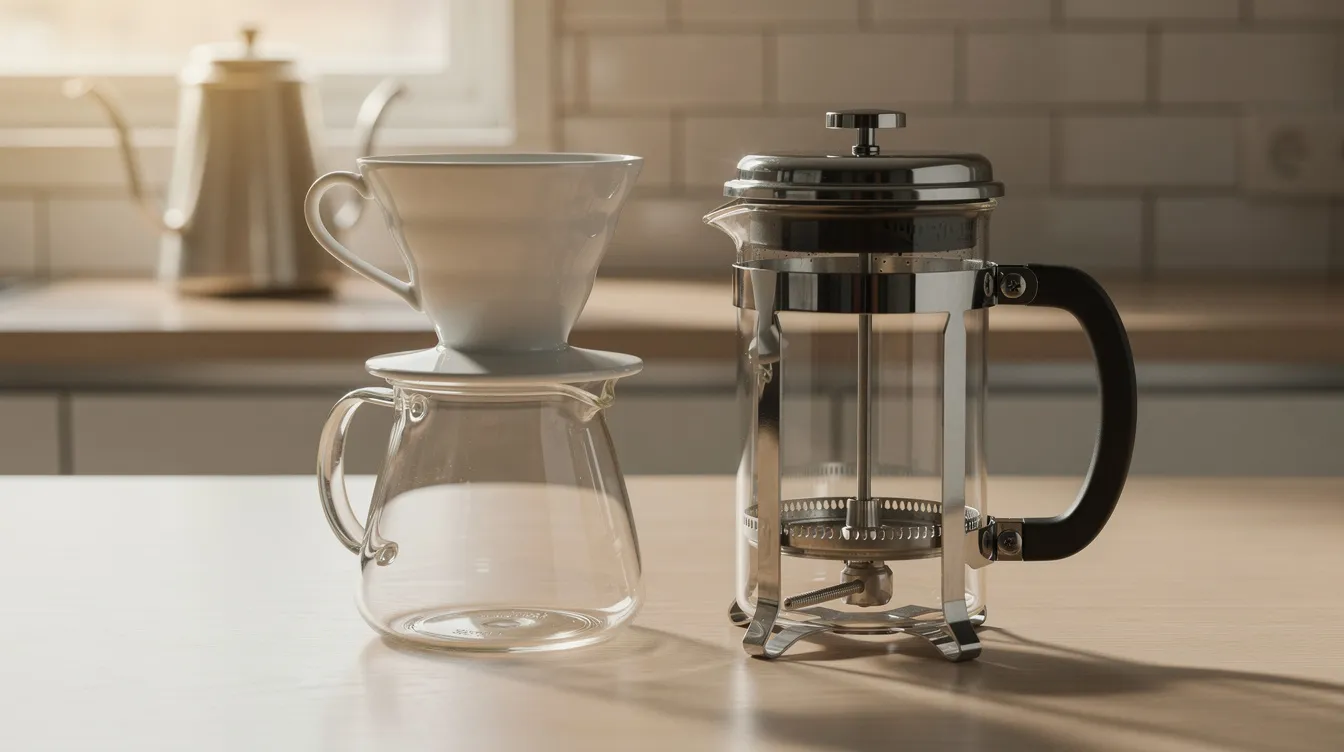
Pour-over brewing highlights flavor clarity and origin character, making it ideal for light to medium roast single origins from Africa and high-elevation Latin America. Use a medium-fine grind, water at 195–205°F, and careful control of brew time. Drip coffee makers are practical for everyday brewing with medium roast origins.
Aeropress is flexible-shorter brew times and fine grind settings can highlight fruit and sweetness in single origin coffees effectively.
Immersion and Press: French Press and Similar Brewers
French press works well for fuller-bodied medium and dark roasts. It accentuates body and texture, making it well-suited to Guatemala, Brazil, and Sumatra origins. Use a coarse grind and a 4-minute steep. Immersion methods can soften perceived acidity, making brighter coffees more approachable.
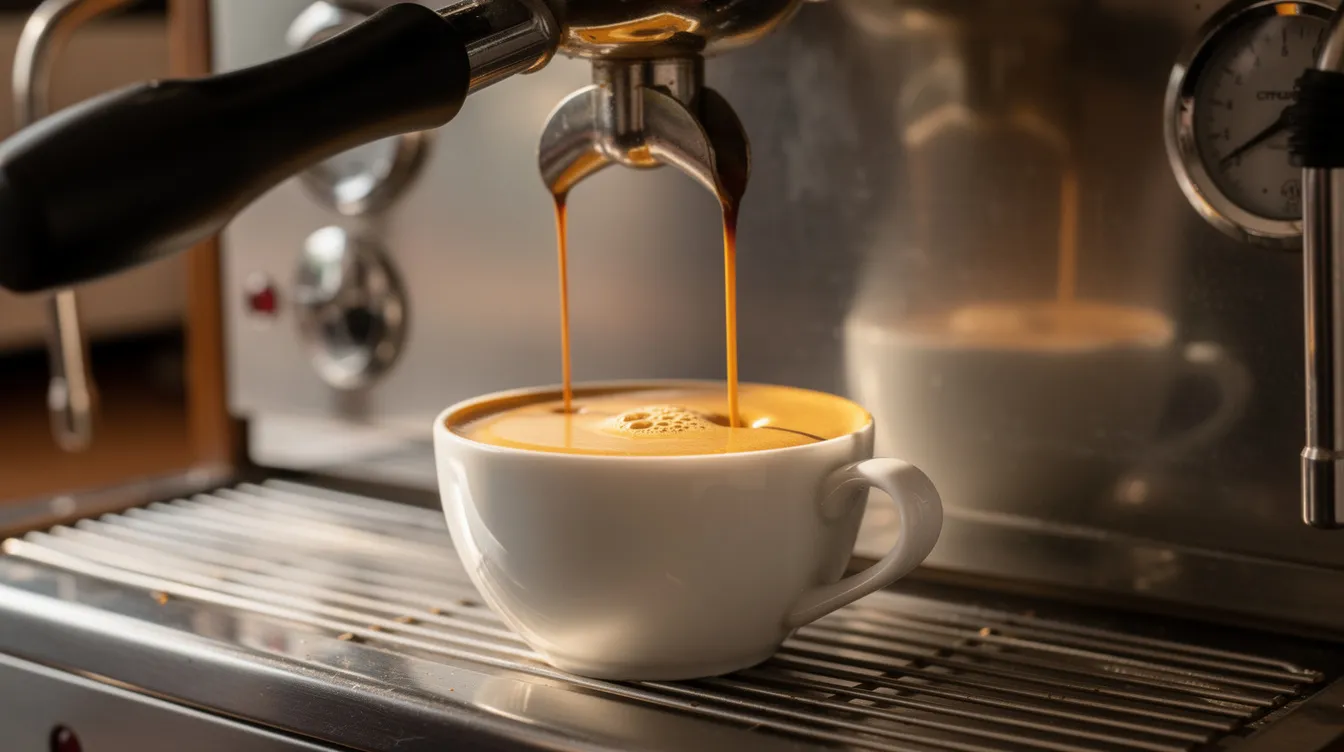
Espresso and Moka Pot with Single Origins
Single origin beans can produce distinctive espresso with pronounced acidity or sweetness when dialed in. Start with balanced, chocolate-forward origins like Brazil, Colombia, or Guatemala-they pull more predictably and pair well with steamed milk. High-acidity Kenyan coffee or Ethiopian coffee can be stunning as espresso but requires finer grind adjustment and careful temperature control.
For moka pot, medium to medium-dark roast single origins with good body work best, as the method emphasizes strength and the roasting process character.
Cold Brew and Iced Coffee with Single Origins
Cold brew is a low-acidic brewing method that suits chocolatey, nutty origins. Use Brazilian coffees, Colombian beans, or Guatemalan beans with a coarse grind and 12–24 hour steep for smooth cold brew with flavors of cocoa and brown sugar.
For flash-brewed iced coffee, brighter single origins (Ethiopia, Kenya) preserve aromatics, acidity, and stone fruit or citrus notes. Use filtered water and proper dilution to avoid flat or muddy flavors with either approach.
Freshness and Storage: Protecting Your Single-Origin Beans
Even the best single origin beans lose their edge if stored poorly. Whole bean plus a good grinder is the single most impactful upgrade for anyone buying specialty single origins.
- Store beans in an airtight, opaque container at room temperature, away from heat, light, and moisture
- Avoid clear jars and warm spots near the stove
- Freezing whole beans in well-sealed, portioned bags works for longer-term storage if they are not repeatedly thawed
- Buy bag sizes you can finish within 2–4 weeks of roast date
- Rotate between one or two open bags at a time to keep beans fresh
Related Capitol City Coffee Guides
If you are exploring single origins, you may also want to compare organic, fair trade, and decaf options alongside broader coffee styles:
- Explore more brewing guides and bean breakdowns on our complete coffee guide
- Compare single origins with blends and flavored options in our coffee types explained overview
- Prioritizing certifications? See our picks for best organic coffee and best fair trade coffee
- Want single origin style flavors without caffeine? Check our best decaf beans with origin character
Our Single-Origin Coffee Picks
We matched one coffee to each origin mood below. Tap the image or the coffee name to see it on Amazon. Research-rated, not yet brewed by our team.
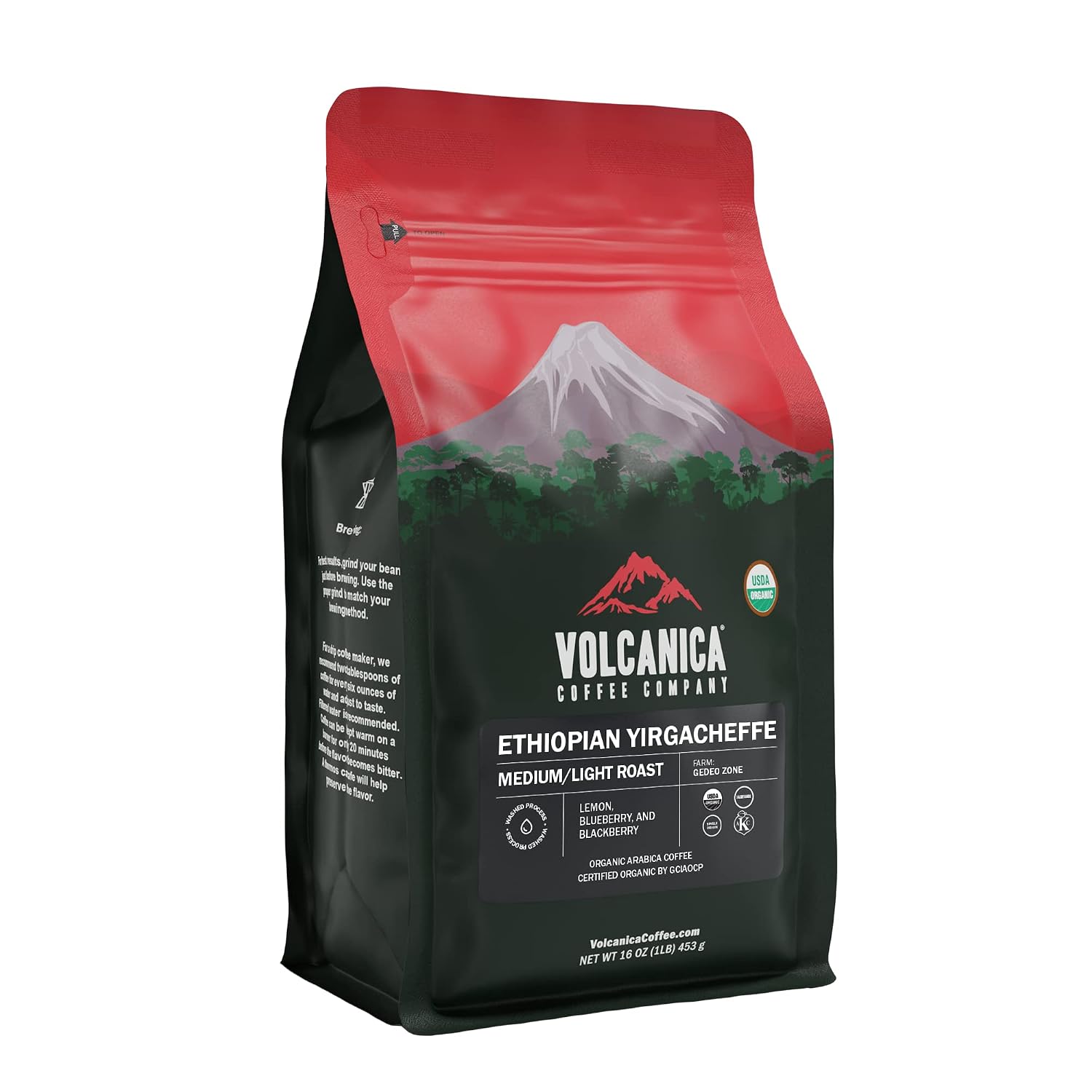
Feeling floral: Ethiopian Yirgacheffe
Our pick: Volcanica Coffee Ethiopian Yirgacheffe, USDA Organic, medium-light roast, whole bean, 16 oz. A named origin cup, not a house blend. Research-rated, not yet brewed by our team.
Feeling bright: Kenya AA
Our pick: Volcanica Coffee Kenya AA, whole bean, 16 oz. A second origin for blackcurrant-bright Kenya. Research-rated, not yet brewed by our team.
FAQs: Single-Origin Coffee in 2026
These answers cover common questions not fully addressed above, focused on practical buying and brewing decisions for U.S. readers.
Is single-origin coffee always better than blends?
No. Single-origin coffee emphasizes the unique character of its source and can offer more distinctive, place-specific flavors. Single-origin coffee is usually of superior quality compared to blends in terms of traceability and origin clarity. However, blended coffee often combines multiple origins for diverse flavor profiles, consistency, and ease of brewing-creative blends can be excellent for daily use, crowd-pleasing pots, or milk drinks. Many drinkers keep both: a dependable blend for routine cups and a rotating single origin for intentional tasting.
Can I use single-origin beans in an automatic coffee maker?
Yes. Most single origin coffees work well in automatic drip machines, especially medium roast options from Brazil, Colombia, or Guatemala. Use filtered water and dial in your grind size to avoid under-extraction that can make lighter single origins taste sour. Start with chocolatey, nutty origins before experimenting with brighter, high-acidity beans from the same country or from a different origin.
Do single-origin coffees have more or less caffeine?
Caffeine depends on species (Arabica vs. Robusta), roast degree, and brew ratio-not on whether beans are single origin or from multiple origins. Most specialty single origin coffees are 100% Arabica with similar caffeine ranges, so differences are minor. Adjust dose, brew strength, or choose decaf single origins rather than relying on origin to manage caffeine intake.
How often do single-origin offerings change at roasters?
Many specialty roasters rotate single origin coffees seasonally as harvests from each single country change. Specific farms or lots may only be available for a few months. Some roasters maintain “anchor” single origins year-round (often a popular Colombian or Brazilian) while swapping in limited microlots alongside them. Check current lineups and stay flexible with exact bag names while sticking to favored origins or flavour notes.
Are there good decaf single-origin coffees?
Decaf single origin coffees have improved significantly. Many roasters now offer Swiss Water or similar processed decaf from Colombia, Ethiopia, and other regions in bean form. Decaffeination slightly changes flavor and body, but origin character-chocolatey, fruity, or sweet subtle notes-can still come through. See our guide to the best decaf beans with origin character for specific recommendations.