
Commercial coffee equipment covers the espresso machines, grinders, batch brewers, water filtration systems, and supporting accessories built for sustained, all-day use in cafes, restaurants, offices, and hospitality settings. This page helps you choose reliable, serviceable gear with the right throughput and footprint for your business, whether you run a high-volume coffee shop or a 50-person office kitchen.
Capitol City Coffee is an independent coffee editorial and affiliate publication. We do not sell equipment. Every recommendation on this page is based on researched editorial analysis drawn from verified product specifications, reputable expert sources, and documented third-party consensus. Commission size never determines what we feature or how we rank it.
Key Takeaways
- Commercial coffee equipment spans four core categories: commercial espresso machines, coffee grinders, batch brewers, and water filtration systems. Each category serves a different role in a cafe or office workflow.
- Before any purchase, evaluate throughput (peak drinks per hour), reliability, serviceability, power and water requirements, and total cost of ownership over 5 to 10 years.
- Sizing for the rush matters more than daily totals. A 2-group espresso machine handles roughly 60 to 120 drinks per hour; a 3-group handles 120 to 180 or more.
- Water filtration protects boilers, valves, and pumps from scale buildup while stabilizing extraction quality. Skipping it can cost $5,000 to $15,000 in premature equipment failures.
- This page covers both cafe and office use cases, with organized equipment types, buying guides, and reviews you can browse by category.
Category overview: What “commercial coffee equipment” really means
Commercial coffee equipment refers to espresso machines, grinders, brewers, and supporting systems engineered for continuous service across hours of peak demand. Unlike home or prosumer gear, commercial machines feature multi-liter boilers, plumbed water connections, higher power input (often 208 to 240 volts), and heavy-duty components like rotary pumps and stainless-steel frames designed for tens of thousands of cycles.
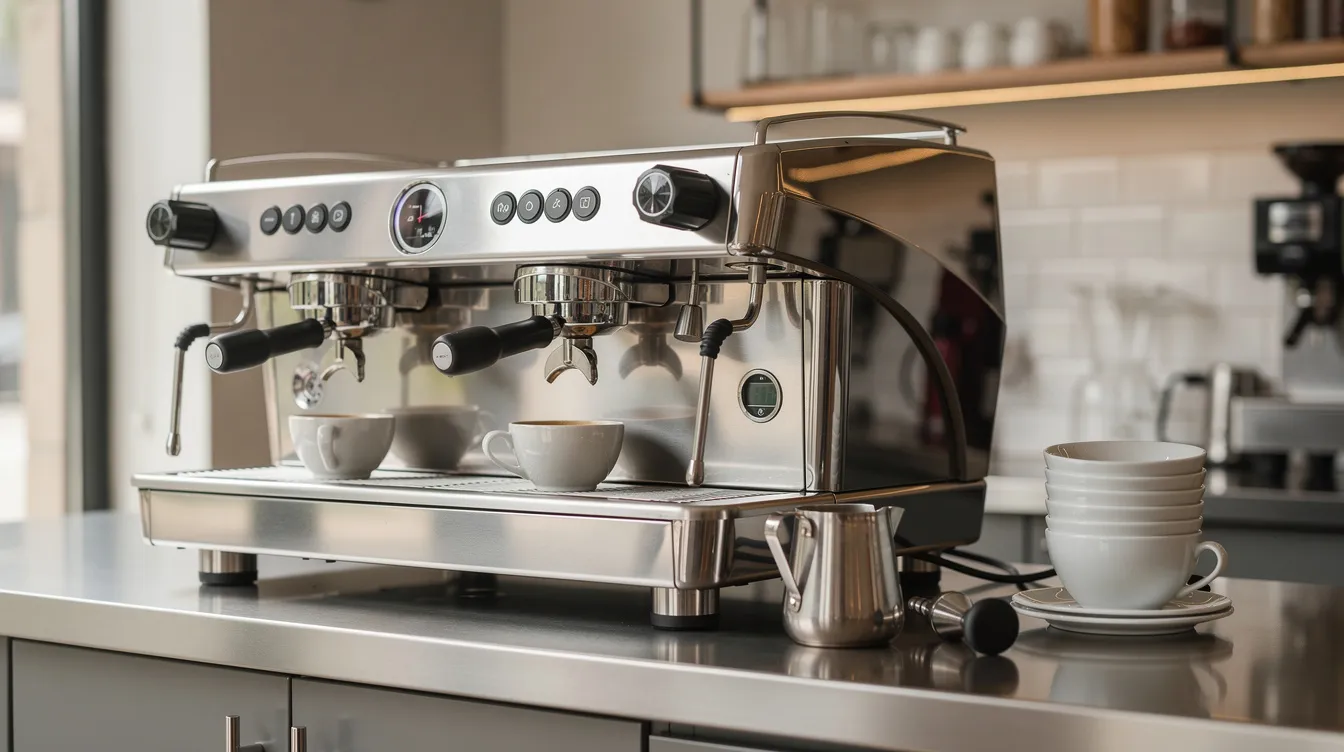
Commercial espresso machines are available in various group sizes, from single-group units for low-volume counters to 2-group, 3-group, and 4-group configurations for busy cafes and restaurants. A 2-group machine typically serves 60 to 120 drinks per hour, while a 3-group can handle 120 to 180 or more. Prices for commercial espresso machines can exceed $20,000, depending on boiler design, automation level, and brand. All espresso machines extract espresso under high pressure of typically 9 bar.
This hub under Capitol City Coffee’s gear section covers:
- Commercial espresso machines (traditional, automatic, super-automatic)
- Commercial coffee grinders (espresso dosing and bulk retail)
- Batch brewers and drip coffee makers
- Water filtration and treatment systems
- Supporting bar accessories
Commercial coffee equipment varies in brewing method and automation levels; coffee maker types vary from manual lever machines to fully automated bean-to-cup systems. This is an editorial hub for commercial investigation. You can compare options here, then click out to reputable retailers when you are ready to buy.
Key concepts before you buy commercial coffee gear
Before comparing specific machines or grinders, work through these concepts. They determine whether a piece of equipment will fit your space, your electrical panel, your budget, and your customers’ expectations.
Throughput and demand planning. Estimate your busiest 60-minute window. For a coffee shop, that is often 7:30 to 9:00 a.m. Count expected orders per minute, multiply by 60, and add a 20% buffer. A neighborhood cafe averaging 40 drinks per hour at peak needs at least a 2-group espresso machine with strong steam recovery; a drive-thru pushing 150 or more drinks per hour needs a 3-group or multiple machines plus dedicated grinders.
Reliability and build quality. Look for stainless-steel boilers, commercial-rated rotary pumps, and published service intervals. An office with 20 cappuccino orders a day has different reliability needs than a cafe pulling 300 shots. Match the build to the duty cycle.
Serviceability and local support. Over a 5- to 10-year lifespan, serviceability often matters more than minor feature differences. Check whether U.S. vendors keep gaskets, screens, and solenoids in stock and whether certified technicians operate in your city. Machines designed with removable panels and modular boilers reduce labor time during service calls.
Footprint and bar layout. A 2-group commercial espresso machine runs roughly 28 to 38 inches wide; a 3-group stretches to 37 to 42 inches or more, plus 20 to 25 inches deep before clearance. Add space for grinders, knock boxes, milk pitchers, and under-counter water filtration. Plan for ADA-compliant counter heights if the bar is customer-facing.
Power and water requirements. Many commercial machines require 208 to 240 volt circuits drawing 20 to 30 amps. Involve an electrician and plumber before you finalize a purchase so the build-out matches the gear.
Total cost of ownership. TCO over five years includes the purchase price, installation (electrical, plumbing, ventilation), consumables (filters, gaskets, screens), energy costs, and preventive maintenance. Annual maintenance on a 2-group espresso machine typically runs $3,000 to $5,700. Water filtration systems are vital for coffee quality; a $500 to $2,000 filtration setup can defer $7,500 to $12,500 in descaling and boiler replacement costs over a decade.
Warranty and support. Prioritize machines with clear commercial warranties covering 1 to 2 years on parts and labor. Prosumer gear used in a cafe may void warranty coverage entirely, turning a lower regular price into a false economy. Expert support and a defined service network reduce downtime risk.
Cafe vs. office use. A specialty coffee shop needs high throughput, manual shot control, and consistency across hundreds of drinks. An office or co-working space benefits from super-automatic machines that reduce training time and barista error. Both settings need water filtration, but the scale and complexity differ.
Flexible financing options are available for coffee equipment purchases. Shop Pay allows payment in 4 installments for equipment. Affirm offers monthly payment plans for coffee equipment. Credit Key provides net terms for business purchases. Clicklease offers equipment leasing options for businesses. Explore these before committing capital upfront.
Browse commercial equipment types
This section acts as a directory of commercial coffee equipment categories. Each includes a quick overview of what it covers and where to find deeper guidance.
Commercial espresso machines
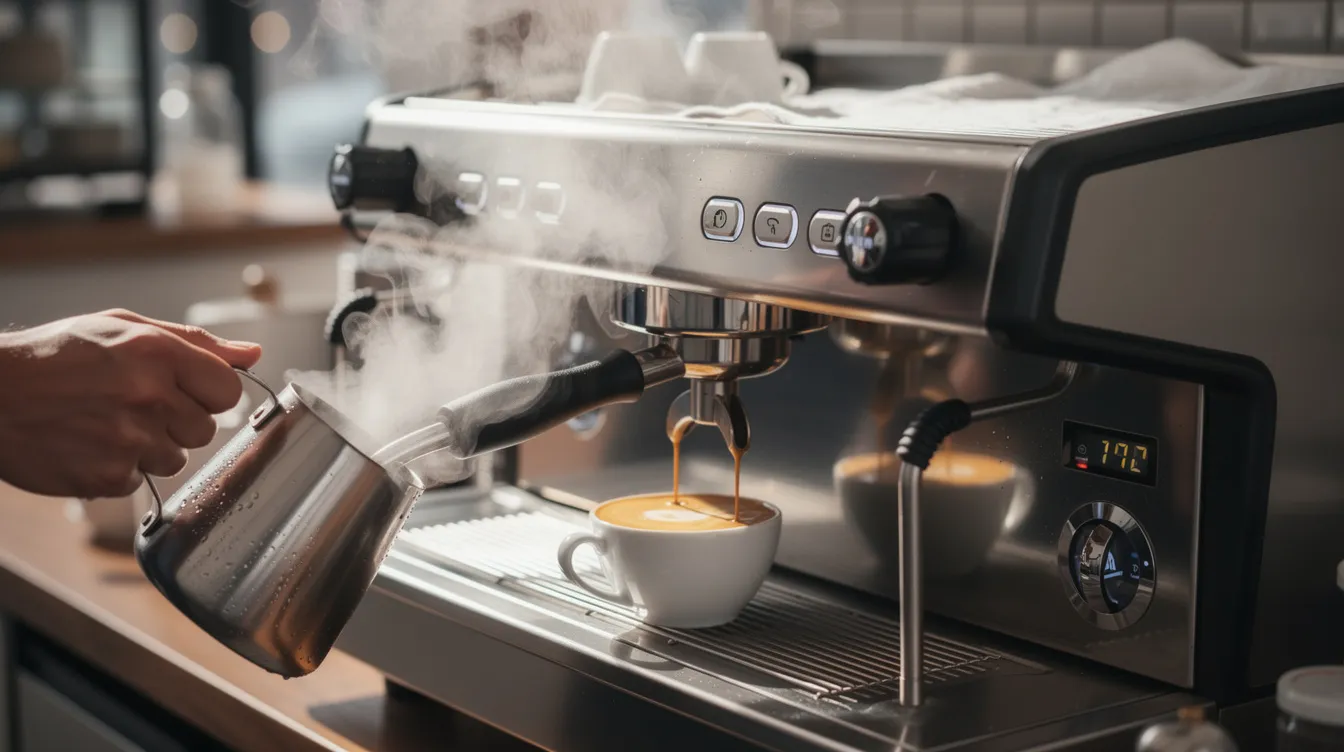
Espresso machines are available in manual, semi-automatic, automatic, and super-automatic options. Manual espresso machines allow total control over water pressure and shot timing via a lever. Semi-automatic espresso machines have automated pumps but require manual control for grinding and tamping. Automatic espresso machines ensure consistent extractions with programmable water volume and shot time. Super-automatic machines completely automate grinding, dosing, tamping, and brewing.
Some commercial espresso machines feature shot timers for precision, and many can be customized to match a cafe’s style. Brands with deep commercial espresso lineage include La Marzocco, Victoria Arduino, Rocket Espresso, Astoria, Elektra, and Wega. The selection spans compact single-group units for a small restaurant counter to 4-group machines for high-traffic locations.
For a specialty coffee shop where your team has passion for latte art and single-origin espresso, a traditional 2- or 3-group machine with a dual boiler is the standard fit. For an office lobby or hotel breakfast area, a super-automatic commercial espresso machine with bean-to-cup operation lets customers serve themselves with confidence.
Commercial coffee grinders
Espresso grinders are critical for maintaining grind consistency in coffee extraction. High-output coffee shops often use premium burr grinders to match espresso throughput. Steel burrs are common in commercial coffee grinders, with burr diameters ranging from 54 mm to 83 mm for espresso dosing.
Commercial coffee grinders ensure uniform grind performance at speed. Some bulk models, like the Ditting KFA1403, are industrial coffee grinders built for retail or roastery environments; commercial coffee grinders in this category can grind over 5 pounds per minute. Smaller cafe-focused grinders, like the Pinecone GH-B with its 3.9 lb hopper capacity, prioritize low retention and precise dosing for espresso workflows. Coffee grinders are crucial for uniform grind performance, so choose a grinder that matches your volume and drink menu.
Batch brewers and commercial coffee makers
Batch brewing machines are necessary for high-volume coffee production in restaurants, hotel breakfast stations, and offices. Batch drip brewers connect directly to water lines to brew large volumes of coffee and dispense into insulated urns or airpots. They differ from home drip machines in capacity (often several gallons per hour), programmable brew strength, and automatic cleaning cycles.
Specialty and pour-over systems focus on precision brewing over maximum throughput. Cold brew equipment can be relatively inexpensive compared to other commercial equipment; cold brew systems steep coffee grounds in cold water for extended periods of 12 to 24 hours.
Bean-to-cup systems handle whole beans, grinding, brewing, and milk foaming, making them a hybrid option for settings that want espresso drinks and drip coffee from one machine.
Water filtration and treatment
Water filtration is essential for commercial machines to prevent scale buildup. The Specialty Coffee Association recommends water with TDS of 75 to 250 ppm, calcium hardness of 50 to 175 ppm, and pH of 6.5 to 7.5. A filtration setup typically includes carbon filtration for chlorine removal, softening or anti-scale treatment, and in hard-water areas, reverse osmosis with remineralization. Point-of-use filters start around $50 to $200; shop-wide systems run $500 to $4,500 or more.
Supporting bar gear and accessories
Essential accessories include knock boxes, tampers, milk pitchers, pitcher rinsers, hot water towers, and automatic milk steamers. These items affect speed and cleanliness during a rush. A well-stocked accessories collection keeps your team efficient without slowing the workflow behind the bar.
Coffee carts can help launch a mobile coffee business, with each cart offering a lower-cost entry point for operators who want to start serving customers before committing to a fixed location.
Cafe vs. office gear paths. A full-service cafe needs traditional commercial espresso, multiple grinders, and a batch brewer. An office or lobby benefits from a super-automatic machine, a compact grinder, and a low-touch brewer.
Affiliate disclosure: Some outbound links on this page are affiliate links. They do not change the price you pay and do not influence how we rank or order products. Capitol City Coffee may earn a commission on qualifying purchases.
At a glance
Featured buying guides and reviews
Feeling diner-volume drip
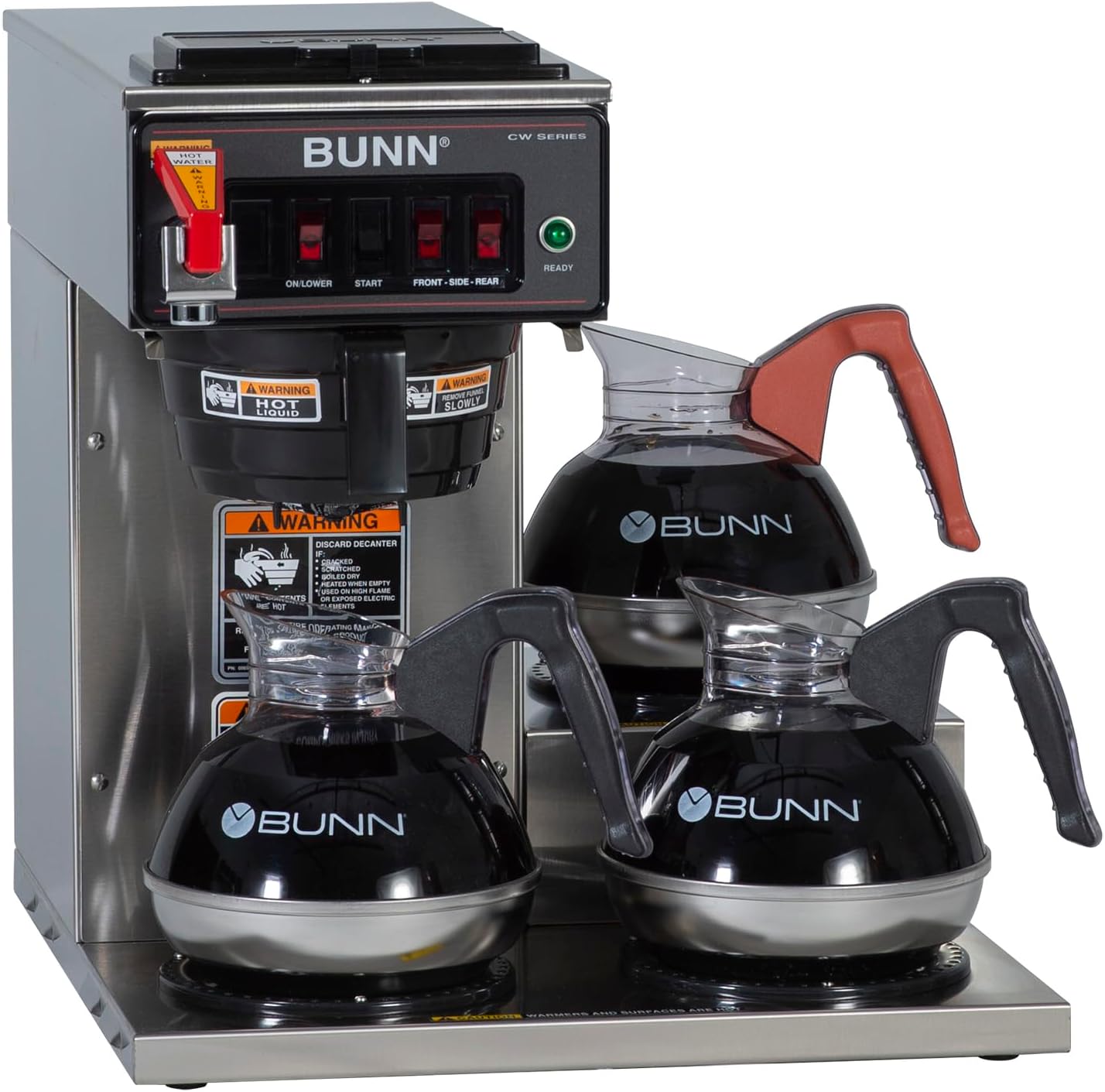
Our pick: BUNN CWTF15-3. The simple three-warmer commercial drip this hub’s volume path describes. Research-rated, not yet used in our kitchen.
Feeling office-quality drip
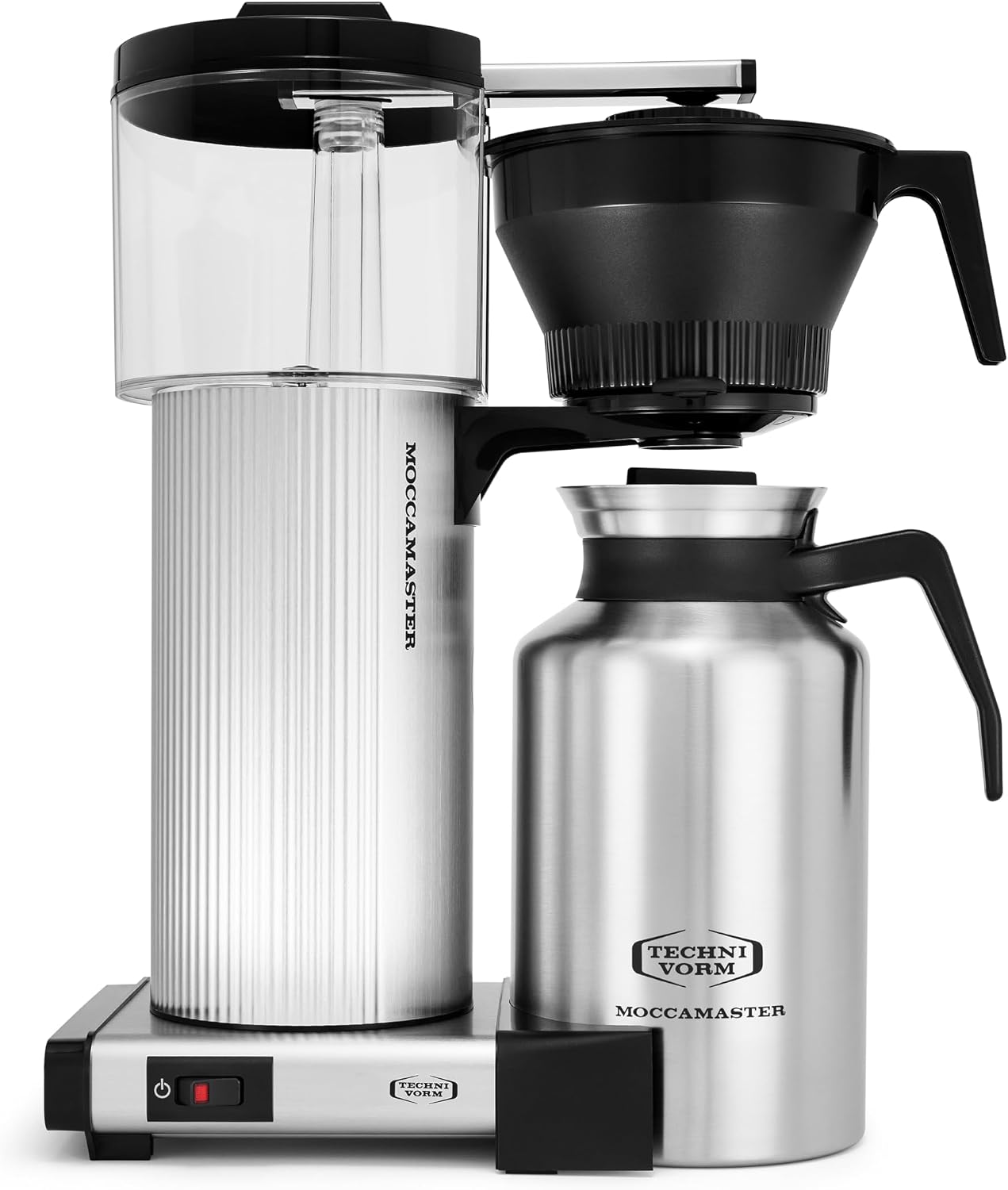
Our pick: Technivorm Moccamaster CDT Grand. A smaller SCA-certified brewer for offices and boutique programs. Research-rated, not yet used in our kitchen.
Capitol City Coffee maintains a growing collection of researched roundups and reviews for commercial coffee and espresso gear. All picks are based on verified specs, documented third-party expertise, and consistent expert consensus.
- Commercial espresso machine roundups. Guides covering 2-group commercial espresso machines for small cafes, compact commercial espresso machines for limited bar space, and budget-conscious options for new operators. Rankings reflect published performance data, workflow features, and service network availability.
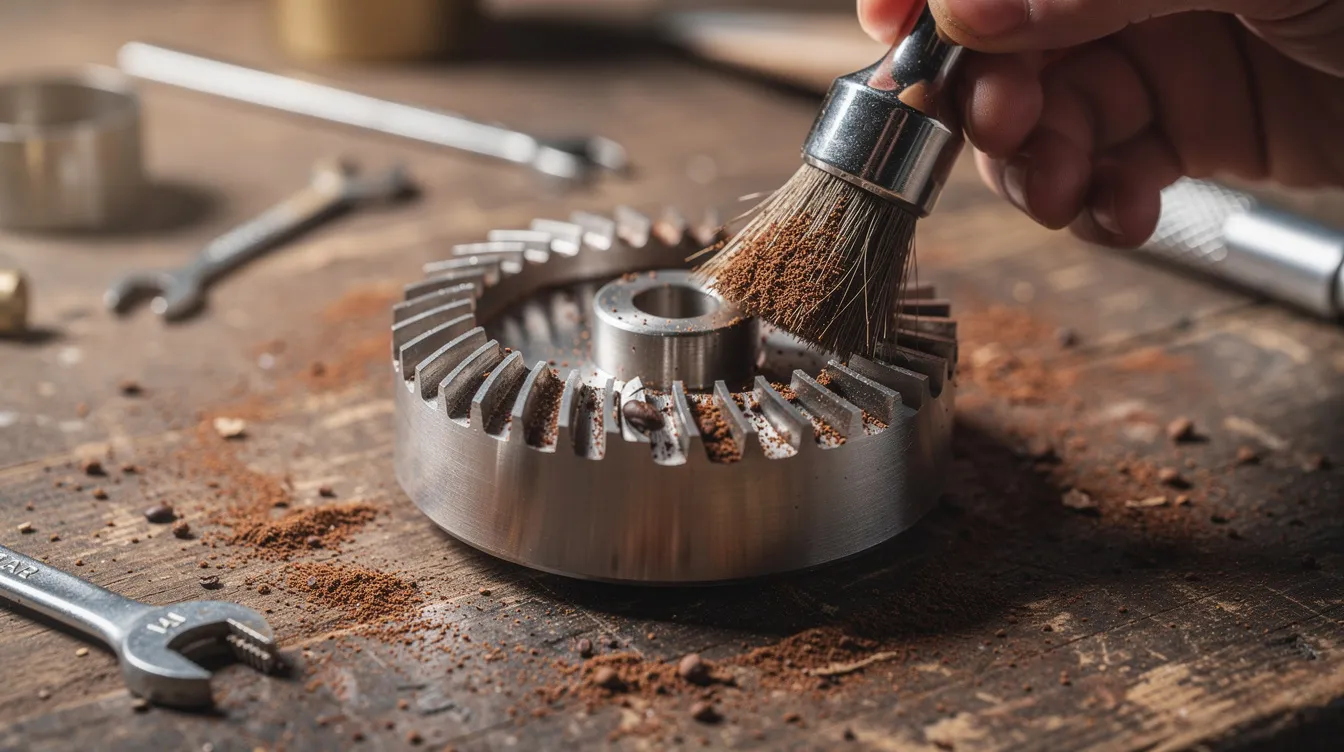
- Grinder guides. Editorial breakdowns of commercial espresso grinders vs. bulk retail grinders, focusing on burr size, cooling, speed, retention, and serviceability. Read our reviews for detailed comparisons.
- Batch brewer and office coffee recommendations. Guides comparing commercial drip coffee makers and batch brewers for restaurants and offices, covering brew volume, programmability, and ease of cleaning.
- Water filtration explainers. Articles mapping local hardness levels to filtration types, with concrete cost scenarios over a 3- to 5-year window. Filter replacement costs vs. descaling vs. boiler replacement are covered in detail.
Unless a specific review page documents hands-on testing, all product commentary is labeled as researched editorial analysis based on manufacturer data and published insights from barista trainers and service technicians.
How Capitol City Coffee researches commercial equipment recommendations
Capitol City Coffee is an independent editorial and affiliate publication. We do not sell commercial coffee equipment. Our role is to synthesize expert knowledge and verified product information so cafe owners, office managers, and restaurant operators can make informed decisions.
Research methodology. We collect manufacturer specifications, consult third-party service bulletins where available, read technician and barista feedback, and compare warranty terms across brands. We cross-reference throughput claims against documented performance from training organizations and equipment distributors.
No unsubstantiated claims. We avoid exaggerated superlatives and do not invent performance claims or flavor promises without credible sourcing. If we have not tested a machine, we say so.
Workflow and usability. Assessments of shot programming, steam power, cleaning cycles, and interface design are drawn from barista training materials, user manuals, and consistent themes in expert commentary.
Durability and serviceability. We weigh build materials, boiler types, known failure points, and parts availability. These factors influence total cost of ownership more than headline features, and they shape our recommendations accordingly.
Value and total cost of ownership. Rankings account for expected lifespan, warranty support, energy use, and ongoing costs like filters and preventive maintenance for high-throughput commercial espresso machines and grinders.
Affiliate independence. Affiliate commissions never dictate which products are featured or how they are ordered. We recommend lower-commission or non-affiliate options when they offer better reliability, serviceability, or performance for a commercial setting. You can browse our full offer of guides with that confidence.
FAQs about commercial coffee equipment
These FAQs address practical questions that cafe owners, roasters, and office managers commonly ask when shopping for commercial espresso and coffee gear.
How do I size a commercial espresso machine for my new coffee shop?
Start by estimating peak drinks per hour and your drink mix. If most orders are milk-based (lattes, cappuccino), steam capacity and boiler recovery matter as much as group count. A typical neighborhood cafe doing 40 drinks per hour at peak is well-served by a 2-group machine. Higher-volume sites near transit hubs may need a 3-group or multiple machines. Plan not just for launch-day volume but realistic 1- to 2-year growth, and confirm that your space and electrical panel can handle the machine you choose. Many vendors and distributors offer a free consultation to help match equipment to your projected volume.
What’s the difference between a commercial espresso machine and a super-automatic for office use?
A traditional commercial espresso machine requires a trained barista to grind, dose, tamp, and steam. A super-automatic handles all of those steps with the press of a button, including milk foaming. Super-automatics suit offices and co-working spaces because they cut training time and reduce errors. The tradeoff: less fine control over each cup and limited latte art capability. Super-automatic equipment still requires commercial-grade maintenance, including daily cleaning cycles, regular descaling or filter changes, and periodic service visits.
How important is water filtration for commercial coffee equipment?
Water filtration is critical for both taste and equipment longevity. Hard water, common across many U.S. municipalities, causes limescale that damages boilers, pumps, and valves. A suitable filtration system (carbon filtration with softening, or reverse osmosis with remineralization) can extend equipment life by years and reduce emergency repair calls. Have your water tested locally and consult with a technician familiar with commercial espresso machines to find a system that meets your water profile and warranty requirements.
How often should commercial coffee equipment be serviced?
Daily cleaning and backflushing should be part of your team’s routine. Schedule in-depth preventive service (gasket and screen replacement, descaling, safety checks) at least annually for a busy cafe. High-volume shops with heavy use over long hours may need preventive visits every 6 months. Lighter office environments can often stretch to annual service. Budget for professional maintenance as a line item in total cost of ownership rather than treating it as optional. Without it, you risk equipment failure during a sale day or peak rush.
Can I use a prosumer espresso machine in a small commercial or office setting?
Some prosumer machines can pull shots in low-volume environments, but they are not designed or warranted for continuous commercial duty cycles. Using one in a coffee shop may void the warranty and accelerate wear on pumps, boilers, and seals. Over time, repair costs and downtime erase whatever you saved at the register. Light-use environments like small offices or boutique retail spaces should consider compact commercial espresso machines or appropriate super-automatic models built and warranted for business use. Even if they resemble home gear in size, the internals and warranty terms are built to fit commercial needs.