Organic coffee focuses on how coffee is grown-without synthetic chemicals, with strict environmental standards. Fair trade coffee focuses on how people across the supply chain are treated and paid. Neither certification is automatically better. The right choice depends on whether you prioritize environmental impact, fair pay for farmers, flavor, or price. This researched editorial guide from Capitol City Coffee breaks down the trade-offs so you can make a confident decision.
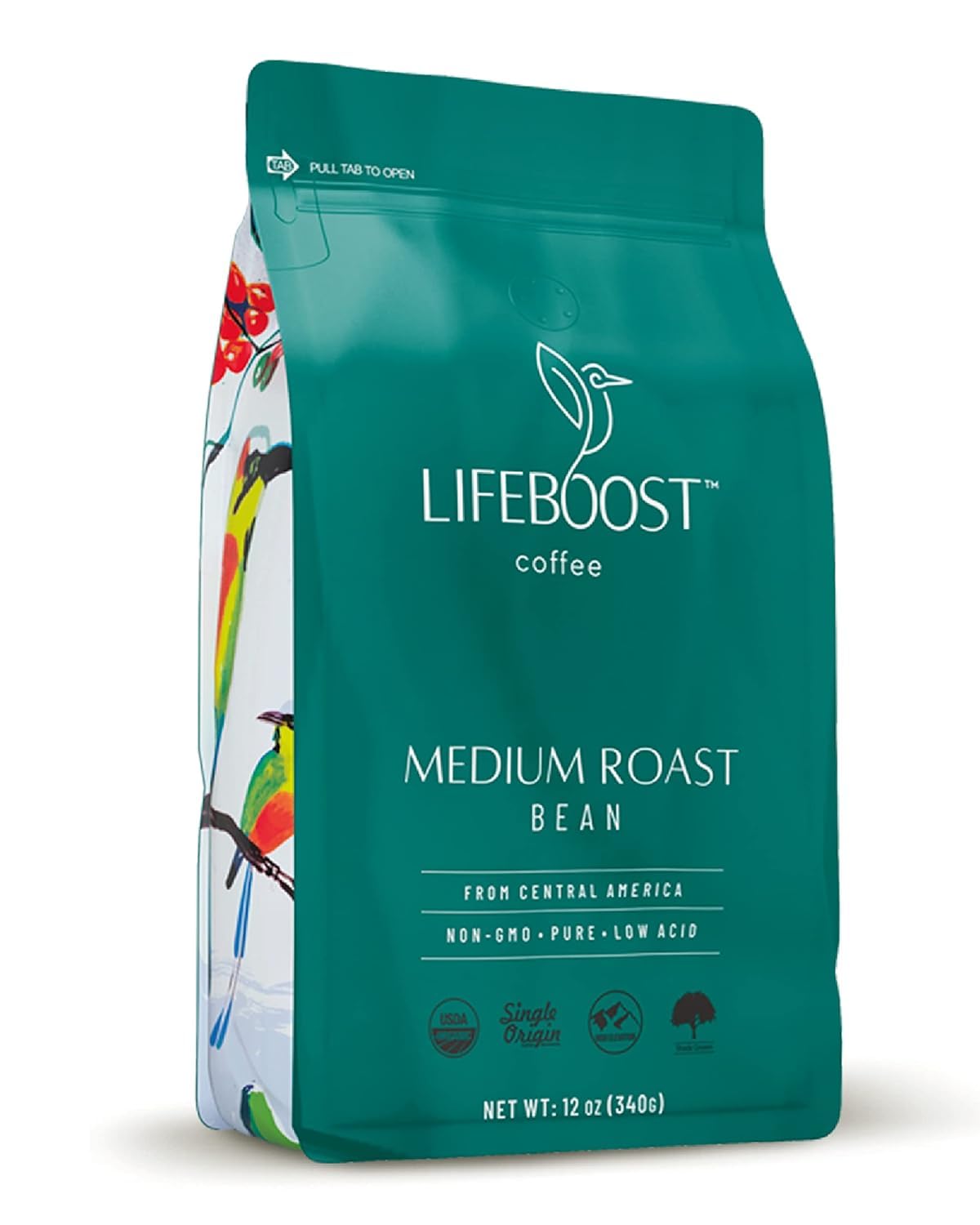
Best certified bag pick
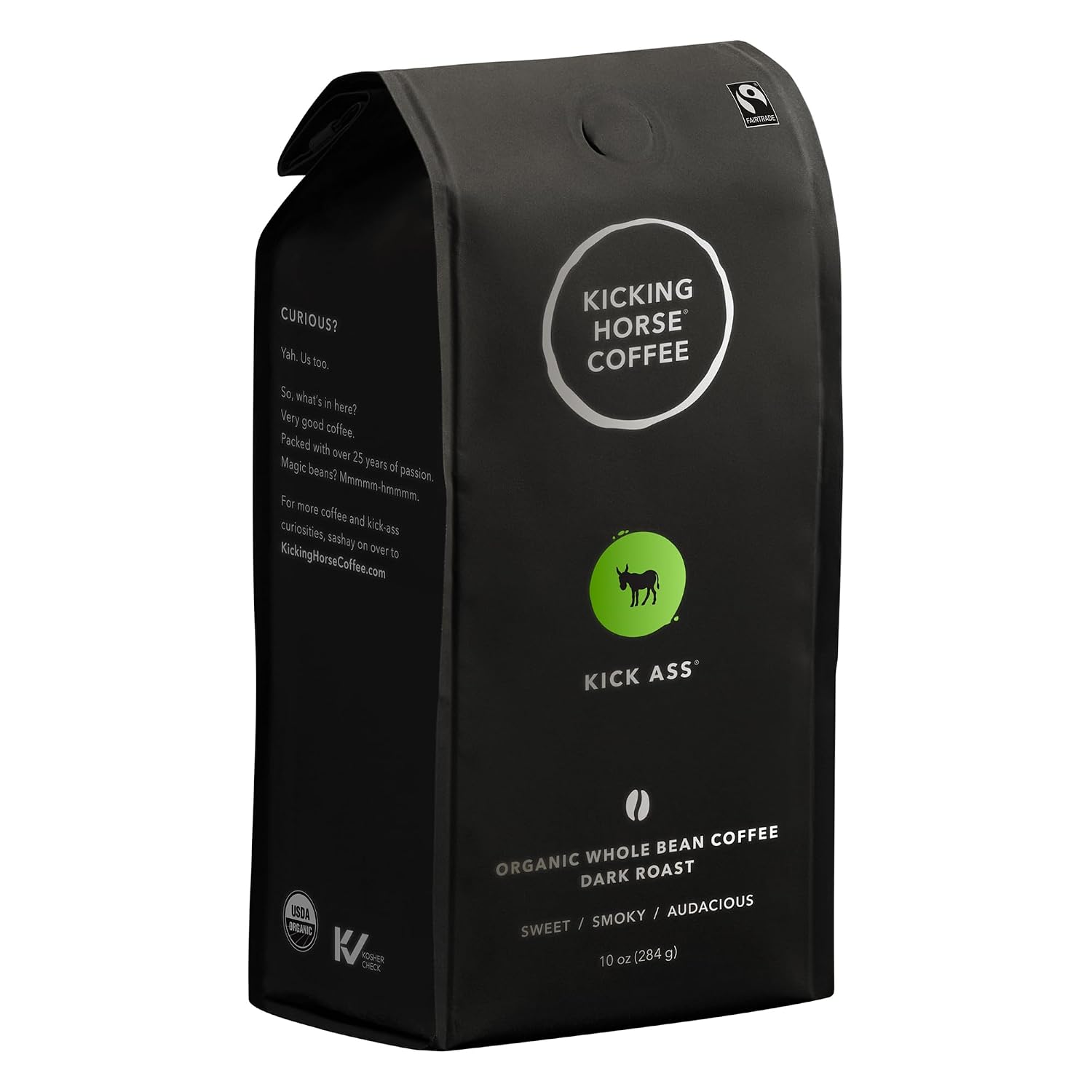
For this roundup, Lifeboost Medium Roast is the certified bag we recommend first—the same pick at the top of our At-a-glance cards below.
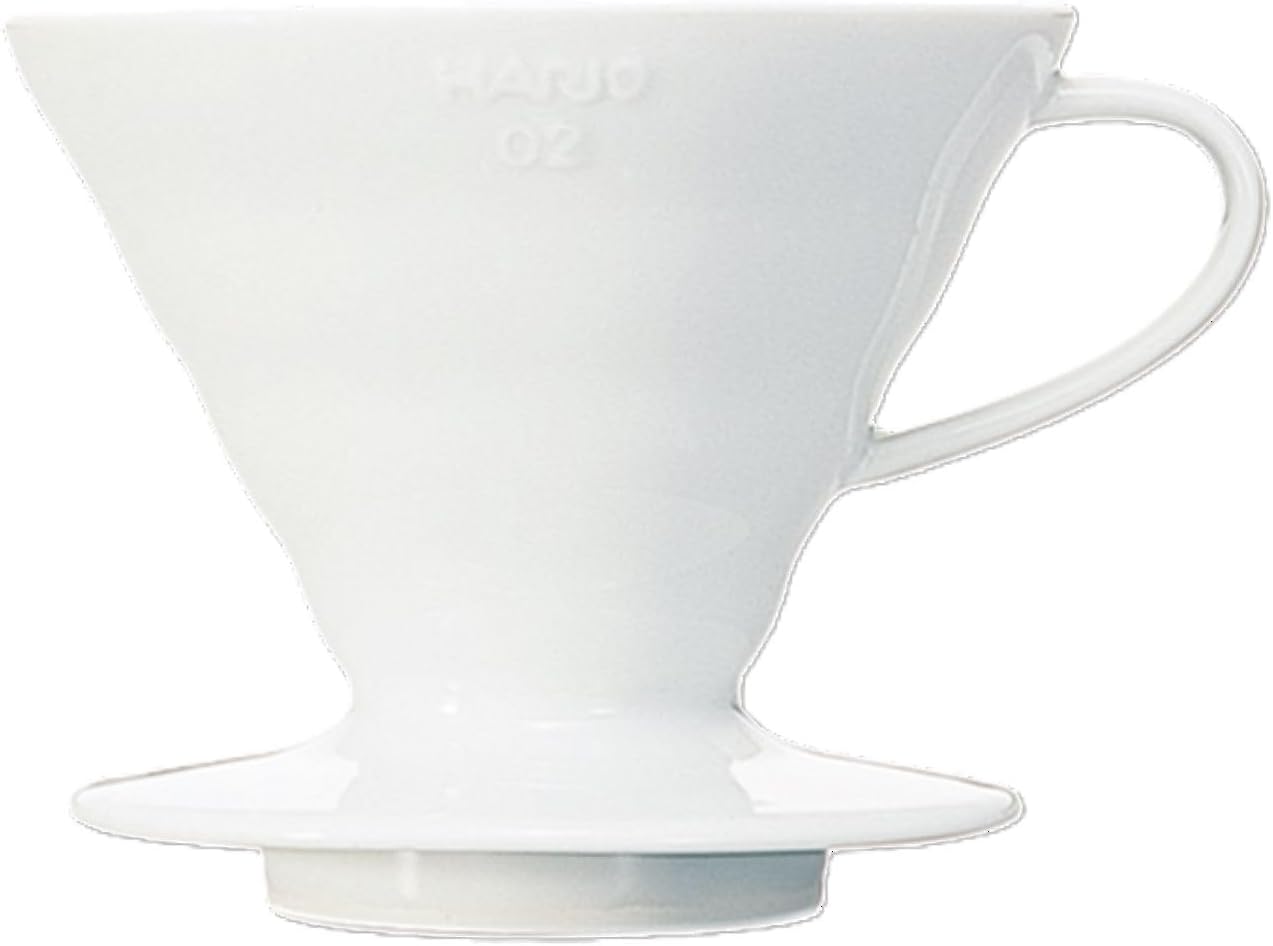
Origin bags are the main pick. If that bag is waiting, a canister and a cheap V60 still help the beans you already have—without swapping in grocery beans that undercut the origin.
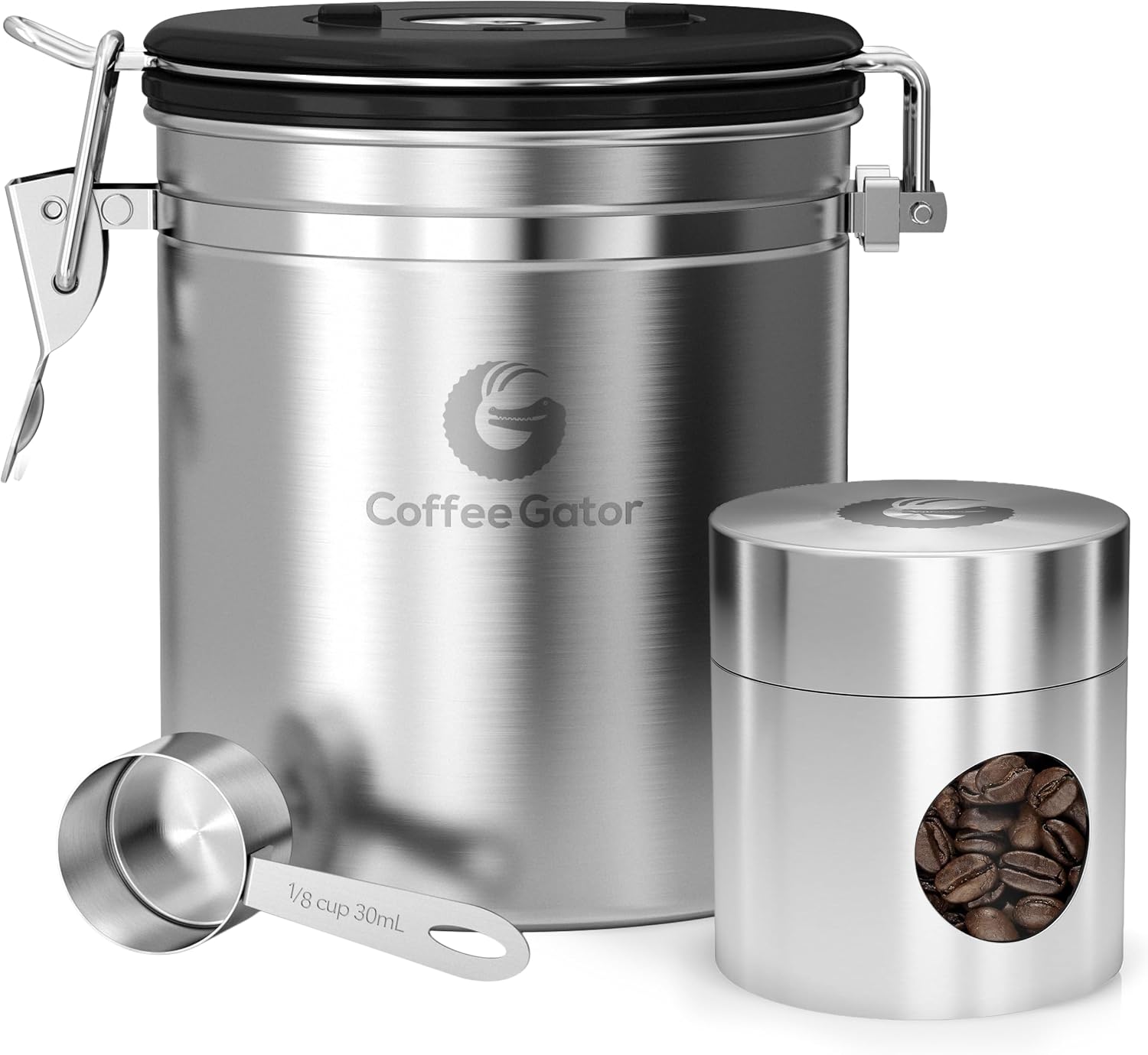
Storage (~$20–$35)
Coffee Gator canister
Keeps the origin bag fresh after you open it. Cheaper than waiting on another bag.
Organic certification focuses on environmental stewardship and agricultural practices (no synthetic pesticides, healthier soil, biodiversity), while fair trade certification centers on economic justice, labor standards, and community development.
Neither label guarantees superior flavor. Cup quality depends far more on origin, altitude, processing, roast profile, and freshness than on any certification logo.
Some coffee carries both organic and fair trade certification, combining environmental and social benefits at a higher price point.
For most U.S. buyers, a reputable organic single-origin delivers the best value when environment and flavor matter most. A fair trade certified blend is the stronger pick when ethical sourcing and farmer income stability are top priorities.
This article compares performance, quality, cost, value, and alternatives with concrete data-Capitol City Coffee is an independent editorial publication, not a roaster or retailer.
Quick Verdict: Organic vs Fair Trade Coffee
If your primary concern is environmental impact, organic coffee is usually the better fit. Organic certification ensures coffee is grown without synthetic fertilizers or pesticides, protects local watersheds, prevents soil erosion, and promotes biodiversity. Organic farming practices help preserve wildlife habitats and contribute to a reduced carbon footprint.
If farmer income and social justice matter most to you, fair trade coffee makes more sense. Fair trade certification ensures farmers receive a minimum price, and Fairtrade makes a difference through premiums and support for farmer communities, while also supporting safe working conditions. Over 775,000 coffee farmers are currently in the Fairtrade system, and Fairtrade coffee farmers have earned over $400 million in premiums since 2020.
For flavor chasers: organic certification does not guarantee cup quality, and fair trade certification does not guarantee superior taste. Both can produce a delicious cup or a mediocre one. Quality depends on origin, processing, roast, and freshness-not the seal on the bag.
For budget-minded shoppers, fair trade blends typically carry a smaller retail premium than organic single-origins, making them an accessible entry point for ethical sourcing. Below, you will find a key differences table, use-case winners, cost breakdowns, and alternatives like direct trade.
Key Differences: Organic vs Fair Trade Coffee (Comparison Table)
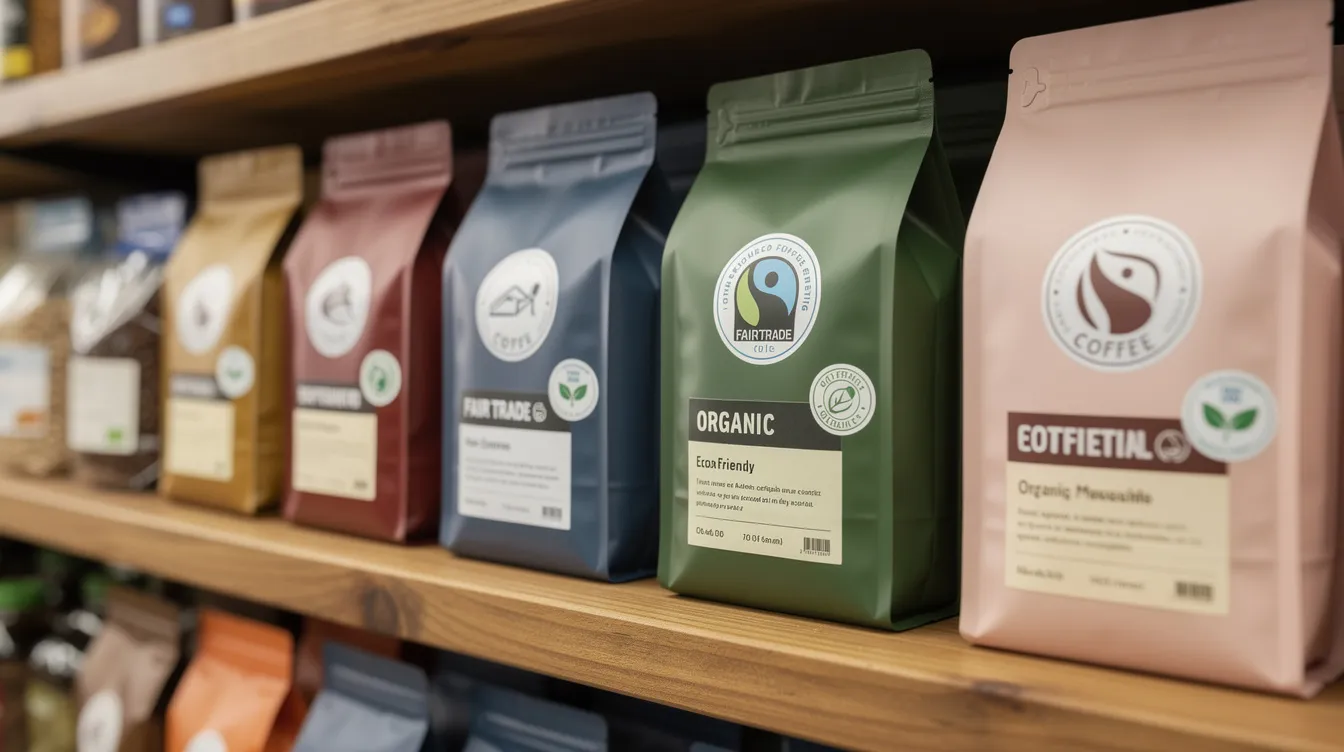
This side-by-side snapshot covers the core performance, quality, price, and impact differences between organic and fair trade certified coffee. Look for the USDA Organic seal (green and white circle) or the Fair Trade Certified mark (black and white logo with an arc and arrow) on bags to identify certified coffee in stores and spot coffee certified under third-party programs.
Option A: Organic Coffee – Performance, Benefits, and Limitations
Organic coffee is certified coffee grown without synthetic fertilizers or pesticides, following standards like USDA Organic (in effect since 2002). Organic coffee must be grown on land free from chemicals for three years before it can carry the organic label. Organic certification is regulated by the USDA and EU standards, though requirements vary by country and region. It is also verified through third-party inspections under strict standards.
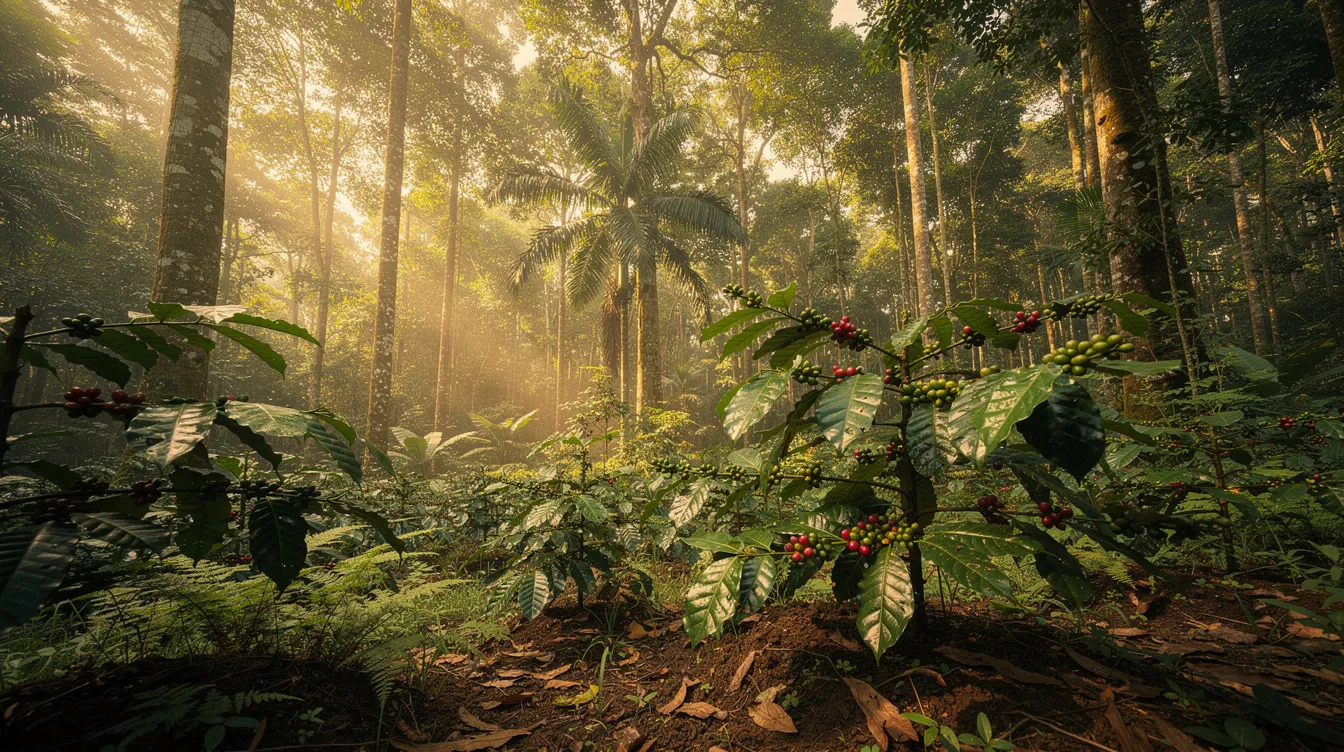
Environmental performance. A 2025 systematic review of 43 peer-reviewed studies found that organic management in coffee production improved soil health, boosted biodiversity, reduced chemical runoff, and encouraged better agroforestry practices. Organic practices can lead to healthier soils rich in biodiversity. Organic farming methods promote biodiversity and protect wildlife habitats, protect local watersheds, and reduce soil erosion through sustainable farming methods. Organic coffee farming also contributes to a reduced carbon footprint compared to conventional coffee production.
Quality and flavor. Shade-grown organic agroforestry systems in regions like Peru, Honduras, and Ethiopia can yield nuanced, complex flavors-think floral acidity, citrus brightness, and herbal depth. Organic coffee often has a richer flavor profile when sourced from high-altitude farms with careful post-harvest handling. However, lower-input organic farms under financial stress may produce more variable quality. Organic coffee is free of synthetic chemical residues, which appeals to health-conscious consumers.
Usability. U.S. shoppers find organic coffee beans in grocery chains, natural food stores, and specialty roasters. Organic status does not dictate roast level or brew method-organic beans work equally well for drip, espresso, pour-over, and cold brew. Look for the USDA Organic seal or EU Organic leaf logo on packaging.
Limitations. Transitioning to organic can lower yields during the initial period, and organic certification can be costly for farmers. Farmers may need to invest in new equipment for certification. Organic coffee can sometimes earn higher prices due to consumer demand for certified products, but those premiums do not always reach producers. Critically, organic certification does not guarantee fair pay, safe working conditions, or ethical sourcing practices. The average U.S. retail price for organic whole-bean coffee is roughly $18.42 per pound versus $7.95 for conventional-a meaningful gap.
Editorial example. A typical organic medium-roast Latin American single origin (think Guatemala or Peru) sold in U.S. supermarkets will likely deliver caramel sweetness, mild cocoa notes, and balanced acidity. It brews well in drip machines and pour-over setups. The drawback: limited harvest traceability and sometimes average complexity if the roaster prioritizes volume over careful lot selection.
Option B: Fair Trade Coffee – Performance, Benefits, and Limitations
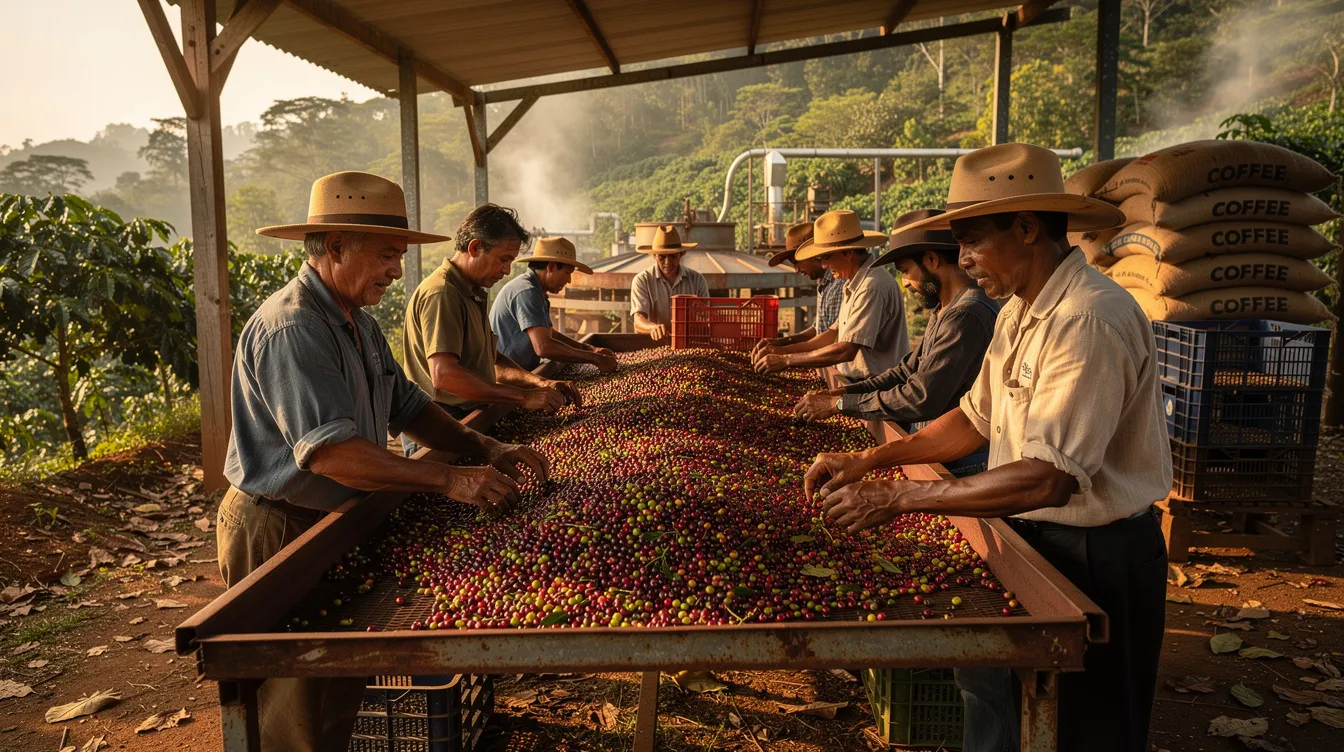
Fair trade coffee is about ethical sourcing and trade terms. Fair trade certified coffee prioritizes social and economic fairness for producers. Fair trade certification ensures farmers receive fair prices for their beans, enforces labor protections, bans forced labor, and channels premiums into community development funds across the coffee supply chain.
Certifiers and guarantees. Fairtrade International and Fair Trade USA are the two major certifiers. When you see a Fair Trade Certified mark or Fairtrade Mark on a bag, it guarantees that coffee farmers were paid at least a minimum price, that fair trade standards around safe working conditions were met, and that a premium was paid into cooperative funds. Fair trade coffee requires compliance with social and economic standards. In 2021, fair trade coffee partners generated $31 million in Community Development Funds. Fair trade provides stronger bargaining power for cooperatives and producer organizations. Consumers gain ethical assurance with fair trade coffee regarding labor practices.
Social and economic impact. Fair trade certification ensures farmers receive a minimum price for coffee, buffering them against volatile global markets. As of December 1, 2026, Fairtrade International raised the minimum price for washed Arabica to $2.00 per pound (from $1.80). Many farmers in the system benefit from premiums invested in local schools, health clinics, and infrastructure, improving living conditions in farming communities. Fair trade coffee supports safe working conditions for farmers and ensures workers are paid fairly.
Quality and flavor. Fair trade coffee began with commodity-grade coffee blends, but now includes specialty lots. Choosing fair trade coffee does not dictate flavor-certification alone does not score cup quality. Many fair trade coffee blends are designed for approachable, chocolatey profiles suited to drip or cold brew. Some fair trade certified single-origins rival the best specialty coffee in complexity.
Availability. U.S. consumers most often encounter fair trade coffee in national grocery brands, big-box stores, and office coffee programs. The label is distinct from vague “ethically sourced” marketing claims, which lack standardized third-party verification.
Limitations. Fair trade certification can be bureaucratic and time-consuming. Not all farmers can participate in the fair trade market because limited access to cooperatives, credit, training, or certification resources can keep producers out. Cooperative-level benefits do not always reach individual workers evenly. Fair trade minimum prices, while helpful, may still lag behind what top specialty lots fetch on the open market. Fair trade standards do not prevent the use of synthetic pesticides or fertilizers.
Editorial example. A fair trade medium-dark roast blend designed for automatic drip machines will likely offer smooth body, chocolate and nutmeg notes, and low acidity. Good value for everyday brewing. The drawback: less nuanced origin character and potentially less freshness precision than a specialty single-origin.
Winner by Use Case: When Organic or Fair Trade Coffee Makes More Sense
There is no single winner-the best choice depends on how you brew, what you value, and what you spend.
For health-conscious home brewers concerned about synthetic chemicals, organic coffee is the natural starting point. It eliminates synthetic pesticides from the farming process and uses natural fertilizers, though roasted beans carry minimal residues regardless of certification. For environmentally focused buyers who want to minimize environmental impact, organic or dual-certified organic and fair trade coffee is strongest-look for shade-grown and agroforestry labels for even greater positive impact on biodiversity and future generations.
Budget-minded shoppers get better ethical value from fair trade certified blends, which typically carry a smaller premium than organic single-origins. Office coffee programs benefit from fair trade blends: consistent flavor, ethical credibility, reasonable cost per cup. Café owners building a responsible menu can stock both-traceable organic single-origins for pour-over and fair trade blends for batch drip-to cover different customer priorities.
For espresso drinkers, certification matters less than roast freshness and blend composition; look for quality first, certification second. For filter and cold brew drinkers, both organic and fair trade options perform well.
When budget allows, dual-certified coffee (both organic and fair trade) is the optimal shortcut. You get sustainable farming practices and fair pay in one bag. Advanced buyers sometimes prioritize direct trade or relationship coffee for even greater transparency-covered in the Alternatives section below.
Cost and Value: Price, Premiums, and What You Actually Get
Both organic and fair trade certifications increase retail price compared with conventional coffee. The reasons differ.
Organic coffee costs more because of lower yields per acre, required organic inputs, certification audits, the three-year chemical-free transition, and smaller-scale processing. The result: organic whole-bean coffee averages about $18.42/lb in U.S. retail versus $7.95/lb for conventional-roughly a 2.3× difference.
Fair trade coffee costs more because of minimum price mechanisms, community premiums, cooperative administration, and certification oversight. However, the retail premium is typically more modest (15–30% above comparable conventional blends). A meta-analysis of consumer studies found that U.S. shoppers’ average willingness to pay extra for the fair trade label was about $0.71/lb, versus just $0.11/lb for the organic label-suggesting consumers perceive more tangible value in the social promise of fair trade.
When you pay extra for organic, you mainly buy environmental impact: chemical-free coffee production, healthier soils, and biodiversity protection. When you pay extra for fair trade, you mainly support fair pay, better working conditions, and community projects like education and healthcare for small scale farmers. Both certifications signal stricter standards than generic “sustainably sourced” claims, reducing the risk of greenwashing.
To prioritize value: consider your taste preferences, brew routine, and which impact-environmental or economic justice-matters more before paying for certified coffee. If both matter, dual-certified bags deliver layered benefits along the entire supply chain.
Which Should You Choose? Practical Buying Guide
Start by ranking your personal priorities: flavor performance, environmental impact, ethical sourcing and fair pay, convenience, and price. Your ranking determines the right certification.
If your top two concerns are environmental impact and taste clarity, start with certified organic single-origins from well-known growing regions. These reward careful brewing with complex, clean flavors and deliver verified sustainable practices at the farm level.
If your priority is supporting global coffee communities and fair pay, choose fair trade certified blends from transparent brands. Fair trade coffee makes a measurable difference: fair trade certification ensures farmers receive a minimum price, and the premiums fund schools, clinics, and infrastructure in producing communities around the world.
If budget allows, dual-certified coffee (organic and fair trade) is the simplest one-label shortcut to improved environmental impact and social benefits within the coffee industry, helping support fair trade farmers while also covering environmental priorities. Look for bags carrying both the USDA Organic seal and the Fair Trade Certified mark.
Affiliate disclosure: Capitol City Coffee may earn a commission from products recommended through our links. Rankings are based on researched editorial analysis, not commission rates.
Remember that certifications are only part of the story. Roast date, grind size, brew method, water quality, and proper storage often have more influence on whether you get a delicious cup than the logo on the bag.
Alternatives and Complements: Beyond Organic and Fair Trade
Organic and fair trade are not the only paths to ethical, high-quality coffee. Many coffee producers and specialty roasters use other models.
Direct trade eliminates intermediaries: roasters work closely with coffee farms, negotiate prices directly, and often pay well above fair trade minimums. The trade-off is no standardized third-party certification process, so transparency depends entirely on the roaster’s integrity. Relationship coffee-long-term contracts with specific cooperatives-operates similarly, emphasizing ethical practices and quality without necessarily carrying official labels.
Other certifications appear alongside or instead of organic and fair trade. Rainforest Alliance focuses on sustainable development and biodiversity. Smithsonian Bird Friendly certification requires shade-grown organic farming that supports migratory bird habitats-a strong option for buyers who want to minimize environmental impact.
When evaluating a roaster’s transparency, look for origin detail (country, region, farm or cooperative name), harvest dates, processing methods, and clear sourcing explanations on packaging and websites. Well-documented uncertified green coffee from specialty roasters can deliver excellent quality and ethical value, especially when the roaster publishes what they paid coffee producers per pound.
Certifications help busy shoppers make faster decisions. But in the specialty coffee market, traceability and roaster accountability often matter just as much as any seal.
FAQs: Organic vs Fair Trade Coffee
These questions address common concerns not fully covered above, focused on practical buying and brewing decisions.
Is organic coffee actually healthier for me than regular coffee?
Organic coffee reduces exposure to synthetic pesticides and fertilizers at the farm level, which primarily benefits farm ecosystems and workers. Roasted coffee beans generally contain very low pesticide residues regardless of certification. Major health organizations do not claim that organic coffee is dramatically safer for most consumers. Overall coffee health effects depend more on consumption habits and additives than on organic status.
Does fair trade certification mean the coffee will taste better?
No. Fair trade certification is about trade terms, fair pay, and worker protections-not flavor scoring or cup quality grading. Some fair trade coffees are high-quality specialty lots; others are everyday blends. Taste depends on origin, processing, roast profile, and freshness more than the fair trade label itself.
Is paying extra for coffee that is both organic and fair trade certified worth it?
Dual-certified coffee combines environmental standards with fair pay and community premiums, so the extra cost reflects layered benefits along the supply chain. It is usually worth paying more if both environmental impact and farmer welfare are top priorities. For budget-focused buyers, prioritize one certification that best matches your values and upgrade later.
How do decaf options fit into organic vs fair trade coffee?
Many decaf coffees are available with organic or fair trade certification. Processes like Swiss Water or CO₂ decaffeination are often paired with organic beans for chemical-conscious shoppers. Look for labels that clearly state both the decaffeination method and any certifications, since decaf processing adds another layer of cost and potential flavor trade-offs.
What should I do if my local store has limited certified coffee options?
Start with the most transparent option on the shelf, even if it carries only one certification. Read packaging for origin details, cooperative names, or ethical sourcing claims you can verify online. Consider exploring reputable online retailers, subscription services, or local roasters that explain their sourcing in depth. A well-documented bag of uncertified coffee from a transparent business can still deliver strong ethical and quality value.
How Capitol City Coffee Rates Coffee and Coffee Machines
Every coffee and coffee machine we recommend is scored on the same 100-point scale, so a recommendation on one page means the same thing as a recommendation on any other. Each pick is also labeled with how we reached its score.
Research-ratedScored from the roaster or manufacturer’s published specifications, independent results such as Coffee Review blind cuppings and SCA brewer certification, and patterns across verified buyer reviews. Most of our current picks are research-rated.
Hands-on testedThe Capitol City Coffee team has brewed the coffee or used the machine ourselves, following the testing steps below. We only use this label when that testing actually happened, and we show the date we tested.
Coffee beans: 100-point scale
What we score
Points
What we look at
Origin and sourcing transparency
20
Country, region, farm or cooperative, altitude, bean variety, and processing method are clearly disclosed.
Flavor evidence
25
Independent cupping scores, how closely the tasting notes match what the origin is known for, and our own cupping notes when hands-on tested.
Roast and freshness
15
Roast level stated, roast-date practices, whole-bean availability, and packaging with a one-way valve or resealable bag.
Brew versatility
15
How well the roast suits pour-over, drip, French press, cold brew, and espresso.
Value
15
Price per ounce compared with similar single-origin coffees or blends.
Buyer feedback
10
Volume and consistency of verified reviews, and recurring complaints about staleness, bitterness, or shipping.
Coffee machines and gear: 100-point scale
What we score
Points
What we look at
Brewing performance
25
Water temperature in the 195–205°F range, even extraction, and SCA certification or published test data.
Build quality and reliability
20
Materials, known failure points, and long-term owner reports.
Ease of use and cleaning
15
Setup, the daily routine, descaling, and dishwasher-safe parts.
Fit for your kitchen
10
Capacity, counter footprint, and noise.
Useful features
10
Programming, grind and temperature control, and carafe type. Features that improve the cup count more than extras that do not.
Value
10
Price compared with machines that perform similarly.
Warranty and support
10
Warranty length, parts availability, and how the brand handles repairs.
What the grades mean
Score
Grade
What it means
90–100
A
Exceptional. Our first recommendation for the feeling and setting described.
80–89
B
Strong. Excellent, with minor trade-offs we explain.
70–79
C
Good. Worth it for specific needs, with clear compromises.
Below 70
—
Not recommended. We do not feature these as picks.
How we test hands-on
When a pick carries the Hands-on tested label, this is the method behind it, and we note the date we tested.
Coffee: brewed fresh from whole beans following Specialty Coffee Association guidelines (water between 195 and 205°F, about 1 gram of coffee to every 15 to 18 grams of water) in the brew methods the roast suits best, such as pour-over, French press, or espresso. We taste it black first, then with milk if that is how most people drink it, and each taster scores it on their own before we compare notes.
Machines: used in our everyday routine rather than a single demo. We brew both full and small batches, check the brewing temperature and brew time, and run the cleaning or descaling steps the manual calls for.
How we choose the feeling and setting
We match each coffee to a mood and a moment based on its flavor profile and roast. Bright, citrusy light roasts suit energizing mornings. Chocolatey, full-bodied medium roasts suit slow or social moments. Richer roasts suit espresso and milk drinks. Each pick explains which facts led us to that match.
Our scores stay independent
Every score comes only from the criteria above. No brand can pay for a pick or a higher grade. We re-check ratings when a roast, listing, or model changes, and update or remove picks that no longer earn their grade.
Some links on this page are affiliate links. As an Amazon Associate, Capitol City Coffee earns from qualifying purchases, at no extra cost to you.
Questions about a rating? Reach the Capitol City Coffee team through our contact page.