


With NO Additional cost to you, as an Amazon Associate, I earn from qualifying purchases. This page contains affiliate links; we may earn a commission if you buy through them.
Best home espresso & latte machine
If you came here for café-style espresso at home, start with the Breville Bambino Plus: fast heat-up, PID temperature control, and an automatic steam wand for lattes.
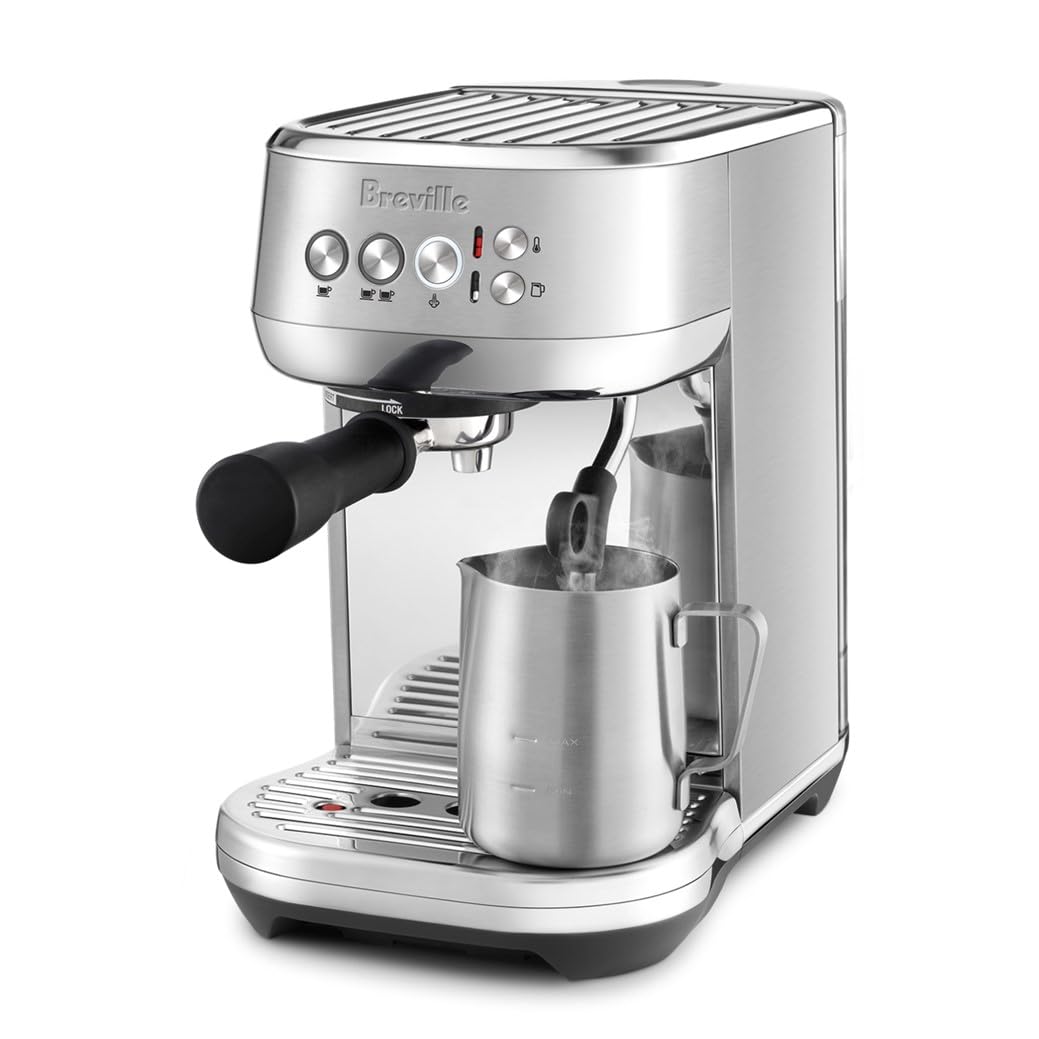
Pair it with a burr grinder for fresh beans. Not sure espresso is your main drink? Compare drip and all-in-one picks below.
More ways to brew at home
Tap a drink type to jump to that pick card.
- Espresso & lattes Bambino Plus
- Everyday drip Fellow Aiden
- Tight budget Braun BrewSense
- All-in-one Ninja Luxe Café Pro
Best for everyday drip coffee
Fellow Aiden
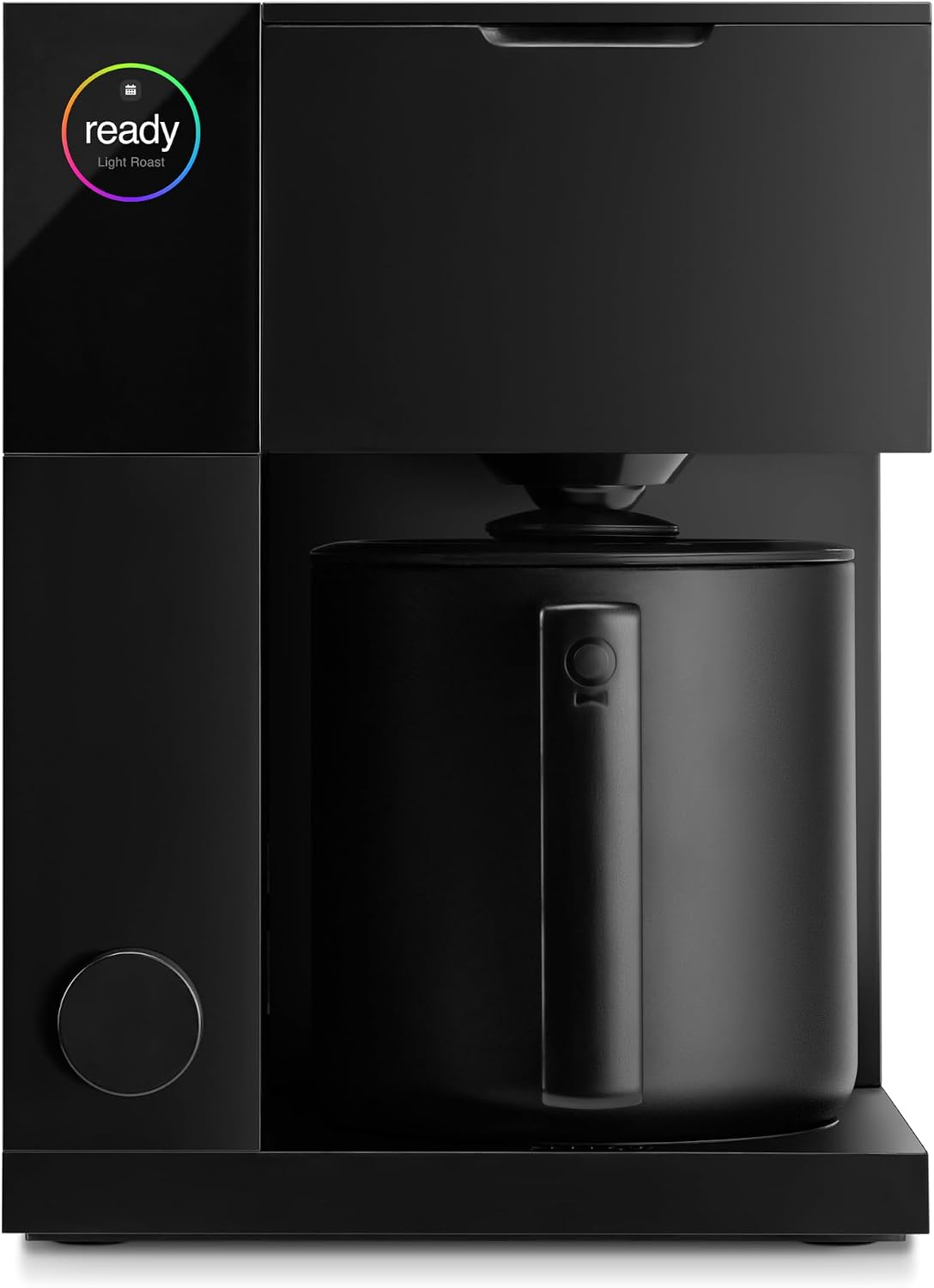
Pour-over-style drip from one cup to a 10-cup thermal carafe, with roast presets and scheduled brewing.
Skip it if: you want the simplest or cheapest pot of coffee.
Check Fellow Aiden on AmazonBest for espresso and lattes
Breville Bambino Plus
Compact espresso machine with PID temperature control and an automatic steam wand that textures milk for you.
Skip it if: you do not want to buy a separate burr grinder or learn to dial in shots.
Check Bambino Plus on AmazonBest on a tight budget
Braun BrewSense 12-Cup
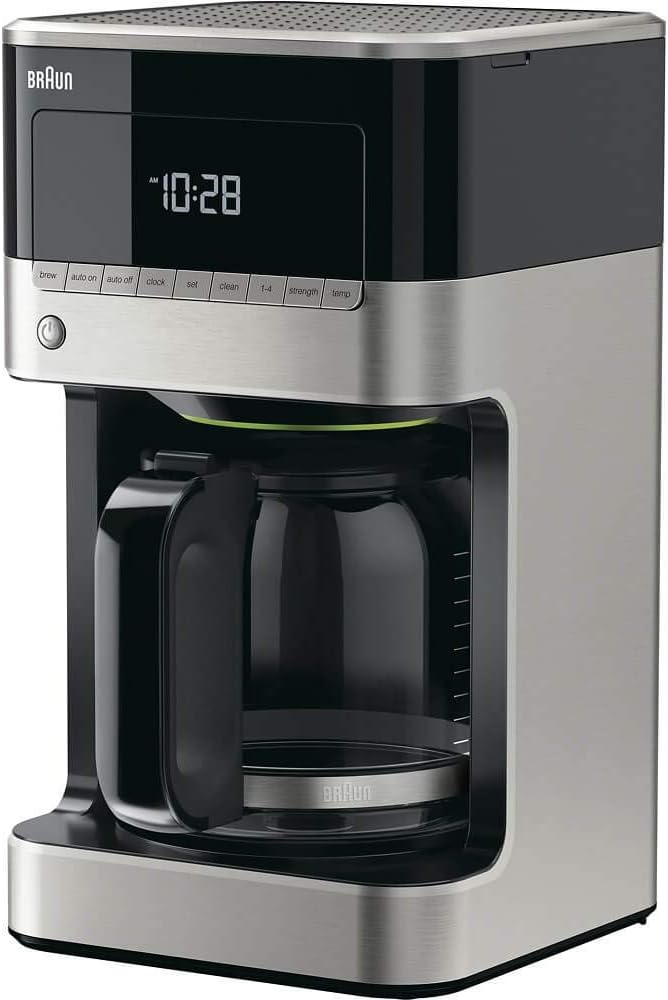
12-cup programmable drip with a 1–4 cup setting, brew-strength control, and a 24-hour timer.
Skip it if: you want a thermal carafe. It uses a glass carafe on a warming plate.
Check Braun BrewSense on AmazonBest all-in-one: espresso, drip, cold brew
Ninja Luxe Café Pro (ES701)
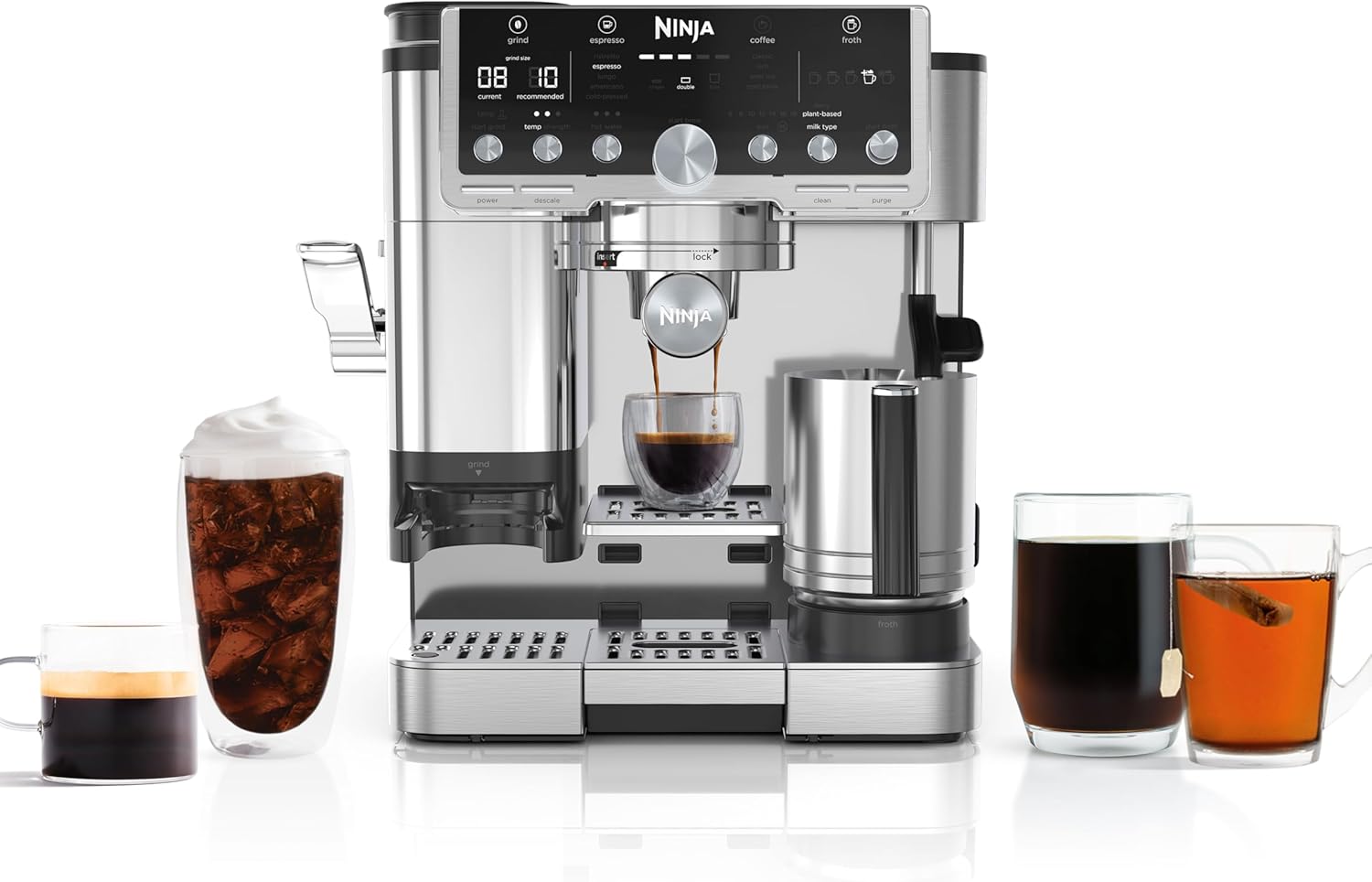
Built-in grinder and scale, espresso, drip coffee, cold brew, and a hot-water spout in one machine.
Skip it if: counter space is tight or you want the very best espresso or drip from a single-purpose machine.
Check Ninja Luxe Café Pro on AmazonStart smaller: beans and accessories
These machines convert well to Amazon clicks, but a $300–$1,000 purchase often waits. If you already have a maker—or you are not ready to buy one today—these are the lower-cost add-ons we pair with the picks above.
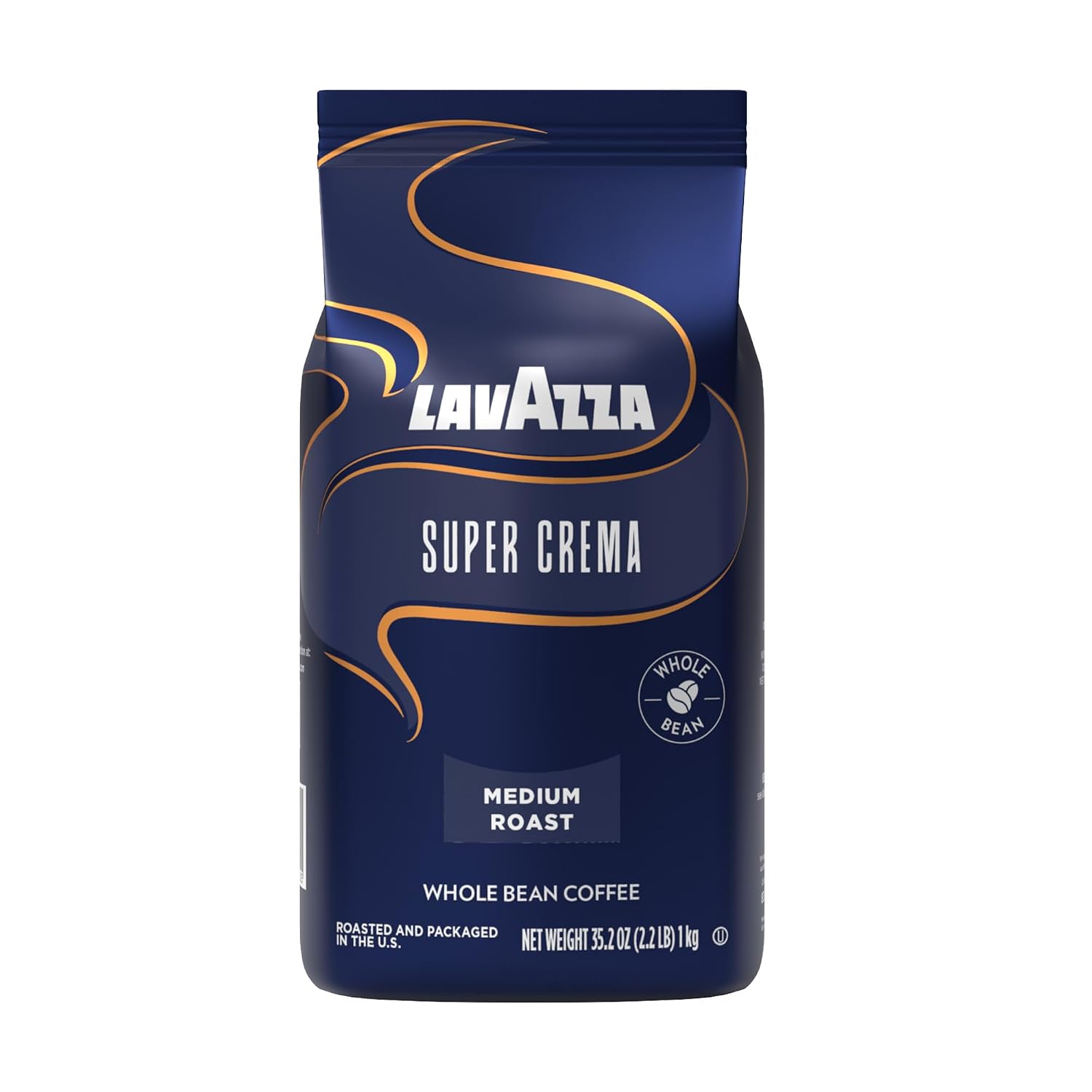
Espresso beans
Lavazza Super Crema
Everyday espresso blend for the Bambino Plus, Barista Express Impress, and Ninja espresso drinks. Fresh bags convert more often than a new machine.
Check Super Crema on Amazon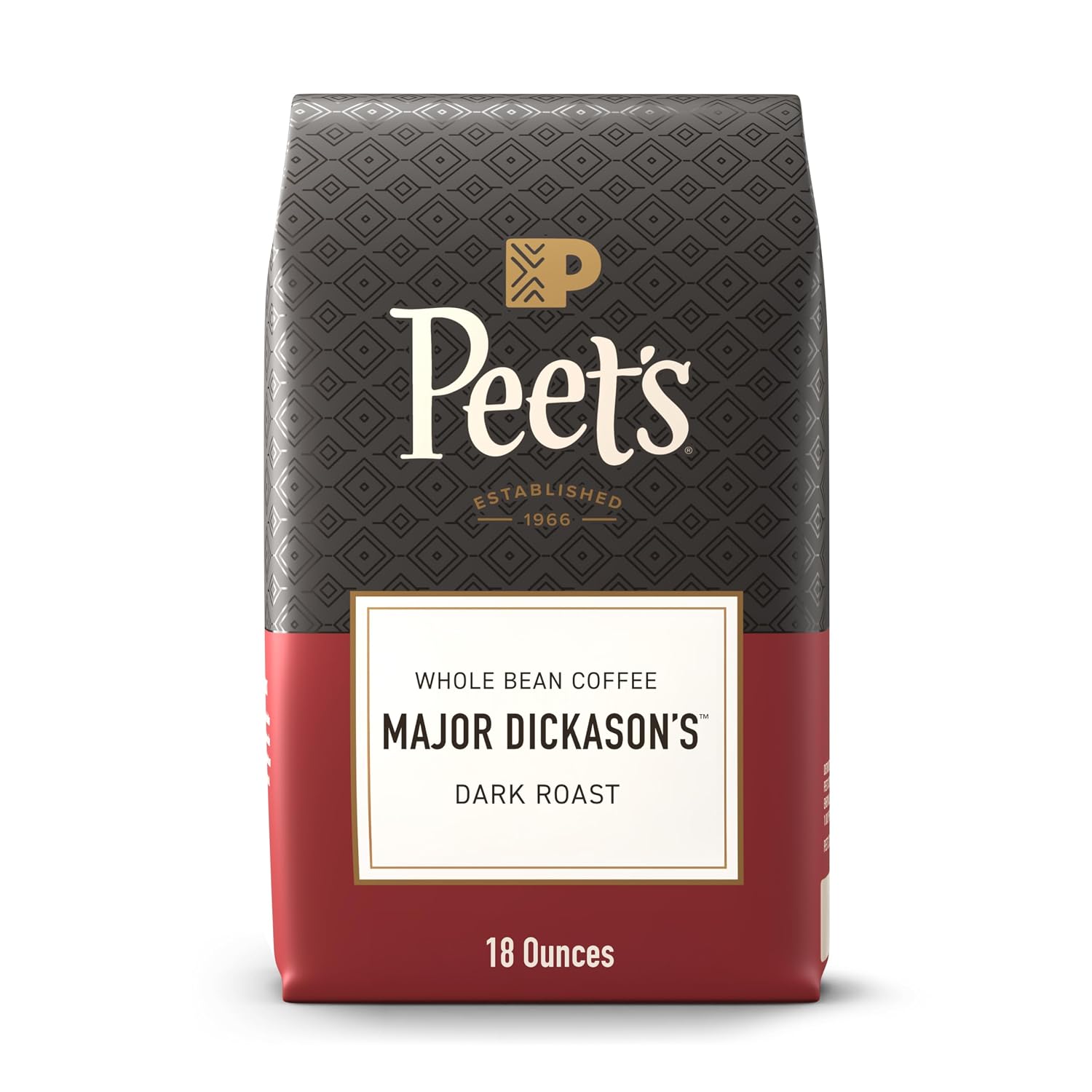
Drip beans
Peet’s Major Dickason’s
Dark, forgiving drip coffee for the Fellow Aiden, Braun BrewSense, OXO 12-Cup, and Zojirushi Zutto.
Check Major Dickason’s on Amazon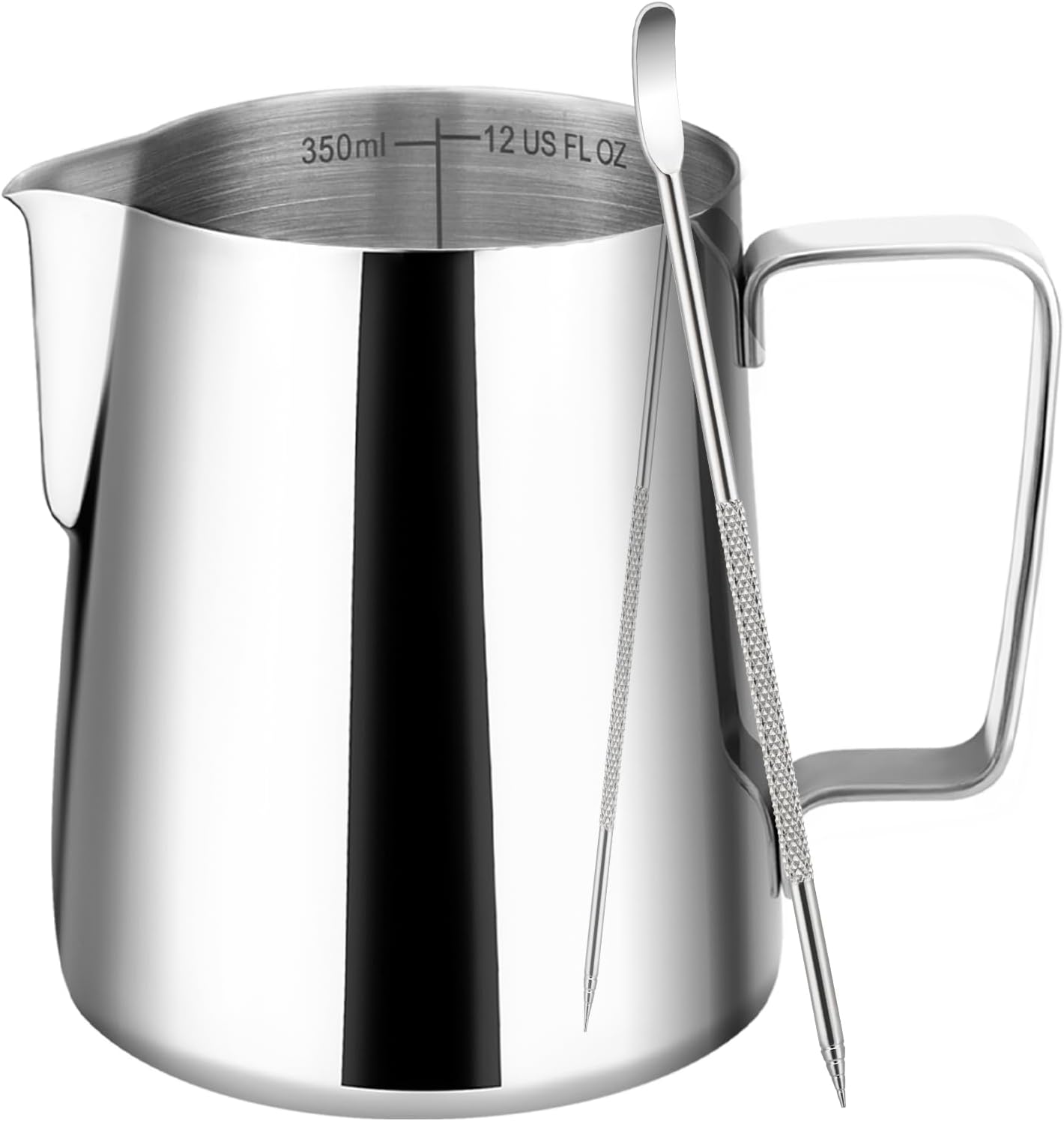
Latte accessory
Milk frothing pitcher
Pairs with the Bambino Plus and other steam-wand machines. Useful if you already clicked an espresso maker and want a smaller cart total.
Check pitcher on Amazon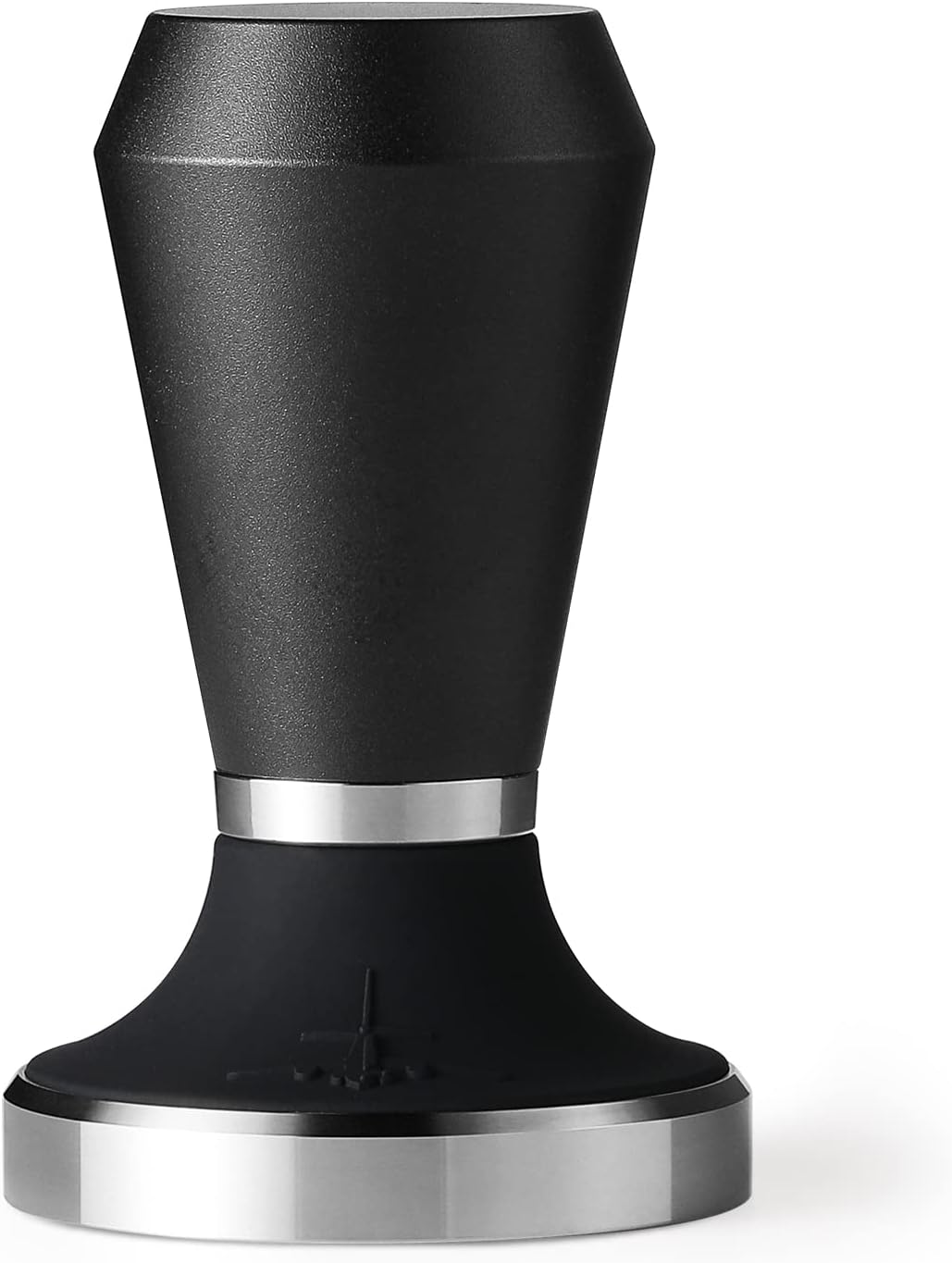
Espresso accessory
MHW-3Bomber 58 mm tamper
Fits 58 mm baskets such as Gaggia Classic Evo Pro. Bambino Plus and Barista Express Impress use 54 mm, so this tamper is not for those machines.
Check 58 mm tamper on AmazonCompare all 10 picks
Who each machine suits and its main trade-off. Prices change often, so check the current price on Amazon.
| Model | Best for | Main trade-off | Amazon link |
|---|---|---|---|
| Fellow Aiden | Everyday drip and black coffee, one cup to a full carafe | Premium price; more settings than some people need | Check Fellow Aiden on Amazon |
| Breville Bambino Plus | Lattes and cappuccinos in a small kitchen | Needs a separate burr grinder | Check Breville Bambino Plus on Amazon |
| Braun BrewSense KF7150BK | Tight budgets and full 12-cup pots | Glass carafe on a warming plate | Check Braun BrewSense KF7150BK on Amazon |
| Ninja Luxe Café Pro ES701 | Espresso, drip, and cold brew from one machine | Large footprint and more parts to clean | Check Ninja Luxe Café Pro ES701 on Amazon |
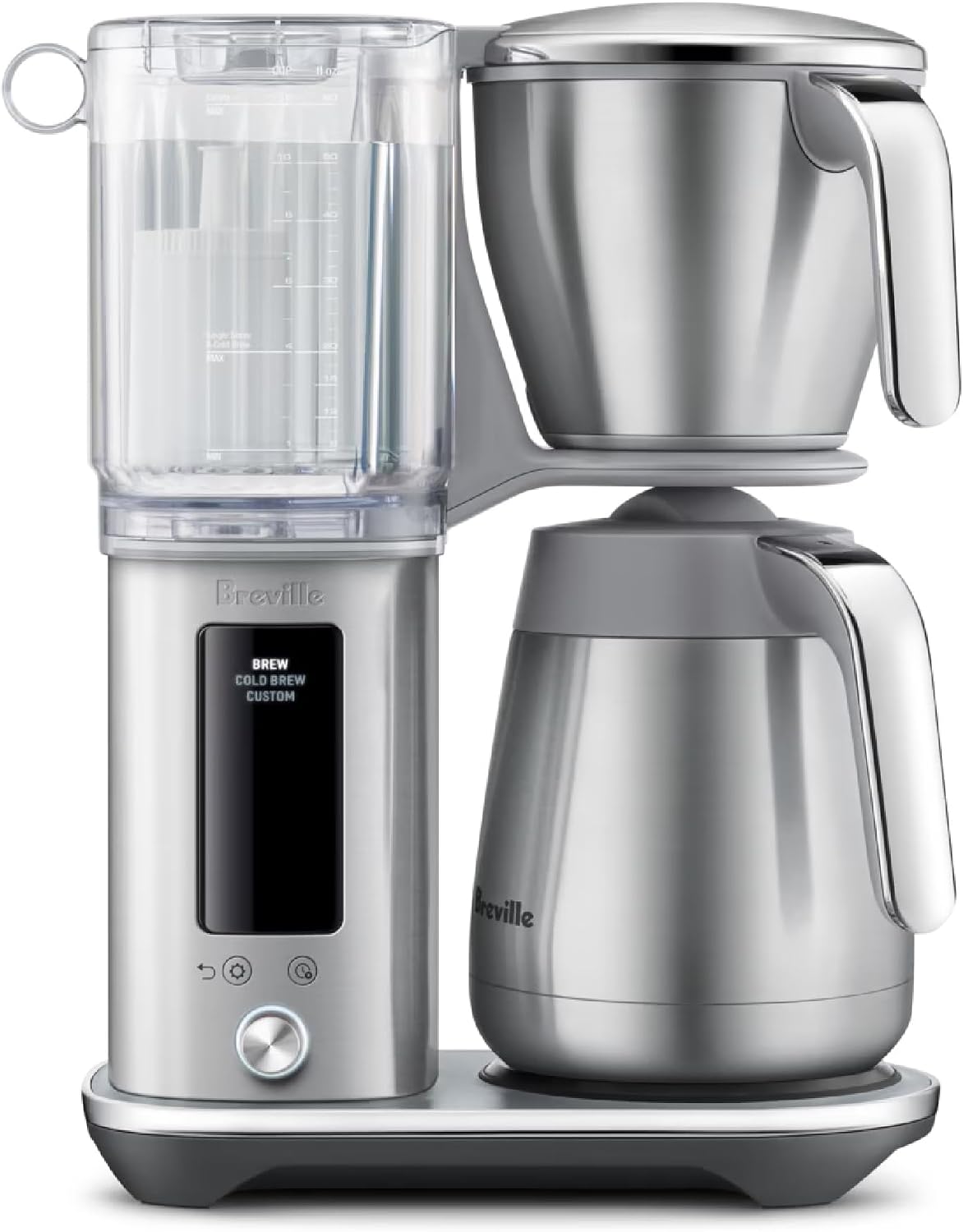 Breville Luxe Brewer Breville Luxe Brewer | Coffee geeks who want hot and cold brew | Custom settings take time to learn | Check Breville Luxe Brewer on Amazon |
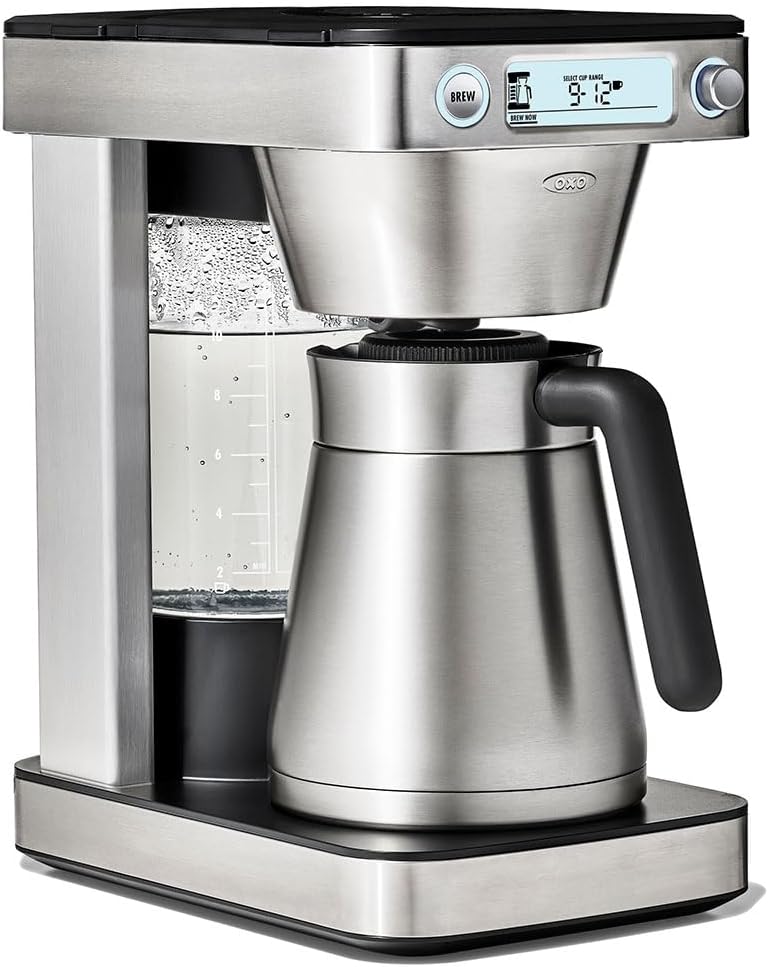 OXO Brew 12-Cup OXO Brew 12-Cup | Families; a single mug up to a full 12-cup pot | Large footprint; costs more than most drip brewers | Check OXO Brew 12-Cup on Amazon |
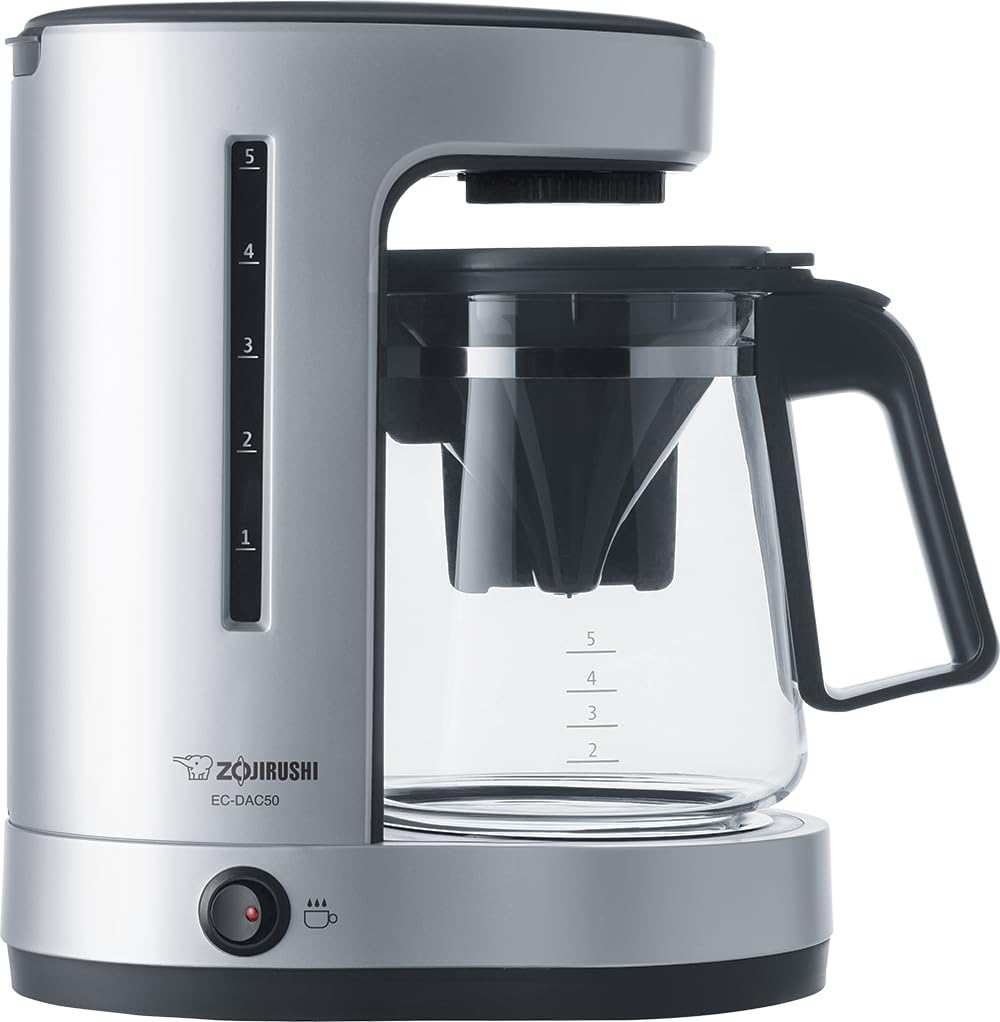 Zojirushi Zutto 5-Cup Zojirushi Zutto 5-Cup | One or two drinkers with little counter space | 5-cup maximum and basic controls | Check Zojirushi Zutto 5-Cup on Amazon |
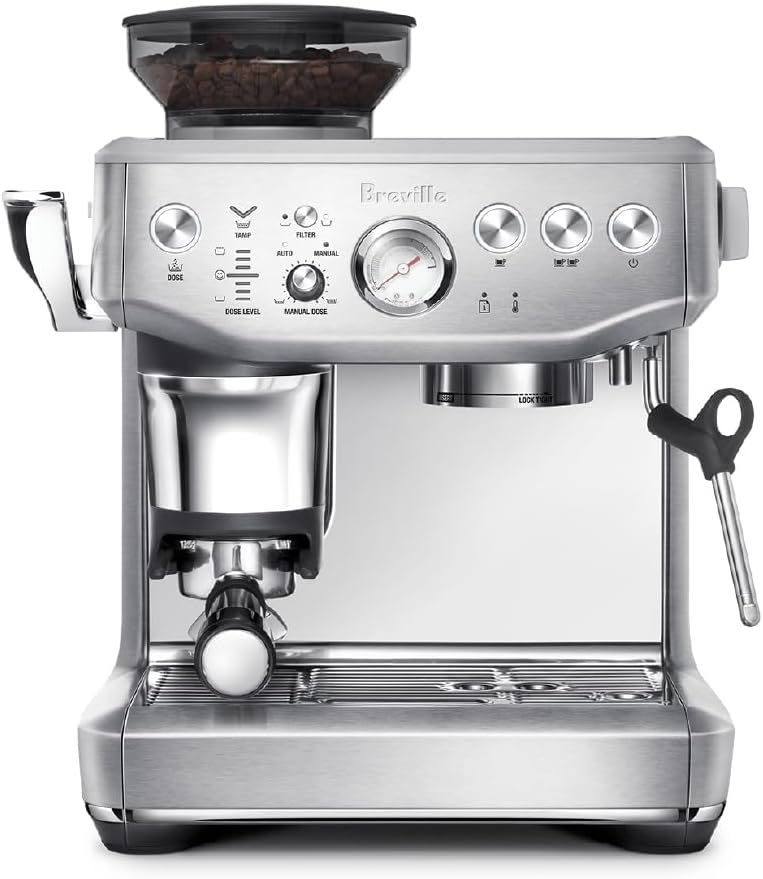 Breville Barista Express Impress Breville Barista Express Impress | Espresso beginners who want a built-in grinder | Bigger footprint; the built-in grinder limits upgrades | Check Breville Barista Express Impress on Amazon |
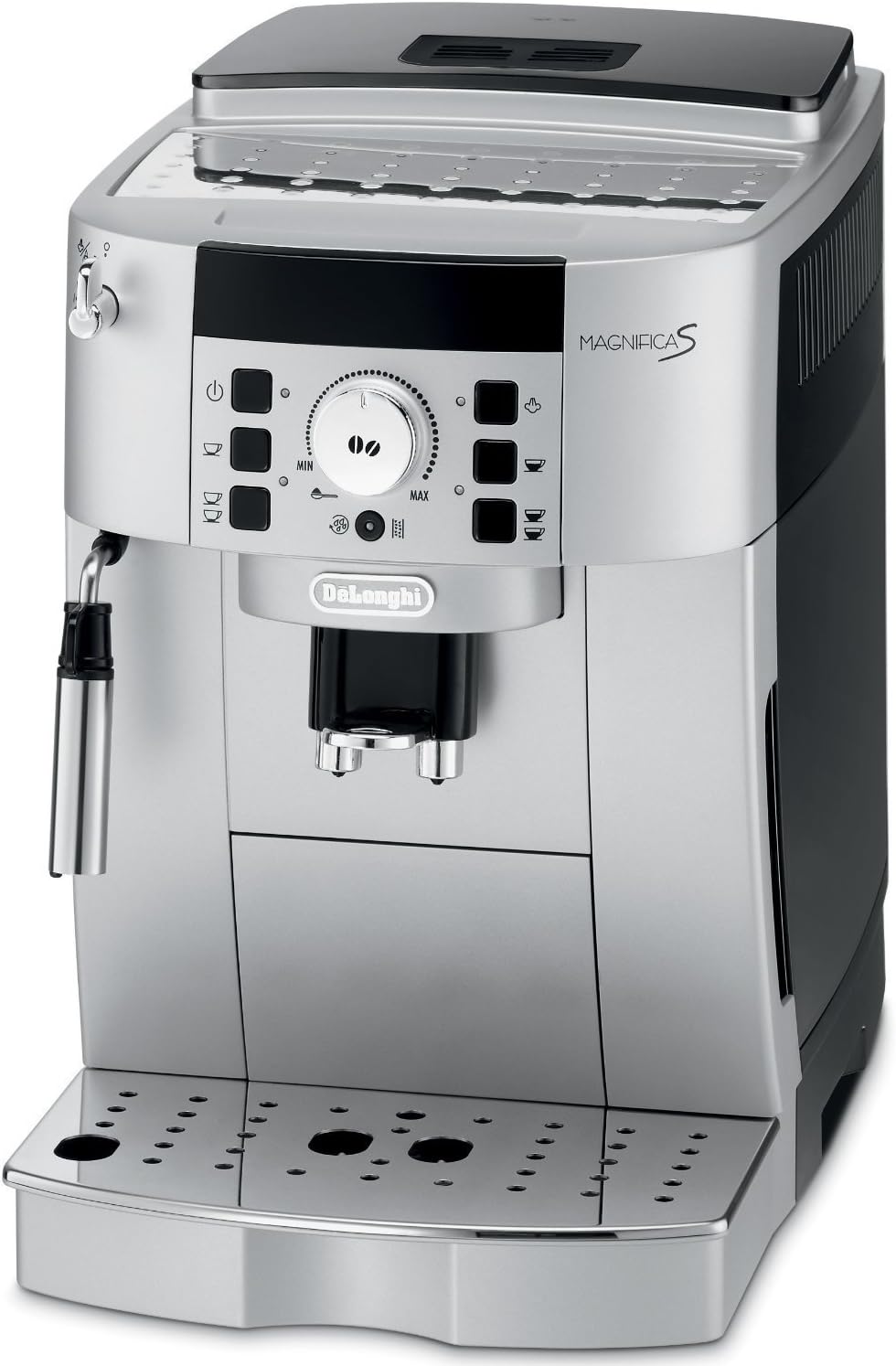 De’Longhi Magnifica XS (ECAM22110SB) De’Longhi Magnifica XS (ECAM22110SB) | Push-button espresso and Americanos | Milder shots than a manual machine; manual frother | Check De’Longhi Magnifica XS (ECAM22110SB) on Amazon |
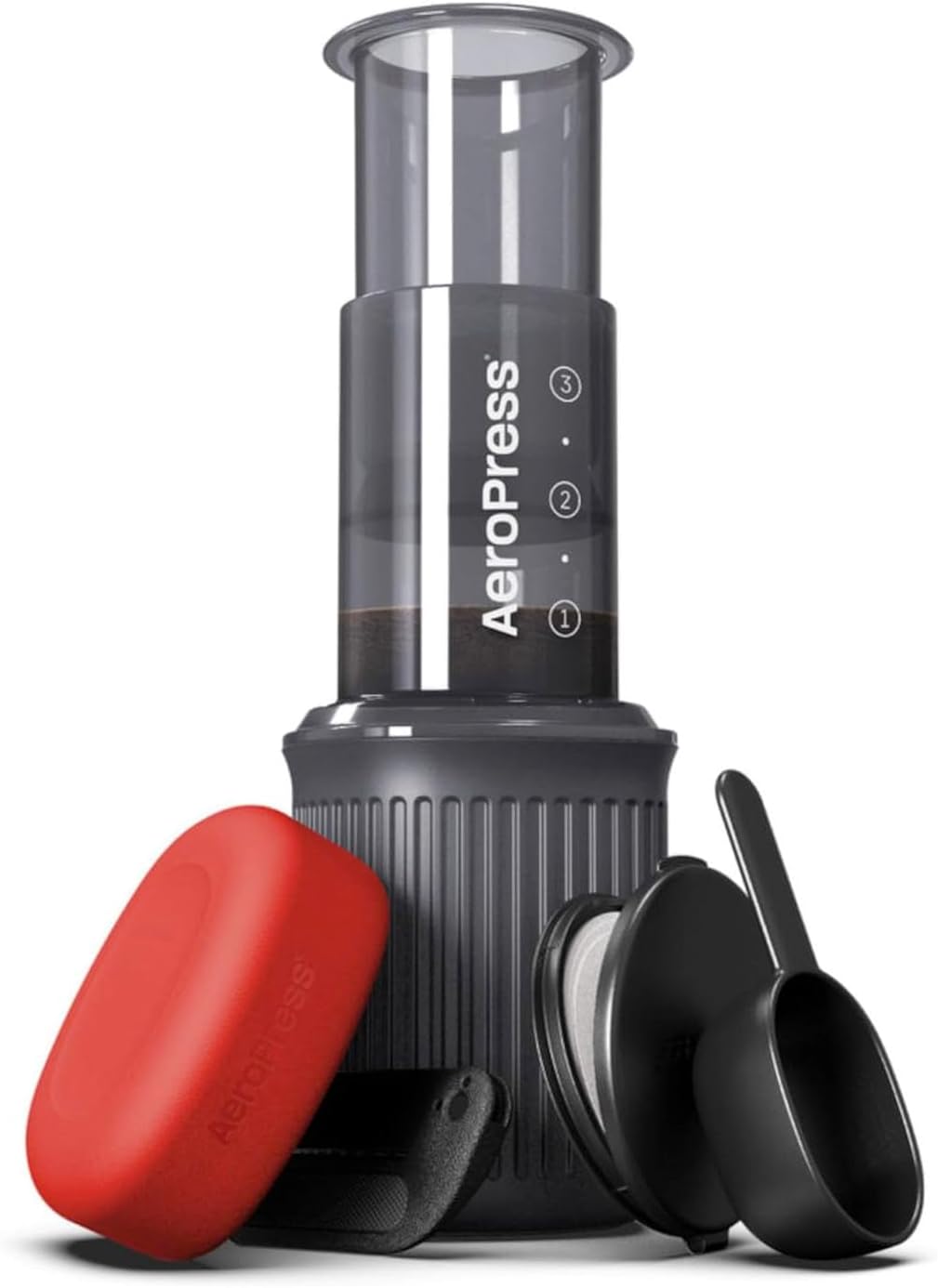 AeroPress Go AeroPress Go | Travel and single cups | One 8 oz cup at a time, brewed by hand | Check AeroPress Go on Amazon |
Affiliate Disclosure
Capitol City Coffee is an independent coffee editorial site. Some links in this guide may earn us affiliate commissions at no extra cost to you. Rankings are based on researched editorial analysis and third-party expert consensus-not on commission rates or sponsorship. No brands reviewed here have paid for placement.
Quick Answer & Top Picks (Best Coffee Makers Right Now)
For most households, the best coffee maker is a modern drip or hybrid machine that balances brew quality, programmability, and counter space. Espresso machines and cold brew setups serve more specific needs. The coffee maker market includes various styles such as pour-over, pod systems, super-automatics, and classic drip, so narrowing down what you actually drink every day is the fastest way to find the right pick.
Top picks right now
Best overall all-rounder
Ninja Luxe Café Pro 701
One-touch espresso, filter-style coffee, and cold brew in one machine for mixed households.
Check Ninja Luxe Café Pro on AmazonBest drip / pour-over flavor
Fellow Aiden
Pour-over-style drip with precise control over brew temperature and brew time.
Check Fellow Aiden on AmazonBest geek drip + cold brew
Breville Luxe Brewer
Advanced programmability plus a dedicated cold-brew program in one drip machine.
Check Breville Luxe Brewer on AmazonBest compact espresso
Breville Bambino Plus
Small-counter espresso and auto-steam milk for lattes and cappuccinos.
Check Bambino Plus on AmazonBest budget super-automatic
De’Longhi Magnifica XS
Push-button Americanos and cappuccinos. Sold in the U.S. as Magnifica XS (ECAM22110SB).
Check Magnifica XS on AmazonBest large-capacity drip
OXO Brew 12-Cup
Family-size drip for entertaining without a row of extra settings.
Check OXO Brew 12-Cup on AmazonBest travel / small kitchen
AeroPress Go
Ultra-portable single-serve manual brew for travel and tiny counters.
Check AeroPress Go on AmazonThese picks are based on researched editorial analysis drawing on SCA guidelines, expert reviews from publications like WIRED and Tom’s Guide, and aggregated owner feedback-not lab measurements performed by Capitol City Coffee.
Below you’ll find stacked comparison cards, category deep dives, a buying guide, maintenance advice, and FAQs. Jump to whichever section fits your needs.
At-a-Glance Comparison (Top Coffee Makers)
Each card below stacks the specs that matter most, with a product photo and an Amazon link. Scroll the cards on your phone; on a bigger screen they sit two across. Use them to narrow your shortlist before the detailed picks.
All-in-one hybrid
Ninja Luxe Café Pro ES701
- CapacityMulti-serve / single cup
- Brew tempYes
- ProgramFull control
Precision drip
Fellow Aiden
- Capacity1–10 cups, thermal carafe
- Brew tempFull control (122–210°F)
- ProgramApp + manual
Premium drip + cold brew
Breville Luxe Brewer
- Capacity60 oz tank, thermal carafe
- Brew tempFull control
- ProgramGold Cup, cold brew
Drip (SCA certified)
OXO Brew 12-Cup
- Capacity12-cup (60 oz) thermal carafe
- Brew tempSCA-range
- ProgramOne-touch + timer
Budget drip
Braun BrewSense KF7150BK
- Capacity12-cup glass carafe
- Brew tempGood
- ProgramTimer + strength
Compact drip
Zojirushi Zutto 5-Cup
- Capacity5-cup glass
- Brew tempBasic
- ProgramMinimal
Fully automatic espresso
De’Longhi Magnifica XS
- CapacitySingle cup
- Brew tempAuto
- ProgramOne-touch
Manual espresso
Breville Bambino Plus
- CapacitySingle / double shot
- Brew tempPID
- ProgramManual
Manual immersion
AeroPress Go
- CapacityOne 8 oz cup
- Brew tempManual (kettle)
- ProgramNone
Coffee Maker | Type | Capacity / Carafe | Brew Temp Control | Programmability | Approx. Footprint | Cleaning Ease | Best For |
|---|---|---|---|---|---|---|---|
Ninja Luxe Café Pro (ES701) | All-in-one hybrid | Multi-serve / single cup | Yes | Full control | Large | Moderate | Multi-drink households |
Fellow Aiden | Precision drip | 1–10 cups, thermal carafe | Full control (122–210°F) | App + manual | Medium | Easy | Pour-over lovers |
Breville Luxe Brewer | Premium drip + cold brew | 60 oz tank, thermal carafe | Full control | Gold Cup, cold brew, custom | Medium-large | Moderate | Coffee geeks |
Oxo 12-Cup | Drip (SCA certified) | 12-cup (60 oz) thermal carafe | SCA-range | One-touch + timer | Large | Easy | Families |
Braun BrewSense KF7150BK | Budget drip | 12-cup glass carafe | Good | Timer + strength | Medium | Easy | Budget buyers |
Zojirushi Zutto 5-Cup | Compact drip | 5-cup glass | Basic | Minimal | Small footprint | Easy | Small kitchens |
De’Longhi Magnifica S / XS | Fully automatic espresso | Single cup | Auto | One-touch | Medium | Moderate | Easy espresso |
Breville Bambino Plus | Manual espresso | Single / double shot | PID | Manual | Compact footprint | Manual flush | Latte lovers |
AeroPress Go | Manual immersion | One 8 oz cup | Manual (kettle) | None | Ultra-small | Very easy | Travel / minimalists |
Best Overall All-Rounder Coffee Maker: Ninja Luxe Café Pro 701
The Ninja Luxe Café Pro (model ES701) is a hybrid brew coffee maker that handles espresso-style drinks, filter-style drip, cold brew, and frothed milk options in a single coffee machine. It earns the “best overall” spot for mixed households because few single machines cover this many drink styles.
Strengths:
- Extremely versatile drink menu: espresso, lungo, classic drip, over-ice, cold brew, and cold foam
- An independent hot-water spout for Americanos and tea, alongside espresso, drip, and cold brew
- Intuitive controls with tactile buttons and a clear interface
- Built-in conical burr grinder (25 settings) with weight-based dosing and a lever-operated integrated tamper
- Strong value versus buying multiple coffee machines (a separate espresso machine, drip brewer, and cold brew maker)
Performance notes: Based on expert reviews, the Ninja delivers solid brew temperature stability in drip modes, with approximate brew times competitive with standalone drip machines. Its cold brew mode produces decent results for an afternoon pick me up, though dedicated cold brew coffee maker setups with longer steep times still edge it out for flavor depth. Milk foam quality is respectable for auto options, though manual steam wands on dedicated espresso machines produce better microfoam.
Limitations: Versatile coffee makers often have larger footprints than single-function machines, and the Ninja is no exception-it demands more counter space than a simple drip coffee maker. There are more parts to clean, and it’s not the absolute best at any single brew method. Espresso finesse falls short of semi-automatic machines, and drip clarity doesn’t quite match the Fellow Aiden.
Ideal user: Multi-drink households in the U.S. that prioritize convenience and variety-including cold brew and iced coffee-over purist espresso or ultra-precise drip, and who have enough counter space to keep one main machine set up.
Check the Ninja Luxe Café Pro (ES701) on Amazon
Best Drip Coffee Makers (Daily Brew Coffee Workhorses)
Drip coffee makers remain the best coffee solution for most people who mainly drink black coffee or simple milk add-ins and need to brew multiple cups at a time with minimal fuss. Drip coffee makers are designed for large batches with minimal effort, making them the backbone of American morning routines.
Key evaluation factors for drip machines include SCA-approved brew temperature and extraction consistency, brew time in the 4–8 minute range, even water distribution through the brew basket, carafe style (thermal carafe vs. glass carafe), programmability (auto-start, adjustable brew strength, small-batch modes), and footprint on the counter.
Here are the standout best drip coffee makers covered in detail below:
Precision drip
Fellow Aiden
Premium precision with pour-over-like results.
Check Fellow Aiden on AmazonPremium drip + cold brew
Breville Luxe Brewer
Highly programmable with cold brew built in.
Check Breville Luxe Brewer on AmazonCompact drip
Zojirushi Zutto 5-Cup
Compact budget choice for small households.
Check Zojirushi Zutto on Amazon
Fellow Aiden: Best Precision Drip Coffee Maker
The Fellow Aiden stands out among other coffee makers because it brings café-level precision to an automatic drip format. Its adjustable temperature range spans from 122°F to 210°F, giving you fine control over extraction that most drip machines simply can’t match.
Brewing process: The Aiden uses a dual shower head for even saturation across the coffee bed, adjustable pre-infusion and bloom settings, and customizable brew time profiles. The result is a great cup of coffee that approaches pour-over clarity without requiring you to stand over a kettle.
Design and usability: A removable tank makes refills easy, interchangeable single-serve and batch baskets let you brew one cup or up to 10, and Wi-Fi connectivity with app control lets you dial in brew settings remotely or save custom recipes. The thermal carafe keeps coffee hot for roughly two hours without a hot plate degrading flavor. The modern design looks good on a countertop.
Constraints: It sits at the premium end of drip brewers, so check the current price on Amazon. There’s a learning curve if you want to explore all the programmable settings, and it may be overkill for users who just want to push one button each morning.
Ideal user: Coffee drinkers who prefer black coffee or minimal milk, want close to the best coffee flavor automatic drip can deliver at home, and are willing to pay for precision and design polish.
Check the Fellow Aiden on Amazon
Breville Luxe Brewer: Best Coffee Geek Drip Brewer with Cold Brew
The Breville Luxe Brewer is one of the high end machines in the premium drip segment, built for users who want deep control over brew temperature, bloom time, flow rate, and volume-plus a dedicated cold brew program in a single machine.
Standout features: Gold Cup (SCA standard), Cold Brew, and Custom presets; adjustable brew temperature, bloom, and flow rate for different roast profiles; a removable 60 oz water tank; and a dual-wall thermal carafe that Breville says keeps coffee above 150°F for up to 4 hours. Breville machines in this class tend to nail the sweet spot between automation and manual control.
Trade-offs reported by reviewers: A slightly more complex interface than simple drip machines, a higher price point, and the risk that casual drinkers may never use the depth of programmability they’re paying for. The brew timer and auto options are excellent, but the interface takes a few sessions to learn.
Luxe Brewer vs. Fellow Aiden: Similar class of premium drip, but the Luxe leans harder into flexible programmability and cold brew integration, while the Aiden focuses on seamless precision and design polish. Both hit SCA-range brew settings consistently.
Ideal user: Home coffee enthusiasts who like experimenting with different beans and roast profiles, want both hot and cold brew from one coffee maker, and are willing to spend for a top-tier drip experience.
Check the Breville Luxe Brewer on Amazon
Oxo 12-Cup Coffee Maker: Best Large-Capacity Drip for Families
Oxo’s 12-cup coffee maker can brew from a single cup to 12 cups in a single batch without sacrificing flavor, making it the go-to for families, shared households, and anyone who regularly needs a full pot ready.
Features: A removable Rainmaker shower head for even saturation, SCA certification (water reaches the grounds at 194–205°F), two brew baskets for 2–4 or 5–12 cups, a double-wall vacuum-insulated 60 oz carafe, a programmable timer for auto-start mornings, and a straightforward digital interface that doesn’t require a manual to operate.
Considerations: The footprint is fairly large, the carafe and lid are hand-wash only, and it costs more than most drip brewers, so check the current price on Amazon.
Value: A strong balance of capacity, performance, and durability for families, light entertaining, or shared households where multiple people brew coffee daily. See more drip brewer write-ups in our coffee maker reviews.
Check the OXO Brew 12-Cup on Amazon
Budget Drip Coffee Makers: Braun BrewSense & Zojirushi Zutto
Many cheap coffee makers struggle to hit proper brew temperature or avoid weak, watery coffee. These two budget picks are the exceptions.
Braun BrewSense (KF7150BK):
- The Braun BrewSense coffee maker can brew 12 cups and has adjustable brew strength, letting you dial in flavor without guesswork
- Braun’s PureFlavor system is designed to control brew temperature and time for fuller flavor
- 1–4 cup setting for small batches and a pause-and-pour anti-drip system
- Programmable timer for morning convenience
- Trade-offs: glass carafe that doesn’t insulate as well as a thermal carafe, and the hot plate can degrade flavor if coffee sits too long. Build quality is functional but basic.
Zojirushi Zutto 5-Cup Coffee Maker (EC-DAC50):
- Compact size ideal for 1–2 coffee drinkers or apartments with limited counter space
- Iced-coffee water lines for a stronger brew over ice, plus a charcoal water filter
- Removable water tank for easy filling
- Glass carafe with automatic keep-warm
- Limitations: 5-cup max capacity and minimal programmability
Quick guidance: Choose the Braun for budget buyers needing 8–12 cups regularly. Choose the Zojirushi for small households or apartments where counter space is at a premium. If you can stretch your budget slightly, stepping up to mid-range drip options gets you better durability and features-but these are credible “cheap but good” coffee makers. Bon Appétit has highlighted both as standout budget performers.
Check the Braun BrewSense on Amazon
Check the Zojirushi Zutto on Amazon
Manual Espresso Machines: For True Home-Barista Workflow
Manual espresso machines offer the highest espresso potential of any category. They’re best for users who want to control grind size, dose, tamp, shot time, and milk steaming-and are willing to learn a more involved brewing process.
Compact espresso
Breville Bambino Plus
PID temperature control and 9-bar brewing in a small footprint.
Check Bambino Plus on Amazon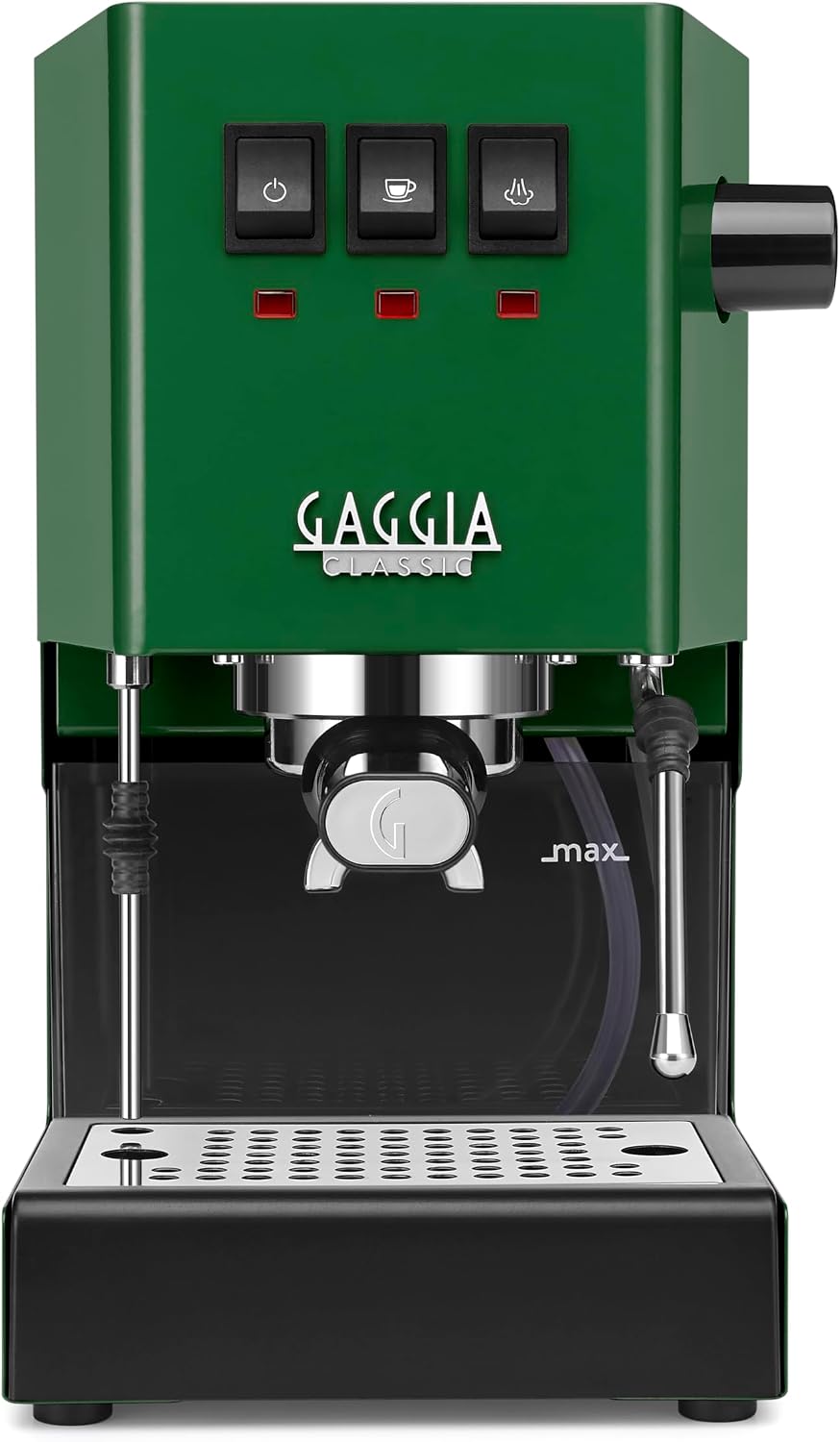
Starter prosumer
Gaggia Classic Evo Pro
58 mm commercial-style portafilter for enthusiasts stepping up.
Check Gaggia Classic Evo Pro on Amazon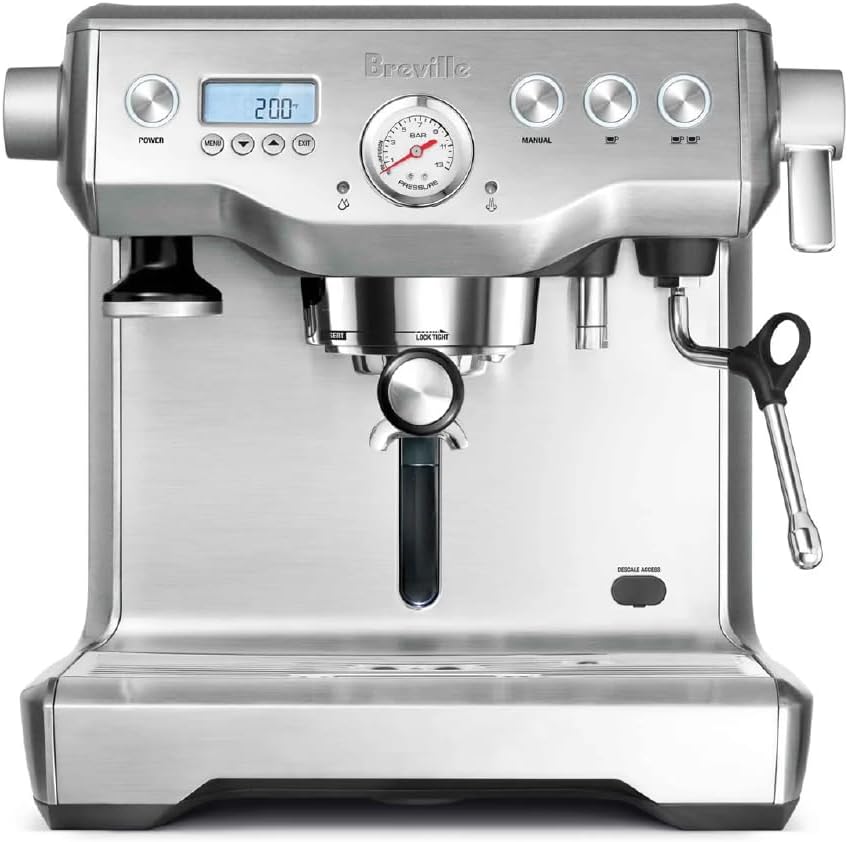
Dual boiler
Breville Dual Boiler
PID dual boilers for serious home baristas who steam while they brew.
Check Breville Dual Boiler on Amazon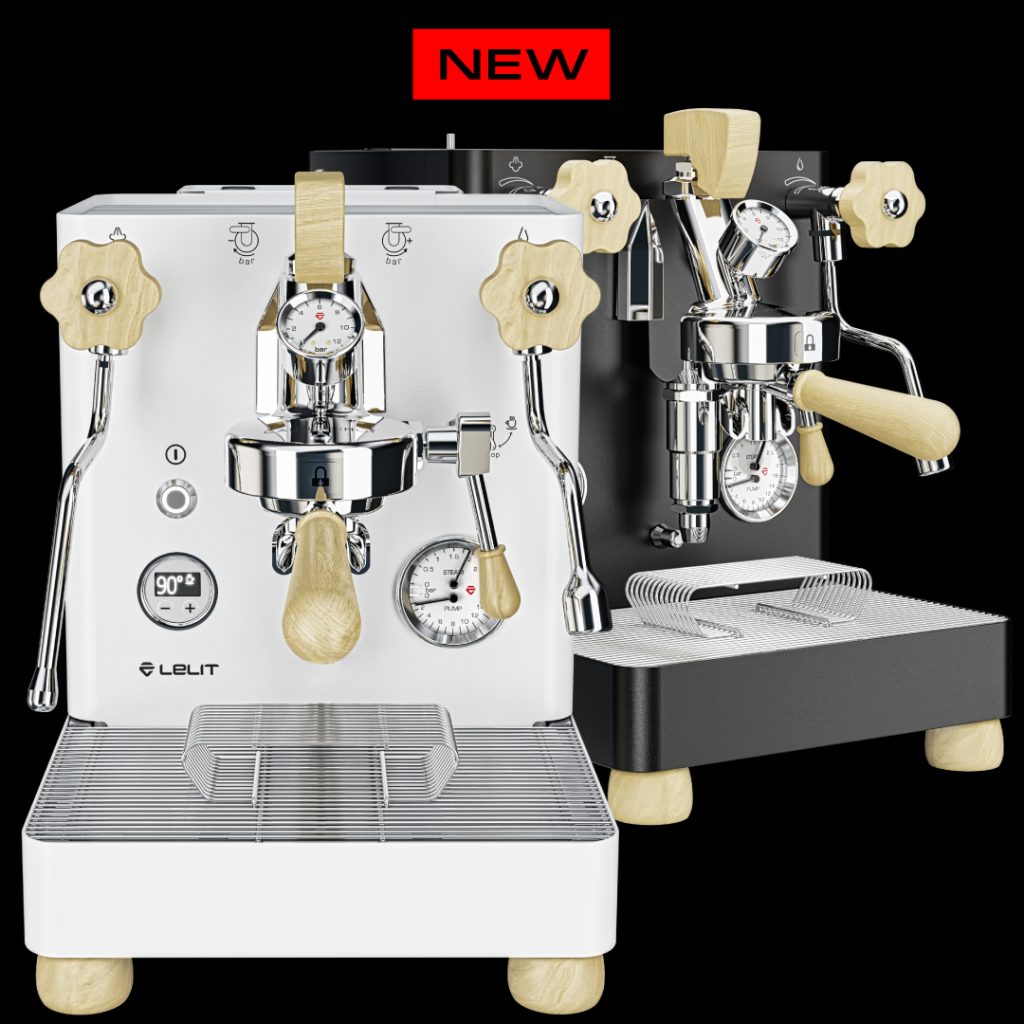
Flow profiling
Lelit Bianca V3
Premium paddle flow-profiling for the deeply committed.
Check Lelit Bianca V3 on AmazonThese machines typically do not include a built in grinder, so pairing with a quality burr grinder (see our best coffee grinders) is essential for pulling perfect shots. Without consistent grind, even a $2,000 machine produces mediocre espresso.
Key models in this category:
Pros: Highest espresso quality ceiling, best upgrade path, long-term durability. Cons: Steeper learning curve, more manual cleaning, and no large-batch brewed coffee or cold brew capabilities.
Breville Bambino & Bambino Plus: Best Compact Espresso Makers for Milk Drinks
The Breville Bambino line delivers serious espresso fundamentals-PID temperature control, 9-bar pressure, and pre-infusion-in a compact footprint that fits kitchens where more counter space simply isn’t available.
Bambino vs. Bambino Plus: The Plus adds faster steam performance and auto milk texturing via a milk frother system, while both share similar espresso brewing capabilities and a small countertop footprint. The Plus is especially forgiving for beginners who want café-style milk drinks without mastering advanced steaming technique.
Workflow: You’ll need a separate burr grinder. Daily use involves dialing in grind size and dose, using the steam wand for lattes and cappuccinos, and cleaning the group head and wand after each session. Descaling follows the manufacturer’s schedule.
Ideal user: Someone who mainly drinks espresso, cappuccinos, or flat whites, is willing to learn a bit, and has limited counter space but wants better taste than most automatic machines deliver at this price. The stainless steel build feels solid for the money.
Check the Breville Bambino Plus on Amazon
“In-Between” Machines: Barista-Assisted with Integrated Grinder
This category blends manual and automatic: machines use a portafilter but include an integrated grinder and assistance with dosing and tamping to simplify espresso workflow.
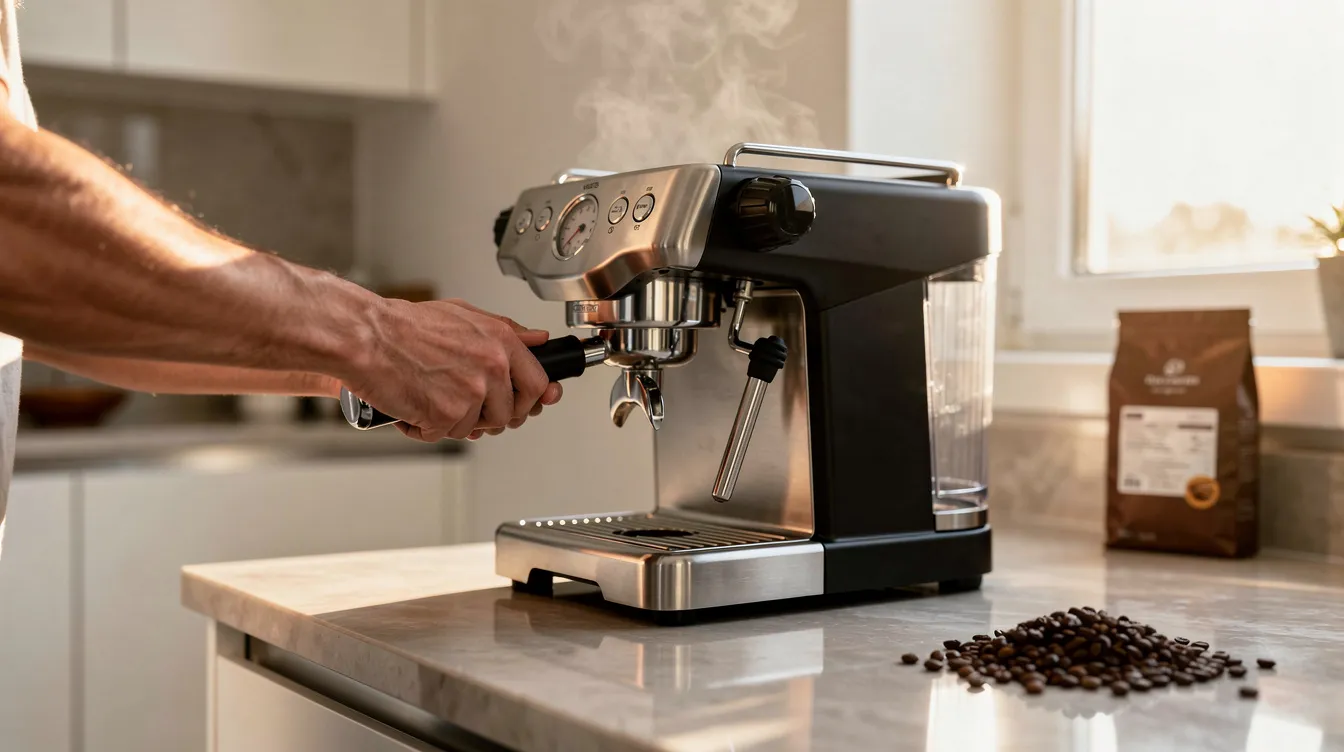
The Breville Barista Express Impress is the standout example. The Breville Barista Express Impress automates dosing and tamping while still giving you manual control over shot time and milk steaming. Built-in grinders improve coffee freshness by grinding beans immediately before brewing, and the guided dose indicator helps beginners avoid common mistakes.
Advantages: Less gear to buy (no separate grinder), easier learning curve than pure manual, and more “authentic” espresso than pod systems or basic automatics. Built in grinding keeps coffee grounds fresh and consistent results more achievable.
Downsides: Larger footprint than a compact manual plus a separate grinder. More mechanical complexity in the integrated grinder means more potential failure points. The upgrade path is also more limited compared to separate components-if you outgrow the built-in burrs, you’re replacing the whole machine.
Ideal user: Users who want real espresso and milk drinks with fewer pain points, and who accept a slightly higher up-front cost and footprint for that convenience.
Check the Breville Barista Express Impress on Amazon
Fully Automatic Espresso Machines: Push-Button Convenience
Fully automatic espresso machines handle everything internally: automatic machines grind, dose, and brew coffee with one button, often adding one-touch milk drinks via integrated carafes or frothers.
Entry automatic
De’Longhi Magnifica XS
13-setting burr grinder and a manual frother for Americanos and basic cappuccinos.
Check Magnifica XS on Amazon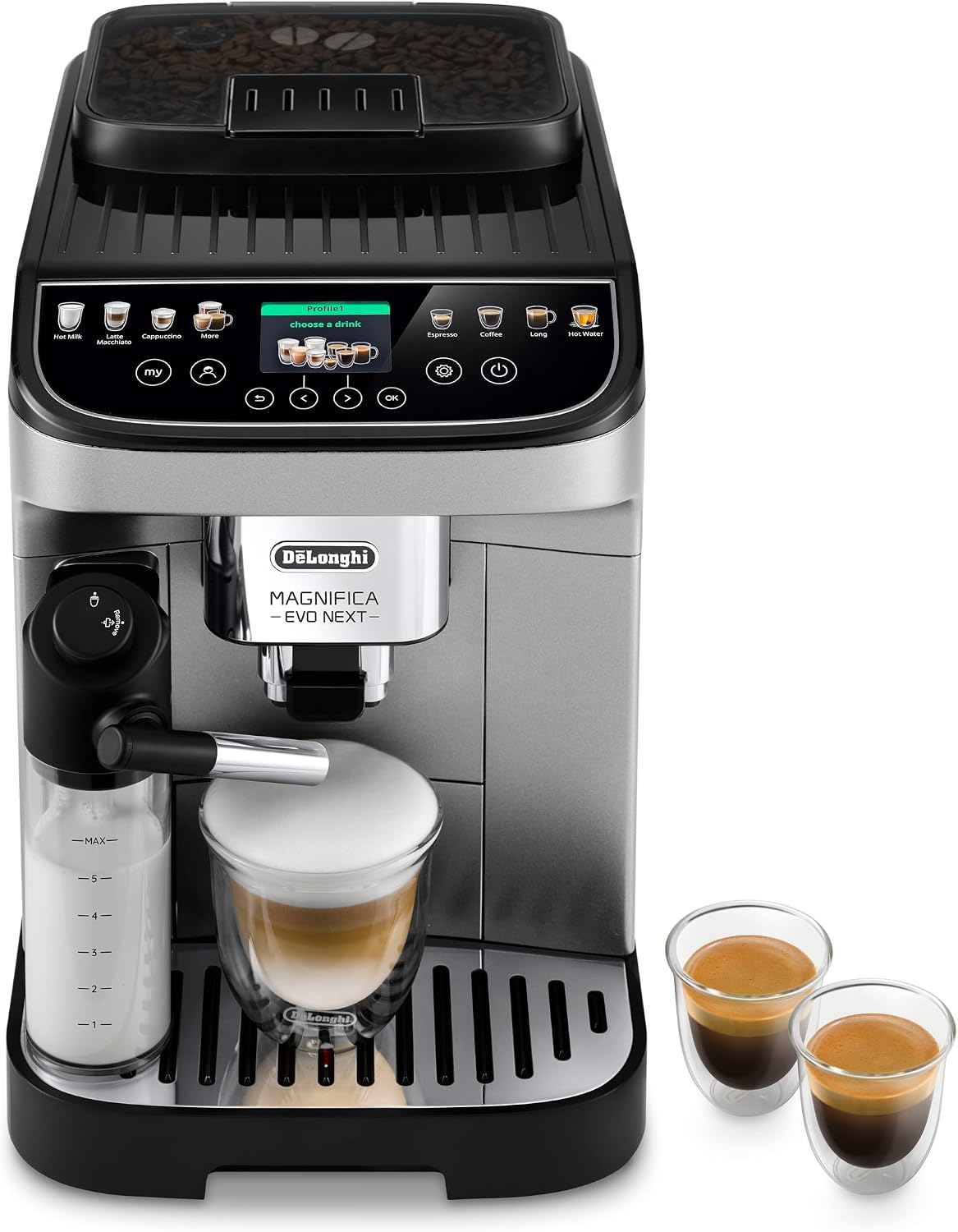
Mid-range automatic
De’Longhi Magnifica Evo Next
LatteCrema carafe for better one-touch milk texture.
Check Magnifica Evo Next on Amazon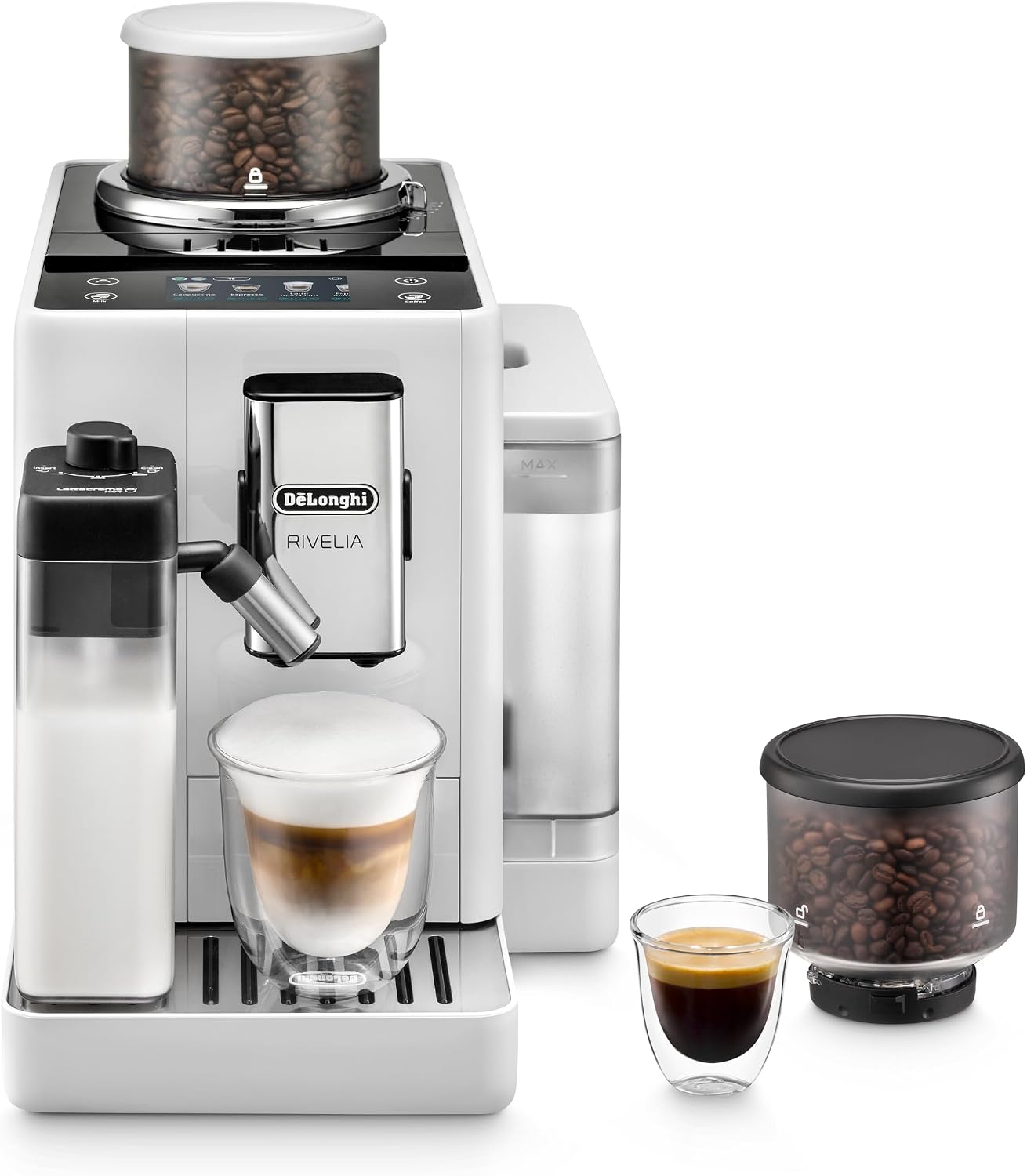
Dual hopper
De’Longhi Rivelia
Dual hoppers and stronger shots for variety seekers.
Check De’Longhi Rivelia on Amazon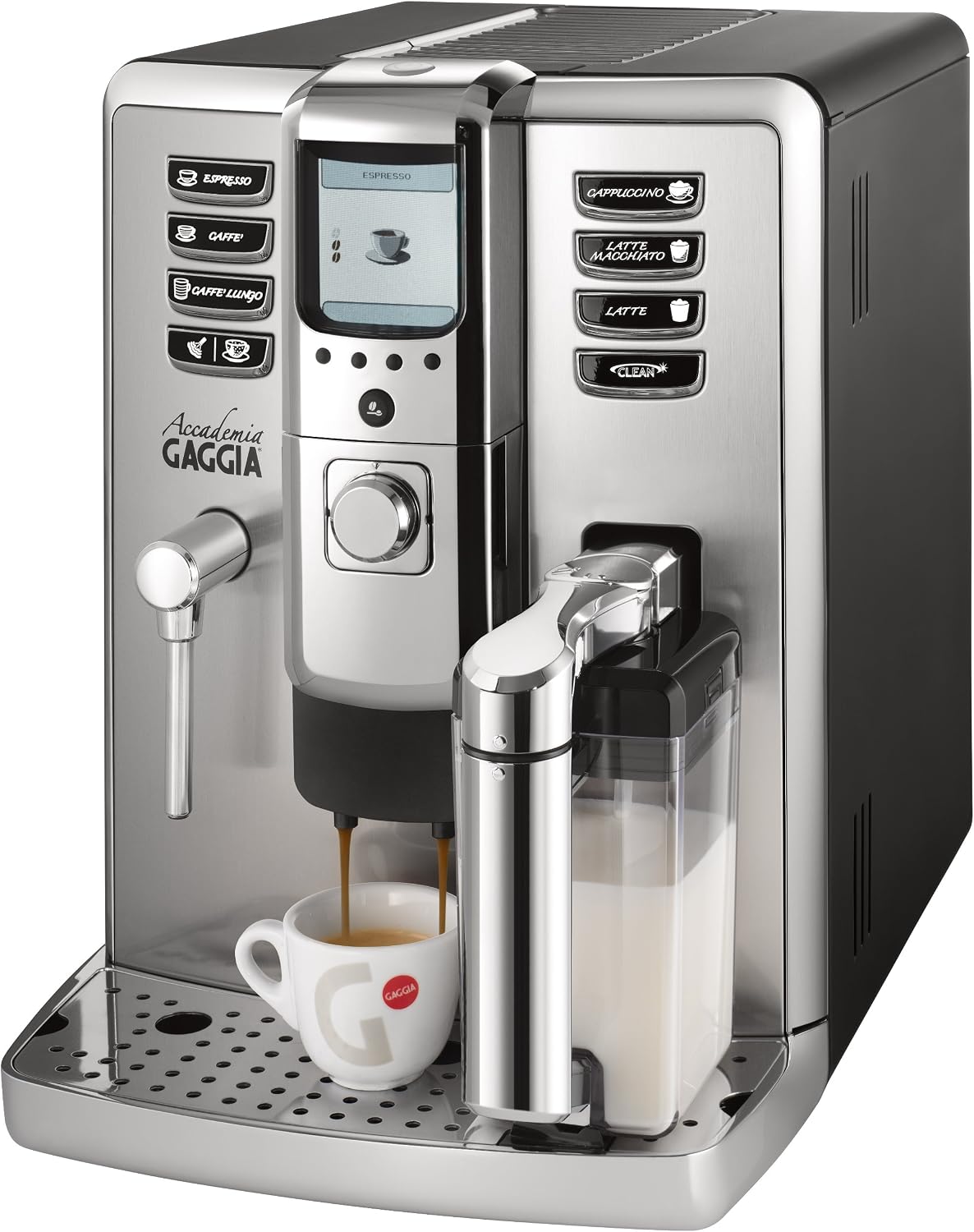
Premium automatic
Gaggia Accademia
More control over shot parameters than typical one-touch machines.
Check Gaggia Accademia on AmazonKey models:
Realistic expectations: Shots from automatics are closer to lungo or café crema than intense prosumer espresso, but they’re great for Americanos, long coffees, and everyday cappuccinos with minimal effort. Tom’s Guide’s review of the Magnifica Duo reflects this consensus-solid daily drink quality without the barista workflow.
Maintenance: Regular rinsing cycles, brew-group cleaning, descaling, and milk system cleaning (especially carafe-based systems) to prevent clogs and flavor issues. Neglecting these steps degrades performance quickly.
Ideal user: Busy households and offices where speed, one-touch convenience, and consistent “good enough” espresso matter more than chasing absolute best coffee quality.
Check the De’Longhi Magnifica XS on Amazon
Pod & Capsule Coffee Makers: Maximum Simplicity
Pod machines require no grinding or tamping for coffee, making capsule machines the ultimate convenience play. Systems like Nespresso (including Nespresso Original pods), L’OR Barista Sublime, and Breville Creatista Plus use sealed capsules for near-instant coffee with minimal mess.
Pros: Very fast brewing, consistent results cup to cup, huge variety of pod flavors, perfect for small kitchens and offices, and extremely simple cleanup. Single-serve machines offer convenience and quick preparation that no other category matches. Pod espresso machines offer simplicity and speed for coffee making above all else.
Cons: Higher cost per cup than whole-bean brewing, environmental impact of pods, limited control over brew parameters, and flavor quality capped by pod design and freshness. You won’t get the depth or nuance of freshly ground beans.
Positioning: L’OR Barista Sublime works well as an affordable, flexible starting point. Breville Creatista Plus is a higher-end pod machine for users who value a real steam wand and better milk texture.
Recommendation: Pods are primarily for users who prioritize speed and convenience above all, or for secondary setups (guest rooms, office corners) rather than as the main coffee maker for a connoisseur.
Best Coffee Makers for Lattes & Milk Drinks
Latte and cappuccino lovers need both solid espresso and a reliable milk system-steam wand or milk carafe-for good texture and temperature.
Grouped by workflow:
- Manual + steam wand: Breville Bambino Plus, Gaggia Classic Evo Pro, Lelit Elizabeth for more advanced users
- Automatic + milk carafe: De’Longhi Magnifica Evo Next and De’Longhi Rivelia with LatteCrema systems
- Pod + steam wand: Breville Creatista Plus with microfoam-capable steam wand
What to look for: Ability to pull espresso first and add milk second, enough steam power to produce silky microfoam, and easy-to-clean milk systems that don’t trap residue.
Choosing between paths: If you enjoy the craft, go manual-the espresso and milk quality ceiling is highest. If you want a drink in under 90 seconds without thinking, go automatic. If counter space and budget are tight, the pod-plus-steam-wand combo of the Creatista Plus is a credible compromise.
Best Coffee Makers for Americanos & Long Blacks
Americanos and long blacks demand a clean, stable hot water source in addition to espresso. Poor hot-water spouts can splatter or run too cool, diluting flavor and crema.
These machines have a dedicated hot-water tap or stable hot-water delivery for Americanos and long blacks. Check current prices on Amazon.
Premium manual
Breville Dual Boiler
Dedicated hot-water tap, dual boilers, and PID temperature for consistent long blacks.
Check Breville Dual Boiler on Amazon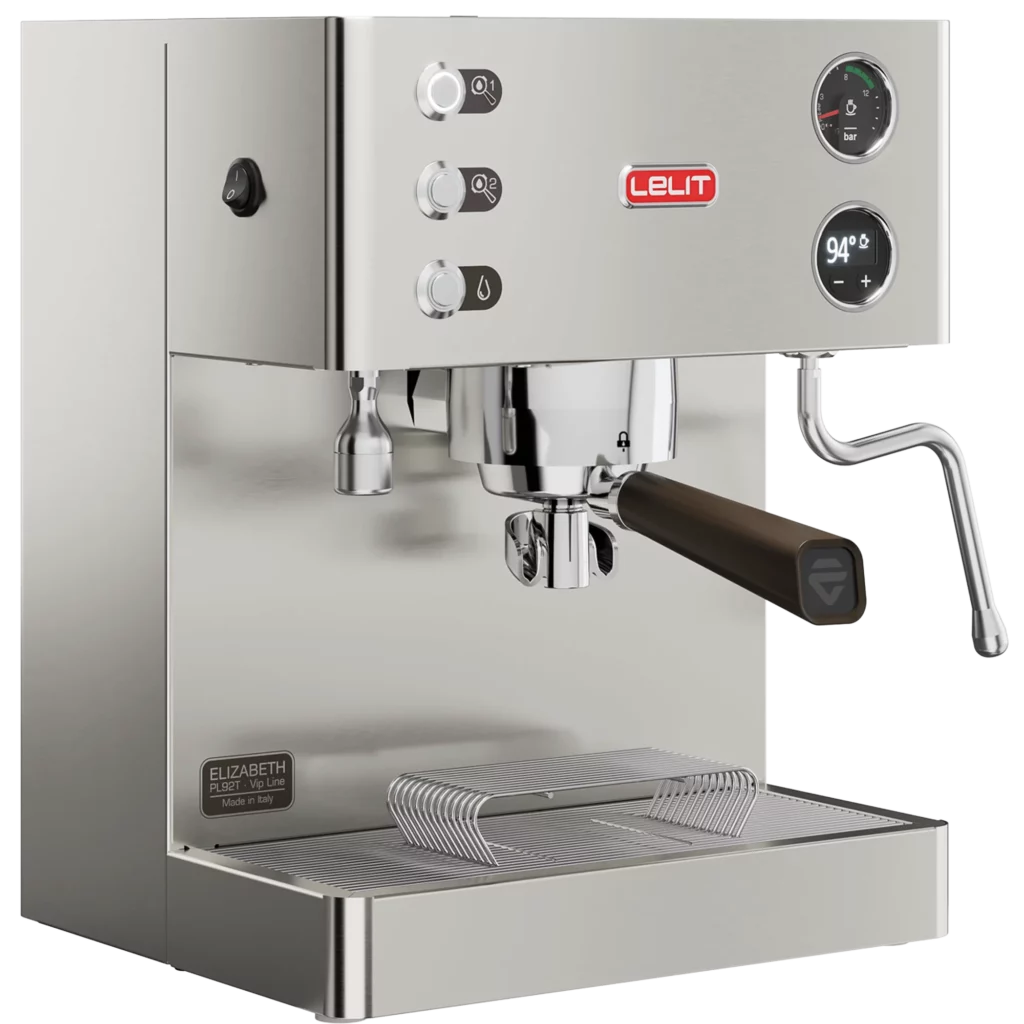
Premium manual
Lelit Elizabeth
Compact dual boiler with a proper hot-water nozzle for long blacks.
Check Lelit Elizabeth on Amazon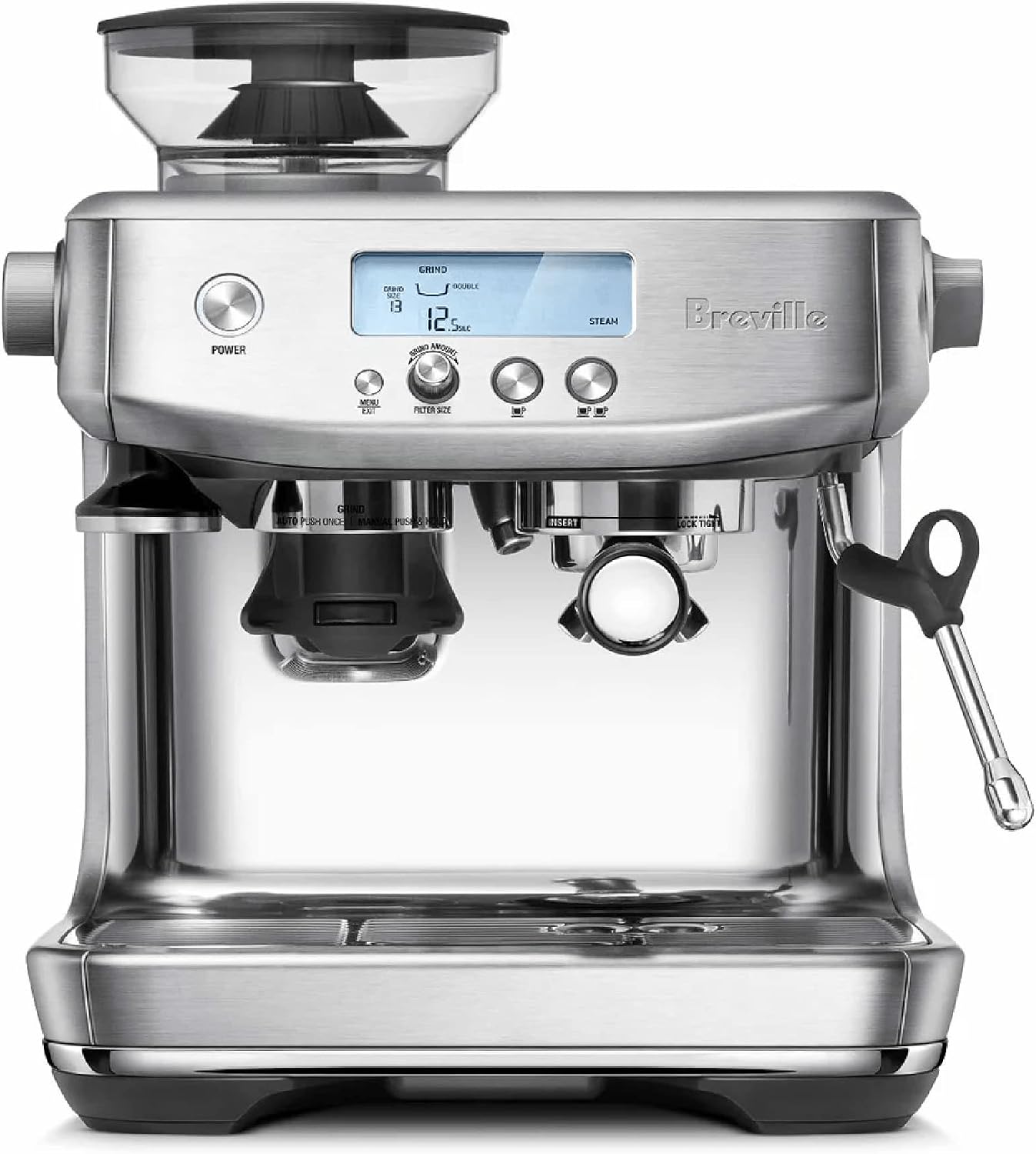
In-between + grinder
Breville Barista Pro
Built-in grinder, fast heat-up, and a hot-water spout for Americanos.
Check Barista Pro on Amazon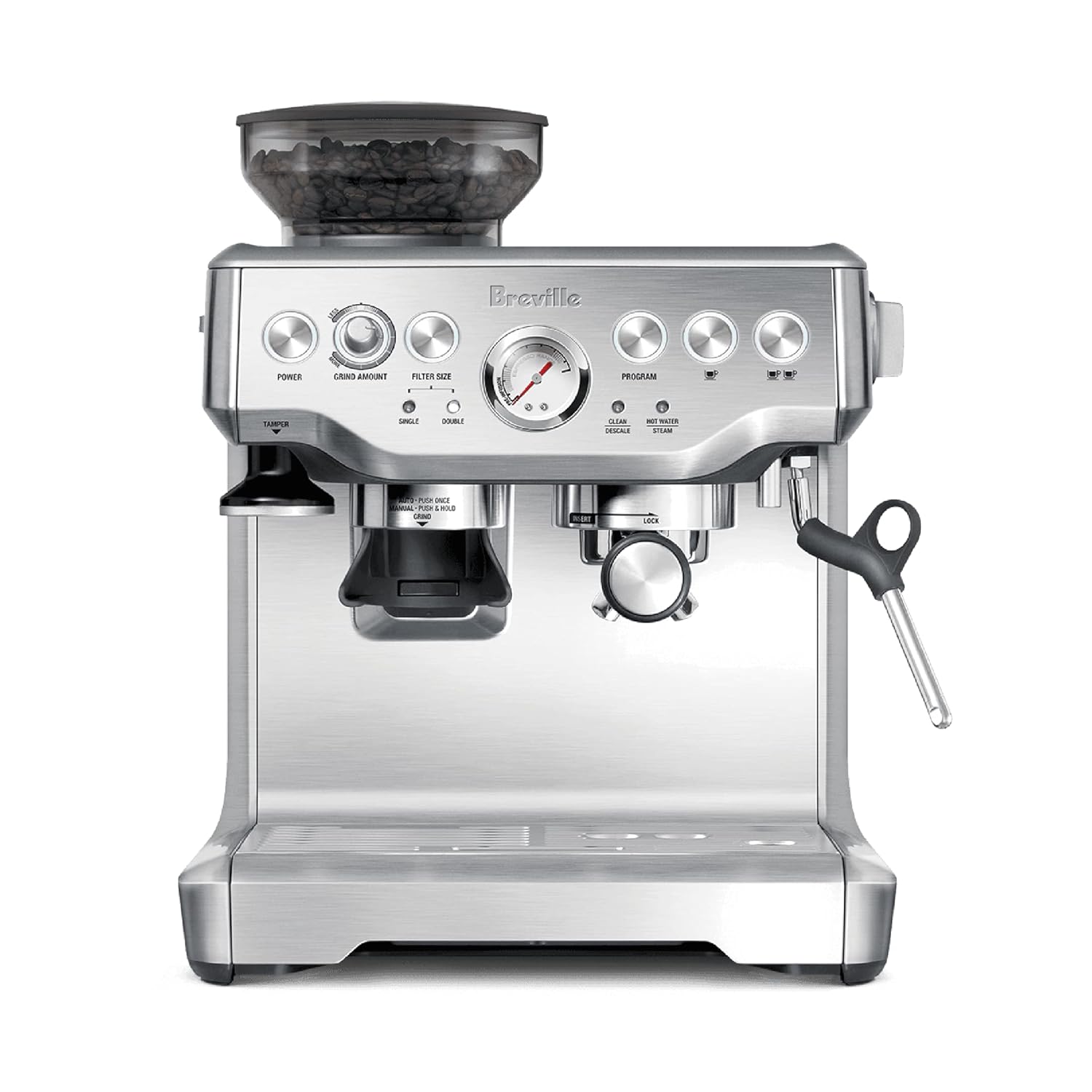
In-between + grinder
Breville Barista Express
Integrated grinder and hot-water spout in the classic all-in-one.
Check Barista Express on AmazonFully automatic
DeLonghi Rivelia
Push-button double shots and decent hot-water delivery.
Check DeLonghi Rivelia on AmazonQuick advice: If your daily drink is a long black, prioritize machines with a true hot-water tap rather than running hot water through the espresso basket via a kettle. Pay attention to reported water temperature stability-it makes or breaks the drink.
Best Coffee Makers for Cold Brew & Iced Coffee
True cold brew involves a long steep (12–24 hours) in cool water, producing a smooth, low-acid concentrate. “Iced coffee” is hot coffee brewed stronger and poured over ice. Some coffee makers offer both modes, but the distinction matters for flavor.
Hybrid cold brew
Ninja Luxe Café Pro
Dedicated cold-brew mode and cold foam without extra gear.
Check Ninja Luxe Café Pro on Amazon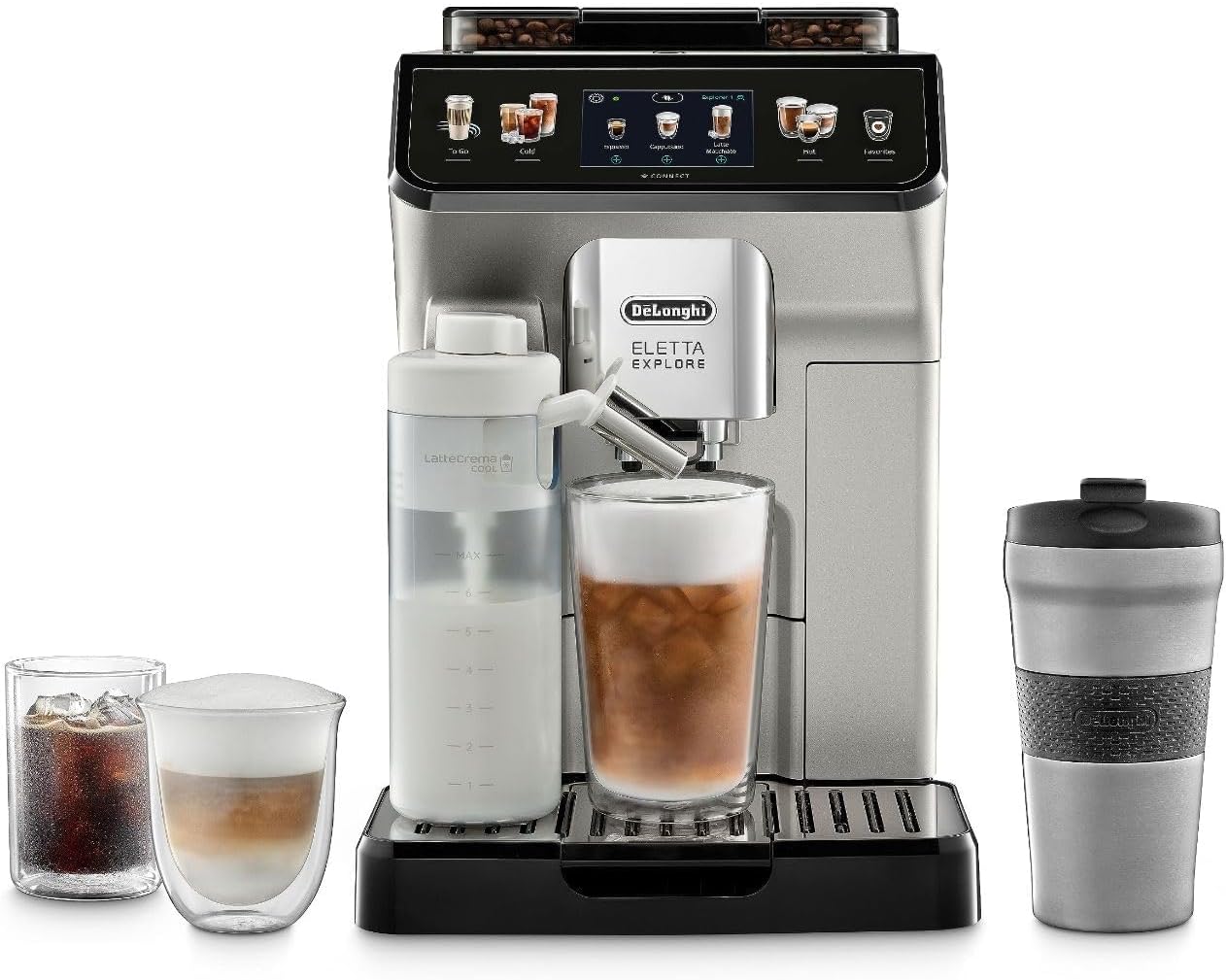
Hot and cold foam
De’Longhi Eletta Explore
LatteCrema Cool carafe for one-touch iced drinks and cold foam.
Check Eletta Explore on AmazonDrip + cold brew
Breville Luxe Brewer
Dedicated cold brew program alongside hot drip modes.
Check Breville Luxe Brewer on AmazonIced drip profiles
Fellow Aiden
Extended brew profiles that approximate cold brew or iced-optimized brews.
Check Fellow Aiden on AmazonTop picks:
- De’Longhi Eletta Explore – The De’Longhi Eletta Explore creates genuine cold milk foam via its LatteCrema Cool carafe, with one-touch iced and cold-foam drinks suited to iced coffee fans who also want hot beverages.
- Breville Luxe Brewer – Includes a dedicated cold brew program alongside its hot drip modes
- Fellow Aiden – Offers extended brew profiles that approximate cold brew or iced-optimized brews
If you primarily drink cold brew, consider whether a dedicated immersion cold brew maker plus a good grinder might deliver better value than a complex electric machine. A simple glass pitcher with a fine mesh filter, plus 12–18 hours of patience, often produces results that rival or beat machine-made cold brew.
Single-Serve & Travel Coffee Makers (AeroPress, Moka Pot & More)
Single-serve manual brewers deliver excellent coffee in a small footprint, often at a fraction of the cost of electric coffee machines.
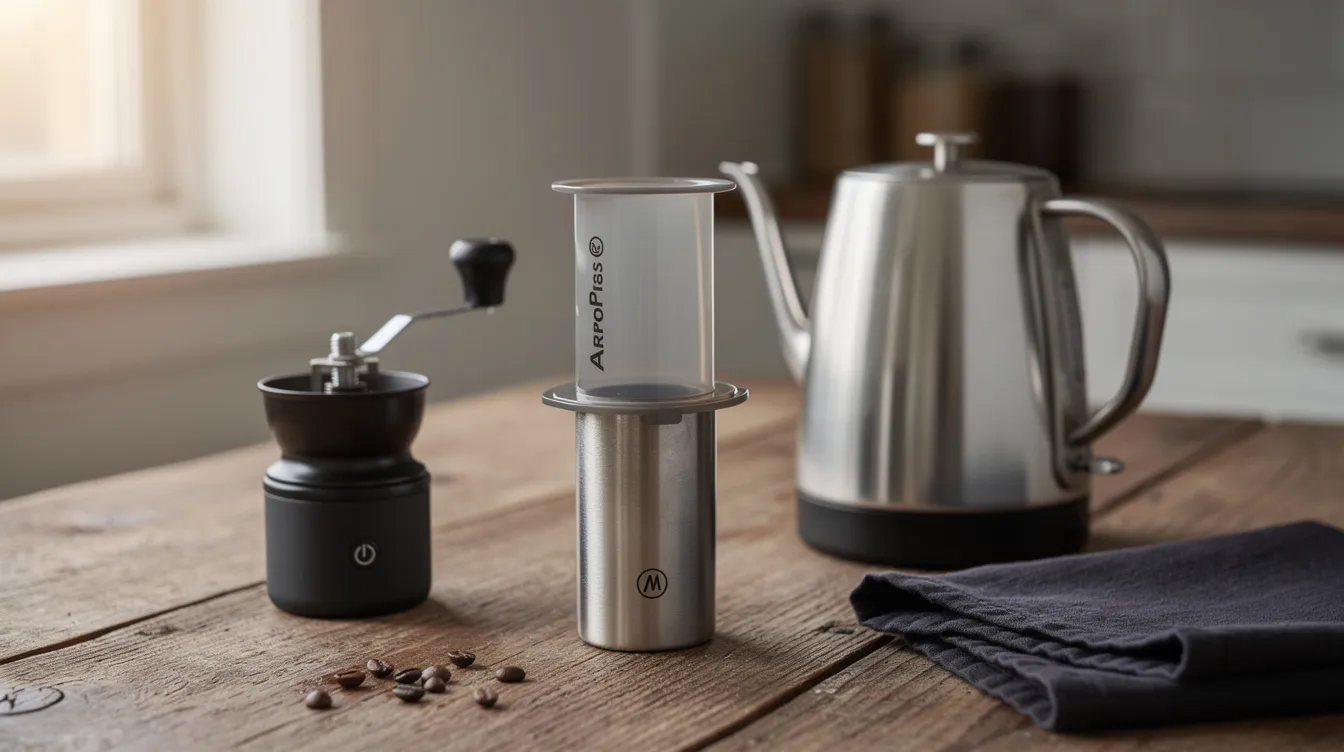
AeroPress Go: Extremely portable, durable, easy to use, and capable of brewing concentrated coffee similar to espresso-style for Americanos or iced drinks. Compatible with small electric kettles for complete travel setups. It’s one of the most affordable ways to brew excellent coffee.
Check the AeroPress Go on Amazon
Moka pot: Strong, rich stovetop coffee-not quite espresso but great for milk drinks. Small, nearly indestructible design with some technique required to avoid bitterness from over-extraction. A fine grind and medium heat are key.
Pour over (Chemex, Hario V60): Maximum flavor control and clarity with minimal counter space. These are for users who enjoy a hands-on brewing process and want to taste every nuance in their beans. A french press offers similar hands-on engagement with a different, fuller-bodied profile.
Positioning: These are excellent secondary brewers even for people who own electric machines, and ideal primary brewers for small apartments, RVs, or frequent travelers.
Key Features That Actually Matter in a Coffee Maker
Before you shop, understand the specs that translate into real differences in your cup. Here’s what to prioritize:
Brew temperature: Drip coffee makers should maintain a brewing temperature between 194°F and 204°F, per the SCA’s home brewer standard. Too cool produces sour, under-extracted coffee. Too hot pushes into bitterness. Higher-end coffee machines maintain consistent brew temperature throughout the entire brew cycle, while budget models may fluctuate. SCA certification ensures ideal water temperature during brewing.
Brew time and flow rate: For drip at full capacity, 4–8 minutes is the standard window. Speed-focused models can brew 12 cups in under 10 minutes, but often sacrifice bloom quality and even saturation. Flow rate through the brew basket directly affects extraction consistency.
Capacity and carafes: Match capacity to your household. Solo drinkers rarely need 12 cups. A thermal carafe preserves temperature and flavor far better than a glass carafe sitting on a hot plate, which can scorch coffee within 20–30 minutes. The Technivorm Moccamaster KBGV Select features a unique copper boiling element that heats water quickly and precisely, though it typically comes with a glass carafe option as well.
Programmability and smart features: Coffee makers can have programmable settings for convenience-auto-start, adjustable brew strength, bloom control, custom recipes, and app connectivity. Programmable timers help in preparing coffee at specific times, which is genuinely useful if you want fresh coffee waiting when you wake up. But don’t overpay for features you won’t touch.
Footprint and counter space: Measure your available width, depth, and height before buying. Top-loading reservoirs may not fit under low cabinets. Machines with built in grinders or dual hoppers need more horizontal space. A compact footprint matters more than most people realize until the machine arrives.
Cleaning, durability, and warranty: Accessible water tanks, removable parts, and clear descaling procedures make maintenance realistic rather than theoretical. The Ratio Six coffee maker has a 5-year warranty, which signals confidence in build quality. Look for widely available replacement carafes and gaskets. Warranties from 1–5 years serve as rough proxies for expected lifespan.
What most people should prioritize:
- Brew quality (temperature stability, extraction consistency)
- Capacity that matches your household
- Ease of use and cleaning
- Value relative to what you actually drink
How to Choose the Best Coffee Maker for Your Home
Finding the perfect coffee maker doesn’t require a spreadsheet. Follow this simple decision path:
- List your top 2–3 daily drinks. Black drip? Latte? Iced cold brew? This single question eliminates half the options.
- Decide on capacity. Solo or couple: 4–6 cups or a single cup system. Family: 8–12 cups.
- Choose your involvement level. Manual (portafilter, grinder, steam wand), in-between (barista-assisted), fully automatic (one button), or pod (zero effort).
- Set a realistic budget range. Include the cost of a grinder if you’re going espresso.
- Match to categories and models discussed in this guide.
General guidance:
- Espresso-first households should invest in an espresso machine plus a separate burr grinder
- Brewed-coffee-first households should focus on a good drip coffee maker
- Mixed households may benefit from an all-rounder like the Ninja Luxe Café Pro 701 or a combo of smaller specialized devices
Consider not just initial cost but ongoing costs: beans, filters, pods, water filters, descaling solution. And honestly assess how complicated you want your morning to be. The best machines in the world collect dust if they’re too annoying to use daily.
Maintenance & Cost of Ownership
Even the best machines will make mediocre coffee if not maintained. Mineral buildup, stale residues, and dirty milk systems all harm flavor and reliability.
Basic tasks for most coffee makers:
- Daily: Rinse removable parts, wipe drip trays, purge steam wands
- Weekly: Clean carafes, brew baskets, and drip trays thoroughly
- Monthly to quarterly: Descale based on water hardness and manufacturer guidance; clean brew groups on automatics
Differences by machine type:
- Manual espresso machines require backflushing and steam-wand care
- Automatics need brew-unit cleaning and milk-system routines
- Pod machines are simplest but still benefit from periodic descaling
- Drip machines need shower head cleaning and occasional vinegar or citric acid cycles (check manufacturer guidance first)
Ongoing costs to budget for: Quality whole-bean coffee, paper filters or metal filter replacements, water filters for the removable reservoir, descaling solutions, and potential long-term service or part replacement (carafes, gaskets, brew-group seals).
Paying a bit more up front for durable machines with stronger warranties often reduces total cost of ownership compared to replacing cheap coffee makers every 18–24 months.
Why Coffee Beans & Grinders Matter More Than the Machine
If a new machine is more than you want to spend this week, start with the beans and accessories above: Super Crema for espresso machines, Major Dickason’s for drip, plus a pitcher. A 58 mm tamper only fits 58 mm baskets (Gaggia Classic Evo), not the 54 mm Bambino Plus.
No coffee machine, however advanced, can turn stale or poor-quality beans into great coffee. Freshly roasted coffee-ideally used within a few weeks of the roast date-is a larger lever for taste than upgrading from a “good” to “great” brewer. This is true whether you’re making drip, espresso, cold brew, or anything in between.
Grind size and consistency are crucial for extraction consistency. A proper burr grinder (or a machine with a quality built in grinder) ensures uniform particle size, which means even extraction and better flavor. Blade grinders produce inconsistent coffee grounds that lead to simultaneously sour and bitter notes-the worst of both worlds.
Roast profile and brew method pairing:
- Light roasts shine in precise drip machines and manual pour over, where clarity and origin flavors come through
- Medium roasts work well in most coffee makers and are the most forgiving
- Dark roasts suit espresso, moka pots, and french press, where body and intensity are the goal
Before committing to an expensive new coffee machine, try a small step-change upgrade: buy fresher beans from a local roaster, or start grinding just before brewing with even a basic burr grinder. You may find that’s all your morning cup needed.
FAQs: Best Coffee Makers, Brewing & Buying
These FAQs cover common questions not fully addressed above, focused on practical buying and brewing concerns.
What coffee maker type is best if I mostly drink black coffee?
For primarily black-coffee drinkers, a quality drip coffee maker or manual pour over setup usually offers the best balance of flavor, ease, and value. Start with a solid drip brewer like the Oxo 12-Cup or Breville Luxe Brewer if you regularly brew for more than one person, and a smaller brewer (AeroPress or Zojirushi Zutto) if you’re brewing for one. Fully automatic and pod machines add convenience but rarely improve black-coffee flavor enough to justify the extra cost when you don’t need milk drinks.
How important is SCA certification when choosing a drip coffee maker?
SCA (Specialty Coffee Association) certification means a machine has been tested to brew within a specific temperature and extraction range for consistent, high-quality coffee-per Standard 310-2021. It’s a helpful signal that a coffee maker hits proper brew temperature and extraction standards. However, lack of certification doesn’t automatically mean poor performance-some excellent machines simply haven’t been submitted for testing. Treat SCA status as one factor alongside user reviews, features, budget, and design, rather than a mandatory requirement.
Can one coffee maker really do espresso, drip, and cold brew well?
Hybrid machines like the Ninja Luxe Café Pro 701 and some advanced drip machines with cold brew or over-ice modes can handle multiple styles reasonably well but usually won’t match the very best single-purpose coffee makers for each method. All-in-one machines are ideal for households that value variety, space savings, and convenience over absolute peak performance in any one drink style. For enthusiasts who care deeply about espresso or pour-over quality, separate specialized gear (a manual espresso machine plus an SCA-style drip brewer) will always deliver better results.
What size coffee maker should I buy for my kitchen and household?
Simple rules of thumb: single drinkers or couples who each drink one cup may be fine with a 4–6 cup brewer or single-serve system. Families or heavy coffee drinkers typically want an 8–12 cup machine. Remember to consider counter space and cabinet height-tall brewers with top-loading reservoirs may not fit under low cabinets, while wide machines with built in grinders need more horizontal space. Choose the smallest capacity that still fits your daily needs to save space and reduce waste from brewing more than you’ll drink.
How often should I descale my coffee maker, and does water type matter?
Descaling frequency depends heavily on water hardness and machine type, but many manufacturers suggest every 1–3 months for typical U.S. tap water usage. Hard water builds mineral deposits that affect brew temperature, flow rate, and machine longevity, so using filtered or softened water can extend time between descaling and maintain extraction consistency. Always follow the specific descaling procedure in your coffee maker’s manual-avoid DIY acids like straight vinegar on machines whose manufacturers warn against them, as it can damage internal seals and leave lingering taste.
How We Chose These Coffee Makers (Methodology & Sources)
Capitol City Coffee did not run its own lab tests for brew temperature or extraction consistency on every model listed here. Instead, this guide is based on researched editorial analysis, published expert reviews, SCA certification data, and aggregated owner feedback from reputable retailers and forums.
We evaluated coffee makers on these criteria:
- Ability to reach the recommended brew temperature range (roughly 195–205°F)
- Consistent brew time and flow rate across the coffee bed
- Extraction consistency and even water distribution
- Cup quality as reported by expert tasters and owners
- Usability: controls, programmability, footprint, and daily workflow
- Cleaning and maintenance demands
- Durability, warranty coverage, and long-term reliability
- Price-to-performance value
Models released or updated through 2024–2026 were prioritized, while proven long-running designs like the De’Longhi Magnifica S and Gaggia Classic Evo Pro were included for their track record. Specialty coffee associations frequently rate top coffee makers, and we also weighed evaluations from coffee pros alongside lab data from outlets like Consumer Reports’ lab-tested coffee maker ratings.
Any specific performance claims cited in this guide are drawn from verified third-party tests and user reports, not our own measurements. Our coffee maker reviews and espresso machine reviews go deeper on individual models.
The best next step isn’t buying the most expensive machine on this list-it’s figuring out which 2–3 drinks you actually make every day, then matching a brewer to that habit. And if you haven’t upgraded your grinder or your beans yet, start there. It’s the cheapest improvement you can make to every cup you brew. For more gear advice, explore our coffee maker guides, including best drip coffee makers and best coffee makers under $200.