

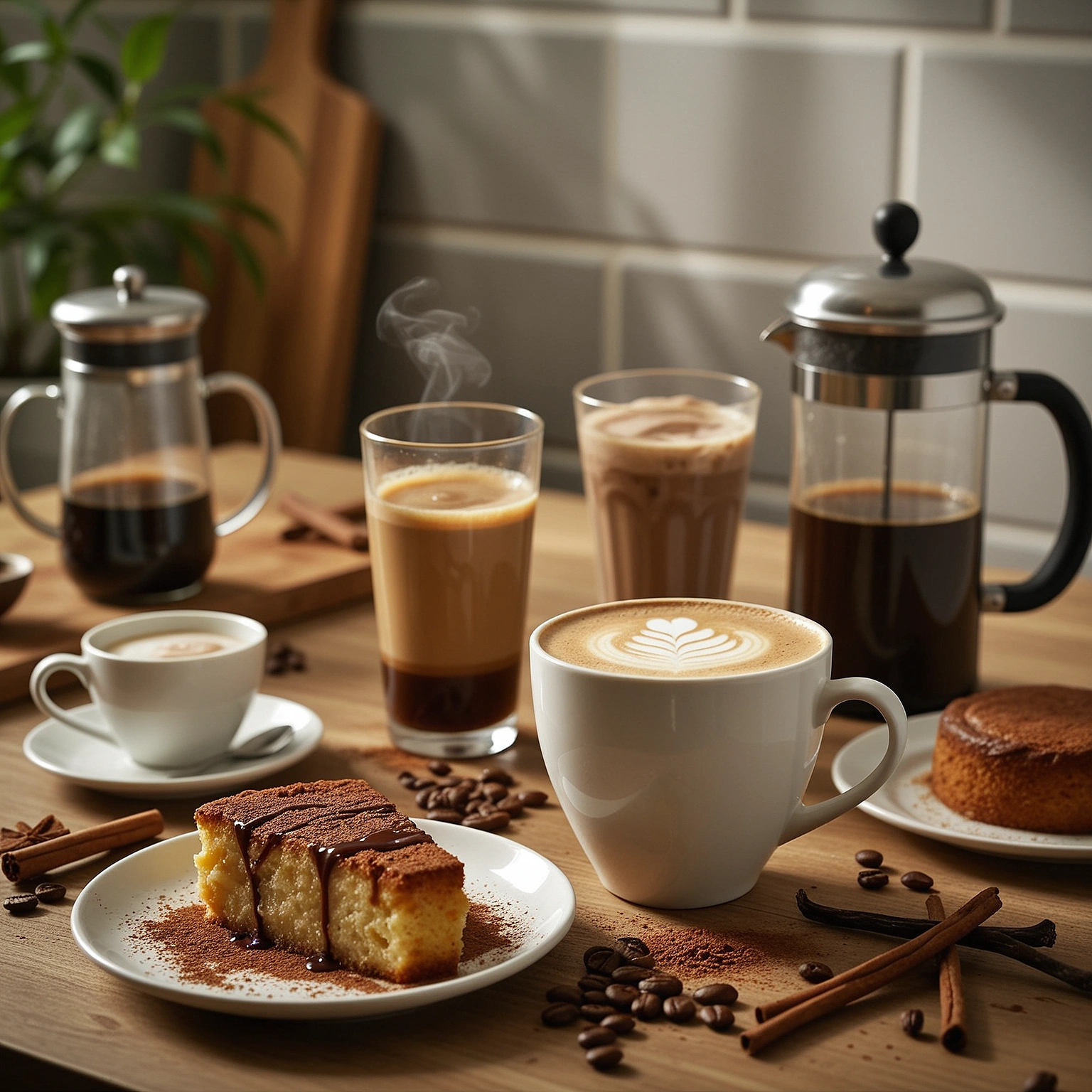
The best coffee for lattes in 2026 is a medium to medium-dark espresso blend with chocolatey, nutty sweetness, roasted fresh and sold as whole bean with a clear roast date. Darker roasts are best for milk-based drinks like lattes because their low acidity, heavy body, and caramel-forward flavor notes survive dilution in steamed milk without turning sour or thin. Brand hype matters far less than roast level, freshness, and flavor profile.
This is an independent, researched editorial analysis for U.S. latte drinkers in 2026-not a seller page. Our picks favor medium to medium-dark espresso blends plus a couple of single origin beans that cut through milk. Lighter, high-acid light roast coffees often taste sour or flat in lattes, while chocolate, caramel, and nutty profiles from Central America and South America consistently shine in both dairy and oat milk lattes. Scroll to the comparison table and detailed picks below for specific bags worth buying in 2026.
Key Takeaways
- Medium-dark espresso blends with chocolate, caramel, and brown sugar notes are the most reliable choice for home lattes-beans with high body and low acidity are ideal for milk drinks.
- Freshly roasted beans are crucial for optimal flavor in milk drinks; look for a printed roast date and plan to use beans within one to four weeks of roasting.
- Whole bean coffee preserves aroma and produces better crema than ground coffee; grind just before brewing for the best results.
- Espresso blends are engineered for consistency and balanced extraction, making them more forgiving on home machines than most single origin beans.
- Oat milk enhances sweetness and softens bitterness, so pair it with medium roast or espresso roast beans rather than extremely dark or very light roast coffees.
Affiliate & Independence Disclosure
Quick Answer: Best Coffee for Lattes in 2026
For most home latte drinkers, Stumptown Holler Mountain is the best overall coffee for lattes in 2026. It’s a medium roast organic espresso blend combining Central and South American coffees with East African brightness, delivering chocolate, caramel, and berry jam notes that hold up beautifully in six to twelve ounces of steamed milk.
Beyond the top overall pick, a few other bags stand out across categories. For a budget-friendly espresso roast available at grocery stores, look for a medium-dark blend with nutty, chocolatey tasting notes and a recent-enough roast date. Adventurous latte drinkers should try washed Colombian or Brazilian single origin coffee beans roasted to medium for caramel-heavy, low-acid shots. Bold latte lovers who want a classic café experience will want a quality dark roast with dark chocolate and molasses depth. Oat milk latte drinkers get the best results from espresso roast blends with brown sugar and toasted nuts sweetness that complement oat’s natural grain character. All top picks are whole bean coffees with transparent roast date information and clear bean origin details on the bag or product page, optimized for espresso or concentrated brewing methods suited to milk based drinks. If you mostly drink cappuccinos or iced milk drinks, these same beans work well-see our best coffee for cappuccino guide and our best coffee for iced coffee roundup for drink-specific notes.
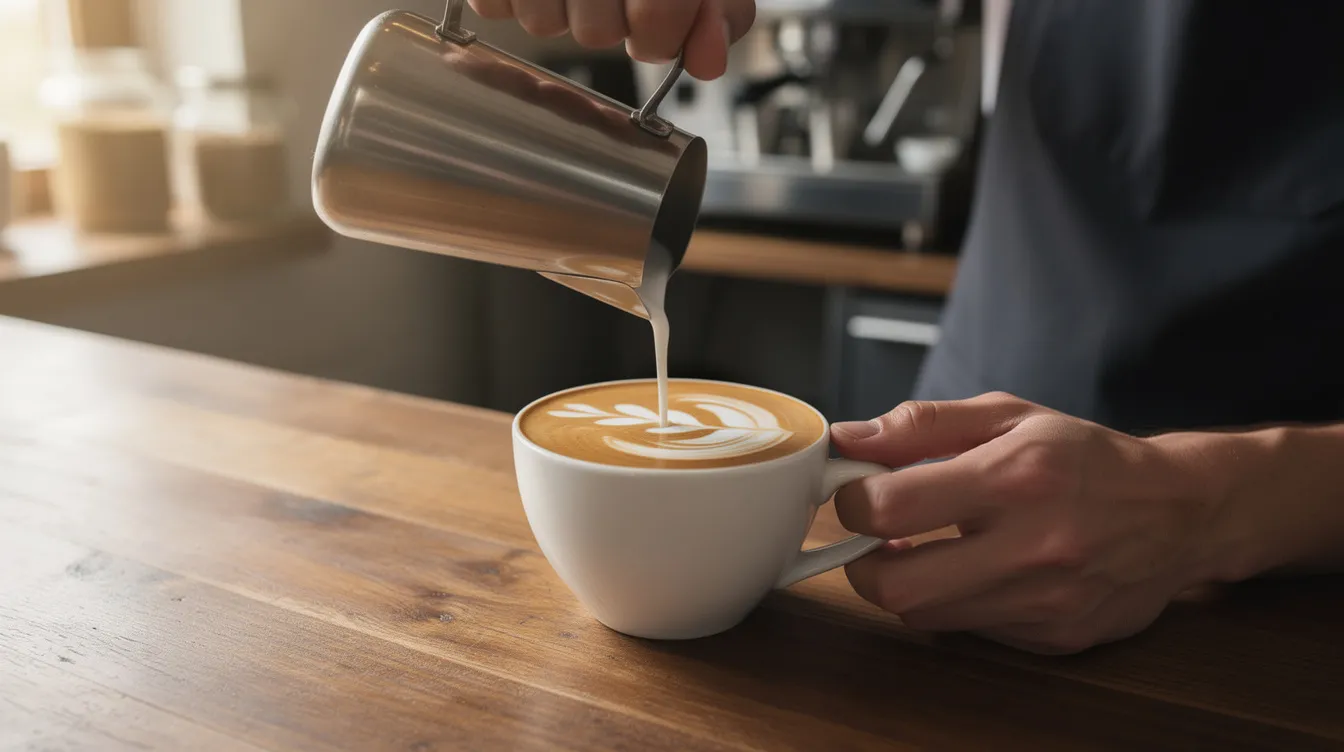
Top Picks: Best Coffee for Lattes (Bags Worth Buying in 2026)
- Best Overall Latte Bean – Stumptown Holler Mountain. Medium roast, organic blend (Central/South America + East Africa). Chocolate, caramel, berry jam, creamy body. ~$20/12 oz.
- Best Espresso Blend for Classic Lattes – Balance Coffee Stability Blend. Medium-dark espresso blend. Chocolate, hazelnut, smooth low acidity. Ideal for lattes with dairy or plant milk.
- Best Single Origin for Lattes – Intelligentsia Black Cat Classic Espresso. Lighter espresso roast, Costa Rica (Dota). Cherry, cola, orange, chocolate undertones. Nuanced and sweet in milk.
- Best for Oat Milk Lattes – Volcano Coffee Fullsteam Espresso. Espresso roast with deep chocolate notes, toasted almond, and brown sugar sweetness that pairs naturally with oat milk’s grain character.
- Best Dark Roast Latte Coffee – Pact Coffee House Espresso Blend. Dark roast with nutty and chocolate undertones, low acidity, heavy body. Classic bold latte flavor.
- Best Decaf for Lattes – Whole Latte Love Crema Wave Decaf. Swiss Water Process, medium-dark roast. Milk chocolate, nougat, caramel. Built for milk drinks.
- Best Widely Available Grocery Option – Look for medium-dark espresso blends from national roasters with a printed roast date, chocolatey and nutty flavor notes, and whole bean format.
At a glance
Compare Amazon-available latte bags on a phone first: listing photo, roast notes, and a Check on Amazon button. Research-rated, not yet brewed by our team.
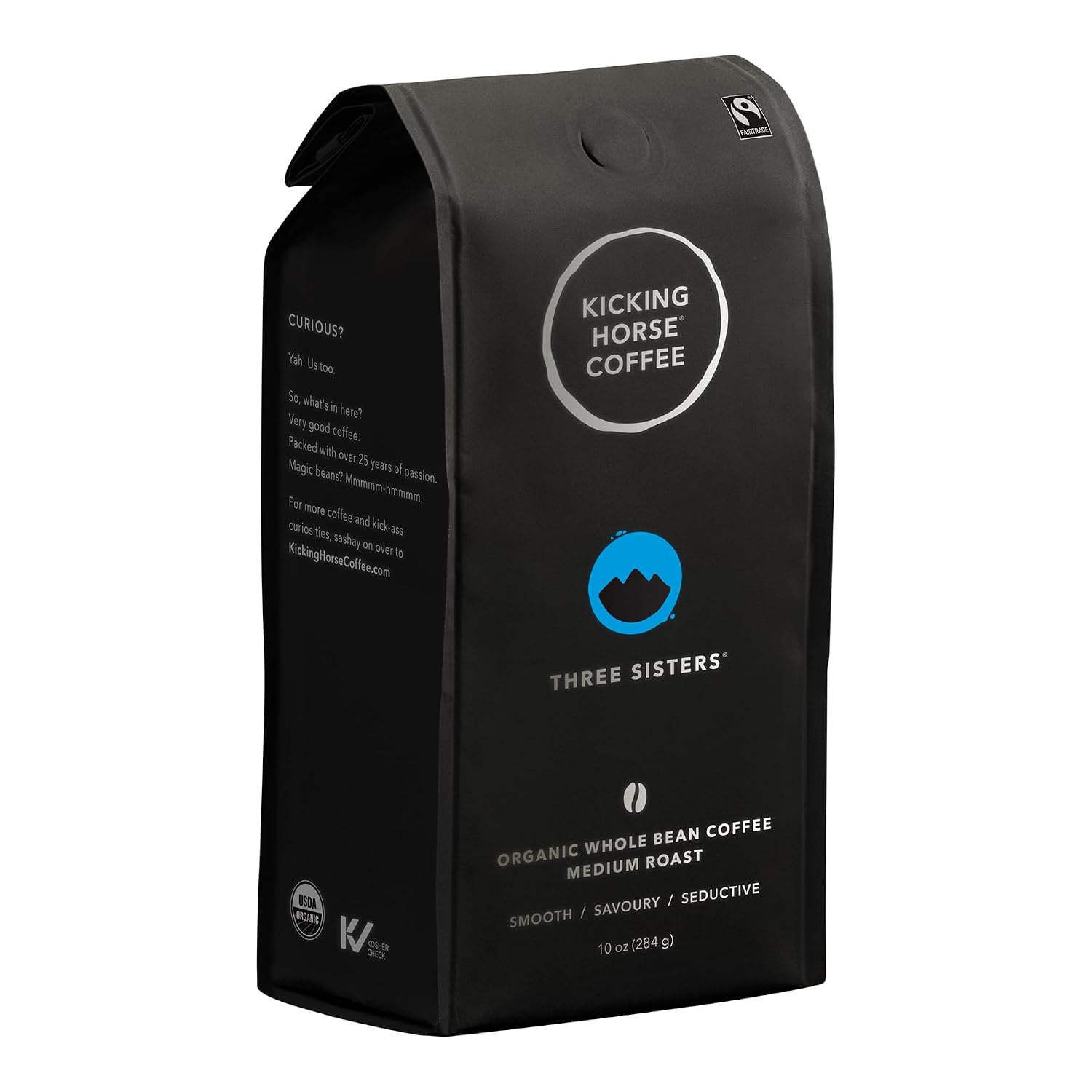
Best balanced milk drink
Kicking Horse Three Sisters
- RoastMedium
- Best forLatte and cappuccino
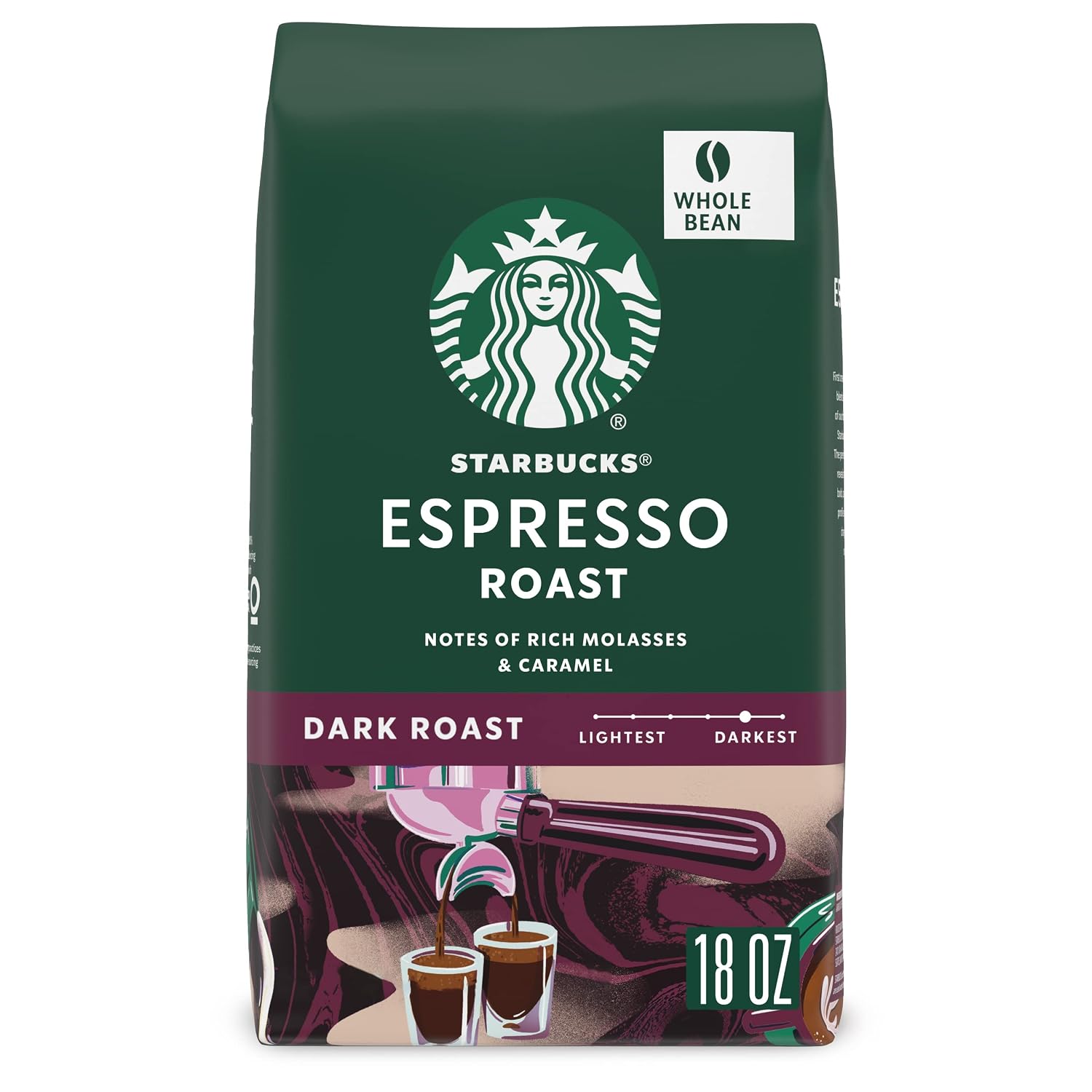
Best grocery espresso
Starbucks Espresso Roast
- RoastDark
- Best forBold lattes
Best specialty milk
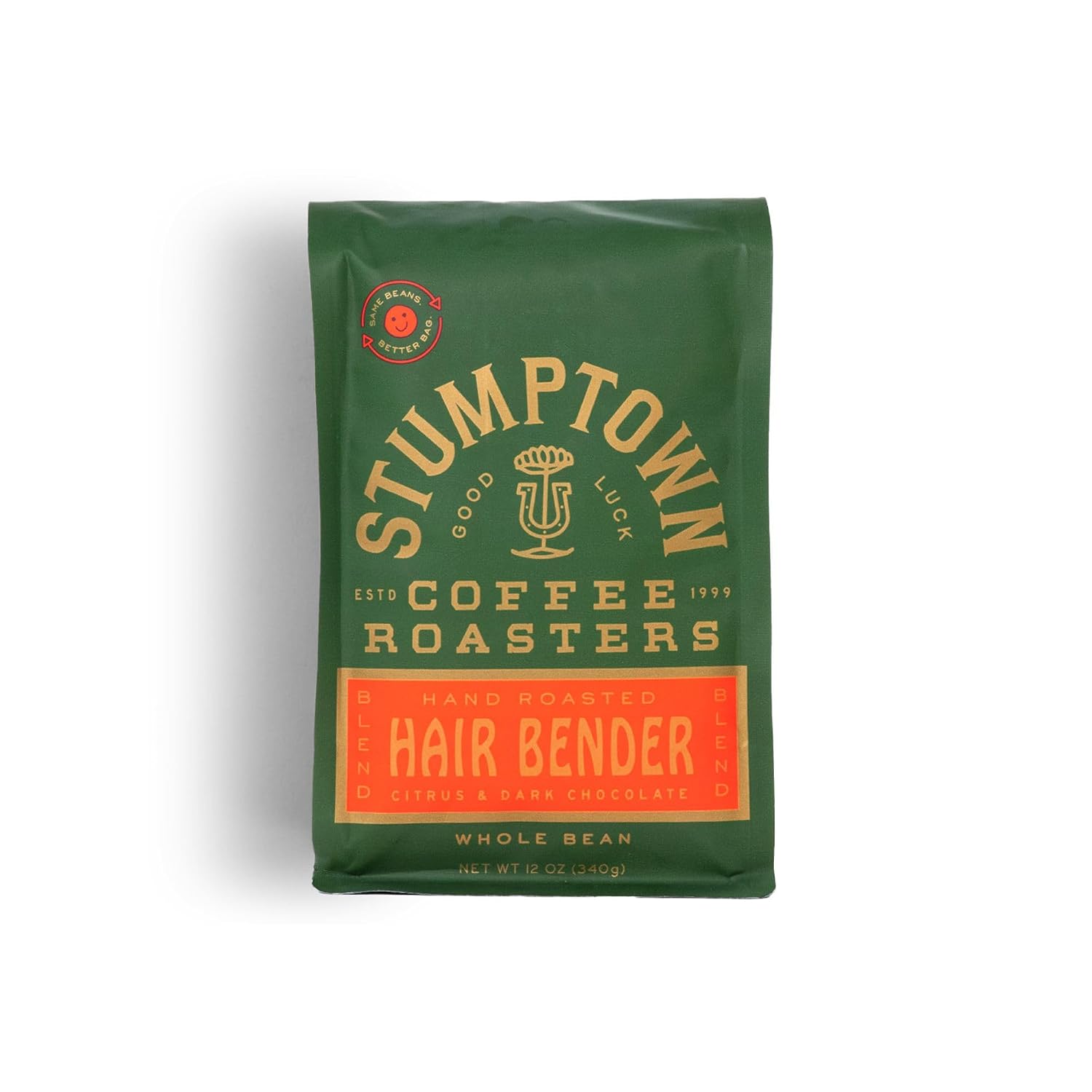
Stumptown Hair Bender
- RoastMedium
- Best forCitrus-chocolate latte
Coffee | Type | Origin | Roast Level | Flavor Notes | Best For | Price (approx.) | Availability |
|---|---|---|---|---|---|---|---|
Stumptown Holler Mountain | Espresso blend | Central/South America + East Africa | Medium | Chocolate, caramel, berry jam | All-around latte, drip | ~$1.67/oz (12 oz) | Online + select grocery |
Balance Coffee Stability Blend | Espresso blend | Multi-origin | Medium-dark | Chocolate, hazelnut, smooth | Dairy lattes, classic espresso | Varies | Online |
Intelligentsia Black Cat Classic | Espresso blend | Costa Rica (Dota) | Lighter espresso | Cherry, cola, orange, chocolate | Nuanced lattes, cortados | ~$1.50–$1.75/oz | Online + specialty shops |
Volcano Coffee Fullsteam Espresso | Espresso blend | Multi-origin | Espresso roast | Deep chocolate, toasted almond | Oat milk lattes | Varies | Online |
Pact Coffee House Espresso | Espresso blend | Multi-origin | Dark | Nutty, chocolate, low acid | Bold classic lattes | Varies | Online |
Crema Wave Decaf | Decaf blend (SWP) | Multi-origin | Medium-dark | Milk chocolate, nougat, caramel | Evening/decaf lattes | Premium (~$1.80+/oz) | Online |
All listed coffees are whole bean; some roasters offer pre-ground options. Espresso blends are listed first, followed by specialty and decaf picks.
How We Selected and Evaluated Latte Coffees
All picks in this guide are based on researched editorial analysis of specialty coffee roasters, verified product specs, roast date policies, and expert and consumer consensus from sources like Whole Latte Reviews, CafeGrade, and BeanBox. No in-house cupping or lab testing was performed.
Key evaluation criteria included roast level suited to milk based drinks, clarity of origin and processing information, flavor notes emphasizing chocolate, caramel, nuts, and sweetness, body and solubility for espresso extraction, freshness via recent roast date or roasted-to-order policies, and value measured as price per ounce; beans undergo different processing steps before roasting or decaffeination, which can change flavor and body in milk drinks. Priority tasting notes for latte beans include chocolate, caramel, and brown sugar-the flavors most likely to survive and complement steamed milk. Coffees were prioritized if accessible to U.S. buyers in 2026, whether through direct shipping or national grocery chains, and if roasters are transparent about roast levels and roast date rather than listing only distant “best by” dates. Lower-priced bags are included alongside premium specialty coffee, with recommendations framed by broader coffee industry standards around specialty sourcing and transparency rather than affiliate commissions.
Best Overall Coffee for Lattes
Stumptown Holler Mountain takes the top spot for most home latte drinkers. It’s a medium roast organic blend that balances crowd-pleasing sweetness with enough complexity to stay interesting across daily use-and it’s priced fairly at roughly $20 for a 12 oz bag.
The blend combines Central and South American coffees (delivering chocolate, caramel, and creamy texture) with East African beans that add subtle citrus notes and berry jam brightness. The roasting process brings out sugar browning without pushing into dark, ashy territory. In a latte, the result is a balanced cup with caramel sweetness, light cocoa, and a clean finish. This coffee behaves well across milk types: whole milk amplifies its creamy mouthfeel, 2% keeps it balanced, and oat milk draws out the caramel and toasted nuts character while softening any acidity. The espresso shot itself pulls with thick crema and moderate body.
Limitations: If you love stone fruit brightness or complex flavors from single origin African beans, Holler Mountain may feel a little safe. It’s not ideal for those who want an extremely dark roast or a very light roast with floral notes. Buy it as whole bean for best results. Grind options may be available but freshly roasted coffee beans yield better crema and flavor when ground just before brewing.
Best Budget Coffee for Lattes (Grocery & Big-Box Friendly)
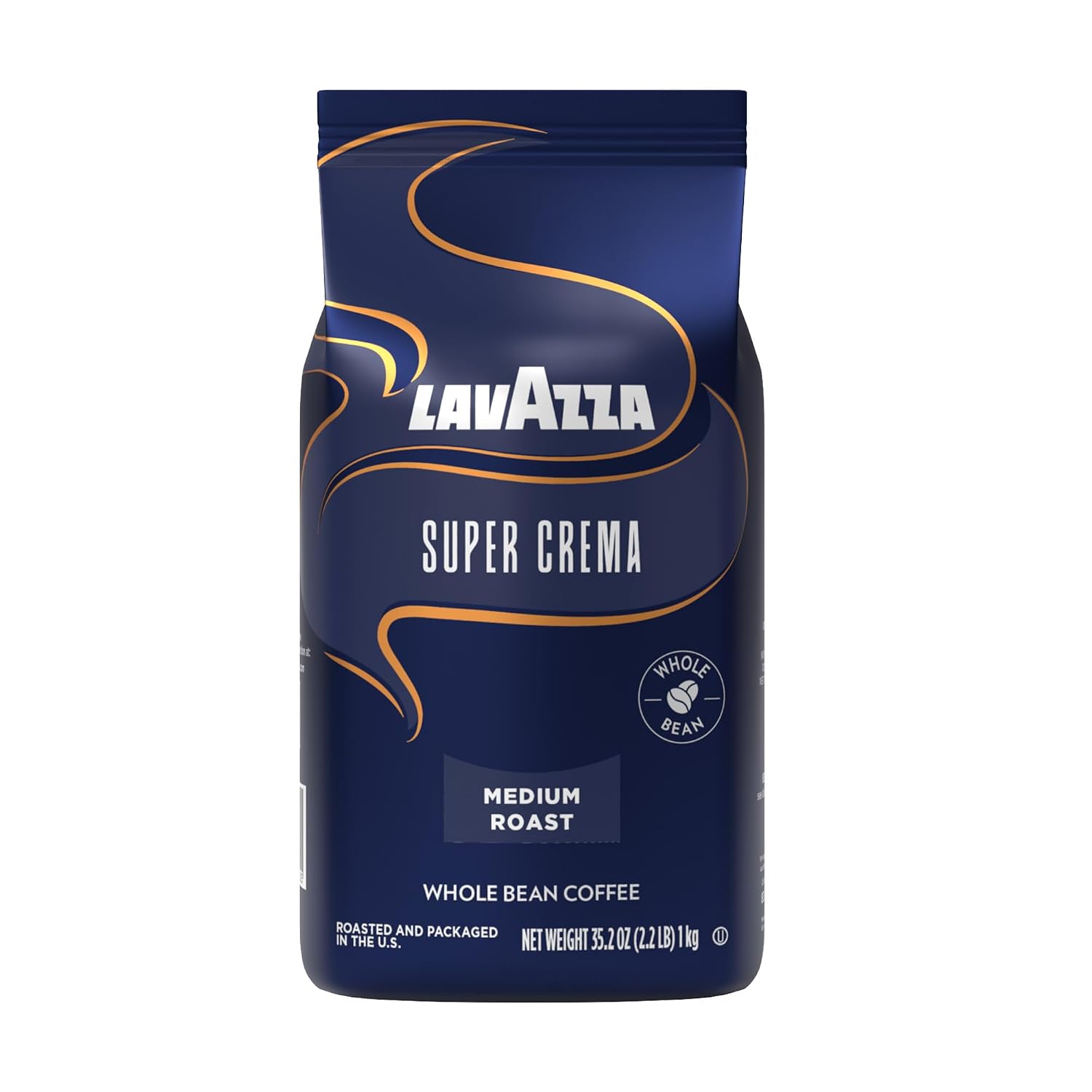
Not everyone needs to order from specialty roasters. If you want an affordable espresso blend that still makes a decent latte, look for medium-dark roast blends on grocery shelves with chocolatey, nutty flavor notes-brands like Lavazza or Peet’s often stock espresso roast options nationally.
The key trade-offs with grocery shelf coffee beans are freshness and transparency. Many big-box bags list only a “best by” date months out, rather than a specific roast date, and origin information may be vague. Flavor profiles tend toward generic “bold” or “smooth” rather than specific notes. Expect to pay roughly $0.60–$0.90 per ounce for 12 oz to 1 lb bags. These coffees are more forgiving in brewing-medium-dark roast grinds work in home espresso machines, moka pots, and strong drip without much fuss.
To mitigate freshness issues: choose the smallest bag size available, check for the latest “best by” stamp, and use beans within a week or two of opening. If a bag smells flat or oily on the surface, it’s past peak flavor. You won’t get the nuance of high quality coffee beans from specialty roasters, but a solid grocery espresso blend can still produce a satisfying, chocolatey latte that doesn’t sacrifice flavor entirely.
Best Single Origin Beans for Lattes
While espresso blends are designed for consistency, certain single origin beans excel in lattes by contributing distinct flavor notes without getting lost in milk. Single-origin beans highlight unique regional characteristics that can make your morning latte feel like a special occasion.
Intelligentsia Black Cat Classic Espresso is technically a blend but sources from Costa Rica’s Dota region with enough single-origin character to appeal to the adventurous crowd. Its lighter espresso roast showcases cherry, cola, and orange alongside chocolate-vivid enough to read through milk. For a true single origin pick, look for washed Colombian or Brazilian beans roasted to medium: coffee beans from Brazil, Colombia, or Honduras pack nutty, honey, and chocolate undertones that survive dilution in six to twelve ounces of steamed milk. Honduran beans provide a rich, caramel-heavy base that works particularly well in larger lattes.
Single origin coffee beans may require more careful dialing in on an espresso machine-adjusting grind size and dose to avoid sour or thin results, especially compared to forgiving espresso blends. Expect to pay $1.50–$2.00 per ounce for quality single origin beans, but the payoff is a more distinctive, complex latte.
Best Dark Roast Coffee for Bold, Classic Lattes
Some latte drinkers want what they get at their favorite café: strong, roasty, unmistakably coffee-flavored milk drinks. Dark roasts provide a consistent flavor profile for milk drinks, with darker roasts delivering bold chocolate notes and low acidity that punch through generous amounts of steamed milk.
Pact Coffee House Espresso Blend features nutty and chocolate undertones with a dark roast profile that’s approachable without veering into burnt territory. Dark roasts are preferred for lattes due to their bold flavors, and their high solubility in coffee helps it cut through milk’s creaminess effectively. The increased solubility from darker roasting also means easier extraction on home machines-heavier body and a syrupy, creamy mouthfeel in lattes.
Limitations: Dark roast oils can build up in grinders and espresso machines, requiring more frequent cleaning. Very dark roasts may overwhelm delicate plant milks or taste ashy if the beans are stale or poorly roasted. These are best for drinkers transitioning from chain coffee shop dark espresso, or those who primarily drink mochas and flavored lattes where the bold base needs to compete with syrups.
Best Coffee for Oat Milk & Plant-Based Lattes
Plant milks like oat milk, almond, and soy interact differently with coffee than dairy. Oat milk tends to be slightly sweeter and grainier, almond milk thinner and nuttier, and soy milk denser with its own protein structure. According to research published in the Journal of Agricultural and Food Chemistry, oat milk produces longer-lasting suppression of bitterness in coffee and accentuates caramel and vanilla sweetness-especially in medium to dark roast coffees.
Volcano Coffee’s Fullsteam Espresso has deep chocolate notes paired with toasted almond and brown sugar sweetness that harmonize naturally with oat milk’s grain character. Medium roast beans or espresso roast coffees with nutty, biscuit-like tasting notes tend to work best. Avoid very bright, citrusy light roast beans-they can clash with oat’s sweetness and produce a sour, unpleasant contrast. Overly dark, smoky coffees risk tasting flat when oat milk dampens the already-muted acidity.
For plant-based lattes, brew your espresso shot slightly stronger (a higher dose or finer grind) to keep coffee flavor present against the milk’s sweetness. Try small bags first to test compatibility with your preferred oat milk brand-different brands have varying sugar levels that interact with your coffee’s roast profile.
Best Decaf Coffee for Lattes
Many latte drinkers want a satisfying evening cup without the caffeine, and modern decaf coffee has come a long way. The Swiss Water Process and similar gentle decaffeination methods now preserve far more aromatic complexity than older chemical processes.
Whole Latte Love’s Crema Wave Decaf is a Swiss Water Process decaf espresso blend roasted to medium-dark, with flavor notes of milk chocolate, nougat, and caramel. It was specifically engineered to stand up in lattes and cappuccinos, maintaining heavy body and sweetness even in twelve-ounce milk drinks. Swiss Water’s 2026 Premium Espresso Blend-combining washed Latin American coffee with natural Ethiopian Sidamo-is another strong option, designed for versatility in both straight espresso and milk drinks.
Limitations: Decaf options tend to cost more per ounce due to decaffeination processing, and fewer choices appear on grocery shelves. Batch variation can be slightly more noticeable. Store decaf whole bean coffee the same way you’d store regular freshly roasted beans-airtight container, cool and dark. These decaf blends work best in espresso machines but are also workable in a moka pot or strong drip if you don’t own espresso gear.
Understanding Roast Level for Lattes
Roast level significantly affects coffee flavor in milk drinks-often more so than origin. Here’s how each level performs once you add milk:
- Light roast: Light roasts retain high acidity and delicate flavor notes like floral notes and stone fruit. Best for black coffee and pour over, but that high acidity can taste sour or get lost entirely in milk based drinks like lattes. Light roast beans are challenging to extract on home machines and risky for beginners.
- Medium roast: Medium roasts balance sweetness and complexity for espresso. Origin character-chocolate, caramel, nuts-comes through clearly without harsh bitterness. Usually the safest pick for lattes.
- Medium-dark / espresso roast: Medium-dark roasts balance sweetness and intensity for lattes. Deeper sugar-browning means more solubility, fuller body, and a roasty edge that cuts through milk. This is the standard choice for café-style lattes and cappuccinos.
- Dark roast: Very roasty, smoky, and low-acid. Great for bold, old-school lattes, but can taste ashy if quality is poor or beans are stale. Best for those who add syrups or like intense flavors. Darker roasts provide bold chocolate notes and low acidity.
Origin, Processing, and Flavor in Milk-Based Drinks
Where coffee is grown and how it’s processed shapes the sweetness, acidity, and body that survive once milk is added to your espresso shot. Looking at bean origin can reveal not just the country but sometimes the producer or farm, which helps explain how sweetness, acidity, and body will show up in milk drinks.
Central and South American beans are low in acidity and commonly produce chocolatey, nutty profiles with heavier body-ideal for classic lattes. Coffees from Latin America and select Indonesian beans offer chocolate and nutty undertones that complement milk particularly well. Brazilian naturals lean toward peanut butter and cocoa; Colombian washed coffees bring clean caramel sweetness; Guatemalan beans often show toffee and baking spice.
African beans often have bright acidity and fruity notes-Ethiopia’s naturals can taste like blueberry jam, Kenya AA beans have high phosphoric acid content that creates a sparkling, wine-like brightness. These can be stunning in smaller milk drinks like cortados or flat whites but risk tasting sharp or “lemony” in large twelve-to-sixteen-ounce lattes unless roasted to medium or darker.
Washed processed beans with caramel notes are great for lattes-the clean cup profile lets chocolate and sweetness come forward without funky ferment flavors. Natural processed coffees tend to be sweeter and fruitier with heavier body, which can work well in chocolate-forward lattes. When shopping, read the flavor notes on bags, and see whether transparent sourcing identifies or credits coffee farmers: chocolate, caramel, toffee, and toasted nuts signal strong latte performance, while berries and citrus notes suggest a brighter, more delicate cup.
Freshness, Roast Date, and Whole Bean vs Ground
Freshness is one of the biggest differences between an okay latte and a café-quality one at home. Roasted coffee beans yield better crema and flavor when fresh, ideally within one to four weeks of roasting-and that matters more than any marketing claim on the bag.
Buy coffee with a clearly printed roast date. Plan to start using freshly roasted coffee beans between about five to seven days after roast (to let CO₂ degas) and finish the bag within three to four weeks. Avoid bags with only a distant “best by” date-that usually signals the coffee has been sitting for weeks or months.
Choose whole beans for better aroma and grinding just before brewing improves quality. Whole bean preserves volatile aromatic compounds and CO₂ that create thick crema and full flavor profile in lattes. Pre-ground coffee is convenient but goes stale quickly, losing the sweetness and complexity that make freshly roasted beans worth the premium. Use a burr grinder, store beans in an airtight container in a cool, dark place, and avoid the fridge or freezer for frequently opened bags.
When beans go stale, lattes suffer specifically: thinner crema, muddy or flat flavors, and a one-dimensional taste even with perfectly textured milk. Freshly roasted coffee is non-negotiable for peak flavor in milk drinks.
How to Match Coffee to Your Latte Style and Gear
The best coffee for lattes depends partly on how you brew and how much milk you use. Your brewing method and drink size should guide which beans you buy coffee beans from.
Home espresso machines: Choose espresso blends or medium to medium-dark roasts labeled espresso roast. Aim for a 1:2 brew ratio (e.g., 18 grams in, 36 grams out) as a base for six-to-ten-ounce lattes. Espresso beans are not a separate species but can come from many roast styles-what matters is the bean’s solubility and body under pressure.
Moka pot and AeroPress: These can approximate concentrated espresso-style brews. Use versatile medium roast beans or espresso roast coffees, ground fine, and brew a stronger ratio than you would for regular coffee. Ultra light roast may be harder to extract fully without true pressure.
Drink size matters: Small, strong milk drinks like cortados and flat whites can handle brighter single origin coffee, while large twelve-to-sixteen-ounce lattes benefit from low-acid, chocolate-forward espresso blends that don’t get washed out. French press coffee can also work for latte-style drinks if brewed very strong, though it won’t produce crema.
Think about your milk choice-whole milk adds fat that smooths bitterness, 2% is slightly leaner, and oat milk brings its own sweetness. Match your own taste to medium roasts for more nuance or darker roasts for more punch.
Brewing & Dialing-In Tips for Better Home Lattes
Even the best espresso beans need decent technique to shine in lattes. A few adjustments can dramatically improve your home results.
Espresso basics: Pull a double shot using 18–20 grams of freshly roasted beans, targeting 36–40 grams of liquid output in about 25–30 seconds, since hot water temperature and pressure are central to extracting sweetness and body from latte coffees. Use medium-fine grind as your starting point. If your latte tastes sour or weak, grind finer. If it’s harsh and bitter, grind coarser or shorten shot time. Adjust one variable at a time.
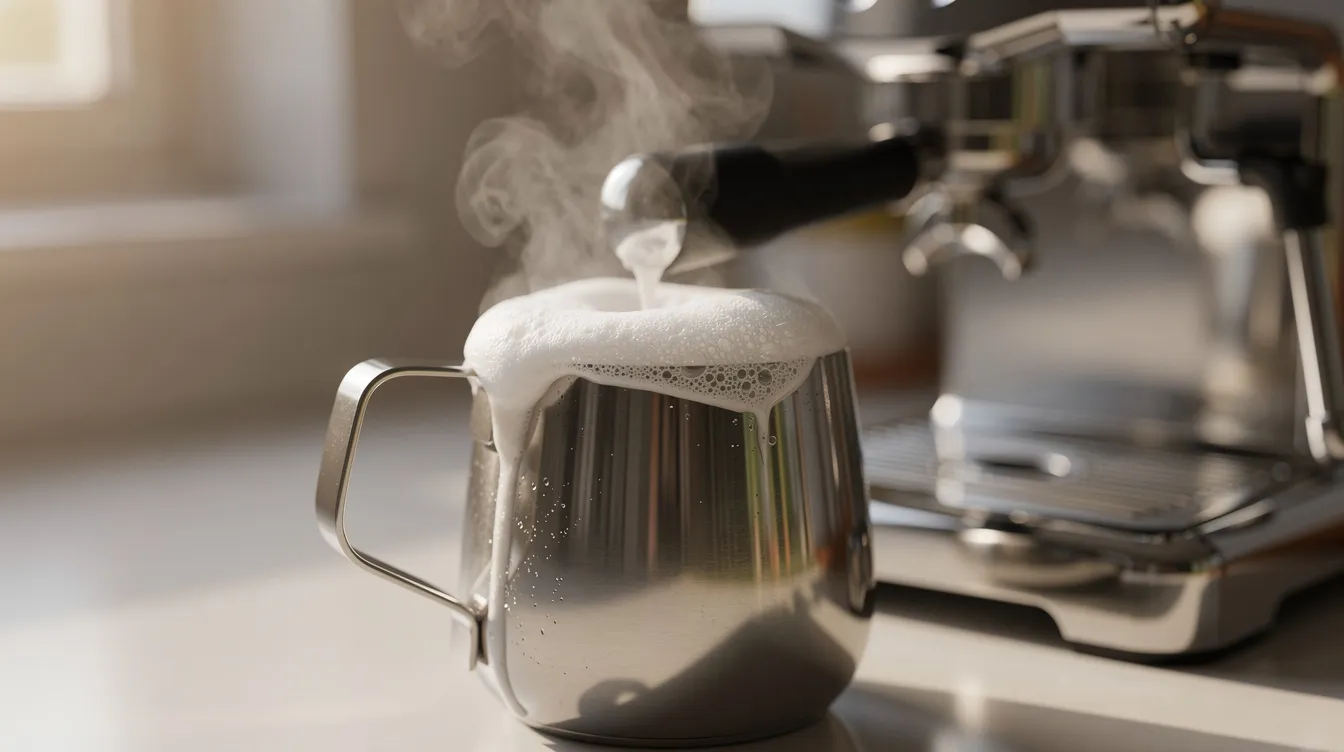
Milk steaming: Aim for silky microfoam with tiny, uniform bubbles-not big, frothy suds. Target a milk temperature around 140–150°F (60–65°C). Properly textured steamed milk blends with espresso to showcase chocolate and caramel notes rather than masking them. Hotter milk intensifies bitterness; cooler milk may underdevelop sweetness.
Dial in over time: Experiment with different roast levels and coffee blends across a few weeks to find your personal taste-your “house latte” bean. What works in your specific machine, with your preferred milk, at your preferred drink size is ultimately the best coffee for you. For plant-milk lattes, try a slightly higher dose to compensate for the milk’s added sweetness.
Price, Value, and Availability
Latte-friendly coffees range from budget grocery beans to premium specialty roasters. The goal is balancing flavor, freshness, and cost per ounce.
Tier | Price/12 oz | Freshness | Complexity |
|---|---|---|---|
Budget grocery blends | $7–$10 | Variable (often no roast date) | Lower-generic chocolate, “bold” |
Mid-range specialty espresso blends | $14–$20 | Good (roast date printed) | Moderate-specific origin, clear notes |
Premium single origin / specialty | $18–$26 | Excellent (often roasted to order) | High-nuanced, seasonal |
Specialty coffee roasters that roast to order and ship quickly offer the freshest beans, and many run subscription services with “latte bundle” options at a discount. Grocery-shelf espresso roast bags from national brands are more convenient but may sacrifice flavor transparency and freshness.
Buy smaller bags more often rather than large bags that go stale. If you drink two lattes a day, a 12 oz bag lasts roughly ten to fourteen days-perfect timing for freshness. Don’t overpay for branding alone. Prioritize the best coffee beans for lattes as those that clearly list origin, roast date, roast level, and flavor notes aligned with your latte preferences. You can buy coffee beans from high quality coffee roasters online for roughly the same cost as premium grocery options once you factor in flavor and freshness.
Related Latte-Friendly Coffee Guides
Looking beyond standard hot lattes? These guides cover other drink-specific bean recommendations:
- Check our guide to the best coffee for iced coffee and iced lattes for beans that hold up over ice and cold brew options.
- Prefer drier, foamier milk drinks? See our best coffee for cappuccino picks.
- Browse more coffee-by-drink recommendations for French press, pour over, and straight espresso bean guides.
- Visit Capitol City Coffee’s main coffee guide hub for the full range of bean reviews and brewing advice.
Our Latte Coffee Picks
We matched one coffee to each latte mood below. Tap the image or the coffee name. Research-rated, not yet brewed by our team.
Feeling steamed milk: a Stumptown house blend
Our pick: Stumptown Hair Bender, whole bean. Holler Mountain is named as the overall latte pick and is often sold direct; Hair Bender is the Stumptown Amazon bag that still cuts through six to twelve ounces of milk. Research-rated, not yet brewed by our team.
Feeling grocery: a Colombian latte bag
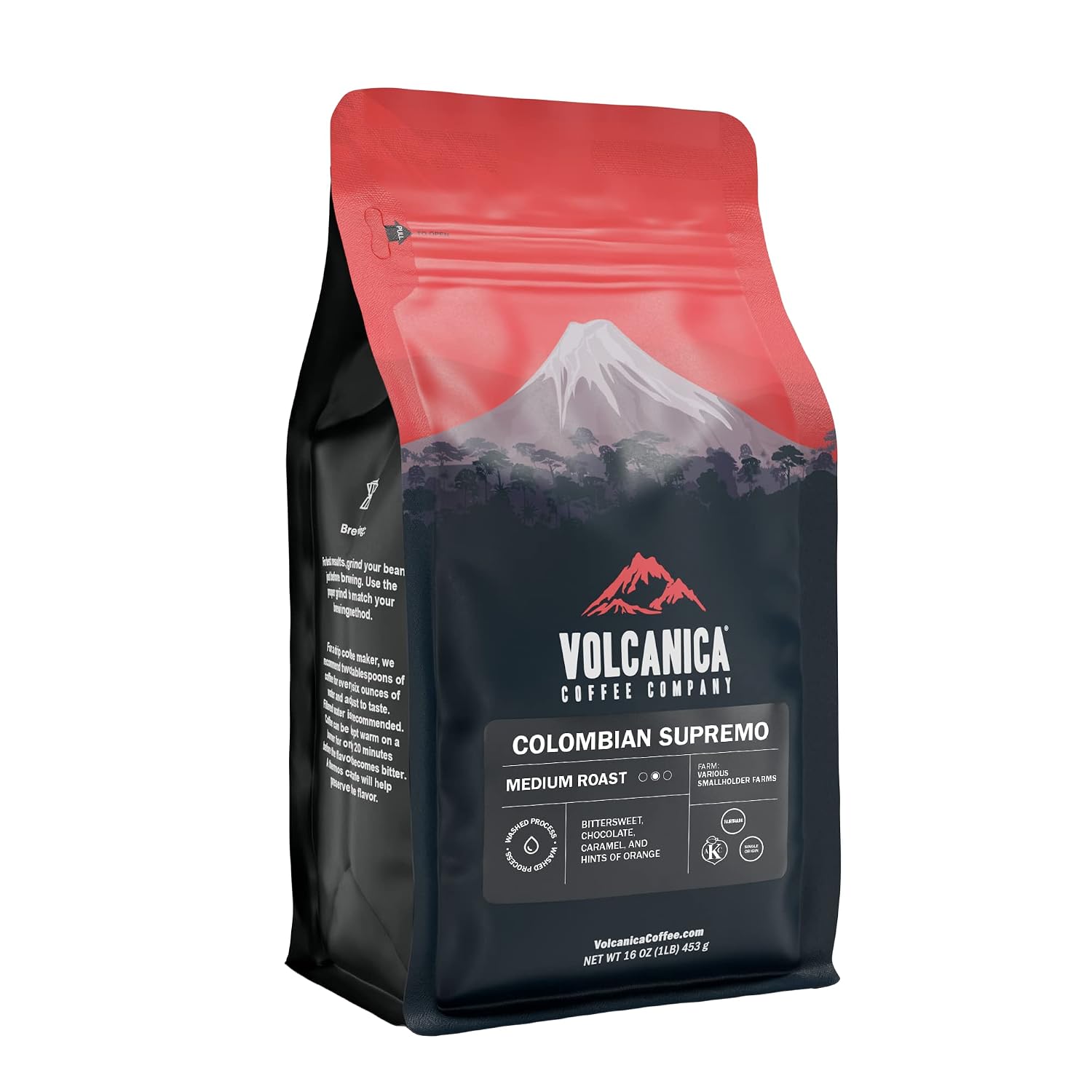
Our pick: Volcanica Coffee Colombian Supremo, medium roast, Fair Trade, whole bean, 16 oz. A washed South American profile for nutty, chocolatey grocery-style lattes. Research-rated, not yet brewed by our team.
Frequently Asked Questions
These FAQs address common latte coffee questions not fully covered above, with straightforward answers for home latte drinkers in 2026.
Do I need “espresso” beans for lattes, or can I use regular coffee beans?
Any high quality coffee beans can be used for lattes if brewed as a concentrated shot. However, beans labeled espresso roast or sold as espresso blends are typically roasted and blended to be more soluble and balanced under pressure, making them more forgiving on home machines. Espresso beans are not a separate species-they can come from arabica beans, robusta beans, or arabica and robusta beans blended together, across various roast styles. Regular coffee beans, especially medium roast and medium dark roast varieties, can work well if you grind finely and dial in your shot. Look for blends or single origin beans with chocolate, caramel, or nutty notes and moderate acidity, regardless of whether the bag says “espresso.”
Which roast level is best for a latte if I’m just starting out?
Medium to medium-dark roast is the most reliable starting point for new home baristas. These roast levels offer easy sweetness, fuller body, and lower perceived acidity in milk-exactly what you want for a forgiving, balanced cup. Dark roast can be great if you like strong, roasty flavors, but it risks tasting smoky or ashy with lower-quality beans. Light roast is best left until you’re comfortable dialing in espresso, because it’s less forgiving and can taste sour in lattes. When in doubt, look for roaster flavor notes that mention chocolate, caramel, brown sugar, and toasted nuts.
How long after the roast date is coffee good for lattes?
For espresso-based drinks, most coffee roasters and baristas aim to use beans between about five to seven days and up to four to six weeks after the roast date, depending on storage and roast level. Very fresh beans (one to three days off roast) may be gassy-producing uneven extraction and inconsistent shots. Coffee older than a couple of months tends to lose aroma and crema, resulting in flatter lattes with less sweetness and a muddier flavor profile. For peak flavor, buy in quantities you can finish within three to four weeks.
What coffee works best for oat milk lattes specifically?
Medium roast and medium-dark coffees from Central and South America with nutty, chocolate, and biscuit-like notes generally pair best with oat milk’s natural grainy sweetness. Coffees with sharp citrus acidity or very light roast profiles can clash with oat milk and taste sour, while extremely smoky dark roasts can overpower oat’s subtle sweetness. Research shows that oat milk tends to enhance sweetness and suppress bitterness more than cow milk, so a medium roast espresso blend with brown sugar and toasted almond notes often hits the sweet spot. Buy small bags first and experiment until the balance of sweetness, body, and coffee presence feels right with your usual brand.
Can I make a good latte without an espresso machine?
It’s entirely possible to make latte-style drinks using concentrated coffee from a moka pot, AeroPress, or strong French press coffee-as long as you use the right grind, dose, and brew a stronger ratio than regular drip or black coffee. The texture and crema won’t perfectly match true espresso, but medium to medium-dark espresso blends with good body can still produce satisfying homemade lattes. Focus on freshly roasted whole bean coffee, the correct grind for your chosen method, and well-textured milk heated to around 140–150°F. With the right beans and technique, you can get surprisingly close to café-style results without spending hundreds on an espresso machine. A cold brew concentrate can even serve as a base for iced lattes in warmer months.