

Key Takeaways
- The fastest way to find better coffee is to identify your preferred flavor profile (fruity, nutty, dark chocolate, caramel, floral) and then match it to roast level, origin, and brewing method. A nutty, dark chocolate medium roast works well for drip; a bright, fruity light roast shines in pour-over.
- Brewing method compatibility affects how coffee flavor is extracted – grind size, water ratio, and temperature all need to align with your roast choice to avoid sour or bitter cups of coffee.
- Always check roast dates, buy whole beans when possible, and look for bags with clear labeling on origin, processing, and certifications like Fair Trade for both quality and ethics.
- The article below gives concrete bean and gear recommendations, a step-by-step decision framework, and troubleshooting tips – not abstract theory.
At a glance
Direct Answer: How to Choose Coffee Beans (Fast Guide)
Choosing coffee beans comes down to three decisions: know the flavor profile you want, match it to roast level and origin, and confirm the beans are fresh and suited to your preferred brewing style. That framework works whether you drink coffee daily or are just starting your coffee journey.
Here is how those steps play out in practice:
- Decide your flavor goal. Do you gravitate toward sweet, chocolatey comfort or bright, complex flavors? Your taste preferences set the direction.
- Match roast and origin. If you like dark chocolate and caramel, look for medium roast Colombian beans or dark roast Brazilian beans. If you want floral notes and citrus, try a light roast Ethiopian single origin; single origin coffee means the beans come from one region or farm rather than a blend of multiple sources.
- Confirm freshness and brew fit. Check the roast date (not just “best by”), buy whole beans, and pick a grind size that matches your brewer – coarse for French press, medium for drip, fine for espresso.
The rest of this page expands each step with flavor maps, brewing parameters, price and value trade-offs, and researched editorial recommendations for specific beans and gear.
What You Need to Know Before Choosing Coffee Beans
Before selecting coffee beans, a few baseline concepts will save you time and money.
Whole bean coffee preserves freshness better than pre-ground coffee. Grinding coffee immediately before brewing preserves aroma and flavor because volatile compounds start escaping the moment cell walls are broken. If you don’t own a grinder yet, pre-ground is a reasonable starting point – just understand it’s a convenience trade-off.
The two dominant commercial species are Arabica and Robusta. Arabica beans make up 60% of global coffee production and typically grow at altitudes of 600–2,200 meters above sea level, producing more nuanced flavor profiles – floral, fruity, chocolatey, nutty. Robusta beans are known for their strong, earthy flavor and contain twice as much caffeine as Arabica beans, which makes them popular in espresso blends for crema and intensity. Robusta coffee trades nuance for punch. Two lesser-known species occasionally appear in specialty markets: Liberica beans have a smoky flavor with floral notes, and Excelsa beans taste both light and dark, fruity yet rich.
Specialty coffee emphasizes traceability, quality scoring, and ethical sourcing. Certifications like Fair Trade, Direct Trade, and Rainforest Alliance address farming and labor conditions, and better-managed farms often produce higher-quality lots. Good quality coffee beans have clear labeling on origin and roast date – treat vague labels as a warning sign.
Flavor Profiles: Matching Coffee Beans to Your Taste
A flavor profile is the combination of flavor notes, body, sweetness, and acidity in a given coffee. It is the single best starting point when choosing coffee beans, because it connects what you already enjoy to what’s in the bag.
Major flavor families include:
- Bright and fruity – berries, citrus, stone fruit. High acidity, lighter body. Common in African origins.
- Floral and tea-like – jasmine, bergamot, honey. Gentle body, delicate sweetness. Often Ethiopian washed lots.
- Nutty and chocolatey – almond, dark chocolate, hazelnut. Mellow acidity, medium to full body. Great for beginners.
- Caramel and sweet – toffee, brown sugar, molasses. Rounded, approachable, crowd-pleasing.
- Earthy and spicy – cedar, baking spice, tobacco. Low acidity, heavy body. Indonesian origins dominate here.
A simple exercise: think about the desserts or snacks you reach for. If you love dark chocolate brownies, you’ll likely enjoy a nutty, chocolatey medium roast. If lemon bars are your thing, a bright, citrusy light roast might be your preferred flavor profile.
Tasting notes on coffee packaging can provide insights into expected flavor profiles. A label reading “milk chocolate, toasted nut, caramel” signals a very different cup from one reading “peach, jasmine, honey.” Reading those notes is the fastest shortcut to finding the right beans, using taste and aroma to brew the perfect cup.
Origin and Processing: How Place Shapes Flavor
Geographic origin and processing method are two of the biggest drivers of a coffee’s taste profile, and both are usually printed on the bag.
Regional tendencies to keep in mind:
- Ethiopia and Kenya – Ethiopian beans often have fruity and floral notes, especially at high altitude (1,500–2,200 m). Kenyan beans deliver sharp acidity with blackcurrant and grapefruit character. African coffee beans are known for their bright acidity overall.
- Colombia and Brazil – Colombian beans offer balanced citrus, caramel, and chocolate. Brazilian coffee typically has a smooth and mild flavor with low acidity, making it a staple in espresso blends.
- Guatemala and Costa Rica – coffee from Central America is smooth and nutty, often with chocolate and citrus undertones. Costa Rican beans are particularly clean-finishing.
- Sumatra and Indonesia – earthy, spicy, low-acid, full body. Wet-hulled processing adds a distinctive “damp wood” or herbal quality.
High-altitude coffee is generally sweeter and more complex because slower cherry maturation concentrates sugars and acids.
Single-origin coffee comes from one specific region or farm, meaning a traceable lot from one place, and different regions produce distinctive flavors shaped by climate, soil, altitude, and processing. Single-origin coffees are often seasonal and exclusive. Blends consist of beans from various origins and farms, aiming for consistency across seasons.
Processing methods such as washed and natural can greatly impact flavor profiles of coffee. Washed processing yields clean, bright acidity. Natural coffee processing brings out fruity and sweet profiles with heavier body. Honey processing sits between the two, combining sweetness and fruit without extremes.
A natural-process Ethiopian light roast delivers berry and jammy intensity; a washed Colombian medium roast gives you a balanced cup for everyday drinking. The trade-off: naturals can be bold and fun but sometimes unpredictable between lots, while washed coffees are more consistent and easier to dial in at home.
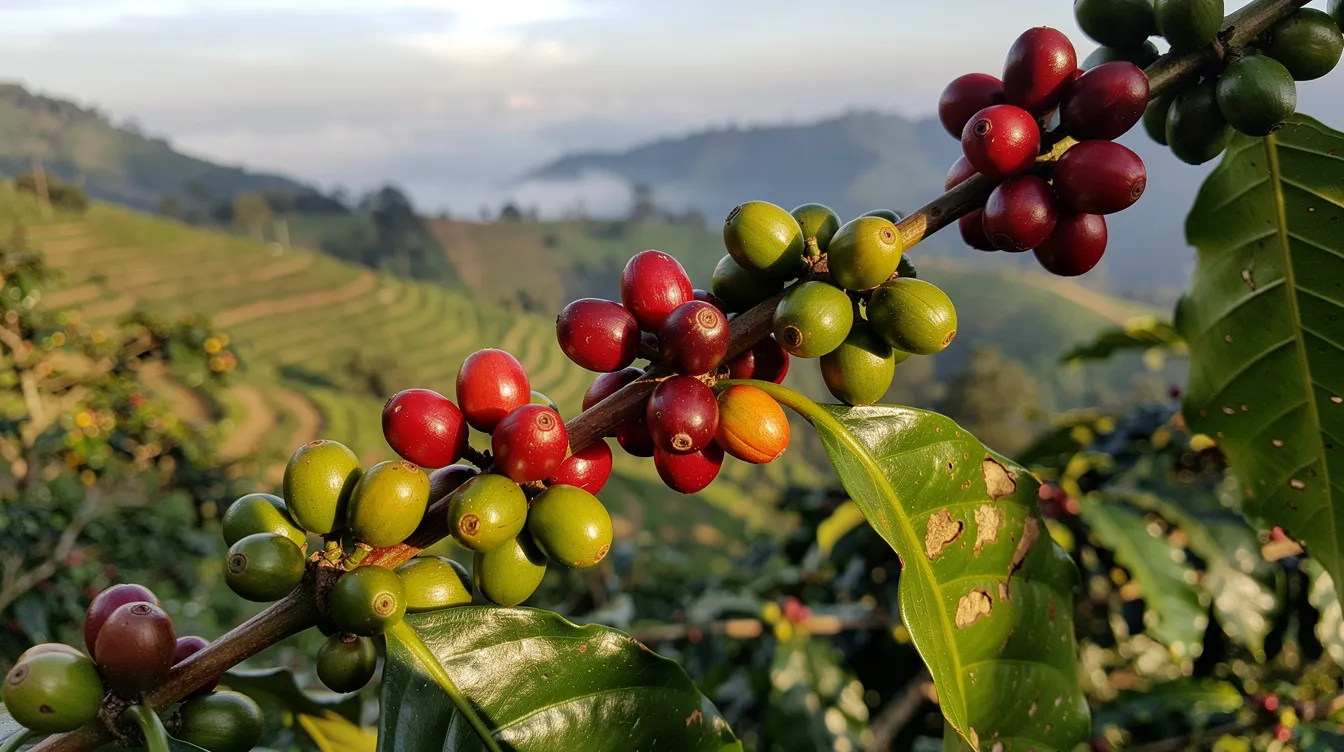
Roast Level and Freshness: Light, Medium, Dark
Roast level influences the flavor of coffee beans as much as origin does. The key chemical processes – Maillard reactions, caramelization, and chlorogenic acid degradation – shift the balance between origin character and roast character.
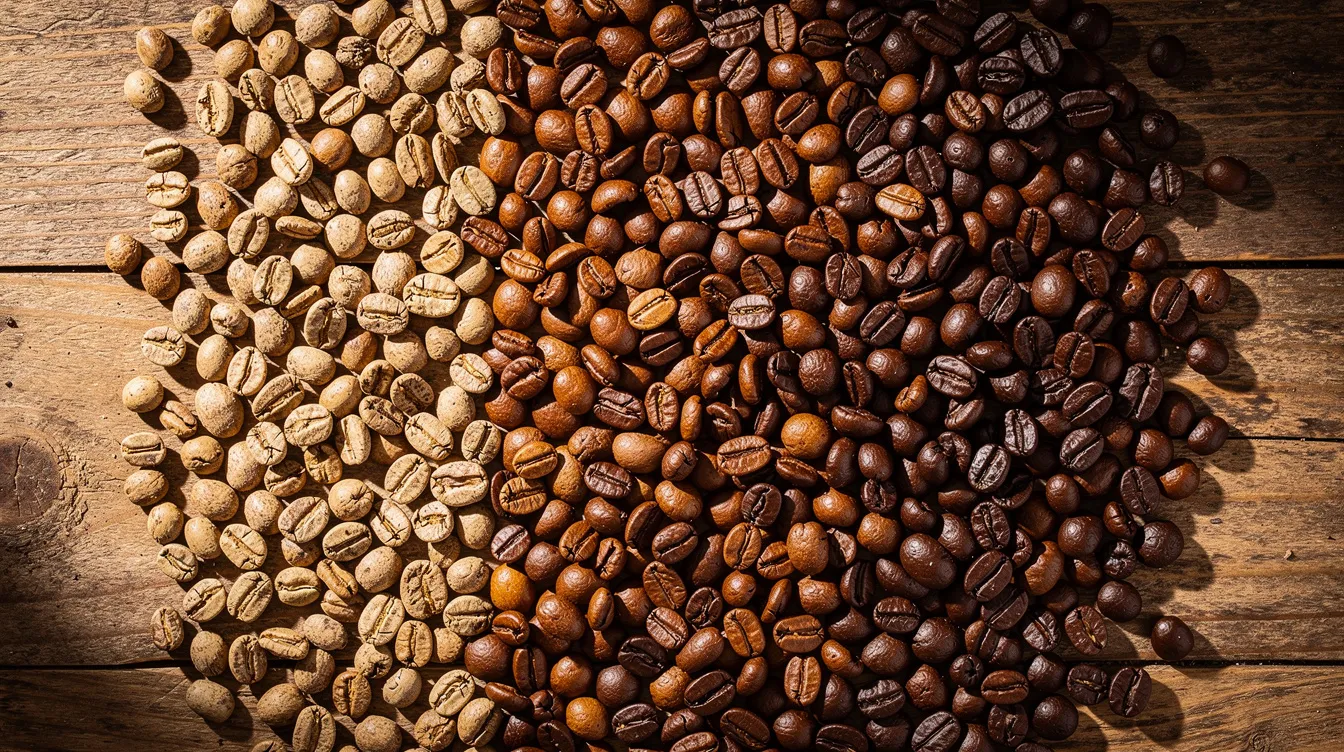
Light roasts are light brown, dropped just after first crack (around 190–205 °C internal bean temperature). Light roasts preserve 95% of the original bean character, emphasizing bright acidity, floral notes, and fruit. Light roasted coffee works well in pour-over and drip, though it can taste sour if under-extracted.
Medium roast is the crowd-pleaser. Medium roasts balance brightness with body and sweetness, bringing out chocolate, caramel, and rounded fruit. Medium roasts are roasted between 410–435 °F and are suitable for automatic drip coffee makers to achieve balanced flavor. This is often the safest starting point for someone searching for the best coffee beans for a daily cup.
Dark roasts push past second crack (above 225 °C). Dark roasts have reduced acidity and stronger, roastier flavors – dark chocolate, toasted nuts, and sometimes a smoky flavor. Darker coffee works well in cold brew, French press, and milk-heavy espresso drinks. The first and second crack milestones mark where green beans transform through caramelization, and an oily surface on very dark roasted coffee is normal.
Beans at this end of the spectrum contain less caffeine per scoop than light roasts (caffeine degrades slightly with heat), though the difference per brewed cup is modest.
Freshness matters as much as roast level. Freshly roasted coffee is best within 4–14 days of roasting, and remains good for roughly 2–4 weeks. Always check the roast date rather than a vague “best by” stamp. Green coffee – unroasted green beans – can last months, but once roasted, the clock is ticking. Coffee beans should smell fresh and aromatic when purchased; stale beans smell flat or papery. Peak freshness delivers the overall flavor the roaster intended.
Coffee/Water/Grind Parameters by Brewing Method
Even the best coffee beans need the right ratio, water, and grind size to show their true flavor profile. Mismatched parameters lead to either a bitter taste from over-extraction or sourness from under-extraction.
Brew ratios by method:
- Drip and pour-over: about 1:15 to 1:17 coffee-to-water by weight (roughly 55 g/L per SCA Golden Cup standards)
- French press: about 1:15
- Espresso: roughly 1:2 (e.g., 18 g in, 36 g out)
- Cold brew concentrate: around 1:4 to 1:5, then dilute to taste
Grind size: Coarse for French press and cold brew, medium for drip and most pour-over, fine for espresso and moka pot.
Water: Filter your tap water. Distilled water produces flat cups; overly hard water accentuates bitter flavor. Aim for clean-tasting water.
Temperature: Light roasts are typically brewed at 205–210 °F for optimal extraction, while dark roast coffee benefits from slightly cooler temperatures (around 195–200 °F) to avoid harsh roast notes.
Step-by-Step: How to Match Beans to Your Brewing Method
Here is the practical workflow: identify your flavor goal, choose roast and origin to match, set grind and ratio, then taste and adjust. Brewing method compatibility affects how coffee flavor is extracted, so each method has its own sweet spot.
Drip and pour-over: Start with medium roast beans labeled with chocolate, nutty, or caramel notes. Pour-over methods highlight delicate flavors best with light to medium roasts. Once comfortable, explore lighter, fruitier single origin coffee from Ethiopia or Kenya for different flavors.
Espresso: Espresso typically utilizes medium to dark roasts for balanced flavors under high pressure. Espresso blends with some Brazil or Colombia and tasting notes like dark chocolate, brown sugar, and nuts generally perform best. Pure light roasts can be harder to dial in on home machines.
French press: Medium to dark roast beans with chocolate or cocoa notes and low-to-medium acidity origins produce a smooth, sweet cup with gentle body. The immersion method forgives minor grind inconsistencies.
Cold brew: Cold brew benefits from medium to dark roasts to achieve rich flavors with low acidity. Brazilian, Sumatran, and many Central American coffees are natural fits. Steep 12–18 hours, coarse grind.
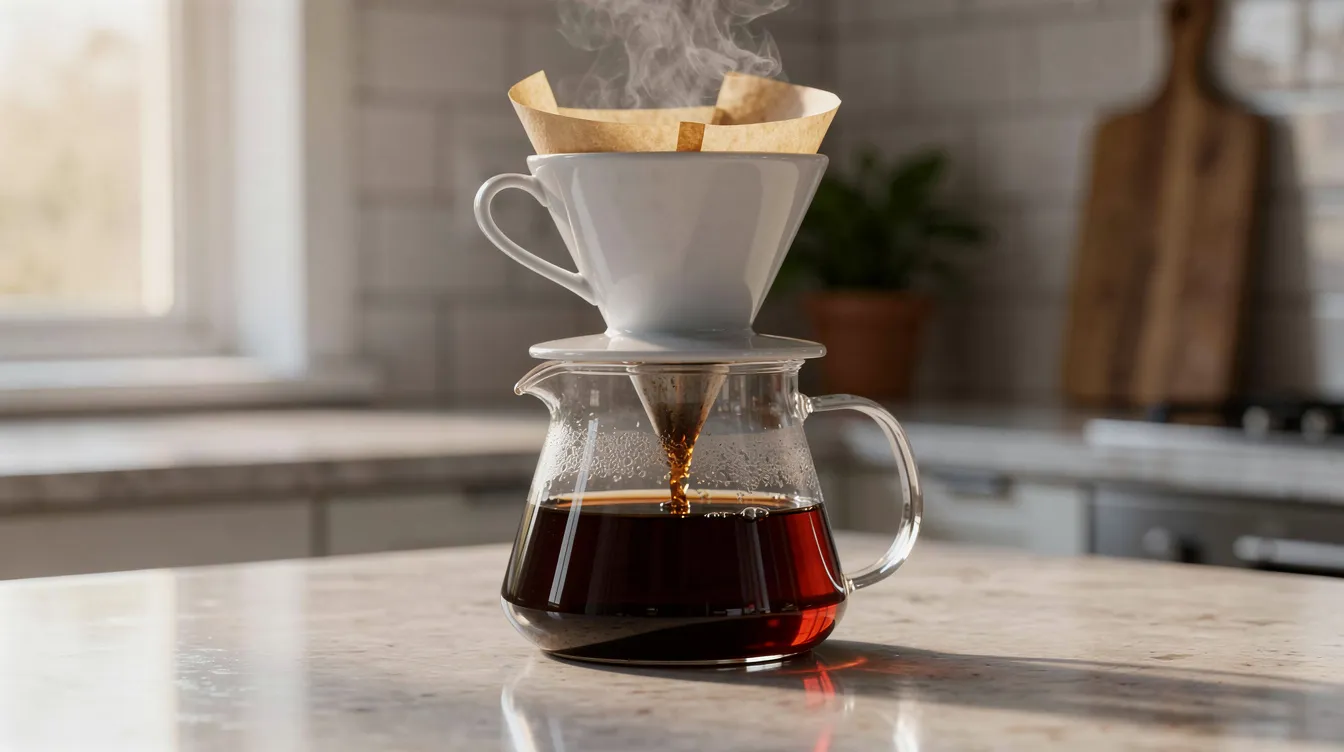
What Good Results Should Taste and Look Like
Good coffee is less about perfection and more about avoiding clear problems – harsh bitterness, vinegar-like sourness, or total flatness – and matching the intended flavor profile.
Positive signs: pleasant aroma before you sip, recognizable flavor notes (chocolate, nuts, fruit), sweetness in the finish, and acidity that’s balanced for the style. A French press should produce a rich, full-bodied cup without excessive silt. A pour-over should be clean, aromatic, and clear. Espresso should show consistent crema and a syrupy texture.
If a light Ethiopian tastes bright and fruity with a tea-like body, that’s the taste buds confirming the profile. If a dark roast Sumatra delivers earthy, heavy-bodied, dark chocolate flavor – not burnt ash – you’re in the right zone. When a bag labeled “sweet and chocolatey” tastes extremely sour, or a “bright, citrusy” coffee tastes muddy and bitter, something in the grind, ratio, or roast choice needs adjusting.
Troubleshooting: When Your Beans Don’t Taste Right
Off-tasting coffee is usually a brewing variable issue, not a sign you chose the wrong beans entirely.
- Sour or thin: Grind finer, brew longer, check that water temperature is high enough.
- Harsh bitter taste: Grind coarser, shorten brew time, use slightly cooler water.
- Flat or dull: Beans are likely too old. Check roast date, adjust ratio, try a fresher bag.
- Cold brew tastes muddy or overly bitter: Reduce steep time or use a coarser grind.
Storage mistakes silently destroy flavor. Store coffee beans in an airtight container – use ceramic or opaque glass containers for storage. Keep coffee beans in a cool, dark place at room temperature. Avoid storing coffee beans in the refrigerator or freezer, as moisture and odor absorption damage flavor compounds. Cooler temperatures in a pantry are fine; the fridge is not.
If repeated adjustments don’t help, consider a flavor-profile mismatch. Someone who prefers dark chocolate and nutty flavors will likely find a bright, sharp acidity African single origin unpleasant no matter how well it’s brewed. Try a different origin or roast level before giving up on great coffee at home.
Recommended Beans by Flavor Profile and Brew Style
Disclosure: Capitol City Coffee may earn a commission from purchases made through recommended retailers. All picks are based on researched editorial analysis – expert consensus, verified roaster data, and third-party reviews – not commission rates.
Nutty and dark chocolate, medium roast – drip and French press: Look for a Brazilian single origin or a Colombia-Brazil blend with tasting notes of dark chocolate, almond, and caramel. Widely available online in 12 oz bags. Approximate price: $16–$22 per bag. Drawback: can taste one-dimensional to drinkers who prefer complex flavors.
Fruity, floral light roast – pour-over: A washed Ethiopian Yirgacheffe with notes of jasmine, peach, and lemon is the archetype of bright, high-quality coffee. Often $18–$26 per 12 oz bag from specialty roasters. Drawback: the bright acidity and floral character aren’t for everyone, and it requires careful brew technique.
Bold dark roast – cold brew and espresso: A Sumatran or dark roast Guatemalan with earthy, cocoa, and strong flavor notes makes a rich cold brew concentrate. Around $15–$20 per bag from online roasters. Drawback: heavy roast character masks origin nuance, and the oily surface can clog some grinders.
Balanced everyday cup – drip and AeroPress: Colombian beans at medium roast, labeled with caramel, red apple, and milk chocolate notes. Available from most local roasters and many online retailers. $14–$20 per bag. Drawback: may feel “safe” for adventurous coffee drinkers seeking more intensity.
For Hawaiian Kona, expect premium pricing ($35–$50+ per bag) and a smooth, mellow acidity with nutty sweetness – a luxury pick, not an everyday value buy.
Recommended Gear for Getting the Most from Your Beans
The right grinder and brewer unlock more value from whatever beans you choose.
Burr grinders outperform blade grinders in grind consistency, which directly affects extraction and flavor. An entry-level conical burr grinder ($40–$70) handles drip and French press well. A midrange flat-burr model ($100–$170) adds espresso capability and finer adjustment. Both are easy to clean and durable enough for years of daily use. The limitation at the entry level is typically slower grinding and fewer fine-grind steps.
Brewing devices worth considering:
- A ceramic pour-over dripper ($8–$25) – lightweight, nearly indestructible, highlights delicate flavor notes.
- A reliable automatic drip machine with a showerhead design ($50–$90) – consistent results for regular coffee without manual effort.
- A glass-and-steel French press ($20–$35) – simple workflow, easy cleaning, full-bodied cups.
- A cold brew pitcher or mason jar system ($15–$30) – low-tech, works overnight, minimal cleanup.
For more brewing how-tos and gear advice, the buying guides section on Capitol City Coffee covers beginner setups, gift ideas for coffee lovers, and the whole bean vs. ground decision in detail.
Price, Value, and Where to Buy Coffee Beans
Specialty whole-bean roasted coffee in the U.S. averages about $34.70 per pound as of mid-2025, with entry-level specialty near $22.49/lb and top lots approaching $46.92/lb. Grocery store beans are cheaper but often lack roast dates, detailed origin info, or freshness guarantees.
Value math matters: even a $20 bag of whole beans yields roughly 20–25 cups, putting your cost per cup well under $1 – far below any café price. Fresher beans deliver better flavor per dollar, so buying from local roasters or online specialty retailers with transparent roast dates tends to be a better investment than stale supermarket bags.
Buy coffee beans in amounts you can use within weeks. Favor bags that clearly list origin, roast level, roast date, and flavor profile. Be cautious of vague labels (“bold roast,” “100% coffee”) that provide no real insight into coffee’s quality. For a deeper comparison of whole bean vs. pre-ground options, Capitol City Coffee’s buying guides section covers the trade-offs in detail.
Our Flavor-Profile Picks
We matched one bright cup and one balanced blend. Tap the image or the coffee name. Research-rated, not yet brewed by our team.
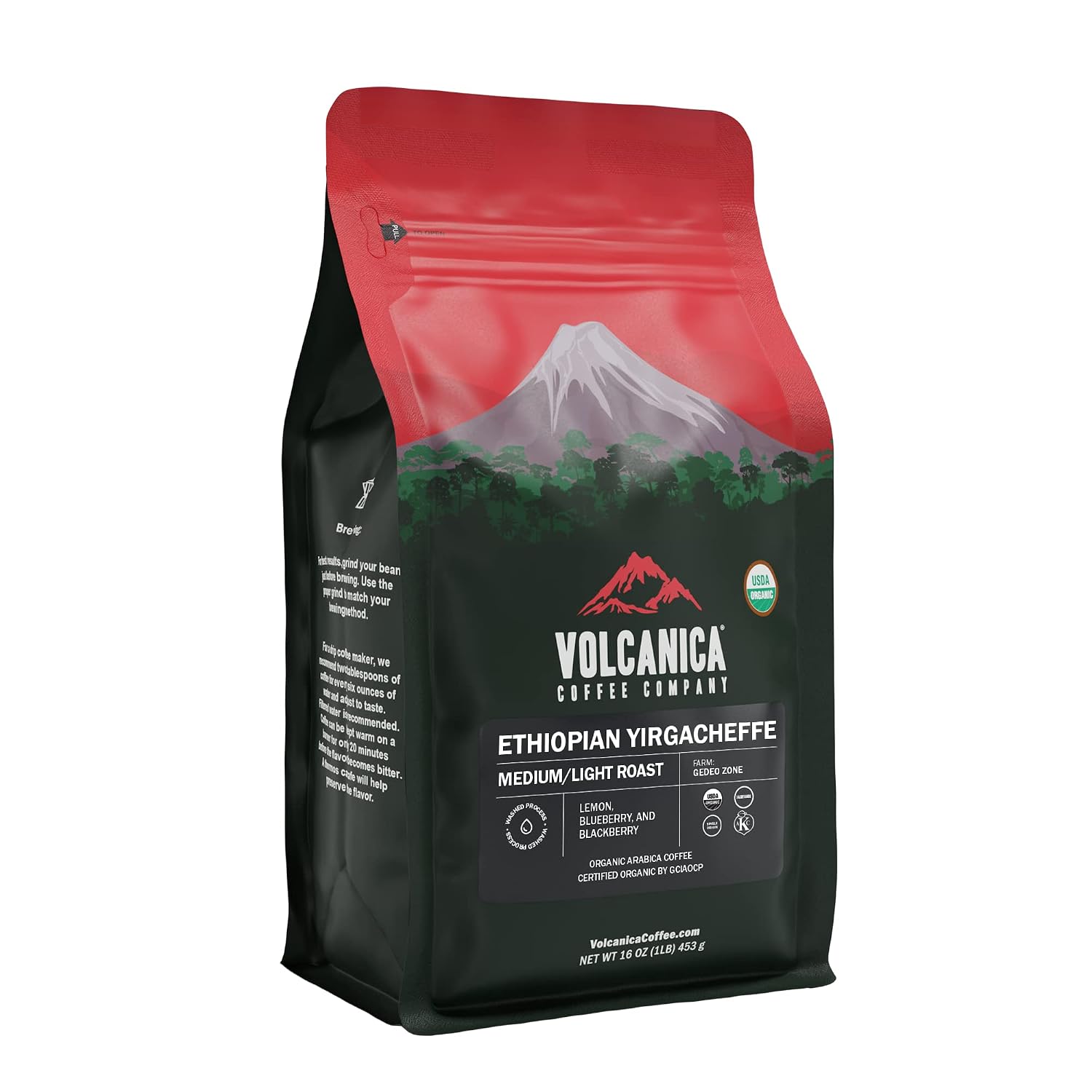
Feeling floral: a light pour-over
Our pick: Volcanica Ethiopian Yirgacheffe, light roast, whole bean. The citrus-floral end of this flavor guide. Research-rated, not yet brewed by our team.
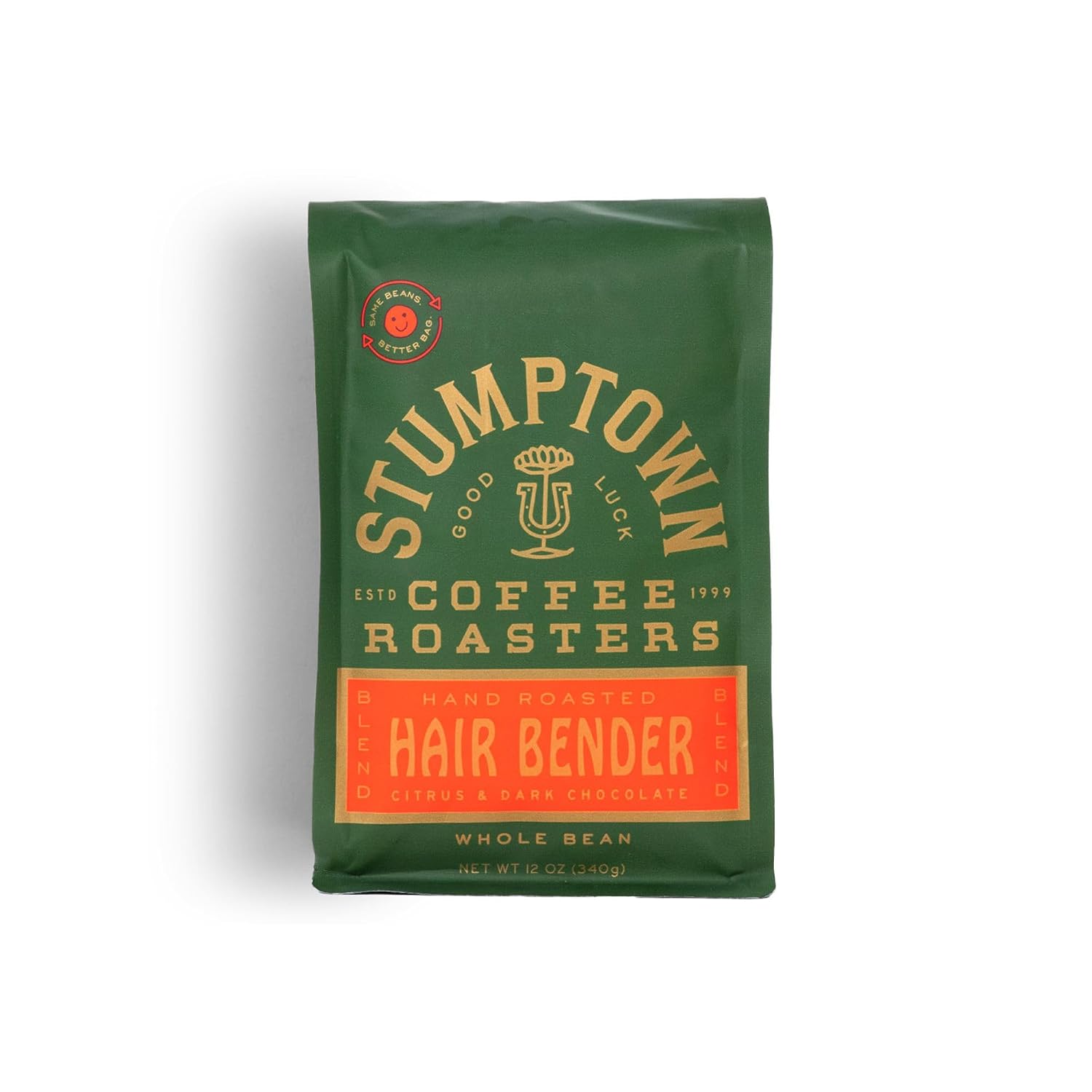
Feeling chocolate: a daily blend
Our pick: Stumptown Hair Bender, whole bean. A balanced blend when you want chocolate and citrus together. Research-rated, not yet brewed by our team.
Frequently Asked Questions
These FAQs address specific edge cases not fully covered above.
Can I use the same coffee beans for espresso and drip coffee?
Many medium-roast blends with chocolate and nutty notes work well for both espresso and drip, but you will need to change grind size and recipe. Espresso demands a fine grind and a roughly 1:2 ratio, while drip uses a medium grind at 1:15 to 1:17. Very light roasts can be challenging for home espresso machines, producing sour shots, and very dark roasts can taste flat and ashy in a drip brewer. A versatile medium roast labeled with caramel or chocolate tasting notes is the safest dual-purpose choice.
What are the best coffee beans if I’m sensitive to acidity?
Look for low-acid origins like Brazil or Sumatra, choose medium to dark roasts with dark chocolate or caramel flavor notes, and brew using immersion methods like French press or cold brew rather than high-extraction pour-over. These combinations produce a cup with mellow acidity and a heavier, smoother body. Blended coffee offers a balanced and consistent flavor profile that often smooths out any sharp acidity spikes from individual origins.
How long do coffee beans stay fresh after opening the bag?
Under typical U.S. kitchen conditions, beans are at their best for about 2–4 weeks after the roast date. Once opened, aim to use them within roughly 2–3 weeks. Store them in an airtight, opaque container away from heat, light, and moisture. Buying smaller bags more frequently is a better strategy than stockpiling large quantities that go stale.
Should I buy flavored coffee beans if I’m learning about flavor profiles?
Flavored beans – French vanilla, hazelnut, and similar – are coated with flavoring oils that mask the coffee bean’s natural flavor profile. Those oils also cling to grinder burrs and can taint future batches. Treat flavored beans as a separate indulgence rather than a learning tool. To explore different flavors and understand what origin and roast contribute, stick with unflavored single origin coffee or well-documented blends.
Does Fair Trade certification affect how coffee tastes?
Fair Trade and similar certifications primarily address farming practices, labor conditions, and environmental sustainability – not flavor directly. However, better-managed farms with fair pricing often invest more in careful harvesting and processing, which can correlate with higher-quality lots. Taste still depends far more on origin, processing, roast, and freshness than on certification alone. Think of certifications as a quality signal, not a flavor guarantee.
Your coffee journey starts with one well-chosen bag. Pick a flavor profile that matches your taste, brew it with the right method, and let your palate guide you from there. For more guides on brewing, beans, and gear, explore the full collection on Capitol City Coffee.