As an Amazon Associate I earn from qualifying purchases. This page contains affiliate links; we may earn a commission if you buy through them.
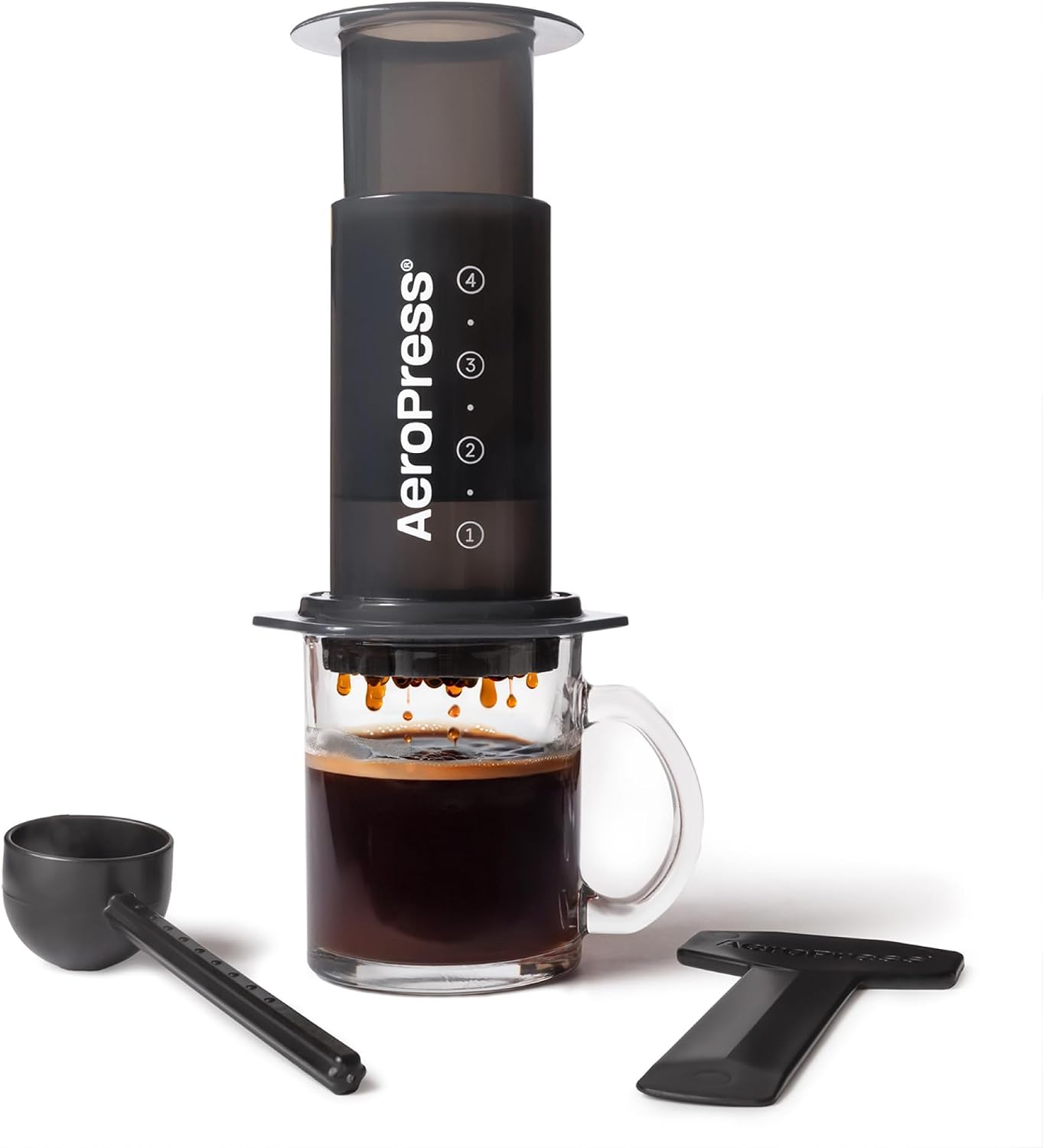
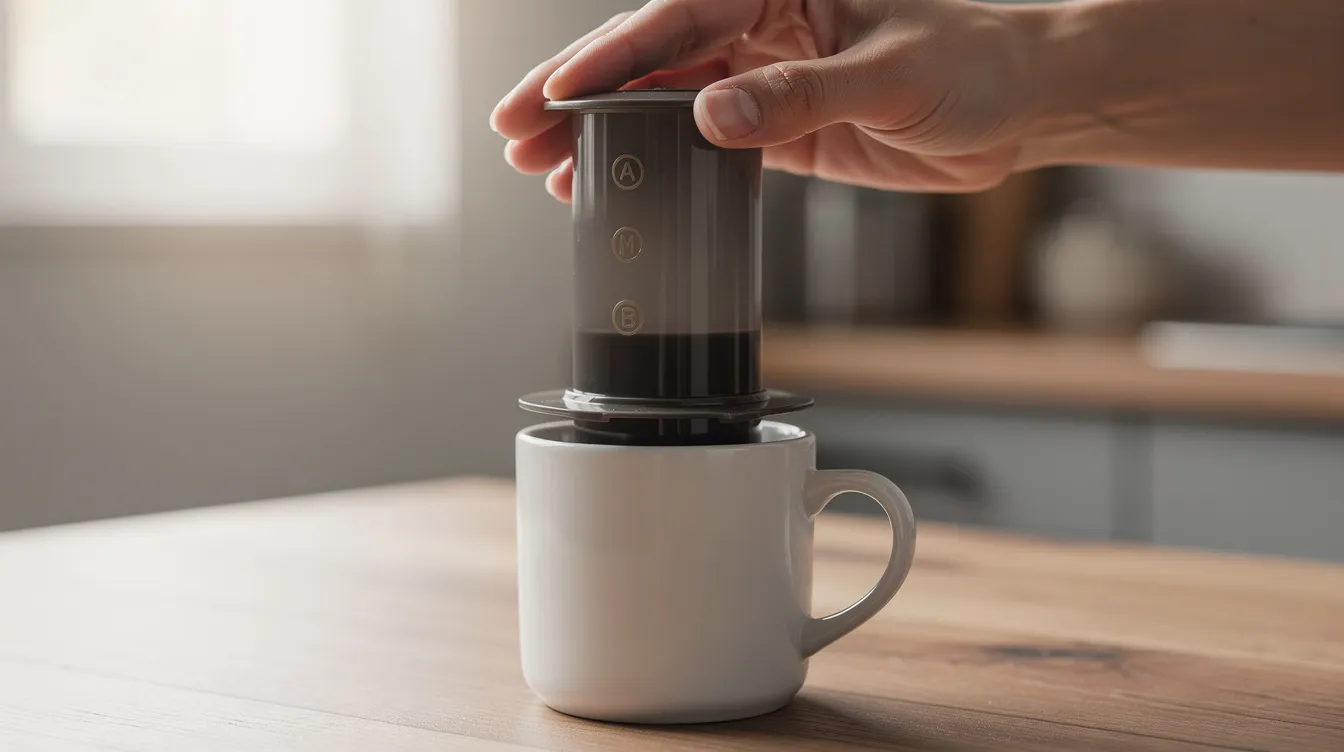
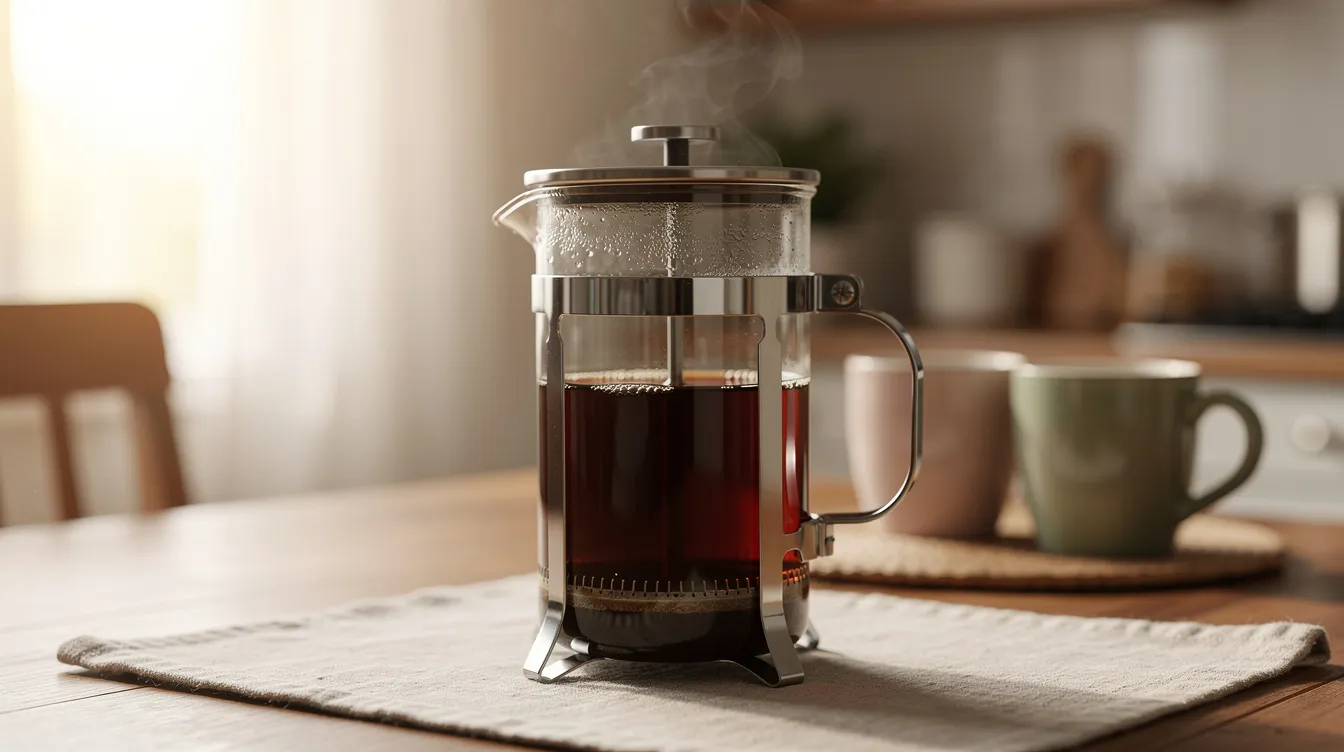
AeroPress vs French press: AeroPress is faster and cleaner with a brighter cup; French press is fuller-bodied and better for sharing. Amazon pick on this page: AeroPress Original.
Best aeropress pick
For this roundup, AeroPress Original is the aeropress we recommend first—the same pick at the top of our At-a-glance cards below.
AeroPress is usually the better pick for clean, quick, single-cup coffee and travel; French press is better for rich, heavy-bodied coffee and brewing multiple cups at once.
Both are affordable manual coffee makers with fundamentally different brew methods – pressure plus paper filter versus metal mesh immersion – which change flavor, workflow, and cleanup.
The “winner” depends on your preferred cup profile, how much brew time you have, and how many people you serve each morning.
This guide is a researched editorial analysis, not hands-on lab testing. Detailed use-case recommendations, a cost and value breakdown, and alternatives are covered further down.
Quick Verdict: AeroPress vs French Press
If you want a fast, clean, portable brewer that produces a single solid cup in about two minutes, the AeroPress is hard to beat. If you prefer a rich, oil-forward coffee with heavy body and need to serve friends or family from one brew, the French press is the better fit.
The truth in the aeropress vs french press battle—also framed as French Press vs. AeroPress—is that neither device is objectively superior. AeroPress generally wins for speed, clarity, and portability. French press generally wins for mouthfeel, capacity, and a relaxed, “set it and forget it” process. Readers in the U.S. looking for a first manual coffee maker can comfortably start with either, then add the second brewer later for variety.
Affiliate & Editorial Disclosure
Some gear and coffee links on this page may be affiliate links that earn a small commission at no extra cost to you. Rankings and opinions are based on researched editorial analysis, not commission size. Capitol City Coffee is an independent coffee editorial and affiliate publication – not a coffee seller. When direct testing data is not available, we rely on verified product specs, expert consensus, and reputable third-party sources.
Key Differences: AeroPress and French Press at a Glance
Below is a quick-reference table for busy readers comparing these two coffee makers head to head. If you want to decide fast, this is the best way to see the difference at a glance.
Factor
AeroPress
French Press
Brew method
Short immersion + mild pressure through filter
Full immersion; plunger separates grounds
Filtration
Paper filter (standard) or metal filter disc
Metal mesh – oils and fines pass through
Grind size
Medium to medium-fine
Coarse
Contact time
~1–2 minutes
~4–5 minutes
Brew time (total)
About 2 minutes
4–5 minutes
Capacity
Single cup (~8–10 oz)
Multi-cup (12–34 oz)
Cup profile
Clean, bright, low sediment
Rich, heavy body, more sediment
Materials
BPA-free plastic
Glass, ceramic, or stainless steel
Durability
Nearly indestructible
Glass models fragile; metal models sturdy
Cleaning ease
Eject puck, rinse – under 1 minute
Rinse multiple parts, remove wet grounds
Heat retention
Low in brewer; pour immediately
Glass: low; insulated metal: good
Both brewing methods fall under immersion brewing, but the filter material is basically the single largest lever controlling what ends up in your cup – oils, fines, sediment, and clarity all hinge on that choice.
AeroPress: Performance, Benefits, and Limitations
The AeroPress is a relative newcomer to the coffee world. Invented in 2005 by Alan Adler, a Stanford engineering lecturer, this device was designed to reduce acidity and bitterness while giving the brewer granular control over every variable. It has since developed a cult following among home brewers, office drinkers, and travelers.
Cup Profile
AeroPress coffee is bright, clean, and emphasizes fruity and floral notes that might otherwise hide behind oils and sediment. The paper filter removes most oils and fine particles, which produces a cleaner cup with more defined flavor notes and minimal grit compared to French press. If you’ve discovered a great single-origin bean and want to taste every spice and subtle aroma, this brewer lets those qualities ring through.
Swapping the standard paper filter for a reusable metal filter will push the cup closer to French press style – more body, more oils – but the default experience leans toward clarity.
Brew Parameters
Recipes are highly flexible, which is part of both the appeal and the learning curve:
Brew ratio: commonly 1:14 to 1:17 (coffee to water); concentrate-style recipes drop to 1:10–1:13
Grind size: medium to medium-fine, similar to drip
Contact time: 1–2 minutes typical; the inverted method and longer steep variations adjust this further
Temperature: approximately 185–198 °F (85–92 °C)
The AeroPress has a learning curve with various recipes – standard orientation, inverted method, different ratios, and pressing speeds – but the paper filter is forgiving enough that even beginner mistakes rarely produce a bad cup.
Practical Benefits
AeroPress is made of strong, sturdy plastic (BPA-free polypropylene), making it nearly indestructible and portable.
AeroPress is designed primarily for single servings, yielding about 8 to 10 ounces – or roughly 1 to 2 cups of coffee per brew.
AeroPress offers easy cleanup by ejecting the used grounds in a compact puck, followed by a quick rinse. The whole process takes under a minute.
AeroPress is more portable due to its lightweight and durable materials, making it a natural choice for travel, camping, or office use.
Limitations
Small capacity means you need to brew multiple rounds for groups, which can be a pain when friends are waiting.
The pressing step is hands-on; some users find pushing the plunger slightly complicated or inconvenient compared to a set-and-wait method.
AeroPress typically costs between $30 and $40 for the base brewer – affordable, but it does require a steady supply of paper filters (inexpensive) or a one-time metal filter purchase.
French Press: Performance, Benefits, and Limitations
The French press is one of the oldest and most recognized manual brewing devices in the world. First patented in 1929, this coffee maker uses a carafe and plunger with metal mesh filtration – no paper, no pressure beyond what your hand applies to push the grounds down.
Cup Profile
French press coffee has a heavy mouthfeel and rich body that many drinkers find comforting. The metal mesh allows fine particles and oils through, which fill the cup with texture and depth. Chocolatey, nutty, and earthy flavors tend to be more prominent. French press coffee has more body than AeroPress coffee, though it can taste muddled due to its oils and sediment – a point that divides opinion among coffee drinkers.
Contact time: French press requires 4–5 minutes to brew coffee; sometimes up to 6 minutes for darker roasts
Temperature: around 200–205 °F (93–96 °C)
French press is easier to use than AeroPress. It requires less prep work: add grounds, pour hot water, wait, plunge, serve. The technique barrier is about as low as making coffee gets.
Practical Benefits
French press can brew multiple cups at once. Standard carafe sizes range from 12 to 34 ounces, so you can serve the whole household from a single brew.
French presses provide more size options at different price points, from compact personal models to large dinner-party carafes.
Some French presses are made from stainless steel for durability and better heat retention, while glass models offer an elegant countertop style.
Zero recurring filter cost – the metal mesh is reusable.
Limitations
French presses are often made from breakable glass. They tend to be bulkier and prone to breaking compared to AeroPress.
Cleaning is messier: wet grounds stick to the carafe, residue builds on the mesh, and draining grounds can clog a sink if you’re not careful.
Persistent sediment at the bottom of every cup bothers some drinkers, and there’s no way to fully eliminate it without adding a secondary filter.
French presses range from $20 to over $50 depending on capacity and materials.
Winner by Use Case: AeroPress vs French Press
There is no single winner here. The answer depends on how you brew coffee and who you’re brewing for.
For one strong morning cup: AeroPress. It brews about 8 ounces at a time in roughly two minutes, produces a good cup with high clarity, and cleans up before you’ve finished your first sip.
For a family or roommates: French press. Making coffee for a group from a 34-oz carafe is faster and easier than running four AeroPress cycles back to back.
For travel and camping: AeroPress. It’s lightweight, durable, and fits in a backpack. Glass French presses are a drop away from disaster on a trail.
For experimenting with brew methods and recipes: AeroPress. Adjust grind size, temperature, contact time, ratio, or try the inverted method – the variables are nearly endless, and the community constantly shares more comments and new recipes.
For people who hate cleaning gear: AeroPress. Eject the puck, rinse the chamber, done. French press cleanup is more of a mess.
For fans of dense body and oils: French press. No paper filter means those lipids stay in the cup, giving you that rich, heavy texture.
For tea and batch cold brew: French press, thanks to its larger capacity and simple steep-and-plunge workflow.
Grind-size forgiveness is worth a note: French press strongly prefers a consistent coarse grind to avoid sludge, while AeroPress is more flexible on grind size. Either way, a decent burr grinder proves worthwhile for both brewers.
Cost, Durability, and Overall Value
Both brewers fall into the affordable manual coffee maker category, but long-term costs differ.
AeroPress
French Press (Glass)
French Press (Steel)
Typical U.S. price
$30–$40
$20–$45
$50–$80+
Durability
Excellent – nearly indestructible
Fragile – glass can break
Very good – heavier
Recurring cost
Paper filters (pennies each)
None (mesh reusable)
None
Replacement parts
Seal gasket, filters
Glass carafe if broken
Rare
AeroPress is known for its durability and versatility, and the low price point relative to its lifespan makes it great value. French press delivers strong value for households that brew multiple mugs per session, especially if you personally prefer a heavier cup and want zero filter costs.
Both brewers offer excellent value for money – neither requires electricity, pods, or expensive accessories to produce great coffee.
Which Should You Choose?
The decision basically comes down to a few questions: Do you want body or clarity? A single cup or a batch? Speed or simplicity? And how much sediment can you tolerate?
Choose AeroPress if you:
Drink 1–2 cups and want a quick, clean extract
Travel or need a portable brewer
Enjoy dialing in different beans with precise recipes
Prefer a cleaner cup without oils or grit
Choose French press if you:
Brew for more than one person regularly
Love a rich, full-bodied style of coffee
Want a simple, hands-off brew method with no learning curve
Don’t mind a bit of sediment in exchange for texture
If analysis paralysis is setting in, here’s a test: think about your last favorite cup of coffee. Was it bold and heavy, or bright and clean? That answer will point you in the right direction. And honestly, many coffee drinkers eventually discover that owning both covers every mood and occasion.
Alternatives to AeroPress and French Press
If neither brewer fits perfectly, other manual brewing methods may suit your preferences:
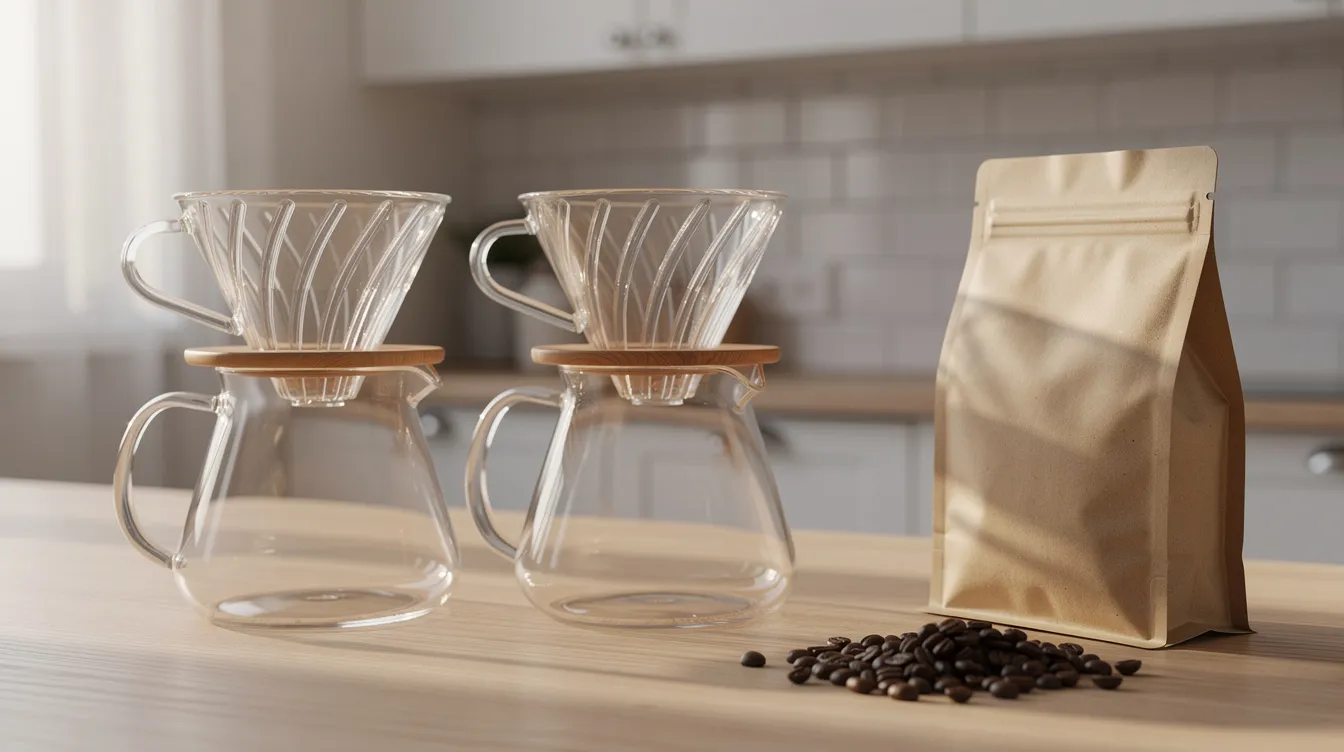
Pour-over brewers (Chemex, Hario V60) emphasize clarity and nuance even further than AeroPress, with a different workflow and aesthetic.
Automatic drip coffee makers offer “set and forget” convenience for larger households that don’t want any manual steps.
Moka pots produce a strong, concentrated brew closer to espresso style, though they require stovetop heat and a different grind.
FAQs: AeroPress vs French Press
These questions cover practical concerns that didn’t get a full treatment above.
Is AeroPress or French press better for beginners?
French press is often the simpler starting point because there are fewer variables: coarse grind, hot water, four minutes, plunge. AeroPress is also beginner-friendly, but the sheer number of recipes and techniques can feel overwhelming at first. Once you settle on a single starting recipe, though, AeroPress is just as forgiving – the paper filter protects you from most extraction mistakes.
Can I make espresso with AeroPress or French press?
Neither device produces true espresso, which requires roughly 9 bars of pressure. AeroPress can create a strong, espresso-style concentrate that works well for lattes and Americanos – the mild pressure during pressing helps extract more flavor than a standard immersion – but it isn’t real espresso. French press cannot generate the pressure needed for crema or espresso-level extraction at all.
What grind size should I use for AeroPress vs French press?
Use a medium to medium-fine grind for AeroPress (similar to table salt or drip coffee) and a coarse grind for French press (closer to sea salt). Too-fine a grind in a French press increases sediment and risks over-extraction, leading to bitter, gritty coffee. A quality burr grinder helps both brewers.
How does water temperature affect AeroPress and French press coffee?
Target roughly 195–205 °F (90–96 °C) for both. With AeroPress, slightly cooler water (around 185–195 °F) can soften bitterness, especially with darker roast beans. For French press, consistent temperature matters more because the longer steep time amplifies any temperature-related extraction issues. Preheating the French press carafe helps maintain even heat throughout the brew.
How do I reduce sludge and sediment in French press coffee?
Use a consistent coarse grind from a burr grinder. Avoid stirring aggressively after adding water. Skim the foam and floating grounds off the top before pressing. Plunge slowly and steadily. Pour gently – don’t tip the carafe all the way to drain the last ounce, which is where sediment concentrates. Some drinkers also decant through a secondary paper or cloth filter for an even cleaner result.
Still comparing brewers? Explore more side-by-side matchups to find the method that fits the way you actually drink coffee – not the way the internet tells you to.
How Capitol City Coffee Rates Coffee and Coffee Machines
Every coffee and coffee machine we recommend is scored on the same 100-point scale, so a recommendation on one page means the same thing as a recommendation on any other. Each pick is also labeled with how we reached its score.
Research-ratedScored from the roaster or manufacturer’s published specifications, independent results such as Coffee Review blind cuppings and SCA brewer certification, and patterns across verified buyer reviews. Most of our current picks are research-rated.
Hands-on testedThe Capitol City Coffee team has brewed the coffee or used the machine ourselves, following the testing steps below. We only use this label when that testing actually happened, and we show the date we tested.
Coffee beans: 100-point scale
What we score
Points
What we look at
Origin and sourcing transparency
20
Country, region, farm or cooperative, altitude, bean variety, and processing method are clearly disclosed.
Flavor evidence
25
Independent cupping scores, how closely the tasting notes match what the origin is known for, and our own cupping notes when hands-on tested.
Roast and freshness
15
Roast level stated, roast-date practices, whole-bean availability, and packaging with a one-way valve or resealable bag.
Brew versatility
15
How well the roast suits pour-over, drip, French press, cold brew, and espresso.
Value
15
Price per ounce compared with similar single-origin coffees or blends.
Buyer feedback
10
Volume and consistency of verified reviews, and recurring complaints about staleness, bitterness, or shipping.
Coffee machines and gear: 100-point scale
What we score
Points
What we look at
Brewing performance
25
Water temperature in the 195–205°F range, even extraction, and SCA certification or published test data.
Build quality and reliability
20
Materials, known failure points, and long-term owner reports.
Ease of use and cleaning
15
Setup, the daily routine, descaling, and dishwasher-safe parts.
Fit for your kitchen
10
Capacity, counter footprint, and noise.
Useful features
10
Programming, grind and temperature control, and carafe type. Features that improve the cup count more than extras that do not.
Value
10
Price compared with machines that perform similarly.
Warranty and support
10
Warranty length, parts availability, and how the brand handles repairs.
What the grades mean
Score
Grade
What it means
90–100
A
Exceptional. Our first recommendation for the feeling and setting described.
80–89
B
Strong. Excellent, with minor trade-offs we explain.
70–79
C
Good. Worth it for specific needs, with clear compromises.
Below 70
—
Not recommended. We do not feature these as picks.
How we test hands-on
When a pick carries the Hands-on tested label, this is the method behind it, and we note the date we tested.
Coffee: brewed fresh from whole beans following Specialty Coffee Association guidelines (water between 195 and 205°F, about 1 gram of coffee to every 15 to 18 grams of water) in the brew methods the roast suits best, such as pour-over, French press, or espresso. We taste it black first, then with milk if that is how most people drink it, and each taster scores it on their own before we compare notes.
Machines: used in our everyday routine rather than a single demo. We brew both full and small batches, check the brewing temperature and brew time, and run the cleaning or descaling steps the manual calls for.
How we choose the feeling and setting
We match each coffee to a mood and a moment based on its flavor profile and roast. Bright, citrusy light roasts suit energizing mornings. Chocolatey, full-bodied medium roasts suit slow or social moments. Richer roasts suit espresso and milk drinks. Each pick explains which facts led us to that match.
Our scores stay independent
Every score comes only from the criteria above. No brand can pay for a pick or a higher grade. We re-check ratings when a roast, listing, or model changes, and update or remove picks that no longer earn their grade.
Some links on this page are affiliate links. As an Amazon Associate, Capitol City Coffee earns from qualifying purchases, at no extra cost to you.
Questions about a rating? Reach the Capitol City Coffee team through our contact page.