


Kenyan coffee beans deliver some of the most vivid, complex cups in specialty coffee, defined by bright acidity, blackcurrant, citrus, and layered sweetness that few other origins can match. If you want the short answer: look for fresh roasted Kenya AA or AB lots from Nyeri or Kirinyaga, roasted medium or medium-light by a reputable specialty roaster, and brew them on pour-over for maximum clarity. Below, we break down the picks, the grading, the regions, and exactly how to get the most out of every bag.
Key Takeaways
- The best Kenyan coffee beans come from high-altitude regions like Nyeri and Kirinyaga, are washed processed, and feature vibrant acidity with blackcurrant, grapefruit, and floral notes that peak when fresh roasted in small batches.
- Our top picks center on Kenya AA and AB lots from specialty coffee roasters with strong traceability, roast-to-order practices, and a track record of quality, selected through researched editorial analysis rather than commission-driven rankings.
- Medium roast is the sweet spot for most Kenyan beans, balancing fruit-forward brightness with sweetness and body, though light roast fans and espresso lovers can also find excellent options.
- Freshness matters more here than with darker, roast-driven coffees. Buy whole bean, check roast dates, and aim to finish a bag within two to four weeks.
- For readers exploring other origins, our guides to Ethiopian, Colombian, and Guatemalan coffees offer useful comparisons.
Quick Answer: What Are the Best Kenyan Coffee Beans Right Now?
For coffee lovers seeking the classic Kenyan profile of wine like acidity, ripe berry sweetness, and floral tones, the best options right now are traceable AA and AB lots from established specialty roasters who roast to order and ship with clear roast dates. All of our picks are Arabica Kenya coffee beans grown at high altitude (typically 1,500 to 2,100 meters), washed processed for clarity, and available as whole bean.
Capitol City Coffee is an independent editorial site. We may earn a commission if you purchase through links on this page, at no extra cost to you. Rankings are never influenced by commission size.
Here is the short list:
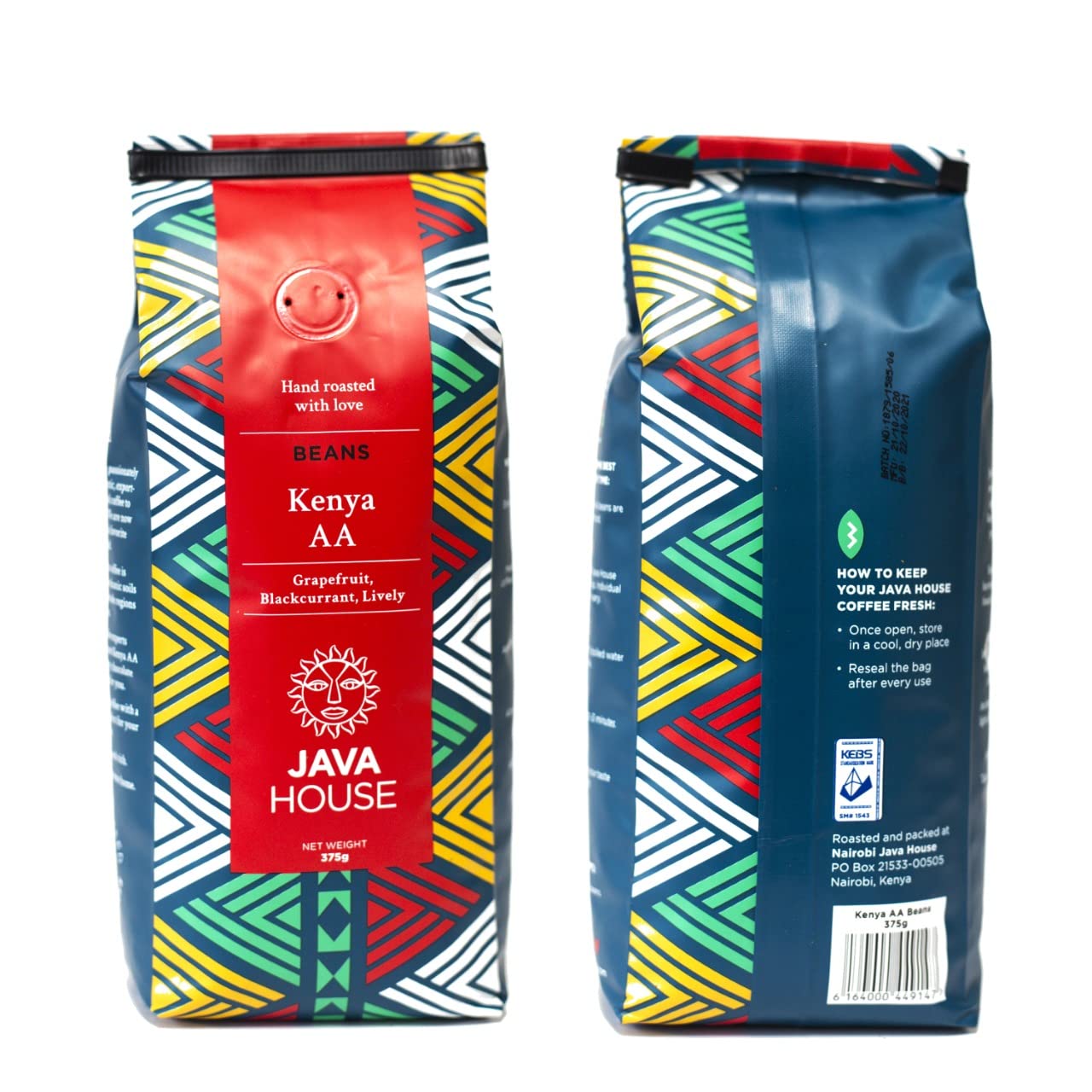
- Java House Kenya AA – Nyeri region, medium roast, blackcurrant and grapefruit, balanced flavor with a long finish. Best overall for filter and pour-over.
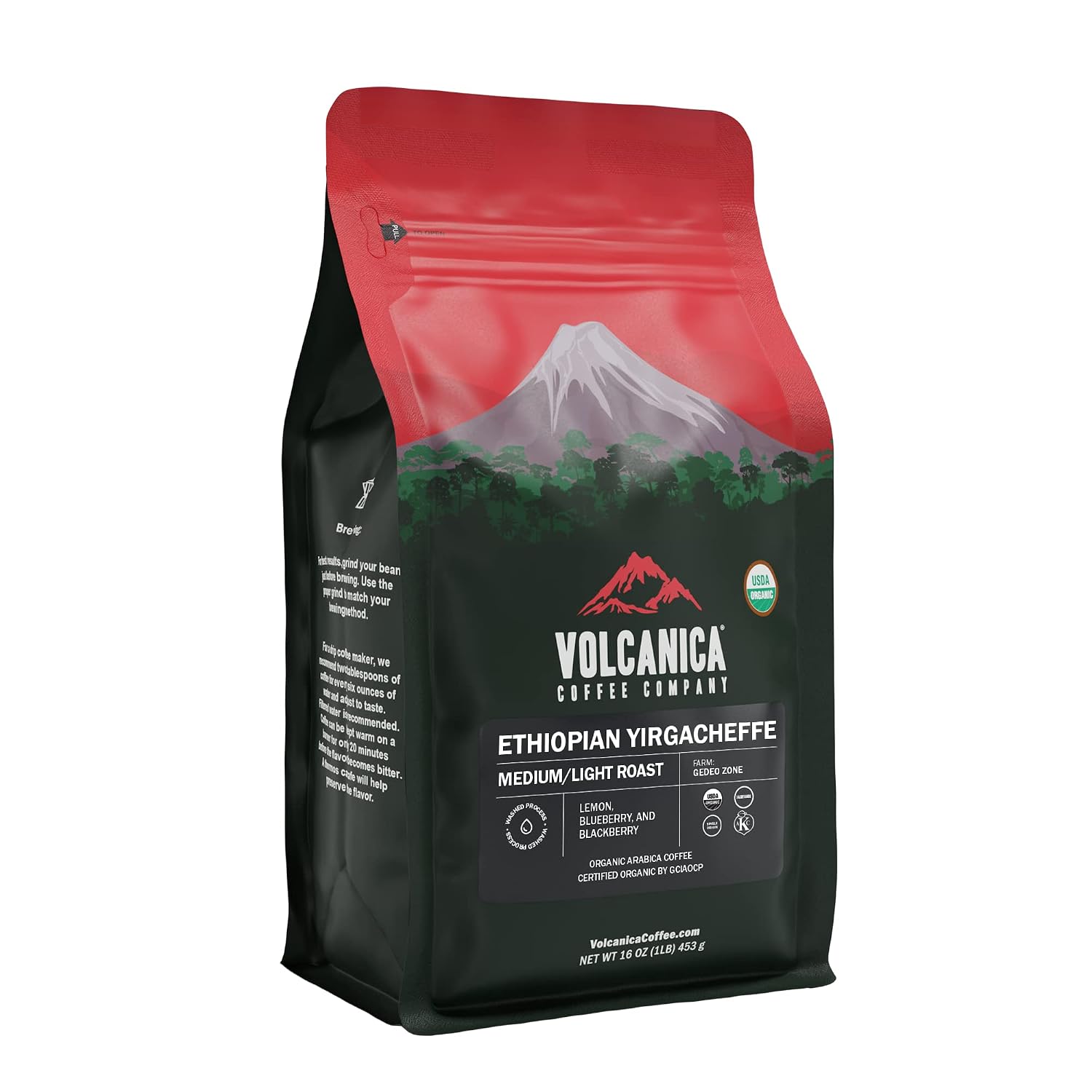
- Sokoni Coffee Kenya AA – Kirinyaga, medium-light roast, stone fruit and floral notes, deeply sweet finish. Best for pour-over enthusiasts.
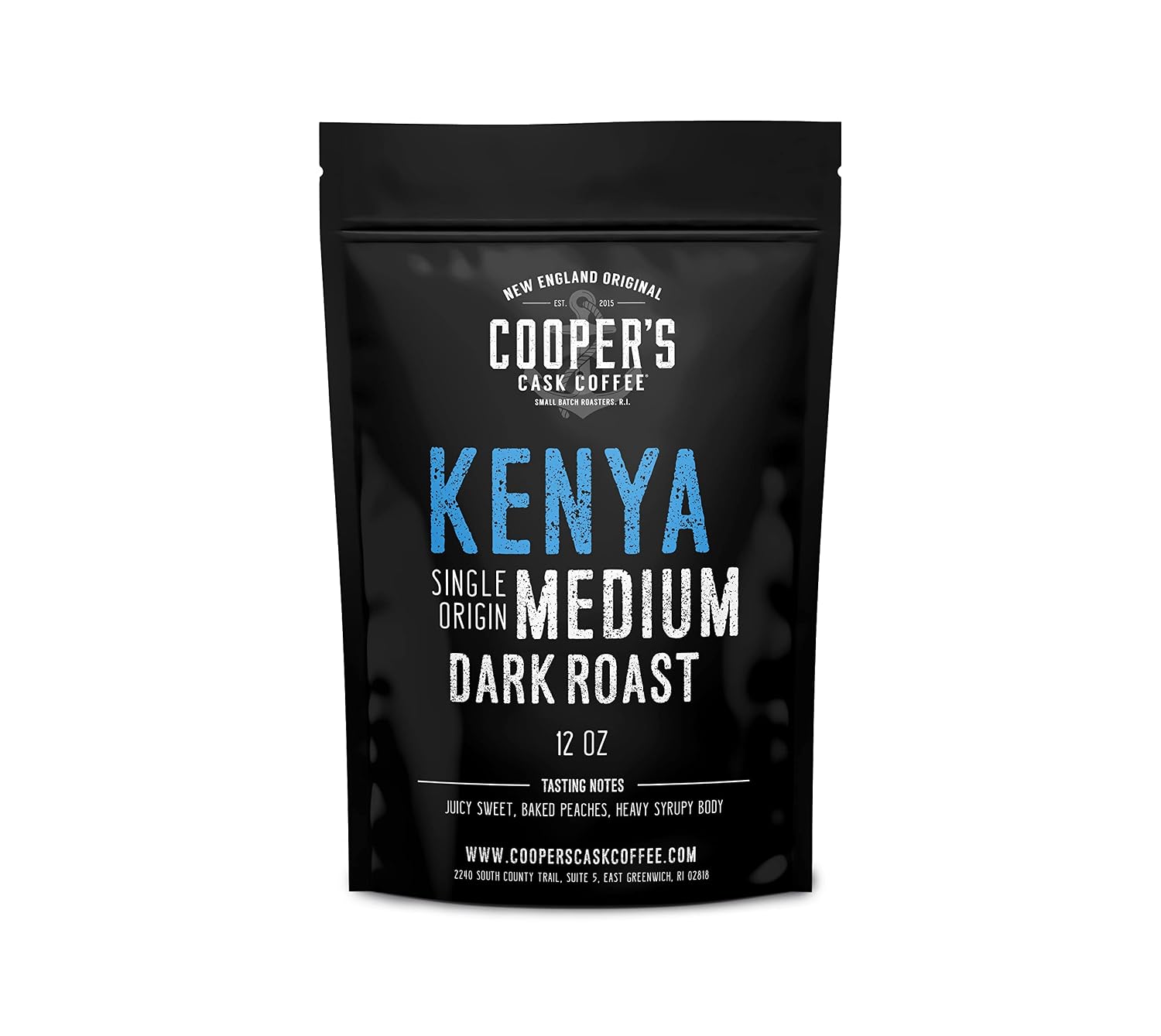
- Cooper’s Cask Kenya AA – Mt. Kenya slopes, medium roast, citrus-forward with dark chocolate undertones. Best widely available option.
- Peet’s Kenya Auction Lot – Nyeri/Kirinyaga blend, medium roast, robust flavor with tropical fruit and winey acidity. Best for drip and everyday brewing.
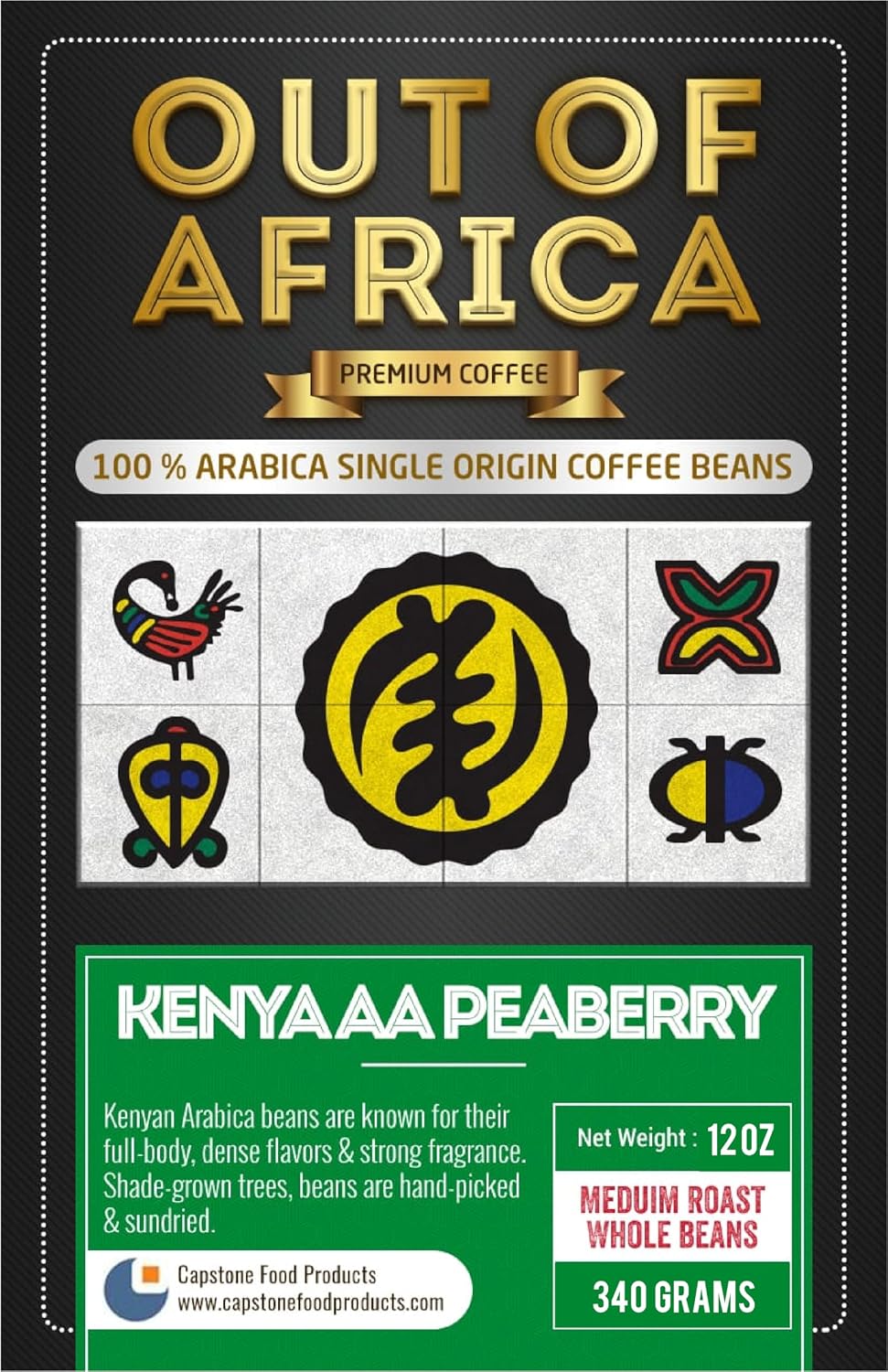
- Out of Africa Kenya Peaberry (PB) – Central highlands, medium roast, concentrated berry and cane sugar sweetness. Best for adventurous palates.
These recommendations are based on researched editorial analysis using verified product facts, published roaster information, and aggregated expert and consumer consensus.
At a glance
Compare Amazon-available Kenyan bags on a phone first: listing photo, roast notes, and a Check on Amazon button. Research-rated, not yet brewed by our team.
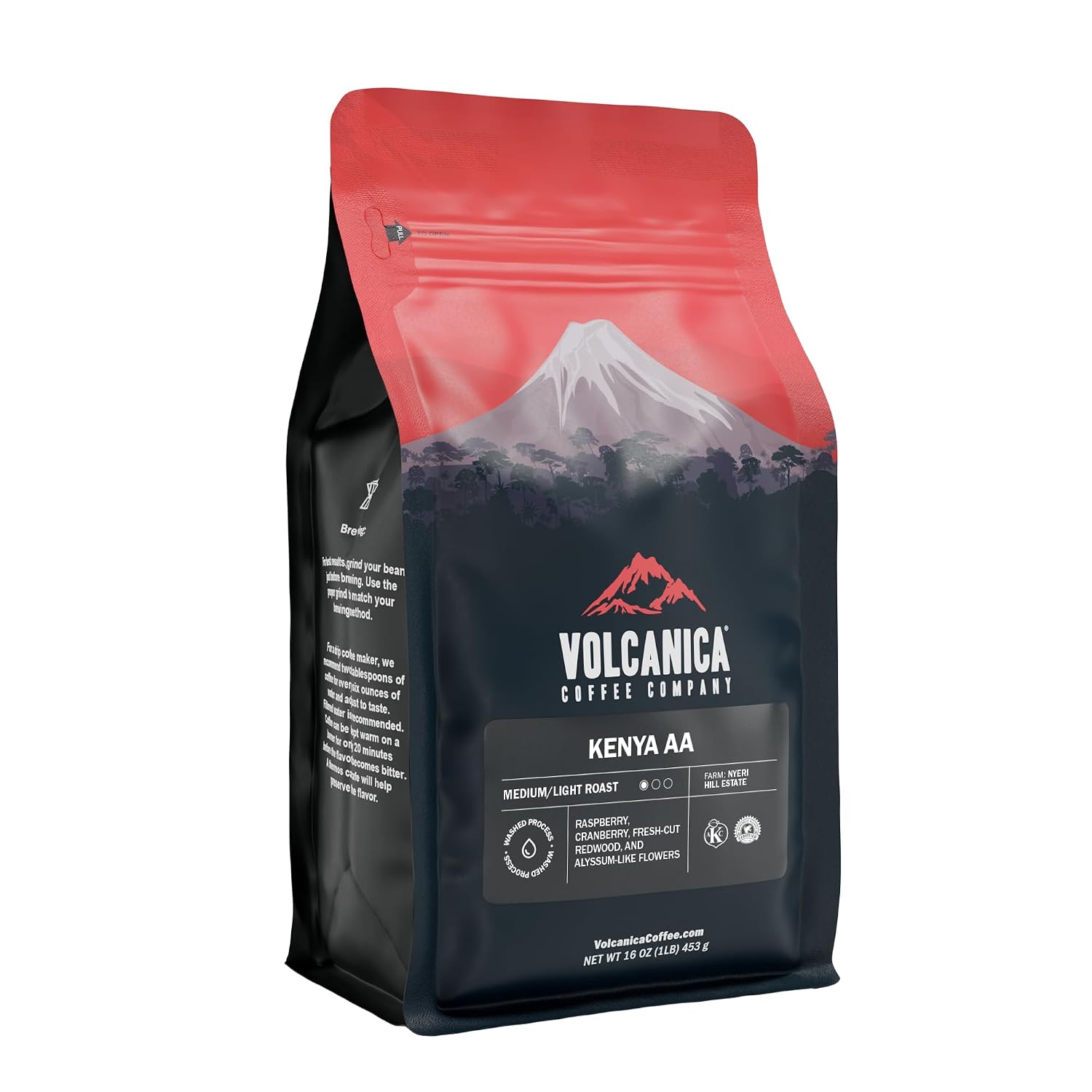
Best Kenya AA
Volcanica Kenya AA
- RoastMedium-light
- FlavorBerry, cranberry, floral
Coffee | Grade | Region | Altitude | Process | Roast | Flavor Profile | Best Brew Method | Approx. Price/oz |
|---|---|---|---|---|---|---|---|---|
AA | Nyeri | 1,700–2,000 m | Washed | Medium | Blackcurrant, grapefruit, medium body | Pour-over, drip | ~$1.60 | |
Sokoni Coffee Kenya AA | AA | Kirinyaga | 1,600–1,900 m | Washed | Med-Light | Stone fruit, jasmine, bright acidity | Pour-over, Aeropress | ~$1.75 |
AA | Mt. Kenya | 1,500–1,900 m | Washed | Medium | Citrus, dark chocolate, clean finish | Drip, Chemex | ~$1.50 | |
Peet’s Kenya Auction Lot | AA/AB | Nyeri/Kirinyaga | 1,600–2,000 m | Washed | Medium | Tropical fruit, winey acidity, full body | Drip, French press | ~$1.30 |
PB | Central Highlands | 1,500–1,800 m | Washed | Medium | Berry, cane sugar, intense sweetness | Pour-over, Aeropress | ~$1.80 |
Prices and availability are approximate and may change. All coffees listed are whole bean Kenya coffee beans unless otherwise noted.
Outlier note: The Out of Africa Peaberry is the only Kenya PB on this list, offering a concentrated flavor profile distinct from standard flat-bean AA coffee beans.
How We Chose the Best Kenyan Coffee Beans
This is an independent Capitol City Coffee editorial roundup. No roaster paid for placement, and rankings reflect our assessment of quality, value, and reputation rather than affiliate commissions.
Selection criteria:
- Origin traceability: Named farm, cooperative, or region. We prioritized coffees with clear sourcing from recognized coffee growing regions like Nyeri, Kirinyaga, and the broader Mt. Kenya slopes.
- Grade and processing: Focus on Kenya AA coffee beans and high-quality Kenya AB lots, with the dominant Kenyan washed method and double-washed lots both represented. The double-washed processing method involves a 72-hour fermentation cycle that contributes to the clean, bright cup Kenyan coffee is known for.
- Flavor and sensory quality: Vibrant acidity, clear fruity and floral notes, balanced sweetness, medium body, clean finish, and no off-flavors (mustiness, harsh bitterness, staleness).
- Freshness and packaging: Recent roast dates, roast-to-order options, one-way valve bags, and clear labeling. Fresh roasted coffee from specialty roasters who roast in small batches scored highest.
- Value: Price per ounce relative to quality. We considered whether the coffee is a limited microlot or a widely available offering, and whether the price is justified by flavor and sourcing.
- Third-party consensus: Aggregated reviews from specialty platforms, cupping scores where published, and roaster reputation among coffee shops and the broader specialty coffee community.
Unless otherwise stated, picks are based on researched editorial analysis, not direct Capitol City Coffee tasting.
Best Kenyan Coffee Beans: Detailed Reviews & Use Cases
Each pick below includes a best-for label, flavor notes, roast info, brew-method fit, and honest trade-offs.
Java House Kenya AA – Best Overall
Origin: Nyeri, Kenya. Altitude: 1,700–2,000 m. Grade: Kenya AA. Roast: Medium. Process: Washed.
- Tasting notes of blackcurrant, grapefruit, and a subtle brown sugar sweetness that builds as the cup cools. The acidity is bright but not aggressive, with a medium body and lingering finish.
- Performs exceptionally on pour-over and Chemex, where the clarity of fruit and floral notes shines. Drip machines handle it well too. In espresso, expect a vivid, punchy shot that pairs nicely with milk.
- Strengths: rich flavor, excellent balance between acidity and sweetness, consistent lot quality, roasted fresh and available from a well-known Kenyan brand.
- Limitations: priced at a premium compared to commodity Kenyan beans. Stock can fluctuate seasonally. Not ideal for dark roast lovers.
- Best for: coffee drinkers who want the benchmark Kenyan AA experience without guessing.
Sokoni Coffee Kenya AA – Best for Pour-Over
Origin: Kirinyaga. Altitude: 1,600–1,900 m. Grade: Kenya AA. Roast: Medium-light. Process: Washed.
- Layers of stone fruit and jasmine aroma up front, followed by tropical fruit sweetness and a sparkling, wine-like acidity. The cup is deeply sweet with a polished, clean finish.
- Designed for filter brewing. Aeropress and V60 bring out the floral tones beautifully. Not the best choice for French presses, where the nuance can get muddied.
- Strengths: complex flavor profile, transparent sourcing, roasted to order in small batches. A favorite among specialty roasters.
- Limitations: the lighter roast may read as “too bright” for those who prefer chocolate-heavy profiles. Limited retail availability outside their website.
- Best for: pour-over enthusiasts and anyone chasing fruity and floral notes.
Cooper’s Cask Kenya AA – Best Widely Available
Origin: Mt. Kenya slopes. Altitude: 1,500–1,900 m. Grade: Kenya AA. Roast: Medium. Process: Washed.
- Citrus-forward (lemon, orange zest) with a dark chocolate mid-palate and a smooth, clean finish. Less aggressive acidity than some Nyeri lots, making it approachable for a wider audience.
- Works across various brewing methods: drip, Chemex, and even cold brew, where berry notes come through with lower perceived acidity. Acceptable for espresso when ground fine.
- Strengths: easy to find on Amazon and direct, solid freshness practices, and a balanced flavor that suits both newcomers and experienced drinkers.
- Limitations: less distinctive than single-farm microlots. The Mt. Kenya sourcing is broad rather than farm-specific.
- Best for: buyers who want quality coffee that is reliably available and not fussy about brew method.
Peet’s Kenya Auction Lot – Best for Everyday Brewing
Origin: Nyeri/Kirinyaga blend. Altitude: 1,600–2,000 m. Grade: AA/AB mix. Roast: Medium. Process: Washed.
- A robust flavor profile with tropical fruit, winey acidity, and a full body that holds up in drip machines and French presses. The AB component adds approachability without sacrificing brightness.
- Strengths: widely available in grocery and online, competitive pricing, and a roaster (Peet’s) with decades of Kenyan auction sourcing experience.
- Limitations: roast dates on retail bags may lag behind roast-to-order options. The blend of AA and AB means less lot-level traceability.
- Best for: everyday coffee drinkers who want a flavorful cup of Kenyan coffee without the microlot premium.
Out of Africa Kenya Peaberry – Best for Adventurous Palates
Origin: Central Kenya highlands. Altitude: 1,500–1,800 m. Grade: Kenya PB. Roast: Medium. Process: Washed.
- Peaberry beans are round single seeds that offer a concentrated flavor: intense blackberry and blueberry sweetness, a hint of floral notes, and a syrupy body that distinguishes it from standard AA lots.
- Performs best on pour-over and Aeropress. Cold brew brings out dark berry and sweetness. Less predictable in espresso due to density variations.
- Strengths: unique flavors you won’t find in typical AA lots; a conversation-starter for any coffee connoisseur.
- Limitations: smaller production means limited stock and higher price per ounce. Roast consistency can vary between batches.
- Best for: experienced drinkers looking for something beyond the standard Kenyan AA profile.
Understanding Kenyan AA Coffee Beans and Grading
Kenya’s grading system is one of the most structured in the coffee industry, but it is often misunderstood. The system is based on bean size and density, not cup quality. Buyers looking for the best coffee beans should treat grade as one quality signal alongside sourcing and cup score, not as a guarantee on its own. “Kenya AA coffee beans” and “Kenyan AA coffee beans” refer to the largest screen size, but that alone does not guarantee a great cup.
- Kenya E (Elephant): Oversized or malformed beans. Rare and generally not sought for specialty use.
- Kenya AA: Screen 17/18 (roughly 7.2 mm+). The largest standard grade. AA grade beans are the largest size in Kenyan coffee grading and typically command higher prices at auction.
- Kenya AB: Screen 15/16. Medium-large. Often excellent cup quality and better value than AA.
- Kenya C: Smaller flat beans below AB.
- Kenya PB (Peaberry): Round single seeds (only one seed develops inside the coffee cherry instead of two). About 5–10% of any harvest. Their density can lead to more even roasting and often more intense fruit and sweetness.
- Kenya TT and Kenya T: Lightweight or small beans, often separated by air sorting.
- MH/ML (Mbuni Heavy/Light): Dry-processed, lower-grade lots with more variable quality.
Kenya uses strict bean sorting to highlight exceptional coffee lots, with the official grading framework set by the coffee board. Grading affects roasting consistency because uniform bean size means more even heat transfer. However, a well-sourced AB lot from a great cooperative can equal or surpass a poorly handled AA lot. Look for SCA cupping scores and roaster sourcing notes rather than assuming the grade label tells the whole story.
Some US retail bags use “Kenya AA” loosely. If a bag says “Kenya AA blend,” it may contain beans from other origins. True Kenyan AA beans should list Kenya as the sole origin.
Where Kenya’s Best Coffee Is Grown
Kenya sits in East Africa along the equator, with high-altitude volcanic highlands, two distinct rainy seasons, and deep, nutrient-rich soils that create ideal conditions for specialty Arabica. Kenya’s coffee is grown at elevations of 1,400 to 2,000 meters, with the finest lots often reaching above 2,000 meters on the slopes of Mt. Kenya.
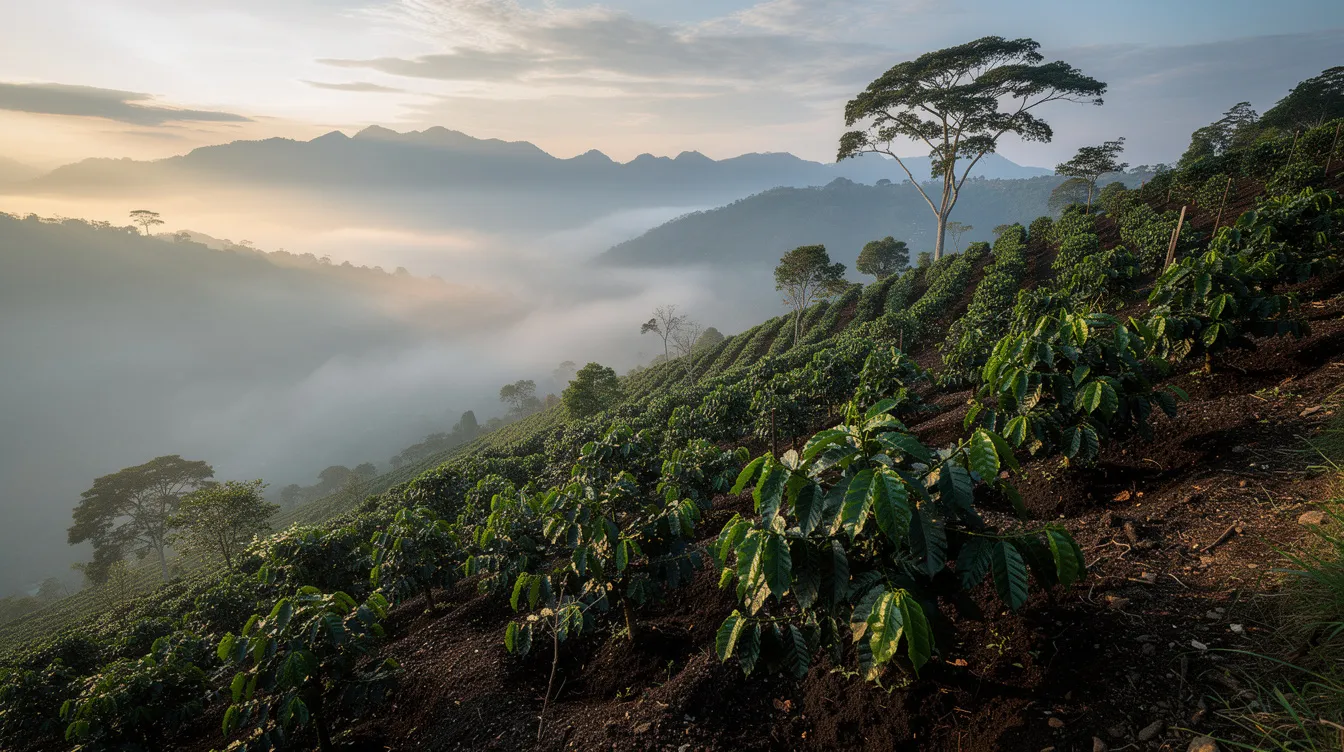
- Nyeri (1,600–2,100 m): The benchmark for Kenyan coffee. Coffee from Nyeri features bright acidity, blackcurrant intensity, and winey depth. Volcanic soils contribute exceptional nutrients to high-altitude coffee farms in this region.
- Kirinyaga (1,400–1,900 m): Known for floral notes, stone fruit, and tropical fruit layered over a dark berry base. Cups are often extremely polished and clean.
- Kiambu (1,500–1,800 m): Balanced acidity leaning toward chocolate and caramel sweetness. Estate lots from this region offer approachable Kenyan character.
- Murang’a (1,300–1,800 m): Softer acidity, fuller body. A good entry point for espresso lovers who want Kenyan beans without piercing brightness.
- Embu and Meru (1,300–1,900 m): Eastern Mt. Kenya slopes. Juicier, more tropical, with growing visibility in specialty marketplaces.
- Trans-Nzoia and Bungoma (1,500–1,900 m): Western highlands. Fuller body, rounded finish, often better value.
Hundreds of thousands of smallholder coffee farmers and cooperatives underpin Kenya’s specialty coffee industry, with most coffee grown on small plots rather than large estates. Kenya produced 775,000 bags of coffee in 2023, and coffee production remains an important part of the country’s agricultural export economy; a large portion of export-quality beans are sold via weekly auctions at the Nairobi Coffee Exchange, which provides transparency and price discovery.
Many US roasters highlight these regions on packaging. Paying attention to where Kenyan beans are grown can help you predict whether a bag will deliver piercing fruit-forward acidity or a rounder, sweeter cup.
What Kenyan Coffee Tastes Like (and Why)
Kenyan coffee is known for its vibrant, wine-like acidity, juicy sweetness, medium to full body, and bold fruit and floral notes. The flavor profile of Kenyan coffee includes a mix of sweet and savory elements that few other origins replicate. Kenya produces primarily Arabica coffee beans, and distinct varietals like SL28 and SL34 yield complex flavors, from blackcurrant and grapefruit to jasmine and ripe berry. SL28 and SL34 are prominent Kenyan coffee varieties developed at Scott Laboratories in the 1930s. Newer hybrids like Ruiru 11, a hybrid coffee variety developed in Kenya in 1985, offer disease resistance but may sacrifice some of that classic complexity.
- Acidity: Often described as citric, malic, or phosphoric. Bright acidity is the signature, ranging from sparkling grapefruit to deeper winey tones.
- Sweetness: Ripe berry, cane sugar, sometimes brown sugar or syrup. The best lots are deeply sweet beneath the acidity.
- Body: Medium to medium-full. Enough weight to carry the fruit without feeling heavy.
- Aroma: Floral tones (jasmine, rose), blackcurrant jam, and tropical fruit. Freshly roasted Kenyan beans have some of the most aromatic dry fragrance in specialty coffee.
- Savory notes: Kenyan coffee sometimes features savory notes reminiscent of tomato, particularly in Nyeri lots, adding complexity to the finish.
- Berry flavors: Many Kenyan coffee varieties are known for their complex berry flavors. Kenyan coffee often features bright fruity notes like blackcurrant and grapefruit.
High-altitude farms contribute to the unique flavor profile of Kenyan coffee by slowing cherry maturation, which concentrates sugars and acids. Kenyan coffee features rich volcanic soils that enhance its flavor by delivering exceptional nutrients to the root systems. Washed processing, the dominant method in Kenya, strips away fruit pulp early and lets terroir and varietal character shine through.
How does Kenya compare to other African coffees and beyond? Ethiopian coffees tend toward more delicate floral and tea-like profiles with bergamot and jasmine, while Kenyan beans lean toward bolder fruit, more structured acid, and more body. Colombian coffees are generally more balanced with chocolate and caramel sweetness and lower perceived acidity. Guatemalan coffees often land in between, offering cocoa, nut, and gentle fruit.
If you love bright, fruit-forward specialty coffee, Kenyan beans should be in your rotation. If you prefer mellow, chocolate-driven cups, you may want a darker roast or a different origin entirely.
Roast level can shift the profile significantly: lighter roasts push acidity and floral notes to the foreground, medium roast balances fruit and sweetness, while dark roasts mute terroir and emphasize roastiness.
How to Choose the Best Kenyan Coffee Beans for You
“Best” is personal. It depends on how you brew, what you enjoy, and what you want to spend. Here is how to narrow down your options:
- Region: Nyeri for intense blackcurrant and structure. Kirinyaga for floral and tropical elegance. Kiambu or Murang’a for softer, more approachable cups.
- Grade: Kenya AA for the full experience and largest beans. Kenya AB for near-identical flavor at a lower price point. Kenya PB for concentrated intensity and unique character.
- Processing: Most coffee from Kenya is washed processed, which is the standard for clarity. Rare natural lots exist but are inconsistent.
- Roast level: Choose a light roast if you want maximum acidity and floral notes. A medium roast balances sweetness and body for the widest appeal. Medium-dark works for espresso but starts to flatten distinct flavors.
- Freshness: Check the roast date. Prefer whole bean coffee. Buy in small batches and avoid bags that only show a “best by” date.
- Ethical signals: Direct trade, Fairtrade, or Rainforest Alliance certifications align with some buyers’ values, but many excellent cooperative coffees from local farmers are not heavily certified.
- Budget: Kenya AA coffee beans often cost more per ounce than most coffee beans from other origins. AB or cooperatively sourced lots can deliver high quality coffee at better value. Be cautious of deals that seem too cheap for “Kenya AA.”
Best Roast Levels & Brew Methods for Kenyan Beans
Kenyan coffee’s bright acidity shines in filter brewing, but it can also make standout espresso when carefully dialed in. The roasting process matters enormously with these beans.
- Light roast on pour-over or Chemex: accentuates citrus, berry, and fruity flavors with maximum clarity. Pour-over brewing enhances coffee’s flavor clarity, making it the go-to for most Kenyan lots.
- Medium roast is the most versatile choice: balances fruit, sweetness, and body for drip machines, manual brewers, and Aeropress. This is where most coffee drinkers find peak flavor.
- Espresso: Lean toward medium or medium-dark roasts. Use a fine grind for espresso extraction, keep yields tighter, and consider slightly cooler water to tame acidity. Expect a vivid, sometimes winey shot that pairs well with milk. Espresso lovers should also consider Kenya as a blend component to add brightness.
- French presses: Immersion brewing gives fuller body and rounder texture, softening sharp acidity. Use a medium roast for best results.
- Cold brew: Lower perceived acidity, strong berry notes, and sweetness can shine. Premium washed Kenyan is less common in cold brew due to price, but the result is worth trying.
Brewing Kenyan Coffee: Practical Tips for a Great Cup
This is practical, at-home guidance for getting the most out of your Kenyan beans without overcomplicating things.

- Pour-over: Start at a 1:16 coffee-to-water ratio (a common pour-over ratio), medium-fine grind, water temperature between 90 and 96°C. Adjust grind finer if the cup tastes thin or watery, coarser if it is harsh or astringent.
- French press: French press requires a coarse grind for optimal flavor. Steep for 4 minutes, then press and pour immediately. Brewing temperature for Kenyan coffee should be 90–96°C.
- Aeropress: Medium grind, 1–2 minute brew, inverted or standard method. A shorter brew time can preserve fruity notes without over-extracting.
- Water quality: Use filtered water with moderate mineral content. Hard water dulls acidity; overly soft water makes the cup taste flat and hollow.
- Dialing in: If the cup is too sharp, try a slightly coarser grind or reduce water temperature by 1–2°C. If it is too flat, go finer or hotter.
- Grinding: Freshly ground Kenya coffee beans magnify aroma and complexity. A burr grinder (even a hand grinder) makes a noticeable difference over blade grinding.
- Brew logs: Keep a simple note of ratio, grind setting, and water temperature for each new bag of Kenya AA coffee beans. Two or three brews will usually get you to your preferred recipe.
Freshness, Storage, and Buying Kenyan Beans in Small Batches
Freshness is crucial for fruit-forward coffees like Kenyan AA. The volatile aromatic compounds that produce fruity and floral notes degrade quickly after roasting. A bag that was vibrant at two weeks can taste flat and dull at six.
- Buying cadence: Purchase 8–12 oz bags at a time. Freshly roasted Kenyan coffee should be consumed within two to four weeks of the roast date.
- Storage: Keep beans in an opaque, airtight container in a cool, dark cupboard. Avoid the fridge or freezer for daily-use beans-condensation and odor absorption are real risks.
- Roaster practices: Many specialty coffee roasters roast in small batches and print roast dates, which helps US buyers time purchases with peak flavor.
- Whole bean vs. ground: Whole bean Kenya coffee beans hold their floral notes and acidity far better than pre-ground coffee. Grind just before brewing.
- When buying online: Choose sellers that clearly state roast dates or offer roast-to-order policies. Avoid bags that only list a “best by” date months in the future.
Price, Value, and What to Expect to Pay
Kenya AA coffee beans command premium prices compared to most origins. This is not arbitrary: it reflects the cost of high-altitude cultivation, labor-intensive hand-picking of each coffee cherry, the Kenyan coffee market auction system, smaller annual crop size, and sustained demand among specialty buyers.
- Typical US ranges: Expect $18–$25 per 12 oz for traceable, fresh roasted Kenya AA from specialty roasters. AB lots or broader-sourced coffees may run $14–$18 per 12 oz. Microlots and single-estate peaberries can push higher.
- Finding value: Kenya AB instead of AA often delivers near-identical cup quality for a few dollars less. Promotions, subscriptions, or blend options featuring a Kenyan component can also stretch the budget.
- Red flags: If a bag labeled “Kenya AA” costs well below $14 for 12 oz from an unknown source, it may be a blend, stale stock, or a lower-grade lot marketed aggressively.
- Worth the premium: For many coffee drinkers, paying slightly more for a fresh, traceable Kenyan lot is worthwhile given the unique flavors and the flavorful cup it produces.
How Kenyan Coffee Compares to Other Origins
Comparing Kenya to other classic origins helps buyers decide whether its profile suits them, or whether a different direction might be a better fit.
- Kenya vs. Ethiopia: Both are east African coffees with fruit-forward profiles, but Ethiopian coffees tend toward more delicate floral, tea-like, and bergamot notes. Kenyan beans lean toward bolder blackcurrant, berry, and citrus with more body and structured acidity. Explore our Ethiopian coffee guide for more.
- Kenya vs. Colombia: Colombian coffees are generally more balanced, with chocolate, caramel, and nut sweetness. Lower perceived acidity makes them friendlier for dark roast fans and espresso-dominant brewing.
- Kenya vs. Guatemala: Guatemalan coffees often offer cocoa, nut, and gentle fruit in a medium body, acting as a middle ground between Kenya’s intensity and mellower Latin American origins.
- Who should prioritize Kenyan coffee: Adventurous drinkers, pour-over enthusiasts, and anyone curious about high-acidity, fruit-forward cups. If you browse our full origins directory or our main coffee guide, you will find more comparisons to help build your rotation.
Our Kenyan Coffee Picks
We matched two Kenyan bags to the moods below. Tap the image or the coffee name. Research-rated, not yet brewed by our team. As an Amazon Associate we earn from qualifying purchases.
Feeling bright: a Kenya AA
Our pick: Volcanica Coffee Kenya AA, whole bean. Blackcurrant brightness this origin guide describes. Research-rated, not yet brewed by our team.
Feeling weekday: a Kenya AA bag

Our pick: Java House Kenya AA, whole bean. A second Kenya AA for weekday drip. Research-rated, not yet brewed by our team.
FAQs about Kenyan Coffee Beans
These FAQs address common questions not fully covered in the sections above.
Are all Kenya AA coffee beans considered “specialty coffee”?
No. AA refers only to physical bean size (screen 17/18), not to cup quality or specialty status. Many AA lots do score 80+ on the SCA 100-point scale and qualify as specialty, but the grade itself is not a guarantee. Some excellent Kenyan coffees are graded AB or peaberry and can equal or surpass AA in cup quality. Look for mention of specialty sourcing, cupping scores, or a reputable roaster’s own evaluation rather than assuming “AA” alone means top-tier.
Is Kenyan coffee too acidic for people with sensitive stomachs?
Kenyan coffee is known for its bright acidity as a flavor characteristic, which is not identical to pH or stomach acidity. That said, some drinkers do find high-acidity coffees taste sharp or uncomfortable. If that applies to you, try medium roast Kenyan beans, brew with slightly cooler water (closer to 90°C), or consider origins with softer acidity, like Colombian or Brazilian coffees. Avoid making dietary decisions based solely on taste descriptors-consult a healthcare professional for persistent digestive concerns.
Can I use Kenyan beans in espresso blends or only for filter coffee?
Kenyan coffee works in both. While it is traditionally favored for filter brewing, many coffee producers and roasters use Kenya AA or AB as a component in espresso blends to add fruit and brightness. For straight Kenyan espresso, aim for medium to medium-dark roasts and expect a vivid, sometimes winey shot. More forgiving, chocolate-driven origins like Brazil or Colombia are often blended with Kenyan beans to balance the acidity and create a rounder espresso.
How important is the specific region (Nyeri vs Kirinyaga, etc.) when buying Kenyan coffee?
Region can meaningfully shape flavor, especially at lighter roasts. Nyeri tends toward blackcurrant and winey acidity, while Kirinyaga leans floral with tropical fruit sweetness. That said, a reputable roaster and a fresh roast date matter more than memorizing every Kenyan county. Newcomers should start with one or two well-regarded regions, then compare bags from different areas to discover their preferred profile. Most coffee bags from quality roasters will list the region, making comparisons straightforward.
Are there decaf Kenyan coffee beans with similar flavor profiles?
Kenyan coffee beans deliver some of the most vivid, complex cups in specialty coffee, defined by bright acidity, blackcurrant, citrus, and layered sweetness that few other origins can match. If you want the short answer: look for fresh roasted Kenya AA or AB lots from Nyeri or Kirinyaga, roasted medium or medium-light by a reputable specialty roaster, and brew them on pour-over for maximum clarity. Below, we break down the picks, the grading, the regions, and exactly how to get the most out of every bag.
Key Takeaways
- The best Kenyan coffee beans come from high-altitude regions like Nyeri and Kirinyaga, are washed processed, and feature vibrant acidity with blackcurrant, grapefruit, and floral notes that peak when fresh roasted in small batches.
- Our top picks center on Kenya AA and AB lots from specialty coffee roasters with strong traceability, roast-to-order practices, and a track record of quality, selected through researched editorial analysis rather than commission-driven rankings.
- Medium roast is the sweet spot for most Kenyan beans, balancing fruit-forward brightness with sweetness and body, though light roast fans and espresso lovers can also find excellent options.
- Freshness matters more here than with darker, roast-driven coffees. Buy whole bean, check roast dates, and aim to finish a bag within two to four weeks.
- For readers exploring other origins, our guides to Ethiopian, Colombian, and Guatemalan coffees offer useful comparisons.
Quick Answer: What Are the Best Kenyan Coffee Beans Right Now?
For coffee lovers seeking the classic Kenyan profile of wine like acidity, ripe berry sweetness, and floral tones, the best options right now are traceable AA and AB lots from established specialty roasters who roast to order and ship with clear roast dates. All of our picks are Arabica Kenya coffee beans grown at high altitude (typically 1,500 to 2,100 meters), washed processed for clarity, and available as whole bean.
Capitol City Coffee is an independent editorial site. We may earn a commission if you purchase through links on this page, at no extra cost to you. Rankings are never influenced by commission size.
Here is the short list:
- Java House Kenya AA – Nyeri region, medium roast, blackcurrant and grapefruit, balanced flavor with a long finish. Best overall for filter and pour-over.
- Sokoni Coffee Kenya AA – Kirinyaga, medium-light roast, stone fruit and floral notes, deeply sweet finish. Best for pour-over enthusiasts.
- Cooper’s Cask Kenya AA – Mt. Kenya slopes, medium roast, citrus-forward with dark chocolate undertones. Best widely available option.
- Peet’s Kenya Auction Lot – Nyeri/Kirinyaga blend, medium roast, robust flavor with tropical fruit and winey acidity. Best for drip and everyday brewing.
- Out of Africa Kenya Peaberry (PB) – Central highlands, medium roast, concentrated berry and cane sugar sweetness. Best for adventurous palates.
These recommendations are based on researched editorial analysis using verified product facts, published roaster information, and aggregated expert and consumer consensus.
At a glance
Compare Amazon-available Kenyan bags on a phone first: listing photo, roast notes, and a Check on Amazon button. Research-rated, not yet brewed by our team.
Best Kenya AA
Volcanica Kenya AA
- RoastMedium-light
- FlavorBerry, cranberry, floral
Coffee | Grade | Region | Altitude | Process | Roast | Flavor Profile | Best Brew Method | Approx. Price/oz |
|---|---|---|---|---|---|---|---|---|
AA | Nyeri | 1,700–2,000 m | Washed | Medium | Blackcurrant, grapefruit, medium body | Pour-over, drip | ~$1.60 | |
Sokoni Coffee Kenya AA | AA | Kirinyaga | 1,600–1,900 m | Washed | Med-Light | Stone fruit, jasmine, bright acidity | Pour-over, Aeropress | ~$1.75 |
AA | Mt. Kenya | 1,500–1,900 m | Washed | Medium | Citrus, dark chocolate, clean finish | Drip, Chemex | ~$1.50 | |
Peet’s Kenya Auction Lot | AA/AB | Nyeri/Kirinyaga | 1,600–2,000 m | Washed | Medium | Tropical fruit, winey acidity, full body | Drip, French press | ~$1.30 |
PB | Central Highlands | 1,500–1,800 m | Washed | Medium | Berry, cane sugar, intense sweetness | Pour-over, Aeropress | ~$1.80 |
Prices and availability are approximate and may change. All coffees listed are whole bean Kenya coffee beans unless otherwise noted.
Outlier note: The Out of Africa Peaberry is the only Kenya PB on this list, offering a concentrated flavor profile distinct from standard flat-bean AA coffee beans.
How We Chose the Best Kenyan Coffee Beans
This is an independent Capitol City Coffee editorial roundup. No roaster paid for placement, and rankings reflect our assessment of quality, value, and reputation rather than affiliate commissions.
Selection criteria:
- Origin traceability: Named farm, cooperative, or region. We prioritized coffees with clear sourcing from recognized coffee growing regions like Nyeri, Kirinyaga, and the broader Mt. Kenya slopes.
- Grade and processing: Focus on Kenya AA coffee beans and high-quality Kenya AB lots, with the dominant Kenyan washed method often followed by double-washed fermentation. The double-washed processing method involves a 72-hour fermentation cycle that contributes to the clean, bright cup Kenyan coffee is known for.
- Flavor and sensory quality: Vibrant acidity, clear fruity and floral notes, balanced sweetness, medium body, clean finish, and no off-flavors (mustiness, harsh bitterness, staleness).
- Freshness and packaging: Recent roast dates, roast-to-order options, one-way valve bags, and clear labeling. Fresh roasted coffee from specialty roasters who roast in small batches scored highest.
- Value: Price per ounce relative to quality. We considered whether the coffee is a limited microlot or a widely available offering, and whether the price is justified by flavor and sourcing.
- Third-party consensus: Aggregated reviews from specialty platforms, cupping scores where published, and roaster reputation among coffee shops and the broader specialty coffee community.
Unless otherwise stated, picks are based on researched editorial analysis, not direct Capitol City Coffee tasting.
Best Kenyan Coffee Beans: Detailed Reviews & Use Cases
Each pick below includes a best-for label, flavor notes, roast info, brew-method fit, and honest trade-offs.
Java House Kenya AA – Best Overall
Origin: Nyeri, Kenya. Altitude: 1,700–2,000 m. Grade: Kenya AA. Roast: Medium. Process: Washed.
- Tasting notes of blackcurrant, grapefruit, and a subtle brown sugar sweetness that builds as the cup cools. The acidity is bright but not aggressive, with a medium body and lingering finish.
- Performs exceptionally on pour-over and Chemex, where the clarity of fruit and floral notes shines. Drip machines handle it well too. In espresso, expect a vivid, punchy shot that pairs nicely with milk.
- Strengths: rich flavor, excellent balance between acidity and sweetness, consistent lot quality, roasted fresh and available from a well-known Kenyan brand.
- Limitations: priced at a premium compared to commodity Kenyan beans. Stock can fluctuate seasonally. Not ideal for dark roast lovers.
- Best for: coffee drinkers who want the benchmark Kenyan AA experience without guessing.
Sokoni Coffee Kenya AA – Best for Pour-Over
Origin: Kirinyaga. Altitude: 1,600–1,900 m. Grade: Kenya AA. Roast: Medium-light. Process: Washed.
- Layers of stone fruit and jasmine aroma up front, followed by tropical fruit sweetness and a sparkling, wine-like acidity. The cup is deeply sweet with a polished, clean finish.
- Designed for filter brewing. Aeropress and V60 bring out the floral tones beautifully. Not the best choice for French presses, where the nuance can get muddied.
- Strengths: complex flavor profile, transparent sourcing, roasted to order in small batches. A favorite among specialty roasters.
- Limitations: the lighter roast may read as “too bright” for those who prefer chocolate-heavy profiles. Limited retail availability outside their website.
- Best for: pour-over enthusiasts and anyone chasing fruity and floral notes.
Cooper’s Cask Kenya AA – Best Widely Available
Origin: Mt. Kenya slopes. Altitude: 1,500–1,900 m. Grade: Kenya AA. Roast: Medium. Process: Washed.
- Citrus-forward (lemon, orange zest) with a dark chocolate mid-palate and a smooth, clean finish. Less aggressive acidity than some Nyeri lots, making it approachable for a wider audience.
- Works across various brewing methods: drip, Chemex, and even cold brew, where berry notes come through with lower perceived acidity. Acceptable for espresso when ground fine.
- Strengths: easy to find on Amazon and direct, solid freshness practices, and a balanced flavor that suits both newcomers and experienced drinkers.
- Limitations: less distinctive than single-farm microlots. The Mt. Kenya sourcing is broad rather than farm-specific.
- Best for: buyers who want quality coffee that is reliably available and not fussy about brew method.
Peet’s Kenya Auction Lot – Best for Everyday Brewing
Origin: Nyeri/Kirinyaga blend. Altitude: 1,600–2,000 m. Grade: AA/AB mix. Roast: Medium. Process: Washed.
- A robust flavor profile with tropical fruit, winey acidity, and a full body that holds up in drip machines and French presses. The AB component adds approachability without sacrificing brightness.
- Strengths: widely available in grocery and online, competitive pricing, and a roaster (Peet’s) with decades of Kenyan auction sourcing experience.
- Limitations: roast dates on retail bags may lag behind roast-to-order options. The blend of AA and AB means less lot-level traceability.
- Best for: everyday coffee drinkers who want a flavorful cup of Kenyan coffee without the microlot premium.
Out of Africa Kenya Peaberry – Best for Adventurous Palates
Origin: Central Kenya highlands. Altitude: 1,500–1,800 m. Grade: Kenya PB. Roast: Medium. Process: Washed.
- Peaberry beans are round single seeds that offer a concentrated flavor: intense blackberry and blueberry sweetness, a hint of floral notes, and a syrupy body that distinguishes it from standard AA lots.
- Performs best on pour-over and Aeropress. Cold brew brings out dark berry and sweetness. Less predictable in espresso due to density variations.
- Strengths: unique flavors you won’t find in typical AA lots; a conversation-starter for any coffee connoisseur.
- Limitations: smaller production means limited stock and higher price per ounce. Roast consistency can vary between batches.
- Best for: experienced drinkers looking for something beyond the standard Kenyan AA profile.
Understanding Kenyan AA Coffee Beans and Grading
Kenya’s grading system is one of the most structured in the coffee industry, but it is often misunderstood. The system is based on bean size and density, not cup quality. “Kenya AA coffee beans” and “Kenyan AA coffee beans” refer to the largest screen size, but that alone does not guarantee a great cup. Buyers looking for the best coffee beans should treat grade as one quality signal alongside sourcing and cup score, not as a guarantee on its own.
- Kenya E (Elephant): Oversized or malformed beans. Rare and generally not sought for specialty use.
- Kenya AA: Screen 17/18 (roughly 7.2 mm+). The largest standard grade. AA grade beans are the largest size in Kenyan coffee grading and typically command higher prices at auction.
- Kenya AB: Screen 15/16. Medium-large. Often excellent cup quality and better value than AA.
- Kenya C: Smaller flat beans below AB.
- Kenya PB (Peaberry): Round single seeds (only one seed develops inside the coffee cherry instead of two). About 5–10% of any harvest. Their density can lead to more even roasting and often more intense fruit and sweetness.
- Kenya TT and Kenya T: Lightweight or small beans, often separated by air sorting.
- MH/ML (Mbuni Heavy/Light): Dry-processed, lower-grade lots with more variable quality.
Kenya uses strict bean sorting to highlight exceptional coffee lots. The Coffee Board is the body behind Kenya’s official grading framework. Grading affects roasting consistency because uniform bean size means more even heat transfer. However, a well-sourced AB lot from a great cooperative can equal or surpass a poorly handled AA lot. Look for SCA cupping scores and roaster sourcing notes rather than assuming the grade label tells the whole story.
Some US retail bags use “Kenya AA” loosely. If a bag says “Kenya AA blend,” it may contain beans from other origins. True Kenyan AA beans should list Kenya as the sole origin.
Where Kenya’s Best Coffee Is Grown
Kenya sits in East Africa along the equator, with high-altitude volcanic highlands, two distinct rainy seasons, and deep, nutrient-rich soils that create ideal conditions for specialty Arabica. Kenya’s coffee is grown at elevations of 1,400 to 2,000 meters, with the finest lots often reaching above 2,000 meters on the slopes of Mt. Kenya.
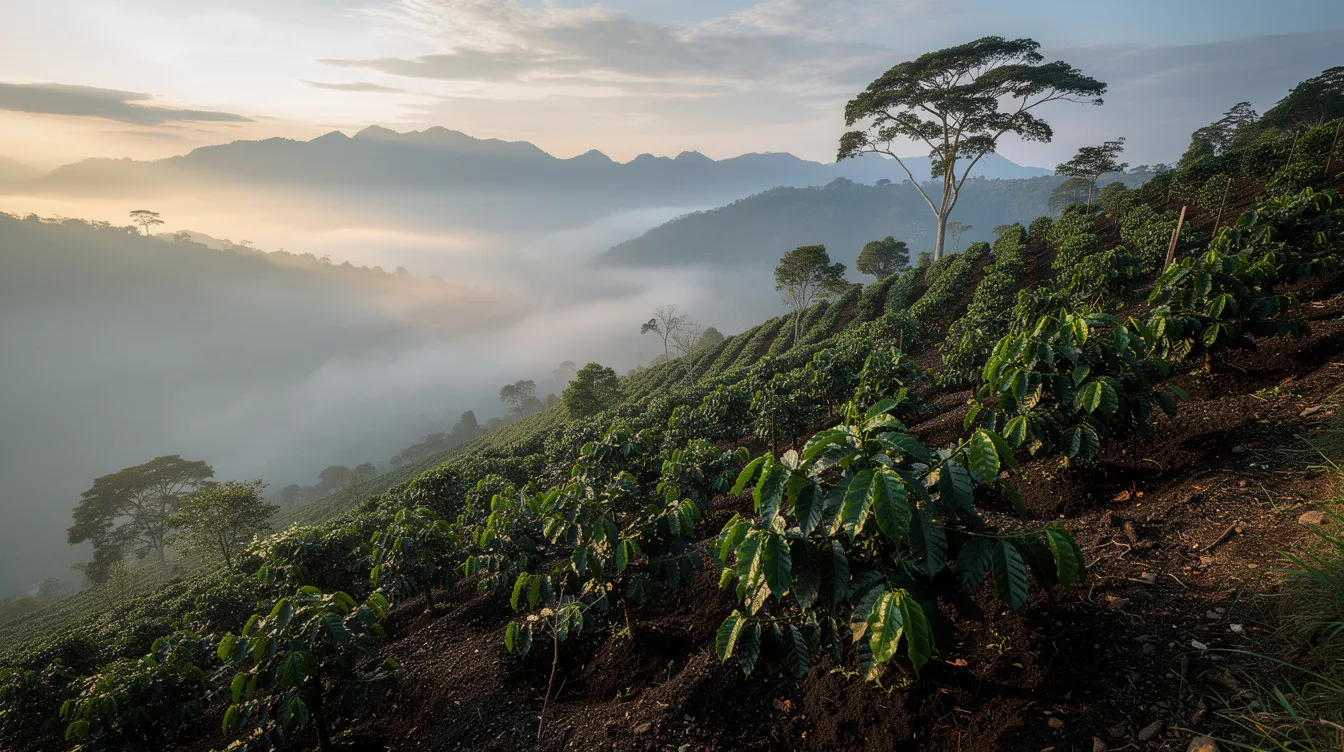
- Nyeri (1,600–2,100 m): The benchmark for Kenyan coffee. Coffee from Nyeri features bright acidity, blackcurrant intensity, and winey depth. Volcanic soils contribute exceptional nutrients to high-altitude coffee farms in this region.
- Kirinyaga (1,400–1,900 m): Known for floral notes, stone fruit, and tropical fruit layered over a dark berry base. Cups are often extremely polished and clean.
- Kiambu (1,500–1,800 m): Balanced acidity leaning toward chocolate and caramel sweetness. Estate lots from this region offer approachable Kenyan character.
- Murang’a (1,300–1,800 m): Softer acidity, fuller body. A good entry point for espresso lovers who want Kenyan beans without piercing brightness.
- Embu and Meru (1,300–1,900 m): Eastern Mt. Kenya slopes. Juicier, more tropical, with growing visibility in specialty marketplaces.
- Trans-Nzoia and Bungoma (1,500–1,900 m): Western highlands. Fuller body, rounded finish, often better value.
Hundreds of thousands of smallholder coffee farmers and cooperatives underpin Kenya’s specialty coffee industry, with most coffee grown on small plots rather than large estates. Kenya’s coffee production reached 775,000 bags in 2023, and a large portion of export-quality beans are sold via weekly auctions at the Nairobi Coffee Exchange, which provides transparency and price discovery.
Many US roasters highlight these regions on packaging. Paying attention to where Kenyan beans are grown can help you predict whether a bag will deliver piercing fruit-forward acidity or a rounder, sweeter cup.
What Kenyan Coffee Tastes Like (and Why)
Kenyan coffee is known for its vibrant, wine-like acidity, juicy sweetness, medium to full body, and bold fruit and floral notes. The flavor profile of Kenyan coffee includes a mix of sweet and savory elements that few other origins replicate. Kenya produces primarily Arabica coffee beans, and distinct varietals like SL28 and SL34 yield complex flavors, from blackcurrant and grapefruit to jasmine and ripe berry. SL28 and SL34 are prominent Kenyan coffee varieties developed at Scott Laboratories in the 1930s. Newer hybrids like Ruiru 11, a hybrid coffee variety developed in Kenya in 1985, offer disease resistance but may sacrifice some of that classic complexity.
- Acidity: Often described as citric, malic, or phosphoric. Bright acidity is the signature, ranging from sparkling grapefruit to deeper winey tones.
- Sweetness: Ripe berry, cane sugar, sometimes brown sugar or syrup. The best lots are deeply sweet beneath the acidity.
- Body: Medium to medium-full. Enough weight to carry the fruit without feeling heavy.
- Aroma: Floral tones (jasmine, rose), blackcurrant jam, and tropical fruit. Freshly roasted Kenyan beans have some of the most aromatic dry fragrance in specialty coffee.
- Savory notes: Kenyan coffee sometimes features savory notes reminiscent of tomato, particularly in Nyeri lots, adding complexity to the finish.
- Berry flavors: Many Kenyan coffee varieties are known for their complex berry flavors. Kenyan coffee often features bright fruity notes like blackcurrant and grapefruit.
High-altitude farms contribute to the unique flavor profile of Kenyan coffee by slowing cherry maturation, which concentrates sugars and acids. Kenyan coffee features rich volcanic soils that enhance its flavor by delivering exceptional nutrients to the root systems. Washed processing, the dominant method in Kenya, strips away fruit pulp early and lets terroir and varietal character shine through.
How does Kenya compare to other African coffees and beyond? Ethiopian coffees tend toward more delicate floral and tea-like profiles with bergamot and jasmine, while Kenyan beans lean toward bolder fruit, more structured acid, and more body. Colombian coffees are generally more balanced with chocolate and caramel sweetness and lower perceived acidity. Guatemalan coffees often land in between, offering cocoa, nut, and gentle fruit.
If you love bright, fruit-forward specialty coffee, Kenyan beans should be in your rotation. If you prefer mellow, chocolate-driven cups, you may want a darker roast or a different origin entirely.
Roast level can shift the profile significantly: lighter roasts push acidity and floral notes to the foreground, medium roast balances fruit and sweetness, while dark roasts mute terroir and emphasize roastiness.
How to Choose the Best Kenyan Coffee Beans for You
“Best” is personal. It depends on how you brew, what you enjoy, and what you want to spend. Here is how to narrow down your options:
- Region: Nyeri for intense blackcurrant and structure. Kirinyaga for floral and tropical elegance. Kiambu or Murang’a for softer, more approachable cups.
- Grade: Kenya AA for the full experience and largest beans. Kenya AB for near-identical flavor at a lower price point. Kenya PB for concentrated intensity and unique character.
- Processing: Most coffee from Kenya is washed processed, which is the standard for clarity. Rare natural lots exist but are inconsistent.
- Roast level: Choose a light roast if you want maximum acidity and floral notes. A medium roast balances sweetness and body for the widest appeal. Medium-dark works for espresso but starts to flatten distinct flavors.
- Freshness: Check the roast date. Prefer whole bean coffee. Buy in small batches and avoid bags that only show a “best by” date.
- Ethical signals: Direct trade, Fairtrade, or Rainforest Alliance certifications align with some buyers’ values, but many excellent cooperative coffees from local farmers are not heavily certified.
- Budget: Kenya AA coffee beans often cost more per ounce than most coffee beans from other origins. AB or cooperatively sourced lots can deliver high quality coffee at better value. Be cautious of deals that seem too cheap for “Kenya AA.”
Best Roast Levels & Brew Methods for Kenyan Beans
Kenyan coffee’s bright acidity shines in filter brewing, but it can also make standout espresso when carefully dialed in. The roasting process matters enormously with these beans.
- Light roast on pour-over or Chemex: accentuates citrus, berry, and fruity flavors with maximum clarity. Pour-over brewing enhances coffee’s flavor clarity, making it the go-to for most Kenyan lots.
- Medium roast is the most versatile choice: balances fruit, sweetness, and body for drip machines, manual brewers, and Aeropress. This is where most coffee drinkers find peak flavor.
- Espresso: Lean toward medium or medium-dark roasts. Use a fine grind for espresso extraction, keep yields tighter, and consider slightly cooler water to tame acidity. Expect a vivid, sometimes winey shot that pairs well with milk. Espresso lovers should also consider Kenya as a blend component to add brightness.
- French presses: Immersion brewing gives fuller body and rounder texture, softening sharp acidity. Use a medium roast for best results.
- Cold brew: Lower perceived acidity, strong berry notes, and sweetness can shine. Premium washed Kenyan is less common in cold brew due to price, but the result is worth trying.
Brewing Kenyan Coffee: Practical Tips for a Great Cup
This is practical, at-home guidance for getting the most out of your Kenyan beans without overcomplicating things.

- Pour-over: Start at a 1:16 coffee-to-water ratio (a common pour-over ratio), medium-fine grind, water temperature between 90 and 96°C. Adjust grind finer if the cup tastes thin or watery, coarser if it is harsh or astringent.
- French press: French press requires a coarse grind for optimal flavor. Steep for 4 minutes, then press and pour immediately. Brewing temperature for Kenyan coffee should be 90–96°C.
- Aeropress: Medium grind, 1–2 minute brew, inverted or standard method. A shorter brew time can preserve fruity notes without over-extracting.
- Water quality: Use filtered water with moderate mineral content. Hard water dulls acidity; overly soft water makes the cup taste flat and hollow.
- Dialing in: If the cup is too sharp, try a slightly coarser grind or reduce water temperature by 1–2°C. If it is too flat, go finer or hotter.
- Grinding: Freshly ground Kenya coffee beans magnify aroma and complexity. A burr grinder (even a hand grinder) makes a noticeable difference over blade grinding.
- Brew logs: Keep a simple note of ratio, grind setting, and water temperature for each new bag of Kenya AA coffee beans. Two or three brews will usually get you to your preferred recipe.
Freshness, Storage, and Buying Kenyan Beans in Small Batches
Freshness is crucial for fruit-forward coffees like Kenyan AA. The volatile aromatic compounds that produce fruity and floral notes degrade quickly after roasting. A bag that was vibrant at two weeks can taste flat and dull at six.
- Buying cadence: Purchase 8–12 oz bags at a time. Freshly roasted Kenyan coffee should be consumed within two to four weeks of the roast date.
- Storage: Keep beans in an opaque, airtight container in a cool, dark cupboard. Avoid the fridge or freezer for daily-use beans-condensation and odor absorption are real risks.
- Roaster practices: Many specialty coffee roasters roast in small batches and print roast dates, which helps US buyers time purchases with peak flavor.
- Whole bean vs. ground: Whole bean Kenya coffee beans hold their floral notes and acidity far better than pre-ground coffee. Grind just before brewing.
- When buying online: Choose sellers that clearly state roast dates or offer roast-to-order policies. Avoid bags that only list a “best by” date months in the future.
Price, Value, and What to Expect to Pay
Kenya AA coffee beans command premium prices compared to most origins. This is not arbitrary: it reflects the cost of high-altitude cultivation, labor-intensive hand-picking of each coffee cherry, the Kenyan coffee market auction system, smaller annual crop size, and sustained demand among specialty buyers.
- Typical US ranges: Expect $18–$25 per 12 oz for traceable, fresh roasted Kenya AA from specialty roasters. AB lots or broader-sourced coffees may run $14–$18 per 12 oz. Microlots and single-estate peaberries can push higher.
- Finding value: Kenya AB instead of AA often delivers near-identical cup quality for a few dollars less. Promotions, subscriptions, or blend options featuring a Kenyan component can also stretch the budget.
- Red flags: If a bag labeled “Kenya AA” costs well below $14 for 12 oz from an unknown source, it may be a blend, stale stock, or a lower-grade lot marketed aggressively.
- Worth the premium: For many coffee drinkers, paying slightly more for a fresh, traceable Kenyan lot is worthwhile given the unique flavors and the flavorful cup it produces.
How Kenyan Coffee Compares to Other Origins
Comparing Kenya to other classic origins helps buyers decide whether its profile suits them, or whether a different direction might be a better fit.
- Kenya vs. Ethiopia: Both are east African coffees with fruit-forward profiles, but Ethiopian coffees tend toward more delicate floral, tea-like, and bergamot notes. Kenyan beans lean toward bolder blackcurrant, berry, and citrus with more body and structured acidity. Explore our Ethiopian coffee guide for more.
- Kenya vs. Colombia: Colombian coffees are generally more balanced, with chocolate, caramel, and nut sweetness. Lower perceived acidity makes them friendlier for dark roast fans and espresso-dominant brewing.
- Kenya vs. Guatemala: Guatemalan coffees often offer cocoa, nut, and gentle fruit in a medium body, acting as a middle ground between Kenya’s intensity and mellower Latin American origins.
- Who should prioritize Kenyan coffee: Adventurous drinkers, pour-over enthusiasts, and anyone curious about high-acidity, fruit-forward cups. If you browse our full origins directory or our main coffee guide, you will find more comparisons to help build your rotation.
Our Kenyan Coffee Picks
We matched two Kenyan bags to the moods below. Tap the image or the coffee name. Research-rated, not yet brewed by our team. As an Amazon Associate we earn from qualifying purchases.
Feeling bright: a Kenya AA
Our pick: Volcanica Coffee Kenya AA, whole bean. Blackcurrant brightness this origin guide describes. Research-rated, not yet brewed by our team.
Feeling weekday: a Kenya AA bag
Our pick: Java House Kenya AA, whole bean. A second Kenya AA for weekday drip. Research-rated, not yet brewed by our team.
FAQs about Kenyan Coffee Beans
These FAQs address common questions not fully covered in the sections above.
Are all Kenya AA coffee beans considered “specialty coffee”?
No. AA refers only to physical bean size (screen 17/18), not to cup quality or specialty status. Many AA lots do score 80+ on the SCA 100-point scale and qualify as specialty, but the grade itself is not a guarantee. Some excellent Kenyan coffees are graded AB or peaberry and can equal or surpass AA in cup quality. Look for mention of specialty sourcing, cupping scores, or a reputable roaster’s own evaluation rather than assuming “AA” alone means top-tier.
Is Kenyan coffee too acidic for people with sensitive stomachs?
Kenyan coffee is known for its bright acidity as a flavor characteristic, which is not identical to pH or stomach acidity. That said, some drinkers do find high-acidity coffees taste sharp or uncomfortable. If that applies to you, try medium roast Kenyan beans, brew with slightly cooler water (closer to 90°C), or consider origins with softer acidity, like Colombian or Brazilian coffees. Avoid making dietary decisions based solely on taste descriptors-consult a healthcare professional for persistent digestive concerns.
Can I use Kenyan beans in espresso blends or only for filter coffee?
Kenyan coffee works in both. While it is traditionally favored for filter brewing, many coffee producers and roasters use Kenya AA or AB as a component in espresso blends to add fruit and brightness. For straight Kenyan espresso, aim for medium to medium-dark roasts and expect a vivid, sometimes winey shot. More forgiving, chocolate-driven origins like Brazil or Colombia are often blended with Kenyan beans to balance the acidity and create a rounder espresso.
How important is the specific region (Nyeri vs Kirinyaga, etc.) when buying Kenyan coffee?
Region can meaningfully shape flavor, especially at lighter roasts. Nyeri tends toward blackcurrant and winey acidity, while Kirinyaga leans floral with tropical fruit sweetness. That said, a reputable roaster and a fresh roast date matter more than memorizing every Kenyan county. Newcomers should start with one or two well-regarded regions, then compare bags from different areas to discover their preferred profile. Most coffee bags from quality roasters will list the region, making comparisons straightforward.
Are there decaf Kenyan coffee beans with similar flavor profiles?
Decaf Kenyan beans exist but are less common than decaf offerings from Latin American origins. Decaffeination can soften acidity and mute some of the floral notes that make Kenyan coffee distinctive, but well-processed decaf lots still retain recognizable fruit character. Look for decaf Kenyan beans from specialty roasters that disclose the decaf method (Swiss Water or CO₂ process tend to preserve more flavor) and roast them fresh. Expect a slightly gentler version of the classic profile rather than a perfect replica.