
The best whole bean coffee in 2026 for home brewing comes down to three things: specialty-grade beans with a clear roast date, a roast level matched to how you actually brew, and a bag size you can finish before the flavor fades. Whether you drink pour-over every morning or pull espresso shots on weekends, the right whole beans will outperform any pre-ground bag sitting on a retail shelf. This independent Capitol City Coffee editorial roundup breaks down the picks, the trade-offs, and the practical details that actually matter.
Key Takeaways
- The best whole bean coffee is specialty grade (scoring 80 or higher on a 100-point scale), ships with a printed roast date, and fits your preferred brewing method – not just your brand loyalty.
- Freshness is non-negotiable: fresh coffee holds peak flavor for about 3 weeks after roasting, and whole beans can hold peak character for about 30 days in proper storage. Buy only what you can finish in that window.
- Roast level drives flavor more than origin alone – light roasts are brighter and fruitier in flavor, medium roasts have caramelized sugars for chocolate notes, and dark roasts are sweet, smoky, and low in acidity.
- You don’t need a $500 grinder to start. Even a basic blade grinder with freshly roasted whole beans will produce better coffee than stale pre ground coffee from a warehouse shelf.
- This guide covers 8+ specific whole bean picks for U.S. buyers in 2026, each with a “best for” label, realistic limitations, and approximate pricing – ranked by suitability, not by commission.
Capitol City Coffee may earn a commission from links in this article. This never influences our rankings or recommendations.
Best Whole Bean Coffee: Fast Answer & Top Picks for 2026
If you want the short version before diving into details, here’s what “best whole bean coffee” means in this roundup: specialty grade (80+ cupping score), clearly printed roast date, whole bean format only, roast level appropriate for your brew gear, and available to U.S. buyers online or through reliable retail.
Here are the top picks:
- Onyx Coffee Lab Southern Weather – Medium-dark blend (Colombia + Ethiopia), milk chocolate, plum, candied walnuts with a citrus finish. Best for: overall pick for most home brewers across drip, pour-over, and French press.
- Counter Culture Big Trouble – Medium-dark blend (Honduras, Nicaragua, Peru), caramel, nut, dark chocolate. Best for: daily driver with wide availability and solid value.
- Goshen Ethiopia Biruhi – Light roast single origin (Ethiopia), citrus, mango, floral notes. Best for: pour-over and filter enthusiasts chasing bright, complex cups.
- Mayorga Buenos Dias Organic – Light roast, certified organic, citrus and passion fruit notes. Best for: organic-focused light roast fans.
- Intelligentsia Black Cat Espresso – Medium-dark espresso blend, bittersweet chocolate, molasses, brown sugar. Best for: home espresso machines and milk drinks.
- Onyx Decaf Ethiopia Suke Quto – Medium roast decaf, Swiss Water Process, origin sweetness retained. Best for: decaf drinkers who refuse to settle.
- Counter Culture Hologram – Medium roast blend, chocolate, caramel, stone fruit. Best for: budget-conscious buyers who want specialty quality.
Full tasting notes, roast level details, brew tips, and limitations for each pick are expanded below.
At a glance
Compare Amazon-available whole bean bags on a phone first: listing photo, roast notes, and a Check on Amazon button. Research-rated, not yet brewed by our team.
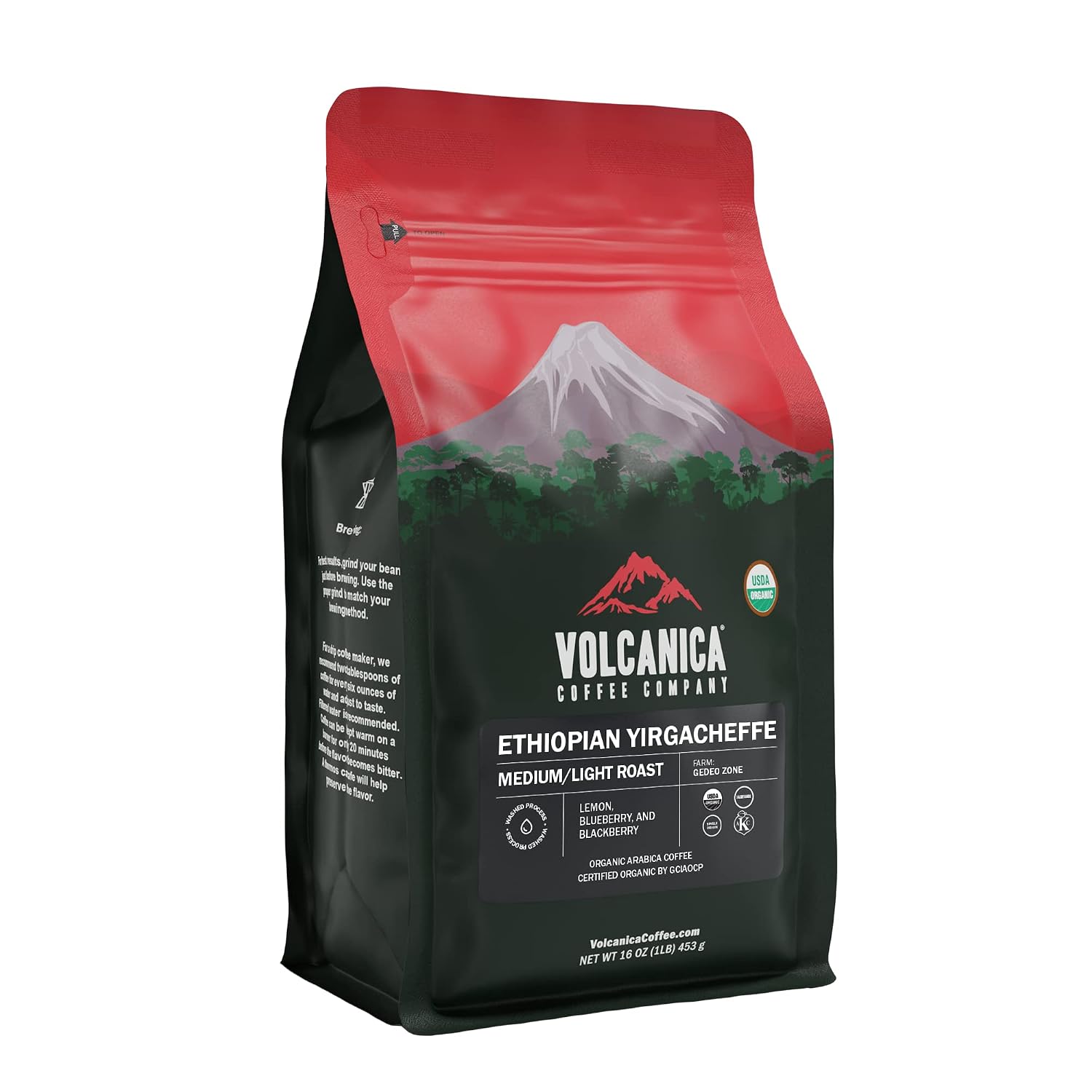
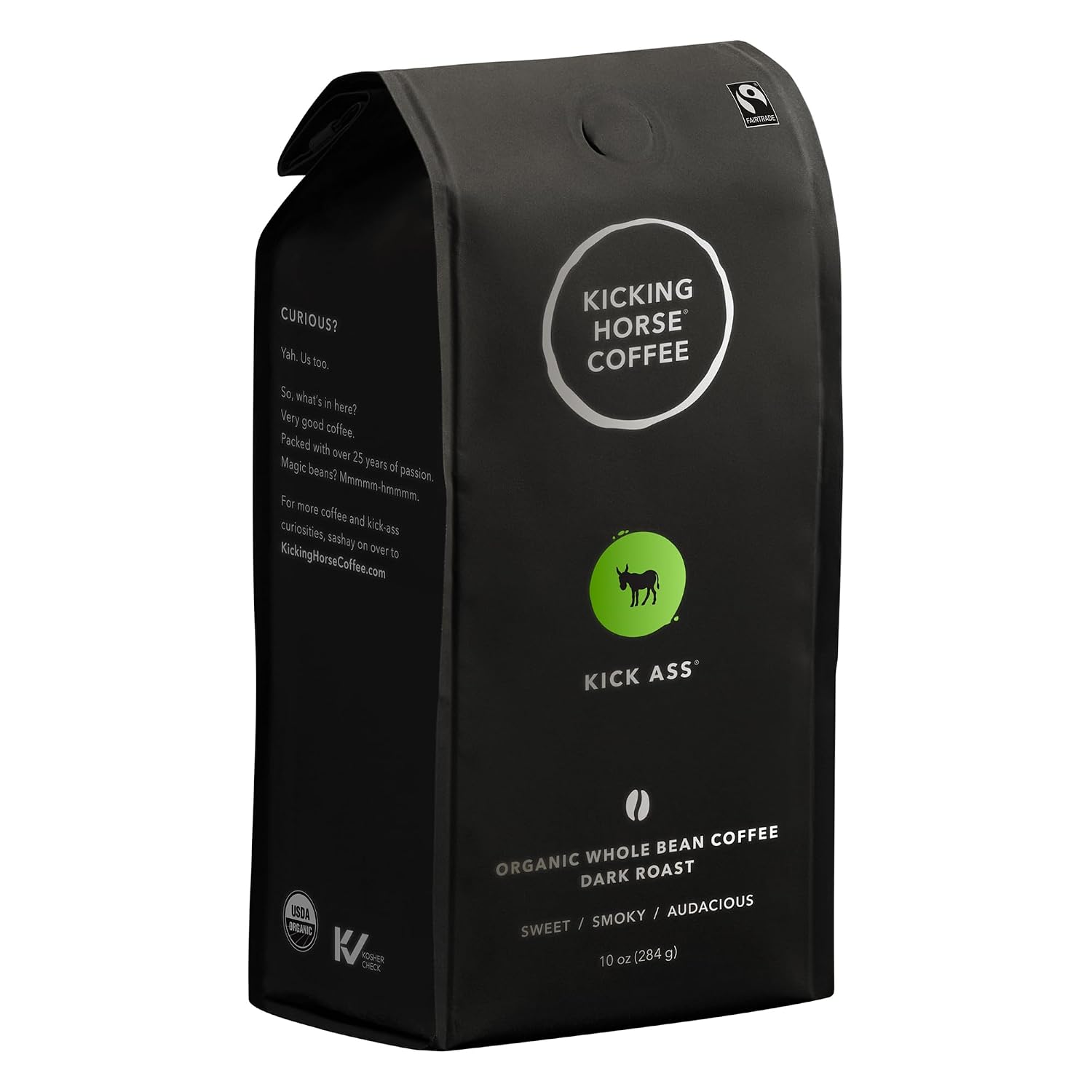
Coffee | Origin/Type | Roast Level | Processing | Flavor Notes | Best Brew Methods | Approx. Price/oz | Best For |
|---|---|---|---|---|---|---|---|
Onyx Southern Weather | Blend (Colombia + Ethiopia) | Medium-dark | Washed | Milk chocolate, plum, citrus | Drip, pour-over, French press | ~$2.15 | Best overall |
Counter Culture Big Trouble | Blend (Honduras, Nicaragua, Peru) | Medium-dark | Washed | Caramel, nut, dark chocolate | Drip, French press, espresso | ~$1.63 | Daily driver |
Goshen Ethiopia Biruhi | Single origin (Ethiopia) | Light | Washed | Citrus, mango, floral | Pour-over, AeroPress, drip | ~$1.70 | Light roast pour-over |
Mayorga Buenos Dias | Single origin (organic) | Light | Washed | Citrus, passion fruit | Pour-over, drip | ~$1.20 | Organic light roast |
Intelligentsia Black Cat | Espresso blend | Medium-dark | Washed/natural | Bittersweet chocolate, molasses | Espresso, moka pot, drip | ~$1.60 | Espresso & milk drinks |
Counter Culture Hologram | Blend (seasonal) | Medium | Washed | Chocolate, caramel, stone fruit | Drip, pour-over, French press | ~$1.50 | Budget specialty |
Onyx Decaf Ethiopia Suke Quto | Single origin decaf (Ethiopia) | Medium | Swiss Water | Cocoa, gentle citrus, caramel | Drip, pour-over, French press | ~$2.60 | Best decaf |
Equator Decaf El Vergel Pink Bourbon | Single origin decaf (Colombia) | Light | Mountain Water | Floral, key lime, toasted almond | Pour-over, drip | ~$2.40 | Floral decaf |
Prices and availability are approximate as of 2026 and may vary by retailer, subscription, or region.
How We Chose the Best Whole Bean Coffee
This is researched editorial analysis, not hands-on tasting. Recommendations are based on verified product data from reputable coffee roasters, published expert reviews, and third-party customer consensus – not our own cupping lab.
Core criteria:
- Specialty grade or clearly high-quality sourcing – high-scoring specialty beans are sourced transparently to preserve aromatic compounds. We looked for beans scoring 80 or higher on the SCA 100-point scale.
- Transparency – origin, processing method, roast level, and roast date clearly printed on the bag.
- Freshness and shipping practices – roasters who print roast dates and ship quickly after roasting.
- Flavor performance – tasting notes cross-checked against expert commentary and customer reviews, not copied from merchant descriptions.
- Value – price per ounce relative to quality, not just the cheapest option.
- U.S. availability – accessible online or through reliable retail channels.
No ranking here is influenced by commission size. We included coffees from both large, widely available roasters and smaller independent roasters where they have reliable distribution and clear labeling. Dense sensory claims are based on roaster tasting notes and cross-checked expert commentary.
Best Overall Whole Bean Coffee for Most Home Brewers
Onyx Coffee Lab Southern Weather is the best starting point for most U.S. home brewers in 2026. It’s a specialty-grade blend that balances sweetness, body, and just enough acidity to keep things interesting – without demanding precise technique or expensive gear.
- Type: Blend (Colombian + Ethiopian washed coffees)
- Roast level: Medium-dark
- Flavor notes: Milk chocolate, plum, candied walnuts, juicy citrus finish
- Best brew methods: Drip coffee, pour-over, French press
Blends are crafted for consistency and balanced flavor profiles, and Southern Weather delivers on that. The chocolate notes anchor the cup while the Ethiopian component adds brightness. It works black or with steamed milk, and forgives minor ratio mistakes that trip up lighter roasts.
Onyx roasts weekday mornings and ships quickly, so you’ll typically receive beans within days of roasting. They print the roast date clearly on every bag. Expect this coffee to taste best within about 2–3 weeks of that date.
Drawbacks: At roughly $2.15 per ounce, it’s pricier than grocery-store blends. Too safe for drinkers craving aggressive acidity or smoky darkness. Primarily available online, with limited retail shelf presence outside specialty shops.
Best Light Roast Whole Bean Coffee (Pour-Over & Filter)
Light roast whole bean coffee shines in V60, Kalita, Chemex, and modern drip machines where clarity and complexity are the goal. Light roasts are brighter and fruitier in flavor because the roasting process preserves origin-driven flavor compounds locked in the green bean.
Goshen Ethiopia Biruhi stands out in this category:
- Origin: Ethiopia (Guji zone)
- Processing: Washed
- Roast level: Light
- Tasting notes: Citrus, mango, floral notes, tea-like finish
Pour-over methods favor light to medium roast levels, and this coffee rewards careful brewing with vivid aromatics and a clean, bright acidity that avoids sourness when water temperature and grind are dialed in. AeroPress and modern drip machines also work well. It’s less ideal for French press or classic espresso, where the lighter body and high acidity can feel thin.
Drawbacks: More demanding to dial in – especially on a blade grinder, where uneven particles create a mix of over-extraction and under-extraction. Less appealing to those expecting a traditional “strong” or full bodied morning coffee. Ethiopian beans from specific lots can sell out quickly due to seasonal harvests.
Best Medium Roast Whole Bean Coffee (Daily Driver)
Medium roast is the sweet spot for many U.S. drinkers. It balances caramelized sweetness, body, and reduced sharpness without sacrificing origin character entirely. Medium roast coffee balances flavor and sweetness effectively, making it the most forgiving roast level for everyday brewing.
Counter Culture Big Trouble earns the daily driver slot:
- Origin: Blend (Honduras, Nicaragua, Peru – washed)
- Roast level: Medium-dark (leans medium)
- Tasting notes: Caramel, nut, dark chocolate, low bitterness
- Best brew methods: Drip, French press, pour-over, basic espresso
This coffee works with a range of brew ratios and still tastes good if your technique isn’t perfect. It performs reasonably well even with a mid-tier burr or blade grinder. Counter Culture coffee is available through their website, major grocery chains, and online retailers.
At approximately $1.63 per ounce for a 12 oz bag, Big Trouble sits below most boutique single origin offerings while delivering consistent, specialty-grade quality. Compared to supermarket “premium” medium roast beans that often lack a roast date, this is a meaningful upgrade in both transparency and flavor.
Drawbacks: Might feel too “middle of the road” for drinkers craving very bright acidity or heavy, smoky dark profiles. Blends are designed to smooth out sharp flavor edges, which means less distinctive character compared with a single origin lot.
Best Dark Roast & Espresso Roast Whole Bean Coffee
There is no separate bean type for espresso. Espresso roast is mainly about roast level and blend crafting – darker development increases solubility, producing the body and sweetness that hold up under pressure brewing and in milk drinks. Espresso typically uses medium to dark roast beans.
Intelligentsia Black Cat Espresso Blend is a strong pick:
- Type: Espresso blend
- Roast level: Medium-dark to dark
- Tasting notes: Bittersweet chocolate, molasses, brown sugar, mild smoke
- Best brew methods: Espresso, moka pot, drip, French press
In a latte or cappuccino, Black Cat’s chocolate notes and caramel sweetness cut through steamed milk without going flat. As a straight shot, it delivers a balanced cup with noticeable body and crema. These are more soluble beans that are forgiving to dial in – small grind adjustments don’t cause dramatic swings the way they can with dense light roasts.
Drawbacks: Less origin nuance than lighter single origin coffees. Risk of bitter notes or “ashy” flavors if brewed too hot or steeped too long. Oily dark roast whole beans may need more frequent grinder cleaning. If your preference leans toward fruity notes or high acidity, this isn’t the pick.
Best Single Origin Whole Bean Coffee for Flavor Exploration
Single-origin coffee showcases unique flavors from one specific region – a single farm, cooperative, or growing area. Single-origin beans offer a “sense of place” in each cup, and single-origin coffees can be more interesting than blends for drinkers who want to taste the difference between a washed Colombia and a natural Ethiopia.
Two standout picks for exploration:
- Washed Colombia micro-lot (various roasters offer these seasonally) – typically medium roast, tasting notes of caramel, cocoa, soft red fruit, and balanced acidity. Colombian beans from high-altitude farms often produce a clean, sweet profile.
- Natural-processed Ethiopia (Guji or Sidama region) – light to medium roast, jammy berry, wine-like body, floral aromatics. Natural processing dries the whole cherry, amplifying fruit character.
Pour-over, manual drip, and AeroPress are ideal for showcasing the clarity these coffees offer. Roast level affects perceived sweetness and body – lighter roasts emphasize acidity and florals, while medium development adds caramel and softens the edges.
Drawbacks: Specialty grade single origin lots come from limited harvests with seasonal availability, which affects price per ounce and restocking. Less consistency across harvests – this year’s lot may taste different from last year’s. Brighter acidity isn’t for everyone, and dialing in grind and ratio takes more attention than with a forgiving blend.
Best Whole Bean Coffee for Beginners & Budget-Conscious Buyers
If you’re upgrading from supermarket ground coffee and don’t want to overspend, the goal is simple: find a noticeable jump in flavor without a steep learning curve or premium price.
Counter Culture Hologram and Mayorga Buenos Dias Organic both fit:
- Hologram: Medium roast blend, chocolate, caramel, stone fruit. Available online and in many U.S. grocery stores. Approx. $1.50/oz. Lists origin and roast date.
- Mayorga Buenos Dias: Light roast, certified organic, citrus and passion fruit. Approx. $1.20/oz in larger bags. Widely distributed online and through natural grocery retailers.
Both are forgiving for drip machines and simple pour-over setups. Flavor profiles lean smooth and chocolatey (Hologram) or bright and citrusy (Mayorga) – approachable for anyone used to regular coffee beans from the supermarket aisle.
Price context: Buying a large bag from a warehouse store drops cost per ounce, but the trade-off is freshness. The beans inside those bulk bags are often weeks or months past roast, and by the last third of a toddler-sized bag, you’re brewing stale beans. A 12 oz bag of freshly roasted specialty coffee at $1.50/oz costs roughly $18 – about the same as many “premium” grocery brands, with dramatically better flavor.
Drawbacks: Quality and transparency may not match smaller independent roasters. Roast level may skew slightly darker or flatter to appeal to mass-market tastes.
Best Decaf Whole Bean Coffee
Decaf doesn’t have to taste flat. Modern specialty decaf uses processes that preserve origin character, and specialty whole bean coffees emphasize freshness and ethical sourcing regardless of caffeine content.
Onyx Decaf Ethiopia Suke Quto leads this category:
- Origin: Ethiopia (Guji)
- Roast level: Medium
- Decaffeination: Swiss Water Process (chemical-free)
- Tasting notes: Cocoa, toasted almond, caramel, gentle citrus, hints of stone fruit
- Approx. price: ~$2.60/oz (10 oz bag)
Modern water and sugarcane decaffeination methods pull the caffeine while leaving sugars and aromatics mostly intact. This decaf works well for drip, pour-over, French press, and even espresso if dialed carefully. Note that decaf beans tend to be slightly more brittle and extract faster – consider grinding a touch coarser than your usual setting.
Drawbacks: Limited selection compared with regular whole bean offerings. Slightly reduced aromatic complexity versus non-decaf lots from the same origin. Decaf also stales over time, so pay close attention to the roast date – the same freshness window applies. At $2.60/oz, decaf typically costs more due to the extra processing step.
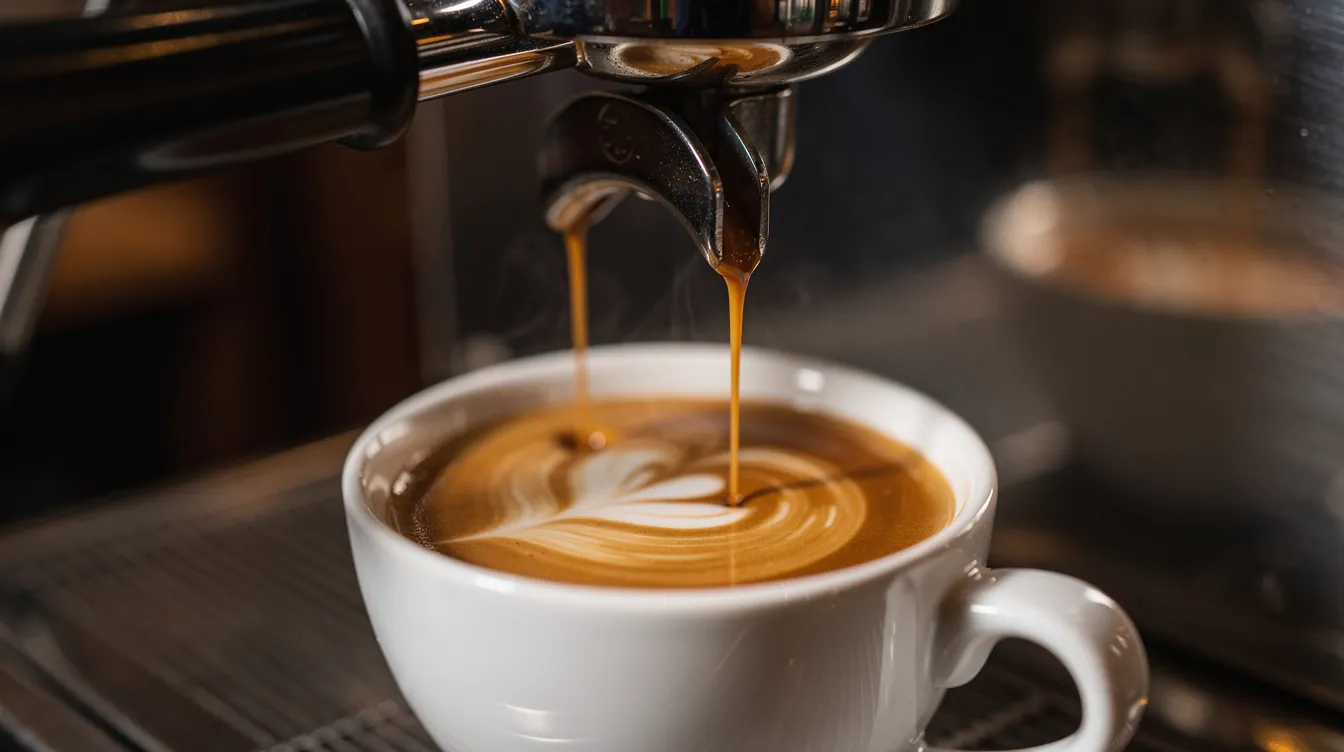
How to Choose the Best Whole Bean Coffee for You
“Best” is personal and depends on your own taste, your brewing method, and how quickly you go through a bag. Whole bean coffee can adapt to various brewing methods like drip, pour-over, and espresso – the key is matching the right roast and grind.
A simple decision framework:
- Choose roast level by flavor preference – light roast for bright, fruity cups; medium roast for balanced, chocolatey sweetness; dark roast for bold, low-acidity body.
- Pick single origin vs blend – single origin for exploration and distinct character; blend for consistency and an easy, balanced cup every day.
- Match the bag to your brew gear – espresso roast for espresso machines, medium roast for drip and French press, light roast for pour-over and AeroPress.
- Set a budget and check price per ounce – specialty bags typically run $1.20–$2.60/oz depending on origin, processing, and lot size.
Estimate how much coffee you use per day and choose a bag you’ll finish within about 2–3 weeks of the roast date. For most people, that’s a 10–12 oz bag.
Newcomers: start with approachable medium roast beans, then branch into lighter or darker profiles once you know what you like. Choosing whole bean coffee depends on flavor profile and brewing method – there’s no single right answer.
If you truly can’t grind at home, check our best ground coffee guide. For broader gear and bean recommendations, browse all coffee guides or explore the full coffee section.
Key Factors That Actually Matter: Origin, Roast Level, Processing, and More
Understanding a few core concepts helps you decode any specialty-grade label and pick better beans for your setup. Whole bean coffees have distinct flavor profiles ranging from bright to smooth blends – here’s what drives those differences.
Origin tendencies (not rules):
- Latin America (Colombia, Peru, Honduras) – often chocolatey, nutty, clean acidity
- East Africa (Ethiopia, Kenya) – frequently fruity, floral, complex acidity
- Asia-Pacific (Sumatra, Java) – commonly earthy, full bodied, lower acidity
Roast level:
- Light roast – matte, dry surface, higher acidity, preserves origin flavors like fruity notes and floral notes
- Medium roast – slightly darker brown, caramelized sweetness, chocolate and caramel notes, balanced acidity
- Dark roast – oily surface possible, bold body, smoky and bittersweet flavors, low acidity. Risk of over roasted flavors if pushed too far.
Processing methods:
- Washed – fruit pulp removed before drying; clean, bright, high clarity
- Natural (dry) – whole cherry dried; more fruit, body, jammy or winey character
- Honey/pulped natural – intermediate; sweetness with some fruit complexity
Sensory basics:
- Acidity = brightness or liveliness (not stomach acid). High acidity = vibrant; low = smooth.
- Sweetness = sugar-like warmth vs thin or hollow.
- Body = weight on the tongue: light/tea-like vs heavy/syrupy.
Roaster tasting notes (chocolate, stone fruit, floral) are hints, not strict promises. Specialty coffees use arabica beans graded as “specialty” for better flavor notes, and arabica beans make up around 60% of the world’s coffee supply, with robusta beans filling much of the rest – typically at lower quality tiers.
Whole Bean vs Ground: Why Whole Beans Win at Home
Whole beans retain flavor longer than pre-ground coffee. The reason is simple: grinding coffee at home preserves flavor and aroma by keeping volatile compounds and CO₂ locked inside until the moment you brew.
- Whole beans preserve volatile aromatics and CO₂ – both essential to flavor and extraction quality.
- Ground coffee loses up to 60% of aroma within 15 minutes of grinding, according to SCA research on coffee freshness. That’s why even great beans taste flat when pre-ground.
- Freshly ground coffee enhances extraction control because you can dial in particle size for your specific brew method.
- Grinding at home allows for grind size adjustments – coarser for French press, finer for espresso – that no pre-ground bag can offer.
If you truly cannot grind at home, have your local roaster grind to order for your specific brew method and use the coffee within days. But for the best results, all recommendations in this guide are for whole beans. Readers interested in pre-ground options can visit our best ground coffee guide.
Grinding Gear Basics: Burr vs Blade Grinder
Grind consistency matters as much as bean quality, especially for light roast and espresso roast coffees where small particle-size differences change extraction dramatically.
Burr grinder:
- Produces uniform particle size by crushing beans between two abrasive surfaces
- Essential for espresso; strongly recommended for pour-over
- Entry-level home burr grinders start around $50–$100 in 2026
- Investing in a burr grinder improves coffee extraction quality compared to a blade grinder
Blade grinder:
- Chops beans unevenly, creating a mix of fine dust and large chunks
- Still workable for medium and dark roasts in drip or French press when used carefully: pulse in short bursts, shake between pulses, and sift if possible
- Less ideal for light roasts or espresso, where uneven particles cause simultaneous over-extraction (fines) and under-extraction (boulders)
Practical tips:
- Always grind fresh immediately before brewing
- Adjust grind coarser if the cup tastes bitter; finer if it tastes sour
- Clean grinders periodically, especially after oily dark roast beans
- For very dense light roasts or single origin espresso, a burr grinder is strongly recommended
Freshness, Roast Date, and Storage: Getting the Most from Whole Beans
The roasting date is more important than a generic “best by” date for coffee quality. Coffee is an agricultural product, not a shelf-stable pantry item. Coffee begins to oxidize immediately after roasting, and coffee beans start losing flavor immediately after that process completes.
Ideal freshness window:
- Fresh coffee beans have a peak flavor window of 4 to 14 days for most filter methods
- Specialty coffee is best consumed within two to six weeks of the roast date
- For espresso, 7–21 days off roast is the typical sweet spot
- Whole beans can hold peak flavor for about 30 days after roasting in proper storage – after that, aromatics fade and flavors flatten
Reading labels:
- Look for bags that print a clear roast date. Absence of a roast date is a red flag.
- Treat “best by” dates with caution – they can stretch months past peak flavor.
Storage:
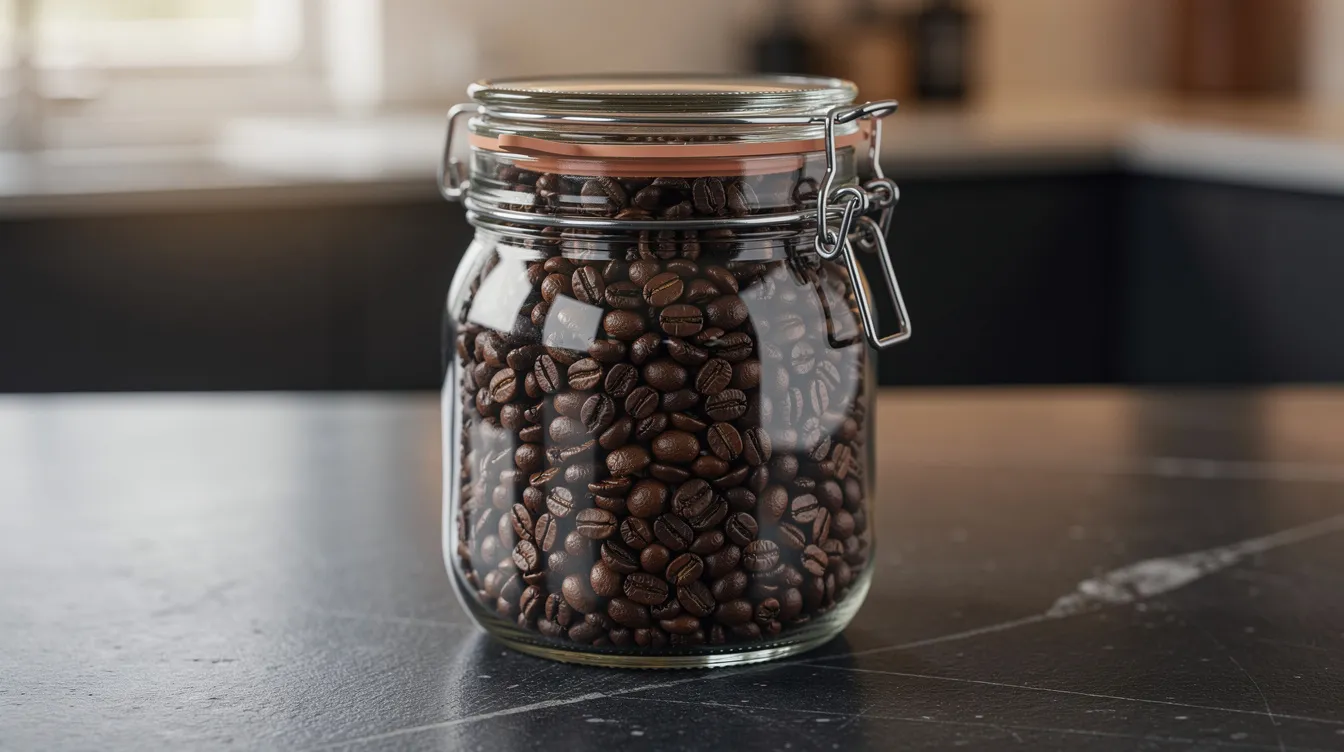
- Keep whole beans in an opaque, airtight container, away from light, heat, and moisture
- Avoid frequent freezer/fridge cycling that causes condensation on the beans inside
- Match bag size to your consumption: buying a large bag often means brewing stale beans by the last third
Coffee should ideally be consumed within two weeks of roasting for the most vibrant cup, though medium and dark roasts retain drinkable quality a bit longer than fragile light roasts.
Brewing Guidance: Matching Beans to Your Home Setup
Readers use everything from basic drip machines to manual pour-over to home espresso setups. Here’s how to pair roast level and grind size with each common brewing method:
- Drip machine: Medium roast, medium grind, 1:15–1:17 coffee-to-water ratio. Reliable, forgiving, great for a daily balanced cup.
- Pour-over (V60, Chemex, Kalita): Light to medium roast, medium-fine grind, 1:15–1:16 ratio. Showcases acidity and floral/fruity complexity.
- French press: Medium to dark roast, coarse grind, 1:15–1:16 ratio. Emphasizes body and oils; forgives slightly stale beans better than filter methods.
- Cold brew: Medium-dark or dark roast, very coarse grind, 1:4–1:8 concentrate ratio. Smooth, low acidity, naturally sweet.
- Home espresso: Espresso roast or a suitable single origin espresso, fine grind, 1:2 brew ratio by weight (e.g., 18g in, 36g out).
Simple troubleshooting by taste:
- Sour → grind finer or brew longer
- Bitter or astringent → grind coarser or lower water temperature
- Flat → beans likely too old, or your ratio is too low
While gear upgrades can help, fresh, specialty-grade whole beans plus consistent technique deliver the biggest improvement for most home brewers. A bitter cup usually comes from stale beans or over-extraction, not from your brewer’s price tag.
Explore more method-specific guides within our coffee section for deeper brew-method pairing.
Our Whole Bean Coffee Picks
Onyx and Counter Culture in the Fast Answer are mostly D2C. These two Amazon bags match the everyday blend and Colombian daily-driver roles. Tap the image or the coffee name. Research-rated, not yet brewed by our team.
Feeling all-purpose: a house blend
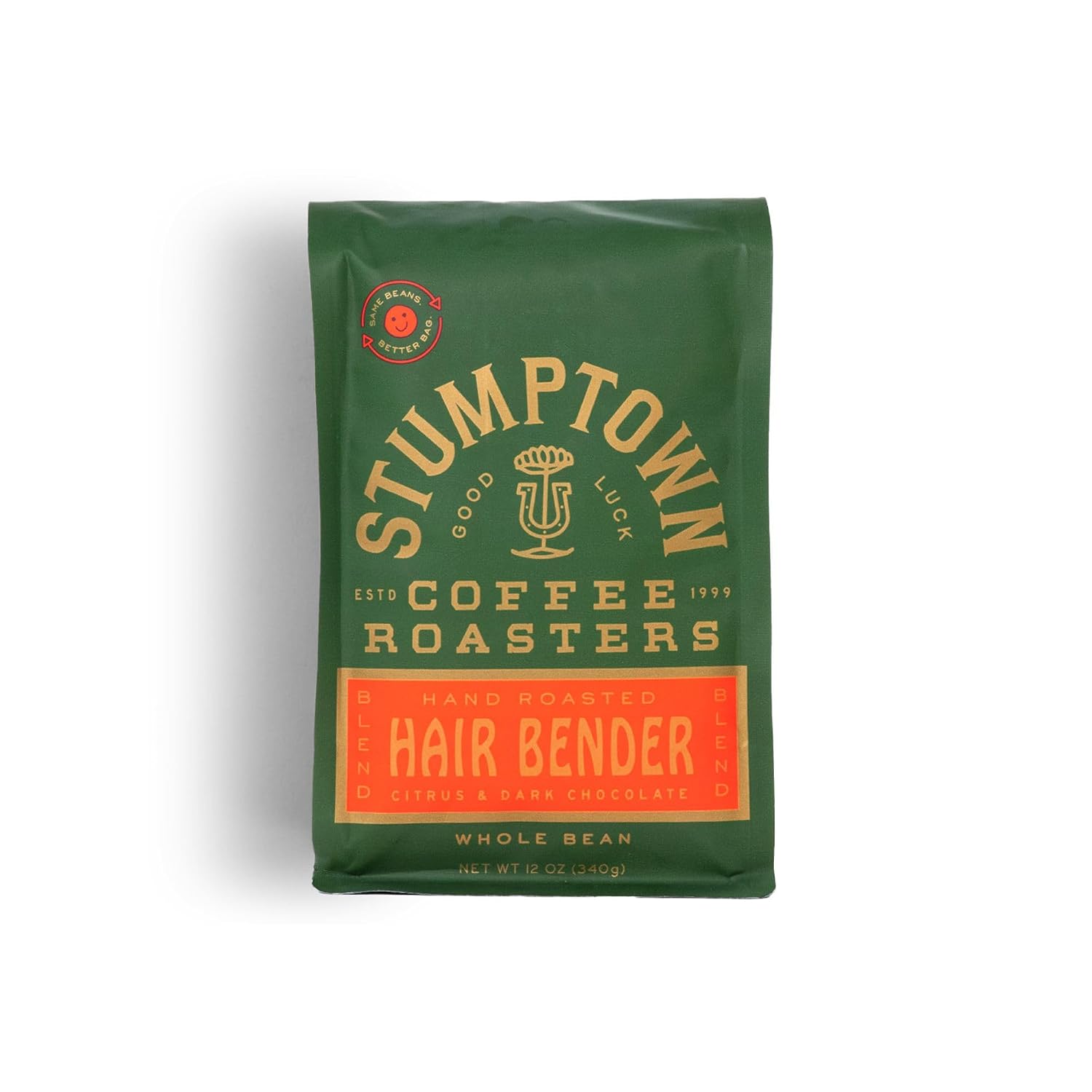
Our pick: Stumptown Hair Bender, whole bean. Works across drip, pour-over, and press the way this article’s overall pick is meant to. Research-rated, not yet brewed by our team.
Feeling steady: a Colombian daily bag
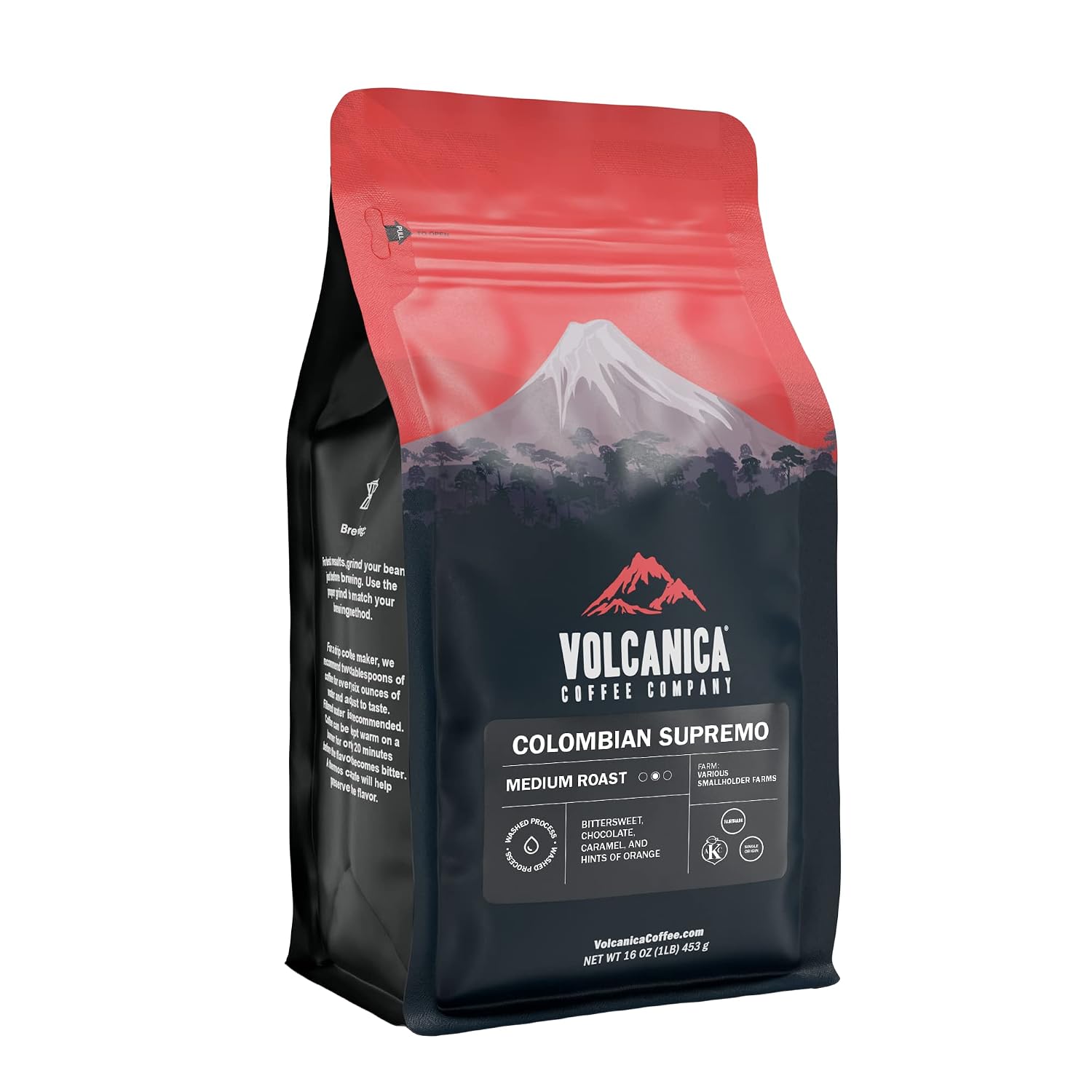
Our pick: Volcanica Coffee Colombian Supremo, medium roast, Fair Trade, whole bean, 16 oz. A roast-dated specialty bag for the daily driver slot. Research-rated, not yet brewed by our team.
FAQs: Best Whole Bean Coffee in 2026
These questions cover practical points not fully addressed above, focused on whole beans, roast level, and home brewing.
How long do whole beans stay fresh after the roast date?
Most specialty whole beans taste best between about 3 days and 3–4 weeks after the roast date for filter methods. For espresso, the typical freshness window is 7–21 days off roast, assuming airtight, room-temperature storage. Beans don’t suddenly “go bad” after this, but aromatics fade and flavors flatten – especially for lighter roasts – making the cup less vibrant. Buy in quantities you can finish within about 2–3 weeks to stay inside the peak flavor range.
Is it worth paying more for specialty-grade coffee instead of supermarket beans?
Specialty-grade beans (scoring 80+ points) mean fewer defects, better farming practices supporting coffee farmers at origin, and more distinct flavor – especially when freshly roasted. The price difference is often just a few extra cents per ounce compared with “premium” supermarket brands, but the experience upgrade is significant: cleaner sweetness, clearer tasting notes, and less bitterness. If you’re on a tight budget, try one specialty bag side-by-side with your usual supermarket coffee. Most people notice the difference immediately and find better beans worth the modest extra cost.
Can I use the same whole bean coffee for espresso and drip?
Many medium and medium dark roasts can work for both espresso and drip coffee if you adjust grind size and ratios. Even bags marketed specifically as an espresso blend can brew well in a drip machine. That said, truly light, dense single origin beans can be harder to dial in for espresso on entry-level gear, and very dark, oily espresso beans can taste flat or overly smoky in drip. Start with a medium roast if you want one bag to cover both styles, then branch into more specialized coffees as you learn your own coffee preferences.
Do I really need a burr grinder, or can I stick with a blade grinder?
A burr grinder is strongly recommended for espresso and light roast pour-over because it produces more even particle sizes and therefore more balanced extraction. For medium roast drip or French press, a careful blade grinder user can still see improvement over pre-ground by grinding fresh, pulsing, and shaking the grinder to reduce large chunks. If budget is limited, upgrading to freshly roasted whole beans plus any grinder – even a blade grinder – is a huge step up from stale ground coffee. Add a burr grinder as the next meaningful upgrade when your budget allows. You’ll grind fresh, control the variables, and make better coffee tomorrow morning.
What’s the biggest mistake people make when buying coffee in 2026?
Buying on price and bulk size alone. Choosing giant warehouse bags with vague labeling and no roast date almost always leads to stale, bitter, or flat-tasting coffee. A smaller bag of freshly roasted, specialty-grade best coffee beans with a clear roast date and defined roast level will produce a noticeably better cup of coffee, even if the per-ounce price is slightly higher. Prioritize freshness, transparent labeling, and roast-level fit over marketing buzzwords like “bold” or “extra strong” when buying coffee. Your own coffee routine deserves at least that much attention.
Next step: Pick one bag from this list that matches your brew method and roast preference. Finish it in two weeks. That single change – fresh whole bean coffee, ground right before brewing – will do more for your morning coffee than any gadget upgrade. For more recommendations, browse our complete coffee guides.