

Sumatra coffee delivers some of the boldest, most full-bodied cups you can brew at home. If you want low acidity, earthy flavors, and a rich, syrupy texture that stands up to milk and sugar, Sumatran coffee is where to look. This researched editorial guide covers the top picks for U.S. buyers in 2026, organized by brew method, roast preference, and budget.
Key Takeaways
This guide highlights the best Sumatra coffee options for drinkers who crave bold, earthy, low-acid cups. Here are the essentials before you scroll further.
- The best Sumatra coffee for most U.S. buyers means low acidity, heavy body, earthy flavors, and a bold flavor that performs well in French press, espresso, and drip. Sumatran coffee is known for its bold flavors and full body, making it a standout among single origin options.
- Top picks include Volcanica Mandheling Organic (best overall), Rock Creek Coffee Mandheling Dark Roast (best dark roast), Evan’s Oro Negro Sumatra (best value), and Volcanica Sumatra Gayo (best modern/cleaner profile). A Swiss Water decaf Gayo rounds out the list for caffeine-sensitive drinkers.
- All recommendations are based on researched editorial analysis of roast level, processing (including giling basah), freshness, price, and third-party expert and consumer consensus. Capitol City Coffee does not roast or sell these coffees.
- To find your match, start by choosing a region (Gayo, Mandheling, Lintong, Aceh region), then a roast level (medium-dark to dark roast for classic depth), and finally your brew method (French press, espresso, moka pot, or drip) based on your taste and equipment.
Affiliate Disclosure
Capitol City Coffee is an independent coffee editorial publication. We may earn a small commission when you purchase through outbound links, at no extra cost to you. Commissions never influence our rankings.
Quick Answer: Our Picks for the Best Sumatra Coffee
Here are the coffees that rose to the top after evaluating dozens of Sumatra coffee brands available to U.S. buyers:
- Best Overall – Volcanica Mandheling Organic: North Sumatra, medium roast, washed, toffee and dried fruit over an earthy base, full body, low acidity.
- Best Dark Roast – Rock Creek Coffee Mandheling Dark Roast: Grade 1, wet-hulled, bittersweet chocolate and woody spice, very low acidity.
- Best Value – Evan’s Oro Negro Sumatra: medium-dark roast, bold earthy character with sweetness, approachable price.
- Best for French Press – Volcanica Sumatra Mandheling Dark Roast: 5/5 body rating, dark cocoa, brown sugar, intense mouthfeel.
- Best Modern/Cleaner Profile – Volcanica Sumatra Gayo: washed, medium roast, caramel, peach, cacao nib, unexpected clarity.
- Best Decaf – Swiss Water Process Gayo (various roasters): medium roast, classic earthy and chocolate notes without the caffeine.
These are whole bean, fresh roasted coffee options where possible. Grind just before brewing for the best cup. Scroll down for the comparison table and detailed reviews.
At a glance
Compare Amazon-available Sumatra bags on a phone first: listing photo, roast notes, and a Check on Amazon button. Research-rated, not yet brewed by our team.
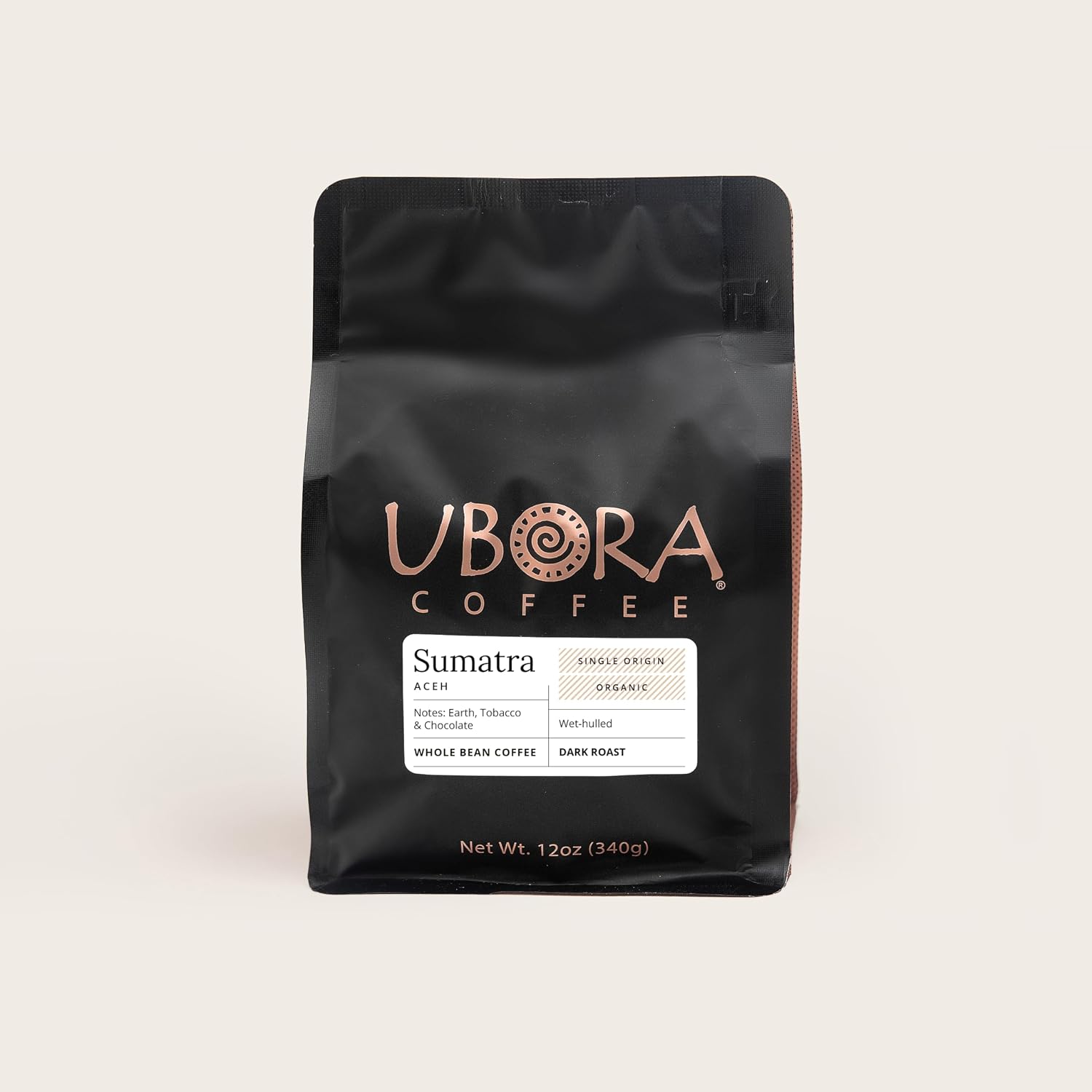
Best Sumatra bag
Ubora Aceh Sumatra
- RoastDark-leaning
- FlavorEarthy, cedar, cocoa
Coffee | Region | Processing | Roast | Body & Acidity | Key Flavor Notes | Best Brew Methods | Price Tier |
|---|---|---|---|---|---|---|---|
Volcanica Mandheling Organic | Mandheling, N. Sumatra | Washed | Medium | Full body, low acidity | Toffee, dried fruits, earth | French press, drip, espresso | $$ |
Rock Creek Mandheling Dark | Mandheling, N. Sumatra | Wet-hulled | Dark | Heavy body, very low acidity | Bittersweet chocolate, woody spice | French press, moka pot, espresso | $$ |
Evan’s Oro Negro Sumatra | Sumatra (blend of regions) | Wet-hulled | Med-Dark | Full body, low acidity | Earth, chocolate, sweetness | Drip, French press | $ |
Volcanica Mandheling Dark | Mandheling, N. Sumatra | Wet-hulled | Dark | Very heavy body, very low acidity | Dark cocoa, brown sugar, earth | French press, cold brew | $$ |
Volcanica Sumatra Gayo | Gayo Highlands, Aceh | Washed | Medium | Full body, moderate acidity | Caramel, peach, cacao nib | Pour-over, drip, AeroPress | $$ |
Swiss Water Decaf Gayo | Gayo/Takengon, Aceh | SWP Decaf, wet-hulled | Medium | Medium-full body, low acidity | Chocolate, brown sugar, cedar | Drip, French press, espresso | $$$ |
Availability and pricing change; all picks reflect recent data and third-party consensus as of mid-2026. Peaberry beans, which occur when only one seed develops in the coffee cherry instead of two, occasionally appear as limited releases from these regions but are not widely stocked.
How We Chose the Best Sumatra Coffee
These picks are researched recommendations, not based on Capitol City Coffee’s own roasting or sales. We surveyed recent third-party analysis, expert cupping notes, and verified product details to build this list.
Here is what mattered most:
- Origin and region – Mandheling, Gayo, Lintong, Aceh region. Named regions signal more consistent flavor direction than generic “Sumatra” labels.
- Altitude and varieties – high-quality Sumatran coffee is grown at elevations between 2,500 and 5,000 feet, often Typica or local Arabica selections. Higher altitude generally means denser, more complex beans.
- Processing – wet-hulled (giling basah) for classic Sumatra depth, washed for cleaner profiles, Swiss Water for decaf. The traditional processing method shapes flavor more than almost any other variable.
- Roast level – medium-dark and dark roast Sumatra for body, with medium options for nuance. Sumatran coffee is best brewed at medium-dark to dark roast levels.
- Freshness – preference for coffee roasters that print roasted-on dates. Wet hulled coffees degas faster and lose vibrancy sooner than many other coffee beans.
- Taste profile – body, acidity, sweetness, aroma, and flavor notes as reported by credible third-party sources.
Value and availability for U.S. buyers also factored in: price per ounce, shipping, and brand consistency according to reviews. We also noted good sourcing practices (Fair Trade, organic) where they clearly support quality and sustainable coffee production, but no health benefits are claimed beyond enjoyment.
Best Sumatra Coffee: Detailed Reviews and “Best For” Picks
Each pick below gets its own section with flavor, roast, processing, ideal brew methods, strengths, and limitations. All “best for” labels come from researched editorial analysis and consensus among reviewers, roasters, and consumers. Every pick includes what it does well and who might not love it. None of these coffees are roasted or sold by Capitol City Coffee.
Best Overall: Volcanica Mandheling Organic
This single origin Sumatra from the Mandiri Kopi farm in North Sumatra sits at roughly 4,000 feet and is washed – unusual for the region, which gives it more clarity than a typical wet-hulled Mandheling.
- Region & processing: Indonesia, Sumatra Mandheling, washed process, organic certified.
- Flavor profile: Heavy, syrupy body with toffee, dried fruits, and a persistent earthy base. Mandheling coffee is often described as syrupy and bold, and this lot delivers that with more precision than most. Mandheling coffee is known for its heavy body and low acidity. Mandheling coffee is syrupy with intense sweet tones of chocolate layered beneath brown sugar.
- Best brew methods: French press and drip as primary; also espresso for thick, concentrated shots. A medium-coarse grind keeps things clean.
- Limitations: Drinkers who want the ultra-funky, musty Sumatra earthiness may find this too polished. Not the right pick if you prefer high acidity and floral notes found in other coffee origins.
- Price: Around $21.99 for 16 oz, a solid value for a named-farm, organic Sumatra.
Best Dark Roast Sumatra for Bold, Smoky Cups
Rock Creek Coffee Mandheling Dark Roast is a Grade 1 Mandheling grown at approximately 1,200–1,400 meters, processed via wet hull processing, and roasted into proper dark territory without scorching away origin character.
- Flavor: Bittersweet chocolate, woody spice, earthy sweetness, very low acidity. A robust flavor that fills the cup without harshness.
- Region: Lintong area near Lake Toba, North Sumatra.
- Best for: People who add milk or cream, strong morning coffee lovers, anyone wanting maximum intensity. Works well in espresso, moka pot, and French press.
- Who should skip it: If you dislike smoky undertones or want nuanced fruit notes, look at the Gayo pick below instead.
- Price: Approximately $15.95 for 12 oz. No organic certification listed, but Grade 1 sorting is a quality signal.
Best Value Sumatra for Everyday Drinking
Evan’s Oro Negro Sumatra stands out in 2026 value comparisons for combining freshness, bold earthy character, and low acidity at a price that makes daily drinking practical.
- Roast & flavor: Medium-dark roast with smooth, earthy, chocolate, and nutty notes. Medium body to medium-full body – friendly but still recognizably Sumatran. A great flavor for the price point.
- Best brew methods: Drip machine, French press, single-serve pour-over. A forgiving coffee that doesn’t demand specialized gear.
- Storage: Comes in larger bags that keep cost per ounce down. Store in an airtight container away from light and heat to maintain a pure taste.
- Trade-offs: Less complexity than higher-end Gayo or Mandheling micro-lots. More batch-to-batch variability and fewer details on sourcing. But for an everyday bold cup, it delivers.
Best Sumatra for French Press and Immersion Brewing
Volcanica Sumatra Mandheling Dark Roast earned a 5/5 body rating from third-party reviewers, making it a natural fit for immersion brewing where texture matters most. French press enhances Sumatran coffee’s dense, low-acid profile, and this coffee leans into that strength.
- Flavor: Thick and syrupy with dark cocoa, brown sugar, earthy notes, and a long, low-acid finish. Stands up to milk without losing its identity. A bold cup in every sense.
- Processing & roast: Wet-hulled, dark roast. The giling basah process and dark roast combine to deliver a chewy texture that immersion brewing highlights.
- Brew guidance: Slightly coarser grind than standard drip, 4-minute steep for French press. Start at a 1:15 coffee-to-water ratio by weight and adjust to taste.
- Downsides: Potential sediment or “muddy” cups if the grind is too fine or the press screen isn’t cleaned. Very dark roast masks some origin subtleties – coffee lovers who want clarity should look at the Gayo option.
Best Modern / Cleaner-Profile Sumatra
Volcanica Sumatra Gayo, sourced from the Gayo highlands in the Aceh region near Lake Tawar, uses washed processing to produce a cup that’s noticeably cleaner than traditional wet-hulled Sumatras. Gayo coffee offers a cleaner, more layered flavor profile than most Indonesian coffee beans.
- Flavor: Caramel, peach, cacao nib – a departure from old-school earthiness. More cocoa, baking spice, and subtle fruit notes while retaining substantial body. Gayo coffee is grown at 4,000–5,500 feet above sea level, and that altitude shows in the complexity.
- Best brew methods: Pour-over (V60, Kalita) and AeroPress with paper filters to emphasize clarity. Pour-over requires precision for optimal Sumatran coffee extraction at this roast level. AeroPress offers a cleaner edge for Sumatran coffee brewing.
- Who it’s for: A bridge coffee for fans of Central American or African origins who want to try Sumatra without diving into extremely dark, earthy cups.
- Trade-offs: Slightly higher price, lighter roast that may taste under-extracted if brewed like a typical dark roast, and limited seasonal availability. Washed processing is also used for some Sumatran coffees, but it’s less common, so supply can be inconsistent.
Best Decaf Sumatra Coffee
A Swiss Water Process decaf Gayo from the Takengon area, medium roast, retains the classic earthy, chocolate, and brown sugar notes you expect from Sumatra without the caffeine.
- What survives decaf: Heavy body, smooth texture, and low acidity makes this ideal for evening or sensitive drinkers. The bold flavor survives milk and sugar.
- Best brew methods: Drip, French press, espresso – all work. The dense bean structure from high elevations (3,300 feet and above) helps retain flavor through decaffeination.
- Limitations: Slightly flatter aroma compared to caffeinated versions. Fewer roast level options on the market. Decaf often loses some aromatic top notes, but good Sumatran decaf keeps what matters – body and sweetness.
Understanding Sumatra Coffee: Regions, Growing Process, and Giling Basah
Sumatra is the 6th largest island in the world and a powerhouse in Indonesian coffee production. Sumatra accounts for 75% of Indonesia’s coffee production, dwarfing output from other Indonesian islands. The island’s volcanic soils, humid tropical climate, and high-altitude terrain shape a growing process unlike anywhere else.
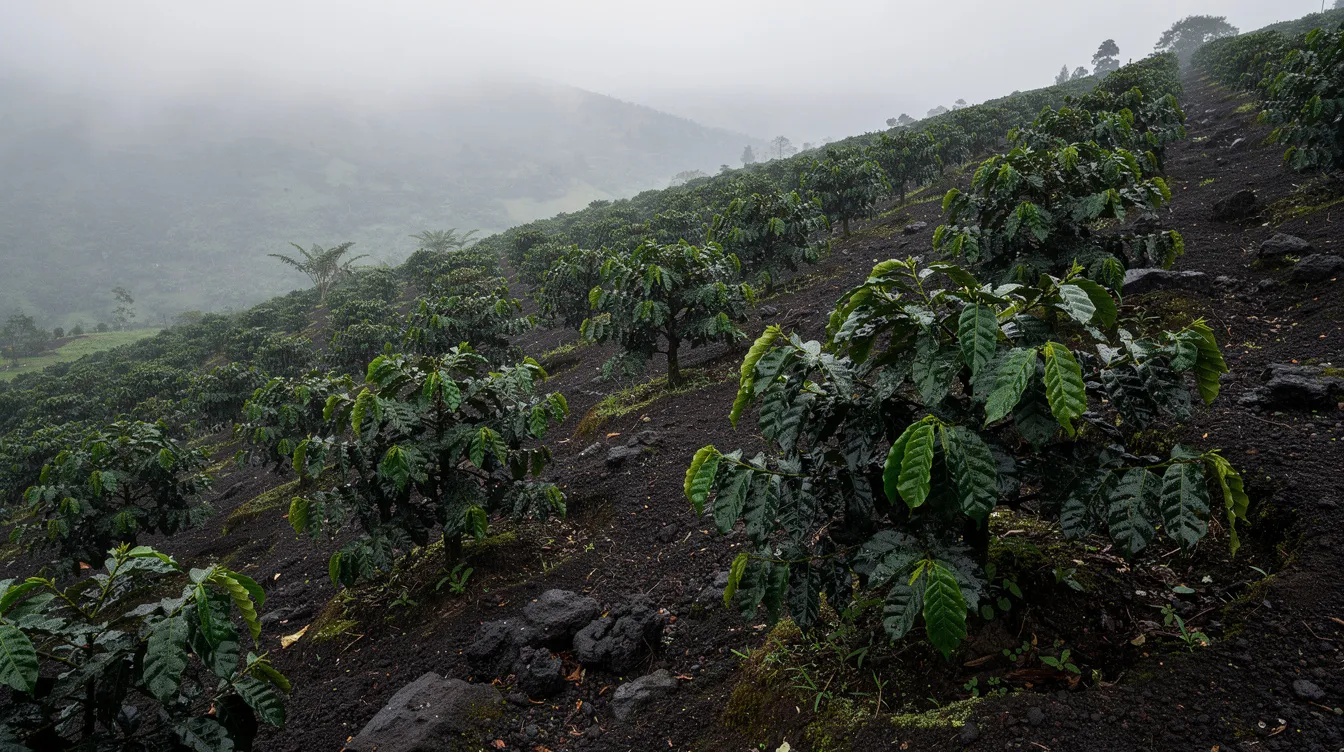
Renowned regions for Sumatra coffee include Mandheling, Gayo Highlands, and Lintong, each with distinct character:
- Mandheling (South Tapanuli, North Sumatra): heavy, earthy, syrupy. The benchmark for classic Sumatran coffee.
- Gayo/Aceh region (highlands around Lake Tawar): Gayo coffee is known for its rich spice flavors and low acidity, with structured cocoa and sometimes red fruit when washed.
- Lintong (near Lake Toba): Lintong coffee is sourced from the Lake Toba region. Sumatra Lintong is known for balancing earthiness with cleaner, sharper notes. Lintong coffee is sweet with a medium body and low acidity.
- Ankola: Ankola coffee is primarily dry processed, unlike most Sumatran coffee, making it a rarity.
- Emerging areas like Kerinci and Bener Meriah are gaining visibility for modern, cleaner profiles.
The traditional giling basah process – wet-hulling – is the defining technique. Giling Basah is the local term for wet-hulling in Sumatra. Wet-hulling is the primary processing method for Sumatran coffee. Wet-hulling removes the coffee cherry’s protective layer at high moisture (roughly 30–35%), then the beans dry further. This wet hull processing triggers enzymatic changes that create Sumatra’s signature blue-green beans, heavy body, and muted acidity. Wet-hulling contributes to Sumatran coffee’s heavy body and earthy notes, and the wet-hulling process enhances Sumatran coffee’s earthy profile overall.
The coffee beans are often grown in mineral-rich volcanic soil which enhances flavor, and altitude matters: trees at higher elevations (2,500–5,000 feet) grow more slowly, which helps deliver nutrients more gradually to developing coffee cherries. The result is denser, more complex coffee beans with a deeper flavor profile.
Flavor Profile: What the Best Sumatra Coffee Tastes Like
Sumatran coffee’s flavor is unlike most other coffee you’ll encounter. Here’s what to expect across the range:
- Body: Full to heavy body, often described as syrupy or chewy. Full bodied cups are the norm, not the exception. Sumatran coffee often has a heavy body and earthy profile.
- Acidity: Low acidity across most processing styles. Low acidity makes Sumatra a favorite for drinkers who find African or Central American coffees too sharp.
- Sweetness: Moderate – brown sugar, molasses, toffee. Intense sweet tones emerge in well-roasted Mandheling lots.
- Aroma: Complex, earthy, woody, spicy. Think wet earth, cedar, tobacco.
- Common flavor notes: Sumatra coffee exhibits earthy and dark chocolate flavor profiles. High-quality Sumatra coffee features complex earthy flavors like dark chocolate and cedar. Sumatra coffee develops dominant notes of dark baker’s chocolate and tobacco. Additional notes include brown sugar, dried fruits (raisin, date), herbs, and gentle spice like cinnamon, clove, or nutmeg.
Newer, cleaner styles (washed Gayo, for instance) may introduce fruitier or brighter notes – berry, citrus, caramelized peach – while still maintaining substantial body. How roast level affects the coffee flavor is straightforward: medium roasts preserve more sweetness and nuance; medium-dark to dark roasts amplify smoke and roastiness while deepening chocolate and earthy flavors.
Who loves this: Drinkers who dislike sharp acidity, want a cup that feels thick and satisfying, and often add milk. Who may not: Fans of tea-like, floral, or citrus-forward coffees from origins like Ethiopia.
How to Choose the Best Sumatra Coffee for You
Picking the right bag makes more sense when you work through a few key decisions:
- Start with roast level. Medium-dark to dark roast for classic heft and earth. Medium for a slightly lighter, more nuanced Sumatra roast. Avoid ultra-light roasts unless specifically marketed as a modern Sumatra profile.
- Read labels for region and process. Sumatra Mandheling and Lintong for classic depth. Gayo Mountain and Aceh for cleaner structure. Wet-hulled / giling basah for heavy, earthy cups. Washed for clearer, more modern flavors. Sumatran coffee is typically processed using the wet-hulling method, so if the label doesn’t specify, assume traditional giling basah.
- Freshness is non-negotiable. Look for roasted-on dates. Avoid “best by” only labels. Aim to buy coffee roasted within the last month. Fresh roasted coffee makes a difference you can taste immediately.
- Match coffee to brew method. Dense, darker Sumatras for French press, espresso, moka pot. Slightly lighter or cleaner Sumatras for pour-over and drip where clarity matters.
- Consider price and value. Paying more can bring traceable micro-lots, organic or Fair Trade certification, and more consistent quality from responsible coffee farmers. But solid everyday Sumatras exist in the mid-price tier.
- Start small. Buy a smaller bag when trying a new roaster, then commit to a larger size once you confirm the taste and flavor profile fit your routine.
Brewing and Freshness Tips for Sumatra Coffee
Getting the most from Sumatra coffee beans requires modest attention to grind, ratio, and storage:
- Grind size: Slightly coarser for French press to avoid sludge. Medium grind for drip and most pour-overs. Fine but not powdery for espresso. Adjust coarser if cups taste bitter and flat – Sumatra’s density and processing can make it prone to muddiness if over-extracted.
- Ratio: Start around 1:15 to 1:17 coffee-to-water by weight.
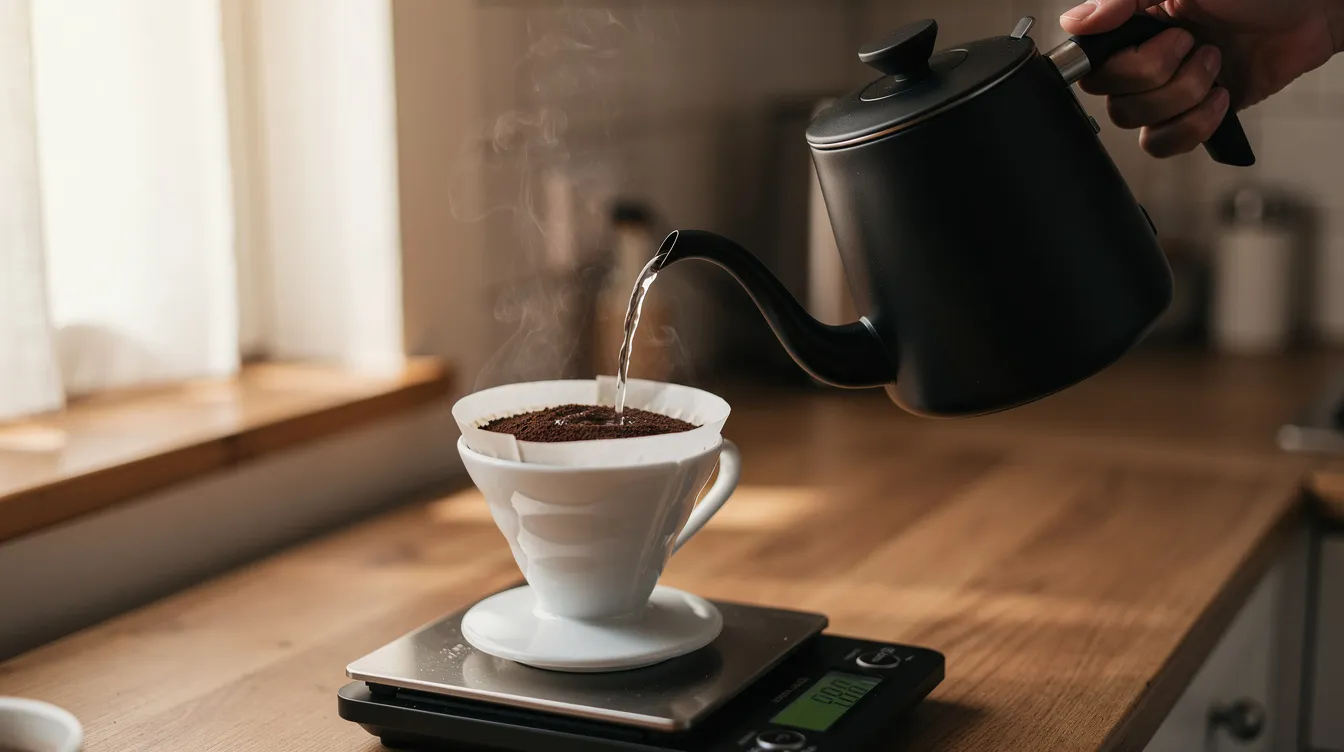
- Best methods: French press, AeroPress, and moka pot are especially good for emphasizing bold flavor and body. Drip and pour-over suit drinkers who want to taste more of the origin’s nuance and a good cup with less sediment.
- Water temperature: 195–205°F for most methods. Slightly cooler water (closer to 195°F) can reduce harshness in very dark roast Sumatras.
- Storage: Buy whole bean. Grind just before brewing. Store in an opaque, airtight canister at room temperature – skip the fridge or freezer for daily-use beans. Try to use within 2–4 weeks of roast date.
- Dark roasts degas quickly and also go stale faster, so smaller, more frequent purchases keep flavors vibrant. A blend of practical scheduling and smaller bag sizes solves this.
Sumatra vs Other Origins: When It’s the Best Coffee for the Job
Sumatra stands apart from the world’s other major origins in obvious ways. Its full body, earthy flavors, and low acidity contrast sharply with Ethiopian coffees’ floral and fruit notes, Colombian coffees’ balanced brightness, and Guatemalan coffees’ chocolate-plus-citrus balance.
Sumatra is the best coffee choice when you need:
- Pre-dawn commutes with a rich, bold cup that wakes you up
- Heavy breakfasts where delicate, tea-like coffee gets lost
- Pairing with chocolate desserts or pastries
- Milk-heavy drinks like lattes and flat whites where body carries through
- A smooth, low-acid option for drinkers sensitive to brightness
When other origins suit better: light, refreshing afternoon cups, bright filter brews, or tasting sessions exploring high acidity and fruit-forward profiles. A well-rounded coffee setup often includes a bold Sumatra alongside brighter origins for different moods and brew methods. Exploring best Ethiopian coffee, best Colombian coffee, or best Guatemalan coffee roundups can help you build that range.
Our Sumatra Coffee Picks
We matched two Sumatra bags to the moods below. Tap the image or the coffee name. Research-rated, not yet brewed by our team. As an Amazon Associate we earn from qualifying purchases.
Feeling earthy: an Aceh cup
Our pick: Ubora Aceh Sumatra, whole bean. Earthy, low-acid Sumatra this origin guide describes. Research-rated, not yet brewed by our team.
Feeling pantry: a dark Sumatra
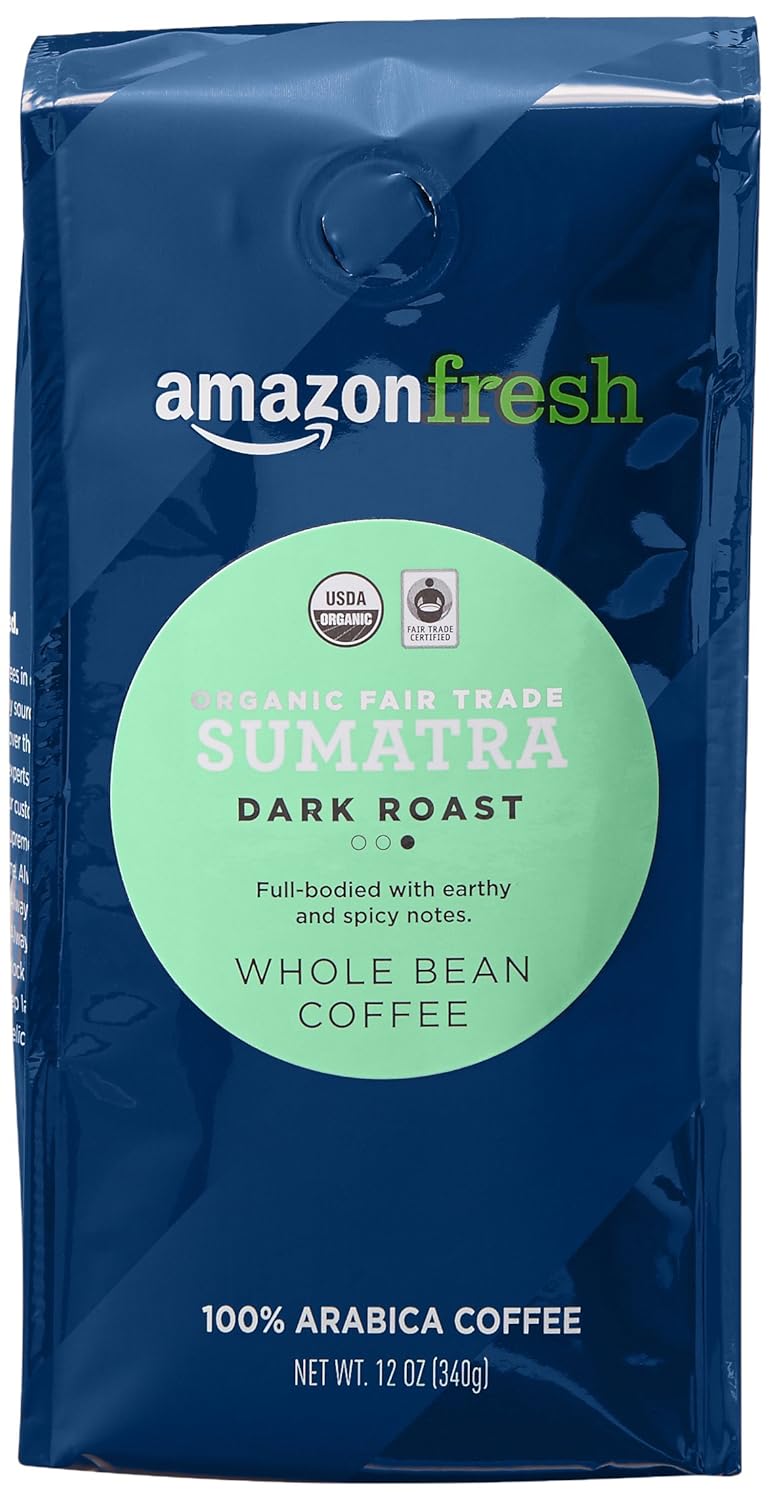
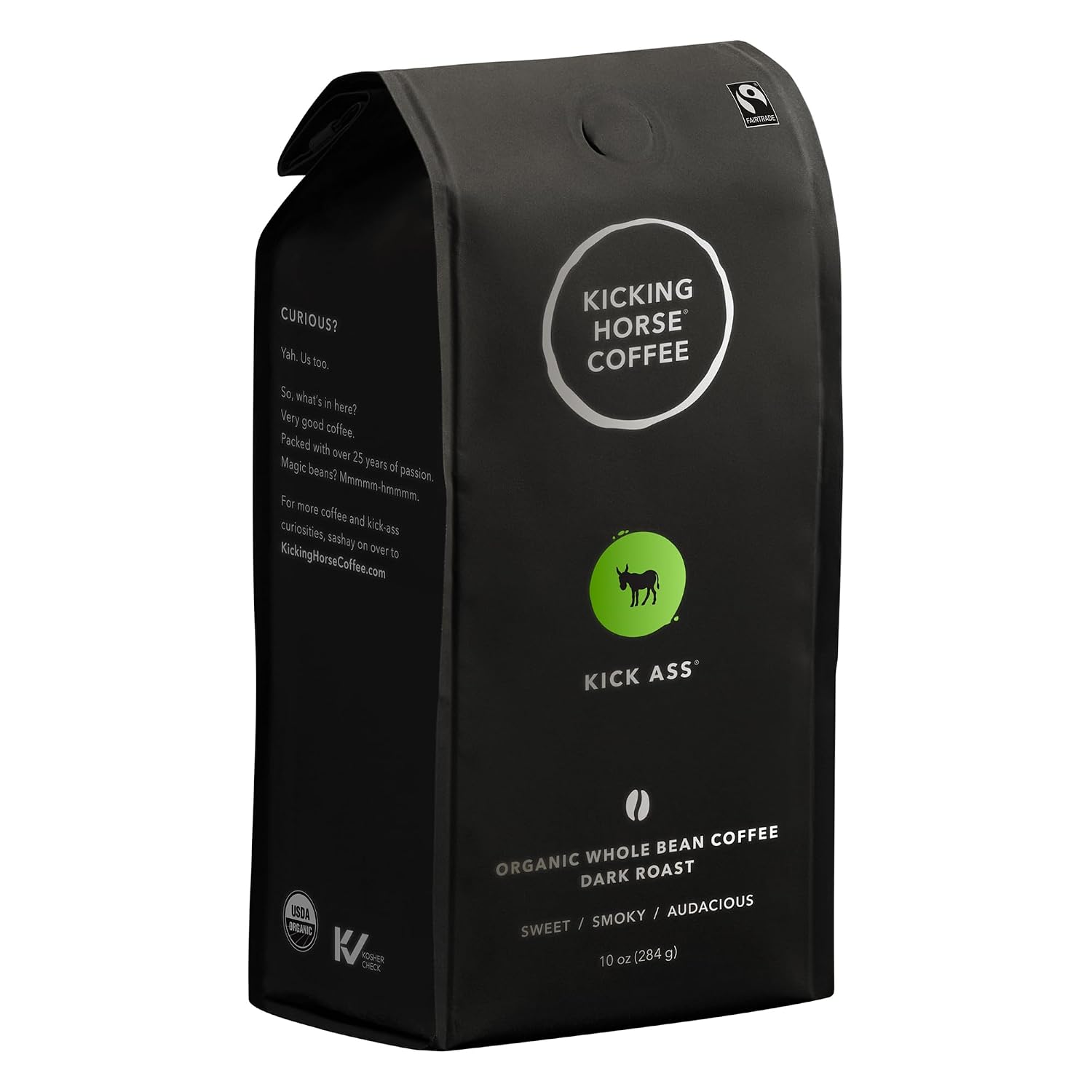
Our pick: Amazon Fresh Sumatra dark roast, whole bean. A darker, grocery-aisle Sumatra for weekday drip. Research-rated, not yet brewed by our team.
FAQs: Best Sumatra Coffee
Is Sumatra coffee always a dark roast?
No. While many U.S. coffee roasters sell Sumatra as a dark roast to highlight bold flavor and earthy notes, the beans themselves can be roasted from medium to dark. Roast level is a choice made by roasters, not a fixed property of the island or its beans. Medium or medium-dark roasts can reveal more sweetness and spice with slightly less smoke, and specialty roasters increasingly offer lighter Sumatra options.
Is Sumatra coffee really lower in acid?
Sumatra Arabica typically tastes lower in perceived acidity than many African or Central American coffees, largely because of processing (giling basah) and roast choices that emphasize bass notes over brightness. However, “low acid” here refers to flavor perception, not a medical guarantee. Anyone with health concerns should consult a professional rather than relying on coffee marketing claims.
Can I use Sumatra beans for cold brew?
Sumatra coffee beans make excellent cold brew. The heavy body, chocolate, and earthy flavors translate well into a smooth, concentrated, low-acid drink. Use a coarse grind, steep 12–18 hours in cold water, and choose a medium-dark or dark roast Sumatra for a rich result. Lighter, cleaner Sumatras will produce a different but still enjoyable style.
What’s the difference between Sumatra Mandheling and other Sumatras?
“Mandheling” typically refers to coffees from areas around Lake Toba and the broader Mandailing/Tapanuli districts, historically associated with very full-bodied, syrupy, earthy cups. Gayo and Aceh coffees, by contrast, often show slightly cleaner profiles and more spice. Labels that simply say “Sumatra” may blend beans from multiple regions across the island without specifying flavor direction, so named-region labels tend to be more reliable.
How long does Sumatra coffee stay fresh after roasting?
Most fresh roasted coffee, including Sumatra, is at its best within about 2–4 weeks of the roast date when stored in an airtight, opaque container at room temperature. Darker roasts may peak a little earlier, and whole bean coffee stays flavorful longer than pre-ground. Buying smaller amounts more often – rather than stockpiling a large bag for months – is the simplest way to keep every cup at its best.