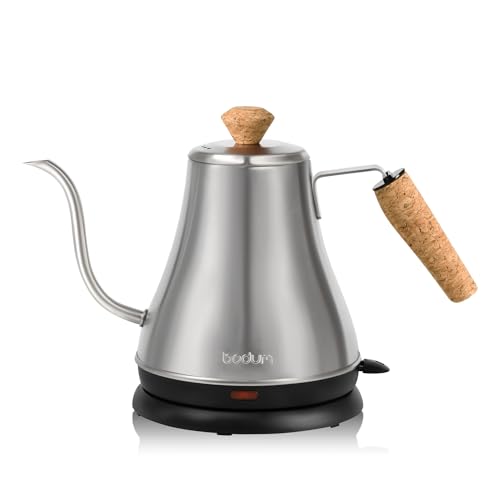
Best temp-control gooseneck pick
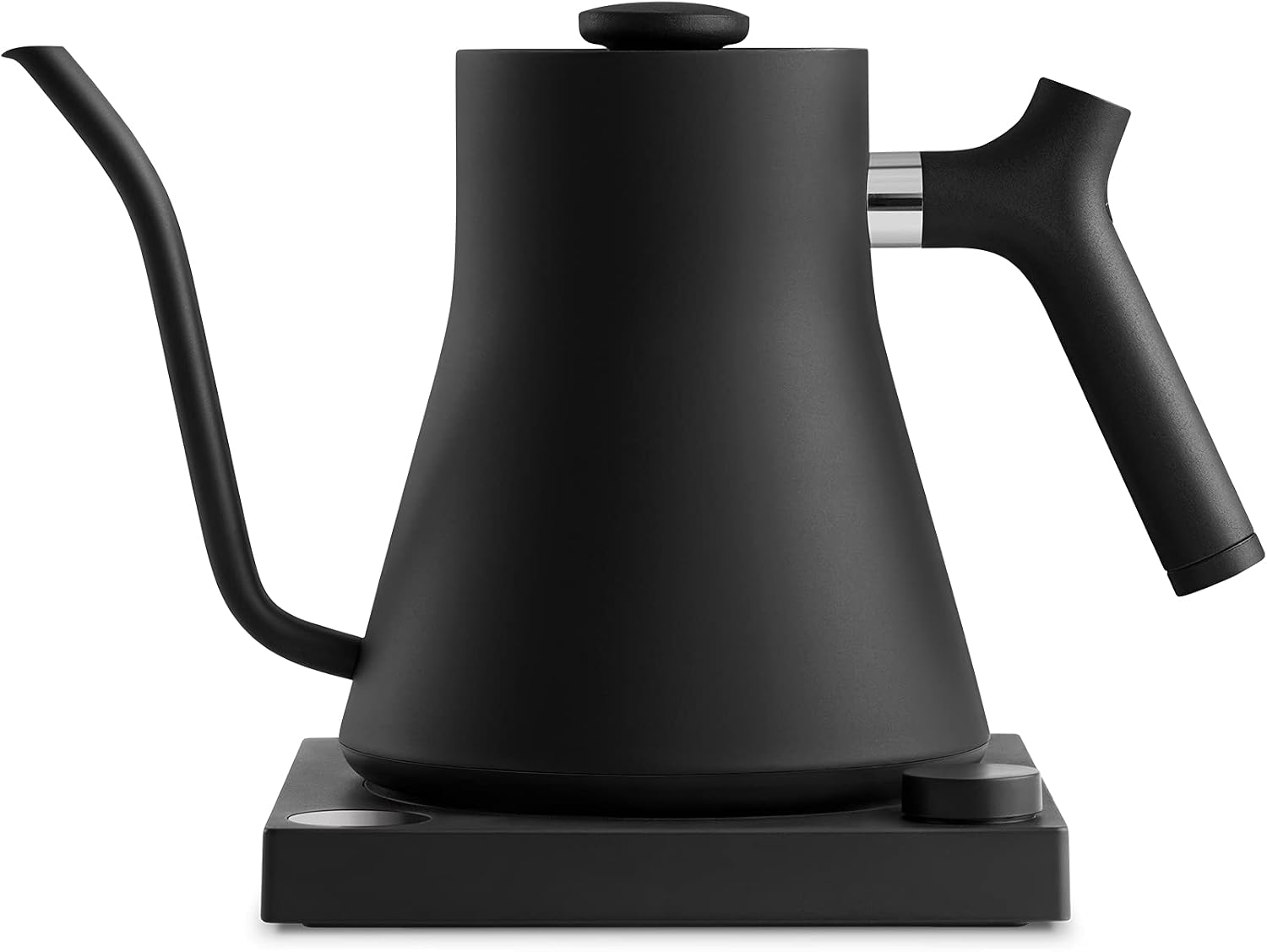

Best temp-control gooseneck pick
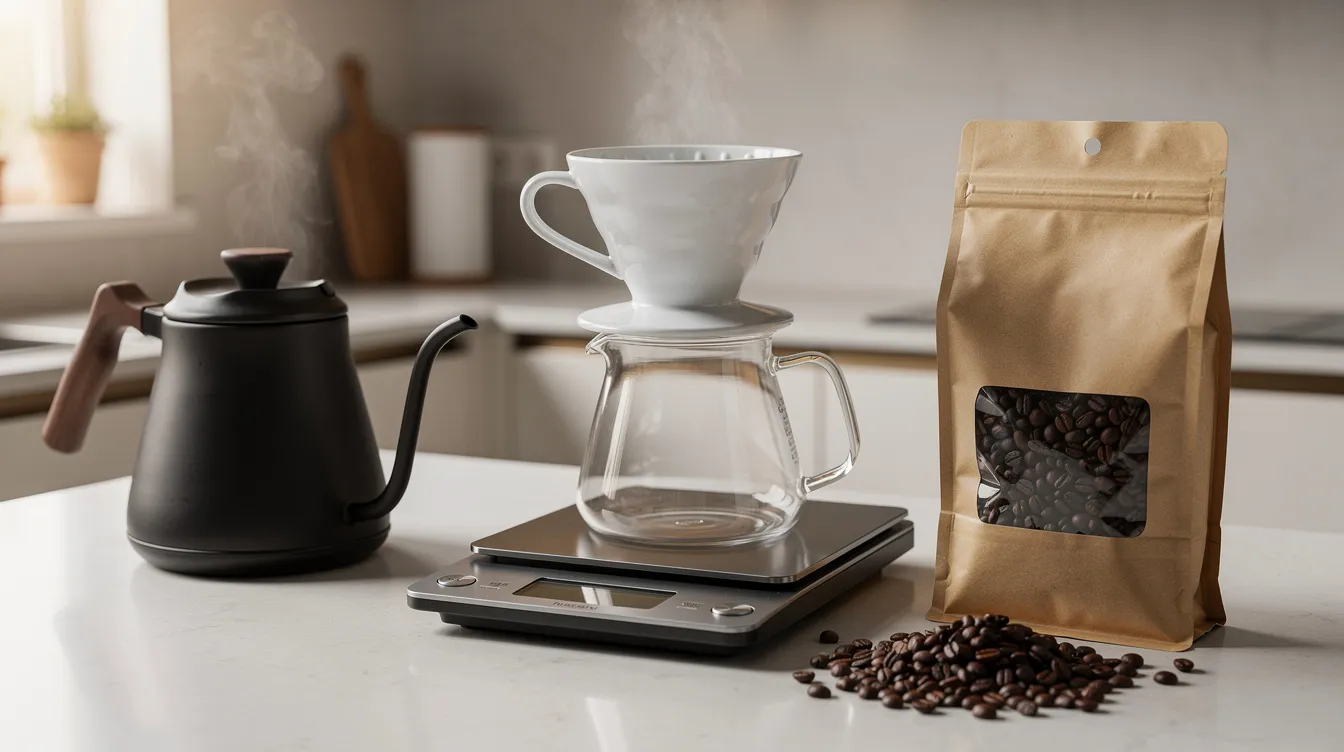
Start smaller: beans and a dripper
The Fellow Stagg EKG is the expensive click. If the kettle is waiting, a $20 bag and a V60 still make pour-over this week.
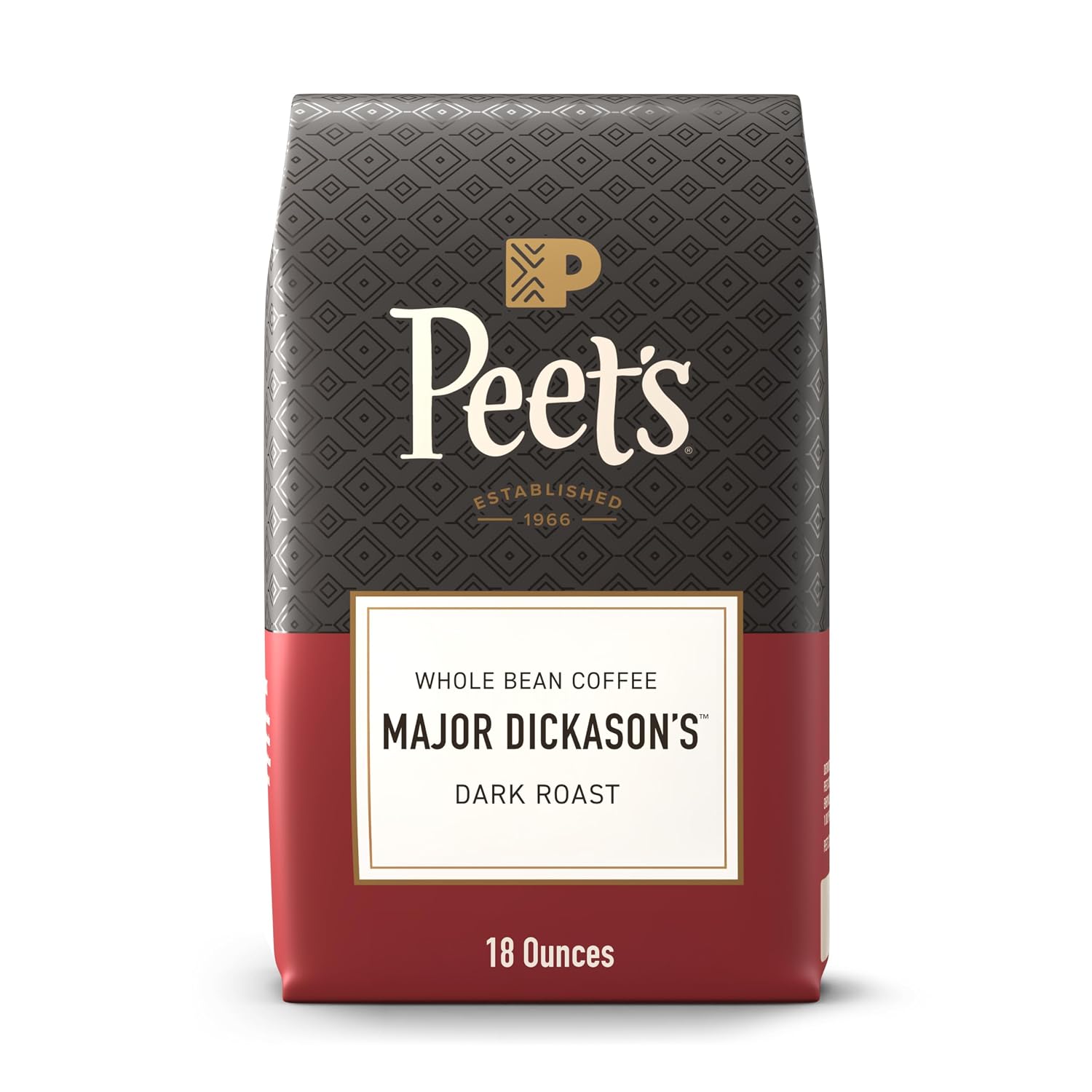
Whole beans (~$15–$25)
Peet’s Major Dickason’s
A forgiving blend to brew while a gooseneck kettle sits in the cart.
Check Major Dickason’s on Amazon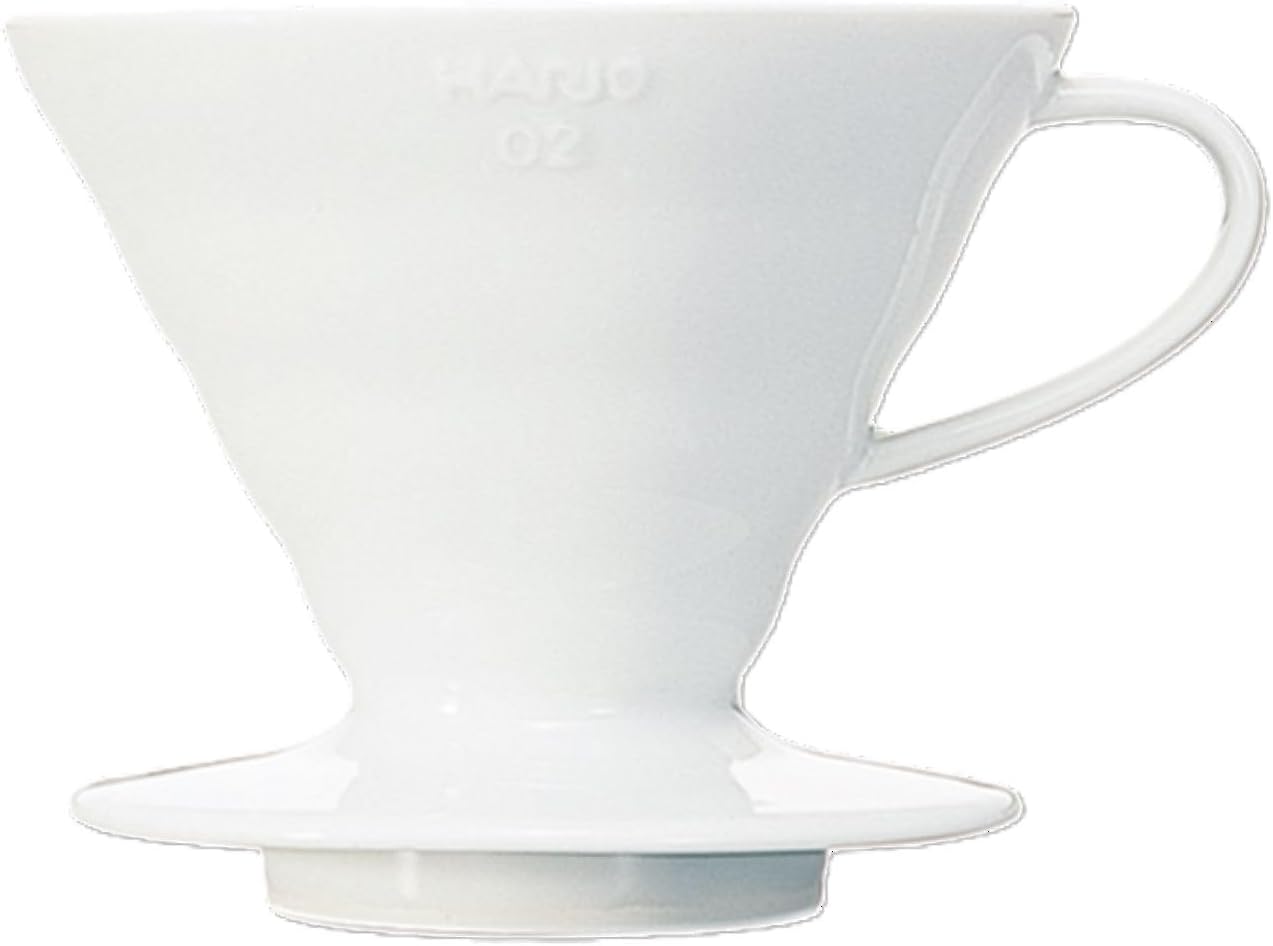
Pour-over dripper (~$10–$30)
Hario V60
The brew method a gooseneck is for. A V60 is a much smaller cart than the Stagg.
Check Hario V60 on Amazon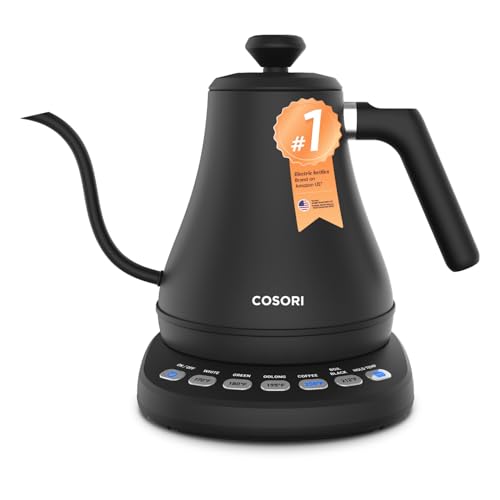
The best gooseneck kettle for most pour over coffee brewers is the Fellow Stagg EKG, an electric model with precise temperature control, a counterbalanced handle, and a refined curved spout that delivers a steady stream exactly where you need it. For stovetop simplicity, the Hario V60 Buono remains the benchmark – durable, affordable, and capable of a slow pour that rivals kettles twice its price.
These recommendations are based on researched editorial analysis of verified specs and third-party expert reviews, not Capitol City Coffee’s own lab testing. Electric gooseneck kettles with variable temperature control suit daily pour over brewing best, while stovetop models shine for camping, minimal setups, and buyers who prefer fewer electronics to break.
What matters most in a gooseneck kettle isn’t app connectivity or color options. It’s spout design, water temperature stability in the 195–205°F range (the ideal water temperature for coffee extraction), and a comfortable handle that won’t fatigue your wrist mid-pour. This guide compares materials, capacity, usability, cleaning, durability, warranty, and overall value across the top options available right now.
Capitol City Coffee is an independent editorial and affiliate publication. We may earn a commission from some links below, but this never affects how we rank products.
Here are our favorite gooseneck kettles based on current specs, expert consensus, and long-term owner feedback:
Each pick excels in different ways – temperature accuracy, flow rate control, build quality, or value. The right one depends on how you brew and how much you want to spend.
The table below puts all the kettles side by side for quick comparison. Use it to narrow your shortlist before reading the detailed picks.
Kettle | Type | Capacity (L) | Temperature Control | Typical US Price (2026) | Key Strength | Key Trade-off |
|---|---|---|---|---|---|---|
Electric, variable temp | 0.9 | 135–212°F, 1°F steps, 60-min hold | ~$165 | Precision, pour control, PID hold | Premium price, smaller capacity | |
Electric, variable temp | ~0.8 | Five presets + variable, 60-min hold | ~$70–90 | Value, decent pour, full temp range | ±3°F accuracy, hold drift (~8°F/30 min) | |
Electric, variable temp | ~1.0 | Degree-by-degree, timer, keep-warm | ~$100–120 | Fast heating, larger capacity, ergonomic | Taller profile, mid-range precision | |
Electric, variable temp | 1.0 | 140–212°F, 1°F steps, 60-min hold | ~$90–130 | Durable workhorse, café-proven | Basic display, hold resets when lifted | |
Electric, variable temp | 0.6 or 1.0 | 104–212°F, ±1°F, flash boil | ~$160 | Ultra-precise spout, specialty control | Higher cost per oz, overkill for casual use | |
Stovetop gooseneck | 1.2 (nominal) | Boil only (no variable temp) | ~$45–55 | Classic design, extreme durability | No temp control, needs external thermometer | |
Electric, boil only | ~0.8 | Boil to 212°F, auto shutoff | ~$55 | Low price, simple operation, gooseneck spout | No variable temp, no hold mode |
Prices reflect approximate US retail as of August–September 2026 and may fluctuate with sales and promotions.
This is researched editorial analysis, not hands-on testing by Capitol City Coffee. We evaluated each kettle using published lab tests (including temperature accuracy and boil-speed data from TechGearLab and The Tested Hub), verified brand specifications, and broad user consensus from barista forums and equipment communities.
Our criteria:
Inclusion does not depend on commission rate. Several popular models with high affiliate payouts were deliberately excluded or downranked due to consistent durability complaints. Every kettle here is oriented toward specialty coffee brewing, not just heating water.
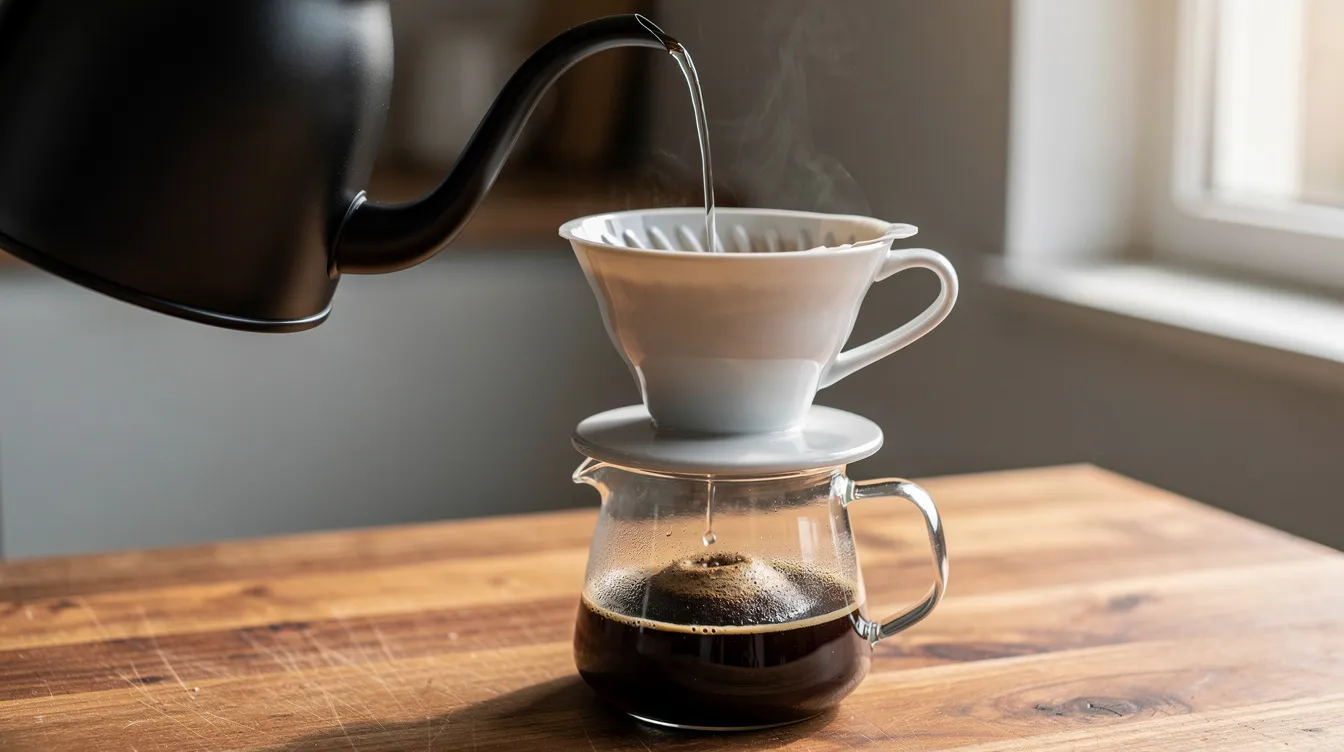
A gooseneck spout is a long, narrow, curved spout that fundamentally changes how you control water when brewing coffee. Unlike the wide mouth of a standard kettle, a gooseneck restricts water flow into a thin, laminar stream. This lets you place water exactly where you want it on the brew bed, controlling both speed and direction throughout the pour.
The numbers make the difference clear. Gooseneck spouts restrict flow to 17–40 ml/sec for controlled pouring, while other electric kettles with standard spouts dump water at over 150 ml/sec. That slower, adjustable flow rate means you can saturate all the coffee grounds evenly rather than blasting a channel through the center of the coffee bed. Even saturation of coffee grounds improves extraction quality, and pouring with a gooseneck kettle helps prevent coffee bitterness caused by uneven extraction or sudden flooding.
The spout design prevents sudden splashes and flooding of the coffee bed, which is especially critical with finer grinds on a V60 or Kalita Wave. You need water temperature around 195–205°F at the grounds for optimal extraction, and gooseneck kettles help in hitting optimal brewing temperatures for various beverages by giving you the control to maintain a steady pour at the right temp.
A gooseneck kettle is essential for V60, Kalita Wave, and Chemex brewing. It’s nice but not strictly required for French press, AeroPress, or immersion brewers where you’re pouring into a larger vessel and steeping rather than actively directing flow over the coffee bed.
The biggest decision when buying a pour over kettle is whether to go electric or stovetop. Each type has real advantages – and real trade-offs.
Electric gooseneck kettles deliver precise temperature control within ±1–2°F on premium models, and electric kettles can hold a set temperature for up to 60 minutes. That hold function is transformative for multi-cup brewing sessions or switching between brewing coffee and brewing tea. Electric models also offer consistent water temperature across multiple pour over rounds without reheating.
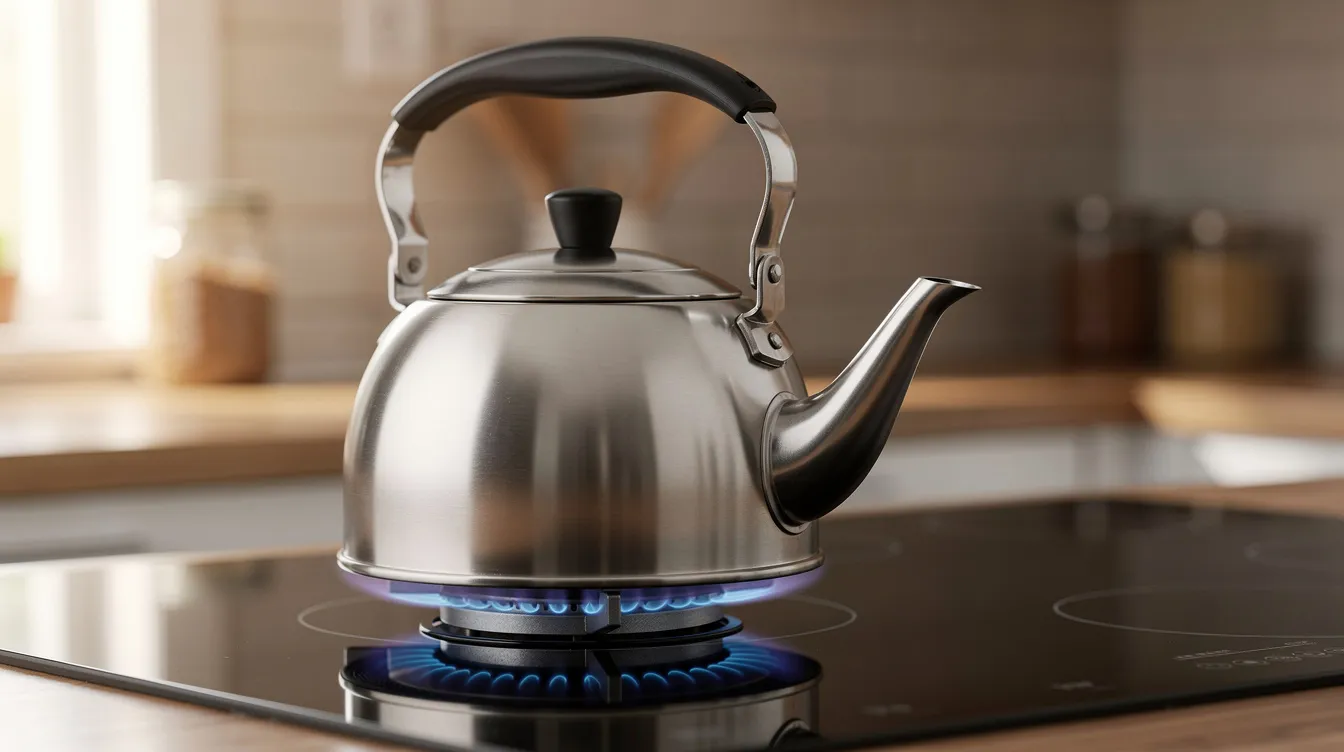
Stovetop gooseneck kettles are simpler, more durable, and have no electronics to fail. A stovetop kettle also heats water quickly on a strong gas burner, and stovetop kettles work anywhere you have a heat source – including camping. They’re compatible with gas, electric, and often induction cooktops. The trade-off is that stovetop kettles require a thermometer for precise temperature measurement, and there’s no way to hold a steady temperature without manually managing the flame.
On the flip side, electric kettles are bulkier due to their base and cord, and electronic components can fail after a few years. Stovetop models can last a decade with minimal care.
Who should choose which:
This section expands on each electric recommendation with specific performance data, strengths, limitations, and who each kettle suits best. All specs and claims below are drawn from manufacturer data and third-party reviews.
The Fellow Stagg EKG is the reference pour over kettle for good reason. It combines PID temperature control, a counterbalanced handle that reduces hand fatigue during prolonged pouring, and one of the most refined gooseneck spouts on the market.
The Fellow Stagg EKG Pro variant adds Bluetooth connectivity, but the standard EKG delivers all the performance most home brewers need. At around $165, it’s a premium purchase justified for daily pour over specialists who want repeatability with light roasts and precise temperature settings. Less necessary if you mostly brew French press or dark roasts where a few degrees of drift won’t matter.
Pair it with a quality scale for truly dialed-in brewing.
The Cosori electric gooseneck kettle is the best entry point into real variable temperature control without paying premium prices. The Cosori electric kettle offers five temperature presets from 170 to 212°F, covering everything from green tea to boiling water for black tea.
At ~$70–90, the Cosori represents strong price-to-performance value. The compromise is precision: ±3°F accuracy versus the ±1°F of PID-driven kettles, plus a simpler interface with fewer fine-grained controls. For most home brewers upgrading from a standard kettle and wanting to hit a target temperature for pour over coffee and tea, it’s more than sufficient.
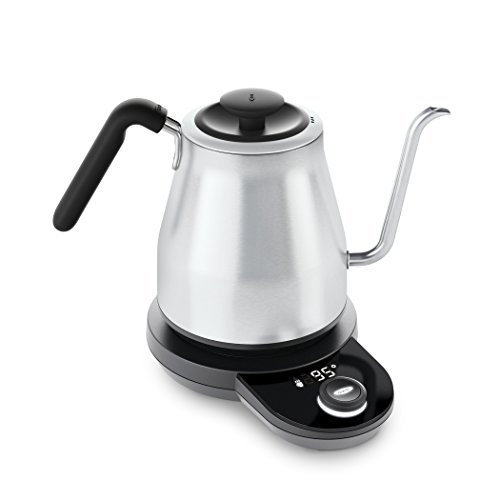
The OXO Brew Adjustable Temperature kettle fills the gap between budget and premium. It’s a practical, slightly larger-capacity workhorse that balances volume, accuracy, and price.
At ~$100–120, the OXO Brew suits home brewers who make multiple cups, switch between pour over and tea, and want reliability without paying for ultra-premium aesthetics. It’s a beautiful kettle in a functional way – designed to work hard rather than sit on a shelf.
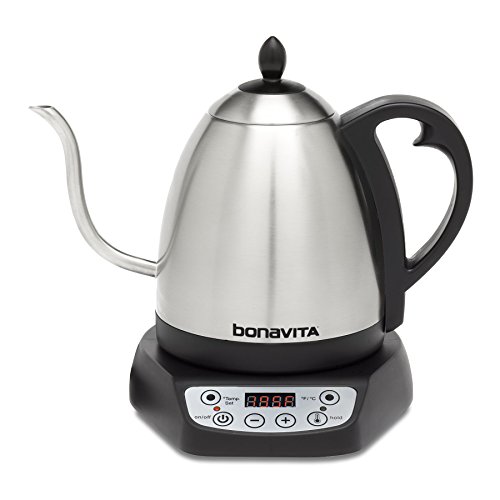
Bonavita has built its reputation in cafés and home bars on straightforward, reliable electric gooseneck kettles that last.
At $90–130 depending on finish and promotions, the Bonavita makes most sense for heavy users who prioritize longevity over aesthetics. If you plan to use a kettle daily for years and want the lowest risk of premature failure, this is your pick.
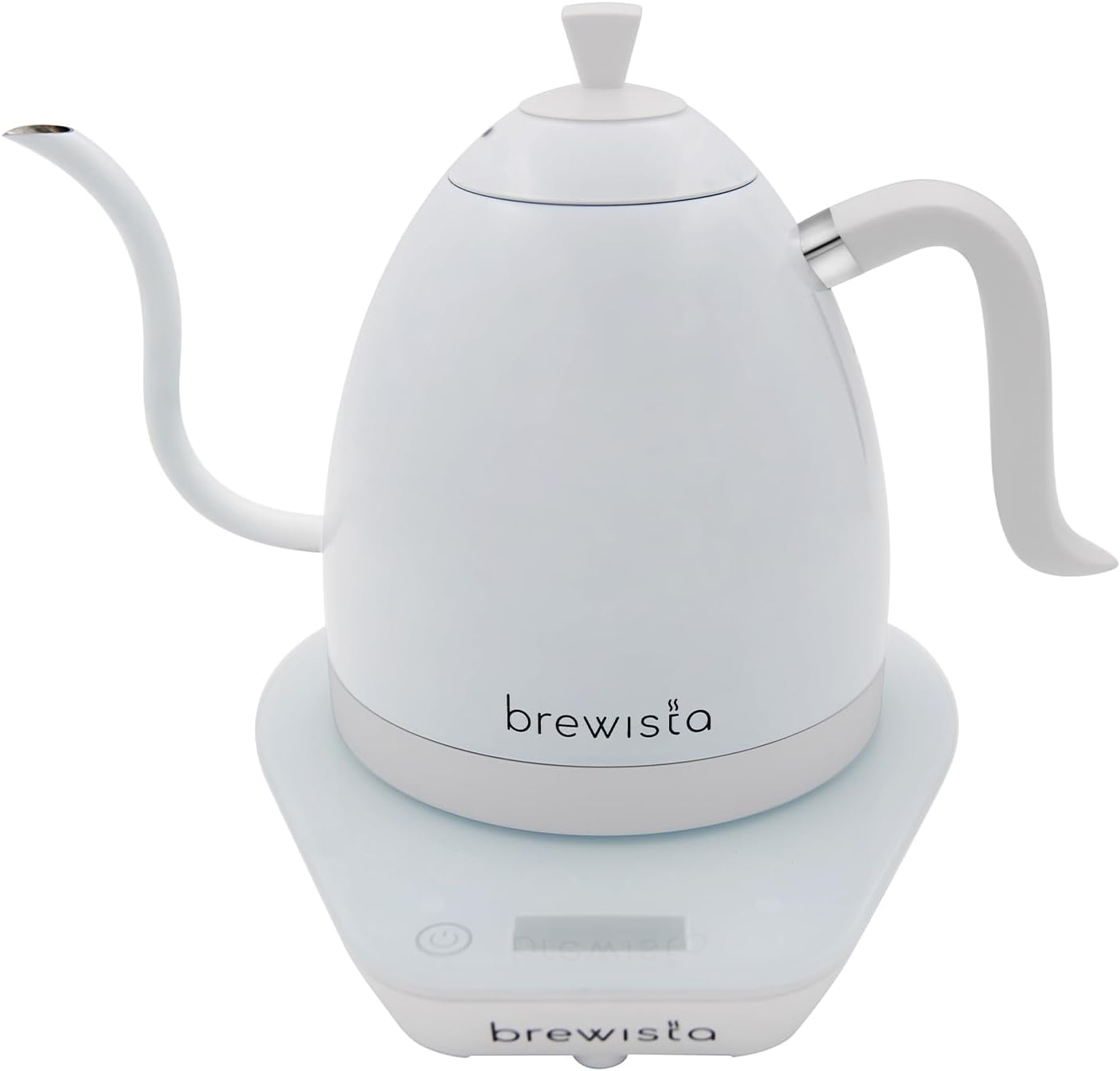
The Brewista Artisan is a niche-leaning kettle favored in competition and specialty settings for its precise controllability and compact form.
At ~$160, the Brewista costs more per ounce of capacity than nearly any competitor. That’s the point – it’s built for enthusiasts who brew one or two meticulous cups at a time and frequently adjust all your recipes based on roast profile. If you’re experimenting with light roasts, different origins, and various extraction techniques, the Artisan gives you the precision to isolate variables. For casual daily use, it’s overkill.
Stovetop gooseneck kettles trade electronic precision for extreme durability, simplicity, and near-zero failure risk. No displays to die, no heating elements to burn out – just metal and heat. They require more user attention to water temperature, but for many brewers, that trade-off is worth it.
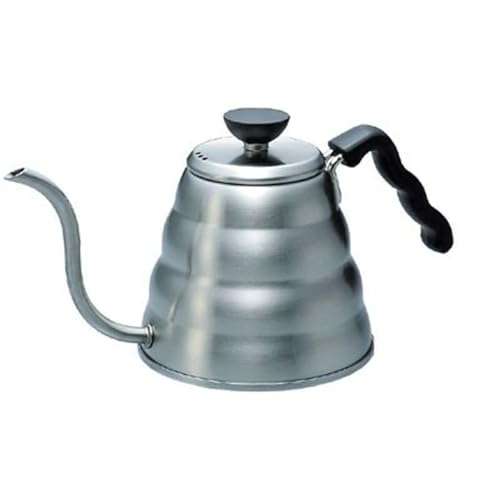
The stovetop Hario Buono is arguably the most iconic pour over kettle in existence. You’ll find it in specialty cafés worldwide and in home setups that have outlasted multiple electric models.
At $40–55, the Hario V60 Buono is the best stovetop gooseneck kettle for buyers who value longevity and don’t need digital temperature controls. With care, expect a decade or more of reliable service – making it one of the lowest cost-per-use options on this list.
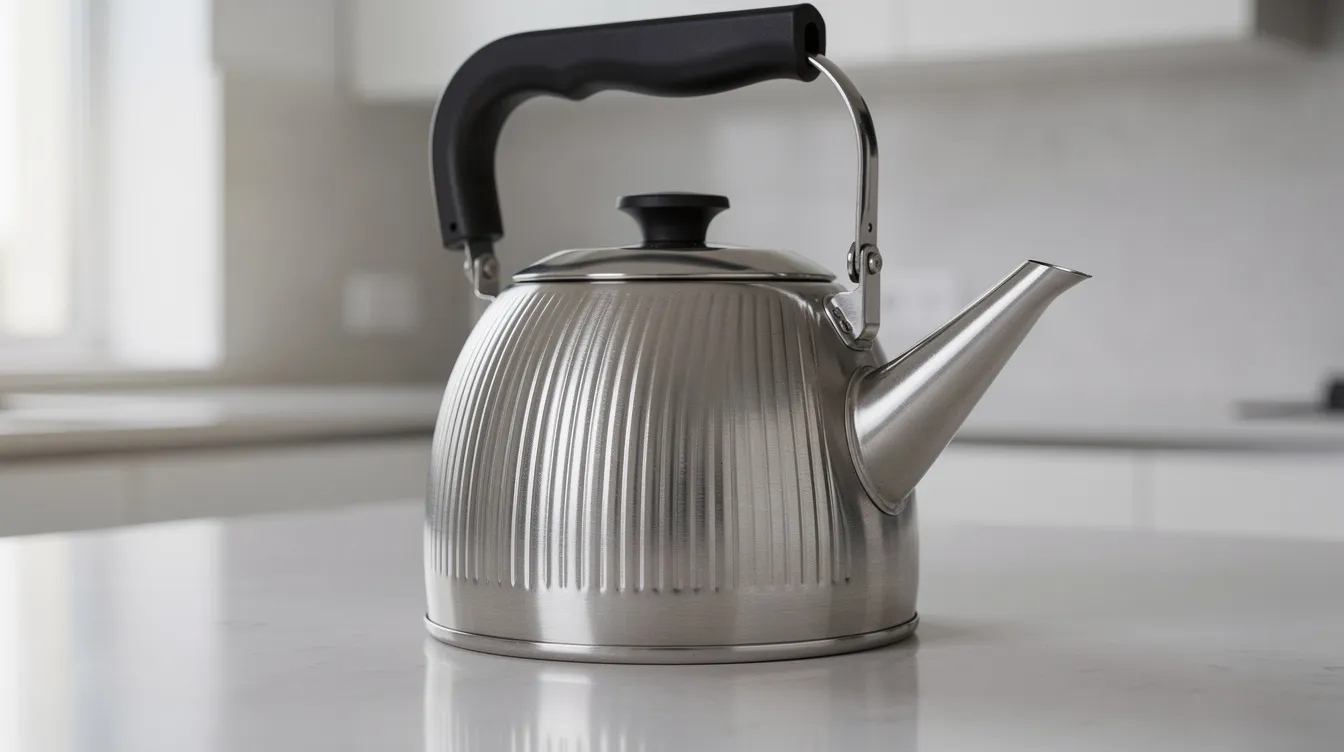
The Bodum Melior and comparable boil-only electric gooseneck models occupy a unique niche: they give you a true gooseneck spout and electric convenience without variable temperature complexity.
These kettles always bring water to a rolling boil at 212°F. If you need a precise temperature like 200°F, you’ll need to let the water cool manually or use a thermometer. At ~$55, they’re ideal for new pour over drinkers who want a step up in pour control without a steep learning curve or price tag. The drawback is clear: no variable temperature means no quick switching between brewing coffee at 200°F and steeping green tea at 175°F.
Not all the kettles on the market are created equal. Here’s a practical checklist of features that affect real-world performance and long-term satisfaction:
Most serious gooseneck kettles use stainless steel for the body and interior, but finishes and handle materials vary significantly – and those differences affect how long your kettle lasts and how safe it is to use.
Stainless steel resists corrosion, cleans easily, and doesn’t impart flavor. Coated or PVD finishes (matte black, copper-tone) look striking but can chip with rough handling and require gentler cleaning. Durability and material quality are important for reliable kettle performance – cheap welds on gooseneck spouts can develop leaks, and low-quality base construction on electric models leads to connection failures.
On the food-contact front, some kettles advertise “no plastic touching water” as a feature. This matters if you’re concerned about taste transfer or chemical exposure from hot water contacting plastic lids or level windows. Check whether the lid interior is stainless or plastic before buying.
Safety essentials include heat-resistant handles, a lid that stays secure when tilted for pouring, a stable base, and certifications like UL or ETL for electric models. Auto shutoff and boil dry protection are non-negotiable on any electric kettle you buy.
Start from your brewing method and work outward – not from brand hype.
Daily pour over specialist: An electric PID model (Fellow Stagg EKG, Brewista Artisan) gives you repeatable temperature and hold capability. If you’re wondering whether a gooseneck kettle worth the extra cost, frequent brewers usually find the control and consistency justify it. Worth the investment if you’re brewing every morning and care about dialing in recipes.
Coffee + tea household: A mid-range variable temperature kettle (Cosori, OXO Brew, Bonavita) covers the full range from green tea at 170°F to boiling water for black tea without breaking the budget. Precise temperature settings let you switch between beverages confidently.
Minimalist or camper: A stovetop model like the Hario V60 Buono keeps things simple. Pair with a clip-on thermometer and you have everything you need.
Capacity guidance: The ideal kettle capacity for home pour over is often 0.6 to 1 liter. Solo drinkers doing single-cup pours can get by with 0.6–0.8 L. If you’re brewing two large mugs or filling a Chemex, aim for 1.0 L.
Budget guidance: Under $60 gets you a solid stovetop or basic boil-only electric. $60–120 opens up versatile variable temperature electric models. Above $120 buys premium performance, precision pouring, and refined design. In every tier, weigh warranty and user-reported reliability before committing.
Here’s what to expect at each price point:
Under $60: Stovetop gooseneck kettles (Hario Buono, ~$45–55) and boil-only electrics (Bodum Melior, ~$55). No variable temperature control, no display. You get pour control and durability, but you’ll need a thermometer and patience to hit your desired temperature. Best for beginners or campers.
$60–100: The sweet spot for most buyers. Cosori (~$70–90) and sale-priced Bonavita models offer real variable temperature control, hold modes, and decent pour performance. You sacrifice some precision and interface polish, but you gain massive functionality over boil-only options.
$100–180: Premium performance. Fellow Stagg EKG (~$165), Brewista Artisan (~$160), and OXO Brew (~$100–120) deliver ±1°F precision, robust hold modes, refined spout design, and build quality that justifies the premium for daily users. This is where most kettles worth investing in live.
$180+: Bluetooth-enabled variants (Fellow Stagg EKG Pro), ultra-premium finishes, and competition-grade builds. Functional gains are marginal over the $100–180 tier unless you’re a professional or competing barista. Don’t feel compelled to overspend if a mid-range option already satisfies your water temperature and flow control needs.
Most gooseneck kettle failures come from limescale buildup and misuse, not the metal wearing out. Maintenance directly affects how long your kettle lasts and how well it pours.
Descaling: Descale your kettle monthly with citric acid or vinegar. Use a 1:1 vinegar and water solution to clean mineral buildup, then rinse thoroughly. Hard water areas may need more frequent treatment. Avoid harsh abrasives that can damage interior finishes and gaskets.
Spout care: The narrow gooseneck spout is prone to mineral deposits that alter flow rate over time. Soak the spout and use flexible brushes or pipe cleaners to keep the passage clear. Rinse your kettle every few boils to maintain cleanliness.
Electric kettle care: Avoid submerging electric kettles in water during cleaning – wipe the exterior and base with a damp cloth instead. Coil the cord neatly to prevent damage, and never let water seep into the electronics compartment.
Drying: Empty and dry your kettle after each use to prevent rust or mineral staining on interior surfaces.
Lifespan expectations:
A gooseneck kettle is one piece of the puzzle. For repeatable pour over results, you also need a consistent grinder, an accurate scale, and proper coffee storage to keep beans fresh.
Check out our broader gear coverage under /gear/ and /gear/accessories/ for recommendations on scales, milk frothers for latte lovers, and coffee storage containers that protect freshness. These accessories make a meaningful difference when paired with a precise kettle.
Beyond the kettle, you’ll want a quality dripper (V60, Kalita Wave, or Chemex), the right filters, a timer (many electric kettles have one built in), and freshly roasted beans. Water temperature and flow matter most when coffee is fresh and ground correctly – a $165 kettle can’t fix stale, pre-ground beans.
Pick one kettle that fits your style and budget, then focus on refining your pour technique. A great gooseneck kettle removes one variable from your brewing equation. The rest is up to your beans and your practice.
These are quick, direct answers to common questions about gooseneck kettles that weren’t fully covered above.
You can technically pour over with a regular kettle, but a gooseneck spout makes precision pouring dramatically easier and more repeatable. The restricted flow lets you control exactly how fast and where water hits the coffee grounds, preventing channeling and producing more even extraction.
Methods that benefit most include V60, Kalita Wave, and Chemex – any brewer where you actively direct water over the bed. French press and immersion brewers see less benefit since you’re simply filling a vessel.
If you’re already investing in fresh beans and a good grinder, a gooseneck kettle is the logical next upgrade. It’s worth investing once you care about controlling extraction rather than just getting hot water into a cup.
Most stainless steel stovetop gooseneck kettles are induction-compatible, including many Hario V60 Buono models – but not all. The base must be magnetic for induction to work.
Try the magnet test: if a refrigerator magnet sticks firmly to the bottom of the kettle, it will typically work on induction. If it slides off or barely holds, the base may be aluminum or non-magnetic stainless, and it won’t heat on induction.
Always check manufacturer specs for explicit induction compatibility before purchasing if induction is your primary heat source.
For pour over coffee, aim for 195–205°F (90–96°C) at the coffee grounds – the optimal temperature range for balanced extraction. Note that slurry temperature at the brew bed typically runs 5–15°F lower than what your kettle displays, so setting your electric gooseneck kettle slightly above your target temperature is normal. At higher elevations, water boils at a lower temperature, which can affect how close you can get to your target.
For tea: black tea does well at 200–212°F, oolong tea at 185–205°F, and green tea at 160–185°F. Variable temperature gooseneck kettles simplify switching between coffee and multiple tea types without guesswork or waiting for water to cool.
In most cases, those spots aren’t actual rust. They’re mineral deposits or limescale from hard water that take on a rust-like color. Stainless steel is resistant to true corrosion under normal use.
Regular descaling with citric acid or a vinegar-water solution will restore the interior. Soak for 15–30 minutes, scrub gently, and rinse thoroughly. If you notice actual pitting, flaking metal, or rough patches that don’t clean away, contact the manufacturer – that may indicate a defect covered under warranty.
It depends on the type. Electric gooseneck kettles have electronics and a heating element that limit lifespan – inexpensive electric models often last around 2 years under heavy daily use, while mid-range and premium models can go 3–5 years or more with proper descaling and care.
Stovetop gooseneck kettles, with no electronics to fail, can last a decade or longer. The Hario V60 Buono is a prime example – many owners report using theirs for 5–10 years without issues.
Regular descaling, not overfilling past fill lines, and drying after each use are the three habits that most significantly extend any gooseneck kettle’s working life.
Every coffee and coffee machine we recommend is scored on the same 100-point scale, so a recommendation on one page means the same thing as a recommendation on any other. Each pick is also labeled with how we reached its score.
| What we score | Points | What we look at |
|---|---|---|
| Origin and sourcing transparency | 20 | Country, region, farm or cooperative, altitude, bean variety, and processing method are clearly disclosed. |
| Flavor evidence | 25 | Independent cupping scores, how closely the tasting notes match what the origin is known for, and our own cupping notes when hands-on tested. |
| Roast and freshness | 15 | Roast level stated, roast-date practices, whole-bean availability, and packaging with a one-way valve or resealable bag. |
| Brew versatility | 15 | How well the roast suits pour-over, drip, French press, cold brew, and espresso. |
| Value | 15 | Price per ounce compared with similar single-origin coffees or blends. |
| Buyer feedback | 10 | Volume and consistency of verified reviews, and recurring complaints about staleness, bitterness, or shipping. |
| What we score | Points | What we look at |
|---|---|---|
| Brewing performance | 25 | Water temperature in the 195–205°F range, even extraction, and SCA certification or published test data. |
| Build quality and reliability | 20 | Materials, known failure points, and long-term owner reports. |
| Ease of use and cleaning | 15 | Setup, the daily routine, descaling, and dishwasher-safe parts. |
| Fit for your kitchen | 10 | Capacity, counter footprint, and noise. |
| Useful features | 10 | Programming, grind and temperature control, and carafe type. Features that improve the cup count more than extras that do not. |
| Value | 10 | Price compared with machines that perform similarly. |
| Warranty and support | 10 | Warranty length, parts availability, and how the brand handles repairs. |
| Score | Grade | What it means |
|---|---|---|
| 90–100 | A | Exceptional. Our first recommendation for the feeling and setting described. |
| 80–89 | B | Strong. Excellent, with minor trade-offs we explain. |
| 70–79 | C | Good. Worth it for specific needs, with clear compromises. |
| Below 70 | — | Not recommended. We do not feature these as picks. |
When a pick carries the Hands-on tested label, this is the method behind it, and we note the date we tested.
We match each coffee to a mood and a moment based on its flavor profile and roast. Bright, citrusy light roasts suit energizing mornings. Chocolatey, full-bodied medium roasts suit slow or social moments. Richer roasts suit espresso and milk drinks. Each pick explains which facts led us to that match.
Every score comes only from the criteria above. No brand can pay for a pick or a higher grade. We re-check ratings when a roast, listing, or model changes, and update or remove picks that no longer earn their grade.
Some links on this page are affiliate links. As an Amazon Associate, Capitol City Coffee earns from qualifying purchases, at no extra cost to you.
Questions about a rating? Reach the Capitol City Coffee team through our contact page.