
Best conical burr pick
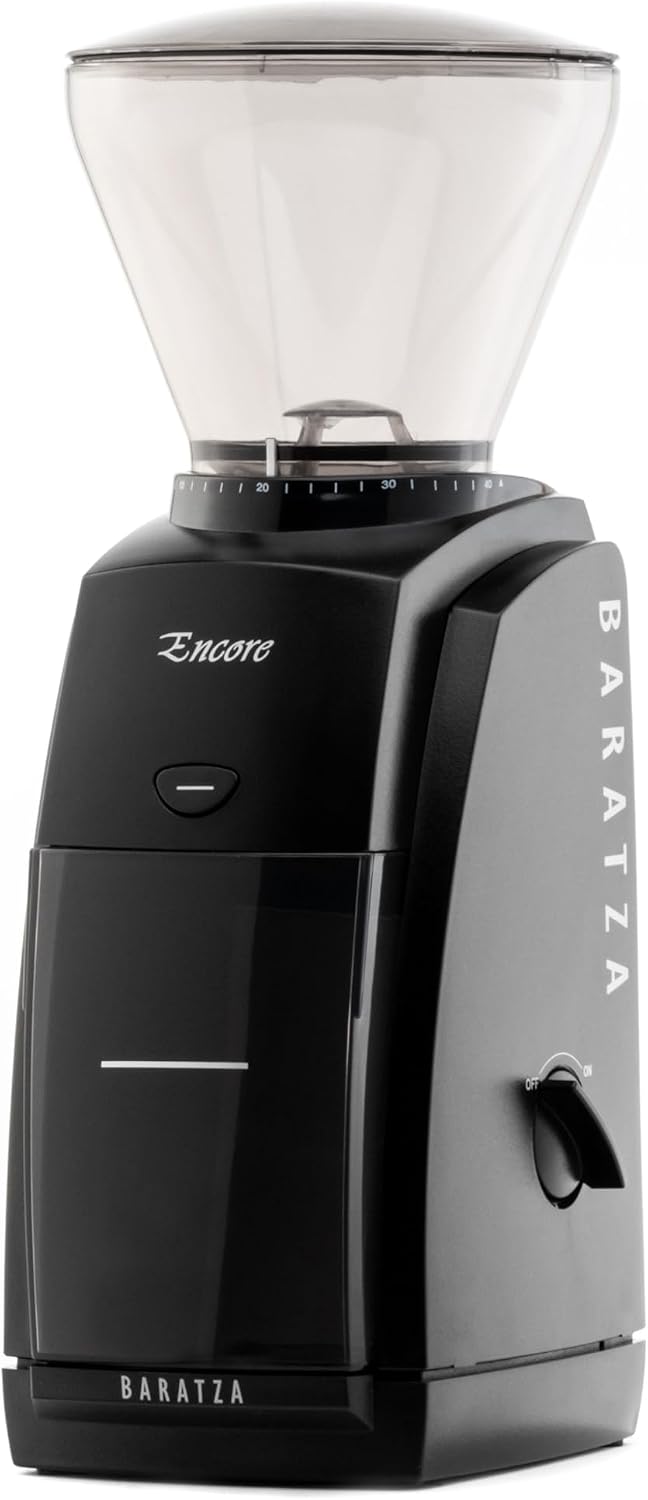

Best conical burr pick
Start smaller: beans and storage
The machine or grinder is the expensive click. If that purchase is waiting, a $20 bag and a canister still upgrade the setup you have.
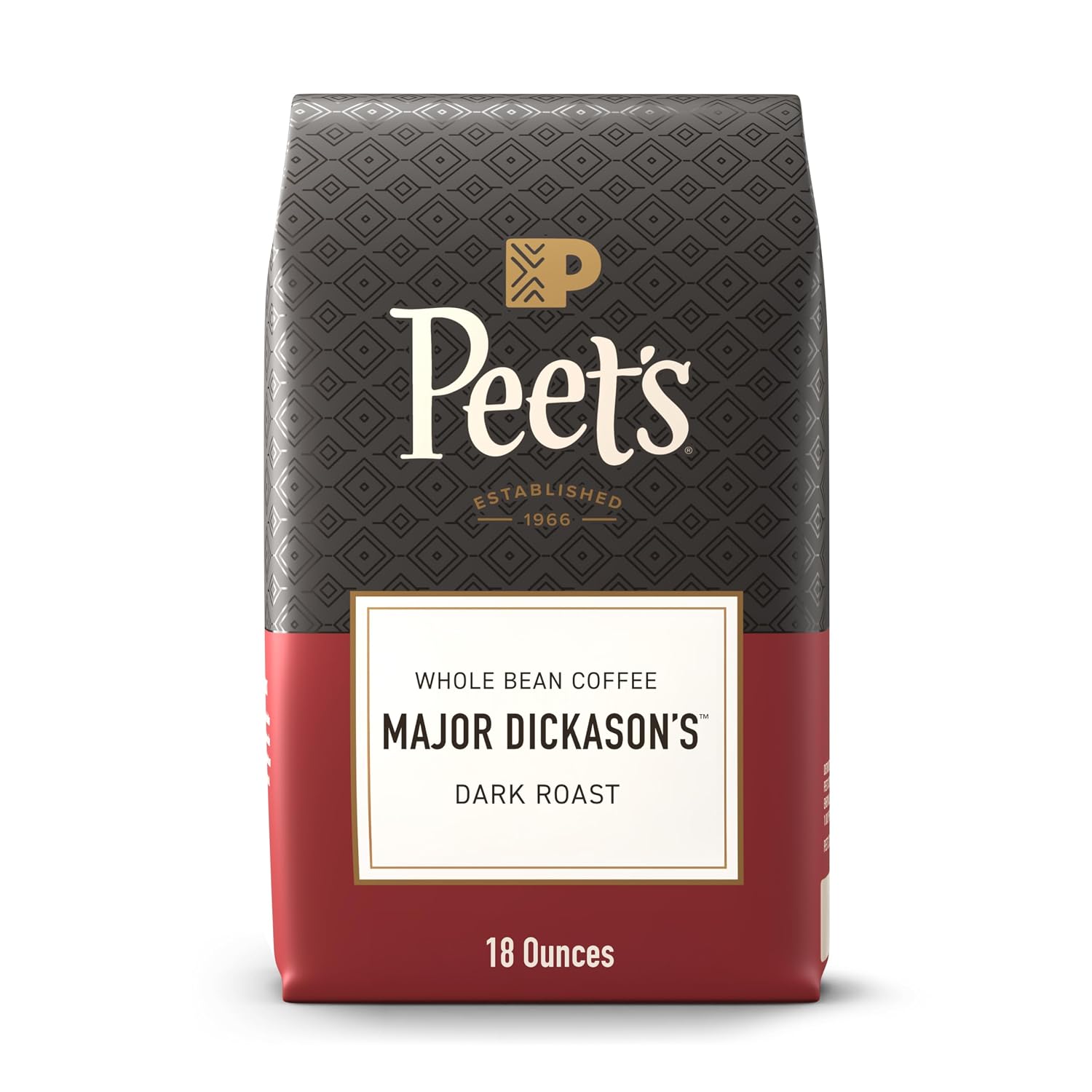
Whole bean (~$15–$25)
Peet’s Major Dickason’s
A cheaper cart than a new grinder or maker. Fresh beans are the fastest cup upgrade.
Check Peet’s on Amazon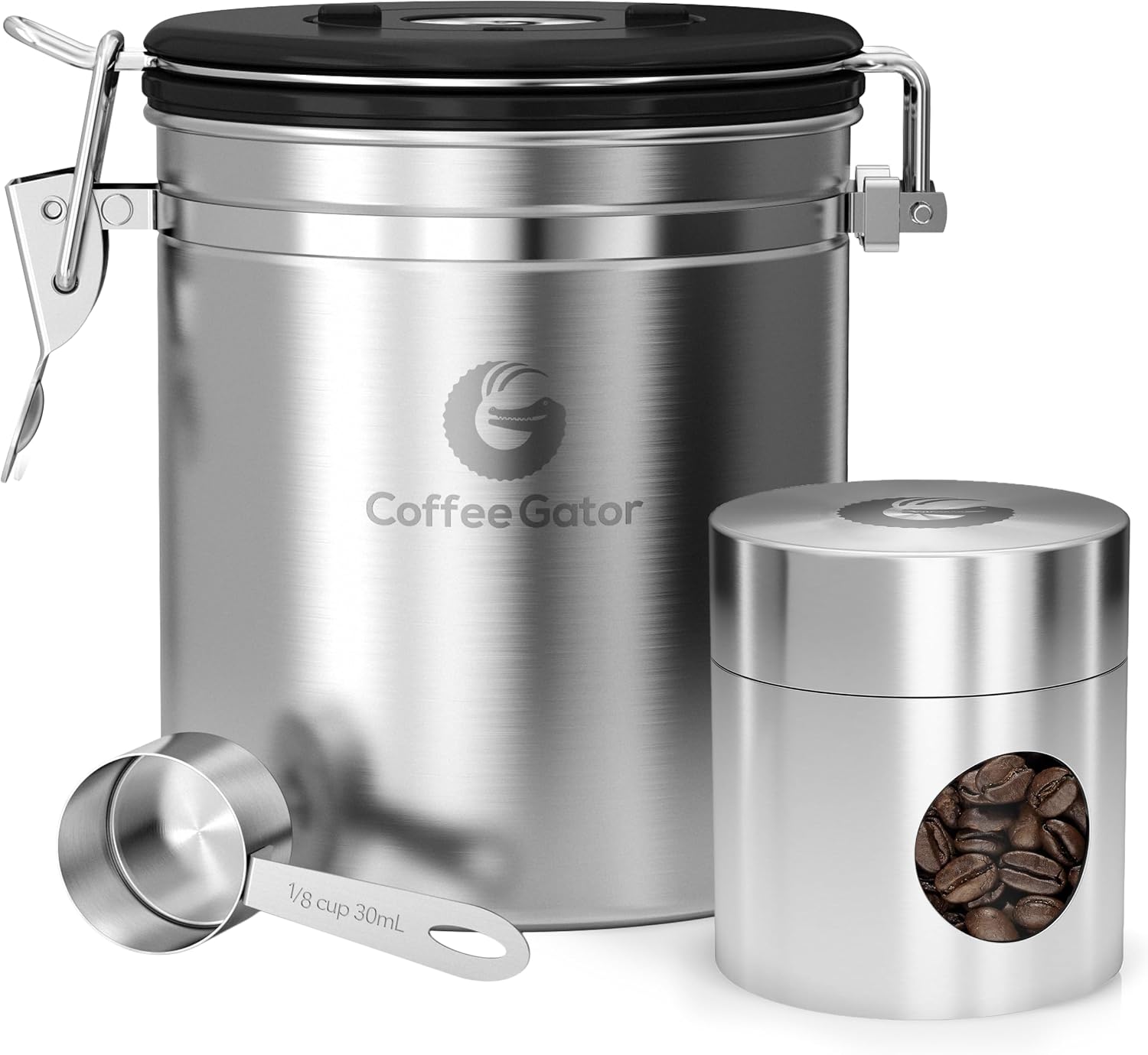
Storage (~$20–$35)
Coffee Gator canister
Keeps opened bags fresh. Cheap add-on if the hero pick did not convert.
Check Coffee Gator on Amazon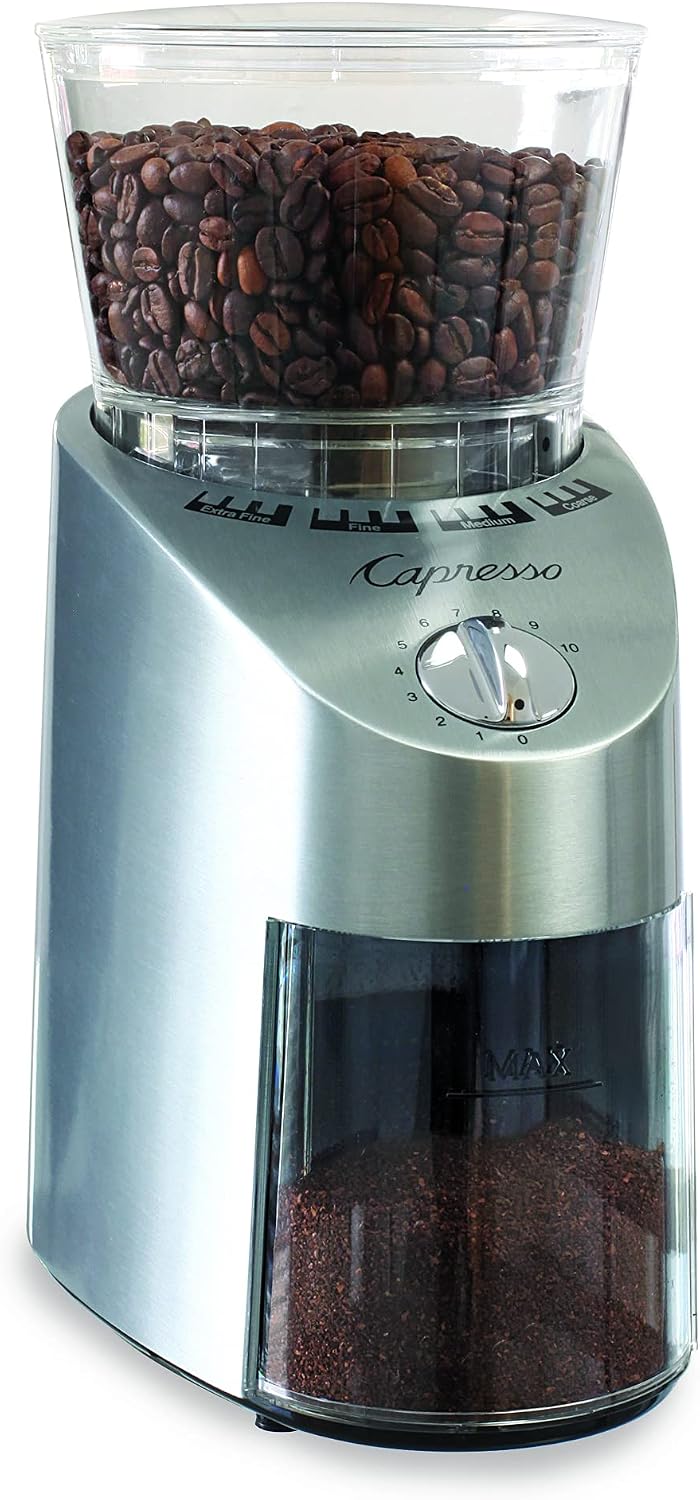
For anyone weighing a burr vs blade grinder, burr grinders are the stronger choice for flavor, grind consistency, and control across brew methods. Blade grinders win only on upfront price and simplicity. Here is what the research shows:
This guide is a researched editorial analysis from Capitol City Coffee, an independent coffee editorial site. We are not a roaster or equipment manufacturer. Below, we compare performance, taste, workflow, and cost, then give grinder-type recommendations by brew method and budget.
For anyone who cares about flavor clarity and repeatable results, a burr coffee grinder is the clear winner. Grind size affects coffee extraction efficiency because hot water pulls soluble compounds from the grounds, and changing grind size changes extraction speed by altering surface area. Burr grinders allow precise control over grind size so you can dial in your brew method. Blade grinders chop coffee beans with spinning blades, producing random particle sizes with smaller particles mixed in alongside larger pieces, which throws off extraction balance; some grounds over-extract into bitterness while larger chunks under-extract into sourness, all in the same cup.
Espresso and pour-over demand burr grinders. Standard drip machines benefit from burrs but can tolerate a blade grinder. French press and cold brew are more forgiving of particle variation, though blade-generated fines still cause sludge and over-extraction. The rest of this guide covers burr types (conical vs flat burr grinders), performance, workflow, cleaning, durability, cost, and value.
Some grinder recommendations on this page may use affiliate links. Capitol City Coffee may earn a small commission if you purchase through those links, but this never influences our rankings or opinions. All recommendations here are based on researched editorial analysis, verified product specifications, and third-party expert consensus rather than personal ownership or hands-on testing.
The table below summarizes the core differences at a glance before the detailed breakdowns that follow.
Factor | Burr Grinder | Blade Grinder |
|---|---|---|
Grind size control | Adjustable dial or stepless settings; wide grind range from espresso-fine to cold brew-coarse | No true settings; grind time and shaking are the only variables |
Particle consistency | ~65–90% of particles within the target size band, with more grounds landing near the average size and closer to a uniform size | ~40% or less within the target band |
Fines and boulders | Fewer over-extracted fines and large boulders | High proportion of both fine particles and larger chunks, creating many smaller particles as well |
Heat and flavor | Less heat from lower RPMs; preserves aromatic compounds | High-speed blade (20,000–30,000 RPM) generates more frictional heat |
Suitable brew methods | Espresso, moka pot, pour over, drip, AeroPress, French press, cold brew | Basic drip; marginal for immersion methods |
Speed | Slower at fine settings; consistent output | Fast but imprecise |
Noise | Moderate (electric); quiet (manual) | High-pitched at high RPM |
Static and retention | Some retention in chute; moderate static | Strong static; fines cling to chamber walls |
Cleaning | Periodic burr removal and brushing needed | Simple wipe-down |
Durability | 5–15+ years; burrs rated for 500–1,000 lbs of beans | 1–3 years typical |
Price range (USD) | $80–$400+ (entry to mid-range) | $15–$40 |
Overall value | Higher cost-per-purchase, lower cost-per-cup over time | Low upfront, higher hidden cost from replacements and wasted coffee |
The choice is less about “can a blade grinder work?” and more about how much flavor, control, and longevity you want from your coffee grinder.
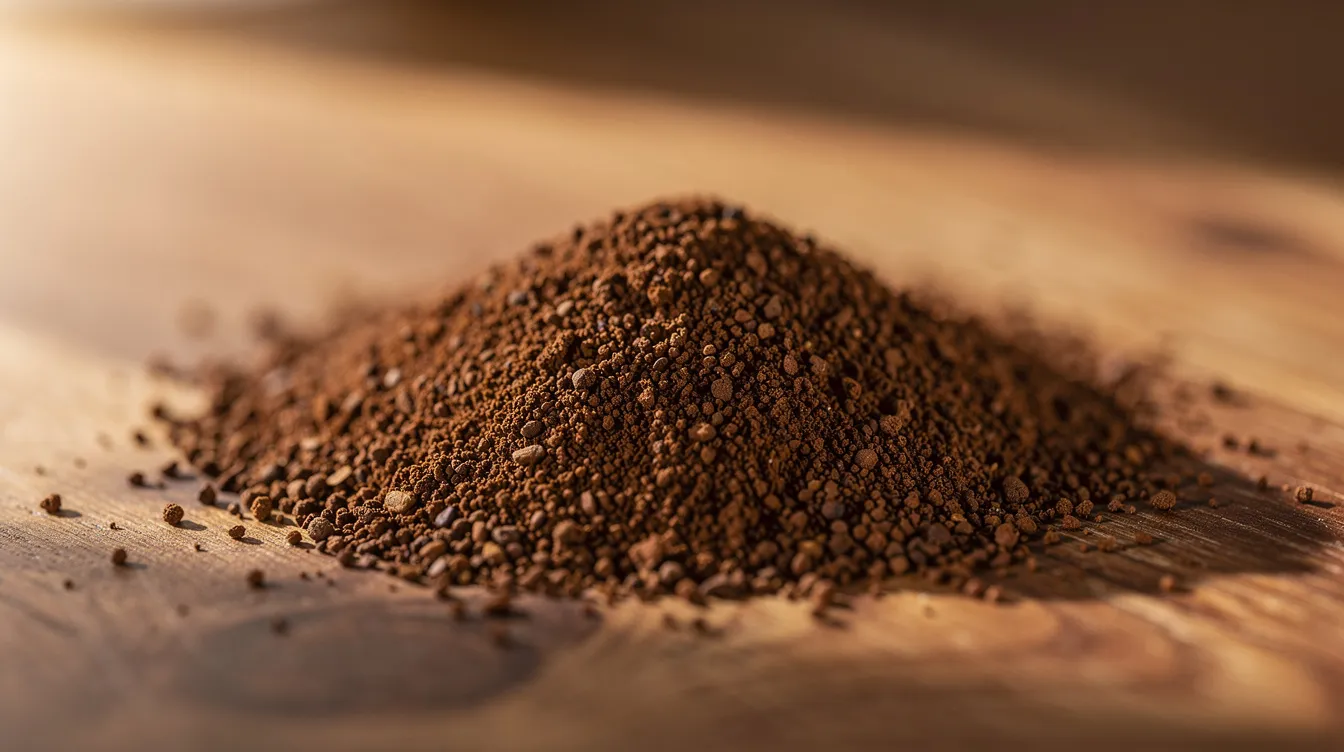
A blade grinder uses a high-speed spinning blade to chop coffee beans inside a small chamber. The only control is grind duration; hold the button longer for smaller pieces, shorter for larger chunks. This makes it an entry-level coffee grinder that requires little thought to operate.
Blade grinders produce inconsistent grind sizes because the blade contacts beans at random angles and heights. Particle distribution measurements show less than half of the ground coffee falls within a useful target size band. Blade grinders generate excessive heat during grinding; RPMs often reach 20,000–30,000, and heat from blade grinders can degrade coffee flavor by breaking down volatile aromatic compounds and damaging coffee oils. Blade grinders also lack precise grind-size control due to their design, making repeatable results nearly impossible.
Practical benefits include low cost (typically $15–$40), a small footprint, availability at any big-box store, and one-button simplicity. Some people also use them for spices, though sharing a grinder between spices and coffee will contaminate flavor.
Key limitations: no true grind setting, poor grind consistency for espresso or pour over, uneven grind from blade grinders that leads to inconsistent extraction of flavors in coffee, loud operation, and a typical lifespan of just 1–3 years. For someone who brews basic auto-drip coffee with supermarket beans, a blade grinder still beats pre-ground. But it will not unlock the nuanced flavors that come from a consistent grind.
Burr grinders use two abrasive surfaces, called two burrs, to crush whole beans to a controlled particle size. One burr stays fixed while the other rotates; the gap between the two surfaces determines the grind size. This mechanism is what gives burr grinders their consistency and precision.
Burr grinders produce particles of a uniform size for even extraction. Entry-level models achieve roughly 65% of particles in the target band, while high-end flat burr designs reach 85–90%. Burr grinders produce less heat than blade grinders because they operate at lower RPMs or use gear reduction; this preserves coffee flavor by keeping aromatic compounds intact. Excessive heat can break down those compounds, so the slower grinding process of a burr grinder directly protects coffee quality.
Burr grinders allow precise adjustments for different grind sizes, from the fine particles needed for making espresso (roughly 180–380 µm) to the coarse grind for French press (690–1,300 µm). They reduce the risk of over-extraction and under-extraction by keeping particles closer to the average size across the dose, which helps extraction stay more even. Burr grinders enhance flavor clarity in brewed coffee, which is why every coffee professional and coffee shop relies on them. Build quality is stronger, and many models offer replaceable burr sets.
Limitations are real: entry-level electric burr grinder models run $80–$150, mid-range units $200–$400, and prosumer or cafe-level grinders $500 and up. The larger footprint takes more counter space. Grinding can be slower at fine settings. Occasional calibration or burr replacement is needed after years of use.
Burr grinders come in both electric and manual designs. Within the burr category, the next decision is conical burrs vs flat burrs.
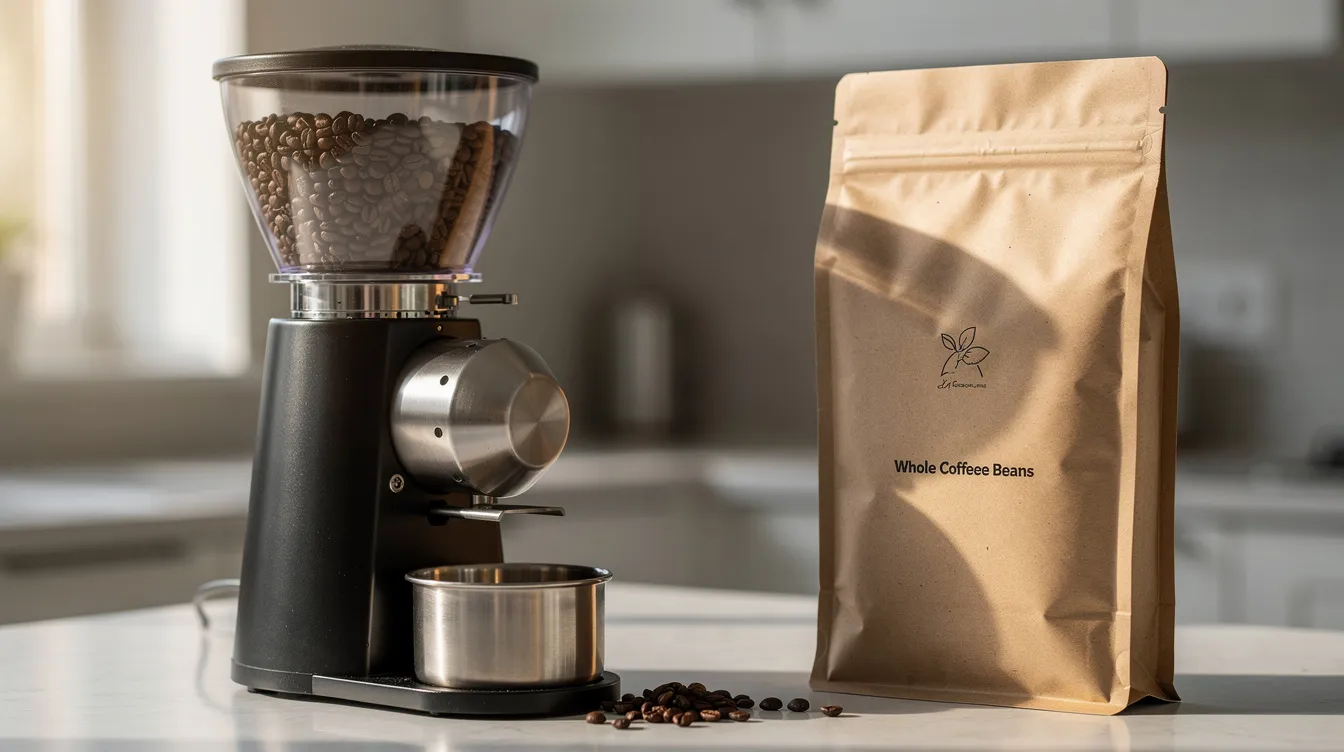
Once you choose a burr grinder over a blade grinder, the next fork in the road is burr type: conical burr grinders vs flat burr grinders.
Conical burr grinders use a cone-shaped inner burr and a ring-shaped outer burr. Beans feed through by gravity, and the design typically runs at lower RPMs with lower noise. Most popular home grinders (like the Baratza Encore line) use conical burrs, and Baratza has a strong reputation in the coffee industry. Conical burr grinders are generally less expensive than flat burr grinders and are forgiving across different brew methods.
Flat burr grinders use two parallel disc-shaped burrs. Grounds exit sideways, and the design demands more motor power and tighter alignment. Flat burr grinders produce more consistent particle sizes than conical burrs, which is why specialty cafes prize them for espresso and filter brewing. However, flat burr grinders generate more heat than conical burr grinders due to higher motor speeds.
Expert consensus (not personal testing) puts it this way: conical burrs suit a wide range of coffee brewing styles, while flat burrs deliver a clarity-forward flavor profile especially valued for espresso. For a deeper comparison, see Capitol City Coffee’s conical vs flat burr guide at /comparisons/grinders/conical-vs-flat-burr-grinders/.
The “best” grinder depends on how you brew coffee and how demanding that brew method is about grind consistency.
Espresso (manual or machine). Espresso requires a very fine grind for optimal extraction, with a contact time of only 25–30 seconds. Burr grinders are preferred for brewing methods like espresso that require consistent grind size. A blade grinder cannot reliably produce espresso grind; fines cause channeling while larger particles under-extract. Burr grinder required.
Moka pot. Needs a fine to medium-fine grind. Less punishing than espresso but still sensitive to large boulders. Burr grinder strongly recommended.
Pour over (V60, Chemex, Kalita). Medium-fine to medium grind. Uniformity controls flow rate and even extraction. Burr grinder strongly recommended; a blade grinder will produce muddy or overly fast draws.
Standard drip coffee maker. Medium grind, longer contact time (~4–5 minutes). Lower sensitivity to particle size variation. Either grinder works, though a burr grinder delivers a cleaner cup.
AeroPress. Versatile method; typically medium to fine grind. Burr grinder recommended for control, though a blade grinder is tolerable if you adjust steep time.
French press. Coarse grind (690–1,300 µm). Mesh filter lets fine particles through, causing sludge and bitterness. Blade grinders generate many fines; burr grinders provide a cleaner cup. Burr recommended, blade acceptable with trade-offs.
Cold brew. Very coarse grind, 12–24 hour steep. Long steep time magnifies over-extraction from fines. Burr recommended; blade acceptable but riskier.
If you brew multiple methods, switch beans often, or brew more than a couple cups per day, a burr coffee grinder pays for itself quickly in consistency and flavor.
Blade grinders cost less upfront. But burr grinders often deliver better long-term value.
Approximate price bands: blade grinders $15–$40, entry-level burr grinders $80–$150, mid-range home burr grinders $200–$400, prosumer or cafe-level $500+. The cost of blade grinders is typically lower than that of burr grinders at any tier.
Durability separates the categories. Blade grinders typically last 1–3 years before motor failure or blade dulling. Burr grinders typically last 10–20 years with maintenance; burr sets are often rated for 500–1,000 pounds of coffee before needing replacement. Blade grinders usually carry a basic 1-year warranty; better burr grinder brands may offer longer support and published parts diagrams.
On a cost-per-cup basis, a comparison of three budget burr grinders (Baratza Encore ESP at ~$169, OXO Brew, Capresso Infinity Plus) showed 5-year ownership costs of roughly $213–$229 each, including replacement parts. Spread across thousands of cups, a burr grinder adds only a few cents per cup while improving flavor.
At 6 a.m. before work, the grinder that is fastest to use and easiest to clean wins loyalty.
Blade grinders offer one-button operation but imprecise control: you time the grind, shake the unit, and hope for the best. Burr grinders require selecting a grind setting on a dial or ring, but once dialed in, the process is repeatable. Single-dose workflows on burr grinders (weigh beans, grind, brew) give precise control over each cup.
Noise varies. Blade grinders spin at very high RPMs and produce a high-pitched whine. Many electric burr grinders are quieter, though not silent. A manual burr grinder is the quietest option by a wide margin.
Static and retention affect both types. Blade grinders throw fines everywhere; grounds cling to plastic walls. Burr grinders can retain a gram or two in the chute, which matters if you single-dose. Some models use anti-static features to reduce mess.
Cleaning a blade grinder means wiping the chamber. Cleaning a burr grinder means brushing out the grinding process path and occasionally removing the upper burr for a deeper clean. With oily dark roasts, coffee oils and residue collect in the burr chamber and should be cleaned out to protect grind quality and longevity. The effort is modest but necessary to maintain grind quality.
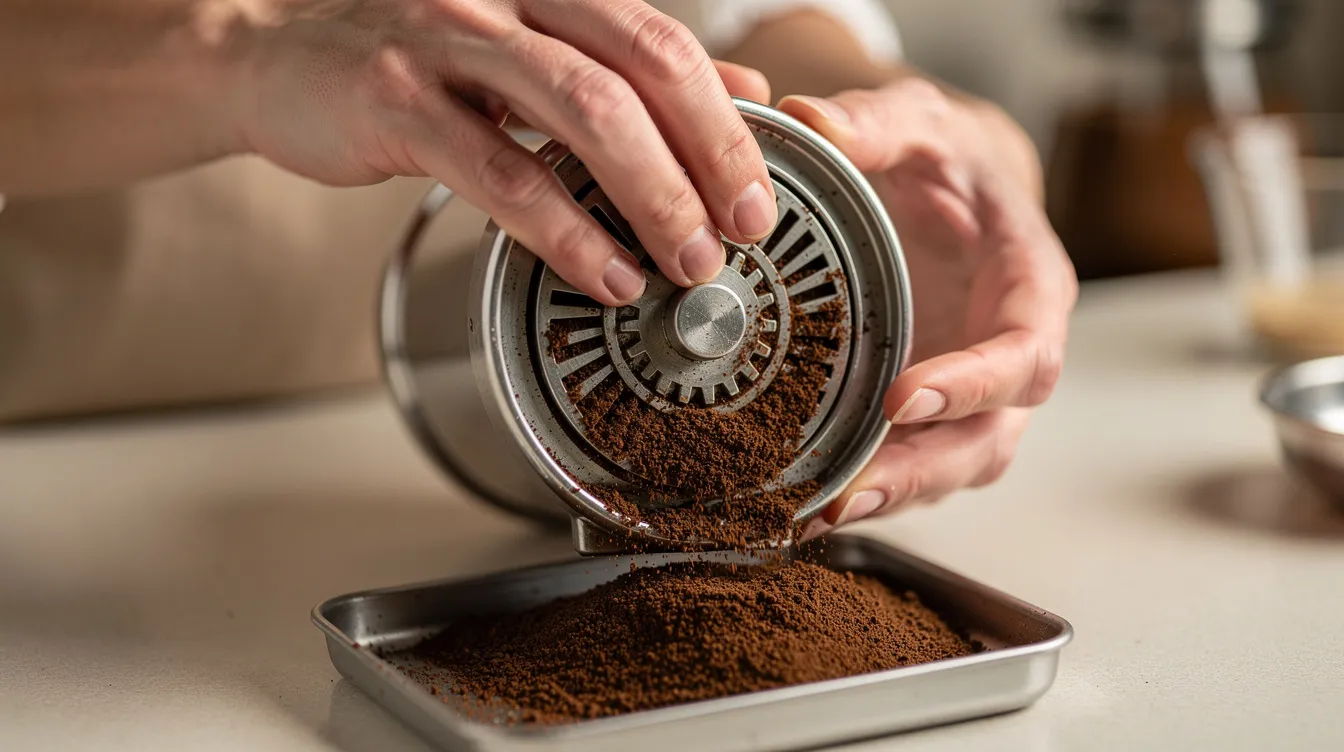
The right grinder depends on your budget, brew method, and ambitions.
Budget under $40, brewing basic drip once or twice daily: A blade grinder is acceptable. It will beat pre-ground coffee on freshness alone.
Learning pour over or exploring lighter roasts and origin flavors: A burr grinder is strongly recommended. Even a modest entry-level burr grinder will let you fine tune grind size to match your brewer and taste preferences.
Buying a first espresso machine: Start with a burr grinder. No espresso machine can compensate for inconsistent grind from a blade.
Making large batches of cold brew on weekends: A burr grinder set to extra-coarse will reduce fines and bitterness. A blade grinder can work, but expect muddier results.
If the price of an electric burr grinder feels steep, consider a quality manual burr grinder. Handheld burr grinders are portable and cheaper than electric models, and they deliver the same particle consistency. For 1–2 cups a day, the hand effort is minimal.
Grinder quality often matters more than the coffee maker itself. As Tom’s Guide summarized it: “Your espresso machine is the least important part of your coffee setup.” Prioritize grind consistency and flavor over minor differences in speed or footprint.
The burr vs blade grinder decision is the big fork in the road. Within the burr category, meaningful choices remain between specific models and burr types.
For budget-conscious buyers or travelers, a quality manual burr grinder offers consistent results under $100. For daily home brewing, a mid-range electric conical burr grinder covers drip through pour over with minimal fuss.
If you are already committed to burrs and comparing burr types, visit the detailed conical vs flat burr guide at /comparisons/grinders/conical-vs-flat-burr-grinders/. For model-specific decisions, see the Encore vs Encore ESP comparison for espresso-capable entry-level grinding at /comparisons/grinders/baratza-encore-vs-encore-esp/, or the Fellow Ode vs Baratza Encore matchup for filter coffee at /comparisons/grinders/fellow-ode-vs-baratza-encore/. Browse more grinder comparisons at /comparisons/grinders/ or the full comparison library at /comparisons/.
These questions cover practical details not fully addressed above.
For most people, yes. Grinding fresh whole beans, even with a blade grinder, usually tastes better than pre-ground coffee because beans retain volatile aromatics longer once they remain intact. The freshness difference is noticeable within days of grinding. A burr grinder adds the next tier of improvement through grind consistency and grind size control, but a blade grinder still beats stale pre-ground.
It is technically possible to produce powder-fine grounds with a long blade grinder pulse, and some pressurized espresso baskets can tolerate wider particle distributions. But the grind inconsistency and excess fines from a blade grinder usually lead to harsh, muddy shots and channeling in a standard portafilter. Reserve blade grinders for drip or immersion brewing and use a burr grinder for espresso, especially with non-pressurized baskets.
Wipe or brush out a blade grinder every few uses. If you grind spices in the same unit, deep clean between uses to avoid flavor contamination. For a burr grinder used daily, brush out retained grounds at least every 1–2 weeks, with a full burr removal and cleaning every few months. Dark roasts with more coffee oils leave more residue and may require more frequent cleaning to maintain grind consistency and flavor.
Burrs do dull over time. Most home-grade burr sets are rated for several hundred pounds of coffee beans before replacement. Signs of wear include slower grinding, increased fines relative to your usual grind setting, and less predictable extraction. Check your manufacturer’s documentation for the recommended replacement interval; brands like Baratza publish parts diagrams and sell replacement burr sets directly.
If flavor clarity matters, keep them separate. Spice oils and aromas embed into plastic hoppers, burr chambers, and blade surfaces. Even after cleaning, cumin or cinnamon residue can taint coffee for weeks. A dedicated, inexpensive blade grinder for spices costs $15–$20 and protects your burr coffee grinder from cross-contamination.
Every coffee and coffee machine we recommend is scored on the same 100-point scale, so a recommendation on one page means the same thing as a recommendation on any other. Each pick is also labeled with how we reached its score.
| What we score | Points | What we look at |
|---|---|---|
| Origin and sourcing transparency | 20 | Country, region, farm or cooperative, altitude, bean variety, and processing method are clearly disclosed. |
| Flavor evidence | 25 | Independent cupping scores, how closely the tasting notes match what the origin is known for, and our own cupping notes when hands-on tested. |
| Roast and freshness | 15 | Roast level stated, roast-date practices, whole-bean availability, and packaging with a one-way valve or resealable bag. |
| Brew versatility | 15 | How well the roast suits pour-over, drip, French press, cold brew, and espresso. |
| Value | 15 | Price per ounce compared with similar single-origin coffees or blends. |
| Buyer feedback | 10 | Volume and consistency of verified reviews, and recurring complaints about staleness, bitterness, or shipping. |
| What we score | Points | What we look at |
|---|---|---|
| Brewing performance | 25 | Water temperature in the 195–205°F range, even extraction, and SCA certification or published test data. |
| Build quality and reliability | 20 | Materials, known failure points, and long-term owner reports. |
| Ease of use and cleaning | 15 | Setup, the daily routine, descaling, and dishwasher-safe parts. |
| Fit for your kitchen | 10 | Capacity, counter footprint, and noise. |
| Useful features | 10 | Programming, grind and temperature control, and carafe type. Features that improve the cup count more than extras that do not. |
| Value | 10 | Price compared with machines that perform similarly. |
| Warranty and support | 10 | Warranty length, parts availability, and how the brand handles repairs. |
| Score | Grade | What it means |
|---|---|---|
| 90–100 | A | Exceptional. Our first recommendation for the feeling and setting described. |
| 80–89 | B | Strong. Excellent, with minor trade-offs we explain. |
| 70–79 | C | Good. Worth it for specific needs, with clear compromises. |
| Below 70 | — | Not recommended. We do not feature these as picks. |
When a pick carries the Hands-on tested label, this is the method behind it, and we note the date we tested.
We match each coffee to a mood and a moment based on its flavor profile and roast. Bright, citrusy light roasts suit energizing mornings. Chocolatey, full-bodied medium roasts suit slow or social moments. Richer roasts suit espresso and milk drinks. Each pick explains which facts led us to that match.
Every score comes only from the criteria above. No brand can pay for a pick or a higher grade. We re-check ratings when a roast, listing, or model changes, and update or remove picks that no longer earn their grade.
Some links on this page are affiliate links. As an Amazon Associate, Capitol City Coffee earns from qualifying purchases, at no extra cost to you.
Questions about a rating? Reach the Capitol City Coffee team through our contact page.