
Key Takeaways
- The strongest fair trade coffee bags for most U.S. buyers in 2026 include Equal Exchange Mind, Body & Soul, Pachamama Coffee single origins, Dean’s Beans, Grounds for Change, and Peace Coffee-each standing out for different reasons like value, flavor, or social impact.
- All picks carry Fairtrade or equivalent certifications, and many are also USDA organic certified; several offer low acid, single origin, and whole bean options that fit common brew methods like drip, pour-over, and French press.
- Recommendations are based on researched editorial analysis of certifications, sourcing transparency, roast quality, value, and third-party consensus-not hands-on tasting or sponsorship. Affiliate commissions do not influence rankings.
- For most home brewers, whole bean bags in a medium roast with a recent roast date deliver the most reliable cup quality.
Best Fair Trade Coffee: Quick Answer & Top Picks (2026)
If you want fair trade coffee that actually tastes good and holds up to scrutiny on ethics, here are the bags worth your money in 2026. Fair trade coffee ensures farmers receive fair wages, promotes sustainable farming practices, supports community development projects, and often comes from small farmer cooperatives. It also enhances transparency in the supply chain, and Fair Trade certification guarantees farmers a minimum price for their coffee. The market for certified fair trade coffee emphasizes ethical farming standards and flavor profiles, so you don’t have to choose between a good cup and a good conscience.
Affiliate disclosure: Capitol City Coffee is reader-supported. When you buy through links on this page, we may earn a small commission. This does not affect how we rank products-commissions never determine placement or coverage order.
Here are our top picks, each chosen for a different need:
- Equal Exchange Mind, Body & Soul – Best overall fair trade blend. Medium/Vienna roast, organic, whole bean and ground, ~$0.90/oz. Smooth, approachable, widely available.
- Pachamama Coffee Peru Single Origin – Best farmer-owned option. Medium roast, organic, whole bean, ~$1.10/oz. Chocolate and caramel notes, 100% producer-owned brand.
- Dean’s Beans Ring of Fire – Best for deep social impact. Dark roast, organic, Fair Trade certified, shade grown, whole bean, ~$1.22/oz. Bold, smoky, spicy.
- Grounds for Change House Blend – Best climate-conscious dark roast. Medium-dark, organic, Fairtrade, carbon-neutral roasting, whole bean, ~$1.15/oz.
- Peace Coffee Tree Hugger – Best grocery-friendly ethical coffee. Dark roast, organic, Fairtrade, whole bean, ~$1.42/oz. Molasses, chocolate, toasted walnut.
- Higher Grounds Mayan Magic Espresso – Best fair trade espresso blend. Medium-dark, organic, Fairtrade, whole bean, ~$1.30/oz. Cocoa-forward, syrupy body.
- Larry’s Coffee Fair Trade Organic Medium Roast – Best everyday sustainable medium roast. Organic, Fairtrade, whole bean, ~$1.10/oz. Balanced, nutty, mild fruit.
- Lifeboost Medium Roast – Best for sensitive stomachs. Single origin Nicaragua, low acid, third party tested, shade grown, whole bean, ~$2.00/oz.
At a glance
Compare Amazon-available fair trade bags on a phone first: listing photo, roast notes, and a Check on Amazon button. Research-rated, not yet brewed by our team.
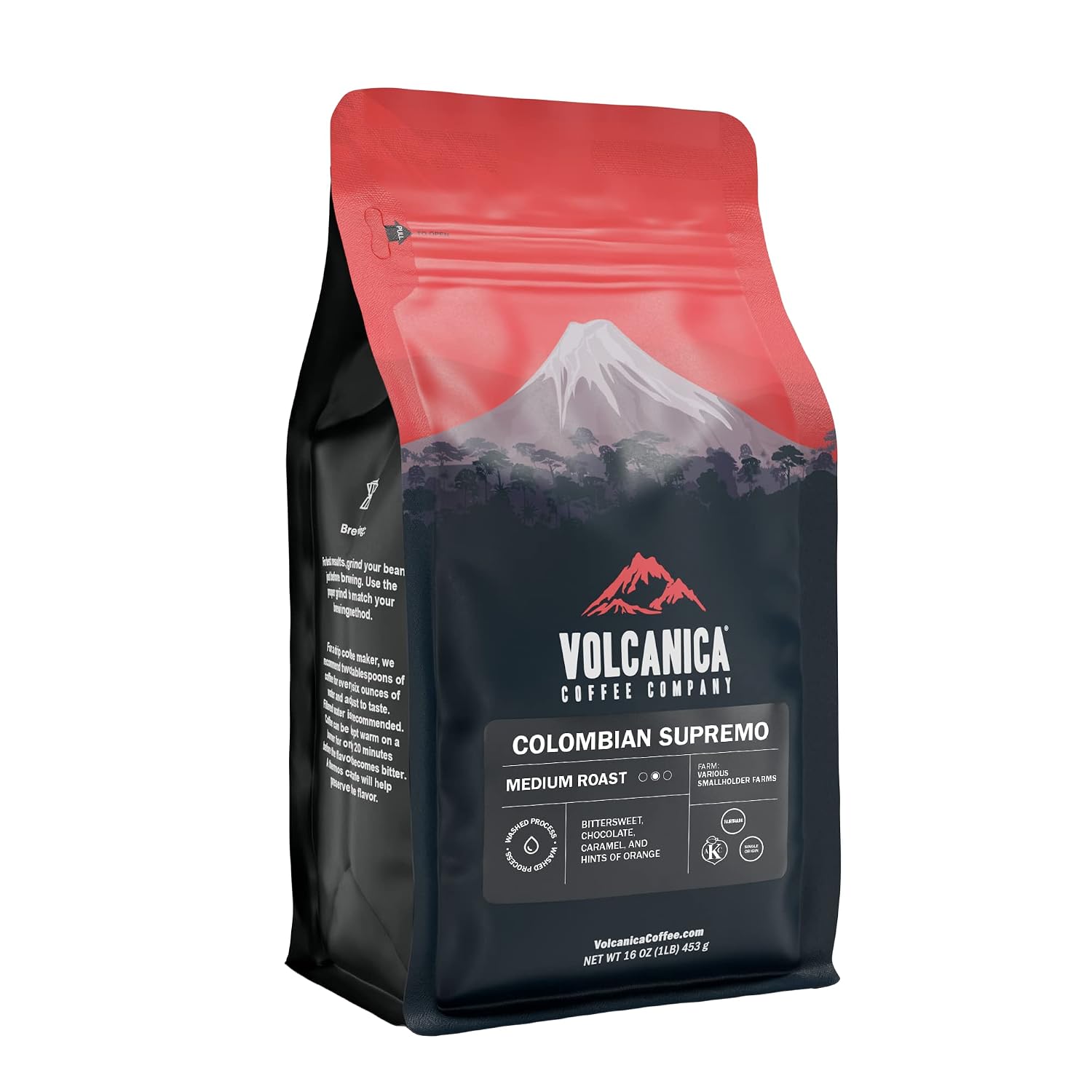
Best Fair Trade daily
Volcanica Colombian Supremo
- RoastMedium
- CertFair Trade
Coffee & Brand | Best For | Origin | Roast | Format | Certifications | Flavor Notes | Acidity | Price/oz | Brew Methods |
|---|---|---|---|---|---|---|---|---|---|
Equal Exchange Mind, Body & Soul | Overall blend | Latin America co-ops | Medium/Vienna | Whole bean, ground | Fairtrade, USDA Organic | Milk chocolate, vanilla, nutty | Balanced | ~$0.90 | Drip, pour-over, French press |
Pachamama Peru | Farmer-owned | Peru | Medium | Whole bean | Fairtrade, Organic | Chocolate, caramel | Moderate | ~$1.10 | Drip, French press, pour-over |
Dean’s Beans Ring of Fire | Social impact | Indonesia, Latin America | Dark | Whole bean | Fairtrade, Organic, Shade grown | Smoky, spicy, dark chocolate | Low | ~$1.22 | Espresso, French press, drip |
Grounds for Change House Blend | Climate-conscious | Central America, blend | Medium-dark | Whole bean, ground | Fairtrade, USDA Organic, Carbon-neutral | Rich chocolate, caramel | Low-moderate | ~$1.15 | Drip, French press, cold brew |
Peace Coffee Tree Hugger | Grocery-friendly | Small co-ops, blend | Dark | Whole bean, ground | Fairtrade, Organic, B Corp | Molasses, brownie, walnut | Soft | ~$1.42 | French press, drip, espresso |
Higher Grounds Mayan Magic | Espresso | Ethiopia, Sumatra, Guatemala | Medium-dark | Whole bean | Fairtrade, Organic | Cocoa, dried cherry, bittersweet | Moderate | ~$1.30 | Espresso, moka pot, Aeropress |
Larry’s Coffee Organic Blend | Everyday sustainable | Latin America | Medium | Whole bean, ground | Fairtrade, Organic | Nutty, chocolate, mild fruit | Moderate | ~$1.10 | Drip, pour-over, French press |
Lifeboost Medium Roast | Sensitive stomachs | Nicaragua | Medium | Whole bean | USDA Organic, third party tested | Smooth, chocolate, mild nut | Low acid | ~$2.00 | Drip, French press, cold brew |
Ethical Bean Sweet Espresso | Light-medium fans | Latin America | Light-medium | Whole bean, ground | Fairtrade, Organic | Citrus, caramel, floral | Higher | ~$1.20 | Pour-over, Chemex, drip |
How We Chose the Best Fair Trade Coffee
These recommendations are based on researched editorial analysis, not hands-on testing. We evaluated roaster transparency reports, certification standards, aggregated customer ratings, and expert reviews from independent coffee publications.
Selection criteria:
- Credible fair trade certification – Fairtrade International, Fair Trade USA, or equivalent verified programs
- Additional ethical or environmental certifications – certified organic, USDA organic, shade grown, Bird Friendly, Rainforest Alliance
- Bean quality – specialty grade where available (specialty coffee scores 80+ points on the SCAA scale)
- Roast quality and freshness – roast date practices, small-batch roasting process, and transparency about freshness
- Flavor profile and balance – acidity, sweetness, body, and flavor notes based on third-party consensus
- Value and price per ounce – realistic cost assessment across budget, midrange, and premium tiers
- U.S. availability – accessible through grocery stores, co-ops, or online ordering
- Diverse preferences covered – low acid, single origin coffees, whole bean, ground coffee, medium roast, espresso-suitable, and dark roasts
Inclusion does not imply sponsorship. Many ethical coffee brands deserve attention-this list highlights strong, widely accessible options.
Detailed Picks: Best Fair Trade Coffee Bags Worth Buying
Each coffee below gets a clear “best for” label, flavor and performance notes, ideal brew methods, and honest drawbacks.
Equal Exchange Mind, Body & Soul – Best Overall Fair Trade Blend
Best for: Everyday drinking with balanced flavor and strong ethical credentials.
Equal Exchange was founded in 1986 as a worker owned cooperative, making it one of the longest-running ethical coffee brands in the U.S. Mind, Body & Soul blends beans from Latin America co-ops and combines medium and Vienna roast components for a smooth, approachable cup.
Most reviewers describe flavor notes of milk chocolate, vanilla, and nuttiness with medium body and balanced acidity. It works well in drip machines, pour-over, and French press. Available as whole bean and ground in 12 oz bags (~$0.90/oz), it’s stocked in natural food stores and online. Organic sourcing and Fairtrade certifications are standard across Equal Exchange’s lineup.
Limitations: Too smooth for drinkers who want bright, high-acidity single origin coffees or intense dark roasts. The Vienna roast component can mask some origin nuance.
Pachamama Coffee Single Origin (Peru) – Best Farmer-Owned Option
Best for: Buyers who want profits going directly to producers.
Pachamama Coffee is 100% owned by coffee farmers-producer organizations in Peru, Ethiopia, Guatemala, Nicaragua, and Mexico control the brand and its profits. Their Peru medium roast is a strong starting point, with washed processing, chocolate and caramel flavor notes, and moderate acidity. Ethical sourcing and transparent sourcing are built into the cooperative model itself.
The Peru single origin suits drip, French press, and pour-over. Organic coffee beans and fair trade certifications apply. According to the roaster, traceability runs from farm to cup.
Limitations: Somewhat higher price per ounce than blended alternatives, and in-store availability is limited-best for buyers comfortable ordering online.
Dean’s Beans Ring of Fire – Best for Deep Social Impact
Best for: Bold-coffee drinkers who want maximum social return per bag.
Dean’s Beans became a certified B Corporation in 2018 and has long been a purpose-led roaster with community development projects directed by producer co-ops. Dean’s Beans pays premiums above Fair Trade minimums, and all coffees are organic, fair trade certified, and shade grown. Shade-grown coffee preserves forest canopies and local bird habitats.
Ring of Fire is a dark roast blending Indonesian and Latin American origins. Flavor notes run smoky, chocolatey, and spicy with a full body and low perceived acidity. It pairs well with espresso and milk-based drinks. Available as whole bean (~$1.22/oz) direct from the roaster and through natural food retailers.
Limitations: The dark profile overshadows subtle single origin nuances. Shipping costs can reduce value on smaller orders.
Grounds for Change House Blend – Best Climate-Conscious Dark Roast
Best for: Environmentally focused buyers who prefer medium-dark to dark coffee.
Grounds for Change emphasizes carbon-neutral roasting practices and pairs that commitment with certified organic and Fairtrade coffee from Central America. The House Blend delivers rich chocolate and caramel notes with relatively low perceived acidity and a smooth body. Carbon emissions reduction is central to their environmental sustainability efforts.
Ideal for drip, French press, espresso, and cold brew. Available as whole bean and ground through the roaster’s website. The roasting facility prioritizes environmental impact reduction.
Limitations: Very dark profiles will not satisfy fans of bright, fruit-forward light roast or subtle single origin complexity.
Peace Coffee Tree Hugger – Best Grocery-Friendly Ethical Coffee
Best for: Shoppers who want certified fair trade coffee without ordering online.
Peace Coffee is a certified B Corporation sourcing organic, fair trade beans from smallholder farmers and small scale farmers. Tree Hugger is their signature dark roast with notes of molasses, smoky chocolate brownie, toasted walnut, vanilla, and caramelized sugar. Body is smooth, acidity is soft.
Available as whole bean at retailers like Target and Whole Foods (~$1.42/oz for 12 oz). It handles drip, French press, and espresso well.
Limitations: Not the place to find rare microlots or ultra-high-scoring specialty experiences. Dark roasts naturally reduce origin clarity.
Higher Grounds Coffee Mayan Magic Espresso – Best Fair Trade Espresso Blend
Best for: Home espresso brewers seeking an ethical, full-bodied shot.
Mayan Magic Espresso blends beans from Ethiopia, Sumatra, and Guatemala-regions across Latin America and beyond-with Fairtrade and organic certifications. Flavor is cocoa-forward with dried cherry acidity and a bittersweet chocolate finish. The syrupy body works beautifully in lattes and cappuccinos. Dark roasts pair well with milk-based drinks due to their body.
Beyond espresso, it performs in moka pot and Aeropress. The roaster’s long term partnerships with farmer cooperatives support fair treatment and local community investment.
Limitations: Too intense for drinkers who prefer light, tea-like coffees. Best results require dialed-in espresso equipment.
Larry’s Coffee Fair Trade Organic Medium Roast – Best Everyday Sustainable Medium Roast
Best for: Consistent daily drinking with a sustainability-first roaster.
Larry’s Coffee is a North Carolina-based roaster focused on fair trade, organic coffee. Larry’s Coffee uses renewable energy in its roasting process, reinforcing their commitment to reducing environmental impact. Their medium roast blend sources from Latin American cooperatives and delivers balanced chocolate, nutty, and mild fruit notes with moderate acidity and medium body.
Available as whole bean and ground, primarily online and in regional stores. Medium roasts are versatile and suit various brewing methods-drip, pour-over, and French press all work.
Limitations: Limited national shelf presence. Flavor leans comfort-classic rather than adventurous.
Lifeboost Medium Roast – Best for Sensitive Stomachs
Best for: Drinkers with acid sensitivity who still prioritize sustainability and ethical farming.
Lifeboost sources single origin Arabica from Nicaragua, grown at high altitude under shade canopy. The beans are USDA organic certified, marketed as low acid, and third party tested for mold and heavy metals (these are manufacturer claims-verify on the brand’s site). Arabica beans generally offer smoother, more complex flavors, and Lifeboost leans into that profile.
Flavor is smooth, chocolatey, with mild nut notes and low perceived acidity. Format is typically whole bean with some ground options. It suits drip, French press, and cold brew. For more options in this category, see our guide to best low acid coffee.
Limitations: Premium price (~$2.00/oz) is significantly higher than mainstream ethical coffee brands. Low acid perception varies by individual. Not for those seeking bright, high-acid flavor profiles or budget pricing. Instant coffee alternatives exist but won’t match this cup quality.
Ethical Bean Sweet Espresso – Best Fair Trade Option for Light to Medium Roast Fans
Best for: Drinkers who prefer lighter, brighter cups over dark roasts.
Each bag of Ethical Bean Coffee features a scannable QR code that traces bean origin, which is a practical choice for buyers who prioritize transparency. Their Sweet Espresso sits at a light to medium roast level, sourcing from Latin America with Fairtrade and organic certifications. Light roasts preserve more original character and flavor, and this coffee delivers citrus, floral, and caramel notes with higher perceived acidity.
Brew methods like pour-over, Chemex, and drip highlight its clarity. Available as whole bean and ground coffee.
Limitations: Lighter roasts might taste too bright or “sour” to drinkers accustomed to mainstream dark roast coffees. Less caffeine per scoop compared to denser dark roasts is a common misconception worth noting-light roasts actually retain slightly more.
How to Choose the Best Fair Trade Coffee for You
“Best” depends on personal taste and brewing setup as much as on certifications. Here’s how to navigate the decisions:
- Roast level: Light roast preserves origin character (fruity, floral). Medium roast balances versatility and flavor. Dark roasts emphasize chocolate, body, and sweetness. Match roast to your brew method and palate.
- Single origin vs. blends: Single origin coffees reveal terroir and unique flavor. Blends offer consistency. Specialty-grade micro-lots often command higher independent pricing than standard Fair Trade but deliver exceptional clarity.
- Acidity and low acid needs: Origin, roast level, and processing all affect perceived acidity. If you need low acid, look for specific claims backed by testing, not just dark roast labels.
- Whole bean vs. ground: Whole bean retains freshness longer. If you don’t own a grinder, ground coffee is fine-just use it quickly. The freshest coffee comes from beans ground moments before brewing.
- Certifications and transparency: Look for bags with Fair Trade Certified or Fairtrade International logos. Fair Trade certification can vary by specific coffee product, so check each bag. USDA Organic certification prohibits synthetic pesticides and fertilizers. Bird Friendly certification requires organic coffee grown under native shade canopies. Rainforest Alliance certification focuses on biodiversity and labor standards. Regeneratively Farmed certification promotes soil health and human rights.
Certified Fair Trade coffee can feature direct investment in producer communities-schools, clean water, health clinics. But certifications aren’t the whole story. Evaluate transparent sourcing, origin info, and brand behavior over time.
Price, Value & Availability: Getting the Most from Ethical Coffee
Fair trade and organic coffee cost more per ounce due to premiums paid to coffee farmers, certification fees, and smaller-batch roasting. Here’s how typical U.S. pricing breaks down in 2026:
- Budget-friendly: $0.70–$1.00/oz (e.g., Equal Exchange blends)
- Midrange: $1.00–$1.50/oz (Dean’s Beans, Peace Coffee, Higher Grounds)
- Premium: $1.50+/oz (Lifeboost, specialty single origin coffees, third party tested options)
Single origin, certified organic, and third party tested claims tend to push prices upward. Compare price per ounce rather than bag price-a 16 oz bag at $1.10/oz beats a 10 oz bag at $1.00/oz in total value.
Where to buy: local grocery stores and co-ops often carry Equal Exchange and Peace Coffee. Direct-from-roaster websites (Dean’s Beans, Pachamama Coffee) offer wider selection and often fresher roast dates. Subscription or bulk options reduce per-ounce cost. Availability can be regional, so explore a few ethical coffee brands rather than fixating on a single label.
Brewing & Freshness Tips for Fair Trade Coffee
Getting the best flavor from any fair trade coffee beans comes down to fundamentals:
- Storage: Keep beans in an airtight, opaque container at room temperature. Skip the fridge or freezer for daily-use coffee.
- Roast date: Aim to use coffee within 2–4 weeks of roast date for peak freshness. Check the bag.
- Grinding: Grind just before brewing. Match grind size to brew method-coarse for French press, medium for drip, fine for espresso.
- Dose adjustment: Lighter roasts often need slightly finer grind and/or higher dose. Dark roasts are more forgiving.
- Brew-method fit: Light and medium roasts shine in pour-over and drip. Medium to dark roasts work best with espresso, moka pot, and milk-based drinks.
Ethical and fair trade status does not change core brewing principles. Good water, appropriate grind, and fresh beans matter most for flavor and roast quality in your cup.
Fair Trade vs. Other Ethical Coffee Labels
Fair trade is one important certification, but not the only way coffee can be ethical. Here’s how major labels compare:
- Fairtrade International: Minimum prices, community premiums, audited standards, primarily smallholder cooperatives
- Fair Trade USA: Diverged from FLO in 2011, includes larger farms and plantations alongside co-ops
- Direct trade: Roaster-defined relationships with no single standard. Direct trade relationships often surpass Fair Trade certification in ethics when roasters invest heavily in producer relationships and pay above-market prices. Counter Culture Coffee publishes detailed sustainability reports, modeling this approach. Café Mam is another brand known for responsible sourcing and transparent relationships in developing countries.
- Farmer-owned brands: Pachamama Coffee is 100% owned by coffee farmers, giving producers control over the full supply chain and a fair price for their work
- Certifications that intersect with fair trade: Rainforest Alliance (biodiversity, labor), Bird Friendly (shade canopy), organic farming (no synthetic pesticides). These complement but don’t replace fair trade.
Certified B-Corps like BLK + Bold commit a percentage of profits to community initiatives. Tiny Footprint Coffee is the world’s first carbon-negative coffee brand, showing that sustainability initiatives can go well beyond certification minimums. Kicking Horse Coffee (sometimes called Horse Coffee by fans) is another widely recognized certified organic and Fairtrade brand worth noting.
Equal Exchange represents the classic fair trade cooperative model. Dean’s Beans layers community development projects on top of certification. Pachamama flips the script with full farmer ownership. Each model has strengths-focus on a combination of certifications, transparency, and brand behavior rather than a single label.
Related Ethical Coffee Guides on Capitol City Coffee
Readers interested in fair trade coffee often want to explore adjacent categories:
- Best organic coffee beans
- Best decaf coffee
- Best low acid coffee
- Explore more coffee types
- Capitol City Coffee’s main coffee guide
Our Fair Trade Coffee Picks
We matched one coffee to each mood below. Tap the image or the coffee name to see it on Amazon. Research-rated, not yet brewed by our team.
Feeling certified: a Fair Trade Colombian
Our pick: Volcanica Coffee Colombian Supremo, medium roast, Fair Trade, whole bean, 16 oz. A labeled Fair Trade bag that fits this guide’s ethics-plus-flavor test. Research-rated, not yet brewed by our team.
Feeling cooperative: Three Sisters
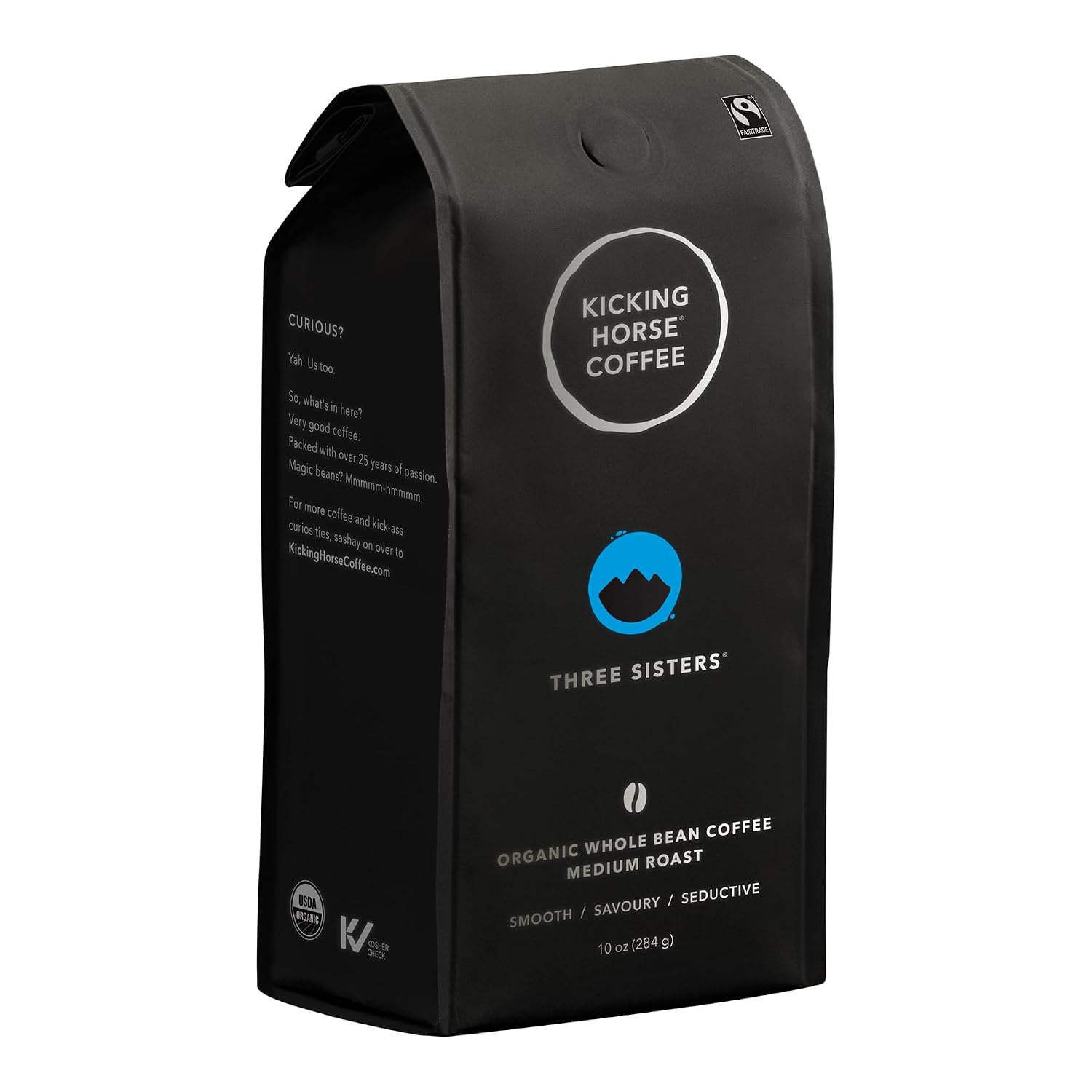
Our pick: Kicking Horse Three Sisters, medium roast, whole bean. A Fair Trade Organic blend for the everyday certified mug. Research-rated, not yet brewed by our team.
FAQs: Best Fair Trade Coffee in 2026
These FAQs address common questions not fully covered above, focused on practical buying and brewing concerns.
Is fair trade coffee always organic or low acid?
No. Fair trade certification covers pricing, labor standards, and fair wages for coffee farmers-not whether beans are organic or low acid. Many fair trade coffees are also certified organic or USDA organic certified, but the two certifications are independent. Low acid is a separate attribute influenced by origin, roast level, and processing. Check each product’s labeling individually, and look for coffees that are explicitly marketed and ideally third party tested as low acid if that matters to you. Pregnant women and those with acid sensitivity should pay particular attention to these distinctions.
Does fair trade coffee taste different from regular coffee?
Fair trade itself does not dictate flavor. Taste depends on origin, roast level, freshness, and brewing method. That said, many fair trade coffees are sourced from high-quality smallholder cooperatives in regions like Central America and Latin America, which can correlate with better bean quality and more distinctive flavor. Choose roast style and flavor notes you enjoy-chocolatey, fruity, nutty-first, then filter for fair trade and ethical labels.
Is paying more for fair trade coffee really worth it?
Fair trade premiums support farmer incomes, sustainable agriculture, and community development projects like schools, health clinics, and infrastructure. While fair trade coffee costs more per ounce than conventional options, many buyers consider it an investment in ethical supply chains and long-term coffee availability. Change grounds for good: choose a fair trade coffee within your budget and drink it regularly rather than occasionally buying ultra-expensive bags you can’t sustain.
Can I find good fair trade coffee in grocery stores, or do I need to order online?
Many U.S. supermarkets and co-ops now carry fair trade coffee brands like Equal Exchange, Peace Coffee, and others, offering solid practical choices without online ordering. Ordering online from roasters or marketplaces typically provides a wider selection of single origin, low acid, and specialty-grade options-often with fresher roast dates. Start with what’s available locally, then explore online for more specific profiles once you know your preferred flavor and roast level.
What’s the best way to start exploring fair trade coffee if I’m new to it?
Start with a medium roast fair trade blend like Equal Exchange Mind, Body & Soul in whole bean form, brewed with a familiar method like drip or French press. After that, try one or two single origin fair trade coffees-a Pachamama Peru or Ethiopia, for example-to experience how origin affects flavor. Keep notes on which flavor notes and roast levels you prefer, then use those preferences to guide your next purchase from the coffee industry’s growing selection of ethical options.