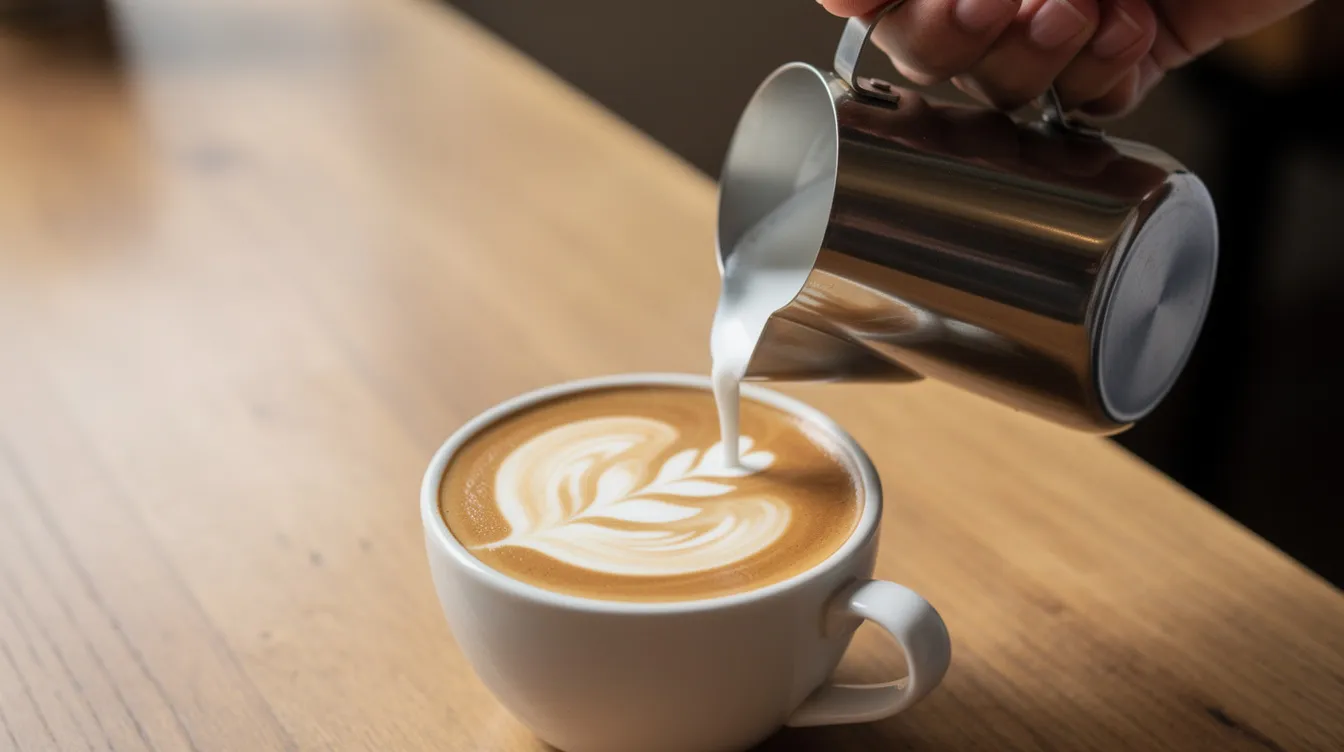
Both the Breville Barista Express and Barista Pro can pull rich, balanced espresso at home. The real question is whether the Pro’s speed, temperature stability, and workflow upgrades justify its higher price tag. This researched editorial comparison breaks down every meaningful difference to help US buyers choose the right machine.
Best grinder combo pick
For this roundup, Breville Barista Express is the grinder combo we recommend first—the same pick at the top of our At-a-glance cards below.
The Barista Pro suits home baristas who want fast warm-up (3 seconds vs 30 seconds), tighter temperature control, and smoother workflow for multiple drinks. The Barista Express wins on price and hands-on analog learning.
This is a researched editorial comparison from Capitol City Coffee, an independent coffee publication focused on US home buyers. We are not a Breville retailer.
Both semi-automatic espresso makers can produce excellent espresso with fresh coffee beans, but they differ meaningfully in warm-up time, temperature stability, steam power, grind precision, and daily workflow.
Some links in this guide may earn a small commission at no extra cost to you. This does not influence our rankings or recommendations.
Short on time? Skim the quick verdict and key differences table below to decide between barista express vs pro in under two minutes.
Quick Verdict: Barista Express vs Pro
For most US home baristas who make espresso or milk drinks several times a week, the Breville Barista Pro is the stronger overall choice. Its ThermoJet heating system, 30 grind settings, and LCD screen deliver faster warm-up, more consistent shots, and a smoother daily workflow. The Breville Barista Express remains the better value pick for tighter budgets and learners who enjoy analog controls and a more hands-on approach to making espresso.
The Barista Pro’s ThermoJet system heats up in just a few seconds, compared to roughly 30 seconds for the Express’ thermocoil heating system. This translates to better temperature stability and quicker transitions between brewing espresso and steaming milk.
The Pro offers 30 grind settings versus the Express’ 16, giving users finer control when dialing in tricky single-origin coffee beans or lighter roasts.
Overall espresso taste potential is similar when both machines are well dialed in with good beans. The Pro simply makes it easier to repeat good shots and steam fine microfoam for latte art.
If you’re comparing Breville Barista Express vs Barista Pro directly, the core extraction system is the same 15-bar pump with low-pressure pre-infusion. The significant difference lies in heating, grind range, and interface.
Choose Barista Express if budget is critical and you don’t mind slower warm-up. Choose Barista Pro if you regularly make multiple milk drinks and care about speed and consistent results.
Affiliate & Editorial Disclosure
Capitol City Coffee is an independent coffee editorial and affiliate publication, not a Breville retailer. Some links to the Breville Barista Express, Barista Pro, and related gear may earn a small commission at no extra cost, which supports our research and writing.
Rankings and recommendations are based on researched editorial analysis, verified specifications, expert reviews, and broad third-party consensus – not on commission rates. This article does not claim hands-on long-term ownership or measurements; all performance comments rely on manufacturer data and reputable expert sources.
Disclosure: This page contains affiliate links. As an Amazon Associate I earn from qualifying purchases.
Here is a quick comparison of the Breville Barista Express vs Barista Pro for US buyers. Every row uses verified specs and consensus data rather than vague qualifiers.
Both machines share a 54 mm portafilter, similar stainless-steel build quality, and a compact footprint that fits most US kitchen counters. The table reinforces that the Barista Pro is an upgrade in speed and control, while the Barista Express is more affordable with a classic, tactile feel.
Design, Size, and Build Quality
Both are stainless-steel Breville Barista machines with compact footprints designed for US home counters. Neither one machine is dramatically larger than the other, though the Pro trades some height for width.
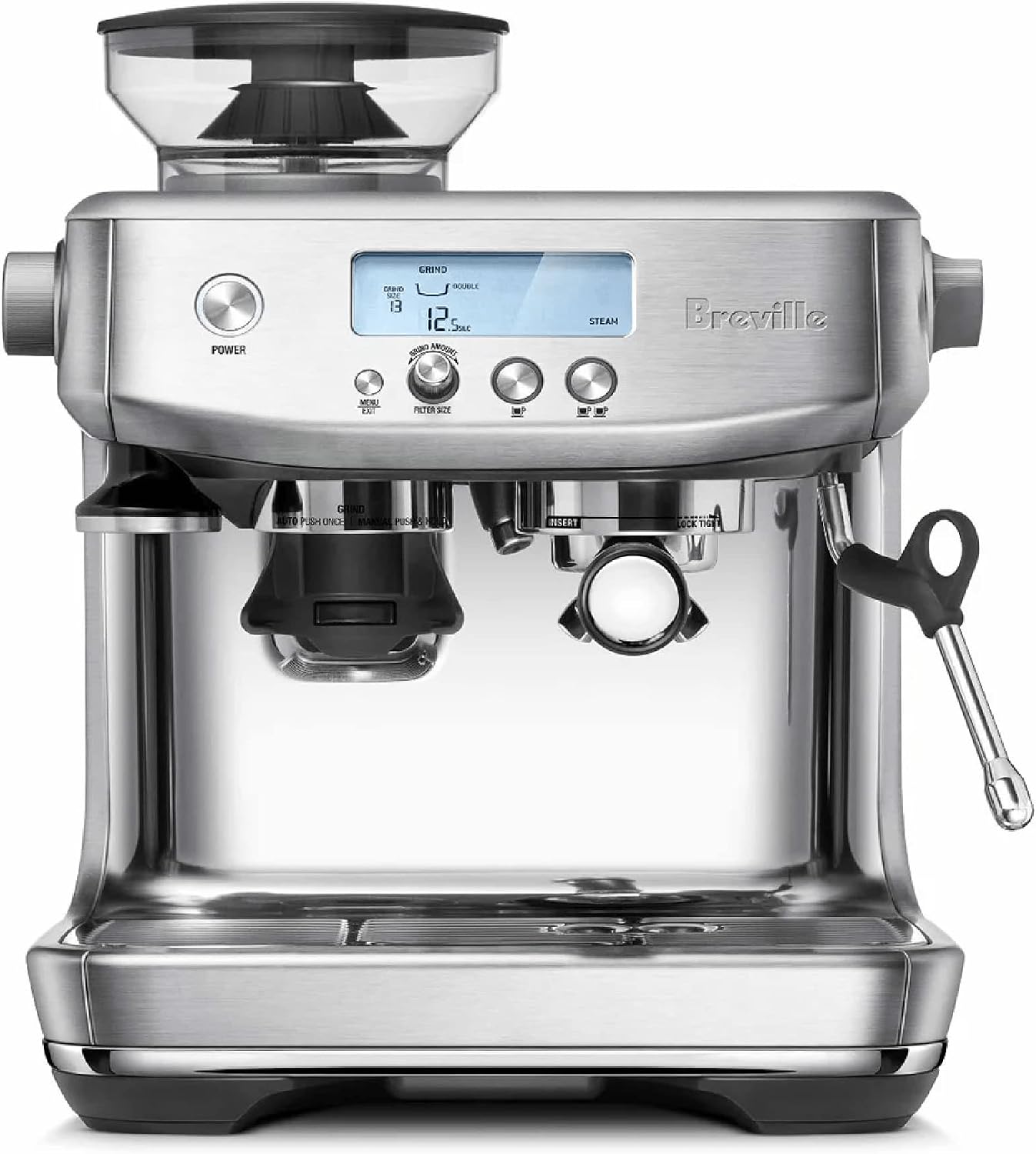
The Barista Express measures roughly 12.5″ × 13.8″ × 15.9″ and weighs about 22.1 lb. The Barista Pro comes in at approximately 13.5″ × 13.9″ × 13.5″ and weighs around 20.9 lb. Both fit under standard upper cabinets.
Build quality consensus: mostly stainless-steel shells with plastic internal components typical of this price tier. User reports suggest solid durability when cleaning and maintenance schedules are followed.
Both share a 54 mm portafilter, approximately 2 L water tank, and roughly 250 g bean hopper – identical in daily capacity.
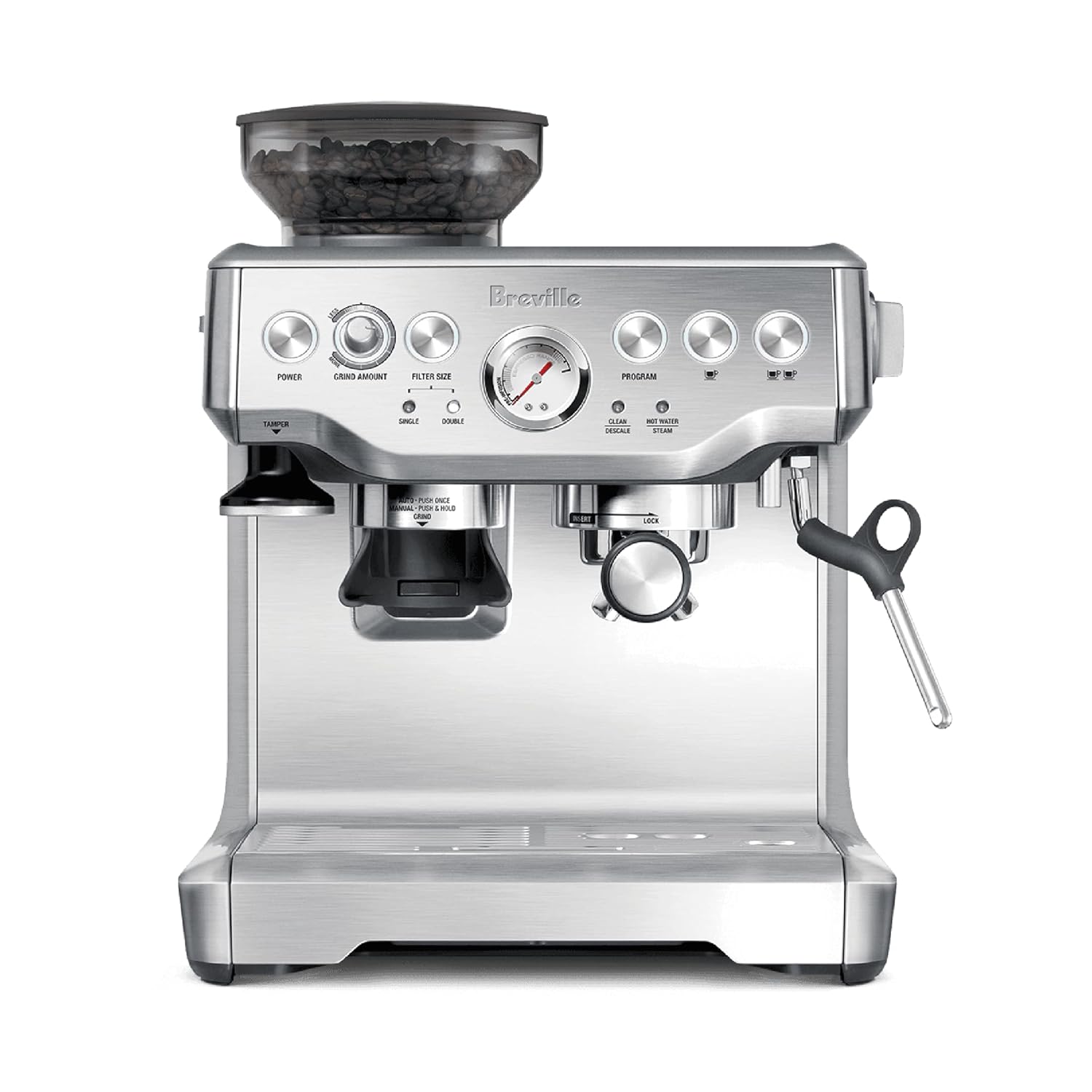
The Express features an analog pressure gauge and a row of physical buttons and a dial for grind amount adjustment. The Pro replaces that gauge with a sleeker LCD display and smaller digital buttons. Neither includes a cup warmer, though the top surface does retain some warmth during operation. Which layout you prefer is partly aesthetic, partly about how you like making adjustments to your espresso routine.
Heating, Temperature Stability, and Shot Consistency
The heating systems drive most barista express vs barista pro vs debates. This is where the two machines diverge most sharply.
The Breville Barista Express uses a thermocoil heating system that takes about 30 seconds to reach brew temperature. PID temperature control keeps things reasonably stable, but the Express has a shot temperature variation of 3–4 degrees Celsius. That fluctuation is manageable with medium and medium-dark roasts but can cause inconsistency with lighter, less forgiving beans.
The Barista Pro features a ThermoJet heating system that reaches brew temperature in just 3 seconds from power-on. The Pro maintains shot temperature within 1–2 degrees Celsius, which is a significant difference for shot consistency. The Pro maintains temperature more accurately than the Express, especially when pulling multiple shots back to back.
Both machines operate at 15 bar pressure for espresso extraction, regulated down to approximately 9 bar during the actual brew. Low-pressure pre-infusion is identical on both. The Pro’s advantage is thermal, not pressure-based.
In practical terms, Express users may want to run a blank shot before brewing to warm the group head and stabilize temperature. Pro owners can skip that step entirely.
For morning routines, the Pro’s 3-second warm-up means your espresso is ready almost the moment you walk into the kitchen. The Express asks you to wait about half a minute – not a dealbreaker, but noticeable when you’re rushing.
Grinder, Dosing, and Tamping Workflow
Both machines are all-in-one espresso makers with integrated conical burr grinders. Grinder performance is central to how these two machines compare for daily espresso making.
The Barista Express offers 16 grind settings for espresso preparation. These cover essential grind ranges and work well for most medium and medium-dark espresso roasts. However, the Express is limited to essential grind ranges, which can make dialing in tricky single-origin beans frustrating – you might find the right grind size falls between two steps.
The Barista Pro has 30 grind settings for precise extraction. The Pro’s additional settings allow finer control over extraction, making it noticeably easier to fine tune your dial-in for lighter roasts or beans that demand a narrow extraction window. According to Espresso and Machines, this extra granularity is one of the Pro’s most practical everyday upgrades.
Both machines grind directly into the 54 mm portafilter and let you adjust grind time or dose amount. The Pro’s LCD makes it easier to see and repeat your grind amount settings, while the Express relies on a manual dial.
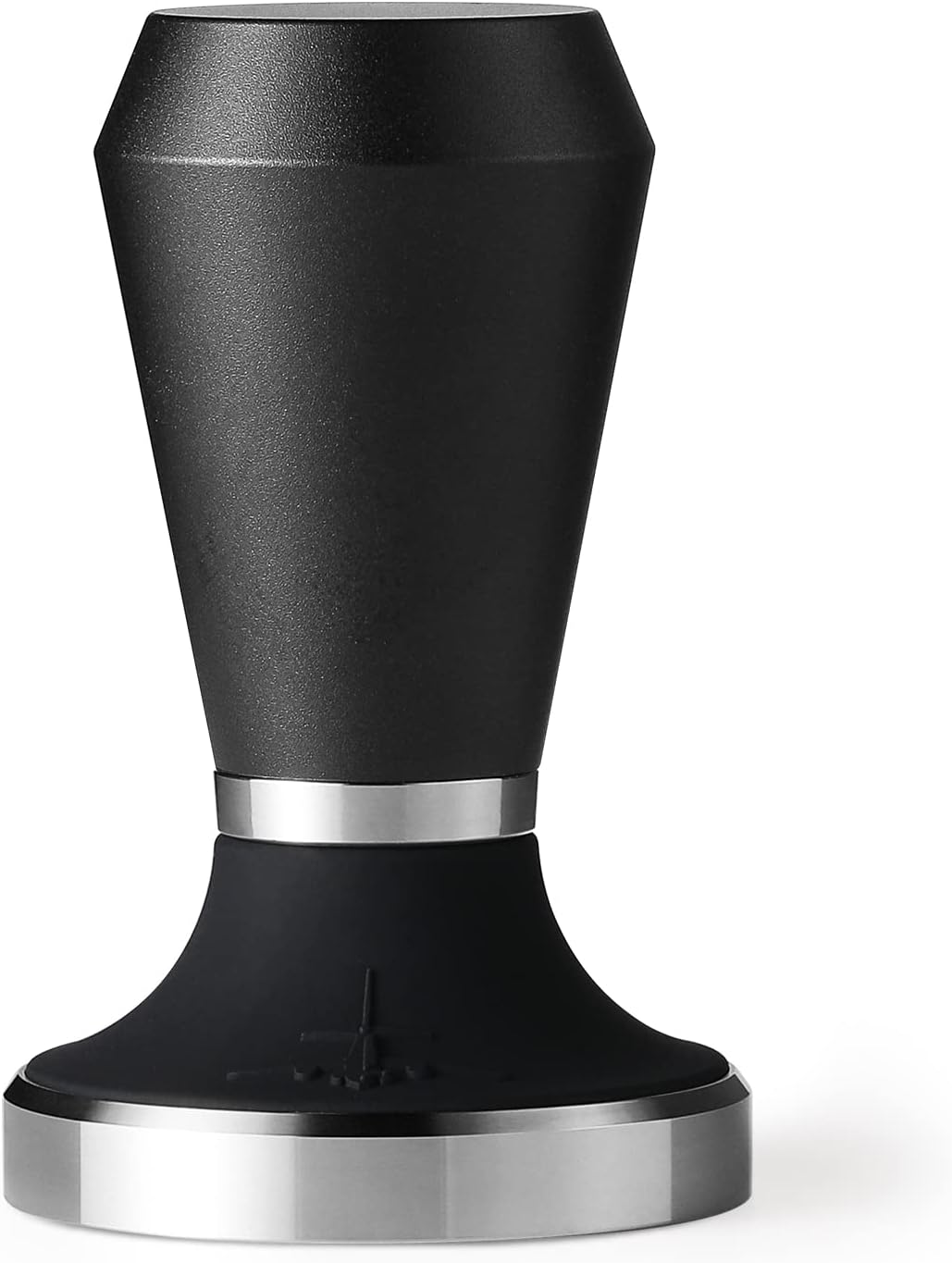
Both rely on manual tamping with the included tamper. Neither automates this step. The Breville Barista Express Impress (a separate model in the Express Impress line) adds assisted tamping for those who want to eliminate that manual work, but neither the standard Express nor the Pro includes it.
For users who eventually want a higher-end separate grinder, the integrated grinder on both machines will be a limitation. But for most beginners and intermediates, the built-in units are more than sufficient.
Espresso Performance and Coffee Quality
Both machines, when paired with fresh, properly roasted coffee beans and a good dial-in, are capable of café-quality espresso at home. The differences in the cup are subtle but real.
The Barista Express produces rich, balanced shots, especially with medium to medium-dark roasts that are more forgiving of minor temperature swings. Its 16 grind settings and thermocoil system deliver perfectly drinkable espresso for most palates.
The Barista Pro’s stronger temperature stability and more precise grind control tend to produce more consistent shot timing and flavor profiles across a wider range of beans, including lighter roasts that highlight delicate acids, florals, or fruit notes. If you enjoy exploring specialty coffee, the Pro gives you a slight advantage.
Low-pressure pre-infusion on both machines helps even saturation before full 9-bar extraction, improving crema and reducing channeling when dosing and tamping are correct.
Bean pairing suggestions: chocolatey medium-roast blends are forgiving on the Express; brighter single-origin coffees with citrus or berry notes reward the Pro’s tighter temperature control. In either case, fresh-roasted beans matter far more than the machine.
When both are well dialed in, flavor differences between the two machines are subtle. The Pro mainly makes it easier to achieve that quality consistently, especially across multiple shots.
Milk Frothing, Steam Power, and Milk Texture
If you drink lattes, cappuccinos, or flat whites, steam power and milk texture quality should weigh heavily in your barista express vs pro decision.
Both machines use manual steam wands capable of producing fine microfoam. The Barista Express has a 1-hole steam tip, while the Barista Pro features a 4-hole steam wand tip that distributes steam more evenly and can texture milk faster. The Pro’s ThermoJet system also delivers steam more quickly and allows near-instant switching between brewing and steaming.
The Barista Express typically needs 15–30 seconds to build adequate steam pressure after pulling a shot, which slows preparation when making multiple drinks in a row. The Barista Pro is generally better for home users who make multiple milk drinks – its faster recovery keeps your workflow moving.
Both wands can create latte art-ready microfoam with practice. The Pro’s extra steam power and quicker recovery give it an edge for consistent milk temperature and texture across a milk jug’s worth of steaming.
Users who want one-touch automated milk texturing should look at the Barista Touch, which handles steaming with less manual work. These two machines both require hands-on technique.
Some users on Reddit’s Breville community report that switching from Express to Pro requires adjusting milk-texturing technique – the different steam response means your old habits may not translate perfectly.
Controls, Interface, and Ease of Use
The Breville Barista Express gives you a hands-on, analog experience. The Barista Pro wraps similar capability in a more guided, digital interface.
The Express features physical buttons, dial controls, and an analog pressure gauge. That gauge helps beginners learn how grind size, dose, and tamp affect extraction pressure in real time. Analog displays like this offer a transparent window into what’s happening during your shot. The Barista Express uses analog controls for brewing that many enthusiasts find satisfying and educational.
The Barista Pro features an LCD screen with a shot timer, dedicated single/double shot buttons, and digital grind size readout. The Barista Pro features an LCD display for guidance that reduces guesswork and helps newer users reach consistent results faster. Making adjustments to dose or grind is more intuitive through the digital display.
Both machines offer programmable shot volumes, but the Pro’s interface makes storing and adjusting those settings quicker.
True beginners who want to understand espresso fundamentals might appreciate the Express’ simplicity. Users focused on speed and more control over repeatability will prefer the Pro’s digital feedback.
Cleaning, Maintenance, and Reliability
Both machines share similar cleaning and maintenance routines typical of Breville Barista models. Neither demands significantly more effort than the other.
Recurring tasks: backflushing with cleaning tablets (a regular cleaning cycle), descaling based on water hardness, wiping and purging the steam wand after each use, emptying the drip tray, and brushing out the grinder chute.
Internal layout and materials are broadly similar, so build quality and long-term reliability expectations are comparable when you follow Breville’s recommendations.
The LCD on the Barista Pro provides clearer cleaning and descale reminders, which helps newer owners stay on top of maintenance. The Express uses simpler indicator lights.
US warranty: the Express typically carries a 1-year limited warranty, while the Pro often includes 2 years of coverage. Check current terms with your retailer before purchase, as extended plans are sometimes available.
Cost, Value, and Best Use Cases
In the US, the Barista Express typically street-prices around $700–$750, while the Barista Pro runs $850–$900. That price difference of roughly $150–$200 represents the Pro being approximately 30% more expensive than the Express. For international buyers, the Express costs 1,800–2,000 SAR and the Barista Pro costs 2,400–2,600 SAR, with a price difference of about 400–600 SAR. Both machines often see 10–15% discounts during seasonal sales events.
The Express remains one of the best-value all-in-one home espresso machine options for learners and casual drinkers. The Barista Express is a budget-friendly option for beginners who don’t need bleeding-edge speed and are comfortable with a slightly slower, more educational workflow.
The Pro’s higher upfront cost makes sense for daily drinkers, small households that love milk drinks, and anyone who values significantly faster warm-up, better temperature stability, and 30 grind settings for precision dial-in. If you make multiple drinks every morning, the time savings alone justify the upgrade.
Serious espresso hobbyists who anticipate upgrading grinders or machines within a few years should factor in long-term value and potential resale, not just the sticker price. A dual boiler setup will eventually outclass both, but costs considerably more.
Winner by Use Case: Which Breville Barista Fits You?
There is no single winner. The better choice depends on your budget, speed needs, and whether you enjoy hands-on tinkering or prefer a streamlined workflow.
Hot water on demand / simple Americanos: Either works well; the Pro just gets there faster.
Users wanting push-button milk automation might compare both with the Barista Touch, which offers touchscreen controls and automated steaming. That’s a different category worth exploring in the Sage Barista / Breville Barista lineup.
If you already own the Express, upgrading to the Pro is mainly worthwhile if you feel limited by warm-up time, shot-to-shot temperature stability, or grind-range precision.
Alternatives to the Barista Express and Barista Pro
While barista express vs pro is a common crossroad, some readers might be better served by different models or setups entirely.
The Breville Barista Express Impress adds assisted dosing and tamping to the Express concept. If you love the Express’ price point but want to eliminate tamping inconsistency, the Express Impress changes the workflow significantly for beginners.
The Barista Touch suits users who prioritize automation, touchscreen controls, and automatic milk texturing over manual steaming skills.
A separate grinder paired with a dedicated espresso machine (like the Breville Bambino) offers maximum performance and future upgrade flexibility, though it increases upfront budget and counter space needs.
For readers exploring entirely different brewing categories, our espresso machine vs coffee maker comparison, Nespresso vs Keurig guide, and Breville Bambino vs Bambino Plus breakdown are all available in the comparisons hub.
Which Should You Choose? Final Recommendation
The Breville Barista Express vs Barista Pro comparison comes down to speed, precision, and budget. Both deliver strong home espresso from the same 15-bar pump and 54 mm portafilter platform. Both use integrated conical burr grinders and manual steam wands. The core extraction capability is shared DNA.
For most US readers who make espresso or milk drinks several times a week and can afford the difference, the Barista Pro is the better long-term buy. Its 3-second warm-up, tighter 1–2 °C temperature stability, 30 grind settings, and LCD interface add up to a machine that makes your mornings faster and your shots more repeatable.
The Barista Express is still worth buying in 2026 for tighter budgets, casual drinkers, or anyone who specifically wants analog controls and a slower, more educational espresso workflow. The money saved could go toward a quality grinder upgrade or better beans down the line.
Next step: Check current US pricing at your preferred retailer, explore our other machine comparisons, or dive into a guide on choosing espresso-ready coffee beans. The best machine is the one that fits your mornings.
FAQs: Breville Barista Express vs Barista Pro
These questions address common details not fully covered above. Answers are based on verified specs and third-party consensus.
Is the Breville Barista Pro worth the extra money over the Barista Express?
For users who value fast warm-up, shot consistency, and quicker steaming, most expert and user feedback suggests the Pro is worth the extra cost. The main upgrades – ThermoJet heating, 30 grind settings, tighter temperature stability, and an LCD interface – translate to long-term convenience and consistency gains. For occasional drinkers on a budget, the Express may still be the smarter buy.
Can beginners handle the Barista Pro, or is the Barista Express easier to learn on?
Both are beginner-friendly, but in different ways. The Express teaches espresso fundamentals through its analog pressure gauge and manual controls. The Pro’s LCD and clearer prompts shorten the learning curve for users comfortable with digital menus. True novices who enjoy tinkering should consider the Express; those who want guided feedback and faster success may prefer the Pro.
Do I need a separate grinder with the Barista Express or Barista Pro?
Both machines have integrated conical burr grinders that are good enough for most home espresso drinkers, especially when using fresh, espresso-focused beans. Upgrading to a separate grinder can unlock more control and consistency for advanced users, but it is not necessary for solid results on either machine.
How do the Barista Express and Barista Pro compare to capsule systems like Nespresso?
Both Breville Barista machines require more effort and skill than pod systems but offer fresher, more customizable espresso and better milk texture potential. If you’re unsure whether a full espresso workflow suits you, comparing pod convenience against semi-automatic capability is a useful starting point.
What kind of coffee beans work best in these Breville Barista machines?
Start with medium or medium-dark espresso blends for the most forgiving flavor and easier dialing in on both machines. Users of the Pro who want to explore lighter roasts and single-origin coffees will benefit from its wider grind range and better temperature stability. Regardless of machine, fresh-roasted beans stored properly make the biggest difference in your cup.
How Capitol City Coffee Rates Coffee and Coffee Machines
Every coffee and coffee machine we recommend is scored on the same 100-point scale, so a recommendation on one page means the same thing as a recommendation on any other. Each pick is also labeled with how we reached its score.
Research-ratedScored from the roaster or manufacturer’s published specifications, independent results such as Coffee Review blind cuppings and SCA brewer certification, and patterns across verified buyer reviews. Most of our current picks are research-rated.
Hands-on testedThe Capitol City Coffee team has brewed the coffee or used the machine ourselves, following the testing steps below. We only use this label when that testing actually happened, and we show the date we tested.
Coffee beans: 100-point scale
What we score
Points
What we look at
Origin and sourcing transparency
20
Country, region, farm or cooperative, altitude, bean variety, and processing method are clearly disclosed.
Flavor evidence
25
Independent cupping scores, how closely the tasting notes match what the origin is known for, and our own cupping notes when hands-on tested.
Roast and freshness
15
Roast level stated, roast-date practices, whole-bean availability, and packaging with a one-way valve or resealable bag.
Brew versatility
15
How well the roast suits pour-over, drip, French press, cold brew, and espresso.
Value
15
Price per ounce compared with similar single-origin coffees or blends.
Buyer feedback
10
Volume and consistency of verified reviews, and recurring complaints about staleness, bitterness, or shipping.
Coffee machines and gear: 100-point scale
What we score
Points
What we look at
Brewing performance
25
Water temperature in the 195–205°F range, even extraction, and SCA certification or published test data.
Build quality and reliability
20
Materials, known failure points, and long-term owner reports.
Ease of use and cleaning
15
Setup, the daily routine, descaling, and dishwasher-safe parts.
Fit for your kitchen
10
Capacity, counter footprint, and noise.
Useful features
10
Programming, grind and temperature control, and carafe type. Features that improve the cup count more than extras that do not.
Value
10
Price compared with machines that perform similarly.
Warranty and support
10
Warranty length, parts availability, and how the brand handles repairs.
What the grades mean
Score
Grade
What it means
90–100
A
Exceptional. Our first recommendation for the feeling and setting described.
80–89
B
Strong. Excellent, with minor trade-offs we explain.
70–79
C
Good. Worth it for specific needs, with clear compromises.
Below 70
—
Not recommended. We do not feature these as picks.
How we test hands-on
When a pick carries the Hands-on tested label, this is the method behind it, and we note the date we tested.
Coffee: brewed fresh from whole beans following Specialty Coffee Association guidelines (water between 195 and 205°F, about 1 gram of coffee to every 15 to 18 grams of water) in the brew methods the roast suits best, such as pour-over, French press, or espresso. We taste it black first, then with milk if that is how most people drink it, and each taster scores it on their own before we compare notes.
Machines: used in our everyday routine rather than a single demo. We brew both full and small batches, check the brewing temperature and brew time, and run the cleaning or descaling steps the manual calls for.
How we choose the feeling and setting
We match each coffee to a mood and a moment based on its flavor profile and roast. Bright, citrusy light roasts suit energizing mornings. Chocolatey, full-bodied medium roasts suit slow or social moments. Richer roasts suit espresso and milk drinks. Each pick explains which facts led us to that match.
Our scores stay independent
Every score comes only from the criteria above. No brand can pay for a pick or a higher grade. We re-check ratings when a roast, listing, or model changes, and update or remove picks that no longer earn their grade.
Some links on this page are affiliate links. As an Amazon Associate, Capitol City Coffee earns from qualifying purchases, at no extra cost to you.
Questions about a rating? Reach the Capitol City Coffee team through our contact page.