Best beginner espresso pick
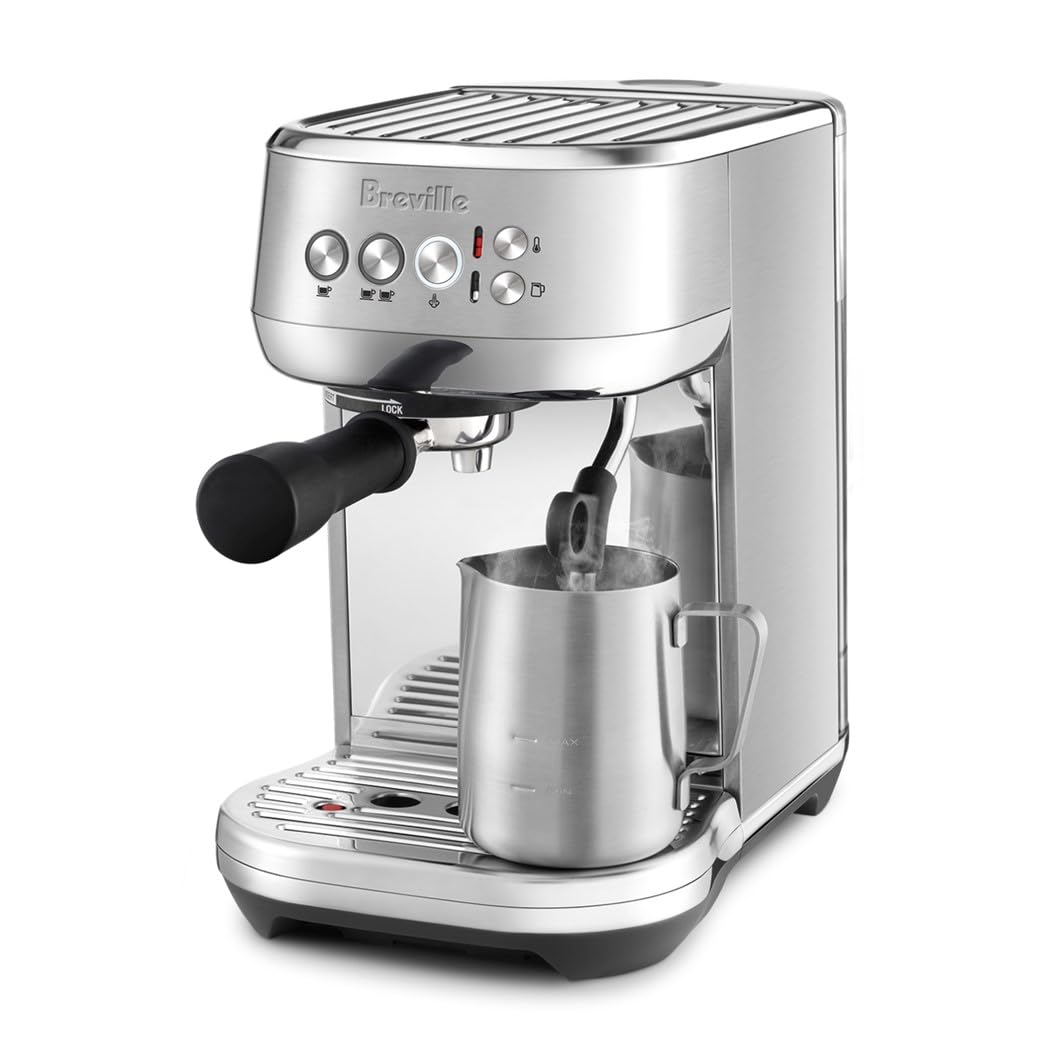

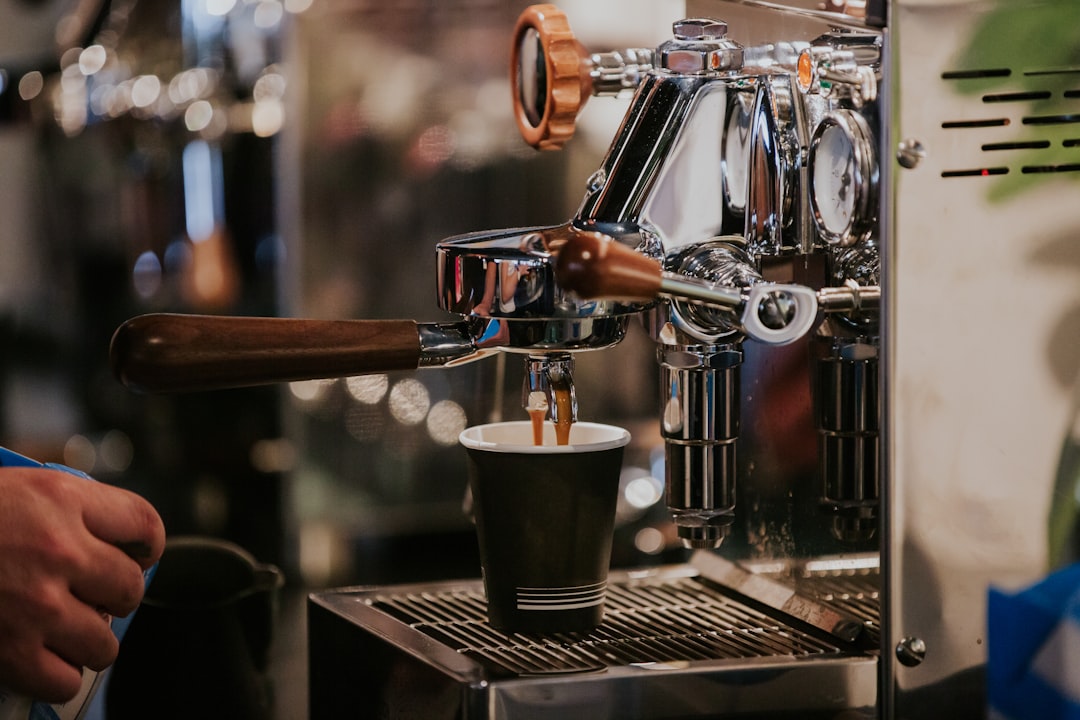
Best beginner espresso pick
Start smaller: beans and accessories
Sub-$500 machines convert slowly. These $15–$35 add-ons pair with the Bambino Plus and the other picks above.
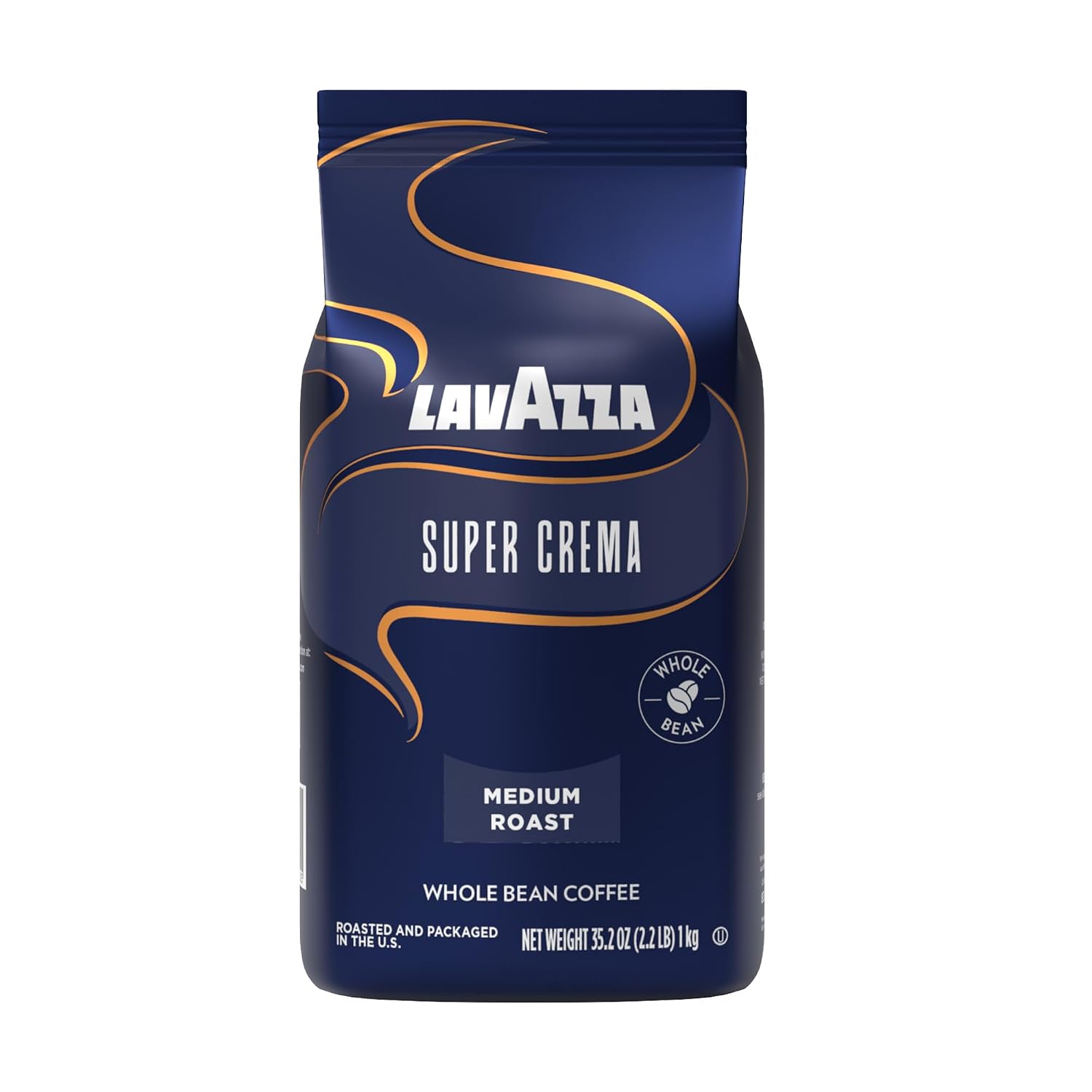
Espresso beans (~$20–$30)
Lavazza Super Crema
A $20–$30 bag that works in the Bambino Plus and other sub-$500 machines above.
Check Super Crema on Amazon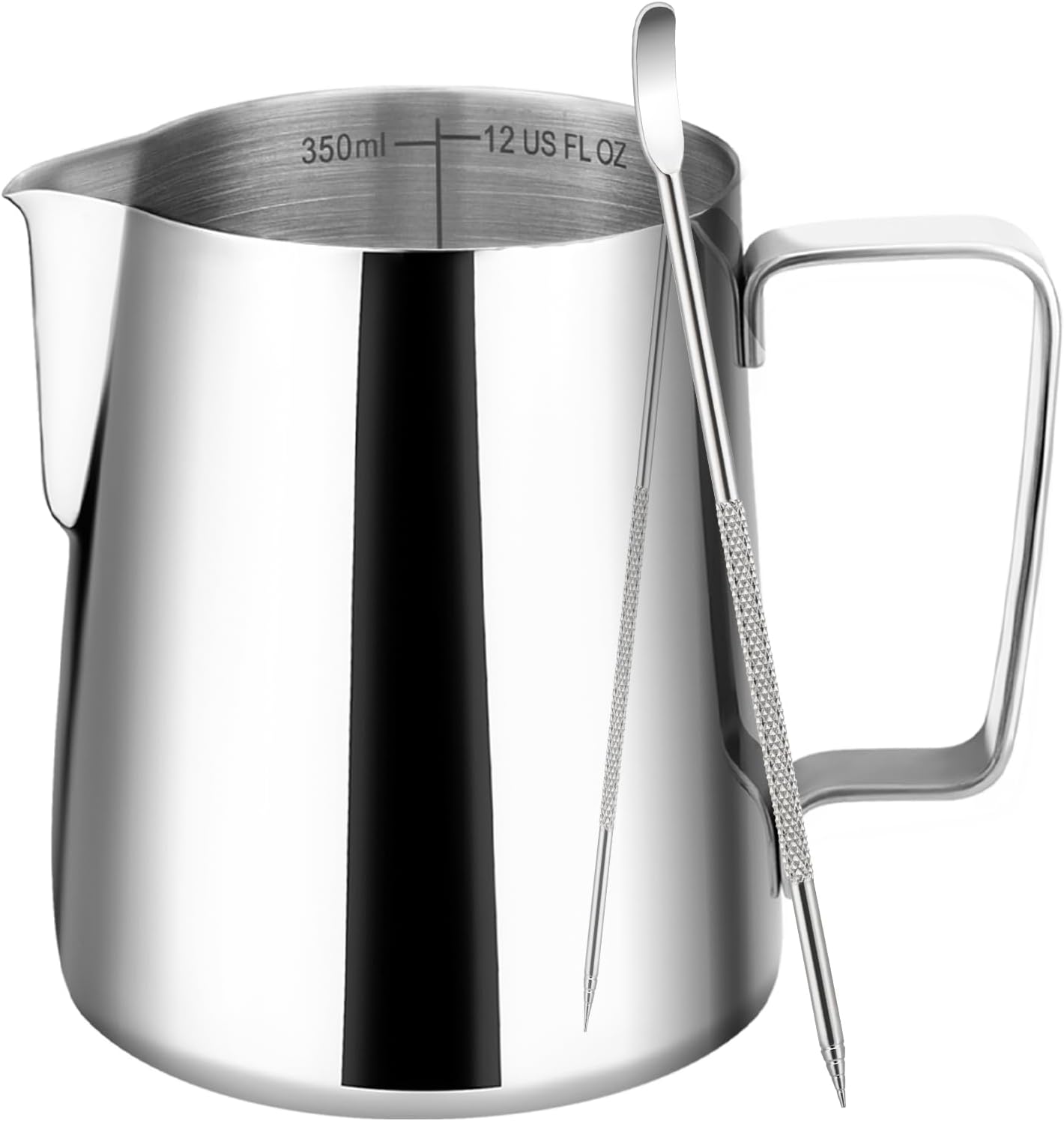
Milk pitcher (~$15–$25)
Milk frothing pitcher
Steam-wand machines need a pitcher. Cheaper than waiting on a $300+ machine.
Check milk pitcher on Amazon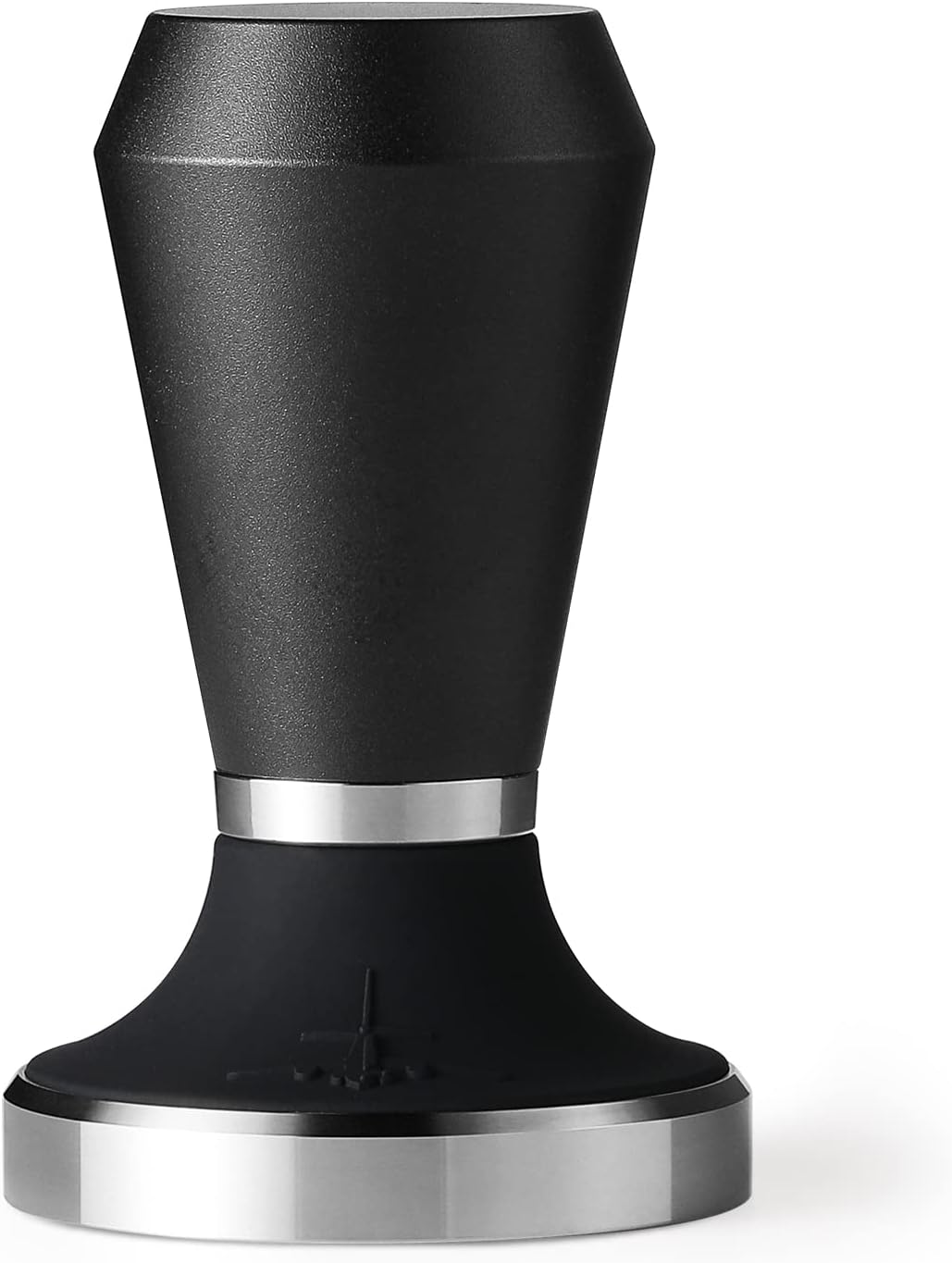
58 mm tamper (~$25–$35)
MHW-3Bomber 58 mm tamper
Matches Breville 58 mm baskets. A small cart if the machine is waiting.
Check 58 mm tamper on Amazon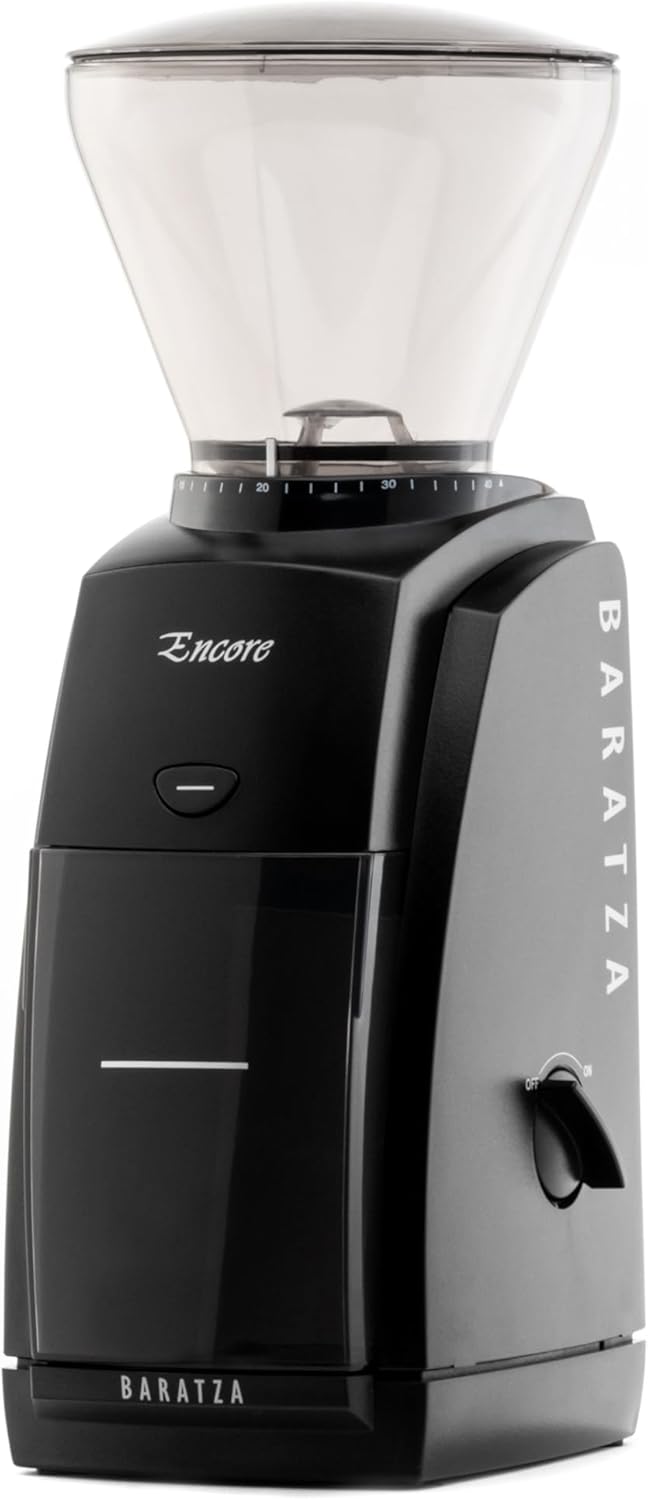
Capitol City Coffee is an independent, reader-supported publication; we may earn a commission if you buy via our links, at no extra cost to you.
If you want the short version: the best espresso machine under $500 in 2026 is the Breville Bambino Plus. It heats up in 3 seconds, pulls consistent shots with PID-controlled temperature stability, and textures milk automatically for lattes and cappuccinos. For espresso purists, the Gaggia Classic Pro with its 58mm portafilter and stainless steel boiler remains the traditionalist’s pick, while shoppers who want a manual espresso machine may prefer options like the flair espresso maker. Here are the top options worth your attention:
The key differentiators across all the machines are temperature stability, warm-up time, steam power for milk texture, and whether a built in grinder is included.
Here is a side-by-side look at the top espresso machines under $500 for quick scanning. Prices reflect typical 2026 US street pricing and may fluctuate during sales.
Machine | Type | Price (2026) | Portafilter | Heating | Warm-Up | Pump Pressure | Steam Wand | Notable Features | Ideal User |
|---|---|---|---|---|---|---|---|---|---|
Semi-auto | ~$499 | 54 mm | ThermoJet | ~3 sec | 15-bar (9-bar extraction) | Automatic | PID, pre-infusion | Milk-drink lovers, beginners | |
Semi-auto | ~$299–$350 | 54 mm | ThermoJet | ~3 sec | 15-bar (9-bar extraction) | Manual | PID, pre-infusion | Small kitchens, budget beginners | |
Semi-auto | ~$449–$499 | 58 mm | Single boiler | 3–5 min | 15-bar (OPV to ~9 bar) | Manual (pro) | Mod-friendly, brass boiler | Enthusiasts, tinkerers | |
Semi-auto | ~$499 (sale) | 54 mm | Thermocoil | ~30 sec | 15-bar (9-bar extraction) | Manual | Built-in burr grinder, PID | One-box solution seekers | |
Compact | ~$300–$350 | 51 mm | Thermoblock | ~40 sec | 15-bar | Panarello | Only 9.5″ wide | Tiny kitchens |
Disclosure: This page contains affiliate links. As an Amazon Associate I earn from qualifying purchases.
Where to buy: Seattle Coffee Gear · 1st in Coffee · Amazon (affiliate links). Check current price and availability before you buy.
Most machines under $500 use a 15-bar pump, but the actual brew pressure is regulated to approximately 9 bar for optimal espresso extraction.
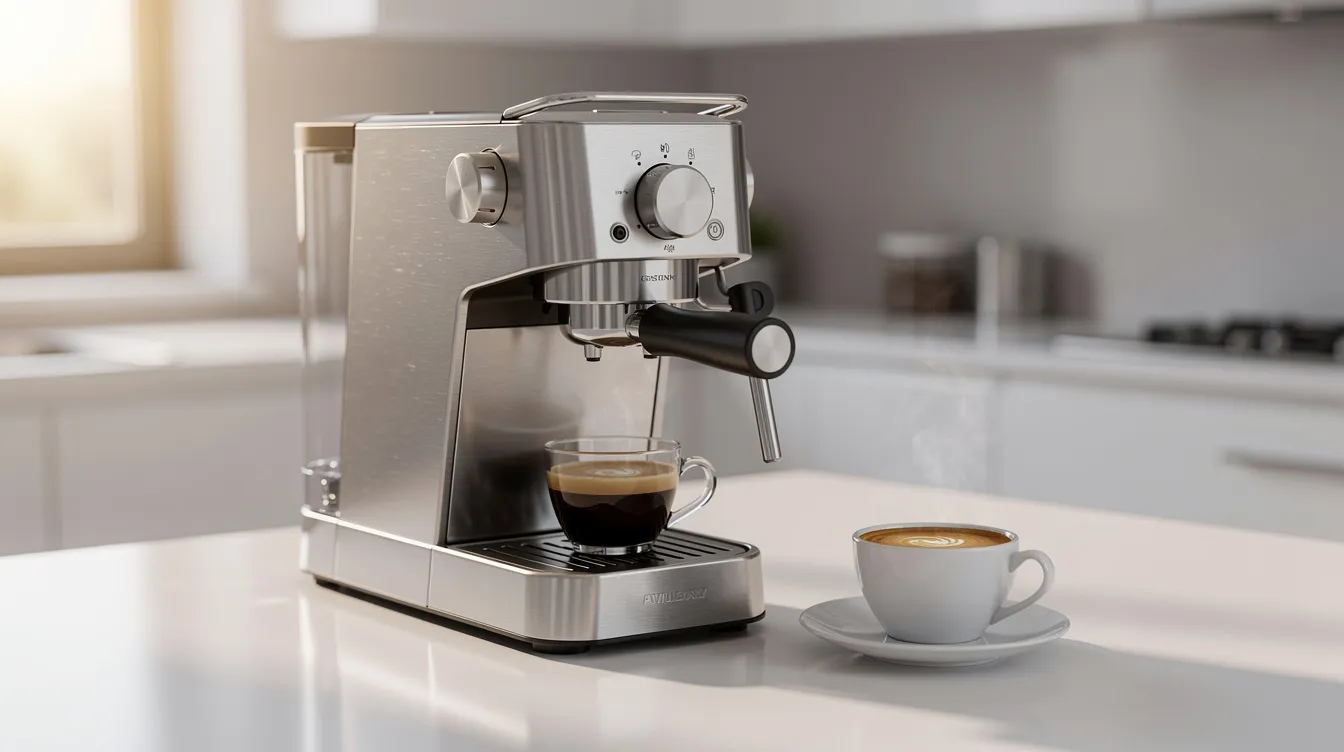
These recommendations are based on researched editorial analysis, not hands-on testing. Our selection draws from verified product specifications, manufacturer documentation, expert reviews from outlets like TechRadar and Tom’s Guide, and aggregated owner feedback from US retailers and coffee forums.
We evaluated each coffee machine on temperature stability, shot consistency, espresso extraction quality, steam power and milk texture, build quality and solid construction, workflow ease, cleaning and maintenance demands, warranty coverage, and overall value. Consumer choices in this segment often come down to trade-offs between automation and manual control, so we made sure to represent both sides.
There are three types of espresso machines to consider: automatic, semiautomatic, and manual. Automatic machines are generally best for beginners due to ease of use, semiautomatic machines offer a balance between convenience and control, and a manual espresso machine often appeals to enthusiasts who want direct control, with the flair espresso maker being the clearest example in this budget conversation. Only machines commonly available in the US and typically under $500 before tax in 2026 were included. Affiliate commissions do not influence rankings.
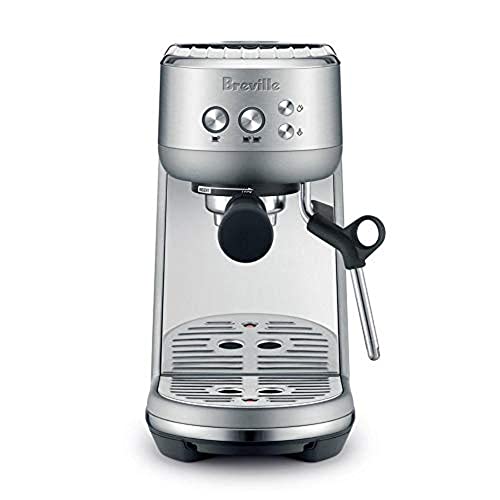
The Breville Bambino Plus is the best espresso machine under $500 for most people. It combines a compact espresso machine footprint with the kind of speed, consistency, and milk-drink performance that used to require spending twice as much.
At approximately $499 in 2026, it sits right at the budget ceiling but earns its spot. The 54mm portafilter, ThermoJet heating system, and PID temperature control deliver reliable performance. The Breville Bambino Plus heats up in just 3 seconds-faster than any other machine in this roundup. PID temperature control stabilizes water temperature within 0.5 degrees Celsius, and digital temperature control improves extraction consistency shot after shot. Pre-infusion technology wets the coffee puck at low pressure before ramping to 9 bar, which enhances flavor and body during extraction.
The automatic steam wand can texture milk for lattes and cappuccinos with adjustable temperature and foam density. Reliable milk frothing is one of the biggest factors in user satisfaction at this price, and the Bambino Plus delivers it without requiring barista skills. Thermoblock systems heat water on-demand for faster brewing, and thermoblock heating allows near-simultaneous espresso pulling and steaming-a meaningful workflow advantage.
The best espresso machines under $500 feature fast heat-up times, and this one leads the pack. Compact designs are popular for home espresso machines due to limited kitchen space, and the Bambino Plus fits neatly under most US kitchen cabinets at roughly 11.9 × 7.4 × 14.3 inches.
Build quality is primarily stainless steel exterior with some plastic internals, which is typical for the segment. Cleaning is straightforward: removable drip tray, automatic steam wand purge, and standard descaling routines. Warranty is a standard 1-year limited.
Ideal for: Milk-drink lovers, small kitchens, anyone who values quick heat up and automation. Limitations: Requires a separate grinder, less mod-friendly than the Gaggia Classic, and the 54mm portafilter has a narrower accessory market than 58mm.
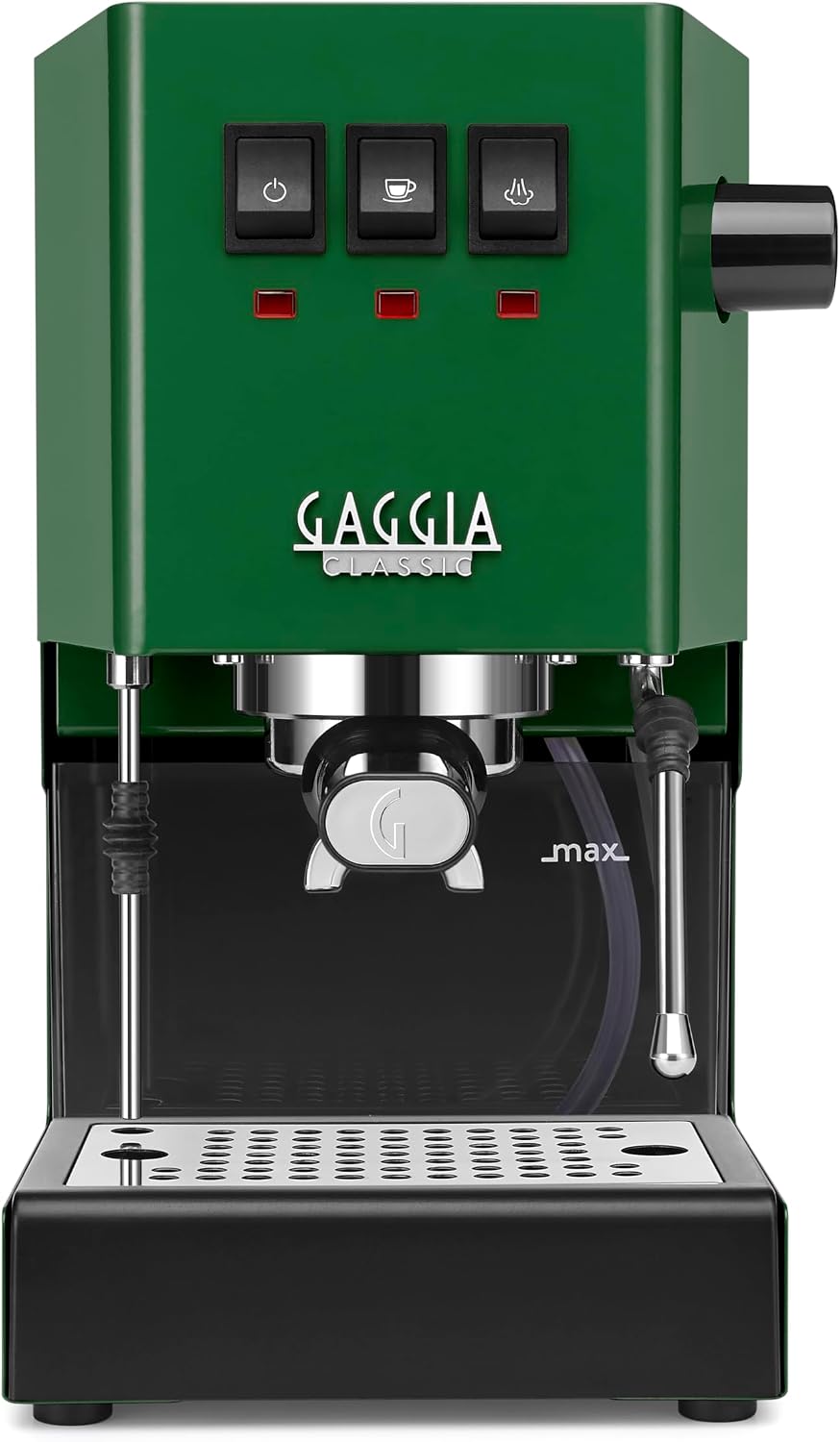
The Gaggia Classic Pro is the best espresso machine under $500 for people who want a classic, semi-pro feel with unmatched control and long-term durability.
At roughly $449–$499 in 2026, the Gaggia Classic Pro features a commercial-grade 58mm portafilter-the same size used in most espresso bar setups. The portafilter size affects the range of baskets and techniques available, and a solid portafilter should feel weighty and have a sturdy handle. The Gaggia Classic delivers on both counts. It runs a single boiler design with a stainless steel boiler. Single boiler machines heat water to one temperature and require manual temperature switching between espresso and steam modes. However, single boiler machines offer more heat stability than thermoblock systems once fully warmed, which translates directly to better shot consistency.
High-quality espresso machines use stainless steel for durability, and durable espresso machines typically have metal boilers instead of plastic. The Gaggia Classic checks both boxes. Its professional steam wand is capable of producing proper microfoam for latte art, though it demands technique and patience. Manual espresso machines often allow for greater customization and technique development, and the Gaggia Classic Pro is the prime example under $500. Unlike a true manual espresso machine, it uses an electric pump rather than a fully hands-on lever workflow. A pressure gauge is more commonly associated with hands-on designs, where it lets users monitor brew pressure directly.
The mod community around this machine is enormous: PID retrofit kits, OPV adjustments, bottomless portafilters, and a wealth of dialing-in advice from coffee enthusiasts worldwide.
Ideal for: Hands-on espresso enthusiasts, tinkerers, those who value long-term durability and solid construction. Limitations: Slower warm-up (3–5 minutes), steeper learning curve, and less convenient for busy households that want one-touch milk drinks.
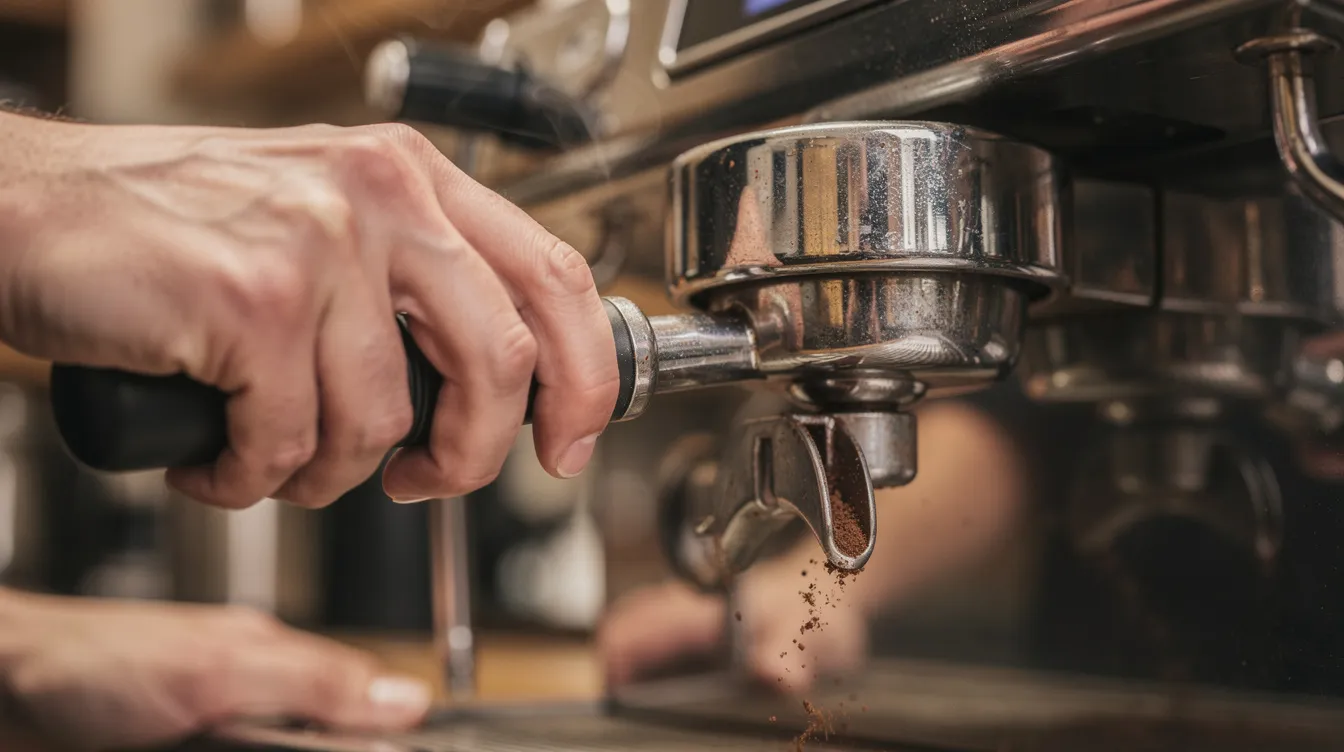
The Breville Bambino (non-Plus) is a compact espresso machine ideal for first-time buyers who want excellent espresso in a small package without spending the full $500.
Priced around $299–$350, it shares the same 54mm portafilter and ThermoJet heating system as its Plus sibling, with a 3-second warm-up and PID-controlled temperature for consistent shots. Most semi-automatic machines under $500 do not include a good grinder, and the Bambino is no exception-but pair it with a decent grinder and fresh coffee beans, and it punches well above its price.
Espresso extraction requires 9-bar pressure for optimal results, and the Bambino delivers exactly that with its pre-infusion routine. It handles back-to-back shots with reliable temperature stability, making it a good machine for households where multiple people want espresso in the morning.
The key difference from the Bambino Plus is the steam wand: here it is manual rather than automatic. You can still froth milk to latte art quality, but it takes more practice. Steam power is adequate for one or two drinks at a time.
Build quality follows the same pattern as the Plus-stainless steel finish accents with plastic internals. The slim profile fits easily on narrow counters, and the removable water tank makes refilling simple.
Ideal for: Apartment dwellers, beginners wanting reliable performance without paying for automation. Drawbacks: No built in grinder, less automation for milk compared to the Plus, and the manual steam wand has a learning curve.
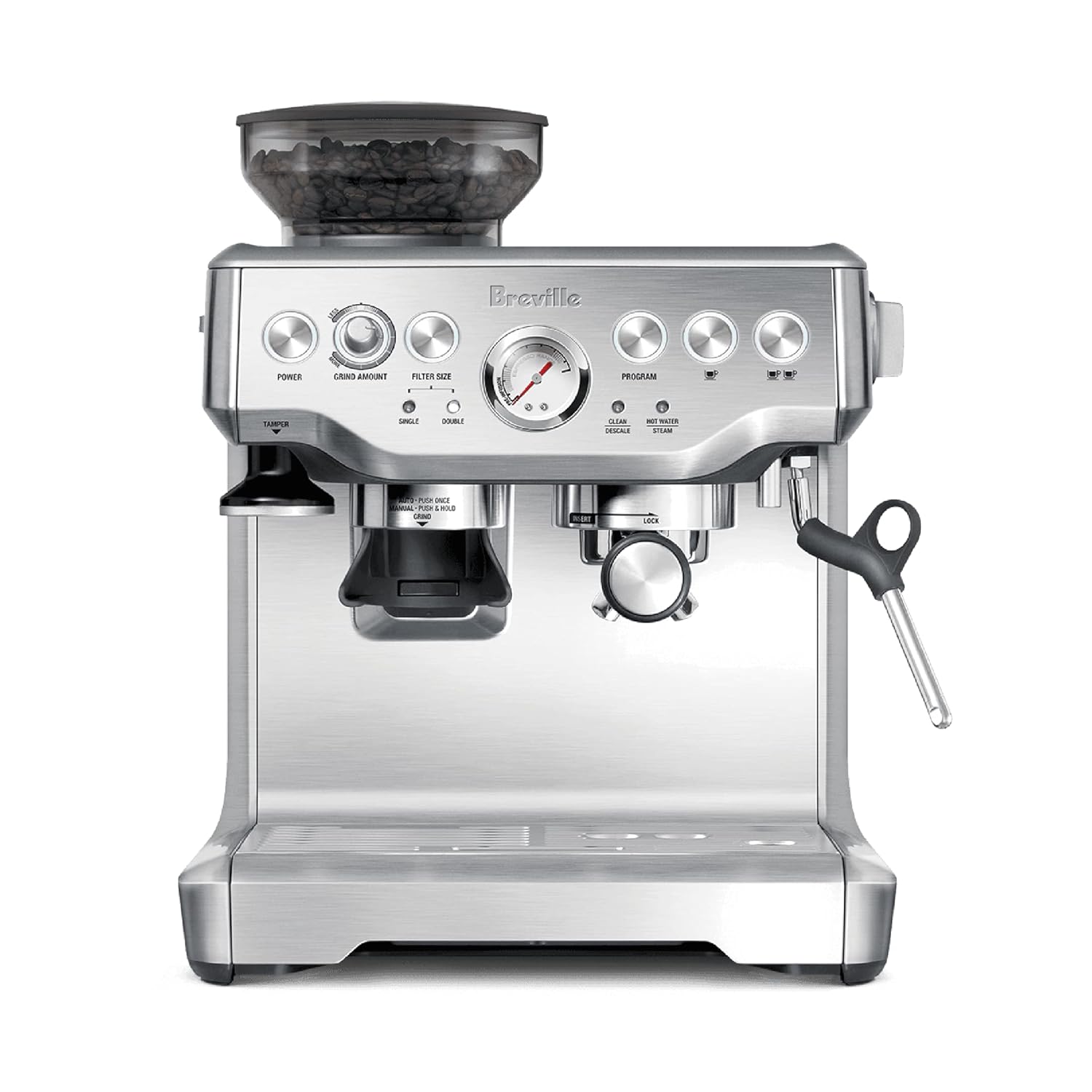
The Breville Barista Express is the only machine under $500 that includes a built in grinder worth using, making it an appealing one-box solution when it drops to ~$499 during sales.
It features a conical burr grinder with 16 grind settings, a 54mm portafilter, thermocoil heating with basic PID-level control, and pre-infusion before 9-bar extraction. Espresso extraction time typically ranges from 25 to 30 seconds, and the Barista Express gives you enough control over dose and grind to land in that window consistently. Stable extraction pressure is key for good espresso, and this machine maintains it well for the price.
The advantage is obvious: one purchase, one box, minimal counter space consumed by separate devices. It offers a clear upgrade path from cheaper machines or pod systems, and supports dialing in for better shot consistency than any capsule-based setup.
The compromises are equally clear. The grinder is solid but not on par with a dedicated espresso grinder costing $200+. Temperature stability is good but not pro-level. The footprint is larger than the Bambino machines.
For milk drinks, the manual steam wand has enough steam power to produce microfoam after some practice, but texturing takes longer than with the Bambino Plus’s automatic system.
Ideal for: People who want “one box, one purchase” under $500 and accept some trade-offs in grinder and temperature precision. Better to pair separately if: You already own a good grinder, or you plan to upgrade components independently over time.
These models did not earn the top spots but still offer strong value or fill specific niches at an affordable price.
The Breville Infuser features PID temperature control for consistent shots and offers pre-infusion, making it a capable mid-range machine when discounted near $499. It is largely discontinued from some catalogs, so availability may be limited-but it remains a good machine if you find one.
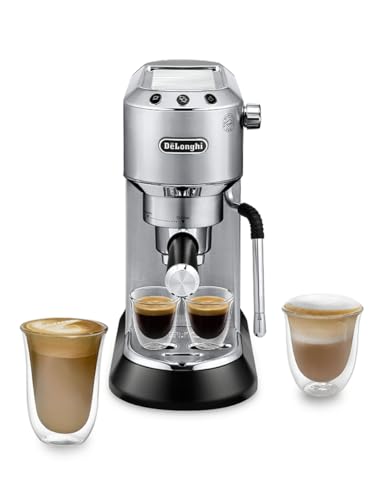
The DeLonghi Dedica Arte is only 9.5 inches wide, fitting small spaces where most machines simply will not. It uses thermoblock heating and a Panarello-style milk frother. Espresso extraction quality is decent with pressurized baskets, though shot nuance is limited compared to the Breville lineup.
The Mr. Coffee Café Barista (around $200–$250) offers one-touch lattes and cappuccinos via its automatic milk frother and carafe system. It is among the cheapest machines with programmable settings for milk-based drinks. Expect convenience over control-flavor ceilings are lower, and the pressurized basket limits fine-tuning.
The DeLonghi ECP35.31 is priced at $249 and provides a straightforward user interface, basic features, and a 15-bar pump. Machines under $500 often have 15-bar pressure pumps for performance, though this machine lacks PID and uses a basic thermostat.
For readers who want fully automatic espresso machines or a pod system purely for convenience, Nespresso-based options exist under $500, but they trade espresso quality and control for push-button simplicity.
Match your priorities: Quick weekday lattes with minimal cleanup? The Mr. Coffee Café Barista works. Saving for a higher-end setup? The DeLonghi Stilosa or ECP35.31 keeps costs low while you learn.
Many specs on product pages are marketing fluff. Here is what genuinely affects taste, workflow, and long-term satisfaction in mid range machines:
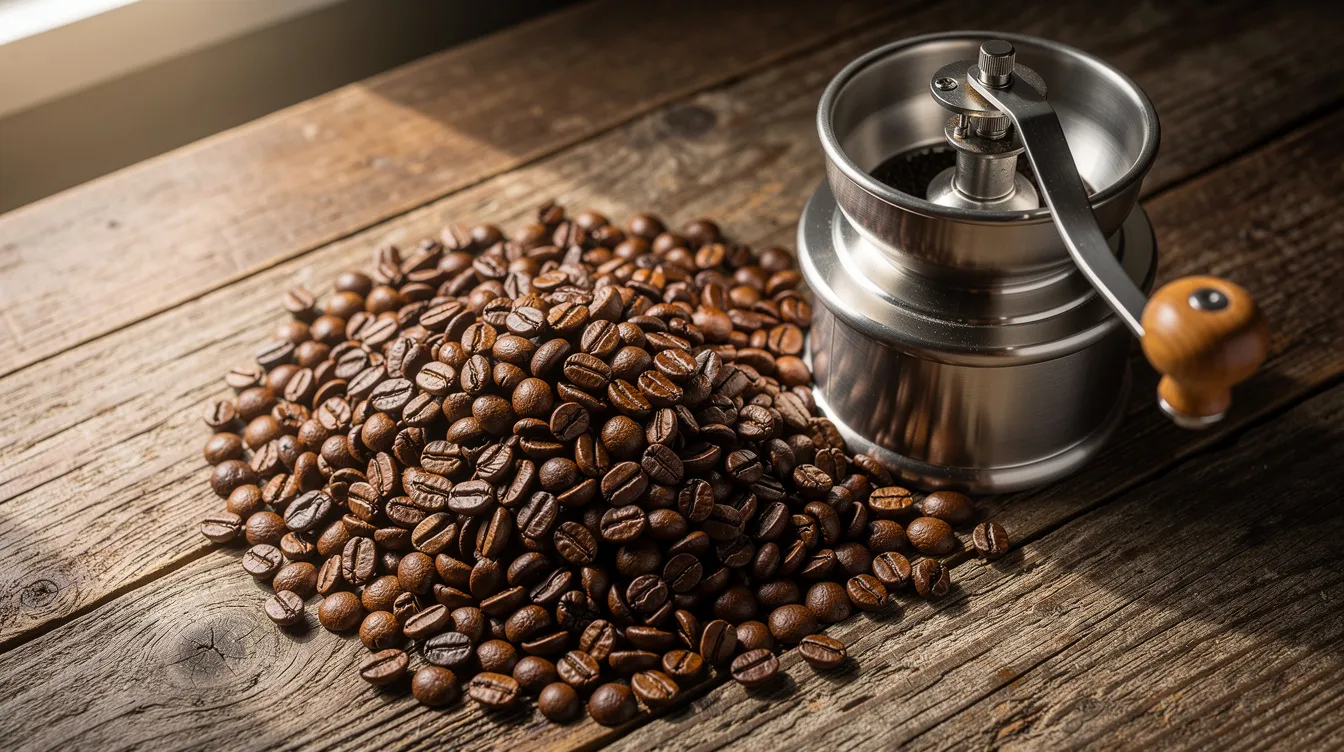
Start from your habits, not the spec sheet. How often do you drink espresso? Do you prefer straight shots or milk drinks? How much time are you willing to spend learning technique?
For readers new to espresso, our beginner’s guide covers the fundamentals in more depth. If your budget stretches further, our roundup of the best espresso machines under $1,000 opens up significant upgrades in build quality and performance. And for the broadest view, the full best espresso machines list covers every price range.
Even the best espresso machine under $500 cannot compensate for a cheap grinder or stale beans. Espresso quality depends heavily on the grinder used, and many users recommend a dedicated high-quality burr grinder for espresso.
If your total budget is $800–$1,000, consider splitting it between a $350–$450 machine and a $150–$300 burr grinder rather than spending everything on the machine alone. If you have exactly $500 for the espresso machine, plan at least $150–$250 separately for a grinder.
What to look for in an espresso-capable grinder: fine and consistent output at espresso range, stepless or tightly-stepped adjustment, minimal grind retention, and decent build quality. Avoid any cheap grinder with blade-style cutters-they produce wildly inconsistent particles that make dialing in impossible.
For coffee beans, use freshly roasted beans ideally within two to four weeks of the roast date. Darker roasts tend to be more forgiving for milk drinks; lighter roasts shine in straight shots but demand more precision. Pre-ground coffee stales quickly and makes consistent espresso extraction nearly impossible, especially with non-pressurized baskets.
Built in grinders (like in the Barista Express) offer convenience but limit your upgrade path. A separate grinder gives you flexibility to improve one component at a time as your coffee game evolves.
Proper cleaning and regular maintenance keep even budget machines performing well for years and protect their build quality. Durability and build quality are important considerations for espresso machines under $500, and good habits extend lifespan dramatically. The best espresso machines are easy to clean, but all of them require some routine effort.
Essential daily tasks:
Periodic maintenance:
Ongoing costs include descaling solution, backflush detergent, occasional gasket and basket replacements, and replacement water filters. These typically add up to $30–$60 per year.
Machines under $500 should have good durability, and many solid mid range machines can last 5–10 years or more with reasonable use and maintenance. Regular maintenance ensures longevity of espresso machines regardless of price tier. Factor cleaning ease into your buying decision-machines with removable drip trays, accessible group heads, and simple steam wand designs save real time over the life of the machine.
Yes. With a capable grinder and fresh beans, machines like the Breville Bambino Plus and Gaggia Classic Pro can produce cafe quality espresso and milk drinks that rival what most US cafés serve. The gap between a $500 home setup and a $2,000+ commercial machine is mostly about speed, volume, and temperature recovery between drinks-not the quality of a single well-prepared shot. You will not match a high-end espresso bar running a La Marzocca, but for daily home use, a machine under 500 paired with a good machine workflow gets you remarkably close. Exceptional espresso is absolutely achievable at this price.
A dedicated burr grinder is strongly recommended. Pre-ground coffee stales within minutes of grinding and makes it extremely difficult to dial in espresso shot timing and flavor, especially on non-pressurized baskets. If you are using regular coffee that is pre-ground, pressurized baskets will help compensate, but the flavor ceiling drops significantly. The only machine in this roundup with built in grinders is the Barista Express. For other machines, budget for a good grinder as a non-negotiable companion purchase to achieve high quality espresso.
It depends on the heating system. ThermoJet machines like the Breville Bambino Plus are brew-ready in about 3 seconds for basic use. Single boiler machines like the Gaggia Classic Pro benefit from 5–15 minutes of warm-up for true temperature stability and consistent shots. Even with fast-heating machines, running a blank shot through the portafilter first helps warm the metal components and improves your first espresso shot of the day. Excellent espresso demands a fully heated brew path.
Use moderately mineralized, filtered water-not pure distilled and not unfiltered tap. Distilled water tastes flat and can damage certain boiler materials over time. Very hard tap water causes rapid scale buildup. Aim for water with a total dissolved solids (TDS) between 75–150 ppm for the best balance of taste and machine longevity. Check your manufacturer’s guidelines for ideal hardness, and consider using in-tank filters if your machine supports them. This single step protects your investment and improves flavor noticeably.
Factory-refurbished units from reputable brands or authorized retailers can offer excellent value. A refurbished Barista Express or Rancilio Silvia that would normally cost $600+ can land well under $500 with a warranty and professional servicing. Buyers open to used or refurbished gear can also consider a manual espresso machine like the Flair Espresso Maker, since simple designs are often easier to assess secondhand. The key is buying from sources that provide at least a 90-day warranty and have a documented refurbishment process. Avoid unknown third-party refurbishers with no return policy or support-you have no way to verify what was actually serviced. Refurbished machines with excellent customer service backing are a smart way to stretch a budget without sacrificing reliable performance.
For deeper dives into grinders, scales, tampers, and other accessories that elevate your home espresso setup, explore our full gear coverage. The right machine is just the starting point-what you do with it is where the real coffee game begins.
Every coffee and coffee machine we recommend is scored on the same 100-point scale, so a recommendation on one page means the same thing as a recommendation on any other. Each pick is also labeled with how we reached its score.
| What we score | Points | What we look at |
|---|---|---|
| Origin and sourcing transparency | 20 | Country, region, farm or cooperative, altitude, bean variety, and processing method are clearly disclosed. |
| Flavor evidence | 25 | Independent cupping scores, how closely the tasting notes match what the origin is known for, and our own cupping notes when hands-on tested. |
| Roast and freshness | 15 | Roast level stated, roast-date practices, whole-bean availability, and packaging with a one-way valve or resealable bag. |
| Brew versatility | 15 | How well the roast suits pour-over, drip, French press, cold brew, and espresso. |
| Value | 15 | Price per ounce compared with similar single-origin coffees or blends. |
| Buyer feedback | 10 | Volume and consistency of verified reviews, and recurring complaints about staleness, bitterness, or shipping. |
| What we score | Points | What we look at |
|---|---|---|
| Brewing performance | 25 | Water temperature in the 195–205°F range, even extraction, and SCA certification or published test data. |
| Build quality and reliability | 20 | Materials, known failure points, and long-term owner reports. |
| Ease of use and cleaning | 15 | Setup, the daily routine, descaling, and dishwasher-safe parts. |
| Fit for your kitchen | 10 | Capacity, counter footprint, and noise. |
| Useful features | 10 | Programming, grind and temperature control, and carafe type. Features that improve the cup count more than extras that do not. |
| Value | 10 | Price compared with machines that perform similarly. |
| Warranty and support | 10 | Warranty length, parts availability, and how the brand handles repairs. |
| Score | Grade | What it means |
|---|---|---|
| 90–100 | A | Exceptional. Our first recommendation for the feeling and setting described. |
| 80–89 | B | Strong. Excellent, with minor trade-offs we explain. |
| 70–79 | C | Good. Worth it for specific needs, with clear compromises. |
| Below 70 | — | Not recommended. We do not feature these as picks. |
When a pick carries the Hands-on tested label, this is the method behind it, and we note the date we tested.
We match each coffee to a mood and a moment based on its flavor profile and roast. Bright, citrusy light roasts suit energizing mornings. Chocolatey, full-bodied medium roasts suit slow or social moments. Richer roasts suit espresso and milk drinks. Each pick explains which facts led us to that match.
Every score comes only from the criteria above. No brand can pay for a pick or a higher grade. We re-check ratings when a roast, listing, or model changes, and update or remove picks that no longer earn their grade.
Some links on this page are affiliate links. As an Amazon Associate, Capitol City Coffee earns from qualifying purchases, at no extra cost to you.
Questions about a rating? Reach the Capitol City Coffee team through our contact page.