
There is no such thing as a single “best coffee” that works for every person. In 2026, the best coffee for most US home brewers means freshly roasted, specialty-grade whole bean coffee matched to your brew method, your budget, and your own taste. This page organizes Capitol City Coffee’s researched guides so you can skip the noise and find the right bag faster.
Key Takeaways
- The best coffee in 2026 is defined by three things: a recent roast date, beans from quality-focused coffee roasters, and a roast level (light roast, medium, or dark roast) that fits how you actually brew at home.
- This page acts as a navigation hub for all Capitol City Coffee best coffee guides-whole bean, ground, espresso, decaf, and more-so you can jump to the list that matches your needs.
- All recommendations across our guides are based on researched editorial analysis, expert consensus, and verified product details, not on hands-on tasting or testing by Capitol City Coffee.
- Every guide weighs flavor quality, usability, price, value, and trade-offs so you can compare different options without chasing hype.
- If you haven’t figured out what to buy yet, start with the key concepts below, then browse the guide that fits your setup.
At a glance
Category Overview: What “Best Coffee” Means in 2026
The best coffee is specialty-grade coffee-defined by distinctive attributes like flavor and aroma-with a clear roast date, sourced from trusted roasters who share origin and processing details. It is not a single brand or a single bag. Specialty coffee scores 80 or higher on a 100-point scale maintained by the Specialty Coffee Association; for example, that could mean a floral Ethiopian or a chocolate-forward Colombian. Specialty-grade coffee is primarily made from Arabica beans, which make up around 60% of the world’s coffee supply.
This page focuses on whole bean and ground options that deliver the best balance of flavor and value for most US home brewers. Pods and instant have their place, but they rarely match the cup quality you get from fresh coffee beans and a decent brew method.
Capitol City Coffee is an independent coffee editor and affiliate publisher-not a roaster or retailer. Our role is to curate, compare, and explain options from many brands so you can spend your money well.
If you’re here to buy today, you’re in the right place. This page links out to deep-dive guides for detailed research on specific categories. And the 2026 context matters: tighter household budgets, more home-brewing, and a growing idea among consumers that origin transparency, sustainability, and roast freshness aren’t luxuries-they’re baseline expectations when buying coffee.
Key Concepts: Three Things That Define the Best Coffee at Home
Before you browse any recommendation list, a simple framework helps you recognize the best coffee beans on any shelf or website. Here are the three things that matter most.
Beans and Grading
Specialty-grade coffee scores 80 or higher on a 100-point scale, with strict limits on defects. Only about 5% of coffee grown globally is specialty grade. Most best coffee beans lists favor high-quality Arabica for its flavor complexity-floral, fruity, sweet, or chocolatey depending on where and how it’s grown. Robusta plays a supporting role: a bit of it in an espresso blend can add crema and caffeine, but it rarely leads a specialty lineup.
Freshness and Roast Date
Coffee beans start losing flavor immediately after roasting. Fresh coffee peaks in flavor 4 to 14 days after roasting, and freshness is optimal within 2 to 4 weeks after roasting. Oxygen exposure accelerates coffee flavor degradation, which is why a sealed bag with a one-way degassing valve matters. Whole-bean coffee evolves in flavor over time after roasting-an appealing quality during that peak window, but coffee can lose its flavor within weeks of roasting if storage is poor. Ground coffee loses freshness faster than whole beans because of the increased surface area exposed to air. The roast date on a bag is the single most useful number; a “best by” date tells you almost nothing about flavor life. This is where the nitty gritty of freshness starts: pay attention to roast date and storage, because those are the practical details that matter.
Roast Level and Brew Method
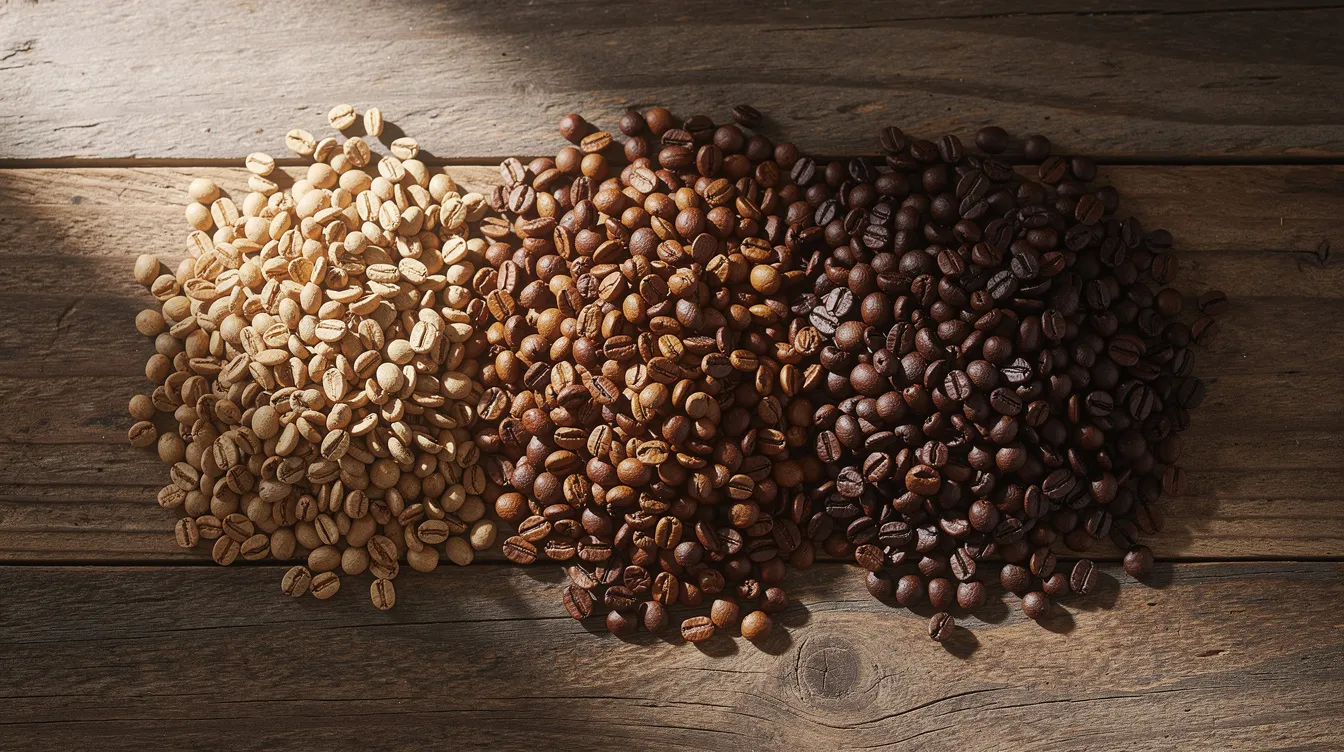
Roast profiles include light, medium, and dark categories, and roast level affects flavor and brewing method compatibility:
Roast Level | Flavor Profile | Best Brew Methods |
|---|---|---|
Light roast | Brighter, fruitier; floral and stone fruit notes; higher acidity | Pour over, filter drip |
Medium | Caramel, brown sugar, balanced sweetness and versatility; medium body | Drip, pour over, AeroPress |
Dark roast | Bold, sweet, smoky, low in acidity; dark chocolate, marshmallow, earth tones | French press, cold brew, espresso, moka pot |
Light roast coffee is brighter and fruitier and emphasizes floral and fruity notes, while medium roasts provide balanced sweetness and versatility thanks to caramelized natural sugars. Dark roasts offer bold flavors and lower acidity. No roast level is inherently better-each serves a different sip experience.
Browse Guides: Find the Right Best-Coffee List for Your Needs
This section is your navigation hub. Each guide below narrows down options based on flavor performance, usability in real kitchens, price per ounce, and current US availability.
- Best Whole Bean Coffee – Focused on coffee beans for grinders and manual brewing. Start here if you own a burr grinder or plan to get one.
- Best Ground Coffee – For convenience-focused readers who don’t own a grinder or want a no-fuss cup every morning.
- Best Espresso Beans – Covers beans and blends optimized for espresso machines, from rich dark blends to citrus-bright single origin shots.
- Best Dark Roast Coffee – Chocolate-forward, smoky, low-acid picks for French press, cold brew, and drip.
- Best Light Roast Coffee – Fruit-forward, floral, high-clarity picks for pour over and filter enthusiasts.
- Best Single Origin Coffee – Rotating seasonal picks from specific farms and regions for flavor exploration.
- Best Decaf Coffee – Quality decaf options that don’t sacrifice taste.
Explore the full coffee hub for gear guides, brew tutorials, and more.
Buying Coffee: How to Choose Whole Bean vs Ground, Roast, and Origin
This section gives you a practical decision path-from broad choices down to flavor preferences and budget.
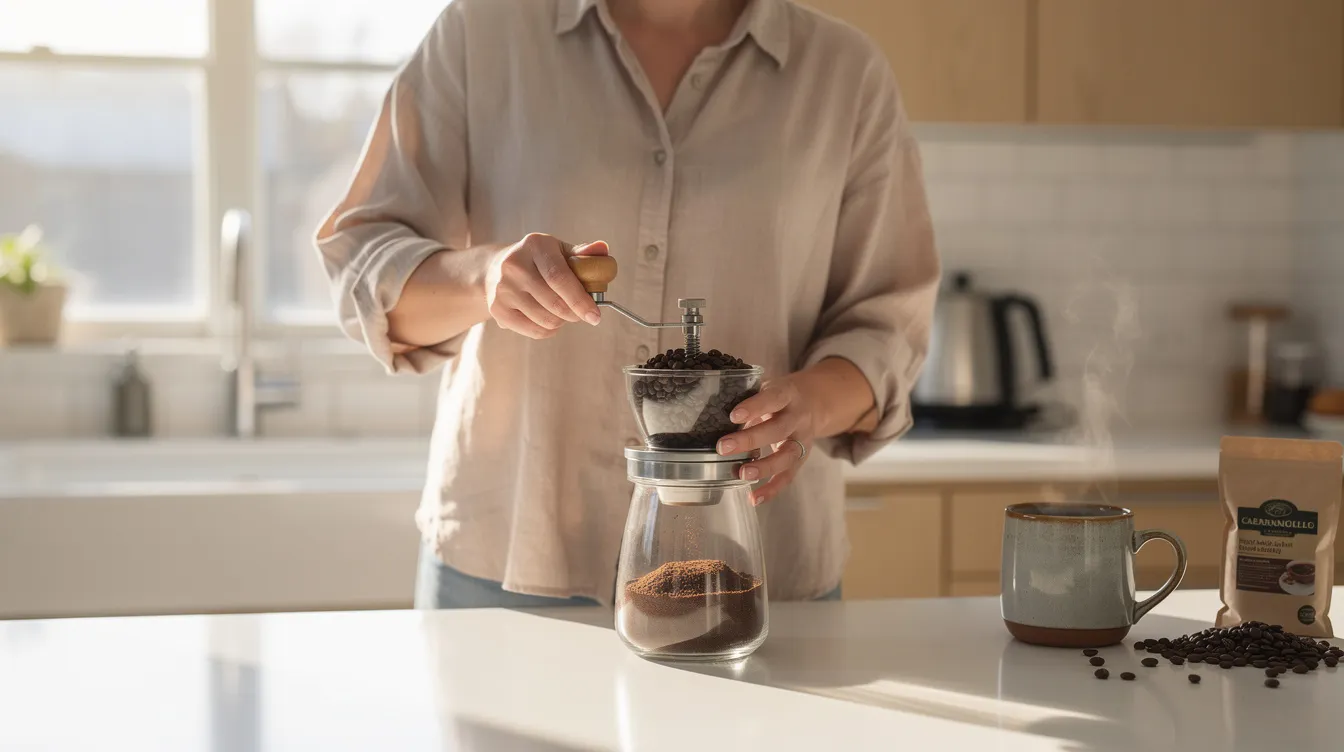
Whole bean vs ground. Choose whole bean coffee when you want maximum freshness and control. Buying whole beans with roast dates helps ensure freshness, and grinding coffee immediately before brewing improves taste dramatically. If you don’t own a grinder, pre-ground coffee is a reasonable compromise, but expect the aroma and flavor to fade faster-plan to use it within a week.
Matching roast to taste. Medium roast coffee has caramelized natural sugars, making it the safest daily driver for most drip setups. If you want a brighter, more complex cup-think cherry, citrus, stone fruit-go light. If you want a rich, heavy cup with a hint of dark chocolate and low acidity, dark roast is your land. There is no battle between roast levels; it comes down to what you enjoy in the cup.
Origin basics. Single-origin coffee comes from one specific location and highlights unique regional flavors-Ethiopian florals, Colombian sweetness, Brazilian nuttiness. Single-origin coffees are often considered more interesting for exploration. Blended coffee combines beans from multiple origins and is crafted for consistency in flavor profile. Blended coffees are typically more well-rounded and moderate, making them dependable for everyday brewing. Every bag tells a story about the earth and coffee farmers who grew it.
Price and value. The median specialty bag price in 2026 is about $18, with most falling between $15 and $25. Here’s a quick table:
Price Tier (12 oz) | What to Expect |
|---|---|
Under $10 | Commodity; minimal origin or roast info |
$10–$16 | Entry specialty or blends |
$17–$25 | Core specialty; origin detail, roast date, good packaging |
$25+ | Premium lots, rare origins, experimental processing |
Paying slightly more often supports better farming practices and higher bean quality up and down the supply chain.
Featured Recommendations: Best Coffee Beans and Blends to Consider in 2026
Affiliate disclosure: Capitol City Coffee may earn a commission from qualifying purchases at no extra cost to you. Rankings are not influenced by commission rates. Being listed here does not mean a coffee took first place in every category, only that it is a strong representative pick. All picks below are based on researched editorial analysis, not hands-on tasting by CCC.
This section spotlights a small group of whole-bean coffees representative of our larger guides-an at-a-glance starting point, not an exhaustive list.
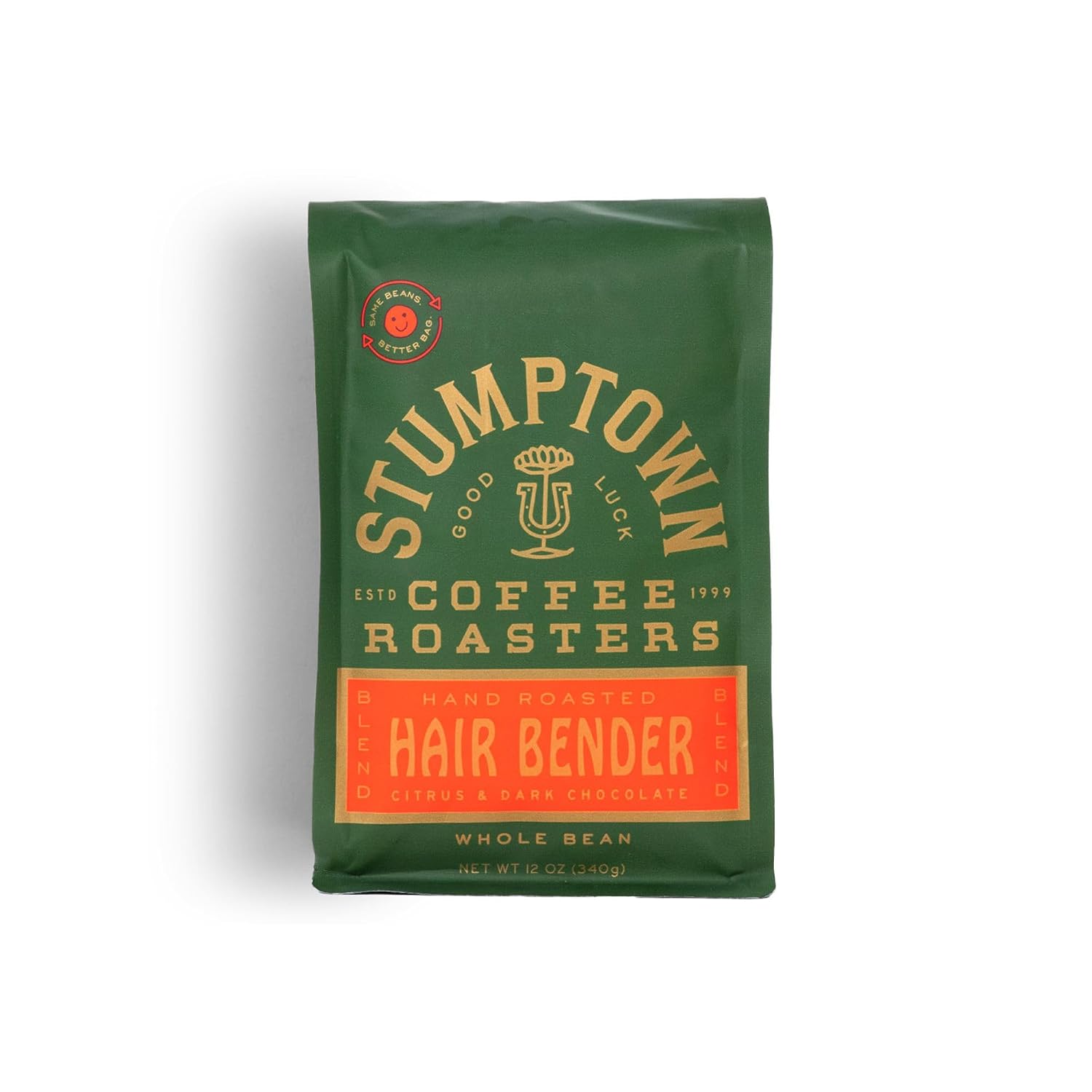
- Best all-around daily blend: Stumptown Holler Mountain is a popular organic coffee blend, certified organic, with tasting notes of citrus, caramel, and brown sugar. It’s a medium roast that performs well in drip and pour over. Widely available online and in many US retailers. Drawback: flavor window narrows if you don’t consume within three weeks of roast.
- Best budget-friendly specialty option: Look for independent roasters offering 12 oz bags in the $14–$17 range with clear roast dates. Many small roasters land here and deliver freshly roasted beans that punch above their price. Availability varies; subscriptions help lock in freshness.
- Best dark roast for drip and French press: Death Wish Coffee is marketed as the world’s strongest coffee, blending Arabica and Robusta for a bold, heavy body with sweetness and smoky depth. It’s a crowd-pleaser for the person who wants to feel good about a no-compromise dark cup, though its intensity can overwhelm lighter palates.
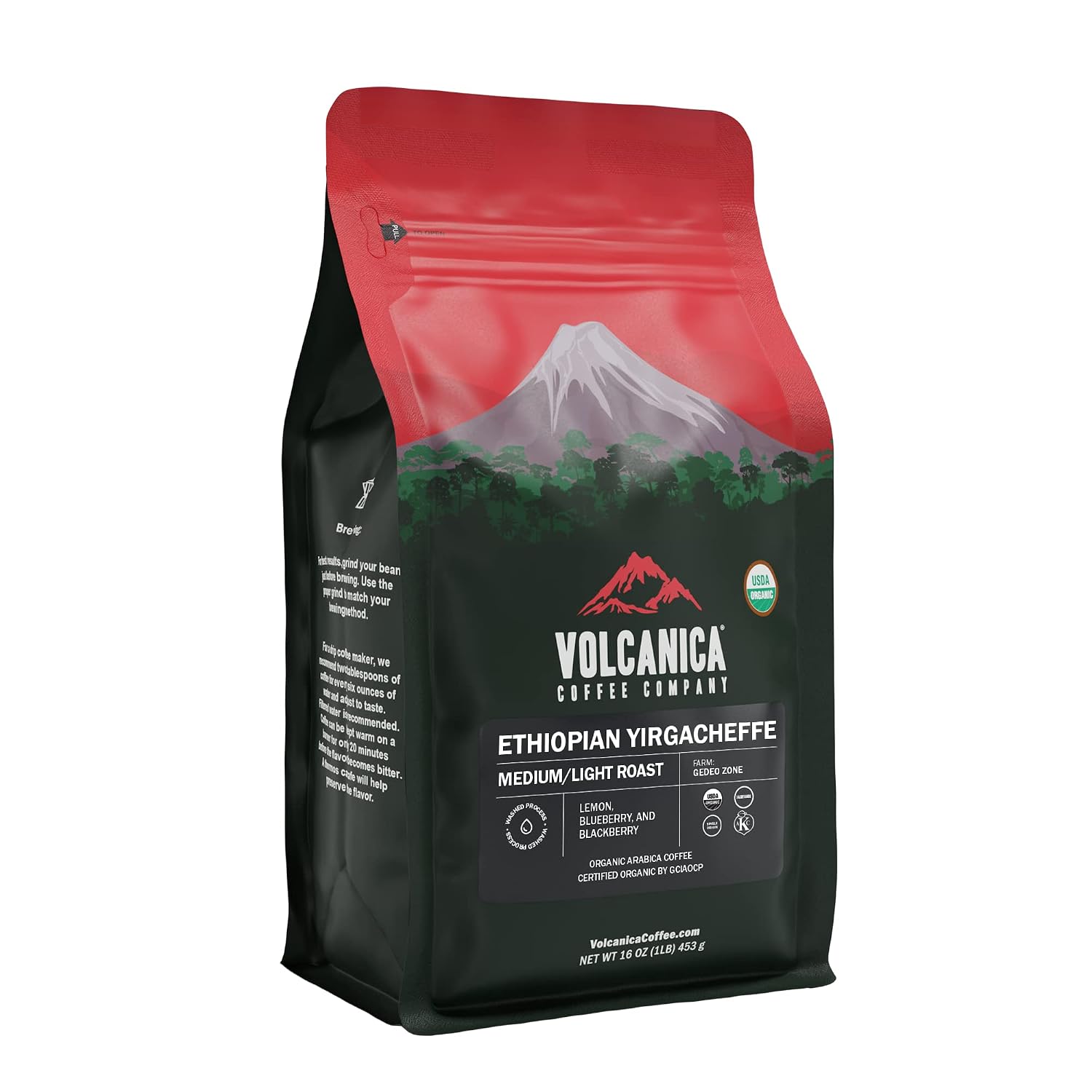
- Best light roast for pour over: Seek out washed Ethiopian or Kenyan single origin lots from roasters who list farm-level detail. Expect floral aroma, berry-like sweetness, and bright acidity. These coffees are seasonal-availability shifts, and the moment a harvest lot sells out, it’s gone. Wait too long and you may miss it.
- Best medium roast for versatility: Lavazza Super Crema is a well-known medium roast coffee with notes of chocolate, caramel, and a touch of honey. It sits comfortably in espresso machines, drip brewers, and even moka pots. Widely available; the trade-off is that it won’t deliver the origin complexity of a single origin.
Performance and Quality: What Separates Good Coffee from Great Coffee
Beyond marketing terms, performance in the cup comes down to measurable, comparable quality factors that you can learn to spot.
Key performance dimensions include flavor clarity, balance of sweetness and acidity, aftertaste length, body, and consistency across brew methods. Technical standards from the Specialty Coffee Association cover coffee quality through structured cupping protocols. Coffees scoring 85 to 89.99 are classified as Excellent, while coffees scoring 90 or above are considered Outstanding. The Specialty Coffee Association offers structured pathways for coffee education if you want to gain deeper knowledge.
Processing methods create real differences. Washed coffees tend toward clean, bright profiles. Natural-processed beans can deliver jammy, fruit-heavy cups. Honey and anaerobic fermentations-which run roughly 27% above washed coffees in price-create unique sweetness and complexity but aren’t universally appealing.
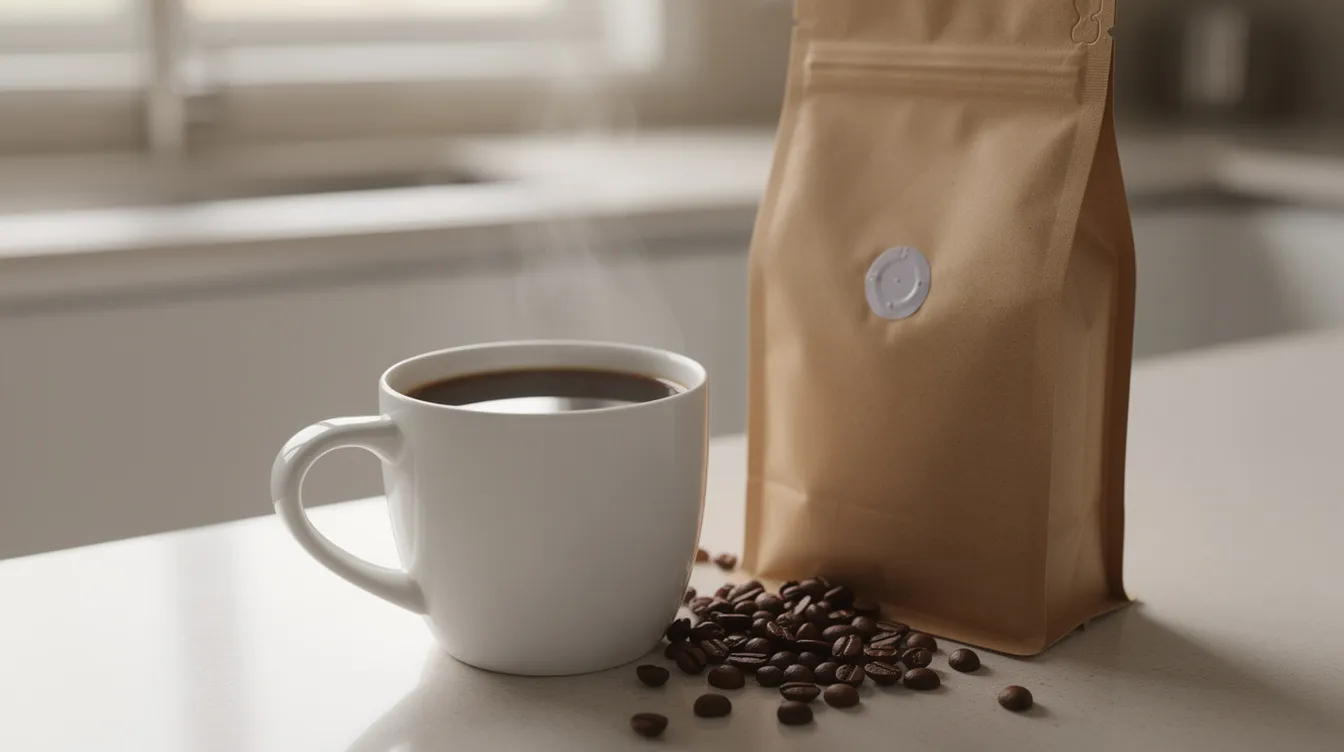
Water quality significantly affects coffee flavor clarity, and it’s a factor many people overlook. Packaging matters too: valve bags that block oxygen and UV light preserve freshness far better than paper sacks. When buying coffee online, check whether the roaster ships within days of roasting-freshness windows are tight.
Usability, Workflow, and Best Use Cases
Not every best coffee is right for every setup. Usability-how easy it is to get a consistently good cup-should guide many buying decisions.
Forgiving medium roast blends with chocolate and caramel notes are ideal for automatic drip machines, beginners, and office situations where you can’t dial in every variable. If you brew two cups a day from a standard drip machine, a medium blend will serve you reliably without drama.
Light roast single origin coffees shine in manual pour over with precise temperature control (200–205°F). They reward the person willing to invest time and attention, but they can under-extract easily with imprecise gear. Top roasters provide specialized educational content for brewing that can help you troubleshoot grind sizes and methods-expert resources help troubleshoot grind sizes and brewing methods if you’re just starting out.
Dark roast fills a clear use case: strong-tasting, low-acid cups for French press, moka pots, and cold brew. It’s also the most forgiving roast level when you add milk and sugar. Using a digital scale ensures consistent coffee measurements across any method, removing guesswork from the act of brewing. Whole bean coffee requires matching beans to specific brewing styles-don’t fear the learning curve; it’s shorter than you think.
Price, Value, and Trade-Offs in Buying the Best Coffee
The best coffee must also make sense for your budget. Value is about taste and experience per dollar, not just the lowest price tag.
If you typically spend $8–$12 on a supermarket bag, stepping up to $16–$20 for a specialty roaster bag will produce a noticeable difference in flavor, aroma, and freshness. The core tier ($17–$25 per 12 oz) is where most specialty bags sit, and it’s where you’ll find the sweet spot of origin detail, roast precision, and fresh packaging.
Subscriptions from small coffee roasters can improve value by balancing fresher shipments with modest discounts or free shipping. They work well if you’ve figured out a blend or roast level you like. Single-bag purchases offer more flexibility for exploration.
Very low prices can signal pressure on coffee farmers-sustainability and fair compensation aren’t impossible at lower price points, but certified organic and fair-trade labels provide at least a baseline of accountability. Buying smaller amounts more often rather than large, cheaper bags that go stale is both a flavor decision and a value decision. A 12 oz bag per week keeps beans in their peak window and lets you break out of ruts by trying new roasters.
How Capitol City Coffee Researches and Rates Recommendations
Our editorial process scans multiple reputable sources-expert cupping sites, industry publications, major retailer reviews, and roaster-provided data-then consolidates third-party consensus about performance, quality, and consistency. Opinions from verified buyers and professional cuppers carry more weight than marketing copy.
Unless specific testing notes are provided, CCC does not claim hands-on tasting, ownership, or measurement. Recommendations are labeled as researched editorial analysis. Main evaluation criteria include:
- Flavor profile and balance
- Roast execution and freshness potential
- Packaging quality (valve, barrier film, seal integrity)
- Usability across common brew methods
- Verified certifications and origin transparency
- Price per ounce and US availability
Guides are updated periodically to reflect changes in availability, new harvest years, and shifting expert consensus-especially for seasonal single origin offerings where life on the shelf is short.
FAQs
These FAQs address common questions about finding the best coffee that sit outside what the main sections covered above. Each answer is aimed at US home brewers comparing coffee beans, roast levels, and buying channels.
How often should I buy coffee beans to keep them fresh?
Most households should buy only as much whole bean coffee as they can use in 2 to 4 weeks. Fresh coffee is best consumed within 4 to 14 days after roasting, so look for bags roasted within the past week or two. A simple rule: if you go through one 12 oz bag per week, consider a weekly or biweekly delivery from a roaster rather than monthly bulk orders. Guides suggest storing beans in airtight, cool conditions-never in the freezer for daily-use beans.
Is it worth buying a grinder, or should I stick with pre-ground coffee?
A burr grinder is recommended for uniform coffee particle size and is one of the most impactful upgrades for better coffee at home. Grinding immediately before brewing unlocks aroma and flavor that pre-ground simply cannot match. Ground is the past participle of grind, so you’ll often see “freshly ground coffee” in guides and product copy. Grind is the verb for the action itself. Pre-ground is acceptable for convenience or travel, but it loses its appeal quickly-use it within a week.
Are dark roasts lower quality than light roasts?
Dark roast and light roast are stylistic choices, not inherent quality levels. Both can be specialty-grade or commodity-grade depending on the beans and roasting skill. Dark roast coffee is sweet, smoky, and low in acidity, which can mute origin-specific notes, but those familiar chocolatey and smoky flavors are exactly what many drinkers prefer-especially with milk.
What’s the difference between single origin and blend for everyday coffee?
Single-origin coffee highlights unique regional flavors and can change seasonally, making each bag a new flavor experience. Blends are crafted to stay consistent and balanced year-round. Blends make dependable “house coffee” options, while single origin is a way to explore once you know your basic preferences. Neither is inherently superior; they serve different roles in your coffee life.
Does buying coffee from local roasters really taste better than supermarket brands?
Local or small specialty coffee roasters often list recent roast dates, specific farms, and processing details. That transparency usually correlates with fresher, higher-quality coffee. Many supermarket coffees may be months old and labeled only with “best by” dates, making true freshness and bean quality harder to judge. The difference in the cup is often immediate-grab a bag from an independent roaster with a roast date within the past week, and the contrast will be hard to ignore. That first sip may create a moment where going back feels nearly impossible.