

Manual coffee brewers put you in direct control of the variables that matter most for a good cup: brew time, water temperature, grind size, and coffee-to-water ratio. That hands-on control, combined with gear that is typically cheaper than electric coffee makers, makes manual brewing one of the most accessible and rewarding ways to brew coffee at home, at the office, or on the road.
This page covers the full range of manual brewing methods: pour-over drippers, French press, AeroPress, moka pot, and cold brew makers. Below you will find practical buying guidance, key differences between brewer types, and clear recommendations based on researched editorial analysis from Capitol City Coffee.
Key Takeaways
Manual coffee brewers require user control of brewing variables, which means more time and attention than automatic methods but also more room to fine-tune flavor. Non-electric methods can produce richer coffee flavors and sharper clarity than many mid-priced drip machines, and manual brewing allows for experimentation with flavor profiles by adjusting brewing factors like temperature, steep time, and grind.
These are researched editorial recommendations from Capitol City Coffee, not gear we sell. Our picks are based on consensus performance, usability, durability, and value across reputable expert sources, not on commissions. When you are ready to narrow your search, jump to our dedicated guides: best French press coffee makers, best pour-over coffee makers, best cold brew coffee makers, best moka pots, or browse all our manual brewer reviews.
Category Overview: What We Mean by “Manual Coffee Brewers”
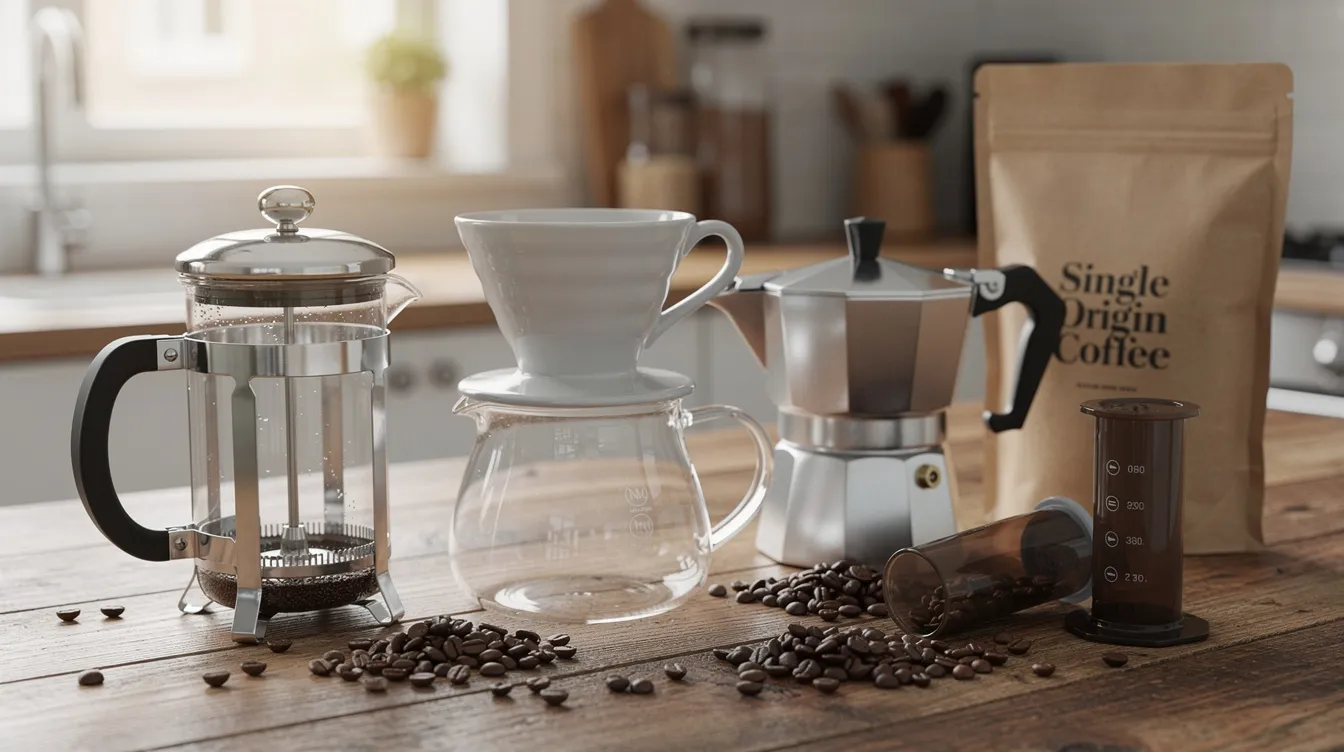
Manual coffee brewers are non-automatic devices where you control the brewing process by hand: pouring hot water, plunging a filter, steeping grounds, or managing stove heat. Unlike electric drip coffee makers that regulate flow, temperature, and timing automatically, and unlike pump-driven espresso machines that automate pressure and heating, a manual coffee brewer leaves every major decision to you. Common types of manual brewers include pour-over, French press, AeroPress, and moka pots, plus cold brew pitchers.
The styles covered on this page break down by brew method:
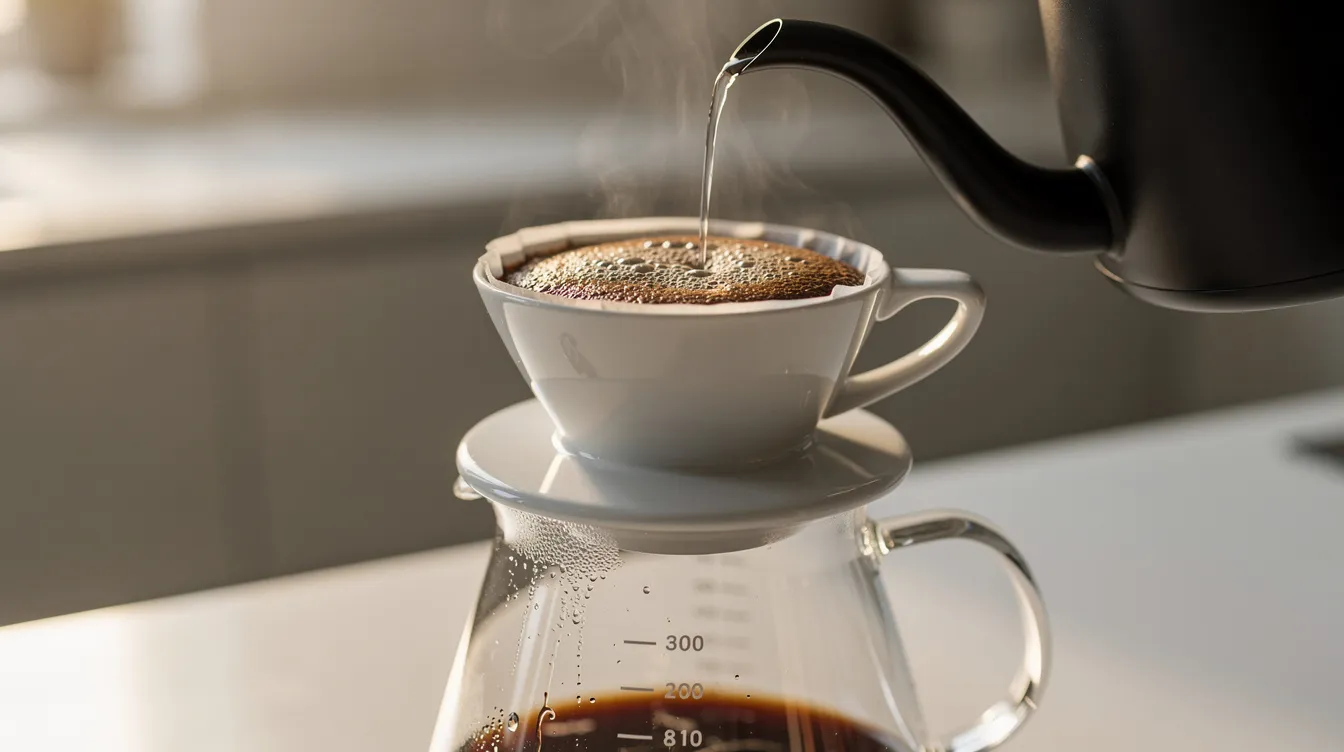
- Pour-over and drip cones (Hario V60, Kalita Wave, Melitta) use gravity to pull water through coffee grounds and a filter (percolation).
- Chemex-style glass carafe brewers work the same way but with thick paper filters and larger capacity.
- French press relies on full immersion brewing, steeping coarse ground coffee in hot water before plunging a metal mesh filter.
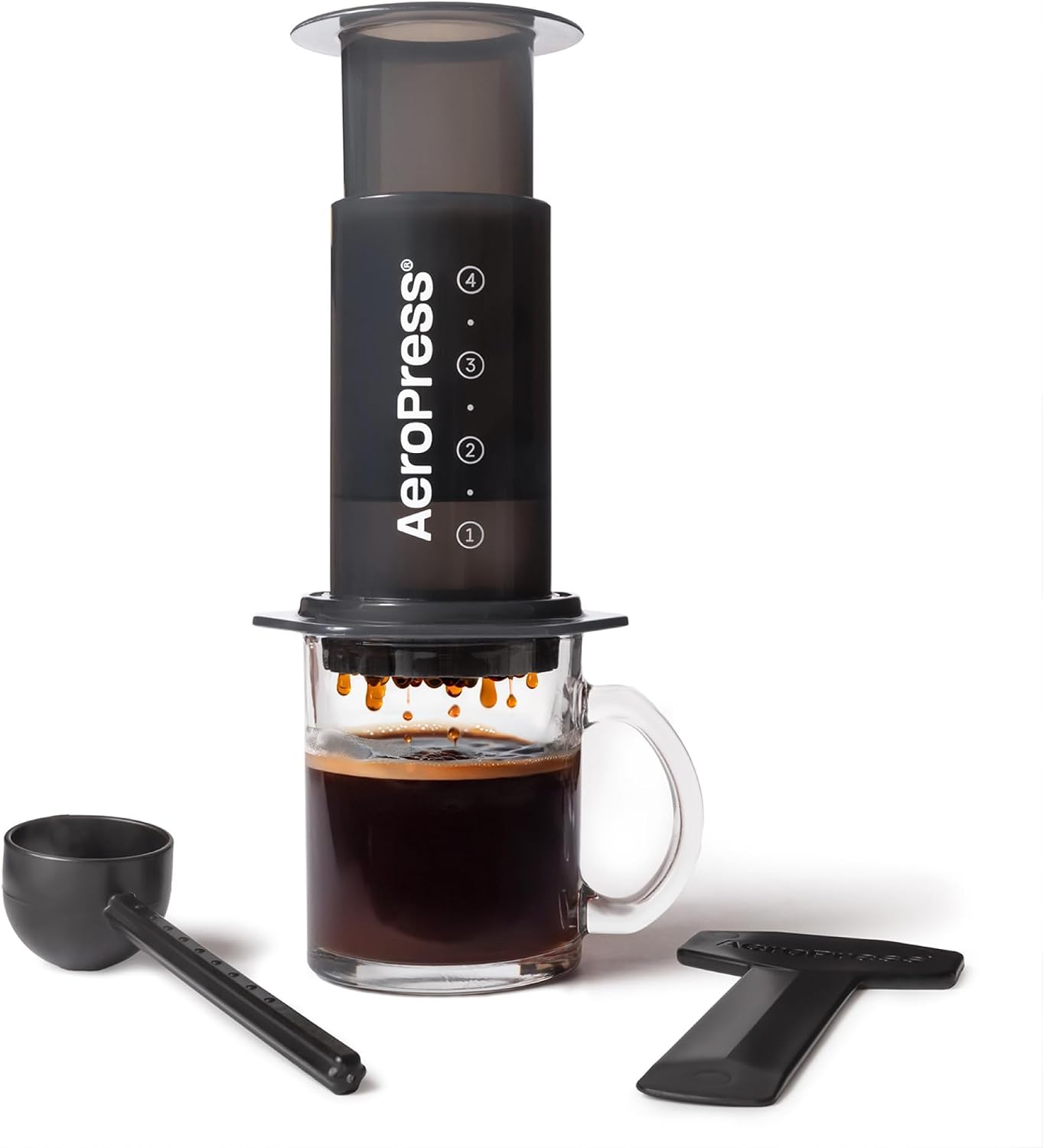
- AeroPress is a hybrid: short immersion followed by air pressure pushing brew through a filter.
- Moka pots use steam pressure on the stove to force water through finely ground coffee.
- Cold brew makers steep extra-coarse ground coffee in cold or room-temperature water for hours.
Core benefits include hands-on control over brew temperature, brew time, grind size, and coffee-to-water ratio. Non-electric coffee makers are typically cheaper than electric ones, take up less space on the counter, and have fewer moving parts to break. Many coffee enthusiasts enjoy the ritual of hand-pour brewing for its mindfulness and the satisfaction of dialing in a perfect cup.
Even with the same coffee beans, each method produces distinct results. A French press delivers a rich, full-bodied cup with oils and fine sediment, preserving essential oils and more dissolved compounds in the body, which can make the cup feel stronger in caffeine. A pour-over dripper gives you bright acidity, clean aromatics, and a lighter body. A cold brew maker produces a smooth, low-acid concentrate with chocolatey, malty sweetness. Those differences are not subtle, and they are one of the main reasons to explore manual brewing in the first place.
Key Concepts: How Manual Brewing Changes Your Coffee
Manual brewing emphasizes fine-tuning variables like water temperature and extraction time. Here is a quick primer on what actually matters when you brew coffee by hand.
Extraction consistency describes how evenly water dissolves flavors from the coffee grounds. Over-extraction pulls too much, creating bitterness and dullness. Under-extraction pulls too little, yielding sour, thin results. A 2023 study comparing V60, AeroPress, and French press found that pour-over methods showed higher reproducibility in total dissolved solids and extraction yield across expert baristas, though all methods were workable with practice. Grind size affects flavor extraction in every brewing method, and consistent coffee depends heavily on uniform particle size.
Water temperature should be between 195 and 205 degrees Fahrenheit for most hot manual methods. According to BeanBench research on brew temperature, light roasts benefit from the upper end of that range (~96–100°C), while dark roasts do better at the lower end (~88–92°C). Cold brew sidesteps temperature entirely, relying on long contact time at fridge or room temp. A basic stovetop kettle without temperature control can make results less repeatable, which is why temperature-controlled gooseneck kettles are popular among pour-over brewers.
Brew time varies significantly by brewer type:
- Pour-over and drip cones: roughly 3–5 minutes
- French press: 4–6 minutes (coffee grounds should be steeped for at least four minutes)
- AeroPress: approximately 1–2 minutes total
- Moka pot: around 8–12 minutes including heat ramp
- Cold brew: 12–24 hours
Grind size maps directly to each device. Coarse-ground coffee works best for French presses and cold brews, where longer contact time and metal or mesh filters demand larger particles. Medium ground coffee suits most filter coffee drippers. A medium coarse grind is standard for Chemex. Moka pots need a finer grind, and AeroPress is forgiving across a range from fine to medium-fine. Pour-over coffee makers require precise grind sizes for best results, which is why burr grinders provide the most even and consistent grind. Blade grinders are cheaper but less consistent than burr grinders, often producing uneven particles that cause muddled extraction. Single dose grinders are designed for one-time use per grind, keeping beans fresh. A model like the Geimori GU38 grinder, with its 35-gram hopper capacity, is a practical entry point for home use.
Capacity matters too. Single-cup drippers (V60-01, AeroPress) suit solo drinkers, while Chemex six-cup carafes or large French presses handle several cups for a household. A compact design suits travel and small kitchens; a full pot carafe is better for entertaining.
Capitol City Coffee evaluates manual coffee brewers across these criteria: extraction consistency, usability, cleaning, durability, footprint, and value.
Browse Guides: Find the Right Manual Coffee Brewer for You
This section is your navigation hub. Jump to the guide that matches how you prefer to brew coffee.
- Full-bodied immersion coffee: see our guide to the best French press coffee makers for rich, heavy cups with a simple workflow, ideal for households that want to serve multiple people at once.
- Clean, bright filter coffee: explore our best pour-over coffee makers guide for hands-on control over every variable in the coffee brewing process.
- Smooth, low-acid cold coffee: our best cold brew coffee makers guide focuses on long-steeped concentrate and ready-to-drink cold brew, great for iced drinks or topped with frothed milk.
- Strong, espresso-style coffee on the stove: check our best moka pots guide for stovetop brewing without investing in a full espresso machine.
- Individual product breakdowns: browse all our manual brewer reviews for in-depth looks at specific coffee makers with strengths, weaknesses, and real-user feedback.
Manual Brewer Types at a Glance
Each manual brewer type has a distinct personality. Here is what each does best, how long a brew takes, and who it suits.
- Pour-over drippers (Hario V60, Kalita Wave, Melitta cones): deliver clean, bright drip coffee with nuanced flavor notes. Pour-over methods highlight nuanced flavor notes and often result in cleaner cups of coffee. Brew time is 3–4 minutes, medium grind size, and a gooseneck kettle helps with precise pouring. There is a bit of a learning curve, but the reward is real clarity in the cup.
- Chemex-style glass carafe brewers: the Chemex was invented in 1941 by Dr. Peter Schlumbohm and remains one of the most visually striking ways to brew filter coffee. Chemex is easy to use and visually appealing. Thick bonded paper filters produce an extra-clean cup. Larger carafe sizes suit serving several cups at once.
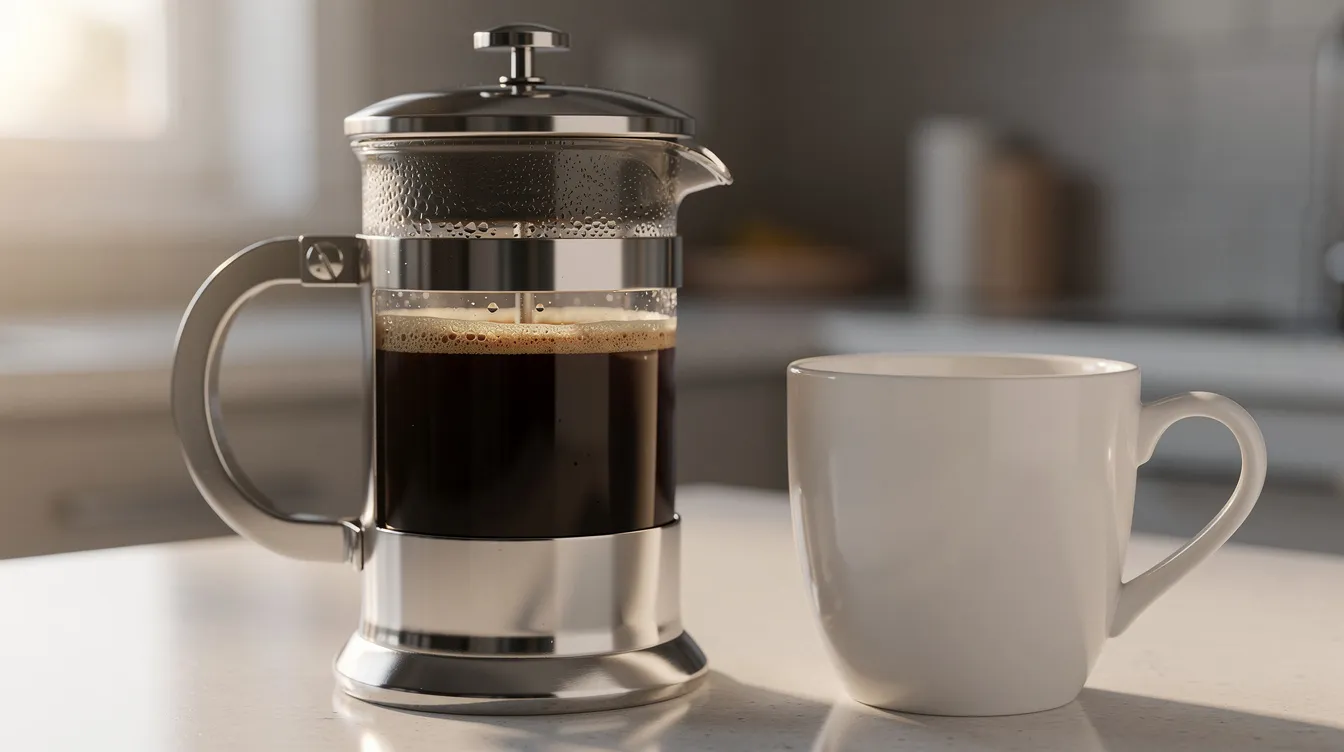
- French press: invented in 1929, the French press is popular for rich flavors and is considered one of the easiest brewing methods. Coarse ground coffee steeps for about 4–5 minutes in a full immersion brew, then you plunge the metal filter. The result is a heavy, oil-rich cup with body and fine sediment, as full immersion also extracts more dissolved compounds, including caffeine, which adds to its rich, complex profile. Not the cleanest coffee, but deeply satisfying for most people who prize texture over clarity.
- AeroPress: the AeroPress was launched in 2005 by Alan Adler and uses air pressure for brewing. AeroPress consists of only three parts for easy assembly, making it portable and fast (1–2 minute brew time). Grind size is forgiving, recipes are endlessly customizable, and cleanup is simple. It brews one or two cups at a time-ideal for travel, offices, or anyone who enjoys experimenting.
- Moka pot: stovetop moka pots were patented in 1933 and brew coffee using steam pressure, producing strong, concentrated, espresso-style coffee. Fine grind, careful heat control, and attention to brew time prevent bitterness. The pot sits directly on the stove and works without electricity-a rugged, no-fuss brewer for bold-flavor drinkers.
- Cold brew makers: immersion pitchers using extra-coarse ground coffee, steeped 12–24 hours in the fridge. Produces a smooth, low-acid concentrate you can dilute with water, pour over ice, or mix with milk. Low daily effort once you have the routine down.
- Siphon brewers: a less common but dramatic option-siphon coffee makers were invented in Germany in the 1840s and use vacuum pressure to brew. Visually theatrical, producing clean and aromatic cups, though not as practical for everyday use as the styles above.
Buying Considerations: How to Choose a Manual Coffee Brewer
Narrowing your choices starts with thinking through a few practical questions about capacity, workflow, budget, and what gear you already own.
Capacity and carafe: a single-cup dripper makes about 8–12 oz per brew. A large French press or Chemex handles 32–40 oz, enough for three to four real mugs. If you regularly serve a household or guests, a multi-cup brewer saves time. Solo drinkers or travelers will prefer a compact brewer that does not demand making a full pot.
Footprint and storage: an AeroPress or small pour-over cone fits in a desk drawer. A glass Chemex or large press pot needs counter space and careful storage to avoid breakage. Small kitchens benefit from brewers with a compact design that tuck away easily.
Usability and workflow: French presses and basic cold brew pitchers are essentially set-and-forget-add grounds, pour hot water (or cold), wait, and serve. A Hario V60 or moka pot demands your attention through the entire brewing process: monitoring pour rate, adjusting stove heat, watching brew time. That hands-on workflow is a feature if you enjoy the ritual; it is a drawback if you want coffee hot and fast with minimal effort.
Cleaning and maintenance: manual coffee makers often require more effort for cleaning compared to automatic machines with removable baskets. Wide-mouth carafes rinse easily. French press plungers need disassembly. Moka pots have multiple parts. Look for dishwasher safe components if you want to minimize effort.
Durability and materials: glass carafe brewers look elegant but break on impact. Stainless steel French presses and moka pots handle drops and daily use better. Plastic AeroPress models are virtually indestructible. Consider how clumsy your mornings tend to be.
Budget and value: as of 2026, quality manual brewers in the US fall roughly into these bands:
- Basic drippers (plastic or ceramic): ~$10–$30
- Sturdy French presses and moka pots: ~$30–$80
- Larger carafe brewers or premium designs: ~$40–$90+
Accessories like burr coffee grinders and gooseneck kettles often cost more than the brewer itself and make a bigger difference in cup quality.
Compatibility with existing gear: before buying, check that your grinder can reliably hit the required grind size for your chosen brewer. If you only have a blade grinder or buy pre-ground coffee, a French press or cold brew maker is more forgiving than a V60. Also confirm your kettle can reach proper brew temperature-boiled water straight off the stove works for French press, but pour-over benefits from a controlled flow and set temperature.
Manual Brewers vs Automatic Coffee Makers and Espresso Machines
This section clarifies when manual brewers outperform automatic drip coffee makers and where an electric machine might still be the better fit.
Flavor and extraction: a carefully used manual coffee brewer can rival or exceed many mid-priced automatic drip machines in flavor clarity and balance, but results depend on your technique and grind consistency. Automatic coffee machines automate brewing mechanics like heating and timing, which reduces user error at the cost of flexibility. Electric coffee makers usually have larger serving sizes, making them practical for offices or large households.
Control vs convenience: manual brewing gives you full control over bloom, pouring pattern, brew temperature, and steep time. Electric coffee makers often have automatic features like timers and programmability, letting you wake up to a ready pot. Manual coffee brewing often requires more time and attention than automatic methods-that is either a selling point or a dealbreaker depending on your mornings.
Cost and footprint: manual brewers are cheaper upfront and take up less counter space, making them appealing to apartment dwellers, students, and anyone who does not want a bulky machine on the counter.
Milk drinks and espresso-like options: most manual brewers make strong coffee, not true espresso. A moka pot or AeroPress can produce concentrated brew that stands up well to milk and frothed milk for cappuccino-style drinks, but neither reaches the ~9 bars of pressure a dedicated espresso machine delivers. If your go-to drink is a latte or flat white, combining a moka pot with a handheld milk frother is a budget-friendly compromise.
Reliability: fewer electronics mean fewer failure points. A well-maintained French press or pour-over cone can outlast several cycles of automatic coffee makers.
At a glance
Featured Recommendations (Researched Editorial Analysis)
Feeling a clearer cup
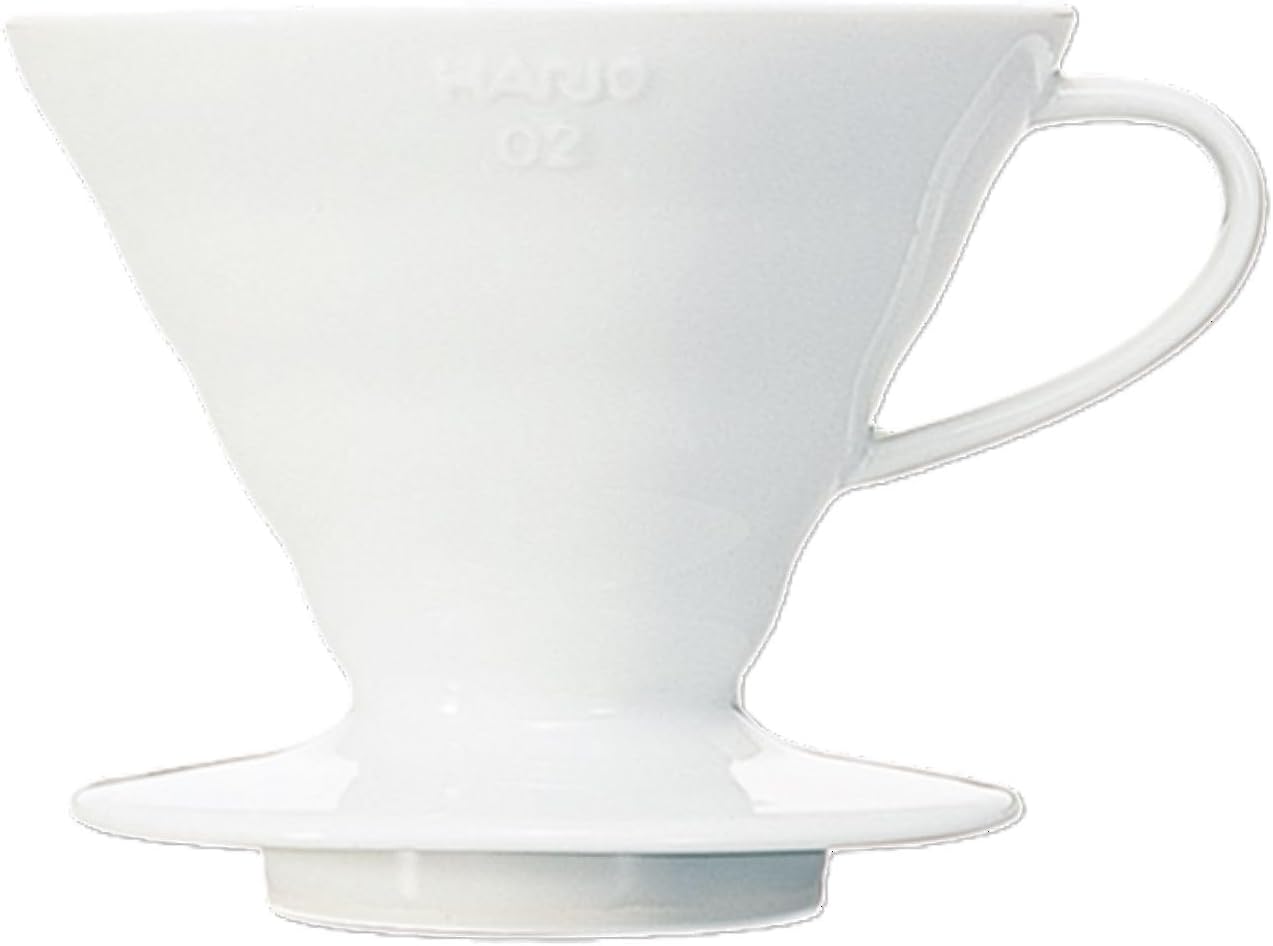
Our pick: Hario V60 ceramic dripper. The cone dripper this manual-brewer hub treats as the default pour-over. Research-rated, not yet used in our kitchen.
Feeling coffee without a machine
Our pick: AeroPress Original. Compact immersion brewing for travel and small kitchens. Research-rated, not yet used in our kitchen.
Affiliate disclosure: Capitol City Coffee may earn a commission from qualifying purchases. This does not affect the prices you pay. Rankings are based on researched editorial analysis, third-party expert reviews, and verified specifications-not on commission size.
The following recommendations are representative starting points in each category, based on verified specs, expert testing consensus, durability reports, and value. Capitol City Coffee has not conducted hands-on testing of these models.
Pour-over: Hario V60-02 (ceramic) – commonly priced around $20–$30. Produces clean, bright filter coffee that showcases acidity and origin character, especially with light and medium roast beans. The ceramic version retains heat well. Limitations: it demands a gooseneck kettle and consistent pouring technique; the ceramic is fragile. Plastic versions are more durable and travel-friendly but offer slightly less heat retention. This is our top pick for pour-over newcomers who want quality without a high price.
French press: double-wall stainless steel model (34 oz) – price typically $40–$70. Insulated walls keep brew temperature more stable than glass, and stainless steel construction is far more durable. A 34 oz carafe fills about four standard mugs. Flavor is full-bodied and oil-rich, and immersion brewing also carries through compounds such as caffeine for a richer, more rounded cup. Drawbacks: some fine sediment in the cup is unavoidable, and coarse ground coffee from a quality grinder is necessary to avoid sludge. Bon Appétit’s French press picks consistently favor stainless models for longevity.
Cold brew: 1-quart to 1.5-liter pitcher system – price around $20–$40. Makes cold brew concentrate to dilute with water or milk. A 12–24 hour brew time in the fridge yields enough for several cups over a few days. Value is strong compared to buying bottled cold brew. Cleaning the mesh filter can be tedious; fridge space is a real consideration for small amount kitchens.
Moka pot: classic 6-cup aluminum or stainless model – typically $30–$50. Brews strong, concentrated coffee on the stove in about 8–12 minutes. Works best with a finer grind and medium-dark or dark roast beans. Limitations: no true espresso crema, risk of burnt flavor if heat is too high, and the pot has multiple parts to disassemble for cleaning. Recent thermo-fluid modeling confirms that heating rate strongly influences extraction timing and cup profile.
AeroPress (original) – around $30–$40. Three-part assembly, fast brew (1–2 minutes), and recipes range from espresso-style concentrates to longer filter-style cups. Uses paper filters or reusable metal two filters options. Great for travel, offices, and anyone who wants a portable, no-fuss brewer. Downside: capacity is limited to one mug or a small amount of concentrate per brew.
For deeper product-by-product breakdowns, visit our gear hub and individual brewer reviews.
Using Manual Brewers: Practical Tips for Better Coffee
These tips apply regardless of which coffee maker you buy.
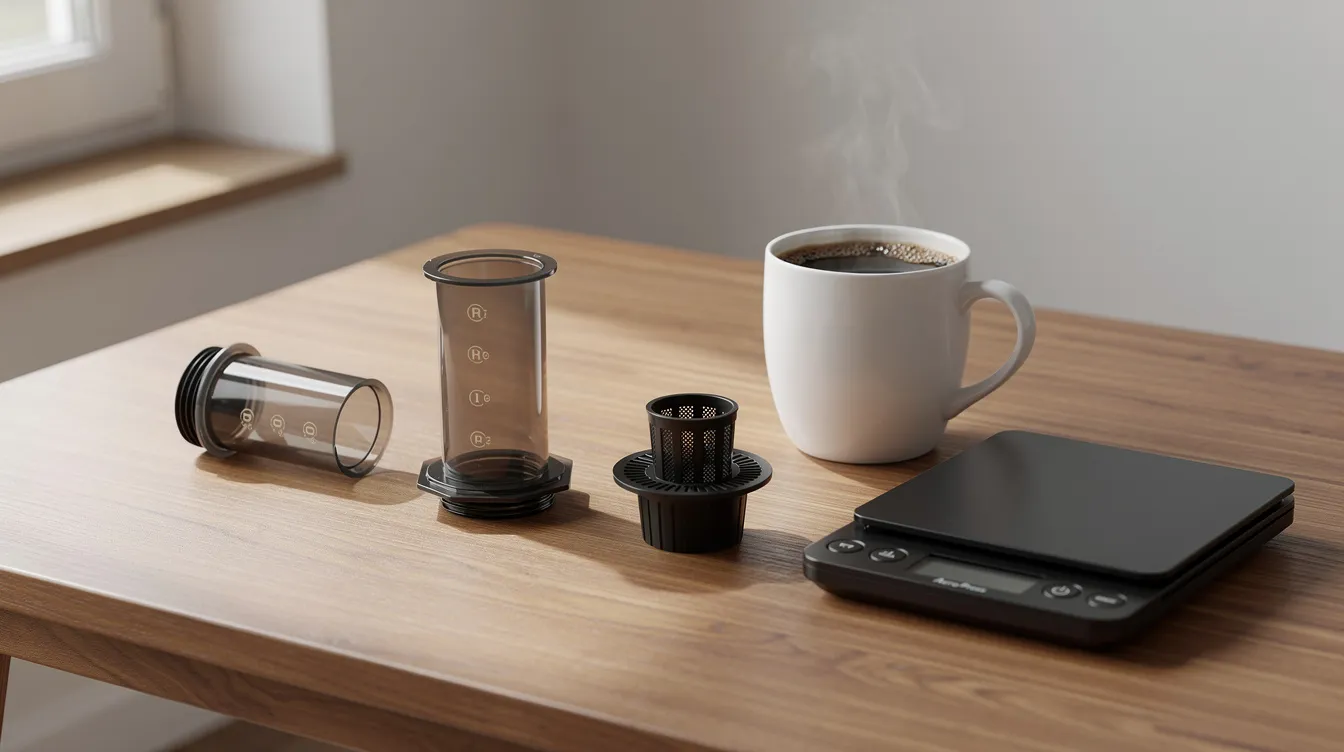
Brew ratios: for most hot methods, start around 1:15 to 1:17 coffee-to-water by weight. For cold brew concentrate, use closer to 1:4 or 1:5. Increasing coffee relative to water makes a stronger, heavier cup; decreasing it produces lighter, tea-like brews.
Dialing in grind size: use your brewer’s recommended starting point, then adjust. If coffee tastes sour or thin (under-extracted), grind finer. If it tastes bitter or harsh (over-extracted), grind coarser. Keep notes so you can repeat what works. A burr grinder makes this process far more reliable than a blade grinder.
Temperature tips: if you do not have a temperature-controlled kettle, bring water to a full boil, then let it sit 30–45 seconds before you pour. That puts you right in the 195–205°F sweet spot. Using boiled water straight off the kettle can scorch lighter roasts. Avoid cooler water that leads to flat, under-extracted flavor.
Pour-over technique: start with a small bloom pour-just enough hot water to wet all the grounds, then wait 30 seconds. Coffee bloom enhances flavor extraction during brewing by allowing CO₂ to escape from fresh coffee beans. Follow with slow, gentle circular pours, keeping the filter from running dry, and target 3–4 minutes total brew time for a standard cup.
French press workflow: use a coarse grind, pour hot water, stir gently, and steep for four minutes. Plunge slowly. Transfer coffee to a separate carafe immediately to stop extraction and prevent bitterness from building.
Pre-rinsing paper filters: always rinse paper filters with hot water before brewing. Pre-rinsing paper filters removes potential papery taste and preheats the brewer for more stable extraction.
Pairing with milk: cold brew concentrate and moka pot coffee are strong enough to stand up to dairy or alt-milks. Top either with frothed milk for a simple latte. Pour-over and drip coffee are generally better enjoyed black, where their clarity and nuanced flavor really shine, though you can certainly add milk if you prefer.
Cleaning and Caring for Manual Coffee Brewers
Proper cleaning preserves flavor, extends the life of your gear, and maintains consistent brew temperature by preventing oil buildup that can mute flavors or introduce rancid notes. Non-electric brewers often require more effort to clean than automatic machines with simple removable baskets, but the work is straightforward.
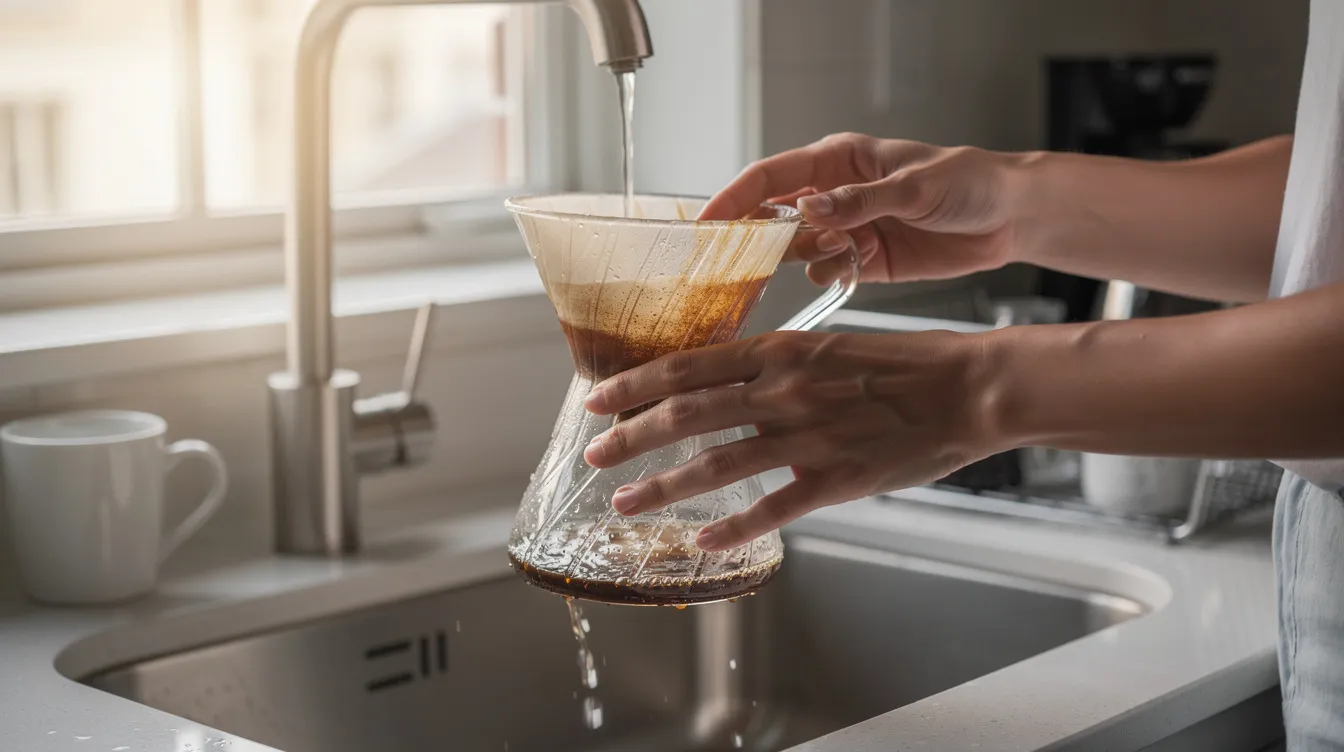
Daily basics: rinse carafes and brewers with hot water after every use. Discard used paper filters. Disassemble French press plungers and rinse filter screens. Do not let wet coffee grounds sit for hours-they go stale and can grow mold.
Deeper cleaning (weekly or monthly): wash glass and metal parts with mild detergent or a coffee-specific cleaner to remove oil residue. Descale kettles if you have hard water. Check moka pot seals and gaskets for wear-replacement gaskets are cheap and extend the pot’s useful life.
Material-specific care: avoid sudden temperature changes with glass brewers (do not pour boiling water into a cold Chemex). Do not put wooden-collared brewers or non-dishwasher-safe parts in the dishwasher. Keep aluminum moka pots away from harsh detergents, which can pit the metal and affect flavor.
Storage: keep fragile glass brewers in a safe spot away from crowded cabinets. Store kettles dry to prevent mineral buildup. With mindful care, even budget manual brewers can outlast their warranty by years.
How Capitol City Coffee Researches Manual Brewer Recommendations
Capitol City Coffee is an independent coffee editorial and affiliate publication. We do not manufacture or sell coffee makers.
When hands-on testing notes are not available, recommendations are based on researched editorial analysis using verified product specifications, manufacturer data, reputable expert reviews, barista and coffee-nerd forums, and long-term owner feedback. We evaluate manual brewers on extraction consistency, usability, brew capacity and carafe design, cleaning needs, durability, footprint, and value relative to price and warranty.
Affiliate commissions do not dictate which coffee makers appear on this page or how they are ranked. The editorial team prioritizes reliability, performance, and reader fit. For deeper dives into specific models, browse our individual brewer reviews where methodology and limitations are explained in more detail.
FAQs About Manual Coffee Brewers
These FAQs address common questions not fully covered above.
Do I need a special kettle for manual coffee brewing?
A basic stovetop kettle works for French press and cold brew, where precise flow control is not critical. For pour-over and Chemex-style brewing, a gooseneck kettle with controlled flow rate and temperature settings makes a noticeable difference in extraction consistency and repeatability. Electric gooseneck kettles with temperature control are particularly useful if you regularly brew at specific temperatures-say 200°F for light roast coffee beans-and want to keep your results consistent across different beans.
Can manual coffee brewers replace an espresso machine?
Manual brewers like moka pots and AeroPress can make strong, concentrated coffee that works well in milk drinks, but they do not reach the roughly 9 bars of pressure that a dedicated espresso machine produces. If you mostly drink Americanos, iced coffee, or simple milk drinks, a moka pot or AeroPress plus a handheld frother may be all you need. If you are chasing café-style espresso shots with microfoam, you will eventually want a true espresso machine.
What type of coffee beans work best for manual brewing?
Freshly roasted whole-bean coffee generally produces the best results regardless of method. Medium and light roasts often shine in pour-over and filter coffee, highlighting acidity and origin character. Medium to dark roasts complement French press and moka pot brewing, where body and sweetness take center stage. Cold brew mutes acidity and enhances chocolatey notes, so it tends to be forgiving across roast levels. Experimenting with a few origins and roast levels is the fastest way to find what you enjoy on the market.
Is a burr grinder really necessary for manual coffee brewers?
You can brew coffee with pre-ground coffee or a blade grinder, but a burr grinder-manual or electric-significantly improves extraction consistency by producing a more uniform grind size. This matters most for pour-over and French press, where uneven particles cause simultaneous over- and under-extraction. If you are serious about manual brewing, prioritize a grinder in your budget before upgrading the brewer itself. The difference a good grinder makes is often more noticeable than jumping from a mid-range to a high-end coffee brewer.
How long does a good manual coffee brewer last?
With regular cleaning and basic care, many manual brewers made from glass, stainless steel, or high-quality plastic last for years and often outlive typical warranty periods. The main risks to longevity are accidental drops (glass), worn gaskets or seals (moka pots), and neglected cleaning that leads to clogged filters or corroded metal. All of these are avoidable with mindful use and basic maintenance. A well-cared-for manual brewer is one of the best long-term values in coffee gear.