

Key Takeaways
- The best coffee for pour over is typically freshly roasted, light-to-medium roast single-origin coffee beans from Ethiopia, Kenya, Costa Rica, or Guatemala, ground medium-fine and brewed at a 1:15–1:17 brew ratio.
- This guide ranks specific coffees for pour over in the U.S. market based on researched editorial analysis-not hands-on testing-balancing flavor, value, and availability.
- Different coffees suit different coffee lovers: bright and fruity profiles for enthusiasts, chocolatey and sweet for everyday drinkers, and decaf options for caffeine-sensitive drinkers.
- Grind size, contact time, filtration, and water temperature matter as much as the beans themselves. A simple starting recipe (18 g coffee, 300 g water, medium-fine grind, ~3-minute brew time) can yield a great cup immediately.
- Below you’ll find a comparison table, detailed “best for” picks, a buying guide, brewing tips, and links to related brew method guides for French press, cold brew, and espresso.
Affiliate Disclosure
Quick Answer: What Is the Best Coffee for Pour Over?
For most people, a washed Ethiopian single origin (like Utopian’s Arbegona Yaye from Sidama) delivers the clearest combination of florals, citrus, and sweetness that pour over is designed to showcase. A washed Kenyan AA (such as GH Mamuto AA from Kirinyaga) offers intense blackcurrant acidity and structure. And a honey-processed Costa Rican (like Verve Don Cayito from Tarrazú) provides a sweeter, rounder cup with stone fruit and caramel notes.
“Best” depends on taste. If you love bright, fruity cups, reach for Ethiopia or Kenya. If you prefer a smooth, chocolatey good cup for daily drinking, a medium roast Colombian or Guatemalan will serve you well.
Starter recipe: 18 g coffee to 300 g water (roughly a 1:16.7 brew ratio), medium-fine grind, total brew time of 3–3.5 minutes in a standard V60 or flat bottom dripper like a Kalita Wave. That’s enough to produce coffee with real clarity and sweetness on your first attempt.
All recommendations below are based on researched editorial analysis of roast style, origin, processing, aggregated reviews, and expert consensus-not on-site testing or personal tasting. The rest of the article includes a full comparison, buying guide, and brewing method tips.
Best Coffee for Pour Over: Top Picks
Below is an overview of our top picks, organized by use case. A full comparison table follows in the next section.
- Best Overall – Utopian Arbegona Yaye (Sidama, Ethiopia, washed, light roast). Jasmine, citrus, honey sweetness. Ideal for enthusiasts chasing clarity and complexity.
- Best Budget – A widely available medium roast Colombian single origin. Chocolate, caramel, mild citrus. Solid for daily brewing without chasing rare lots.
- Best Bright & Fruity – GH Mamuto AA (Kirinyaga, Kenya, washed, light roast). Blackcurrant, grapefruit, wine-like body. For coffee lovers who want maximum acidity and fruit.
- Best Everyday “House” Coffee – A medium roast Guatemala/Costa Rica blend. Milk chocolate, brown sugar, gentle stone fruit. Works across drippers and even a standard coffee maker.
- Best Decaf – A sugarcane-process (EA) decaf Colombia. Red apple, cocoa, brown sugar. Clean enough for a late-night pour over.
- Best for Beginners – A forgiving medium-light washed Latin American blend. Balanced sweetness, mild acidity. Great training wheels for new manual brewing enthusiasts.
- Best Experimental / Natural Process – A natural Ethiopian (e.g., Guji or Yirgacheffe natural). Blueberry, strawberry jam, tropical fruit. Polarizing but unforgettable as your favorite pour over experience.
At a glance
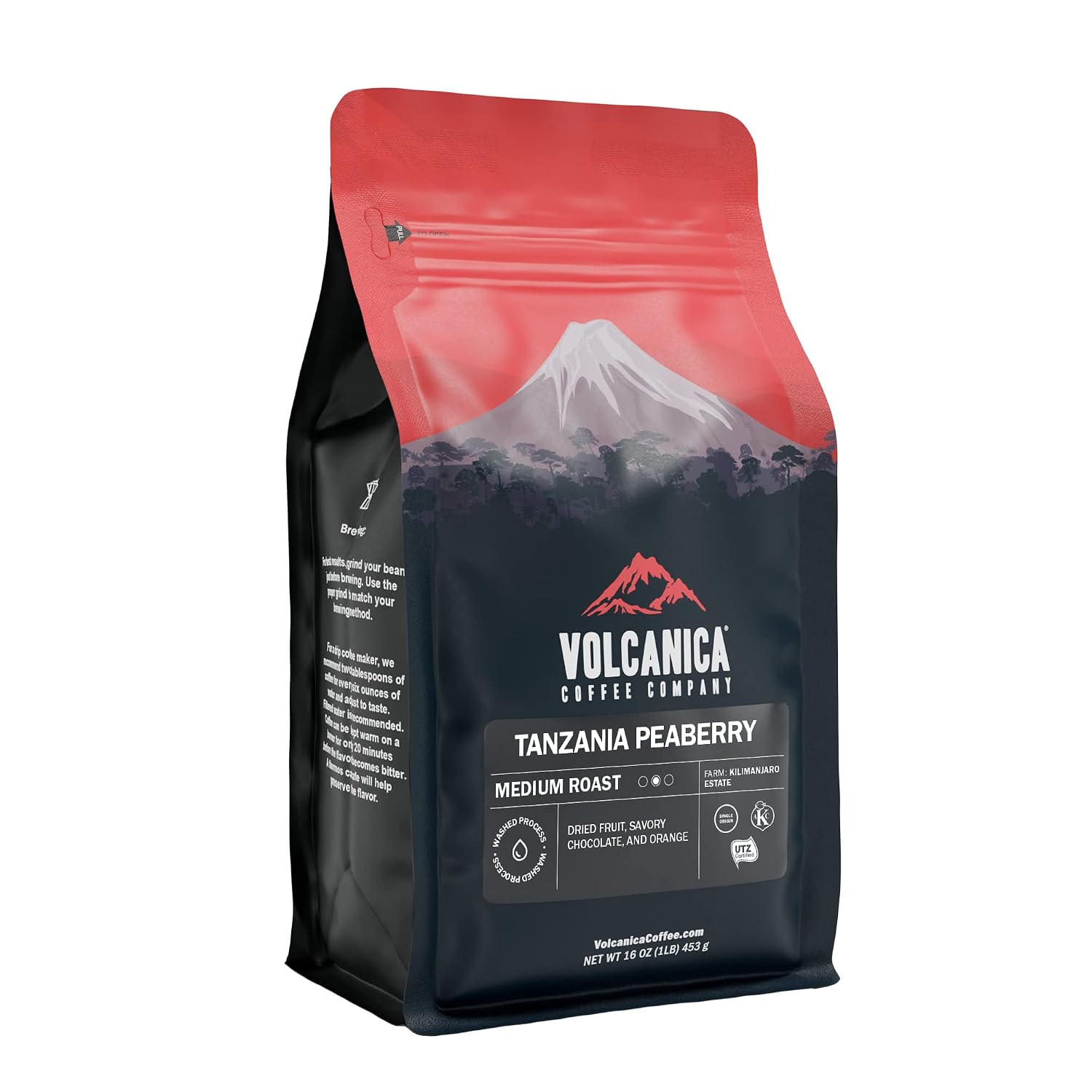
Best distinctive filter
Volcanica Tanzania Peaberry
- RoastMedium-light
- OriginTanzania
Coffee | Origin | Roast | Processing | Flavor Profile | Best For | Approx. $/oz | Brew Notes | Drawbacks |
|---|---|---|---|---|---|---|---|---|
Utopian Arbegona Yaye | Sidama, Ethiopia | Light | Washed | Jasmine, citrus, honey | Overall best | ~$2.20 | Medium-fine grind, 1:16, ~3:00 | Higher price; bright for dark roast fans |
Medium Roast Colombian SO | Colombia | Medium | Washed | Chocolate, caramel, mild citrus | Budget daily | ~$1.00–1.50 | Medium grind, 1:16, ~3:15 | Less complexity than micro-lots |
GH Mamuto AA | Kirinyaga, Kenya | Light | Washed | Blackcurrant, grapefruit, wine | Bright & fruity | ~$2.50+ | Medium-fine, 1:15, ~2:50 | Demands precise technique |
Guatemala/Costa Rica Blend | Central America | Medium | Washed/Honey | Milk chocolate, brown sugar, stone fruit | Everyday house | ~$1.20–1.80 | Medium grind, 1:15–1:17, ~3:15 | Less exciting for adventurous palates |
EA Decaf Colombia | Colombia | Medium | Washed + EA decaf | Red apple, cocoa, brown sugar | Decaf | ~$2.00+ | Medium grind, slightly hotter water, ~3:30 | Limited availability; pricier |
Washed Latin American Blend | Latin America | Medium-light | Washed | Balanced sweetness, mild fruit | Beginners | ~$1.20–1.60 | Medium grind, 1:16, ~3:15 | Not the most exotic |
Natural Ethiopian (Guji) | Guji, Ethiopia | Light | Natural | Blueberry, strawberry, tropical | Experimental | ~$2.50+ | Medium-fine, lower temp (~90°C), ~3:00 | Can taste fermenty if brewed poorly |
Retailer links for each pick appear within the detailed reviews below.
How We Selected and Evaluated These Coffees
These recommendations are based on researched editorial analysis, not hands-on tasting or lab testing. We cannot claim first-person experience with every lot.
Key evaluation criteria:
- Cup profile: Clarity, sweetness, balanced acidity, and whether flavor notes match the roaster’s description
- Roast style: Light to medium roasts suitable for paper-filtered pour over brewing
- Freshness and availability: Roast dates clearly printed, available online to U.S. buyers
- Value: Price per ounce relative to quality tier
- Consistency: Positive reports across multiple reputable review sources
We prioritized coffees that perform well in common pour over coffee makers-the Hario V60, Kalita Wave, Chemex, and Clever Dripper-and earn praise across online reviews, barista forums, and competition notes. Dark roast and flavored beans were deprioritized unless strong evidence showed they work well with paper filtration and typical pour over contact times.
Detailed Picks: Best Coffees for Pour Over by Use Case
Each pick below includes flavor profile, ideal brewing method, value assessment, and trade-offs. Retailer buttons (rel=”sponsored”) follow each review.
Best Overall Coffee for Pour Over
Utopian Arbegona Yaye – Sidama, Ethiopia – Washed – Light Roast
This coffee earned top marks from specialty reviewers for a reason: it delivers a textbook pour over experience. Expect layered jasmine florals, bright lemon-lime citrus, and a clean honey sweetness that lingers as the cup cools. Paper filtration strips away distracting oils and lets those tasting notes shine with unusual precision.
- Roast: Light, preserving origin character
- Ideal dripper: V60, Origami Air, or Chemex
- Brew ratio: 1:16 (18 g coffee, ~290 g water), medium-fine grind size
- Cup profile: High clarity, moderate body, vivid acidity
- Price: ~$24 for 10.9 oz (~$2.20/oz)
- Drawback: Too bright for anyone who prefers a dark roast, chocolatey profile; seasonal availability
Best Budget Coffee for Pour Over
Medium Roast Colombian Single Origin
Several widely distributed Colombian coffees (from roasters like Café de Colombia co-op brands or mid-tier specialty labels) deliver chocolate, caramel, and mild stone fruit notes at a fraction of micro-lot prices. These are forgiving beans that produce a consistently good cup across brewing coffee setups-cone, flat bottomed brewer, or even auto-drip.
- Roast: Medium
- Flavor notes: Milk chocolate, caramel, gentle citrus
- Ideal dripper: Any-works in a flat bottomed dripper, V60, or Chemex
- Value: ~$1.00–1.50/oz, commonly available in grocery stores
- Drawback: Less complexity than premium micro-lots; won’t wow competition-level palates
Best Bright & Fruity Coffee for Pour Over
GH Mamuto AA – Kirinyaga, Kenya – Washed – Light Roast
Kenyan AA coffee beans are prized for intense, structured acidity. Mamuto AA delivers blackcurrant, ripe grapefruit, and a wine-like body that reveals new flavor notes at every temperature as the cup cools. This is pour over coffee at its most expressive.
- Ideal dripper: Cone shape brewers (V60, Origami) where faster water flow accentuates brightness
- Brew ratio: 1:15–1:16, medium-fine grind, ~2:45–3:15 brew time
- Pouring technique: Use a gooseneck kettle for more control; uneven pours risk under extraction, leaving the cup sour and thin
- Price: ~$2.50+/oz
- Drawback: Not for fans of low-acid, nutty profiles; requires precise technique and a learning curve
Best Everyday “House” Coffee for Pour Over
Medium Roast Guatemala / Costa Rica Blend
A blend anchored in Guatemalan and Costa Rican lots offers a coffee shop-style cup: milk chocolate, brown sugar, and gentle nuttiness with just the right amount of citrus brightness. This style is forgiving across a range of drippers and even works in a french press or auto-drip coffee maker without losing its character.
- Flavor profile: Chocolate, caramel, stone fruit, low-medium acidity
- Ideal setup: Kalita Wave, Melitta-style flat bottom, or Chemex
- Brew ratio: Flexible-1:15 to 1:17 with medium ground coffee
- Versatility: Tastes good even if grind size isn’t perfectly dialed; also fine with a splash of milk
- Drawback: Won’t deliver the exotic dried fruit or floral fireworks of East African single origins
Best Decaf Coffee for Pour Over
EA (Sugarcane) Decaf Colombia
Good decaf can still produce coffee with clarity and sweetness, especially in paper-filtered pour over where bitter edges are reduced. Look for EA-process (sugarcane) or Swiss Water Process decaf from Colombia with notes of red apple, brown sugar, and cocoa.
- Brew guidance: Use slightly hotter water (~96°C) and a medium grind; some decafs extract a bit slower
- Use case: Late-night pour over, half-caf blends when mixed with a regular single origin
- Price: ~$2.00+/oz
- Drawback: Slightly higher price per ounce; limited availability compared to regular coffees
Best Coffee for Pour Over Beginners
Forgiving Medium-Light Washed Latin American Blend
A beginner friendly medium-light blend from Colombia, Guatemala, or a mix of Latin American origins tastes balanced across a wide range of brew ratios and grind sizes. It works particularly well with forgiving brewers like the Clever Dripper (which allows full immersion brewing for consistency) or the Kalita Wave, which is beginner-friendly with a flat bottom design.
- Recipe: 1:16 brew ratio, medium grind, 3–3.5 minute brew time, standard paper filter
- Why it works: Helps new brewers focus on workflow-grinding, boiling, pouring water-without being punished for small mistakes
- Dripper pairing: Flat bottomed dripper or immersion brewer like the Clever Dripper
- Drawback: Not the most exotic option, but acts as great training wheels before moving to lighter, more demanding coffees
Best Experimental / Natural or Honey Process Coffee for Pour Over
Natural Ethiopian (Guji Region)
Natural process Ethiopians can taste like blueberry pie, strawberry jam, or tropical fruit cocktail. The sugars developed during natural processing-where the fruit stays on the bean during drying-create intense sweetness and heavy body. Pour over filtration tames the wild edges while letting the fruit character sing.
- Brew temperature: Slightly lower (~90°C) to avoid overemphasizing fermenty or boozy notes
- Ideal dripper: Cone drippers for more brightness; flat bottom drippers for more rounded sweetness
- Pouring technique: Gentle, controlled pours to evenly saturate the coffee bed
- Audience: Adventurous coffee lovers who enjoy polarizing flavor
- Drawback: Can taste overwhelming or “funky” for fans of classic chocolatey profiles
How to Choose the Best Coffee for Pour Over
Pour over amplifies both the strengths and flaws of any coffee. That means roast profile, origin, and processing method all create a huge difference in what ends up in your cup.
Roast Level and Cup Profile
Light roasts preserve floral, citrus, and fruit complexity. Medium-light roasts add caramel and stone fruit sweetness. Medium roasts lean toward chocolate, nuts, and lower acidity. Dark roast beans can still work in a pour over, but they often yield less body of nuance and more bitterness when combined with paper filtration.
Concrete expectations: light roast gives you tea-like florals, medium-light adds fruit-plus-caramel layers, and medium delivers familiar coffee shop warmth. Choose lighter if you enjoy complex, layered cups. Choose medium if you prefer accessible sweetness.
Roast dates matter: aim to brew coffee 5–30 days after roast for optimal flavor. After that window, delicate aromatics fade quickly-especially in lighter roasts.
Origin, Processing Method, and Flavor Expectations
Ethiopia and Kenya produce coffee with bright acidity, fruit esters, and floral aromatics. Costa Rica and Guatemala offer balanced sweetness with citrus and stone fruit. Colombia sits in versatile territory-caramel, red apple, milk chocolate.
Processing shapes the cup dramatically. Washed coffees deliver a clean, bright cup profile with clear acidity. Natural coffees push fruit flavors forward and add heavier body. Honey process sits between the two, offering sweetness and clarity without overwhelming ferment character.
Some coffee lovers prefer blends for consistent results year-round, since single origins are seasonal and lots rotate. Experiment with origins while keeping all the variables of your brewing method relatively constant-that way you can isolate how the beans themselves change the experience.
Whole Bean vs Pre-Ground and Freshness
Whole bean coffee ground just before making coffee is strongly recommended. Pour over is sensitive to staling and grind uniformity. Oxygen, light, and heat degrade coffee beans over time, which is why a printed roast date is far more useful than a distant “best by” date.
Buy bag sizes you can finish within 2–4 weeks. For readers without a grinder, ask a local coffee shop to grind beans to a pour over-specific setting. Even pre-ground coffee can produce a decent cup if it’s fresh and stored properly, but without grind control, it’s harder to dial in brew time and contact time.
Brewing Guidance: Getting the Best from Pour Over Coffee
This section covers the practical variables that turn good coffee into great coffee using common home gear.
Brew Ratio, Grind Size, and Contact Time
Start here: use a coffee-to-water ratio of 1:15 to 1:17 by weight. A baseline of 18 g coffee to 290–300 g water (1:16) works for most coffees. Use a digital kitchen scale to weigh coffee and water-this is essential for consistency. Ideally, use a scale accurate to 0.1 g for measuring coffee and water for precision in brewing.
A stronger brew calls for 1:15, while a lighter, tea-like cup uses 1:17. Filtered water heated to 90°C to 96°C prevents under extraction or scorching coffee grounds. The ideal water temperature for pour over is 195–205°F. Never use boiling water for brewing coffee as it can scorch the coffee.
Grind size should be medium-fine for cone drippers, or medium for flat bottom designs-finer than french press, coarser than espresso. Grind size consistency ensures even water extraction and prevents bitterness or sourness. If your cup tastes sour or thin (under extracted), grind finer or brew hotter. If it tastes bitter or astringent (over extraction), grind coarser or shorten brew time. Total brew time typically ranges from 3 to 4 minutes. Recent research on particle size distribution shows that grinding too fine can actually reduce extraction due to flow restriction and channeling.
Water temperature affects extraction quality in pour over coffee-and so does water chemistry. Coffee is over 98% water, so using filtered water improves clarity and sweetness of the final cup. Very hard or very soft water can negatively impact the flavor of coffee.
Keep a simple brew log: dose, water weight, grind setting, brew time, and tasting notes. You’ll find a repeatable sweet spot for each coffee within two or three brews.
Filtration, Dripper Style, and Heat Retention
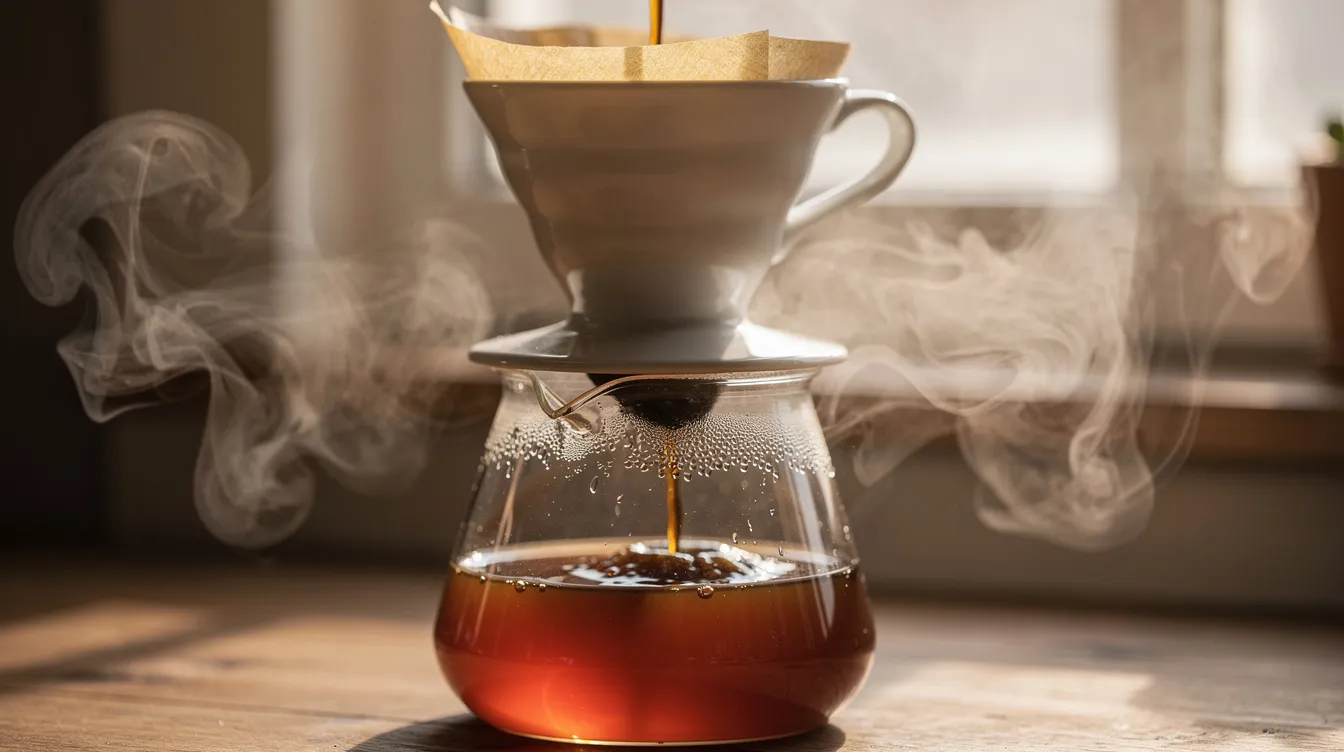
The shape of the dripper influences how water interacts with the coffee bed, and different brewers dictate how water flows through coffee, altering body and flavor profile.
Cone vs flat bottom:
- Cone-shaped drippers (like the V60) produce brighter, more acidic coffee. The Hario V60 is popular for its flavor clarity, using conical filters and Hario V60 filters designed for high flow rates and clarity. However, cone drippers require precise pouring to avoid channeling.
- Flat-bottom drippers yield sweeter, rounder coffee flavors. They are more forgiving of pouring technique because flat-bottom drippers have multiple drain holes for consistent drainage. The Kalita Wave filters have wavy sides to prevent clogging, further improving consistent results.
Filter types matter. Paper filters can affect coffee flavor and clarity significantly. Brown filters can impart a cardboard flavor to coffee, producing a papery flavor if not rinsed. Bleached (white filters) allow faster water flow than brown filters, contributing to a cleaner cup with less body. Always pre-rinse filters to remove papery flavor and warm the dripper.
Other brewers: The Clever Dripper allows full immersion brewing for consistency, combining french press-like contact time with paper filtration. The Chemex, with its hourglass shape and proprietary filters, is ideal for brewing 3+ cups of coffee with ultra-clean body. The Timemore Crystal Eye and Timemore B75 are newer options-the B75 brews coffee in about 2:05 minutes for a fast, clean brew cycle. The Origami Air works with both conical filters and flat filters for versatility.
Materials and thermal stability: Ceramic drippers can absorb heat, affecting brew temperature-preheat them thoroughly. Plastic and double-wall designs tend to retain heat better, contributing to more stable extraction throughout the brew.
Workflow and Cleaning Tips
A simple workflow for consistent results:
- Heat water to 195–205°F
- Grind coffee to medium-fine (adjust for your dripper)
- Pre-rinse your paper filter to remove papery taste and warm the dripper
- Add coffee grounds to the dripper
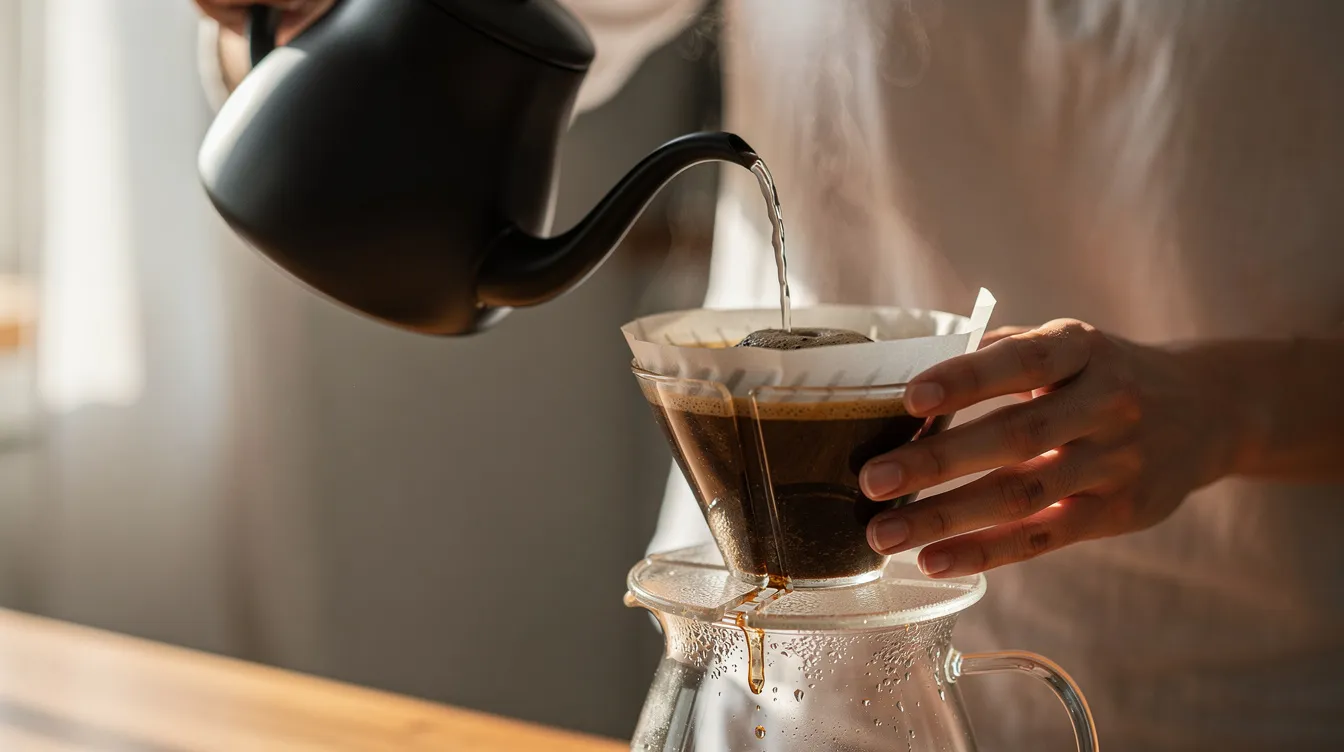
- Bloom: Pour hot water equal to double the weight of coffee (e.g., 36 g water for 18 g coffee) and wait 30–40 seconds. Skipping the bloom phase is a common mistake in home brewing. The bloom phase allows trapped carbon dioxide to release for better extraction.
- Complete the pour in 2–3 pulses or a slow continuous pour to reach your target water weight
Controlled pouring techniques affect extraction rate in pour over coffee brewing. Gentle pouring results in cleaner flavors while aggressive pouring can cause uneven extraction. The pulse pouring technique maintains stable slurry temperature and consistent flow rate. Pour in gentle circles to evenly saturate the coffee bed and keep it flat for even extraction. For advanced brewers, the Tetsu Kasuya 4:6 Method divides water into two parts for flavor balance and strength adjustment-worth experimenting with once you have good technique.
Cleaning: Rinse drippers and carafes with hot water immediately after use. Occasionally deep-clean with mild detergent to remove oils that can stale and dull flavor. Clean gear contributes more to cup profile than most people realize.
Gear Considerations: Kettles, Grinders, and Coffee Makers
While this guide focuses on coffee beans, new equipment like a better grinder or kettle can meaningfully improve your pour over results. Even basic pour over coffee makers can produce excellent coffee with a consistent grind and reasonable pouring control.
Do You Really Need a Gooseneck Kettle?
A gooseneck kettle improves pouring control and consistency, which helps you manage water flow and avoid channeling-especially with cone drippers. For an immersion brewer like the Clever Dripper or a very forgiving flat bottomed brewer, a standard kettle works adequately since you’re simply pouring water in rather than controlling flow rate over a coffee bed.
Aim for the 195–205°F range. An electric kettle with temperature control eliminates guesswork. Heat retention matters: a well-insulated kettle keeps brew water near target temperature throughout the brew time.
Don’t delay trying pour over just because you don’t own a gooseneck yet. Start with what you have and upgrade when it makes sense.
The Importance of a Good Grinder
Grinder quality usually affects the perfect cup more than the specific dripper does. Quality burr grinders provide consistent particle size leading to more even extraction. Consistent grind size from a quality burr grinder is crucial for preventing bitter flavors that come from uneven particle distribution.
Burr grinders are preferred over blade grinders for pour over. Manual burr grinders are a cost-effective entry point-especially for single-cup brewing. Small grind adjustments (one or two “clicks”) can resolve common taste issues like sourness or bitterness.
If you’re using pre-ground coffee from a coffee shop, ask specifically for a pour over grind setting. It’s distinct from espresso (much finer) or french press (much coarser).
Our Pour Over Coffee Picks
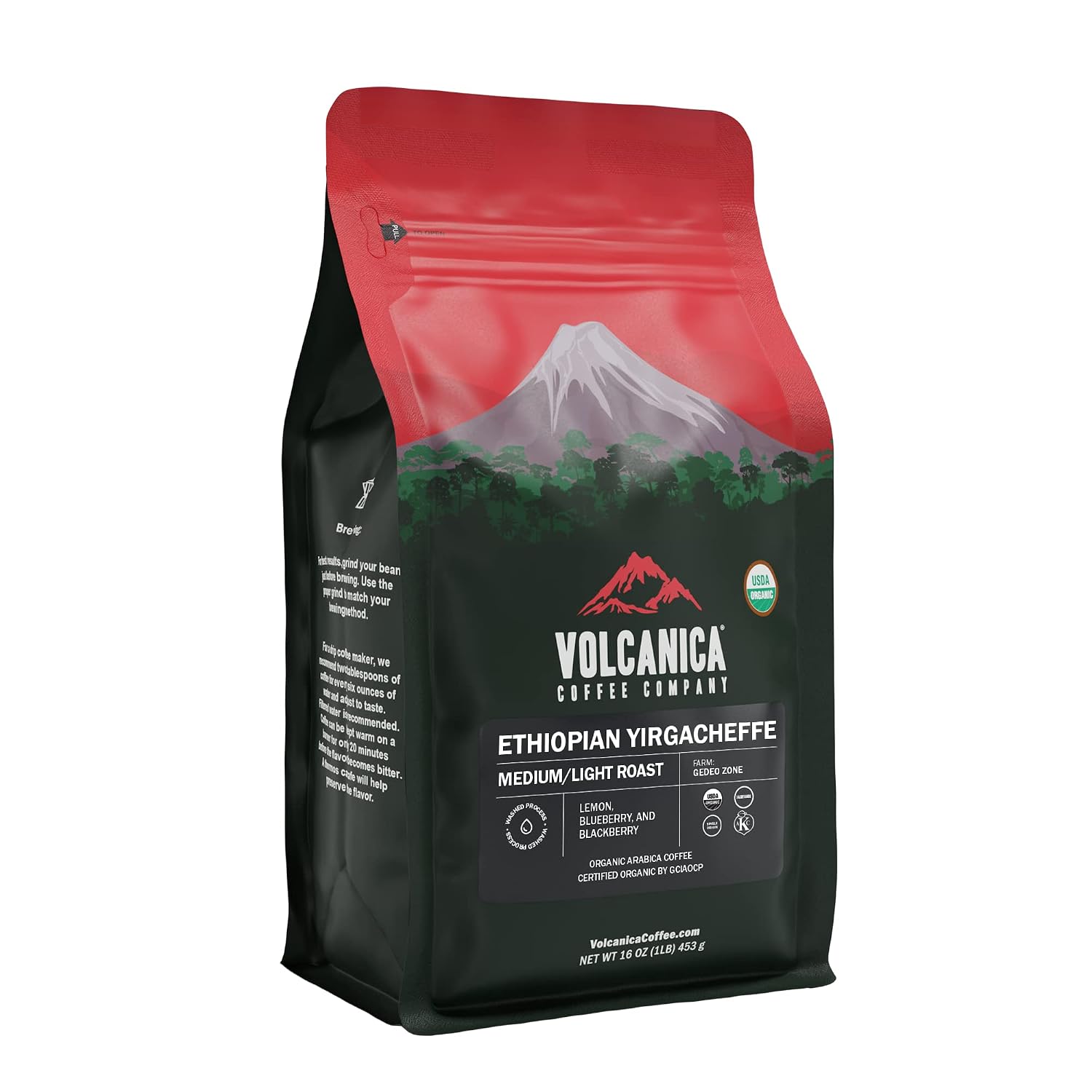
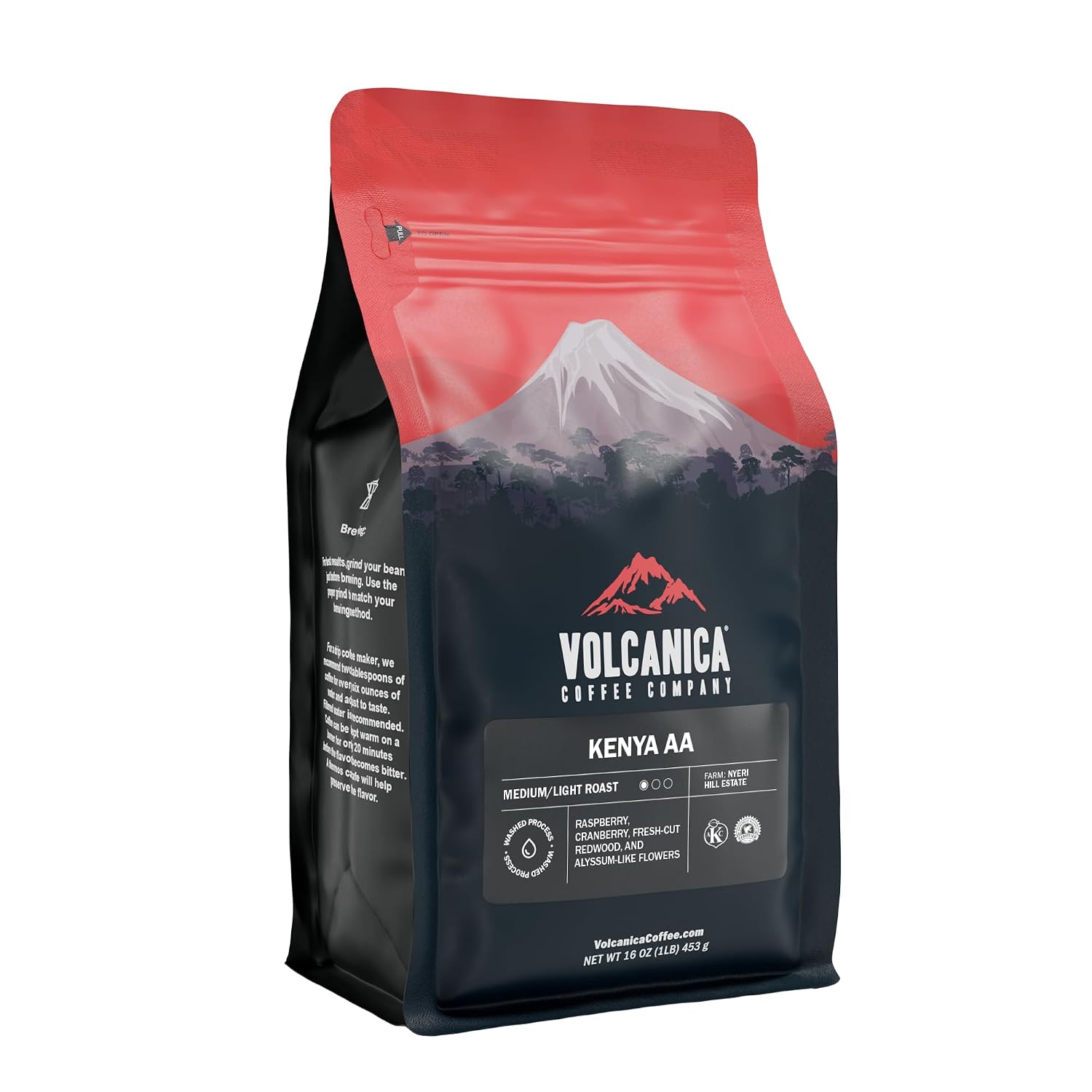
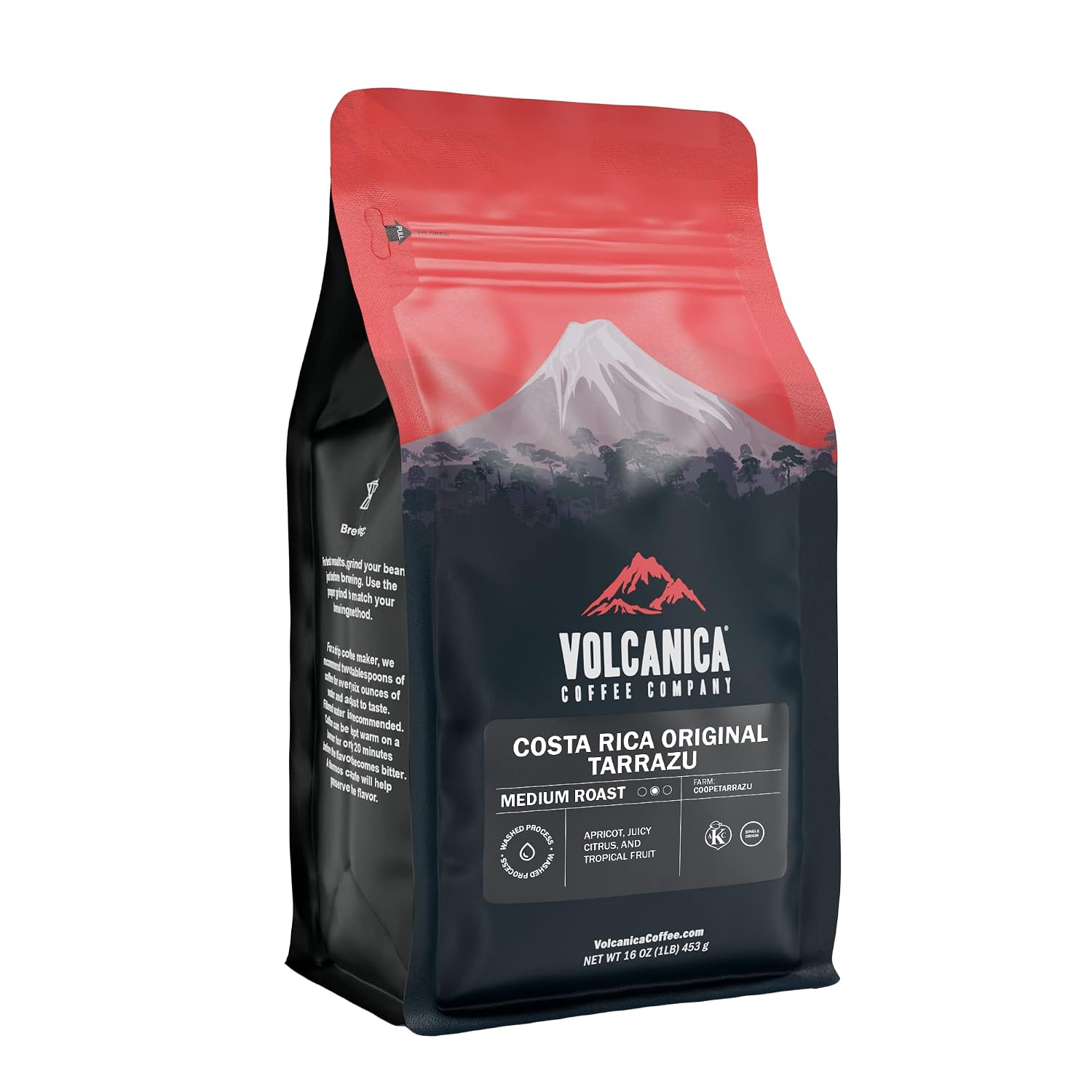
The Quick Answer names D2C lots (Utopian, GH Mamuto, Verve) that are not stable Amazon bags. These two Volcanica origins match the washed Ethiopia and Kenya styles instead. Tap the image or the coffee name to see it on Amazon. Research-rated, not yet brewed by our team.
Feeling floral: a washed Ethiopia
Our pick: Volcanica Coffee Ethiopian Yirgacheffe, USDA Organic, medium-light roast, whole bean, 16 oz. Use the 18 g to 300 g V60 starting recipe above. Research-rated, not yet brewed by our team.
Feeling bright: a Kenyan AA
Our pick: Volcanica Coffee Kenya AA, whole bean, 16 oz. Blackcurrant-bright Kenya in the same style as the Kirinyaga example above. Research-rated, not yet brewed by our team.
Related Guides and Next Steps
Choosing the best pour over coffee comes down to balancing taste preferences, budget, and brewing setup. Pick one coffee from the list above that aligns with your flavor interests, then brew it a few different ways to learn how grind size and brew ratio change the cup.
If you’re curious how these beans perform in other brewing methods, explore our guide to coffee by brew method for a broader view. Want to dial in espresso instead? See our best coffee beans for espresso guide. Prefer a lower-effort method for crowds? Check out best coffee for cold brew or our French press guide. And for more general browsing, our main coffee collection page has everything in one place.
The perfect pour over is the one you enjoy making-and drinking-every morning. Start simple, keep notes, and let your palate guide you toward your long-term favorite pour.
FAQs: Best Coffee for Pour Over
Can I make good pour over coffee with supermarket beans?
Yes, but quality varies. Look for whole bean options with a clear roast date and avoid very dark, oily beans. Medium roast coffees labeled “single-origin” tend to perform better. Adjust grind size to hit a 3–4 minute brew time, and you can still produce a good cup. That said, upgrading to fresher, specialty-grade coffee from a local roaster usually brings a noticeable improvement in sweetness and clarity.
How should I store my pour over coffee beans?
Keep beans in an airtight, opaque container at room temperature, away from light, heat, and moisture. Avoid freezing or refrigerating for everyday use-condensation risks degrade quality. Buy smaller amounts more often so coffee is used within 2–4 weeks of roast for the best flavor in pour over brews.
Is pour over coffee stronger than French press or drip?
“Strength” depends on brew ratio and extraction, not just the brewing method. Pour over can be brewed stronger or weaker than a french press or drip. However, pour over usually tastes cleaner and more transparent because paper filtration removes oils and fines that contribute to heavy body. For a stronger-tasting cup, use a lower brew ratio (1:15) or grind finer while keeping brew time reasonable.
Can I use the same coffee beans for pour over and espresso?
Many coffees work for both, but roast level and grind size must be adjusted for each brewing method. Blends optimized for espresso (heavier body, deeper roast) may taste less complex in a pour over, while light, high-acid beans can be tricky in espresso but fantastic as pour over. Check the roaster’s notes-if a bag mentions both espresso and filter, it’s flexible enough for multiple methods.
What’s the best coffee for pour over if I add milk or cream?
Medium or medium-dark roasts with chocolate, caramel, or nutty tasting notes hold up better against milk than delicate floral coffees. Latin American origins-Colombia, Guatemala, or Brazil-based blends-are strong candidates. Use a slightly stronger brew ratio (1:15) so the coffee flavors remain distinct and the cup doesn’t taste diluted after adding milk.