How Capitol City Coffee Rates Coffee and Coffee Machines
Every recommendation uses the same 100-point scale. These under-$200 picks are research-rated. Hands-on tested is used only when our team used the machine and we show the date.
Research-ratedPublished specs plus independent results and buyer-review patterns.
Hands-on testedOnly when we actually used it.
Machines: brewing 25, build 20, cleaning 15, kitchen fit 10, features 10, value 10, warranty 10.
Grades: 90+ A, 80s B, 70s C, below 70 not featured. Brands cannot pay for a pick.
Some links on this page are affiliate links. As an Amazon Associate, Capitol City Coffee earns from qualifying purchases, at no extra cost to you.
What actually matters under $200 continues below.
You do not need to spend a fortune to brew delicious coffee at home. The best coffee maker under $200 can hit the ideal brewing temperature of 195°F–205°F, deliver a consistent cup of drip coffee, and include useful features like programmable timers and strength selectors that rival machines twice the price. This guide breaks down the top picks, explains what actually matters at this price point, and helps you match the right coffee maker to your daily routine.
Start smaller: beans and storage
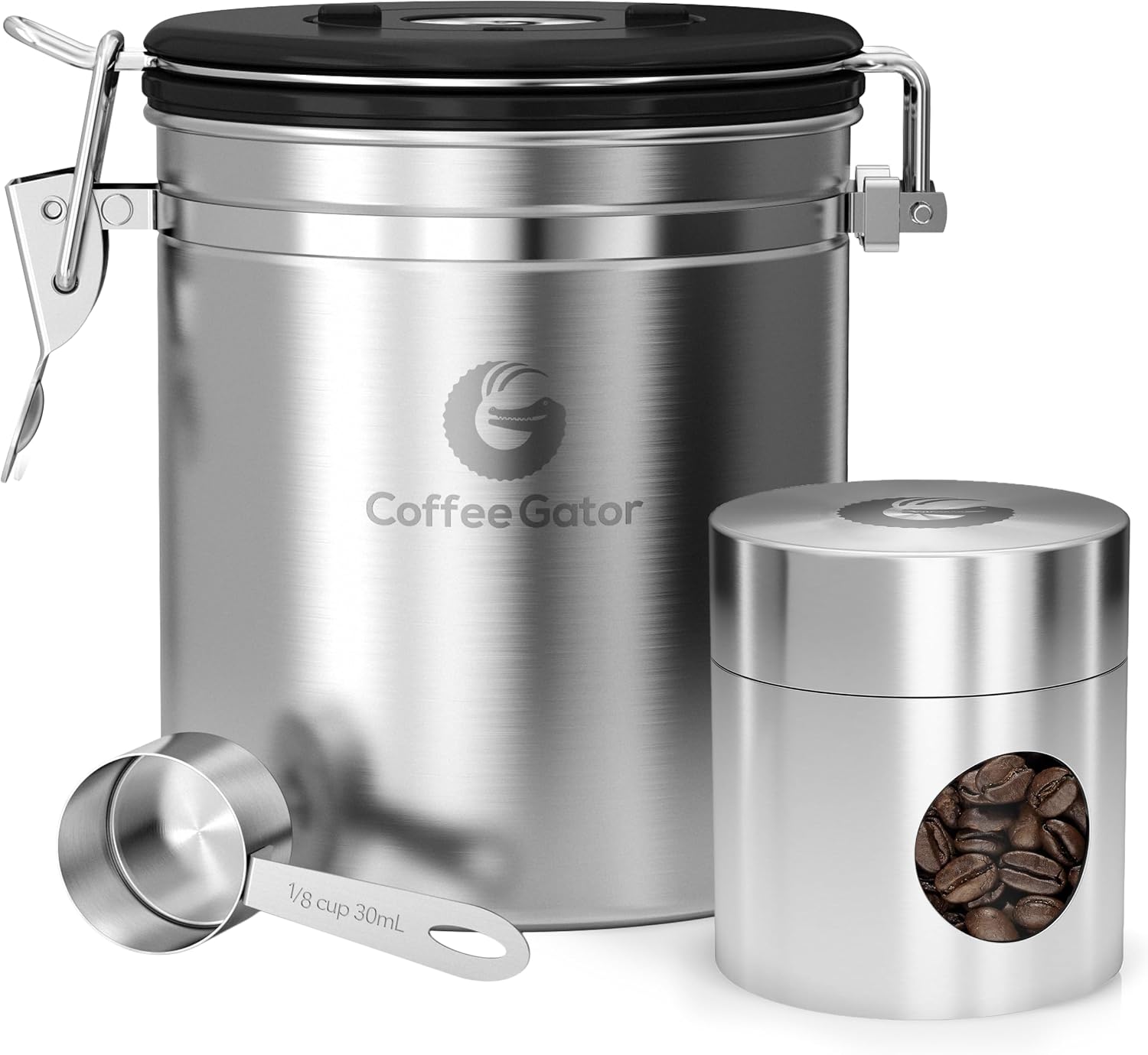
The machine or grinder is the expensive click. If that purchase is waiting, a $20 bag and a canister still upgrade the setup you have.
Whole bean (~$15–$25)
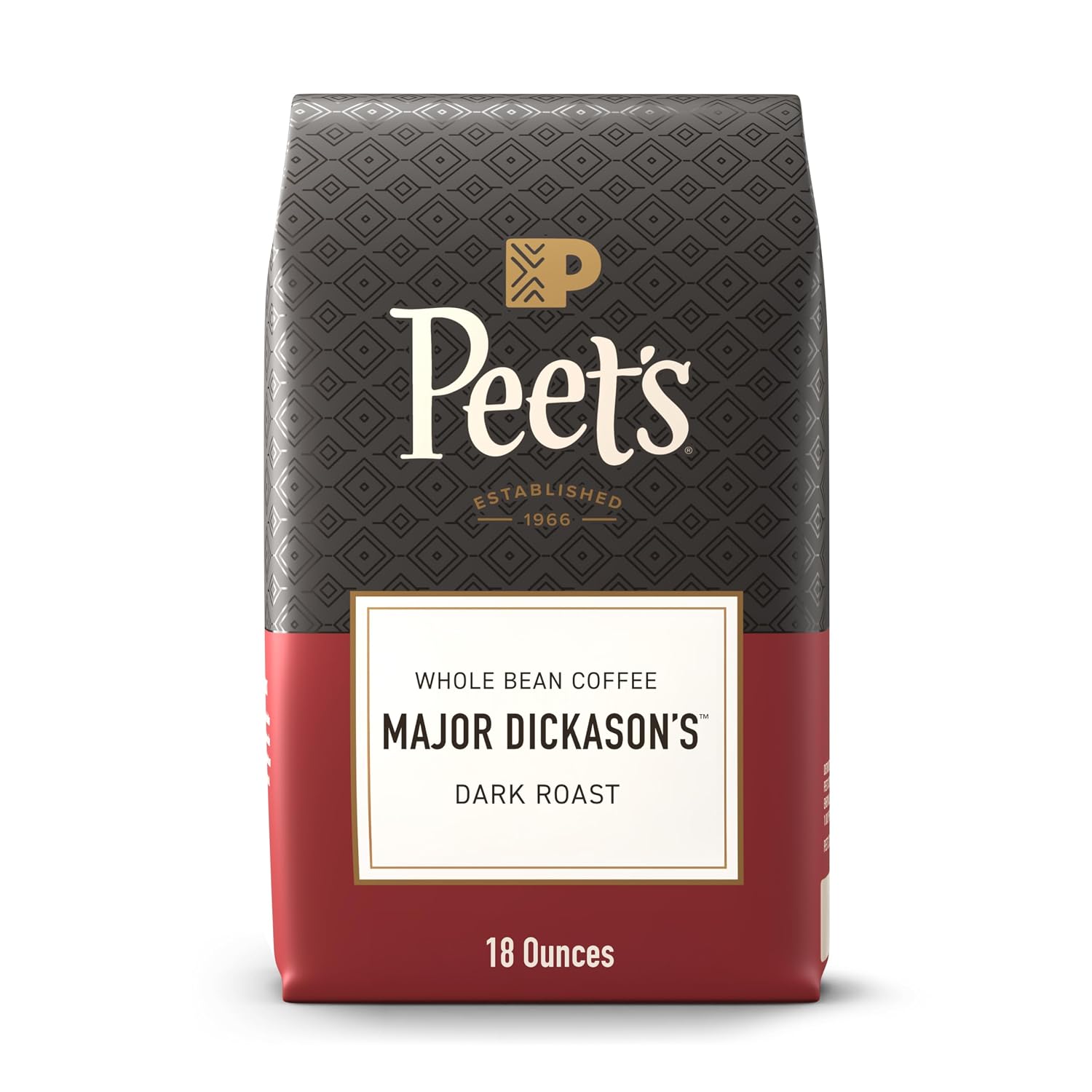
Peet’s Major Dickason’s
A cheaper cart than a new grinder or maker. Fresh beans are the fastest cup upgrade.
You can absolutely get a great cup of hot coffee from an automatic drip coffee maker under $200-several models in this range approach or meet Specialty Coffee Association brewing standards.
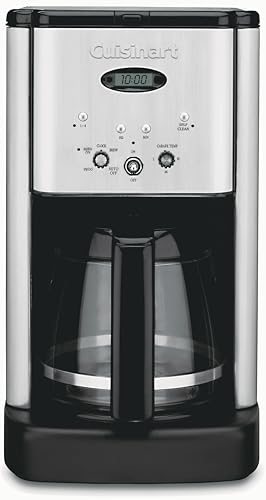
Top picks include the Ninja 12-Cup Programmable CE251 (best overall, under $100), the Braun PureFlavor 14-Cup (best programmable coffee maker), the Black+Decker Mill & Brew (best built in grinder), and the Cuisinart Brew Central (best large capacity).
All recommended coffee machines are automatic drip coffee maker models, chosen through researched editorial analysis rather than hands-on testing by Capitol City Coffee.
The biggest decision factors under $200 are brew temperature control, capacity and carafe type (glass carafe vs. thermal carafe), ease of use, and cleaning convenience.
Even if you keep your current cheap coffee maker, you can dramatically improve coffee taste with fresher coffee beans, proper grind size, and a better coffee to water ratio.
Capitol City Coffee is an independent coffee editorial and affiliate publication-we do not sell coffee or coffee machines. Some links in this guide may earn a commission at no extra cost to you. Commission size does not influence our rankings or recommendations. Unless otherwise noted, all picks are based on researched editorial analysis drawing from manufacturer specifications, reputable third-party reviews, and verified owner consensus. Products are selected for performance, usability, durability, value, and fit for different types of coffee drinkers.
Quick Answer: The Best Coffee Makers Under $200 Right Now
If you want the short version, here are the top picks. Coffee makers under $200 can vary in capacity from single-serve to traditional carafes, so each recommendation targets a different kind of user. Budget coffee makers typically cost $100 or less, but spending up to $200 unlocks better temperature stability, thermal carafes, and more refined extraction.
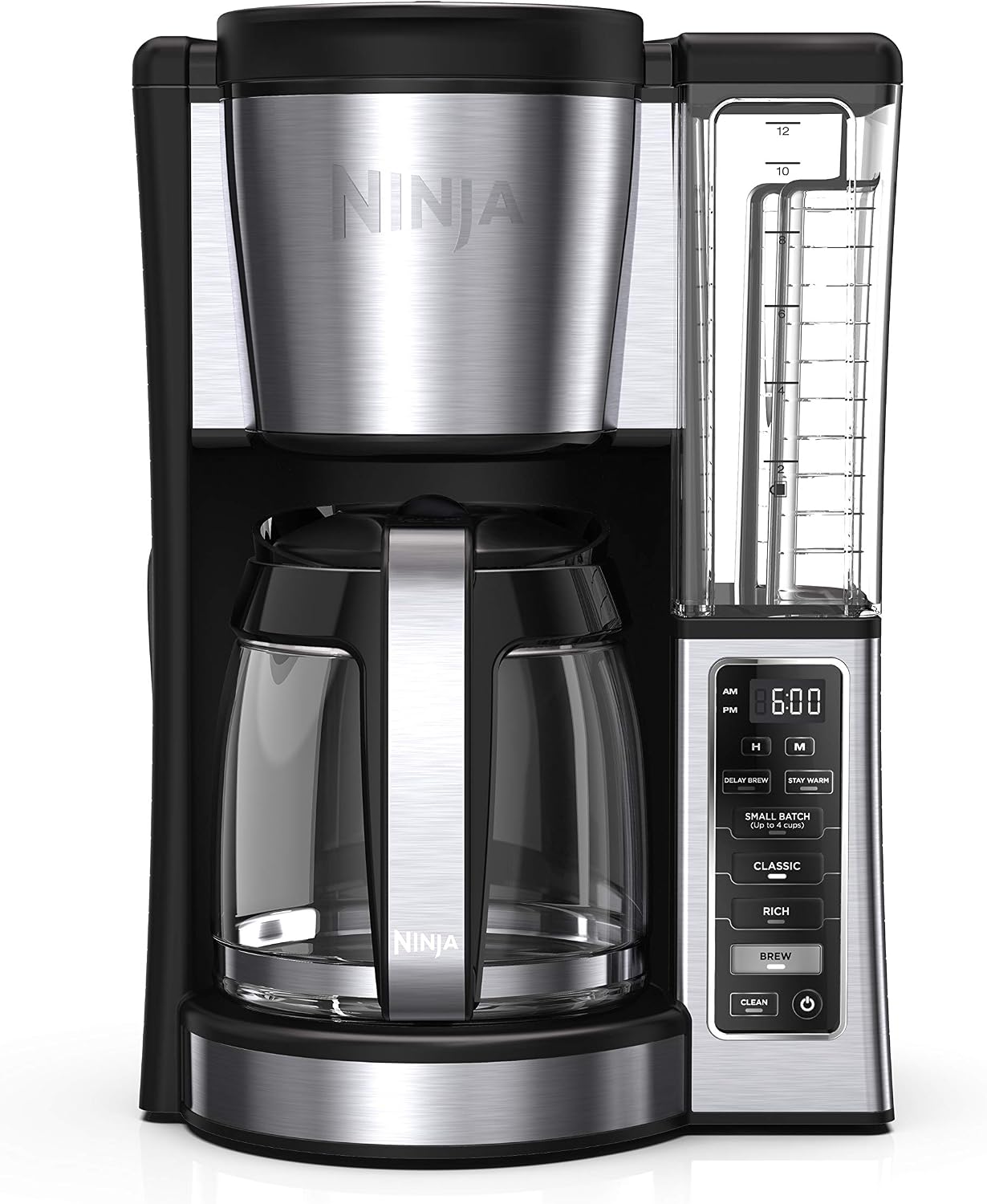
Best overall:Ninja 12-Cup Programmable Coffee Maker CE251 – the Ninja 12-Cup made the hottest and most balanced coffee in its price class, costs under $100, and includes both “Classic” and “Rich” brew settings. Ideal for households that want reliable, hot drip coffee with zero learning curve.
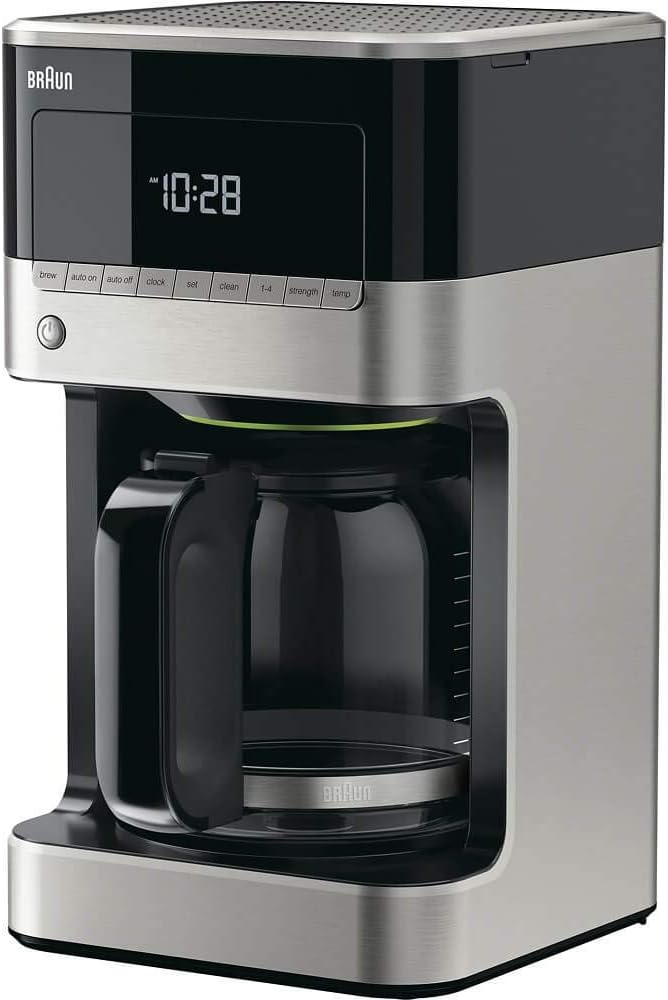
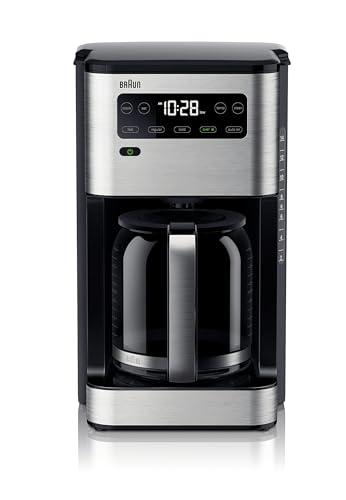
Best programmable:Braun PureFlavor 14-Cup Coffee Maker – 14-cup capacity, 24-hour auto brew timer, adjustable hot plate, and consistently nuanced flavor. A top budget pick for set-and-forget brewing.
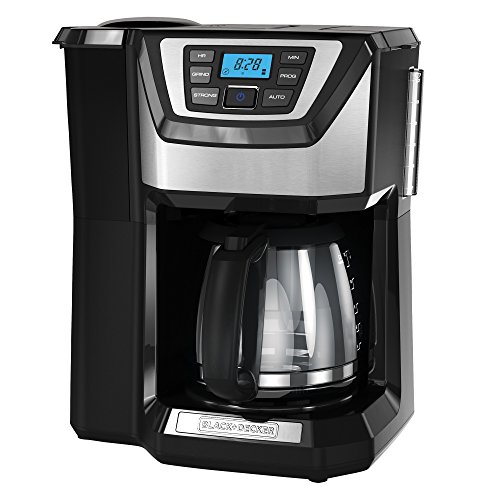
Best with built-in grinder: Black+Decker 12-Cup Mill & Brew CM5000B – grinds whole beans and brews in one machine, programmable settings, under $90. Best for convenience-first coffee drinkers.
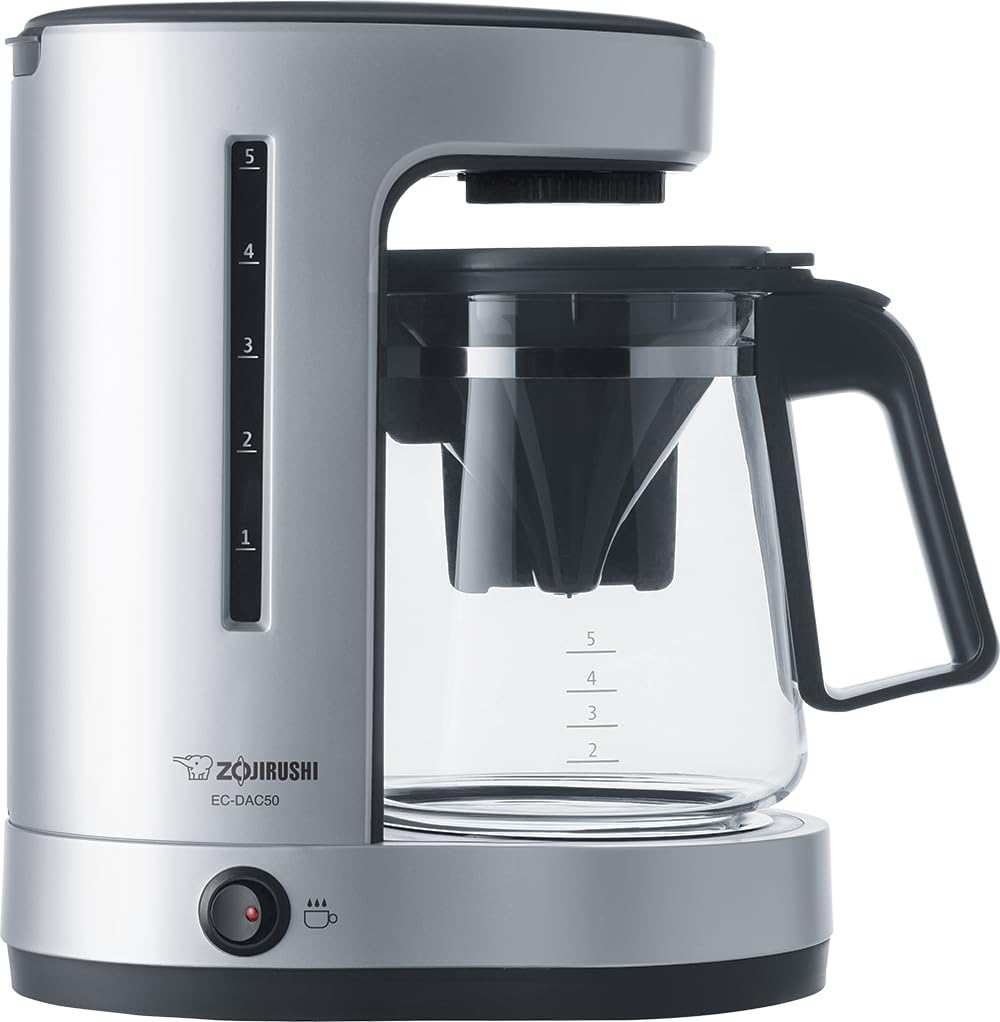
Best compact: Zojirushi Zutto 5-Cup Coffee Maker – around $80, short profile, small footprint, solid brew temperature for a compact unit.
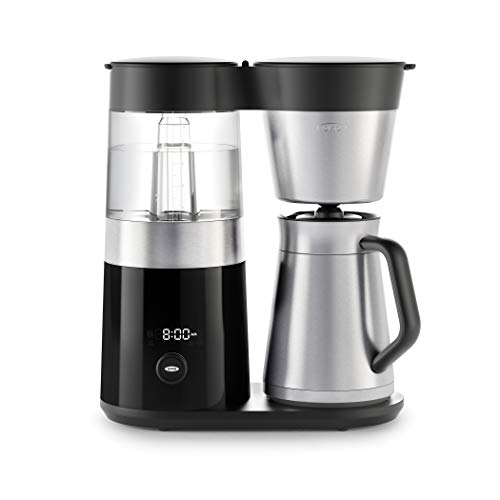
Best reliable budget option: The OXO Brew 9 Cup Coffee Maker is a reliable budget option with a programmable start time and SCA-adjacent temperature performance, typically in the $180–$200 range.
Prices reflect typical 2026 U.S. retail; expect fluctuations during sales.
The table below compares the top coffee makers under $200 across the specs that matter most. Columns cover capacity, carafe type, brew temperature range, programmability, and key trade-offs so you can scan quickly on desktop.
Where to buy: Seattle Coffee Gear · 1st in Coffee · Amazon (affiliate links). Check current price and availability before you buy.
Brew temperature data sourced from manufacturer specs and third-party measurements where available. “Moderate” indicates likely near but not verified at the full 195–205°F range.
How We Chose These Coffee Makers Under $200
This is a researched editorial analysis. We did not conduct in-house bench testing for this roundup. Instead, recommendations draw from manufacturer specifications, third-party lab measurements (including SCA certification data where applicable), comparative taste tests from third-party review sources where available, extended-use owner reviews, and expert consensus from reputable coffee gear publications.
Here is what we prioritized:
Brewing temperature: Can the machine reach or approach the 195°F–205°F range that SCA protocols recommend for brewing coffee? This is the single biggest factor in whether a drip coffee maker produces flavorful coffee or flat, under-extracted swill.
Extraction consistency: Does the shower head or water dispersion system distribute hot water evenly across the coffee grounds? Does the brew basket promote full saturation?
Brew time: A full pot should finish in roughly 5–8 minutes. Much faster risks under-extraction; much slower can produce bitterness.
Programmability: Auto brew timers, strength selectors, and small-batch modes for daily convenience.
Availability and price stability: Only models widely available in the U.S. and typically priced at or under $200 (not temporary sale prices) made the list.
Durability and warranty: We screened for machines with at least a 1-year warranty and strong owner feedback on longevity. Café-quality extraction is certified by the Specialty Coffee Association in some coffee makers on this list, which adds another layer of confidence.
Five coffee makers tested by third-party reviewers had programmable auto-brew features, and we weighted that convenience factor heavily for daily-use picks.
Best Overall Coffee Maker Under $200
Ninja 12-Cup Programmable Coffee Maker CE251
The Ninja CE251 earns the top spot because it delivers the best balance of hot, balanced drip coffee, useful features, and outright value. The Ninja 12-Cup Programmable Coffee Maker costs under $100, which puts it well below the $200 ceiling while outperforming many pricier coffee machines in temperature and taste consistency.
Strengths:
Brewing temperature reaches near the ideal range, producing hot coffee that holds up well in the cup
Multiple brew options add versatility: “Classic” and “Rich” settings let you customize strength, and brewing adjustments like bold brew options enhance flavor profiles without extra effort
The Ninja 12-Cup Programmable Coffee Maker has user-friendly features including a delay brew timer, a 60-oz removable water tank for easy filling, and a mid-brew pause function
The Ninja 12-Cup Programmable Coffee Maker includes a clean cycle feature, simplifying long-term maintenance
Medium countertop footprint fits most kitchens; strong user consensus on reliability
Limitations:
Mostly plastic build-functional, but doesn’t feel premium
Glass carafe sits on a warming hot plate, which can overcook flavor if the coffee pot sits for more than 30–40 minutes
Not SCA-certified, so exact temperature consistency across the full brew cycle isn’t guaranteed
No built in grinder; you’ll need a separate grinder for whole beans
Ideal for: Busy families and shared kitchens wanting simple, reliable drip coffee without learning curves. If you drink your coffee within 30 minutes of brewing and want the most bang for your dollar, this is the pick.
Best Programmable Coffee Maker Under $200
Braun PureFlavor 14-Cup Coffee Maker
The Braun PureFlavor 14-Cup Coffee Maker is a top budget pick for anyone who wants to wake up to ready-brewed coffee. Programmable machines allow brewing before waking up, and the Braun does this with a 24-hour auto brew timer and a suite of customization options that most inexpensive coffee makers in this range simply don’t offer.
Strengths:
24-hour programmable timer with adjustable start time-set it the night before and wake to a fresh coffee pot
The Braun PureFlavor coffee maker has adjustable hot plate temperature settings, letting you dial back the heat to prevent scorching if you sip slowly
Strength control settings, like bold or strong brew options, allow customization for richer coffee depending on your beans and mood
Multi-hole shower head distributes hot water evenly across coffee grounds, producing balanced extraction
The Braun PureFlavor produced the most nuanced coffee among budget models in third-party comparative reviews, with good clarity across light roast and dark roast beans
Programmable timers help facilitate convenient brewing schedules for households on tight morning routines
Limitations:
Tall housing may not fit under standard upper cabinets-measure before buying
More buttons and settings than a one-touch machine, which can feel complicated for people who just want simplicity
Glass carafe still relies on a hot plate, though the adjustable temperature mitigates the worst overcooking
14-cup capacity means it uses more ground coffee and water per brew
Ideal for: Households that value scheduling, strength customization, and consistent flavor from a large-capacity programmable coffee maker.
Best Coffee Maker Under $200 With a Built-In Grinder
Black+Decker 12-Cup Mill & Brew CM5000B
The Black & Decker Mill and Brew has a built-in grinder and programmable settings, making it the most convenient all-in-one coffee machine in this price bracket. This is not a replacement for the best espresso machine or a high-end grind setup, but it’s a practical upgrade for anyone who wants fresher coffee from whole beans without buying separate equipment.
Strengths:
The integrated grinder eliminates the need for a standalone grinder-add whole beans, press brew, and the machine handles grinding beans and brewing in sequence
Option to bypass the grinder and use pre ground coffee when you want speed or variety
Brew strength selector and 24-hour programmable auto brew timer
2-year limited warranty, which is longer than the 1-year coverage on many budget coffee maker models
Priced around $75–$90, leaving room in your budget for better coffee beans
Limitations:
The grinder is a blade type, not a burr-grind size uniformity is noticeably below standalone burr grinders, which affects the extraction process and can produce a mix of over- and under-extracted particles
Grinding is loud, especially early in the morning
Small bean hopper means you measure beans each brew rather than storing a reserve
Hot plate can run warm and affect coffee taste if the pot sits too long
Ideal for: People stepping up from basic drip coffee makers who want the convenience of grinding beans and brewing in one step. Not for espresso aficionados or those chasing perfect extraction consistency-a separate burr grinder will always deliver more uniform results.
Best Simple & Cheap Coffee Maker (Under $100)
Krups Simply Brew (or comparable sub-$100 model)
Not every coffee drinker wants a dashboard of buttons. If you just want a coffee maker that turns on and produces a good cup of hot coffee with minimal fuss, a straightforward drip machine under $100 is the way to go.
Many simple models in this range produce surprisingly hot coffee, reaching or nearing the 195°F threshold
Compact footprint that fits in small kitchens, dorms, or offices
Compatible with standard paper coffee filters or reusable mesh filter basket
Easy cleanup: fewer parts, no grinder to maintain
Limitations:
No timer or programmability-you brew when you’re standing in front of it
Minimal customization for strength or brew settings
Smaller capacity (typically 4–5 cups), better suited to 2–4 coffee drinkers rather than large households
Build quality is basic; expect more plastic
Ideal for: Renters, dorm dwellers, office break rooms, or anyone wanting a cheap coffee maker that punches above its price in heat and simplicity.
Best Large-Capacity Coffee Maker Under $200
Cuisinart Brew Central 12-Cup (or comparable 12–14 cup model)
Large capacity is beneficial for families or frequent coffee drinkers who go through multiple cups each morning-or for entertaining when you need a full coffee pot ready for guests at brunch.
Strengths:
12–14 cup capacity covers a household of four or a small office without needing a second brew
Glass carafe with clearly marked measurements makes portioning easy
Auto brew timer and brew strength selector included on most Cuisinart and comparable models
Some large-capacity machines offer brew-over-ice or small-batch modes for added versatility
Decent brewing temperature performance for the price range
Limitations:
Higher water and coffee beans usage per full brew
Larger countertop footprint and taller housing-check cabinet clearance
Full-pot brew time can run 7–8 minutes, slightly longer than compact 5-cup units
Glass carafe with warming plate carries the usual risk of flavor degradation if left too long
Usage tip: For the most consistent cup at high capacity, use a medium grind and weigh your coffee rather than scooping. A measuring cup of beans can vary significantly in weight depending on bean density.
Best Compact Coffee Maker Under $200
Zojirushi Zutto 5-Cup Coffee Maker
The Zojirushi Zutto 5-Cup Coffee Maker costs around $80 and is one of the best options for small kitchens, studio apartments, RVs, or secondary brewing stations where counter space is limited.
Strengths:
Short height (around 10 inches) and narrow base that tucks under most cabinets
Removable water tank for easy filling without maneuvering the whole machine to the sink
Surprisingly solid brew temperature for a compact unit-the Zojirushi Dome Programmable Coffee Maker brews at 200°F, placing it squarely in the ideal extraction window
Minimal waste when brewing for one or two people
Limitations:
Limited to about 5 cups-not enough for entertaining or large households
Fewer programmable features than full-size machines
Basic build quality; glass carafe is small and relatively fragile
Ideal for: Solo coffee drinkers, couples, or anyone with a tight kitchen footprint who still wants flavorful coffee from a machine that hits proper water temperature.
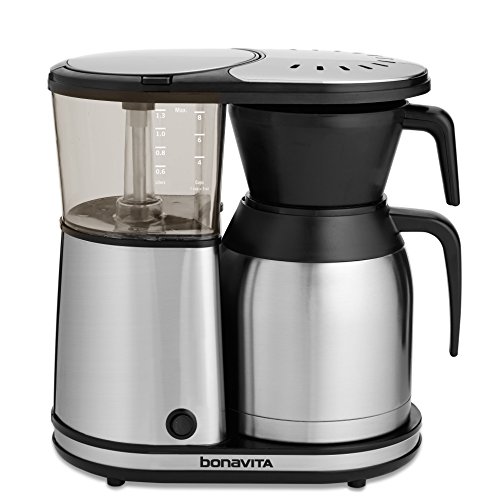
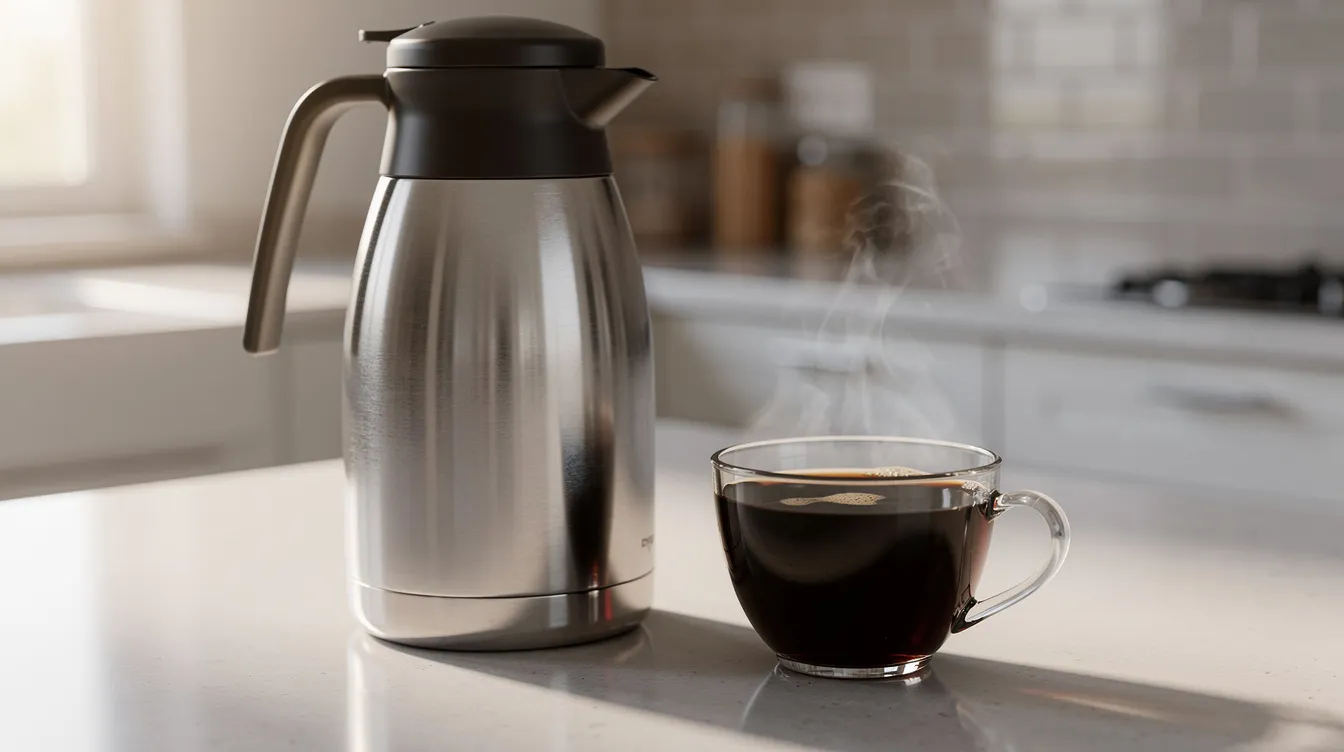
If you brew a pot and sip through the morning, a thermal carafe coffee maker is a smarter choice than any glass carafe on a hot plate. Thermal stainless steel carafes retain heat longer than glass carafes without heating plates, keeping your coffee hot without cooking it into bitterness.
Strengths:
Double-walled stainless steel carafe preserves flavor and temperature for 1–2 hours post-brew-the Bonavita Connoisseur holds drinkable temperature for roughly two hours
No risk of the burnt, stale taste that comes from leaving a glass coffee pot on a hot plate
The Bonavita is SCA-certified, meaning it hits 195–205°F consistently throughout the brewing process
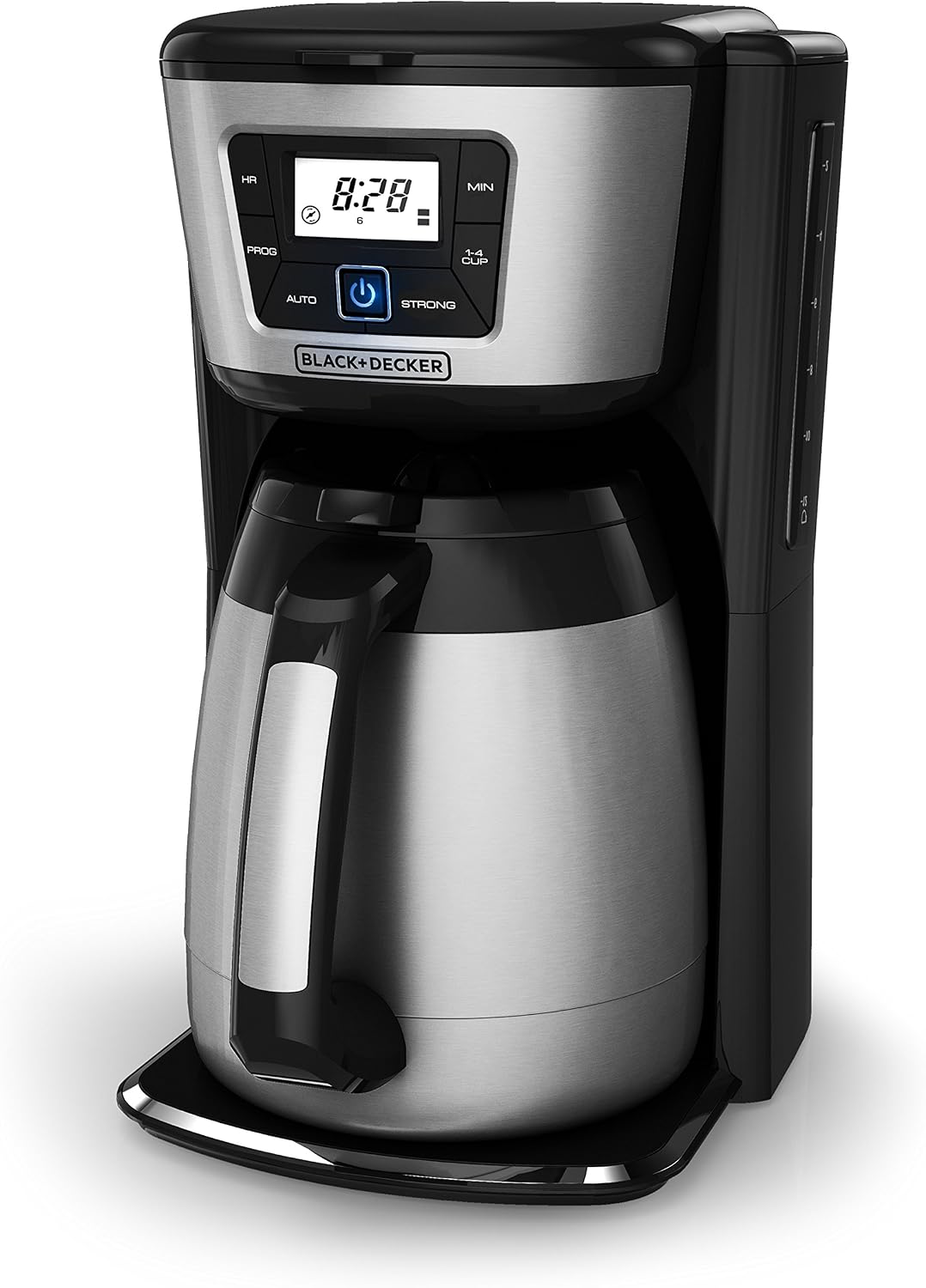
The Black+Decker Thermal CM2035B offers a more affordable option (~$75–80) with an EvenStream shower head and programmable timer
Limitations:
Thermal carafes are heavier and sometimes trickier to pour-a well-designed carafe should pour easily without spilling, but not all do
Most thermal carafes are hand-wash only and may require a bottle brush to clean the interior thoroughly
The Bonavita Connoisseur lacks a programmable timer or strength settings; it’s a one-button machine focused purely on brew quality
Effective thermal carafe models can cost more than comparable glass-carafe machines
Ideal for: People who like to brew once and sip through a morning, small offices, or anyone sensitive to burnt hot plate flavors.
Best Coffee Maker for Iced Coffee Under $200
Ninja or Braun models with dedicated iced/brew-over-ice mode
Some programmable drip coffee makers in this range include a dedicated iced coffee or “brew over ice” setting, which brews a stronger concentrate to offset dilution from ice. This produces much better iced coffee than simply refrigerating regular drip coffee or pouring it over ice.
Strengths:
Dedicated iced setting adjusts the brewing process to produce a concentrated brew that stays flavorful when ice melts
Ability to brew full pots of hot coffee or iced coffee from the same machine
Flexible capacity and straightforward controls
Some models offer cold brew coffee makers–style results without the 12–24 hour steeping wait
Limitations:
Still not a true cold brew coffee maker-flavor profile differs from long-steeped cold brew
May require experimentation with ratios to dial in your preferred strength
Some models with iced modes are taller or bulkier than standard drip machines
Suggestion: When brewing over ice, use a medium-fine grind and a stronger coffee to water ratio (roughly 1:14 by weight) for more flavor intensity. Start there and adjust based on how you like your iced coffee-black, with milk, or over cream.
Key Features That Matter in Coffee Makers Under $200
At this price point you can get genuinely good coffee if you focus on a few technical details instead of fancy features that look good on the box but don’t affect what’s in your cup.
Brewing temperature: The optimal brewing temperature for coffee is 195°F–205°F, as specified by SCA protocols. Coffee brewed above 195°F yields the most flavorful coffee, with better extraction of sugars, acids, and aromatic compounds. Brewing temperature affects coffee flavor significantly-it’s the single most important spec to check. Coffee makers brewing above 195°F yield more flavorful coffee than those that fall short.
Brew time: Aim for about 5–7 minutes for a full pot. Much shorter often means under-extraction (producing a bit watery, sour result); much longer can push into bitterness.
Extraction consistency: Look for multi-hole shower head designs, bloom or pre-infusion features, and brew basket shapes (flat-bottom or cone) that promote even saturation of coffee grounds. Even water distribution is what separates great tasting coffee from mediocre drip.
Capacity and carafe: A 4–5 cup coffee maker suits one or two people; 10–14 cups serves families and gatherings. Glass carafes are lighter and cheaper but require a hot plate that can degrade flavor. An effective thermal carafe costs more but keeps coffee hot naturally. Some coffee makers offer dual functionality for pods and ground coffee, adding versatility for mixed households.
Programmability: Auto brew timers, strength settings (like Keurig coffee makers and drip machines now commonly offer), and small-batch modes add daily usability. Key performance and usability features are crucial when choosing a coffee maker you’ll use every morning.
Footprint and usability: Measure your counter depth and cabinet height before buying. Removable water tanks simplify filling and cleaning. A well-designed carafe should pour easily without spilling. Simple interfaces enhance ease of use for coffee makers-if you can’t figure out the controls half-asleep, you won’t use the features.
Cleaning and maintenance: Removable brew baskets, dishwasher-safe parts, and descaling indicators reduce long-term hassle. The Ninja CE251’s built-in clean cycle is a good example of a feature that actually saves time.
Durability and warranty: Most models in this bracket carry a 1-year warranty; some (like the Black+Decker Mill & Brew) offer 2 years. Owner reports and brand reputation help signal which machines hold up over years of daily use.
How to Choose the Best Coffee Maker Under $200 for You
Instead of chasing every feature, start with your own habits and constraints. The best coffee maker is the one that fits your mornings, not the one with the longest spec sheet.
Match machine to lifestyle: Daily multi-cup drinkers benefit from large-capacity programmable machines. Occasional or single-cup brewers do better with compact models. “Set and forget” users should prioritize a programmable coffee maker with auto brew.
Kitchen constraints: Measure your counter depth and under-cabinet clearance. Some 14-cup machines are 15+ inches tall. Consider cord placement and whether a swing-out filter basket needs side clearance. A removable drip tray can help with spills and cleanup in tight spaces.
Taste preferences: If you prefer stronger, bolder coffee, look for machines with strength selectors or “rich” modes. If you enjoy iced coffee regularly, a machine with a brew-over-ice setting saves hassle. If you’re chasing the best tasting coffee possible in drip, prioritize brew temperature over extra buttons. For pour over coffee quality in an automatic format, look at SCA-certified models like the Bonavita or OXO.
Budget tiers under $200:
Under $60: Very basic machines, limited temperature performance, no programmability
$60–$120: The sweet spot for most people-good temperature, programmable features, reliable brands
Future upgrades: Investing in a good grinder and quality coffee beans can often improve coffee quality more than jumping to a more expensive coffee machine. A $30 bag of fresh whole beans and a decent burr grinder will transform even a basic cup coffee maker.
How to Brew Better Coffee in Any Cheap Coffee Maker
Even if you stick with a basic, inexpensive coffee maker, you can upgrade the flavor of every cup through technique and ingredients. Making coffee well is as much about what goes into the machine as the machine itself.
Coffee beans: Buy fresh whole beans in small quantities (no more than 2–3 weeks’ supply). Store in an airtight container at room temperature, away from light. Avoid pre ground coffee sitting in a can for months-staleness is the number one flavor killer.
Grind size: A burr grinder produces a consistent medium grind that extracts evenly. If your coffee tastes sour, grind slightly finer. If it’s bitter, go coarser. Grind size matters more than most people realize for balanced acidity and a flavorful cup.
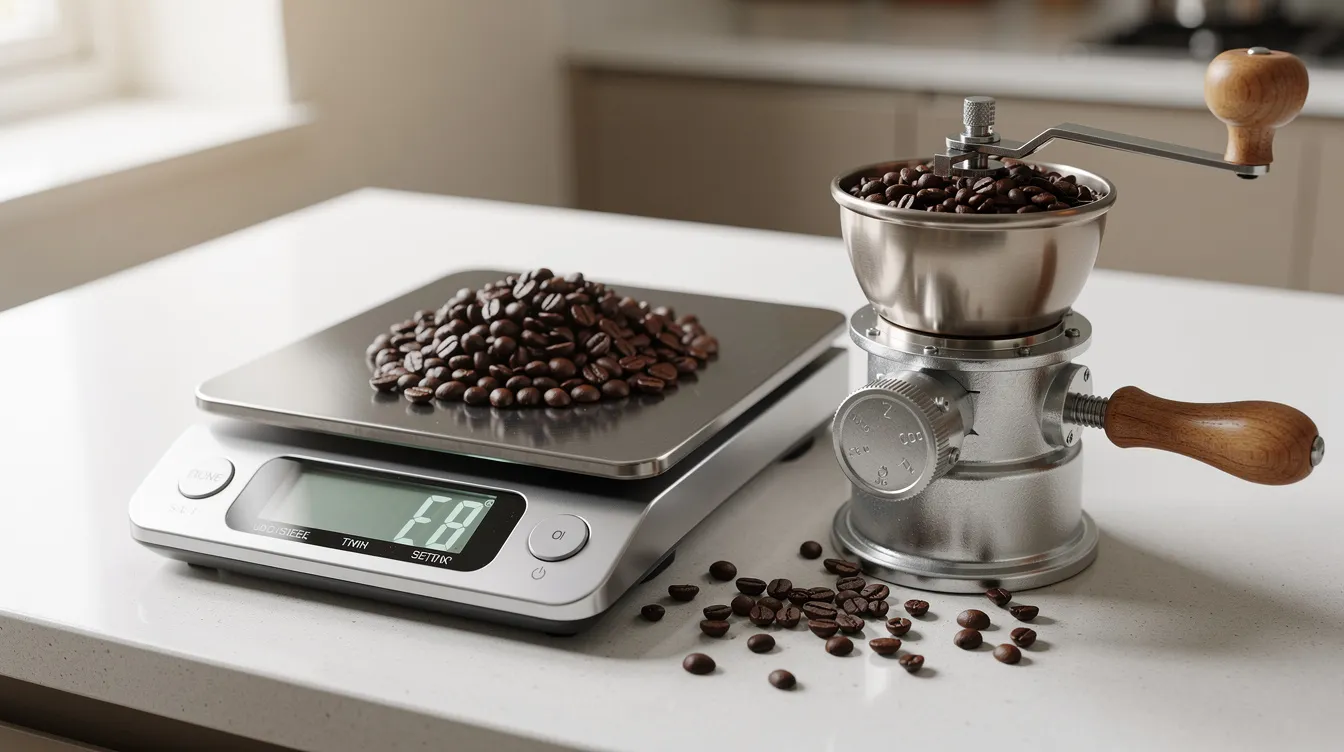
Coffee to water ratio: Start around 1:16 by weight-for example, 30 grams of coffee for 480 grams (about 16 oz) of water. Use a measuring cup or kitchen scale for repeatability. Using fresh beans and proper coffee-to-water ratios enhances brewing quality more than any single machine upgrade.
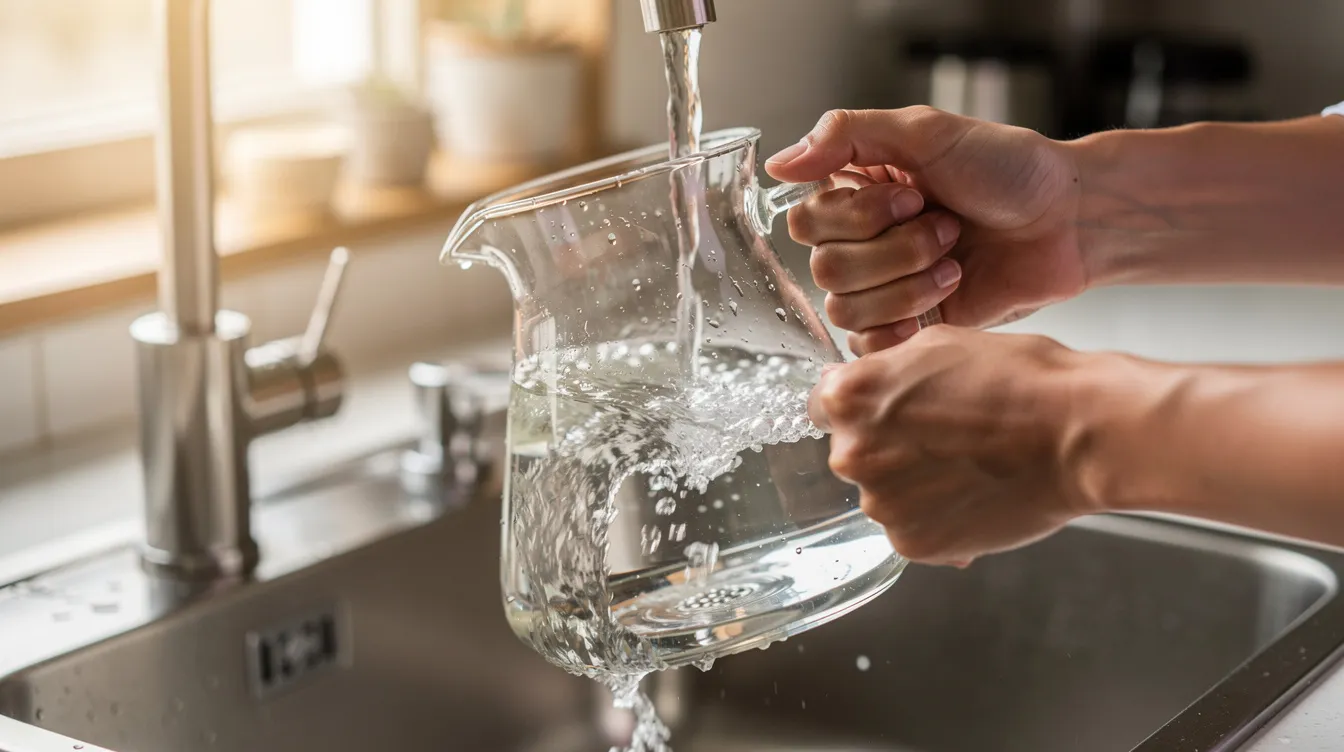
Water quality: Use filtered water if your tap water tastes off. Avoid distilled water, which can damage some coffee machines and produce a flat taste. Water makes up 98% of your cup-it matters.
Pre-infusion hack: For drip coffee makers without a bloom feature, briefly turn the machine on to wet the grounds, then pause for about 30 seconds to let the coffee bloom and release CO₂. Resume brewing. This simple step can noticeably improve the extraction process and produce a more flavorful cup.
Avoid tepid water: Brewing with tepid water leads to bitter and bland coffee. If your machine doesn’t reach proper temperature, try pre-heating the carafe with hot water before brewing. French presses and pour over method setups using electric kettles give you direct temperature control, but even a basic drip machine benefits from starting with fresh, cold water in the reservoir (the heating element works most efficiently this way).
Maintenance and Cost of Ownership
Long-term value depends on more than the purchase price. A $90 coffee maker that lasts five years with minimal upkeep costs less than a $150 machine that breaks after two.
Daily and weekly cleaning: Rinse the carafe and brew basket after each use. Wash removable parts with mild detergent weekly. Empty coffee grounds promptly-leftover grounds develop rancid oils that affect every subsequent brew.
Descaling: Mineral buildup from hard water clogs internal lines and reduces brewing temperature over time. Descale every 1–3 months depending on water hardness, using manufacturer-approved solutions or a white vinegar rinse where the manual allows it.
Coffee filters: Paper coffee filters produce a cleaner cup by trapping oils and fine sediment. Reusable mesh filter baskets save money over time but let more oils through, resulting in a fuller-bodied (some say muddier) taste. A 100-count box of paper filters typically runs $3–$5.
Longevity: Budget coffee makers generally last 3–7 years with proper care. Machines with fewer moving parts (no built-in grinder, simpler controls) tend to last longer. Spending slightly more within the $200 ceiling can improve build quality and add years of service.
Warranties and support: Check warranty terms and confirm that replacement carafes and parts are available before buying. A glass carafe replacement typically costs $10–$20; thermal carafe replacements can run $25–$40.
When to Consider Spending More Than $200
This guide focuses on sub-$200 models, but some readers may wonder what extra dollars buy.
SCA-certified drip brewers: Above $200, you find machines with more precise control of brewing temperature, refined water dispersion engineering, and better overall build quality. Models like the Breville Precision Brewer push into this territory with features like adjustable flow rate and dedicated pour over and cold brew modes.
Specialty features: Higher-end machines may include integrated scales, full metal construction, insulated stainless steel bodies, or advanced bloom controls.
Espresso: True quality espresso requires pressure-based extraction that no drip machine provides. The best espresso machine options typically start above $200-often well above-if you want genuine café-style shots. Drip coffee makers are not espresso machines, and marketing that implies otherwise is misleading.
The bottom line: If you are primarily a drip coffee drinker and budget-conscious, you do not need to spend more than $200 to get excellent everyday good coffee. The machines in this guide cover the vast majority of home brewing needs.
Related Coffee Gear to Improve Your Setup
A coffee maker is just one piece of the puzzle. Grinders, kettles, and accessories can further upgrade taste and workflow.
Burr grinder: Pairing any drip coffee maker with a capable burr grinder is the single most impactful upgrade you can make. Models in the $100–$150 range (like the Baratza Encore) deliver consistent grind size across settings, which directly improves extraction consistency and produces a more consistent cup. Grinding beans fresh before each brew is what separates good coffee from great coffee.
Electric kettles: Accurate-temperature electric kettles matter most for pour over coffee and the pour over method, but they’re also useful for manual bloom steps or French presses if you branch out beyond automatic drip.
Kitchen scale: Weighing coffee and water (rather than scooping) improves repeatability and helps you dial in the exact coffee taste you want. A basic digital scale costs $10–$15 and is one of the best investments a home coffee drinker can make.
For more recommendations: Check out our broader gear guides, drip coffee makers roundup, budget picks under $100, and the full best coffee makers under $200 guide for additional options and deeper comparisons.
Troubleshooting Common Coffee Maker Issues
Many “bad coffee” problems come from fixable issues rather than a flawed coffee machine. Before you blame your brewer, run through these checks.
Weak or bit watery coffee: Check your ratio (are you using enough ground coffee?), grind size (too coarse lets water flow through too fast), and brew cycle length. Try a slightly finer grind and add an extra gram or two of coffee per cup.
Bitter or burnt taste: Coarsen your grind, use slightly less coffee, and don’t leave the coffee pot on a hot plate for more than 20–30 minutes. In thermal carafe models, turn the machine off once brewing finishes-the carafe handles heat retention on its own. Also check if your water temperature is running too high; an adjustable hot plate can help.
Overflowing brew basket: Stay within the manufacturer’s max capacity, use the correct filter size and shape, and avoid grinding beans too fine for an automatic drip coffee maker. Very fine grounds slow drainage and cause overflow.
Off flavors or stale taste: Thoroughly clean the carafe, brew basket, and shower head. Descale the machine. Rancid coffee oils and mineral deposits are the most common culprits behind coffee that tastes “off” despite using fresh beans.
FAQ
Is a more expensive coffee maker always better than a $200 model?
Not necessarily. Price alone doesn’t guarantee better coffee. Under $200, you can already get machines that hit proper brewing temperature and deliver consistent extraction. Pricier coffee machines primarily add premium materials, longer warranties, or advanced features-but the coffee in your cup won’t always taste dramatically different. Focus on brew temperature and grind quality first.
Can I use a cheap coffee maker to make espresso-style drinks?
Standard drip coffee makers-even the best coffee maker under $200-do not generate the 9 bars of pressure needed for true espresso. However, you can brew concentrated drip coffee using a strong ratio and a “rich” or “bold” setting, then use that as a base for milk drinks like lattes in a pinch. For actual espresso, you’ll need a dedicated espresso machine.
How long should a coffee maker under $200 last?
With proper cleaning and regular descaling, expect about 3–7 years of service. Machines with simpler mechanisms (no built-in grinder, fewer electronic controls) tend to last on the longer end. Water hardness, frequency of use, and how well you maintain the machine all play a role.
Do I need a built-in grinder, or is a separate grinder better?
Built in grinder machines like the Black+Decker Mill & Brew are convenient, but they typically use blade grinders that produce inconsistent grind size. For the best coffee quality and flexibility across brew methods (drip, pour over, French presses), a separate burr grinder is the smarter long-term investment. If convenience is your top priority and you’re stepping up from pre ground coffee, a built-in grinder is a solid starting point.
What brewing temperature should I look for in a coffee maker?
Look for machines that brew in the 195°F–205°F range, which SCA protocols specify as optimal for drip coffee. Nine cups or more of flavorful, properly extracted coffee start with hitting this temperature window. Many of the better coffee makers under $200 reach this range, but only SCA-certified models guarantee it across the full brew cycle. If a manufacturer doesn’t list brew temperature at all, that’s often a red flag.
How Capitol City Coffee Rates Coffee and Coffee Machines
Every coffee and coffee machine we recommend is scored on the same 100-point scale, so a recommendation on one page means the same thing as a recommendation on any other. Each pick is also labeled with how we reached its score.
Research-ratedScored from the roaster or manufacturer’s published specifications, independent results such as Coffee Review blind cuppings and SCA brewer certification, and patterns across verified buyer reviews. Most of our current picks are research-rated.
Hands-on testedThe Capitol City Coffee team has brewed the coffee or used the machine ourselves, following the testing steps below. We only use this label when that testing actually happened, and we show the date we tested.
Coffee beans: 100-point scale
What we score
Points
What we look at
Origin and sourcing transparency
20
Country, region, farm or cooperative, altitude, bean variety, and processing method are clearly disclosed.
Flavor evidence
25
Independent cupping scores, how closely the tasting notes match what the origin is known for, and our own cupping notes when hands-on tested.
Roast and freshness
15
Roast level stated, roast-date practices, whole-bean availability, and packaging with a one-way valve or resealable bag.
Brew versatility
15
How well the roast suits pour-over, drip, French press, cold brew, and espresso.
Value
15
Price per ounce compared with similar single-origin coffees or blends.
Buyer feedback
10
Volume and consistency of verified reviews, and recurring complaints about staleness, bitterness, or shipping.
Coffee machines and gear: 100-point scale
What we score
Points
What we look at
Brewing performance
25
Water temperature in the 195–205°F range, even extraction, and SCA certification or published test data.
Build quality and reliability
20
Materials, known failure points, and long-term owner reports.
Ease of use and cleaning
15
Setup, the daily routine, descaling, and dishwasher-safe parts.
Fit for your kitchen
10
Capacity, counter footprint, and noise.
Useful features
10
Programming, grind and temperature control, and carafe type. Features that improve the cup count more than extras that do not.
Value
10
Price compared with machines that perform similarly.
Warranty and support
10
Warranty length, parts availability, and how the brand handles repairs.
What the grades mean
Score
Grade
What it means
90–100
A
Exceptional. Our first recommendation for the feeling and setting described.
80–89
B
Strong. Excellent, with minor trade-offs we explain.
70–79
C
Good. Worth it for specific needs, with clear compromises.
Below 70
—
Not recommended. We do not feature these as picks.
How we test hands-on
When a pick carries the Hands-on tested label, this is the method behind it, and we note the date we tested.
Coffee: brewed fresh from whole beans following Specialty Coffee Association guidelines (water between 195 and 205°F, about 1 gram of coffee to every 15 to 18 grams of water) in the brew methods the roast suits best, such as pour-over, French press, or espresso. We taste it black first, then with milk if that is how most people drink it, and each taster scores it on their own before we compare notes.
Machines: used in our everyday routine rather than a single demo. We brew both full and small batches, check the brewing temperature and brew time, and run the cleaning or descaling steps the manual calls for.
How we choose the feeling and setting
We match each coffee to a mood and a moment based on its flavor profile and roast. Bright, citrusy light roasts suit energizing mornings. Chocolatey, full-bodied medium roasts suit slow or social moments. Richer roasts suit espresso and milk drinks. Each pick explains which facts led us to that match.
Our scores stay independent
Every score comes only from the criteria above. No brand can pay for a pick or a higher grade. We re-check ratings when a roast, listing, or model changes, and update or remove picks that no longer earn their grade.
Some links on this page are affiliate links. As an Amazon Associate, Capitol City Coffee earns from qualifying purchases, at no extra cost to you.
Questions about a rating? Reach the Capitol City Coffee team through our contact page.