


Ethiopian coffee beans are considered some of the finest in the world, offering a flavor spectrum that runs from delicate jasmine florals to bold blueberry and dark chocolate. Whether you brew pour-over or pull espresso, this guide breaks down the best Ethiopian coffee beans available to U.S. buyers right now, organized by use case, region, and budget.
Key Takeaways
- The best Ethiopian coffee beans for most people start with a washed Yirgacheffe for floral clarity, a natural Guji or Sidama for berry-forward fruit, or a Harrar for winey complexity.
- Ethiopia coffee beans are high-altitude Arabica with dense structure, complex acidity, and fruit-forward tasting notes, especially at light to medium roast levels.
- All picks below are based on researched editorial analysis of expert reviews, roaster data, and consensus cupping notes – not hands-on tasting by Capitol City Coffee.
- The “best” Ethiopian coffee depends on your preferred flavor profile, brew method, and budget. This guide covers regions, processing, brewing tips, and the Ethiopian coffee ceremony to help you decide.
Quick Answer: Our Top Picks for the Best Ethiopian Coffee Beans
These rankings reflect Capitol City Coffee’s independent editorial judgment based on flavor profile, roast quality, sourcing transparency, value, and availability to U.S. buyers.
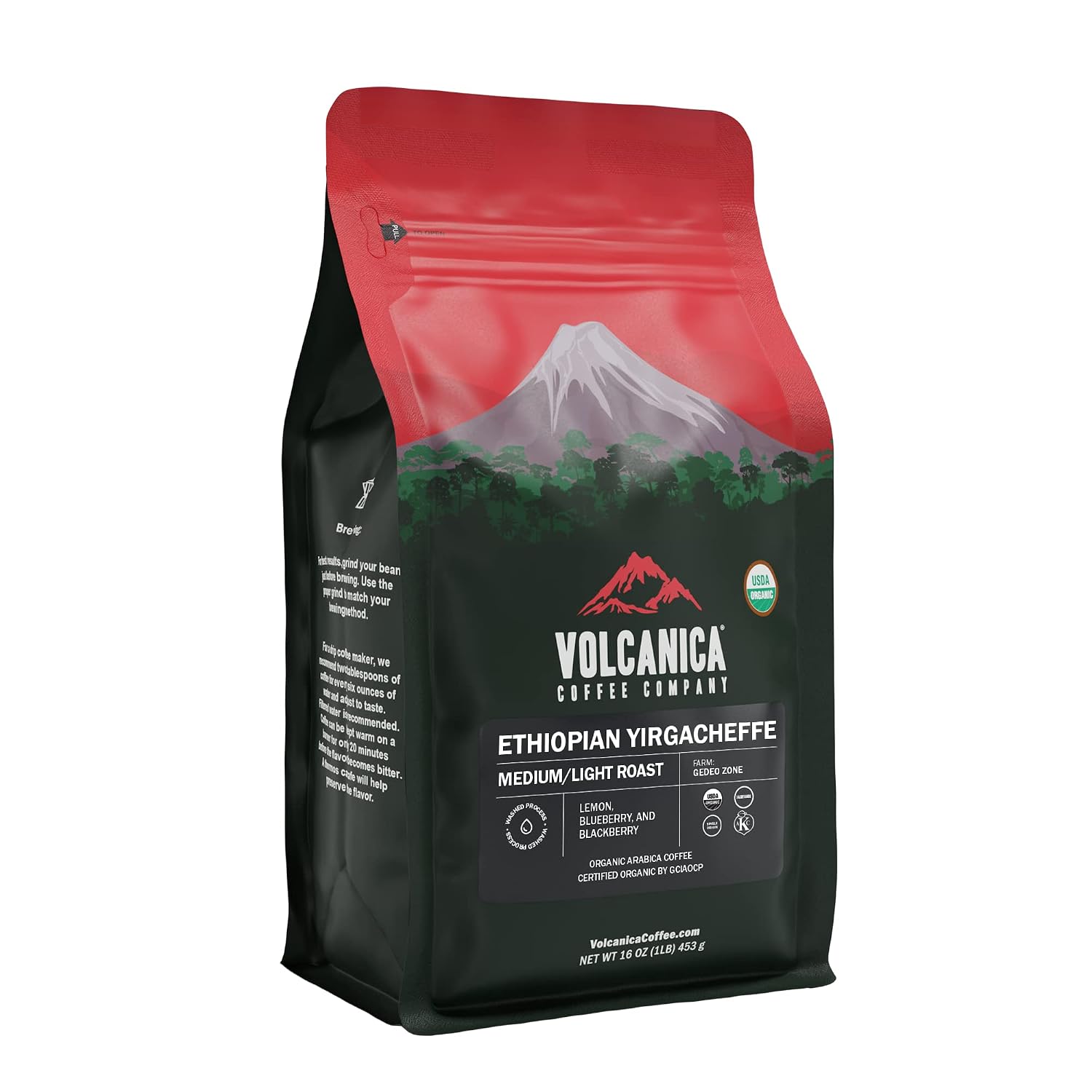
- Volcanica Yirgacheffe (Washed) – Yirgacheffe, washed, medium-light roast. Best overall.
- Onyx Shakiso Wessi – Guji, natural, light roast. Best fruit-bomb natural.
- Utopian Arbegona Yaye – Sidama, washed, light-medium roast. Best for pour-over purists.
- Per’La Specialty Bombe – Sidama, natural, light-medium roast. Best espresso-friendly Ethiopian.
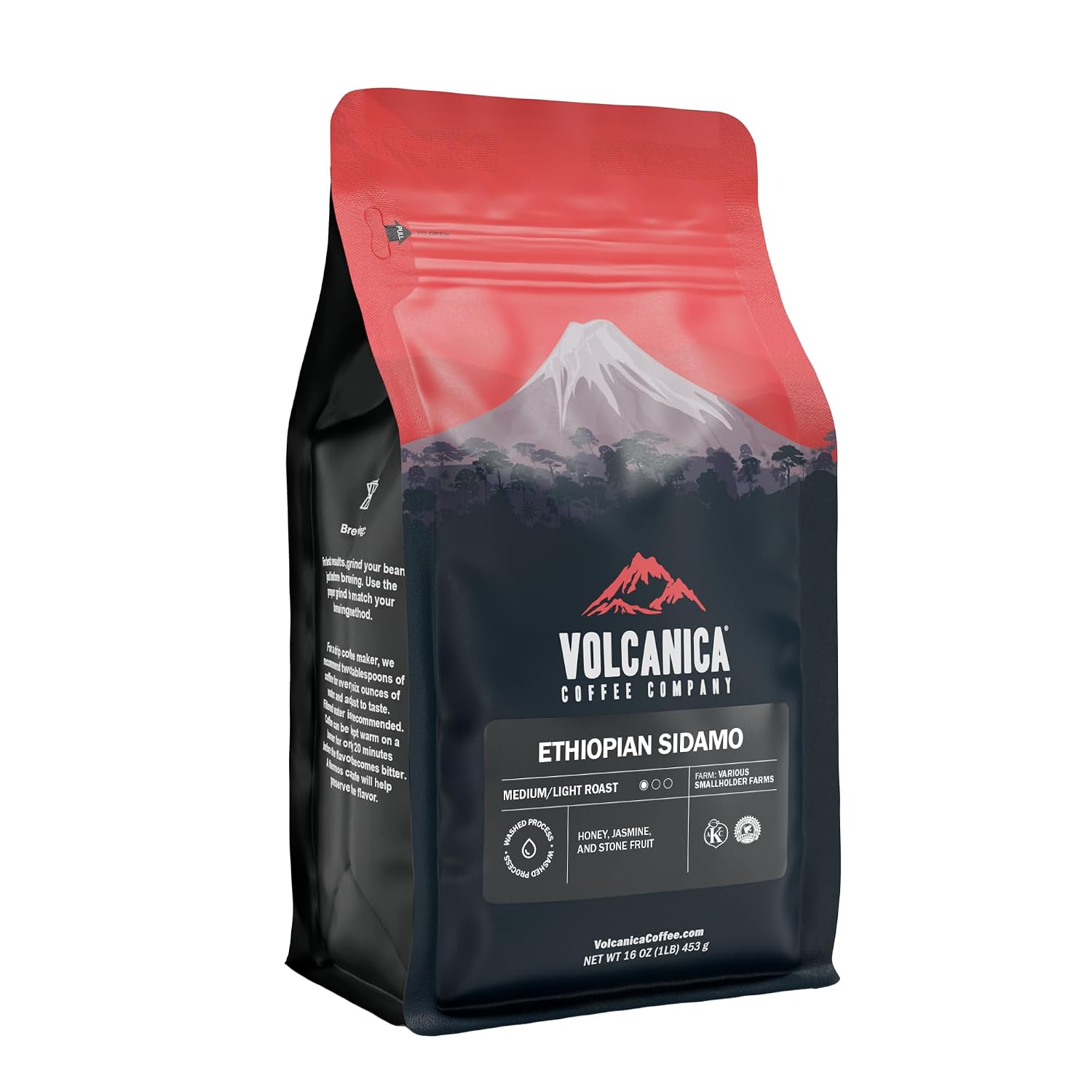
- Volcanica Ethiopia (Sidamo blend) – Sidamo, washed, medium roast. Best budget Ethiopian coffee.
- Passenger Banko Chelchele – Gedeo zone, washed, light roast. Best for cold brew / iced coffee (flash-brewed).
Affiliate & Editorial Disclosure
Capitol City Coffee is an independent coffee editorial and affiliate publication – not a coffee roaster or seller. Some links to Ethiopia coffee beans may be affiliate links that earn a commission at no extra cost to you. Commissions never influence rankings. Recommendations rely on researched editorial analysis of publicly available roaster data, expert cuppings, and verified customer reviews based on flavor, consistency, and value.
At a glance
Compare Amazon-available Ethiopian bags on a phone first: listing photo, roast notes, and a Check on Amazon button. D2C lots stay in the write-up. Research-rated, not yet brewed by our team.
East Africa companion
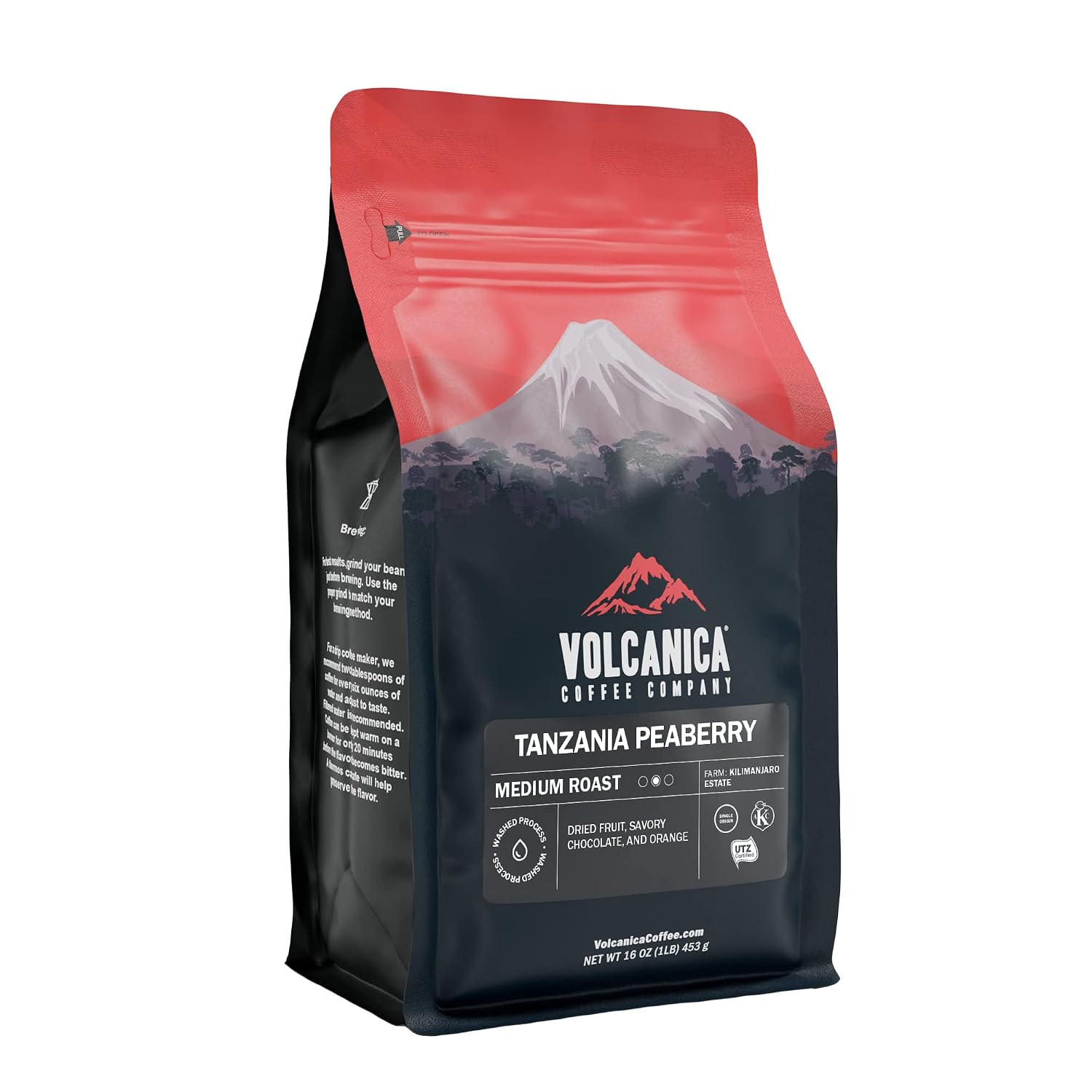
Volcanica Tanzania Peaberry
- RoastMedium-light
- FlavorCitrus, fruit
Coffee & Roaster | Region | Altitude | Process | Roast | Key Flavor Notes | Best Brew Method | ~Price |
|---|---|---|---|---|---|---|---|
Yirgacheffe (Gedeo) | 1,800–2,100 m | Washed | Medium-light | Jasmine, lemon, peach, tea | Pour-over, drip | $22.99/16 oz | |
Onyx Shakiso Wessi | Guji (Shakiso) | 1,800–2,200 m | Natural | Light | Blueberry, strawberry, cocoa | Pour-over, French press | $16/9 oz |
Utopian Arbegona Yaye | Sidama (Yaye) | 2,000–2,230 m | Washed | Light-medium | Stone fruit, citrus, floral | V60, Chemex | $24/10.9 oz |
Per’La Bombe | Sidama | 1,800–2,100 m | Natural | Light-medium | Berry, dark chocolate, wine | Espresso, moka pot | Moderate-premium |
Sidamo | 1,500–2,200 m | Washed | Medium | Chocolate, mild citrus, caramel | Drip, French press | ~$20/16 oz | |
Passenger Banko Chelchele | Gedeo | 1,800–2,100 m | Washed | Light | Bergamot, jasmine, sweet finish | Flash-brew iced, pour-over | $23.25/250 g |
All beans are heirloom Arabica coffee varieties. Pricing may vary.
How We Selected and Evaluated These Ethiopian Coffee Beans
Capitol City Coffee’s picks are based on researched editorial analysis, not in-house cupping. Selection criteria included:
- Origin transparency: traceable region (Yirgacheffe, Sidama, Guji, Harrar, Limu) with cooperative or station details.
- Quality indicators: specialty coffee grade, altitude range above 1,500 masl, heirloom Arabica varieties.
- Roast approach: light to medium roast levels that preserve acidity, florals, and fruit forward character.
- Flavor profile: balance of pleasant acidity, sweetness, body, and floral aroma with classic Ethiopian tasting notes.
- Sourcing & ethics: roasters describing farmer partnerships, reduced use of agricultural chemicals, or organic certification.
- Freshness and availability: whole bean, roasted fresh to order or with clear roast dates, available to U.S. customers.
We cross-referenced trusted third-party review sites like Brew Matric, roaster cupping notes, and aggregated customer reviews sort by flavor consistency. Our scope is limited to English-language sources and U.S. distribution.
Detailed Picks: Best Ethiopian Coffee Beans by Use Case
Each recommendation includes a use-case label, flavor notes, brew-method fit, and meaningful trade-offs.
Best Overall Ethiopian Coffee Bean (Balanced, Iconic Yirgacheffe)
Volcanica Yirgacheffe, Washed – Gedeo zone, southern Ethiopia, ~1,800–2,100 masl, heirloom varieties, washed process, medium-light roast.
- Flavor: fragrant floral aroma (jasmine, bergamot), bright citrus acidity, light-medium body, notes of lemon, peach, honey, and tea-like finish. Yirgacheffe coffee is known for bright, floral, tea-like flavors that define what most coffees from Ethiopia taste like at their cleanest.
- Brew methods: pour-over (V60, Kalita), drip, AeroPress, lighter espresso.
- Value: ~$22.99/16 oz (~$1.44/oz) – fairly priced compared to luxury origins like Kona.
- Drawbacks: may feel too bright or delicate for drinkers who prefer milk chocolate and dark chocolate roast profiles.
Best for: anyone wanting a benchmark washed Ethiopian single origin.
Best Natural Ethiopian Coffee Bean (Big Berry & Winey Fruit)
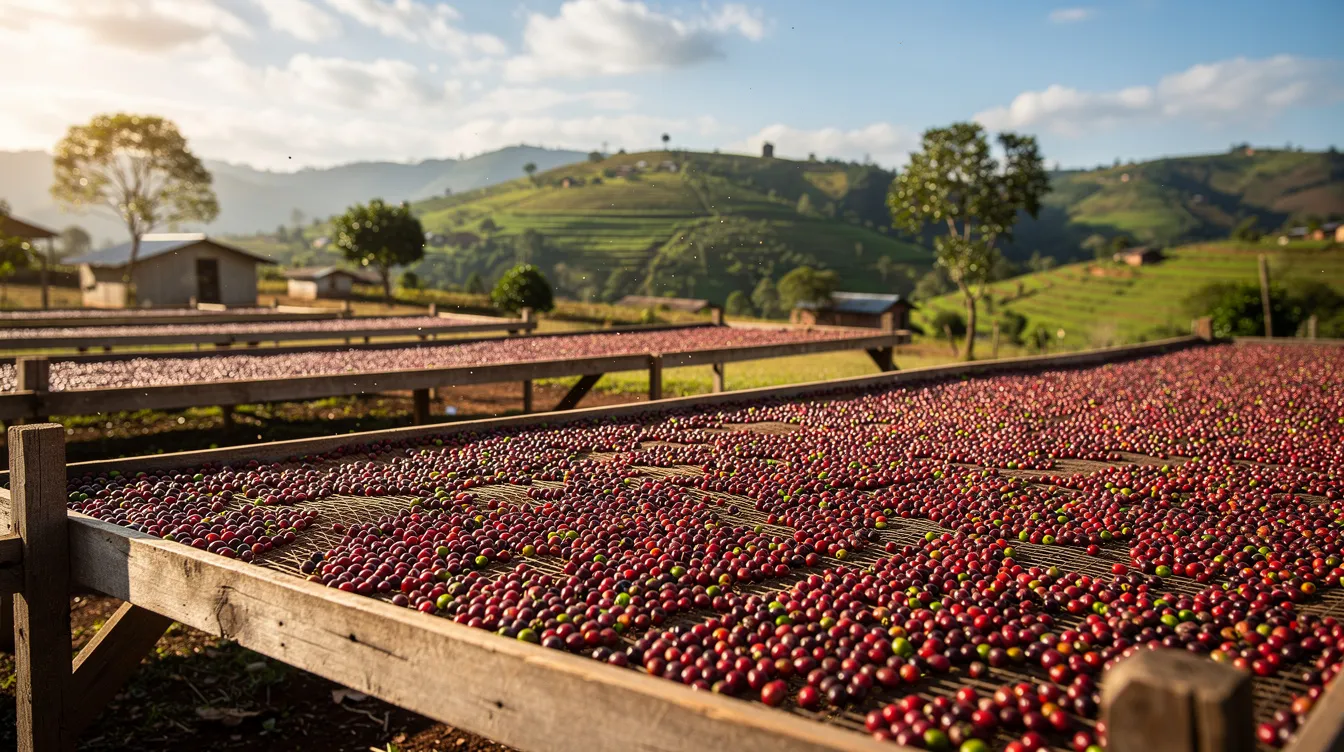
Onyx Shakiso Wessi – Guji, Oromia region, ~1,800–2,200 masl, heirloom coffee trees on smallholder farms, natural/sun-dried process, light roast.
- Flavor: medium body, complex acidity, strong blueberry and strawberry notes with cocoa and wine like undertones. Natural processing enhances sweetness and berry flavors significantly. Natural-processed Ethiopian coffees have heavier fruit and wine-like notes than their washed counterparts.
- Brew methods: pour-over, immersion (French press, Clever), filter-forward espresso.
- Value: ~$16/9 oz (~$1.78/oz) – women-produced lot with strong ethical appeal.
- Drawbacks: naturals can be polarizing – some find them too funky or fermenty. Requires careful dialing in for espresso.
Best for: fruit forward flavor seekers who enjoy bold, juicy cups.
Best Ethiopian Coffee for Espresso (Structured, Chocolate-Forward)
Per’La Specialty Bombe – Sidama, ~1,800–2,100 masl, natural or special preparation, light-medium roast.
- Flavor: medium acidity, syrupy body, dark chocolate, dried berries, mild citrus, lingering sweet finish. The heavier body and caramelized sugars create a more familiar espresso profile.
- Espresso performance: forgiving extraction, works well straight and in milk drinks where Ethiopian character stays present without overwhelming.
- Also works in: moka pots and strong drip brews for a richer Ethiopia coffee experience.
- Drawbacks: less perfumed and delicate than light Yirgacheffe; more developed roast means fewer high-note florals.
Best for: espresso lovers wanting Ethiopian beans without sharp acidity.
Best Budget-Friendly Ethiopian Coffee Bean
Volcanica Ethiopia Sidamo (Washed) – Sidamo region, ~1,500–2,200 masl, heirloom Arabica, washed, medium roast.
- Flavor: balanced acidity, medium body, mild florals and fruit supported by chocolate, nut, and caramel tones. Sidamo coffee often has fruity, sweet, and complex flavor notes, and Sidama offers a balanced profile with sweet citrus and berry notes.
- Brew methods: drip makers, French press, single-serve refillable pods.
- Value: larger bag sizes, lower price per ounce, strong review consistency.
- Drawbacks: less traceability to a single farm; flavor complexity is lower than top-tier single origins. Customer reviews based on aggregate feedback suggest reliable but not extraordinary cups.
Best for: everyday drinkers wanting genuine Ethiopian character on a budget.
Best Ethiopian Coffee for Pour-Over Purists
Utopian Arbegona Yaye – Sidama, Yaye station, JARC 74110/74158 varieties, 2,000–2,230 masl, washed, light-medium roast.
- Flavor: sparkling citrus acidity (lime, mandarin), ultra-clean cup, tea-like body, complex florals (jasmine, bergamot), sweet lingering finish. Washed coffees like this yield clean cups with bright acidity and floral notes.
- Brew methods: V60, Origami, Chemex – paper-filtered drippers that highlight clarity. Slightly lower brew temperatures and finer grind optimize extraction.
- Value: ~$24/10.9 oz. High-scoring (95-96 on third-party review collected consensus).
- Drawbacks: can taste thin or too sharp in immersion or espresso. Limited stock – availability comes in bursts.
Best for: pour-over specialists who enjoy lively acidity and more flavor complexity.
Best Ethiopian Coffee for Cold Brew & Iced Coffee
Passenger Banko Chelchele – Gedeo zone, JARC selections, washed, light roast.
- Flavor: bergamot, jasmine, sweet finish. Cold brew softens acidity and brings out syrupy sweetness. Flash-brewed iced coffee preserves florals better than long-steep cold brew.
- Grind and method: coarse grind, 12-16 hour steep for cold brew; standard pour-over over ice for flash brew.
- Value: ~$23.25/250 g – premium but justified for clarity.
- Drawbacks: some delicate high-end Ethiopian beans lose complexity in cold brew and may not justify the price if only used over ice.
Best for: iced coffee drinkers who want Ethiopian florals without bright acidity.
How to Choose the Right Ethiopian Coffee Beans for You
The best Ethiopian coffee depends on your palate, brew gear, and budget – not just cupping scores.
- Region: Yirgacheffe for florals, Sidama for versatile fruit, Guji for tropical sweetness, Harrar for winey depth, Limu for gentle spice and low acidity.
- Processing: washed Ethiopian coffees are lighter with lively acidity and citrus notes. Natural process brings intense berry and heavier body. Ethiopian coffee is known for distinct processing methods that impact flavor.
- Roast level: light roast preserves floral aroma and bright acidity. Medium roast adds body and chocolate. Avoid dark roasts for most coffees from Ethiopia – they mask origin character.
- Brew method: filter/pour-over pairs with light washed beans. Espresso needs structured body (medium roast). French press suits naturals with rounded sweetness. Cold brew works with naturals or medium roasts.
- Freshness: buy whole bean, use within 2-4 weeks of roast date.
Ethiopian Coffee Profile: What Makes Ethiopian Beans Unique?
Ethiopian coffee is considered the origin of Arabica coffee. Legend holds that a goatherd named Kaldi discovered coffee’s properties around 850 AD in what is now Ethiopia. Ethiopia produces exclusively Arabica coffee, much of it descended from wild or semi-wild coffee trees in ancient forests.
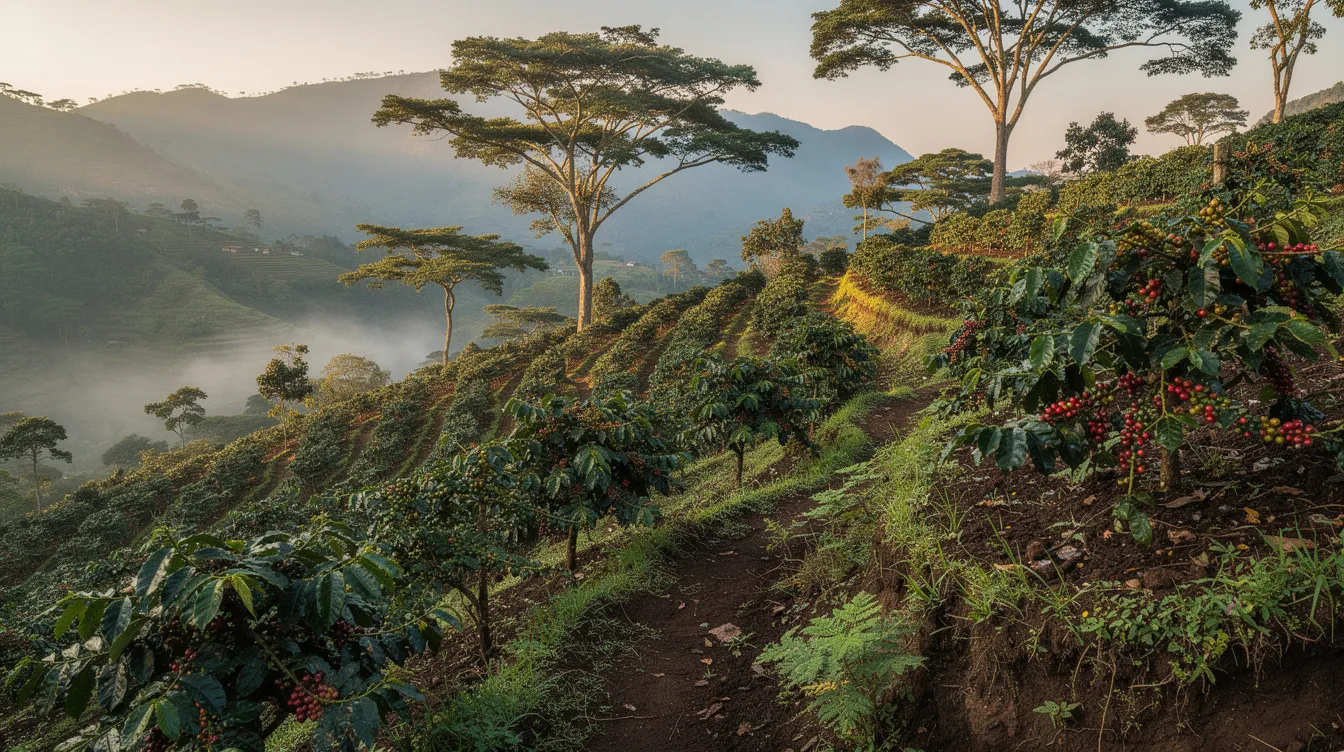
Ethiopia has exceptional genetic diversity with over 6,000 unique coffee varieties – most labeled “heirloom” or “landrace” rather than named cultivars. Ethiopian coffee beans are often smaller and denser than other origins, a result of high-altitude growing conditions (often 1,500–2,200 masl) that contribute to the density and complexity of each cup.
The flavor profile of Ethiopian coffee is vibrant with fruit and floral notes. Core sensory attributes include bright, complex acidity (citrusy or winey), natural sweetness (especially in naturals), body ranging from tea-like to full bodied, and famous floral aromatics (jasmine, honeysuckle, bergamot). Ethiopian coffee flavors range from floral to dark chocolate depending on region, process, and roast.
Ethiopia’s Coffee Regions and Styles
Famous Ethiopian coffee regions include Yirgacheffe, Sidama, and Harrar, but the diversity runs deeper. Ethiopia produces coffee across southwestern Ethiopia, western Ethiopia, and the eastern highlands near Addis Ababa.
- Yirgacheffe (Gedeo zone, southern Ethiopia, 1,700–2,100 m): Yirgacheffe is known for bright, floral, and complex cups. Washed Yirgacheffe is the benchmark for pour-over clarity.
- Sidama (southern Ethiopia, 1,500–2,200 m): Sidamo produces fruity and sweet coffee with complex flavors. Both washed and natural Sidamo coffees are widely available. Sidamo coffees range from citrus-floral to berry-heavy.
- Guji (Oromia, 1,800–2,300 m): tropical fruit, stone fruit, syrupy sweetness. Increasingly popular with specialty coffee roasters.
- Harrar (eastern highlands, 1,500–2,100 m): Harrar coffee is known for its fruity and wine-like tones. Harrar is recognized for its heavy body and wild flavor profile. Almost exclusively natural process. Harrar coffees remain iconic.
- Limu (southwest Ethiopia, 1,400–2,100 m): Limu coffee is recognized for its fruity, spicy flavor and low acidity – a smoother alternative for those who find Yirgacheffe too sharp.
- Jimma, Lekempti, Ghimbi and areas near Lake Tana: some produce commercial-grade beans, others offer specialty lots with sharp acidity and complexity. Kaffa, in southwest Ethiopia, is the ancestral home of coffee trees.
Brewing Ethiopian Coffee: Getting the Best from Your Beans
Ethiopian beans are generally most expressive at lighter roasts. Brewing should emphasize clarity and balanced extraction.
- Pour-over/drip: brew temperatures around 195–205°F, ratio ~1:15–1:16, medium-fine grind. These methods highlight acidity, florals, and nuanced fruit. Washed coffees from Yirgacheffe and Sidama shine here.
- Espresso: light Ethiopian roasts can be demanding. A medium roast is more forgiving – slightly higher brew temps and finer grind help manage acidity.
- French press: medium roast or fruity naturals, coarser grind, slightly longer steep for sweetness without over-emphasizing acidity.
- Cold brew: naturals and medium roasts produce sweet, low-acid cups with berry or chocolate notes. Coarse grind, 12-16 hour steep.
The traditional Ethiopian coffee ceremony – performed three times daily – involves roasting green beans in a pan over charcoal, grinding by mortar, and brewing in a clay jebena pot. Ethiopian coffee ceremonies last 2 to 3 hours and symbolize respect and friendship. Home baristas can’t fully replicate this ritual, but its emphasis on freshness and floral aroma translates directly: grind fresh, brew hot, share generously.
Freshness, Storage, and Buying Tips for Ethiopian Coffee
Even the best Ethiopian coffee beans taste flat when stale.
- Buy smart: prioritize whole bean Ethiopian coffee with a clear roast date. Prefer Ethiopian coffee roasters that roast to order. Farmers deliver parchment coffee to washing stations, but by the time beans reach you, freshness depends on the roaster.
- Storage: opaque, airtight container, room temperature. Avoid light, heat, moisture. If freezing, portion into small bags to avoid condensation.
- Use-by window: most coffees peak between 3-4 days and 3-4 weeks after roast for filter brewing. Espresso benefits from 7-14 days rest.
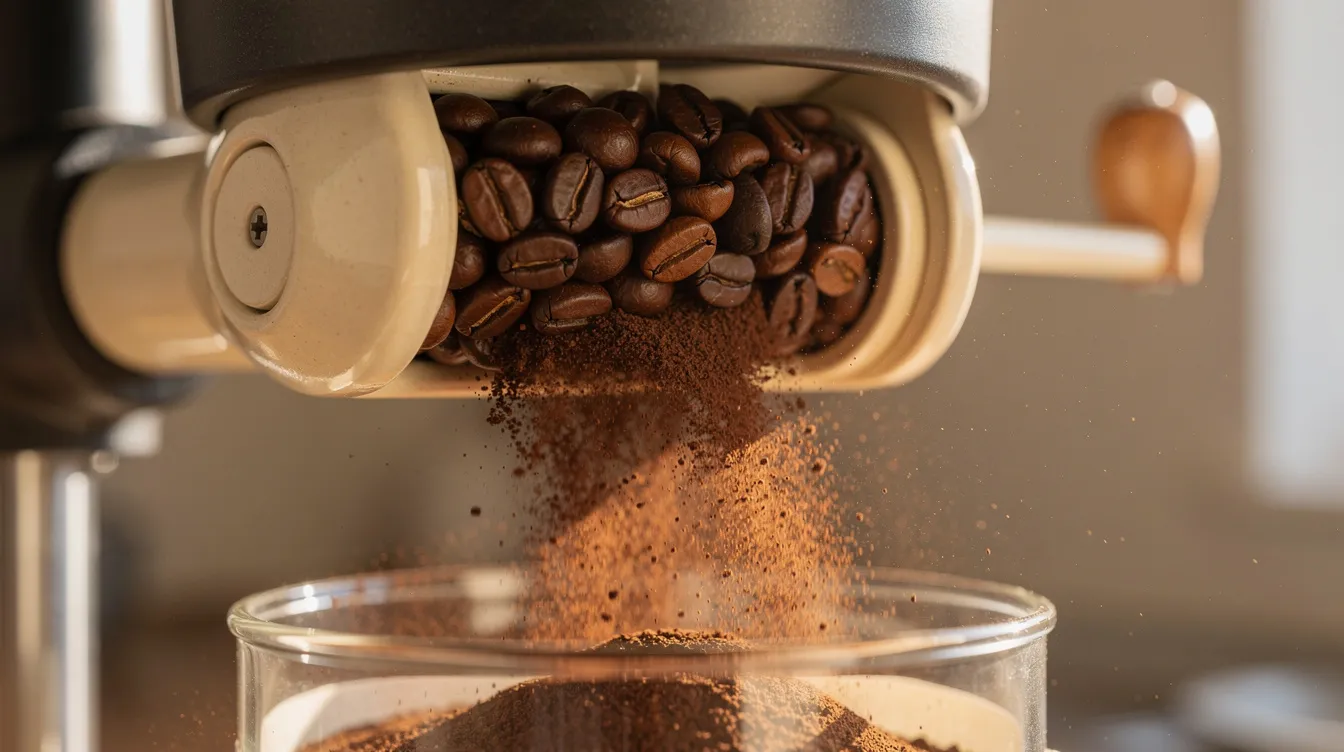
- Grind fresh: a burr grinder delivers consistent particle size for extracting Ethiopian coffee’s delicate bread-like sweetness and high-tone florals.
Related Origins and Further Reading
Fans of Ethiopian coffee often enjoy exploring other countries with distinct acidity and sweetness. Colombia emphasizes chocolate and nut with gentler acidity. Guatemala brings sweet cocoa and spice with balanced brightness. Costa Rica delivers clean, bright cups with honey and citrus accents.
Try building a tasting flight: brew an Ethiopian Yirgacheffe alongside a washed Costa Rican or a Colombian single origin to sharpen your palate on terroir differences.
Our Ethiopian Coffee Picks
We matched two Ethiopian bags to the moods below. Tap the image or the coffee name. Research-rated, not yet brewed by our team. As an Amazon Associate we earn from qualifying purchases.
Feeling bright: a Yirgacheffe cup
Our pick: Volcanica Coffee Ethiopian Yirgacheffe, light roast, USDA Organic, whole bean. The floral, tea-like side this origin guide describes. Research-rated, not yet brewed by our team.
Feeling wild: a Harrar cup
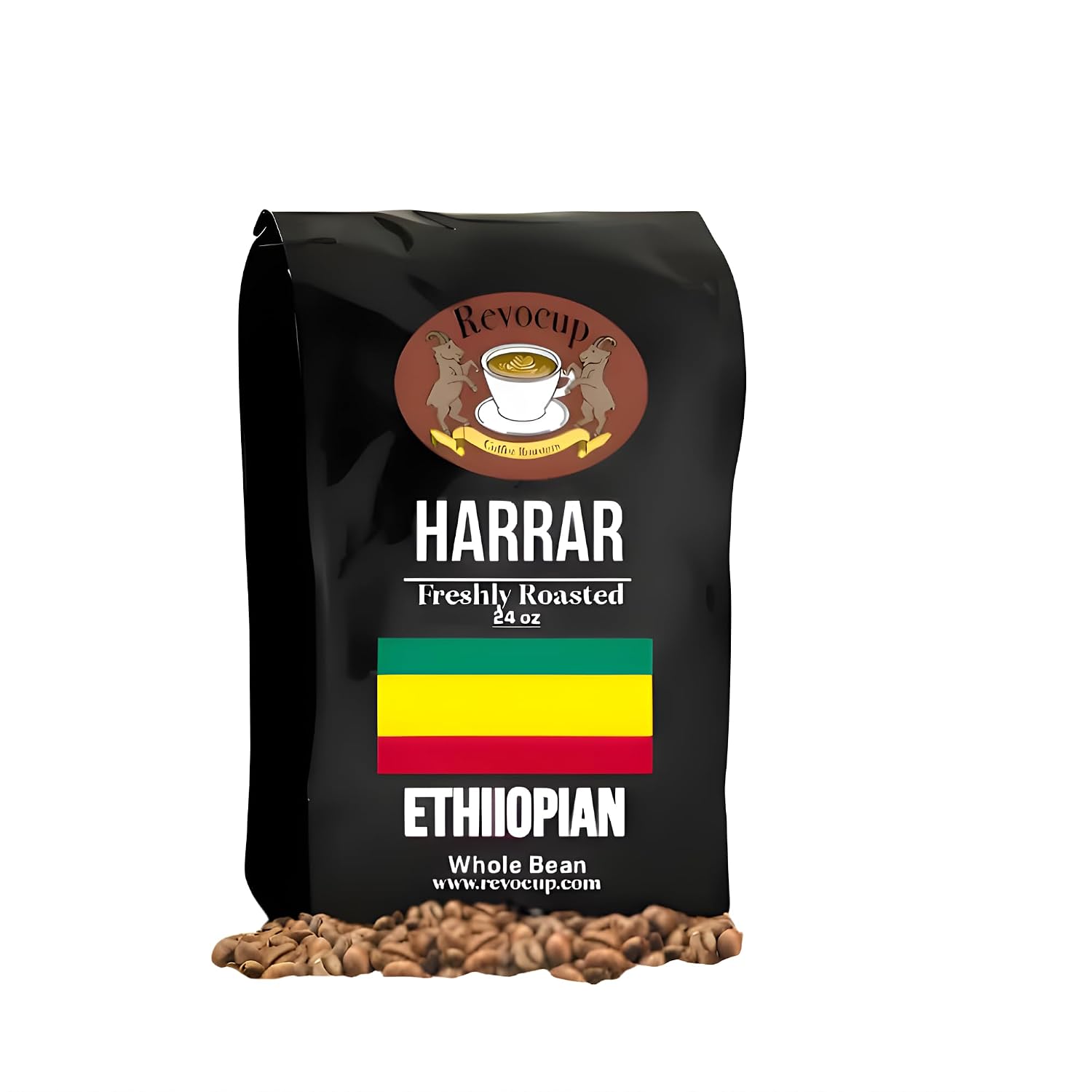
Our pick: Revocup Ethiopian Harrar, whole bean. A fruit-forward Harrar for the wilder Ethiopian profile in this guide. Research-rated, not yet brewed by our team.
Frequently Asked Questions About Ethiopian Coffee Beans
These questions cover practical details not fully addressed above.
Are Ethiopian coffee beans good for beginners who usually drink dark roast?
Ethiopian beans are typically brighter and more acidic than dark roasts, which can feel surprising at first. Start with a medium roast Limu or Sidama blend that emphasizes chocolate and caramel to ease the transition. Once palates adjust, many people come to appreciate the complexity and sweetness of lighter Ethiopian coffees with their higher quality origin character.
Do Ethiopian coffee farmers use a lot of agricultural chemicals?
Much Ethiopian coffee is grown in garden or semi-forest systems with limited synthetic agricultural chemicals, though practices vary. Organic certification is common but not universal – many smallholders grow organically without formal certification due to cost. Look for roasters from other countries who share farming practice details if this is a concern. A store invitation to check roaster sourcing pages can help.
What’s the difference between Ethiopian coffee and other African coffees like Kenyan or Rwandan?
Ethiopian coffees lean more floral and tea-like with diverse fruit notes thanks to heirloom varieties. Kenyan coffees are typically very bright with blackcurrant-like acidity and structured body. Rwandan coffees sit between Ethiopian and Central American profiles – sweet, balanced, with stone fruit and citrus.
Can I roast Ethiopian green coffee beans at home easily?
Ethiopian coffee beans require a gentle temperature increase during roasting – avoid sudden intense heat when roasting Ethiopian coffee beans. Roasting Ethiopian coffee requires constant monitoring for best results because the beans are often smaller and denser than other origins. Start with conservative profiles (slower heat build, light to medium end point). Light to medium roasts preserve Ethiopian coffee’s floral and fruity notes. Sample smaller batches and keep notes, as beans from different regions behave differently during roasting.
Is there a decaf version of Ethiopian coffee that still tastes good?
Decaf Ethiopian coffees exist, often processed via Swiss Water or sugarcane/ethyl acetate methods that aim to preserve flavor. Decaf Ethiopian beans may lose some aromatics but can still showcase fruit, chocolate, and mild floral notes when brewed carefully. Choose decaf from reputable specialty roasters that publish origin, process, and decaffeination method – wet processed coffees and washed options tend to retain the most cup clarity even after decaffeination.
Ethiopian coffee beans are considered some of the finest in the world, offering a flavor spectrum that runs from delicate jasmine florals to bold blueberry and dark chocolate. Whether you brew pour-over or pull espresso, this guide breaks down the best Ethiopian coffee beans available to U.S. buyers right now, organized by use case, region, and budget.
Key Takeaways
- The best Ethiopian coffee beans for most people start with a washed Yirgacheffe for floral clarity, a natural Guji or Sidama for berry-forward fruit, or a Harrar for winey complexity.
- Ethiopia coffee beans are high-altitude Arabica with dense structure, complex acidity, and fruit-forward tasting notes, especially at light to medium roast levels.
- All picks below are based on researched editorial analysis of expert reviews, roaster data, and consensus cupping notes – not hands-on tasting by Capitol City Coffee.
- The “best” Ethiopian coffee depends on your preferred flavor profile, brew method, and budget. This guide covers regions, processing, brewing tips, and the Ethiopian coffee ceremony to help you decide.
Quick Answer: Our Top Picks for the Best Ethiopian Coffee Beans
These rankings reflect Capitol City Coffee’s independent editorial judgment based on flavor profile, roast quality, sourcing transparency, value, and availability to U.S. buyers.
- Volcanica Yirgacheffe (Washed) – Yirgacheffe, washed, medium-light roast. Best overall.
- Onyx Shakiso Wessi – Guji, natural, light roast. Best fruit-bomb natural.
- Utopian Arbegona Yaye – Sidama, washed, light-medium roast. Best for pour-over purists.
- Per’La Specialty Bombe – Sidama, natural, light-medium roast. Best espresso-friendly Ethiopian.
- Volcanica Ethiopia (Sidamo blend) – Sidamo, washed, medium roast. Best budget Ethiopian coffee.
- Passenger Banko Chelchele – Gedeo zone, washed, light roast. Best for cold brew / iced coffee (flash-brewed).
Affiliate & Editorial Disclosure
Capitol City Coffee is an independent coffee editorial and affiliate publication – not a coffee roaster or seller. Some links to Ethiopia coffee beans may be affiliate links that earn a commission at no extra cost to you. Commissions never influence rankings. Recommendations rely on researched editorial analysis of publicly available roaster data, expert cuppings, and verified customer reviews based on flavor, consistency, and value.
At a glance
Compare Amazon-available Ethiopian bags on a phone first: listing photo, roast notes, and a Check on Amazon button. D2C lots stay in the write-up. Research-rated, not yet brewed by our team.
East Africa companion
Volcanica Tanzania Peaberry
- RoastMedium-light
- FlavorCitrus, fruit
Coffee & Roaster | Region | Altitude | Process | Roast | Key Flavor Notes | Best Brew Method | ~Price |
|---|---|---|---|---|---|---|---|
Yirgacheffe (Gedeo) | 1,800–2,100 m | Washed | Medium-light | Jasmine, lemon, peach, tea | Pour-over, drip | $22.99/16 oz | |
Onyx Shakiso Wessi | Guji (Shakiso) | 1,800–2,200 m | Natural | Light | Blueberry, strawberry, cocoa | Pour-over, French press | $16/9 oz |
Utopian Arbegona Yaye | Sidama (Yaye) | 2,000–2,230 m | Washed | Light-medium | Stone fruit, citrus, floral | V60, Chemex | $24/10.9 oz |
Per’La Bombe | Sidama | 1,800–2,100 m | Natural | Light-medium | Berry, dark chocolate, wine | Espresso, moka pot | Moderate-premium |
Sidamo | 1,500–2,200 m | Washed | Medium | Chocolate, mild citrus, caramel | Drip, French press | ~$20/16 oz | |
Passenger Banko Chelchele | Gedeo | 1,800–2,100 m | Washed | Light | Bergamot, jasmine, sweet finish | Flash-brew iced, pour-over | $23.25/250 g |
All beans are heirloom Arabica coffee varieties. Pricing may vary.
How We Selected and Evaluated These Ethiopian Coffee Beans
Capitol City Coffee’s picks are based on researched editorial analysis, not in-house cupping. Selection criteria included:
- Origin transparency: traceable region (Yirgacheffe, Sidama, Guji, Harrar, Limu) with cooperative or station details.
- Quality indicators: specialty coffee grade, altitude range above 1,500 masl, heirloom Arabica varieties.
- Roast approach: light to medium roast levels that preserve acidity, florals, and fruit forward character.
- Flavor profile: balance of pleasant acidity, sweetness, body, and floral aroma with classic Ethiopian tasting notes.
- Sourcing & ethics: roasters describing farmer partnerships, reduced use of agricultural chemicals, or organic certification.
- Freshness and availability: whole bean, roasted fresh to order or with clear roast dates, available to U.S. customers.
We cross-referenced trusted third-party review sites like Brew Matric, roaster cupping notes, and aggregated customer reviews sort by flavor consistency. Our scope is limited to English-language sources and U.S. distribution.
Detailed Picks: Best Ethiopian Coffee Beans by Use Case
Each recommendation includes a use-case label, flavor notes, brew-method fit, and meaningful trade-offs.
Best Overall Ethiopian Coffee Bean (Balanced, Iconic Yirgacheffe)
Volcanica Yirgacheffe, Washed – Gedeo zone, southern Ethiopia, ~1,800–2,100 masl, heirloom varieties, washed process, medium-light roast.
- Flavor: fragrant floral aroma (jasmine, bergamot), bright citrus acidity, light-medium body, notes of lemon, peach, honey, and tea-like finish. Yirgacheffe coffee is known for bright, floral, tea-like flavors that define what most coffees from Ethiopia taste like at their cleanest.
- Brew methods: pour-over (V60, Kalita), drip, AeroPress, lighter espresso.
- Value: ~$22.99/16 oz (~$1.44/oz) – fairly priced compared to luxury origins like Kona.
- Drawbacks: may feel too bright or delicate for drinkers who prefer milk chocolate and dark chocolate roast profiles.
Best for: anyone wanting a benchmark washed Ethiopian single origin.
Best Natural Ethiopian Coffee Bean (Big Berry & Winey Fruit)
Onyx Shakiso Wessi – Guji, Oromia region, ~1,800–2,200 masl, heirloom coffee trees on smallholder farms, natural/sun-dried process, light roast.
- Flavor: medium body, complex acidity, strong blueberry and strawberry notes with cocoa and wine like undertones. Natural processing enhances sweetness and berry flavors significantly. Natural-processed Ethiopian coffees have heavier fruit and wine-like notes than their washed counterparts.
- Brew methods: pour-over, immersion (French press, Clever), filter-forward espresso.
- Value: ~$16/9 oz (~$1.78/oz) – women-produced lot with strong ethical appeal.
- Drawbacks: naturals can be polarizing – some find them too funky or fermenty. Requires careful dialing in for espresso.
Best for: fruit forward flavor seekers who enjoy bold, juicy cups.
Best Ethiopian Coffee for Espresso (Structured, Chocolate-Forward)
Per’La Specialty Bombe – Sidama, ~1,800–2,100 masl, natural or special preparation, light-medium roast.
- Flavor: medium acidity, syrupy body, dark chocolate, dried berries, mild citrus, lingering sweet finish. The heavier body and caramelized sugars create a more familiar espresso profile.
- Espresso performance: forgiving extraction, works well straight and in milk drinks where Ethiopian character stays present without overwhelming.
- Also works in: moka pots and strong drip brews for a richer Ethiopia coffee experience.
- Drawbacks: less perfumed and delicate than light Yirgacheffe; more developed roast means fewer high-note florals.
Best for: espresso lovers wanting Ethiopian beans without sharp acidity.
Best Budget-Friendly Ethiopian Coffee Bean
Volcanica Ethiopia Sidamo (Washed) – Sidamo region, ~1,500–2,200 masl, heirloom Arabica, washed, medium roast.
- Flavor: balanced acidity, medium body, mild florals and fruit supported by chocolate, nut, and caramel tones. Sidamo coffee often has fruity, sweet, and complex flavor notes, and Sidama offers a balanced profile with sweet citrus and berry notes.
- Brew methods: drip makers, French press, single-serve refillable pods.
- Value: larger bag sizes, lower price per ounce, strong review consistency.
- Drawbacks: less traceability to a single farm; flavor complexity is lower than top-tier single origins. Customer reviews based on aggregate feedback suggest reliable but not extraordinary cups.
Best for: everyday drinkers wanting genuine Ethiopian character on a budget.
Best Ethiopian Coffee for Pour-Over Purists
Utopian Arbegona Yaye – Sidama, Yaye station, JARC 74110/74158 varieties, 2,000–2,230 masl, washed, light-medium roast.
- Flavor: sparkling citrus acidity (lime, mandarin), ultra-clean cup, tea-like body, complex florals (jasmine, bergamot), sweet lingering finish. Washed coffees like this yield clean cups with bright acidity and floral notes.
- Brew methods: V60, Origami, Chemex – paper-filtered drippers that highlight clarity. Slightly lower brew temperatures and finer grind optimize extraction.
- Value: ~$24/10.9 oz. High-scoring (95-96 on third-party review collected consensus).
- Drawbacks: can taste thin or too sharp in immersion or espresso. Limited stock – availability comes in bursts.
Best for: pour-over specialists who enjoy lively acidity and more flavor complexity.
Best Ethiopian Coffee for Cold Brew & Iced Coffee
Passenger Banko Chelchele – Gedeo zone, JARC selections, washed, light roast.
- Flavor: bergamot, jasmine, sweet finish. Cold brew softens acidity and brings out syrupy sweetness. Flash-brewed iced coffee preserves florals better than long-steep cold brew.
- Grind and method: coarse grind, 12-16 hour steep for cold brew; standard pour-over over ice for flash brew.
- Value: ~$23.25/250 g – premium but justified for clarity.
- Drawbacks: some delicate high-end Ethiopian beans lose complexity in cold brew and may not justify the price if only used over ice.
Best for: iced coffee drinkers who want Ethiopian florals without bright acidity.
How to Choose the Right Ethiopian Coffee Beans for You
The best Ethiopian coffee depends on your palate, brew gear, and budget – not just cupping scores.
- Region: Yirgacheffe for florals, Sidama for versatile fruit, Guji for tropical sweetness, Harrar for winey depth, Limu for gentle spice and low acidity.
- Processing: washed Ethiopian coffees are lighter with lively acidity and citrus notes. Natural process brings intense berry and heavier body. Ethiopian coffee is known for distinct processing methods that impact flavor.
- Roast level: light roast preserves floral aroma and bright acidity. Medium roast adds body and chocolate. Avoid dark roasts for most coffees from Ethiopia – they mask origin character.
- Brew method: filter/pour-over pairs with light washed beans. Espresso needs structured body (medium roast). French press suits naturals with rounded sweetness. Cold brew works with naturals or medium roasts.
- Freshness: buy whole bean, use within 2-4 weeks of roast date.
Ethiopian Coffee Profile: What Makes Ethiopian Beans Unique?
Ethiopian coffee is considered the origin of Arabica coffee. Legend holds that a goatherd named Kaldi discovered coffee’s properties around 850 AD in what is now Ethiopia. Ethiopia produces exclusively Arabica coffee, much of it descended from wild or semi-wild coffee trees in ancient forests.
Ethiopia has exceptional genetic diversity with over 6,000 unique coffee varieties – most labeled “heirloom” or “landrace” rather than named cultivars. Ethiopian coffee beans are often smaller and denser than other origins, a result of high-altitude growing conditions (often 1,500–2,200 masl) that contribute to the density and complexity of each cup.
The flavor profile of Ethiopian coffee is vibrant with fruit and floral notes. Core sensory attributes include bright, complex acidity (citrusy or winey), natural sweetness (especially in naturals), body ranging from tea-like to full bodied, and famous floral aromatics (jasmine, honeysuckle, bergamot). Ethiopian coffee flavors range from floral to dark chocolate depending on region, process, and roast.
Ethiopia’s Coffee Regions and Styles
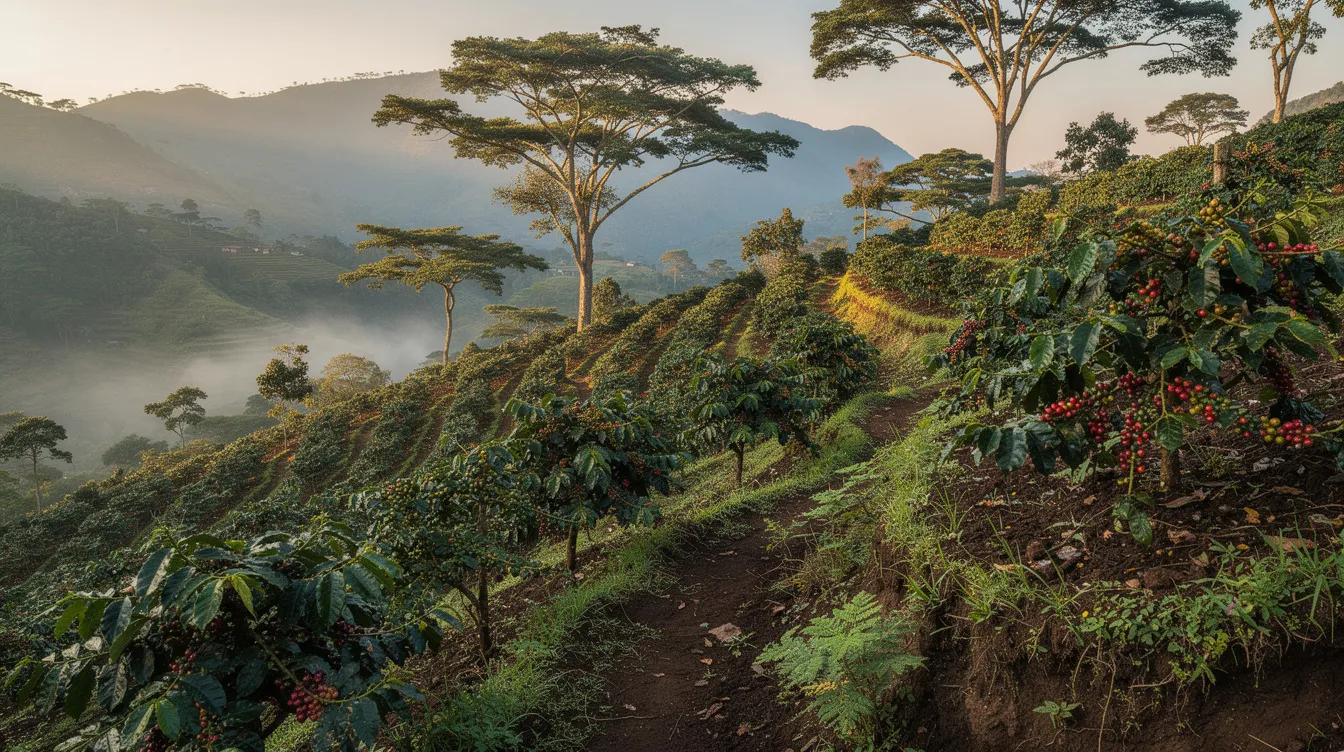
Famous Ethiopian coffee regions include Yirgacheffe, Sidama, and Harrar, but the diversity runs deeper. Ethiopia produces coffee across southwestern Ethiopia, western Ethiopia, and the eastern highlands near Addis Ababa.
- Yirgacheffe (Gedeo zone, southern Ethiopia, 1,700–2,100 m): Yirgacheffe is known for bright, floral, and complex cups. Washed Yirgacheffe is the benchmark for pour-over clarity.
- Sidama (southern Ethiopia, 1,500–2,200 m): Sidamo produces fruity and sweet coffee with complex flavors. Both washed and natural Sidamo coffees are widely available. Sidamo coffees range from citrus-floral to berry-heavy.
- Guji (Oromia, 1,800–2,300 m): tropical fruit, stone fruit, syrupy sweetness. Increasingly popular with specialty coffee roasters.
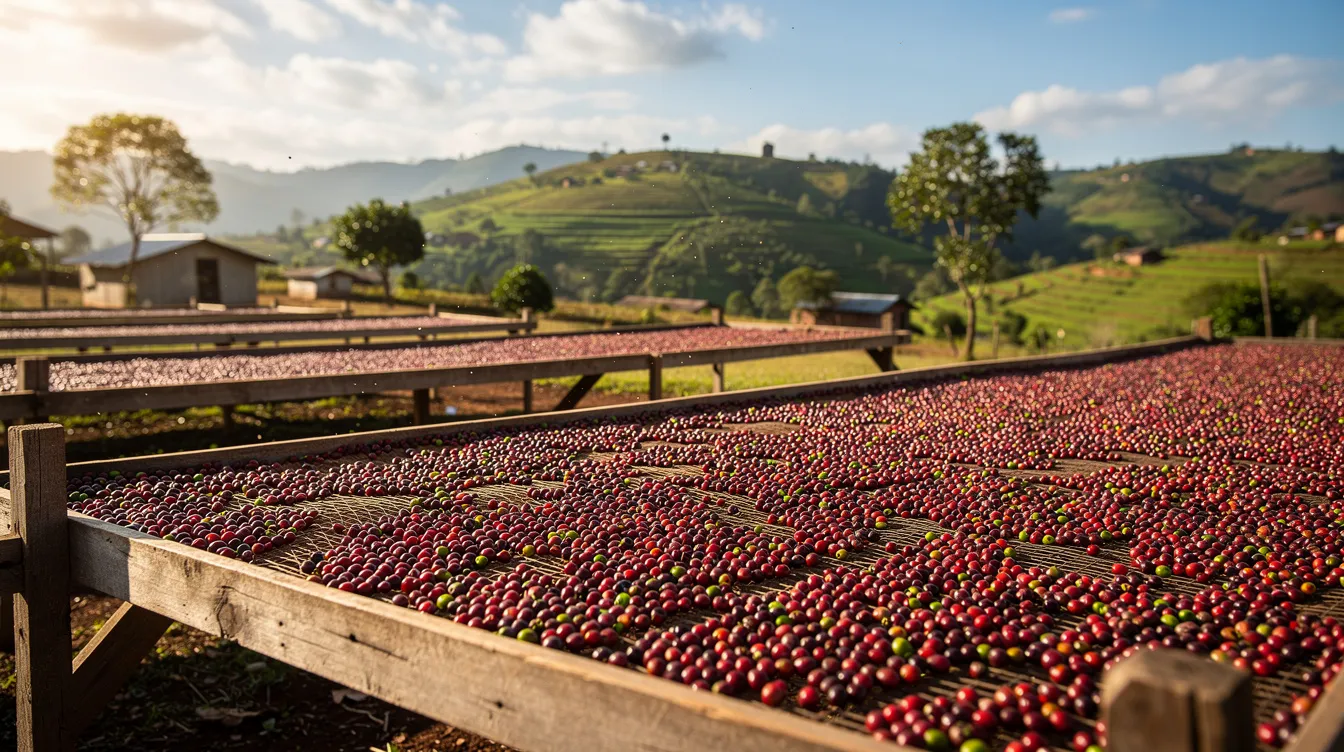
- Harrar (eastern highlands, 1,500–2,100 m): Harrar coffee is known for its fruity and wine-like tones. Harrar is recognized for its heavy body and wild flavor profile. Almost exclusively natural process. Harrar coffees remain iconic.
- Limu (southwest Ethiopia, 1,400–2,100 m): Limu coffee is recognized for its fruity, spicy flavor and low acidity – a smoother alternative for those who find Yirgacheffe too sharp.
- Jimma, Lekempti, Ghimbi and areas near Lake Tana: some produce commercial-grade beans, others offer specialty lots with sharp acidity and complexity. Kaffa, in southwest Ethiopia, is the ancestral home of coffee trees.
Brewing Ethiopian Coffee: Getting the Best from Your Beans
Ethiopian beans are generally most expressive at lighter roasts. Brewing should emphasize clarity and balanced extraction.
- Pour-over/drip: brew temperatures around 195–205°F, ratio ~1:15–1:16, medium-fine grind. These methods highlight acidity, florals, and nuanced fruit. Washed coffees from Yirgacheffe and Sidama shine here.
- Espresso: light Ethiopian roasts can be demanding. A medium roast is more forgiving – slightly higher brew temps and finer grind help manage acidity.
- French press: medium roast or fruity naturals, coarser grind, slightly longer steep for sweetness without over-emphasizing acidity.
- Cold brew: naturals and medium roasts produce sweet, low-acid cups with berry or chocolate notes. Coarse grind, 12-16 hour steep.
The traditional Ethiopian coffee ceremony – performed three times daily – involves roasting green beans in a pan over charcoal, grinding by mortar, and brewing in a clay jebena pot. Ethiopian coffee ceremonies last 2 to 3 hours and symbolize respect and friendship. Home baristas can’t fully replicate this ritual, but its emphasis on freshness and floral aroma translates directly: grind fresh, brew hot, share generously.
Freshness, Storage, and Buying Tips for Ethiopian Coffee
Even the best Ethiopian coffee beans taste flat when stale.
- Buy smart: prioritize whole bean Ethiopian coffee with a clear roast date. Prefer Ethiopian coffee roasters that roast to order. Farmers deliver parchment coffee to washing stations, but by the time beans reach you, freshness depends on the roaster.
- Storage: opaque, airtight container, room temperature. Avoid light, heat, moisture. If freezing, portion into small bags to avoid condensation.
- Use-by window: most coffees peak between 3-4 days and 3-4 weeks after roast for filter brewing. Espresso benefits from 7-14 days rest.
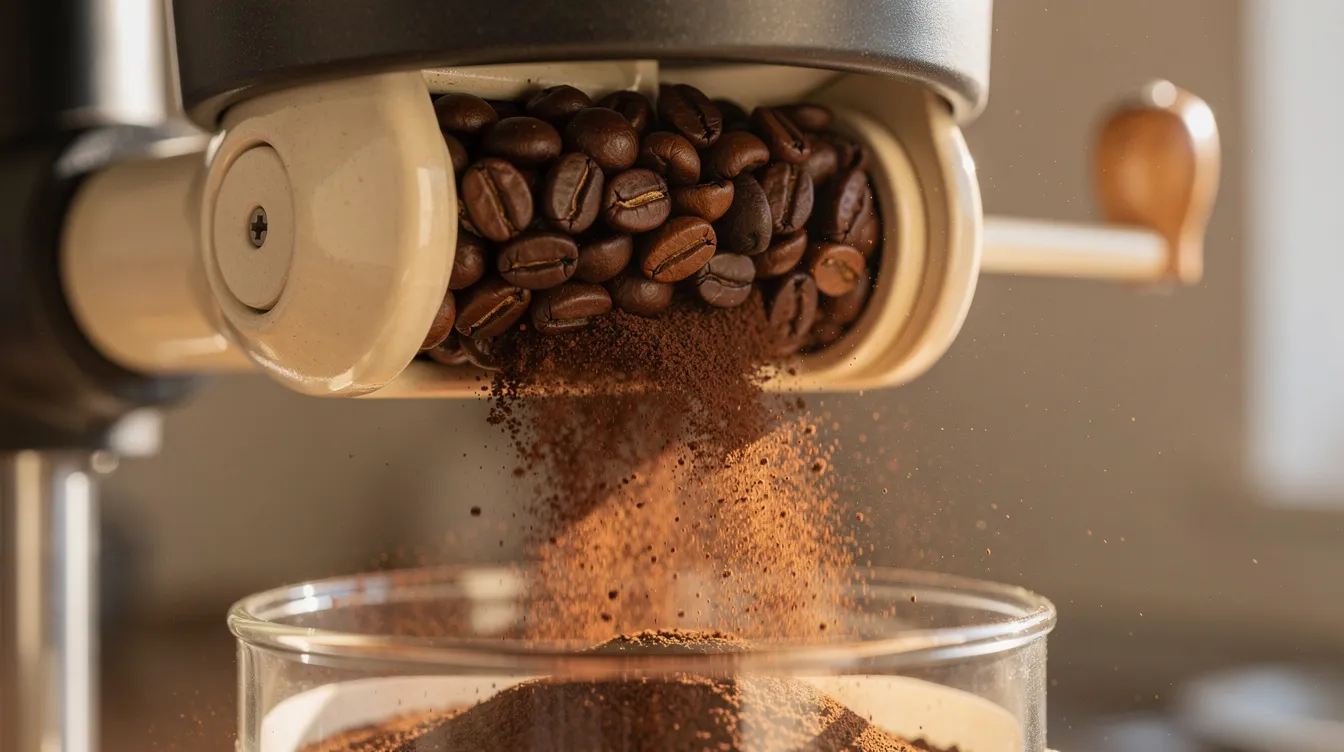
- Grind fresh: a burr grinder delivers consistent particle size for extracting Ethiopian coffee’s delicate bread-like sweetness and high-tone florals.
Related Origins and Further Reading
Fans of Ethiopian coffee often enjoy exploring other countries with distinct acidity and sweetness. Colombia emphasizes chocolate and nut with gentler acidity. Guatemala brings sweet cocoa and spice with balanced brightness. Costa Rica delivers clean, bright cups with honey and citrus accents.
Try building a tasting flight: brew an Ethiopian Yirgacheffe alongside a washed Costa Rican or a Colombian single origin to sharpen your palate on terroir differences.
Our Ethiopian Coffee Picks
We matched two Ethiopian bags to the moods below. Tap the image or the coffee name. Research-rated, not yet brewed by our team. As an Amazon Associate we earn from qualifying purchases.
Feeling bright: a Yirgacheffe cup
Our pick: Volcanica Coffee Ethiopian Yirgacheffe, light roast, USDA Organic, whole bean. The floral, tea-like side this origin guide describes. Research-rated, not yet brewed by our team.
Feeling wild: a Harrar cup
Our pick: Revocup Ethiopian Harrar, whole bean. A fruit-forward Harrar for the wilder Ethiopian profile in this guide. Research-rated, not yet brewed by our team.
Frequently Asked Questions About Ethiopian Coffee Beans
These questions cover practical details not fully addressed above.
Are Ethiopian coffee beans good for beginners who usually drink dark roast?
Ethiopian beans are typically brighter and more acidic than dark roasts, which can feel surprising at first. Start with a medium roast Limu or Sidama blend that emphasizes chocolate and caramel to ease the transition. Once palates adjust, many people come to appreciate the complexity and sweetness of lighter Ethiopian coffees with their higher quality origin character.
Do Ethiopian coffee farmers use a lot of agricultural chemicals?
Much Ethiopian coffee is grown in garden or semi-forest systems with limited synthetic agricultural chemicals, though practices vary. Organic certification is common but not universal – many smallholders grow organically without formal certification due to cost. Look for roasters from other countries who share farming practice details if this is a concern. A store invitation to check roaster sourcing pages can help.
What’s the difference between Ethiopian coffee and other African coffees like Kenyan or Rwandan?
Ethiopian coffees lean more floral and tea-like with diverse fruit notes thanks to heirloom varieties. Kenyan coffees are typically very bright with blackcurrant-like acidity and structured body. Rwandan coffees sit between Ethiopian and Central American profiles – sweet, balanced, with stone fruit and citrus.
Can I roast Ethiopian green coffee beans at home easily?
Ethiopian coffee beans require a gentle temperature increase during roasting – avoid sudden intense heat when roasting Ethiopian coffee beans. Roasting Ethiopian coffee requires constant monitoring for best results because the beans are often smaller and denser than other origins. Start with conservative profiles (slower heat build, light to medium end point). Light to medium roasts preserve Ethiopian coffee’s floral and fruity notes. Sample smaller batches and keep notes, as beans from different regions behave differently during roasting.