

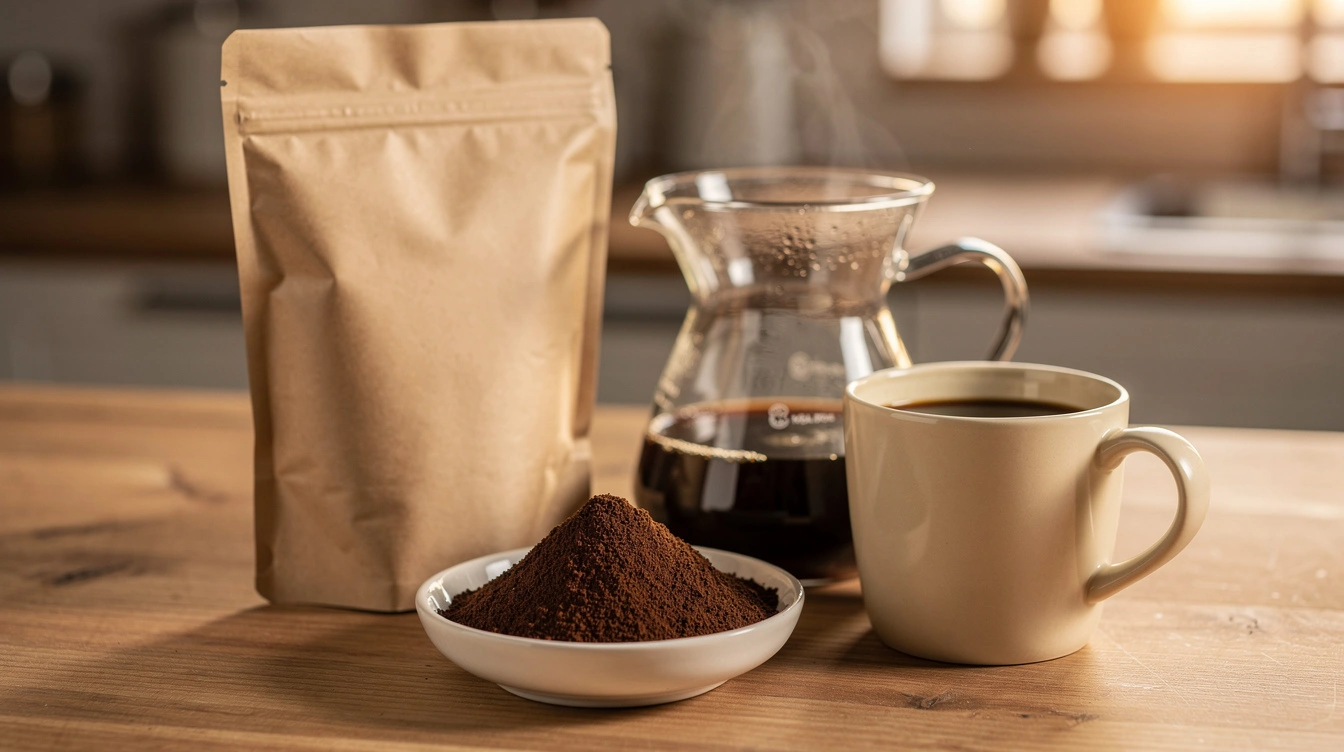
The best ground coffee in 2026 for everyday brewing depends on your roast preference, brew method, and budget – but a few bags consistently rise above the rest. Peet’s Major Dickason’s Blend delivers rich, chocolatey dark roast reliability for auto-drip and French press. Folgers Black Silk gives budget-minded households a smooth dark cup without sticker shock. Kauai Coffee Estate Roast offers a mellow, nutty medium roast from Hawaii. Lavazza Super Crema handles espresso and moka pot duties with creamy, sweet balance. And for drinkers who want bright, floral notes, Bones Coffee Ethiopia brings single-origin character to pre-ground convenience.
This is independent, researched editorial analysis for U.S. grocery store and online shoppers – Capitol City Coffee does not sell coffee. Every recommendation here balances flavor, freshness, brew-method fit, and value, drawing on verified product data, expert reviews, and aggregated buyer feedback.
While whole bean coffee offers peak freshness, pre ground coffee can still deliver a great cup if you buy recently roasted bags, store them well, and match your grind to your brewing method. This guide covers an at-a-glance comparison table, detailed tasting notes, how these coffees were chosen, how to pick the right roast for your taste, and practical freshness and brewing tips.
Key Takeaways
- Pre-ground coffee balances freshness, consistency, and flavor profile – it remains the most convenient way for most Americans to brew at home, and the quality ceiling has risen sharply as more roasters offer ground options.
- Medium roast is usually the most versatile choice for daily routines, working across auto-drip, pour-over, and French press without demanding precise technique.
- Darker blends like Folgers Black Silk and Peet’s Major Dickason’s suit cream-and-sugar drinkers and large-batch brewing, while light roast single-origin coffees reward black-coffee enthusiasts using pour-over setups.
- Freshness matters more than brand prestige: look for roast dates, one-way valve packaging, and buy what you can finish in two to four weeks.
- Top ground coffee options for daily use vary by flavor profile and roast, so the “best” bag is the one that matches your palate, your brewer, and your budget.
Affiliate Disclosure
Quick Answer: The Best Ground Coffee for Most People in 2026
For the average U.S. drinker using an auto-drip machine or a basic French press, Peet’s Major Dickason’s Blend Ground is the best overall ground coffee right now. It is a best-selling dark roast with a consistent, full-bodied flavor that works across multiple brew methods and holds up well with milk, cream, or sugar.
Here are our top picks at a glance:
- Best overall everyday: Peet’s Major Dickason’s Blend Ground – dark roast, chocolate and toasted nuts, reliable cup after cup.
- Best grocery store budget dark roast: Folgers Black Silk – smooth dark coffee experience at a fraction of specialty pricing.
- Best smooth medium roast: Kauai Coffee Estate Roast Ground – mild, nutty, low acidity, Hawaiian-grown.
- Best specialty blend for espresso and drip: Lavazza Super Crema Ground – a popular everyday coffee blend with hazelnut sweetness and thick crema.
- Best light roast single origin: Bones Coffee Ethiopia Single-Origin Ground – bright citrus, floral notes, tea-like body.
- Best low-effort crowd-pleaser: Kirkland Signature Colombian Supremo Ground – medium-dark, chocolatey, excellent price per ounce at Costco.
If you prefer to grind at home for even better aroma and clarity, check out our guide to the best whole bean coffee for whole bean options.
At a glance
Compare Amazon-available ground and grocery bags on a phone first: listing photo, roast notes, and a Check on Amazon button. Research-rated, not yet brewed by our team.
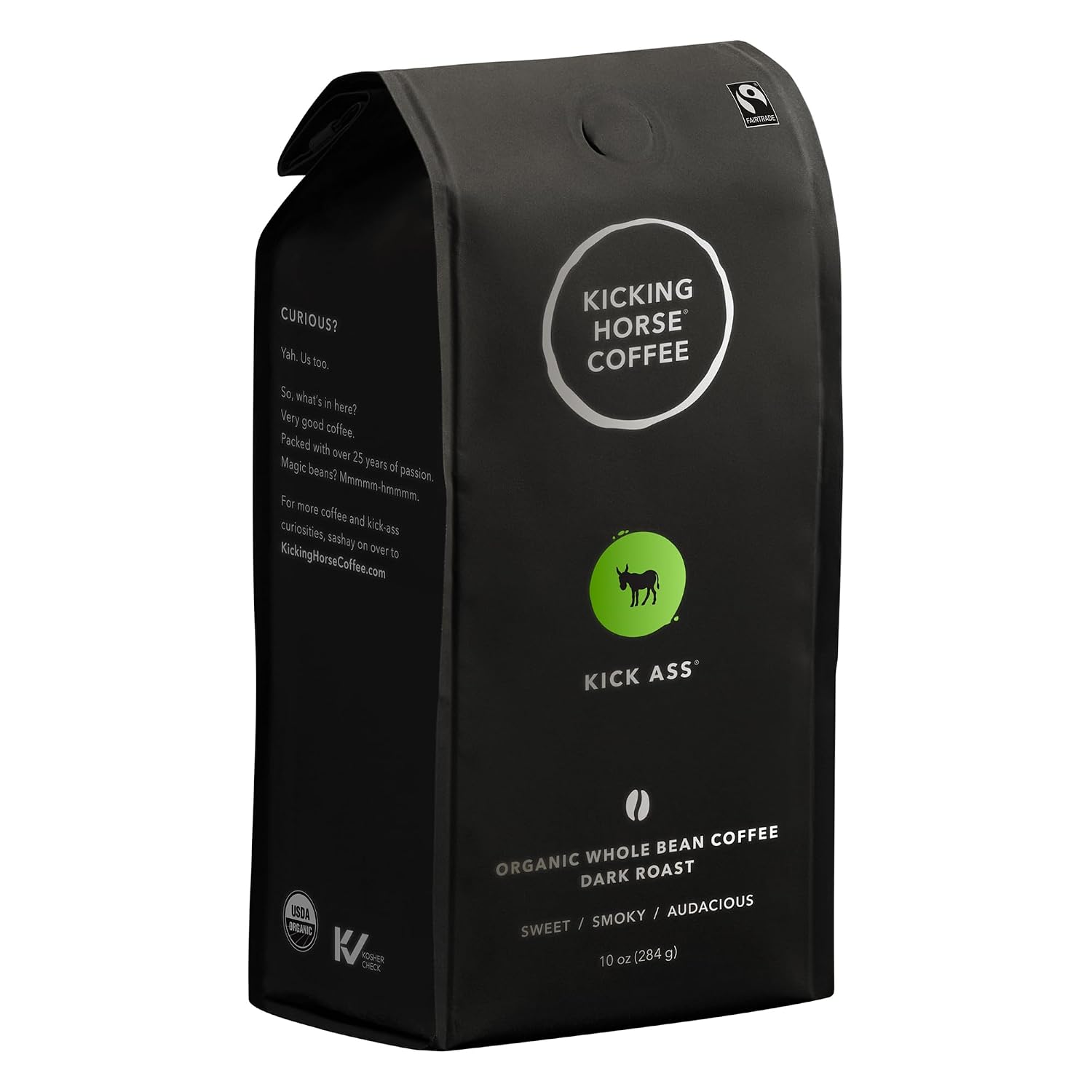
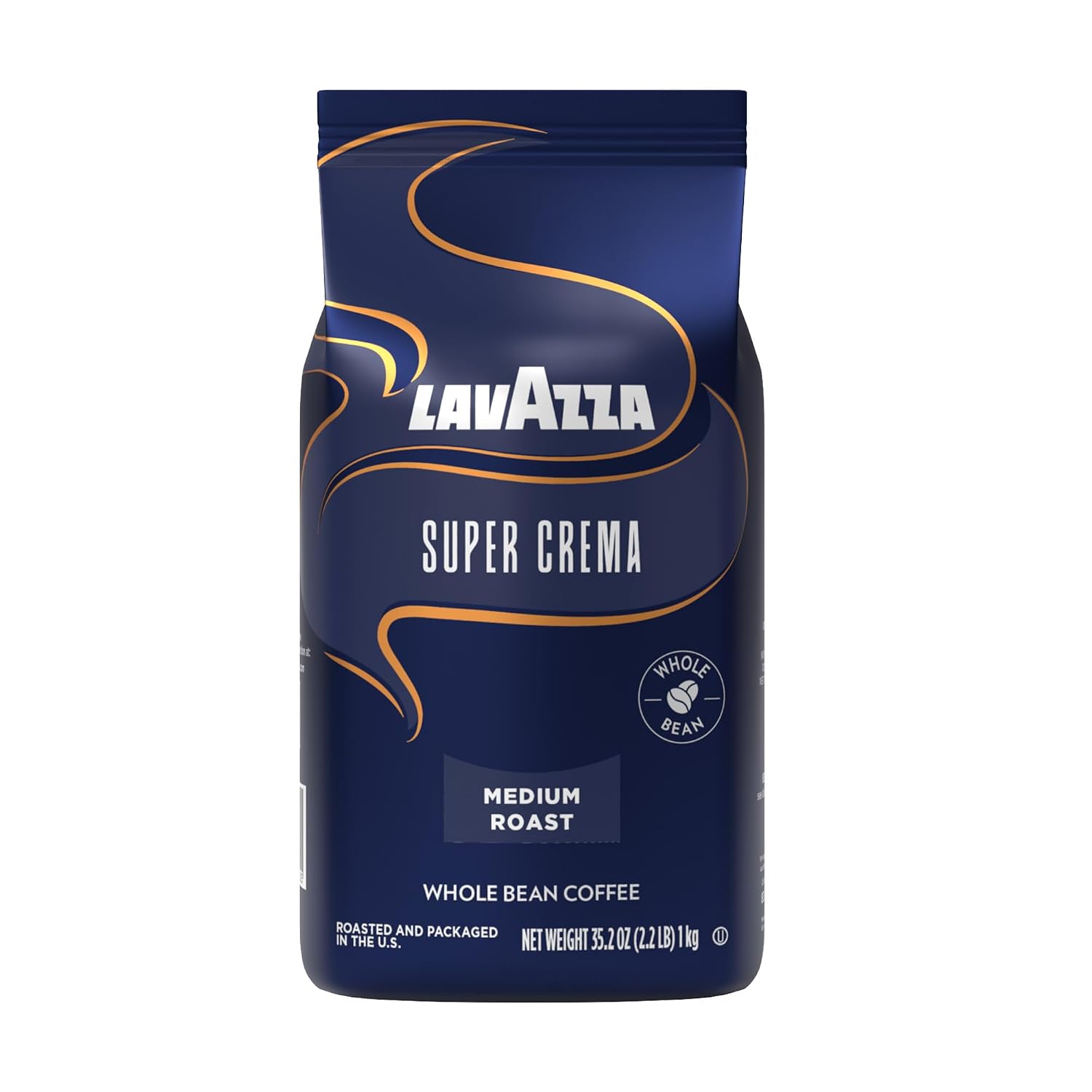
Best espresso grind
Lavazza Super Crema
- RoastMedium
- Best forMoka and espresso
Coffee | Roast Level | Origin / Type | Flavor Notes | Best Brew Method | Price Tier | Availability | Best For |
|---|---|---|---|---|---|---|---|
Peet’s Major Dickason’s Blend | Dark | Multi-origin blend | Chocolate, molasses, earthy | Drip, French press | Mid-range | Grocery + online | Everyday dark roast fans |
Folgers Black Silk | Dark | Blend | Smooth, roasty, chocolate | Auto-drip, percolator | Budget | Grocery (wide) | Large households, budget |
Kauai Coffee Estate Roast | Medium | Hawaiian single-estate | Nutty, sweet, mild | Drip, pour over | Mid-range | Grocery + online | Low-acid preference |
Lavazza Super Crema | Medium | Arabica-Robusta blend | Hazelnut, brown sugar, creamy | Espresso, moka pot, drip | Mid-range | Grocery + online | Espresso and milk drinks |
Stumptown Hair Bender | Medium | Multi-origin blend | Citrus, dark chocolate, raisin | Espresso, drip, pour over | Specialty | Select grocery + online | Flavor-curious drinkers |
La Colombe Corsica | Dark | Blend | Roasty, full body, smooth | French press, drip | Mid-range | Grocery + online | French press lovers |
Counter Culture Hologram | Medium-light | Blend | Berry, chocolate | Pour over, drip | Specialty | Online + select stores | Specialty intro |
Death Wish Coffee Dark Roast | Very dark | Arabica-Robusta blend | Cocoa, cherry, bold | Drip, French press | Specialty | Online + select retail | Maximum caffeine seekers |
Kirkland Colombian Supremo | Medium-dark | Colombian blend | Chocolate, nutty | Drip, French press | Budget | Costco | Value-focused daily drinkers |
Bones Coffee Ethiopia | Light | Ethiopian single origin | Citrus, floral, berry | Pour over, drip | Specialty | Online + select retail | Light roast explorers |
Illy Classico | Medium | Multi-origin blend | Balanced, caramel, smooth | Moka pot, espresso, drip | Premium | Grocery + online | Italian-style brewing |
How We Chose the Best Ground Coffee
These recommendations are based on researched editorial analysis – not personal hands-on tasting, and we also considered the reputation and transparency of each roaster when available. We drew on third-party tasting notes, roast data, consensus from reputable coffee roasters, competition results, and verified buyer feedback to build this list.
Here are the criteria that shaped our picks:
- Freshness signals: Roast date visibility, packaging type, use of nitrogen flushing or one-way degassing valves.
- Flavor and balance: Clear flavor notes with discernible sweetness, appropriate acidity, satisfying body, and low off-flavors.
- Roast level clarity: Accurate labeling as light, medium, or dark roast.
- Brew-method fit: How well a grind profile matches common U.S. methods – auto-drip, French press, moka pot, espresso machines, and cold brew.
- Price per ounce relative to quality.
- U.S. availability: Grocery store shelves versus online-only.
- Ethical sourcing and transparency when information is available.
In the specialty coffee world, coffee scores 80 or higher on a 100-point scale to earn the “specialty” designation – and only about 5% of coffee produced globally reaches that bar. Within that tier, coffees scoring 85 to 89.99 are classified as Excellent, while those scoring 90 or above are considered Outstanding. Not every bag on this list hits those benchmarks, but several do, and every pick earns its spot on practical merit.
No single coffee suits everyone, so this list spans comfort-focused dark roasts, chocolatey medium blends, and brighter single-origin coffees.
Best Overall Ground Coffee for Everyday Brewing
Peet’s Coffee Major Dickason’s Blend – Best Overall Ground Coffee for Most Drinkers
Peet’s Major Dickason’s Blend is a multi-origin dark roast pulling beans from Latin America, East Africa, and the Indo-Pacific. It has earned its status as a best-selling dark roast because it delivers a rich, consistent cup that doesn’t demand barista-level precision. Third-party reviewers describe it as “dark roast, unapologetic … roast-derived flavors of smoke, char, caramelized sugar” and emphasize its forgiving nature for grocery shoppers.
- Roast level and flavor: Dark roast with notes of dark chocolate, toasted nuts, and molasses. Origin brightness is subdued in favor of roast-driven depth and a velvety body.
- Brew-method fit: Excels in auto-drip and French press. Works well for cold brew and milk-based drinks because the roast resists dilution. Not optimized for delicate pour over.
- Body, acidity, sweetness: Full body, mellow acidity, noticeable sweetness from caramelized sugars.
- Freshness and packaging: Sold in bags typically featuring a one-way valve – a one-way valve bag preserves coffee freshness by letting CO₂ escape without admitting oxygen. Buying from higher-turnover stores improves your odds of getting a fresh bag, since coffee beans start losing flavor immediately after roasting.
- Price and value: Mid-range grocery store price, frequently on sale. Strong value for the consistency it delivers.
- Limitations: Too dark and roasty for fans of light roast brightness. If you want fruity or floral notes, look elsewhere.
Best Budget Ground Coffee (Grocery Store Staples)
Many daily drinkers want the best coffee they can grab at a standard U.S. grocery store or big-box retailer without spending specialty prices. Dark and medium-dark roast blends dominate this category because they’re forgiving across brew methods and pair well with cream and sugar. Standard supermarket coffee is often ground for automatic drip brewers, making these plug-and-play options.
Folgers Black Silk: A smooth dark roast that avoids the harsh bitterness of some budget lines. Folgers Black Silk offers a smooth, dark coffee experience at roughly $0.50–$0.75 per ounce. Ideal for auto-drip and percolators, it suits families who go through a pot a day and want consistent, no-surprises flavor.
Kirkland Signature Colombian Supremo Ground: Available exclusively at Costco, this medium-dark roast delivers chocolate and nutty notes at an excellent price per ounce – often under $0.50/oz in bulk. A solid daily drinker for large households or offices.
Tim Hortons Original Blend Ground: Tim Hortons Original Blend is a beloved Canadian coffee that has found steady U.S. grocery store distribution. It is a medium roast with creamy, caramel-like sweetness that works especially well with cream and sugar in drip machines.
These pre ground options trade some aroma and complexity for convenience and affordability. Transferring grounds to an airtight, opaque container after opening can meaningfully extend flavor retention.
Best Dark Roast Ground Coffee
Dark roast means deeper caramelization of sugars inside the bean, lower perceived acidity, heavier body, and more roasty, smoky, or chocolate-forward notes. If your morning mug needs to feel substantial, this is your category.
La Colombe Corsica: A dark roast blend used by hospitality professionals, Corsica offers heavy body and roasty comfort without veering into burnt territory. Excellent in French press and drip, it rewards those who drink black coffee and want richness without sharp edges.
Death Wish Coffee Dark Roast: Death Wish Coffee claims to be the world’s strongest coffee, and Consumer Reports testing supports its high-caffeine reputation – roughly 180 mg in a 6-ounce brewed cup under their instructions. The blend includes Robusta alongside Arabica. Robusta beans contain about 2.2% caffeine compared to Arabica’s 1.1%, which is exactly how Death Wish achieves that kick. Flavor skews toward cocoa and cherry with a heavy body. Best for those wanting strong coffee from drip or French press, and for night-shift workers who need serious caffeine.
Folgers Black Silk: Cross-referenced from the budget section, Black Silk remains the smoothest mass-market dark roast for drinkers who prioritize ease and price.
Onyx Coffee Lab Monarch: A dark espresso blend with a syrupy body designed for milk drinks. If your default morning order is a latte or cappuccino, Monarch provides the backbone.
Darker roasts extract flavors faster in immersion brewing methods, so watch steep times carefully – over-extraction intensifies bitterness. Also note that dark roast pre ground can taste flat if it’s been sitting on a shelf too long because staling oils accumulate on the exposed surface of ground particles.
Best Medium Roast Ground Coffee
Medium roast is the sweet spot for many drinkers: it balances origin character with caramelized sweetness and produces that “classic coffee” flavor most people picture. For everyday brewing, medium roasts are usually balanced, versatile, and easy to drink across methods.
Kauai Coffee Estate Roast Ground: 100% Hawaiian Arabica from a single estate, this smooth, mild medium roast has low acidity and a mellow nutty-sweet profile. Ideal for daily drip and pour over, it suits people who want a clean, gentle cup without baking spices or smoke. Arabica beans make up around 60% of the world’s coffee supply, and Kauai Coffee represents the premium end of that spectrum with transparent Hawaiian sourcing.
Illy Classico Ground: An Italian blend from multiple regions, medium roast, balanced and harmonious. Illy’s nitrogen-flushed tins keep the grounds fresh significantly longer than standard bags – a real advantage for people who brew less frequently. Especially good for moka pot and espresso-style brewing.
Stumptown Hair Bender Ground: A multi-origin flagship blend with citrus, dark chocolate, and raisin notes. Bean & Burr’s review praises its “citrus brightness over dark chocolate depth.” Designed as an espresso blend but performs beautifully across drip, pour over, and French press. Specialty pricing (~$19/12 oz) positions it as a treat rather than a bulk buy, but for flavor-curious drinkers it’s worth the grab.
Dallmayr Prodomo Ground: A European 100% Arabica blend emphasizing Ethiopian beans, with refined medium roast character, smooth flavor, and reduced harsh bitterness. Less common in U.S. grocery stores but available online and in specialty aisles.
Medium roast ground coffee is the gold standard starting point if you’re unsure what you like – it works with drip, pour over, and even French press without demanding precise technique.
Best Light Roast & Single-Origin Ground Coffee
Light roast and single origin coffees sit at the opposite end of the spectrum from dark blends. Higher acidity means more pronounced brightness – think citrus tang, berry sweetness, floral notes, and tea-like character. These shine for pour over and manual brewing.
Bones Coffee Company Ethiopia Single-Origin Ground: Sourced from Sidamo’s Masha Village and naturally processed, this light roast delivers citrus, berries, and a hint of cocoa with a tea-like body. It is a good intro to African single origins for drinkers ready to explore beyond blended dark roasts. At ~$19.99 for 12 oz, it’s reasonable for specialty coffee. Single-origin coffee comes from one specific place or farm, and that specificity is exactly what gives this bag its character.
Counter Culture Hologram Ground: A blend inspired by the classic Mocha Java combination, Hologram bridges light and medium with berry and chocolate notes. It suits both filter and espresso and works as a gateway from medium roast into lighter territory.
Stumptown Hair Bender Ground: Cross-referenced from the medium section, Hair Bender’s changing seasonal components keep the flavor complex – sometimes leaning brighter, sometimes richer – making it highly sought after among specialty drinkers.
Specialty-grade coffee is often single-origin or carefully blended to highlight origin nuances, while specialty-grade Robusta is rare compared to Arabica. If you see “single origin” on a ground coffee bag, expect more variation harvest to harvest and more sensitivity to freshness loss, but also more reward on the first sip.
These coffees shine in pour-over brewers and high-quality drip machines but may taste too bright in cheap percolators. Light to medium roasts are best for pour-over brewing, where controlled water flow and temperature let delicate flavors come through.
Best Ground Coffee for Espresso Machines & Moka Pots
Espresso and moka pot brewing require a finer grind and coffees that maintain sweetness and body under high extraction pressure. Not all pre ground coffee is suitable for true espresso – grind size affects extraction and flavor in coffee brewing, and finer grinds expose more surface area, which also increases staling speed.
Lavazza Super Crema: An Italian espresso blend combining Arabica with a small percentage of Robusta for thick crema and a roasted hazelnut, brown sugar flavor profile. Works well in home espresso machines and moka pots. Forgiving enough for less precise home setups. Some recent user feedback notes a slight shift in bean sourcing, but overall it remains a crowd favorite.
Illy Classico Espresso Grind: Finely ground specifically for espresso, balanced and smooth with caramel undertones. The nitrogen-flushed tin means you can keep it on hand without rapid staling – a practical advantage for espresso drinkers who pull only one or two shots a day.
Intelligentsia Black Cat Classic Espresso Ground: A seasonal medium roast blend that produces syrupy, sweet espresso with tamed acidity. A benchmark for third-wave espresso in ground form.
Café Du Monde Chicory Coffee: Not a classical espresso, but this dark roast with chicory works exceptionally well in moka pots for strong, low-acid coffee with a distinctive New Orleans character.
Factory pre ground espresso has a fixed grind size that may not perfectly match every machine. Serious espresso users still benefit from grinding fresh, but these bags are solid starting points for home brewers who want espresso without a grinder.
Best Ground Coffee for French Press & Immersion Brewing
French press, steeping devices, and immersion brewers reward coffees with rich body and balanced acidity. Ideally they use a coarser grind, but some pre ground coffees labeled “coarse” or “French press” can work well. Medium to medium-dark roasts suit French press and cold brew particularly well because they produce a full, satisfying steep.
La Colombe Corsica: Heavy body and smooth dark roast flavors make this a natural fit for immersion. The roast depth stands up to the longer contact time without turning bitter.
Peet’s Major Dickason’s Blend Ground: Cross-referenced here for its body and richness – exactly that combination French press drinkers want. The full body translates into a cup with weight and chocolate sweetness even with a bit of sediment.
Kirkland Colombian Supremo Ground: A budget-friendly option that performs surprisingly well in French press, delivering a chocolatey, nutty cup at a fraction of specialty pricing.
If your bag is labeled as standard drip grind, slightly shorten your steep time (try 3 minutes instead of 4) or use a metal-mesh filter insert to reduce over-extraction. This simple adjustment prevents the muddiness that can happen when finer grounds sit too long in hot water.
Best Ground Coffee for Cold Brew & Iced Coffee
Cold brew favors lower acidity, chocolatey or nutty flavors, and a coarse grind. Many drinkers use standard pre ground coffee successfully by adjusting brew time and ratio.
Peet’s Major Dickason’s Blend Ground: Produces a rich, chocolatey cold brew concentrate that holds up when diluted with water or milk. Its dark roast character translates cleanly into iced drinks.
Kauai Coffee Estate Roast Ground: Yields a smooth, low-acid cold brew with mild island character – pleasant on a summer morning without any sharp edges.
Death Wish Dark Roast Ground: For those who want highly caffeinated cold brew with bold flavor, Death Wish delivers a steady supply of caffeine-forward concentrate.
Counter Culture Hologram: For fruitier iced coffee, brew Hologram hot and flash-chill over ice. The berry notes survive the thermal shock better than most light roasts.
When using drip-grind coffee for cold brew, use slightly more coffee than you would with coarse grind (aim for a 1:7 ratio by weight) and extend steep time to 16–20 hours to compensate for the finer particles.
Best Ground Coffee You Can Buy at a Typical U.S. Grocery Store
Many readers want coffee they can grab locally without waiting for specialty shipping. Freshness can be more variable on grocery store shelves, but high-turnover locations help – and several solid options are always in the coffee aisle.
- Folgers Black Silk: Budget dark roast, smooth, widely available. Best for cream-and-sugar drinkers and large households.
- Kirkland Signature Colombian Supremo Ground: Costco exclusive, exceptional value per ounce, medium-dark with chocolate and nut notes. Best for daily drinkers buying in bulk.
- Kauai Coffee Estate Roast Ground: Hawaiian medium roast found in many mainland grocery chains. Best for black coffee drinkers who prefer low acidity.
- Tim Hortons Original Blend Ground: Medium roast, creamy, works well with add-ins. Best for people who like a mild, approachable cup.
- Peet’s Major Dickason’s Blend Ground: Mid-range dark roast available in most U.S. grocery stores. Best for dark roast fans who drink it black or with a splash of milk.
Blends are designed to create a consistent flavor profile from bag to bag, which is why they dominate grocery shelves. To spot the better bags: look for a visible roast date (not just “best by”), one-way valve packaging, clear roast level labeling, and any origin information. These signals correlate with quality even in the market’s most crowded aisles.
How to Choose the Best Ground Coffee for Your Taste
Choosing ground coffee comes down to matching a few key variables to your personal taste and habits:
- Roast level: Light roast for brighter, fruitier flavor. Medium for balanced, chocolatey cups that suit most palates. Dark roast for roasty, smoky comfort and lower perceived acidity.
- Origin: Latin American coffees lean toward chocolate and nuts. East African origins bring berries and florals. Asian-Pacific beans deliver earthy, spicy, heavier body.
- Acidity and body: Higher acidity feels tangy and lively – great if you drink black. Heavy body feels thicker on the tongue and pairs well with milk. Stomach sensitivity often points people toward lower-acid dark or medium dark roasts.
- Brew-method fit: Drip and pour over thrive with lighter and medium roasts. French press with medium to dark. Espresso generally prefers medium-dark but can vary. Cold brew loves chocolatey medium-dark roasts.
- Add-ins: If you use cream and sugar, lean toward stronger dark or medium dark blends. For black coffee, more nuanced medium or light roast ground coffee will reward you.
If you’re new to exploring beyond your usual bag, start with a crowd-pleasing medium or medium dark roast and work lighter or darker from that baseline. The coffee world has never offered more variety at the grocery level – take advantage of it.
Freshness, Grind, and Packaging: Getting a Good Cup from Pre-Ground Coffee
Ground coffee stales faster than whole beans because grinding creates vastly more exposed surface area. Oxygen exposure is the main enemy of coffee freshness – and ground coffee is more vulnerable to staling than whole beans by a significant margin. Buying smaller bags more often and storing them correctly is the simplest path to a good cup.
Freshness indicators to look for:
- Roast date vs. “best by” date: Fresh coffee peaks in flavor 4 to 14 days after roasting. A “best by” date tells you almost nothing useful – coffee can be stale months before its “best by” date. Always prefer bags that print a roast date.
- Nitrogen-flushed packaging: Coffees like Illy Classico use nitrogen-flushed tins that displace oxygen and extend shelf life meaningfully. High-quality bags are essential for preserving coffee flavor.
- One-way degassing valves: These let CO₂ escape without letting oxygen in, protecting freshly roasted coffee during the critical post-roast window.
Storage best practices:
- Keep ground coffee in an opaque, airtight container at room temperature, away from heat and light. Oxygen is coffee’s enemy and causes staling – keeping pre-ground coffee in an airtight container helps preserve its flavor.
- Avoid fridge storage. Condensation and odor absorption do more harm than good. Freezer works only with careful portioning in vacuum sealed packaging.
- Buy smaller bags of pre-ground coffee to maintain freshness. Aim to finish a bag within 2–4 weeks of opening. Ground coffee can lose most flavor within days of exposure to air, and fresher bags of pre-ground coffee generally taste better than older options.
Grind size and brew method: Most “all-purpose” pre ground coffee is sized for drip. If you’re using it in a French press, shorten your steep time. If you need espresso grind, buy bags labeled specifically for espresso – a standard drip grind won’t produce proper extraction under pressure.
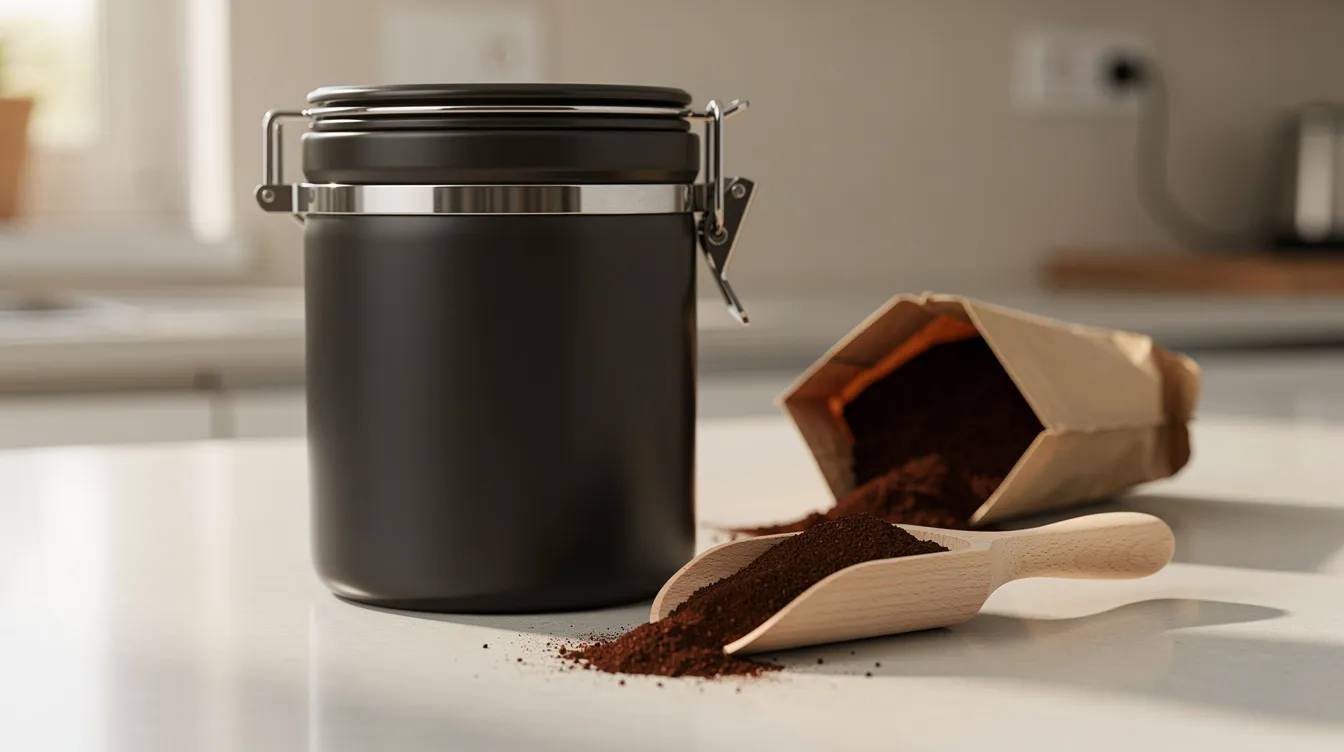
Whole Bean vs Ground Coffee: When Convenience Wins
Whole bean coffee, ground just before brewing, usually gives better aroma, sweetness, and clarity. But many people choose ground for perfectly valid reasons.
Pros of whole bean:
- Superior freshness and flavor potential
- Ability to dial in grind size for each brewing method
- Longer shelf life before grinding
Pros of pre ground:
- No grinder required, faster morning routine
- Less mess, easier for offices, travel, or shared kitchens
- Often cheaper at the grocery store level
Pre ground makes the most sense for camping, office setups, busy households, and anyone satisfied with an everyday comfort cup rather than chasing maximum nuance. Coffee can lose flavor within days if exposed to air once ground, but if you’re buying the right bag and storing it well, the trade-off is manageable.
If you’re ready to step up to whole beans, check out our best whole bean coffee picks for recommendations across every roast level.
Brewing Tips for Better Flavor from Ground Coffee
Even the best coffee can taste mediocre with poor technique. A few simple tweaks can dramatically improve your everyday cup of coffee:
- Coffee-to-water ratio: Start around 1:15 to 1:17 by weight. No scale? Roughly 2 tablespoons per 6 ounces of water is a reliable starting point.
- Water quality and temperature: Use filtered water. Aim for 195–205°F (90–96°C). Water that’s too cool under-extracts; boiling water can scorch lighter roasts.
- Bloom your grounds: In pour over and many drip machines, a brief pre-wet with hot water releases gas and helps saturate grounds more evenly, improving flavor.
- Stir immersion brews: Gently stir or swirl French press and cold brew setups for more even extraction.
- Clean your brewer: Rancid oils build up, especially with oily dark roasts. A clean mug and brewer make a noticeable difference in taste.
Before deciding a particular bag of coffee “isn’t good,” experiment with slight adjustments to brew time, ratio, and water temperature. Those variables often matter more than the bean itself.
Related Coffee Guides from Capitol City Coffee
Looking to refine your setup or explore beyond pre ground options? Our independent, research-driven editorial guides cover trade-offs in flavor, value, and brew-method fit across every category:
- Explore all our coffee guides for brewing methods, gear, and origin deep dives.
- See more of our best coffee roundups for curated picks across categories.
- Step up to freshly ground beans with our best whole bean coffee picks if you’re ready for the next level of freshness and flavor.
Our Ground Coffee Pick
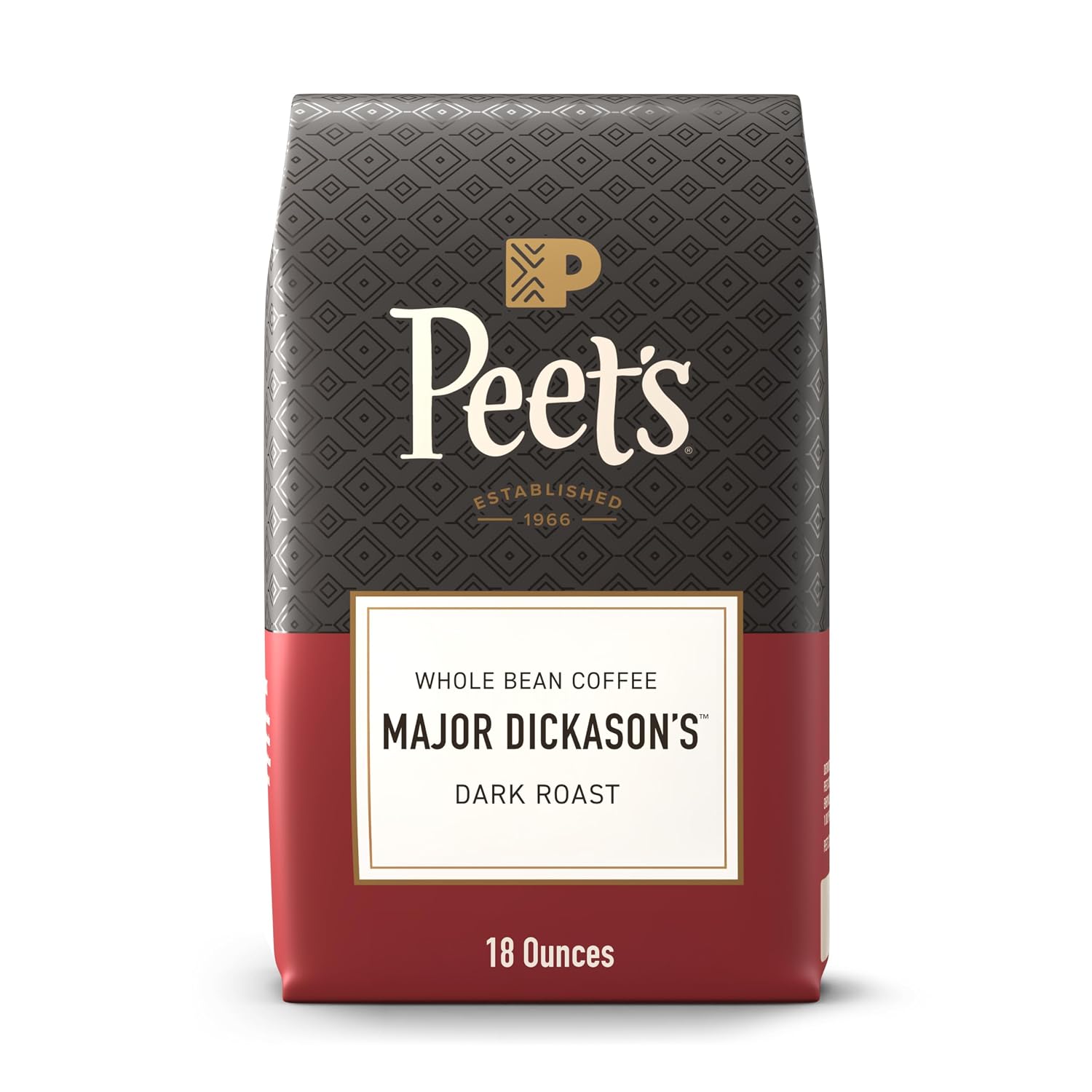
Peet’s Major Dickason’s is the article’s everyday pick; grocery bags rotate. This Amazon ground bag matches the budget grocery staple role. Tap the image or the coffee name. Research-rated, not yet brewed by our team.
Feeling grocery-aisle: a diner medium roast
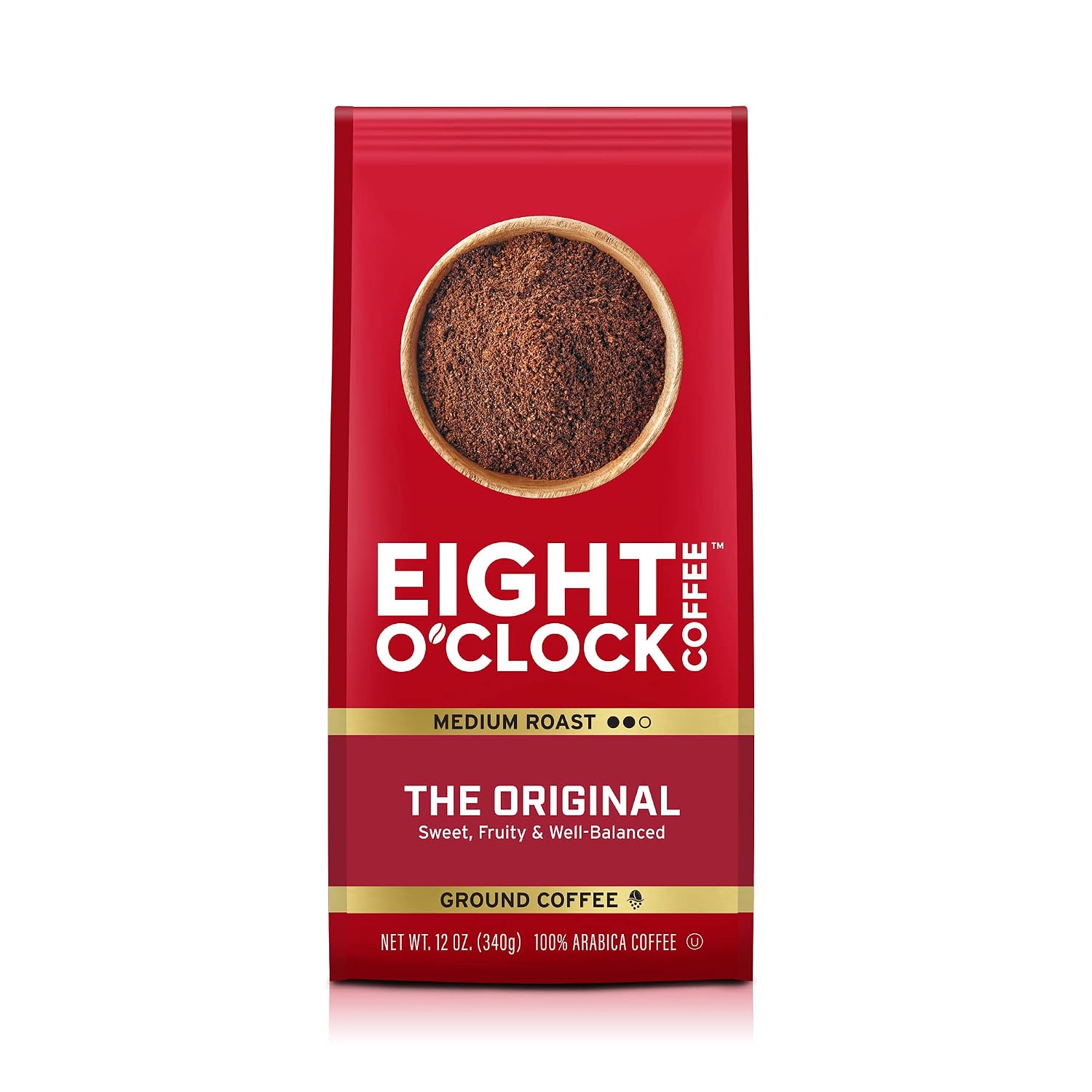
Our pick: Eight O’Clock Coffee The Original, pre-ground. A widely available medium roast for drip when you are buying ground, not whole bean. Research-rated, not yet brewed by our team.
Frequently Asked Questions About Ground Coffee
How long does ground coffee stay fresh after opening?
Most ground coffee tastes best within 2–4 weeks of opening when stored in an airtight, opaque container at room temperature. Dark roast from grocery store bags might remain drinkable longer, but with diminished aroma and complexity. Specialty roasters generally recommend using ground coffee within about two weeks for peak freshness. Noticeable staling shows up as flat aroma and cardboard-like flavors – if your morning cup smells like nothing, the grounds have likely oxidized past their prime.
Is it worth buying expensive single-origin ground coffee instead of blends?
It can be – if you enjoy exploring distinct origin flavors like berries, florals, or citrus, especially with pour over or high-quality drip machines. But single origin coffee is more sensitive to freshness loss once ground, so whole bean is often preferred for top-tier bags. Many people get better day-to-day value from well-made blends like Major Dickason’s or Counter Culture Hologram, reserving pricier single-origin ground bags for occasional treat purchases or when fast shipping guarantees peak freshness. Specialty-grade coffee is often single-origin or carefully blended to meet those high scoring standards, but a cheap beans blend won’t compete regardless of origin labeling.
Can I use ground coffee labeled for drip in my French press or espresso machine?
Standard drip grind can work in a French press if you slightly shorten steep time and avoid leaving coffee sitting on the grounds after brewing. However, it’s generally too coarse for optimal espresso extraction – you’ll get weak, watery shots. For pump-espresso machines, buy espresso-specific grind or invest in a grinder. Moka pots are more forgiving and can often handle a slightly finer-than-drip grind from some pre ground coffees. The key issue is that grind size directly controls how much flavor the water pulls from the coffee, so mismatches lead to either thin under-extraction or muddy over-extraction.
Does dark roast ground coffee really have more caffeine than light roast?
Caffeine differences between light and dark roast roasted coffee are smaller than many myths suggest when measured by weight. Dark roast beans are less dense, so scooping by volume can slightly change caffeine per cup – but the difference is modest. Coffees marketed as “extra strong,” like Death Wish Coffee (which includes Robusta), truly have more caffeine because of bean species, not roast level. Robusta carries roughly twice the caffeine of Arabica regardless of how dark the roast goes. If caffeine is your priority, look at the bean composition rather than the roast level on the label.
What’s the simplest upgrade if I only drink grocery store ground coffee now?
Start by choosing a higher-turnover brand in a roast you enjoy – Kauai Coffee Estate Roast or Peet’s Major Dickason’s both offer a meaningful step up in flavor without leaving the grocery store. Then improve your storage by transferring grounds to an airtight container and work on your coffee-to-water ratio with a single bag to find your sweet spot. Those two changes alone – better beans and better technique – will transform your morning cup. The next major upgrade is adding a basic burr grinder and switching to whole bean coffee, which unlocks a level of freshness and aroma that even the best pre ground coffee can’t fully match.