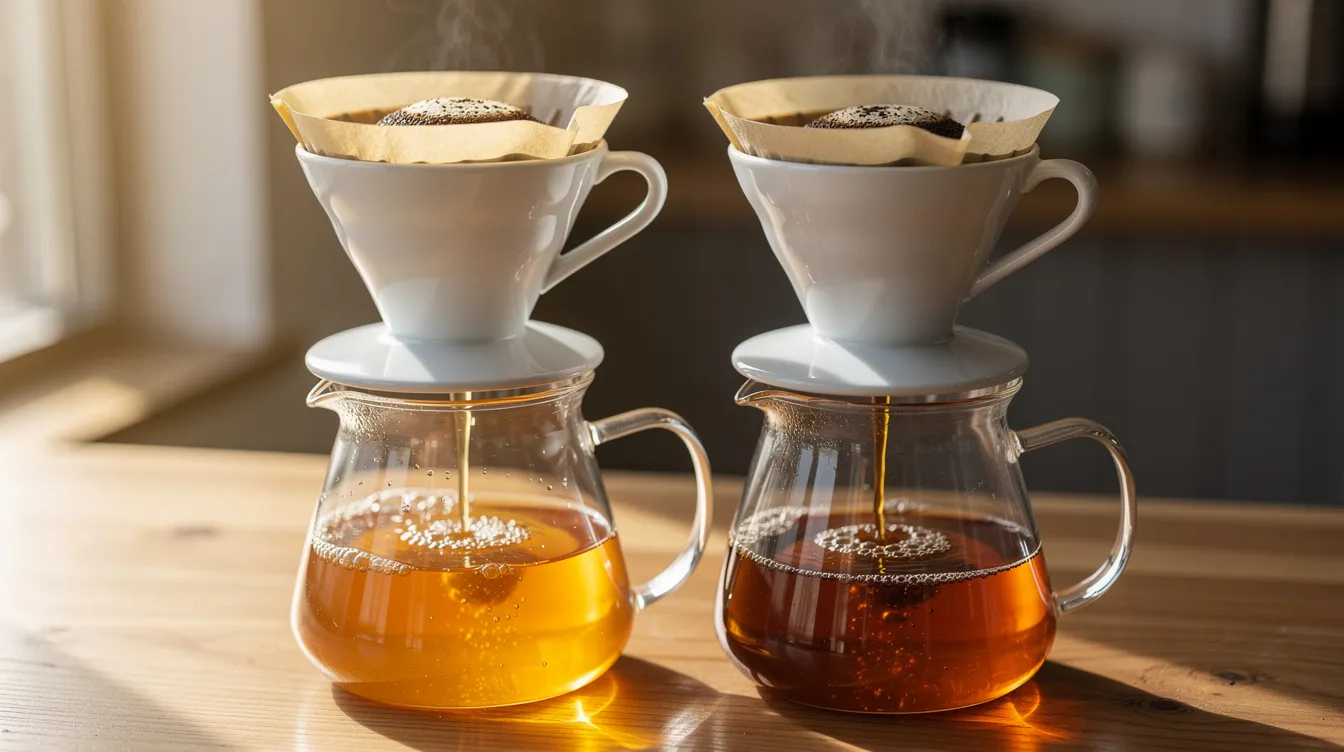
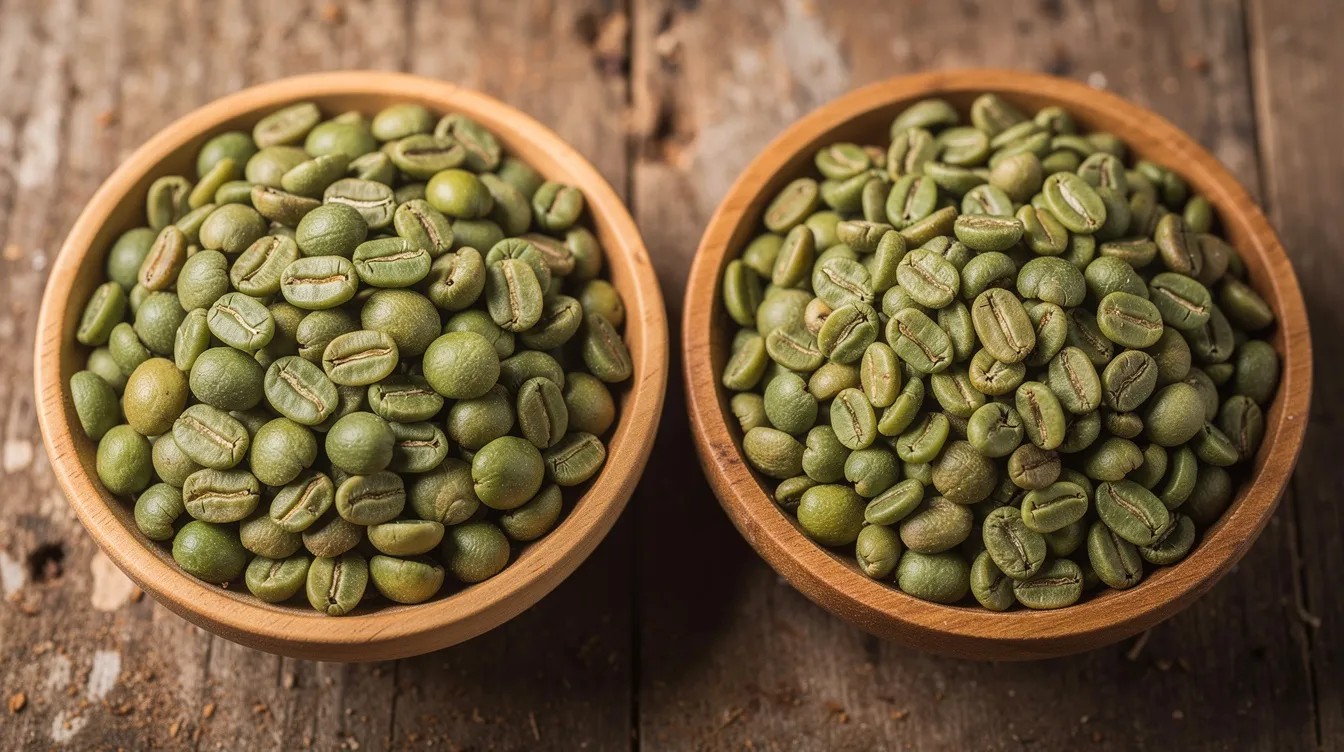
Different coffee growing regions around the world produce remarkably different coffee flavors. African coffees tend toward bright acidity and complex fruit notes, South American coffees tend toward chocolate and caramel sweetness, and Asian coffees tend toward earthy, full bodied depth. This page is your research-based coffee origin comparison hub from Capitol City Coffee-an independent editorial publication, not a roaster or coffee seller-designed to help you match coffee origins to your preferred flavors and brewing style.
Best african origin pick
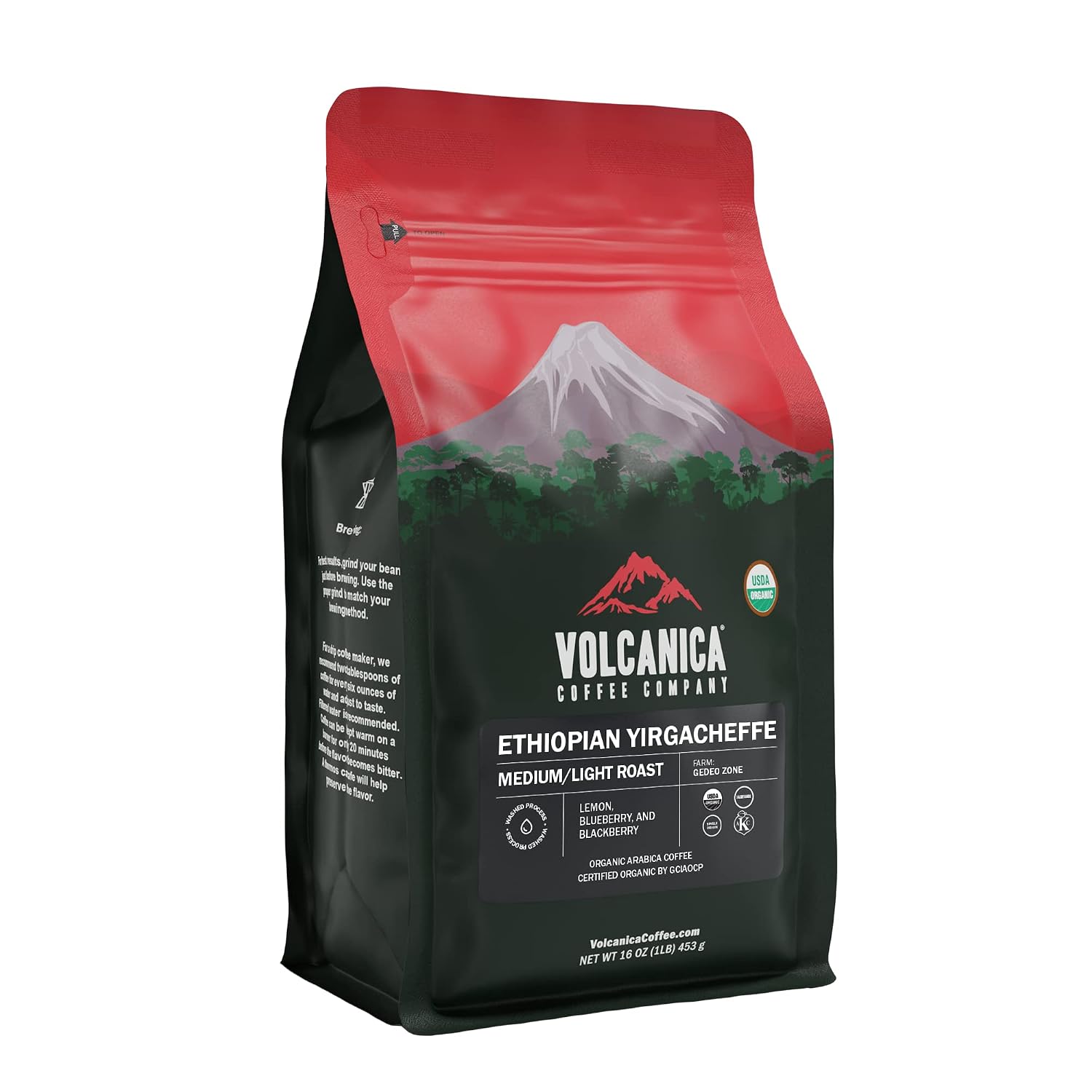
For this roundup, Volcanica Ethiopian Yirgacheffe is the african origin we recommend first—the same pick at the top of our At-a-glance cards below.
Coffee origin influences flavor due to the interplay of environment, genetics, and processing-making origin one of the most important choices you can make when buying beans.
This guide compares four high-interest pairings: Ethiopian vs Kenyan, Colombian vs Guatemalan, Brazilian vs Colombian, and Sumatra vs Bali, with clear guidance on who each origin fits.
Key decision factors include acidity, body, sweetness, processing methods (washed vs natural), altitude, roast suitability, and brew-method fit for espresso, filter, and cold brew.
African coffees are often celebrated for bright acidity and complex flavor profiles, while South American beans deliver chocolate and caramel, and Indonesian origins provide earthy, heavy body with low acidity.
Deeper guides on specific coffee growing regions, brewing methods, and gear comparisons are available across Capitol City Coffee for readers who want to keep exploring.
Category Overview: What “Coffee Origin Comparison” Actually Means
Coffee origins refer to the country and region where coffee beans are grown-and those locations create signature coffee flavors that are measurably real, not marketing spin. Chocolatey Brazil, fruity Ethiopia, nutty Guatemala, earthy Sumatra: these flavor profiles arise from distinct environmental factors including altitude, climate, soil composition, genetic variety, and local processing traditions. Coffee flavor is shaped by terroir, and those environmental conditions and processing methods affect each coffee bean, which is why a bean from a misty Ethiopian highland tastes nothing like one from a sun-drenched Brazilian plateau.
A coffee origin comparison means evaluating flavor profiles, acidity, body, and brew-method fit for beans from different regions so you can choose confidently. Different coffee varieties produce distinct flavor profiles, and Arabica is known for complexity across all major growing regions. Growing conditions significantly influence coffee flavor profiles across regions, making origin one of the most reliable predictors of what your cup will taste like.
At the broadest level, the world’s popular coffee growing regions fall into three archetypes spanning the coffee belt:
Region
Typical Coffee Flavors
Acidity
Body
Best Brew Methods
Central & South America
Chocolate, caramel, nuts, red fruit
Medium
Medium
Drip, espresso, cold brew
Africa (East Africa)
Berry, citrus, floral, wine-like
High
Light to medium
Pour-over, Chemex, Aeropress
Asia-Pacific
Earth, spice, dark chocolate, herbs
Low
Full
French press, espresso, moka pot
Each coffee origin is influenced by distinct environmental factors including altitude and climate. Important sub-origins include Costa Rica and Guatemala in Central America; Colombia and Brazil in South America; Ethiopia and Kenya in East Africa; and Sumatra and Bali in Indonesia, plus India and Vietnam as key Asian countries for coffee production. Ethiopia is widely considered the birthplace of coffee, Brazil is the world’s largest coffee producer, and Asian coffees account for about a third of the world’s coffee beans. Coffees from Central America often have bright acidity and clean sweetness.
How to Compare Coffee Origins and Flavor Profiles (Taste-First Guide)
The easiest way to compare coffee origins is to start from how you want your coffee to taste and how you usually brew it. Below is a flavor-preference map to help you navigate different origins.
If you prefer rich, chocolatey, and nutty notes, lean toward South American and Central American origins. Brazilian coffees typically have chocolatey and nutty flavors-think milk chocolate, roasted nuts, caramel, and toasted sugar. Costa Rican coffees and Guatemalan beans add citrus brightness to that base. Medium roasts let these profiles shine without overwhelming roast char.
If you love vibrant berry, floral, and citrus fruit, African coffees are your territory. Ethiopian coffee often has blueberry and jasmine notes, while Kenyan coffee is known for its bold, wine-like flavors with grapefruit and blackcurrant intensity. Light roast to medium roast filter brewing best reveals these fruity and floral notes.
If you want sweet caramel and brown sugar smoothness, Colombian coffee is known for its sweet, bright citrus notes paired with panela and red fruit, making it a reliable crowd-pleaser in drip machines and batch brewers. Honduran and Peruvian coffees occupy similar well balanced ground.
If you prefer heavy body and very low acidity, Indonesian and some Indian coffees deliver. Sumatran coffee is characterized by earthy and spicy notes-tobacco, dark chocolate, herbal depth. Indonesian coffees often feature earthy and spicy notes with a syrupy mouthfeel that pairs well with milk and darker roasts.
For espresso or milk drinks, Brazilian beans, Colombian coffee, Guatemalan beans, and Sumatra often produce chocolatey, nutty, low acidity shots that stay present through steamed milk. By contrast, bright Ethiopian or Kenyan coffee creates more citrusy, fruit-forward espresso with crisp acidity.
For black filter coffee-pour-over, Chemex, Aeropress-Ethiopian coffee, Kenyan coffee, Costa Rica, and high-altitude Guatemala are top choices for clarity and layered acidity with complex fruit notes and floral notes.
If you just want a crowd-pleaser, balanced Central and South American origins like Peru, Colombia, or Guatemala in a medium roast tend to be widely liked across different palates.
Key Decision Factors When Choosing Between Coffee Origins
Comparing coffee growing regions goes beyond country names. Core variables shape how coffee beans taste in the cup, and understanding them helps you read any coffee label with confidence.
Origin flavor profiles: Soil, climate, and local processing traditions create typical regional flavors. Soil composition and minerals significantly affect the flavor profile of coffee. Volcanic soil-common in Guatemala, Colombia, and parts of East Africa-enhances the natural sweetness and complexity of coffee. Climate and weather influence the ripening and sugar development in coffee fruits, which is why the same variety grown in different regions can taste dramatically different.
Altitude: Coffee beans grown at 800–1,200 m tend to develop lower acidity and more straightforward chocolatey or nutty notes. At 1,200–1,800 m, you get balanced acidity and body. Above 1,800 m, higher altitude in coffee growing regions typically results in greater acidity and complexity, with higher elevations typically yielding brighter acidity and floral aromas in coffee. A lighter body and more acidity often signal high-altitude beans.
Processing methods: The processing method of coffee cherries dramatically impacts the resulting flavors in brewed coffee. Coffee processing methods, such as washed and natural, drastically alter flavor profiles. Washed coffees deliver clean, bright, citrus and floral clarity. Natural coffees produce fruit-forward, dried fruit, and berry intensity with heavier body. Honey and pulped natural fall in between with caramel sweetness. Wet-hulling (Giling Basah) in Indonesia creates heavy body and earthy notes. Processing heavily influences coffee flavor; natural processing increases fruit notes in Ethiopians.
Roast suitability: Roasting style can significantly alter the taste of a coffee bean’s origin characteristics. Fruity, high-acid coffees like Ethiopia and Kenya show best at light to medium roast, preserving their intense flavors and bright acidity. Chocolatey Brazil, Colombia, and Indonesian coffees handle medium to dark roasts without losing balance.
Brew-method fit: High-acid origins sparkle in pour-over and batch brew. Heavier, low acidity origins do well in espresso, moka pot, and French press. Smooth South American beans are versatile across drip, cold brew, and pod machines.
Sweetness, acidity, and body: These three sensory dimensions define how coffee tastes on your palate. Choose African beans if higher acidity and fruit excite you. Choose Brazilian vs Colombian if you want chocolate and caramel with lower acidity and a rich body. Medium body origins like Colombia and Costa Rica split the difference.
Freshness and availability: Origin alone is not enough. Fresh roast date and reputable sourcing influence coffee flavor experience more than small country-to-country differences. In the US, Colombian and Brazilian coffees are widely available year-round due to large production volumes.
Featured Origin Comparisons (Who Each Origin Fits)
Capitol City Coffee is an independent, reader-supported comparison site. When you buy through links on our site, we may earn a commission at no extra cost to you. Our rankings are based on researched editorial analysis, not payments from brands. The comparisons below rely on third-party consensus from roasters and the Specialty Coffee Association, not in-house cupping data.
Ethiopian vs Kenyan Coffee
Ethiopia is recognized as the genetic home of Coffea arabica, the birthplace of coffee with thousands of heirloom varieties. Ethiopian coffee is grown at high altitudes from 1,500 to 2,200 meters above sea level, contributing to its acidity and flavor complexity. Ethiopian coffees are known for vibrant and bright acidity with complex, fruity profiles. Ethiopian coffee flavors include bright citrus, floral aromatics, and tea-like acidity. Ethiopian coffee often utilizes both washed and natural processing methods-washed lots lean toward jasmine and bergamot, while naturals deliver blueberry and wine-like fruit. Coffee from Ethiopia features floral, fruity, and tea-like qualities.
Kenyan coffee is known for its bold, wine-like flavors, with blackcurrant, grapefruit, and tomato-like savory sweetness. Kenya almost exclusively uses washed processing with bred varieties like SL28 and SL34, producing structured, vivid clarity.
Best for delicate floral pour-overs → Ethiopian coffee
Best for punchy, citrusy cups with big structure → Kenyan coffee
Best for exploring fruity notes in Aeropress → either origin
Colombian vs Guatemalan Coffee
Colombian coffees deliver a smooth, round cup with balanced acidity and medium body. Colombian coffee typically features caramel sweetness, nuts, and mild acidity. Colombian coffee is grown at elevations from 1,200 to 2,000 meters (Colombian coffees are typically grown at elevations between 4,200–6,000 ft). Colombia coffee was introduced in the 18th century and thrives in volcanic mountain ranges. Colombian coffee primarily uses the washed processing method to enhance clarity, and Colombian coffee benefits from equatorial climate conditions allowing for staggered harvests throughout the year.
Guatemalan beans bring slightly richer flavor notes-dark chocolate, caramel, citrus, and sometimes dried fruit-thanks to volcanic soil and high altitudes in regions like Antigua and Huehuetenango.
Best all-rounder for drip and espresso → Colombian coffee
Best for cocoa depth with some brightness → Guatemalan beans
Best for milk drinks where you want sweetness → Colombian coffee
Brazilian vs Colombian Coffee
Brazilian coffee is cultivated at lower elevations from 800 to 1,200 meters. Brazilian coffee has a heavy, creamy body and is characterized by nutty and chocolatey flavors with low acidity. Brazilian coffee relies on pulped natural and natural processing methods. Brazil is the world’s largest producer of coffee, utilizing both Coffea arabica and Coffea canephora (robusta beans). Brazil’s coffee production relies on flat terrain for large-scale harvesting and consistent drying. Brazilian coffee is known for lower acidity and heavier body, often favored in espresso blends. Brazilian coffees generally provide a low-acid, creamy body with chocolate and nut flavors.
Colombian coffee, by contrast, is known for its sweet, bright citrus notes with more acidity and fruit. It offers a bridge between Brazil’s richness and African origin brightness.
Best if you dislike sharpness and want comforting chocolate → Brazilian beans
Best if you want liveliness with familiar flavor → Colombian coffee
Best for cold brew sweetness → Brazilian coffees
Sumatra vs Bali Coffee
Sumatran coffee is characterized by earthy and spicy notes-forest floor, cured tobacco, dark chocolate, and herbal depth-driven by wet-hulling. Full body and very low acidity make it ideal for French press and milk-based espresso.
Bali coffee (Kintamani region tend to be representative) is still full bodied but cleaner and sweeter, often showing dark chocolate, brown sugar, mild spice, and occasional citrus or dried fruit. Less rustic than Sumatra, more approachable for drinkers wanting depth with clarity.
Best for bold, savory, almost earthy notes → Sumatra
Best for Indonesian richness with sweetness → Bali
Best for dark roast espresso with milk → either origin
Related Origins and Brewing Links: Exploring Coffee From Around the World
Once you know the broad differences between coffee growing regions, you can explore specific country-level origins that match your taste. Here is a quick map of what to explore next:
Central America (Costa Rica, Guatemala, Honduras, Nicaragua, Panama): citrus, dried fruit, chocolate, nutty notes with medium body and bright but not sharp acidity. Versatile for filter brewing and balanced espresso.
South America (Brazil, Colombia, Peru, Bolivia): chocolate, roasted nuts, caramel, gentle red-fruit sweetness. South American beans are versatile across drip, espresso, and cold brew. The liberica coffee plant and Malaysian coffee remain niche but growing segments globally.
Africa (Ethiopia, Kenya, Rwanda, Burundi, Tanzania): fruity notes, floral, citrus, berry-like profiles with higher acidity and lighter body. African beans shine in pour-over, Chemex, and Aeropress.
Asia (Sumatra, Bali, Java, India, Vietnam): Asian coffee origins deliver cacao, spice, vanilla, herbs, and earthy notes with rich flavors and low acidity. Indian coffees-especially Monsooned Malabar-add a unique dimension. Medium-dark roasts bring out these characteristics.
Try comparing a washed Ethiopian to a natural Brazilian in your pour-over to taste the difference between fruit-forward and chocolate-forward coffee flavors-it’s one of the fastest ways to train your palate across different origins.
How Capitol City Coffee Researches Our Origin Recommendations
Capitol City Coffee is an independent coffee editorial and affiliate publication, not a roaster or retailer. This guide represents researched editorial analysis, not first-hand lab or farm testing.
Origin flavor summaries are based on aggregated, attributed third-party consensus: tasting notes from specialty coffee roasters, publications from the Specialty Coffee Association, and region-level research on coffee growing conditions including altitude, soil, and climate. Our workflow surveys multiple reputable sources per origin, cross-checks common descriptors-blueberry in Ethiopian Yirgacheffe, hazelnut in Brazilian Cerrado, dried fruit in certain Central American coffees-and avoids outlier claims.
When specific origins are recommended for a brew method, these recommendations reflect widely accepted brewing guidance. Affiliate partnerships do not determine which origins are highlighted; recommendations prioritize clarity, flavor fit, and availability to US readers. The coffee seed of a great recommendation is always honest research, not commission size.
Our Origin Comparison Picks
Two bags that show how origin changes the cup. Tap the image or the coffee name. Research-rated, not yet brewed by our team.
Feeling Africa: a Yirgacheffe
Our pick:Volcanica Ethiopian Yirgacheffe, light roast, whole bean. The floral-citrus side of origin shopping. Research-rated, not yet brewed by our team.
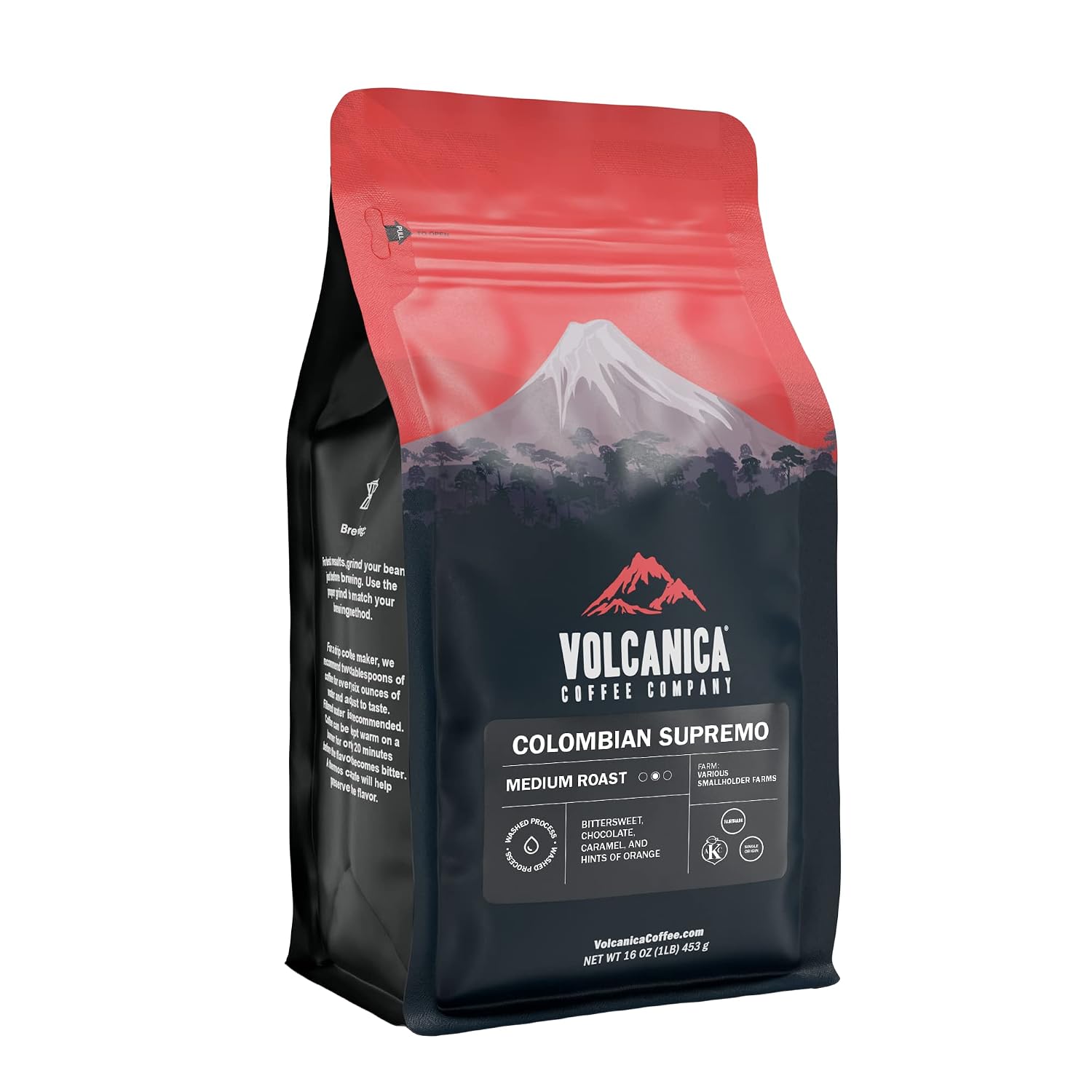
Feeling Americas: a Colombian
Our pick:Volcanica Colombian Supremo, medium roast, whole bean. The chocolate-nut side of this origin hub. Research-rated, not yet brewed by our team.
FAQs
Below are answers to common questions that go beyond what’s covered above.
Is Ethiopian or Colombian Coffee Better for Beginners?
Colombian coffee’s balanced, caramel-and-nut profile with mild acidity is usually more immediately familiar to new single origin coffee drinkers. Ethiopian coffee is a wonderful next step once you’re ready for brighter, fruitier, more complex cups. Neither is objectively “better”-they serve different taste preferences. Single origin coffees from Colombia make a reliable starting point for anyone exploring how different regions shape what coffee tastes like.
Which Coffee Origin Is Best for Cold Brew?
Low acidity, chocolatey origins like Brazil and Colombia produce smooth, sweet cold brew with rich flavors. Other coffees from Central America also work well. Adventurous drinkers might enjoy fruity African origins in cold brew for a juice-like profile, though higher acidity can sometimes read as sour if extraction isn’t dialed in.
Does Roast Level Matter More Than Origin?
Both matter, but roast can dramatically change how origin traits show up. A dark-roasted Kenya may lose its berry brightness and taste more generic, while a light roast Brazil may taste sweeter and more complex than expected. Processing methods like washed and natural can affect flavor clarity and sweetness in coffee, and roast level interacts with those variables too. Think of origin as the raw ingredient and roast as the cooking method-both shape the final dish.
Are Blends Worse Than Single-Origin Coffee?
Not at all. Blends are often designed to combine strengths of multiple origins-Brazilian body plus Ethiopian fruit, for example-for balance and consistency. They excel as house espresso and in milk drinks. Single origin coffee highlights the character of one place. Both have value depending on your taste goals.
What Should I Try Next If I Like Costa Rican Coffee?
Costa Rican coffees are typically clean, sweet, citrus-forward with medium body. Similar origins to explore include high-altitude Guatemala (Huehuetenango), Colombian lots from Antioquia or Eje Cafetero, or lighter roast Brazils. Panama’s washed Arabicas also share that clean sweetness. Each will give you a slightly different angle on familiar flavor territory while expanding your understanding of how environmental factors across different regions shape what ends up in your cup.
How Capitol City Coffee Rates Coffee and Coffee Machines
Every coffee and coffee machine we recommend is scored on the same 100-point scale, so a recommendation on one page means the same thing as a recommendation on any other. Each pick is also labeled with how we reached its score.
Research-ratedScored from the roaster or manufacturer’s published specifications, independent results such as Coffee Review blind cuppings and SCA brewer certification, and patterns across verified buyer reviews. Most of our current picks are research-rated.
Hands-on testedThe Capitol City Coffee team has brewed the coffee or used the machine ourselves, following the testing steps below. We only use this label when that testing actually happened, and we show the date we tested.
Coffee beans: 100-point scale
What we score
Points
What we look at
Origin and sourcing transparency
20
Country, region, farm or cooperative, altitude, bean variety, and processing method are clearly disclosed.
Flavor evidence
25
Independent cupping scores, how closely the tasting notes match what the origin is known for, and our own cupping notes when hands-on tested.
Roast and freshness
15
Roast level stated, roast-date practices, whole-bean availability, and packaging with a one-way valve or resealable bag.
Brew versatility
15
How well the roast suits pour-over, drip, French press, cold brew, and espresso.
Value
15
Price per ounce compared with similar single-origin coffees or blends.
Buyer feedback
10
Volume and consistency of verified reviews, and recurring complaints about staleness, bitterness, or shipping.
Coffee machines and gear: 100-point scale
What we score
Points
What we look at
Brewing performance
25
Water temperature in the 195–205°F range, even extraction, and SCA certification or published test data.
Build quality and reliability
20
Materials, known failure points, and long-term owner reports.
Ease of use and cleaning
15
Setup, the daily routine, descaling, and dishwasher-safe parts.
Fit for your kitchen
10
Capacity, counter footprint, and noise.
Useful features
10
Programming, grind and temperature control, and carafe type. Features that improve the cup count more than extras that do not.
Value
10
Price compared with machines that perform similarly.
Warranty and support
10
Warranty length, parts availability, and how the brand handles repairs.
What the grades mean
Score
Grade
What it means
90–100
A
Exceptional. Our first recommendation for the feeling and setting described.
80–89
B
Strong. Excellent, with minor trade-offs we explain.
70–79
C
Good. Worth it for specific needs, with clear compromises.
Below 70
—
Not recommended. We do not feature these as picks.
How we test hands-on
When a pick carries the Hands-on tested label, this is the method behind it, and we note the date we tested.
Coffee: brewed fresh from whole beans following Specialty Coffee Association guidelines (water between 195 and 205°F, about 1 gram of coffee to every 15 to 18 grams of water) in the brew methods the roast suits best, such as pour-over, French press, or espresso. We taste it black first, then with milk if that is how most people drink it, and each taster scores it on their own before we compare notes.
Machines: used in our everyday routine rather than a single demo. We brew both full and small batches, check the brewing temperature and brew time, and run the cleaning or descaling steps the manual calls for.
How we choose the feeling and setting
We match each coffee to a mood and a moment based on its flavor profile and roast. Bright, citrusy light roasts suit energizing mornings. Chocolatey, full-bodied medium roasts suit slow or social moments. Richer roasts suit espresso and milk drinks. Each pick explains which facts led us to that match.
Our scores stay independent
Every score comes only from the criteria above. No brand can pay for a pick or a higher grade. We re-check ratings when a roast, listing, or model changes, and update or remove picks that no longer earn their grade.
Some links on this page are affiliate links. As an Amazon Associate, Capitol City Coffee earns from qualifying purchases, at no extra cost to you.
Questions about a rating? Reach the Capitol City Coffee team through our contact page.