

Key Takeaways
A home espresso machine forces hot water under high pressure through finely ground coffee, producing concentrated espresso shots with rich crema and enabling milk-based coffee drinks like lattes and cappuccinos. But there is no single best espresso machine for everyone. Choosing an espresso machine involves considering budget, space, and personal skill level – someone who wants a push-button latte every morning has entirely different needs than a hobbyist dialing in light-roasted single origins on a weekend.
This page is Capitol City Coffee’s editorial hub for comparing home espresso machines in the U.S. It is a commercial investigation guide, not a single product roundup. Below, you will find practical explanations of boiler types, pressure and temperature stability, grind needs, milk steaming capability, and automation levels – everything you need to narrow down your options before diving into specific models.
You can browse by skill level, budget (from budget espresso machines under $400 to dual boiler prosumer gear above $2,000), and personal preferences like whether you want a built in grinder or the convenience of a super automatic machine. All recommendations on this page are based on researched editorial analysis, verified manufacturer specs, and third-party expert consensus. Capitol City Coffee does not sell machines, and affiliate commissions never determine rankings.
Throughout this guide, you will find links to deeper resources: dedicated espresso machine reviews, grinder comparisons, and bean recommendations to help you build a complete home espresso setup.
Category Overview: Home Espresso Machines in 2026
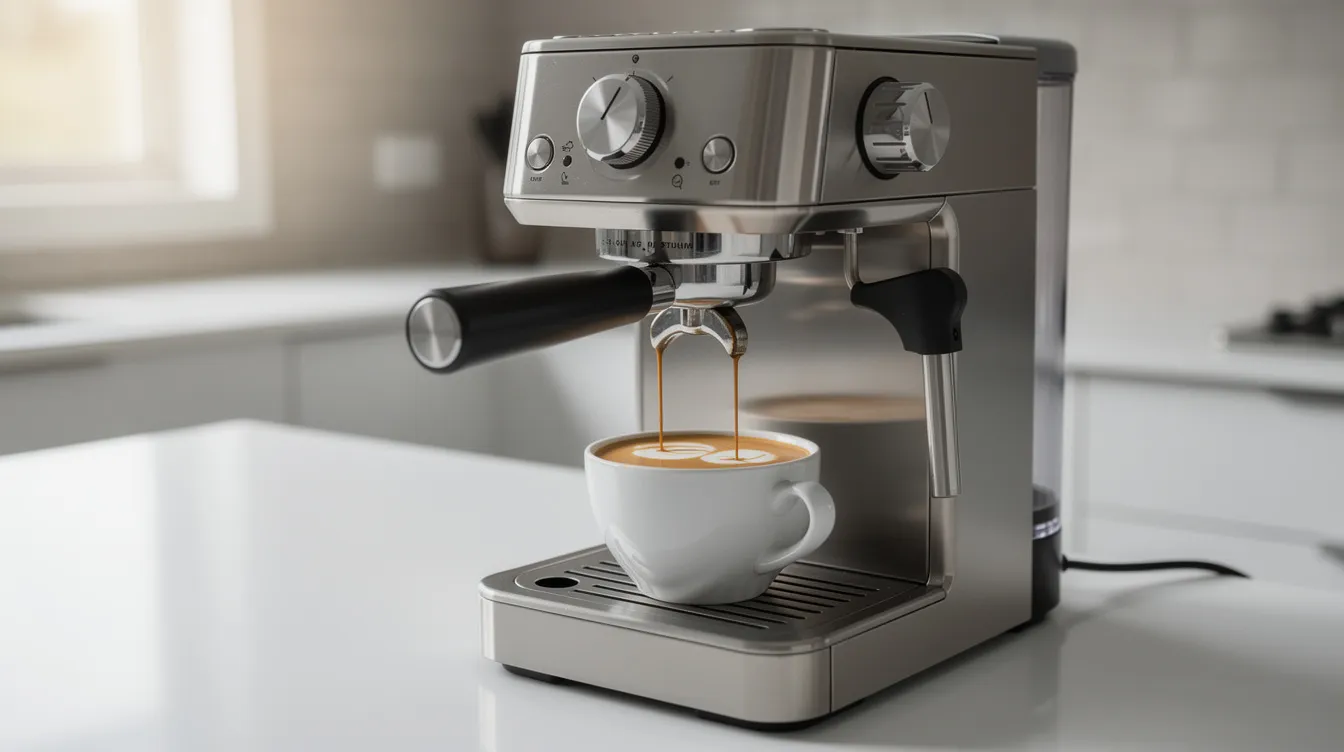
A home espresso machine brews concentrated coffee by pushing water at roughly 9 bars of pressure through a tightly packed puck of finely ground coffee beans. The result is a small, intense shot – the foundation for everything from a straight espresso to a latte macchiato or cappuccino. Most espresso machines also include a steam wand or milk system for texturing milk into microfoam, which is what makes those café-style coffee drinks possible at home.
Interest in at-home espresso has surged in the U.S. since around 2020. The National Coffee Data Trends report notes that the espresso machine segment is up 120% since that year, driven largely by pandemic-era stay-home culture and a desire to replicate café-quality hot drinks without the daily line. The global home barista equipment market was valued at USD 17.25 billion in 2025, with espresso machines accounting for roughly 34% of that figure. North America holds about 31% of global share.
How does this differ from other brewing methods? Drip coffee makers operate at atmospheric pressure and produce a lighter-bodied cup. Pod brewers offer convenience but limited control over flavor quality. Stovetop moka pots generate some pressure but not enough for true crema. Home espresso machines combine controlled pressure, precise brew temperature, fine grind, and milk capability into one tool – and that combination is why the category keeps growing.
On this page, you will encounter four main machine categories:
- Budget espresso machines – entry-level pumps, often single boiler or thermoblock, under ~$500
- Midrange semi-automatic machines – PID control, better steam, often $500–$1,200
- Super automatic espresso machines – bean-to-cup convenience with internal grinders and milk systems
- Prosumer dual boiler and heat exchanger models – commercial grade components, serious thermal stability, $1,500–$3,000+
This hub focuses on home machines rather than commercial machines built for high-volume café service. However, some prosumer options borrow commercial components – E61 group heads, rotary pumps, saturated brew groups – that blur the line. Pricing examples throughout use typical U.S. street prices as of 2025–2026. Check current listings for the latest deals.
Key Concepts: How Espresso Machines Actually Work
Before comparing specific machines, a quick crash course in what is happening inside the housing. You do not need an engineering degree to follow this – just a few core ideas that will make every spec sheet and comparison chart more meaningful.
Most machines share these basic components:
- Boiler or thermoblock – heats water to brewing and/or steaming temperature
- Pump – creates the pressure that forces water through the coffee puck
- Portafilter and group head – holds the ground coffee and locks into the machine
- Steam wand – channels steam to texture milk
- Water reservoir or plumbed connection – supplies water to the system
The role of pressure is straightforward: around 9 bars at the puck is the established standard for balanced extraction. Too little pressure and the shot runs fast and thin; too much and you risk harsh, bitter flavors. Espresso machines should maintain water temperatures between 195°F and 205°F at the brew head – hot enough to dissolve flavor compounds efficiently, but not so hot that they scorch delicate aromatics. Temperature stability is crucial for consistent espresso brewing quality, especially when pulling back-to-back espresso shots or working with lighter roasts where slight deviations show up as sourness.
Cheaper machines often struggle here. Smaller boilers lose heat quickly; basic thermostats overshoot and undershoot; vibration pumps can pulse rather than deliver steady flow. These are the core reasons higher-end models cost more: they invest in thermal mass, PID controllers, better pumps, and heavier group heads to keep pressure and temperature locked in, shot after shot.
The sections below will connect these concepts directly to buying choices – helping you decide, for example, whether a single boiler machine, a heat exchanger, or a dual boiler espresso machine is the right fit for how you actually make coffee at home.
Boiler Types: Single, Heat Exchanger, and Dual Boiler
Boiler design is one of the most important – and most confusing – differences between espresso machines. It determines how quickly you can switch from brewing espresso to steaming milk, how stable your brew temperature stays, and how much you will spend.
Single Boiler Machines
A single boiler machine uses one vessel for both brewing and steaming. To pull a shot, the boiler heats to brew temperature (~200°F). To steam milk, it must climb higher (~250°F+). You wait between functions – a process sometimes called “temperature surfing.” Pros: compact, more affordable (typically $300–$1,200), simpler design. Cons: you cannot brew and steam simultaneously, so making milk drinks involves pauses, and temperature stability suffers under frequent use.
Heat Exchanger Machines
A heat exchanger design uses one larger steam boiler kept at steaming temperature. Brew water travels through a tube inside that boiler, heating up via conduction without mixing fluids. This lets you brew and steam at roughly the same time. The trade-off: HX machines often need a brief “cooling flush” before pulling a shot to purge overheated water from the brew path. These machines land in the mid-to-upper tier, typically $900–$2,500, and suit households that regularly make multiple milk drinks.
Dual Boiler Machines
Dual boilers use two independent heating circuits – one dedicated to brewing, one to steam. Each is controlled separately, which means excellent temperature stability, powerful steam pressure, and the ability to pull shots while frothing milk without compromise. Dual boiler machines allow simultaneous brewing and steaming, which is their defining advantage. The downsides: larger physical size, higher power draw, and significantly higher price – often $1,200–$4,000+. Warm-up times can also be longer due to heavier components.
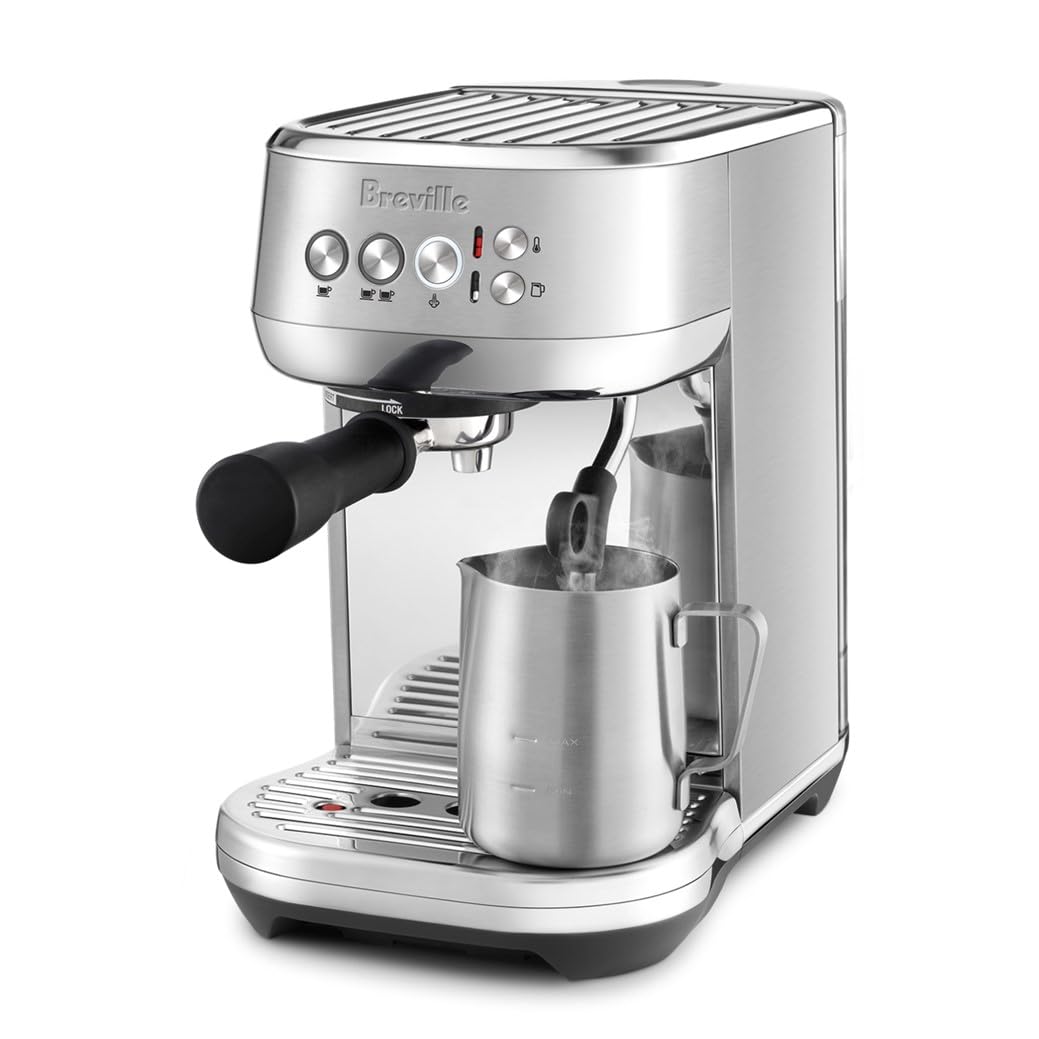
There is also a fourth category worth mentioning: thermoblock and thermojet systems. These heat water on demand through a metal block or coil, offering very fast startup (the Breville Bambino Plus heats up in just three seconds) but less steam power and thermal reserve than boiler-based machines.
Who Suits What
Boiler Type | Best For | Typical Warm-Up | Price Range |
|---|---|---|---|
Single boiler | Solo espresso drinker, occasional milk drinks | 10–25 min | $300–$1,200 |
Thermoblock/Thermojet | Fast mornings, small footprint | 3 sec–3 min | Under $800 |
Heat exchanger | Households with regular milk drinks | 20–45 min | $900–$2,500 |
Dual boiler | Enthusiasts, back-to-back milk drinks, light roasts | 15–30 min | $1,200–$4,000+ |
Pressure, Temperature Stability, and Puck Prep
Why 9 Bars and Stable Temperature Matter
Espresso extraction is sensitive work. A standard shot targets roughly 25–30 seconds of contact time at 9 bars, using a 1:2 ratio of coffee to liquid. If the machine drifts even a few degrees during extraction, the result shifts from delicious espresso toward sour (under-extracted) or bitter (over-extracted). This effect intensifies with lighter roasts – the beans increasingly favored in the specialty coffee world – because their flavor compounds are more volatile and acidic.
Pump Types
Two machines at the same price can use very different pumps:
- Vibratory (vibe) pumps – common in entry and midrange machines. Compact, affordable, but noisier and prone to slight pressure pulsation.
- Rotary pump – found in prosumer and commercial-style machines. Delivers steadier pressure curves, runs quieter, and can often be plumbed into a water line. Costs more and takes more space.
Neither guarantees “better taste” on its own, but a rotary pump typically produces more predictable results for users pulling many shots or experimenting with beans.
PID Temperature Control
A PID (proportional-integral-derivative) controller regulates heating elements to maintain a set temperature within tight tolerances – often ±1–2°C. Compared to older bimetallic thermostats that swing several degrees, PID gives faster recovery and more consistency from shot to shot. The La Marzocco GS3 was the first machine with PID controls, setting a standard that has since trickled down into machines costing a fraction of its price. Today, precise temperature control via PID is a feature you will find on many midrange and prosumer models.
Connecting to Puck Prep
Machine stability only matters if the puck cooperates. Grind consistency, dose weight (commonly 18–20g for a double), and tamping pressure all interact with your machine’s pressure and temperature output. An uneven grind leads to channeling – water finds the path of least resistance and under-extracts the rest of the puck. The quality of the grinder greatly impacts espresso extraction results, which is why many experienced baristas argue the grinder matters as much as the machine.
If you want to experiment with lighter roasts, pressure profiling, or flow control, prioritize machines with stable boilers, clear pressure feedback (gauges or digital readout), and a shot timer. Features like low-flow flexible pre infusion – found on machines like the Gaggia Classic GT – let you soak the puck gently before full pressure kicks in, improving extraction evenness.
Grind Needs: Why Your Grinder Matters as Much as the Machine
Even the best espresso machine cannot compensate for an inconsistent or too-coarse grind. Espresso demands very fine, uniform particles with micro-adjustability – the kind of precision that lets you shift shot time by a second or two just by nudging the grind dial. If your ground coffee is uneven, water channels through weak spots and bypasses dense ones, producing a shot that is simultaneously sour and bitter.
Built-In Grinder vs. Standalone
Machines with a built in grinder – like the Breville Barista lineup – simplify the purchase: one plug, one footprint, one workflow. The Breville Barista Pro features a built-in grinder with 30 settings, covering a wide range from espresso to coarser grinds. For beginners, this can be the easiest path to nice espresso without researching a separate grinder.
But there are trade-offs. Built-in grinders typically use smaller burr sets, offer a narrower adjustment range, retain more coffee grounds inside the chute, and are harder to service independently. If the grinder fails, the whole machine may need to go in for repair.
Standalone grinders allow upgrading independently, offer better burr quality at equivalent price points, and make cleaning simpler. For anyone who expects to explore different coffee beans, roast levels, or brewing methods over time, a separate grinder is usually the stronger long-term investment.
Rule of thumb: Integrated grinder for convenience-first or apartment setups. Separate grinder for anyone who plans to upgrade beans, machines, or methods over time.
For a deeper comparison of espresso-capable grinders by burr type, adjustment mechanism, and noise level, see our dedicated espresso grinder guide under /gear/grinders/.
Milk Steaming and Frothing for Lattes and Cappuccinos
Many U.S. buyers care more about milk drinks than straight espresso shots. If your morning routine revolves around lattes, cappuccinos, or flat whites, steam performance should weigh heavily in your decision.
How Steam Wands Work
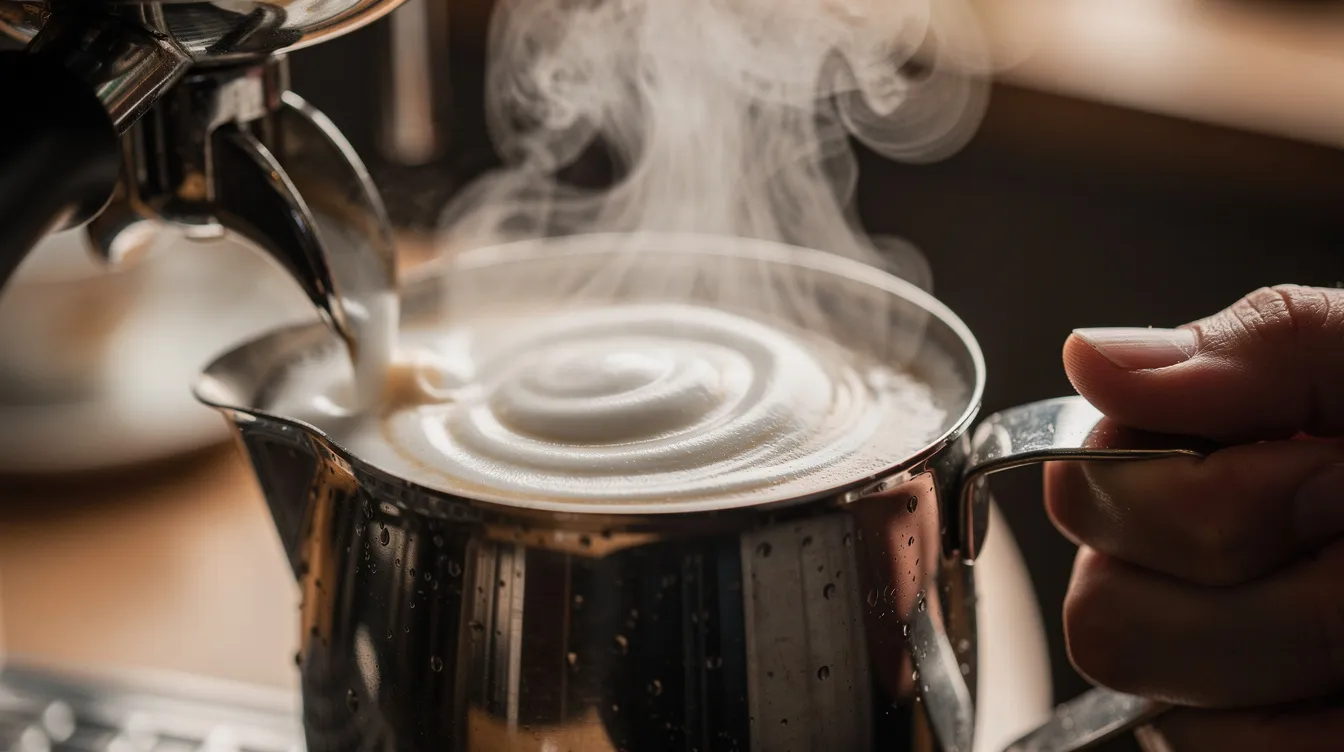
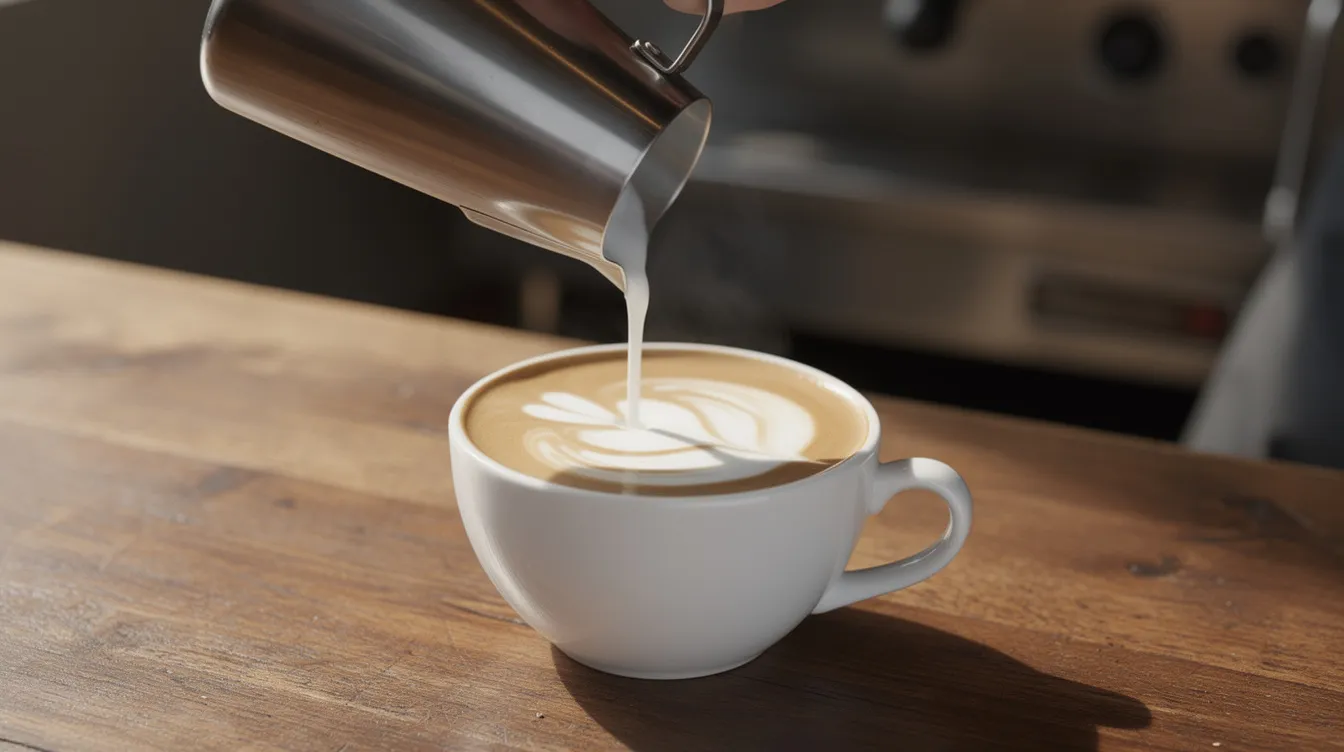
A steam wand channels pressurized steam into a milk jug or steam pitcher of cold milk. The steam aerates the milk (introducing tiny air bubbles) and heats it simultaneously. The goal is microfoam: a glossy, velvety milk texture with bubbles so fine they are nearly invisible. This is what lets you pour latte art – the hallmark of a well-made milk drink.
What determines steam quality? Tip design (single-hole vs. multi-hole), dryness of the steam, boiler temperature, and overall steam pressure. Machines with a dedicated steam boiler or a strong heat exchanger deliver drier, more powerful steam, which makes it easier to texture milk quickly and pour latte art consistently.
Manual vs. Automatic Milk Systems
- Manual wands give you full control over milk frothing technique. Steeper learning curve, but experienced users can produce café-quality microfoam for everything from a cappuccino to a latte macchiato.
- Automatic milk systems – found on many super automatic machines – use a milk carafe or hose system to automate frothing. Convenient and repeatable, but you sacrifice fine control over milk texture. Some machines, like the Breville Bambino Plus, have an automatic steam wand for milk frothing, hitting a middle ground: hands-off steaming that still uses a traditional wand rather than a carafe system.
Boiler Type and Steam Power
Single boiler machines and thermoblocks often produce weaker steam with less volume, which can make milk frothing slower and limit the number of back-to-back milk drinks you can make. If you regularly steam oat milk or other plant milks – which require more steam energy to texturize properly – a dual boiler machine or strong heat exchanger is a better fit.
Quick guidance for milk-drink focused buyers:
- Mostly cappuccinos: Prioritize powerful steam pressure and a multi-hole tip for dense foam
- Oat milk lattes: Look for sustained steam power (HX or dual boiler) since oat milk needs more energy
- Occasional macchiatos: Even a modest single boiler can handle a small dollop of foam
- Cold foam preference: Some machines accommodate cold foam attachments, but most cold brew foam is made separately
Semi-Automatic vs. Automatic vs. Super-Automatic
This is the central “how hands-on do you want to be?” decision for most espresso machines shoppers. There are three main types of espresso machines to consider: semi-automatic, automatic espresso machine, and super-automatic options. Beyond those, capsule machines use pre-measured pods for easy and clean brewing, but they limit control over flavor profiles and are outside the scope of this guide. Manual machines excel in customization but have a steep learning curve that puts them in a niche category.
Semi-Automatic Machines
Semi-automatic machines require user control over shot pulling. You grind, dose, tamp, lock in the portafilter, and manually start and stop the shot. Semi-automatic machines require manual grinding and tamping but offer good performance and control. They are ideal for people who enjoy the craft of brewing espresso and want to learn puck prep, shot timing, and milk technique. Semi-automatic machines strike a balance between control and user engagement – you are actively involved, but the pump and boiler do the heavy lifting.
Automatic Machines
An automatic espresso machine controls the brewing process with minimal user input beyond grinding and tamping. Unlike semi-automatic use, the machine stops the shot by pre-set volume or time. This small convenience reduces the risk of under- or over-running a shot and suits people who want repeatability without full one-touch automation. Some automatic models include pre infusion programming, temperature offset, or profile control.
Super-Automatic Machines
A super-automatic espresso machine handles grinding, tamping, and brewing automatically – and many add automatic milk foaming via a carafe or wand system. You load beans, fill the water tank, push a button, and receive a finished drink. Consistency is high; learning curve is low. The trade-off is less control over nuance, more internal complexity, and a different style of maintenance (more on that in the maintenance section below).
Control versus convenience is a key distinction among espresso machine types. The more a machine does for you, the less you can fine-tune – but also the less you can mess up on a groggy Monday morning.
Budget Espresso Machines: Getting Started Without Overspending
In realistic 2026 U.S. terms, a budget espresso machine is one that falls roughly in the sub-$400 to sub-$500 range for the machine alone – no grinder, no accessories. At this price, you are buying a fun machine to learn on, not a lifetime companion.
What to Expect
Compromises at this level include more plastic construction, smaller boilers, less powerful steam, and fewer features like PID or pressure gauges. Heat-up times are often longer, and temperature stability between shots can drift. That said, a well-chosen budget machine paired with a competent grinder and fresh coffee beans can still produce surprisingly nice espresso.
What to Prioritize
The best budget espresso machine should have:
- A real pump (vibratory is fine) delivering ~9 bars, not just steam pressure
- A reasonably sized portafilter (58mm is standard, 54mm is common in budget tiers)
- Compatibility with non-pressurized baskets for real espresso extraction
- Basic temperature control – ideally PID, but a well-calibrated thermostat works
The Gaggia Classic Pro is a popular entry-level espresso machine that has earned its reputation over decades. The updated Gaggia Classic Pro E24 features a brass boiler for improved temperature stability, a meaningful upgrade from aluminum. Similarly, the Gaggia Classic E24 has a brass boiler for improved performance, making it one of the strongest contenders in the budget tier.
What to Avoid
Steer clear of machines that rely on steam pressure alone (no pump), or those that only accept pressurized baskets with no option for standard filter baskets. These rarely satisfy anyone who is genuinely interested in brewing espresso rather than just making strong coffee.
A budget machine can absolutely be worthwhile – especially when paired with fresh beans selected for espresso. Explore our espresso bean recommendations under /coffee/by-brew-method/best-coffee-beans-for-espresso/ for guidance.
Midrange All-Rounders: Machines for Daily Espresso and Milk Drinks
The midrange category – roughly $500 to $1,200 in the U.S. – is where many of the best espresso machines for most people live. This is the tier where build quality, steam power, and temperature control take a noticeable step up from entry-level gear.
Common traits in this price range include:
- PID temperature control for repeatable brew temperature
- Faster heat-up times (thermojet or improved thermoblock designs)
- More capable steam wands suited for daily lattes and cappuccinos
- Better materials – stainless steel frames, metal portafilters, improved group heads
This is often the sweet spot for households that make multiple coffee drinks each morning but do not need the throughput of commercial machines. You get enough steam power for back-to-back milk drinks, enough thermal stability for decent light-roast espresso, and enough durability to last several years of daily use.
Many Breville espresso machine models target this segment. The Breville Barista Pro, for example, bundles a semi-automatic brewer with a built-in conical burr grinder in a single footprint – a compelling package for buyers who want one appliance rather than two machines sitting on the counter.
If you want a balance of control, flavor quality, and convenience, start your search here. Move up to prosumer territory only if your ambitions (or your household’s drink volume) outpace what these machines deliver.
Prosumer and Dual Boiler Machines for Enthusiasts
This is the territory of serious home baristas who want coffee-shop-style performance and workflow at home. Expensive machines in this tier borrow heavily from commercial designs – and demand more from the owner in return.
Typical Prosumer Features
- Dual boiler or high-end heat exchanger systems for independent brew and steam temperature control
- E61 or saturated group heads for thermal stability
- Rotary pump options for smooth, quiet pressure delivery
- Pressure or flow control profiling for advanced extraction experiments
- Stainless steel and brass construction with commercial grade components
The Lelit Bianca V3 costs around $3,000 and offers advanced features including three independent pressure modification systems, making it one of the most capable flow control machines available to home users. The ECM Synchronika II heats up in just 6.5 minutes – fast for a dual boiler of its class – and uses an E61 group head with standardized parts.
At the top of the range, the La Marzocco GS3 was the first dual boiler machine for 110V home outlets and produces super consistent and temperature stable shots. It remains a benchmark, though its price and maintenance demands place it firmly in enthusiast territory.
Trade-Offs
- Cost: $1,500–$3,000+ for most prosumer machines
- Footprint: Larger and heavier than midrange machines
- Power: Higher wattage, sometimes requiring dedicated circuits
- Maintenance: More involved upkeep – water quality management, gasket replacement, descaling schedules
These machines reward users who already have a strong standalone grinder, an interest in dialing in light roasts, and patience for setup. If you are comparing two machines at this level, look at brands like Rocket Espresso, ECM, Profitec, and Lelit alongside La Marzocco – all have established reputations for parts availability and service support in the U.S.
Machines with Built-In Grinders vs. Separate Grinder Setups
The best espresso machines with integrated grinders are popular because they simplify the shopping list and save counter space. A Breville Barista style machine, for example, handles grinding, dosing, and brewing in one unit – appealing for beginners who do not want to research standalone grinders separately.
Advantages of Built-In Grinder Machines
- Single plug, coherent design
- Lower total cost for a full setup in many cases
- Easier beginner workflow
Downsides
- Smaller burr sets with limited grind range
- More complicated repairs if either the grinder or brewer fails
- Higher retention of coffee grounds inside the chute
- Harder to upgrade the grinder independently
Separate Grinder Setups
Pairing a dedicated espresso grinder with a standalone machine gives you more flexibility. You can upgrade the grinder without replacing the machine, choose burrs optimized for espresso (flat vs. conical, different sizes), and clean them independently. For detailed comparisons, check our espresso grinder guide under /gear/grinders/.
Simple rules of thumb:
- Integrated grinder → convenience-first buyers, apartment setups, first-time espresso makers
- Separate grinder → anyone who expects to upgrade beans, methods, or machines over time
Automatic Espresso Machines and Super-Automatics
This section covers one-touch or nearly one-touch machines, from the automatic espresso machine category to super-automatics, that prioritize convenience, consistency, and drink variety over deep manual control.
Common Features
Super automatic espresso machines typically include:
- Bean hoppers and internal grinders
- Automatic dosing and tamping
- Programmable drink profiles (espresso, lungo, americano, latte, cappuccino)
- Milk carafe or hose-based milk systems for automated frothing
- Touchscreen or button-based interfaces
Shot Quality
Compared to a well-dialed semi-automatic, a super automatic machine generally produces slightly less nuanced shots – but very repeatable ones with minimal skill required. For households where multiple people want different coffee drinks each morning, or for offices, this consistency and speed can matter more than the last 5% of flavor refinement.
Maintenance
More internal parts mean more reliance on automatic cleaning cycles and milk system rinses. Super-automatics with milk carafes require daily cleaning of the milk circuit. Internal brew units may need periodic removal and rinsing. Follow manufacturer cleaning prompts – skipping them degrades performance and can void warranties.
Who Should Consider One
- Households where multiple people want different hot drinks
- Users who genuinely prefer pushing a button to pulling a shot manually
- Anyone who values speed and consistency over hands-on craft
Breville Espresso Machines: Why They Dominate U.S. Countertops
Breville espresso machines occupy a large share of the U.S. home market. The combination of accessible pricing, strong feature sets, wide retail availability, and polished industrial design has made Breville machines a default recommendation in many buyer guides. That does not make them universally the best – but they deserve specific discussion because so many readers are comparing them.
The Barista Lineup
The Breville Barista series popularized machines with a built in grinder and semi-automatic control in one footprint. The Breville Barista Pro features a built-in grinder with 30 settings, a ThermoJet heating system for fast heat-up, PID-based temperature control, and a digital display – all at a midrange price that undercuts many comparable two-piece setups. Breville’s Barista Pro requires regular cleaning to maintain performance, but its automatic cleaning cycles simplify the process relative to fully manual routines.
Higher-End Breville Options
Moving up, the Oracle Dual Boiler has automatic and manual brewing modes, allowing users to switch between hands-off convenience and direct shot control. The Barista Touch Impress adds a color touchscreen interface and guided workflows, targeting buyers who want visual feedback during the brewing process.
At the entry level, the Breville Bambino Plus reaches brewing temperatures in just three seconds thanks to its ThermoJet system – a significant advantage for impatient mornings. It packs automatic milk frothing, a compact footprint, and a sub-$500 price into a package that has become one of the most recommended starter machines in the U.S.
Strengths and Limitations
Breville machines as a Breville espresso maker category do several things well: fast heat-up, intuitive controls, and bundled features that reduce the number of separate purchases. Where they typically fall short compared to metal-heavy prosumer brands is long-term serviceability. Many Breville models use sealed heater assemblies and proprietary internal parts, which means out-of-warranty repairs often involve replacing entire assemblies rather than individual components. Warranty coverage varies by model: entry-level machines like the Bambino often get 1 year, while higher-tier models like the Dual Boiler get 2 years.
For many buyers, Breville machines represent the strongest value in the midrange. For buyers planning to keep a machine for 10–15 years, Italian prosumer brands with standardized E61 parts and published exploded diagrams may age better.
Workflow and Learning Curve: Matching a Machine to Your Skills
The best espresso machine is the one that fits your daily workflow and the amount of time you can realistically spend dialing in shots and steaming milk every morning.
The Semi-Automatic Path
On a semi-automatic, expect a learning period of days to weeks. You will adjust grind size, experiment with dose weight, practice tamping, learn to read shot timing, and develop milk frothing technique. It is engaging and rewarding – but it is also slower, especially before your first cup of the day.
The Super-Automatic Path
Near-instant competence. The learning curve is mostly about programming drink preferences, adjusting strength and volume settings, and remembering cleaning routines. Within a day or two, most people are making consistent drinks.
Day-to-Day Details That Matter
Spec sheets rarely capture the small workflow details that shape your daily experience:
- Warm-up time: A thermojet machine is ready in seconds; an E61 heat exchanger may need 20–45 minutes for full thermal stability
- Shot timer visibility: Built-in or do you need a separate timer?
- Water tank access: Top-loading, side-loading, or rear-loading? Can you refill without moving the machine?
- Drip tray capacity: Small trays fill fast in high-volume households
Be honest about your patience level and available time each morning. A prosumer dual boiler machine is wasted on someone who just wants caffeine in under 60 seconds.
Footprint, Counter Space, and Kitchen Fit
Many U.S. kitchens have limited counter space and overhead cabinet clearance, which can rule out otherwise appealing espresso machines before you even consider features.
Size Comparisons
- Compact machines (Bambino Plus, small single boilers): ~12″ wide × 12″ deep × 12″ tall
- Midrange machines (Barista Pro, Rancilio Silvia): ~13–15″ wide × 12–14″ deep × 13–16″ tall
- Prosumer dual boilers (ECM Synchronika, Lelit Bianca): ~14–17″ wide × 18–22″ deep × 15–17″ tall
Add 4–6 inches of depth for a locked-in portafilter handle. Check clearance from countertop to overhead cabinets – tall bean hoppers on some machines do not fit under standard 18″ under-cabinet clearance.
Noise
Vibratory pumps in budget and midrange machines produce a noticeable buzz – something to consider in apartments or shared spaces. Rotary pump machines run significantly quieter but cost more and weigh more.
Practical Checks
Before buying, measure your intended counter spot, verify outlet proximity (avoid running cords across countertops), and decide where a separate grinder would sit if you choose a two-piece setup.
Maintenance, Cleaning, and Automatic Cleaning Cycles
Maintenance is non-negotiable. Even the best espresso machines will degrade quickly without proper cleaning and descaling – and hard water accelerates the problem dramatically.
Daily Tasks
- Purge and wipe the steam wand after every use
- Flush the group head with a brief water run
- Empty the drip tray and knock box
- Rinse portafilter baskets
Weekly and Monthly Tasks
- Backflush with espresso machine detergent (for machines with three-way solenoid valves)
- Remove and clean shower screens
- Replace or clean water filters per manufacturer schedule
- Descale per recommended intervals – typically every 1–3 months depending on water hardness
Automatic Cleaning Cycles
Automatic cleaning cycles are most common and most helpful on Breville and other automatic espresso machines and super-automatics with complex internal pathways. These cycles simplify routine maintenance – flushing brew circuits, prompting descaling – but they do not fully replace manual cleaning. Milk circuits on super-automatics still require daily attention.
Ongoing Costs
Budget a small recurring expense for cleaning tablets, descaling solution, and water filters. These are minor costs compared to the machine itself, but neglecting them shortens lifespan and degrades flavor quality over time.
Reliability, Warranty, and Long-Term Value
The best espresso machine is not just about the first month of use. Warranty coverage, parts availability, and repairability matter over years of daily service.
Warranty Ranges
Typical U.S. warranty periods for home espresso machines:
Brand Category | Typical Warranty | Notes |
|---|---|---|
Entry-level (Bambino, Gaggia Classic) | 1 year | Covers defects, not wear |
Mid-tier Breville (Barista Pro, Dual Boiler) | 2 years | Extended via registration on some models |
Italian prosumer (ECM, Profitec, Rocket, Bezzera) | 3 years | Parts and labour via U.S. importers |
Parts and Repairability
Brands that publish exploded diagrams, make spare parts available through multiple channels, and have established U.S. service networks tend to offer higher long-term value. Gaggia, Rancilio, ECM, and Profitec are known for this. Machines with sealed heater assemblies or proprietary brew units tend to have shorter viable service lives because repairs involve replacing entire modules rather than individual gaskets or valves.
Maintenance Costs Vary Dramatically
Not all high end espresso machines cost the same to maintain. Lelit machines average under $150 per year in maintenance costs – very manageable for a prosumer machine. By contrast, La Marzocco GS3 owners have been reported to spend over $7,500 on maintenance and upgrades over the life of the machine. La Marzocco charges $400 for a drip tray pan replacement alone. And the Speedster’s maintenance costs exceeded its initial purchase price, making it one of the most extreme examples in the coffee world.
Lifespan Expectations
- Budget machines: 6–8 years with proper care
- Super-automatics: 8–10 years, though internal brew groups may need service earlier
- Prosumer dual boiler machines: 15–25 years with proper water filtration, regular descaling, and routine maintenance
Long-term value combines purchase price, maintenance costs, expected lifespan, and how happy the owner will be with the machine’s capabilities three to five years down the road.
Browse Guides: Explore Espresso Machines by Skill Level and Budget
This section helps you jump to more focused guides within the Capitol City Coffee ecosystem. Think of this hub as your starting point – the guides below go deeper into specific categories and individual models.
- Best beginner espresso machines under $500 – entry-level picks that prioritize value and learning (/gear/espresso-machines/)
- Midrange espresso machines for daily milk drinks – all-rounders from $500–$1,200 (/gear/espresso-machines/)
- Advanced dual boiler espresso machines for enthusiasts – prosumer models with flow control, PID, and commercial-grade build (/gear/espresso-machines/)
- Individual espresso machine reviews – detailed model-by-model breakdowns with specs, workflow notes, and limitations (/reviews/espresso-machines/)
- Espresso grinder comparisons – standalone grinders by burr type, price, and noise (/gear/grinders/)
- Best coffee beans for espresso – roast recommendations matched to machine type and flavor preference (/coffee/by-brew-method/best-coffee-beans-for-espresso/)
Bookmark this hub and return as your skill level and budget evolve. The right machine for you today may not be the right one in two years – and that is perfectly fine.
At a glance
Featured Recommendations: Editor-Curated Starting Points
Affiliate disclosure: Capitol City Coffee may earn a commission when you purchase through links on this page. This does not affect editorial rankings or inclusion. All picks below are based on researched editorial analysis, verified specifications, and third-party expert consensus.
These are not the only machines worth considering – they are starting points across four common buyer profiles. Full pros, cons, and alternatives are available in our dedicated machine reviews under /reviews/espresso-machines/.
Best Budget Pick: Gaggia Classic Pro
- Boiler type: Single boiler (brass on the E24 revision for improved temperature stability)
- Automation level: Semi-automatic
- Built-in grinder: No – pair with a standalone grinder
- Strengths: Proven design, widely available parts, commercial-style 58mm portafilter, strong community support, compact size
- Limitations: No PID on base model (aftermarket kits available), modest steam power, requires temperature surfing for milk drinks
- Favorite machines status: One of the most recommended entry-level machines in the home espresso community for good reason
Midrange All-Rounder: Breville Barista Pro
Feeling weekday espresso on a small counter
Our pick: Breville Bambino Plus. The compact Breville semi-auto we can show as a real Amazon listing; the Barista Pro notes in this section still describe the larger built-in-grinder sibling. Research-rated, not yet used in our kitchen.
- Boiler type: ThermoJet (fast-heating thermoblock system)
- Automation level: Semi-automatic with digital shot timer
- Built-in grinder: Yes – conical burr with 30 grind settings
- Strengths: Fast heat-up (~3 seconds to brew temp), intuitive LCD interface, compact all-in-one design, automatic cleaning cycle prompts
- Limitations: Grinder retention slightly higher than standalone alternatives, sealed internal assemblies limit long-term repairability, 2-year warranty
Prosumer Dual Boiler: Lelit Bianca V3
- Boiler type: Dual boiler with PID on both boilers
- Automation level: Semi-automatic with manual flow control via paddle
- Built-in grinder: No
- Strengths: Three independent pressure modification systems, E61 group head with standard parts, quiet rotary pump option, beautiful wood accents, strong steam power for oat milk and plant-based drinks
- Limitations: Costs about $3,000, requires a quality machine grinder investment on top, larger footprint, 20+ minute warm-up
Super-Automatic Pick: De’Longhi Dinamica Plus
- Boiler type: Thermoblock
- Automation level: Super-automatic espresso machine – bean to cup
- Built-in grinder: Yes – internal burr grinder
- Strengths: One-touch latte and cappuccino drinks, milk carafe system for automated frothing, multiple user profiles, compact for a super automatic machine
- Limitations: Less flavor nuance than a dialed-in semi-automatic, milk system requires daily cleaning, internal brew unit needs periodic servicing
How Capitol City Coffee Researches Espresso Machine Recommendations
Capitol City Coffee is an independent coffee editorial and affiliate publication. We do not sell espresso machines, roast coffee, or manufacture equipment. Our goal is to help readers make informed gear decisions based on evidence, not marketing.
When hands-on testing data are available, they are clearly labeled in individual reviews. When testing notes are not supplied – as is the case for many machines on this hub page – recommendations rely on verified manufacturer specifications, multiple reputable expert reviews, and aggregated user feedback from established coffee communities.
Our evaluation criteria for espresso machines include:
- Boiler design and thermal stability
- Pressure consistency and pump type
- Grinder quality (if integrated)
- Workflow and ease of daily use
- Cleaning requirements and maintenance load
- Durability signals: materials, construction, brand track record
- Warranty terms and U.S. service availability
- Long-term value: total cost of ownership over 3–5+ years
Affiliate commissions never dictate rankings or inclusion. Machines are compared based on performance, suitability for different users, and overall ownership experience. Negative or cautionary notes – noisy pumps, limited grinder ranges, known maintenance pain points – are included where they apply. A quality machine for one person can be a frustrating mismatch for another, and our job is to help you tell the difference.
Beans and Grinders: Completing Your Home Espresso Setup
Even the best espresso machines need fresh, properly roasted beans and a capable grinder to shine. The machine is the engine; the grinder and beans are the fuel.
Choosing Beans
Look for beans specifically roasted for espresso – typically a medium to medium-dark roast with a roast date within the last 2–4 weeks. Roast level is now the single most motivating claim among specialty coffee consumers, more important than single-origin or “100% Arabica” labels. Lighter roasts can produce stunning espresso but demand more from your machine’s temperature stability and your grinder’s precision.
Explore our espresso bean recommendations under /coffee/by-brew-method/best-coffee-beans-for-espresso/ for curated options matched to different machines and flavor preferences.
Grinder Investment
Feeling espresso grind without a cafe mill
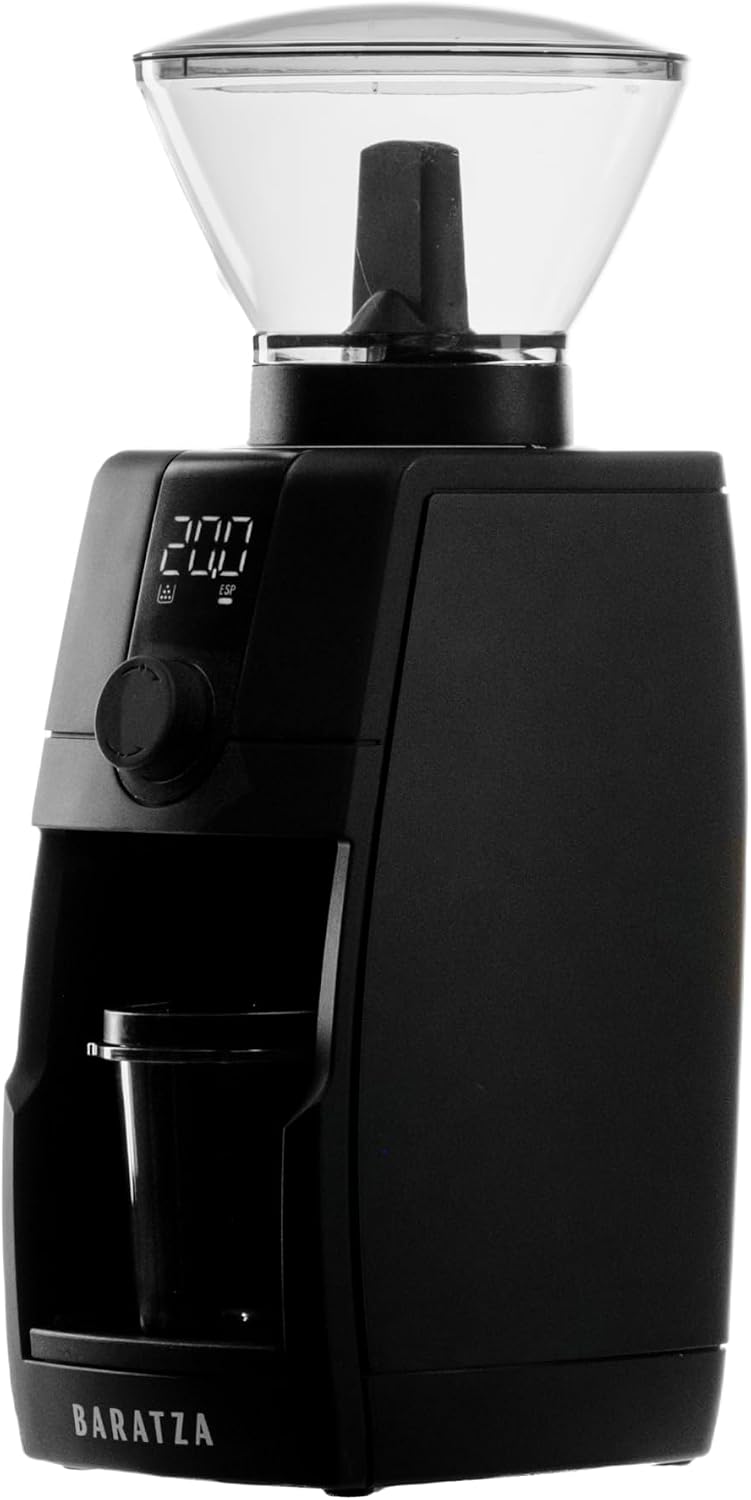
Our pick: Baratza Encore ESP Pro. A home burr grinder that matches this hub’s point that the grinder matters as much as the machine. Research-rated, not yet used in our kitchen.
Reinforce this point one more time: a burr grinder designed for espresso is essential. Blade grinders and pre-ground coffee simply cannot deliver the consistency required for proper extraction. Budget roughly equal amounts for your machine and your grinder – a $500 machine paired with a $500 grinder will outperform a $900 machine paired with a $100 grinder in most cases.
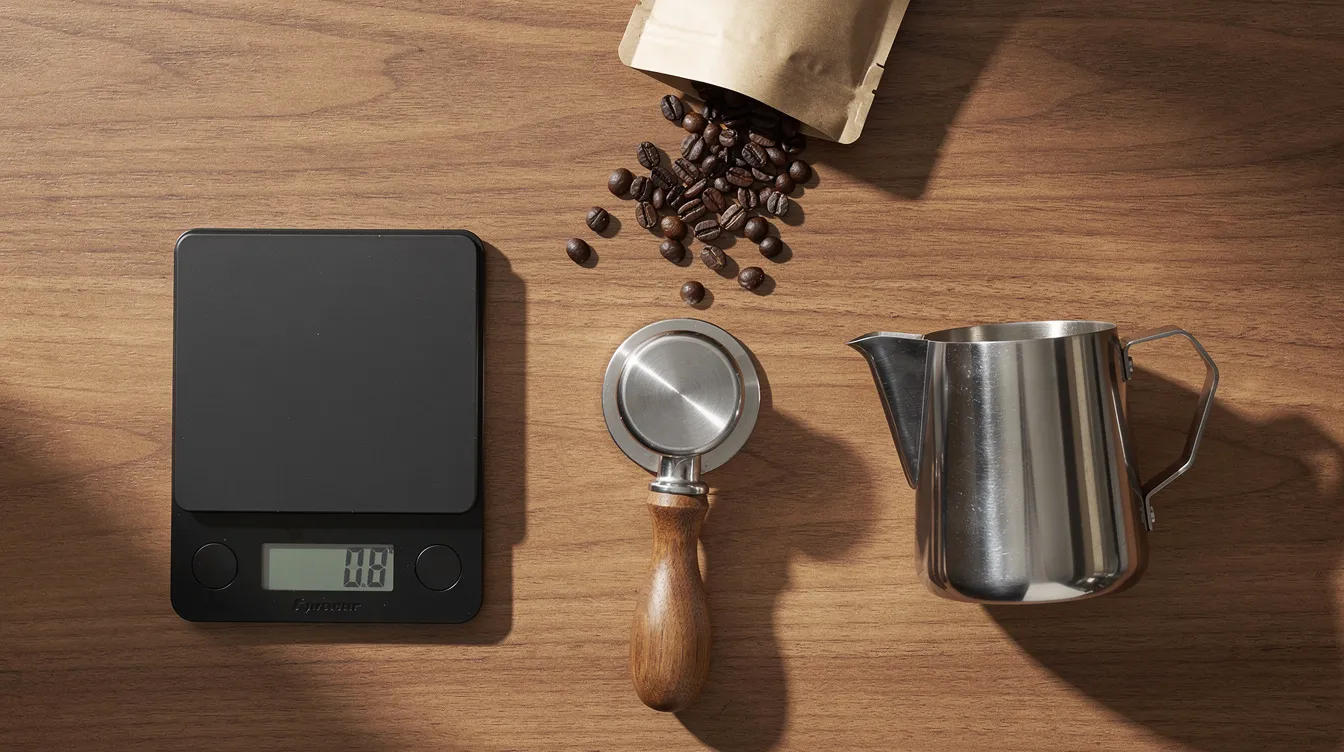
New Owner Checklist
Beyond the machine and grinder, here is what a new home espresso owner needs:
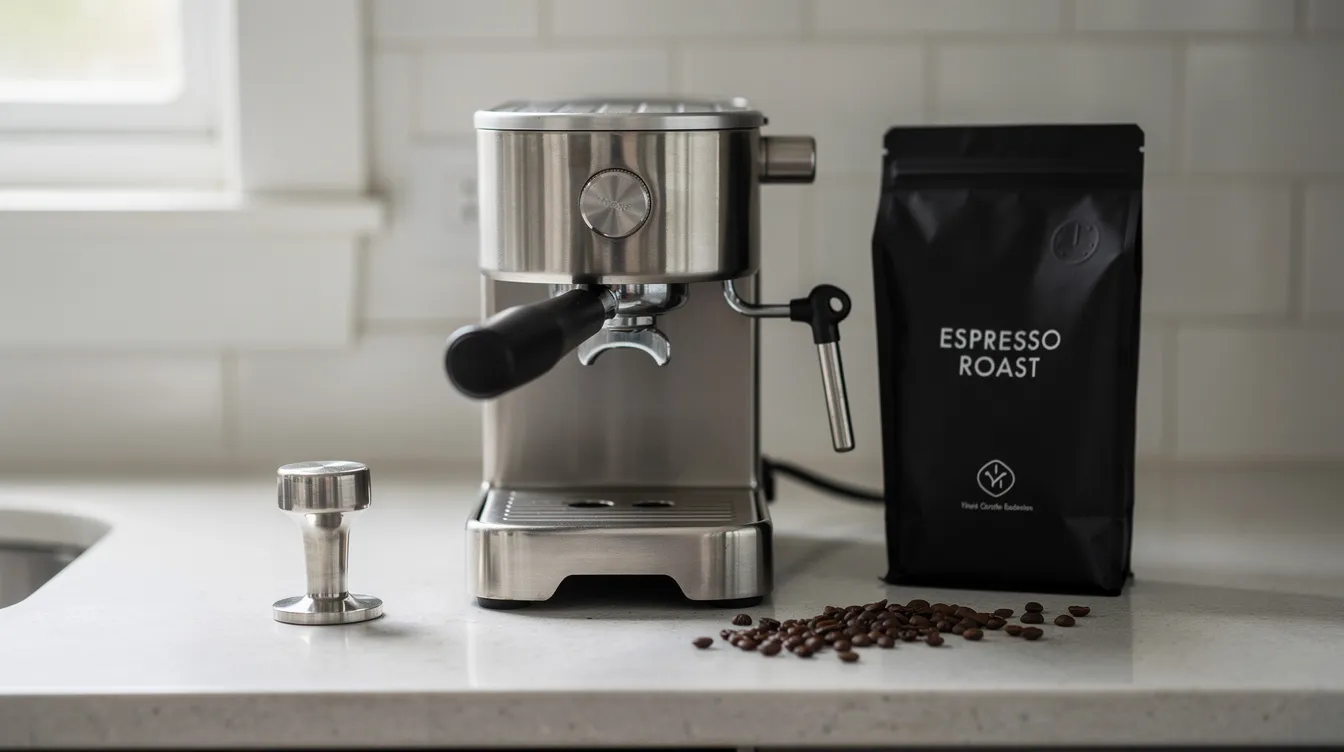
- Tamper – matched to your portafilter diameter (58mm or 54mm)
- Scale – accurate to 0.1g for dosing and measuring yield
- Milk pitcher (steam pitcher) – 12 oz for singles, 20 oz for doubles
- Cleaning tools – backflush disc, group head brush, cleaning tablets, descaling solution
- Filtered water strategy – a simple pitcher filter or in-line filter to protect against scale buildup
FAQs: Espresso Machines
These answers address common questions that go beyond the main body of this hub, in concise and practical terms.
How much should I realistically spend on my first espresso machine?
For a U.S. beginner, under $300 gets you a basic entry-level machine that can make real espresso if paired with a decent grinder. The $500–$800 range is a strong starting point with room to grow – machines here typically offer PID control, better steam, and more durable construction. Above $1,000, you are entering enthusiast territory where the machine is a long-term investment.
Total budget matters more than machine price alone. Include a grinder ($150–$500 depending on quality), basic accessories (tamper, scale, pitcher – ~$50–$100), and cleaning supplies (~$20–$30). A realistic all-in first setup runs $800–$1,500. Aim to balance spending between machine and grinder rather than overspending on one and underinvesting in the other.
Is a dual boiler espresso machine overkill for most home users?
It depends on how many drinks you make and what kind. Dual boilers shine for households making several milk drinks in a row, or for users who want maximum temperature stability with lighter roasts. The dual boilers’ ability to brew and steam simultaneously also speeds up workflow significantly when making drinks for multiple people.
For a single person making one or two drinks each morning, a good single boiler machine or heat exchanger can be more than sufficient – and easier on the budget by $500–$1,500 or more. Consider how many drinks you realistically make per day before paying the premium. Other espresso machines in the HX category often deliver many of the same practical benefits at lower cost.
Do I really need a machine with automatic cleaning cycles?
Automatic cleaning cycles are most common and most helpful on a super-automatic espresso machine and other fully automatic models with complex internal pathways and milk circuits. For these machines, automated flushing and rinse prompts are genuinely valuable because manual cleaning of sealed internal components is difficult.
Semi-automatic machines can be maintained effectively with manual backflushing (weekly) and descaling (every 1–3 months), as long as you follow a routine. If you are the type of person who is unlikely to keep up with manual cleaning schedules, paying for more automated maintenance features is a worthwhile investment in the machine’s longevity.
Can I make good espresso with pre-ground coffee or pods?
Pre-ground coffee stales quickly after grinding – within hours, it begins losing the volatile compounds responsible for aroma and flavor complexity. You also lose the ability to adjust grind size, which is essential for dialing in proper shot timing. Pre-ground can work in a pinch, but it is rarely ideal for serious espresso quality.
Some machines accept pods or pressurized baskets, which can be convenient for guests or rushed mornings. Capsule machines offer high convenience but limit control over flavor profiles. If flavor quality matters to you, prioritize a grinder – either a machine with a built in grinder or a separate burr grinder – even if you start with relatively affordable coffee beans.
What’s a reasonable lifespan for a home espresso machine?
Inexpensive pump machines may last 6–8 years with regular care. Super-automatics typically run 8–10 years before major internal components need replacement. Well-built prosumer machines with metal frames, replaceable gaskets, and standardized parts can often be serviced and enjoyed for 15–25 years.
The biggest factor is water quality. Hard water accelerates scale buildup, which damages boilers, clogs valves, and shortens pump life. Using filtered water and descaling on schedule extends machine life dramatically. When comparing brands, check whether spare parts are readily available and whether independent repair shops commonly work on that brand – not just price and features on day one.