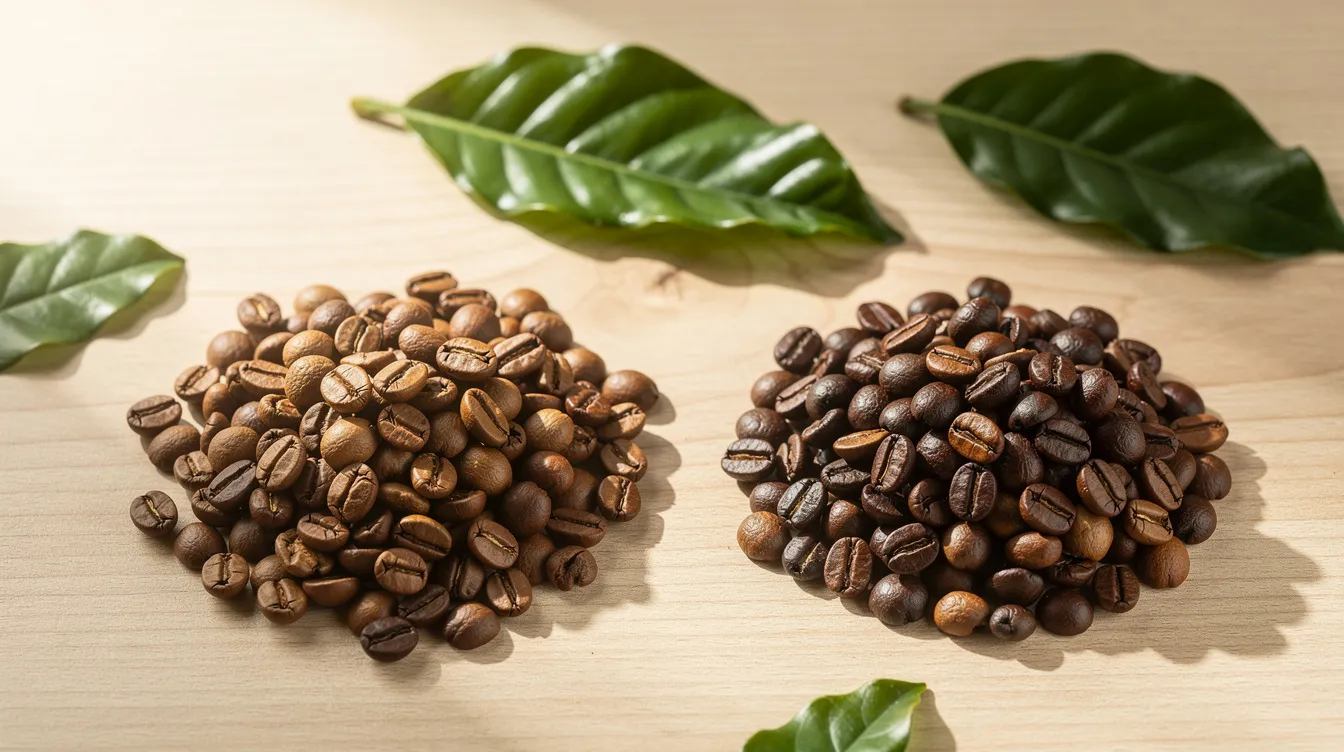
Ethiopian vs Kenyan coffee is one of the most debated matchups in specialty coffee, and the answer depends entirely on what you enjoy in a cup. Ethiopian coffee tends to be softer, floral, and tea-like with layered sweetness, while Kenyan coffee delivers punchier, more structured acidity with blackcurrant and grapefruit intensity. For most U.S. home brewers making pour-over or drip, Ethiopian coffee is the more forgiving, crowd-pleasing starting point. Kenyan coffee wins when you want dramatic brightness and concentrated flavor that commands your attention. This researched editorial analysis from Capitol City Coffee breaks down every angle to help you choose.
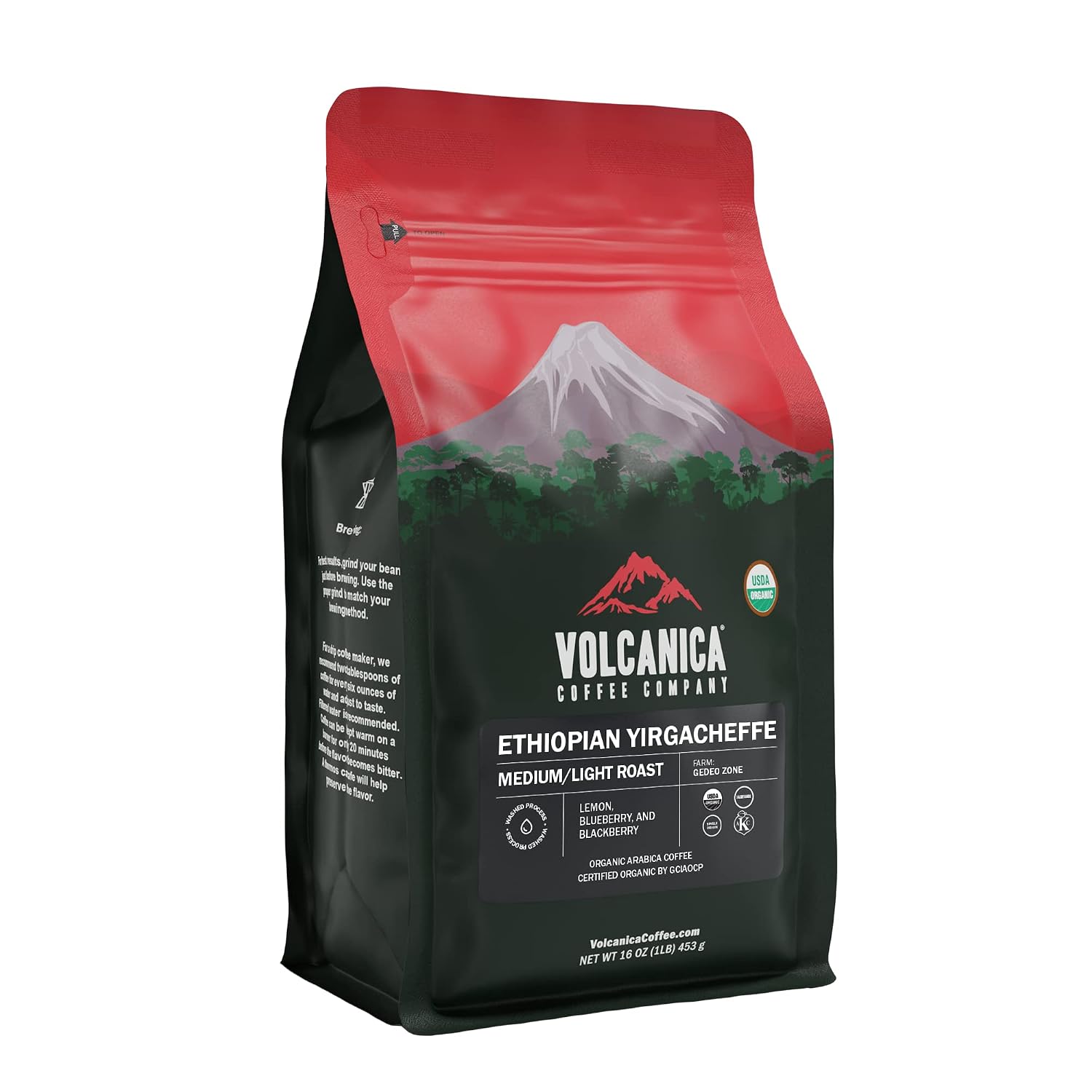
Best ethiopia pick
For this roundup, Volcanica Yirgacheffe is the ethiopia we recommend first—the same pick at the top of our At-a-glance cards below.
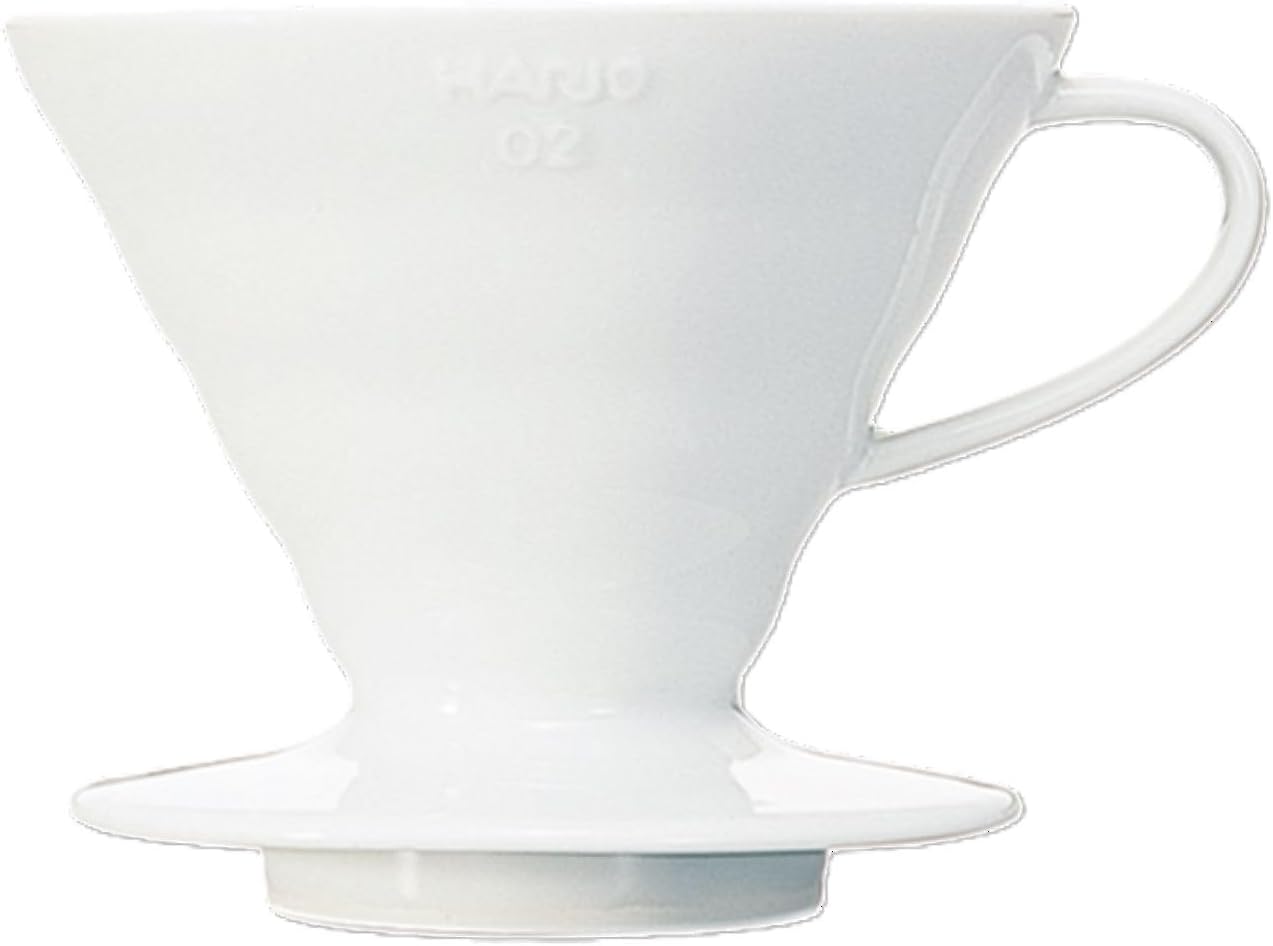
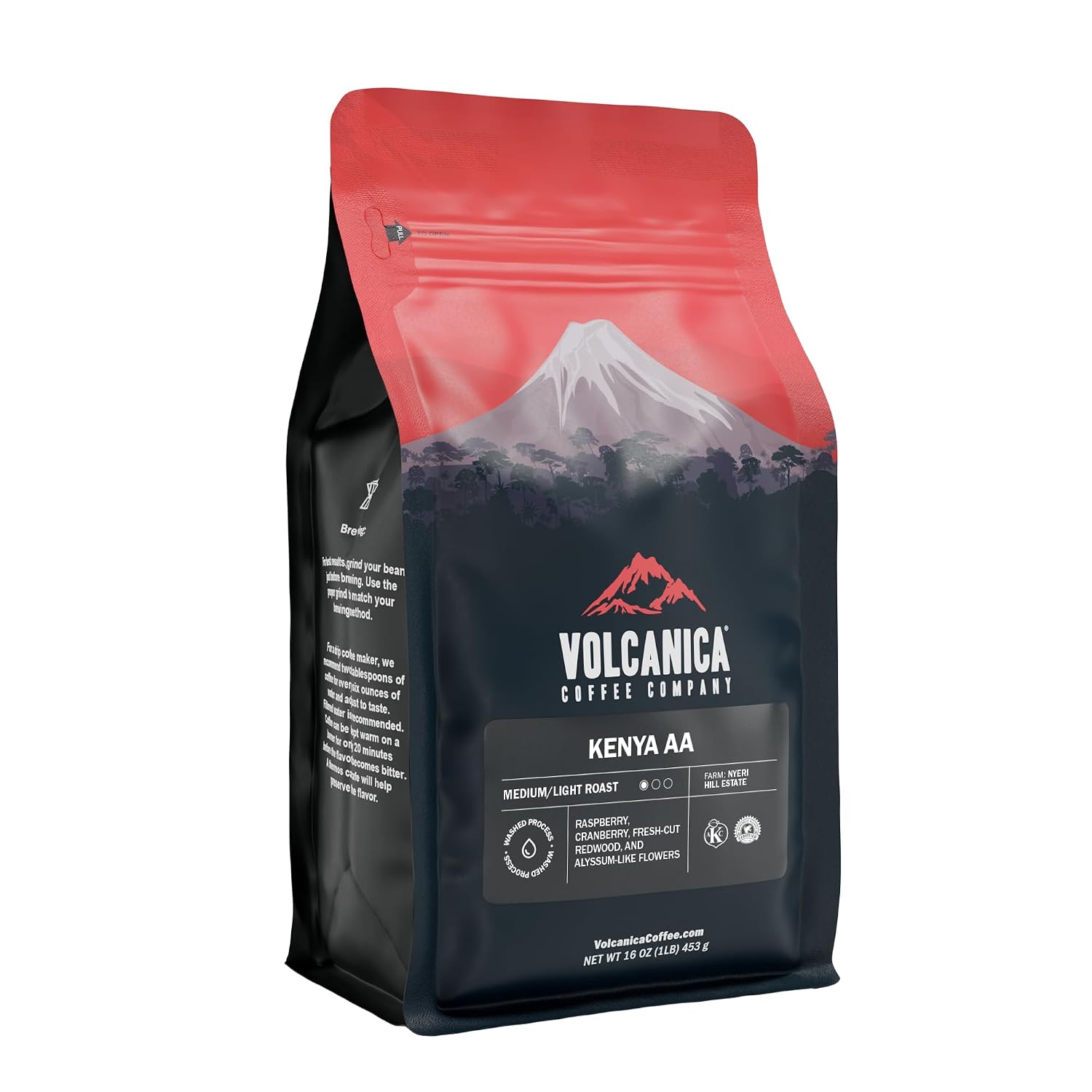
Origin bags are the main pick. If that bag is waiting, a canister and a cheap V60 still help the beans you already have—without swapping in grocery beans that undercut the origin.
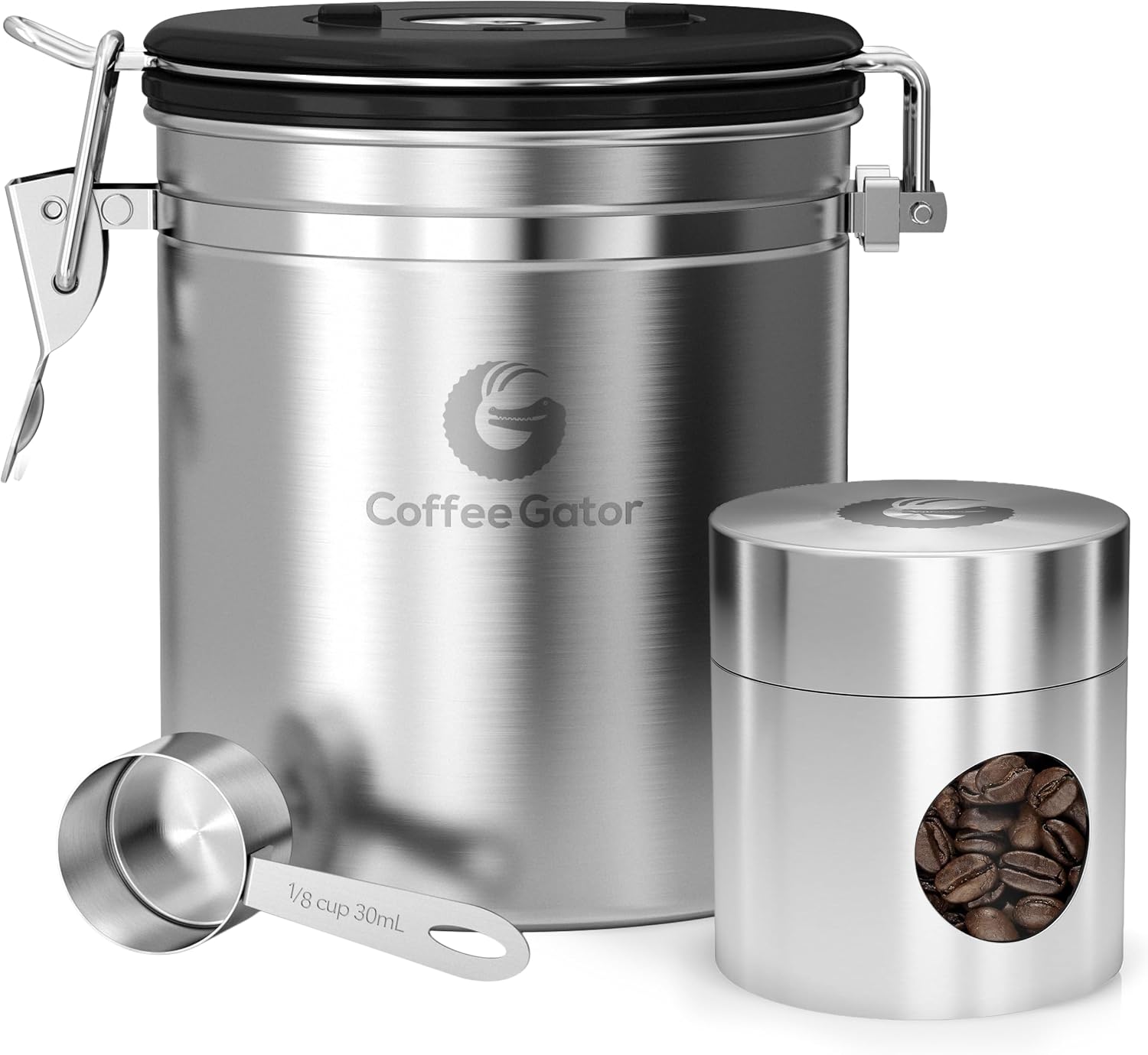
Storage (~$20–$35)
Coffee Gator canister
Keeps the origin bag fresh after you open it. Cheaper than waiting on another bag.
Neither origin is objectively the “best coffee.” The right choice depends on your palate, brew method, and budget. Here’s the short version:
Ethiopian coffee usually suits drinkers who prefer sweeter, delicate cups with floral notes, citrus notes, and a tea-like body. It spans thousands of heirloom varieties and both washed and natural processing styles, offering enormous flavor diversity.
Kenyan coffee suits those who enjoy bright, tart, fruit-forward cups defined by wine-like acidity, blackcurrant, and dark chocolate undertones. It is more standardized around cultivars like SL-28 and SL-34, mostly fully washed, and often sold as Kenya AA grade.
For pour-over and black coffee, Kenyan lots often feel more sparkling and structured. For cold brew or all-day sipping, many people prefer the softer, fruit-and-floral style of Ethiopian beans.
This guide is a researched editorial analysis. We do not claim hands-on tasting or long-term use unless documented testing notes are supplied. Recommendations rely on verified product facts, export data, and expert consensus.
Quick Verdict: Ethiopian vs Kenyan Coffee
If you want an answer fast: for most U.S. home brewers brewing pour-over or drip, choose Ethiopian coffee as your starting point. Its layered sweetness, floral aromatics, and moderate acidity make it approachable without being boring. Ethiopian coffee offers a remarkably wide spectrum from jasmine-scented washed lots to blueberry-bomb naturals, so there is almost always an Ethiopian bean that fits your preference.
Choose Kenyan coffee if you actively seek very bright coffee flavor with blackcurrant, grapefruit, and wine-like intensity, especially in manual brewing methods where that sparkling acidity can shine. If you are sensitive to pronounced acidity, try Kenya coffee via immersion or cold brew first to soften the edge.
Later sections break this down by flavor profile, brewing methods, price, and specific use cases including espresso, cold brew, and daily drip.
Affiliate Disclosure
Capitol City Coffee is an independent editorial and affiliate publication. We may earn a commission if you purchase coffee beans or brewing gear through outbound links, at no extra cost to you. Rankings and comparisons between Ethiopian and Kenyan coffee are based on researched editorial analysis, not commission size. We do not sell coffee directly.
Key Differences at a Glance (Comparison Table)
The table below summarizes the main differences between Ethiopian and Kenyan coffee for quick scanning. Use it as a reference before diving into the detailed sections.
Attribute
Ethiopian Coffee
Kenyan Coffee
Country / Region
Yirgacheffe, Sidamo, Guji, Harrar, Limu, Kaffa
Nyeri, Kirinyaga, Murang’a, Kiambu, Embu, western Kenya
Altitude
1,700–2,200 m
1,400–2,100 m
Common Varieties
Heirloom landraces (6,000+), Gesha, 74110, 74112
SL-28, SL-34, Ruiru 11, Batian, K7
Processing
~60% natural, ~40% washed
~95% fully washed (double soak common)
Typical U.S. Roast
Light to medium
Light to medium
Acidity
Bright, citric/malic (softer)
High, phosphoric/sparkling (sharper)
Sweetness
Honey, sugar cane, ripe fruit
Brown sugar, molasses, dried fruit
Body
Light to medium, tea-like (washed); syrupy (naturals)
Medium to full
Aroma
Jasmine, bergamot, stone fruit, honeysuckle
Blackcurrant, tomato leaf, berry, cocoa
Flavor Notes
Floral, citrus, blueberry, peach, bergamot
Blackcurrant, grapefruit, red berry, dark chocolate
Ethiopia is the birthplace of arabica coffee and home to the most genetically diverse coffee bean population on earth. It is the world’s fifth-largest coffee producer and Africa’s largest, with projected exports of roughly 7.8 million 60-kg bags for the 2025/26 marketing year. About half of production is consumed locally, which still leaves substantial volumes for U.S. specialty roasters.
Agronomy and Regions
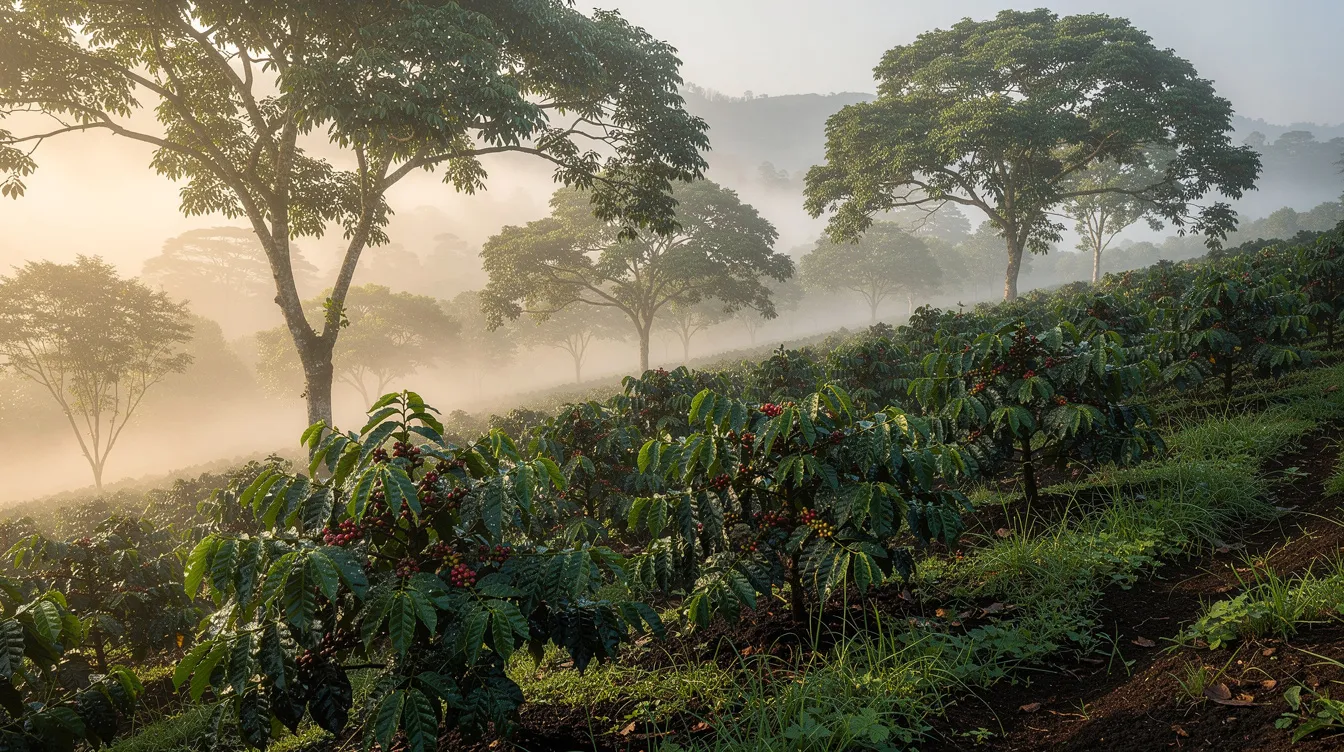
Ethiopia produces coffee in regions like Yirgacheffe, Sidamo, Guji, Harrar, Limu, and Kaffa. Coffee grown in Ethiopia typically ranges from 1,500 to over 2,200 meters above sea level, with the sweet spot around 1,700–2,200 m. Farms are overwhelmingly smallholder operations-often under half a hectare-and much coffee grows in wild or semi-wild forest settings. Both Ethiopian and Kenyan coffees benefit from nutrient-rich volcanic soils, but Ethiopian terroir also involves diverse shade trees and microclimates that shape unique flavors across coffee growing regions.
Varieties and Processing
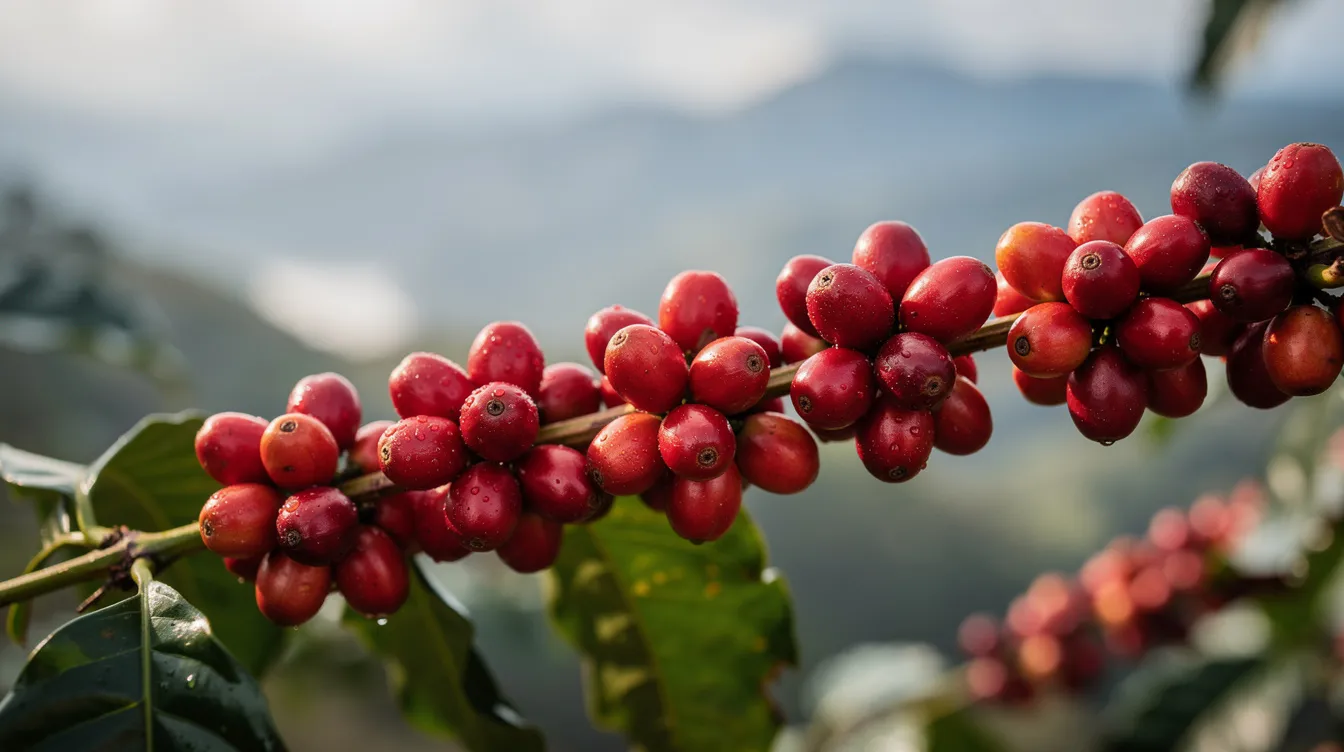
Ethiopian coffee beans come from thousands of heirloom landraces, with estimates exceeding 6,000 unnamed genetic lines. Named cultivars like Gesha and Jimma selections (74110, 74112) exist, but most coffee is still labeled broadly as “Ethiopian heirloom.” Ethiopia uses both natural and washed processing methods: approximately 60% of production is dry processed, with the remainder washed. Ethiopian natural processing produces bold, fruity coffee profiles-think blueberry, strawberry, and berry jam sweetness. Washed coffees lean toward floral tones, citrus, and tea-like notes with higher clarity.
Sensory Performance
Ethiopian coffee features floral, fruity, and tea-like notes. Ethiopian coffees often have high, bright acidity from malic and citric acids, but that acidity is generally softer than top Kenyan lots. Aromatic intensity is medium to high, with jasmine, bergamot, honeysuckle, and ripe stone fruit on the nose. The finish tends to be lingering and sweet. For typical U.S. drinkers, Ethiopian coffee flavor translates into good coffee for everyday use that still feels special.
Brewing Fit
Pour-over and drip are the primary fits. Ethiopian naturals perform very well as cold brew, yielding sweet, fruity flavors with low perceived sharpness. As espresso, washed Ethiopian lots deliver delicate floral aromatics that work nicely in milk-light drinks at a medium roast.
Limitations
Batch-to-batch variability can be significant due to heirloom diversity and variable processing standards.
Naturally processed coffees risk “funky” or fermenty off-notes if drying was uneven.
Premium micro-region lots (Yirgacheffe Grade 1) command high prices and can be scarce.
Buying Guidance
Look for labels specifying region plus grade-such as “Yirgacheffe G1 washed”-with a recent roast date. Ethiopia grades coffee from G1 (highest) to G5 (lowest), and exporters and coffee producers use those grade signals to communicate quality standards because Ethiopian grades combine physical assessment with sensory evaluation, so a G1 designation carries real meaning. Light to medium roast preserves the most Ethiopian coffee flavor clarity.
Kenyan Coffee: Profile, Performance & Limitations
Kenyan coffee is one of the most precisely engineered specialty origins in the coffee industry, celebrated for vivid acidity, clarity, and consistent cup quality. Though Kenya’s annual specialty production is far smaller than Ethiopia’s-about 0.8 to 0.9 million 60-kg bags-it punches well above its weight in reputation.
Country, Region, and Terroir
Kenya’s major coffee-growing regions include Nyeri, Kirinyaga, Embu, Murang’a, and Kiambu, clustered around Mount Kenya and the Aberdare Range. Some production also occurs in western Kenya, near Trans-Nzoia. Coffee in Kenya is typically grown between 1,400 and 2,200 meters above sea level, in rich volcanic soils loaded with phosphorus and minerals. After Kenya gained independence in 1963, the country developed a structured coffee industry centered on smallholder cooperatives delivering coffee cherries to centralized washing stations called “factories.”
Varieties
Kenya’s coffee industry is built on selected cultivars like SL-28 and SL-34 (Scott Laboratories selections from the early twentieth century), plus newer disease-resistant varieties such as Ruiru 11 and Batian. SL-28 and SL-34 are strongly associated with the Kenyan coffee flavor profile, especially the signature blackcurrant and winey notes that define Kenya coffee.
Processing
Kenyan coffee is predominantly fully washed, emphasizing clarity and brightness. Approximately 95% of Kenyan coffee is processed using the washed method. Kenyan coffee undergoes a double fermentation process during washing: after pulping, mucilage ferments for 24–48 hours, then beans are soaked clean for an additional 12–72 hours before slow drying on raised beds. This meticulous approach produces ultra-clean cups with structured, transparent tasting notes.
Cup Profile
Kenyan coffee is known for its blackcurrant and grapefruit flavors. It has a structured acidity described as “phosphoric” or “sparkling,” which gives the cup an almost electric brightness. The body is medium to full, denser than many Ethiopian washed lots, and sweetness often leans toward brown sugar, molasses, and dried fruit. Kenyan coffee tasting notes frequently include red berries, lemon, tomato, tropical fruit, and dark chocolate, with a long, resonant finish. The combination of intense fruit and heavy body creates a concentrated flavor that stands out among other coffee types.
Brewing and Performance
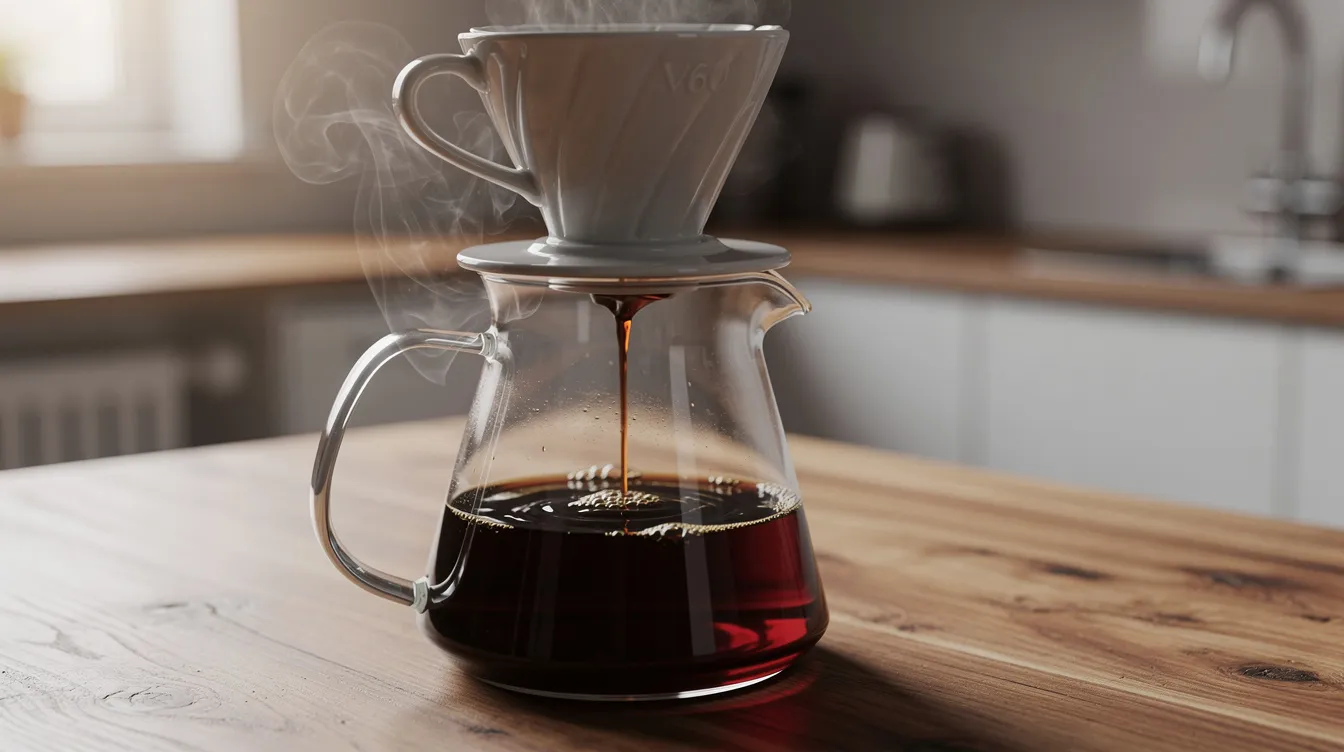
Kenyan coffees tend to excel in pour-over, manual drip, and high-clarity brewers like V60, Kalita, and Chemex. They can produce standout single-origin espresso for fans of bright acidity. Immersion methods like French press and AeroPress round the edge of the pronounced acidity, adding body and softening the sharpest notes.
Chemistry Notes
Some analyses suggest that certain Kenya coffee beans contain less anhydrous caffeine per gram of green bean compared to some Ethiopian or Tanzanian lots. One study on Ethiopian green beans found caffeine content ranging from 0.78% to 1.55% w/w, while Kenyan AA beans tend to cluster in the 1.0–1.3% range. The difference in anhydrous caffeine in a typical brewed cup is modest-often overshadowed by roast level, dose, and brew method. Any health implications remain early-stage and are not a medical recommendation.
Limitations
Higher prices due to auction-driven Nairobi Coffee Exchange and limited annual output (Kenya produces about 833,000 60-kg bags of coffee annually).
Top Kenya AA and AB lots can be hard to source consistently.
The acidity can overwhelm drinkers who prefer mellow, chocolatey profiles.
Kenya exports a smaller share of production than Ethiopia, tightening supply for U.S. roasters.
Buying Guidance
Look for AA or AB grades from Nyeri or Kirinyaga with recent roast dates. Kenya grades coffee primarily by bean size (screen size), and Kenya’s grading system includes AA, AB, PB, and others. Kenyan AA grade beans are the largest and highest quality at screen size 17/18. A medium roast highlights fruit and acidity without tipping into harshness.
Flavor & Sensory Comparison: Ethiopian and Kenyan Coffee
This section digs deeper into how Ethiopian and Kenyan coffees differ on aroma, coffee flavor, acidity, sweetness, and body-the attributes that matter most when the cup hits your lips.
Acidity
Ethiopian coffees usually show bright but smooth, citric or malic acidity that reads as lemon, orange, or stone fruit. Kenyan coffees tend toward higher, more wine-like acidity-often described as phosphoric-with sharper grapefruit, lime, and berry snap. In practice, Ethiopian acidity feels round; Kenyan acidity feels electric.
Sweetness
Ethiopian coffees, especially naturally processed coffees, can feel overtly sugary or honey-like, with intense fruit sweetness. Kenyan sweetness often leans toward brown sugar and molasses, playing off the acidity rather than dominating it. Both origins can produce fruit-forward cups, but the character of that fruit differs: ripe peach versus tart blackcurrant.
Body and Mouthfeel
Many Ethiopian washed coffees are lighter and tea-like, letting the aromatic oils and floral aromatics float above a delicate base. Ethiopian naturals are often syrupy and dense. Kenyan coffees generally land at medium-to-full body, giving them more weight despite their high acidity.
Aroma and Aftertaste
Ethiopian beans often smell like jasmine, bergamot, honeysuckle, and ripe stone fruit, with a clean, floral finish. Kenyan beans may show strong berry, tomato leaf, and blackcurrant aromatics, with a long, dry winey or cocoa-tinged aftertaste. The aromatic intensity of top Kenyan lots can be almost startling.
Roast Level Interactions
Lighter roasts emphasize acidity and floral/fruit complexity in both origins. A medium roast brings more chocolate and caramel into Kenyan coffees and more cocoa and baking spices into Ethiopian coffees. Dark roasts mute origin character in both-generally not recommended for these quality coffee beans.
Who Prefers What
Drinkers who enjoy fruity teas or lighter filter coffee often prefer the Ethiopian coffee flavor profile. Those who like dry white wines, sour beers, or tart berry flavors tend to gravitate toward the best Kenya coffee offerings.
Brewing Methods: Which Origin Fits Your Setup?
The same coffee bean tastes different depending on brew method. Ethiopian and Kenyan coffees each pair especially well with certain approaches.
Pour-Over and Drip
Both origins shine here. Washed Ethiopian Yirgacheffe or Sidamo can be ideal for delicate, floral V60 or Chemex brews. Kenyan AA from Nyeri or Kirinyaga suits those who want an intense, fruit-forward cup with clarity. These are among the most popular beans in the pour-over world.
Immersion Methods (French Press, AeroPress)
Immersion softens acidity and adds body. This makes French press a strong fit for Kenya coffee drinkers who find pour-over too sharp. Ethiopian naturals also benefit from immersion, which accentuates berry richness and sweetness.
Espresso
Ethiopian coffees produce nuanced, bright espresso with jasmine and citrus notes at medium roasts. Kenyan coffees are more polarizing in espresso-extreme acidity can feel sour if extraction is off-but reward adventurous drinkers with intense fruit and winey complexity.
Cold Brew
Natural Ethiopian coffee is a favorite for cold brew. The long extraction softens acidity and emphasizes sweet, chocolatey, and berry-forward flavors-resulting in fruity flavors without sharpness. Kenyan coffee can taste very tart in cold brew but works for those who enjoy a “juicy,” winey iced coffee when brewed stronger and diluted.
Convenience Brewers
For automatic drip machines and single-serve devices, Ethiopian washed coffees are very forgiving. Most coffee drinkers using these setups will find Ethiopian beans versatile enough to taste distinct even without precise control.
Matching Roast to Method
For high-acidity Kenyan beans, a medium roast and careful brew temperature (around 200°F / 93°C) helps avoid harshness. For floral Ethiopian beans, lighter roasts and slightly finer grinds unlock the most aromatics.
Use-Case Winners: Which Origin Wins for Your Routine?
Both are excellent coffee beans. Here is a practical guide naming a winner for common scenarios:
Daily drip at home or work: Ethiopian washed coffees. Approachable, moderately acidic, pleasant sweetness. Interesting without becoming fatiguing.
Showpiece weekend pour-over: Kenyan coffee. Dramatic acidity, blackcurrant and citrus notes, strong cup presence when brewed carefully.
Cold brew and iced coffee: Ethiopian naturals. Rich fruit, chocolate, and lower perceived acidity. A well-sourced Kenyan lot can be an exciting niche alternative for tart, winey iced coffee.
Milk-based espresso (cappuccino, flat white, latte): Ethiopian medium roasts. Citrus and berry complement milk without turning aggressively sour. Kenyan espresso works in carefully dialed small doses for bright, fruit-led lattes.
Sensitive to acidity or heartburn: Start with smoother Ethiopian regions like Sidamo or Limu at medium roast. Treat Kenyan coffees as occasional “treat” cups via immersion brewing.
Traceability and grading transparency: Kenyan coffee may be the winner, with detailed factory-level traceability and screen-size grades like Kenya AA and AB. Ethiopian coffees often use broader “heirloom” and ECX grade labels.
Cost, Availability & Value
Beyond flavor and brewing methods, many buyers weigh price per bag, value, and sourcing consistency.
Ethiopian coffee FOB prices range from $3.50 to $7.00+ per pound for specialty lots. Kenyan coffee FOB prices typically range from $4.00 to $9.00+ per pound, meaning Kenyan coffee prices can exceed Ethiopian coffee by $0.50 to $3.00+ per pound at wholesale. That premium reflects auction competition and Kenya’s much smaller output.
Ethiopia is a much larger coffee producer-Ethiopia produces roughly 7.8 million bags of coffee annually for export, roughly seven to ten times Kenyan coffee production volume. Kenya produces about 0.8 to 0.9 million bags of coffee annually for specialty markets. Ethiopia’s scale, combined with the fact that a large portion is consumed locally, still leaves substantial volumes flowing to U.S. roasters.
Kenya AA bean size does not always equal better flavor-an AB lot from a great factory can outperform a mediocre AA. Similarly, Ethiopian G2 lots from strong regions can deliver exceptional cup quality at lower retail prices than G1.
For freshness: big grocery brands may stock Ethiopian and Kenyan coffees roasted weeks or months ago, dulling coffee flavor. Smaller specialty roasters typically roast to order and publish roast dates. Always prioritize recent roast dates, whole-bean purchases, and airtight storage over obsessing solely about origin when trying to extract the best value from either Ethiopian or Kenyan coffee.
How to Choose: Ethiopian or Kenyan Coffee for You?
Here is a simple decision framework:
Prefer gentle, sweet, floral coffee and mostly drink black filter coffee? Lean Ethiopian. The floral tones and tea-like notes will feel natural and soothing.
Enjoy sharp, fruit-forward flavors and own high-control brew gear (V60, Chemex, good grinder)? Lean Kenyan. The bright acidity and concentrated blackcurrant notes reward precision.
Love tea and citrus? Choose Ethiopian coffee. Love tart berries and wine? Choose Kenyan coffee.
The best approach is experimentation. Buy small bags from both origins, brew them with the same method and recipe, and note which cup feels more satisfying after a week of daily use.
On caffeine and health: while some analyses show slightly lower caffeine content in certain Kenyan coffee beans than Ethiopian, the difference in a typical cup is modest. If you have health concerns, consult a healthcare professional rather than choosing solely by origin.
If you enjoy both profiles, consider blending. Many specialty roasters blend Ethiopian and Kenyan coffee beans-pairing Ethiopia’s aromatics with Kenya’s acidity-to create balanced, complex cups. Think of this as a guide Ethiopian coffee and Kenyan coffee drinkers can use as a starting point, not a final verdict.
Alternatives and Related Origin Comparisons
If you like aspects of Ethiopian and Kenyan coffees but not the extremes, other origins may be a better fit.
Fans of Ethiopian-style profiles who want bright but balanced acidity might enjoy Guatemalan or Colombian coffees. See the Colombian vs Guatemalan coffee comparison for more detail.
Drawn to Kenyan-like structure but want more chocolate and nut? Brazilian and Colombian coffees offer that warmth. Check out the Brazilian vs Colombian coffee guide.
Prefer intense, earthy, or spicy cups? Indonesian origins deliver that. The Sumatra vs Bali coffee comparison covers these profiles.
Browse the broader coffee comparison hub and the full comparisons library to see how other coffee bean matchups stack up across East Africa, Latin America, and Asia.
How We Compare Coffee at Capitol City Coffee
Capitol City Coffee is an independent coffee editorial publication that reviews and compares coffee beans, gear, and brewing methods for U.S. readers. This Ethiopian vs Kenyan coffee guide is based on researched editorial analysis using reputable expert sources, export data from the USDA, and industry consensus-not on CCC roasting or selling its own beans.
This article does not claim hands-on cupping or long-term testing unless labeled. It summarizes third-party findings including agronomic data, flavor research, grading systems, and auction structures. Recommendations and “winners” by use case are starting points, not absolute rules. Taste is subjective. Use CCC’s other coffee comparison pages to keep exploring once you understand the basics of Ethiopian and Kenyan coffees.
FAQs: Ethiopian vs Kenyan Coffee
These FAQs address common questions not fully covered in the main comparison. Answers are kept brief and practical.
Is Ethiopian or Kenyan coffee better for beginners?
Ethiopian washed coffees are usually easier for beginners because they are more forgiving during brewing, with moderate acidity and clear sweetness. Kenyan coffees can taste sour or sharp if grind size and extraction are not dialed in. If you are new to quality coffee from East Africa, start with a washed Ethiopian Sidamo or Yirgacheffe at a light-to-medium roast.
How should I store Ethiopian and Kenyan coffee beans for best freshness?
Both Ethiopian and Kenyan coffee beans should be stored the same way: in an airtight, opaque container at room temperature, away from light, heat, and moisture. Ideally, consume them within two to four weeks of the roast date for peak flavor. Whole beans hold freshness longer than pre-ground, so grind just before brewing whenever possible.
Can I blend Ethiopian and Kenyan coffee beans at home?
Home blending is a practical way to balance floral sweetness with bright acidity. A simple starting ratio is 50/50 or 60/40 Ethiopian to Kenyan. Make sure both coffees have similar roast levels to avoid clashing flavors-pairing a light Ethiopian with a dark Kenyan will produce muddled results rather than harmony.
Are Ethiopian or Kenyan coffees available as decaf with similar flavor profiles?
Decaf versions of both Ethiopian and Kenyan coffees exist, but decaffeination can mute some of the delicate aromatics that make these origins special. Look for water-processed (Swiss Water or Mountain Water) decaf from specialty roasters, and expect more subtle versions of the original flavor notes. Ethiopian decaf tends to hold up slightly better because its sweetness survives processing more intact.
Which origin works better for flavored coffee drinks and syrups?
Ethiopian coffees, especially medium-roasted ones with chocolate and berry notes, often pair well with vanilla, caramel, or mocha syrups. Very bright Kenyan coffees can sometimes clash with heavy flavorings unless used in small amounts. If you discovered coffee through flavored drinks and want to transition to single-origin, Ethiopian beans are the gentler bridge.
How Capitol City Coffee Rates Coffee and Coffee Machines
Every coffee and coffee machine we recommend is scored on the same 100-point scale, so a recommendation on one page means the same thing as a recommendation on any other. Each pick is also labeled with how we reached its score.
Research-ratedScored from the roaster or manufacturer’s published specifications, independent results such as Coffee Review blind cuppings and SCA brewer certification, and patterns across verified buyer reviews. Most of our current picks are research-rated.
Hands-on testedThe Capitol City Coffee team has brewed the coffee or used the machine ourselves, following the testing steps below. We only use this label when that testing actually happened, and we show the date we tested.
Coffee beans: 100-point scale
What we score
Points
What we look at
Origin and sourcing transparency
20
Country, region, farm or cooperative, altitude, bean variety, and processing method are clearly disclosed.
Flavor evidence
25
Independent cupping scores, how closely the tasting notes match what the origin is known for, and our own cupping notes when hands-on tested.
Roast and freshness
15
Roast level stated, roast-date practices, whole-bean availability, and packaging with a one-way valve or resealable bag.
Brew versatility
15
How well the roast suits pour-over, drip, French press, cold brew, and espresso.
Value
15
Price per ounce compared with similar single-origin coffees or blends.
Buyer feedback
10
Volume and consistency of verified reviews, and recurring complaints about staleness, bitterness, or shipping.
Coffee machines and gear: 100-point scale
What we score
Points
What we look at
Brewing performance
25
Water temperature in the 195–205°F range, even extraction, and SCA certification or published test data.
Build quality and reliability
20
Materials, known failure points, and long-term owner reports.
Ease of use and cleaning
15
Setup, the daily routine, descaling, and dishwasher-safe parts.
Fit for your kitchen
10
Capacity, counter footprint, and noise.
Useful features
10
Programming, grind and temperature control, and carafe type. Features that improve the cup count more than extras that do not.
Value
10
Price compared with machines that perform similarly.
Warranty and support
10
Warranty length, parts availability, and how the brand handles repairs.
What the grades mean
Score
Grade
What it means
90–100
A
Exceptional. Our first recommendation for the feeling and setting described.
80–89
B
Strong. Excellent, with minor trade-offs we explain.
70–79
C
Good. Worth it for specific needs, with clear compromises.
Below 70
—
Not recommended. We do not feature these as picks.
How we test hands-on
When a pick carries the Hands-on tested label, this is the method behind it, and we note the date we tested.
Coffee: brewed fresh from whole beans following Specialty Coffee Association guidelines (water between 195 and 205°F, about 1 gram of coffee to every 15 to 18 grams of water) in the brew methods the roast suits best, such as pour-over, French press, or espresso. We taste it black first, then with milk if that is how most people drink it, and each taster scores it on their own before we compare notes.
Machines: used in our everyday routine rather than a single demo. We brew both full and small batches, check the brewing temperature and brew time, and run the cleaning or descaling steps the manual calls for.
How we choose the feeling and setting
We match each coffee to a mood and a moment based on its flavor profile and roast. Bright, citrusy light roasts suit energizing mornings. Chocolatey, full-bodied medium roasts suit slow or social moments. Richer roasts suit espresso and milk drinks. Each pick explains which facts led us to that match.
Our scores stay independent
Every score comes only from the criteria above. No brand can pay for a pick or a higher grade. We re-check ratings when a roast, listing, or model changes, and update or remove picks that no longer earn their grade.
Some links on this page are affiliate links. As an Amazon Associate, Capitol City Coffee earns from qualifying purchases, at no extra cost to you.
Questions about a rating? Reach the Capitol City Coffee team through our contact page.