
With NO Additional cost to you, as an Amazon Associate, I earn from qualifying purchases. This page contains affiliate links; we may earn a commission if you buy through them.
Certified coffee means a bag carries a third-party label such as Fair Trade or USDA Organic. Amazon bags on this page include Volcanica Colombian Supremo (Fair Trade) and Volcanica Ethiopian Yirgacheffe (USDA Organic). This guide breaks down the major coffee certifications, shows you what each label covers (and misses), and gives you practical steps to buy coffee that matches your values. As an Amazon Associate we earn from qualifying purchases.
Key Takeaways
Yes, many coffee labels are worth trusting. Understanding them has practical benefits because it helps you weigh ethics, quality, and sustainability more clearly. No single certification handles everything.
- Fair trade coffee guarantees a minimum price floor and a community premium for cooperatives of smallholder farmers.
- Organic coffee means no synthetic pesticides, herbicides, or fertilizers were used in production, verified by bodies like USDA Organic.
- Rainforest Alliance focuses on forest protection, biodiversity, and basic labor safeguards-but does not set a fixed minimum price.
- Direct trade is a sourcing philosophy, not an official certification. Its value depends entirely on the roaster’s transparency.
- No single label covers price, environment, labor, and taste all at once. Coffee certifications can overlap-a coffee can be both organic and Fair Trade-so read labels together to judge a specific coffee rather than relying on one seal alone.
- Fair Trade does not automatically mean the coffee is organic. Always check for separate seals.
- If you only do one thing: look for a clearly named farm or region plus at least one trusted certification or a published transparency report.
How Coffee Certifications Started And Why They Matter Today
Coffee price crashes in the late 1980s and early 1990s devastated coffee farmers across Latin America, Africa, and Asia. Those crises drove the creation of fair trade coffee labels and other ethical sourcing systems designed to protect producers from volatility in the global market.
Key milestones shaped today’s certified coffee landscape:
- In 1988, Dutch NGO Solidaridad and Mexican cooperative UCIRI launched Max Havelaar, the first Fair Trade label for coffee.
- Fairtrade International formed in 1997, consolidating national labels into one system. Fair Trade USA was founded in 1998.
- USDA Organic standards became official in 2002 under the National Organic Program.
These systems emerged to help farmers earn livable incomes, protect forests and water, and give consumers confidence that certified coffee is more than a marketing term because it is backed by a defined certification process. Today’s shoppers actively search for “organic and fair trade” and ethical sourcing, and labels help them navigate the coffee marketplace while reducing harm from their daily coffee habit.
Labels are imperfect. But they are almost always better than buying completely blind. The rest of this article explains what each major label actually delivers.
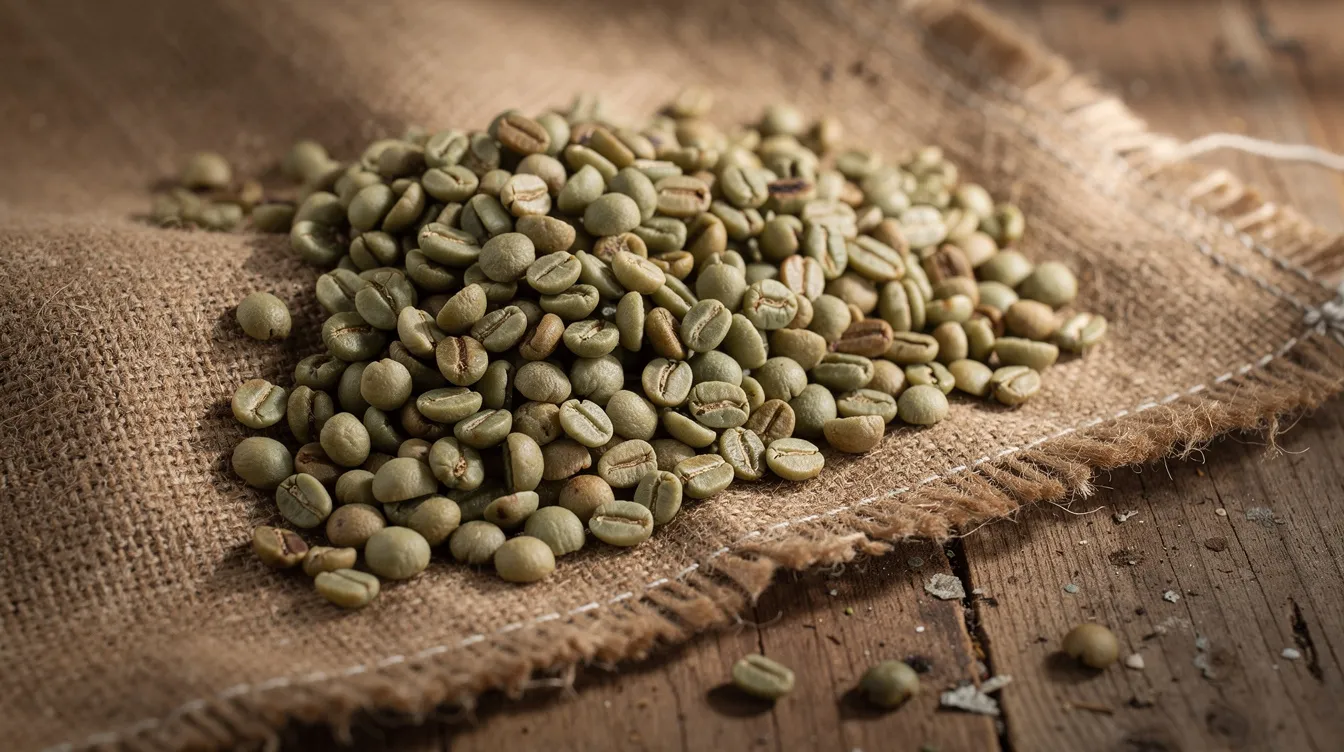
Fair Trade Certified Coffee: What The Label Really Guarantees
Fair Trade Certified is one of the most recognized coffee labels in the world. It is administered by Fairtrade International and Fair Trade USA, and it appears on coffee sold in dozens of countries.
Here is what the fair trade certification actually sets:
- A minimum price for coffee beans. As of December 2026, the floor for washed Arabica is USD $2.00 per pound-up from $1.80-acting as a safety net when commodity prices drop.
- A Fair Trade premium paid on top of the purchase price. Co-ops invest this money in community projects like schools, clinics, and processing equipment. In 2021, Fair Trade coffee partners generated $31M in Community Development Funds.
- Fair Trade certification requires third-party verification of practices. Third-party certifications are heavily audited by external agents.
Fair Trade Certified coffee prohibits forced and child labor. Fair Trade standards promote sustainable livelihoods and safe working conditions for farmers and workers. It also supports environmentally sustainable practices on certified farms. Fair Trade ensures farmers earn fair, stable prices, so the practical benefits are better labor protections, more predictable income, and funding for local projects.
The system usually works with cooperatives of smallholder growers, not giant plantations.
Limitations to keep in mind:
- It does not guarantee specialty flavor or high cup scores.
- It may not reach the very smallest or most remote farmers who lack infrastructure.
- It tells you nothing about roast freshness or final cup quality.
Fair Trade is especially meaningful for supermarket coffee, big national brands, or any bag where you lack detailed origin information.
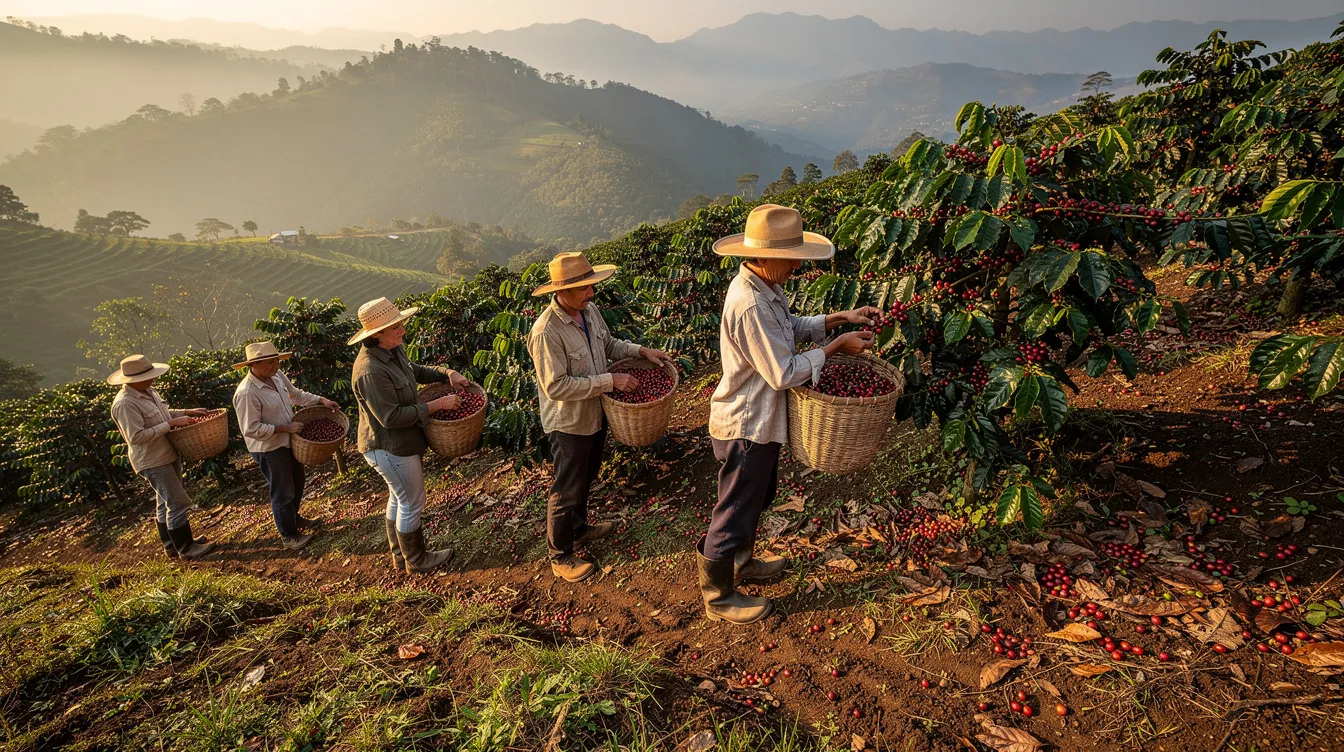
Organic Coffee And Organic Certification: Why “Organic Matters”
Organic coffee is coffee grown without synthetic pesticides, herbicides, or fertilizers. It falls under recognized organic certification systems like USDA Organic or EU Organic.
What organic rules usually require:
- No synthetic nitrogen fertilizers, no glyphosate-type herbicides. USDA Organic certification prohibits GMOs and synthetic chemicals.
- Soil health practices: composting, shade trees, crop diversity.
- Land must be free of prohibited substances for at least three years before harvest.
- USDA Organic ensures traceability from farm to store. Certified beans must be segregated through every step so they stay pure.
- USDA Organic certification requires third-party inspection. It can be revoked if standards slip.
Organic certification focuses on agricultural and environmental practices. Organic matters more for coffee than some crops because conventional coffee is often heavily treated with chemicals. Beans are roasted, not washed like produce, so residues can persist. Organic coffee is often prioritized for health-conscious consumers.
What organic does not guarantee:
- It does not promise higher farmer income by itself.
- It does not automatically mean better taste. Flavor depends on variety, altitude, processing, and freshness.
- It says little about labor rights unless combined with Fair Trade or similar seals.
If you care about both health and ethics, look for both the USDA Organic seal (or your local organic label) and some mention of fair wages or price transparency.
Rainforest Alliance And Other Sustainability Seals
The Rainforest Alliance frog seal is a major sustainability mark on coffee shelves worldwide. Since merging with UTZ in 2020–2021, it operates under the 2020 Sustainable Agriculture Standard, combining social and environmental criteria.
What Rainforest Alliance focuses on:
- Preventing deforestation and protecting wildlife corridors.
- Managing water and soil responsibly.
- Requiring basic human rights safeguards on farms.
- Rainforest Alliance emphasizes environmental stewardship and worker health standards. It focuses on environmental protection broadly.
How it differs from Fair Trade:
- Stronger emphasis on environmental sustainability than guaranteed minimum prices.
- More flexible on farm size. It may cover larger estates as well as smallholders.
- It accounts for about 5.7% of global coffee production.
Another specialty seal worth knowing: the Smithsonian Bird Friendly certification requires organic certification and native shade-canopy cover. Shade grown coffee under this program protects migratory bird habitat.
When a bag only has the frog seal, treat it as a positive sign for forests and biodiversity. Still check for info on prices paid, sourcing relationships, or extra certifications if farmer income matters to you.
Direct Trade And Relationship Coffee: Trust Without A Formal Seal
Direct trade describes roasters buying coffee beans through ongoing relationships with specific farms or co-ops, often paying well above commodity and Fair Trade minimums. Within the broader coffee marketplace, direct trade is a sourcing philosophy rather than an official certification, so anyone can print it on a bag.
Direct trade means higher quality often requires roaster transparency. What good practice looks like:
- The label or website names the farm, region, and producer as evidence behind a specific coffee claim.
- The roaster shares prices paid. For example, Yield Coffee Roasters published an average FOB of USD $4.95/lb in 2025-nearly 80% above the commodity market average of $2.75/lb.
- There are stories or reports about multi-year partnerships and visits.
- Research on direct trade shows many roasters claim to pay at least 25% above Fair Trade minimums, though few submit to third-party verification.
Compared to Fair Trade, a direct trade model can pay higher premiums for exceptional lots. It often works outside co-op systems with individual estates or micro-lots. It relies on trust and transparency instead of a third-party logo.
If a bag claims “direct trade” but gives no farm name, no origin detail, and no sourcing info, treat the phrase as a marketing term and look for stronger evidence.
How To Read Coffee Labels: Practical Checks That Actually Matter
This section is a quick checklist. Use it to scan any bag and judge how ethical and transparent it really is.
First-level checks:
- Origin detail: country, region, farm or co-op name, elevation, variety. Single-origin coffee is sourced from a single defined geographic location. Specific producer or cooperative names enhance origin claim credibility.
- Roast date printed on the bag, not just “best before.”
- At least one recognizable seal: Fair Trade, USDA Organic, Rainforest Alliance, or similar. Official certification logos indicate reliable claims about coffee.
Deeper-level checks:
- Check the transparent roaster’s website for a “sourcing” or “transparency” page.
- Look for mentions of ethical sourcing, community development funds, or projects funded at origin.
- See if they publish yearly transparency or sustainability reports.
Origin labels tell you where the coffee comes from but vary in transparency. Certified coffee labels rely on independent, third-party verification. Prioritize clarity over buzzwords. “Traceable to a named farm plus one or more serious certifications” beats vague claims like “responsibly sourced.”
Start with one or two non-negotiables-always organic, plus at least Fair Trade or clear direct-trade info-to avoid decision fatigue in the coffee aisle.
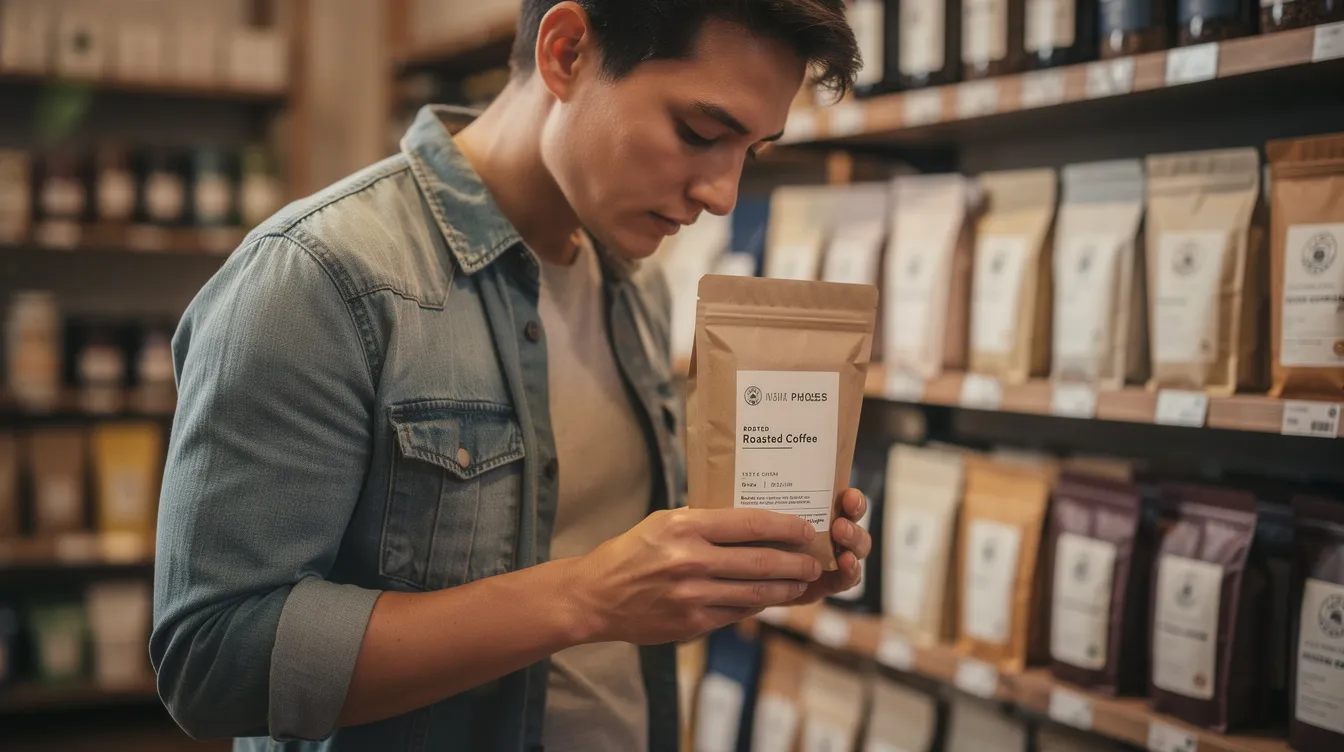
Comparing Labels: What Each Certification Covers (And Misses)
Each certification system has strengths and gaps. The table below helps you choose based on your priorities.
| Label | Focus | Verified By | Best For |
|---|---|---|---|
| Fair Trade Certified | Price floors, labor rights, community premiums | Third-party audit (Fairtrade International / Fair Trade USA) | Supermarket buyers, ethically sourced coffee shoppers |
| USDA Organic | No synthetic chemicals, soil health, traceability | Government-accredited certifiers | Health-focused consumers, environment-first buyers |
| Rainforest Alliance | Forests, biodiversity, climate, basic labor rights | Third-party audit (RA standard) | Environmentalists, sustainability-minded drinkers |
| Direct Trade | Flavor, producer relationships, premium pay | Roaster self-reporting, transparency reports | Flavor hunters, specialty coffee enthusiasts |
- Fair Trade Certified plus Organic is strong when buying big-brand ground coffee at a grocery store.
- USDA Organic plus a farm name and roast date is ideal for health and freshness.
- Direct trade with detailed farm stories and prices suits flavor and relationship-focused buyers.
- Overlapping certifications are common and useful. Each layer adds coverage to different ethical concerns.
- Certifications are tools, not guarantees of perfection. Long-term roaster transparency often matters as much as logos.
How To Match Coffee Labels To Your Values And Budget
No bag is perfect. The goal is to weigh tradeoffs in the global market between price, ethics, and taste without losing sight of what works for your daily cup.
- Budget-conscious: Prioritize at least one strong seal (Fair Trade or Rainforest Alliance), even if not organic. Choose blends rather than rare micro-lots. Good coffee does not require spending a premium on every feature.
- Health and environment-first: Look for organic and Fair Trade together, or Organic plus Rainforest Alliance. Shade grown or biodiversity claims add an extra layer.
- Flavor-driven: Seek direct trade or relationship-based sourcing with named farms and high-scoring lots. Use organic or fair labels as a bonus.
Organic coffee often costs more because the certification process adds expenses through audits and paperwork, and many producers operate on a smaller scale. But much of that difference works out to only a few cents per cup.
Try a practical experiment: buy one certified coffee and one non-certified but very transparent roaster’s coffee. Compare taste, labeling, and how much information you get for the money. Vote with every bag and stick with roasters that publish clear sourcing details.
Common Pitfalls And Greenwashing To Watch Out For
Greenwashing in the coffee industry means vague claims of ethical sourcing without proof or recognized certifications. It is everywhere, and it costs consumers and producers alike.
Common red flags:
- Bags that say “organic style,” “eco coffee,” or “all natural” with no organic certification seal or certifying body mentioned. Those words mean absolutely nothing without a verified organic label.
- Generic “fair trade” language without the official Fair Trade Certified or Fairtrade International mark.
- “Direct trade” claims with no farm names, no price info, and no sourcing page.
- Country-level origin shortcuts like “Latin American blend” or “African coffee” without region or producer detail. Compare that to naming “Gedeo, Yirgacheffe, Ethiopia-Worka Sakaro Cooperative.”
When you are unsure, email or message the roaster. Serious ethical roasters are usually happy to share details about their supply chain. You do not need to be an expert in certification law. Simply asking, “Who grew this, and how do you know they were paid a good price?” is enough to separate genuine sourcing from marketing fluff.
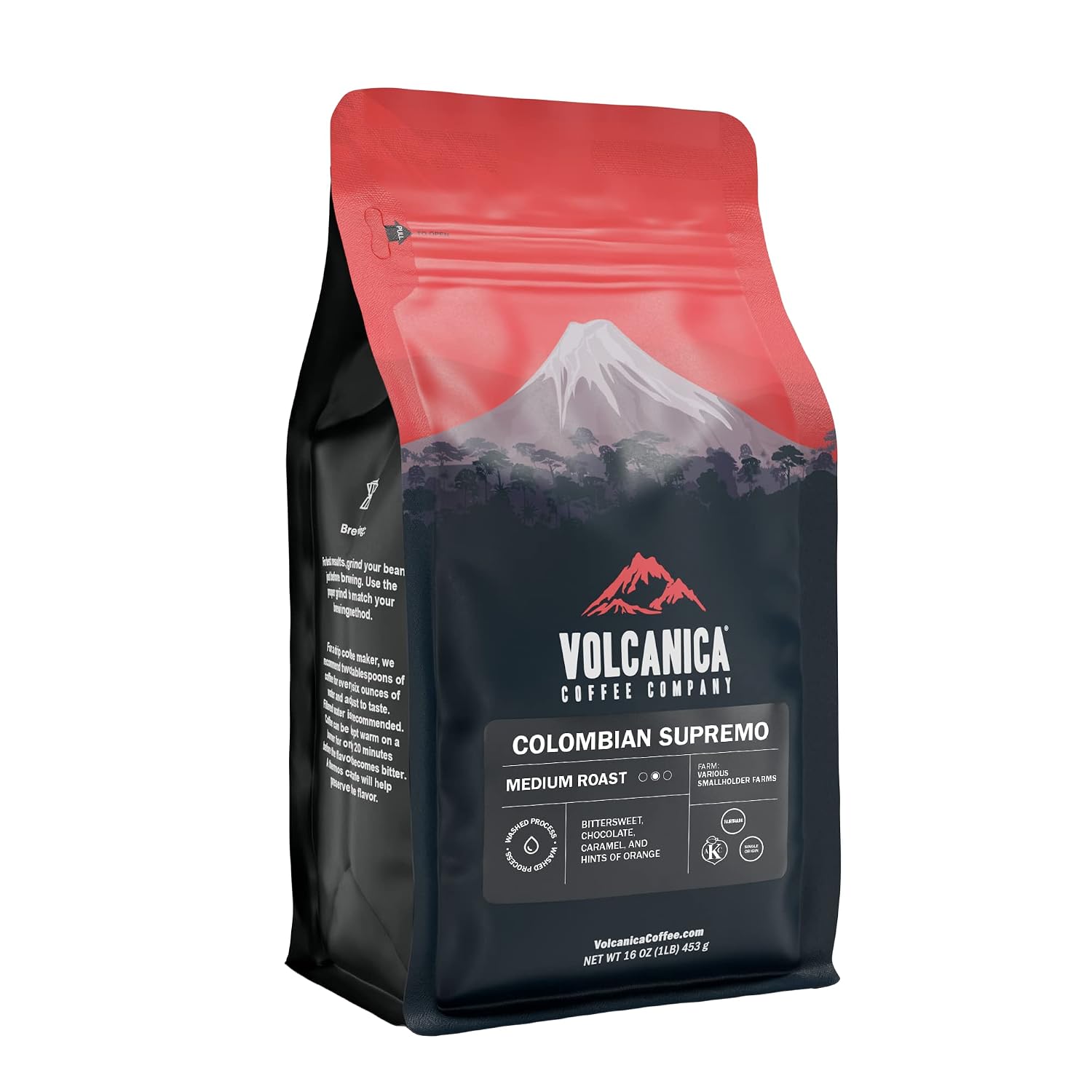
Our pick: Volcanica Coffee Colombian Supremo, medium roast, Fair Trade, whole bean, 16 oz. A labeled Fair Trade Colombian you can actually buy; chocolate, caramel, and a hint of orange. Research-rated, not yet brewed by our team.
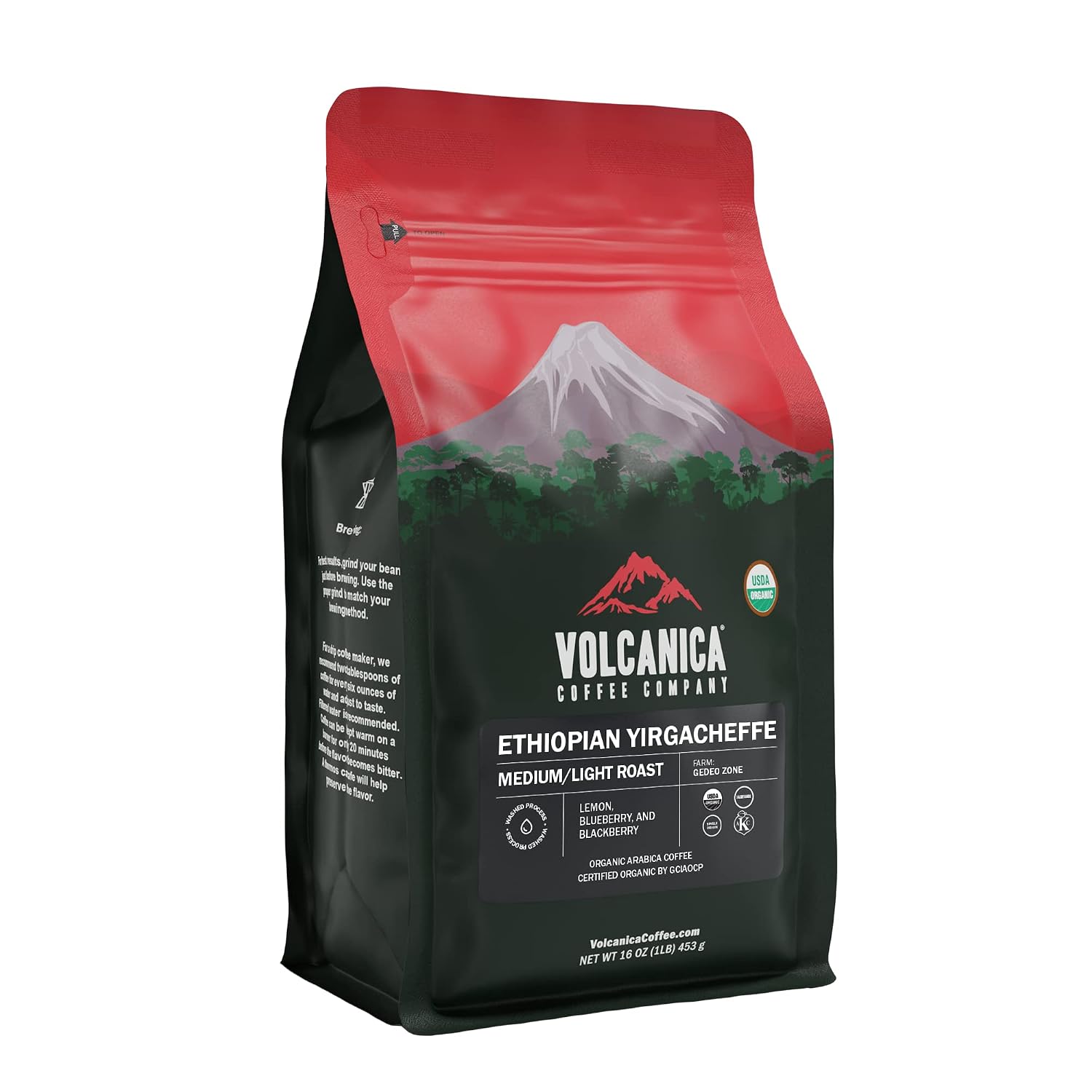
Our pick: Volcanica Coffee Ethiopian Yirgacheffe, USDA Organic, medium-light roast, whole bean, 16 oz. Organic origin-labeled beans that show what a serious certification plus a named region looks like on a bag. Research-rated, not yet brewed by our team.
FAQ About Fair Trade, Organic, And Coffee Labels
Is fair trade coffee always better for farmers than direct trade?
Fair trade coffee guarantees a minimum price and a premium through a standardized, third-party-verified system. This is especially helpful for cooperatives, smallholders, farmers, and workers who lack direct access to roasters. Excellent direct-trade roasters sometimes pay significantly more than fair trade minimums, but they rely on self-reported transparency instead of a shared global standard. When choosing between the two, look for actual numbers, sourcing reports, and specific producer names rather than assuming one model is always superior, while recognizing the benefits of a shared standard for comparison.
Does organic coffee taste better than non-organic coffee?
Taste depends more on variety, altitude, processing method, and roast freshness than on organic status alone. Many award-winning specialty coffees are non-organic, and many organic coffees score just as high. Organic is mainly about farming inputs and environmental impact. Buy freshly roasted beans from a transparent roaster, then treat the organic label as an extra advantage rather than a taste guarantee.
Can I trust a coffee that says “organic” but has no certification logo?
In the United States, USDA Organic is a legally regulated claim that must be backed by certification through a formal certification process. Marketing sometimes stretches this rule. If no recognizable seal or certifier name appears on the bag, treat the claim as unverified and ask the roaster for proof. Choose certified coffee when organic production is a top priority, especially for daily consumption.
Is Rainforest Alliance enough if I care about farmer income?
Rainforest Alliance focuses more on environmental criteria and basic labor protections than specific price floors. It is a positive sign for forests and climate but should not be mistaken for a pure income guarantee. Combine the frog seal with other signs of fair pay: Fair Trade certification, explicit price disclosures, or strong direct-trade relationships described by the roaster.
What is the best single label to look for if I feel overwhelmed?
For supermarket coffee, Fair Trade Certified plus Organic together is one of the strongest all-around combinations you can find on a bag. For specialty cafes and roasters, prioritize detailed origin information and sourcing transparency first, then use certifications as additional reassurance. Start with that simple rule and refine your choices over time as you learn more about the beans in your cup.