Best Coffee to Drink Black

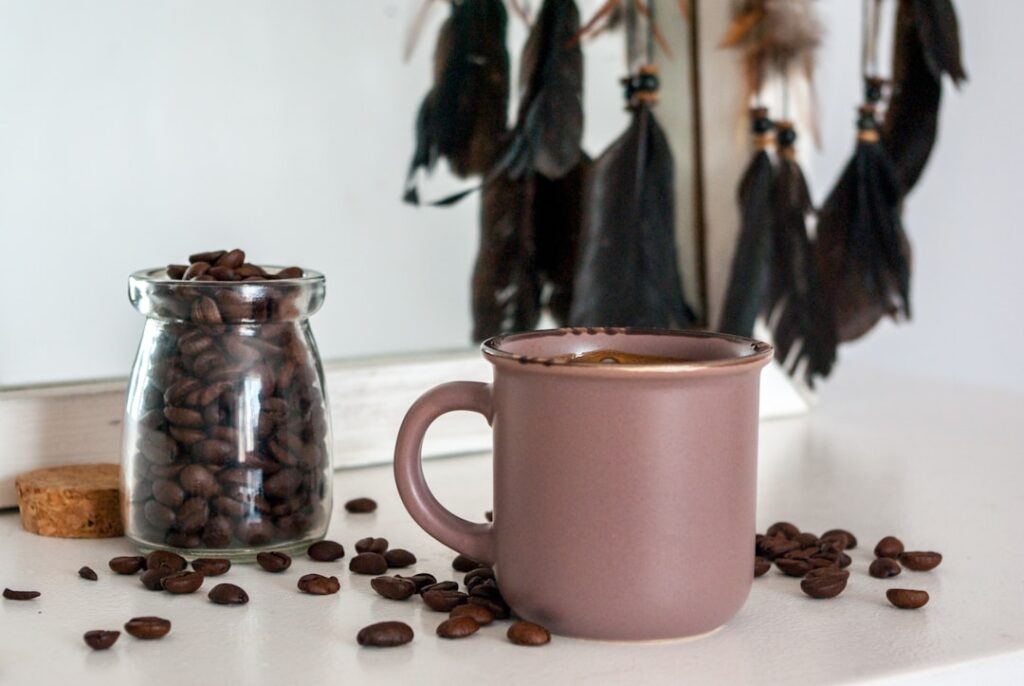
A ceramic mug of black coffee beside roasted coffee beans on a wooden table.

The shortest path to great black coffee is choosing beans that don’t need cream or sugar to taste good in the first place. That means fresh, specialty-grade Arabica beans, a thoughtful roast level, and a brewing method that matches. This guide breaks down exactly which coffees deliver when there’s nothing in the cup but coffee. … Read more

How Capitol City Coffee Rates Coffee and Coffee Machines

Every coffee and coffee machine we recommend is scored on the same 100-point scale, so a recommendation on one page means the same thing as a recommendation on any other. Each pick is also labeled with how we reached its score.

Research-ratedScored from the roaster or manufacturer’s published specifications, independent results such as Coffee Review blind cuppings and SCA brewer certification, and patterns across verified buyer reviews. Most of our current picks are research-rated.
Hands-on testedThe Capitol City Coffee team has brewed the coffee or used the machine ourselves, following the testing steps below. We only use this label when that testing actually happened, and we show the date we tested.

Coffee beans: 100-point scale

What we scorePointsWhat we look at
Origin and sourcing transparency20Country, region, farm or cooperative, altitude, bean variety, and processing method are clearly disclosed.
Flavor evidence25Independent cupping scores, how closely the tasting notes match what the origin is known for, and our own cupping notes when hands-on tested.
Roast and freshness15Roast level stated, roast-date practices, whole-bean availability, and packaging with a one-way valve or resealable bag.
Brew versatility15How well the roast suits pour-over, drip, French press, cold brew, and espresso.
Value15Price per ounce compared with similar single-origin coffees or blends.
Buyer feedback10Volume and consistency of verified reviews, and recurring complaints about staleness, bitterness, or shipping.

Coffee machines and gear: 100-point scale

What we scorePointsWhat we look at
Brewing performance25Water temperature in the 195–205°F range, even extraction, and SCA certification or published test data.
Build quality and reliability20Materials, known failure points, and long-term owner reports.
Ease of use and cleaning15Setup, the daily routine, descaling, and dishwasher-safe parts.
Fit for your kitchen10Capacity, counter footprint, and noise.
Useful features10Programming, grind and temperature control, and carafe type. Features that improve the cup count more than extras that do not.
Value10Price compared with machines that perform similarly.
Warranty and support10Warranty length, parts availability, and how the brand handles repairs.

What the grades mean

ScoreGradeWhat it means
90–100AExceptional. Our first recommendation for the feeling and setting described.
80–89BStrong. Excellent, with minor trade-offs we explain.
70–79CGood. Worth it for specific needs, with clear compromises.
Below 70—Not recommended. We do not feature these as picks.

How we test hands-on

When a pick carries the Hands-on tested label, this is the method behind it, and we note the date we tested.

  1. Coffee: brewed fresh from whole beans following Specialty Coffee Association guidelines (water between 195 and 205°F, about 1 gram of coffee to every 15 to 18 grams of water) in the brew methods the roast suits best, such as pour-over, French press, or espresso. We taste it black first, then with milk if that is how most people drink it, and each taster scores it on their own before we compare notes.
  2. Machines: used in our everyday routine rather than a single demo. We brew both full and small batches, check the brewing temperature and brew time, and run the cleaning or descaling steps the manual calls for.

How we choose the feeling and setting

We match each coffee to a mood and a moment based on its flavor profile and roast. Bright, citrusy light roasts suit energizing mornings. Chocolatey, full-bodied medium roasts suit slow or social moments. Richer roasts suit espresso and milk drinks. Each pick explains which facts led us to that match.

Our scores stay independent

Every score comes only from the criteria above. No brand can pay for a pick or a higher grade. We re-check ratings when a roast, listing, or model changes, and update or remove picks that no longer earn their grade.

Some links on this page are affiliate links. As an Amazon Associate, Capitol City Coffee earns from qualifying purchases, at no extra cost to you.

Questions about a rating? Reach the Capitol City Coffee team through our contact page.
Certified Coffee Explained Fair Trade and Organic and Origin Labels Worth Trusting

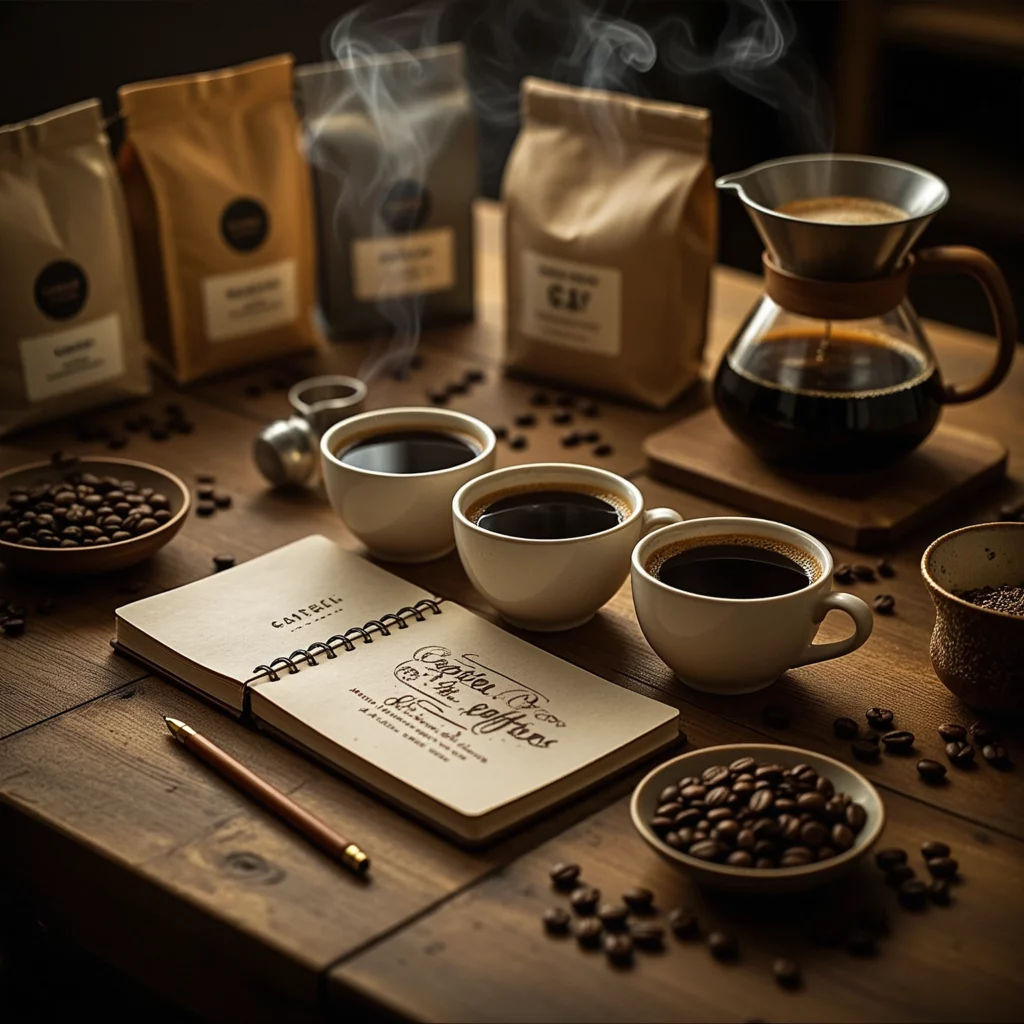
Whole roasted coffee beans and a sealed specialty bag on a wooden table with greenery, illustrating certified coffee and ethical sourcing labels.

Certified coffee means a bag carries a third-party label such as Fair Trade or USDA Organic. Amazon bags on this page include Volcanica Colombian Supremo (Fair Trade) and Volcanica Ethiopian Yirgacheffe (USDA Organic). This guide breaks down the major coffee certifications, shows you what each label covers (and misses), and gives you practical steps to … Read more

How Capitol City Coffee Rates Coffee and Coffee Machines

Every coffee and coffee machine we recommend is scored on the same 100-point scale, so a recommendation on one page means the same thing as a recommendation on any other. Each pick is also labeled with how we reached its score.

Research-ratedScored from the roaster or manufacturer’s published specifications, independent results such as Coffee Review blind cuppings and SCA brewer certification, and patterns across verified buyer reviews. Most of our current picks are research-rated.
Hands-on testedThe Capitol City Coffee team has brewed the coffee or used the machine ourselves, following the testing steps below. We only use this label when that testing actually happened, and we show the date we tested.

Coffee beans: 100-point scale

What we scorePointsWhat we look at
Origin and sourcing transparency20Country, region, farm or cooperative, altitude, bean variety, and processing method are clearly disclosed.
Flavor evidence25Independent cupping scores, how closely the tasting notes match what the origin is known for, and our own cupping notes when hands-on tested.
Roast and freshness15Roast level stated, roast-date practices, whole-bean availability, and packaging with a one-way valve or resealable bag.
Brew versatility15How well the roast suits pour-over, drip, French press, cold brew, and espresso.
Value15Price per ounce compared with similar single-origin coffees or blends.
Buyer feedback10Volume and consistency of verified reviews, and recurring complaints about staleness, bitterness, or shipping.

Coffee machines and gear: 100-point scale

What we scorePointsWhat we look at
Brewing performance25Water temperature in the 195–205°F range, even extraction, and SCA certification or published test data.
Build quality and reliability20Materials, known failure points, and long-term owner reports.
Ease of use and cleaning15Setup, the daily routine, descaling, and dishwasher-safe parts.
Fit for your kitchen10Capacity, counter footprint, and noise.
Useful features10Programming, grind and temperature control, and carafe type. Features that improve the cup count more than extras that do not.
Value10Price compared with machines that perform similarly.
Warranty and support10Warranty length, parts availability, and how the brand handles repairs.

What the grades mean

ScoreGradeWhat it means
90–100AExceptional. Our first recommendation for the feeling and setting described.
80–89BStrong. Excellent, with minor trade-offs we explain.
70–79CGood. Worth it for specific needs, with clear compromises.
Below 70—Not recommended. We do not feature these as picks.

How we test hands-on

When a pick carries the Hands-on tested label, this is the method behind it, and we note the date we tested.

  1. Coffee: brewed fresh from whole beans following Specialty Coffee Association guidelines (water between 195 and 205°F, about 1 gram of coffee to every 15 to 18 grams of water) in the brew methods the roast suits best, such as pour-over, French press, or espresso. We taste it black first, then with milk if that is how most people drink it, and each taster scores it on their own before we compare notes.
  2. Machines: used in our everyday routine rather than a single demo. We brew both full and small batches, check the brewing temperature and brew time, and run the cleaning or descaling steps the manual calls for.

How we choose the feeling and setting

We match each coffee to a mood and a moment based on its flavor profile and roast. Bright, citrusy light roasts suit energizing mornings. Chocolatey, full-bodied medium roasts suit slow or social moments. Richer roasts suit espresso and milk drinks. Each pick explains which facts led us to that match.

Our scores stay independent

Every score comes only from the criteria above. No brand can pay for a pick or a higher grade. We re-check ratings when a roast, listing, or model changes, and update or remove picks that no longer earn their grade.

Some links on this page are affiliate links. As an Amazon Associate, Capitol City Coffee earns from qualifying purchases, at no extra cost to you.

Questions about a rating? Reach the Capitol City Coffee team through our contact page.
Coffee Culture Around the World Rituals and Coffeehouses and Traditions That Shape Every Cup

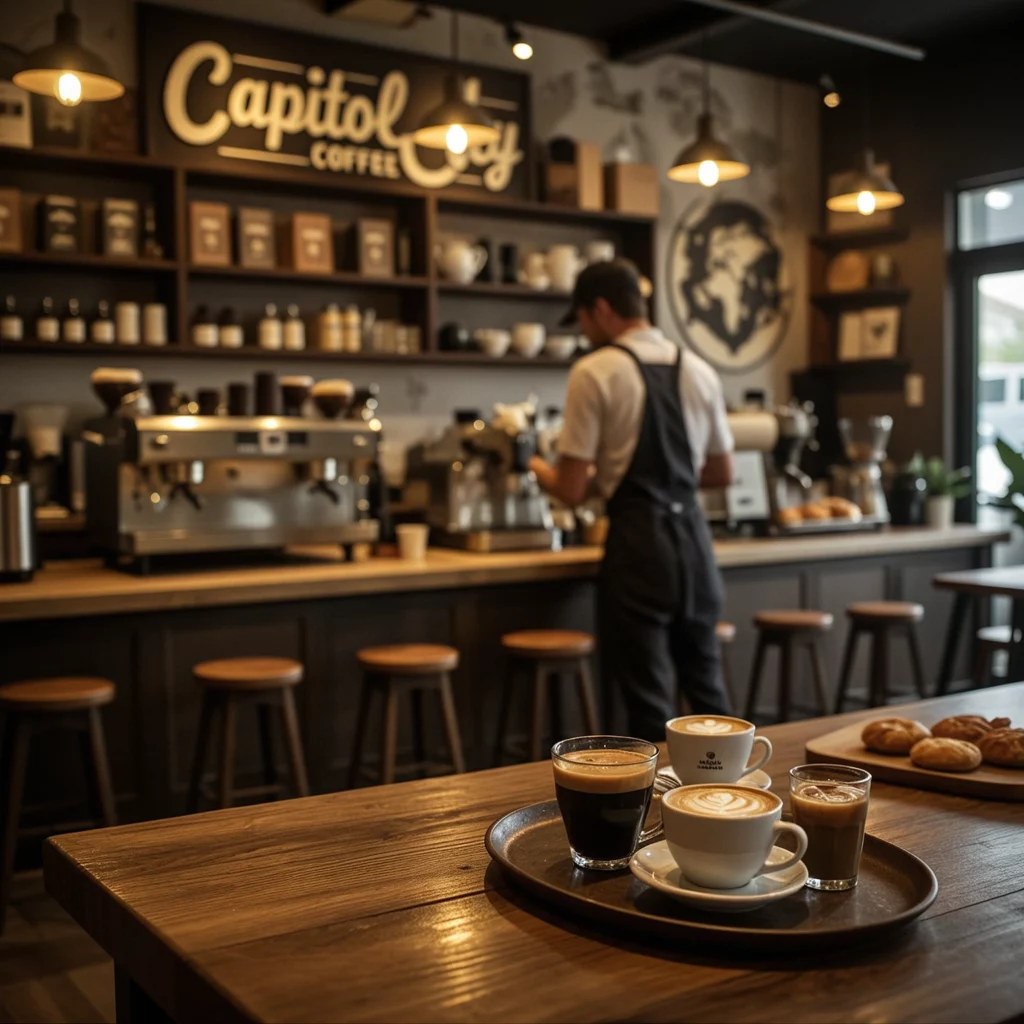
A cozy coffeehouse scene with espresso, cappuccino, and iced coffee on a tray, with a softly blurred globe in the background, illustrating coffee culture around the world.

Coffee culture around the world is the rituals and coffeehouses that shape every cup, from Ethiopian ceremony to Italian espresso at the bar. Amazon bags on this page include Volcanica Yirgacheffe and Lavazza Super Crema. Key Takeaways Coffee culture around the world is built from daily coffee rituals, historic coffee houses, and social coffee traditions … Read more

How Capitol City Coffee Rates Coffee and Coffee Machines

Every coffee and coffee machine we recommend is scored on the same 100-point scale, so a recommendation on one page means the same thing as a recommendation on any other. Each pick is also labeled with how we reached its score.

Research-ratedScored from the roaster or manufacturer’s published specifications, independent results such as Coffee Review blind cuppings and SCA brewer certification, and patterns across verified buyer reviews. Most of our current picks are research-rated.
Hands-on testedThe Capitol City Coffee team has brewed the coffee or used the machine ourselves, following the testing steps below. We only use this label when that testing actually happened, and we show the date we tested.

Coffee beans: 100-point scale

What we scorePointsWhat we look at
Origin and sourcing transparency20Country, region, farm or cooperative, altitude, bean variety, and processing method are clearly disclosed.
Flavor evidence25Independent cupping scores, how closely the tasting notes match what the origin is known for, and our own cupping notes when hands-on tested.
Roast and freshness15Roast level stated, roast-date practices, whole-bean availability, and packaging with a one-way valve or resealable bag.
Brew versatility15How well the roast suits pour-over, drip, French press, cold brew, and espresso.
Value15Price per ounce compared with similar single-origin coffees or blends.
Buyer feedback10Volume and consistency of verified reviews, and recurring complaints about staleness, bitterness, or shipping.

Coffee machines and gear: 100-point scale

What we scorePointsWhat we look at
Brewing performance25Water temperature in the 195–205°F range, even extraction, and SCA certification or published test data.
Build quality and reliability20Materials, known failure points, and long-term owner reports.
Ease of use and cleaning15Setup, the daily routine, descaling, and dishwasher-safe parts.
Fit for your kitchen10Capacity, counter footprint, and noise.
Useful features10Programming, grind and temperature control, and carafe type. Features that improve the cup count more than extras that do not.
Value10Price compared with machines that perform similarly.
Warranty and support10Warranty length, parts availability, and how the brand handles repairs.

What the grades mean

ScoreGradeWhat it means
90–100AExceptional. Our first recommendation for the feeling and setting described.
80–89BStrong. Excellent, with minor trade-offs we explain.
70–79CGood. Worth it for specific needs, with clear compromises.
Below 70—Not recommended. We do not feature these as picks.

How we test hands-on

When a pick carries the Hands-on tested label, this is the method behind it, and we note the date we tested.

  1. Coffee: brewed fresh from whole beans following Specialty Coffee Association guidelines (water between 195 and 205°F, about 1 gram of coffee to every 15 to 18 grams of water) in the brew methods the roast suits best, such as pour-over, French press, or espresso. We taste it black first, then with milk if that is how most people drink it, and each taster scores it on their own before we compare notes.
  2. Machines: used in our everyday routine rather than a single demo. We brew both full and small batches, check the brewing temperature and brew time, and run the cleaning or descaling steps the manual calls for.

How we choose the feeling and setting

We match each coffee to a mood and a moment based on its flavor profile and roast. Bright, citrusy light roasts suit energizing mornings. Chocolatey, full-bodied medium roasts suit slow or social moments. Richer roasts suit espresso and milk drinks. Each pick explains which facts led us to that match.

Our scores stay independent

Every score comes only from the criteria above. No brand can pay for a pick or a higher grade. We re-check ratings when a roast, listing, or model changes, and update or remove picks that no longer earn their grade.

Some links on this page are affiliate links. As an Amazon Associate, Capitol City Coffee earns from qualifying purchases, at no extra cost to you.

Questions about a rating? Reach the Capitol City Coffee team through our contact page.
Coffee Buying Guides

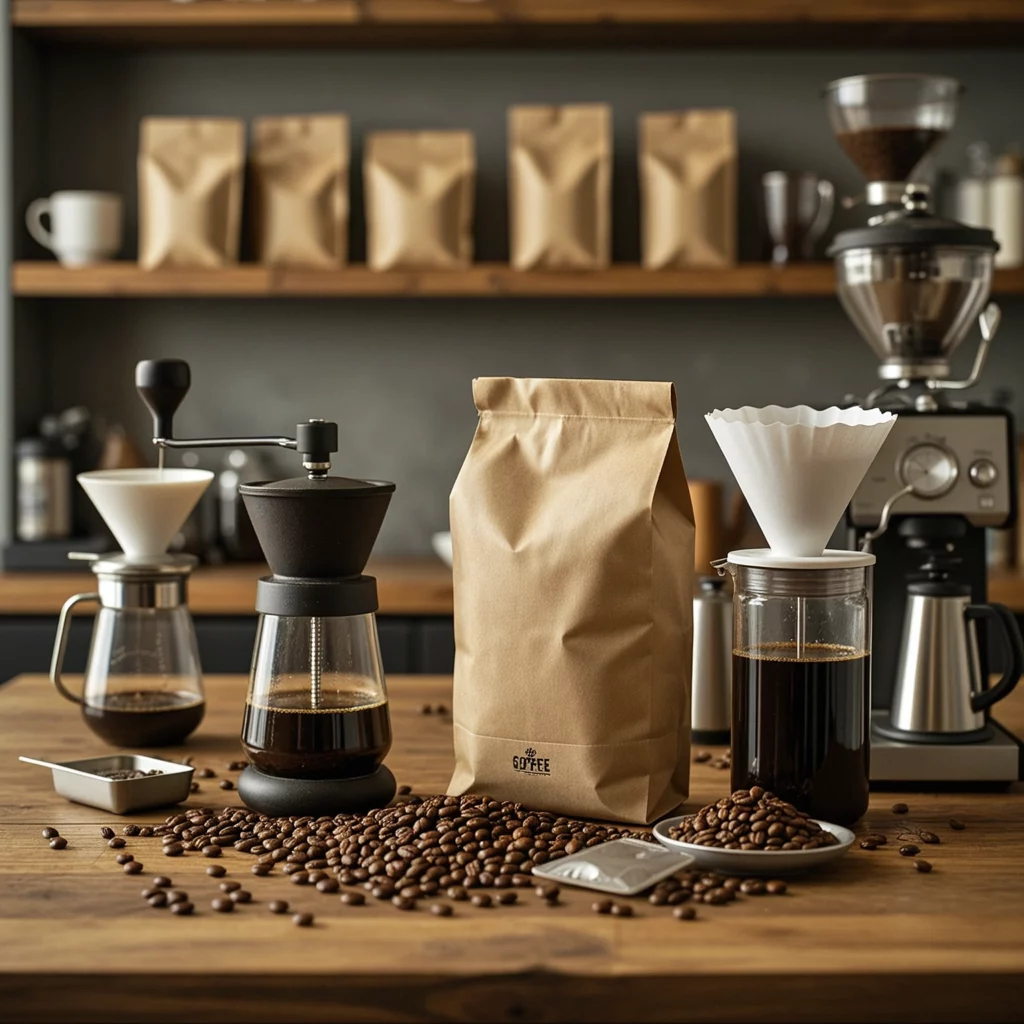
Whole coffee beans, a grinder, and home brewing equipment arranged for buying coffee and supplies.

Coffee buying guides are research-based resources that help you choose the right beans, roast levels, grind sizes, and brewing gear so every cup you make at home is worth drinking. Whether you are shopping for everyday drip coffee or dialing in weekend espresso, a good guide matches your taste, budget, and brewing method to real … Read more

How Capitol City Coffee Rates Coffee and Coffee Machines

Every coffee and coffee machine we recommend is scored on the same 100-point scale, so a recommendation on one page means the same thing as a recommendation on any other. Each pick is also labeled with how we reached its score.

Research-ratedScored from the roaster or manufacturer’s published specifications, independent results such as Coffee Review blind cuppings and SCA brewer certification, and patterns across verified buyer reviews. Most of our current picks are research-rated.
Hands-on testedThe Capitol City Coffee team has brewed the coffee or used the machine ourselves, following the testing steps below. We only use this label when that testing actually happened, and we show the date we tested.

Coffee beans: 100-point scale

What we scorePointsWhat we look at
Origin and sourcing transparency20Country, region, farm or cooperative, altitude, bean variety, and processing method are clearly disclosed.
Flavor evidence25Independent cupping scores, how closely the tasting notes match what the origin is known for, and our own cupping notes when hands-on tested.
Roast and freshness15Roast level stated, roast-date practices, whole-bean availability, and packaging with a one-way valve or resealable bag.
Brew versatility15How well the roast suits pour-over, drip, French press, cold brew, and espresso.
Value15Price per ounce compared with similar single-origin coffees or blends.
Buyer feedback10Volume and consistency of verified reviews, and recurring complaints about staleness, bitterness, or shipping.

Coffee machines and gear: 100-point scale

What we scorePointsWhat we look at
Brewing performance25Water temperature in the 195–205°F range, even extraction, and SCA certification or published test data.
Build quality and reliability20Materials, known failure points, and long-term owner reports.
Ease of use and cleaning15Setup, the daily routine, descaling, and dishwasher-safe parts.
Fit for your kitchen10Capacity, counter footprint, and noise.
Useful features10Programming, grind and temperature control, and carafe type. Features that improve the cup count more than extras that do not.
Value10Price compared with machines that perform similarly.
Warranty and support10Warranty length, parts availability, and how the brand handles repairs.

What the grades mean

ScoreGradeWhat it means
90–100AExceptional. Our first recommendation for the feeling and setting described.
80–89BStrong. Excellent, with minor trade-offs we explain.
70–79CGood. Worth it for specific needs, with clear compromises.
Below 70—Not recommended. We do not feature these as picks.

How we test hands-on

When a pick carries the Hands-on tested label, this is the method behind it, and we note the date we tested.

  1. Coffee: brewed fresh from whole beans following Specialty Coffee Association guidelines (water between 195 and 205°F, about 1 gram of coffee to every 15 to 18 grams of water) in the brew methods the roast suits best, such as pour-over, French press, or espresso. We taste it black first, then with milk if that is how most people drink it, and each taster scores it on their own before we compare notes.
  2. Machines: used in our everyday routine rather than a single demo. We brew both full and small batches, check the brewing temperature and brew time, and run the cleaning or descaling steps the manual calls for.

How we choose the feeling and setting

We match each coffee to a mood and a moment based on its flavor profile and roast. Bright, citrusy light roasts suit energizing mornings. Chocolatey, full-bodied medium roasts suit slow or social moments. Richer roasts suit espresso and milk drinks. Each pick explains which facts led us to that match.

Our scores stay independent

Every score comes only from the criteria above. No brand can pay for a pick or a higher grade. We re-check ratings when a roast, listing, or model changes, and update or remove picks that no longer earn their grade.

Some links on this page are affiliate links. As an Amazon Associate, Capitol City Coffee earns from qualifying purchases, at no extra cost to you.

Questions about a rating? Reach the Capitol City Coffee team through our contact page.
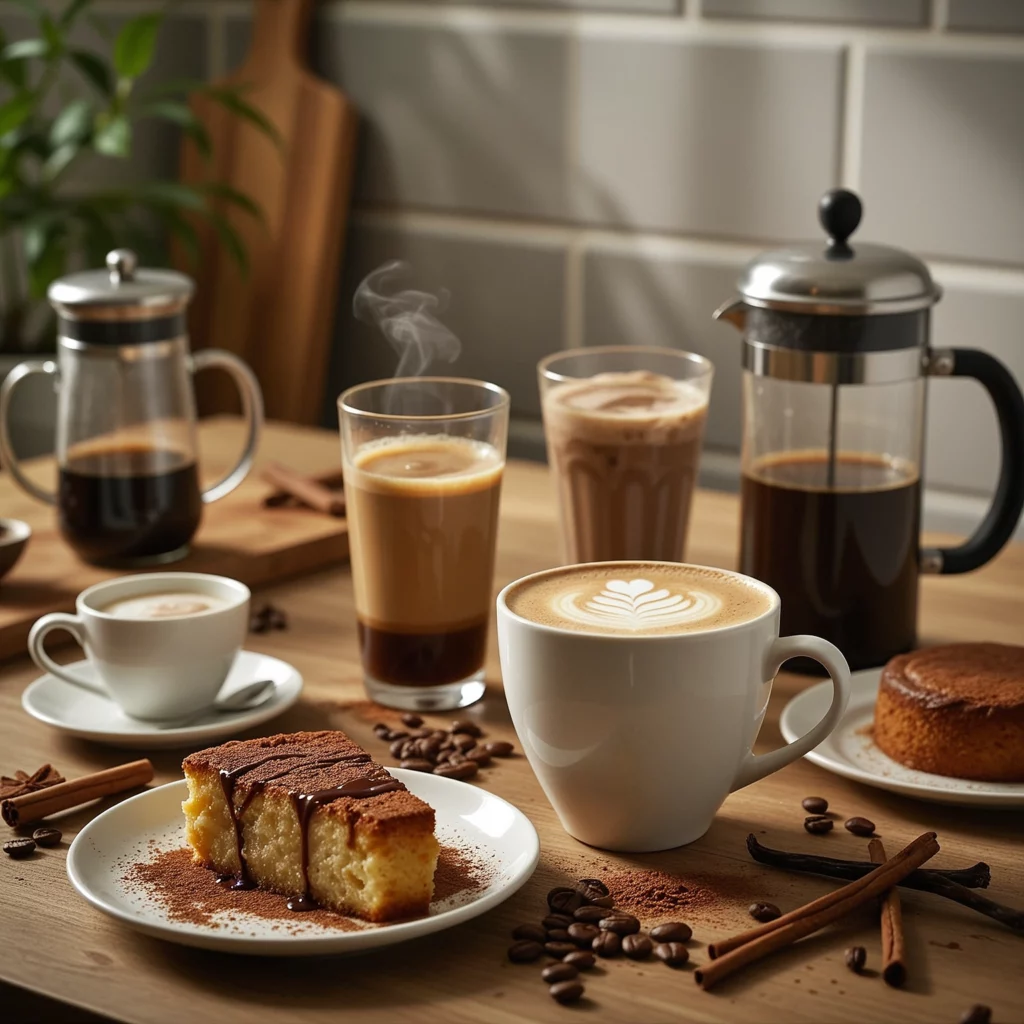
Easy Coffee Recipes to Make at Home: Homemade Drinks, Desserts, and Café Favorites

Homemade coffee recipes still life: a latte, iced coffee, espresso, and a slice of coffee cake on a wooden kitchen counter with a French press and milk frother.

These are easy coffee recipes to make at home: cafe-style lattes, iced drinks, cold brew, and coffee desserts using strong brewed coffee, pantry staples, and simple techniques. You do not need barista gear to recreate your favorite coffee shop drinks in your kitchen. Key Takeaways You can make café-style coffee drinks at home without an … Read more

How Capitol City Coffee Rates Coffee and Coffee Machines

Every coffee and coffee machine we recommend is scored on the same 100-point scale, so a recommendation on one page means the same thing as a recommendation on any other. Each pick is also labeled with how we reached its score.

Research-ratedScored from the roaster or manufacturer’s published specifications, independent results such as Coffee Review blind cuppings and SCA brewer certification, and patterns across verified buyer reviews. Most of our current picks are research-rated.
Hands-on testedThe Capitol City Coffee team has brewed the coffee or used the machine ourselves, following the testing steps below. We only use this label when that testing actually happened, and we show the date we tested.

Coffee beans: 100-point scale

What we scorePointsWhat we look at
Origin and sourcing transparency20Country, region, farm or cooperative, altitude, bean variety, and processing method are clearly disclosed.
Flavor evidence25Independent cupping scores, how closely the tasting notes match what the origin is known for, and our own cupping notes when hands-on tested.
Roast and freshness15Roast level stated, roast-date practices, whole-bean availability, and packaging with a one-way valve or resealable bag.
Brew versatility15How well the roast suits pour-over, drip, French press, cold brew, and espresso.
Value15Price per ounce compared with similar single-origin coffees or blends.
Buyer feedback10Volume and consistency of verified reviews, and recurring complaints about staleness, bitterness, or shipping.

Coffee machines and gear: 100-point scale

What we scorePointsWhat we look at
Brewing performance25Water temperature in the 195–205°F range, even extraction, and SCA certification or published test data.
Build quality and reliability20Materials, known failure points, and long-term owner reports.
Ease of use and cleaning15Setup, the daily routine, descaling, and dishwasher-safe parts.
Fit for your kitchen10Capacity, counter footprint, and noise.
Useful features10Programming, grind and temperature control, and carafe type. Features that improve the cup count more than extras that do not.
Value10Price compared with machines that perform similarly.
Warranty and support10Warranty length, parts availability, and how the brand handles repairs.

What the grades mean

ScoreGradeWhat it means
90–100AExceptional. Our first recommendation for the feeling and setting described.
80–89BStrong. Excellent, with minor trade-offs we explain.
70–79CGood. Worth it for specific needs, with clear compromises.
Below 70—Not recommended. We do not feature these as picks.

How we test hands-on

When a pick carries the Hands-on tested label, this is the method behind it, and we note the date we tested.

  1. Coffee: brewed fresh from whole beans following Specialty Coffee Association guidelines (water between 195 and 205°F, about 1 gram of coffee to every 15 to 18 grams of water) in the brew methods the roast suits best, such as pour-over, French press, or espresso. We taste it black first, then with milk if that is how most people drink it, and each taster scores it on their own before we compare notes.
  2. Machines: used in our everyday routine rather than a single demo. We brew both full and small batches, check the brewing temperature and brew time, and run the cleaning or descaling steps the manual calls for.

How we choose the feeling and setting

We match each coffee to a mood and a moment based on its flavor profile and roast. Bright, citrusy light roasts suit energizing mornings. Chocolatey, full-bodied medium roasts suit slow or social moments. Richer roasts suit espresso and milk drinks. Each pick explains which facts led us to that match.

Our scores stay independent

Every score comes only from the criteria above. No brand can pay for a pick or a higher grade. We re-check ratings when a roast, listing, or model changes, and update or remove picks that no longer earn their grade.

Some links on this page are affiliate links. As an Amazon Associate, Capitol City Coffee earns from qualifying purchases, at no extra cost to you.

Questions about a rating? Reach the Capitol City Coffee team through our contact page.

Coffee Origins

Coffee cherries, roasted beans, and a world map illustrating coffee origins around the globe.

Key Takeaways Direct Overview: Where Did Coffee Originate and Why It Matters Now? Coffee originated in the ancient coffee forests of southwestern Ethiopia, where wild coffee plants still grow today, and the brewed drink we recognize took shape on the Arabian Peninsula, especially in Yemen, by the 15th century. From these two regions-separated by the … Read more

How Capitol City Coffee Rates Coffee and Coffee Machines

Every coffee and coffee machine we recommend is scored on the same 100-point scale, so a recommendation on one page means the same thing as a recommendation on any other. Each pick is also labeled with how we reached its score.

Research-ratedScored from the roaster or manufacturer’s published specifications, independent results such as Coffee Review blind cuppings and SCA brewer certification, and patterns across verified buyer reviews. Most of our current picks are research-rated.
Hands-on testedThe Capitol City Coffee team has brewed the coffee or used the machine ourselves, following the testing steps below. We only use this label when that testing actually happened, and we show the date we tested.

Coffee beans: 100-point scale

What we scorePointsWhat we look at
Origin and sourcing transparency20Country, region, farm or cooperative, altitude, bean variety, and processing method are clearly disclosed.
Flavor evidence25Independent cupping scores, how closely the tasting notes match what the origin is known for, and our own cupping notes when hands-on tested.
Roast and freshness15Roast level stated, roast-date practices, whole-bean availability, and packaging with a one-way valve or resealable bag.
Brew versatility15How well the roast suits pour-over, drip, French press, cold brew, and espresso.
Value15Price per ounce compared with similar single-origin coffees or blends.
Buyer feedback10Volume and consistency of verified reviews, and recurring complaints about staleness, bitterness, or shipping.

Coffee machines and gear: 100-point scale

What we scorePointsWhat we look at
Brewing performance25Water temperature in the 195–205°F range, even extraction, and SCA certification or published test data.
Build quality and reliability20Materials, known failure points, and long-term owner reports.
Ease of use and cleaning15Setup, the daily routine, descaling, and dishwasher-safe parts.
Fit for your kitchen10Capacity, counter footprint, and noise.
Useful features10Programming, grind and temperature control, and carafe type. Features that improve the cup count more than extras that do not.
Value10Price compared with machines that perform similarly.
Warranty and support10Warranty length, parts availability, and how the brand handles repairs.

What the grades mean

ScoreGradeWhat it means
90–100AExceptional. Our first recommendation for the feeling and setting described.
80–89BStrong. Excellent, with minor trade-offs we explain.
70–79CGood. Worth it for specific needs, with clear compromises.
Below 70—Not recommended. We do not feature these as picks.

How we test hands-on

When a pick carries the Hands-on tested label, this is the method behind it, and we note the date we tested.

  1. Coffee: brewed fresh from whole beans following Specialty Coffee Association guidelines (water between 195 and 205°F, about 1 gram of coffee to every 15 to 18 grams of water) in the brew methods the roast suits best, such as pour-over, French press, or espresso. We taste it black first, then with milk if that is how most people drink it, and each taster scores it on their own before we compare notes.
  2. Machines: used in our everyday routine rather than a single demo. We brew both full and small batches, check the brewing temperature and brew time, and run the cleaning or descaling steps the manual calls for.

How we choose the feeling and setting

We match each coffee to a mood and a moment based on its flavor profile and roast. Bright, citrusy light roasts suit energizing mornings. Chocolatey, full-bodied medium roasts suit slow or social moments. Richer roasts suit espresso and milk drinks. Each pick explains which facts led us to that match.

Our scores stay independent

Every score comes only from the criteria above. No brand can pay for a pick or a higher grade. We re-check ratings when a roast, listing, or model changes, and update or remove picks that no longer earn their grade.

Some links on this page are affiliate links. As an Amazon Associate, Capitol City Coffee earns from qualifying purchases, at no extra cost to you.

Questions about a rating? Reach the Capitol City Coffee team through our contact page.
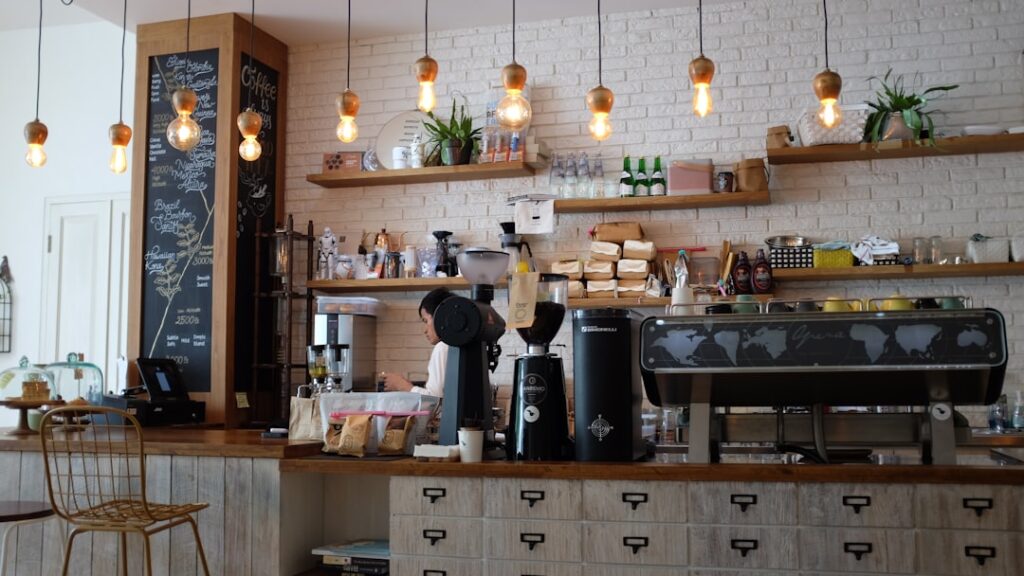
Top Movies About Coffee Shops Every Coffee Lover Must Watch

Warm vintage coffee shop interior with espresso cups on a wooden counter, suggesting films set in coffee shops.

The best movies about coffee include coffee-shop settings in Friends (Central Perk), When Harry Met Sally, Coffee and Cigarettes, and Coffee Town. This watchlist covers movies about coffee shops every coffee lover should know. Key Takeaways Coffee shops in films serve as vital backdrops for character development and relationships, from Friends‘ Central Perk to the … Read more

How Capitol City Coffee Rates Coffee and Coffee Machines

Every coffee and coffee machine we recommend is scored on the same 100-point scale, so a recommendation on one page means the same thing as a recommendation on any other. Each pick is also labeled with how we reached its score.

Research-ratedScored from the roaster or manufacturer’s published specifications, independent results such as Coffee Review blind cuppings and SCA brewer certification, and patterns across verified buyer reviews. Most of our current picks are research-rated.
Hands-on testedThe Capitol City Coffee team has brewed the coffee or used the machine ourselves, following the testing steps below. We only use this label when that testing actually happened, and we show the date we tested.

Coffee beans: 100-point scale

What we scorePointsWhat we look at
Origin and sourcing transparency20Country, region, farm or cooperative, altitude, bean variety, and processing method are clearly disclosed.
Flavor evidence25Independent cupping scores, how closely the tasting notes match what the origin is known for, and our own cupping notes when hands-on tested.
Roast and freshness15Roast level stated, roast-date practices, whole-bean availability, and packaging with a one-way valve or resealable bag.
Brew versatility15How well the roast suits pour-over, drip, French press, cold brew, and espresso.
Value15Price per ounce compared with similar single-origin coffees or blends.
Buyer feedback10Volume and consistency of verified reviews, and recurring complaints about staleness, bitterness, or shipping.

Coffee machines and gear: 100-point scale

What we scorePointsWhat we look at
Brewing performance25Water temperature in the 195–205°F range, even extraction, and SCA certification or published test data.
Build quality and reliability20Materials, known failure points, and long-term owner reports.
Ease of use and cleaning15Setup, the daily routine, descaling, and dishwasher-safe parts.
Fit for your kitchen10Capacity, counter footprint, and noise.
Useful features10Programming, grind and temperature control, and carafe type. Features that improve the cup count more than extras that do not.
Value10Price compared with machines that perform similarly.
Warranty and support10Warranty length, parts availability, and how the brand handles repairs.

What the grades mean

ScoreGradeWhat it means
90–100AExceptional. Our first recommendation for the feeling and setting described.
80–89BStrong. Excellent, with minor trade-offs we explain.
70–79CGood. Worth it for specific needs, with clear compromises.
Below 70—Not recommended. We do not feature these as picks.

How we test hands-on

When a pick carries the Hands-on tested label, this is the method behind it, and we note the date we tested.

  1. Coffee: brewed fresh from whole beans following Specialty Coffee Association guidelines (water between 195 and 205°F, about 1 gram of coffee to every 15 to 18 grams of water) in the brew methods the roast suits best, such as pour-over, French press, or espresso. We taste it black first, then with milk if that is how most people drink it, and each taster scores it on their own before we compare notes.
  2. Machines: used in our everyday routine rather than a single demo. We brew both full and small batches, check the brewing temperature and brew time, and run the cleaning or descaling steps the manual calls for.

How we choose the feeling and setting

We match each coffee to a mood and a moment based on its flavor profile and roast. Bright, citrusy light roasts suit energizing mornings. Chocolatey, full-bodied medium roasts suit slow or social moments. Richer roasts suit espresso and milk drinks. Each pick explains which facts led us to that match.

Our scores stay independent

Every score comes only from the criteria above. No brand can pay for a pick or a higher grade. We re-check ratings when a roast, listing, or model changes, and update or remove picks that no longer earn their grade.

Some links on this page are affiliate links. As an Amazon Associate, Capitol City Coffee earns from qualifying purchases, at no extra cost to you.

Questions about a rating? Reach the Capitol City Coffee team through our contact page.

Best Coffee Beans

colombian coffee

The best coffee beans for most US buyers right now are medium roast blends that balance chocolate sweetness with enough origin character to keep each cup interesting. After researching roaster reputations, aggregated Coffee Review scores, competition results, and verified buyer feedback, a handful of Amazon bags with matching product photos stand out: Volcanica Ethiopian Yirgacheffe … Read more

How Capitol City Coffee Rates Coffee and Coffee Machines

Every coffee and coffee machine we recommend is scored on the same 100-point scale, so a recommendation on one page means the same thing as a recommendation on any other. Each pick is also labeled with how we reached its score.

Research-ratedScored from the roaster or manufacturer’s published specifications, independent results such as Coffee Review blind cuppings and SCA brewer certification, and patterns across verified buyer reviews. Most of our current picks are research-rated.
Hands-on testedThe Capitol City Coffee team has brewed the coffee or used the machine ourselves, following the testing steps below. We only use this label when that testing actually happened, and we show the date we tested.

Coffee beans: 100-point scale

What we scorePointsWhat we look at
Origin and sourcing transparency20Country, region, farm or cooperative, altitude, bean variety, and processing method are clearly disclosed.
Flavor evidence25Independent cupping scores, how closely the tasting notes match what the origin is known for, and our own cupping notes when hands-on tested.
Roast and freshness15Roast level stated, roast-date practices, whole-bean availability, and packaging with a one-way valve or resealable bag.
Brew versatility15How well the roast suits pour-over, drip, French press, cold brew, and espresso.
Value15Price per ounce compared with similar single-origin coffees or blends.
Buyer feedback10Volume and consistency of verified reviews, and recurring complaints about staleness, bitterness, or shipping.

Coffee machines and gear: 100-point scale

What we scorePointsWhat we look at
Brewing performance25Water temperature in the 195–205°F range, even extraction, and SCA certification or published test data.
Build quality and reliability20Materials, known failure points, and long-term owner reports.
Ease of use and cleaning15Setup, the daily routine, descaling, and dishwasher-safe parts.
Fit for your kitchen10Capacity, counter footprint, and noise.
Useful features10Programming, grind and temperature control, and carafe type. Features that improve the cup count more than extras that do not.
Value10Price compared with machines that perform similarly.
Warranty and support10Warranty length, parts availability, and how the brand handles repairs.

What the grades mean

ScoreGradeWhat it means
90–100AExceptional. Our first recommendation for the feeling and setting described.
80–89BStrong. Excellent, with minor trade-offs we explain.
70–79CGood. Worth it for specific needs, with clear compromises.
Below 70—Not recommended. We do not feature these as picks.

How we test hands-on

When a pick carries the Hands-on tested label, this is the method behind it, and we note the date we tested.

  1. Coffee: brewed fresh from whole beans following Specialty Coffee Association guidelines (water between 195 and 205°F, about 1 gram of coffee to every 15 to 18 grams of water) in the brew methods the roast suits best, such as pour-over, French press, or espresso. We taste it black first, then with milk if that is how most people drink it, and each taster scores it on their own before we compare notes.
  2. Machines: used in our everyday routine rather than a single demo. We brew both full and small batches, check the brewing temperature and brew time, and run the cleaning or descaling steps the manual calls for.

How we choose the feeling and setting

We match each coffee to a mood and a moment based on its flavor profile and roast. Bright, citrusy light roasts suit energizing mornings. Chocolatey, full-bodied medium roasts suit slow or social moments. Richer roasts suit espresso and milk drinks. Each pick explains which facts led us to that match.

Our scores stay independent

Every score comes only from the criteria above. No brand can pay for a pick or a higher grade. We re-check ratings when a roast, listing, or model changes, and update or remove picks that no longer earn their grade.

Some links on this page are affiliate links. As an Amazon Associate, Capitol City Coffee earns from qualifying purchases, at no extra cost to you.

Questions about a rating? Reach the Capitol City Coffee team through our contact page.
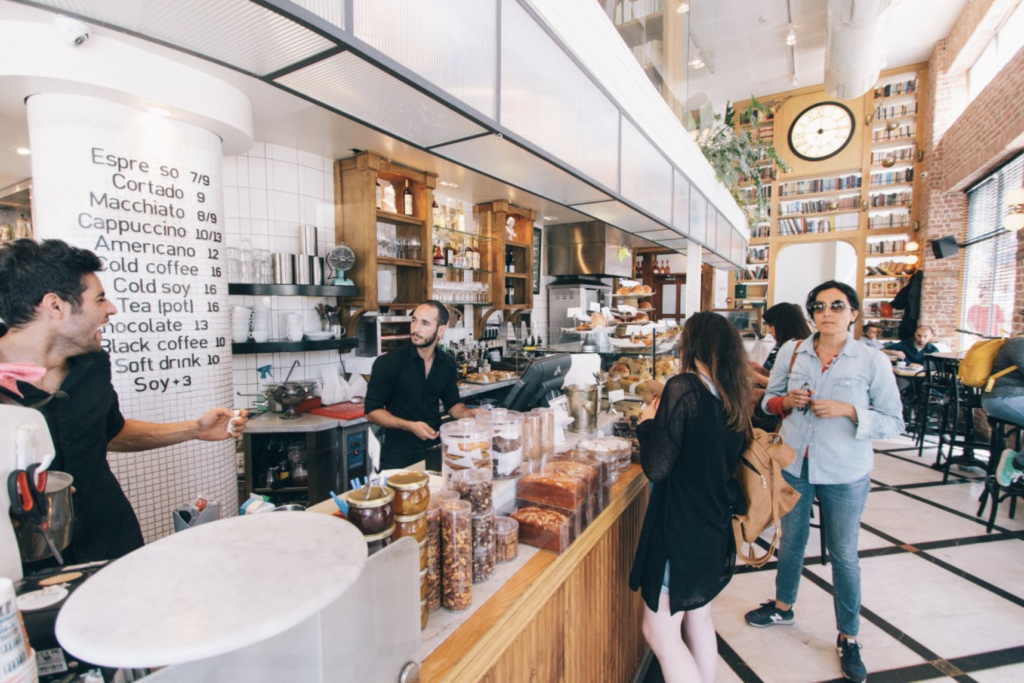
Starting Up a Coffee Shop

Establishing a coffee shop is quite a dream for some folks. And, for good reason! Nearly 2.5 billion cups of coffee are consumed daily all around the globe. This sort of demand makes starting up a coffee shop a great business endeavor, but it must be constructed properly! We have 8 key tips to help … Read more

How Capitol City Coffee Rates Coffee and Coffee Machines

Every coffee and coffee machine we recommend is scored on the same 100-point scale, so a recommendation on one page means the same thing as a recommendation on any other. Each pick is also labeled with how we reached its score.

Research-ratedScored from the roaster or manufacturer’s published specifications, independent results such as Coffee Review blind cuppings and SCA brewer certification, and patterns across verified buyer reviews. Most of our current picks are research-rated.
Hands-on testedThe Capitol City Coffee team has brewed the coffee or used the machine ourselves, following the testing steps below. We only use this label when that testing actually happened, and we show the date we tested.

Coffee beans: 100-point scale

What we scorePointsWhat we look at
Origin and sourcing transparency20Country, region, farm or cooperative, altitude, bean variety, and processing method are clearly disclosed.
Flavor evidence25Independent cupping scores, how closely the tasting notes match what the origin is known for, and our own cupping notes when hands-on tested.
Roast and freshness15Roast level stated, roast-date practices, whole-bean availability, and packaging with a one-way valve or resealable bag.
Brew versatility15How well the roast suits pour-over, drip, French press, cold brew, and espresso.
Value15Price per ounce compared with similar single-origin coffees or blends.
Buyer feedback10Volume and consistency of verified reviews, and recurring complaints about staleness, bitterness, or shipping.

Coffee machines and gear: 100-point scale

What we scorePointsWhat we look at
Brewing performance25Water temperature in the 195–205°F range, even extraction, and SCA certification or published test data.
Build quality and reliability20Materials, known failure points, and long-term owner reports.
Ease of use and cleaning15Setup, the daily routine, descaling, and dishwasher-safe parts.
Fit for your kitchen10Capacity, counter footprint, and noise.
Useful features10Programming, grind and temperature control, and carafe type. Features that improve the cup count more than extras that do not.
Value10Price compared with machines that perform similarly.
Warranty and support10Warranty length, parts availability, and how the brand handles repairs.

What the grades mean

ScoreGradeWhat it means
90–100AExceptional. Our first recommendation for the feeling and setting described.
80–89BStrong. Excellent, with minor trade-offs we explain.
70–79CGood. Worth it for specific needs, with clear compromises.
Below 70—Not recommended. We do not feature these as picks.

How we test hands-on

When a pick carries the Hands-on tested label, this is the method behind it, and we note the date we tested.

  1. Coffee: brewed fresh from whole beans following Specialty Coffee Association guidelines (water between 195 and 205°F, about 1 gram of coffee to every 15 to 18 grams of water) in the brew methods the roast suits best, such as pour-over, French press, or espresso. We taste it black first, then with milk if that is how most people drink it, and each taster scores it on their own before we compare notes.
  2. Machines: used in our everyday routine rather than a single demo. We brew both full and small batches, check the brewing temperature and brew time, and run the cleaning or descaling steps the manual calls for.

How we choose the feeling and setting

We match each coffee to a mood and a moment based on its flavor profile and roast. Bright, citrusy light roasts suit energizing mornings. Chocolatey, full-bodied medium roasts suit slow or social moments. Richer roasts suit espresso and milk drinks. Each pick explains which facts led us to that match.

Our scores stay independent

Every score comes only from the criteria above. No brand can pay for a pick or a higher grade. We re-check ratings when a roast, listing, or model changes, and update or remove picks that no longer earn their grade.

Some links on this page are affiliate links. As an Amazon Associate, Capitol City Coffee earns from qualifying purchases, at no extra cost to you.

Questions about a rating? Reach the Capitol City Coffee team through our contact page.
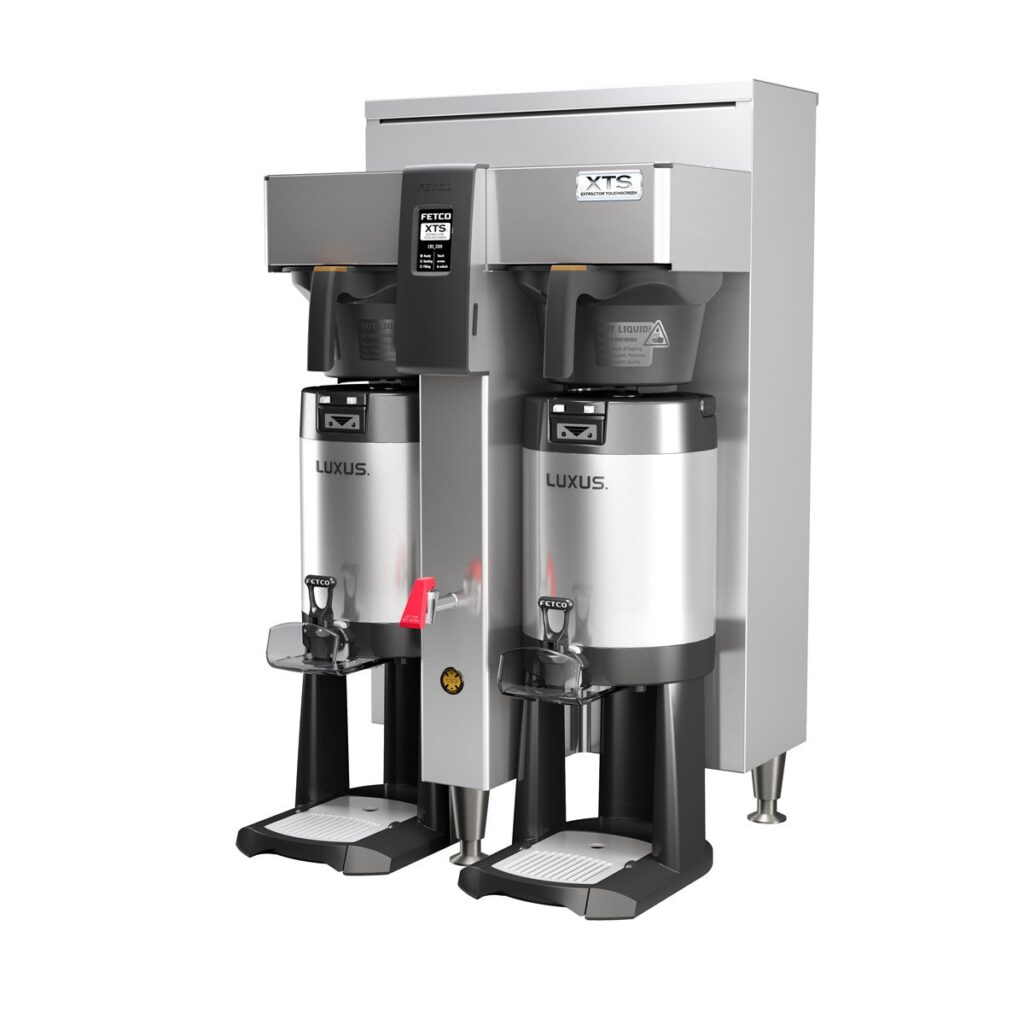
Best Commercial Coffee Makers

Fetco commercial coffee brewer

The best commercial coffee makers for busy cafes on this Amazon page start with the Fetco commercial batch brewer. BUNN, Curtis, Moccamaster, and Toddy round out the comparison. Best batch brewer pick For this roundup, Fetco commercial brewer is the batch brewer we recommend first—the same pick at the top of our At-a-glance cards below. … Read more

How Capitol City Coffee Rates Coffee and Coffee Machines

Every coffee and coffee machine we recommend is scored on the same 100-point scale, so a recommendation on one page means the same thing as a recommendation on any other. Each pick is also labeled with how we reached its score.

Research-ratedScored from the roaster or manufacturer’s published specifications, independent results such as Coffee Review blind cuppings and SCA brewer certification, and patterns across verified buyer reviews. Most of our current picks are research-rated.
Hands-on testedThe Capitol City Coffee team has brewed the coffee or used the machine ourselves, following the testing steps below. We only use this label when that testing actually happened, and we show the date we tested.

Coffee beans: 100-point scale

What we scorePointsWhat we look at
Origin and sourcing transparency20Country, region, farm or cooperative, altitude, bean variety, and processing method are clearly disclosed.
Flavor evidence25Independent cupping scores, how closely the tasting notes match what the origin is known for, and our own cupping notes when hands-on tested.
Roast and freshness15Roast level stated, roast-date practices, whole-bean availability, and packaging with a one-way valve or resealable bag.
Brew versatility15How well the roast suits pour-over, drip, French press, cold brew, and espresso.
Value15Price per ounce compared with similar single-origin coffees or blends.
Buyer feedback10Volume and consistency of verified reviews, and recurring complaints about staleness, bitterness, or shipping.

Coffee machines and gear: 100-point scale

What we scorePointsWhat we look at
Brewing performance25Water temperature in the 195–205°F range, even extraction, and SCA certification or published test data.
Build quality and reliability20Materials, known failure points, and long-term owner reports.
Ease of use and cleaning15Setup, the daily routine, descaling, and dishwasher-safe parts.
Fit for your kitchen10Capacity, counter footprint, and noise.
Useful features10Programming, grind and temperature control, and carafe type. Features that improve the cup count more than extras that do not.
Value10Price compared with machines that perform similarly.
Warranty and support10Warranty length, parts availability, and how the brand handles repairs.

What the grades mean

ScoreGradeWhat it means
90–100AExceptional. Our first recommendation for the feeling and setting described.
80–89BStrong. Excellent, with minor trade-offs we explain.
70–79CGood. Worth it for specific needs, with clear compromises.
Below 70—Not recommended. We do not feature these as picks.

How we test hands-on

When a pick carries the Hands-on tested label, this is the method behind it, and we note the date we tested.

  1. Coffee: brewed fresh from whole beans following Specialty Coffee Association guidelines (water between 195 and 205°F, about 1 gram of coffee to every 15 to 18 grams of water) in the brew methods the roast suits best, such as pour-over, French press, or espresso. We taste it black first, then with milk if that is how most people drink it, and each taster scores it on their own before we compare notes.
  2. Machines: used in our everyday routine rather than a single demo. We brew both full and small batches, check the brewing temperature and brew time, and run the cleaning or descaling steps the manual calls for.

How we choose the feeling and setting

We match each coffee to a mood and a moment based on its flavor profile and roast. Bright, citrusy light roasts suit energizing mornings. Chocolatey, full-bodied medium roasts suit slow or social moments. Richer roasts suit espresso and milk drinks. Each pick explains which facts led us to that match.

Our scores stay independent

Every score comes only from the criteria above. No brand can pay for a pick or a higher grade. We re-check ratings when a roast, listing, or model changes, and update or remove picks that no longer earn their grade.

Some links on this page are affiliate links. As an Amazon Associate, Capitol City Coffee earns from qualifying purchases, at no extra cost to you.

Questions about a rating? Reach the Capitol City Coffee team through our contact page.