With NO Additional cost to you, as an Amazon Associate, I earn from qualifying purchases. This page contains affiliate links; we may earn a commission if you buy through them.
The best coffee brands for most US drinkers on this page start with Stumptown Hair Bender, plus Counter Culture Fast Forward and grocery staples like Peet’s. Rankings balance flavor, quality, consistency, price, and availability, from specialty roasters like Stumptown Coffee Roasters and Counter Culture Coffee to grocery-store staples like Peet’s Coffee, New England Coffee, and Eight O’Clock. If you’re a U.S. coffee drinker trying to compare brands based on taste, brewing method, budget, and how easy they are to buy, the right pick depends on what you value most.
This guide breaks down the top coffee brands across categories, with flavor profiles, roast levels, pricing and value, brewing recommendations, freshness tips, and sourcing notes, plus an at-a-glance comparison table and detailed brand-by-brand picks. Whether you brew a single cup or a full pot, choosing well means better coffee without guesswork or overspending.
Best specialty blend pick
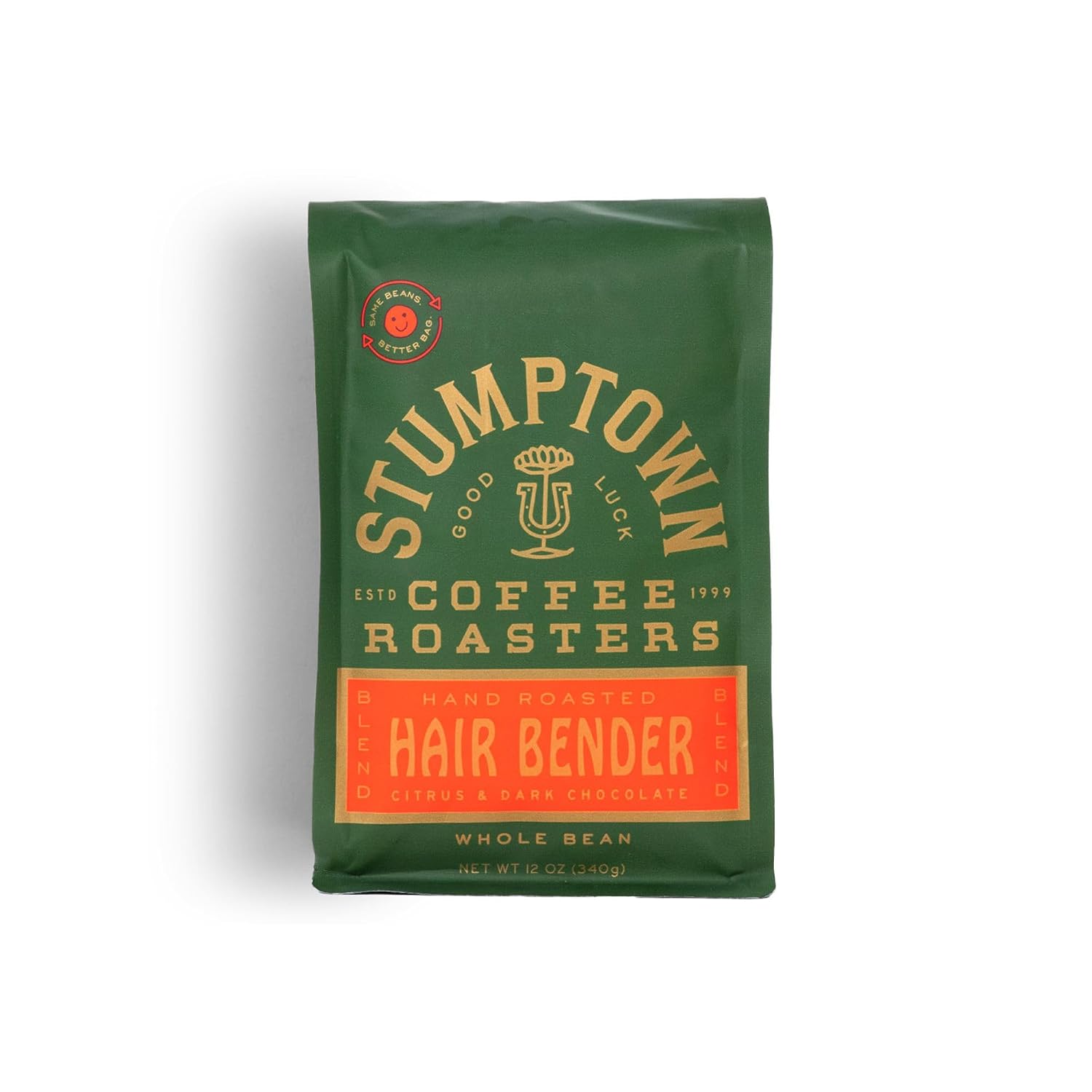
For this roundup, Stumptown Hair Bender is the specialty blend we recommend first—the same pick at the top of our At-a-glance cards below.
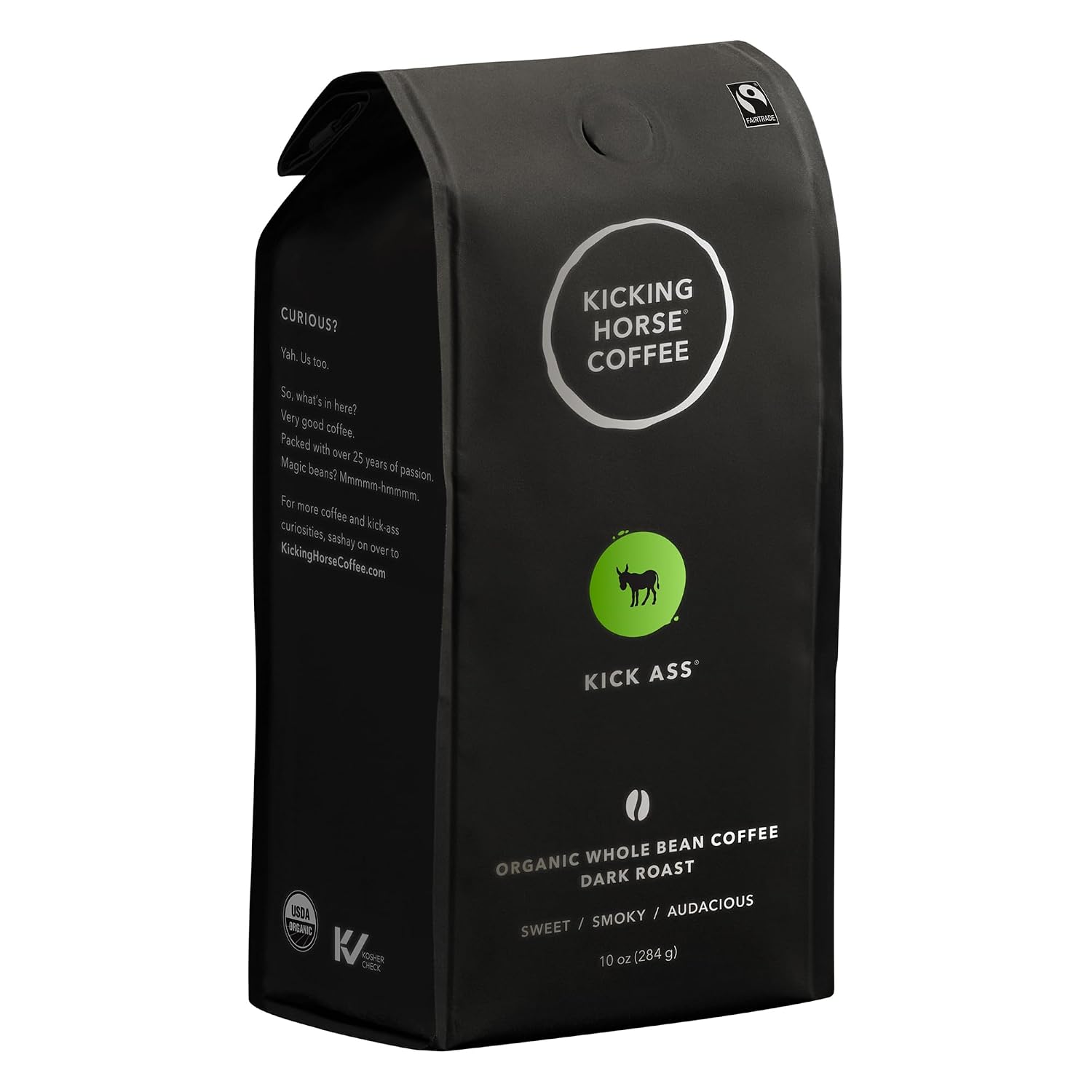
Specialty Amazon bags on this page include Stumptown Hair Bender, Counter Culture Fast Forward, Kicking Horse Kick Ass, and Lavazza Super Crema. They cost more per bag than grocery staples but have matching product photos.
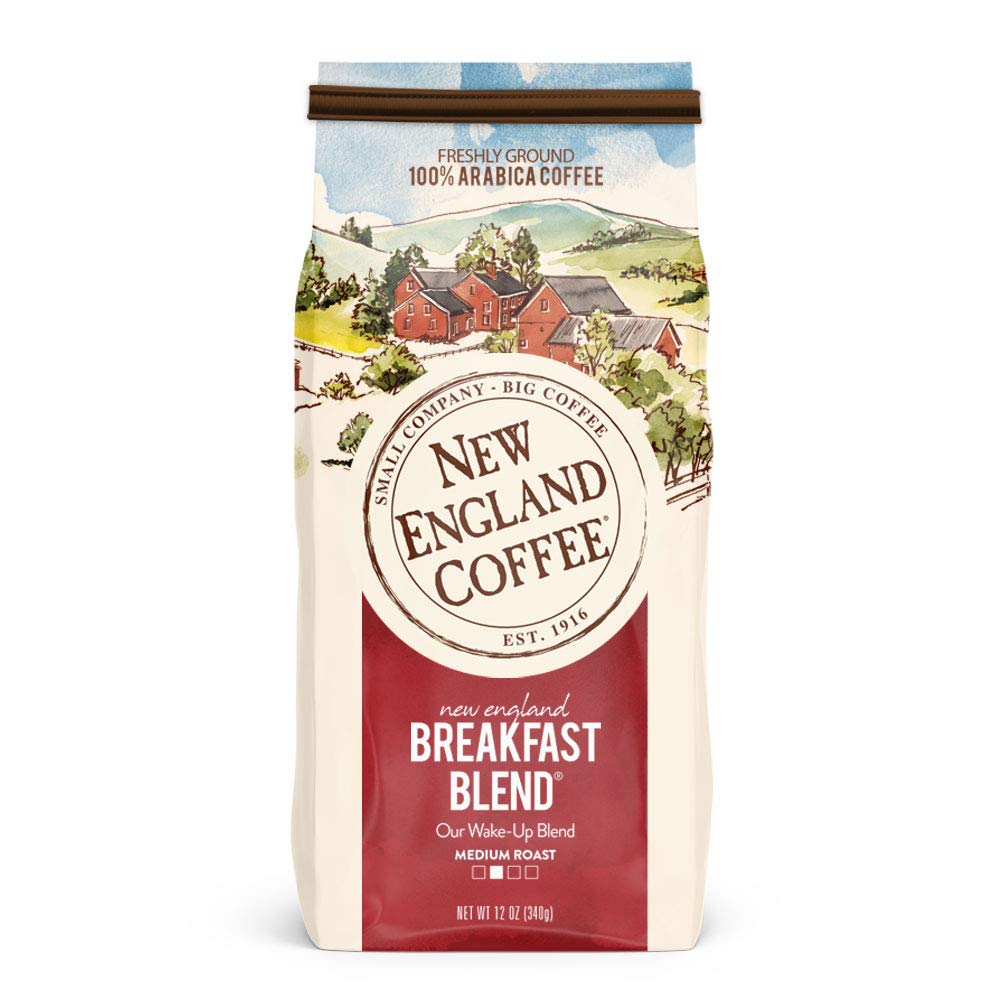
For grocery store coffee, Peet’s Coffee (founded in 1966) and New England Coffee offer the strongest flavor-to-value ratio, while Maxwell House and Café Bustelo dominate on pure price.
Freshly roasted whole beans from specialty roasters hit peak flavor within two to four weeks of roast; nitrogen-flushed grocery bags last longer but sacrifice nuance.
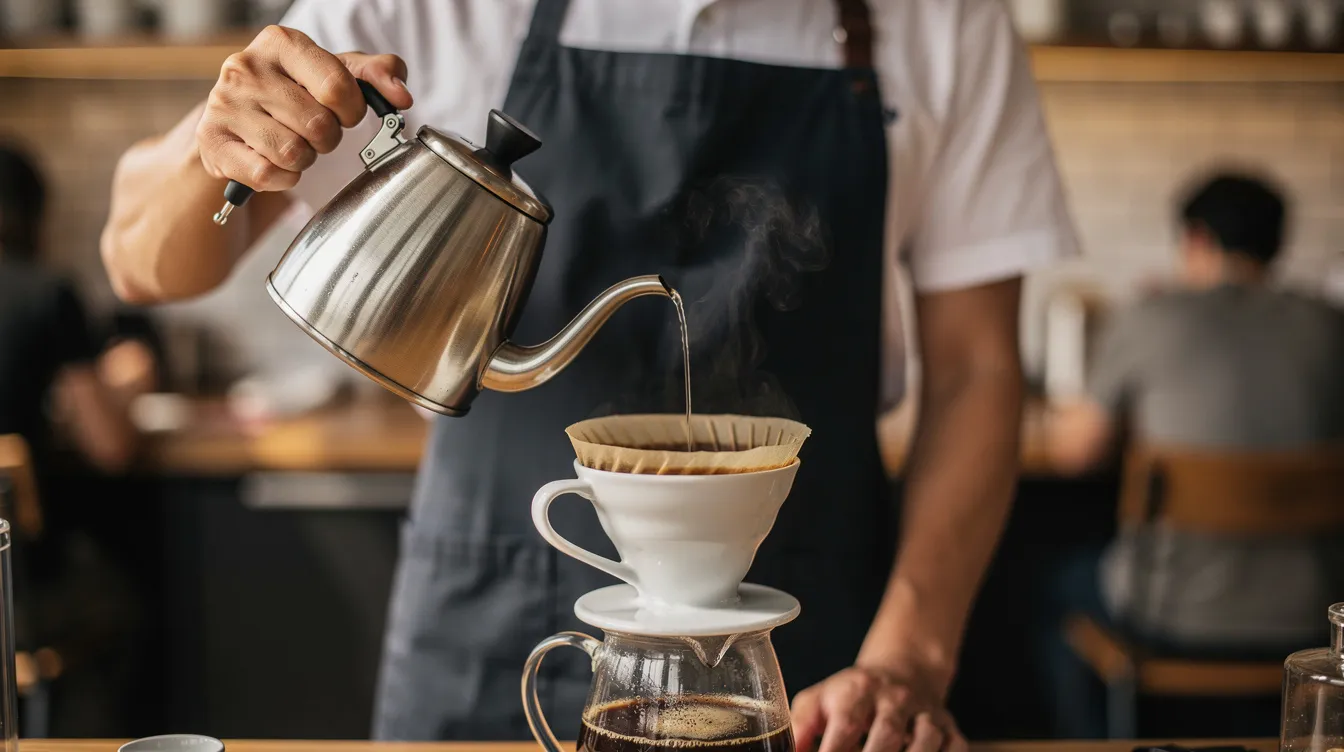
Your brewing method matters as much as the brand: light roasts shine in pour-over, medium roasts work across drip and espresso, and dark roast blends hold up best in milk drinks.
This is an independent, research-based editorial roundup for U.S. coffee drinkers-comparing flavor, quality, value, and availability across specialty and mainstream coffee brands with an at-a-glance comparison table, detailed brand breakdowns, brewing tips, and FAQs below.
Affiliate Disclosure
Capitol City Coffee is an independent editorial and affiliate-supported publication, not a coffee seller. Links to coffee beans, gear, or subscriptions may earn a commission at no extra cost to you-commissions do not influence rankings or coverage. Recommendations here are based on researched editorial analysis and third-party tasting consensus, not hands-on testing by our team. As an Amazon Associate we earn from qualifying purchases.
Best Coffee Brands: Quick Answer
In this guide, “best coffee brands” means the brands that deliver the strongest balance of flavor, quality, consistency, price, and availability for U.S. coffee drinkers in 2026. Here are the headline winners:
Best overall specialty coffee brands: Stumptown Hair Bender, Counter Culture Fast Forward
Best espresso staple: Lavazza Super Crema
Best dark roast for grocery shoppers: Peet’s Coffee (Major Dickason’s Blend), Kicking Horse Kick Ass
Best value grocery store coffee: New England Coffee, Eight O’Clock Original
Best budget espresso-style brew: Café Bustelo
At a glance
Compare Amazon-available brand bags on a phone first: listing photo, roast notes, and a Check on Amazon button. Research-rated, not yet brewed by our team.
Prices reflect late-2026 retail; actual cost varies by retailer and region.
How We Chose the Best Coffee Brands
This roundup is a researched editorial analysis. Capitol City Coffee does not operate a tasting lab-rankings draw on publicly available data, expert consensus from sources like Coffee Review, Good Food Awards records, aggregate consumer ratings, and verified product specifications from each brand.
Selection criteria:
Coffee beans quality: Arabica variety, origin diversity, scoring where available
Roast quality and consistency: Even development, roast profiling, batch size
Sourcing clarity: Whether the brand discloses single origin details, farm names, or processing techniques
Value and price per pound: What you get for the money across roast levels
U.S. availability: Online direct, grocery store shelves, café locations
Professional and consumer reputation: Awards, barista endorsements, review aggregates
This roundup stays on bags we can show with a matching Amazon photo: Stumptown Hair Bender, Counter Culture Fast Forward, Kicking Horse Kick Ass, Lavazza Super Crema, Peet’s, New England Coffee, Eight O’Clock, and Café Bustelo. Brand availability and prices shift regularly; this guide reflects information current to late 2026.
Best Overall Specialty Coffee Brands
These are the picks for readers who prioritize flavor, transparency, and high-scoring coffee beans over pure convenience. Specialty coffee brands focus on ethical sourcing and distinct flavor profiles, and the roasters below deliver on both.
Stumptown Coffee Roasters built its reputation in Portland with medium roasts that balance origin character with approachable sweetness. Hair Bender-the flagship blend-lands a 7.1 out of 10 on CoffeeBeanIndex and is praised for stone fruit acidity up front with a dark chocolate finish. Holler Mountain is the lighter, honeyed daily driver that suits drip machines and milk drinks equally well. Stumptown’s catalog leans medium across 16 active offerings, with six single origins from Costa Rica, Ethiopia, Guatemala, Honduras, and Indonesia. Every bag ships with a roast date. Pricing sits around $19–$23 per 12 oz, which is a premium, but the flavor clarity and freshness justify the cost for anyone drinking coffee black or with minimal milk. The main limitation: Stumptown does not cater to deep, smoky dark roast lovers, and regional grocery availability can be spotty outside major metro areas.
Our pick:Stumptown Coffee Roasters Hair Bender, Whole Bean. The flagship blend this section describes, with citrus and chocolate that works for pour-over and espresso. Research-rated, not yet brewed by our team.
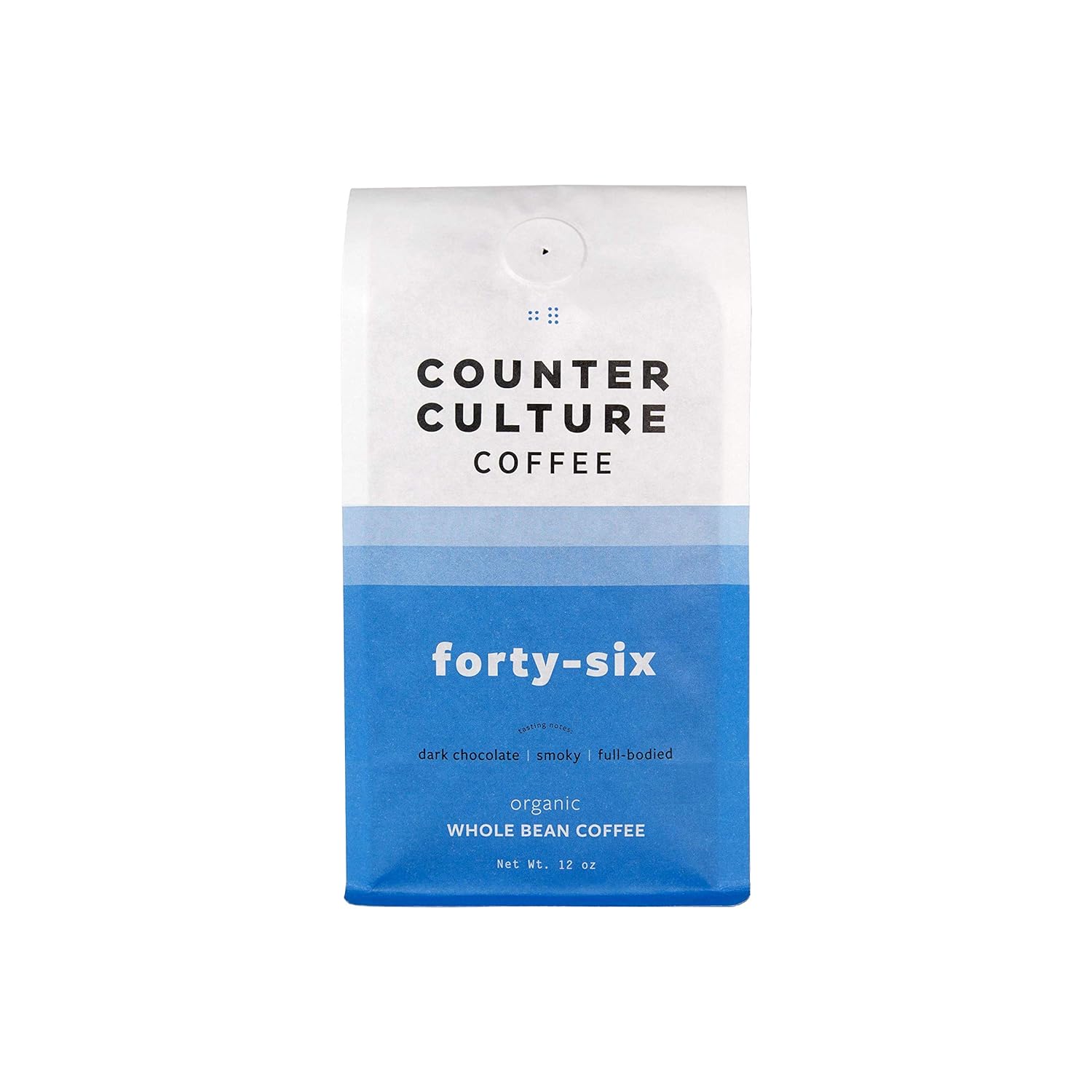
Counter Culture Coffee has been a leader in specialty training and sustainability since its Durham, North Carolina origins. The roaster publishes annual transparency reports-a practice it has maintained since 2009-and its 2025 report showed an average FOB price of $5.04 per pound for single origins, well above the commodity C-market price. Counter Culture’s catalog skews light to medium: nine of 18 active coffees are light roast, five are medium. Flavor runs through chocolate, nut, and red fruit notes, with washed processing dominating. Blends like Hologram and Big Trouble work well for espresso and drip, while rotating single origin coffees from Colombia and Ethiopia reward pour-over enthusiasts. Bags range from roughly $19.50 to $28 per 12 oz. The trade-off: lighter roasts may taste too acidic for drinkers raised on dark, roasty profiles, and seasonal origins disappear once the lot runs out.
Our pick:Counter Culture Coffee Fast Forward, Whole Bean, 12 oz. Organic year-round blend from this roaster; Hologram and Big Trouble named above are harder to find as single bags on Amazon. Research-rated, not yet brewed by our team.
Volcanica Ethiopian Yirgacheffe is the Amazon origin bag on this page for a brighter pour-over cup. Direct-trade microlots still exist, but they are not the Amazon cards here.
Stumptown Hair Bender is the Amazon whole-bean bag on this page for clean, everyday flavor. Cafe-only SKUs are not the cards here.
Best Specialty Roasters for Single Origin Coffees
Single origin coffees come from one country, region, or farm, which lets you taste the terroir-altitude, soil, climate, and processing techniques-rather than the blended average of multiple sources. If you approach coffee the way some people approach wine, single origins are where the exploration happens.
Onyx Coffee Lab is worth mentioning for readers chasing the lightest, most origin-expressive roasts. Onyx Coffee uses solar energy for roasting and shipping coffee, and its lots regularly score above 90 on Coffee Review. Expect floral, tea-like, and tropical fruit notes that demand precise brewing-coarse errors in grind or water temperature will flatten the cup. Pricing is premium ($20–$30+), and you need a decent grinder to get the most from these beans.
Bird Rock Coffee Roasters has won the Roaster of the Year award, and its San Diego operation sources high-scoring lots with strong direct-trade relationships. Proud Mary, Sey, and similar micro-roasters are also strong alternatives if you want to keep exploring, but the brands above represent the most consistent and accessible entry points for single origin coffees.
Best Coffee Brands for Espresso and Milk Drinks
Not all coffee beans behave the same under nine bars of pressure. Espresso blends generally favor chocolate, caramel, and lower acidity so the shot tastes sweet and full-bodied when poured into milk rather than sharp or sour.
Stumptown Coffee Roasters Hair Bender doubles as both a pour-over blend and an espresso blend, with complex citrus and chocolate tones that cut through steamed milk. It is the go-to recommendation for anyone who owns one bag of beans and switches between a drip brewer and an espresso machine throughout the day.
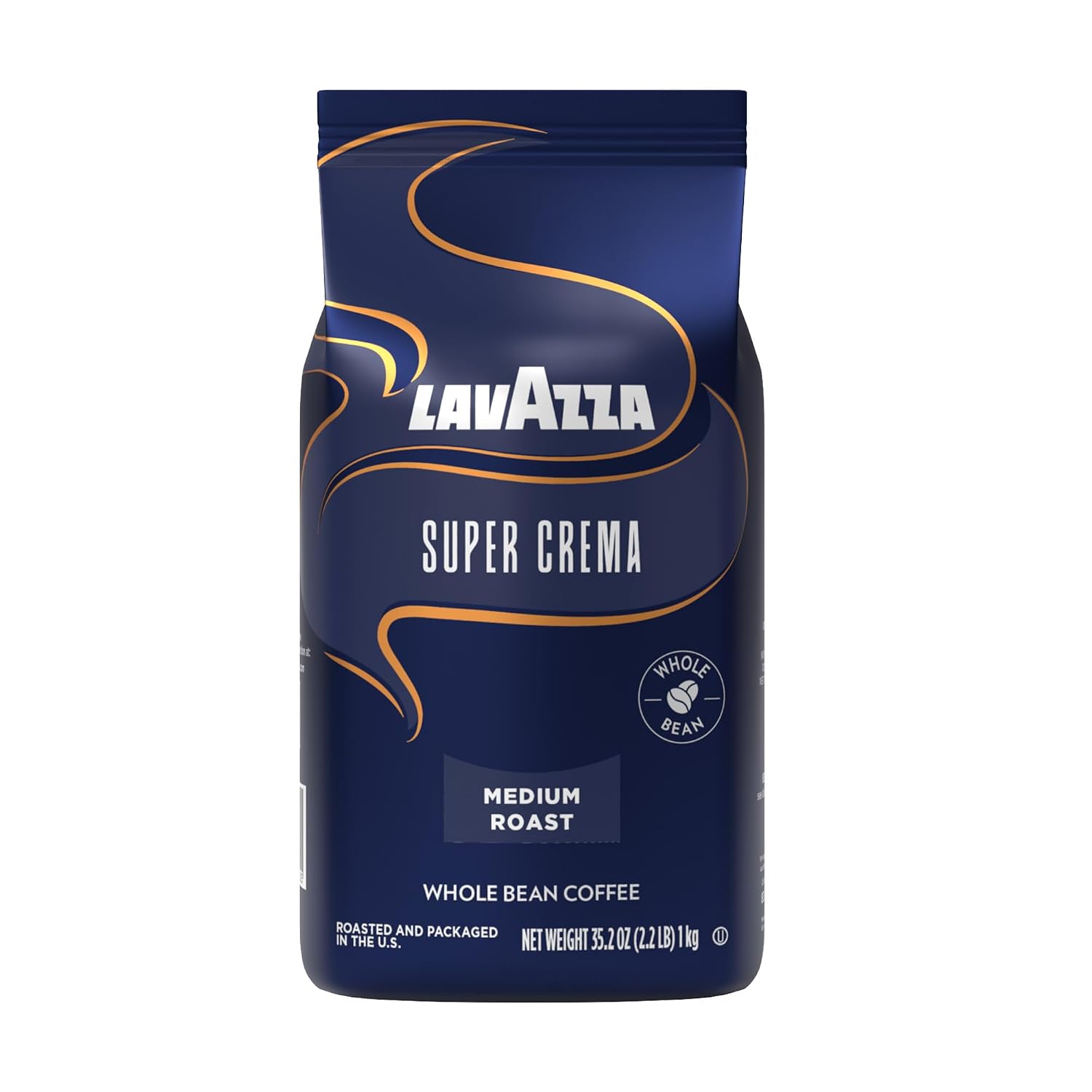
Lavazza Super Crema is the Amazon espresso staple on this page: a creamy, nutty blend that pulls clean shots on superautomatic machines and moka pots without fussiness. It sits in the middle ground between specialty bags and supermarket espresso.
Our pick:Lavazza Super Crema, Whole Bean. The Amazon espresso staple on this page, with a matching product photo. Research-rated, not yet brewed by our team.
For the best results, grind fresh, dose accurately (around 18 grams for a double shot), and aim for 25–30 second extraction times. Even a modest setup like a Breville Bambino or a manual lever machine can reveal meaningful flavor differences between these brands.
Best Grocery Store Coffee Brands
Most U.S. coffee drinkers still purchase their beans or ground coffee from a grocery store. The brands below deliver the best flavor you can grab off a shelf without ordering online.
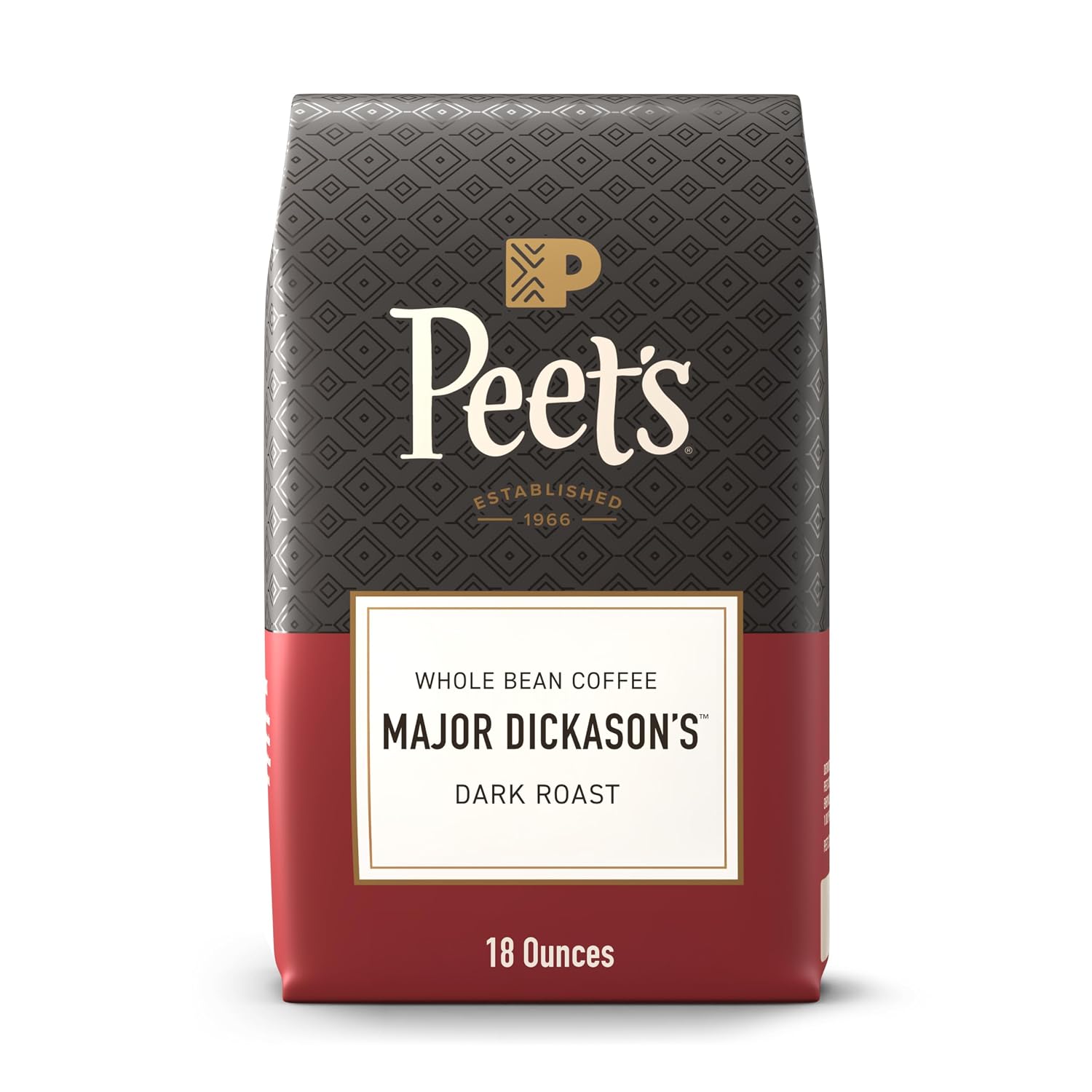
Peet’s Coffee was founded in 1966 in Berkeley and essentially introduced darker, roast-forward American coffee. Major Dickason’s Blend remains the best-seller-smoky, chocolatey, full-bodied, and forgiving across brewing methods. Peet’s Breakfast Blend has a classic medium-roast profile for those who want something gentler in the morning. Peet’s is the best grocery store coffee for drinkers who like strong, roasty cups with milk, and it is sold in over 14,000 grocery stores. Pricing hovers around $21.95 per pound for whole bean, though sales frequently bring it under $15.
New England Coffee is priced at $9.99 per pound and delivers balanced medium roasts that reheat well-a real advantage for households that brew a full pot and sip through the morning. It is an underrated pick as one of the best grocery store coffee options for everyday drip coffee.
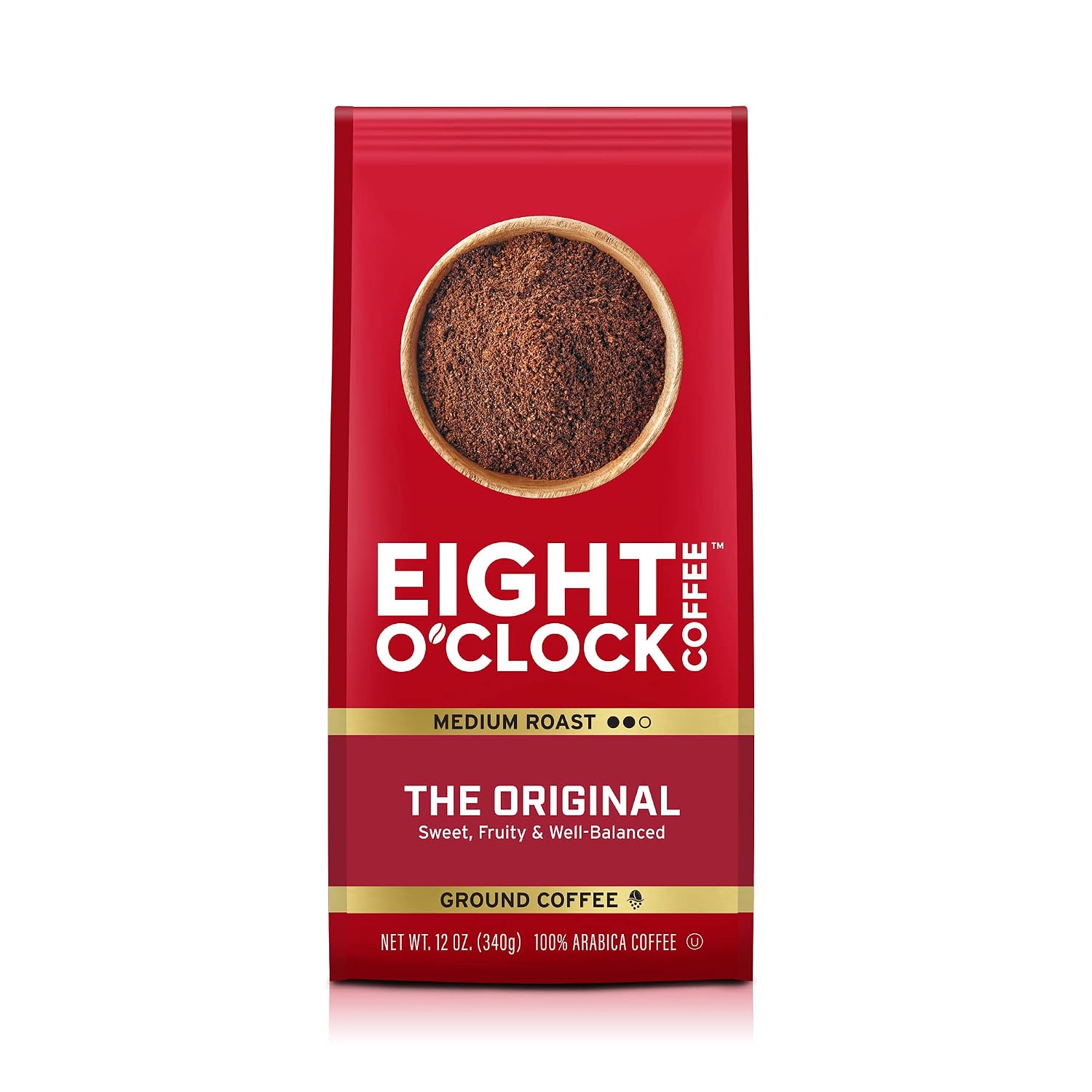
Eight O’Clock Coffee is a solid value buy under $8 per pound, with dark and medium roast options that perform well for the price. Its Original and Dark Italian roasts carry nutty, roasty notes without excessive bitterness.
Caribou Coffee and Green Mountain both offer approachable medium roasts. Caribou Blend features caramel and graham cracker notes with a hint of dark chocolate; Green Mountain Nantucket Blend leans toward dried fruit and caramel. Green Mountain coffee costs $9.99 for a 12-ounce bag and remains drinkable as it cools, which makes it a practical choice for anyone who nurses a cup over a long work session. Both brands also offer K-Cup pods for Keurig machines.
When shopping at any grocery store, look for whole-bean options with recent “best by” or roast dates whenever possible. Even a small upgrade in freshness can noticeably improve the flavor of otherwise ordinary beans.
Best Budget and Everyday Value Coffee Brands
“Best” can also mean the best-tasting coffee at the lowest price, especially for daily drinkers brewing multiple pots or anyone watching food expenses closely. These brands sacrifice some nuance but deliver reliable flavor for the money.
Maxwell House is known for its affordable and good flavor-classic, nutty, and uncomplicated. It is the workhorse of office coffee pots and high-volume households where complexity matters less than consistency and cost. A standard canister runs $8–$10 and lasts weeks.
Folgers House Blend is another grocery aisle staple. Folger’s coffee costs $6.20 per pound, making it one of the cheapest whole-bean options available. The dark roast is hefty and depends heavily on temperature: it tastes notably better brewed hot and consumed fresh rather than reheated. Extremely affordable and available everywhere.
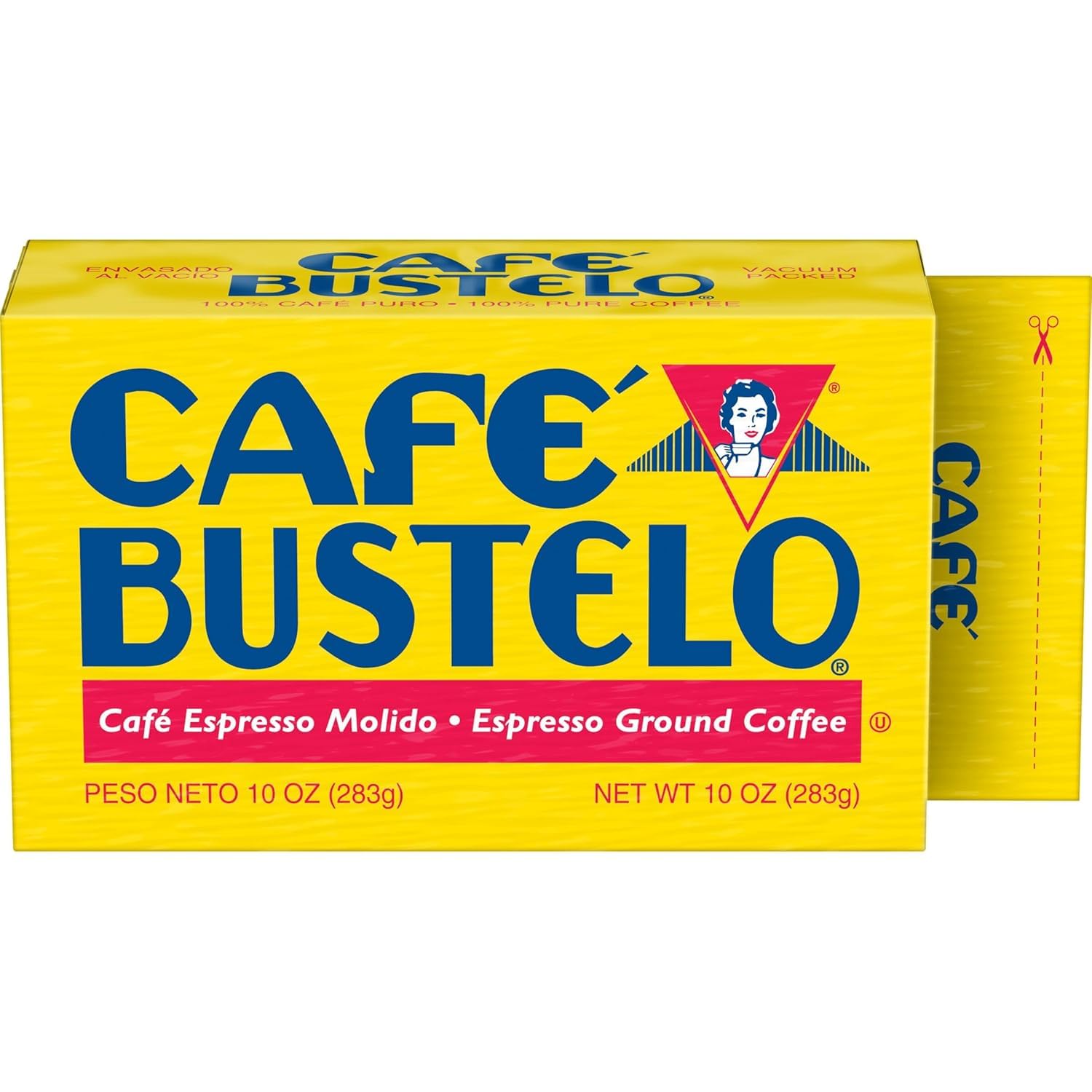
Café Bustelo is popular for its espresso ground coffee and delivers a robust, intense cup ideal for moka pots, espresso-style brews, and iced coffee. Café Bustelo is the cheapest option at $3.49 for 10 ounces, which is astonishing value. It is less forgiving when reheated but shines when brewed strong and poured over ice.
Trader Joe’s Wake Up Blend has smooth richness and fruity notes that punch well above its price. At $8.99 for 14 ounces, it is one of the best value-to-flavor ratios in any grocery store. Walmart’s Great Value Colombian is another surprisingly capable store brand for shoppers already in that food aisle.
The trade-offs with budget brands are real: less nuance in flavor, more bitterness if over-extracted, and limited origin transparency compared with specialty roasters. But if you add cream and sugar or primarily drink reheated drip coffee, these brands deliver exactly what you need without overspending.
Best Coffee Brands for Ready-to-Drink and Instant Options
Not everyone wants to grind beans and fuss over ratios every morning. This section covers canned lattes, cold brew, instant, and flavored options for drinking on the go.
Best flavored coffee: La Monarca Cafe de Olla features roughly chopped beans with cinnamon and brown sugar baked into the roast. The result is a rich, warming cup with natural sweetness-far better than the artificial-tasting flavored coffees that fill most grocery shelves. Peet’s seasonal pumpkin-spiced blend is another worthwhile flavored option when available.
Best iced coffee: Cafe Bustelo is ideal for iced coffee preparation-brew it strong, pour over ice, and add milk for a quick cortadito. Trader Joe’s Organic Fair Trade Wake Up Blend also works well brewed hot and cooled, thanks to its fruity backbone.
Best instant and portable: Twin Peaks Colombian pour-over pouches taste more robust and roasty than typical instant coffee, making them a practical choice for camping, travel, or the occasional cup of airplane coffee when you refuse to drink what the galley offers.
Best canned latte and cold brew: La Colombe Triple Latte is creamy with a toasty flavor and a good coffee-to-milk ratio-one of the best grab-and-go options at any shop. Stumptown’s cold brew is highly rated for its fresh taste, and its cold brew concentrate is customizable to taste: dilute with water for a lighter cup or pour it straight for an intense hit. Super Crema and Kick Ass also hold up well when you brew them cold.
These options cost more per serving than brewed coffee, but they save time and often taste better than what you would get from a convenience store or vending machine.
Performance, Quality, and Flavor: What Actually Makes Coffee “Best”?
Understanding what separates a good cup from a forgettable one helps you evaluate any brand-not just the ones listed here.
Bean origin and variety. Nearly all specialty and premium brands use Arabica beans; Robusta appears mainly in budget blends and some espresso-oriented Italian-style coffees like Café Bustelo. Major growing regions-Latin America, East Africa, and Southeast Asia-each contribute different flavor tendencies. Latin American beans often carry chocolate, nut, and caramel notes; Ethiopian coffees lean toward berries and florals; Indonesian coffees bring earthy, spicy depth. Green coffee (the raw, unroasted seed) quality sets the ceiling for any roaster’s work-no amount of roasting skill rescues a defective lot.
Roast level. Light roasts preserve origin character-fruit, floral acidity, sweetness-and are ideal for pour-over brewing methods. Medium roasts balance acidity and body, working well across drip and espresso. Dark roasts develop deep, smoky flavors characteristic of the style, but they increasingly mask origin differences: a dark roast Sumatra and a dark roast Colombian taste more alike than their light-roast counterparts. Peet’s own tasting guide acknowledges this: origin distinction fades as roast color deepens.
Freshness and roast date. High-quality specialty coffee emphasizes peak freshness and transparent origin labeling. Evaluating roasting dates is important for maintaining coffee flavor quality-look for a printed roast date rather than a vague “best by” stamp. Specialty roasters typically ship within days of roasting; grocery brands rely on nitrogen flushing for longer shelf life but sacrifice aromatic vibrancy.
Consistency and quality control. Specialty roasters invest in cupping sessions, roast profiling software, and stable temperature curves to deliver predictable flavor from bag to bag. This is why a Hair Bender from Stumptown brewed as drip coffee tastes noticeably more complex-more acidity, more layered sweetness-than a typical grocery blend at the same price point. Flavor profiles vary across coffee brands and blends, influencing user preferences significantly. Coffee extraction methods and brewing methods considerably affect the resulting taste profile and the flavor notes extracted from coffee beans.
As coffee writer Emily Mange has noted, even experienced drinkers can be surprised by a side-by-side comparison between specialty and mainstream beans-origin character becomes obvious once you taste them next to each other.
Price, Value, and Trade-Offs Between Coffee Brands
The most expensive beans are not automatically the best choice. “Value” depends on how you brew, what flavors you like, and how much coffee you drink.
Price ranges in 2026. Canned and budget ground coffee runs roughly $4–$10 per pound (Folgers at $6.20/lb, Café Bustelo at ~$5.60/lb equivalent). Grocery store bags from brands like New England, Caribou, and Green Mountain sit between $9 and $13 per 12 oz. Specialty roasters typically price blends at $15–$22 and single origin coffees at $22–$28+ per 12 oz. Consumer Price Index data cited by AP News shows coffee prices in the U.S. rose by roughly 18.3% year over year as of January 2026, pushing some drinkers to cut back on café visits or shift to cheaper grocery brands.
When to pay more: Investing in specialty coffee brands makes the most sense if you brew manually-pour-over, French press, espresso-and drink black or with minimal milk. That is when origin nuance and roast precision actually register on your palate.
When to save: If you add lots of cream and sugar, or mostly drink reheated coffee from a big pot, mid-range grocery brands like New England Coffee, Eight O’Clock, or Caribou Coffee offer better value. The subtle differences in a $25 bag of light-roast Ethiopian coffee vanish under two tablespoons of sugar and a splash of flavored creamer.
Availability and shipping: Subscription discounts can offset the per-bag premium over time. For a quick purchase at the local supermarket, Peet’s, New England Coffee, Eight O’Clock, and Café Bustelo are the grocery bags on this page.
Start with one specialty roaster and one grocery brand. Brew them side by side for a week. If the specialty bag’s flavor makes every sip noticeably better, the upgrade is worth it for you. If not, the grocery brand is the smarter long-term choice.
How to Choose the Best Coffee Brand for You
Use this as a quick decision framework to narrow the field.
Step 1 – Brewing method. Match your equipment to the right roast range. Drip machines pair well with medium roasts from grocery store or specialty brands alike. Pour-over setups reveal the most from light roast single origin coffees. Espresso machines need beans roasted for pressure extraction-medium to medium-dark blends such as Super Crema or Hair Bender. Cold brew works best with medium or dark roast; coarse-ground, steeped overnight. Balanced medium roasts work well in drip machines and pour-over as a versatile starting point.
Step 2 – Flavor preferences. Ask yourself: do you like dark, smoky coffee (Peet’s, Eight O’Clock Dark Italian), bright and fruity notes (Counter Culture Fast Forward), or balanced, nutty-chocolate profiles (Stumptown Hair Bender)? Mapping your preference to a brand eliminates half the catalog instantly.
Step 3 – Budget and volume. If you drink four or more cups a day, budget brands save hundreds per year. If you drink one or two cups brewed carefully each morning, a $25 bag of specialty coffee lasts two to three weeks and costs roughly $1.50 per cup-less than any café.
Step 4 – Convenience vs. exploration. Some people want the same reliable bag from the grocery store every week. Others enjoy rotating single origin coffees from online specialty roasters. Neither approach is wrong-it depends on whether you treat coffee more like a breakfast staple or a food hobby.
Consider keeping simple notes for a week or two: which brand, which brew method, how it tasted. You will learn your own preferences faster than any roundup can teach them to you.
Brewing and Freshness Tips for Getting the Most from Any Brand
Even the best coffee brands taste flat if brewed poorly or stored carelessly. A few adjustments improve value from every bag.
Grind size and timing. Freshly roasted whole beans yield better flavor compared to pre-ground coffee. Grind just before brewing: coarse for French press, medium for drip, fine for espresso. Pre-ground is less ideal but workable if the packaging seals well.
Water quality and temperature. Use filtered water. Aim for 195–205°F; some inexpensive drip machines underheat, which under-extracts and produces sour, thin coffee. A simple kettle thermometer costs under $10 and makes a noticeable difference.
Brew ratios. Start at roughly 1:16 coffee-to-water by weight (about 30 grams of coffee per 500 ml of water). Adjust up for stronger, down for lighter. Executing precise brewing techniques can enhance coffee flavor more than switching brands.
Storage. Keep beans in an airtight container in a cool, dark spot. Avoid the fridge or freezer for daily-use bags. One-way valve packaging helps, and nitrogen-flushed grocery bags maintain freshness longer-though the flavor is less vibrant from day one.
Shelf life. Peak flavor for specialty roasters: two to four weeks post-roast. Nitrogen-flushed grocery coffee: several months of acceptable flavor, but diminishing returns after opening. If your bag has been open for a month and tastes dull, it probably is-consider cold brew as a way to use up aging beans, since cold extraction forgives staleness better than hot methods.
Be mindful of over caffeination if you are dialing in stronger ratios or drinking multiple espresso shots during experimentation. More coffee per cup is not always better.
Alternatives and Adjacent Options (Decaf, Flavored, and Ethical Focus)
Not every reader wants classic caffeinated black coffee. Some care most about decaf quality, flavored options, or the ethics behind their own coffee purchase.
Decaf options. Many specialty roasters-Stumptown, Counter Culture Fast Forward in both single origin and blend formats. Decaf quality has improved dramatically over the past decade; a well-roasted decaf single origin can taste nearly identical to its caffeinated counterpart. If you drink coffee in the evening or are sensitive to caffeine, specialty decaf is worth the premium over grocery decaf, which often tastes flat or papery.
Flavored coffee. Most flavored coffees use artificial oils sprayed onto mediocre beans, but La Monarca Cafe de Olla and similar artisanal options embed real spices (cinnamon, piloncillo) into the roast for genuine warmth and sweetness. Café du Monde is best known for its chicory coffee, which provides a distinct, slightly bitter-sweet flavor profile that pairs well with tea-like brewing traditions in the Gulf South. Peet’s seasonal flavored blends (pumpkin, winter spice) offer a middle-ground between artificial and artisanal.
Ethical and sustainable brands. Transparency in trade relationships with farmers is valued among reputable coffee roasters. Counter Culture Fast Forward is the Amazon bag from that roaster on this page. Hair Bender is the Stumptown Amazon bag.e Roaster of the Year award and maintains strong direct trade relationships. Certifications like Fair Trade, Rainforest Alliance, and B Corp signal commitment to sourcing ethics, though they are not guarantees of superior flavor on their own.
Any coffee entrepreneur starting a brand today faces pressure to demonstrate ethical sourcing-consumers increasingly expect it, especially in the specialty segment. The 2026 NCA Specialty Coffee Report confirms that traceability and origin information are rising priorities for U.S. drinkers.
Prioritize what matters most to you-flavor, caffeine level, or ethics-and then select brands from the sections above that align.
Frequently Asked Questions
These FAQs address common questions that go beyond the main reviews and buying advice.
Is it better to buy whole-bean or pre-ground coffee from these brands?
Whole-bean generally delivers better flavor because grinding accelerates staling-pre-ground coffee can lose 20–40% of its aromatic complexity within the first week. For specialty roasters, always buy whole-bean if you own any kind of grinder. For grocery brands, pre-ground in sealed, nitrogen-flushed bags is acceptable for convenience, though whole-bean options from Peet’s and other coffees on the shelf will still taste fresher if you grind at home.
How long do coffee beans from specialty roasters stay fresh compared with grocery store coffee?
Specialty beans peak within two to four weeks of the roast date printed on the bag. After that, aromatics fade and the cup tastes increasingly flat. Grocery store coffee that has been nitrogen-flushed can maintain acceptable flavor for several months unopened, but it starts with less aromatic vibrancy than a freshly roasted bag. Once any bag is opened, consume it within two to three weeks for the best results, and store it in an airtight container away from heat and light.
Do I need expensive equipment to taste the difference between coffee brands?
No. A basic burr grinder (even a $40 hand grinder) and a consistent brewing method-a simple pour-over cone, a French press, or a reliable drip machine-are usually enough. When you compare two brands brewed the same way, side by side in the same cup, flavor differences become obvious even to casual drinkers. You do not need a $2,000 espresso machine to appreciate the gap between a specialty single origin and a mass-market blend.
Are single origin coffees always better than blends?
Not universally. Single origin coffees highlight unique flavors and offer traceability back to a specific farm or region, which appeals to explorers. Blends aim for balance, consistency, and performance across multiple brew methods-many of the best coffee brands offer both. Think of them as different tools: a single origin is a spotlight on one terroir; a blend is a curated mix designed to hit a specific flavor target every time. Neither is inherently superior.
What’s the best way to sample multiple coffee brands without wasting money?
Start by buying smaller bags-many specialty roasters sell 4 oz or 8 oz trial sizes. Sampler packs from Counter Culture let you taste three to four coffees for the cost of one full bag. Sharing orders with friends or splitting a subscription box also keeps per-person cost low. The most informative approach is to keep one “house” grocery brand as your baseline and rotate in one specialty roaster at a time, tasted side by side. You will learn your own preferences faster than reading any list-including this one.
How Capitol City Coffee Rates Coffee and Coffee Machines
Every coffee and coffee machine we recommend is scored on the same 100-point scale, so a recommendation on one page means the same thing as a recommendation on any other. Each pick is also labeled with how we reached its score.
Research-ratedScored from the roaster or manufacturer’s published specifications, independent results such as Coffee Review blind cuppings and SCA brewer certification, and patterns across verified buyer reviews. Most of our current picks are research-rated.
Hands-on testedThe Capitol City Coffee team has brewed the coffee or used the machine ourselves, following the testing steps below. We only use this label when that testing actually happened, and we show the date we tested.
Coffee beans: 100-point scale
What we score
Points
What we look at
Origin and sourcing transparency
20
Country, region, farm or cooperative, altitude, bean variety, and processing method are clearly disclosed.
Flavor evidence
25
Independent cupping scores, how closely the tasting notes match what the origin is known for, and our own cupping notes when hands-on tested.
Roast and freshness
15
Roast level stated, roast-date practices, whole-bean availability, and packaging with a one-way valve or resealable bag.
Brew versatility
15
How well the roast suits pour-over, drip, French press, cold brew, and espresso.
Value
15
Price per ounce compared with similar single-origin coffees or blends.
Buyer feedback
10
Volume and consistency of verified reviews, and recurring complaints about staleness, bitterness, or shipping.
Coffee machines and gear: 100-point scale
What we score
Points
What we look at
Brewing performance
25
Water temperature in the 195–205°F range, even extraction, and SCA certification or published test data.
Build quality and reliability
20
Materials, known failure points, and long-term owner reports.
Ease of use and cleaning
15
Setup, the daily routine, descaling, and dishwasher-safe parts.
Fit for your kitchen
10
Capacity, counter footprint, and noise.
Useful features
10
Programming, grind and temperature control, and carafe type. Features that improve the cup count more than extras that do not.
Value
10
Price compared with machines that perform similarly.
Warranty and support
10
Warranty length, parts availability, and how the brand handles repairs.
What the grades mean
Score
Grade
What it means
90–100
A
Exceptional. Our first recommendation for the feeling and setting described.
80–89
B
Strong. Excellent, with minor trade-offs we explain.
70–79
C
Good. Worth it for specific needs, with clear compromises.
Below 70
—
Not recommended. We do not feature these as picks.
How we test hands-on
When a pick carries the Hands-on tested label, this is the method behind it, and we note the date we tested.
Coffee: brewed fresh from whole beans following Specialty Coffee Association guidelines (water between 195 and 205°F, about 1 gram of coffee to every 15 to 18 grams of water) in the brew methods the roast suits best, such as pour-over, French press, or espresso. We taste it black first, then with milk if that is how most people drink it, and each taster scores it on their own before we compare notes.
Machines: used in our everyday routine rather than a single demo. We brew both full and small batches, check the brewing temperature and brew time, and run the cleaning or descaling steps the manual calls for.
How we choose the feeling and setting
We match each coffee to a mood and a moment based on its flavor profile and roast. Bright, citrusy light roasts suit energizing mornings. Chocolatey, full-bodied medium roasts suit slow or social moments. Richer roasts suit espresso and milk drinks. Each pick explains which facts led us to that match.
Our scores stay independent
Every score comes only from the criteria above. No brand can pay for a pick or a higher grade. We re-check ratings when a roast, listing, or model changes, and update or remove picks that no longer earn their grade.
Some links on this page are affiliate links. As an Amazon Associate, Capitol City Coffee earns from qualifying purchases, at no extra cost to you.
Questions about a rating? Reach the Capitol City Coffee team through our contact page.
Capitol City Coffee
Stay in the coffee loop
Get brewing guides, origin stories, and new recipes. A few emails, no spam.